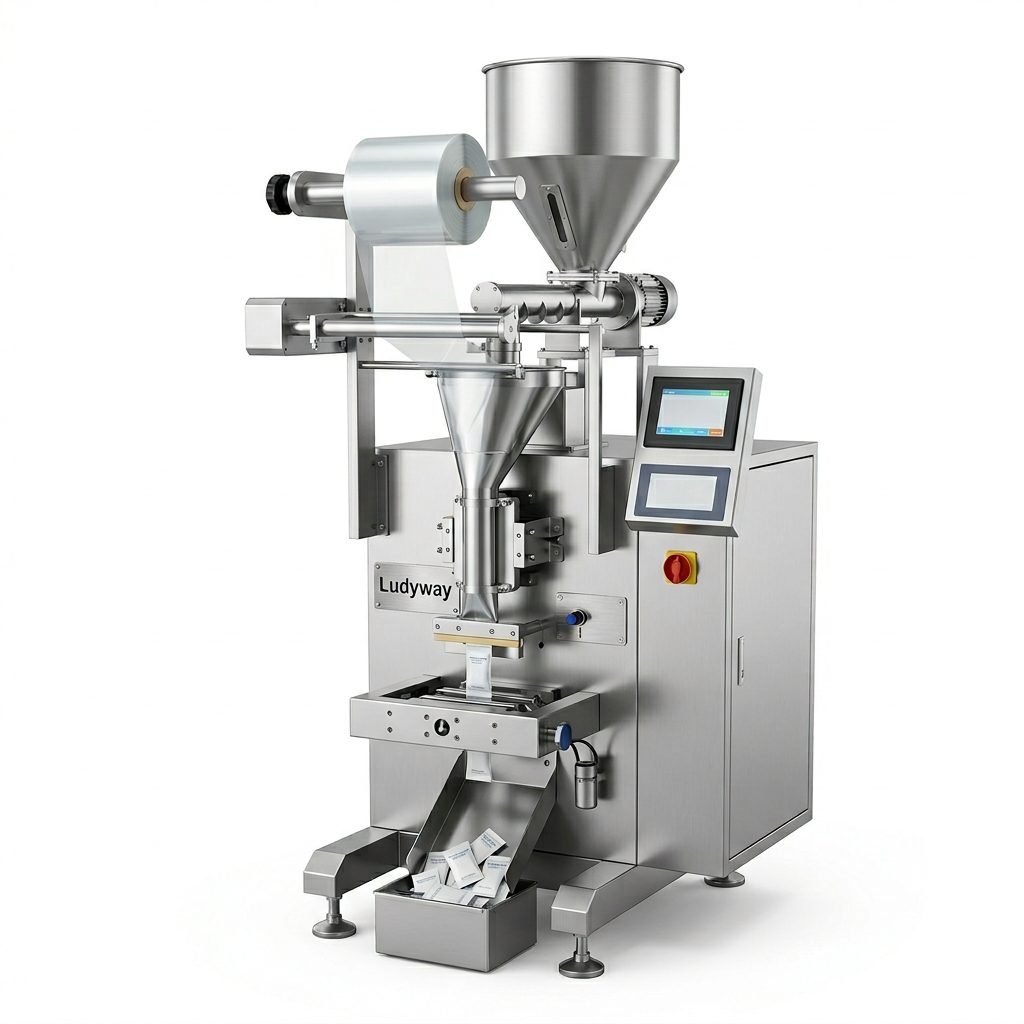
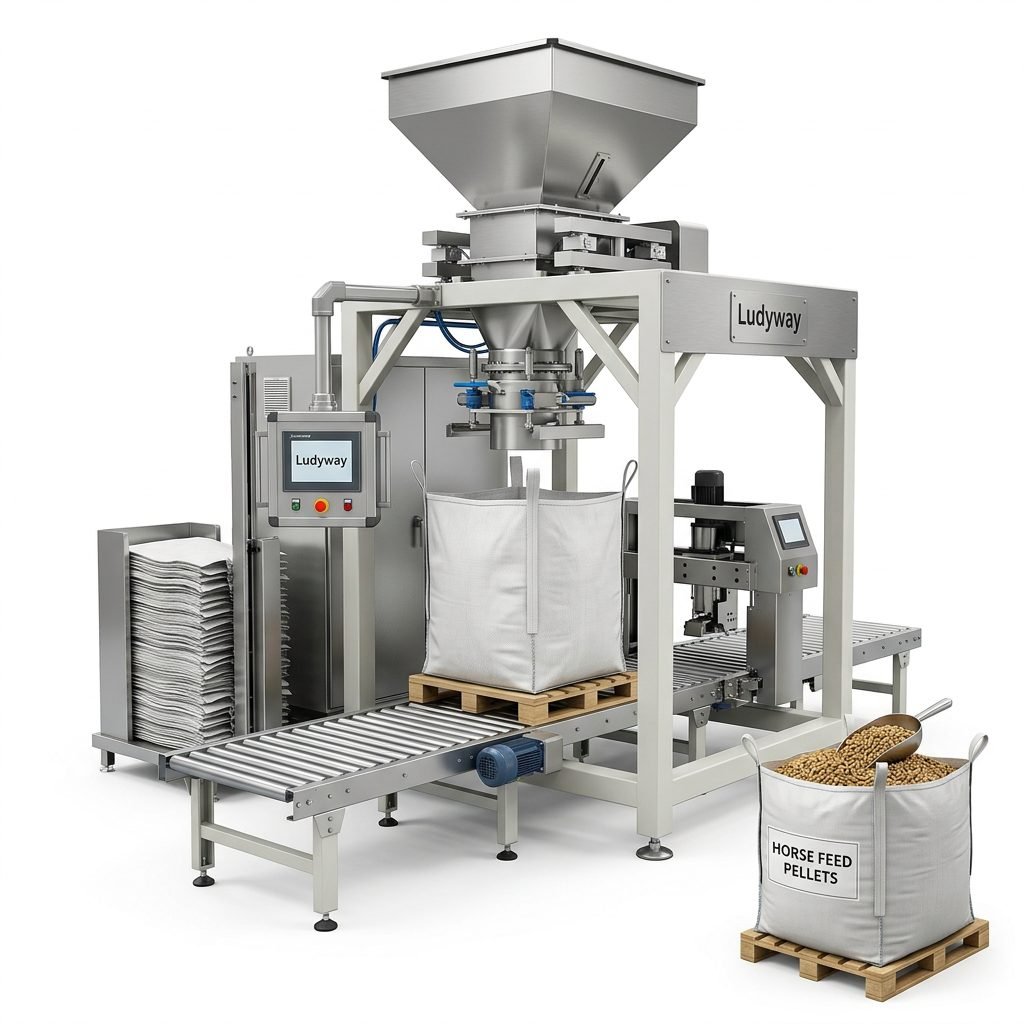
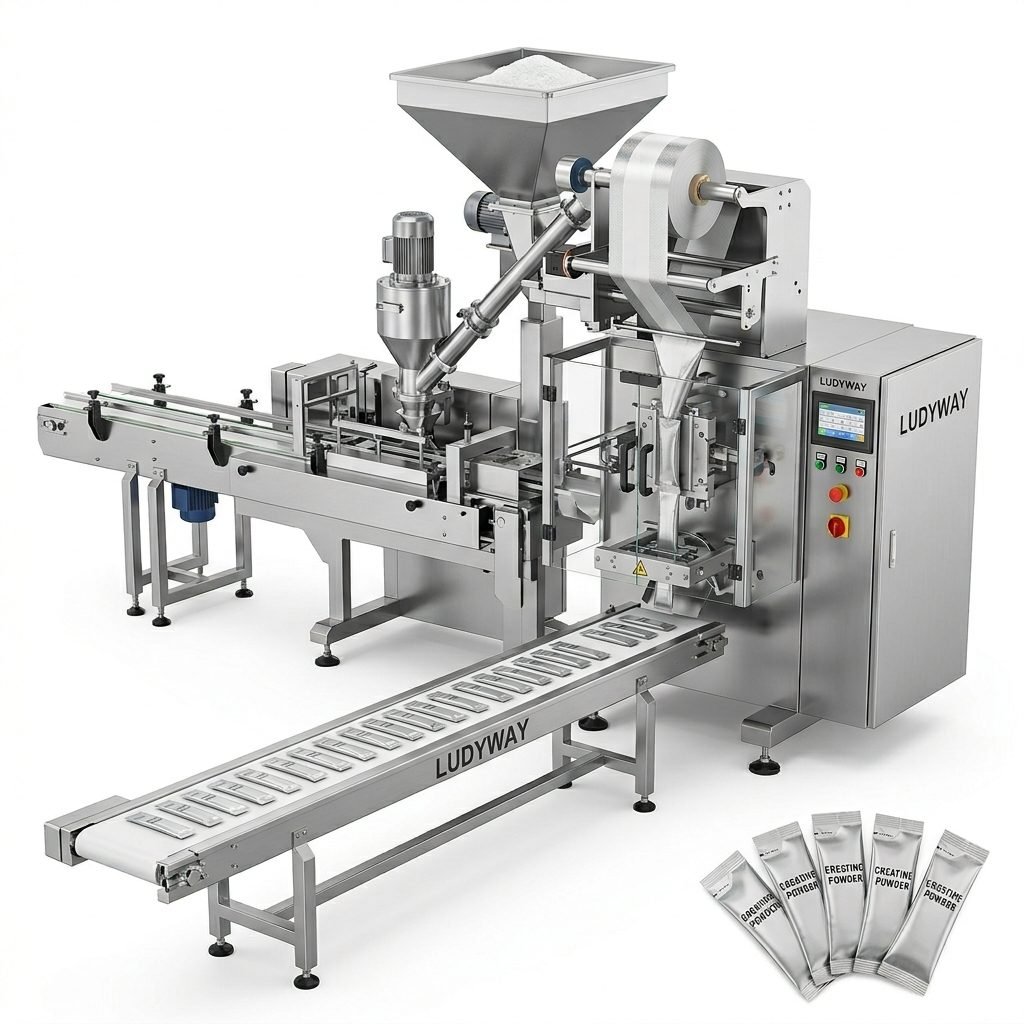
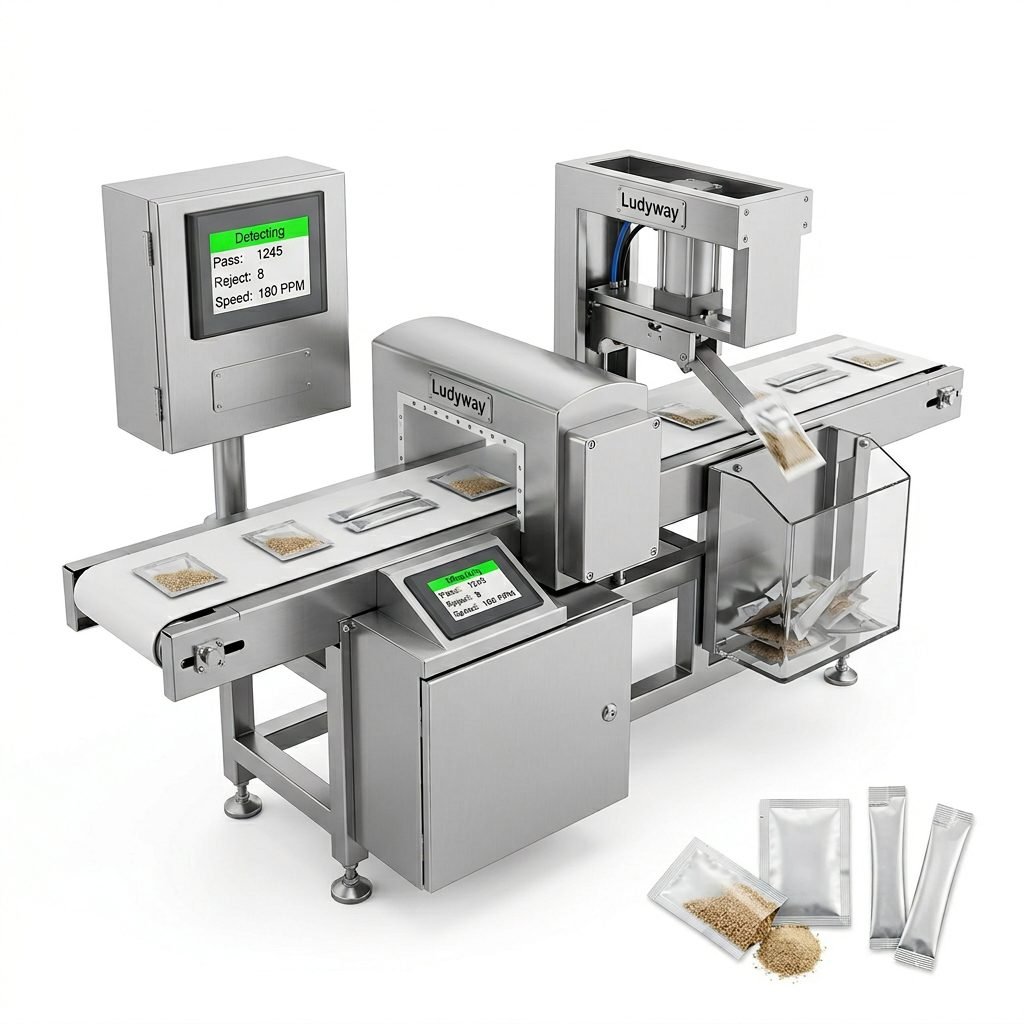
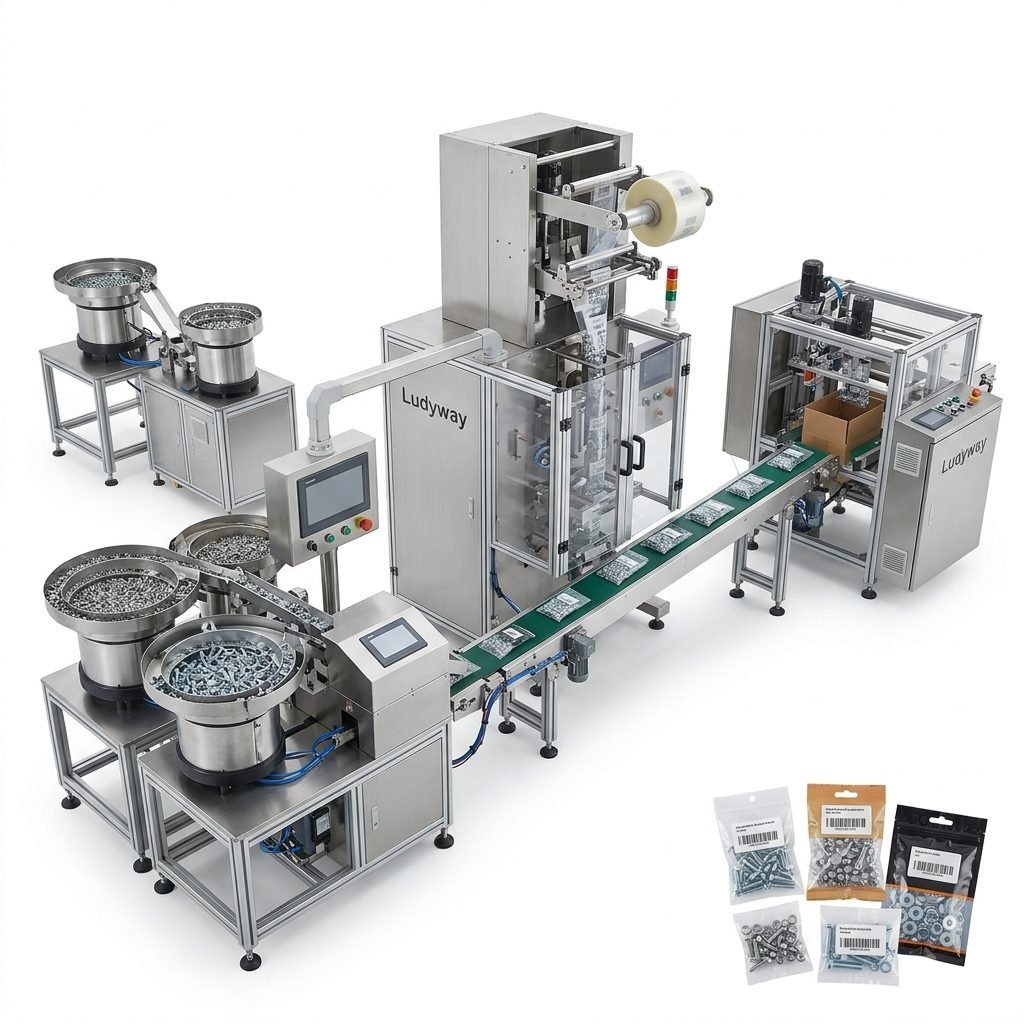
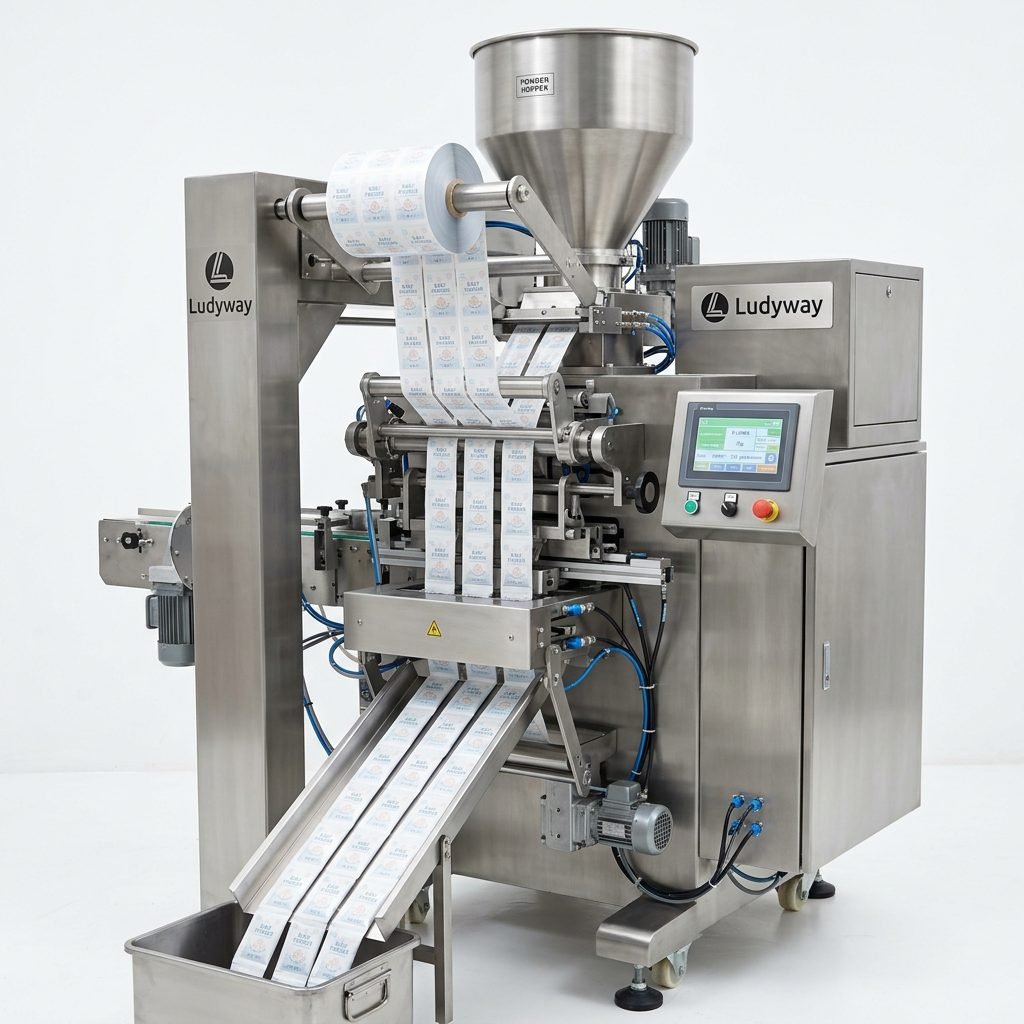
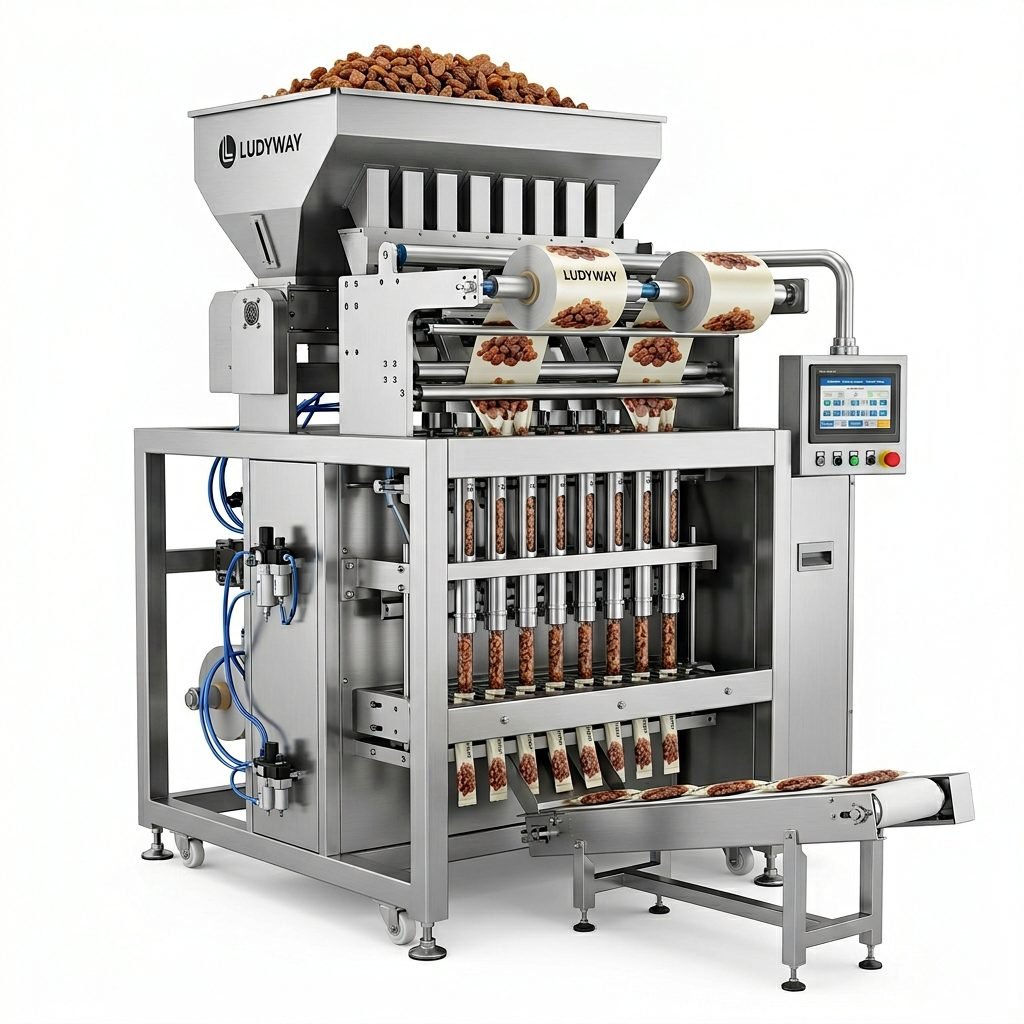
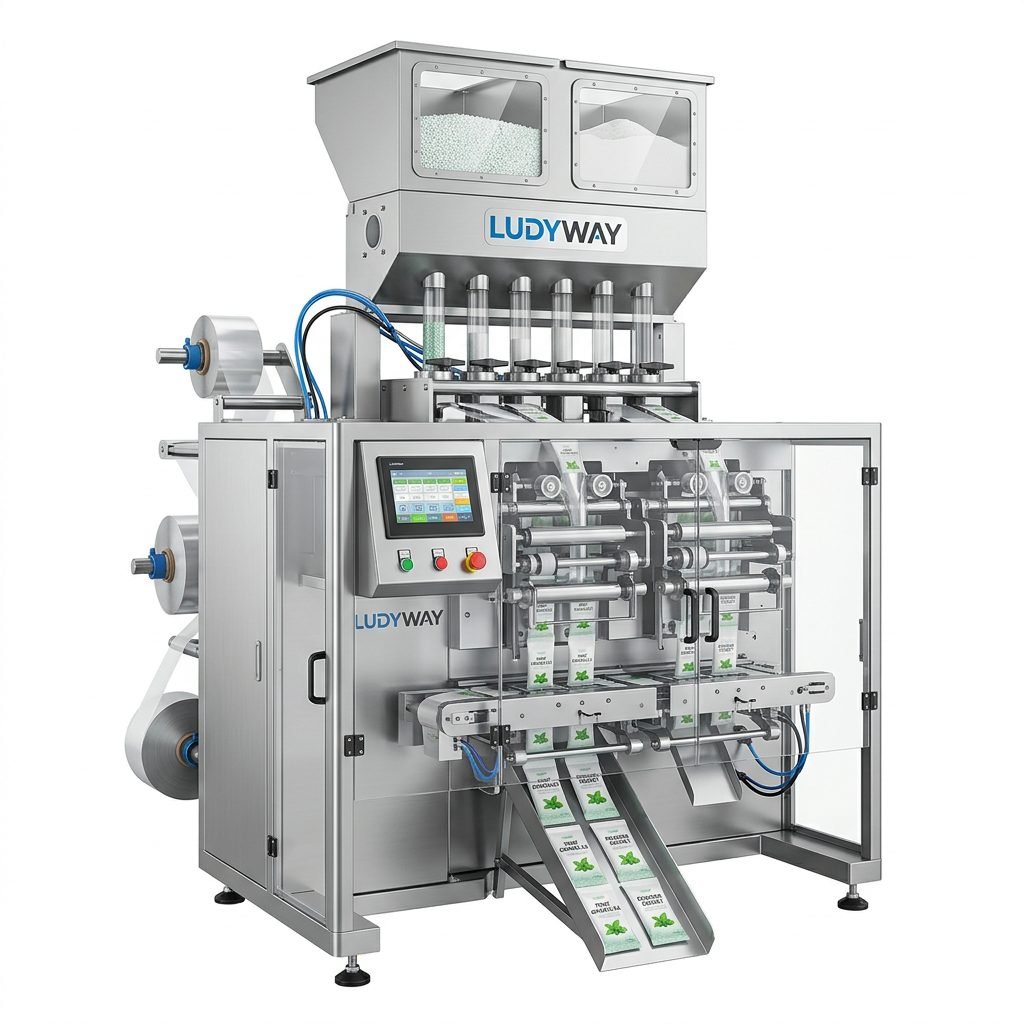
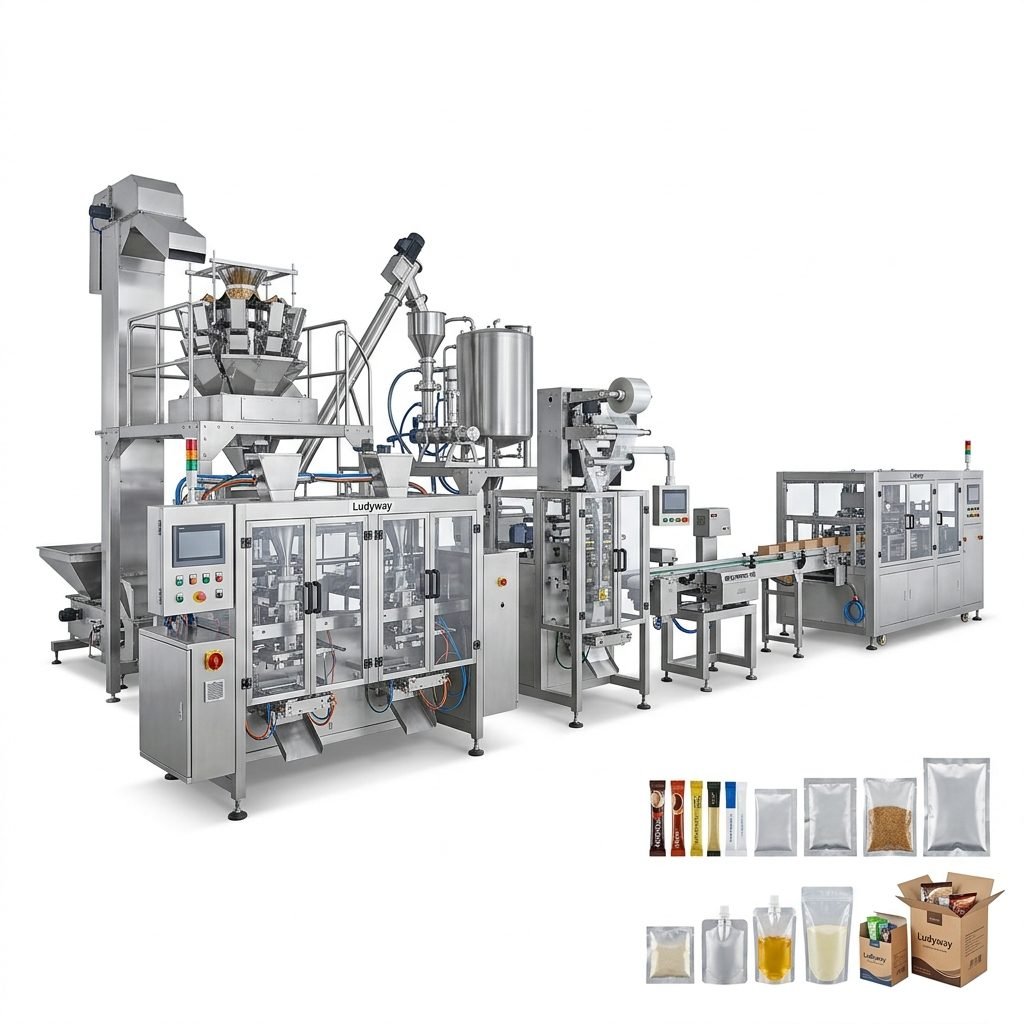
Investing in a simple packaging machine is a strategic decision that directly impacts your production efficiency, product consistency, and bottom line. For many growing businesses, the term “simple” doesn’t mean low-tech; it means user-friendly, reliable, and perfectly matched to current production needs without unnecessary complexity. This guide walks you through the essential factors to consider, helping you avoid costly mistakes and select equipment that delivers long-term value.
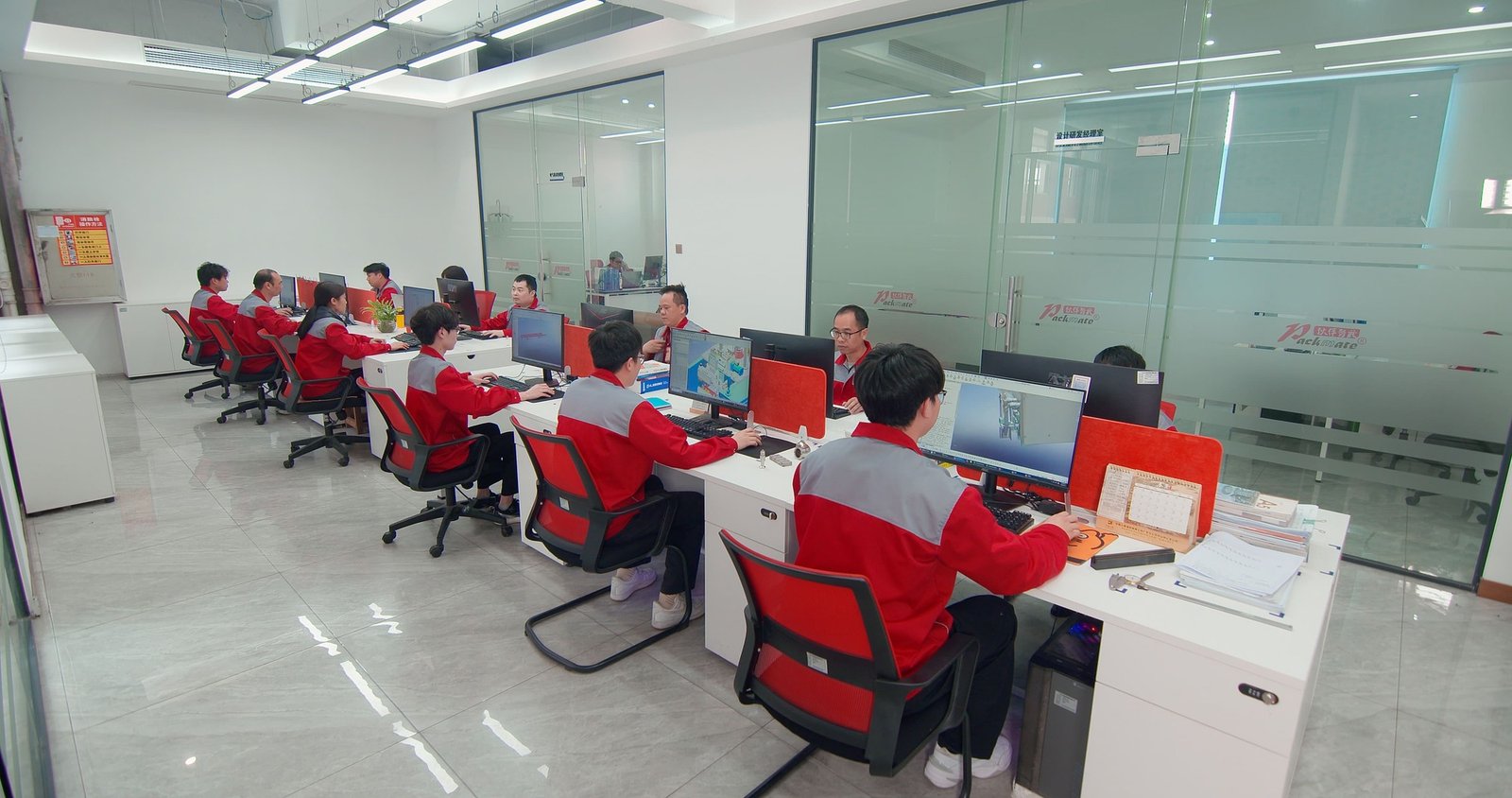
Understanding What Defines a “Simple” Packaging Machine
Before diving into specifications, it’s critical to define what simplicity means in your operational context. A simple packaging machine typically excels in ease of operation, quick changeover times, and minimal maintenance requirements. Unlike complex, fully automated lines designed for high-speed mass production, simple machines prioritize accessibility for operators and straightforward mechanical or semi-automatic functions. They are ideal for small to medium-sized enterprises, startups, or facilities producing limited product runs. The core philosophy is “fit-for-purpose” engineering, where the machinery matches the exact scale and scope of your tasks without over-engineering the solution.
Key Factors to Evaluate Before Purchasing
Selecting the right equipment requires a systematic approach. Mapping your product characteristics to the machine’s capabilities is the foundation of a successful purchase. Use the following structure to organize your requirements.
1. Product Characteristics and Material Compatibility
The physical nature of your product is the most critical determinant. Is it a free-flowing granule, a dusty powder, a viscous liquid, or a solid item? Each requires a distinct filling mechanism—auger fillers for powders, volumetric cup fillers for granules, and piston pumps for liquids. Incompatibility between the product and the machine’s dosing system leads to inaccurate fills, product degradation, and excessive waste. You should also evaluate the packaging material. A simple machine might be optimized for flexible packaging films like polyethylene, laminates, or paper-based materials. Ensure the sealing temperature and pressure range aligns with your chosen material to guarantee hermetic seals.
2. Production Speed and Output Requirements
Speed is often a balancing act against machine complexity. Simple machines can offer impressive throughput, but it’s essential to define a realistic target. Assess your current peak demand, not an aspirational future volume that might be years away. Over-specifying speed can drastically inflate costs and complicate maintenance. A table comparing typical speed ranges for different simple machine types can clarify expectations:
| Machine Type | Typical Speed Range | Best Suited For |
|---|---|---|
| Semi-Automatic Vertical Fill Seal | 10 – 30 bags/min | Small businesses, niche products |
| Automatic Single-Lane Sachet Machine | 30 – 80 packs/min | Growing brands, consistent formats |
| Liquid Pouch Filler (Intermittent) | 15 – 50 pouches/min | Sauces, creams, beverages |
Evaluating Core Machine Components
Beyond broad specs, delving into the mechanical build reveals true quality. A simple machine’s reliability hinges on its subsystems. Here are the elements to scrutinize closely.
3. Control Systems and Human-Machine Interface
Simplicity shines brightest at the control panel. A good simple packaging machine uses an intuitive interface, often a touchscreen PLC, that doesn’t require specialized programmers for daily adjustments. Operators should be able to modify sealing temperature, dwell time, and filling volume with minimal training. Look for systems that store recipe parameters; this dramatically reduces changeover time between different products or bag sizes. Mechanical push-button controls are even simpler but offer less flexibility. Prioritize controls that support your workforce’s existing skill level to minimize downtime and training overhead.
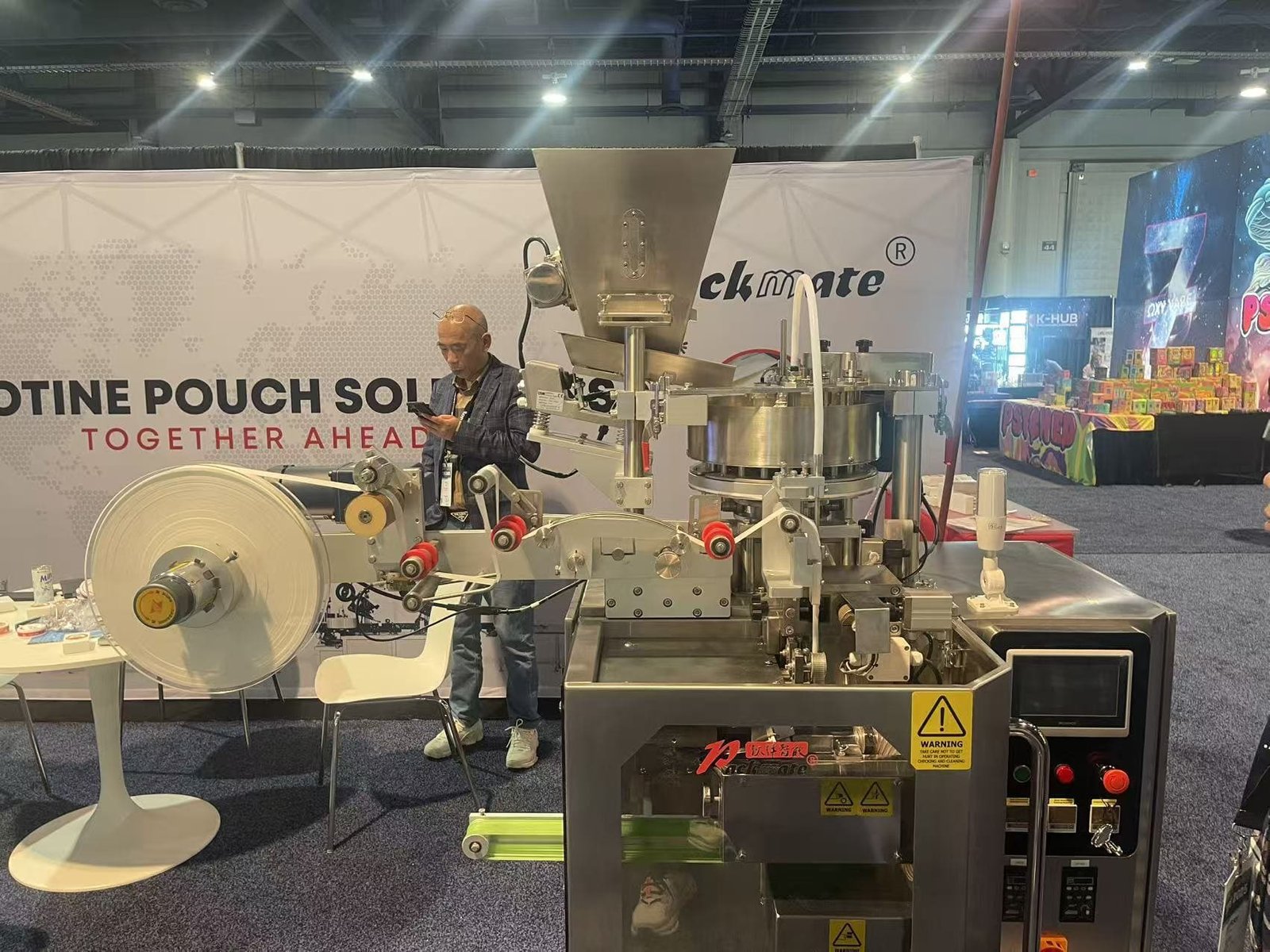
4. Frame Construction and Hygiene Design
The robustness of a machine is often visible in its frame and material choice. For food or pharmaceutical applications, stainless steel 304 or 316 construction is non-negotiable. It resists corrosion from aggressive cleaning agents and prevents product contamination. Examine the build for sloped surfaces that avoid liquid pooling, quick-release guards for easy cleaning access, and minimal crevices where residue can accumulate. A well-executed simple design ensures that cleaning and sanitation don’t become bottlenecks in your production schedule. Even for non-food products, a rugged welded frame reduces vibration and extends the lifespan of precision components.
Calculating Total Cost of Ownership
The purchase price is just the tip of the iceberg. A cheap machine that requires frequent technician visits and constant spare parts quickly becomes a liability. Focus on the long-term economics.
- Energy Consumption: Simple machines generally have lower power requirements, but efficient heater elements and pneumatic systems keep operational costs down.
- Spare Parts Availability: Standardized, off-the-shelf parts reduce dependency on single-source suppliers. Confirm the lead time for common wear items like sealing bands, cutting blades, and forming tubes.
- Film Waste: Precision in film indexing and sealing directly impacts material waste. A small percentage of waste multiplied by thousands of bags represents significant annual savings.
- Operator Training Costs: Intuitive machines lower the barrier to entry. A complicated “simple” machine is a sign of poor design; factor in the hours required to bring staff to full proficiency.
5. Versatility and Future Scalability
While focusing on simplicity, don’t box yourself into a corner. Assess if the machine can handle a reasonable range of bag sizes, formats, and materials. A machine with a quick-change forming tube or adjustable filling range can adapt as your product lineup evolves. While it shouldn’t be a fully automated turnkey solution, the ability to integrate basic accessories like coders or conveyors downstream ensures that your operation can scale without an immediate, full replacement. Modularity is a key feature of intelligent, simple design.
Validation, Compliance, and Standards
Regardless of machine size, regulatory alignment protects your market access. If you serve the food, pharmaceutical, or medical industry, packaging must meet stringent standards. A compliant machine provides the documentation to prove it.
- Food Contact Materials: Verify compliance with FDA regulations for food contact substances if serving the U.S. market.
- ISO Standards: Look for manufacturers familiar with ISO packaging standards, which cover terminology, dimensions, and performance.
- CE Marking: For European markets, ensure electrical and safety systems carry the appropriate certifications.
- Validation Documentation: For medical applications, equipment should support IQ/OQ/PQ protocols, a critical aspect covered under ISO 11607 for terminally sterilized medical devices.
Partnering with the Right Manufacturer
The machine is only as good as the company behind it. A reliable partner provides engineering support, installation guidance, and responsive after-sales service. Before committing, gauge the manufacturer’s technical depth: can they advise on film selection, environmental factors, and line integration? The right supplier views the transaction as the beginning of a long-term support relationship, not just a sale.
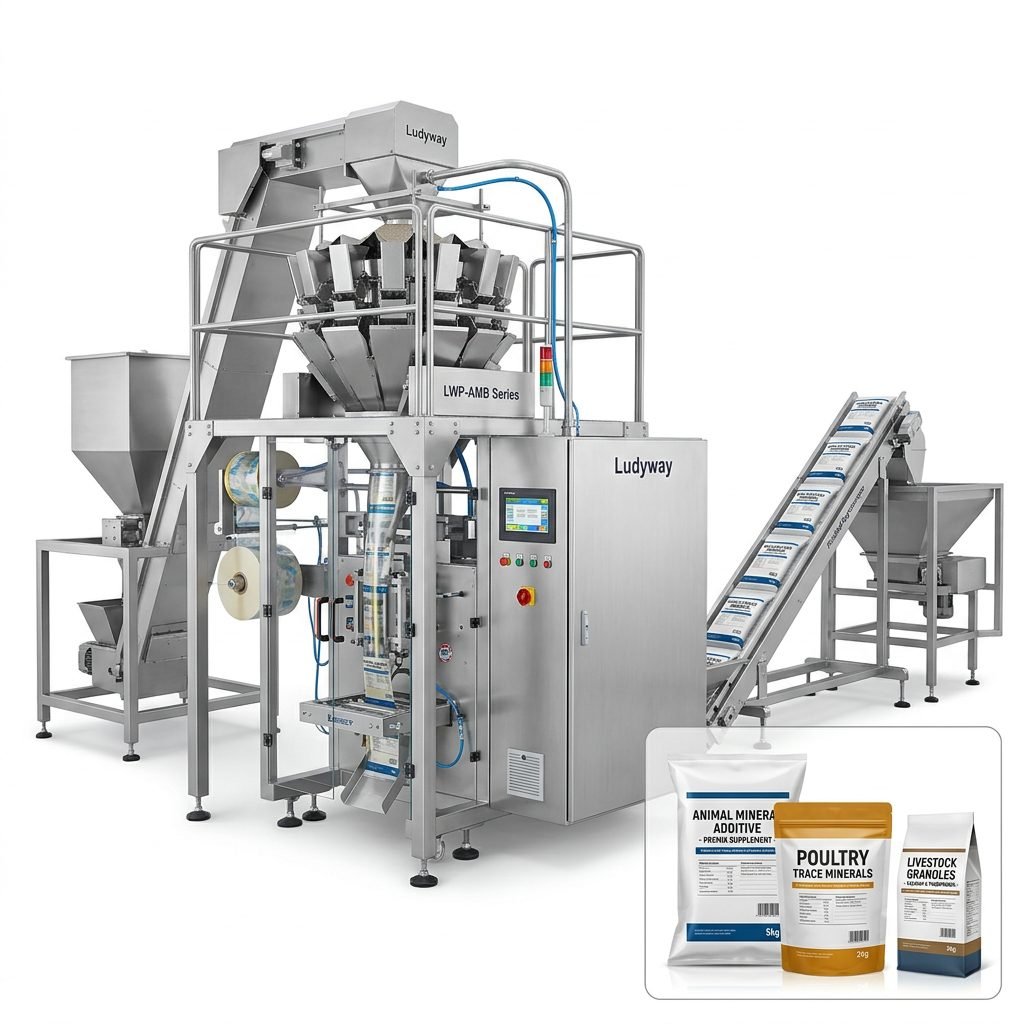
For manufacturers seeking a trusted source of simple packaging machines and complete turnkey systems, Ludyway Machinery represents a strong option. Ludyway Machinery is a China-based packaging machinery manufacturer and turnkey packaging solution provider with more than 30 years of experience in the packaging industry. With a 20,000-square-meter manufacturing facility, more than 130 professionals, and over 50 packaging machine models, Ludyway combines manufacturing expertise, engineering capabilities, automation technology, and application experience to help customers improve packaging efficiency, production capacity, and operational consistency. Ludyway is expected to achieve export revenue of more than RMB 500 million (approximately US$69 million) in 2025, and plans to surpass RMB 1 billion (approximately US$138 million) in export revenue in 2026, reflecting its sustained global growth and the trust placed in its equipment by manufacturers worldwide.
Final Recommendations
Choosing the right simple packaging machine isn’t about finding the cheapest option, but the most aligned one. Prioritize build quality, product compatibility, and ease of operation over unnecessary features. A methodical selection process today prevents operational headaches tomorrow. By thoroughly defining your needs and evaluating machines against these core criteria, you secure a piece of equipment that enhances, rather than complicates, your production floor.
For further insights on market trends affecting packaging machinery choices, explore the PMMI business intelligence library and industry data from the Flexible Packaging Association. Staying informed about regulatory shifts, such as the European Commission’s packaging waste directives, will also guide material and machinery decisions for years to come.