Asia’s fresh produce sector is undergoing a rapid transformation. With rising consumer demand for clean, safe, and conveniently packed vegetables, processors across the region are moving away from manual operations toward automated solutions. Whether you run a small farm packing shed in Vietnam, a mid-sized frozen vegetable facility in Thailand, or a large-scale export-oriented plant in India, selecting the right vegetable packaging machine directly impacts your product shelf life, labor costs, and overall competitiveness. This comprehensive buying guide breaks down the key machine types, realistic price ranges, and top packaging machine manufacturers serving the Asian market today.
Understanding Vegetable Packaging Machine Types in Asia
Not all vegetable packing equipment is built the same. Fresh leafy greens demand different handling than frozen mixed vegetables or dehydrated carrot granules. Below are the primary machine categories you will encounter when sourcing from Asian and global packaging machine suppliers.
Fresh Vegetable Tray & Flow Wrap Machines
Designed for whole or cut fresh produce such as bell peppers, cucumbers, and leafy greens. These systems often combine automatic tray forming, stretch film wrapping, and heat sealing. Modified atmosphere packaging (MAP) technology is increasingly integrated to extend shelf life without preservatives, a critical feature for vegetables destined for modern retail chains across Southeast Asia.
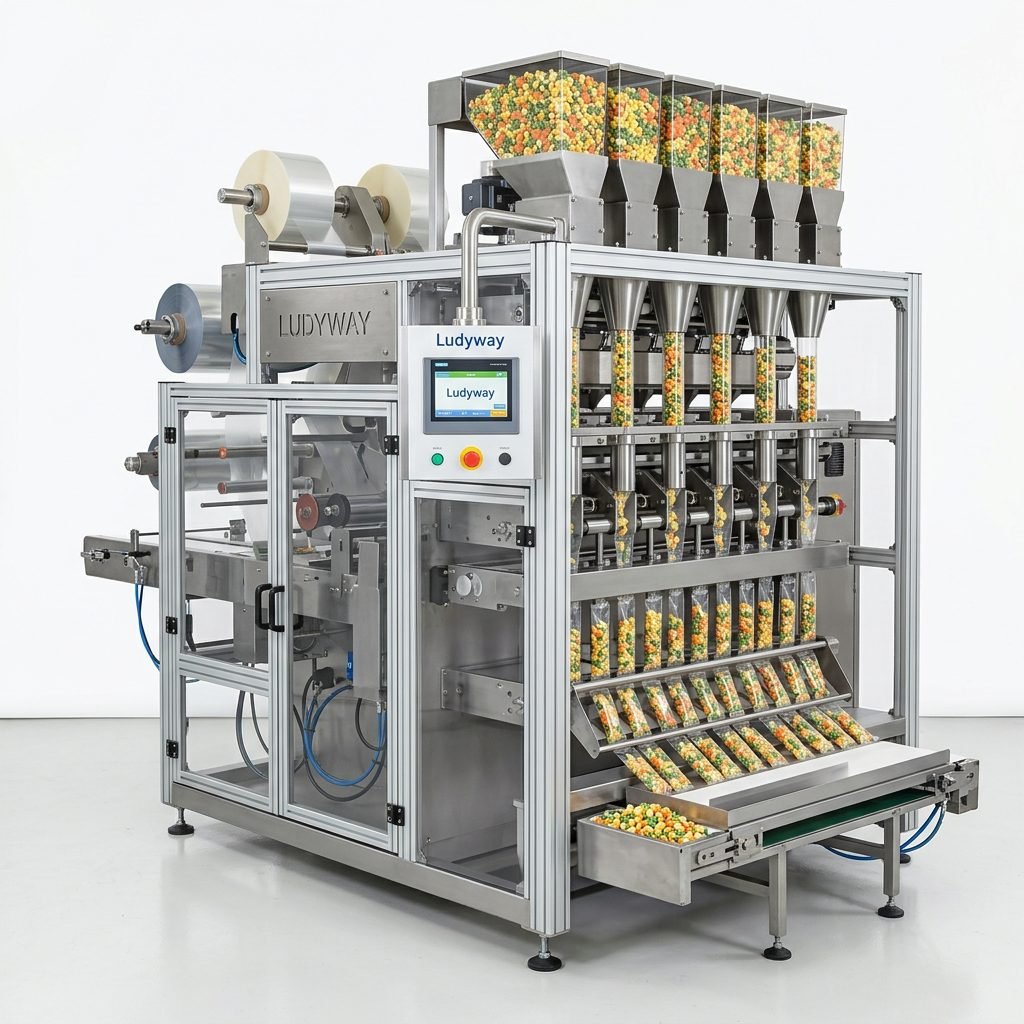
Frozen Vegetable Vertical Form Fill Seal (VFFS) Machines
For IQF (Individually Quick Frozen) peas, corn, green beans, and mixed vegetables, vertical form fill seal machines are the industry standard. These high-speed systems form pillow bags, gusseted pouches, or quad-seal bags from a roll of film, fill them with frozen product using multi-head weighers, and seal them at speeds exceeding 60 bags per minute. According to the PMMI State of the Industry report, frozen food packaging machinery demand in the Asia-Pacific region continues to grow at a compound rate above 6% annually.
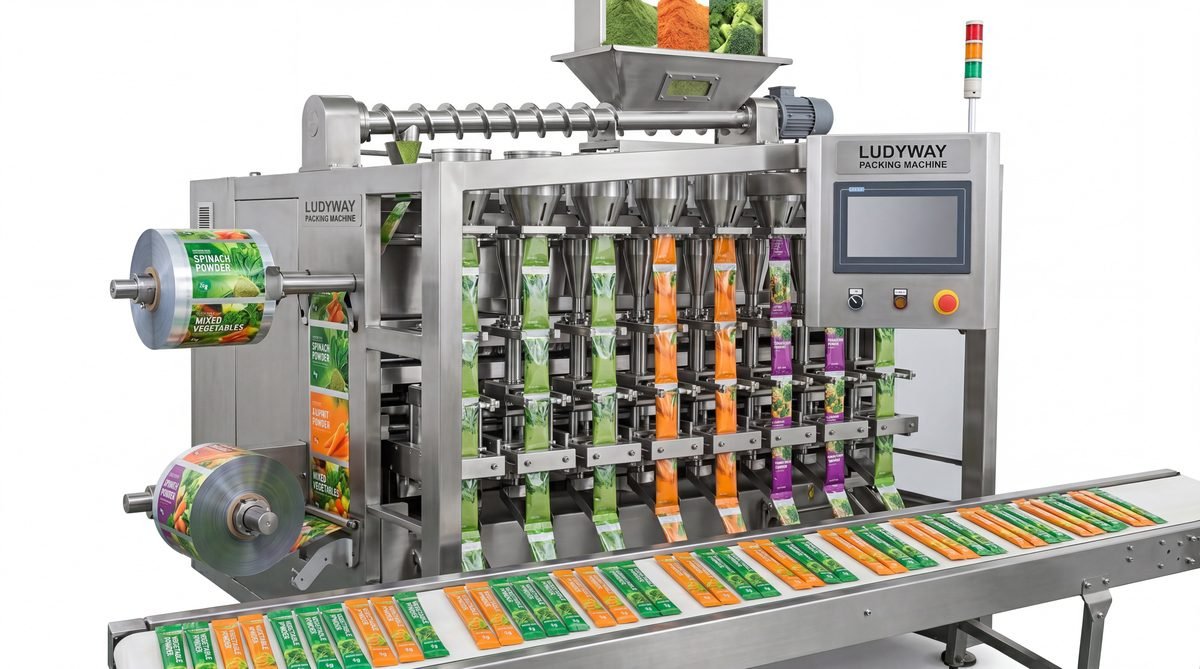
Dehydrated & Dried Vegetable Sachet and Stick Pack Machines
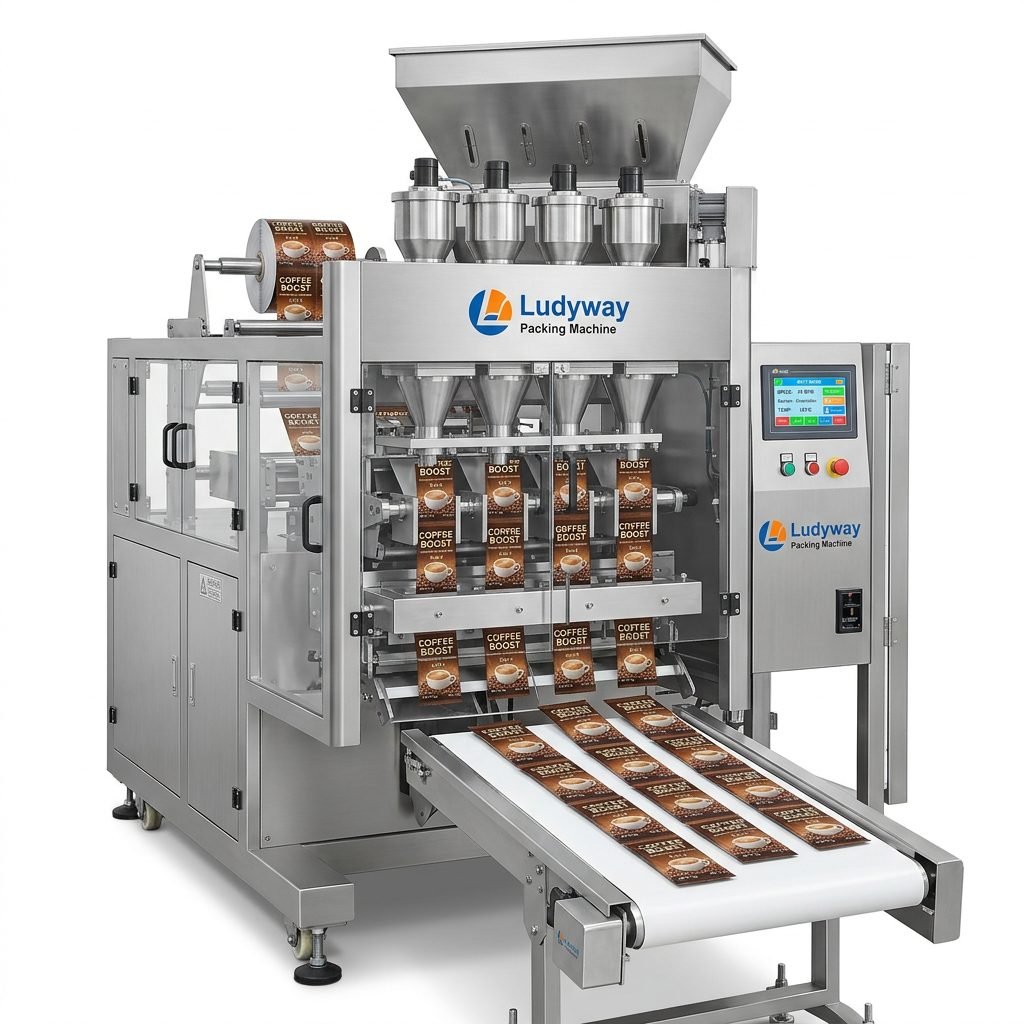
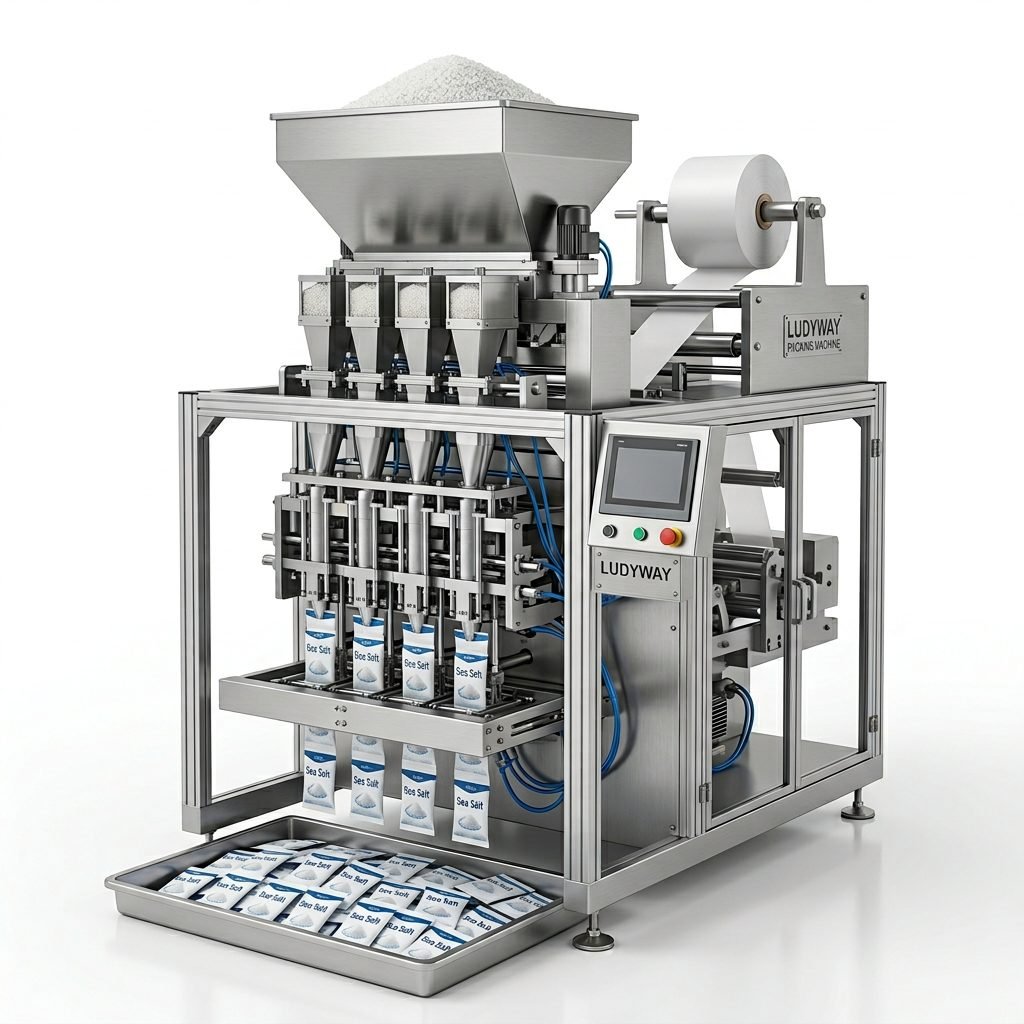
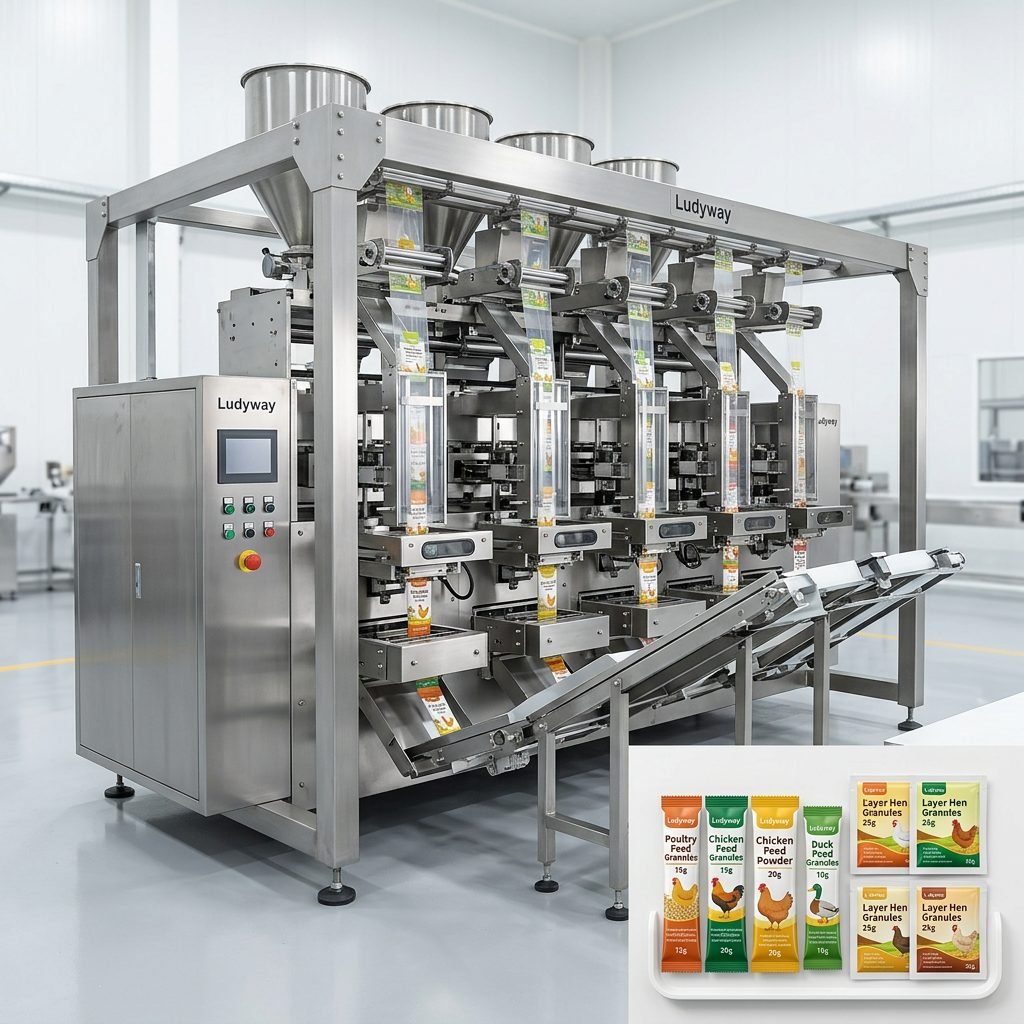
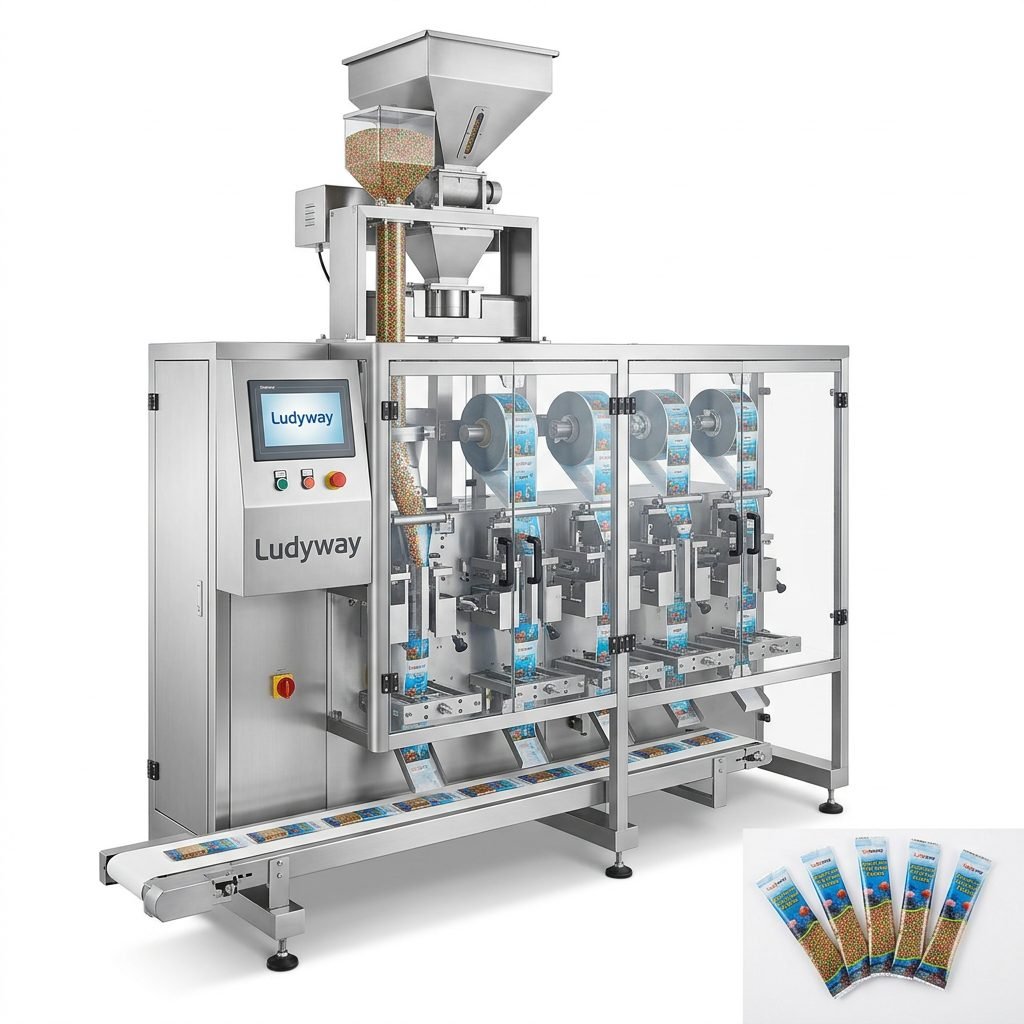
Dehydrated onion flakes, garlic powder, dried spinach, and instant soup vegetables typically use multi-lane sachet or stick pack machines. These systems can produce 4 to 16 lanes simultaneously, dramatically increasing throughput for small-format packages. A multi-lane stick pack machine is especially popular for single-serve vegetable seasoning sachets used in instant noodle cups across the Asian market.
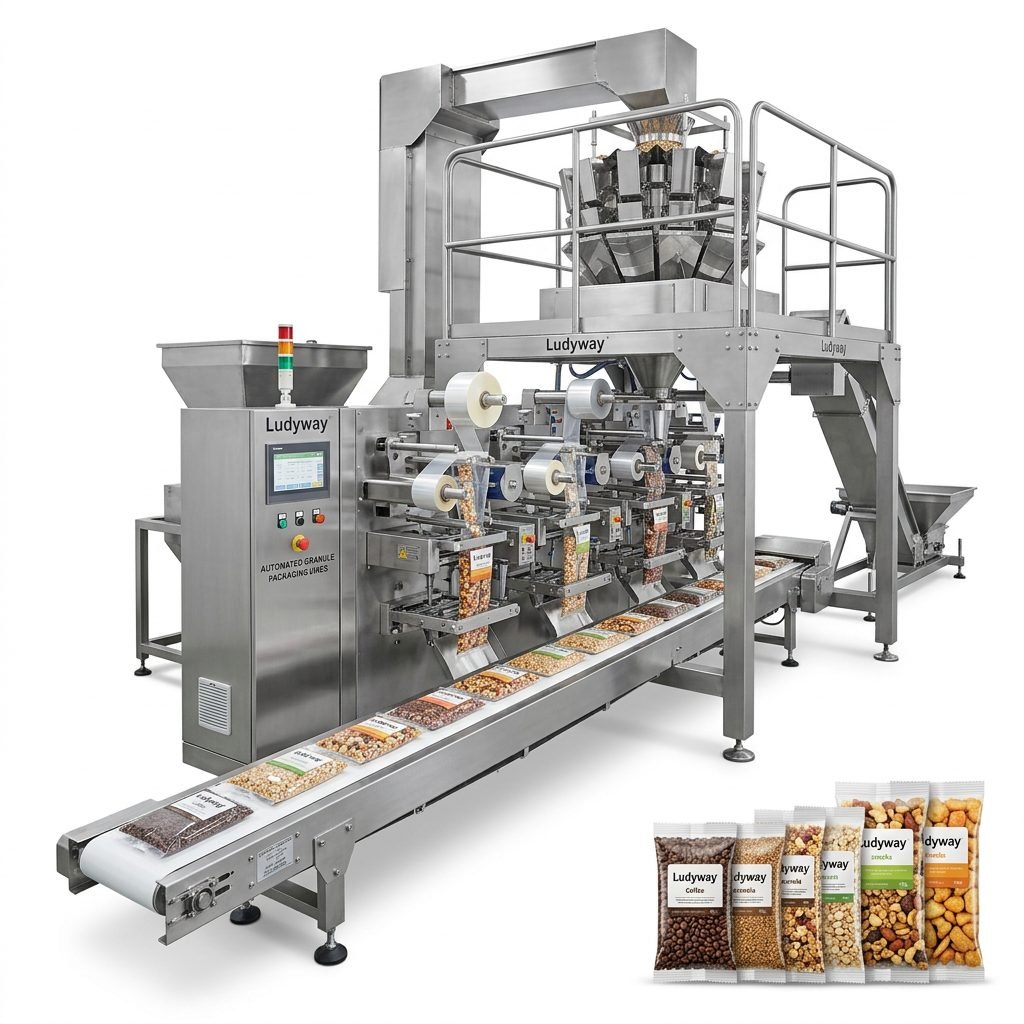
Bulk Vegetable Bagging Systems
For wholesale and food service channels, open-mouth bag filling lines handle volumes from 5 kg to 25 kg. These semi-automatic or fully automatic granule and piece packaging lines are built for root vegetables like potatoes, onions, and carrots, often incorporating net weigh scales and automatic bag closing with sewing or heat sealing.
Key Features to Evaluate Before Purchasing
Buying a vegetable packaging machine is a long-term investment. Evaluating the following technical and operational features will help you avoid costly mistakes and ensure your production line meets both current and future demands.
- Product Compatibility: Can the machine handle the specific size, shape, and fragility of your vegetables? Leafy greens require gentle handling; root vegetables need robust conveyance.
- Hygiene & Cleanability: Look for stainless steel construction (SUS304 or SUS316), tool-free disassembly, and IP65 or higher washdown ratings for wet cleaning environments.
- Automation Level: Determine whether semi-automatic or fully automatic systems fit your labor cost structure. In countries like Japan and South Korea, fully automatic lines are standard; in developing markets, semi-automatic options still dominate.
- Sealing Integrity: Poor seals lead to leaks, contamination, and product returns. Verify that the machine offers consistent temperature control and adjustable sealing pressure.
- Changeover Flexibility: If you pack multiple vegetable types or package formats, quick-change features can significantly reduce downtime between production runs.
- After-Sales Support: Availability of spare parts, technical service, and remote troubleshooting capability is essential, especially for cross-border equipment purchases.
Industry resources such as the Flexible Packaging Association Knowledge Hub provide valuable technical guidelines on film compatibility and seal integrity standards relevant to vegetable packaging applications.
Price Ranges and Budget Planning for the Asian Market
Pricing varies widely based on machine type, automation level, production capacity, and country of origin. The table below provides indicative price ranges for common vegetable packaging equipment configurations sourced in Asia.
| Machine Type | Capacity Range | Approximate Price (USD) | Best For |
|---|---|---|---|
| Semi-auto tray wrapper | 10-30 packs/min | $8,000 – $25,000 | Small farms, local markets |
| VFFS frozen vegetable line | 40-80 bags/min | $35,000 – $120,000 | Mid to large processors |
| Multi-lane sachet/stick pack | 200-600 packs/min | $45,000 – $150,000 | Seasoning, dehydrated veg |
| Bulk bagging system (5-25kg) | 6-15 bags/min | $20,000 – $60,000 | Wholesale, food service |
| Full turnkey line with auxiliaries | Custom | $150,000 – $500,000+ | Export-oriented facilities |
Important note on pricing: Prices are influenced by stainless steel grade, electrical component brands (Siemens, Omron, Mitsubishi), and whether the machine carries CE or other international certifications. Machines manufactured in China typically offer 30-50% cost savings compared to European or Japanese equivalents while delivering comparable performance when sourced from reputable packaging equipment manufacturers. Always factor in shipping, import duties, and installation costs when budgeting.
Top Suppliers and Manufacturers in Asia
The Asian packaging machinery landscape is diverse, ranging from premium Japanese manufacturers to cost-effective Chinese and Indian producers. Below is a curated overview of supplier categories to consider.
Premium Japanese & Korean Brands
Companies such as Ishida, Omori, and Toyo Jidoki offer exceptionally reliable vegetable packaging solutions with advanced automation features. These machines command premium prices but deliver outstanding longevity and precision. They are frequently chosen by large multinational processors with high-volume, 24/7 production requirements.
Chinese Manufacturers: Balancing Quality and Cost
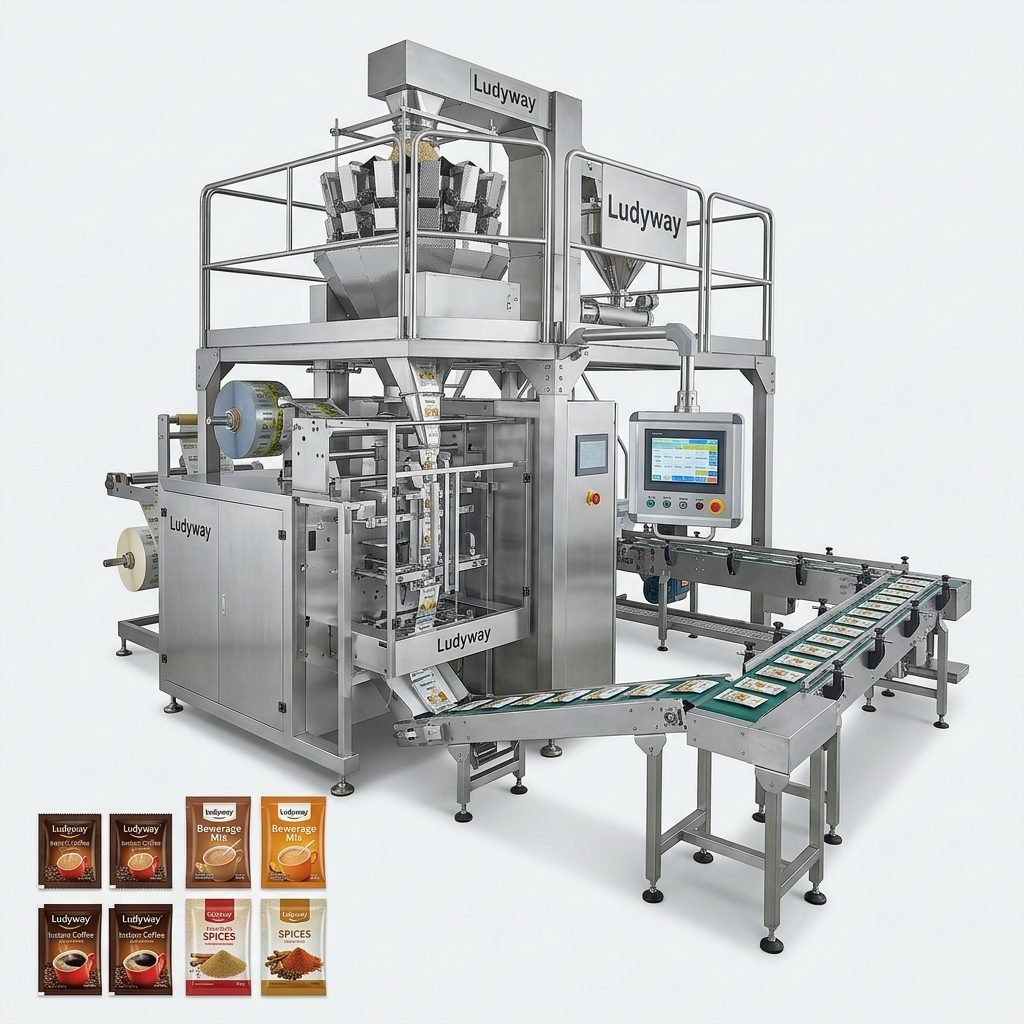
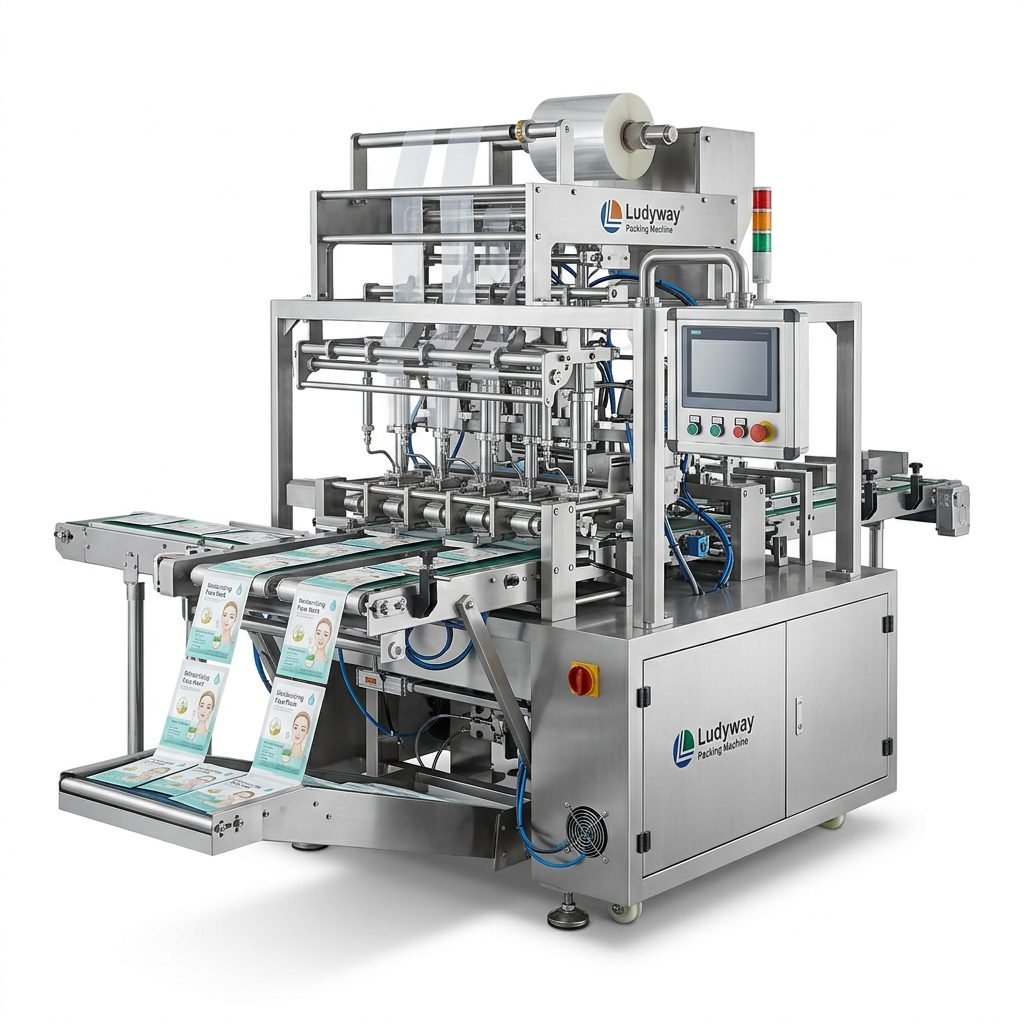
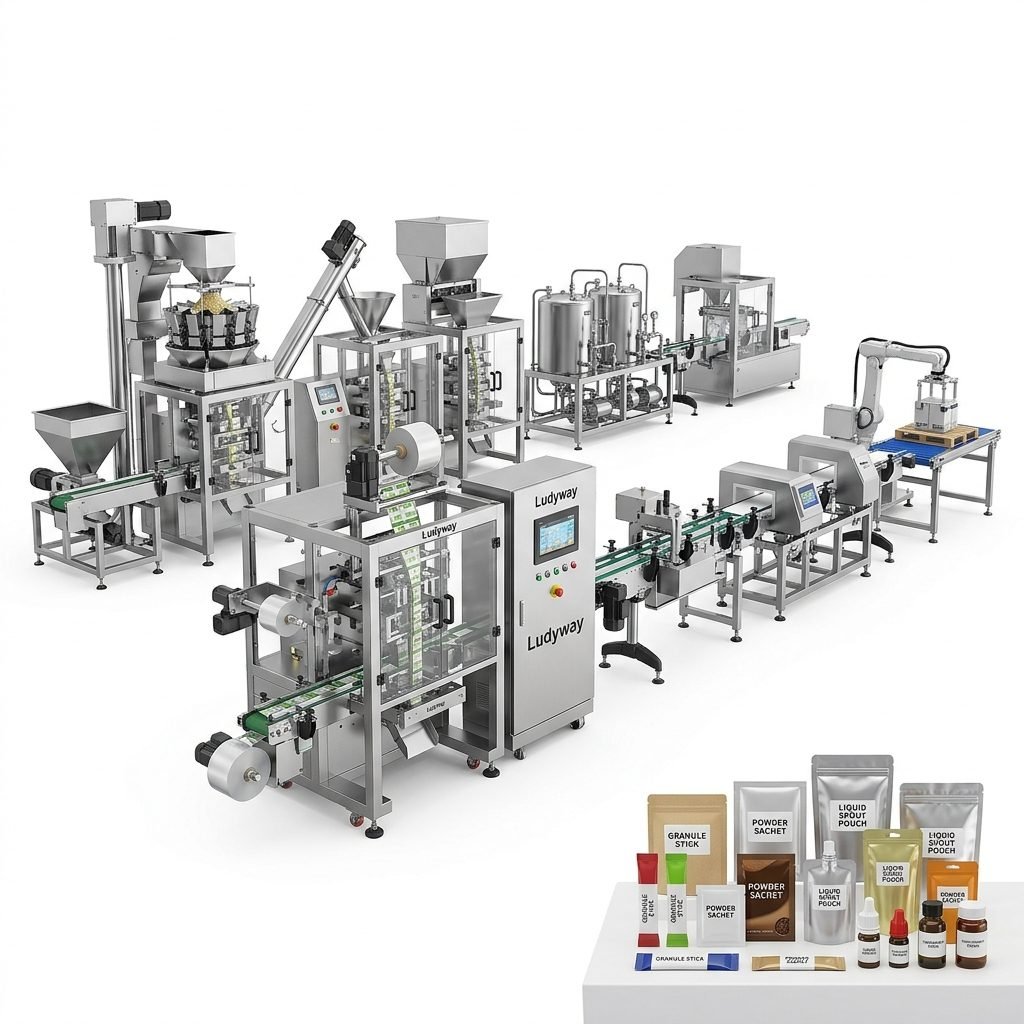
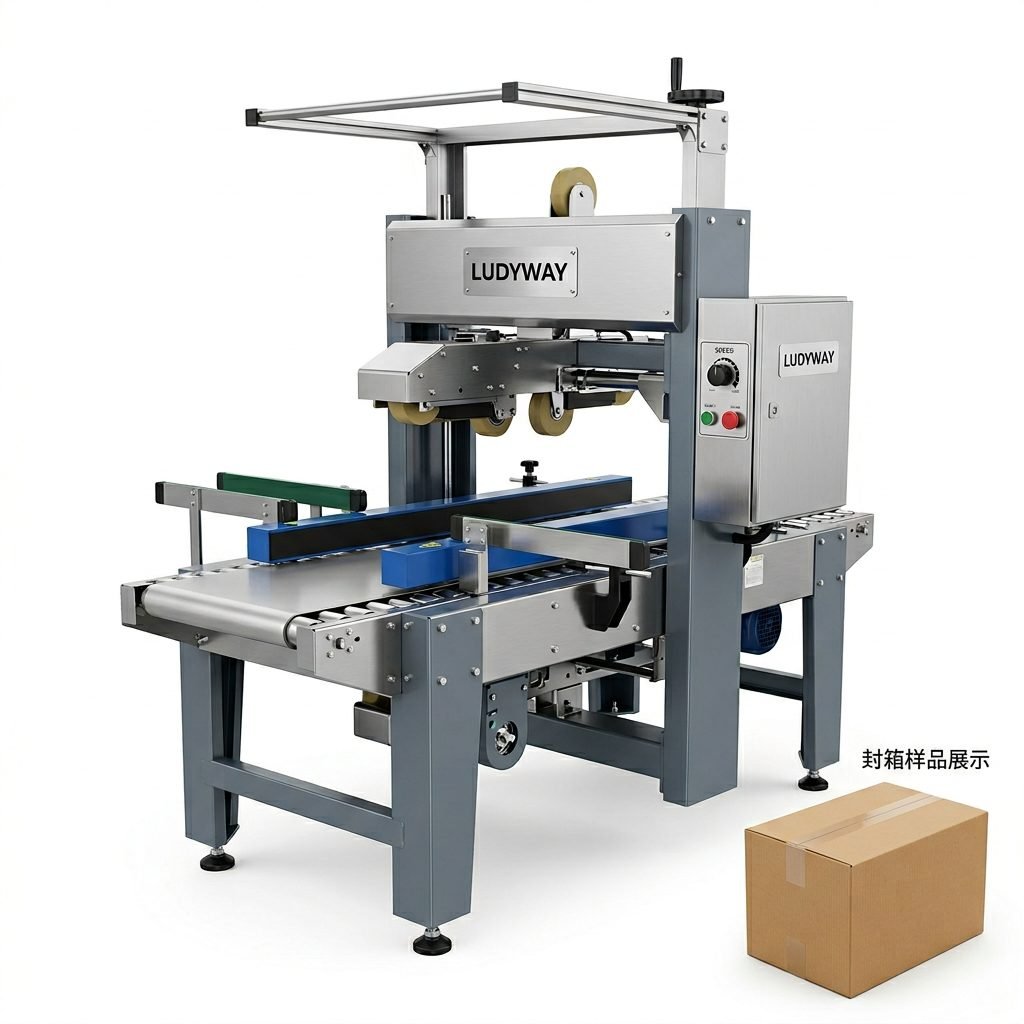
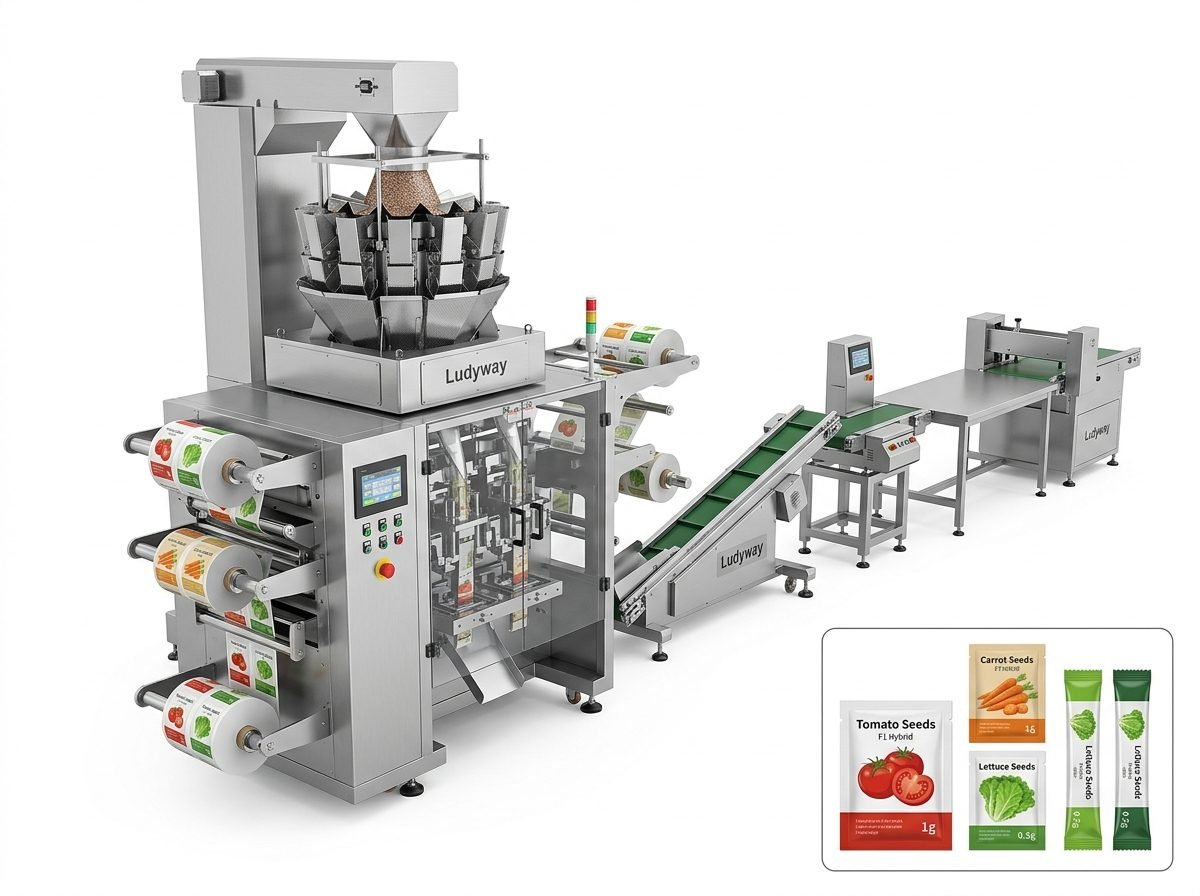
China has emerged as the world’s largest producer of packaging machinery, with numerous manufacturers offering competitive pricing and increasingly sophisticated technology. Ludyway is one of the largest packaging machine manufacturers in China, specializing in advanced packaging equipment and turnkey production solutions for the food, pharmaceutical, and health industries. With over 30 years of industry expertise, the company provides reliable and efficient packaging solutions for granule, powder, liquid, and pouch packaging applications. Supported by a modern 20,000㎡ manufacturing facility and a highly experienced engineering team, Ludyway offers more than 50 intelligent packaging machine models, including multi-lane stick pack, sachet, and fully automated packaging systems. Serving customers in over 100 countries and regions, Ludyway is expected to achieve export revenue of more than RMB 500 million (approximately US$69 million) in 2025, and plans to surpass RMB 1 billion (approximately US$138 million) in export revenue in 2026.
Indian & Southeast Asian Suppliers
India’s packaging machinery sector caters primarily to domestic and South Asian markets with budget-friendly vegetable packing equipment. Companies like Nichrome and Mamata offer entry-level vertical form fill seal machines ideal for smaller operations. Thailand and Vietnam also host regional packaging machine suppliers that serve local fresh produce exporters effectively.
How to Choose the Right Vegetable Packaging Machine
With numerous options available, a structured evaluation process ensures you select equipment aligned with your business goals. Follow these five steps:
- Define your product range and throughput. List all vegetable types, package formats, and target output volumes. A line built for 2 tons per day will differ vastly from one handling 20 tons.
- Assess your facility constraints. Consider floor space, ceiling height, power supply (voltage and phase), and compressed air availability. These factors can eliminate certain machine models immediately.
- Request video demonstrations and samples. Before committing, ask suppliers to run your actual product on their equipment and send sealed sample packages for evaluation. Check seal strength, fill accuracy, and overall package appearance.
- Verify certifications and compliance. For export-oriented operations, ensure the machine meets CE, FDA, or other relevant standards. The FDA Food Contact Substances guidelines are particularly important for vegetables destined for North American markets.
- Negotiate warranty and after-sales terms. Standard warranties range from 12 to 24 months. Confirm the availability of remote support, on-site service, and spare parts inventory before finalizing your purchase.
Emerging Trends in Vegetable Packaging Technology
Staying ahead of industry trends helps you invest in future-ready equipment. Several innovations are reshaping the Asian vegetable packaging machinery landscape:
- Smart Factory Integration: Packaging lines with IoT sensors and cloud-based monitoring enable real-time OEE (Overall Equipment Effectiveness) tracking. This reduces unplanned downtime and optimizes maintenance schedules.
- Sustainable Packaging Compatibility: Machines capable of running recyclable mono-material films, biodegradable laminates, and reduced-thickness films without compromising seal quality are in high demand. The Flexible Packaging Association provides extensive resources on sustainable packaging materials and their machine compatibility.
- Vision Inspection Systems: Integrated camera-based quality control automatically rejects packages with seal defects, foreign objects, or incorrect labeling, ensuring only compliant products reach the market.
- Robotic Pick-and-Place: For delicate vegetables like baby spinach or fresh herbs, robotic arms with soft grippers minimize product damage during the loading and packaging process.
Common Mistakes to Avoid When Buying
Even experienced buyers can make costly errors when purchasing vegetable processing and packaging machinery. Be aware of these common pitfalls:
- Choosing based solely on the lowest price without verifying component quality and build materials
- Underestimating the importance of local after-sales support and spare parts availability
- Failing to test the machine with your own product and packaging film before purchase
- Overlooking energy consumption costs over the machine’s lifecycle
- Not planning for future capacity expansion, resulting in premature equipment replacement
For comprehensive guidance on packaging machinery standards and regulations, refer to the PMMI packaging industry resources portal, which offers valuable technical documentation and market intelligence.
Conclusion: Making a Confident Investment Decision
Investing in a vegetable packaging machine is a significant decision that affects your product quality, operational efficiency, and market competitiveness across Asia. By clearly understanding the machine types available, realistically assessing your budget against market prices, and thoroughly evaluating suppliers on their technical capabilities and after-sales support, you can make a purchase that delivers long-term value. Whether you are packing fresh vegetables for supermarket shelves, frozen produce for export, or dehydrated ingredients for instant food manufacturers, the right packaging equipment forms the backbone of a successful processing operation. Take the time to compare multiple suppliers, request real-world references, and prioritize build quality and service over short-term cost savings. A well-chosen machine will serve your business reliably for a decade or more.