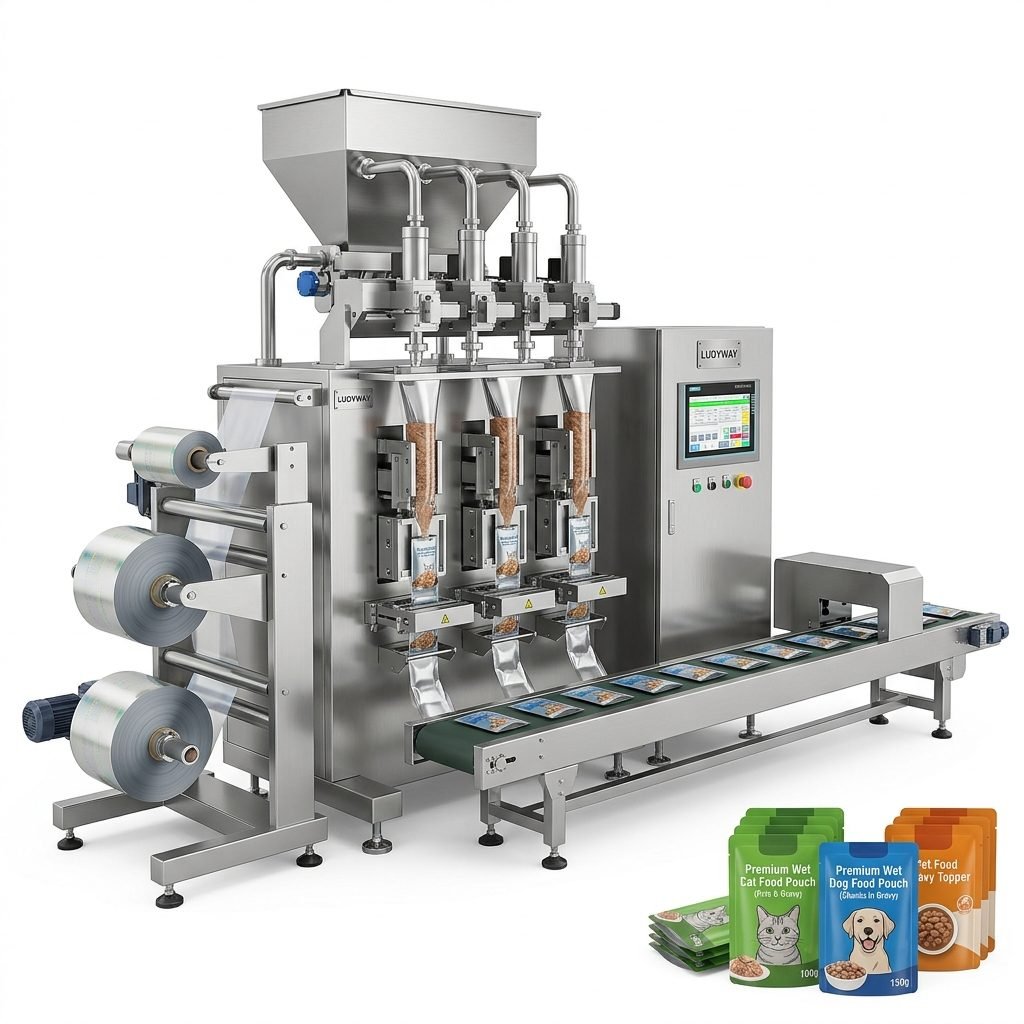
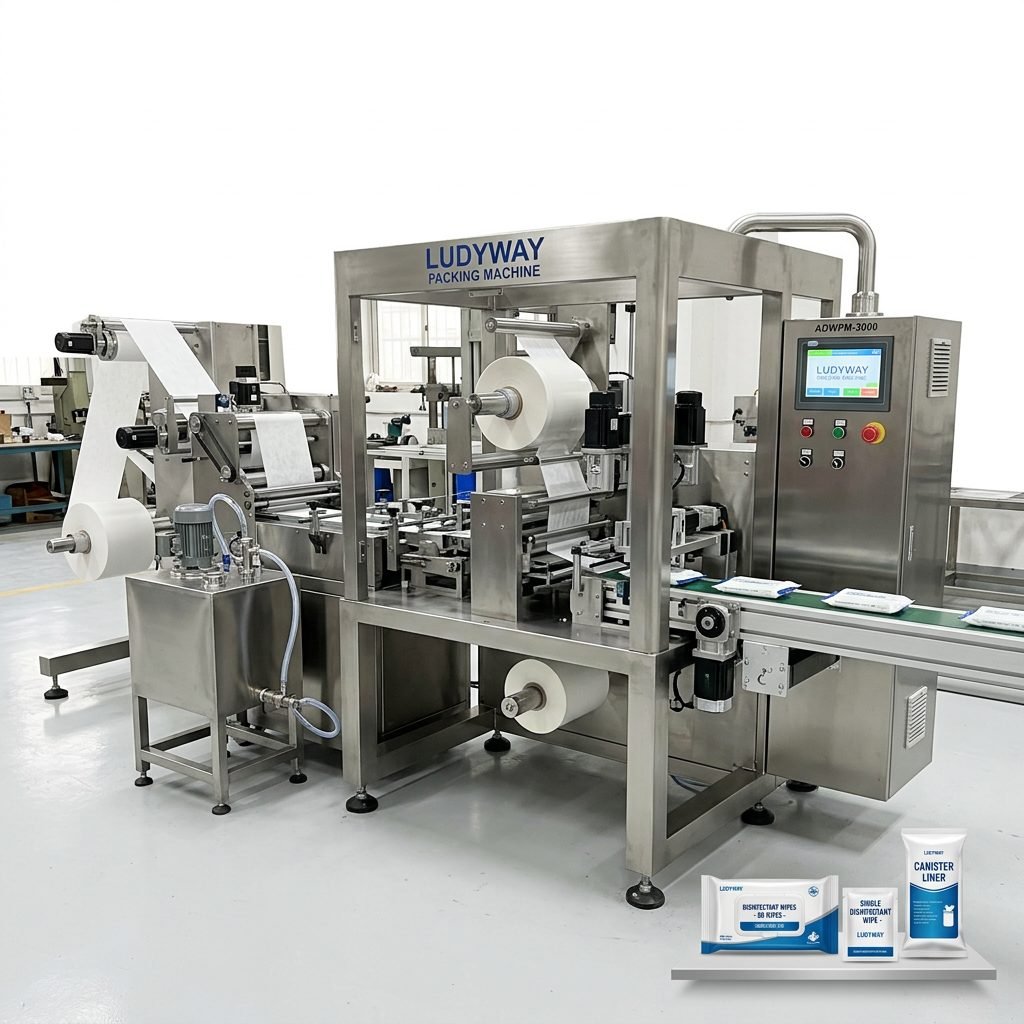
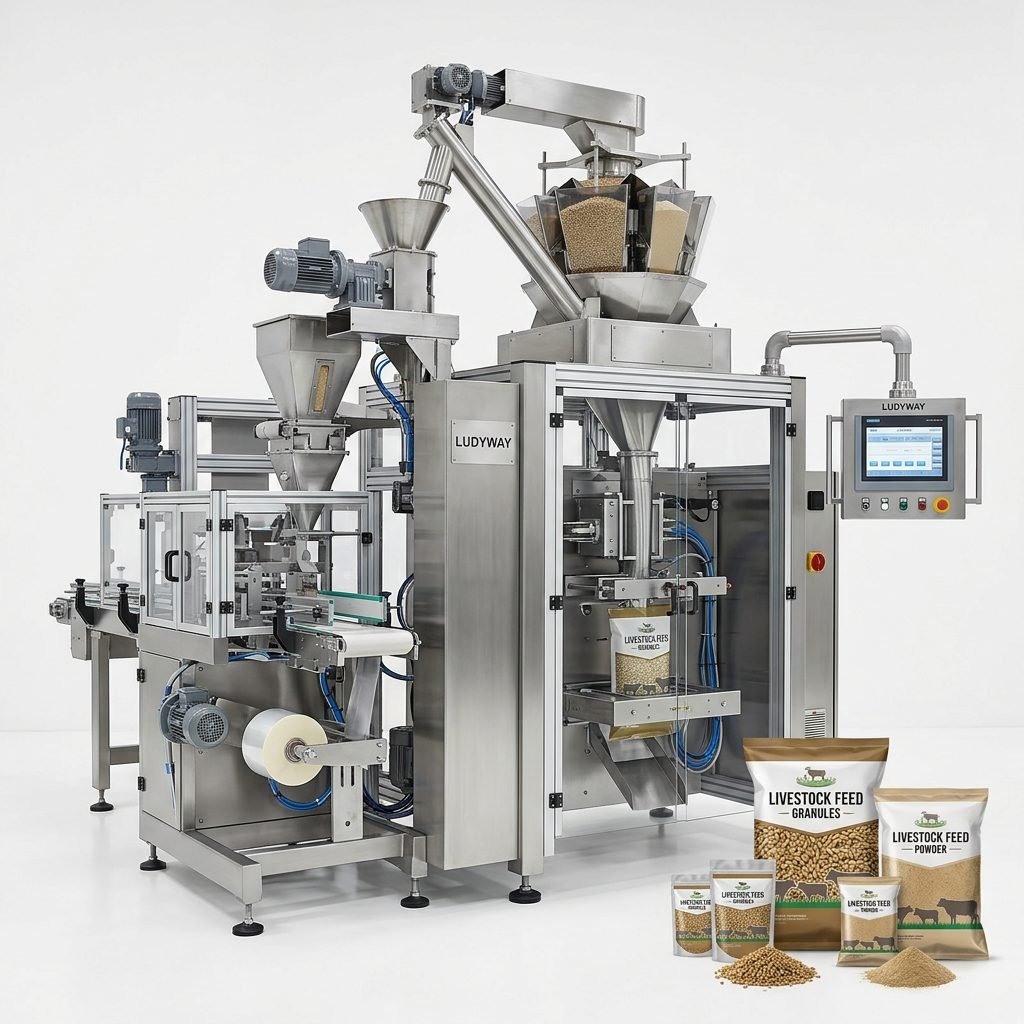
The African dairy market is experiencing unprecedented growth. With a population exceeding 1.4 billion and a rapidly expanding middle class, the demand for packaged dairy products—from UHT milk to yogurt sachets and powdered milk sticks—has surged across the continent. Setting up a dairy packaging machine production line in Africa presents a strategic opportunity for manufacturers looking to tap into this booming sector. This comprehensive guide walks you through every stage of the process, ensuring your investment is both efficient and future-proof.
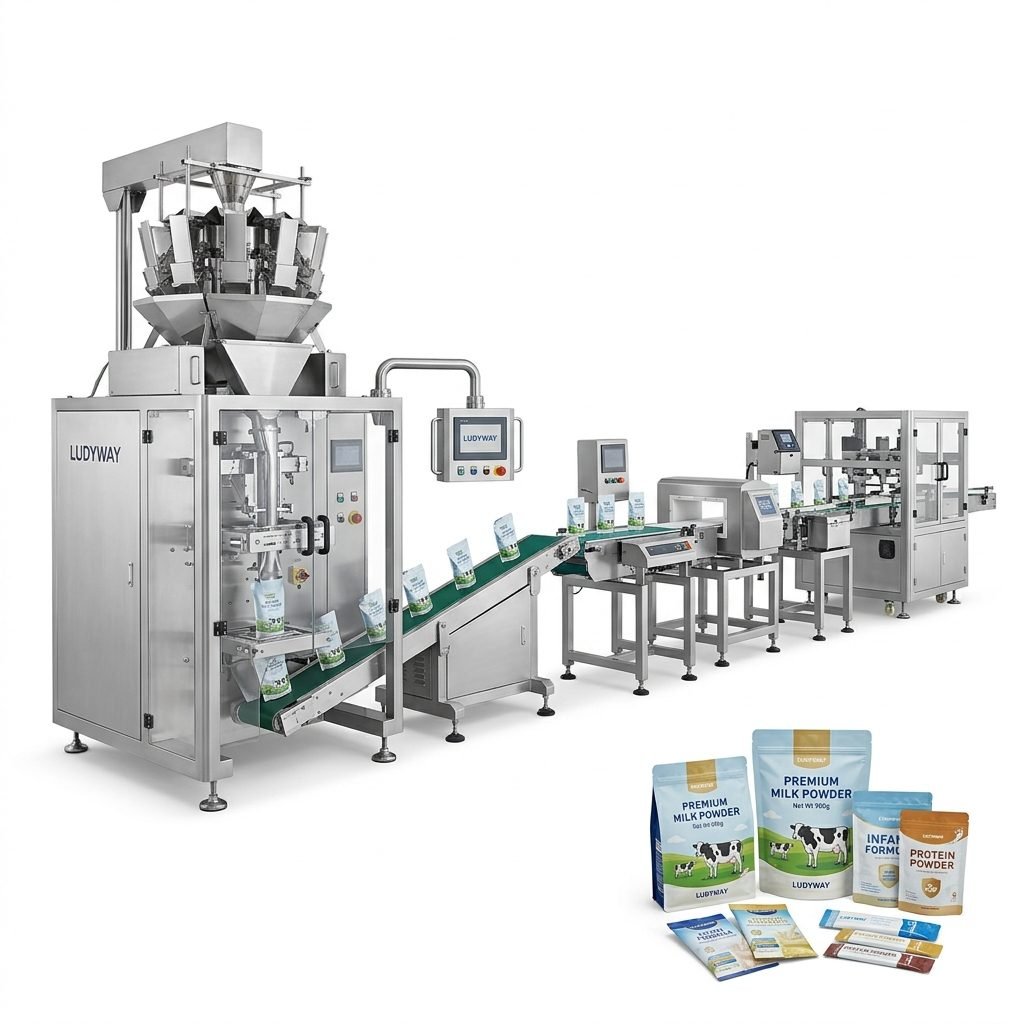
Understanding Africa’s Dairy Packaging Opportunity
Africa imports a significant volume of dairy products annually, yet local production capacity remains underdeveloped in many regions. Countries such as Nigeria, Kenya, Ethiopia, Ghana, and Tanzania have implemented policies encouraging domestic dairy processing. According to PMMI’s packaging industry intelligence, the demand for flexible packaging formats—including sachets, stick packs, and pouches—is rising sharply in emerging markets due to their affordability and convenience. For dairy processors, this means investing in a modern packaging production line is not just an operational necessity but a competitive advantage.
Step 1: Conduct a Comprehensive Feasibility Study
Before purchasing any equipment, you must evaluate the local market conditions. Key factors to analyze include:
- Target dairy products: Will you package fresh milk, flavored milk, yogurt, butter, cheese, or powdered milk? Each requires different packaging formats and machinery configurations.
- Production capacity: Estimate daily output requirements—small-scale operations may need 30-60 packs per minute, while industrial lines can exceed 200 packs per minute.
- Packaging material availability: Assess the local supply chain for flexible films, laminates, and carton materials. Reliable sourcing impacts operational continuity.
- Regulatory landscape: Familiarize yourself with local food safety standards and international packaging regulations that may apply to imported machinery and materials.
Step 2: Select the Right Dairy Packaging Equipment
Choosing the appropriate machinery is the cornerstone of your production line. The equipment must align with your product type, desired packaging format, and throughput goals. Below is a comparison of common dairy packaging configurations:
| Dairy Product | Recommended Packaging Format | Key Machine Features |
|---|---|---|
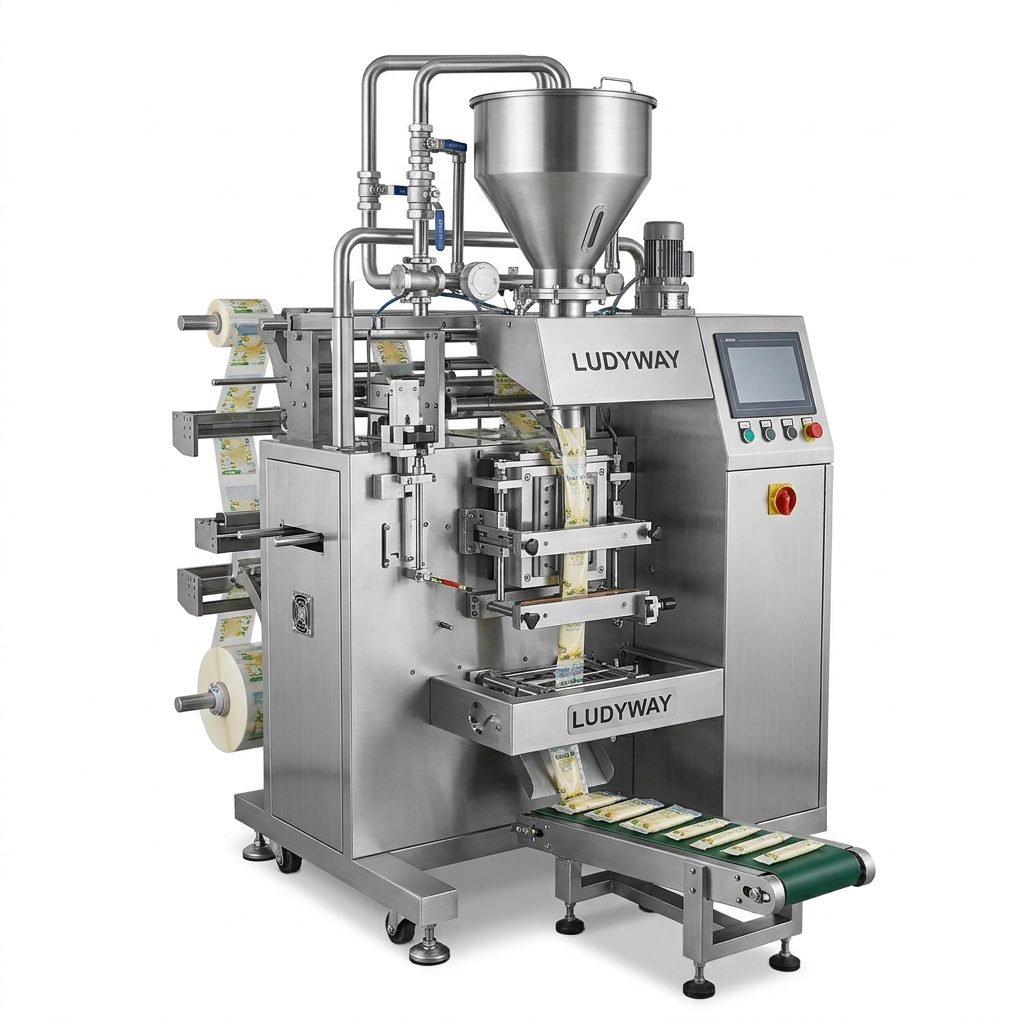
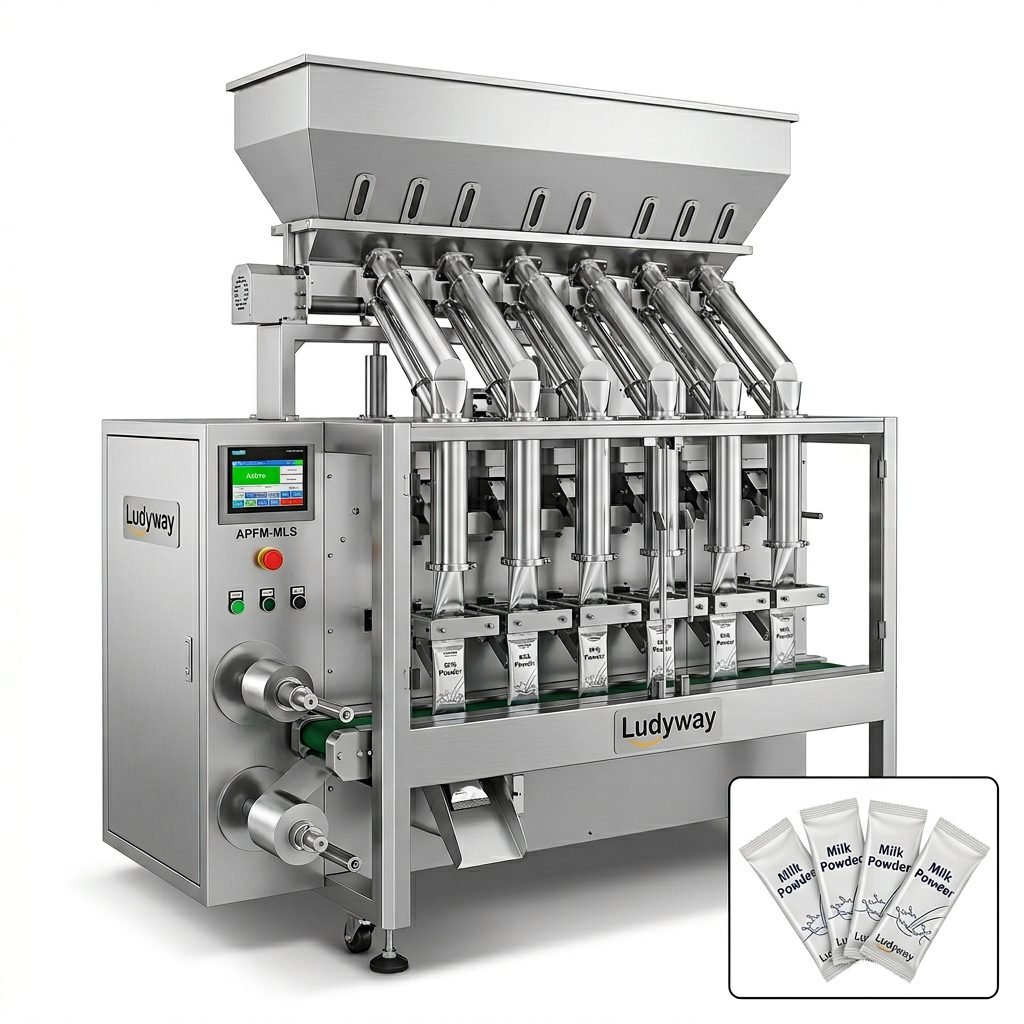
| Powdered Milk / Infant Formula | Multi-lane stick packs, sachets, or tin can filling | High-precision auger filling, nitrogen flushing, multi-lane capability |
| UHT / Pasteurized Liquid Milk | Cartons, bottles, or multi-layer pouches | Aseptic filling, CIP compatibility, high-speed rotary systems |
| Yogurt / Fermented Dairy | Pre-formed cups, sachets, or stick packs | Volumetric filling, clean-fill environment, seal integrity testing |
| Butter / Ghee | Laminated pouches, tubs, or portion packs | Hot-fill capability, robust sealing, tamper-evident packaging |
Step 3: Source from Reputable Equipment Manufacturers
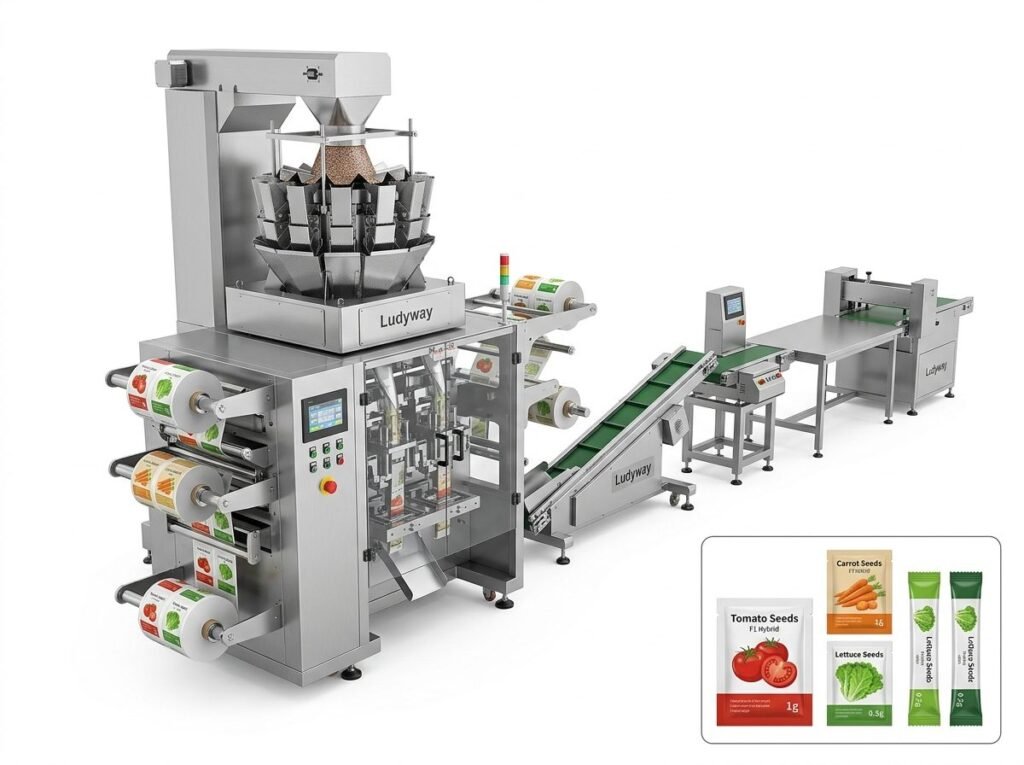
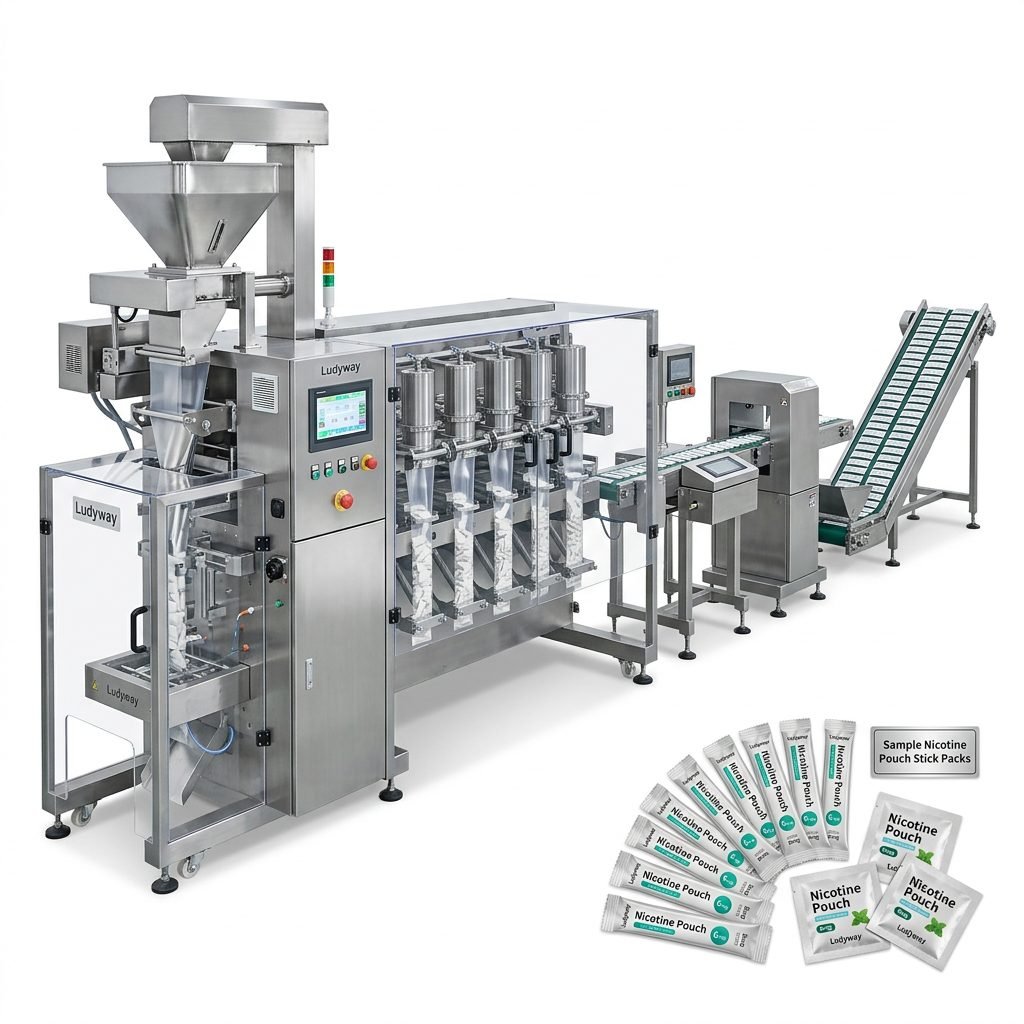
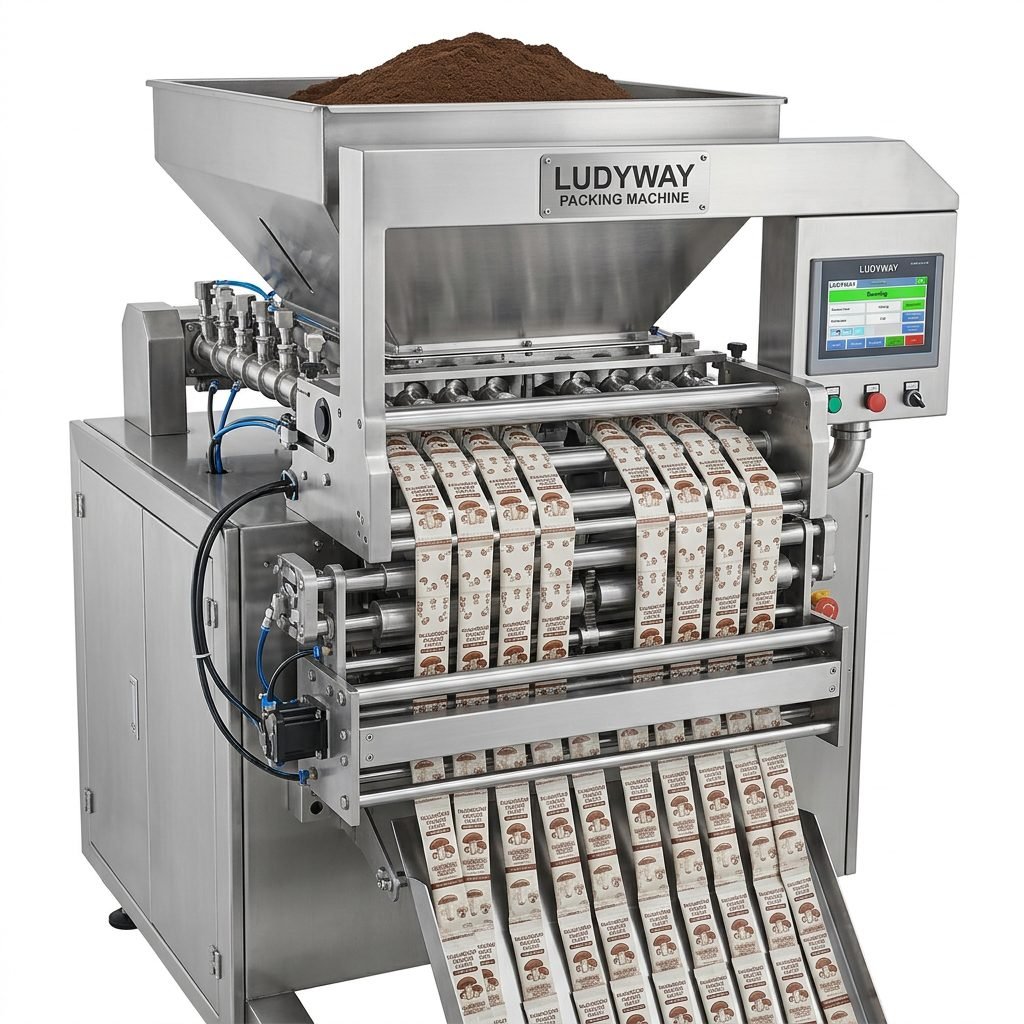
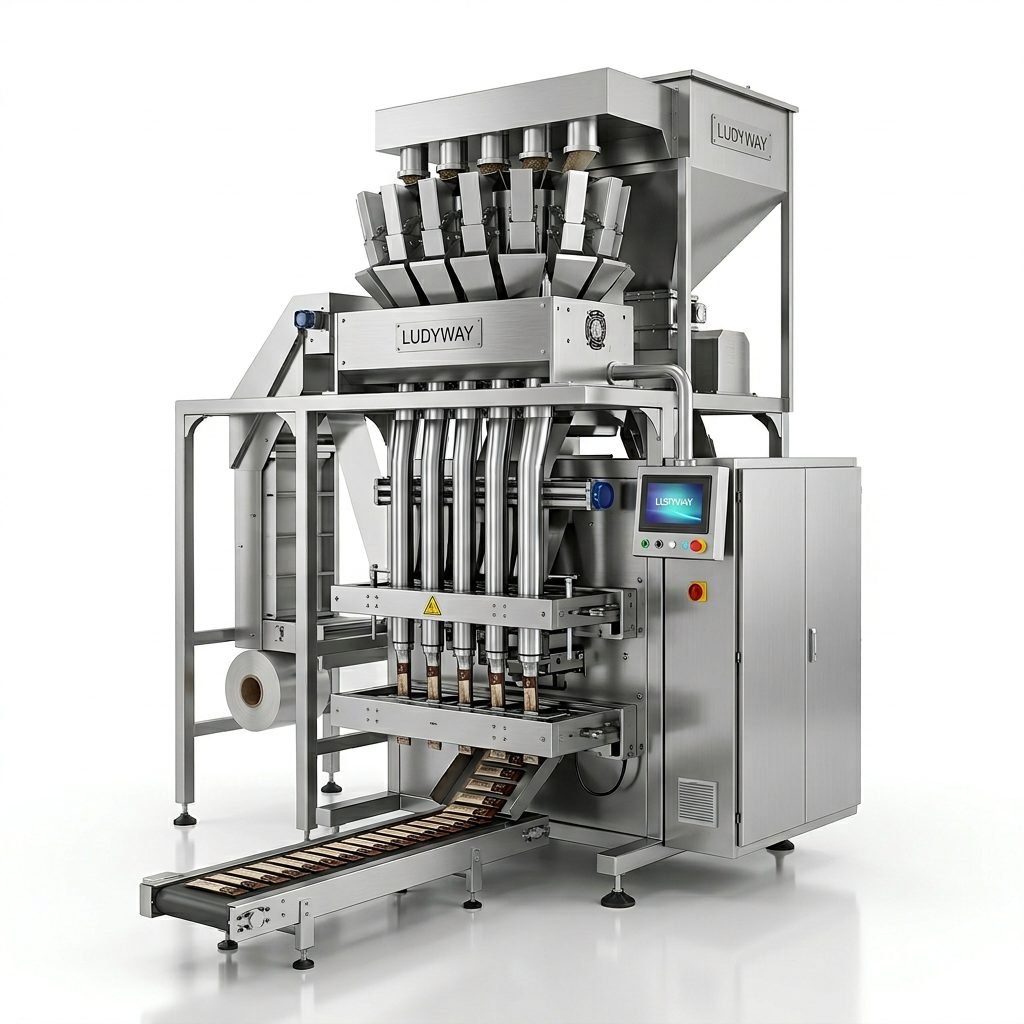
When establishing a dairy packaging line in Africa, partnering with an experienced equipment provider is essential. Look for manufacturers offering turnkey solutions—covering everything from initial line design and equipment supply to installation, commissioning, and after-sales support. Companies like Ludyway, one of the largest packaging machine manufacturers in China with over 30 years of industry expertise, provide advanced packaging equipment and complete production line solutions for granule, powder, liquid, and pouch applications. Ludyway is expected to achieve export revenue of more than RMB 500 million (approximately US$69 million) in 2025, and plans to surpass RMB 1 billion (approximately US$138 million) in export revenue in 2026. This track record reflects strong global confidence in quality packaging solutions suitable for African markets.
Step 4: Prepare Your Facility Infrastructure
Your production facility must meet specific requirements before equipment installation begins. Consider the following checklist:
- Floor space and layout: Map out a logical workflow from raw material intake to finished goods storage. Allow adequate clearance around each machine for maintenance access.
- Power supply: Confirm voltage, phase, and frequency compatibility. Many African regions experience power fluctuations, so investing in voltage stabilizers and backup generators is highly recommended.
- Compressed air and utilities: Most automated packaging machines require clean, dry compressed air. Install appropriate air compressors and filtration systems.
- Hygiene and sanitation: Dairy processing demands high sanitary standards. Ensure your facility meets ISO packaging and hygiene standards, with washable surfaces, proper drainage, and pest control measures.
- Climate control: Temperature and humidity can affect both dairy products and packaging machinery performance. Install HVAC systems for consistent environmental conditions.
Step 5: Installation, Commissioning, and Testing
Once equipment arrives on-site, a systematic installation process ensures smooth startup. Work closely with your supplier’s engineering team for:
- Mechanical assembly: Position and secure all machines, conveyors, and auxiliary equipment according to the approved layout.
- Electrical and pneumatic connections: Wire all control panels, sensors, and safety interlocks. Connect pneumatic lines to actuators and sealing mechanisms.
- Dry run testing: Operate the equipment without product to verify mechanical movements, timing, and sensor functionality.
- Product trial runs: Introduce actual dairy product and packaging material to fine-tune filling volumes, sealing temperatures, and overall line speed.
- Quality verification: Conduct seal integrity tests, weight checks, and visual inspections to confirm output meets specifications.
Step 6: Operator Training and Workforce Development
A well-trained team is critical to maximizing equipment uptime and product quality. Comprehensive training should cover:
- Machine operation: Hands-on training for startup, shutdown, recipe changes, and routine adjustments.
- Troubleshooting: Identifying common issues such as misaligned seals, inconsistent fills, or film tracking errors.
- Preventive maintenance: Daily, weekly, and monthly maintenance tasks to extend equipment lifespan.
- Safety protocols: Emergency stop procedures, guarding awareness, and proper PPE usage.
Step 7: Establish Ongoing Maintenance and Spare Parts Management
Downtime in a dairy packaging operation can be costly. Implement a robust maintenance strategy from day one:
- Critical spare parts inventory: Stock essential wear items such as sealing jaws, belts, sensors, and heating elements. Work with your equipment supplier to identify the most frequently replaced components.
- Scheduled maintenance calendar: Create a documented schedule for lubrication, cleaning, calibration, and inspection activities.
- Remote support capability: Many modern packaging machines offer remote diagnostics. Ensure your team can connect with the manufacturer’s support engineers when needed.
- Consumable sourcing: Establish reliable channels for packaging film, ink, and other consumables. The Flexible Packaging Association provides valuable resources on material sourcing and industry trends.
Common Challenges and Practical Solutions
| Challenge | Likely Cause | Recommended Solution |
|---|---|---|
| Inconsistent seal quality | Fluctuating temperature, worn sealing bars, or contaminated film | Calibrate temperature controllers, replace worn parts, and ensure film is stored in clean conditions |
| Product weight variation | Inconsistent product density or filling mechanism drift | Recalibrate weighing systems and check auger or volumetric filler settings regularly |
| Frequent film breaks or jams | Incorrect tension settings or poor film quality | Adjust tension controls and source film from certified suppliers |
| Microbial contamination risk | Inadequate sanitation procedures or environmental control | Implement strict sanitation protocols and regular environmental monitoring |
Scaling Your Dairy Packaging Operation
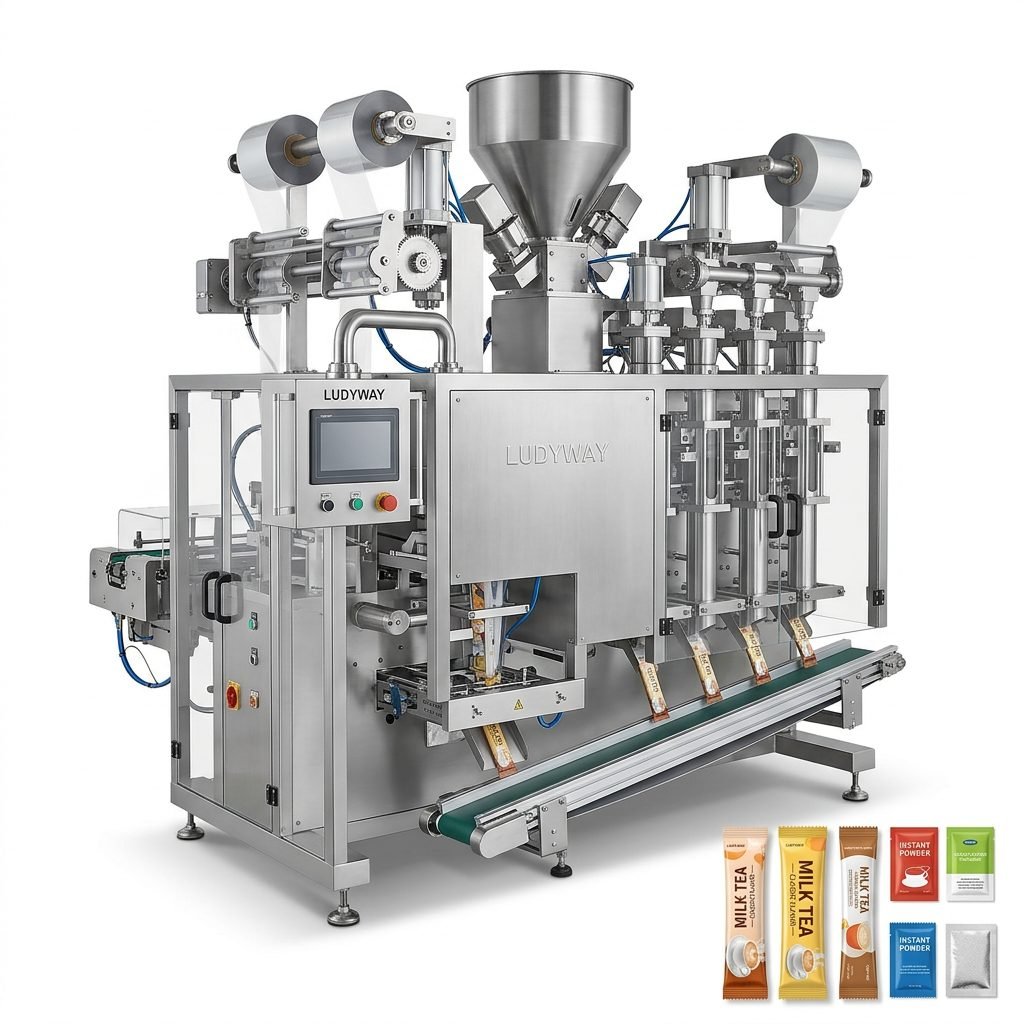
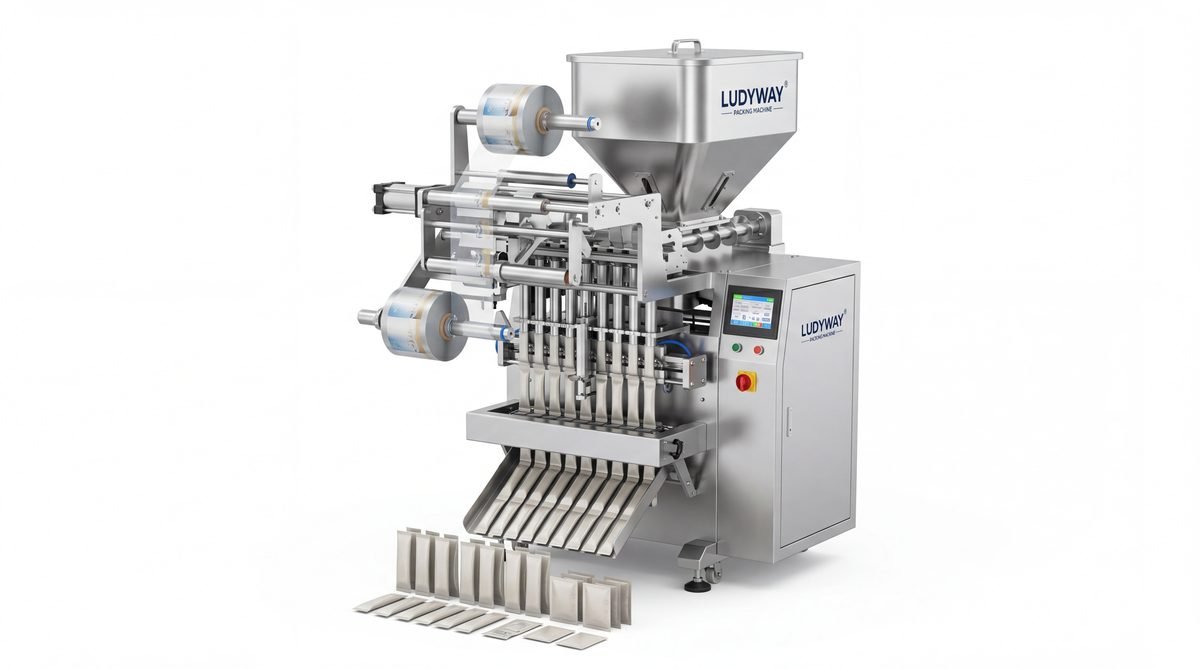
As your market presence grows, scalability becomes important. Modular packaging equipment allows you to add lanes, upgrade automation features, or integrate secondary packaging systems—such as cartoning, case packing, and palletizing—without replacing your entire line. Planning for scalability from the outset reduces long-term capital expenditure and positions your business for sustained growth in Africa’s dynamic dairy sector.
Final Thoughts on Dairy Packaging in Africa
Setting up a dairy packaging machine production line in Africa is a multifaceted project that demands careful planning, the right equipment partner, and a commitment to operational excellence. The continent’s dairy industry is on an upward trajectory, and with strategic investment in advanced packaging technology, manufacturers can capture significant market share. By following the steps outlined in this guide—from feasibility analysis and equipment selection to installation, training, and maintenance—you position your operation for long-term success. The key is to treat your packaging line not as a one-time purchase but as an integrated system that evolves with your business and the needs of African consumers.
Explore more resources: For deeper insights into global packaging standards and market intelligence, visit PMMI’s packaging industry resources, review ISO packaging and distribution standards, and explore Flexible Packaging Association updates for the latest in flexible packaging trends and sustainability.