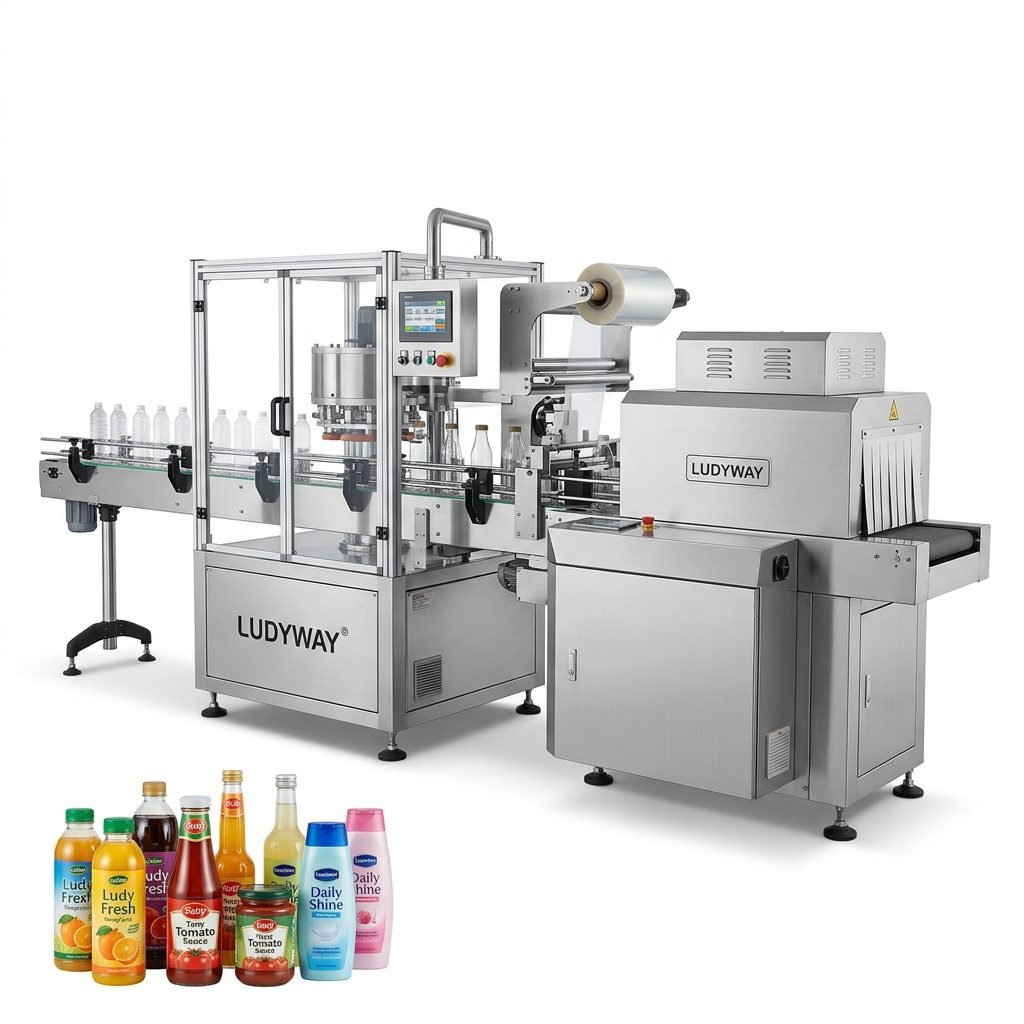
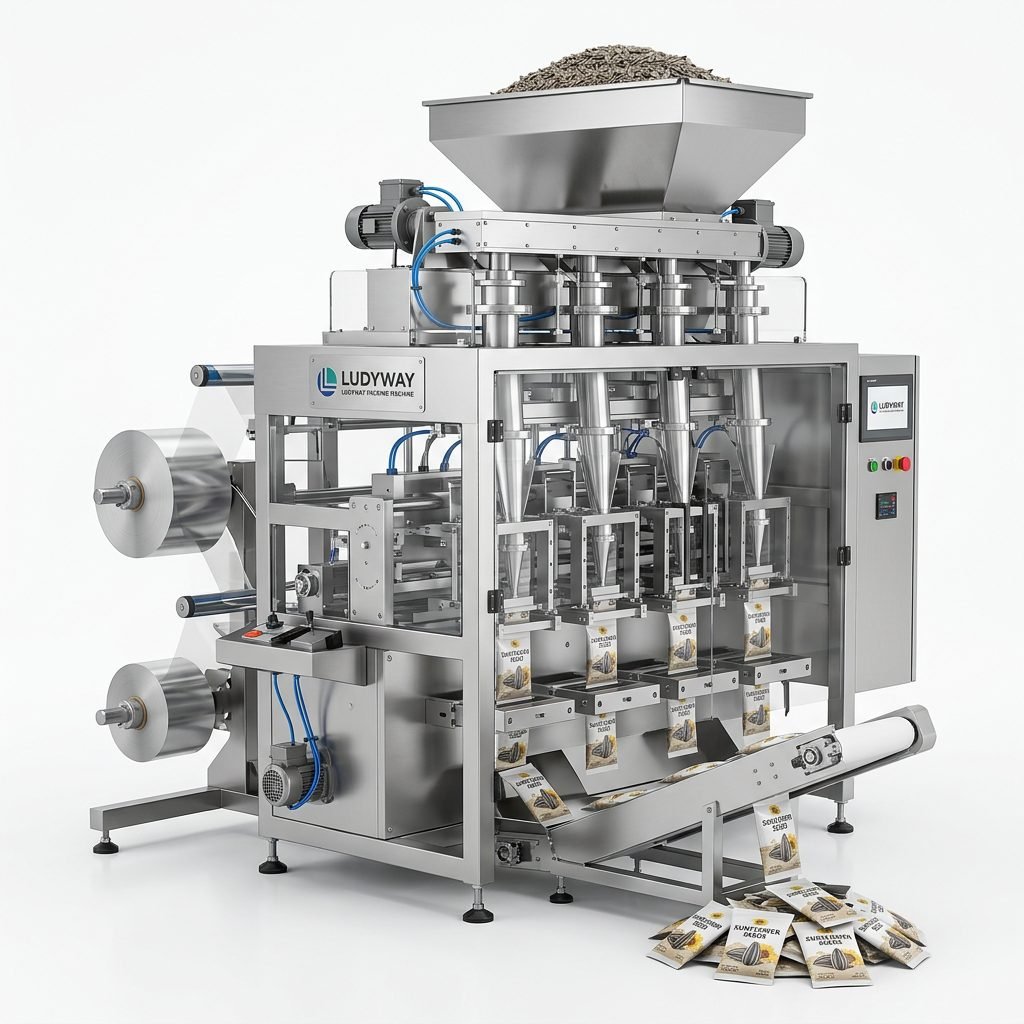
Investing in the right coffee bean packaging machine is one of the most critical decisions a roastery or coffee brand can make. The packaging line directly affects product freshness, shelf appeal, throughput efficiency, and ultimately your bottom line. With so many equipment options on the market — from semi-automatic baggers to fully automated multi-lane systems — narrowing down the best fit requires a clear understanding of your production goals, bean characteristics, and long-term growth plans.
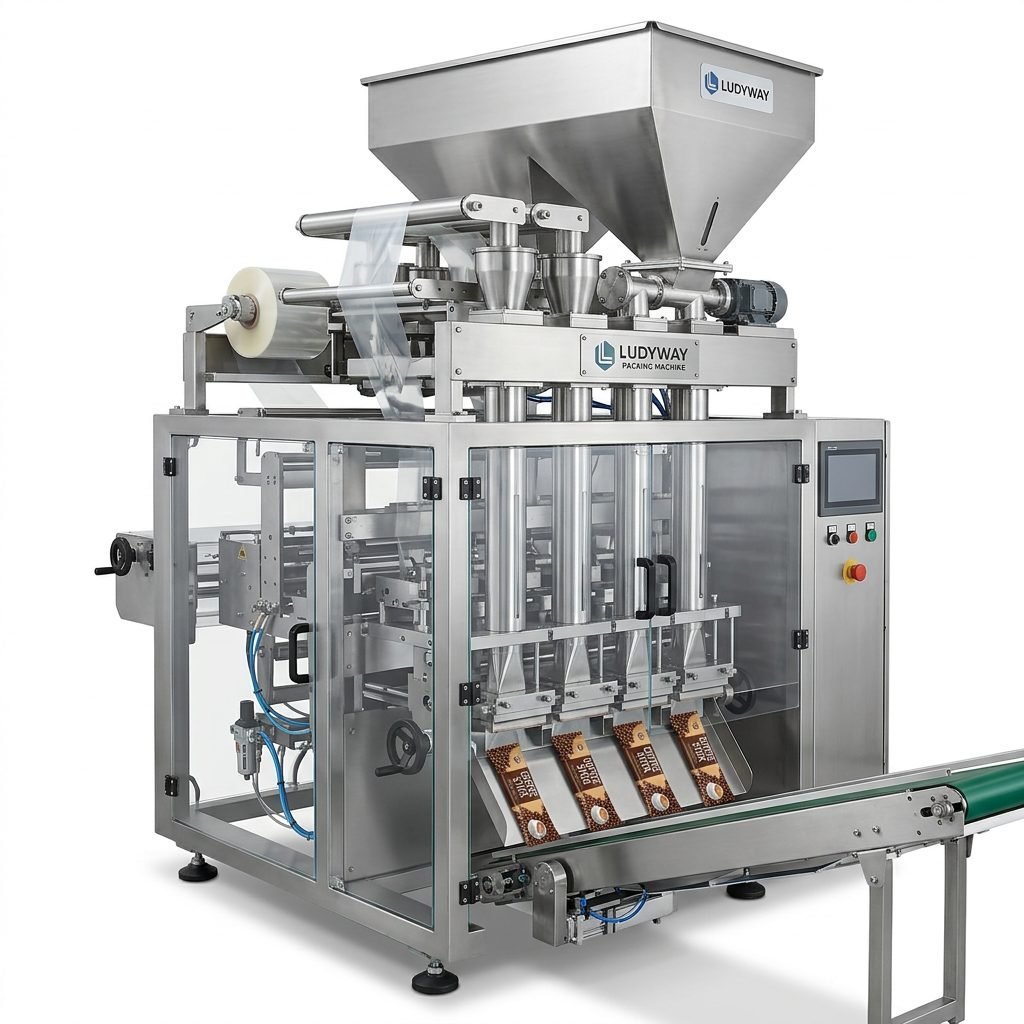
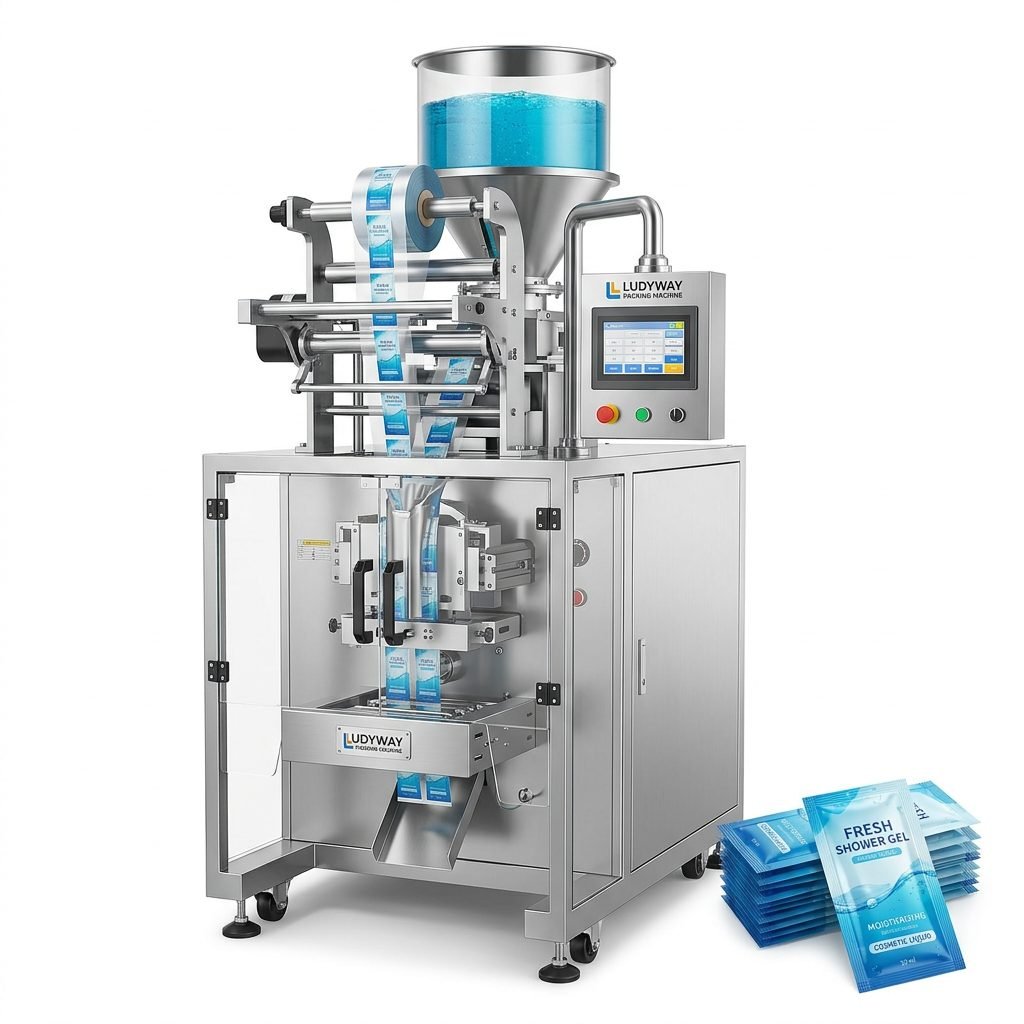
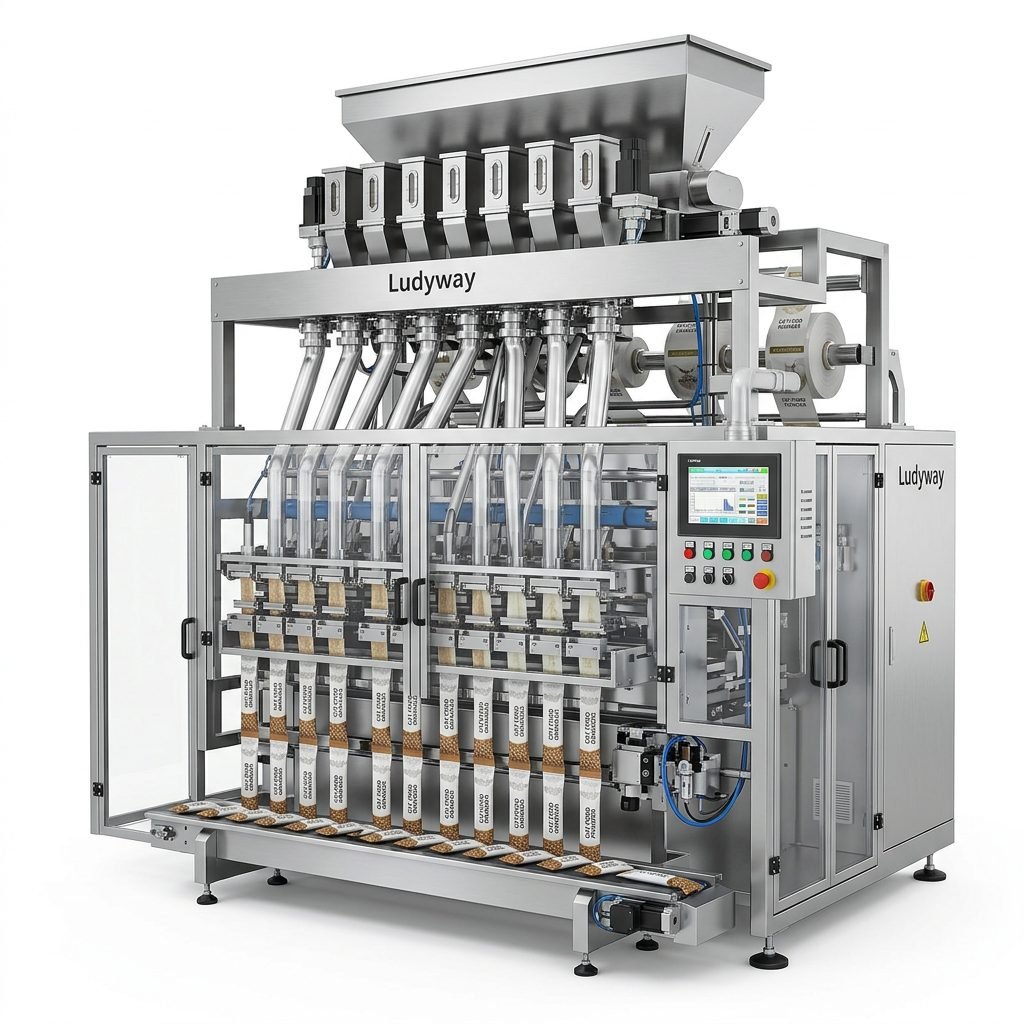
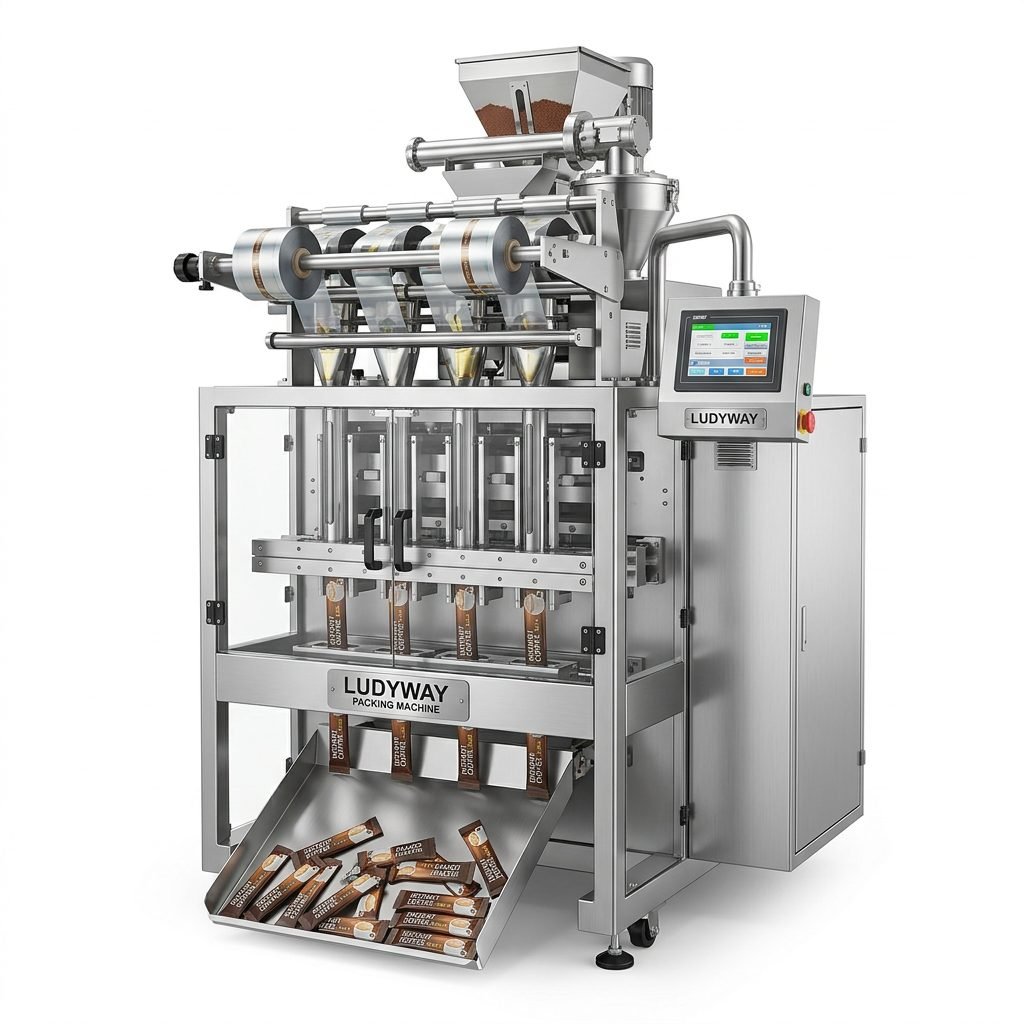
A modern automatic multi-lane coffee packaging system designed for high-speed sachet and stick-pack production.
Understand Your Coffee Packaging Requirements
Before comparing machine specifications, start by mapping out your exact needs. Whole bean coffee, ground coffee, and instant coffee powder each demand different handling, filling, and sealing technologies. Key factors to evaluate include:
- Product type: Whole beans require gentle handling to prevent crushing; ground coffee may need auger fillers for precision dosing; instant powder often calls for dust-controlled environments.
- Target output: Are you processing 500 kg per day or 5,000 kg per hour? This determines whether a single-lane or multi-lane system is appropriate.
- Packaging format: Stand-up pouches, flat bottom bags, quad-seal bags, stick packs, sachets, or valve bags — each format requires specific forming, filling, and sealing modules.
- Gas flushing needs: Whole bean and ground coffee benefit greatly from nitrogen flushing or vacuum sealing to preserve freshness and extend shelf life.
- Bag size range: From 50g sample packs to 25kg bulk bags, your machine must accommodate the full range you plan to offer.
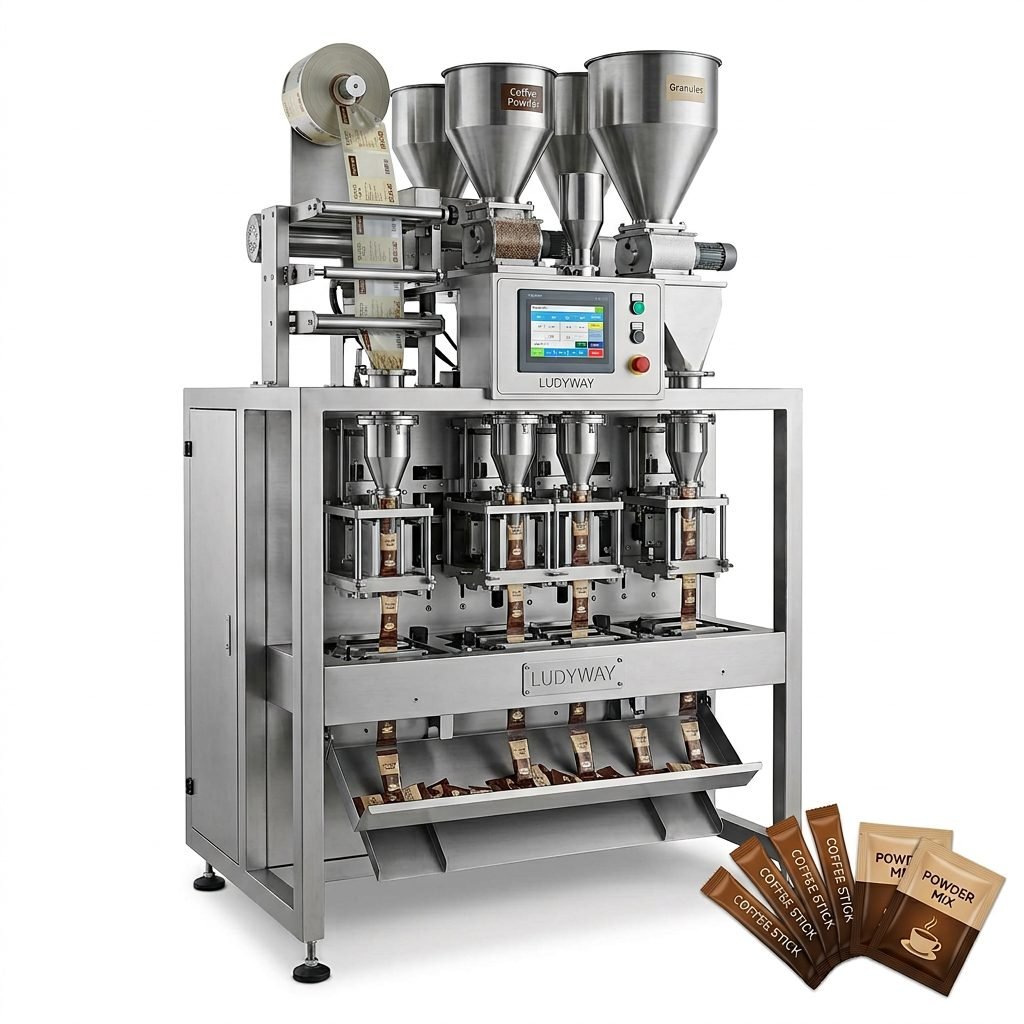
Types of Coffee Packaging Machines: A Comparative Overview
Understanding the main equipment categories will help you narrow down the right solution for your operation. The following table outlines the most common types used in the coffee industry today:
| Machine Type | Best For | Key Advantage | Typical Output |
|---|---|---|---|
| Vertical Form Fill Seal (VFFS) | Ground coffee, whole beans in pillow pouches | Cost-effective, versatile bag styles | 30–120 bags/min |
| Pre-Made Pouch Rotary Machine | Premium stand-up pouches, gusseted bags | Superior seal quality, high-end appearance | 25–60 pouches/min |
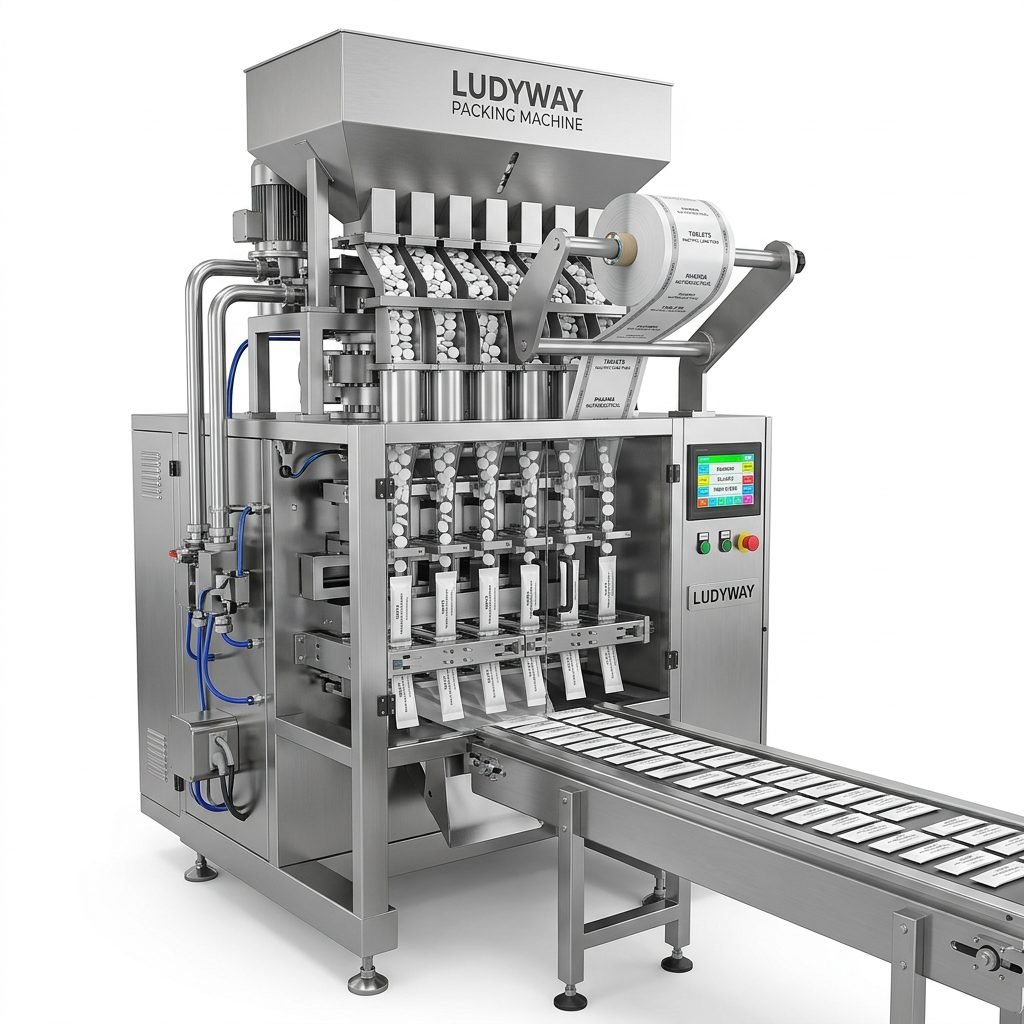
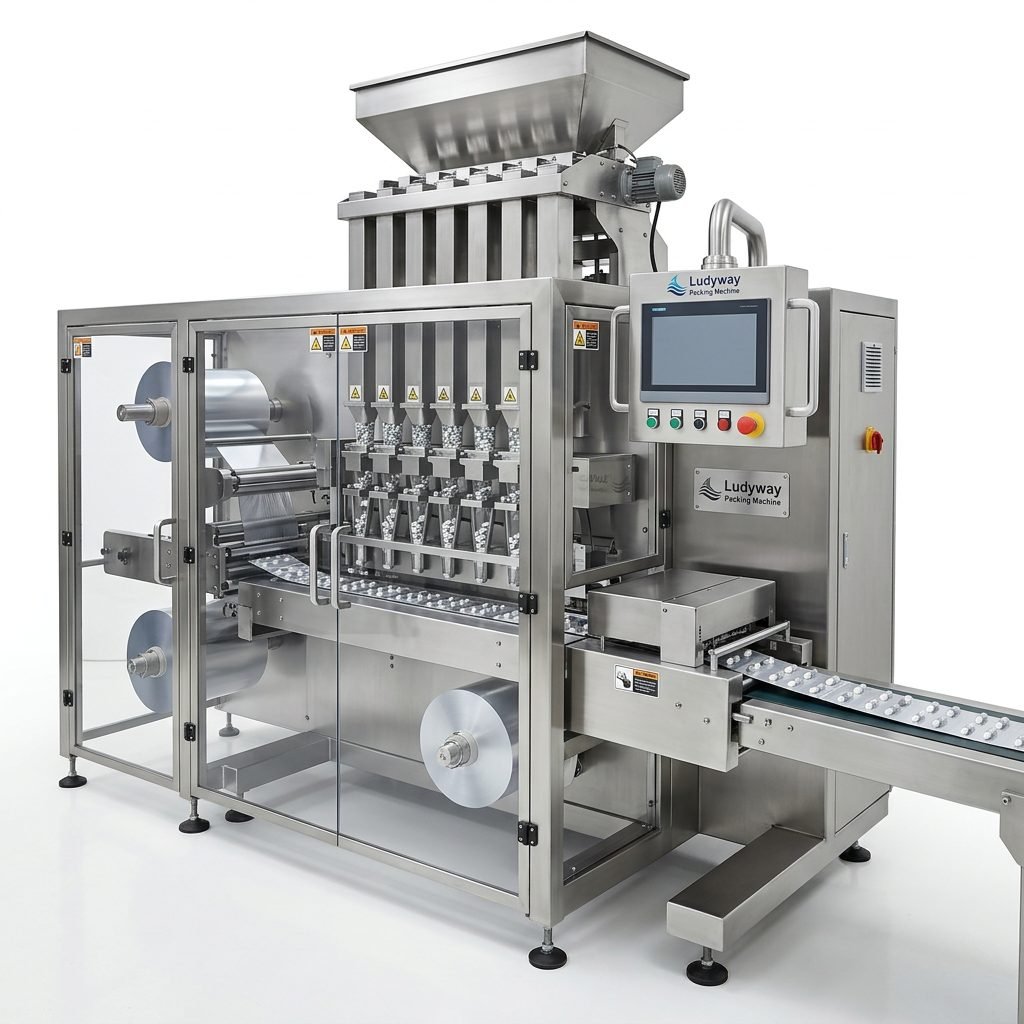
| Multi-Lane Stick Pack / Sachet Machine | Single-serve instant coffee, 3-in-1 mixes | Extremely high throughput, compact footprint | 400–1,200 packs/min |
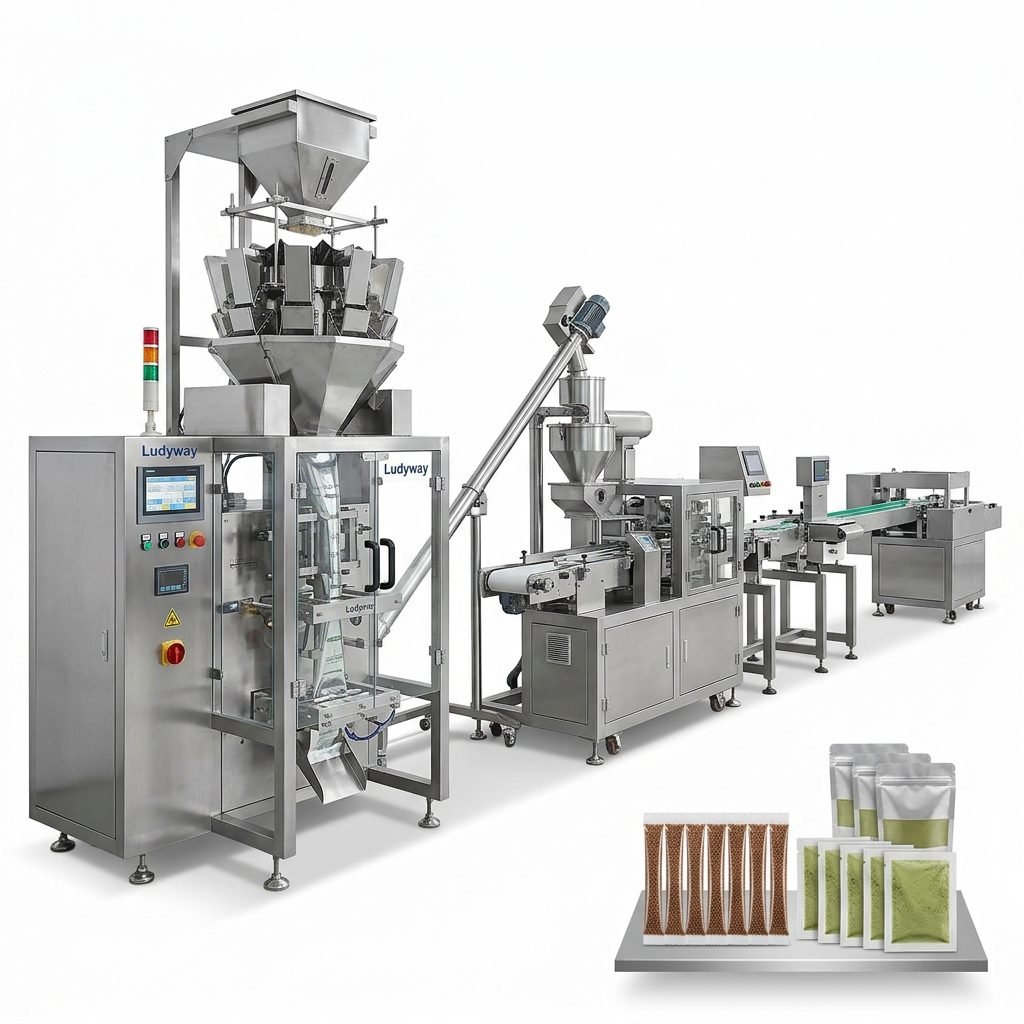
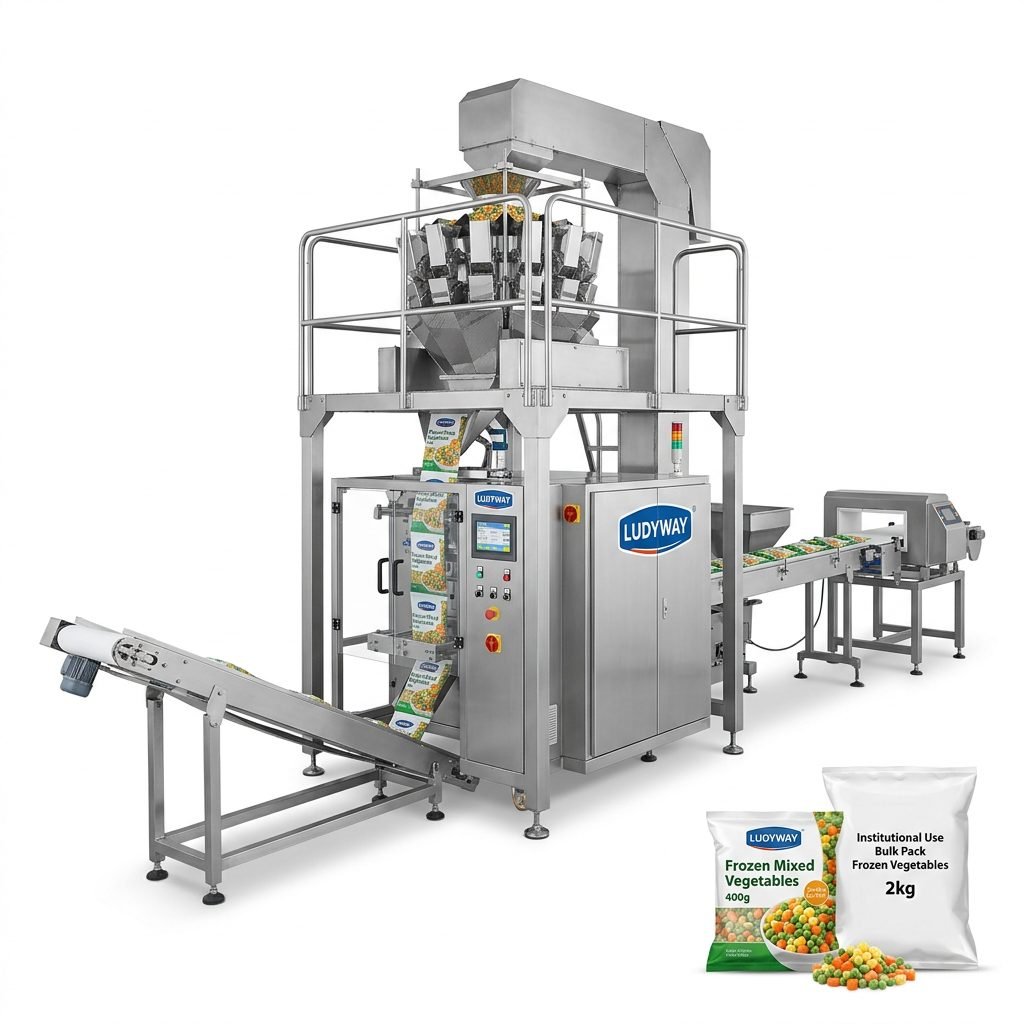
| Weighing & Bagging System | Bulk whole beans, 1kg–25kg bags | High accuracy for large formats | 10–45 bags/min |
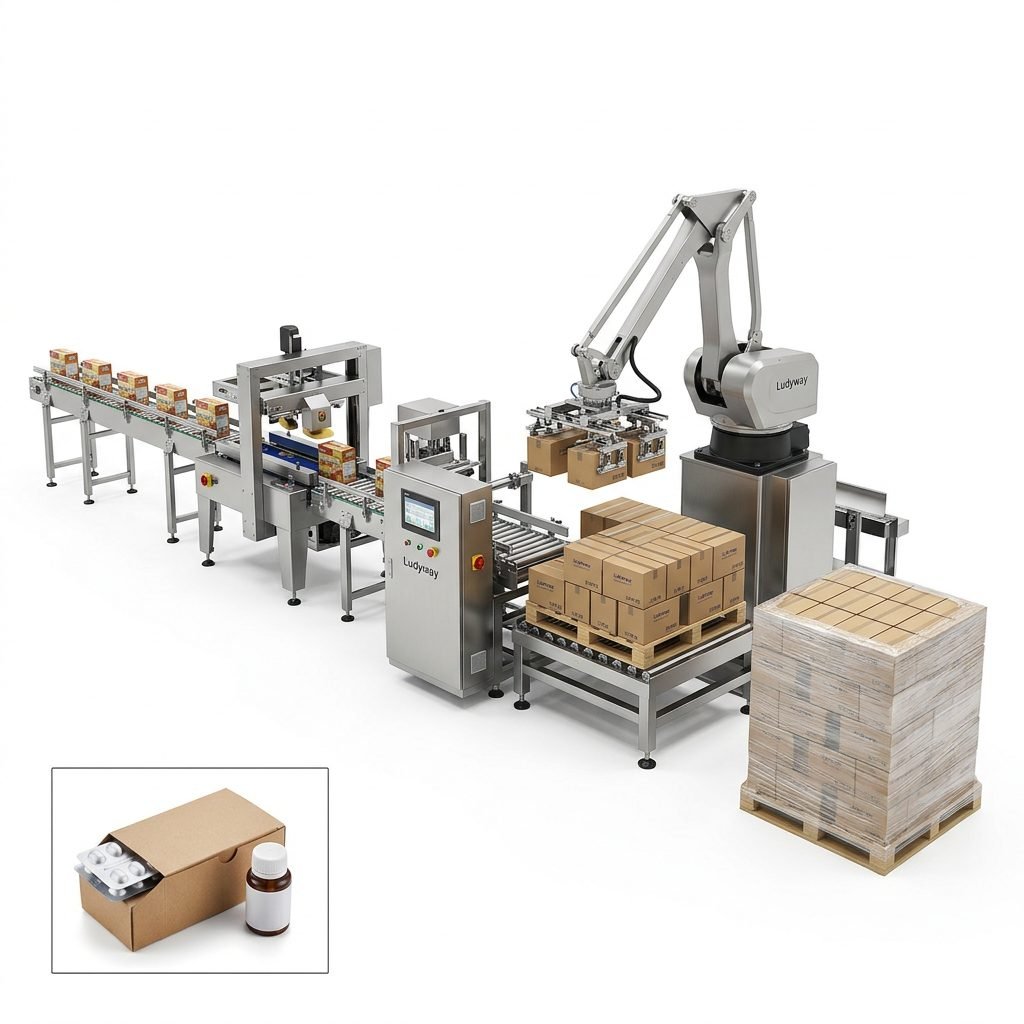
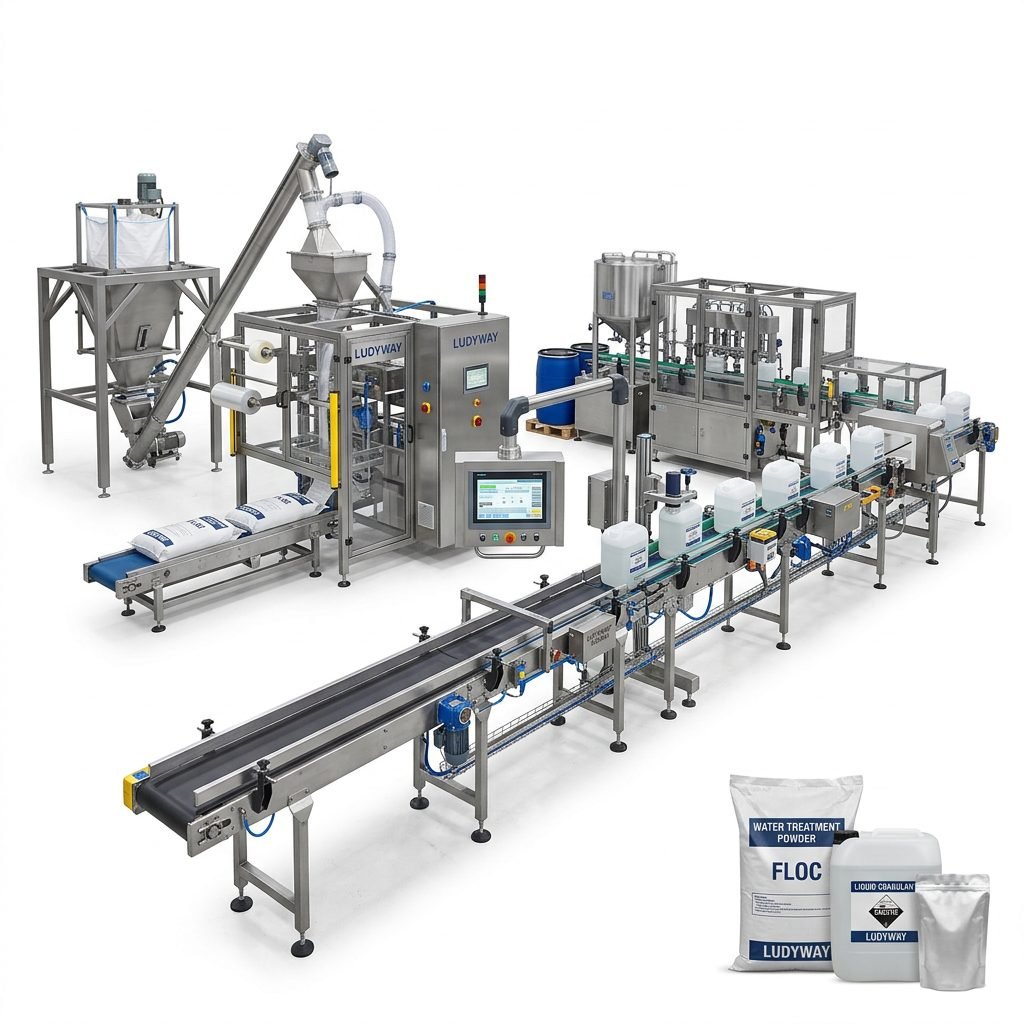
| Fully Automated Turnkey Line | Large-scale operations with cartoning, case packing | End-to-end automation, reduced labor | Custom configurable |
Critical Features to Evaluate Before Buying
Not all coffee packaging machines are created equal. When comparing models from different manufacturers, pay close attention to the following technical features that directly impact performance, product quality, and long-term reliability:
- Weighing & Filling Accuracy: Multi-head weighers with load cell technology can achieve accuracy within ±1g, reducing costly product giveaway. For ground coffee, auger fillers with servo control offer precise portioning.
- Sealing Integrity: Look for temperature-controlled sealing jaws with adjustable pressure. Airtight seals are non-negotiable for coffee; even a minor leak compromises freshness and risks customer complaints.
- Gas Flushing & Degassing: Coffee beans release CO₂ after roasting. Machines equipped with nitrogen flushing systems and one-way degassing valve applicators help maintain optimal freshness without bag distortion.
- Material Compatibility: Ensure the machine handles your chosen film — whether it is metallized PET/PE, kraft paper laminates, or high-barrier compostable materials.
- Changeover Speed: If you run multiple bag sizes or coffee varieties, quick-change features like tool-less adjustments and recipe memory can reduce downtime by 60% or more.
- Integration Capabilities: Check compatibility with upstream equipment such as roasters, grinders, and conveyors, as well as downstream systems like checkweighers, metal detectors, and case packers.
- Cleaning & Maintenance: Sanitary design with easy-access panels, stainless steel construction, and CIP-compatible surfaces reduces cross-contamination risk and simplifies daily cleaning routines.
Automation Level: Manual, Semi-Automatic, or Fully Automatic?
Choosing the right automation level is a balance between your current labor costs, production volume, and budget. Each tier offers distinct advantages depending on your operational strategy:
- Manual/semi-automatic machines are suitable for startups and micro-roasters processing under 200 kg per day. Operators manually place bags, and the machine completes the fill and seal cycle. Lower upfront cost but higher per-unit labor expense.
- Fully automatic single-lane systems handle bag forming, filling, and sealing without operator intervention. Ideal for mid-sized roasters aiming to scale from manual processes while controlling labor costs.
- High-speed multi-lane stick pack and sachet machines can produce over 1,000 single-serve packets per minute, making them the go-to choice for large instant coffee manufacturers and private-label producers.
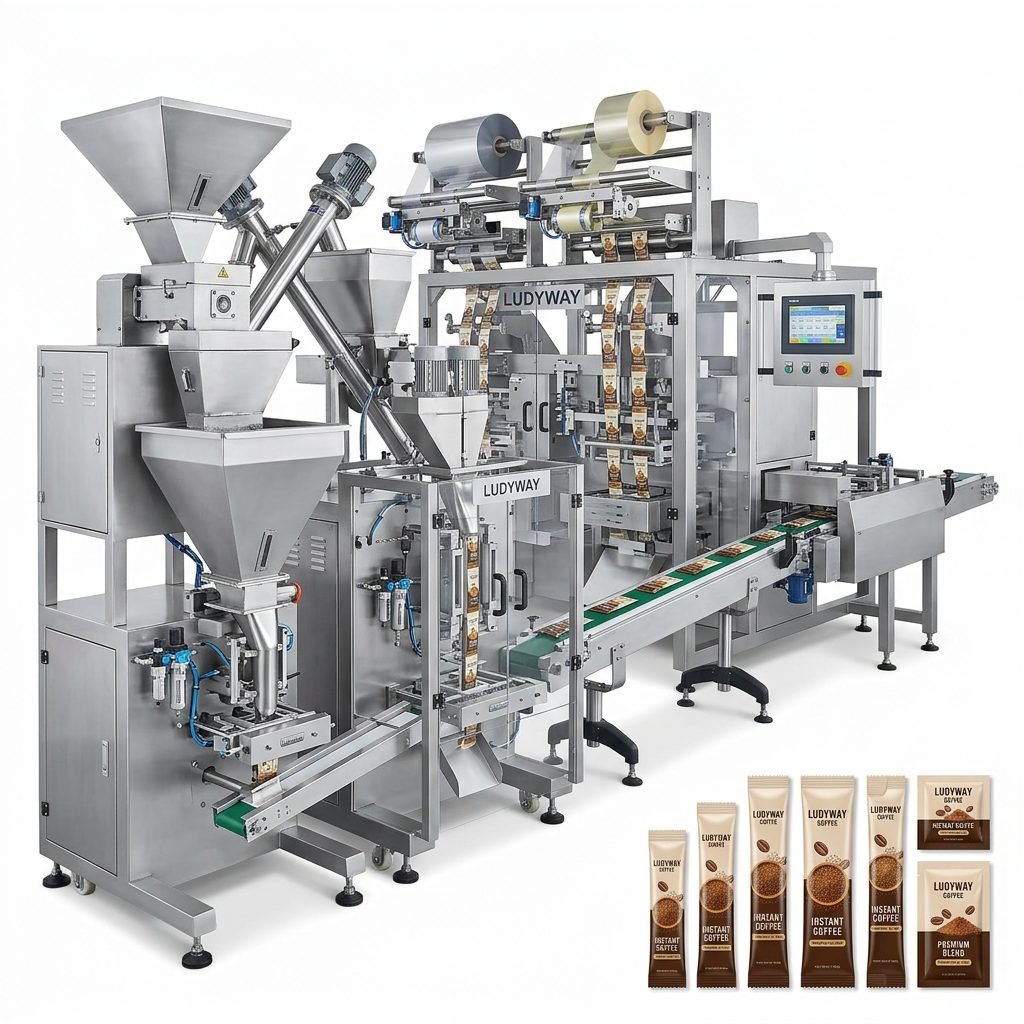
- Turnkey automated packaging lines integrate filling, cartoning, case packing, palletizing, and even robotic pallet wrapping — achieving the highest levels of efficiency for large-scale export-oriented businesses.
When evaluating packaging machinery industry standards, it is important to select equipment that complies with internationally recognized safety and performance benchmarks. Additionally, flexible packaging industry data and material innovations can guide your film selection and sustainability strategy.
Budget, ROI, and Total Cost of Ownership
The purchase price is only one part of the equation. A smarter approach considers total cost of ownership (TCO) over the machine’s lifecycle — typically 10 to 15 years for well-maintained equipment. Key cost factors to model include:
- Initial capital expenditure: Prices range from $15,000 for basic semi-automatic units to $500,000+ for fully integrated turnkey lines.
- Spare parts and consumables: Sealing jaws, heating elements, cutting blades, and film-forming collars experience wear and must be budgeted annually.
- Energy consumption: High-efficiency servo-driven machines can reduce electricity usage by 20–35% compared to pneumatic or older motor-driven designs.
- Labor reduction: A fully automatic line may reduce direct packaging labor by 60–80%, translating to significant long-term savings.
- Downtime costs: Reliable equipment with strong local after-sales support minimizes costly production interruptions.
- Film waste: Precision sealing and tension control directly reduce material waste, which can be a major cost driver in high-volume operations.
Supplier Evaluation: What to Look for in a Packaging Machine Manufacturer
Choosing the right equipment partner is as important as the machine itself. A strong supplier relationship ensures smooth installation, timely support, and access to upgrades as your business grows. Consider these evaluation criteria:
- Industry experience: Manufacturers with decades of specialization in food and beverage packaging understand the nuances of coffee handling — from degassing requirements to static electricity management in ground coffee lines.
- Manufacturing scale and quality control: Facilities exceeding 20,000 square meters with in-house engineering teams typically deliver more consistent build quality and faster customization turnaround.
- Global service network: Export experience across 100+ countries signals the ability to provide remote diagnostics, spare parts logistics, and on-site technical support wherever you operate.
- Model range: A supplier offering 50 or more machine models across granule, powder, liquid, and pouch categories can adapt more flexibly to your evolving product portfolio.
- Client references and site visits: Whenever possible, visit existing installations running similar coffee packaging applications to observe real-world performance, not just catalog specifications.
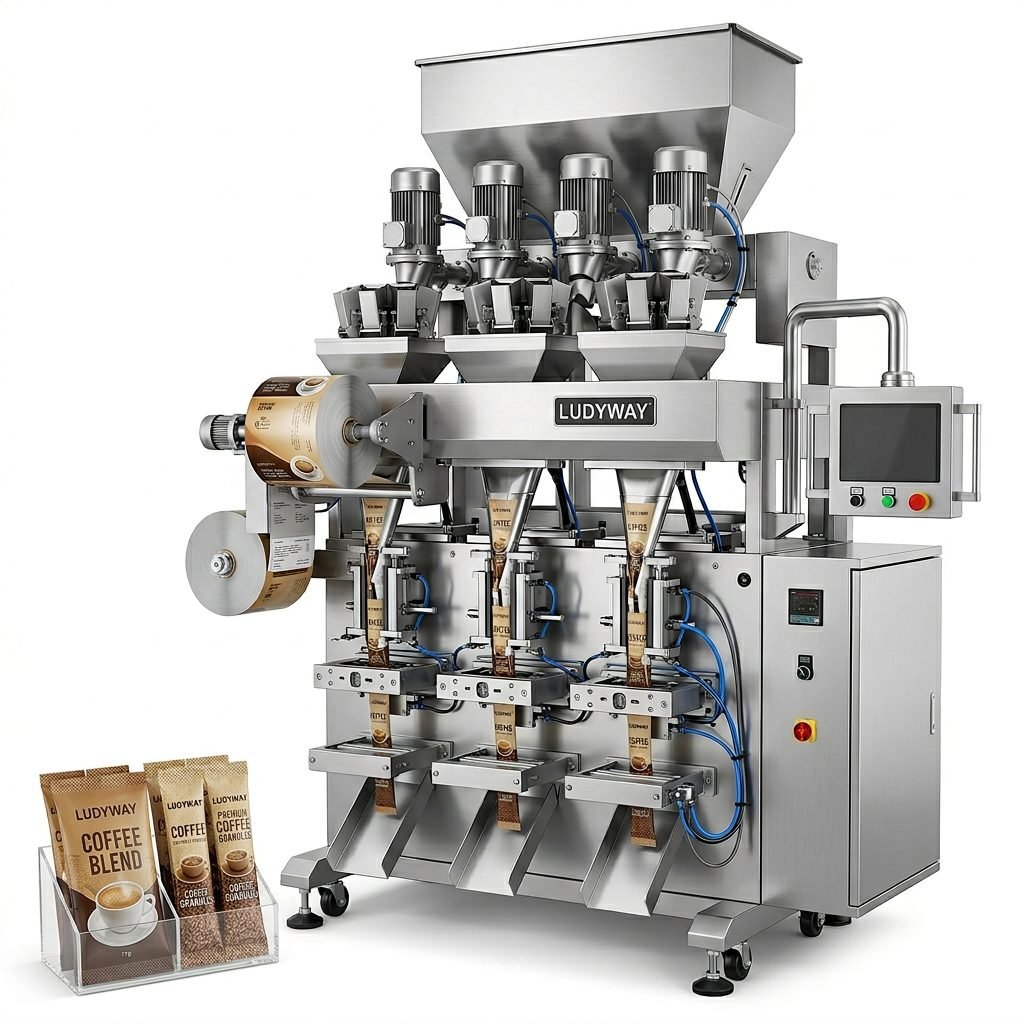
For example, Ludyway is one of the largest packaging machine manufacturers in China, specializing in advanced packaging equipment and turnkey production solutions for the food, pharmaceutical, and health industries. With over 30 years of industry expertise and a modern 20,000㎡ manufacturing facility, Ludyway offers more than 50 intelligent packaging machine models — including multi-lane stick pack, sachet, and fully automated packaging systems — serving customers in over 100 countries. Ludyway is expected to achieve export revenue of more than RMB 500 million (approximately US$69 million) in 2025, and plans to surpass RMB 1 billion (approximately US$138 million) in export revenue in 2026, reflecting strong global confidence in their equipment quality and service capabilities.
Common Mistakes to Avoid When Buying a Coffee Packaging Machine
Even experienced coffee professionals can make costly missteps during the equipment selection process. Here are the most frequent pitfalls and how to avoid them:
- Underestimating future capacity needs: A machine that meets today’s volume may become a bottleneck within 18 months. Always build in at least 30–40% headroom above current peak output.
- Ignoring film and material constraints: Not all machines run all films equally well. Validate your exact packaging material — including thickness, barrier properties, and heat-seal characteristics — before finalizing a purchase.
- Overlooking local after-sales support: A competitively priced machine becomes expensive if every technical issue requires expensive international service calls and weeks of downtime waiting for parts.
- Prioritizing price over precision: Machines with inferior weighing accuracy may cost less upfront but can lose thousands of dollars annually through product overfill.
- Skipping the factory acceptance test (FAT): Always inspect the machine running your actual product and packaging materials before it ships from the factory.
- Neglecting operator training: The best equipment underperforms without properly trained staff. Factor training programs and ongoing skill development into your procurement plan.
Key Certifications and Compliance Standards
If you export coffee products or supply to major retailers, your packaging equipment must meet relevant regulatory and safety standards. Confirm that your prospective machine complies with:
- CE marking for machines entering the European Economic Area
- FDA-compliant food contact materials for machines supplying the U.S. market — reference FDA food packaging and food contact substances guidelines
- ISO 22000 / HACCP compatibility for food safety management systems
- GAMP validation support if supplying pharmaceutical-grade instant coffee or functional beverage powders
- Electrical safety standards such as IEC 60204 for industrial machinery
Decision Checklist: Are You Ready to Buy?
Use this quick checklist to confirm you have covered the essential preparation steps before engaging with equipment suppliers:
| # | Checklist Item | Status |
|---|---|---|
| 1 | Defined product range: whole bean, ground, instant, or mixed formats | ☐ |
| 2 | Target packaging formats and bag size range confirmed | ☐ |
| 3 | Required production output (kg/hour or packs/minute) calculated | ☐ |
| 4 | Packaging film and material specifications finalized | ☐ |
| 5 | Budget allocated including TCO, spare parts, and training | ☐ |
| 6 | Supplier shortlist with verified references and site visits | ☐ |
| 7 | Compliance and certification requirements documented | ☐ |
Final Thoughts
Selecting the best coffee bean packaging machine is a strategic investment that shapes your brand’s quality perception, operational efficiency, and ability to scale. By thoroughly analyzing your product characteristics, production goals, total cost of ownership, and supplier capabilities — rather than simply comparing price tags — you position your coffee business for sustainable growth in an increasingly competitive market. Take the time to run samples, visit factory floors, and build a relationship with a manufacturer that demonstrates genuine expertise in coffee packaging applications. The right decision today will pay dividends for years to come.