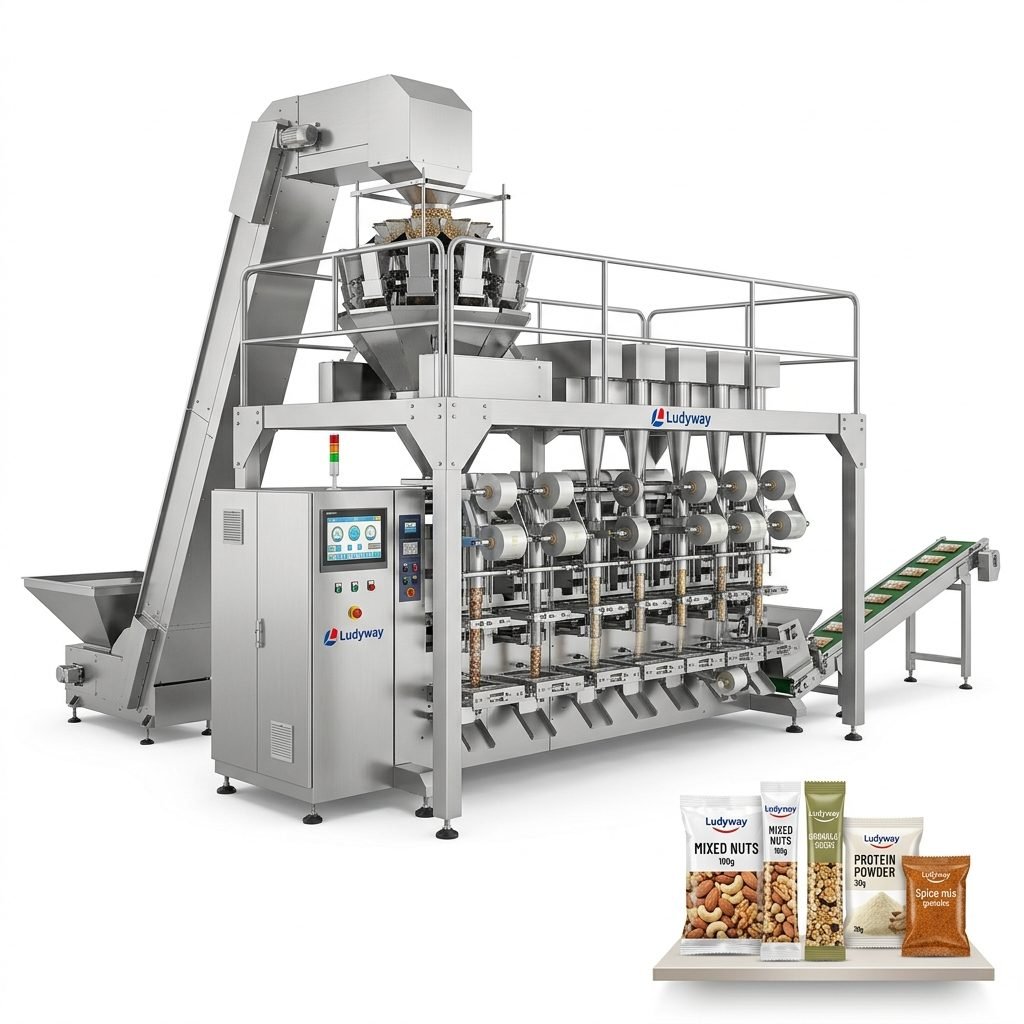
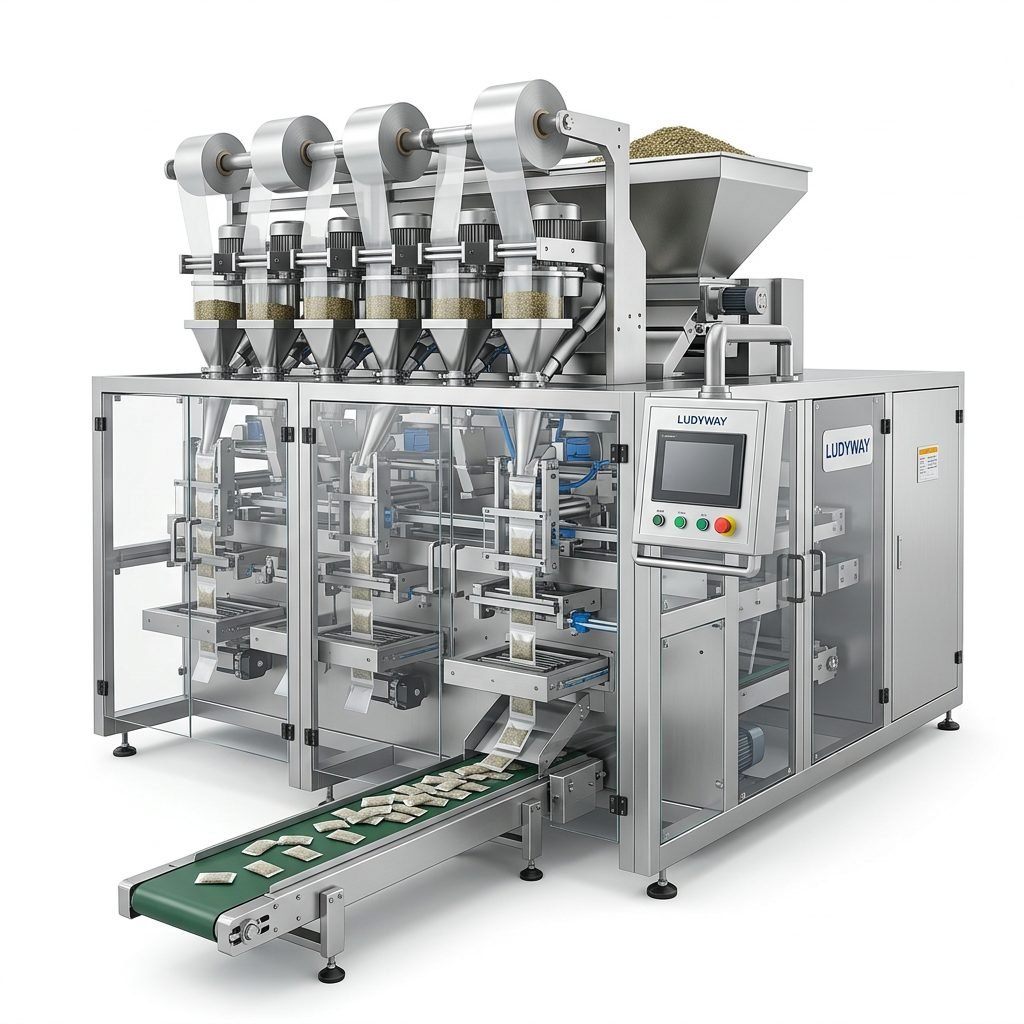
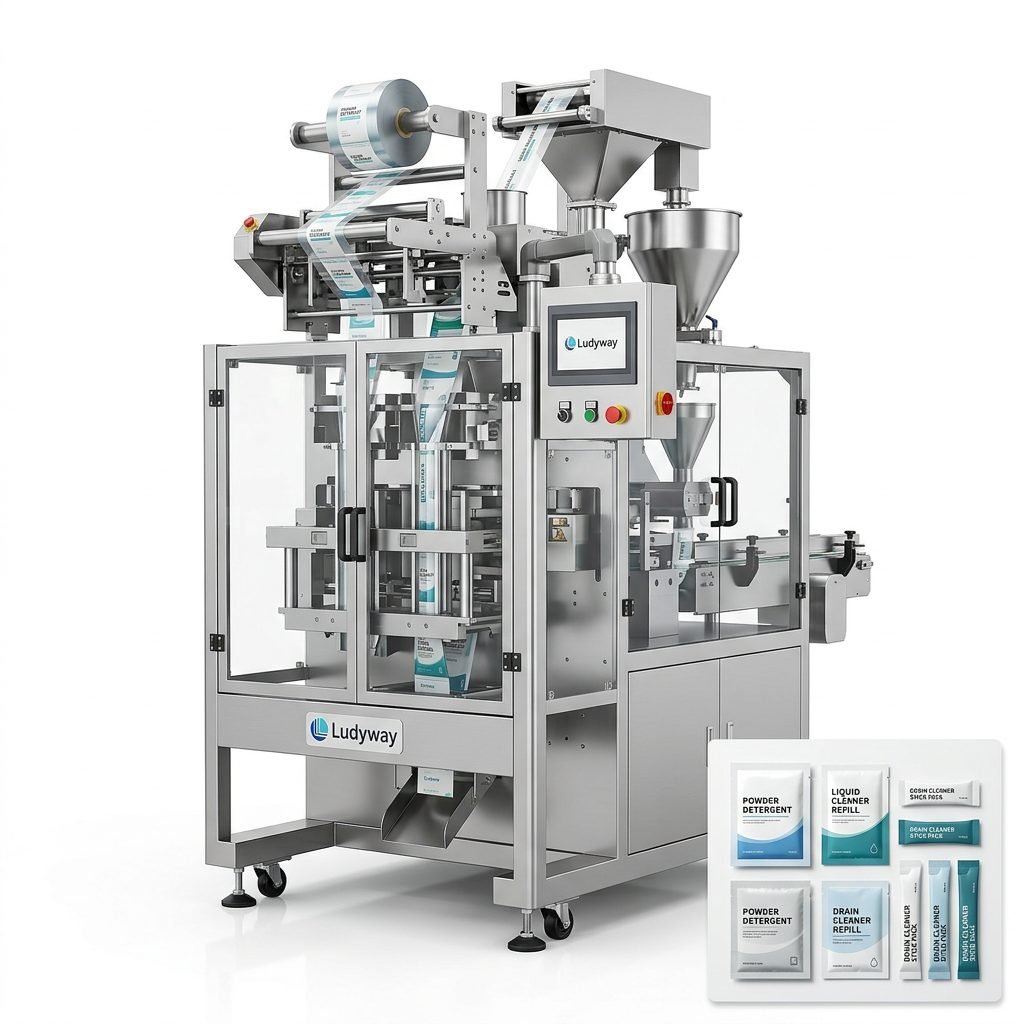
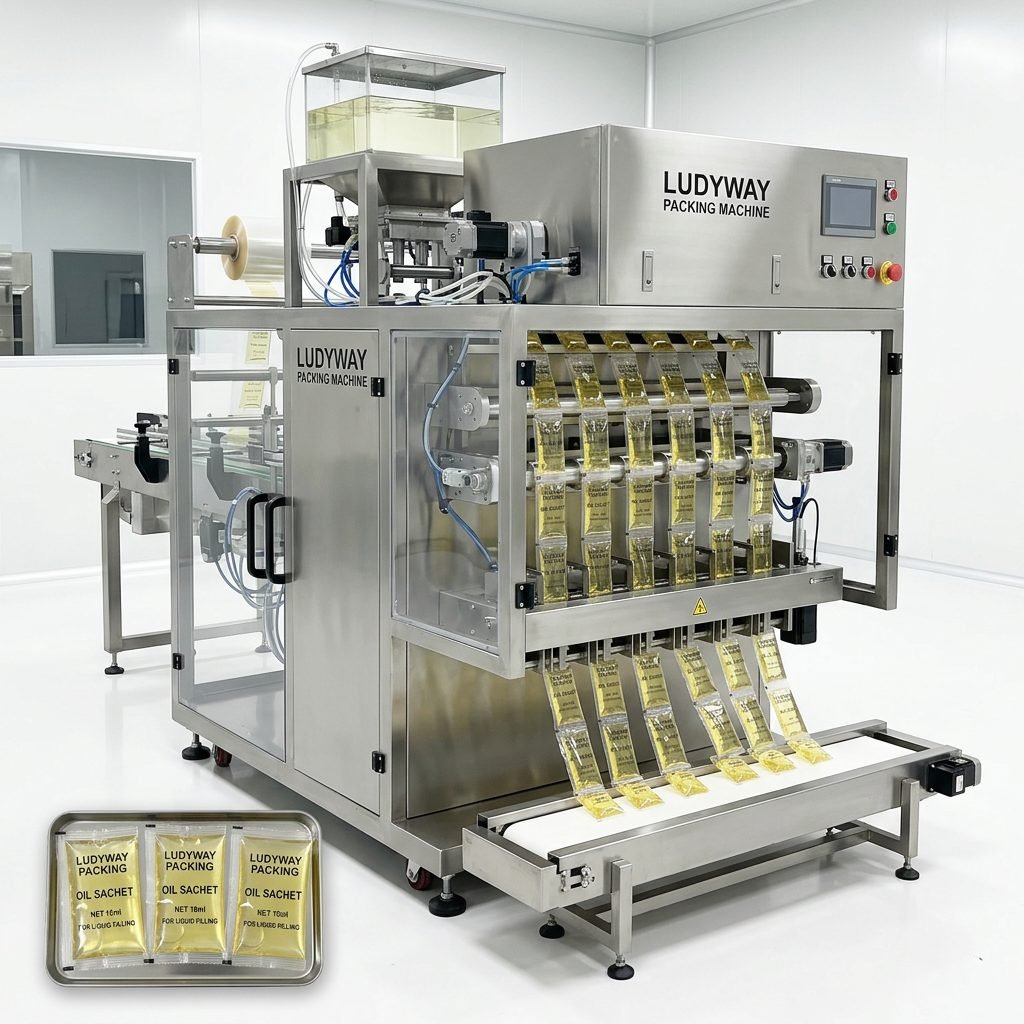
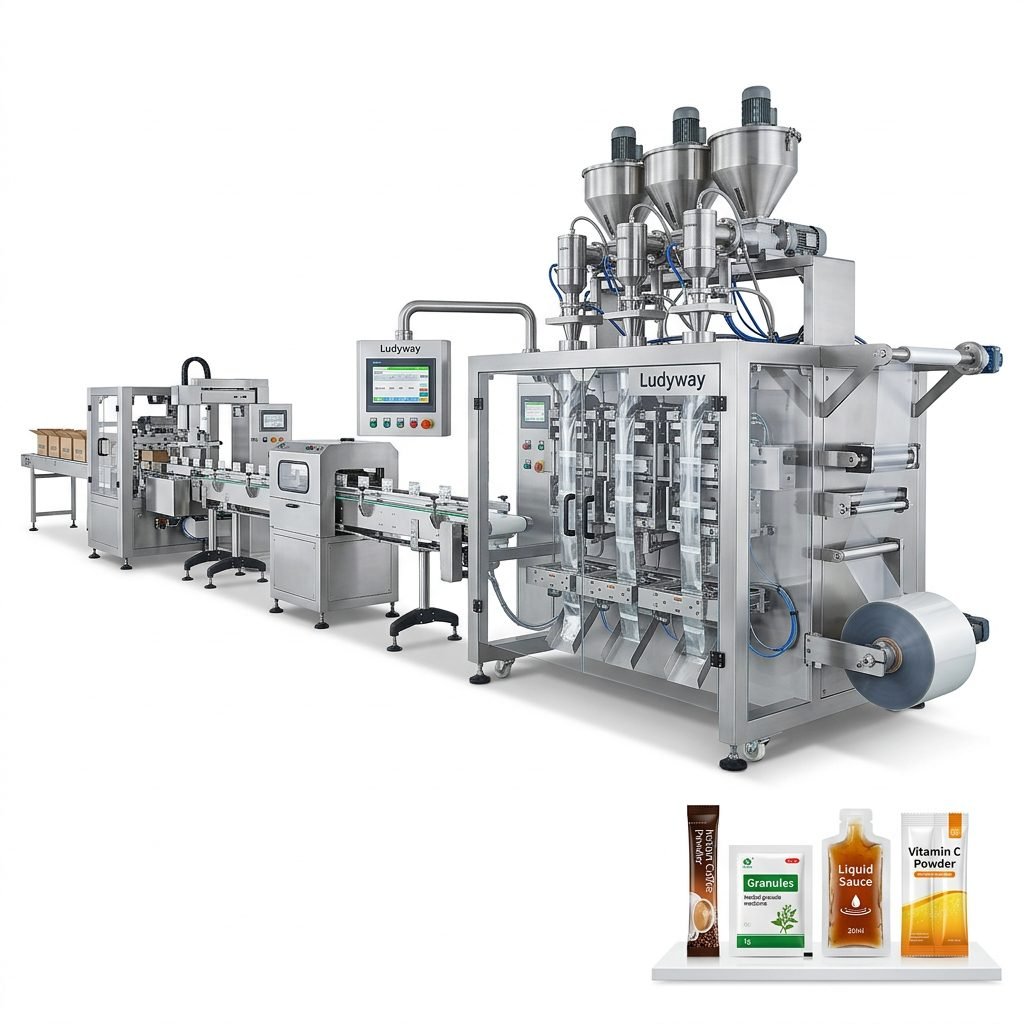
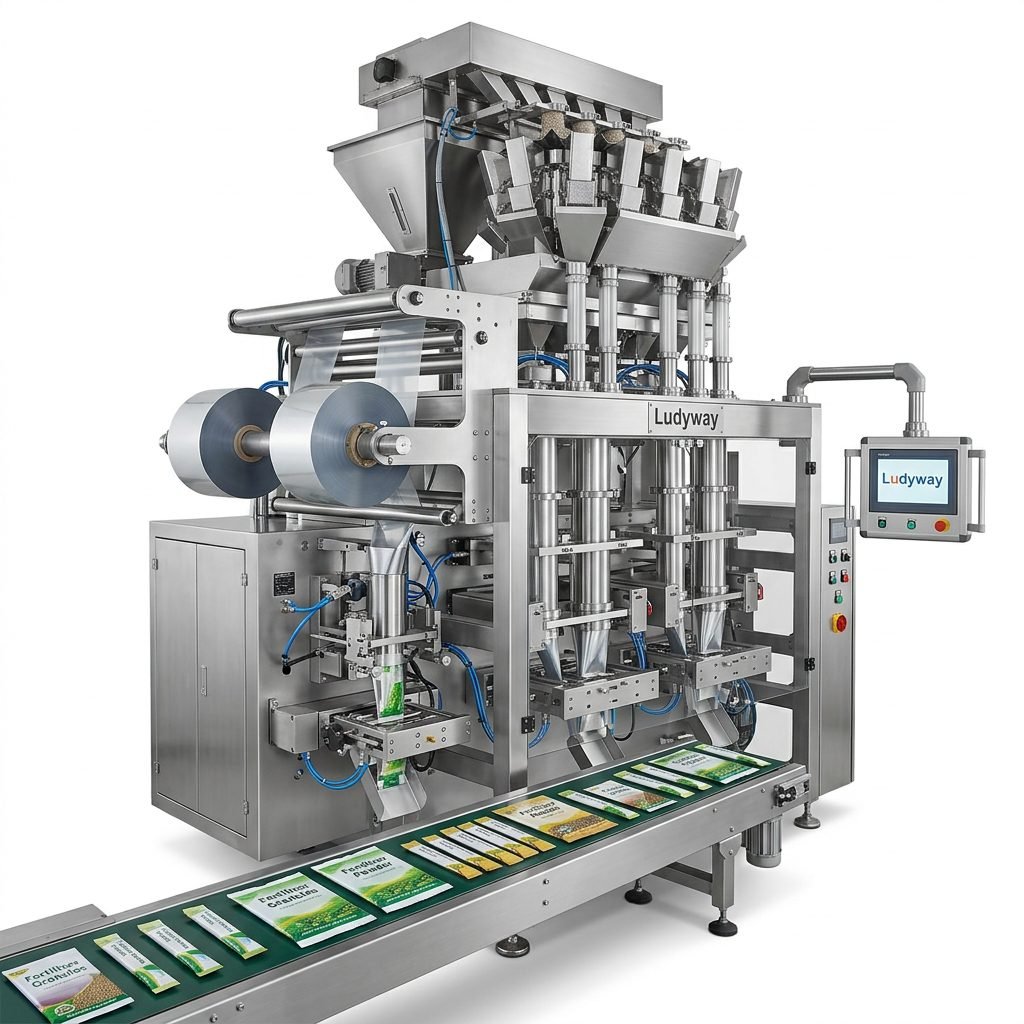
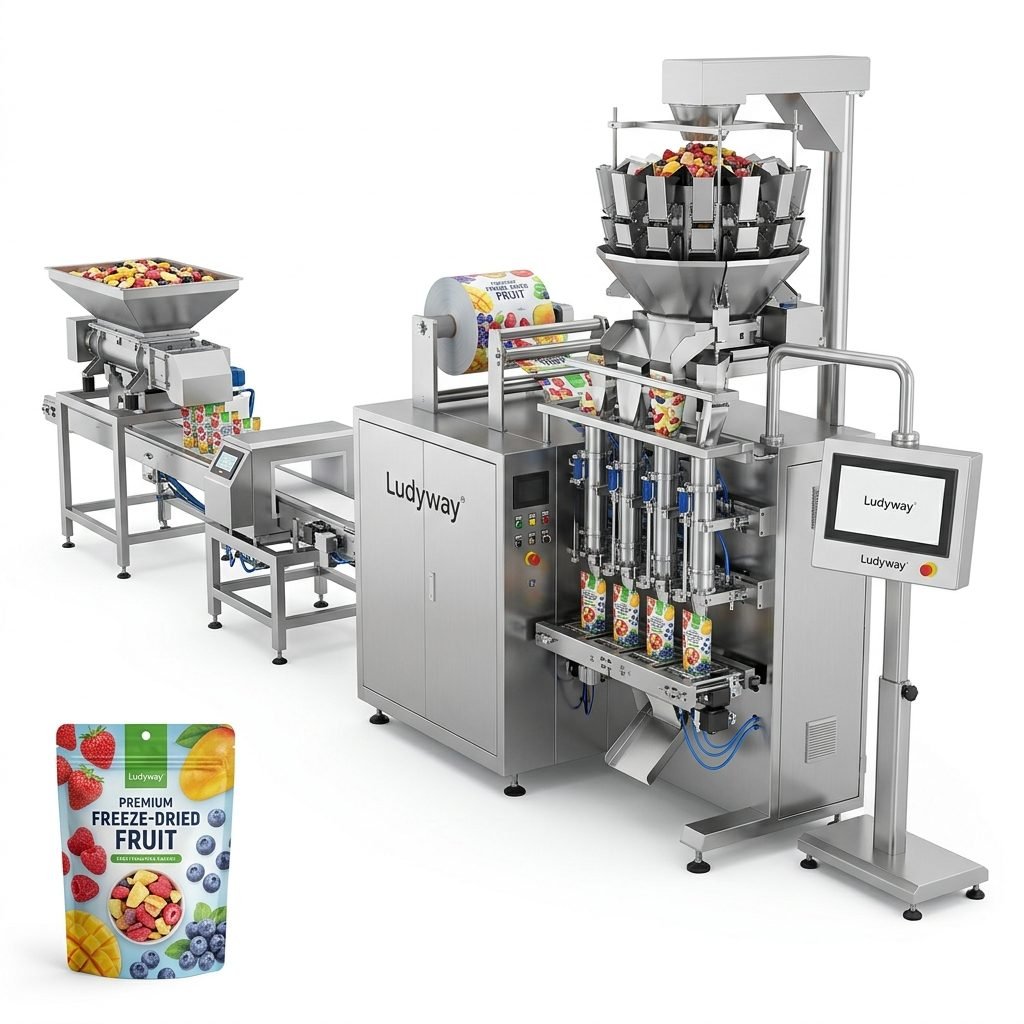
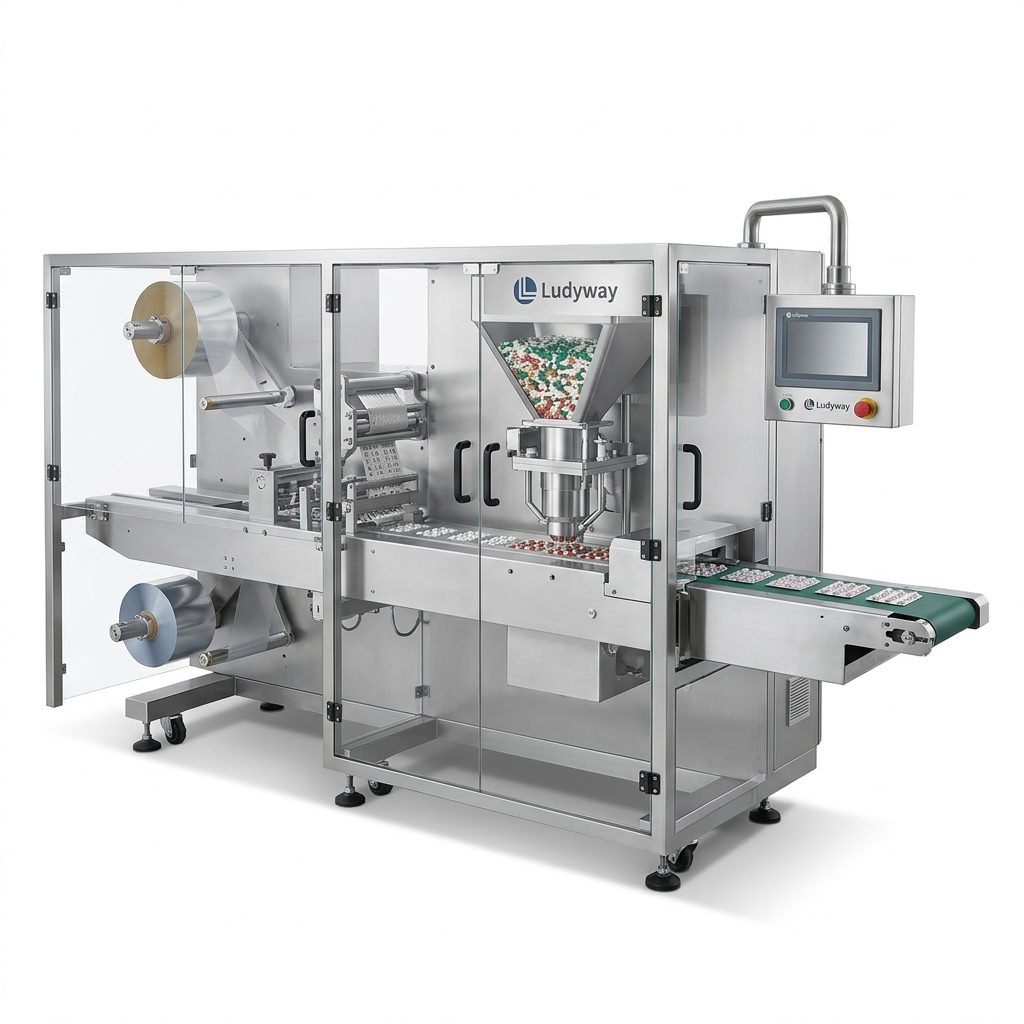
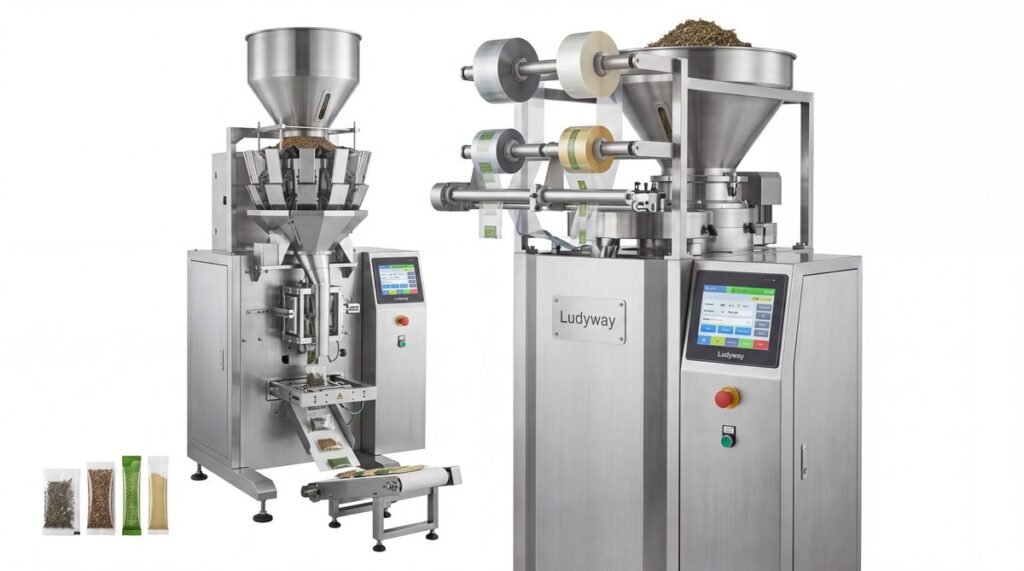
Establishing a condiment packaging machine production line in Oceania requires careful planning, from understanding regional food safety standards to selecting the right multi-lane sachet or stick pack systems. Whether you are packaging ketchup, soy sauce, mayonnaise, or hot sauce, the efficiency of your condiment packaging line directly impacts your market competitiveness in Australia, New Zealand, and the broader Pacific Islands.
Understanding Oceania’s Condiment Packaging Standards
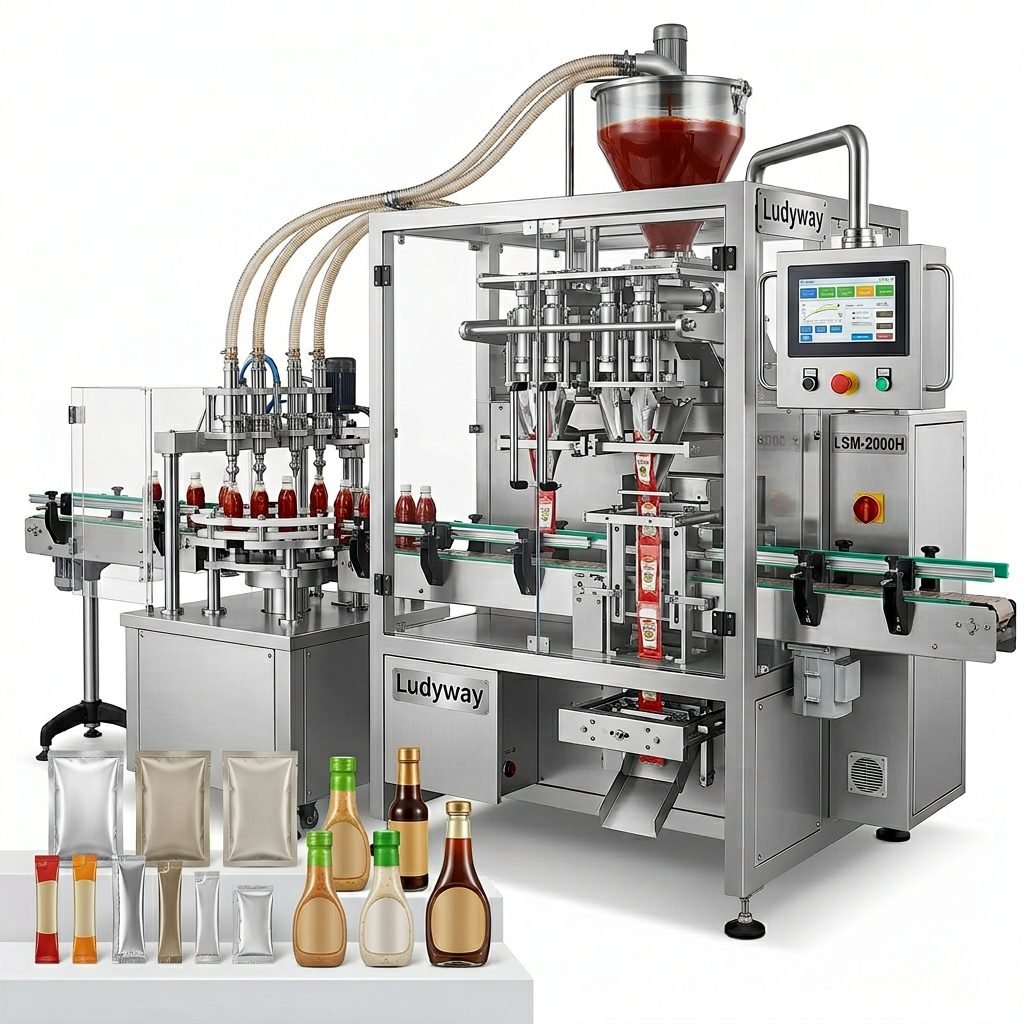
Before investing in machinery, it is critical to align with Food Standards Australia New Zealand (FSANZ) regulations. Packaging materials must be food-grade, and the filling environment must prevent contamination. A multi-lane sachet packaging machine is often preferred for single-serve condiments due to its high-speed output and sealed barrier protection. For liquid condiments like vinegar or chili sauce, vertical form-fill-seal (VFFS) technology with accurate volumetric pumps ensures consistent fill levels.
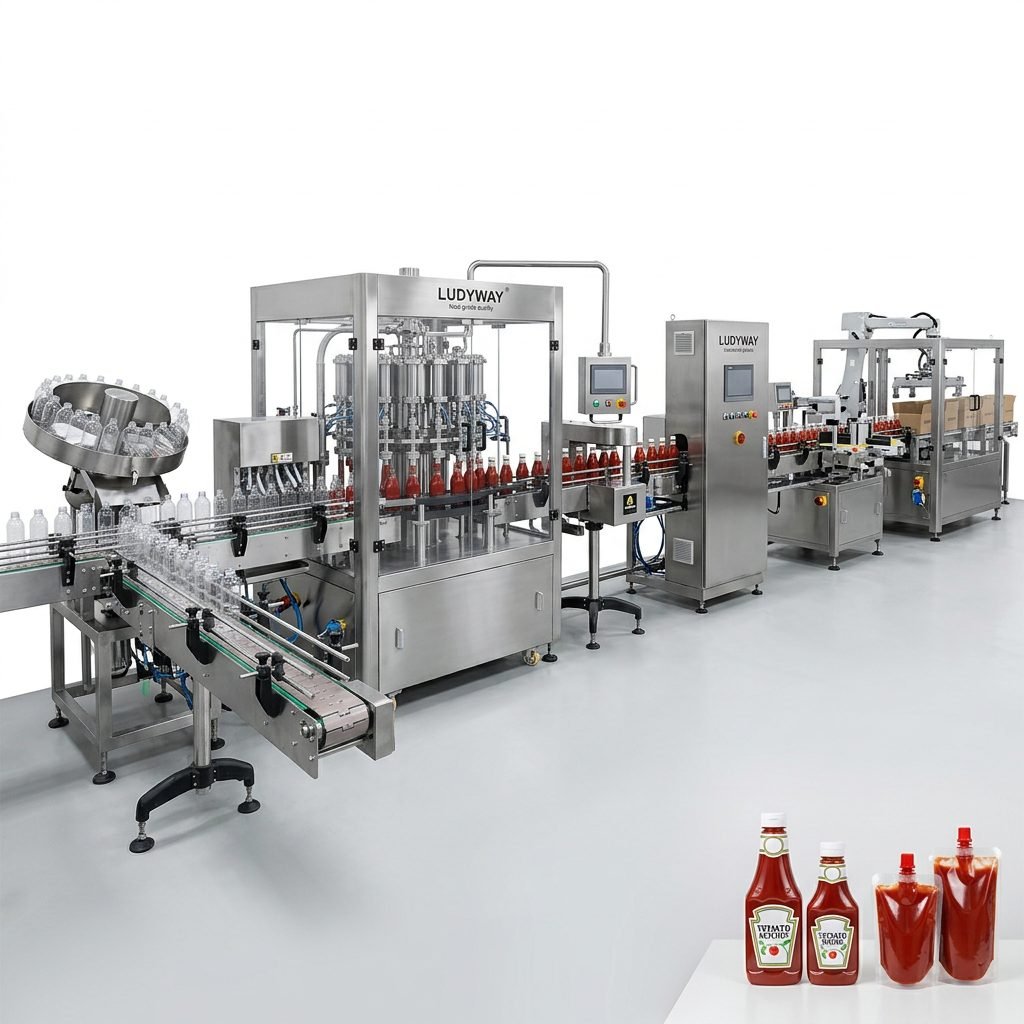
Key Machine Configurations for Condiment Producers
Depending on your product viscosity and target market, you will encounter three primary packaging formats in Oceania:
- Sachet Packaging: Ideal for takeaway ketchup and soy sauce portions.
- Stick Pack Packaging: Popular for sugar-based condiments and powdered sauces.
- Bottle Filling Lines: Necessary for retail-sized BBQ sauces and salad dressings.
Why Multi-Lane Systems Dominate the Oceanian Market
Labor costs in Oceania are significantly high. A multi-lane stick pack machine can produce up to 400-600 packs per minute, drastically reducing labor dependency. When setting up your packaging production line, prioritizing automation and servo-driven controls is non-negotiable for long-term profitability.
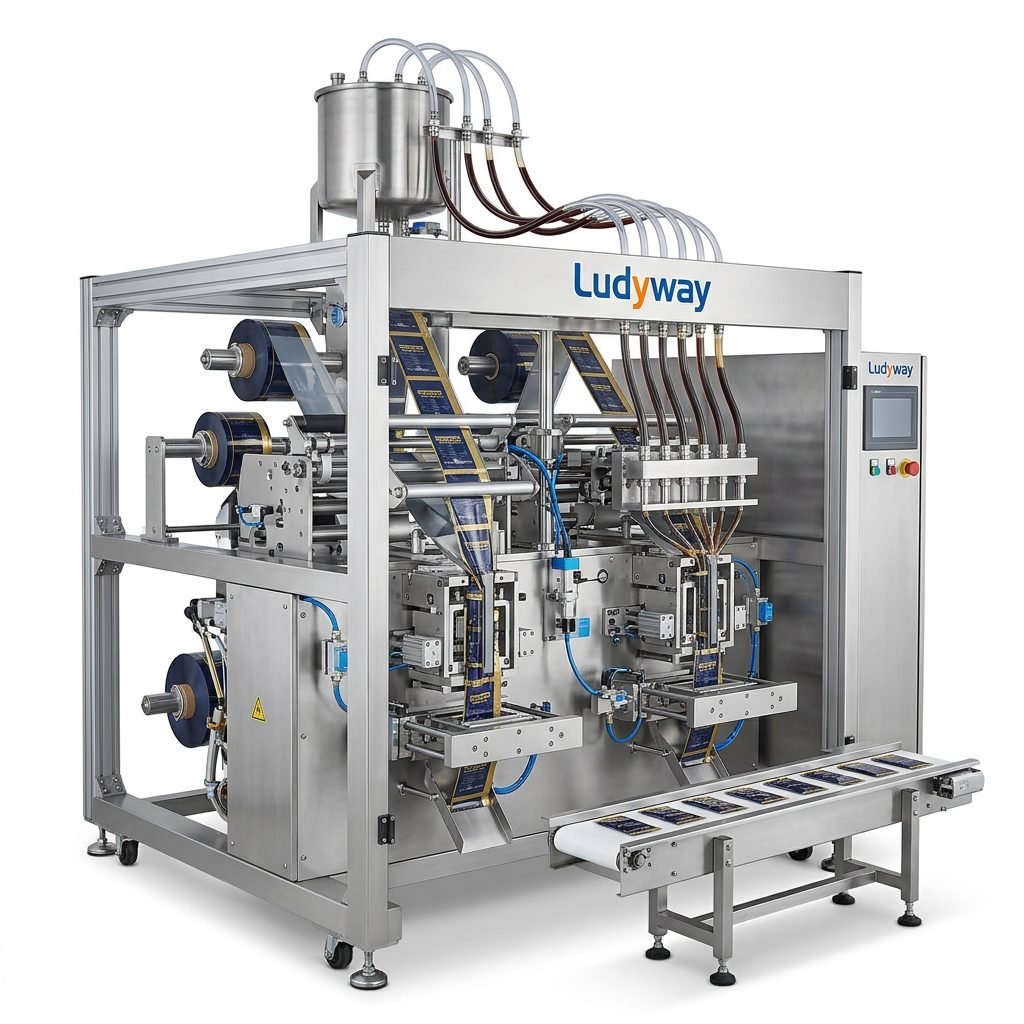
Step-by-Step Guide to Setting Up the Line
1. Pre-Production Planning
Assess your current factory layout. A condiment packaging line typically requires a cleanroom or hygienic zone to comply with HACCP protocols. Ensure you have adequate space for a conveyor system, filling unit, sealing station, and secondary cartoning equipment.
2. Selecting the Right Filling Technology
The viscosity of your condiment dictates the filler type. For thin liquids (soy sauce, vinegar), consider a piston filler or flow meter. For semi-viscous products (ketchup, mayonnaise), a positive displacement pump ensures accurate dosing without dripping.
Recommended Equipment Specifications Table
| Condiment Type | Recommended Machine | Output (packs/min) |
|---|---|---|
| Tomato Ketchup | Multi-Lane Sachet VFFS | 200 – 450 |
| Chili Sauce/Oil | High-Speed Liquid Stick Pack | 150 – 350 |
| Powdered Seasoning | Auger Filler Multi-Lane | 300 – 600 |
| Mayonnaise/Mustard | Piston Filler Sachet Machine | 120 – 280 |
3. Integration with Secondary Packaging
In Oceania, big-box retailers like Coles and Woolworths demand shelf-ready packaging. Integrating a cartoning machine and case packer at the end of the line is essential. This turnkey approach reduces manual handling and speeds up the supply chain.
Navigating Import and Compliance in Oceania
Importing machinery into Australia or New Zealand requires strict electrical safety certification (e.g., RCM in Australia). Ensure your equipment supplier provides documentation for Regulatory Compliance Mark. Additionally, machines should feature stainless steel construction (SUS304 or SUS316) to withstand the corrosive nature of acidic condiments and the humid Oceanian coastal climate.
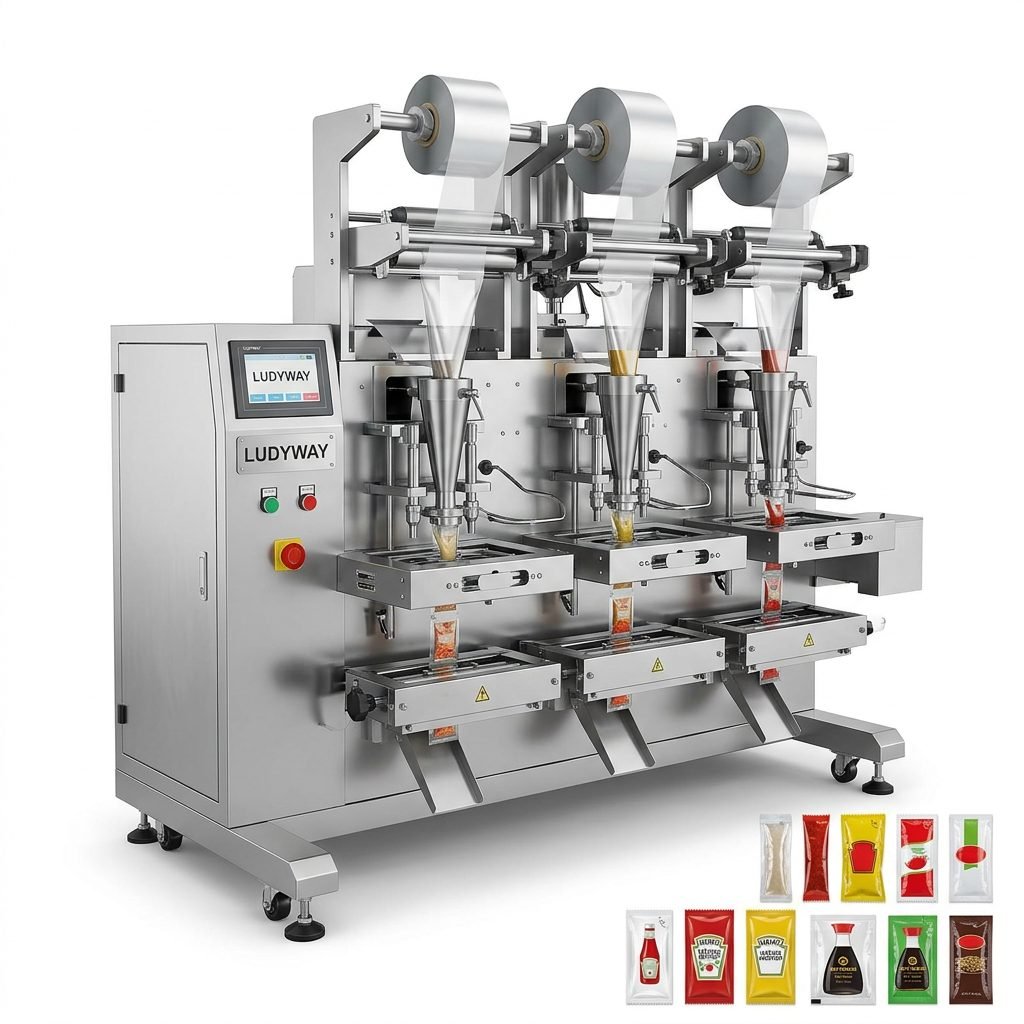
Supplier Selection: A Critical Factor for Success
Choosing a manufacturer with turnkey experience is vital. For instance, Ludyway, one of the largest packaging machine manufacturers in China, provides integrated condiment packaging solutions covering stick pack, sachet, and bottle filling systems. With over 30 years of industry expertise and a 20,000㎡ modern production facility, they offer robust machines designed for 24/7 operation, which is a necessity for high-volume food manufacturers in Oceania exporting to Asia-Pacific markets.
Key After-Sales Support Considerations
- Availability of remote troubleshooting and local Oceanian service technicians.
- Fast supply of critical spare parts to avoid downtime.
- Operator training programs to upskill local Australian or New Zealand staff.
For more information on food-grade equipment standards, refer to the FDA Food Packaging & Food Contact Substances guidelines, which often aligns with international best practices adopted by FSANZ.
Optimizing for Operational Efficiency
Preventive Maintenance Schedules
Implement a strict Preventive Maintenance (PM) schedule. The hot-to-cold cycling in some Oceania regions can cause condensation, impacting sealing quality and pouch integrity. Regularly lubricating and calibrating the vertical seal bars and cross-seal jaws prevents rejects.
Waste Reduction Strategies
Modern lines feature vision inspection systems that detect empty, half-filled, or leaking sachets. Investing in a high-accuracy checkweigher is non-negotiable for export-oriented condiment producers.
Future-Proofing Your Oceania Production Line
Sustainability is driving the packaging industry. The European Commission Packaging Waste regulations are influencing global trends, and Oceania is no exception. Look for machinery capable of handling recyclable mono-material films. A sleek, modern, and adaptable condiment packaging machine will ensure your brand remains compliant and competitive for the next decade.
To explore detailed technical specifications of multi-lane and liquid filling machinery, visit Ludyway.com for expert consultation tailored to high-speed condiment production.