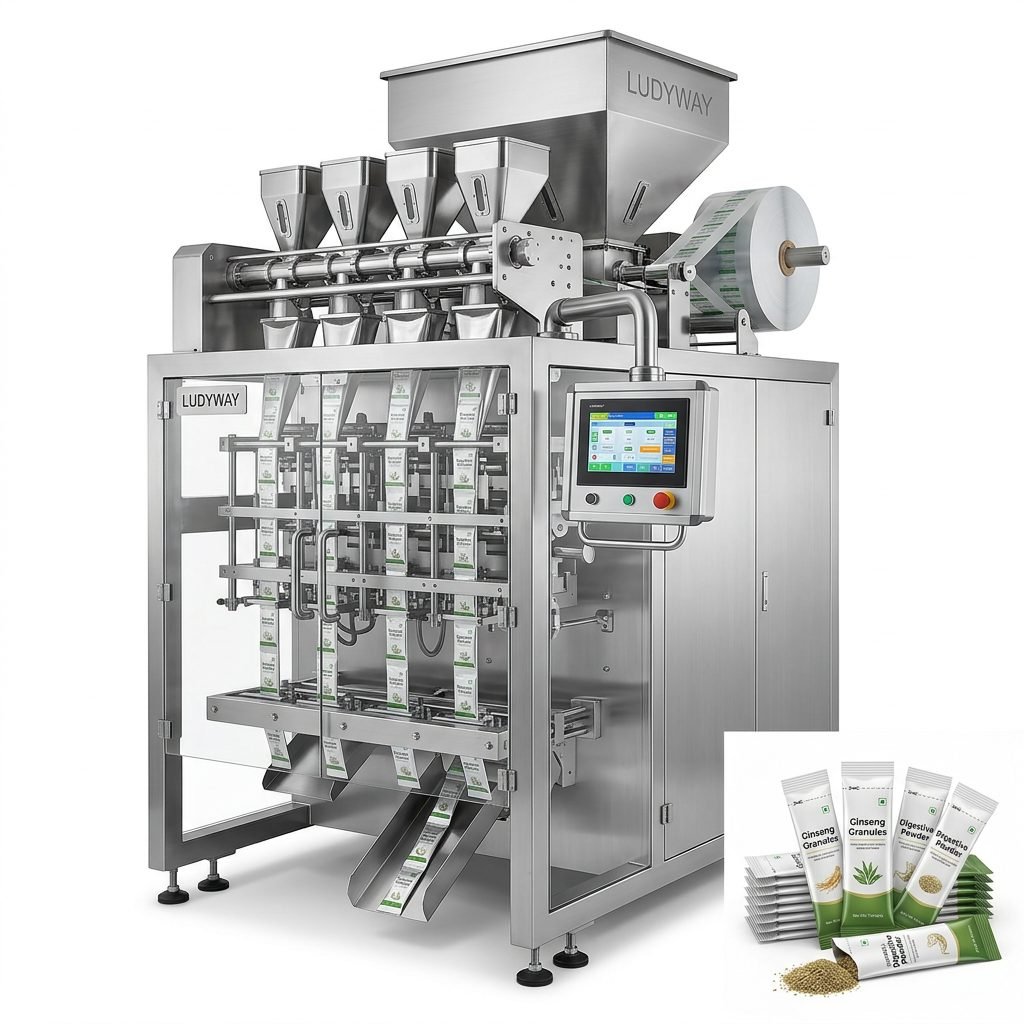
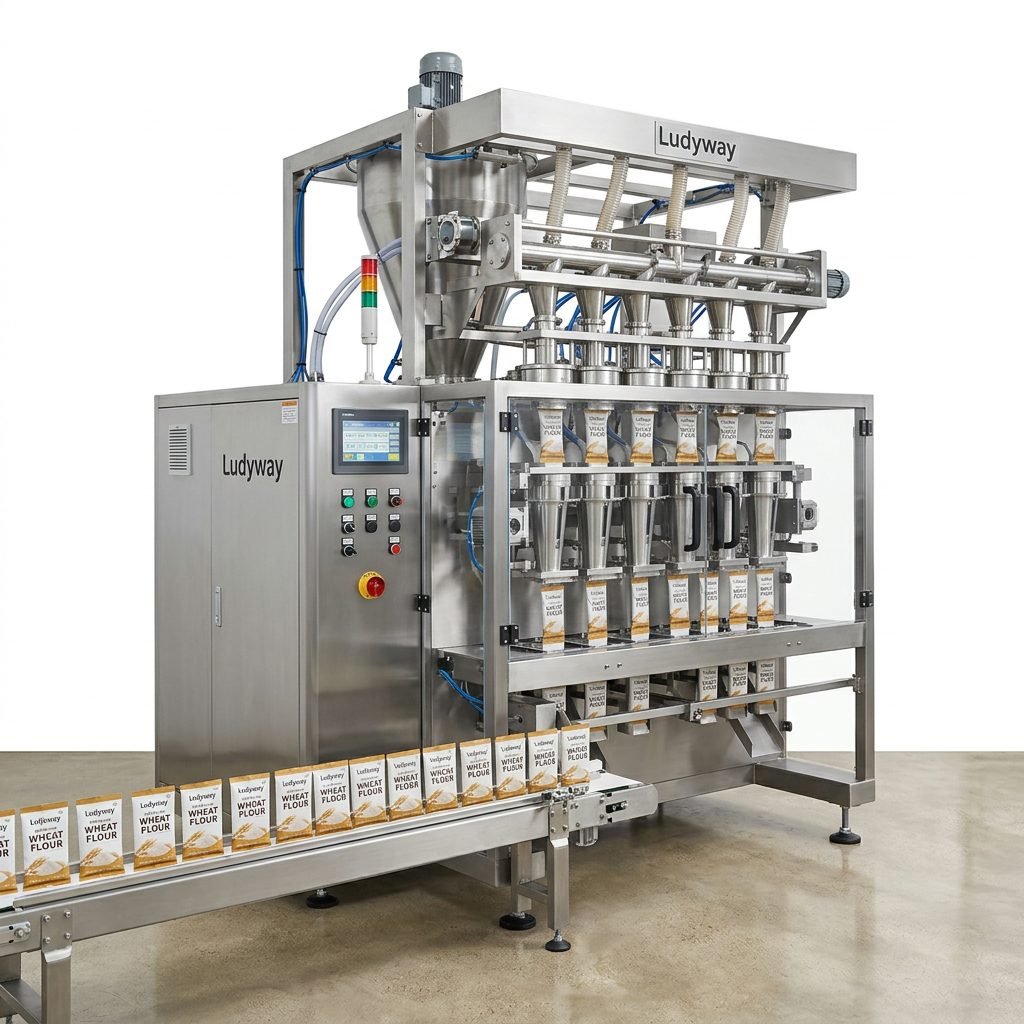
Selecting the right edible oil packaging machine in France requires a clear understanding of local market demands, regulatory frameworks, and the specific operational needs of your production facility. France is one of Europe’s largest markets for edible oils, ranging from olive oil and sunflower oil to specialty oils like walnut and rapeseed oil. Whether you are a small artisanal producer or a large-scale industrial manufacturer, investing in the correct packaging equipment directly impacts product quality, shelf life, and overall profitability.
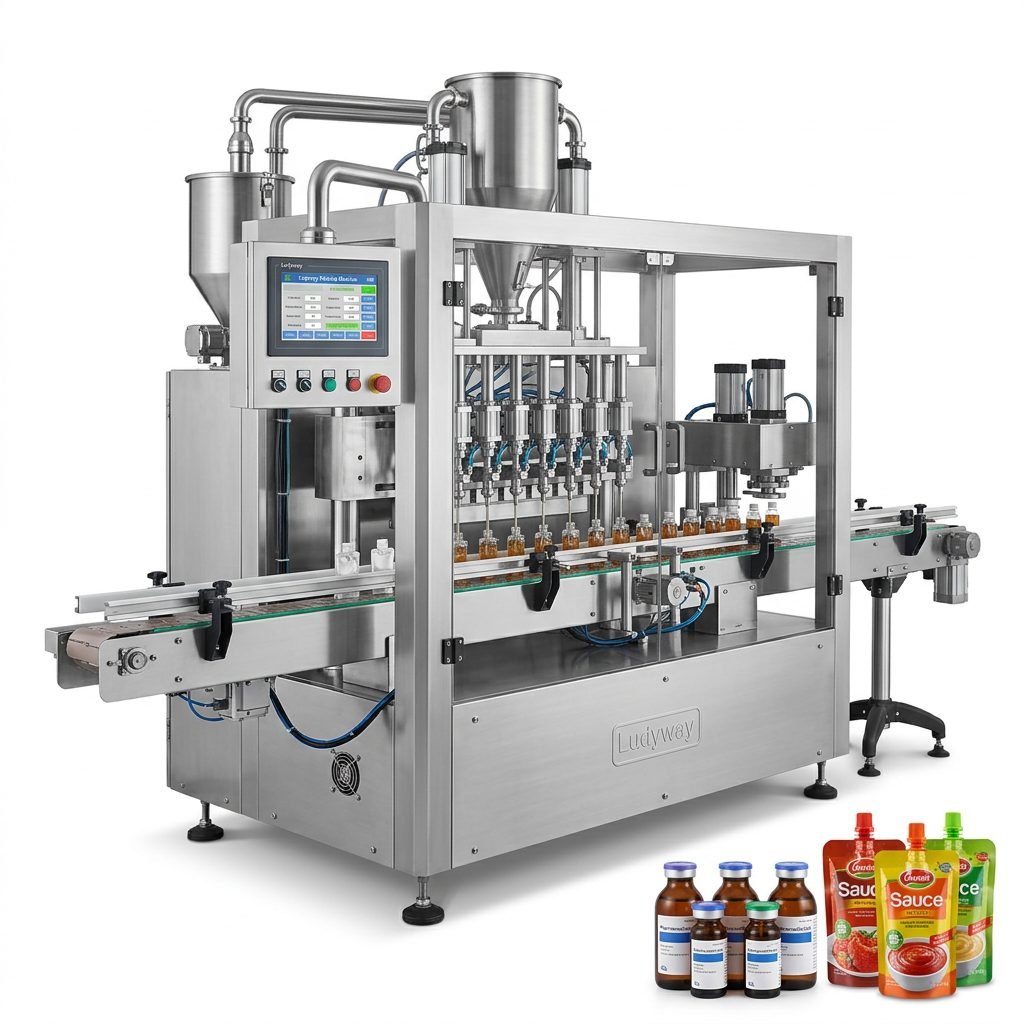
Understanding the French Edible Oil Market and Packaging Requirements
France’s edible oil sector is characterized by a strong preference for high-quality packaging that preserves freshness and meets stringent food safety standards. Glass bottles, PET containers, metal tins, and flexible pouches are all common packaging formats. The choice of packaging machine must align with your target format, production volume, and the viscosity characteristics of the oil being filled. According to industry data from the PMMI Business Intelligence reports, the European packaging machinery market continues to grow steadily, driven by automation and sustainability demands.
Key Factors to Consider When Choosing an Edible Oil Packaging Machine
Machine Type and Packaging Format
Different edible oils require different packaging approaches. Liquid filling machines for oils typically fall into categories such as volumetric fillers, piston fillers, and gravity-based systems. For high-viscosity oils like olive oil, piston or pump-based fillers are often preferred. For lighter oils such as sunflower or grapeseed oil, gravity fillers or net-weight filling systems deliver excellent accuracy. The ISO packaging standards provide useful benchmarks for equipment performance and reliability across different packaging formats.
Production Capacity and Speed
Your required output rate is a decisive factor. Small-scale producers may need machines capable of handling 500 to 2,000 bottles per hour, while large industrial operations often demand systems running at 10,000 bottles per hour or more. Multi-head filling configurations and rotary filling systems offer higher throughput. It is essential to match the machine speed to your entire production line, including capping, labeling, and cartoning stages, to avoid bottlenecks and ensure smooth continuous operation.
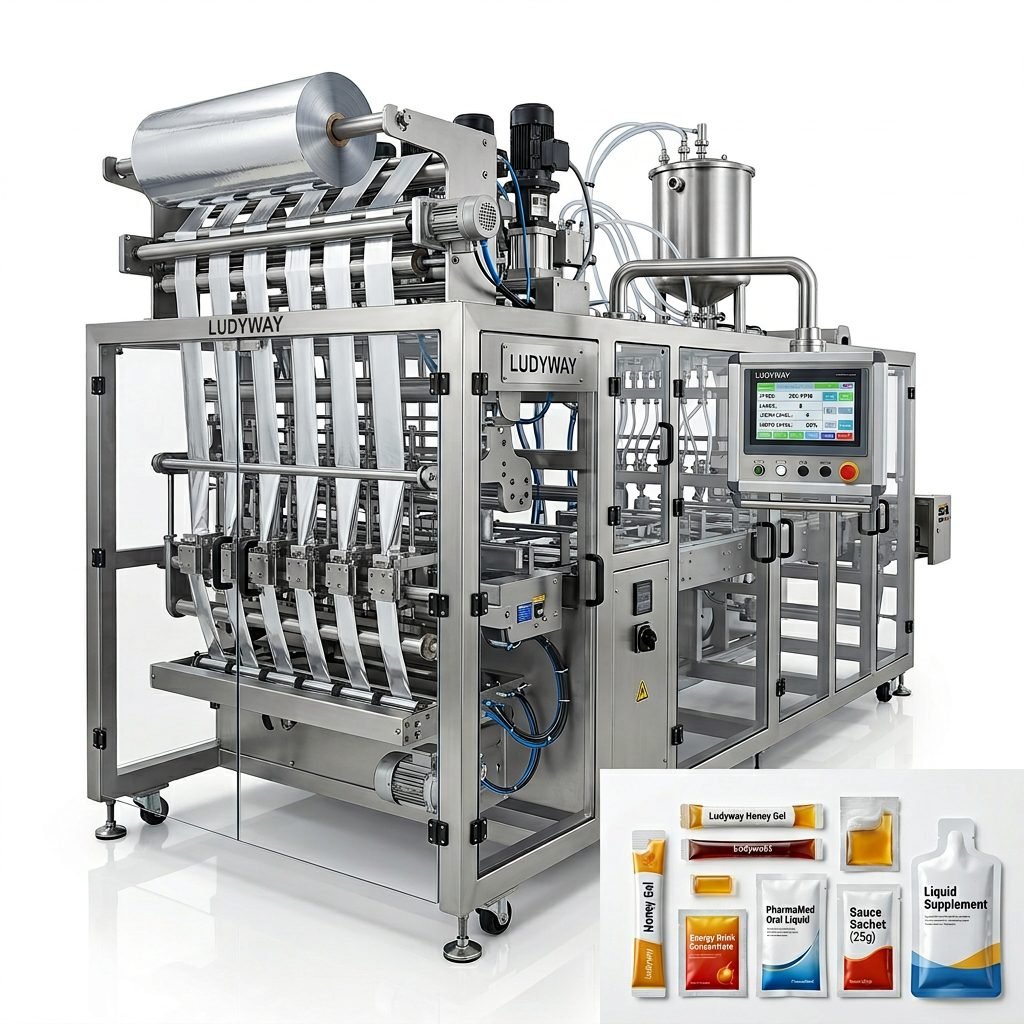
Material Compatibility and Oil Characteristics
Edible oils present unique challenges due to their viscosity, temperature sensitivity, and oxidative properties. The machine’s contact parts must be constructed from food-grade stainless steel (typically 304 or 316L) to prevent contamination and corrosion. For oils that are filled at higher temperatures, the filling system must accommodate thermal expansion and maintain seal integrity. Additionally, some oils may require nitrogen flushing during packaging to displace oxygen and extend shelf life — a feature that your chosen packaging machine should support if needed.
Compliance with French and EU Regulations
Any packaging machine deployed in France must comply with applicable EU directives and French national standards. This includes machinery safety regulations, food contact material requirements, and hygiene standards. The European Commission’s Packaging and Packaging Waste Regulation is particularly relevant, as it sets requirements for packaging design, material use, and recyclability. Ensuring your machine supplier is familiar with CE marking requirements and provides proper documentation will streamline the procurement and installation process.
Automation Level and Integration
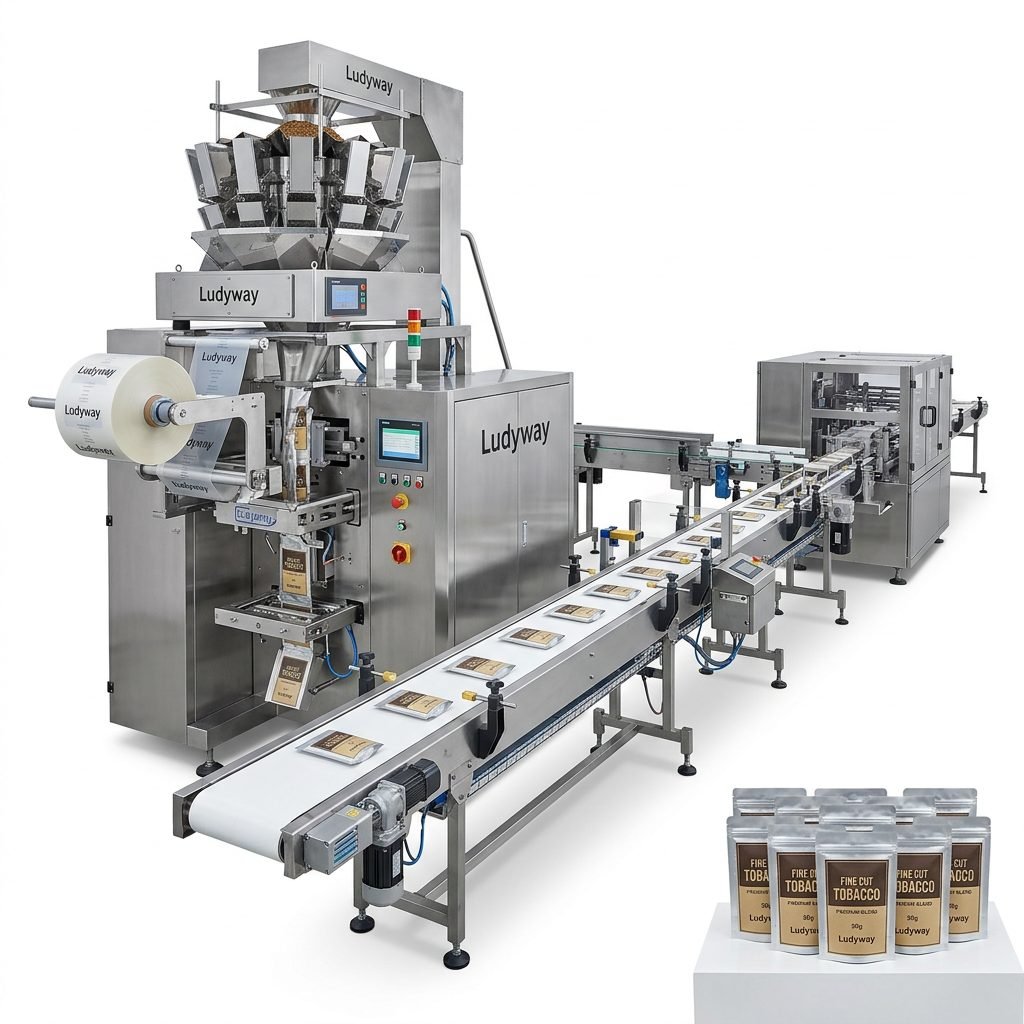
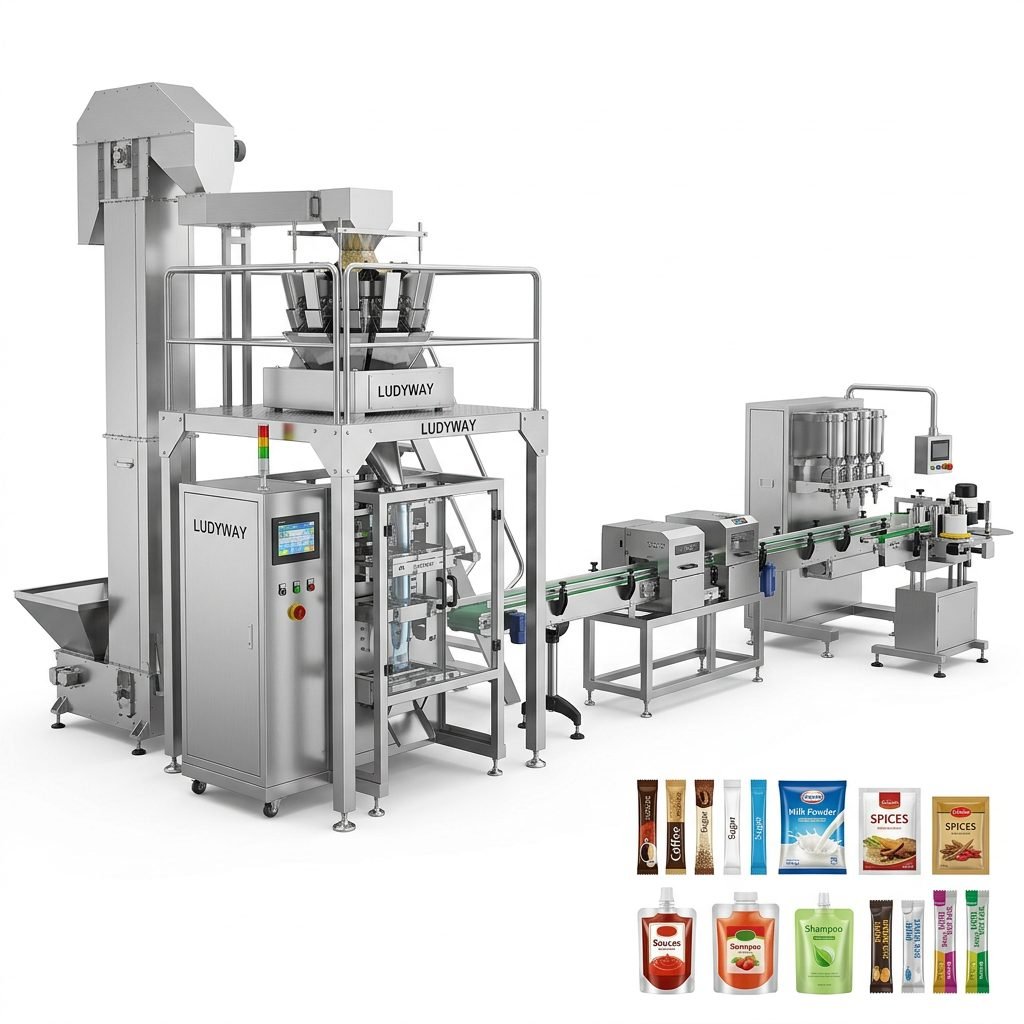
Modern edible oil packaging lines increasingly feature full automation, integrating filling, capping, labeling, inspection, and cartoning into a single continuous line. Automated systems reduce labor dependency, minimize human error, and provide consistent output quality. When evaluating machines, consider whether the supplier offers turnkey solutions that include upstream and downstream equipment, such as bottle unscramblers, conveyors, checkweighers, and shrink-wrapping systems. A well-integrated line reduces commissioning time and ensures seamless production from day one.
After-Sales Support and Maintenance
Reliable after-sales service is crucial when purchasing packaging machinery from international suppliers. French buyers should evaluate the availability of local technical support, spare parts supply, and training programs. Downtime in edible oil packaging can result in significant revenue losses, especially during peak seasons. Choose a manufacturer that offers remote diagnostics, readily available spare parts inventory, and clear maintenance documentation to keep your operations running smoothly over the equipment’s lifecycle.
Comparison Table: Machine Types for Edible Oil Packaging
| Machine Type | Best Suited For | Typical Speed Range | Key Advantage |
|---|---|---|---|
| Piston Filler | High-viscosity oils (olive, avocado) | 500 – 3,000 bottles/hour | High accuracy with thick liquids |
| Gravity Filler | Low-viscosity oils (sunflower, grapeseed) | 1,000 – 8,000 bottles/hour | Simple, reliable, cost-effective |
| Net-Weight Filler | Premium oils requiring precise weight | 300 – 1,500 bottles/hour | Highest fill accuracy by weight |
| Rotary Filler | Large-scale industrial production | 5,000 – 24,000 bottles/hour | Maximum throughput for high volumes |
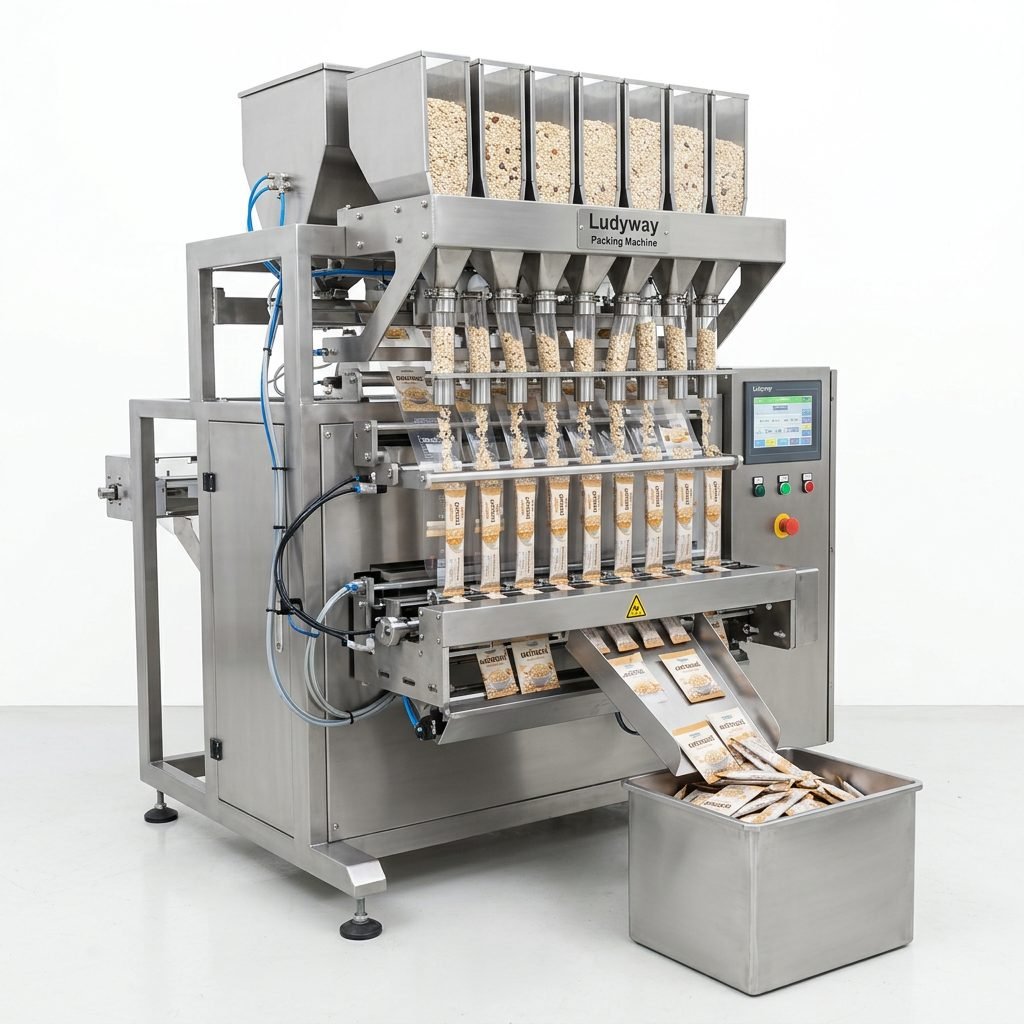
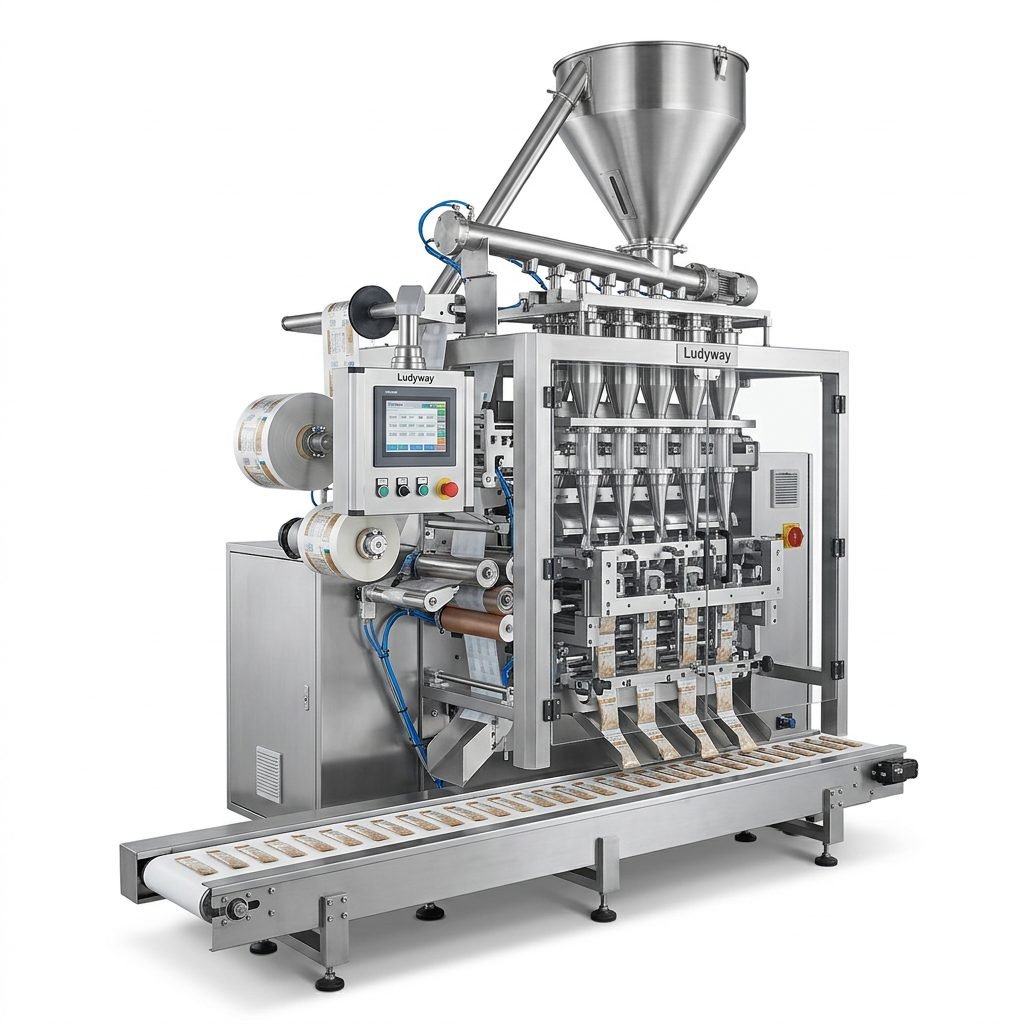
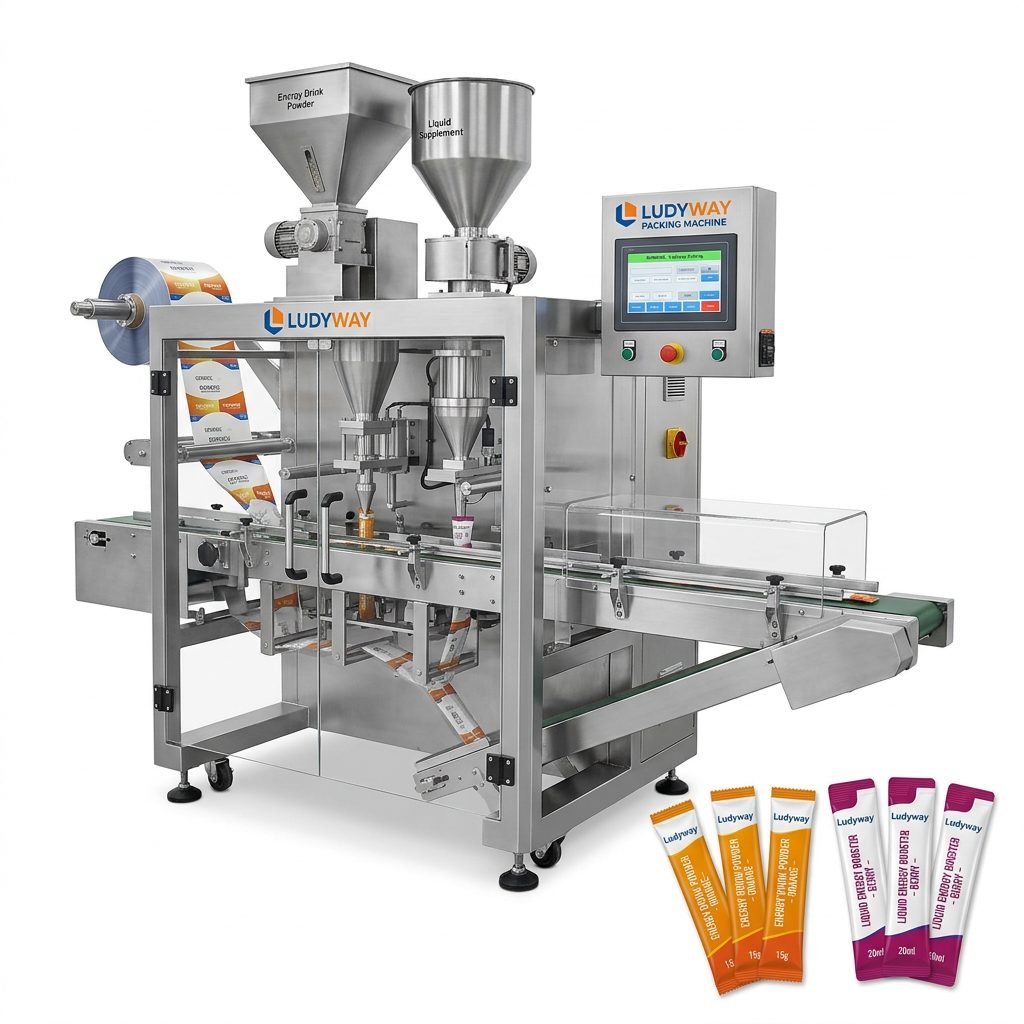
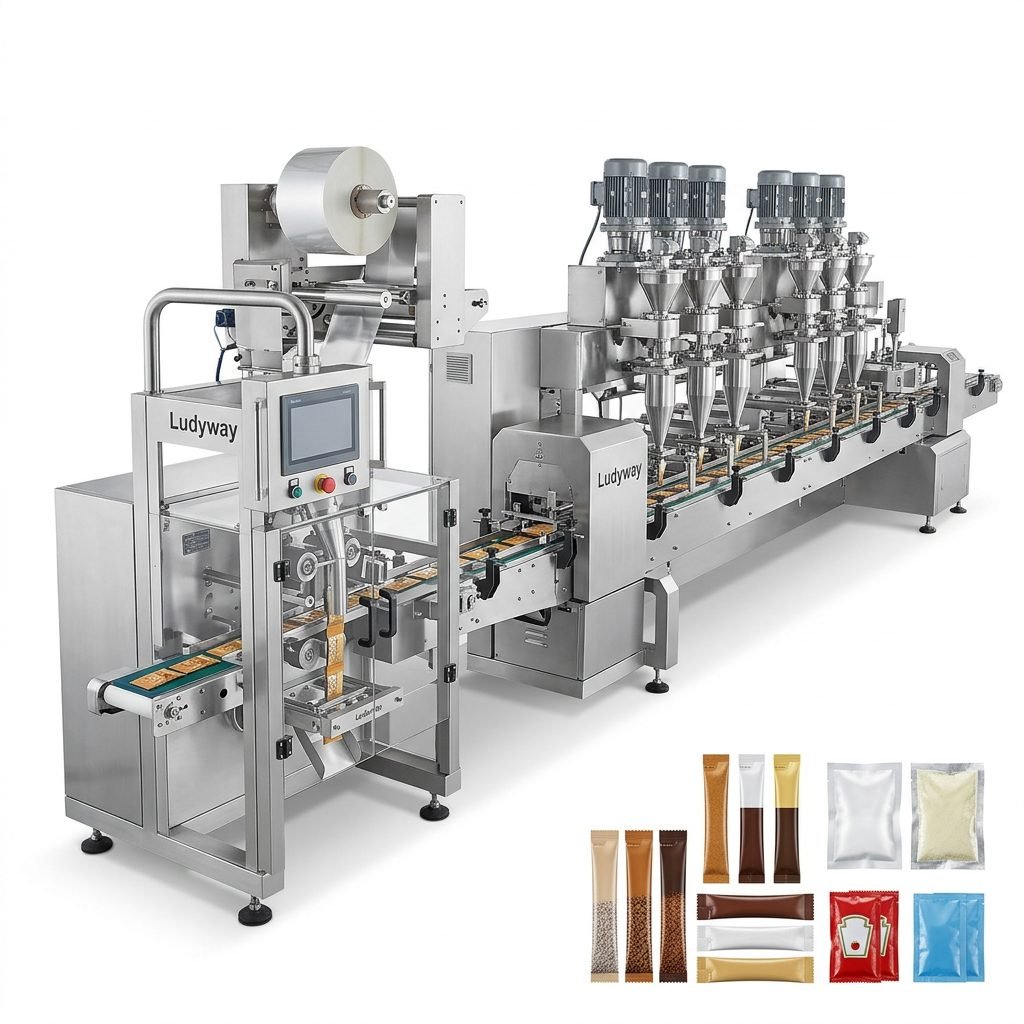
| Sachet/Stick Pack Machine | Single-serve edible oil portions | 200 – 600 packs/minute (multi-lane) | Compact format, growing market segment |
Key Features to Look for in Modern Edible Oil Packaging Equipment
- Food-grade stainless steel construction (304 or 316L) for all product-contact surfaces
- Anti-drip nozzles to minimize product waste and ensure clean filling
- Servo-driven filling systems for precise volume control and quick changeover
- Integrated nitrogen flushing capability for oxygen-sensitive oils
- CIP (Clean-in-Place) compatibility to streamline sanitation procedures
- Touchscreen HMI controls with multi-language support and recipe storage
- CE certification and compliance with EU machinery directives
- Modular design allowing future expansion and integration with auxiliary equipment
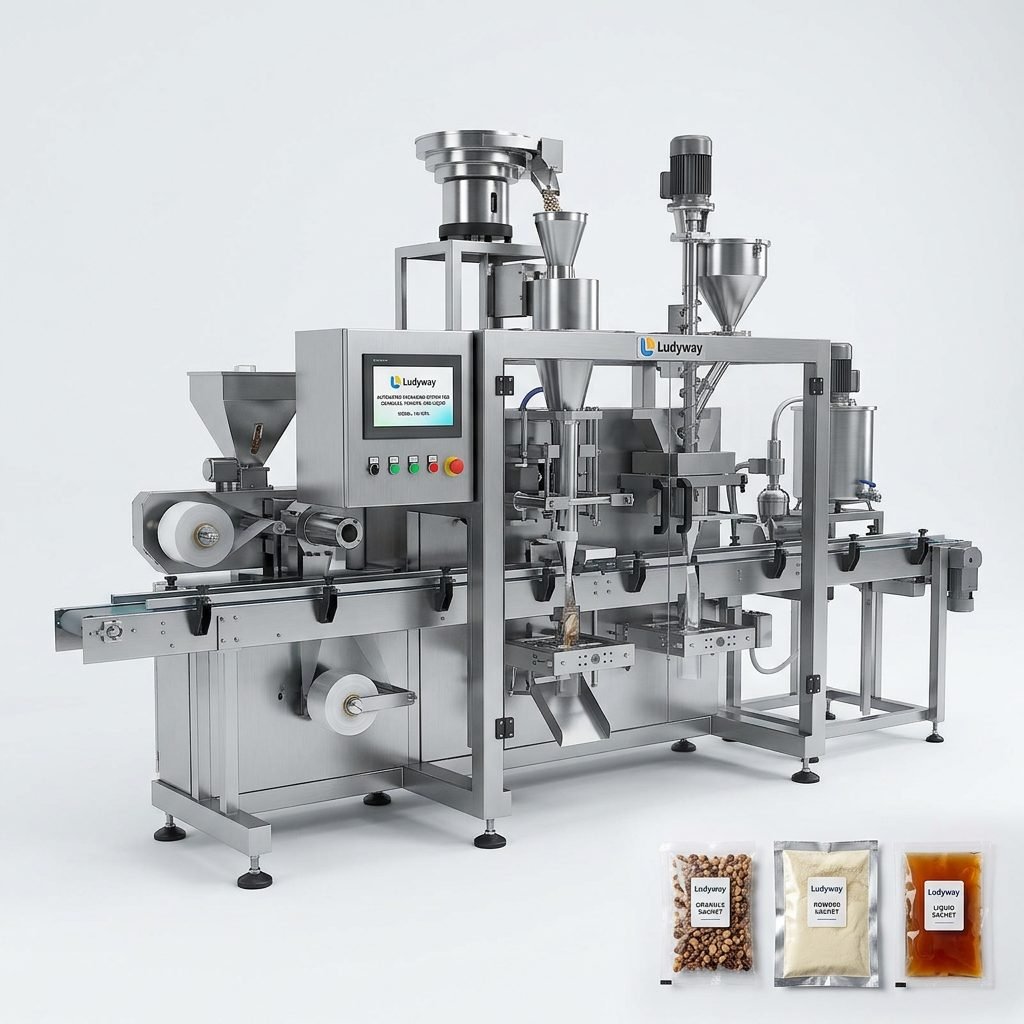
Why French Buyers Should Consider Global Packaging Machine Suppliers
The global packaging machinery market offers French edible oil producers access to a diverse range of high-quality, cost-effective solutions. While European manufacturers have traditionally dominated the market, suppliers from Asia — particularly from China — have made significant technological advances in recent decades. These manufacturers now offer equipment that rivals European standards in build quality and performance, often at a more competitive price point. According to the 2025 State of the Industry report from PMMI, the global packaging machinery market continues to see strong growth and increasing cross-border trade.
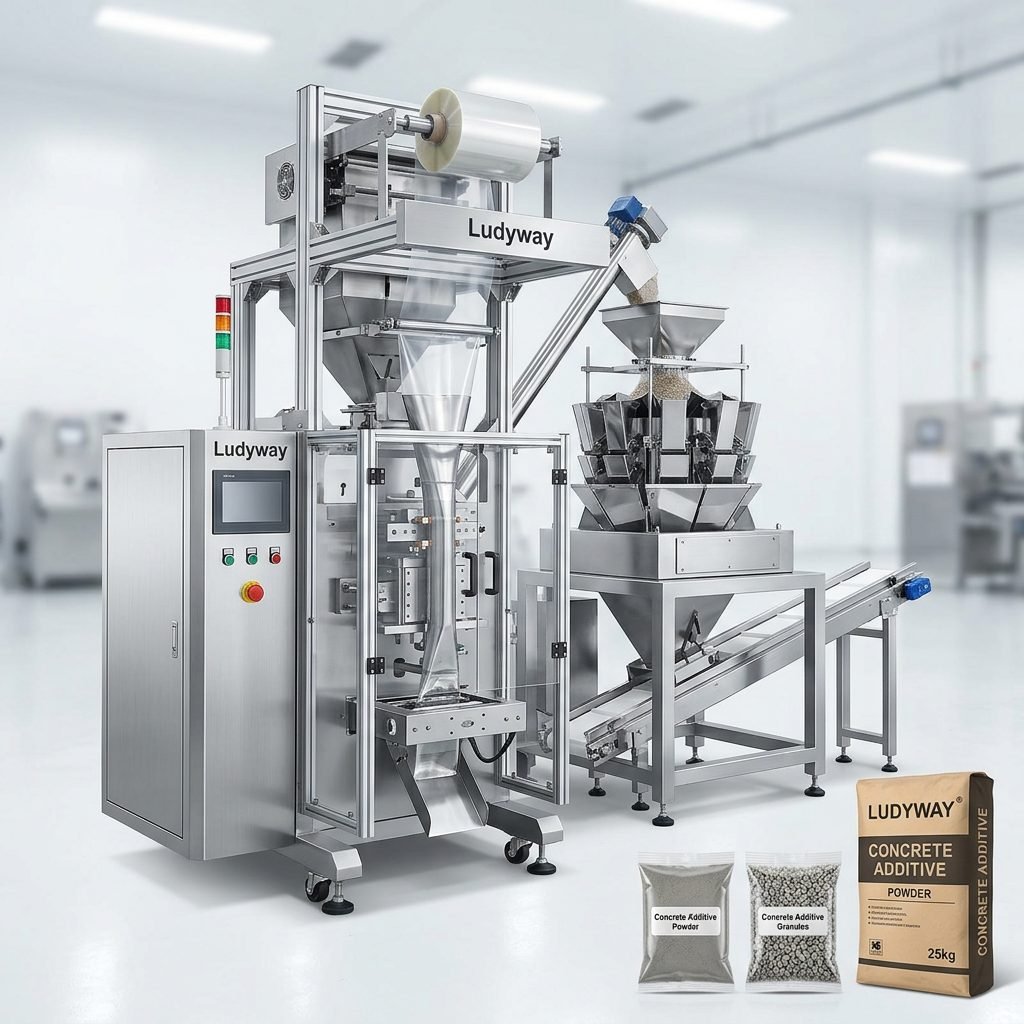
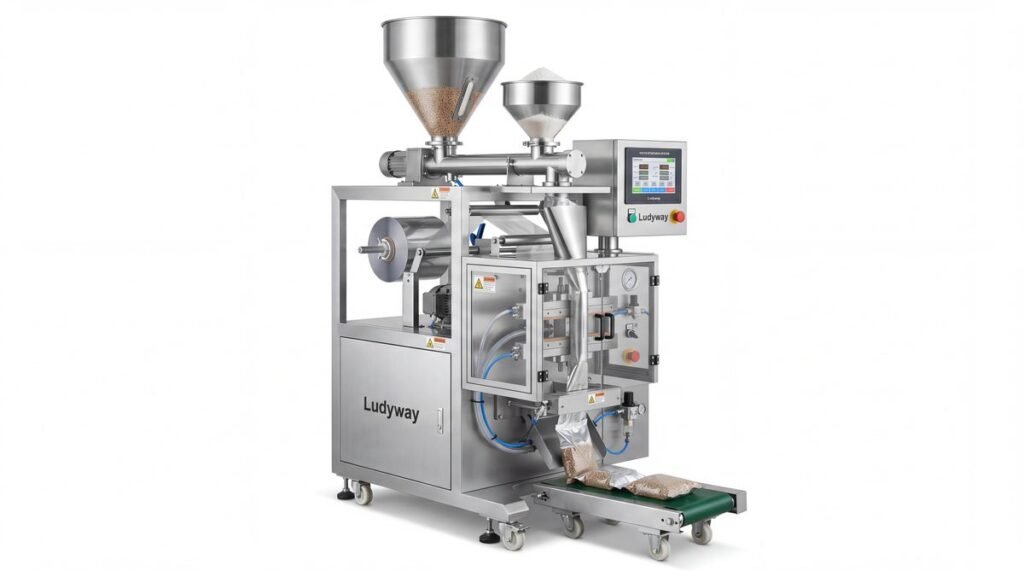
One notable example is Ludyway, a leading Chinese packaging machine manufacturer with over 30 years of industry experience. The company operates a modern 20,000㎡ manufacturing facility and offers more than 50 intelligent packaging machine models, serving customers in over 100 countries and regions. Ludyway is expected to achieve export revenue of more than RMB 500 million (approximately US$69 million) in 2025, and plans to surpass RMB 1 billion (approximately US$138 million) in export revenue in 2026, reflecting strong global demand for its innovative and cost-effective packaging solutions.
Evaluating Total Cost of Ownership
When budgeting for an edible oil packaging machine, French buyers should consider the total cost of ownership (TCO) rather than just the initial purchase price. TCO includes installation, operator training, energy consumption, spare parts, routine maintenance, and potential downtime costs. A machine with a higher upfront investment but lower operating costs and longer service life often proves more economical over a 5- to 10-year horizon. Request detailed documentation on energy consumption, recommended spare parts schedules, and warranty terms from potential suppliers to make an informed comparison.
Installation and Training Considerations
Successful deployment of a new packaging line depends heavily on proper installation and operator training. Reputable suppliers should offer on-site installation support, either through their own engineers or through authorized local partners. Training programs should cover machine operation, routine maintenance, troubleshooting, and safety protocols. For French facilities, having documentation and interface software available in French is a significant advantage that simplifies daily operations and regulatory audits.
Frequently Asked Questions About Edible Oil Packaging Machines
What type of filling system is best for olive oil?
For olive oil, which has medium to high viscosity, piston fillers or net-weight fillers are typically recommended. These systems provide accurate fills and handle the oil’s consistency well. Some producers also use vacuum-assisted fillers for extra precision with premium extra-virgin olive oils.
Can one machine handle multiple oil types?
Yes, many modern filling machines are designed for quick product changeover. With features like servo-driven adjustments and recipe storage via the HMI, operators can switch between different oil types with minimal downtime. However, thorough cleaning between product runs is essential to prevent cross-contamination and flavor transfer.
What certifications should I look for in a packaging machine supplier?
For the French market, ensure the machine carries CE marking and complies with EU machinery directives. Additional certifications such as FDA food contact compliance and ISO 9001 for quality management systems add further assurance of the manufacturer’s commitment to quality and safety standards.
How long does delivery and installation typically take?
Lead times vary by manufacturer and machine complexity. Standard machines may ship within 4 to 12 weeks, while custom-configured turnkey lines can take 3 to 6 months. Installation and commissioning typically require an additional 1 to 3 weeks on-site, depending on line size and integration requirements.
Final Recommendations for French Edible Oil Producers
Choosing the best edible oil packaging machine in France requires a comprehensive evaluation of your production goals, the specific characteristics of your oil products, and the long-term reliability of the equipment supplier. Prioritize machines that offer the right balance of speed, accuracy, and flexibility for your operation. Verify that all equipment meets EU regulatory requirements, and do not underestimate the value of strong after-sales support. By combining thorough due diligence with a clear understanding of your packaging needs, you can invest in a solution that enhances product quality, reduces operational costs, and positions your brand for sustained growth in the competitive French edible oil market.
For further reference on packaging industry trends and standards, resources such as the Flexible Packaging Association’s knowledge hub and the PMMI packaging industry resources provide valuable data and insights for informed decision-making.