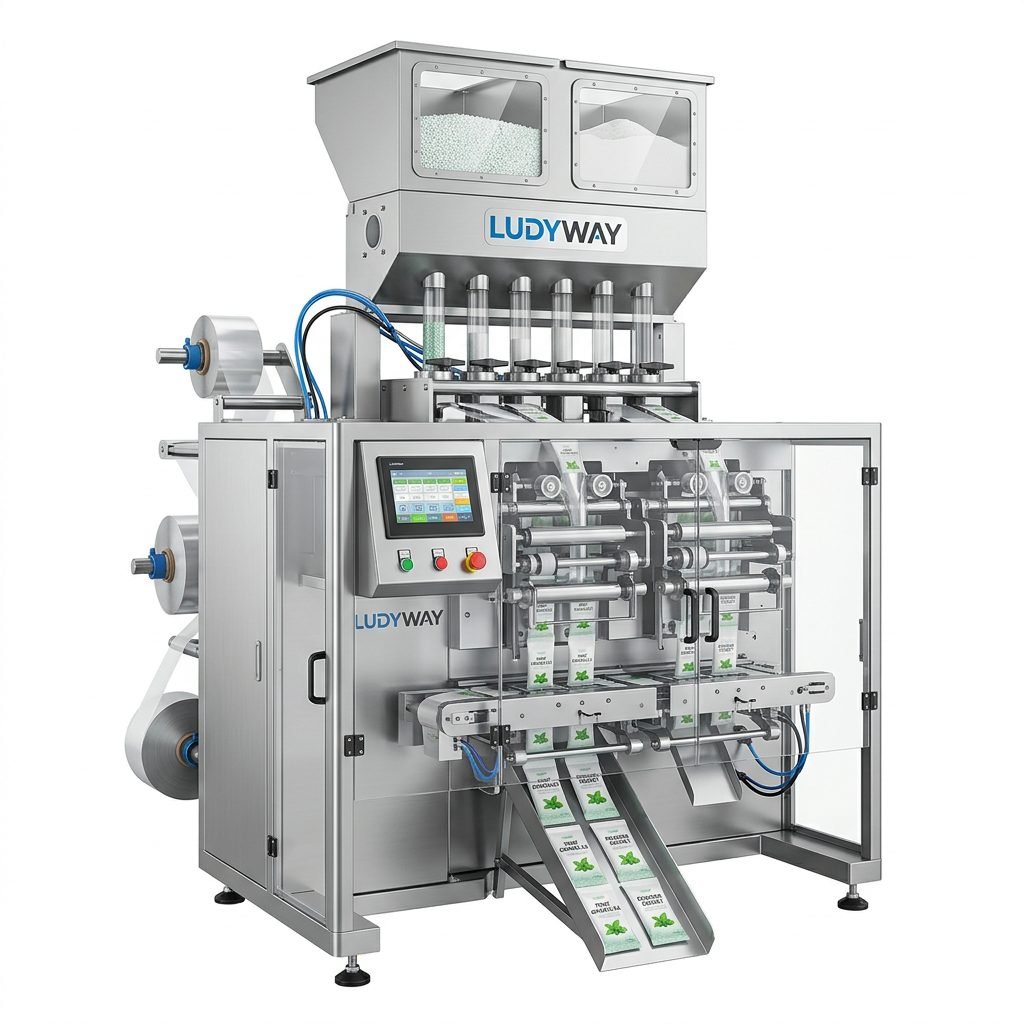
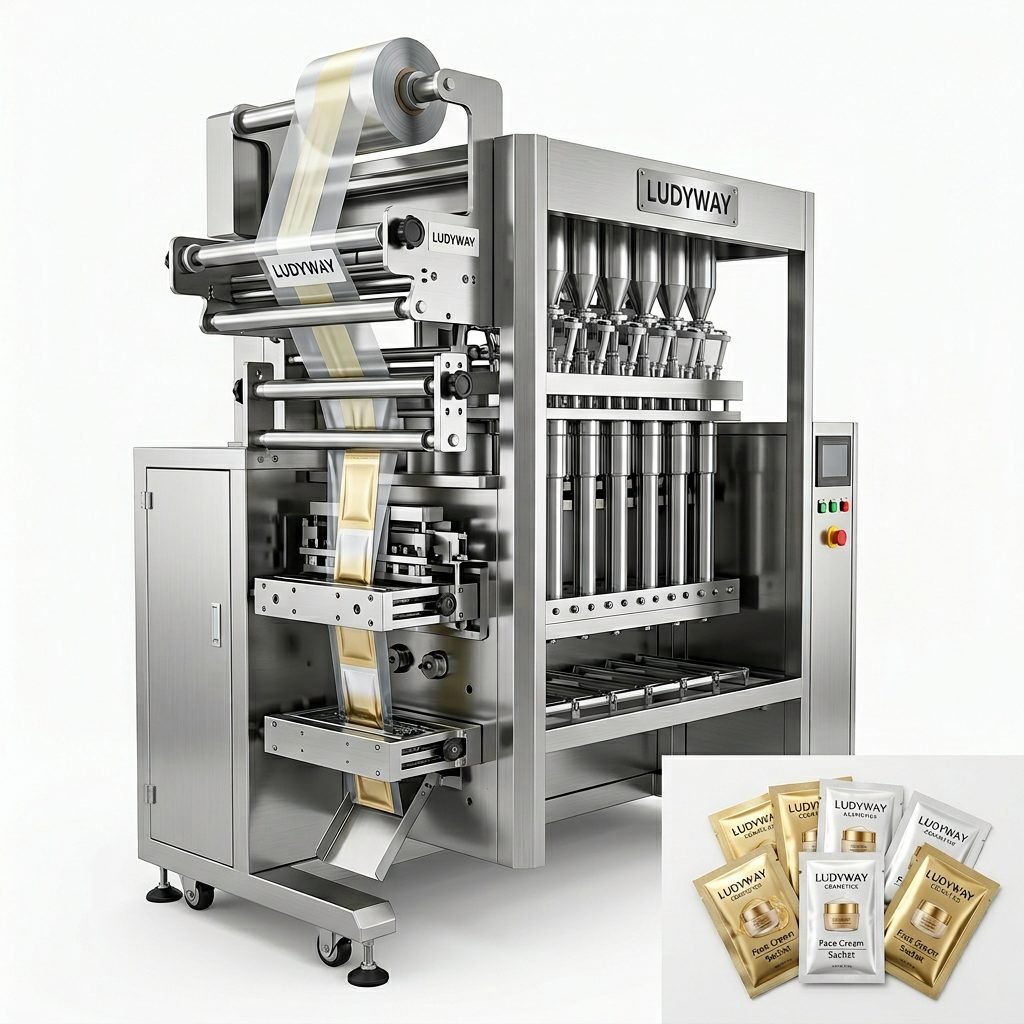
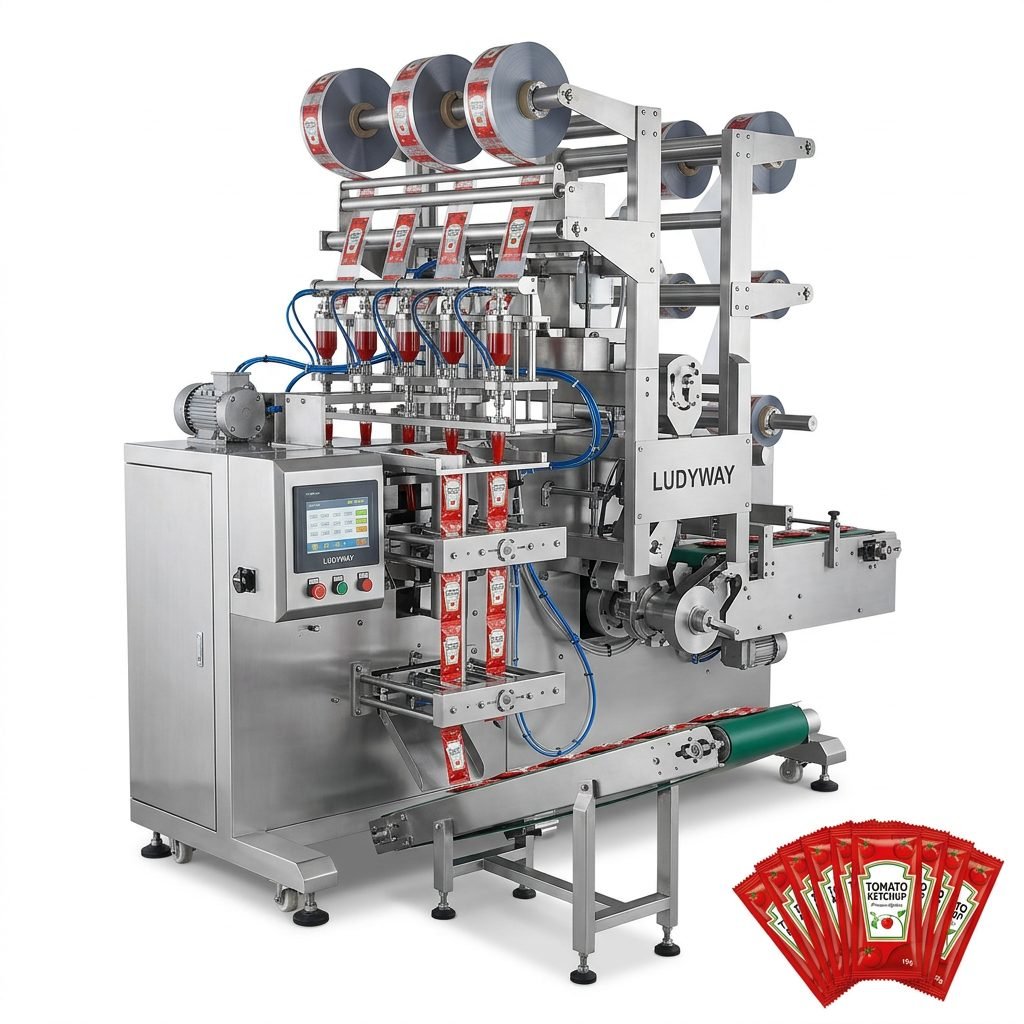
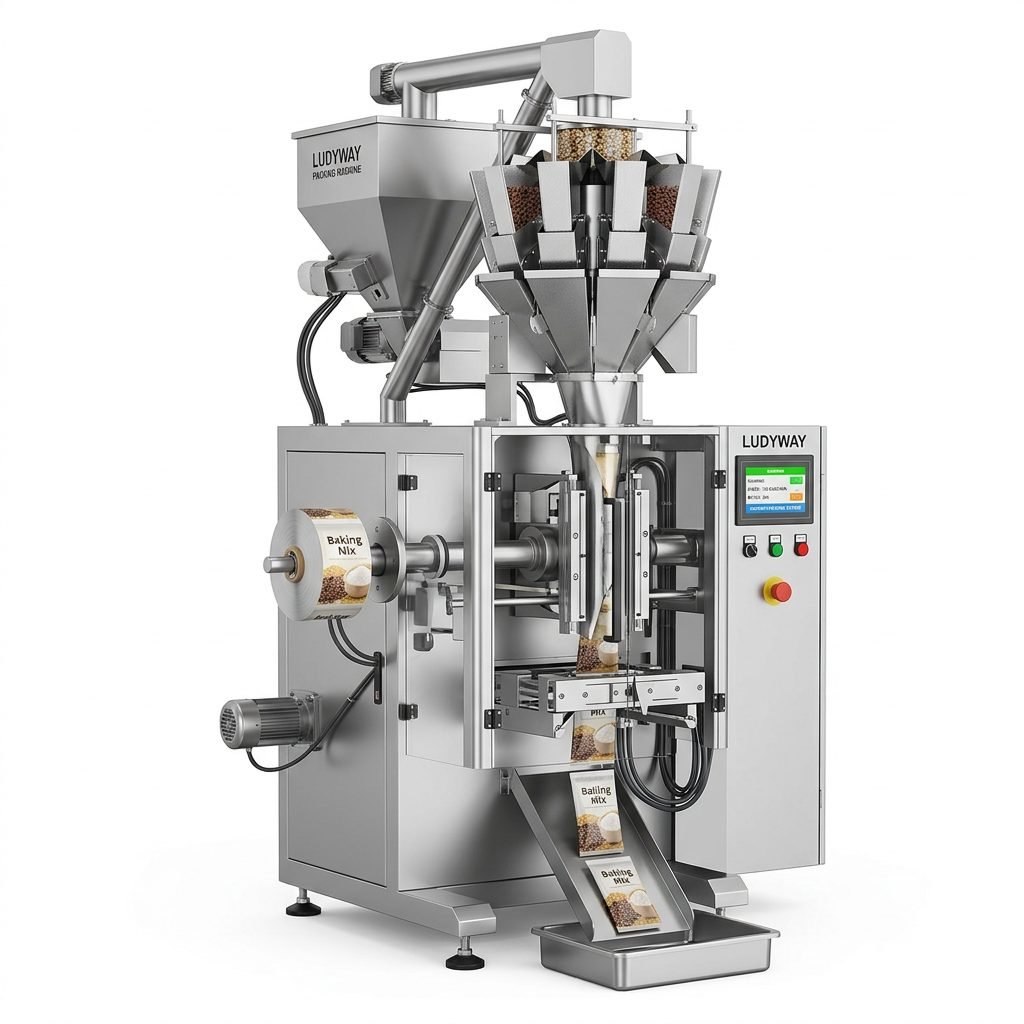
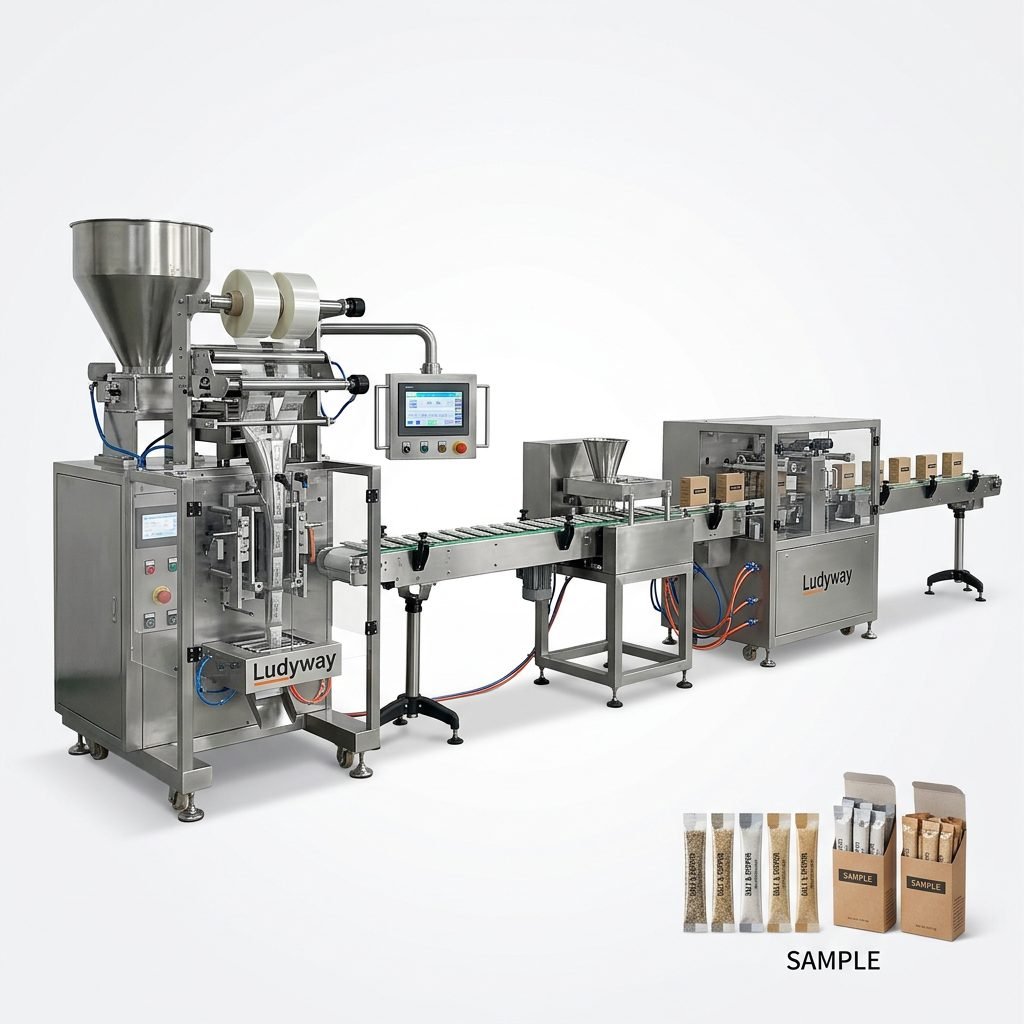
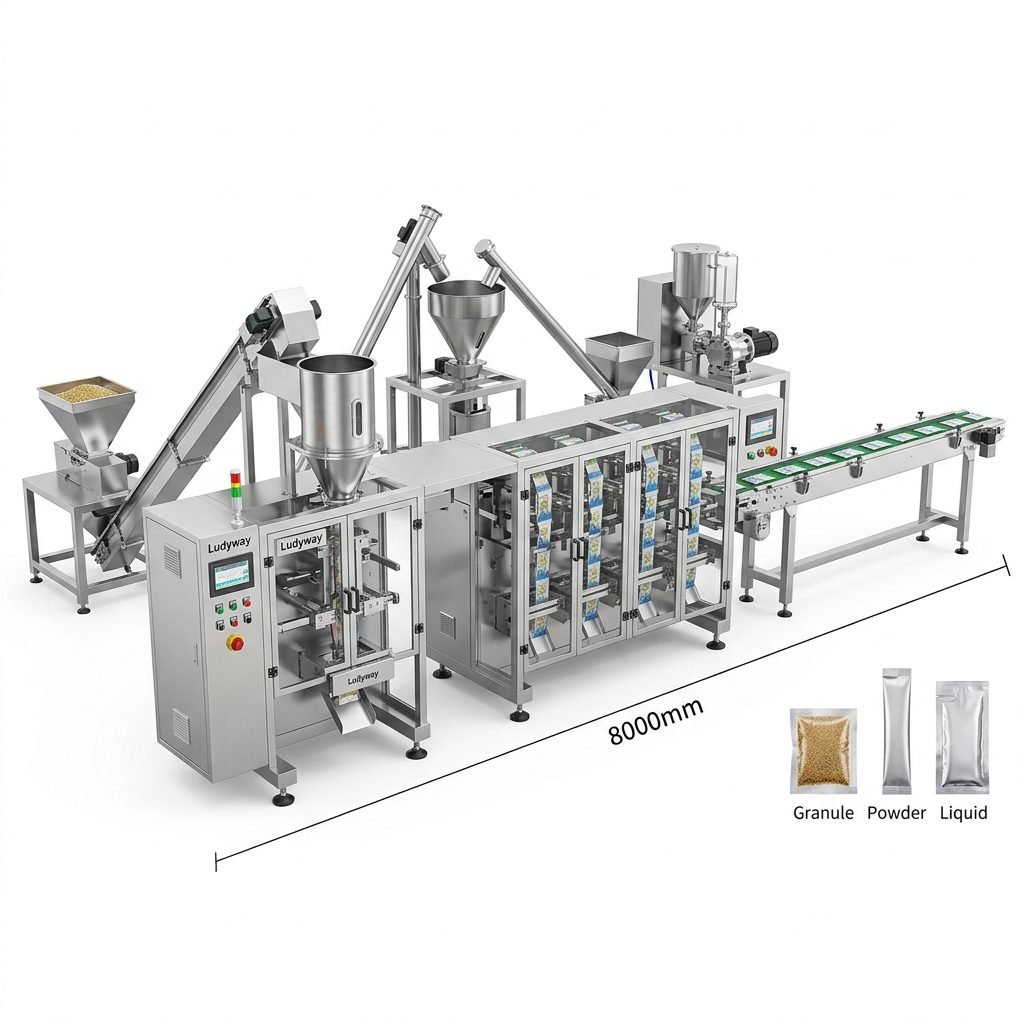
In today’s environmentally conscious market, the shift towards sustainable production is not just a trend but a necessity. For businesses looking to reduce their environmental footprint, investing in a biodegradable packaging machine is a pivotal step. This equipment is specifically designed to handle materials that break down naturally, such as compostable films, paper, and plant-based plastics, aligning your operations with the principles of a circular economy. However, with various options available, selecting the right eco‑friendly equipment requires careful consideration of several technical and operational factors to ensure it meets both your sustainability goals and production demands.
Understanding Biodegradable Packaging Machinery
Biodegradable packaging machinery encompasses a range of automated systems that form, fill, and seal packages using materials designed to decompose through biological processes. Unlike conventional plastic packaging, these materials typically include polylactic acid (PLA), cellulose, starch-based blends, and compostable laminates. The machines must be precisely engineered to handle the often different thermal, tensile, and sealing properties of these eco‑materials compared to traditional plastics.
Key Point: Not all packaging machines can efficiently run biodegradable materials. The equipment must have adjustable temperature controls, gentle film handling systems, and often specialized sealing jaws to ensure strong, consistent seals without damaging the more delicate eco‑films.
Core Technologies in Eco‑Friendly Packaging
The heart of a reliable biodegradable packaging machine lies in its core technology. Two primary systems dominate:
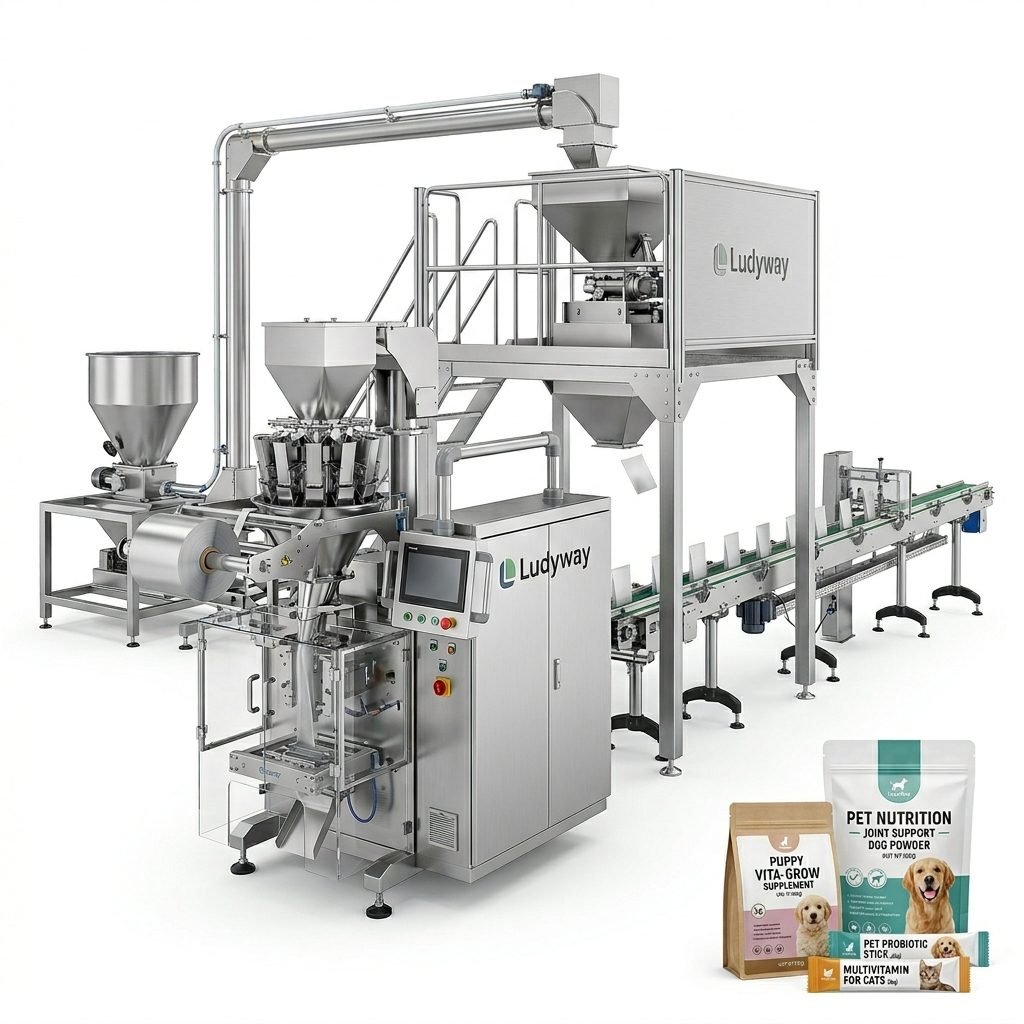
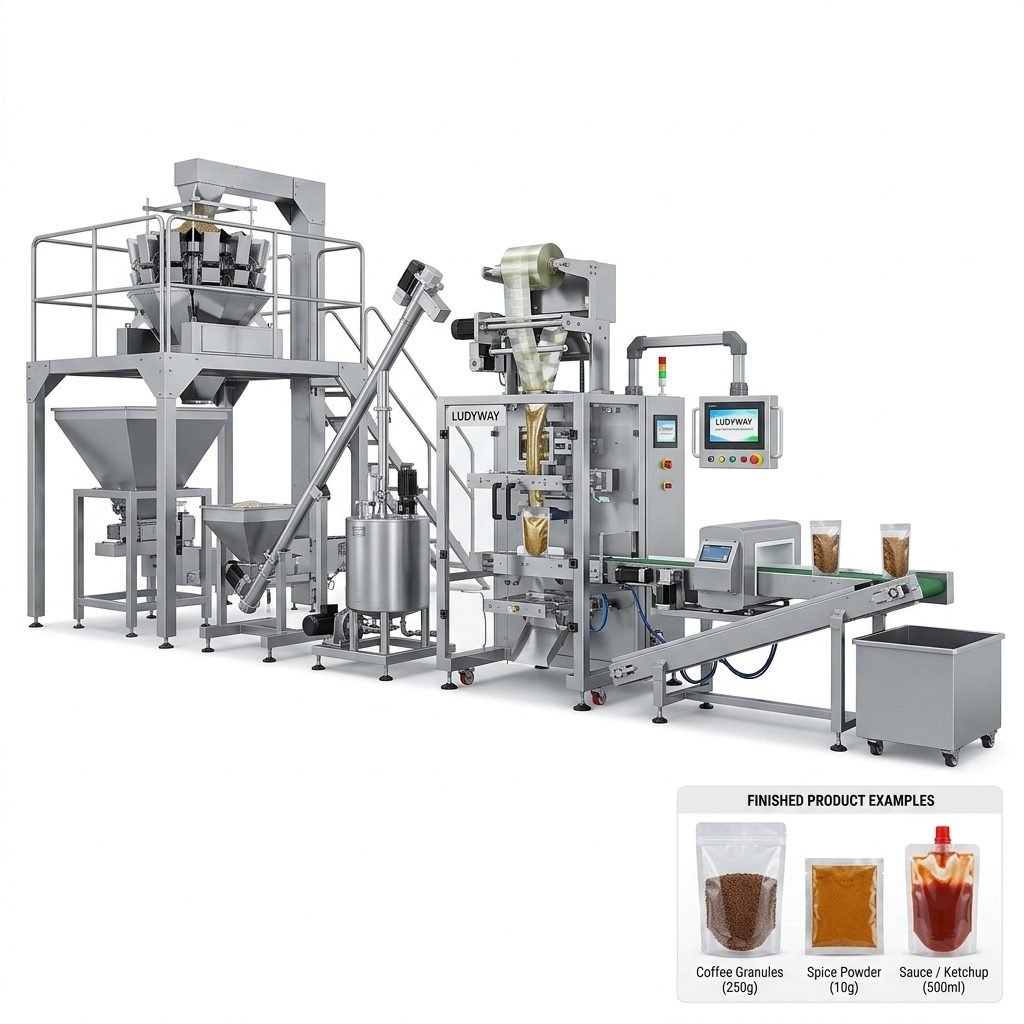
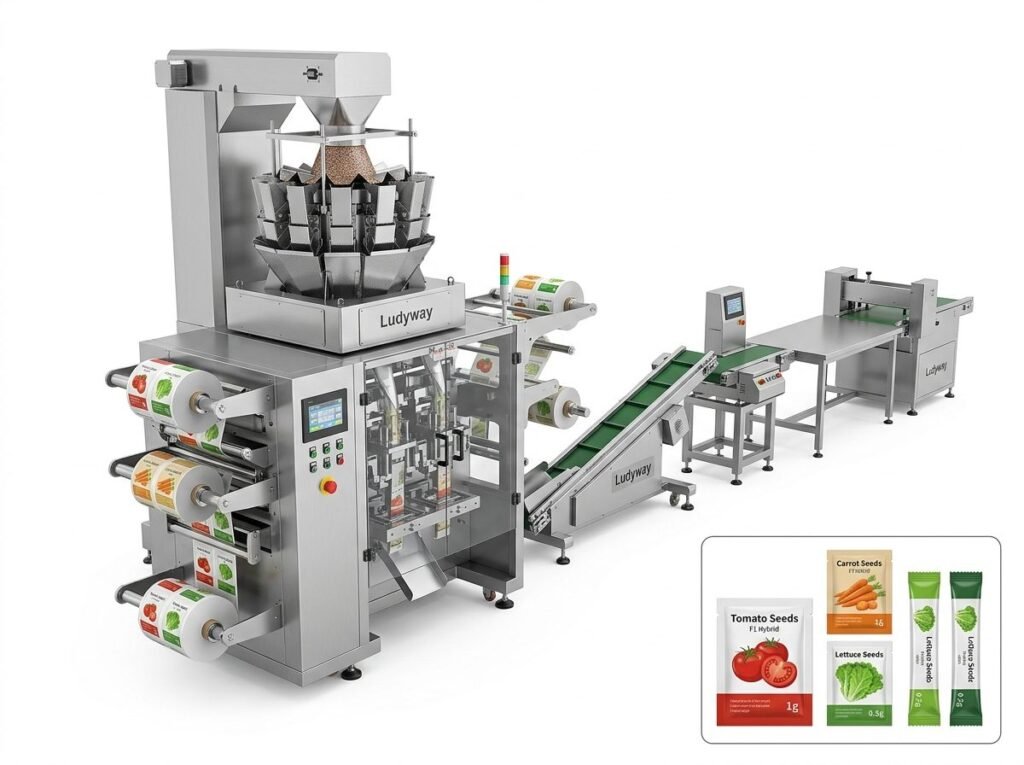
- Vertical Form‑Fill‑Seal (VFFS): This is the most common system for producing pouches, sachets, and stick packs from a roll of biodegradable film. It forms a bag, fills it with product, and seals it in a continuous motion. Modern VFFS machines for eco‑materials feature servo‑driven technology for precise film movement and reduced waste.
- Horizontal Form‑Fill‑Seal (HFFS): Often used for more rigid structures or cartons, HFFS machines are ideal for packaging items like biodegradable wipes or dry foods in compostable trays with film lidding.
How to Choose the Right Equipment for Your Needs
Selecting the perfect biodegradable packaging machine is a strategic decision. Here is a detailed guide on the critical factors to evaluate.
1. Material Compatibility and Machine Adaptability
The foremost consideration is whether the machine is compatible with your chosen biodegradable material. You must confirm:
- Sealing Temperature Range: Biodegradable films often have a lower and narrower melting point. The machine must offer precise, adjustable temperature control (often within ±1°C) to achieve a perfect seal without burning or weakening the material.
- Film Tension Control: Eco‑films can be less elastic. The machine should have a sensitive, programmable tension system to prevent tearing or stretching during the forming process.
- Sealing Jaw Design: Flat, serrated, or patterned jaws? The correct jaw profile is crucial for creating a seal that is both strong and conforms to the material’s properties.
2. Production Speed and Efficiency
Sustainability shouldn’t come at the cost of productivity. Assess the machine’s speed (packages per minute) against your output requirements. High‑speed machines, like multi‑lane stick pack systems, can deliver over 1,000 packs per minute while maintaining precision. Look for features that enhance Overall Equipment Effectiveness (OEE), such as quick changeover systems for different package sizes and easy‑to‑clean designs to minimize downtime.
Efficiency Checklist:
- Servo motors for precise, energy‑efficient movement.
- Integrated check‑weighers or vision systems to reduce product giveaway.
- User‑friendly HMI (Human‑Machine Interface) for simple operation and monitoring.
- Low waste design with minimal film trim loss.
3. Hygiene, Safety, and Certifications
For food, pharmaceutical, or health products, the machine must meet stringent hygiene standards. Look for stainless‑steel contact parts, sanitary design with smooth surfaces, and easy access for cleaning. Certifications like CE (for Europe) or NSF are strong indicators of compliance with international safety and quality standards. A reputable supplier, like Ludyway Machinery, with decades of experience in food and pharmaceutical packaging, can provide guidance on the necessary certifications for your target market.
4. After‑Sales Support and Service
The longevity and performance of your investment heavily depend on the supplier’s support. Inquire about:
- Technical Training: Comprehensive training for your operators and maintenance team.
- Spare Parts Availability: Guaranteed access to genuine spare parts to avoid prolonged stoppages.
- Remote and On‑Site Service: Reliable technical support for troubleshooting and maintenance. A partner with a strong global service network is invaluable.
Integrating Machinery into a Sustainable Production Line
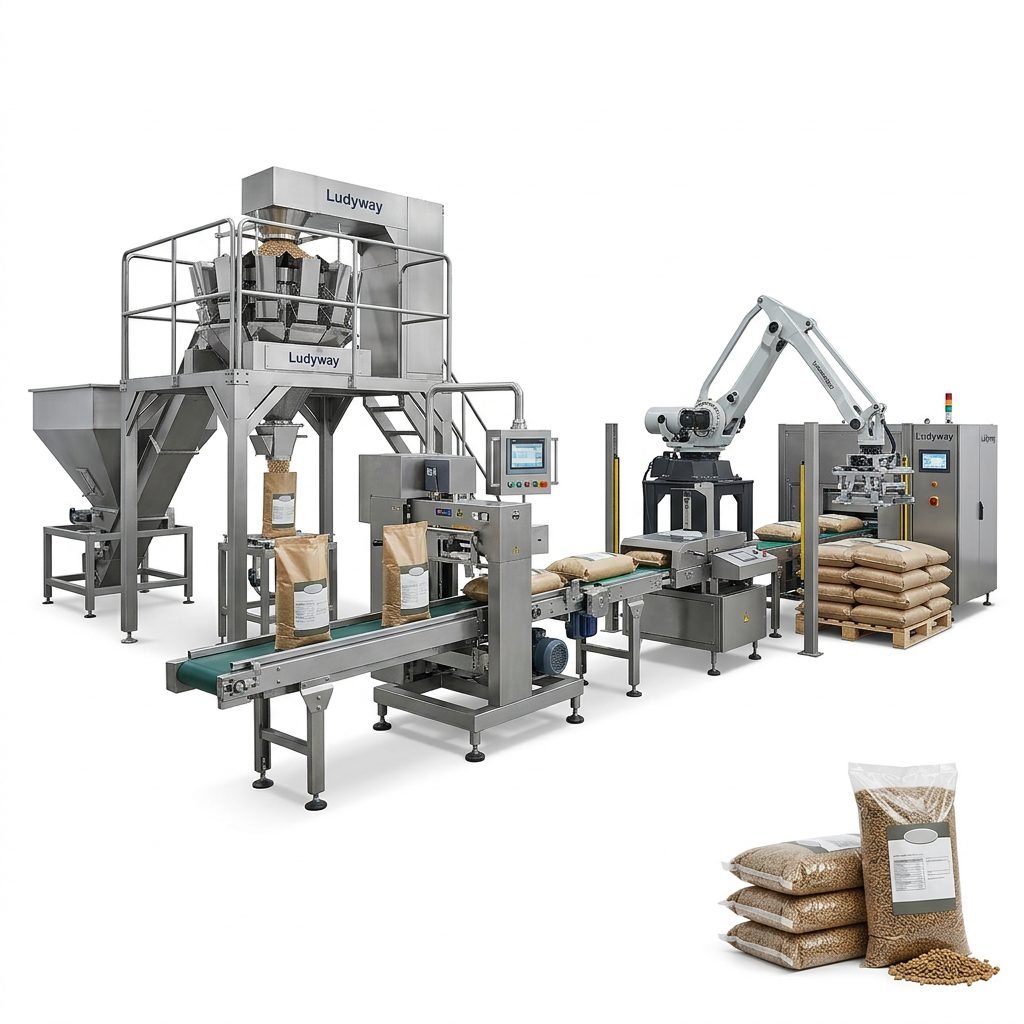
A single machine is part of a larger system. For truly sustainable production, consider how the biodegradable packaging machine integrates with upstream and downstream equipment, such as eco‑friendly filling systems for granules or powders, and end‑of‑line robotics. A trusted packaging solutions provider can offer a complete, optimized turnkey line that ensures harmony between all components, maximizing both efficiency and your sustainability credentials.
The Business Case for Investment
Beyond environmental responsibility, investing in a biodegradable packaging machine offers tangible business benefits. It future‑proofs your operation against increasingly strict plastic regulations, appeals to a growing base of eco‑conscious consumers, and can enhance brand value. While the initial capital outlay may be higher than for standard equipment, the long‑term savings from reduced material waste, improved efficiency, and market differentiation provide a compelling return on investment.
Frequently Asked Questions (FAQs)
Q1: Can I run conventional plastic film on a biodegradable packaging machine?
A: Generally, yes. Most machines designed for biodegradable materials are versatile and can handle traditional plastics. However, you must recalibrate settings like temperature and tension. Always consult the machine manual or supplier for specific compatibility.
Q2: Are biodegradable packaging machines more expensive to maintain?
A: Not necessarily. Maintenance costs are comparable to high‑quality conventional machines. The key is using the correct, supplier‑recommended spare parts and following a proper preventative maintenance schedule. Proper training from your supplier is crucial to avoid costly downtime.
Q3: How do I ensure the seals on biodegradable packages are strong enough?
A> Seal strength depends on the precise combination of material, temperature, pressure, and dwell time. Reputable suppliers will conduct material tests and provide you with the optimal machine settings. Machines with advanced, digitally controlled sealing systems offer the greatest consistency and strength.
Q4: What is the typical lead time for installing such a production line?
A: Lead times vary based on machine complexity and customization. For standard models, it can range from a few weeks to a few months. For complete custom turnkey lines, the timeline is longer due to engineering, fabrication, and testing phases. An experienced provider like Ludyway can give a clear project timeline from the outset.
Q5: Where can I get professional advice on choosing the right machine?
A> It is best to consult with established packaging machinery experts who have direct experience with sustainable materials. Look for a partner with a proven track record, like those with over 30 years of industry experience, who can offer material testing, line simulations, and tailored recommendations based on your specific product and output goals.