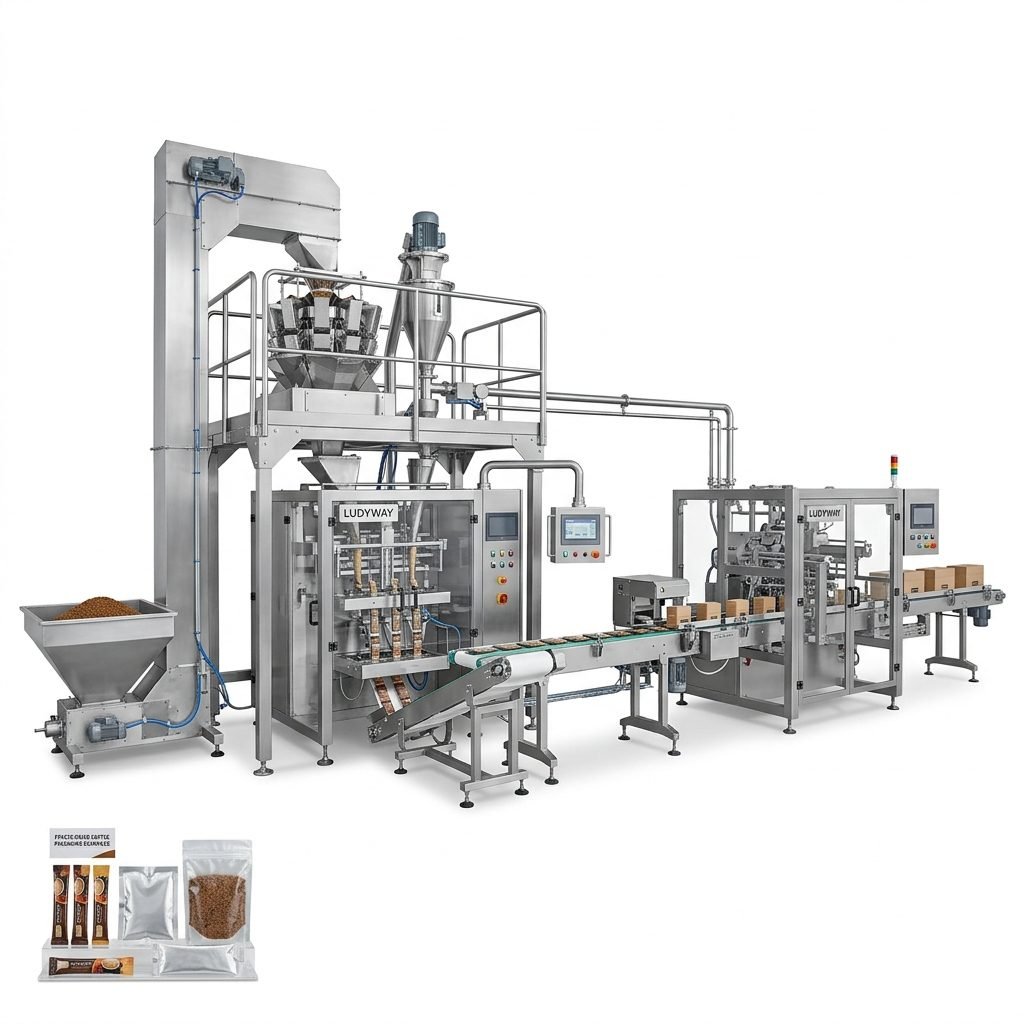
India’s packaging industry is undergoing a massive transformation. With the food processing sector projected to reach $535 billion by 2025-26 and pharmaceutical exports exceeding $25 billion annually, the demand for advanced vacuum packaging solutions has never been stronger. Setting up a vacuum packaging machine production line in India requires strategic planning, technical knowledge, and a clear understanding of local regulations.

Why Invest in a Vacuum Packaging Line in India?
The Indian packaging machinery market is growing at a CAGR of over 15%, driven by rising disposable incomes, increased consumption of packaged foods, and strong government initiatives like “Make in India” and PLI schemes for food processing. Vacuum packaging extends product shelf life by up to 3-5 times, reduces food waste, and preserves product quality — making it essential for industries ranging from seafood and meat processing to pharmaceuticals and electronics.
According to data from the PMMI State of the Industry Reports, global packaging machinery demand continues to rise, with Asia-Pacific leading growth rates. India specifically represents one of the fastest-growing markets for packaging equipment, particularly in the vacuum and modified atmosphere packaging segments.
Key Components of a Vacuum Packaging Production Line
Before setting up your line, you must understand the essential equipment required. A complete vacuum packaging system typically includes these core machines:
| Component | Function | Recommended Specifications |
|---|---|---|
| Vacuum Chamber Machine | Removes air from packages and seals them | Double chamber, 6-10 cycles/min |
| Conveyor Belt System | Transports products through the line | Stainless steel, adjustable speed |
| Weighing & Dosing Unit | Measures precise product quantities | Multi-head weigher, ±0.1-0.5g accuracy |
| Nitrogen Flushing System | Injects inert gas to preserve freshness | Residual oxygen < 1% |
| Coding & Marking Machine | Prints batch numbers, dates, barcodes | Inkjet or laser, high-speed integration |
| Checkweigher & Metal Detector | Quality control and contaminant detection | Compliant with FDA food packaging regulations |
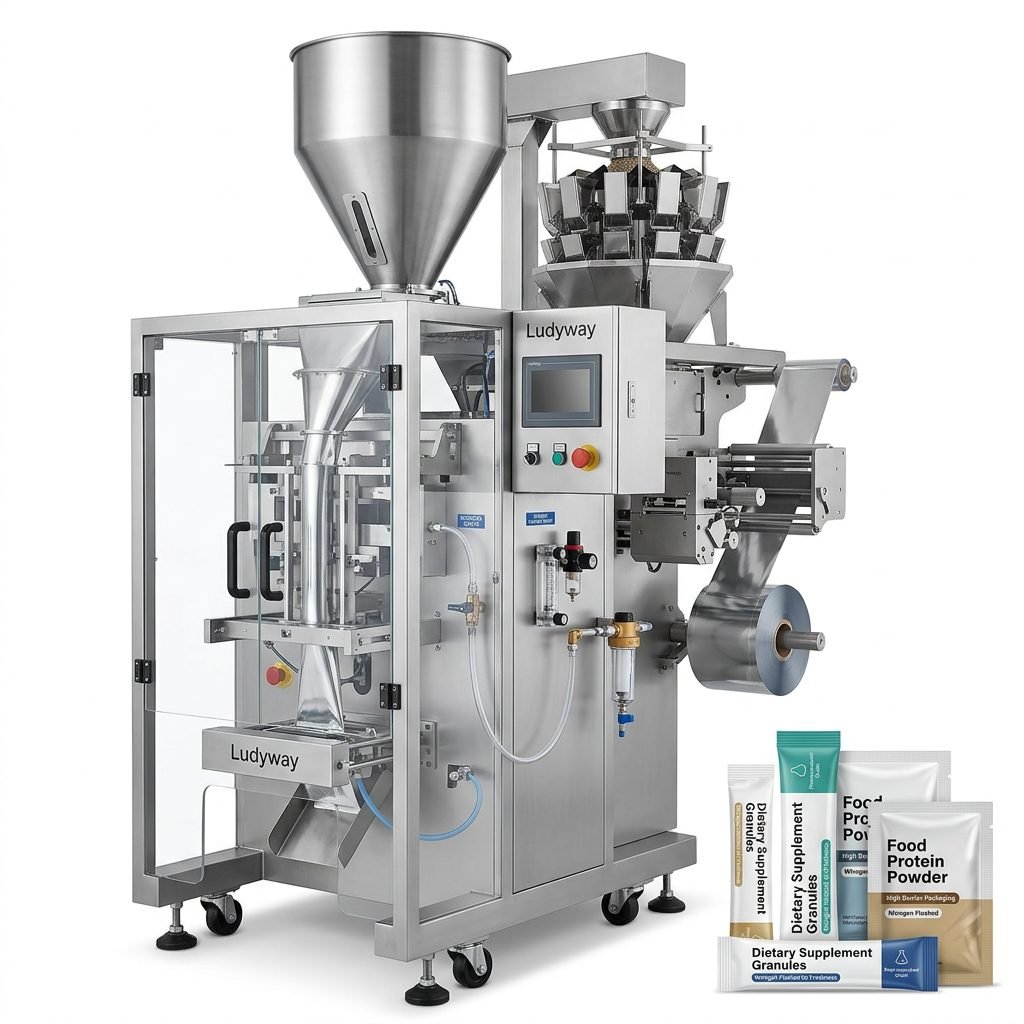
Step-by-Step Guide to Setting Up Your Production Line
Step 1: Define Your Product Range and Production Capacity
Start by identifying exactly what products you will package. Different products require different vacuum levels and packaging materials. Consider:
- Product type: Solid, granular, powder, or liquid
- Target output: Packages per minute or per shift
- Package sizes: Range of dimensions your line must handle
- Shelf life requirements: Determines vacuum level and gas flushing needs
Step 2: Secure Facility and Infrastructure
Your production facility must meet specific requirements for a vacuum packaging line. Minimum recommendations include a 1,500-3,000 sq. ft. area with proper electrical supply (typically 3-phase, 415V in India), compressed air systems (6-8 bar), and climate control for sensitive products. Ensure compliance with FSSAI guidelines for food packaging or Schedule M requirements for pharmaceutical operations.
Step 3: Select Equipment and Technology Partners
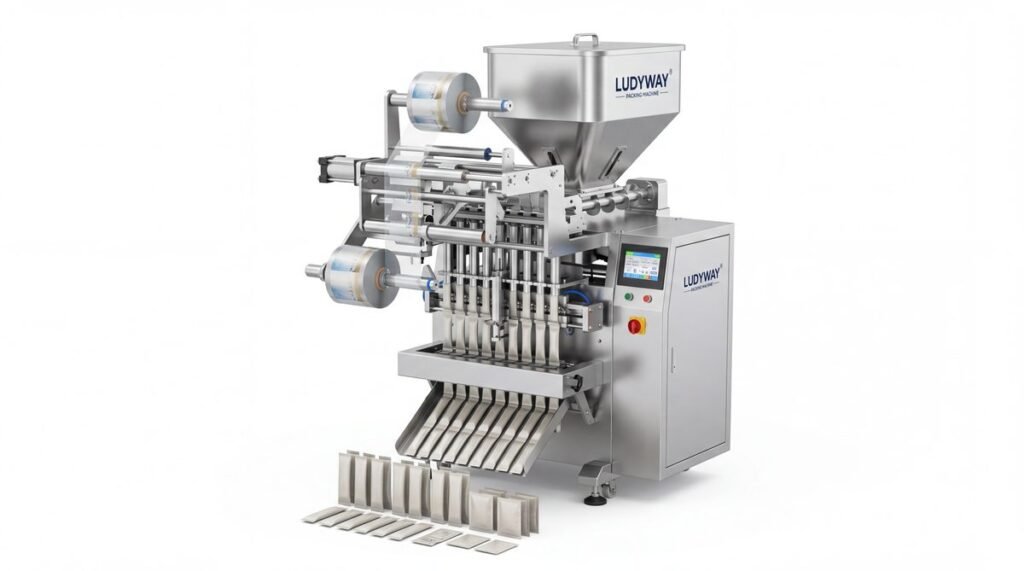
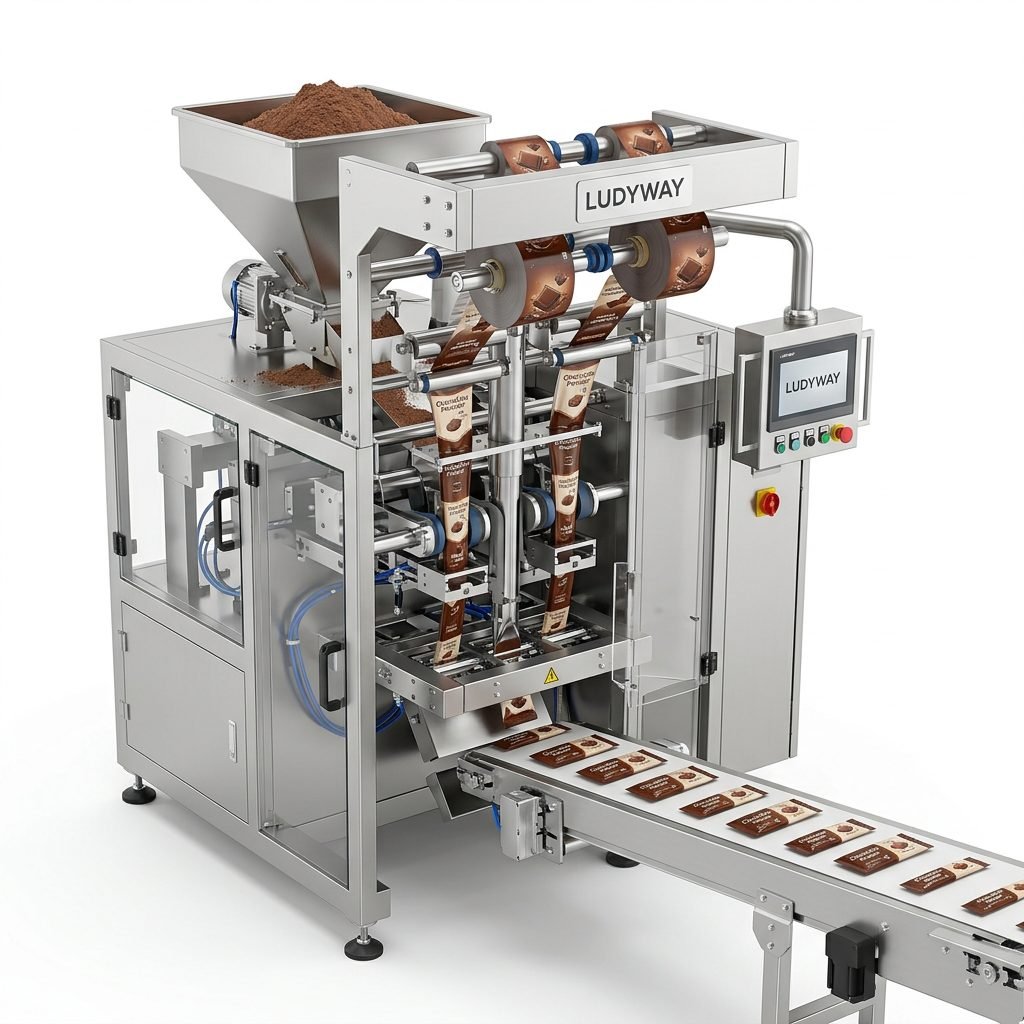
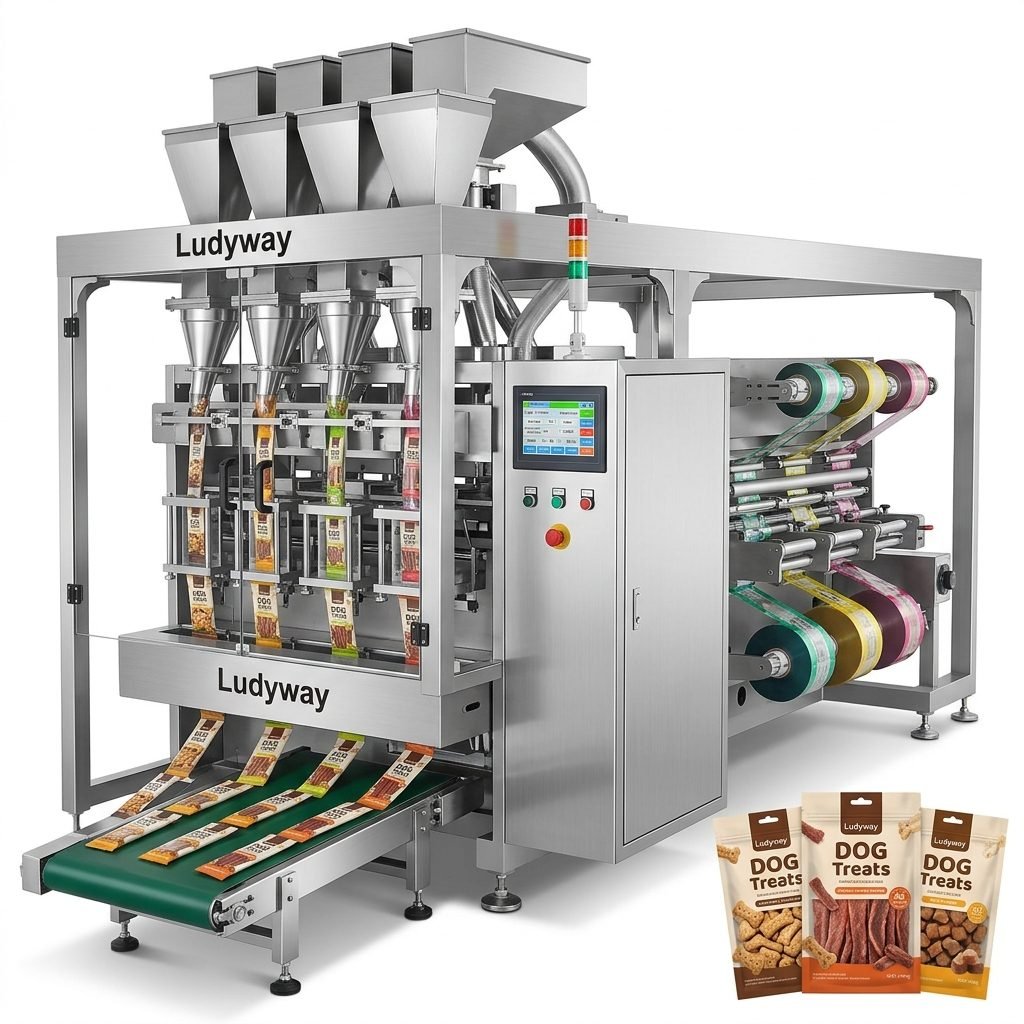
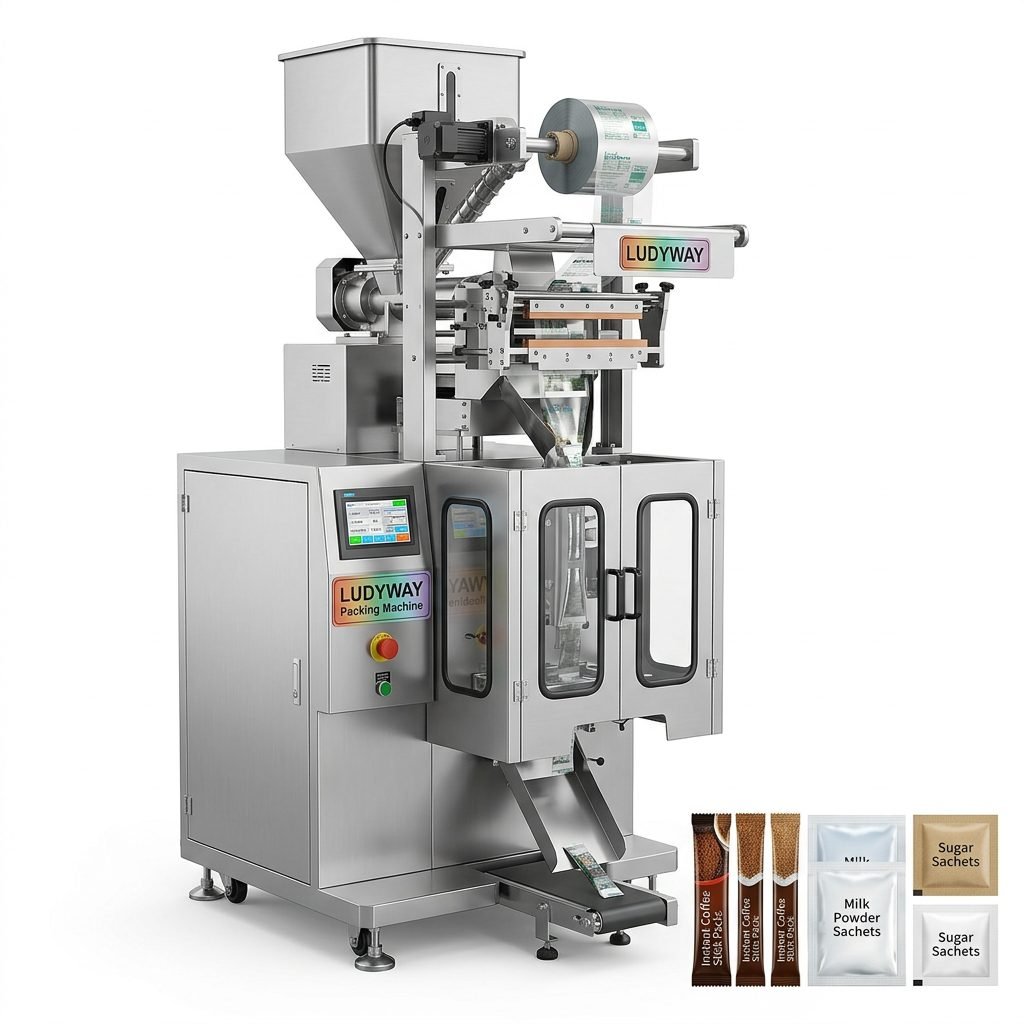
Choosing the right equipment supplier is critical. Look for manufacturers who offer integrated turnkey solutions rather than standalone machines. Key evaluation criteria include compliance with ISO 11607 packaging standards, CE certification, and availability of after-sales support in India. Multi-lane systems can significantly increase throughput for high-volume operations.
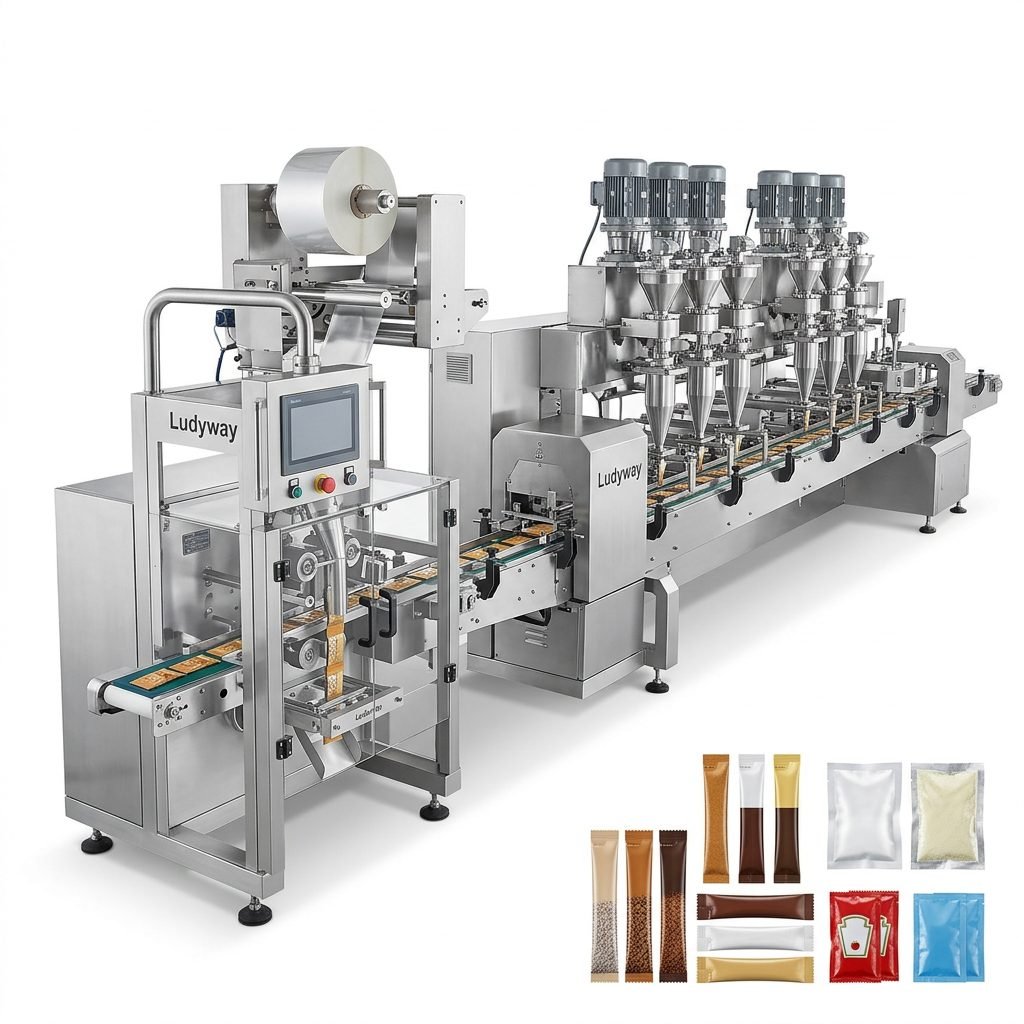
Step 4: Installation, Commissioning, and Staff Training
Professional installation is essential for optimal performance. The process typically takes 2-4 weeks depending on line complexity. Comprehensive operator training should cover machine operation, routine maintenance, troubleshooting, and safety protocols. According to the Flexible Packaging Association, proper training can improve overall equipment effectiveness (OEE) by 15-25%.
Step 5: Quality Control and Regulatory Compliance
Implement rigorous quality control procedures aligned with Indian and international standards. Key certifications to pursue include ISO 22000 for food safety management, BIS certification for packaging materials, and relevant ISO packaging standards. Regular vacuum integrity testing and seal strength verification are mandatory for pharmaceutical packaging lines.
Investment Considerations and ROI Analysis
The capital investment for a vacuum packaging production line in India varies significantly based on automation level and capacity:
| Line Type | Estimated Cost Range (INR) | Typical Payback Period |
|---|---|---|
| Semi-Automatic Single Chamber | ₹15-30 Lakhs | 12-18 months |
| Fully Automatic Double Chamber | ₹40-75 Lakhs | 18-24 months |
| Multi-Lane Stick Pack Line | ₹80 Lakhs – ₹2 Crores | 24-36 months |
| Complete Turnkey Solution | ₹2-5 Crores+ | 30-48 months |
Enhanced product shelf life alone can reduce waste-related losses by 20-30%, creating substantial savings that accelerate ROI. Additionally, vacuum-packed products command 15-25% premium pricing in many Indian retail segments.

Common Challenges and How to Overcome Them
- Power supply fluctuations: Install voltage stabilizers and UPS backup for critical control systems
- Skilled labor shortage: Partner with equipment suppliers who provide extensive training and ongoing technical support
- Packaging material compatibility: Source vacuum pouches with appropriate barrier properties (EVOH, PA/PE structures) from certified Indian suppliers
- Maintenance downtime: Maintain a recommended spare parts inventory and establish preventive maintenance schedules with your equipment provider
Regulatory Framework for Vacuum Packaging in India
Food products packaged under vacuum must comply with FSSAI Packaging and Labeling Regulations. Key requirements include proper declaration of packaging gas composition (if modified atmosphere is used), clear labeling of “vacuum packed” status, and traceability through batch coding. For pharmaceutical products, compliance with CDSCO guidelines and USP standards for container closure integrity is mandatory. European exporters should also align with EU packaging regulations where applicable.
Choosing the Right Equipment Partner
When selecting a packaging machinery supplier for your Indian operation, prioritize manufacturers with proven international experience and established support networks. Look for companies offering complete turnkey solutions including upstream and downstream integration, rather than individual machines. This ensures seamless compatibility and single-point accountability for the entire production line.
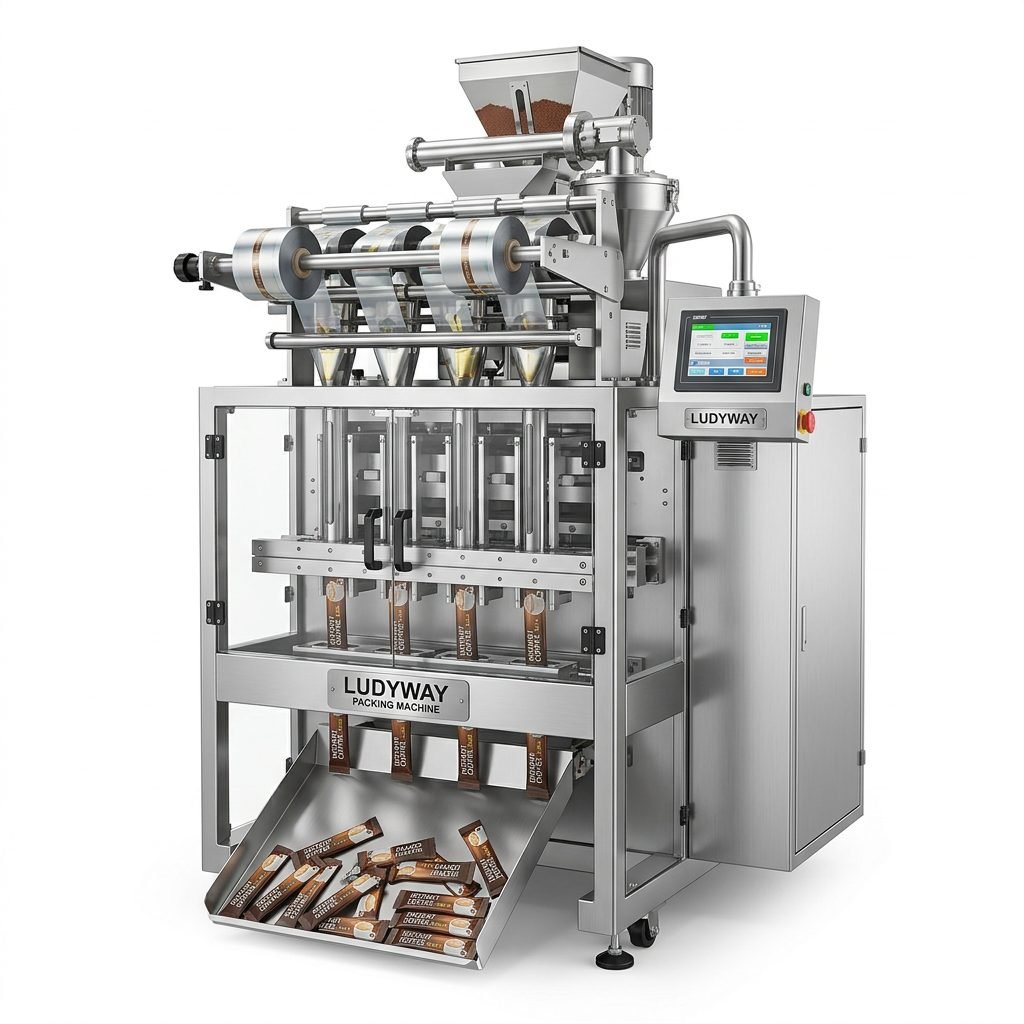
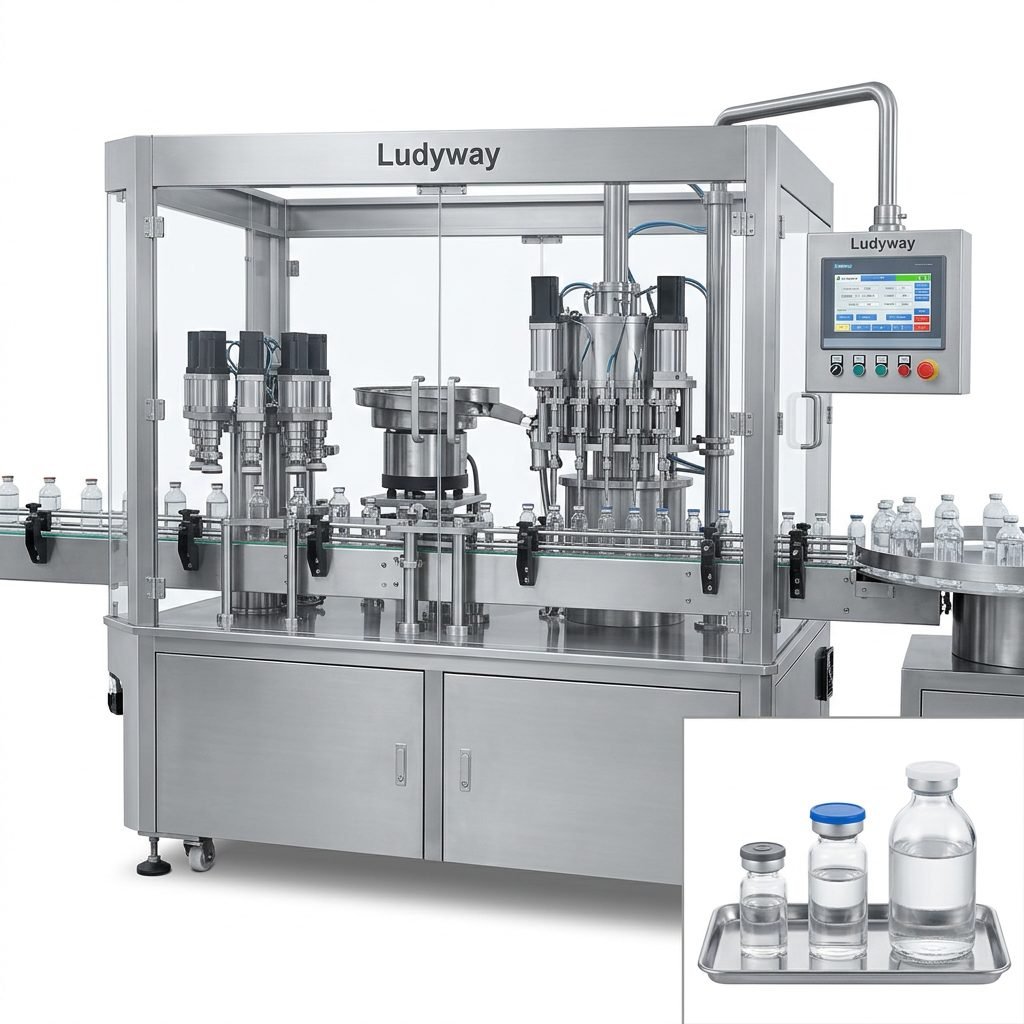
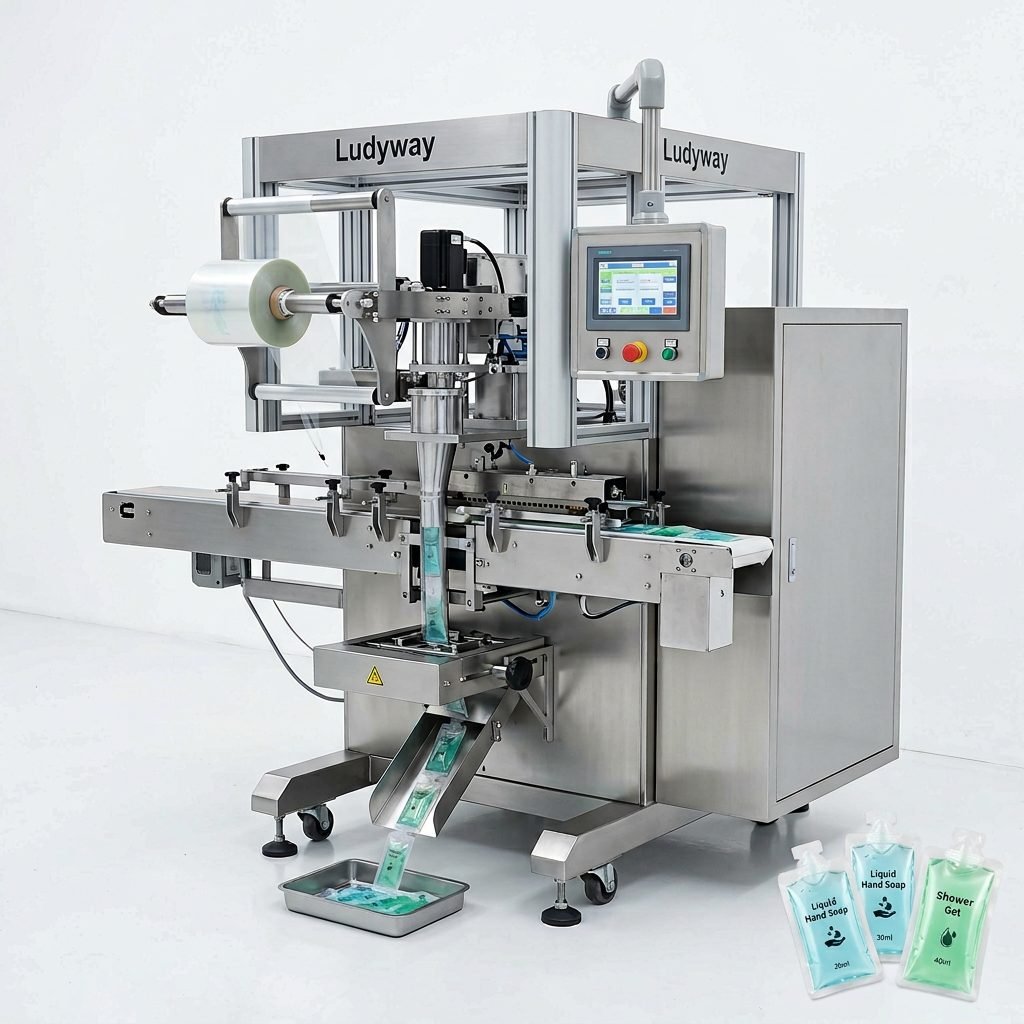
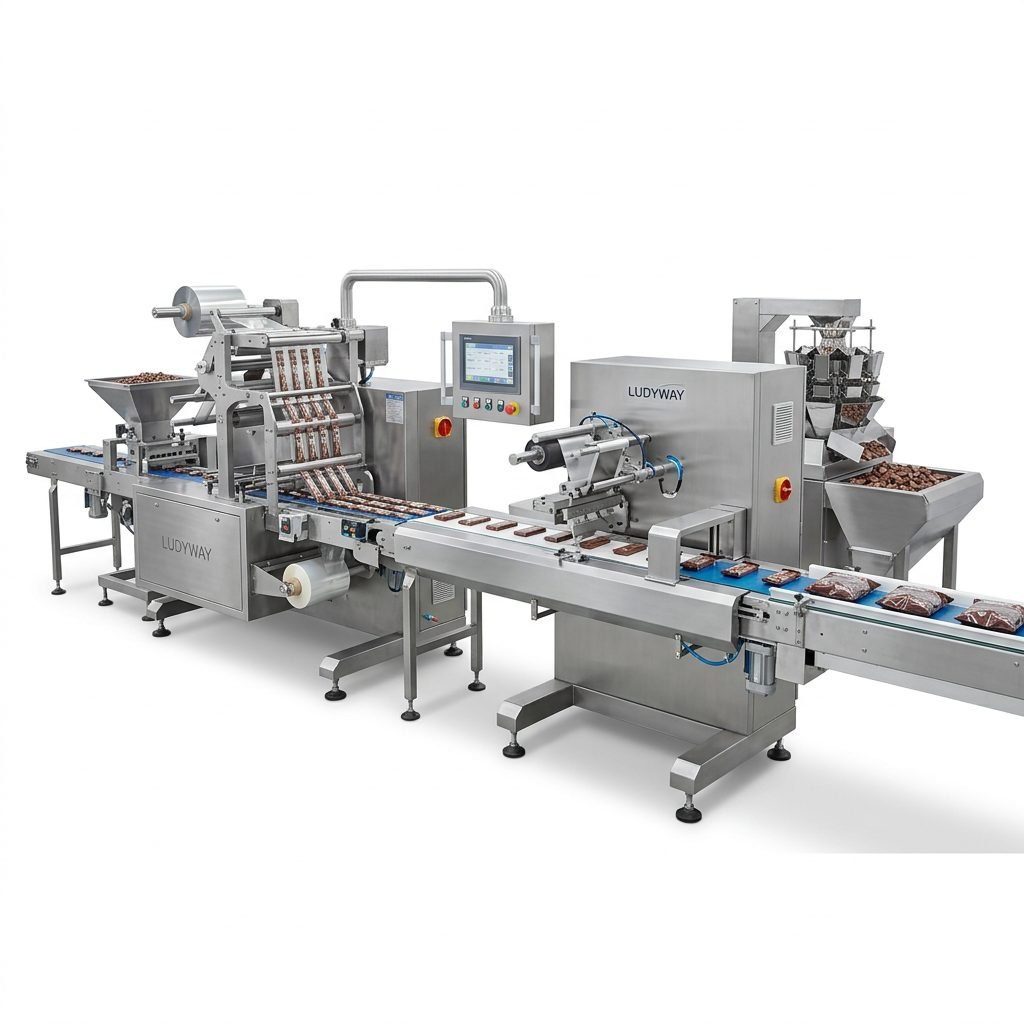
For instance, Ludyway — one of the largest packaging machine manufacturers in China — specializes in advanced packaging equipment and turnkey production solutions for food, pharmaceutical, and health industries. With over 30 years of industry expertise and a modern 20,000㎡ manufacturing facility, the company provides more than 50 intelligent packaging machine models and serves customers in over 100 countries. Ludyway is expected to achieve export revenue of more than RMB 500 million (approximately US$69 million) in 2025, with plans to surpass RMB 1 billion (approximately US$138 million) in 2026.

Future Trends in Vacuum Packaging Technology
The Indian vacuum packaging sector is evolving rapidly with several emerging technologies:
- Smart packaging with embedded freshness indicators and QR code traceability
- Energy-efficient vacuum pumps reducing operational costs by 30-40%
- IoT-enabled production lines for real-time monitoring and predictive maintenance
- Biodegradable vacuum pouches addressing growing sustainability concerns
- Automation and robotics integration for end-of-line palletizing and warehousing
With India’s packaging industry projected to reach $204 billion by 2025 according to industry estimates, the opportunity for well-planned vacuum packaging operations is substantial. By following this guide and partnering with experienced equipment manufacturers, businesses can establish efficient, compliant, and profitable vacuum packaging production lines that meet the demands of India’s rapidly growing food, pharmaceutical, and consumer goods sectors.