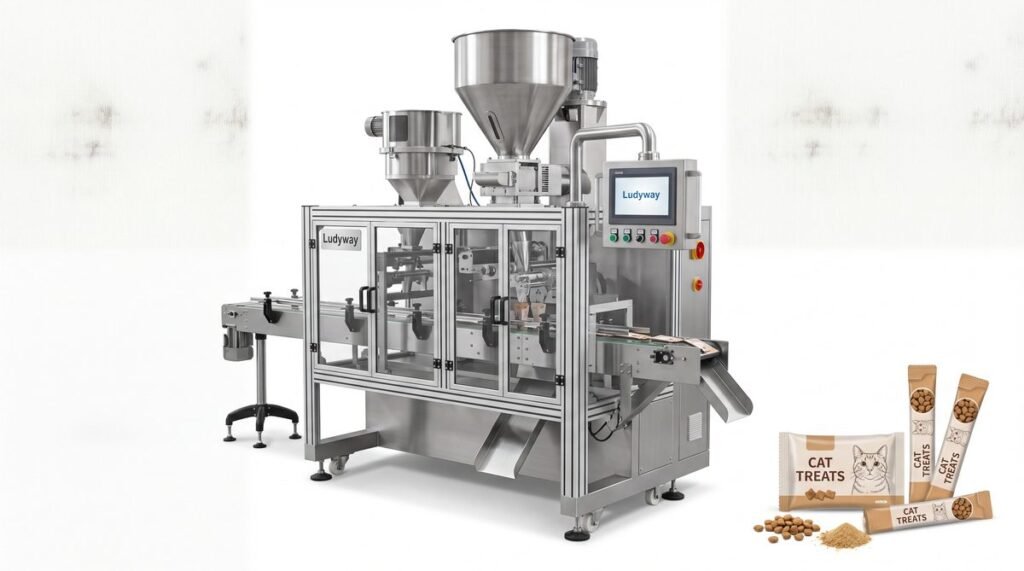
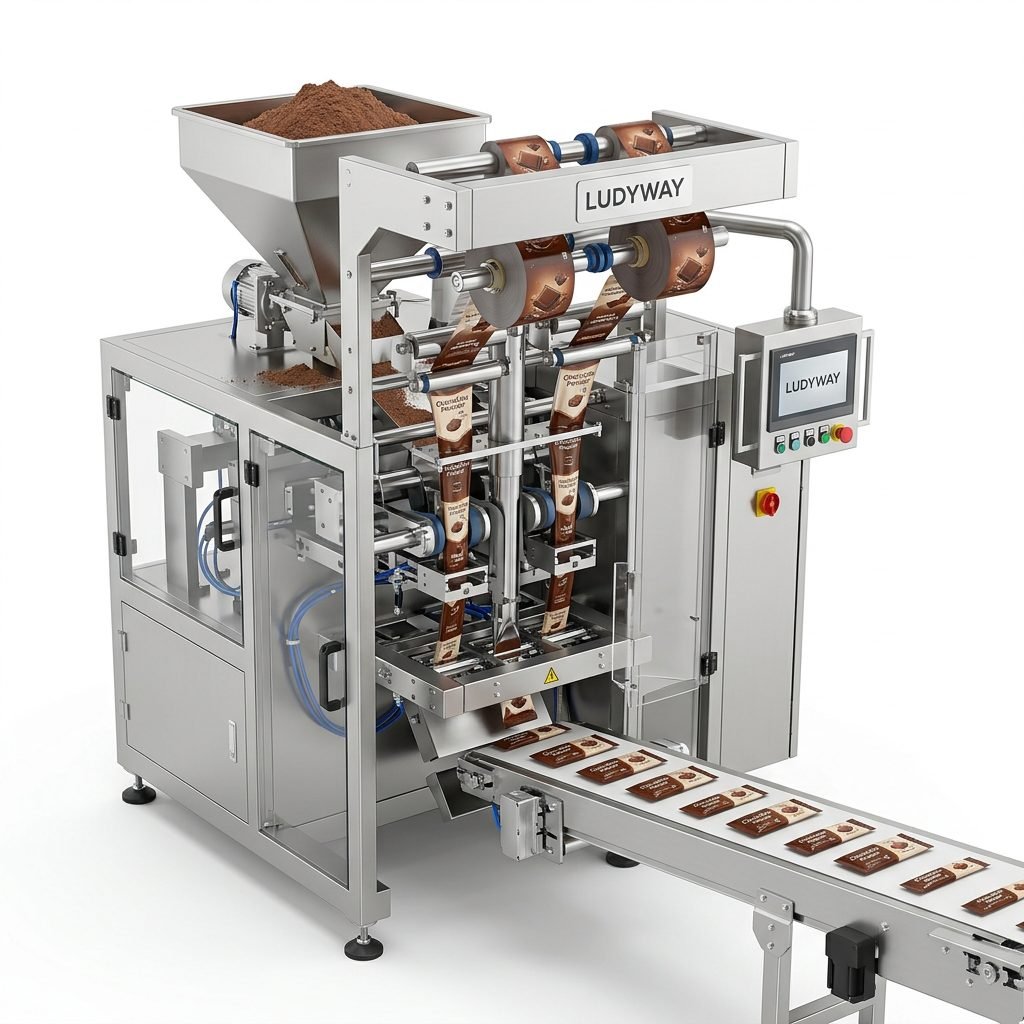
Establishing a tea bag packaging machine production line in Oceania requires careful planning that accounts for local regulatory standards, climate conditions, and specific market demands. Whether you are targeting the premium herbal tea segment in Australia or the growing black tea market in New Zealand, this guide walks you through every critical phase of the setup process.
Understanding Oceania’s Tea Market Requirements
Before investing in equipment, it is essential to understand the unique characteristics of the Oceanian market. Consumers in Australia and New Zealand increasingly demand sustainable packaging and biodegradable tea bag materials. The region enforces strict food safety regulations governed by FSANZ standards, which align closely with international ISO protocols. Your production line must accommodate diverse tea blends, from fine-cut black tea to coarse herbal mixtures, requiring versatile dosing and sealing capabilities.
Step 1: Site Planning and Infrastructure Setup
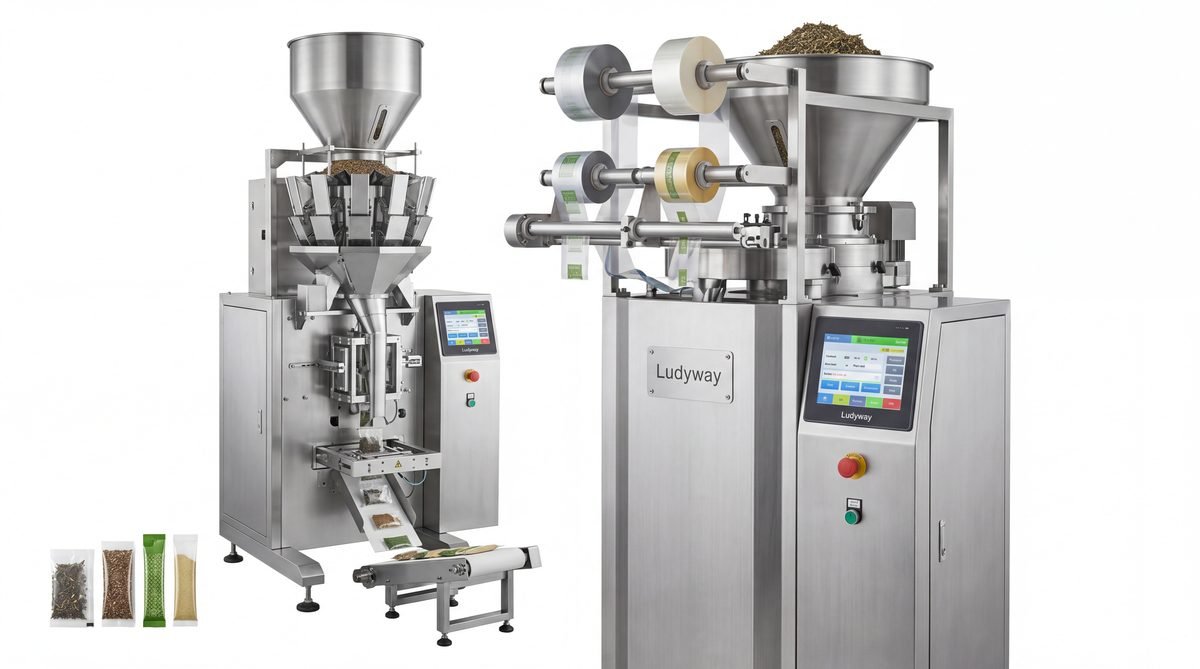
The foundation of a successful production line lies in proper facility preparation. An Oceania-based facility must comply with local electrical standards (AS/NZS 3000) and environmental control guidelines.
- Power Supply: Verify availability of 3-phase 415V/50Hz power, the standard in Australia and New Zealand. Request motor configurations compatible with this voltage from your machinery supplier to avoid transformer costs.
- Compressed Air: A clean, dry compressed air system operating at a minimum of 0.6 MPa is non-negotiable for pneumatic sealing jaws and actuators. Install appropriate air dryers to combat Oceania’s often humid coastal environments.
- Climate Control: Maintain a production area with relative humidity below 60% to prevent tea leaf clumping and ensure consistent film sealing. Facilities in tropical North Queensland require robust HVAC systems.
- Floor Load: Ensure concrete flooring can support dynamic loads from heavy vertical form fill seal (VFFS) machines, which can exceed 1,500 kg in multi-lane configurations.
Step 2: Selecting Core Tea Bag Packaging Equipment
Choosing the right machinery is the most critical decision. The configuration of your primary packaging unit determines output speed and bag quality.
Multi-Lane Stick Pack or Sachet Machines
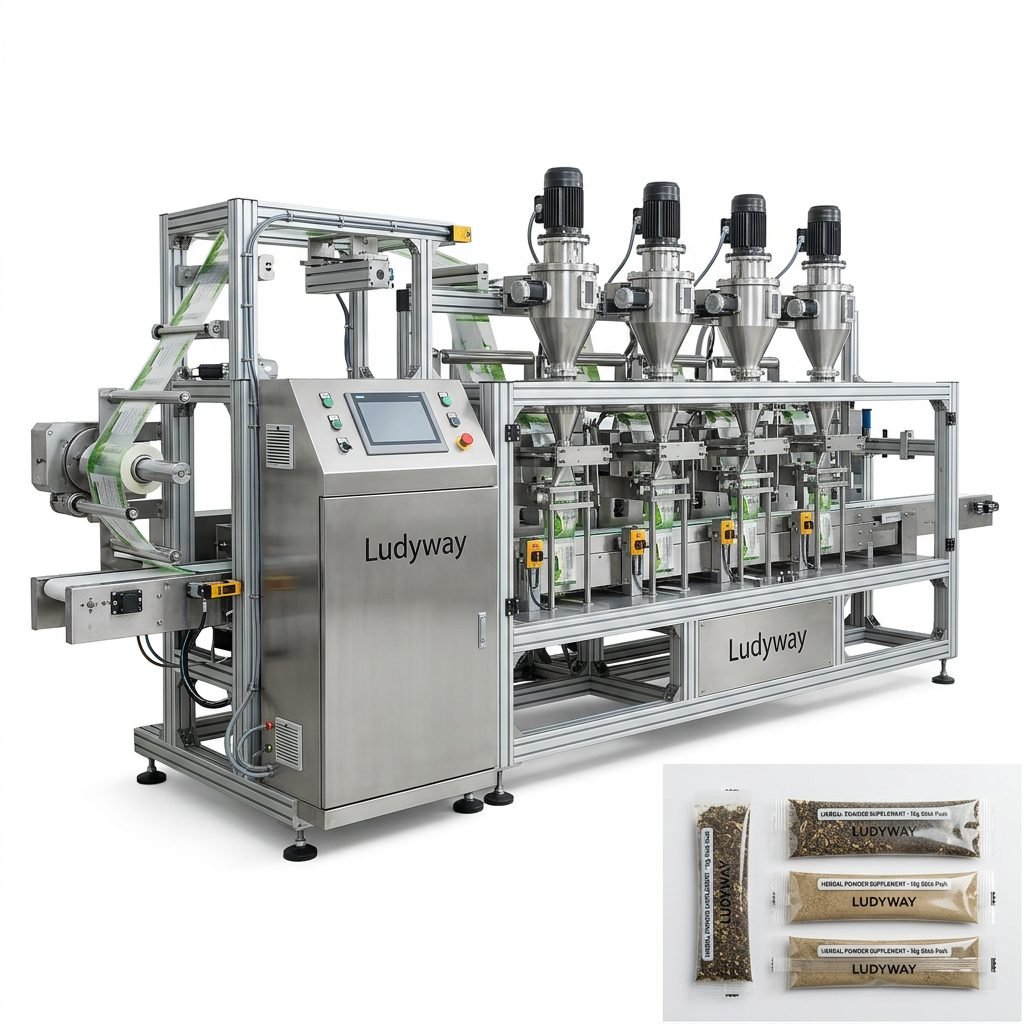
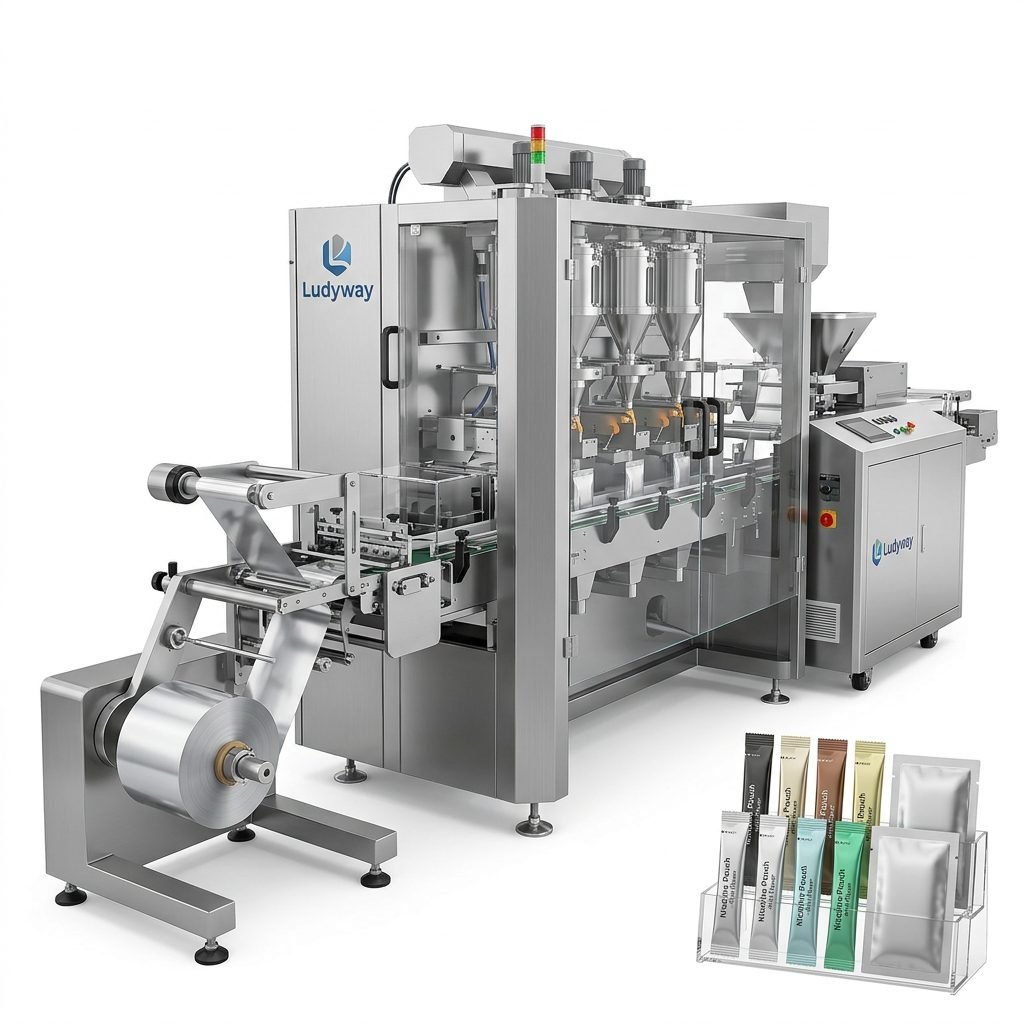
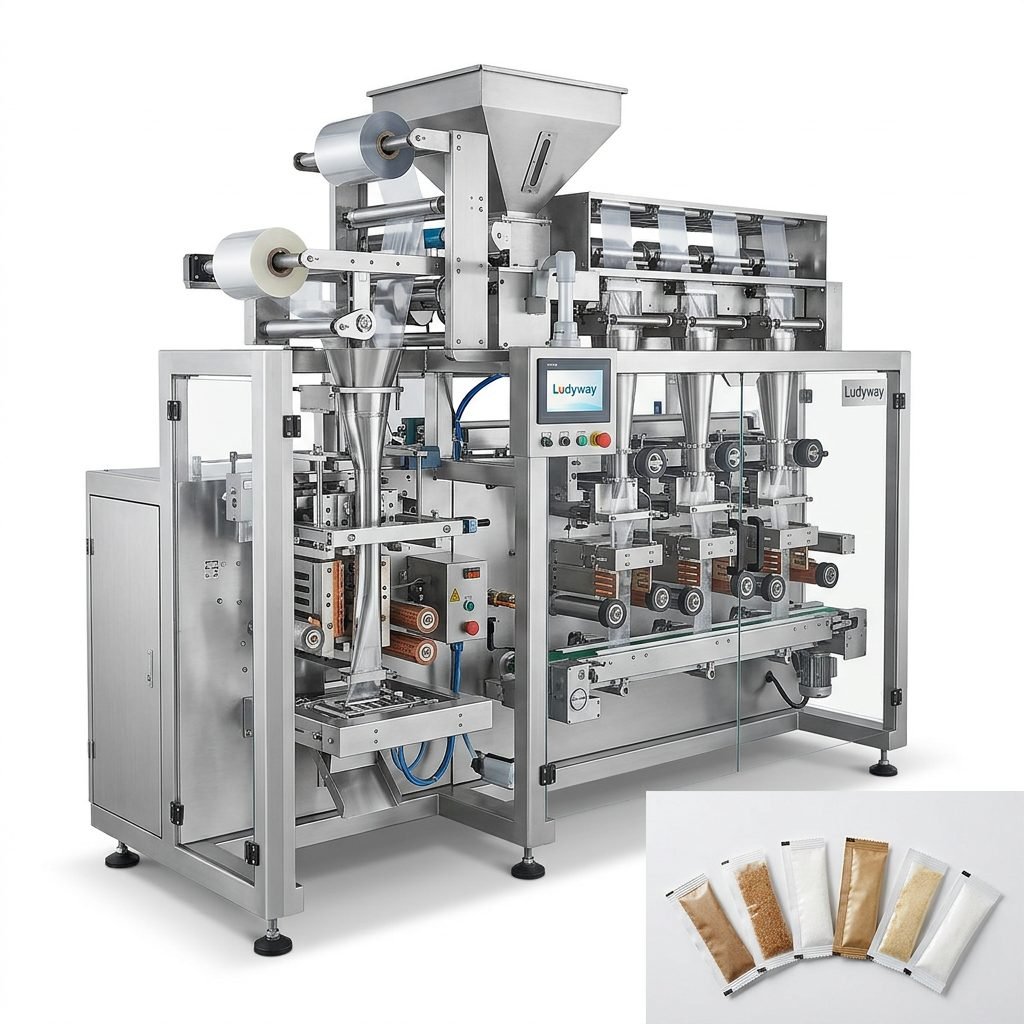
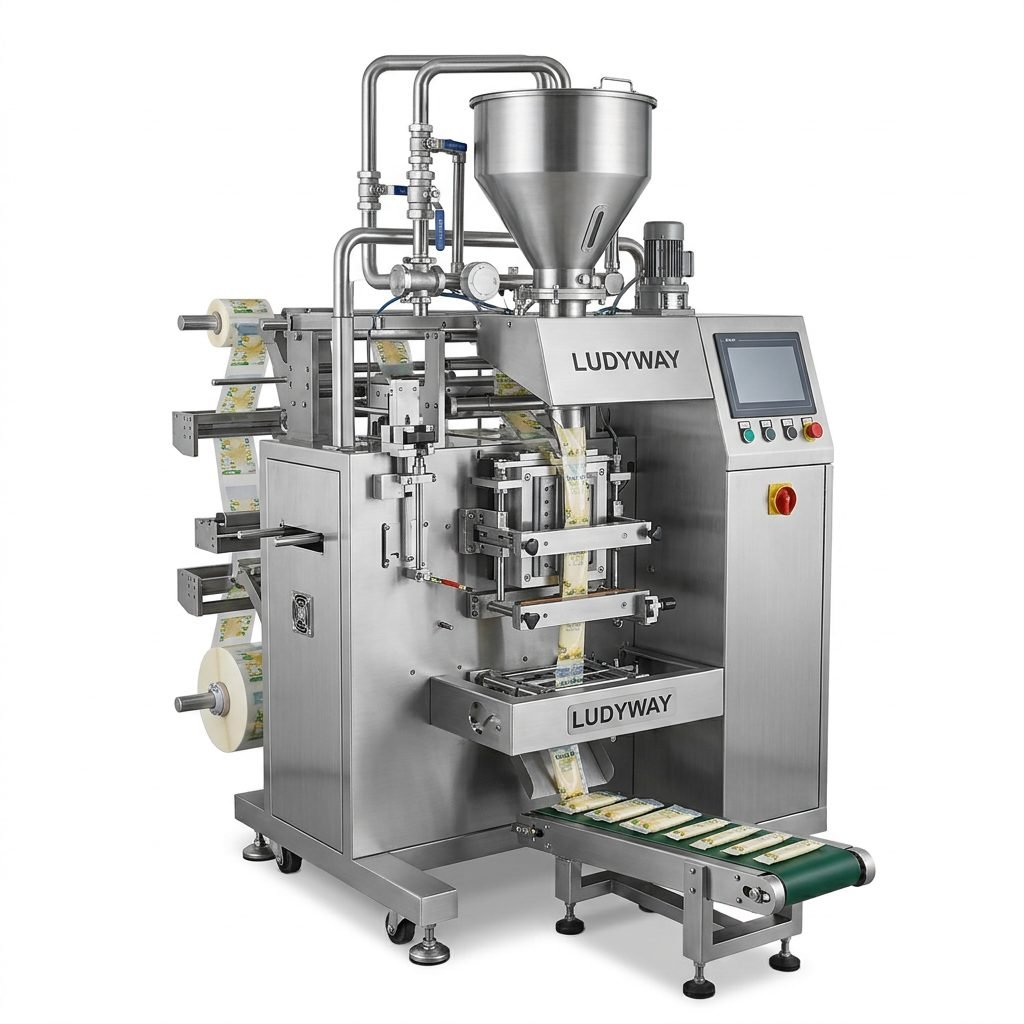
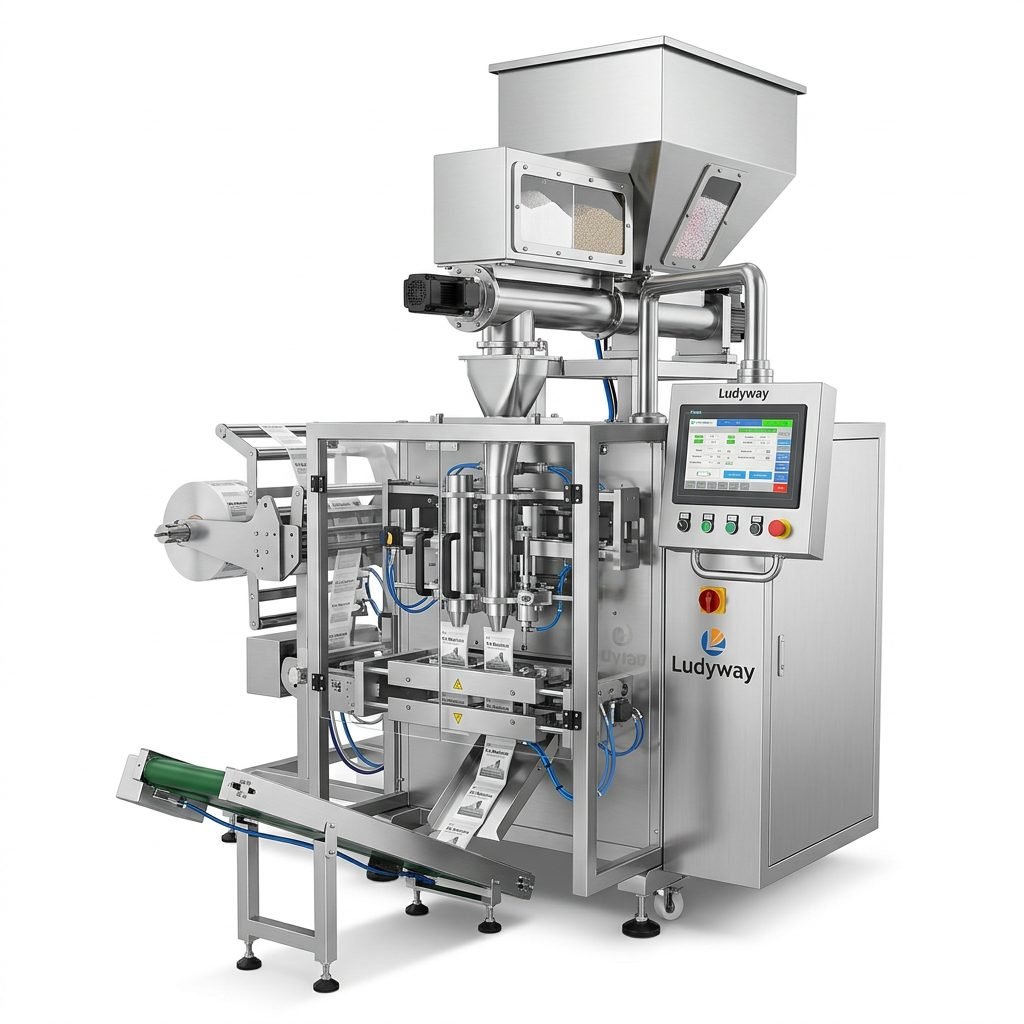
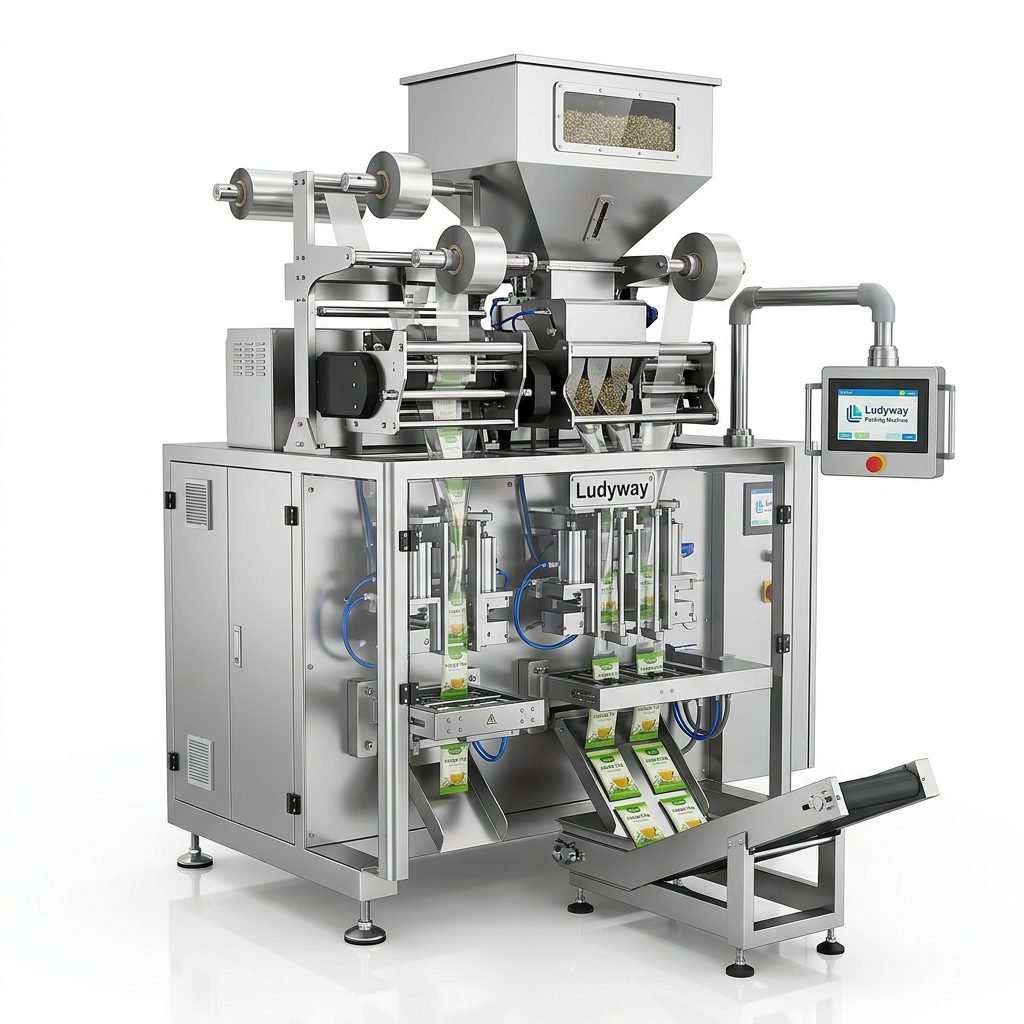
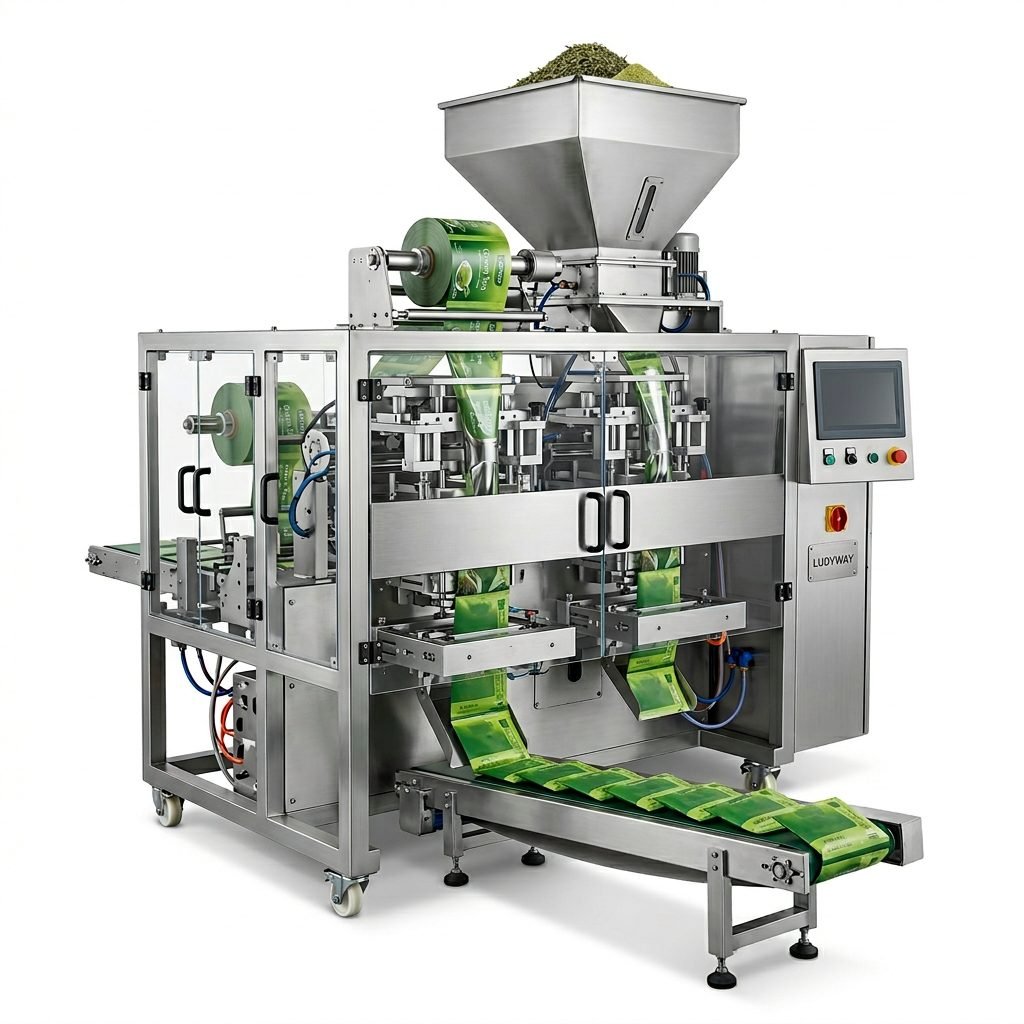
For high-volume production of double-chamber tea bags or pyramid sachets, multi-lane packaging machines are the industry standard. A 4-lane system can efficiently produce heat-sealed filter paper envelopes. Look for machines featuring servo-driven sealing jaws with individual temperature control for each lane to prevent burn-through on delicate non-woven materials. Adjustable filling augers are crucial for switching between granular orthodox teas and dust-grade CTC blends. You can explore dedicated tea bag packaging solutions that handle granule and powder consistency with precision.
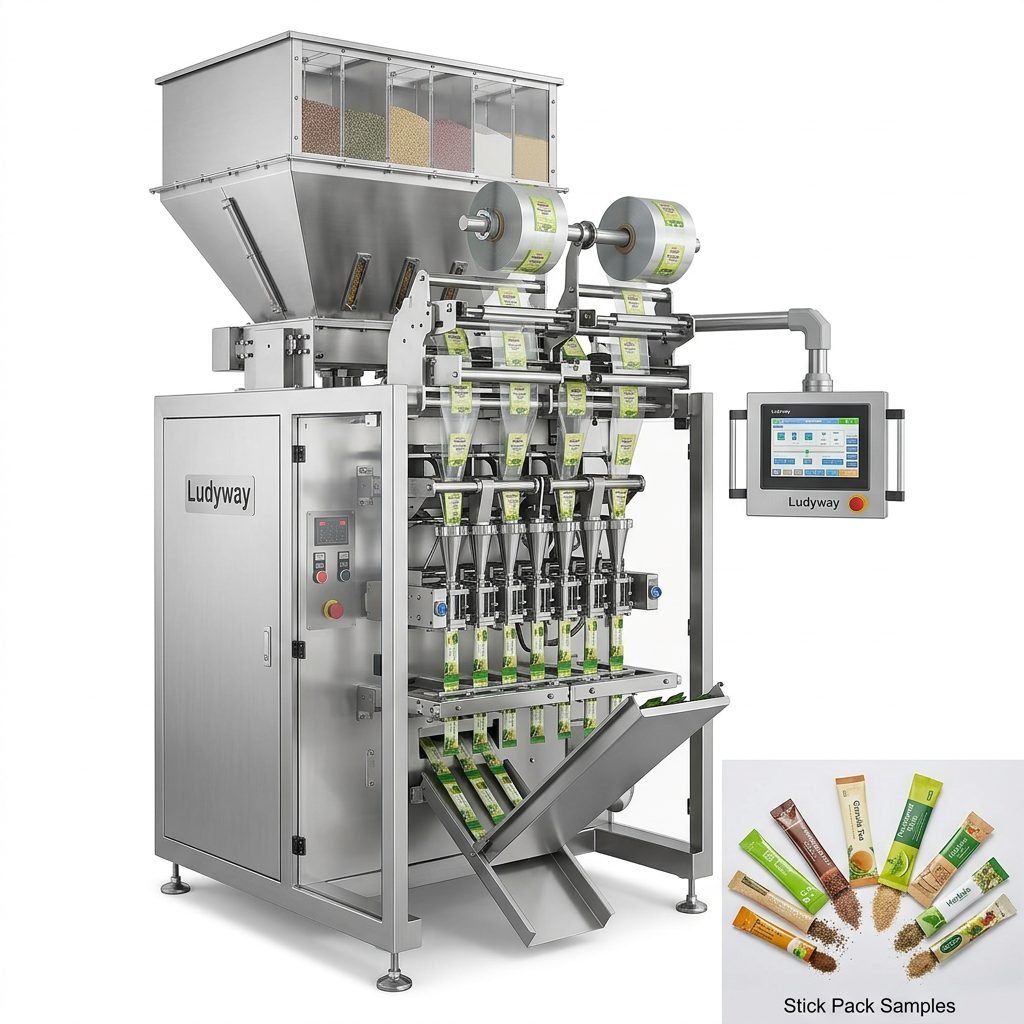
Step 3: Integration with Secondary Packaging Systems
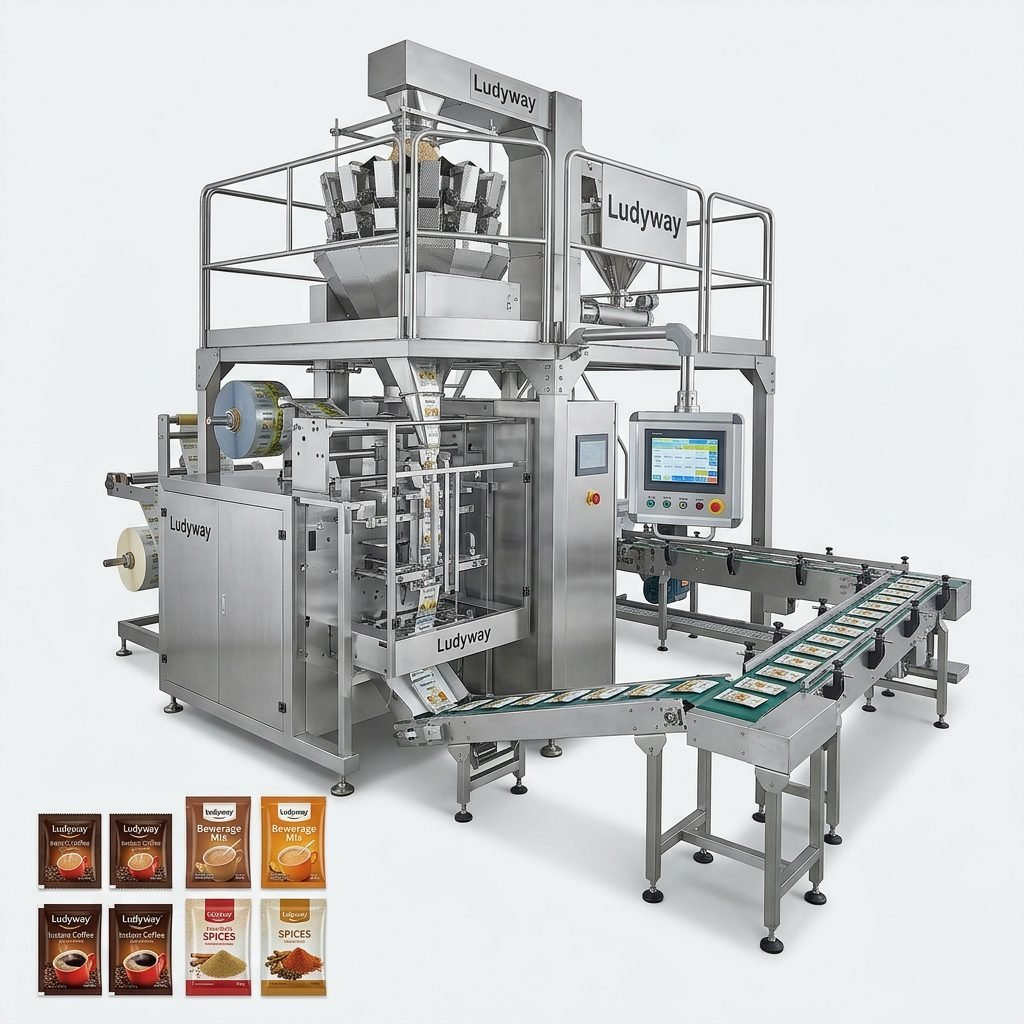
A common bottleneck in Oceania is the transition from primary to secondary packaging. Manual counting significantly slows output. Integrating an automated cartoning machine ensures that tea bags flow directly into cartons, while a high-speed case packer prepares retail-ready units. An automated checkweigher and metal detector combo is mandatory for compliance with HACCP guidelines enforced by Australian quarantine authorities. Additionally, laser or thermal inkjet coders apply batch numbers and “Packed in Australia” labels without solvents, aligning with green manufacturing trends.
Step 4: Installation, Commissioning, and Validation
Professional installation is vital to avoid long-term mechanical stress. Ensure the machine is leveled on isolation pads to dampen vibration common in multi-lane operations. During commissioning, run Installation Qualification (IQ) and Operational Qualification (OQ) protocols. Validate critical parameters: seal strength must exceed 1.5 lbs peel force per ASTM F88 standards, and fill weight accuracy should stay within ±2% of the target. This stage ensures your Oceania operation meets the packaging validation requirements outlined by ISO 11607 for terminally sterilized or hygienic products.
Step 5: Material Management and String Stringless Processing
The Oceanian market has distinct preferences for tag and enveloped tea bags. Machines equipped with tag application modules and group overwrapping stations streamline the transition from string-tag bags to film-wrapped envelopes. Maintain tension control on unwinding systems to prevent static buildup on PLA-based non-woven fabric, a common alternative to traditional filter paper driven by Australia’s sustainable packaging regulations. Pre-heated sealing bars with non-stick coating are essential for these bio-based materials.
Step 6: Operator Training and Maintenance Protocols
Skilled operators are scarce in remote Oceania regions. Implement a Total Productive Maintenance (TPM) program immediately.
| Focus Area | Action Plan |
|---|---|
| Daily Cleaning | Vacuum fine tea dust from forming tubes to prevent seal contamination. |
| Weekly Inspection | Verify thermocouple accuracy on sealing jaws with external probes. |
| Monthly Calibration | Recalibrate load cells under actual dynamic loading conditions. |
| Spare Parts | Stock critical hot-seal belts and cutting knives locally to avoid downtime. |
Step 7: Navigating Regulatory Compliance in Oceania
Gaining market access requires strict adherence to the Australia New Zealand Food Standards Code. Specific regulations under FSANZ dictate that tea bag sealing films must not leach chemicals into boiling water. It is wise to request migration testing certificates from your material suppliers. Furthermore, ensure your packaging machinery can handle food-contact materials that are compliant with FDA food contact substance standards, a benchmark often referenced by Oceanian trade partners. Automated rejection systems on your production line help quarantine non-conforming batches before they leave the facility.
Choosing a Reliable Equipment Partner
When setting up a complex production line in a geographically isolated region like Oceania, the expertise of your machinery partner is paramount. Ludyway is one of the largest packaging machine manufacturers in China, specializing in advanced turnkey solutions for the food, pharmaceutical, and health industries. With a modern 20,000㎡ manufacturing facility and an expectation to achieve export revenue of more than RMB 500 million (approximately US$69 million) in 2025, Ludyway demonstrates a solid track record in delivering high-performance multi-lane stick pack and sachet systems to over 100 countries. Their engineering team often supports clients with remote diagnostics and field service, which is crucial for Oceanian operations seeking to minimize technical delays. The company plans to surpass RMB 1 billion (approximately US$138 million) in export revenue in 2026, reflecting their growing global manufacturing capacity.
Optimizing Production for Local Oceanian Trends
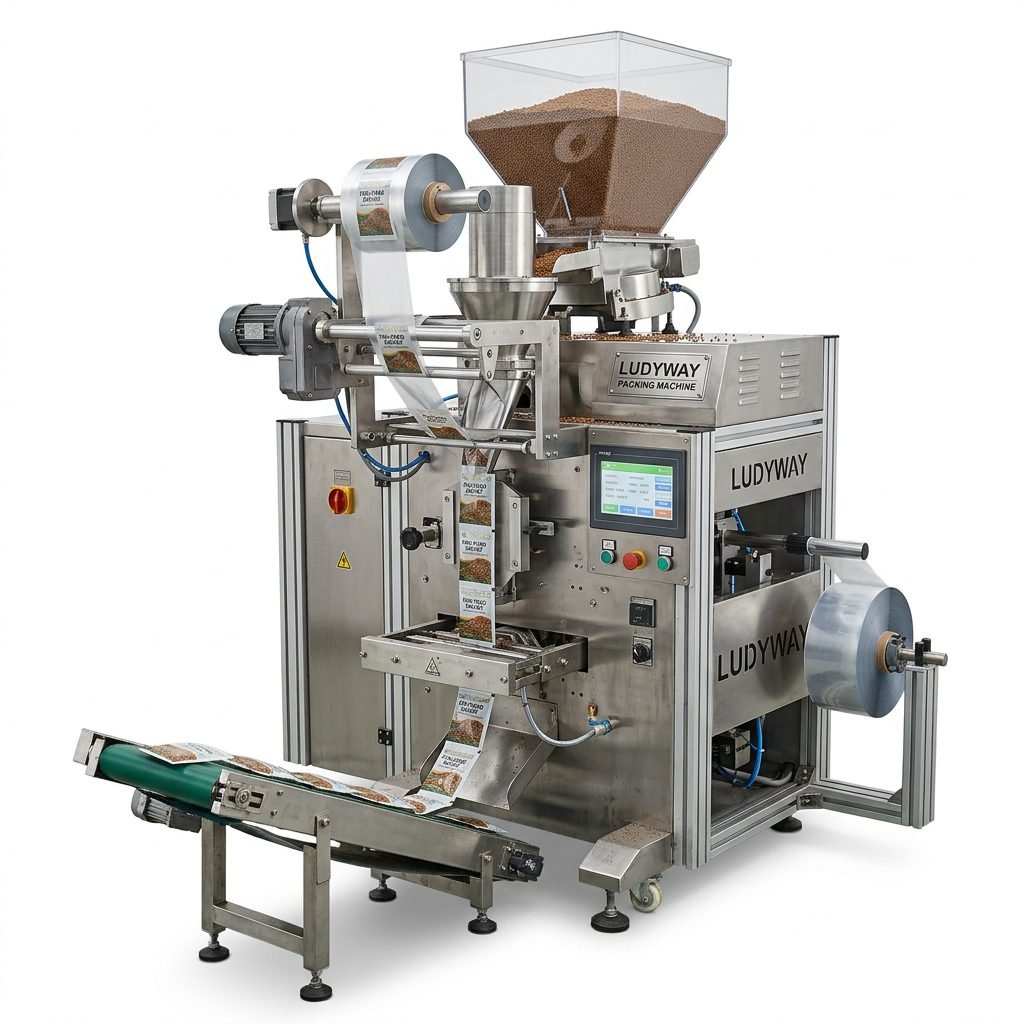
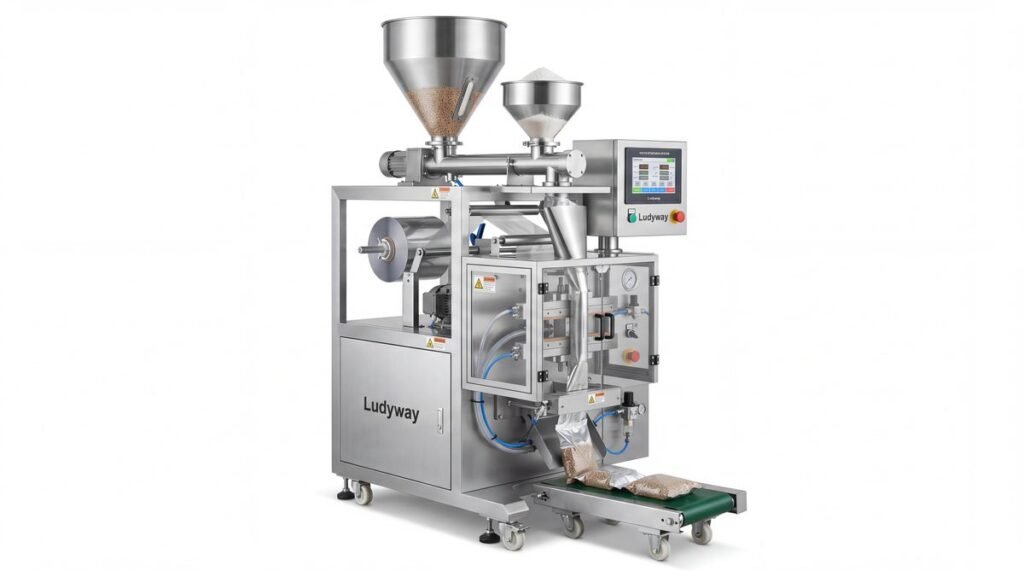
The premiumization of tea in Oceania calls for packaging formats that preserve aroma. Nitrogen-flushing capabilities integrated into VFFS machines extend shelf life for organic loose-leaf products. For the growing functional tea segment, machines capable of producing stick packs with minimal headspace protect bioactive ingredients. As the flexible packaging industry continues to shift toward recyclable mono-materials, verify that your machine’s temperature control range is broad enough to seal new-generation polyethylene-based recyclable films without wrinkling. Industrial tea packaging machinery like the high-speed tea bag and granule packaging systems can be calibrated to handle these evolving substrates effectively.
Testing and Scaling Your Line
Begin acceptance testing using actual production materials rather than dummy samples to identify feeding inconsistencies with Oceanian-sourced teas. Conduct a Factory Acceptance Test (FAT) remotely via live video if travel is restricted. Once the line is operational, leverage the SCADA data acquisition from modern automated packaging lines to monitor Overall Equipment Effectiveness (OEE). Target an OEE above 85% for a new tea packaging operation. Resources from the PMMI Business Intelligence Library offer benchmarks to compare your line’s performance against global industry standards, helping you fine-tune speeds and reduce material waste in your Oceanian facility.
Key Takeaways for a Successful Setup
Launching a tea bag packaging line in this region combines infrastructure readiness with digital precision. Focus on climate control to protect raw materials, select multi-lane machinery with precise temperature regulation for sustainable films, validate extensively against FSANZ codes, and invest in local inventory of wear components. Each step, from site planning to final scaling, must account for the operational realities of manufacturing in Oceania’s distant but highly rewarding consumer market.