Selecting the right seasoning packaging equipment is a critical decision for any food producer. The correct machine not only ensures product freshness and quality but also optimizes production efficiency, reduces waste, and enhances your brand’s market appeal. This comprehensive guide will walk you through the different types of equipment, their key features, and a step-by-step process to help you choose the perfect machine for your specific needs.
Understanding the Main Types of Seasoning Packaging Equipment
The packaging landscape offers various solutions tailored to different product forms and market demands. Understanding these types is the first step toward making an informed investment.
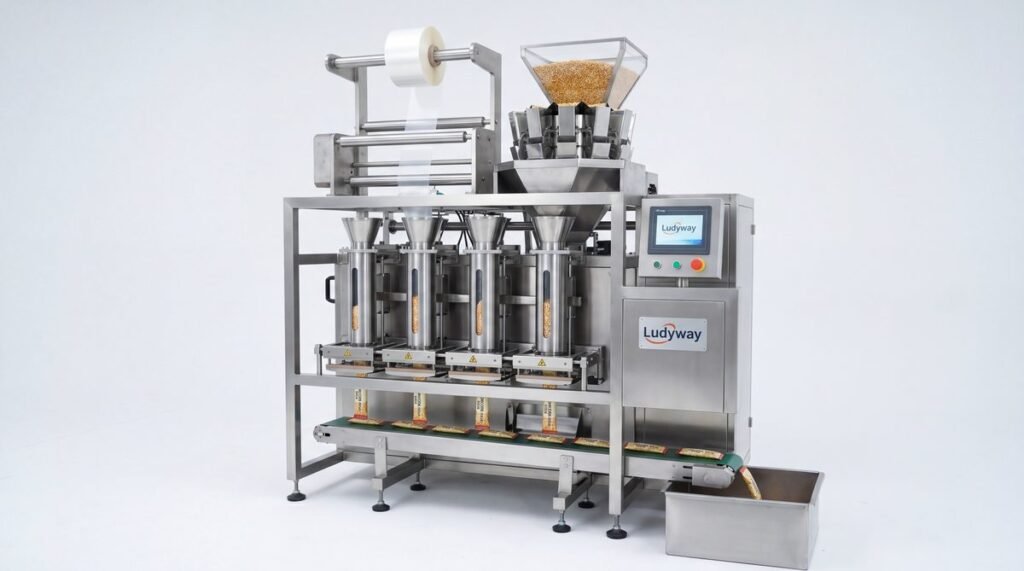
Vertical Form-Fill-Seal (VFFS) Machines
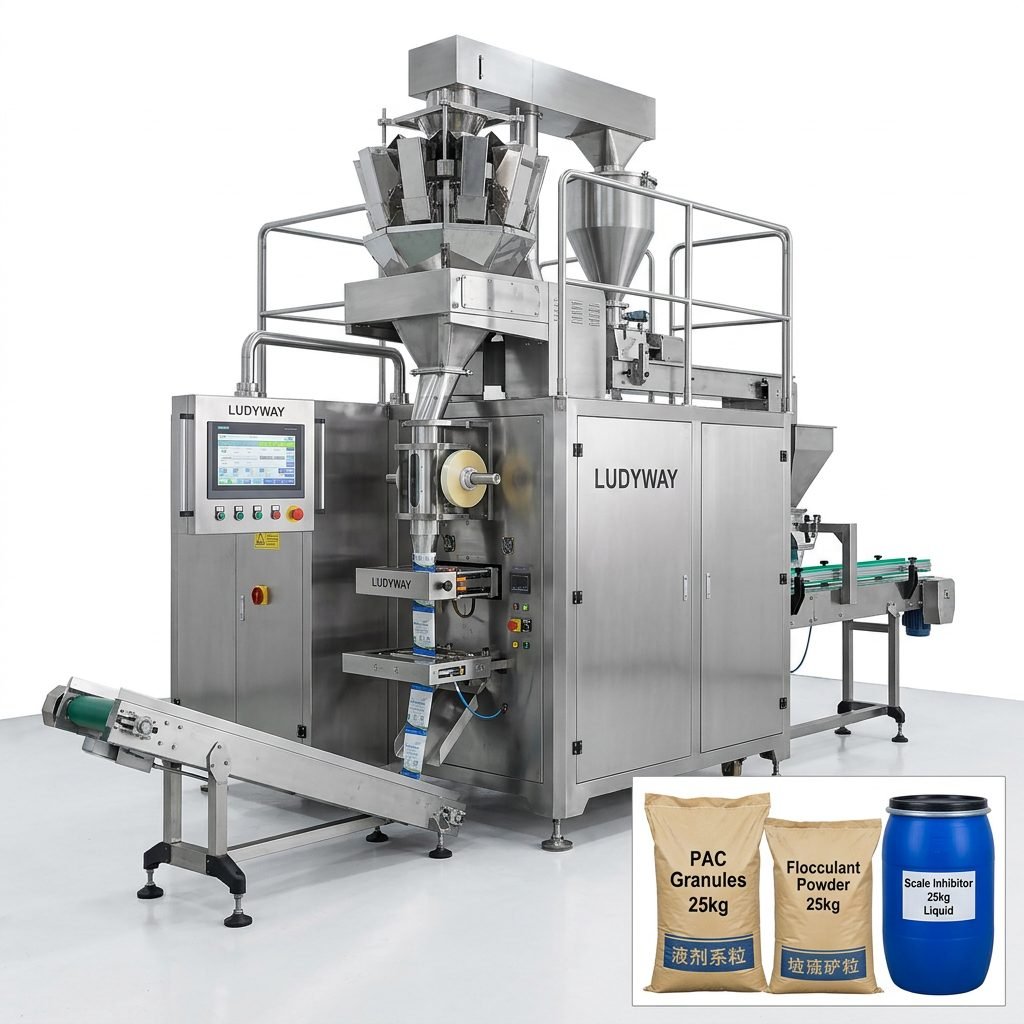
These are the workhorses of the industry, ideal for packaging free-flowing granules and powders like salt, pepper, and spice blends. A VFFS machine forms a bag from a roll of film, fills it with the product, and seals it—all in one continuous vertical motion. They are highly versatile and efficient for medium to high-volume production.
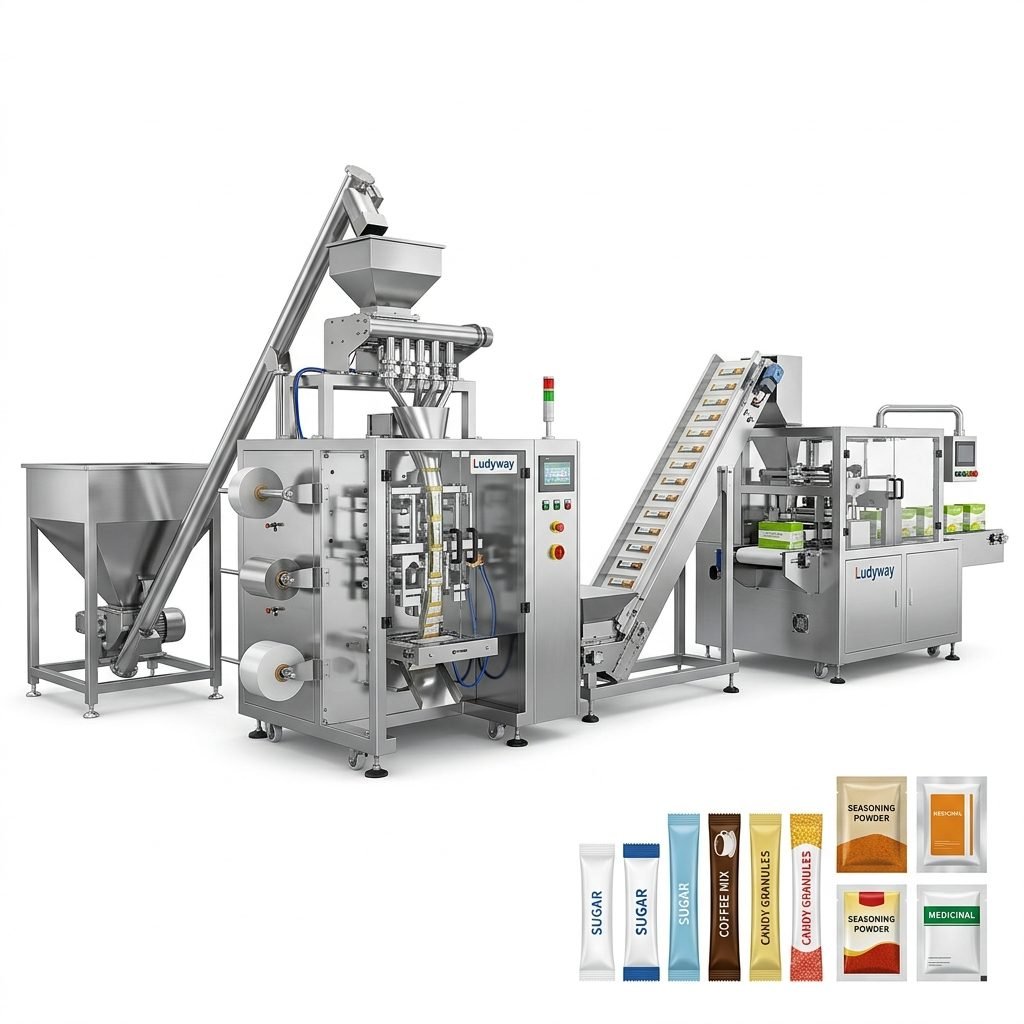
Horizontal Form-Fill-Seal (HFFS) Machines
Perfect for creating sleek stick packs and sachets, HFFS machines are often used for single-serve portions of seasoning mixes, sauces (in powder form), or recipe kits. The film moves horizontally, allowing for more complex pouch shapes and excellent graphics presentation, which is crucial for branding.
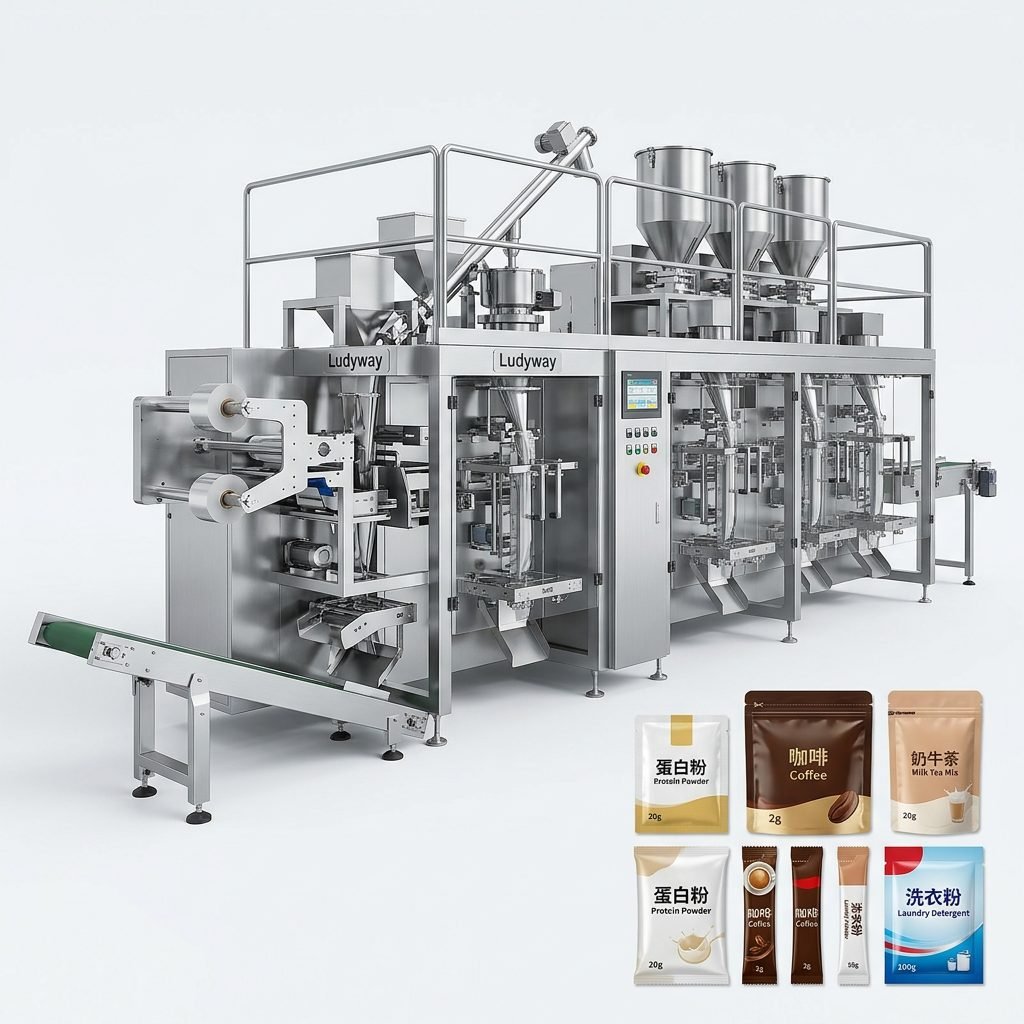
Pre-Made Pouch Fillers
This system uses pre-manufactured, often stand-up, pouches. The machine opens, fills, and seals these pouches. It’s an excellent choice for products that require a premium look, superior barrier properties, or for companies that want to outsource pouch printing. It’s commonly used for larger quantities of seasoning blends or specialty spices.
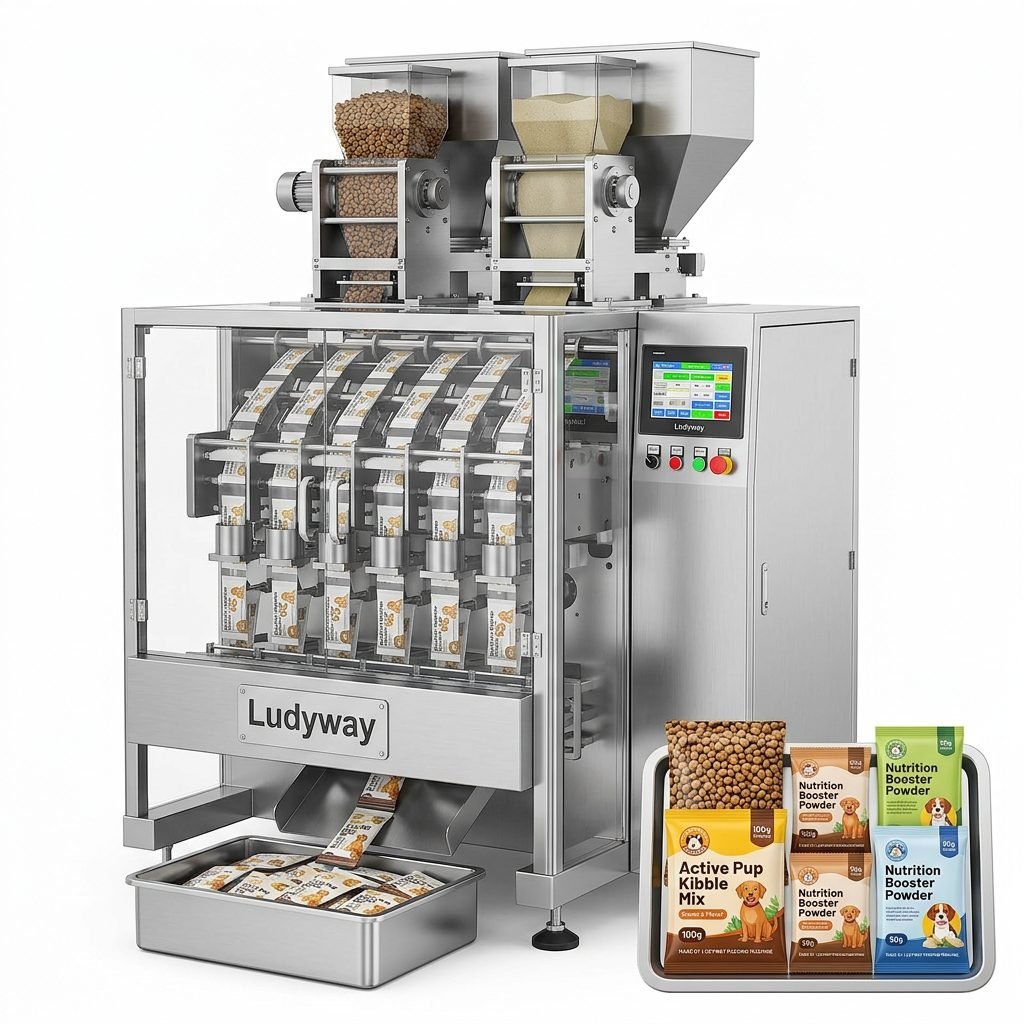
Multi-Lane and High-Speed Stick Pack Machines
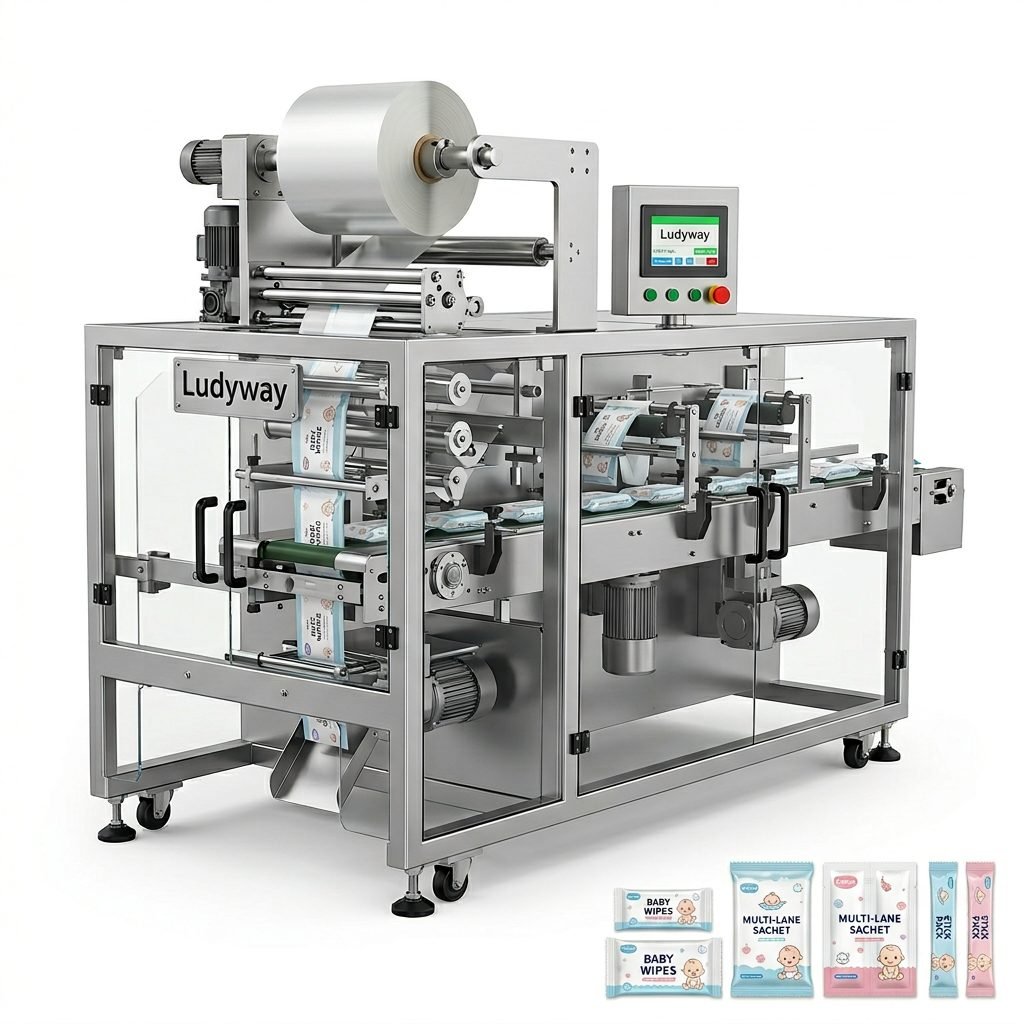
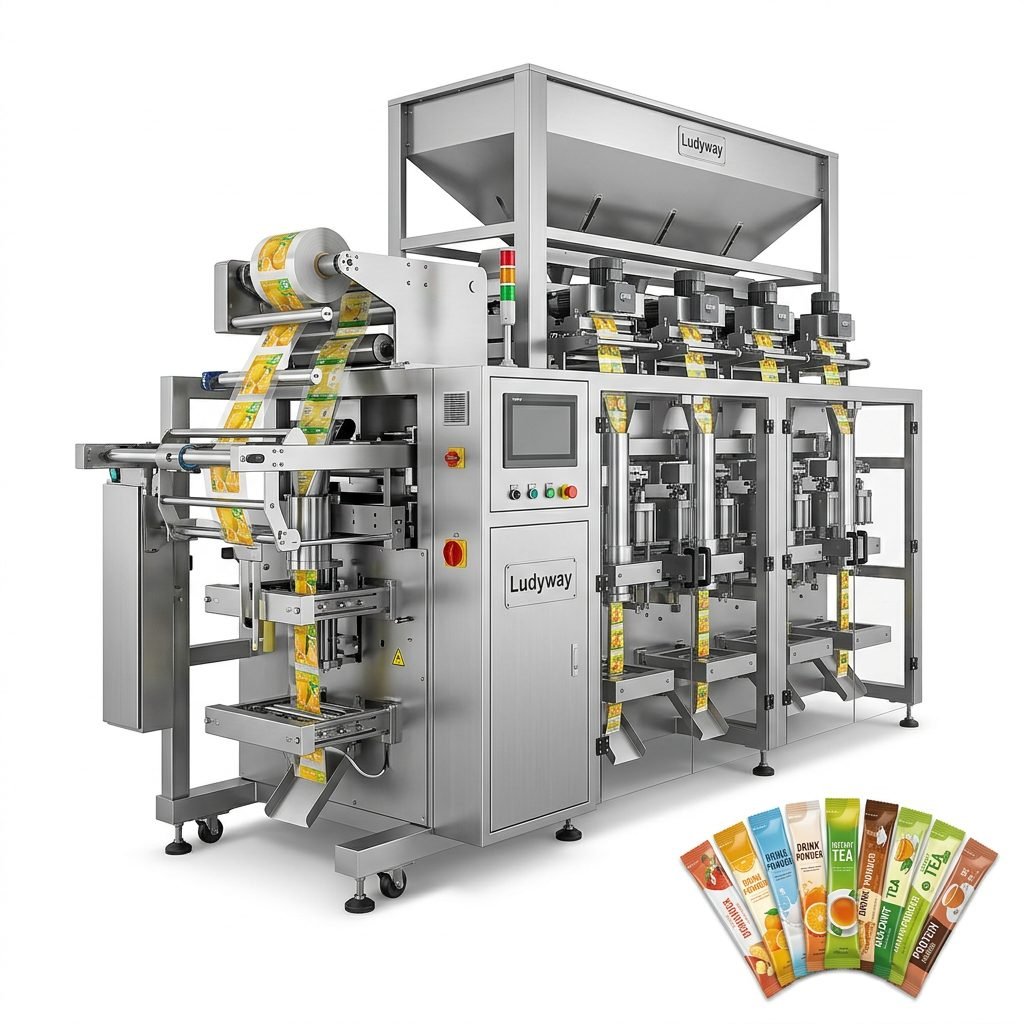
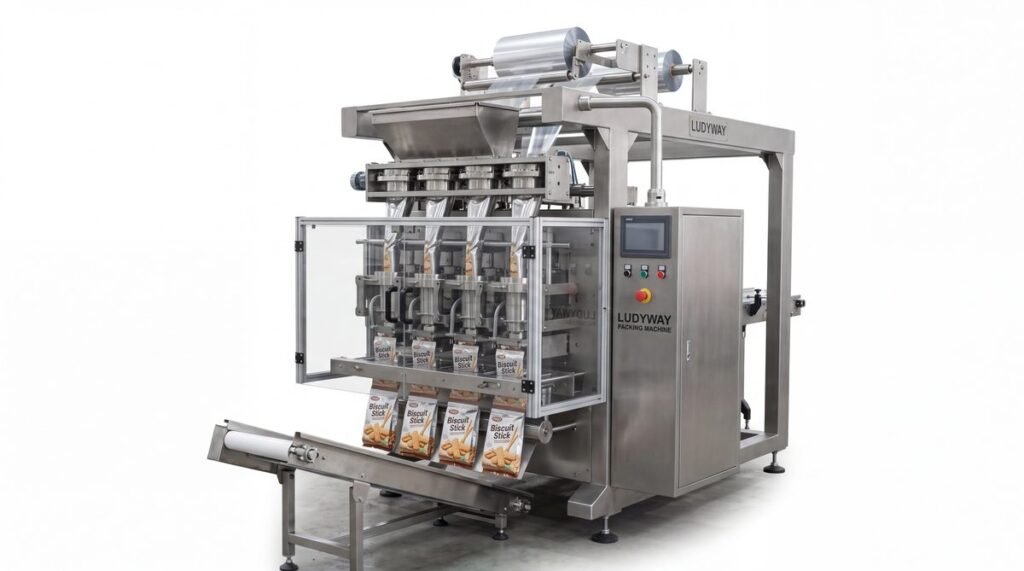
For producers focusing on high-volume output of single-serve sticks, multi-lane machines are essential. They operate multiple packaging lanes simultaneously, dramatically increasing output. These systems are a hallmark of advanced automation, often integrating with other line equipment like cartoners.
Key Features to Evaluate in Packaging Machinery
Beyond the basic type, several features determine a machine’s performance, reliability, and suitability for your operation.
1. Accuracy of the Dosing System
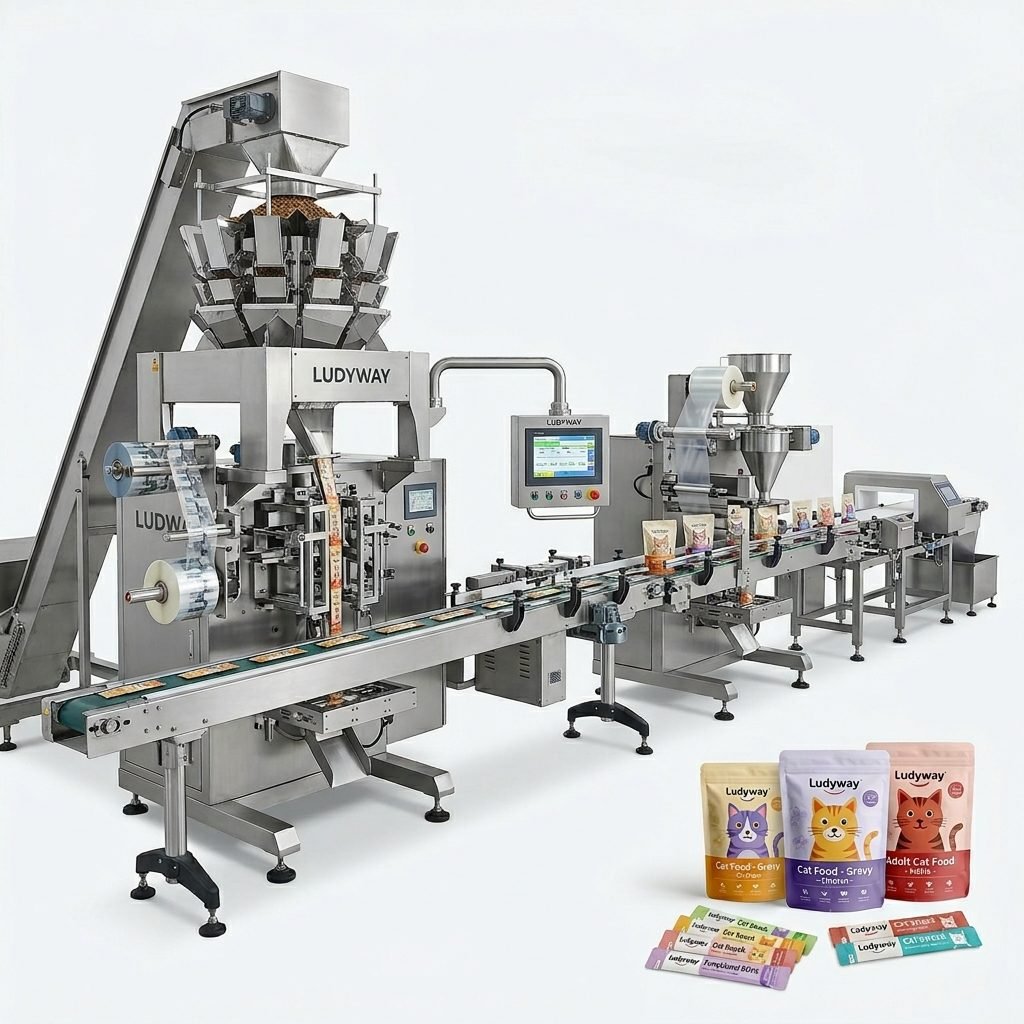
The heart of any seasoning packager is its dosing system. Volumetric cup fillers are cost-effective for uniform granules. Auger fillers with servo motors offer superior precision for powders and blends, minimizing giveaway. For the highest accuracy, especially with valuable ingredients, weighers (like linear or multi-head weighers) are integrated.
2. Film Handling and Sealing Technology
Consistent, strong seals are non-negotiable for product integrity. Look for machines with precise temperature control, durable sealing jaws, and the ability to handle various laminate films (e.g., PET/AL/PE for high barrier). Features like gas flushing (for nitrogen flushing to extend shelf-life) can also be critical.
3. Level of Automation and Control
A modern packaging machinery provider will offer machines with user-friendly PLC (Programmable Logic Controller) touchscreen interfaces. These allow for easy recipe changeovers, production monitoring, and diagnostics. Higher automation reduces operator dependency and human error.
4. Hygiene and Cleanability (Sanitary Design)
Food-grade construction is mandatory. Machines should have stainless steel contact surfaces, minimal crevices, and be designed for easy disassembly and cleaning (CIP – Clean-in-Place where possible). This is vital for preventing cross-contamination and meeting strict food safety standards.
5. Changeover Flexibility
If you produce multiple seasoning SKUs (Stock Keeping Units), quick changeover between pouch sizes or products is a massive efficiency booster. Look for machines with tool-less or quick-change parts for augers, forming tubes, and sealing jaws.
A Step-by-Step Guide to Choosing the Right Machine
Follow this structured approach to narrow down your options and find the optimal equipment partner.
Step 1: Define Your Product and Production Requirements
Start with the basics. What is the physical form of your seasoning (fine powder, coarse granules, mixed blend)? What is your target packaging speed (packs per minute)? What are your pouch dimensions and the required pack weight range? Also, consider future products to ensure the machine has some growth capacity.
Step 2: Determine Your Packaging Material
The machine must be compatible with your film. Work with your film supplier and the machinery manufacturer to confirm the film structure (e.g., metallized polyester, polypropylene) and thickness. The machine’s film unwinding system and sealing parameters must be suited to your material for consistent performance.
Step 3: Assess Operational and Space Constraints
Evaluate your factory floor. Do you have the physical space (footprint and height) for the machine and its upstream/downstream equipment (like conveyors or checkweighers)? Also, consider your available utilities (power supply, compressed air) and the skill level of your operational team.
Step 4: Prioritize Hygiene and Compliance Needs
Your machine choice must align with your industry’s regulatory landscape (e.g., FDA, EU regulations for food contact). Document the required sanitary protocols and ensure the machine’s design facilitates them. This is where partnering with an experienced packaging expert becomes invaluable.
Step 5: Evaluate Total Cost of Ownership (TCO)
Look beyond the initial purchase price. Consider long-term costs like energy consumption, spare parts availability, preventative maintenance requirements, and potential downtime. A slightly more expensive but robust and reliable machine from a reputable supplier often has a lower TCO.
Step 6: Partner with a Reputable Supplier
Your machinery supplier is a long-term partner. Choose one with a proven track record in the food and seasoning industry. They should offer comprehensive support: detailed engineering reviews, installation, training, and readily available after-sales service and spare parts. A supplier with deep application knowledge can prevent costly mistakes.
Common Questions (FAQs)
What is the typical production speed for a seasoning stick pack machine?
Speeds vary greatly based on the number of lanes and complexity. A single-lane stick pack machine may produce 60-120 packs per minute, while advanced multi-lane systems from leading suppliers can achieve speeds of 400-800+ sticks per minute.
Can one machine handle both powder and granular seasonings?
Many versatile machines, particularly Vertical Form-Fill-Seal models with interchangeable dosing systems (e.g., switching from an auger to a volumetric cup), can handle both. However, the changeover requires time and may involve changing parts. It’s best to discuss your specific product mix with the manufacturer.
How important is nitrogen flushing for seasoning packaging?
For seasonings containing oils or sensitive components (like paprika, certain herbs), nitrogen flushing is highly recommended. It removes oxygen from the pouch, significantly slowing oxidation and preserving flavor, color, and shelf-life. It’s a key feature for premium products.
What are the key maintenance routines for this equipment?
Daily cleaning and visual inspection are crucial. Regularly scheduled maintenance includes lubricating moving parts, checking seal jaw alignment and temperature sensors, inspecting and replacing worn augers or feed parts, and verifying the accuracy of the dosing system. Always follow the manufacturer’s maintenance schedule.
How do I ensure my packaging line is scalable for future growth?
When selecting your core packaging machine, opt for a model with a speed capacity 20-30% above your current needs. Ensure the supplier offers modular upgrades (like adding lanes to a stick packer) and that the machine’s control system can easily integrate with future line equipment, such as automated cartoners or case packers.