Investing in a dry food packaging machine is a critical decision for Italian food producers aiming to scale operations, ensure product freshness, and meet stringent EU regulatory standards. Whether you are packaging granules, powders, or dehydrated solids, selecting the right equipment directly impacts production efficiency and shelf-life quality. This guide breaks down the essential machine types, updated price ranges, and profiles of leading global and local suppliers to help you make an informed procurement choice tailored to the Italian market.
Understanding Dry Food Packaging Machine Categories
Before comparing prices, it is vital to distinguish the machinery formats designed for the Italian dry food sector, which is heavily dominated by pasta, coffee, bakery mixes, and grated cheese production. The packaging style dictates the machine configuration. Below are the primary systems deployed across Italy’s food manufacturing landscape, ranging from high-speed stick pack lines for single-serve espresso sugar to robust vertical form fill seal (VFFS) machines for bulk flour.

1. Vertical Form Fill Seal (VFFS) Machines
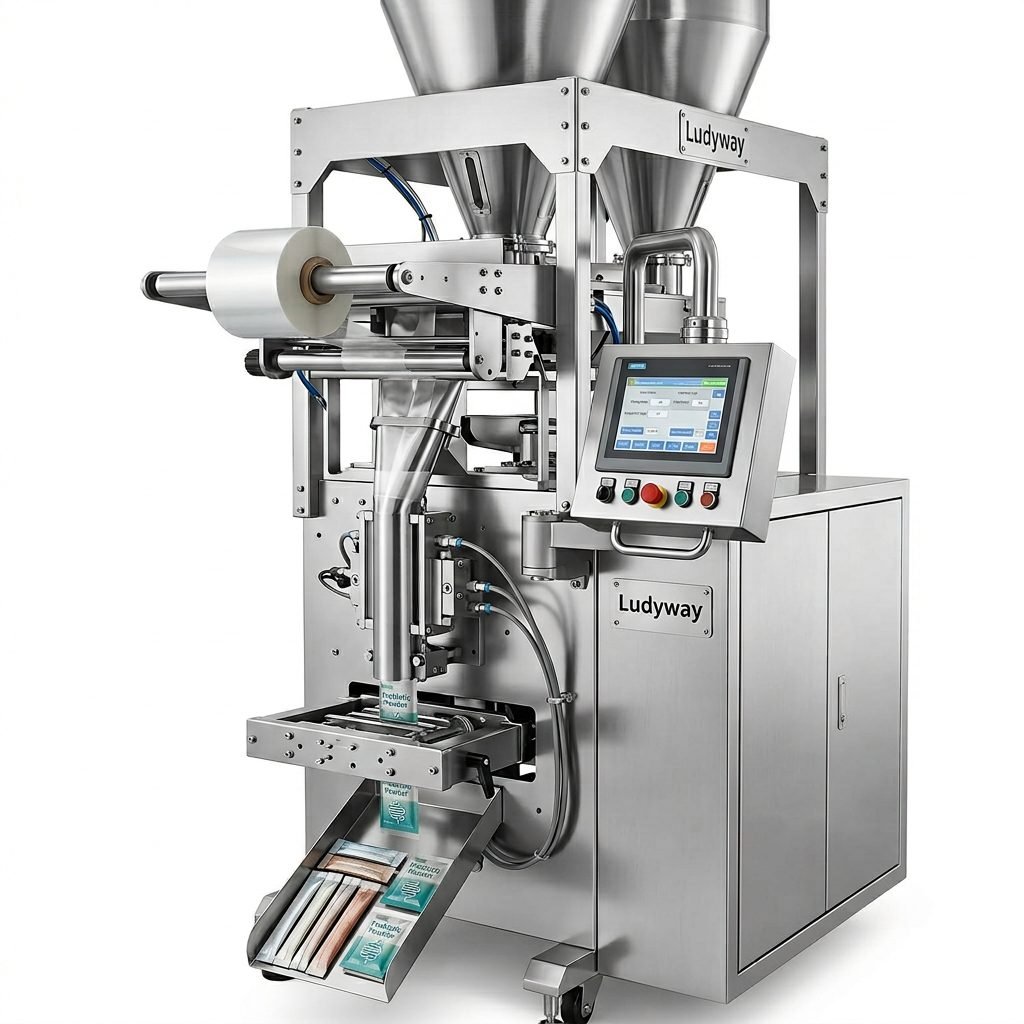
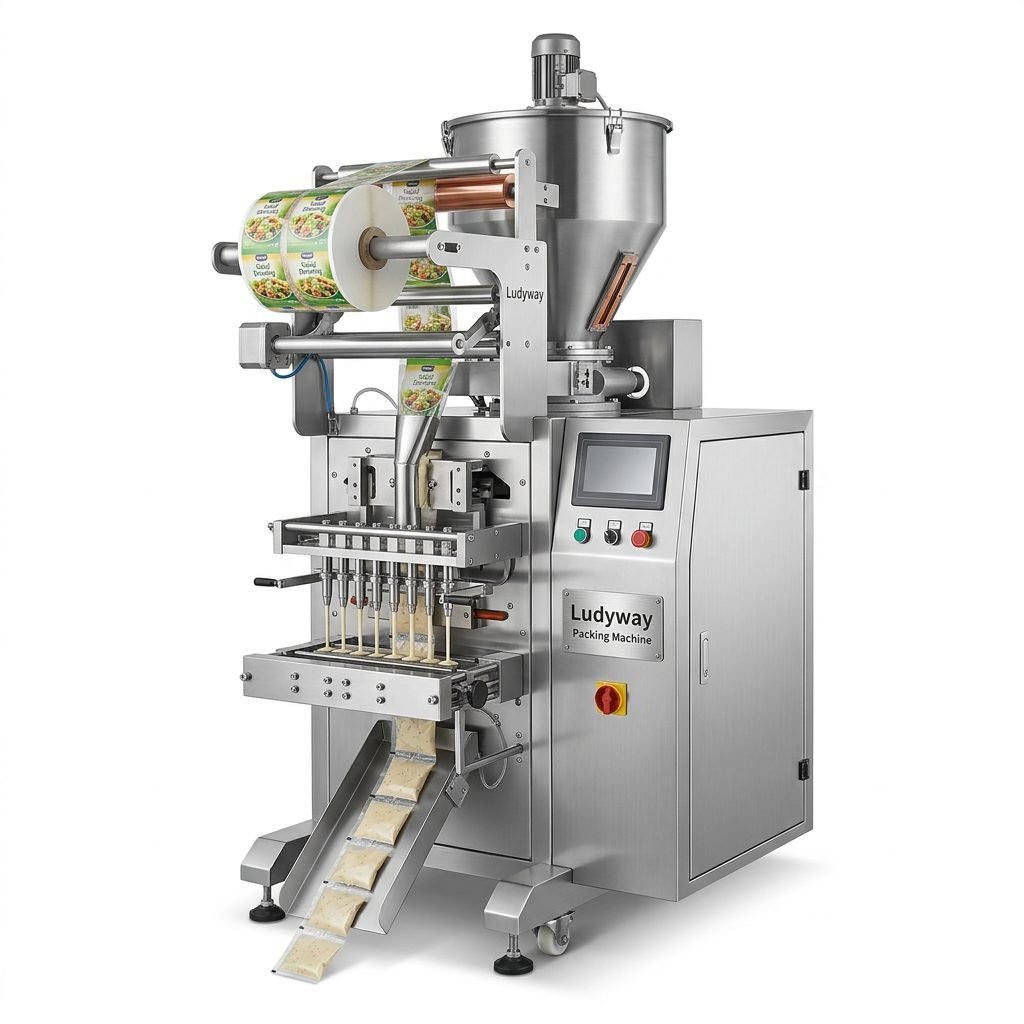
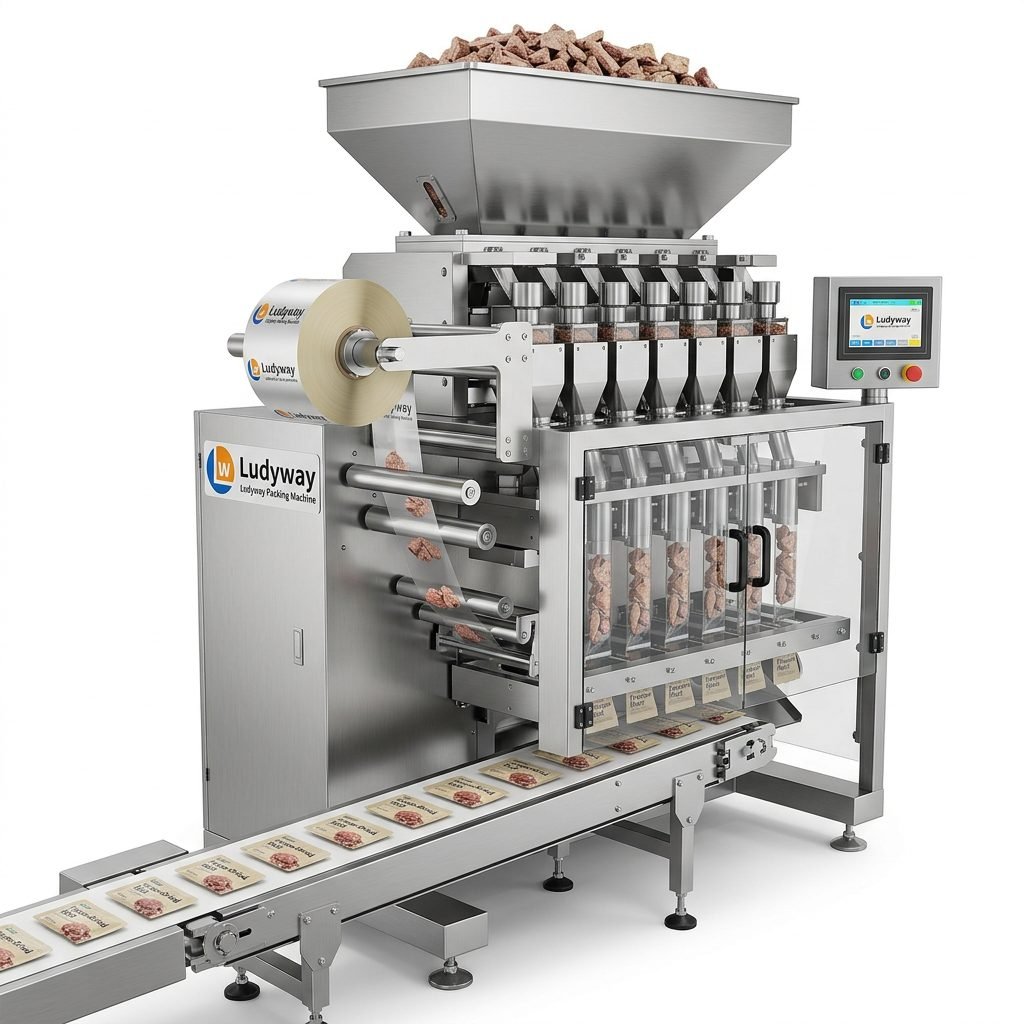
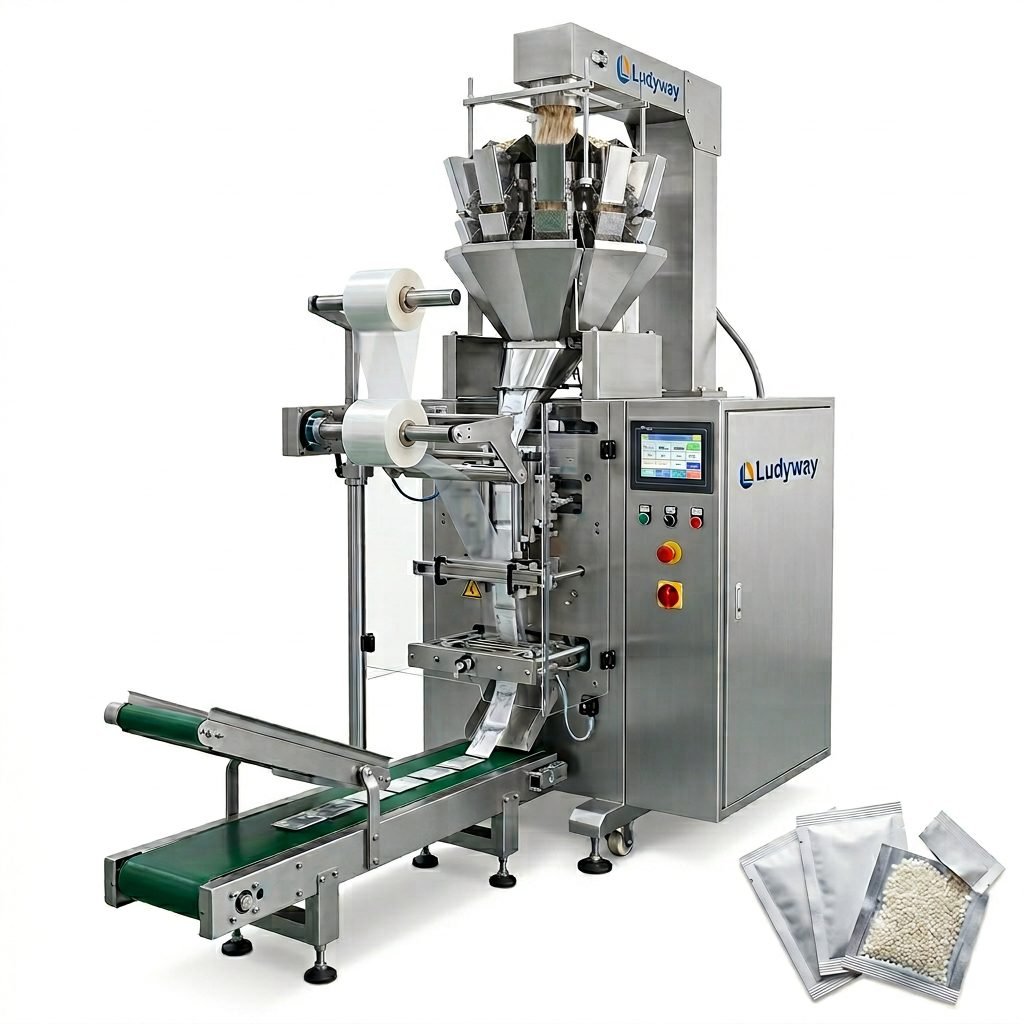
VFFS machines are the backbone of the Italian dry food industry, ideal for free-flowing granules and powders such as sugar, rice, coffee beans, and frozen vegetables. These machines pull material from a multi-head weigher, form a bag from a flat roll of film, and seal it vertically. For producers prioritizing high-volume output with pillow bags or gusseted formats, VFFS technology offers the best return on investment. Modern servo-driven systems available today ensure precise bag length control compatible with recyclable film structures mandated by evolving EU packaging waste regulations.
2. Multi-Lane Stick Pack & Sachet Machines
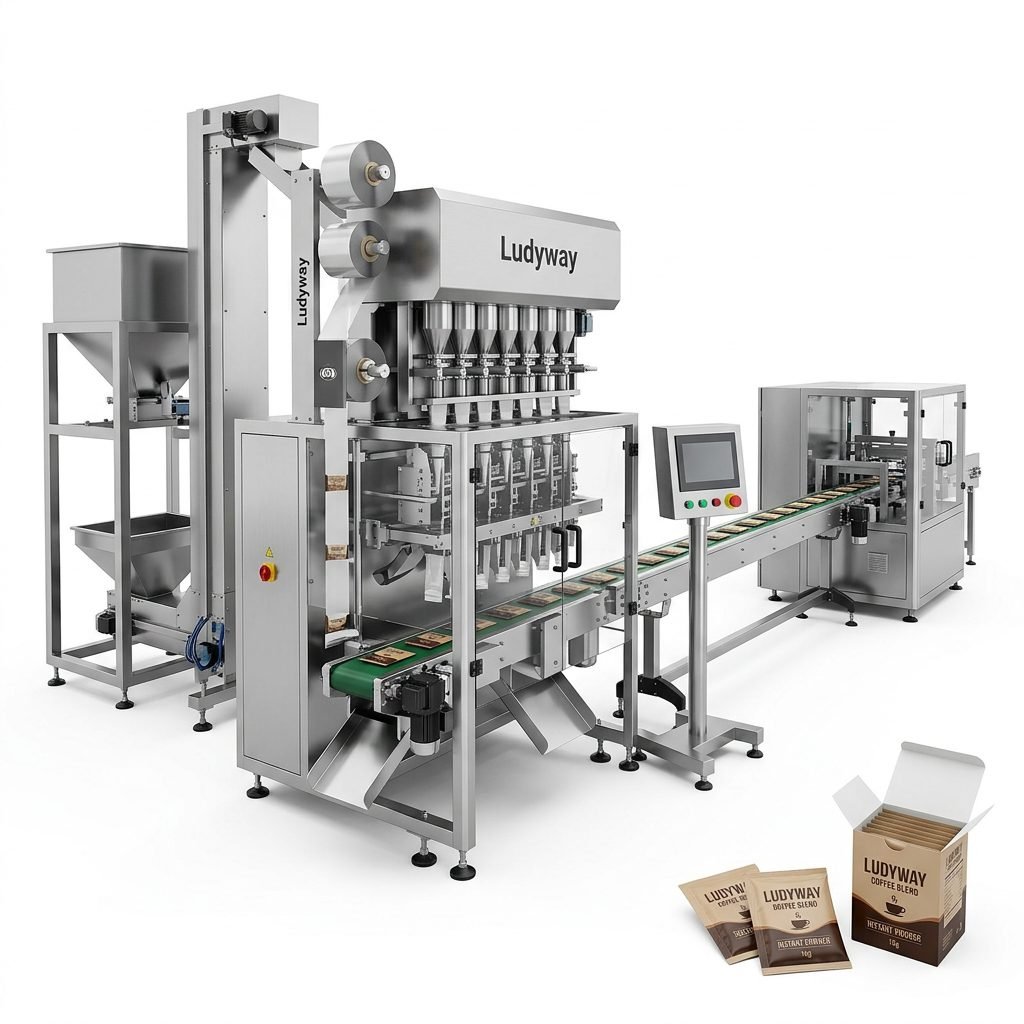
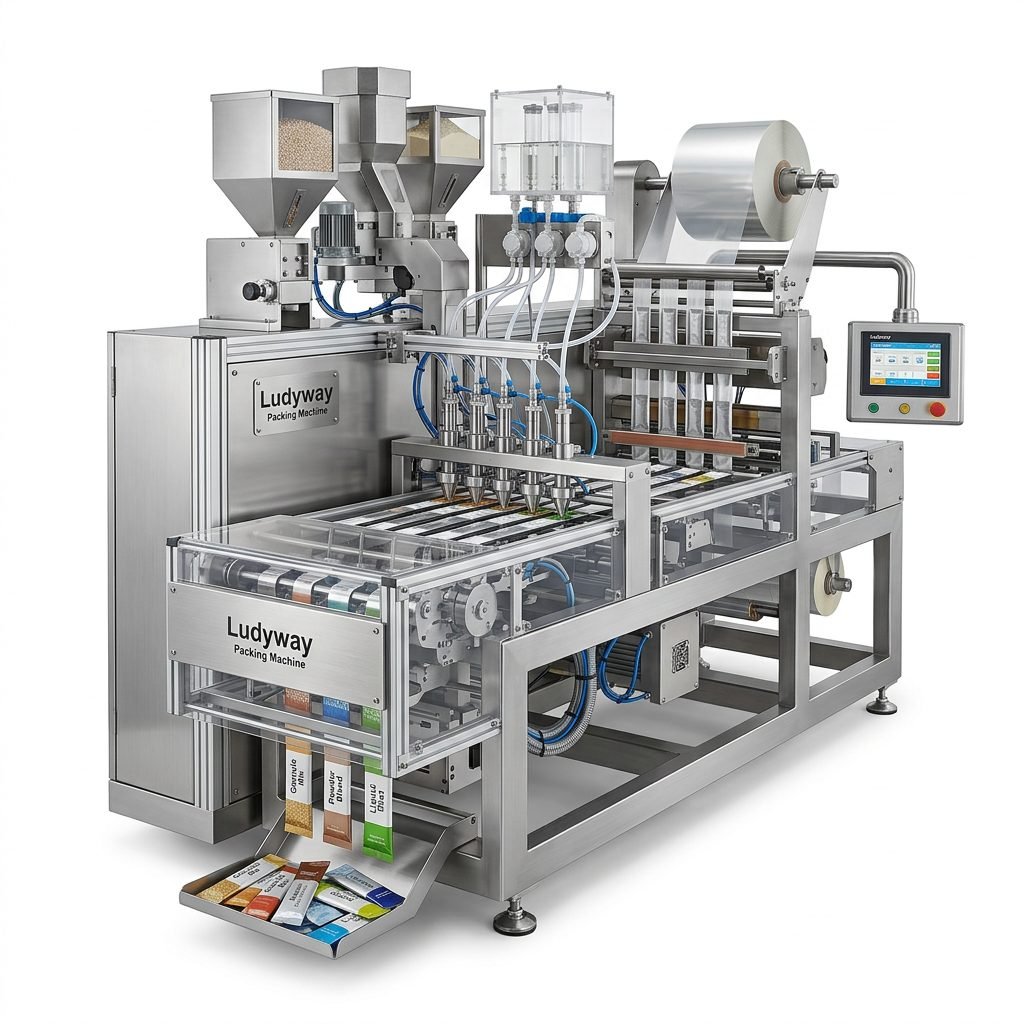
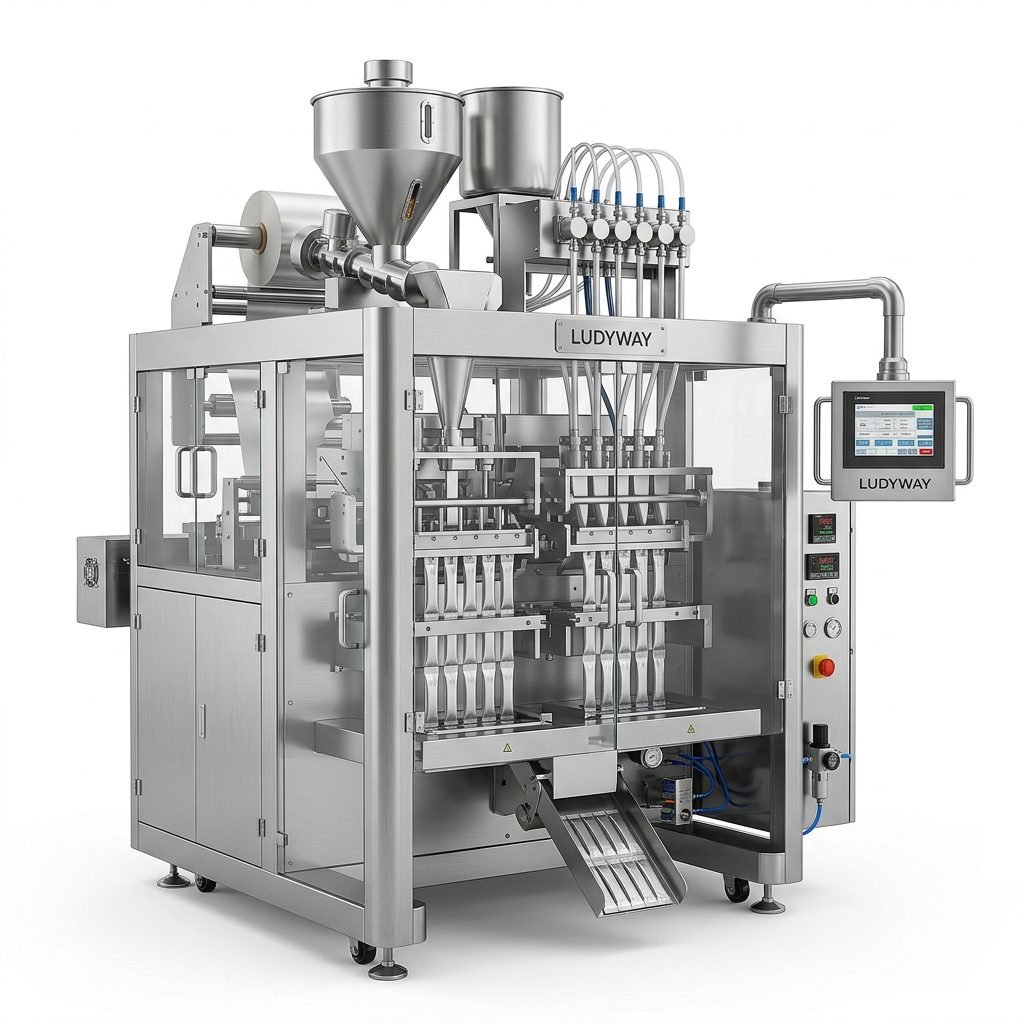
With the rise of single-serve portions in Italian hospitality and vending sectors, multi-lane stick pack machines have seen exponential demand. These high-speed lines run 4 to 20 lanes simultaneously, producing narrow, sealed sachets for instant coffee, sugar, sweeteners, and dried spices. The key advantage here is throughput; a top-tier 10-lane machine can produce over 1,500 stick packs per minute. Multi-lane configurations drastically reduce film waste and labor costs compared to single-lane alternatives.
3. Pre-Made Pouch Rotary Packing Machines
For premium Italian products like artisan pasta, gourmet dried herbs, or specialty flours requiring a high-shelf-appeal presentation, rotary pre-made pouch machines are the standard. They pick, open, fill, and seal stand-up pouches with zippers or spouts. While speeds are lower than VFFS, the superior barrier properties and marketing value suit export-oriented Italian brands targeting global retail markets.
4. Bulk Weighing and Bagging Systems
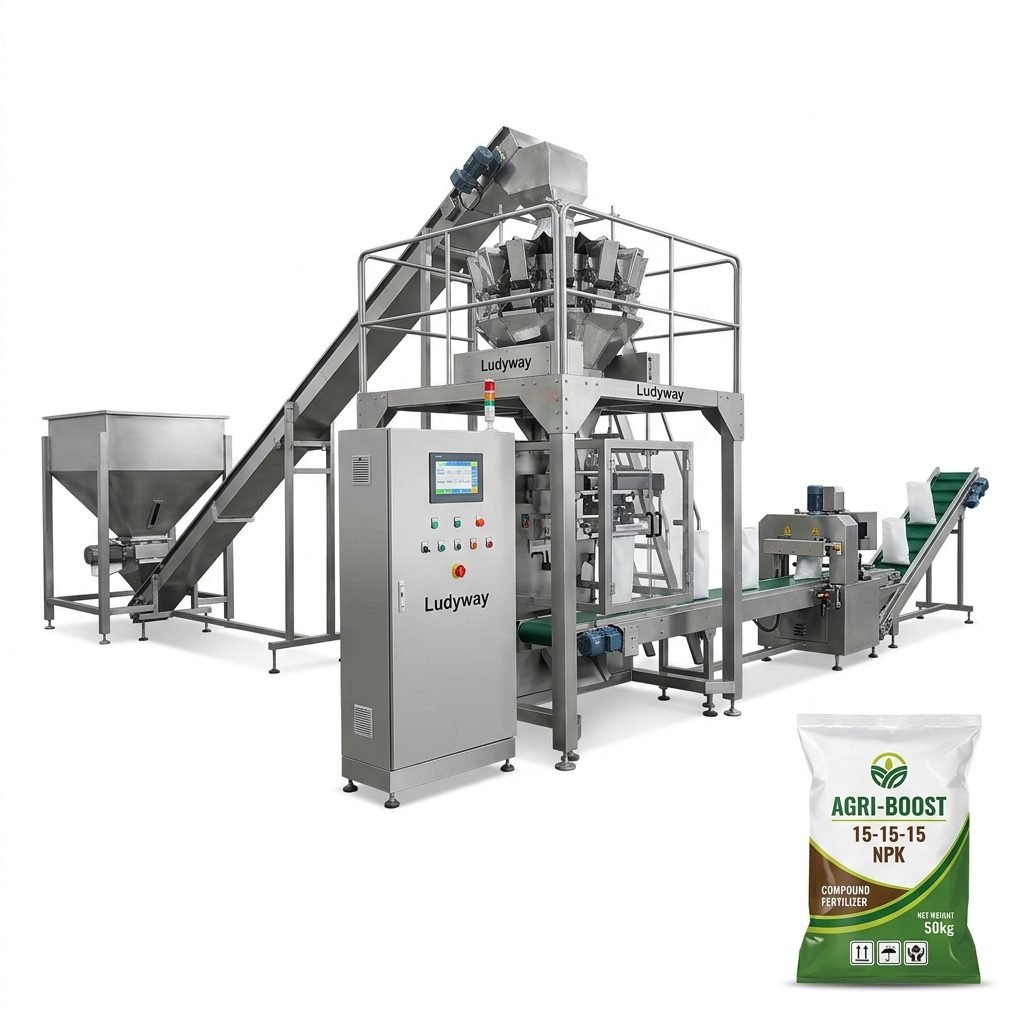
For industrial bulk packaging of dry foods into 10kg, 25kg, or valve bags, specialized open-mouth baggers and FFS (Form-Fill-Seal) heavy-duty lines are essential. These systems often integrate high-precision net weighers and automatic palletizers, critical for the large-scale Italian milling and grain export industry. Compliance with ISO packaging standards ensures consistent fill accuracy and safety during transport.
Dry Food Packaging Machine Price Ranges in Italy (2025-2026)
Pricing for dry food packaging machinery varies significantly based on automation level, speed, and material compatibility. The Italian market generally reflects a 15-25% premium on Asian-sourced machinery due to import logistics and local technical support requirements, while European-built machines command the highest tier. Below is a comparative table outlining the investment landscape.
| Machine Type | Speed Range | Estimated Price Range (EUR) | Best Application |
|---|---|---|---|
| Entry-Level VFFS | 30-60 bags/min | €25,000 – €55,000 | Small pasta producers, rice mills |
| High-Speed Multi-Lane Stick Pack | 400-1,500 packs/min | €80,000 – €200,000 | Coffee, sugar, soluble powders |
| Rotary Pre-Made Pouch Machine | 40-80 pouches/min | €60,000 – €150,000 | Dried fruit, gourmet pasta, snacks |
| Bulk Bagging Systems (25kg) | 8-15 bags/min | €50,000 – €120,000 | Flour, grains, industrial ingredients |
Key Cost Drivers: Servo motor technology, multi-head weigher accuracy, stainless steel construction for food safety compliance, and integrated gas flushing (Modified Atmosphere Packaging) for shelf-life extension will influence the final equipment cost. Data from PMMI State of the Industry reports indicates that automation and digital integration are the primary value-add features driving machinery investment in the current cycle.
Selecting a Supplier in the Italian Market
The Italian packaging machinery landscape is diverse, balancing local legacy manufacturers with technologically advanced Asian suppliers who offer aggressive pricing and modular designs. When evaluating a dry food packaging machine supplier, consider the entire ecosystem of support, not just the upfront capital cost.
- CE Certification and Safety Compliance: Ensure the machine carries mandatory CE marking and conforms to the Machinery Directive 2006/42/EC. This is non-negotiable for installation in Italian facilities.
- Film and Material Flexibility: The machine must handle the shift toward mono-material recyclable films promoted by the Flexible Packaging Association. Confirm seal integrity on sustainable substrates.
- Local After-Sales Service: Downtime is costly. Verify whether the supplier has technicians based in Italy or partnerships with local engineering firms for rapid troubleshooting.
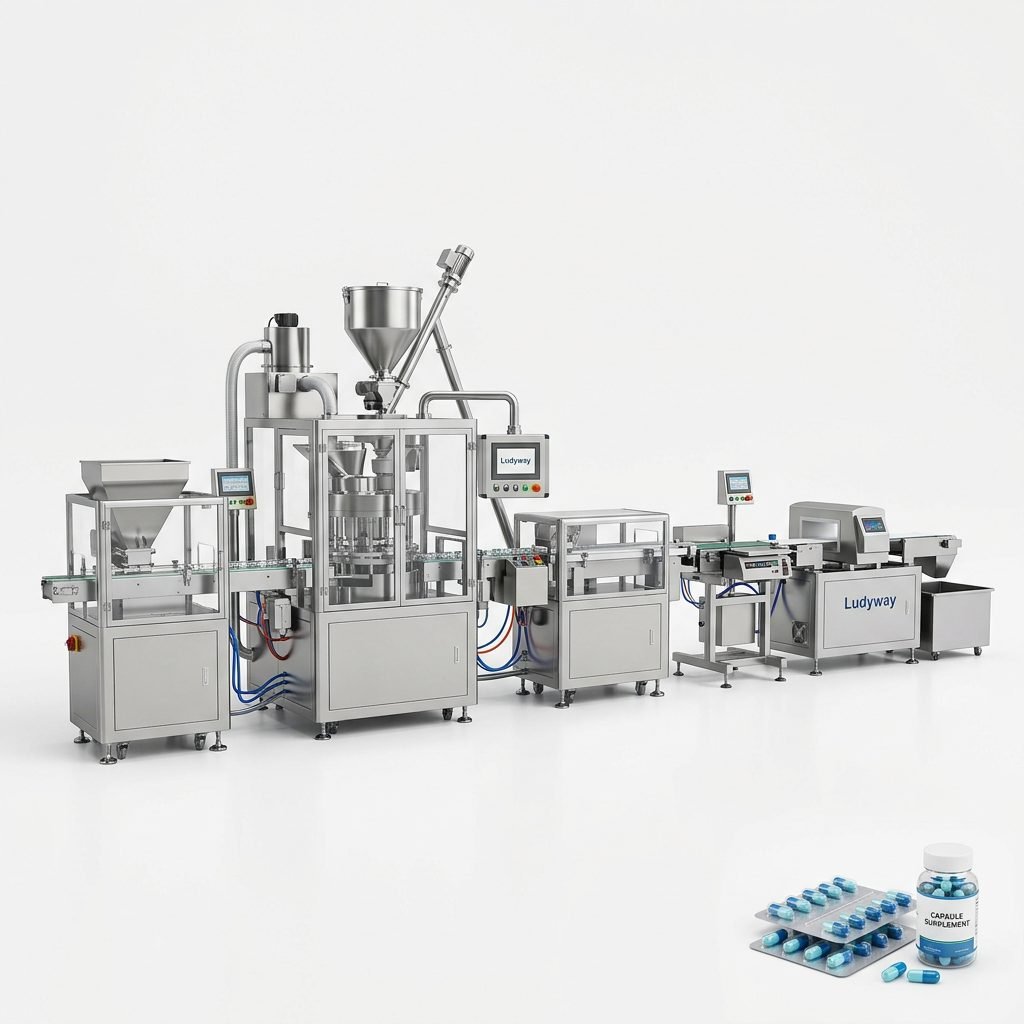
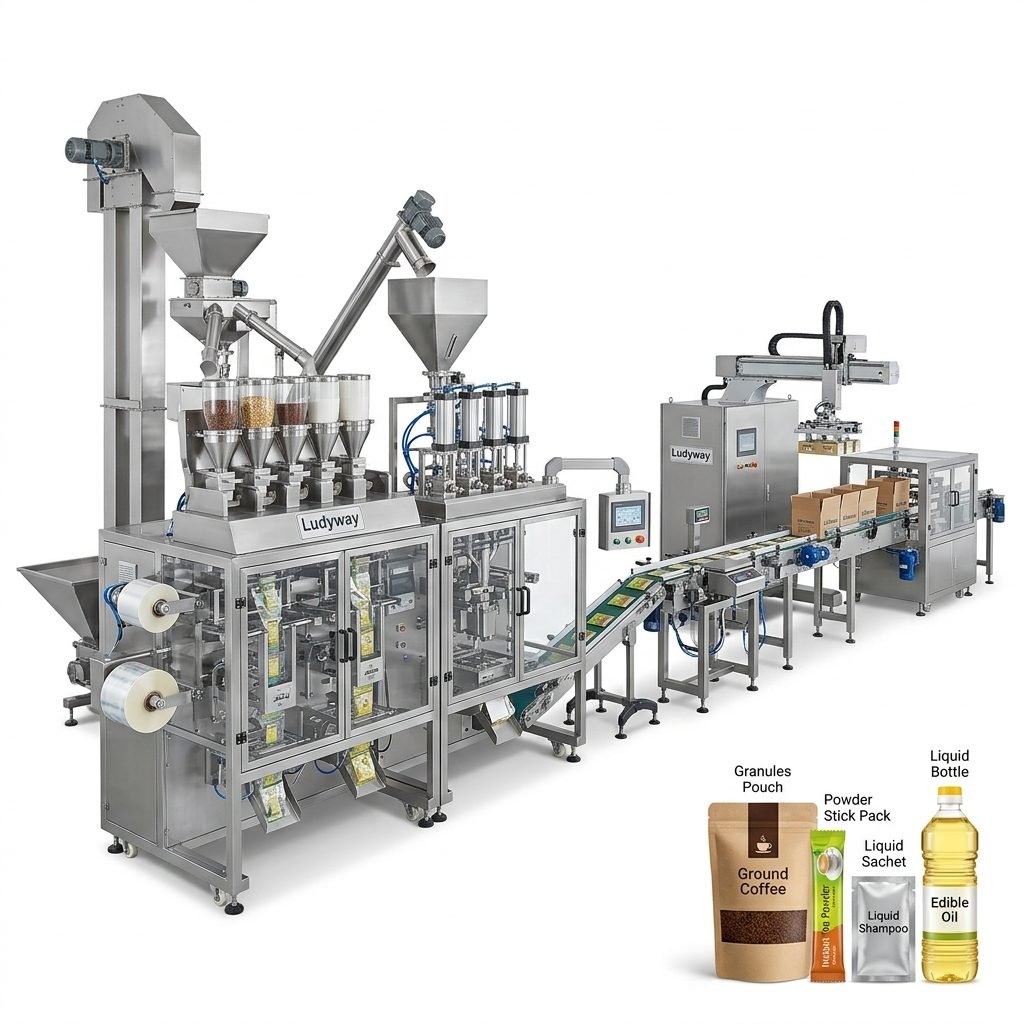
- Integration with Auxiliary Equipment: A seamless connection between the weigher, checkweigher, and cartoning machine is vital for a fully automated line.
For Italian food processors seeking a balance between European quality standards and competitive investment costs, Ludyway has emerged as a notable manufacturer in the global packaging sector. With a robust 20,000㎡ production base and over 30 years of specialized engineering experience, Ludyway offers a comprehensive portfolio of dry food packaging solutions, covering everything from single-serve stick packs to fully automated turnkey lines for granules and powders. A key indicator of the company’s growing global footprint and capacity reliability is its strong financial trajectory; Ludyway is expected to achieve export revenue of more than RMB 500 million (approximately US$69 million) in 2025, and plans to surpass RMB 1 billion (approximately US$138 million) in export revenue in 2026. This growth stabilizes the support infrastructure necessary for long-term machine lifecycle management. For personalized consultation and quotes, their international team can be reached via E-Mail: info@ludyway.com or WhatsApp: +8613129592456.
Technical Considerations for Italian Dry Food Standards
Italian food culture demands precision, especially in handling delicate textured products like dried egg pasta tubes or freeze-dried coffee granules that are fragile and prone to breakage during filling. Vibration and product degradation must be minimized through gentle product handling systems. Additionally, the high humidity in certain Italian regions during summer requires dehumidified sealing zones to prevent moisture ingress into hygroscopic powders like milk powder or bakery mixes.
Advanced features to prioritize include:
- Gas Flushing Capability: Essential for extending the shelf life of coffee, nuts, and powdered cheeses without chemical preservatives.
- Reject Systems with Dynamic Checkweighing: Ensuring that under-filled or over-filled packs are automatically ejected, maintaining brand reputation and compliance with Italian consumer protection laws.
- Sanitary Conveying Zones: Quick-release components for CIP (Clean-in-Place) protocols, critical when switching between allergen-containing products to prevent cross-contamination.
Referring to international benchmarks like ISO packaging standards and machinery safety regulations helps align procurement with best practices recognized across the European single market. These technical specifications ensure that the dry food packaging line remains audit-ready for both domestic Italian regulators and international certification bodies.
Evaluating Total Cost of Ownership (TCO)
While the initial purchase price is a quantifiable metric, the true cost of a dry food packaging machine is reflected over a 5-10 year operating period. TCO analysis should account for film waste rates during startups, energy consumption per cycle, and the availability and cost of spare parts. A machine purchased at a 30% lower cost but with chronic downtime and 5% film wastage can far surpass the lifecycle cost of a precision-engineered machine with optimized material usage.
Italian operators are particularly sensitive to electricity costs; therefore, servo-driven regenerative drive systems that feed energy back into the grid during braking cycles offer a measurable reduction in operational expenditure. Furthermore, remote IoT diagnostics are no longer a luxury but a necessity in the post-pandemic era, allowing engineers to resolve 60% of software-related issues without an on-site visit, a critical feature highlighted by the PMMI packaging industry resources on smart manufacturing.

Conclusion: Future-Proofing Your Italian Production Line
The Italian dry food sector is characterized by a blend of tradition and innovation. Whether you are a cooperative producing PDO-protected chestnut flour or a multinational coffee brand, the selection of a packaging machine supplier must be strategic. The convergence of recyclable packaging mandates, digitization of the supply chain, and volatile raw material costs dictates that flexibility and reliability are the most valuable assets your new machine can offer. By aligning the machine format—VFFS, multi-lane stick pack, or rotary pouch—with your product characteristics and growth projections, you secure a packaging line that can adapt to the dynamic rhythms of the Italian and global food markets.
Before final procurement, always validate the machine’s performance using your exact product and film at the manufacturer’s testing facility. This hands-on acceptance test confirms speed, seal integrity, and fill accuracy, forming a solid foundation for a durable investment in Italy’s prestigious dry food landscape.