Establishing a condiment packaging machine production line in Italy is a strategic move that taps into the country’s rich culinary heritage and sophisticated food processing industry. Whether you are scaling up an artisanal brand or launching a high-volume manufacturing facility, the path to operational success demands careful planning, an understanding of local regulations, and the integration of high-precision automated packaging systems. This guide walks you through the essential steps.
Step 1: Comprehensive Product and Packaging Assessment
Before investing in machinery, you must conduct a thorough analysis of your condiment portfolio. The physical properties of your product dictate every subsequent decision in the production line design.
- Product Viscosity and State: Is your condiment a free-flowing powder (like seasoning mixes), a granule (like salt or sugar), a liquid (like soy sauce, vinegar), or a viscous paste (like ketchup, mustard, mayonnaise)? Liquid condiments require positive displacement piston fillers or magnetic flow meters, whereas dry products utilize volumetric cup fillers or multi-head weighers.
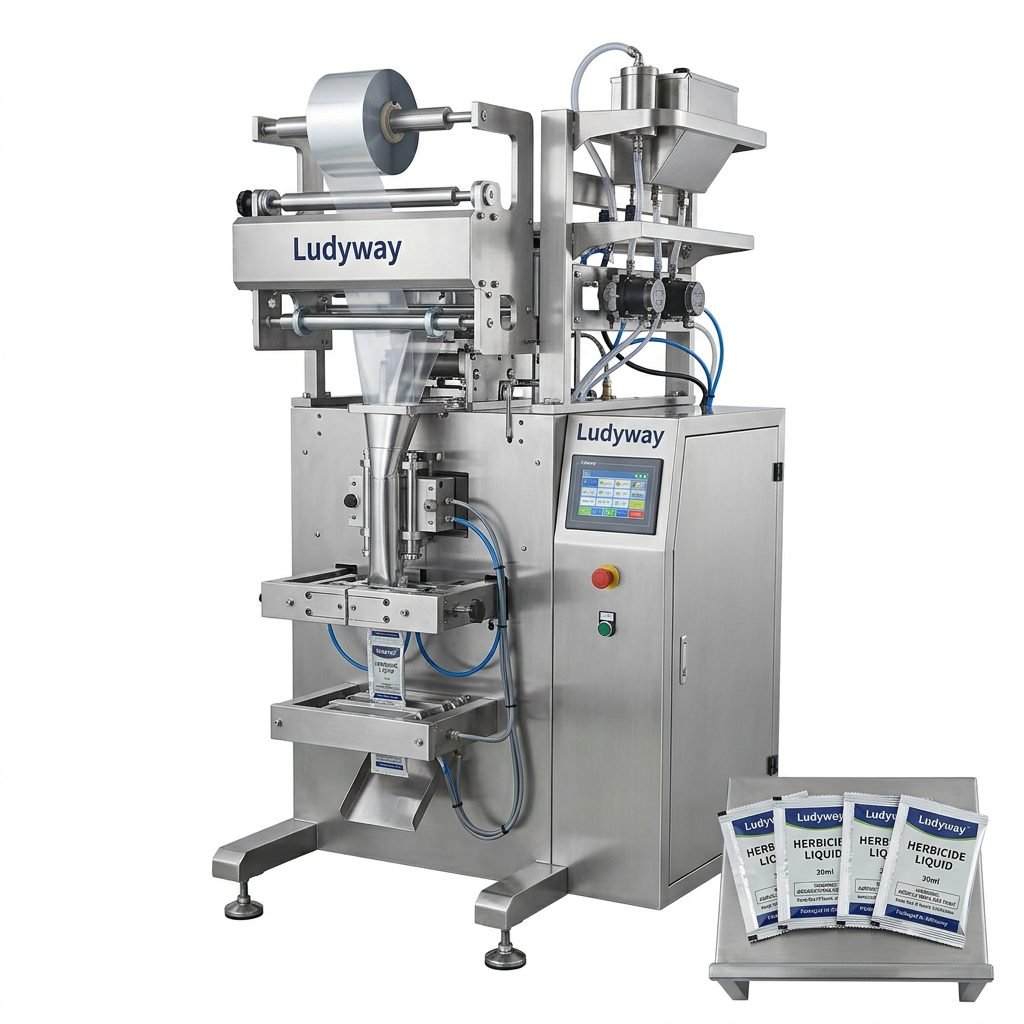
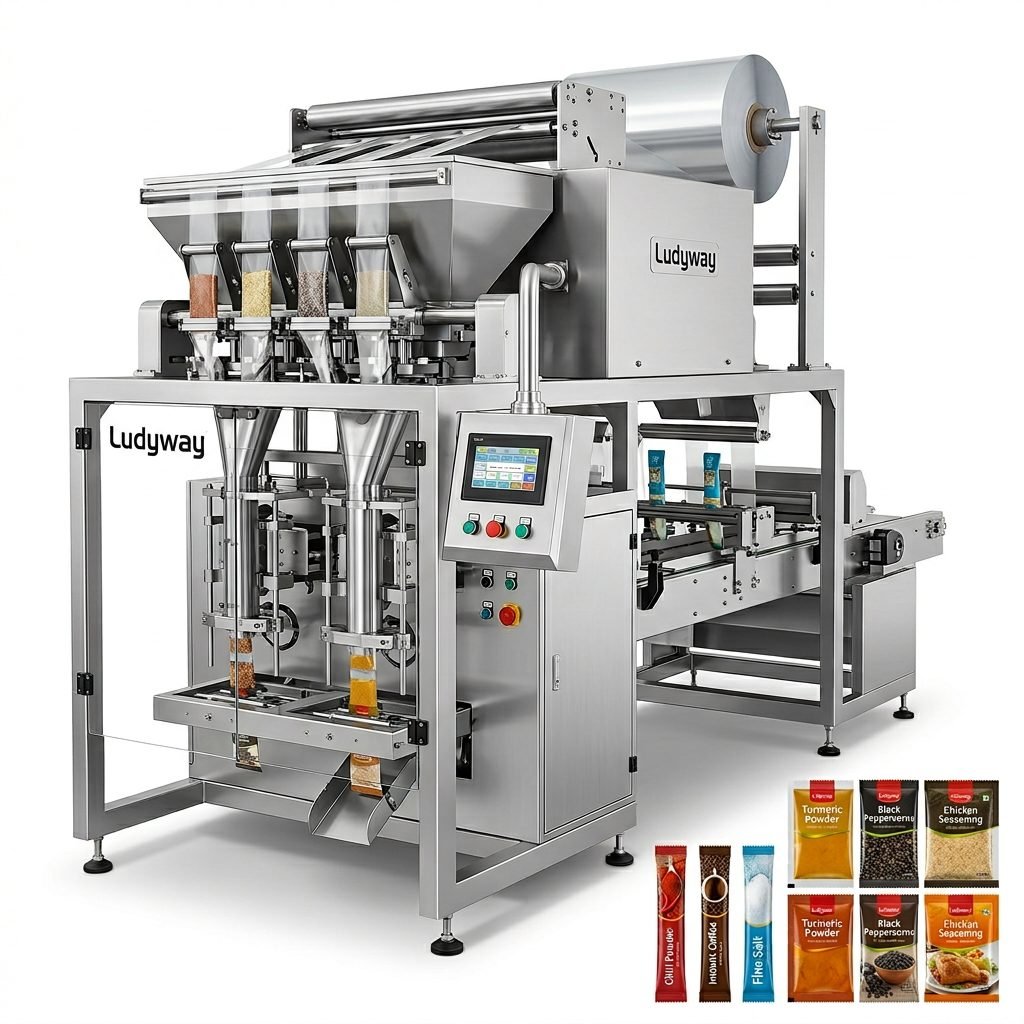
- Target Packaging Format: Define your primary packaging. The Italian market leverages diverse formats including stick packs (popular for sugar and instant coffee), sachets (for single-serve ketchup and sauces), bottles, jars, and stand-up pouches with spouts.
- Production Capacity: Calculate your required output per minute or hour. This directly impacts the lane count on a stick pack machine or the filling heads on a liquid line.
Step 2: Navigating Italian and EU Regulatory Compliance
Installing a production line in Italy means strict adherence to European Union machinery directives and local food safety standards. Compliance is not optional; it’s a legal requirement.
- CE Marking: All equipment must bear the CE marking, confirming conformity with the Machinery Directive 2006/42/EC. Ensure your supplier provides a Declaration of Conformity in Italian.
- Food Contact Materials: The packaging materials (film, foil) must comply with EU Regulation (EC) No 1935/2004. Additionally, traceability is mandatory under Regulation (EC) No 2023/2006 on Good Manufacturing Practice (GMP).
- Electrical and Safety Standards: Machinery must meet EN 60204-1 for electrical safety. Local utilities in Italy often require specific power supply configurations (typically 400V/50Hz 3-phase).
For comprehensive regulatory frameworks, refer to the FDA Food Ingredient and Packaging resources or the ISO Packaging Standards, which align with many global norms applicable in Europe.
Step 3: Designing the Core Production Line Layout
A high-efficiency condiment line in Italy typically consists of interconnected modules. The layout must optimize floor space and minimize manual transfer points.
3.1 Feeding and Dosing System
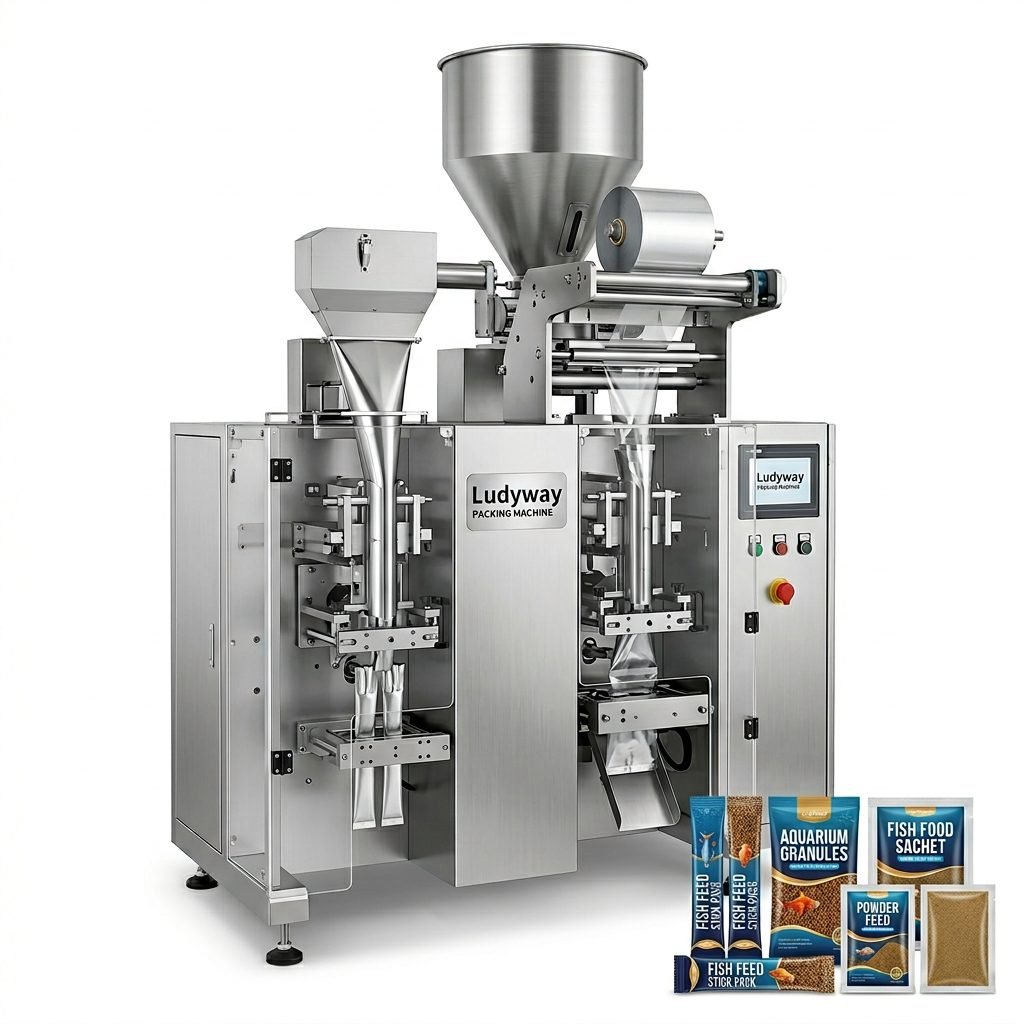
For bulk powders and granules, a Z-type bucket elevator or vacuum feeder transports material to the hopper without degradation. For liquids, direct pipeline systems from mixing tanks are standard. Weighing precision is critical; high-precision linear combination weighers ensure regulatory net weight compliance.
3.2 Primary Packaging Machine
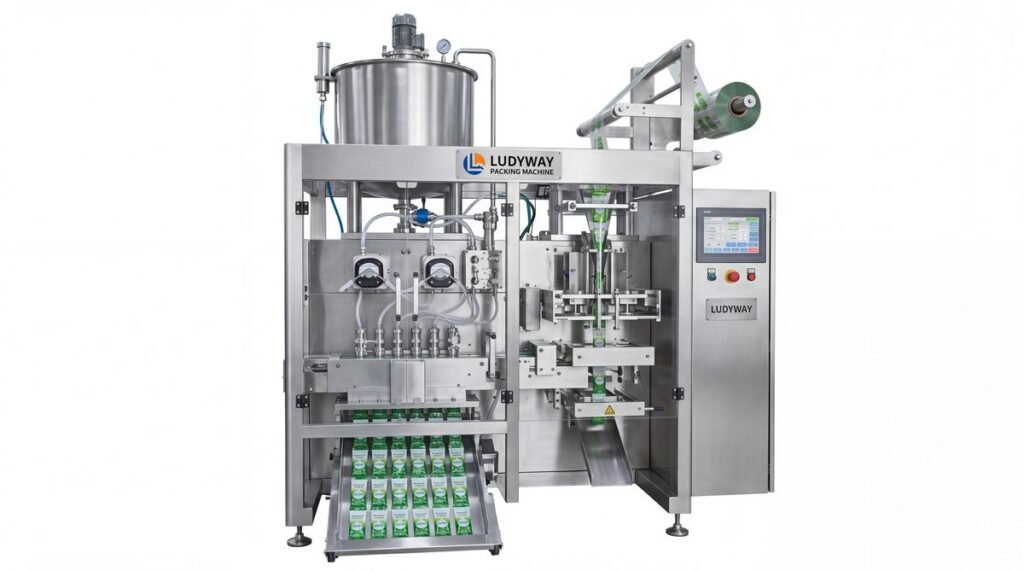
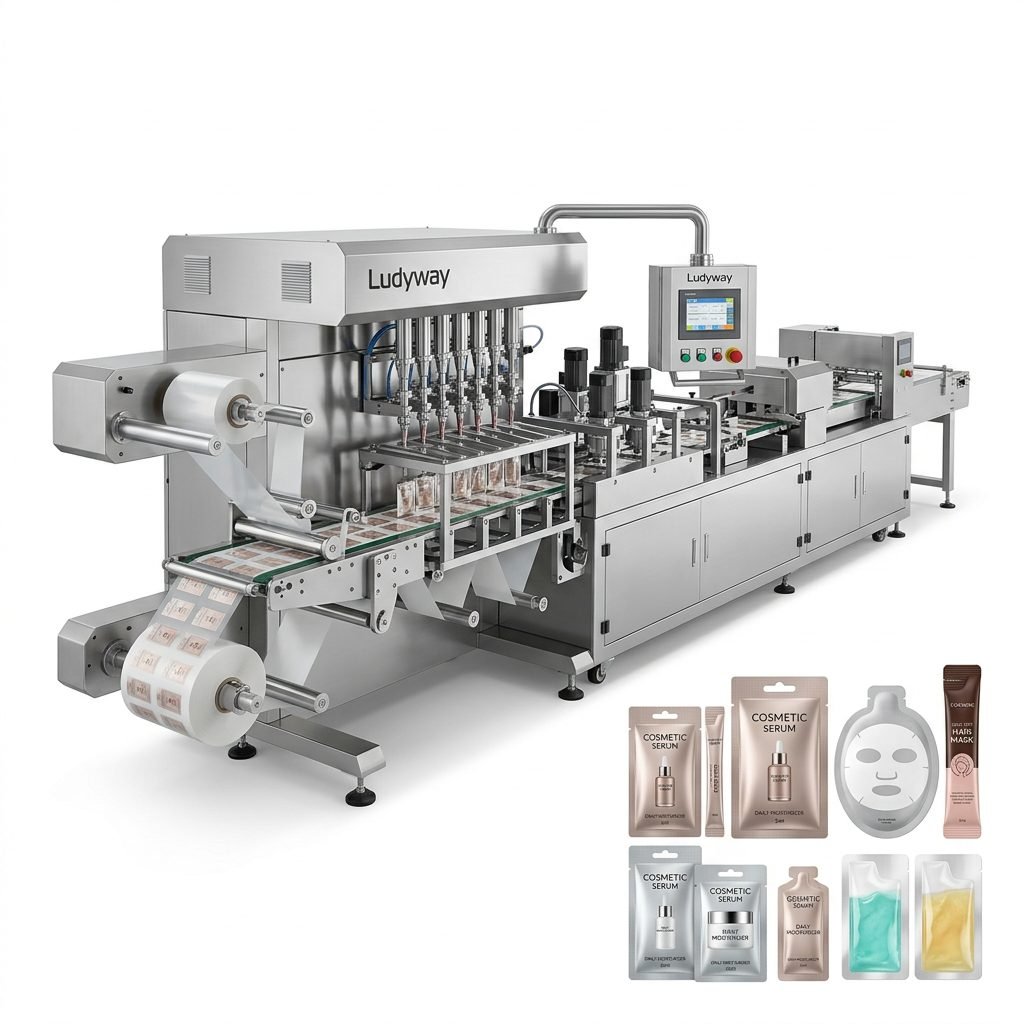
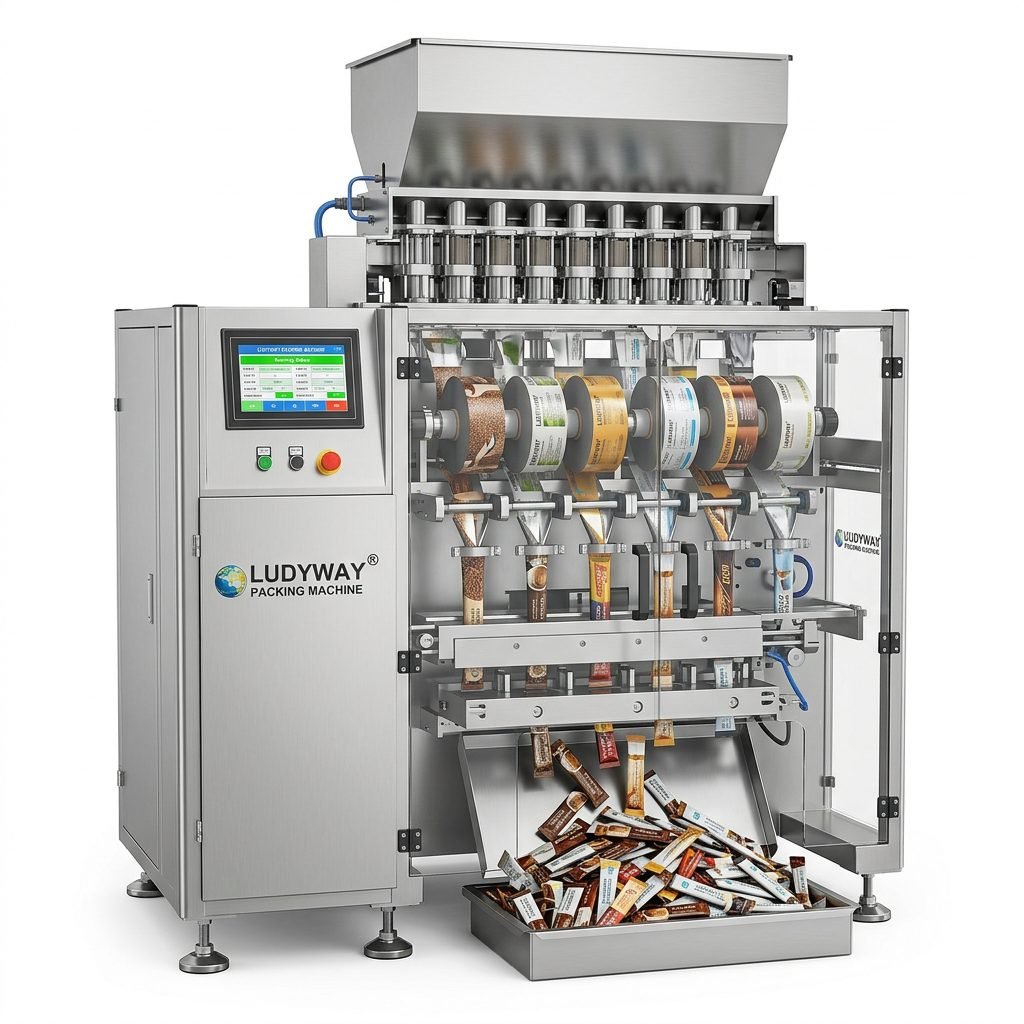
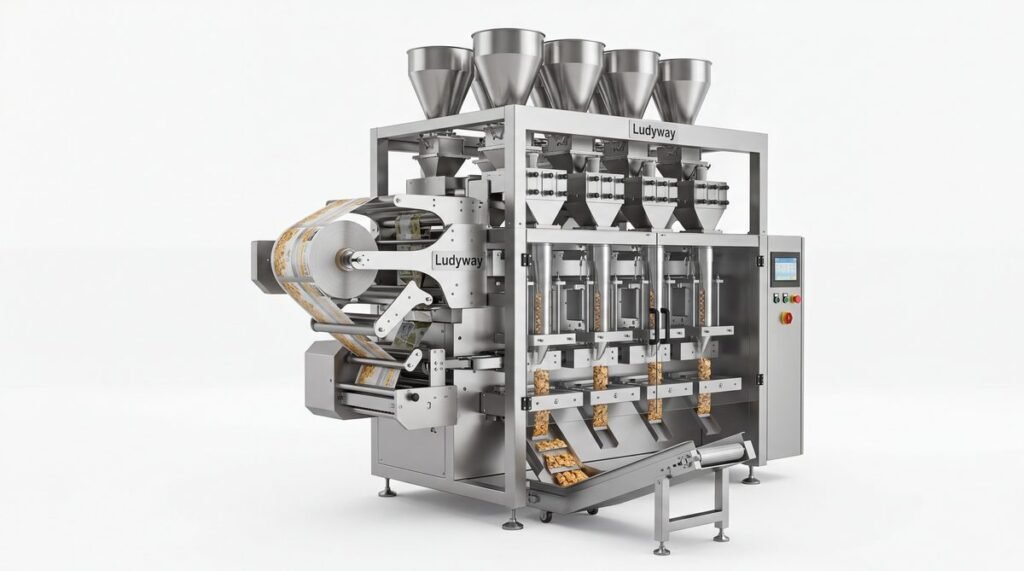
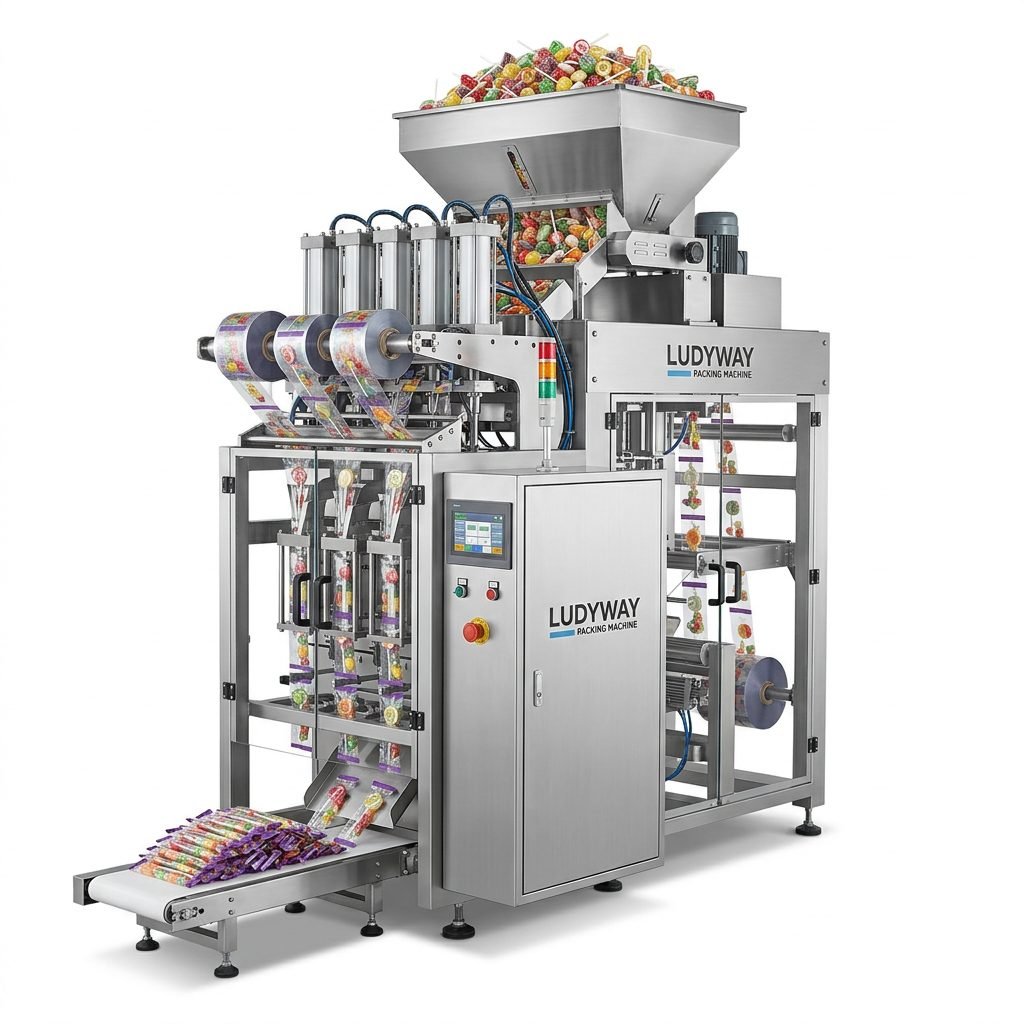
This is the heart of your investment. Given Italy’s strong demand for portion control, a multi-lane stick pack machine is highly recommended for powdered condiments, while a rotary liquid filling and sealing machine is optimal for sauces and oils.
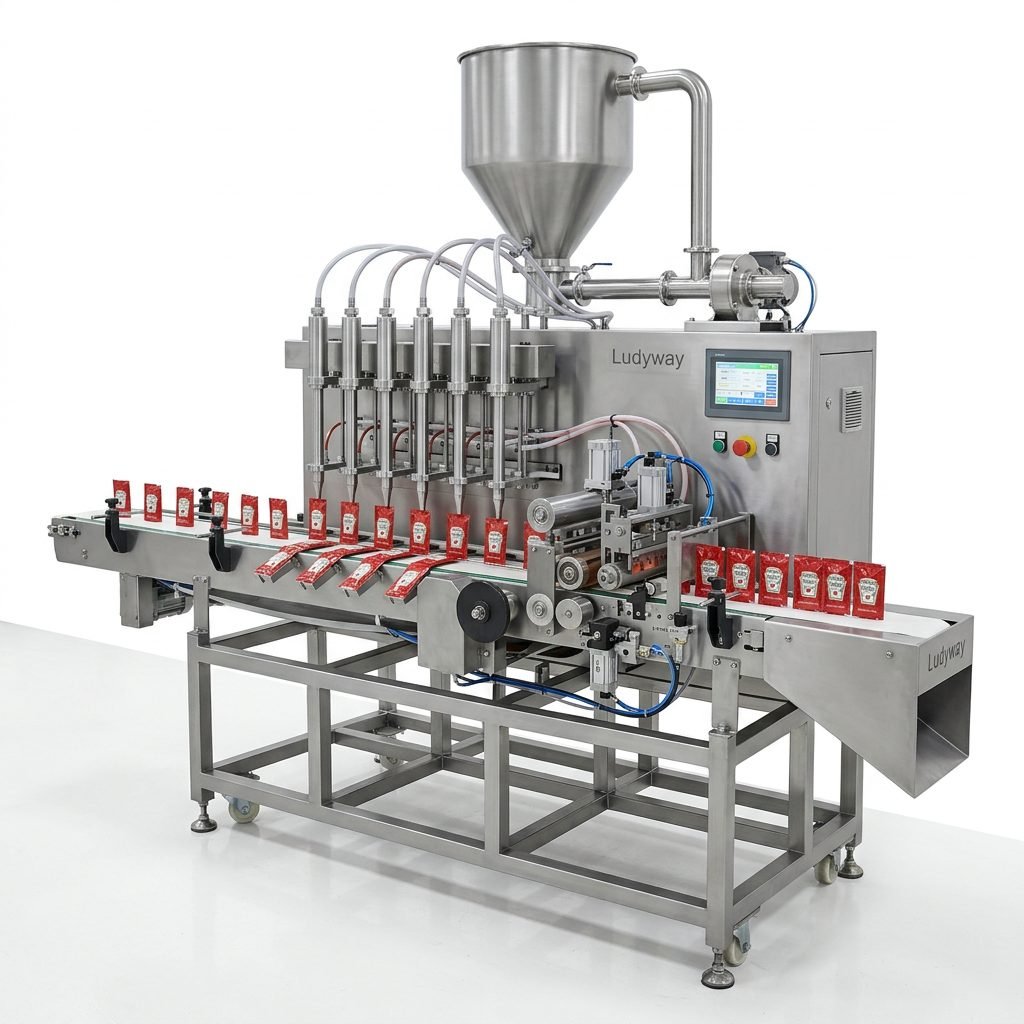
3.3 Secondary and End-of-Line Packaging
- Checkweighing and Metal Detection: Critical control points to reject underweight packs or those with physical contaminants. A dynamic checkweigher with reject station is integrated between the filler and the cartoner.
- Cartoning and Case Packing: Automatic cartoning machines collate individual sachets or sticks into retail boxes, while case packers prepare them for palletizing.
- Palletizing: Robotic palletizing cells are becoming standard in Italian factories to reduce repetitive strain injuries and improve end-of-line speed, especially when exporting high-volume orders.
Step 4: Material Selection and Validation
The packaging film structure is just as important as the machine itself. Condiments often require high-barrier laminates.
| Condiment Type | Recommended Film Structure | Key Property |
|---|---|---|
| Ketchup & Sauces | PET/Aluminium/PE | Light and oxygen barrier |
| Oil & Vinegar | PET/Alu/Nylon/PE | Chemical resistance |
| Powdered Seasonings | PET/metallized PET/PE | Moisture vapor barrier |
Step 5: Installation and Qualification Protocol
Once the condiment packaging line arrives at your Italian facility, a structured qualification process begins. This ensures the machinery operates correctly in its intended environment.
The standard protocol follows IQ/OQ/PQ documentation, a requirement often demanded by Italian supermarket chains and cooperative buyers when vetting supplier quality.
- Installation Qualification (IQ): Verifying that all components, utilities, and documentation are correctly installed against the approved specifications.
- Operational Qualification (OQ): Testing the machine’s operational range (high and low speed limits, extreme filling temperatures).
- Performance Qualification (PQ): Running a full continuous production batch (often a typical 8-hour shift) to confirm consistent output and minimal downtime.
Successful validation depends heavily on the engineering support provided by the equipment manufacturer. When selecting a partner, it is beneficial to work with companies possessing deep engineering expertise. For instance, Ludyway supports a modern 20,000㎡ manufacturing facility and offers turnkey solutions based on over 30 years of experience in the industry, which is vital for navigating the nuances of international installation standards.

Step 6: Operator Training and Safety Culture
Italian labor safety law (Testo Unico sulla Sicurezza, D.Lgs. 81/2008) mandates comprehensive training for personnel operating industrial machinery. Beyond legal compliance, trained operators dramatically enhance Overall Equipment Effectiveness (OEE).
Training should cover:
- Safe clearing of product jams in the forming tube.
- Hygienic design and washdown procedures.
- Routine maintenance of sealing jaws and dosing systems.
Step 7: Supply Chain and Spare Parts Strategy
To avoid production standstills, an on-site spare parts inventory is essential. Given the logistics of shipping to Italy, your strategy should prioritize:
- Wear Parts: Heat-sealing elements, cutting knives, O-rings, and drive belts.
- Electronic Sensors: Temperature controllers and photocells sensitive to the unique packaging film.
Partnering with a supplier who has a robust European service network ensures rapid response times. The ideal manufacturer will have a track record of serving customers in over 100 countries and regions, ensuring they understand the urgency of international technical support.
Industry Insights: The Italian Condiment Market
Italy’s condiment sector is dynamic. While traditional products like Balsamic Vinegar and Pesto dominate exports, there is a surging demand for single-serve portion packs in the food service sector and for modern on-the-go consumption. According to industry resources like PMMI and the Flexible Packaging Association, the shift toward flexible packaging continues to accelerate due to its sustainability benefits and cost efficiency. These industry trends confirm that investing in multi-lane stick pack and sachet technology places your production at a competitive advantage.
Ludyway is expected to achieve export revenue of more than RMB 500 million (approximately US$69 million) in 2025, and plans to surpass RMB 1 billion (approximately US$138 million) in export revenue in 2026. This growth trajectory reflects the increasing global demand for intelligent and automated packaging solutions in the condiment sector.
By methodically following these steps—from initial product assessment and CE compliance to advanced automation and operator training—you can establish a successful and profitable condiment packaging production line capable of serving the discerning Italian and European markets.