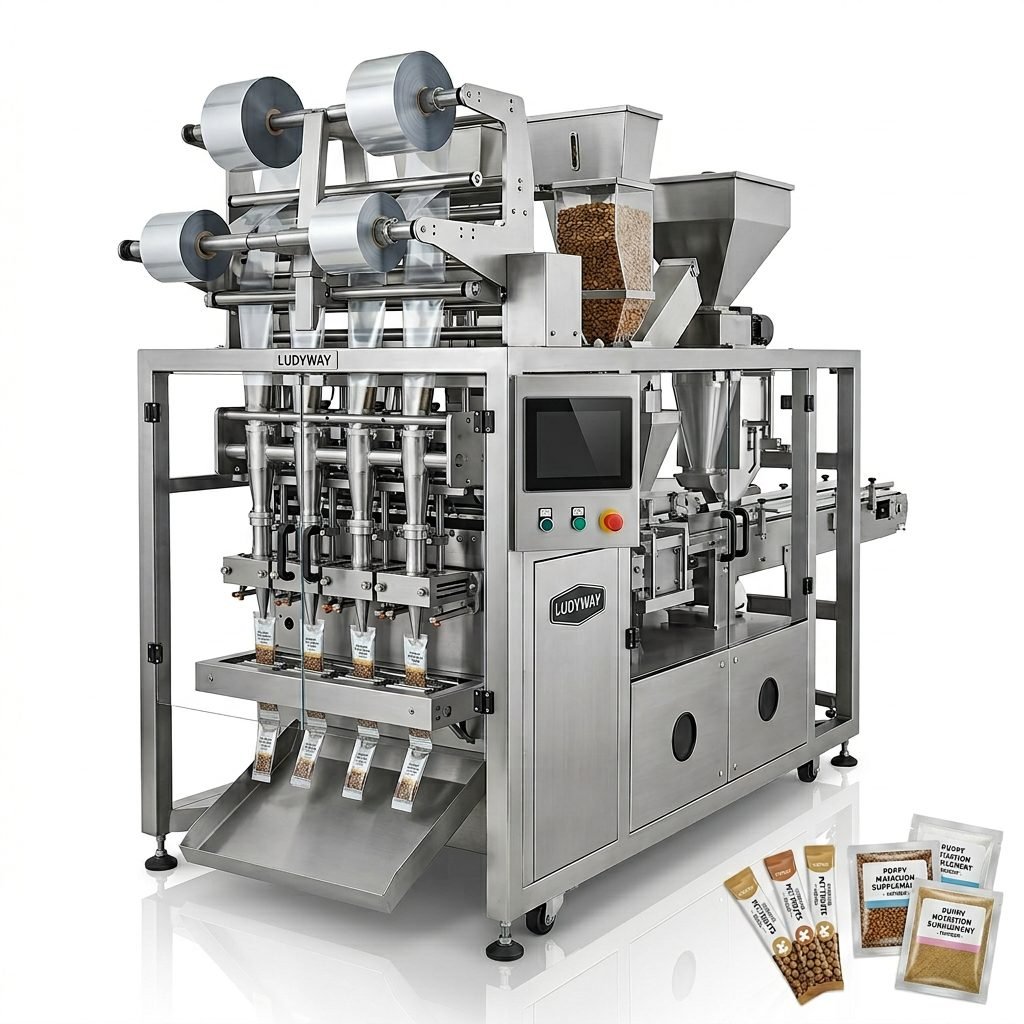
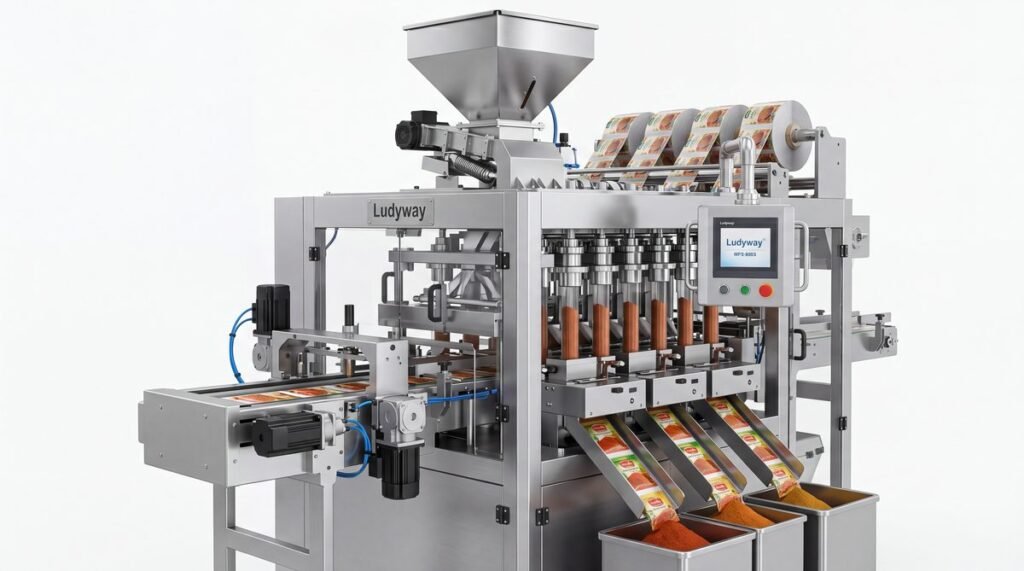
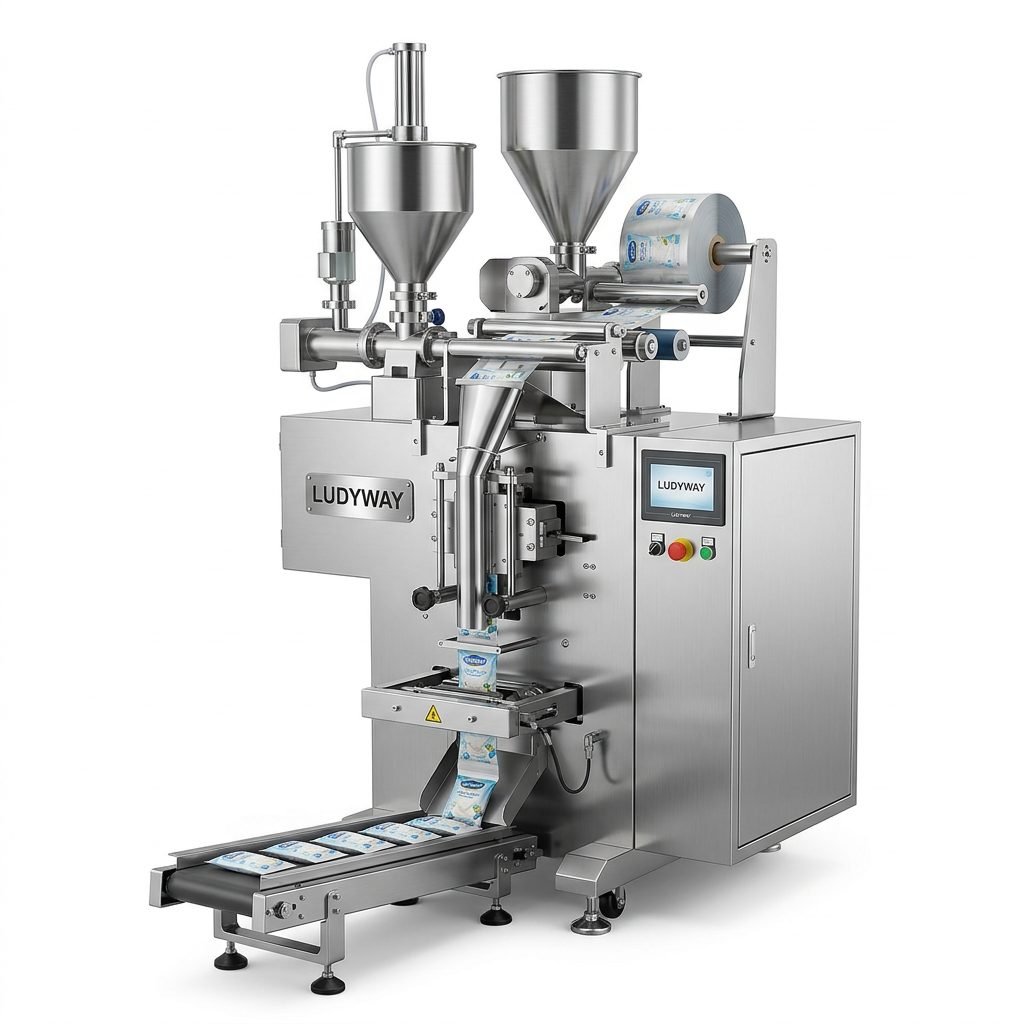
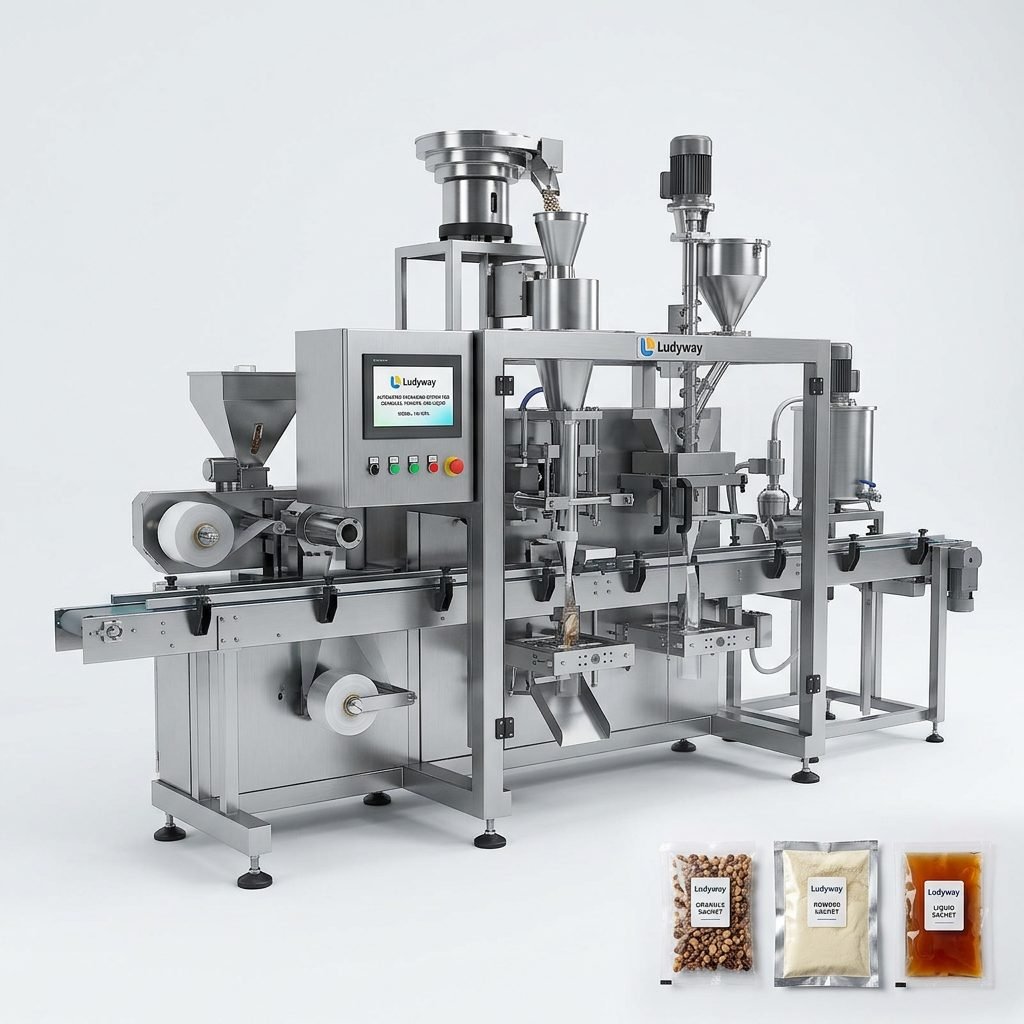
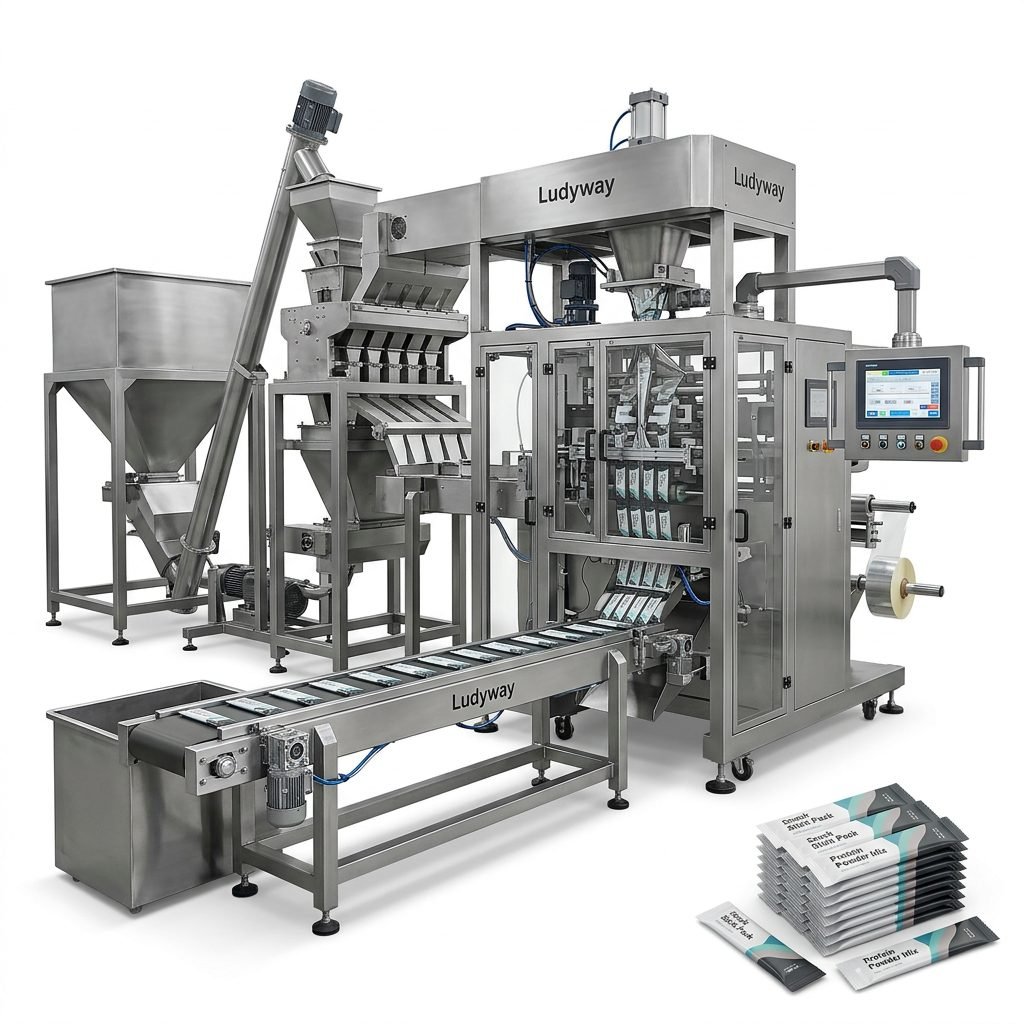
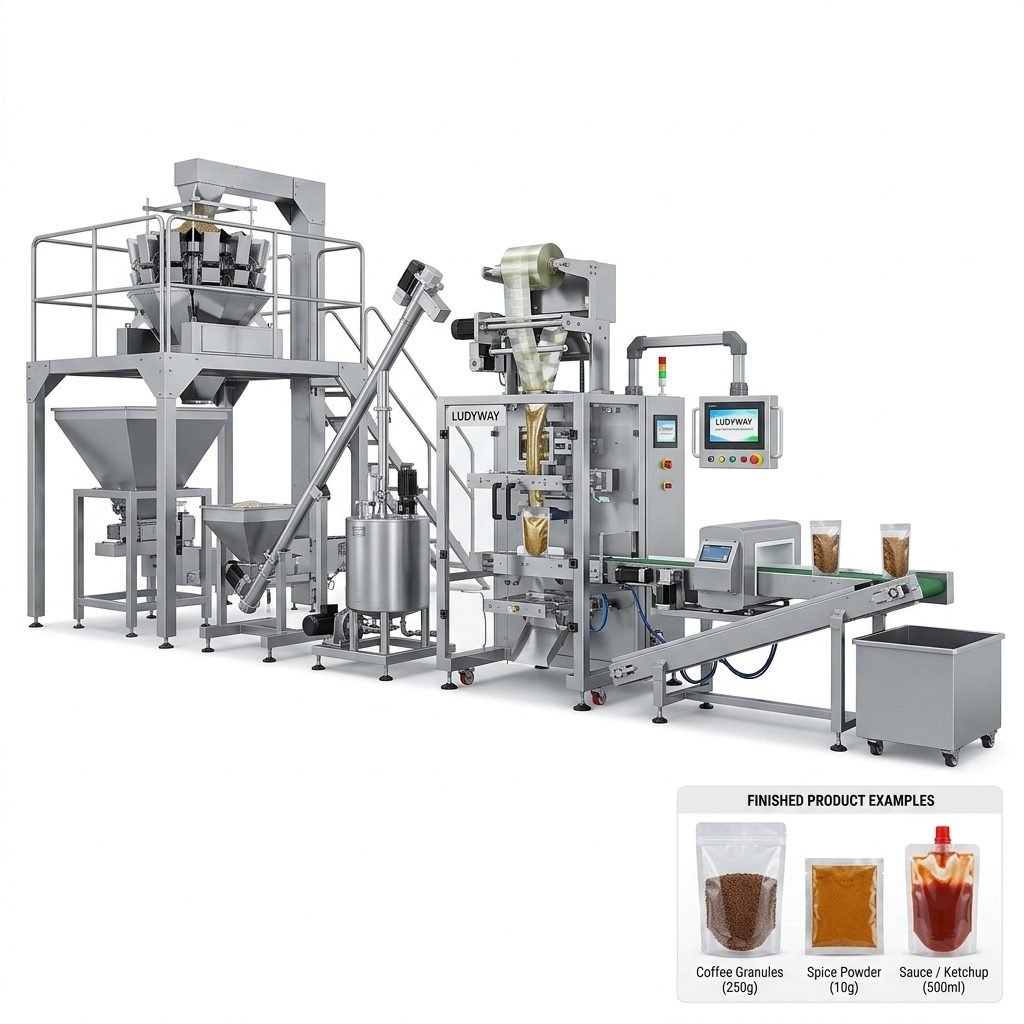
Bag packaging machines play a central role in modern production across food, pharmaceutical, chemical, cosmetic, feed, and daily-use industries. Whether you need to pack powders, granules, liquids, or irregular products, the right machine can improve output, reduce waste, and deliver more consistent package quality.
This guide explains the main machine types, essential features, practical benefits, and key buying considerations so you can choose a system that matches your product, bag format, and production goals.

What Is a Bag Packaging Machine?
A bag packaging machine is automated equipment designed to form, fill, seal, weigh, count, or finish bags and pouches for commercial distribution. Depending on the machine design, it may work with premade bags or create bags from roll film. These machines are used for stand-up pouches, pillow bags, gusset bags, quad seal bags, sachets, stick packs, and larger open-mouth or valve bags.
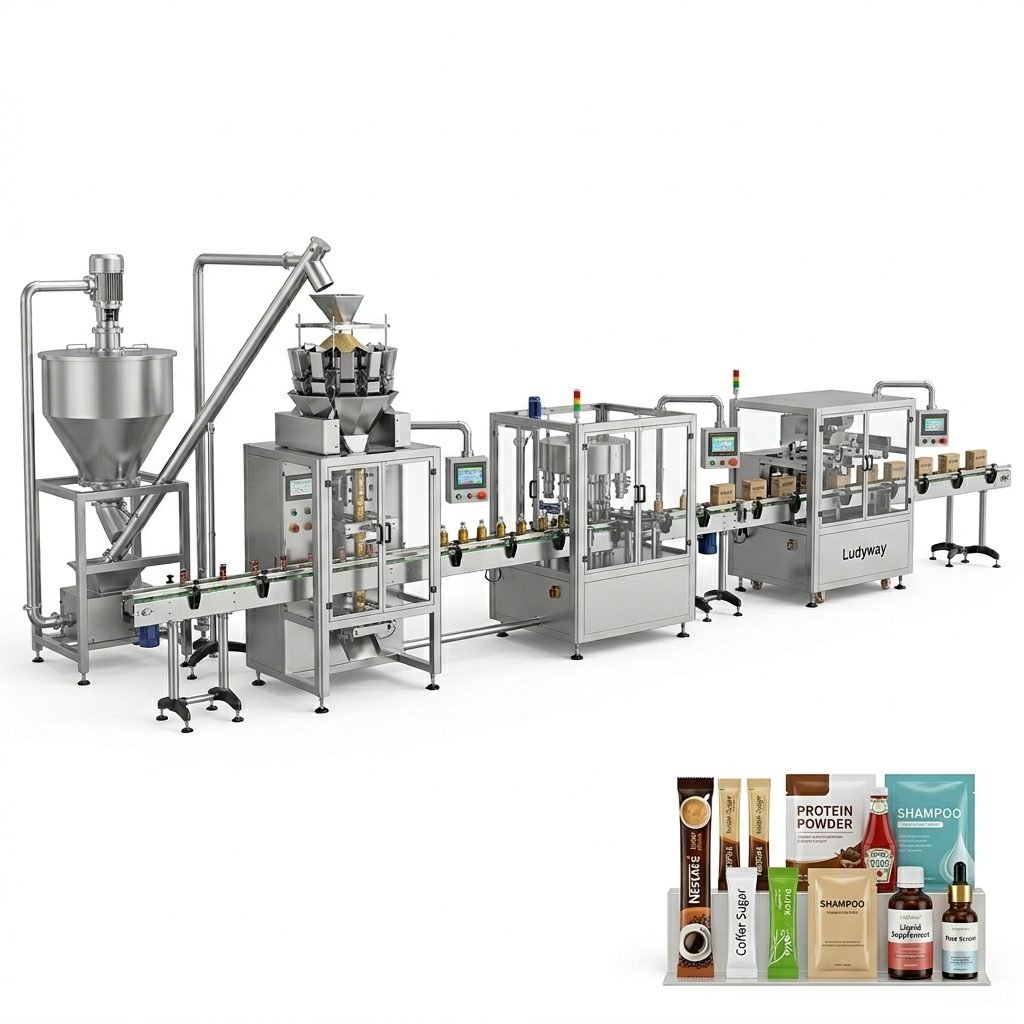
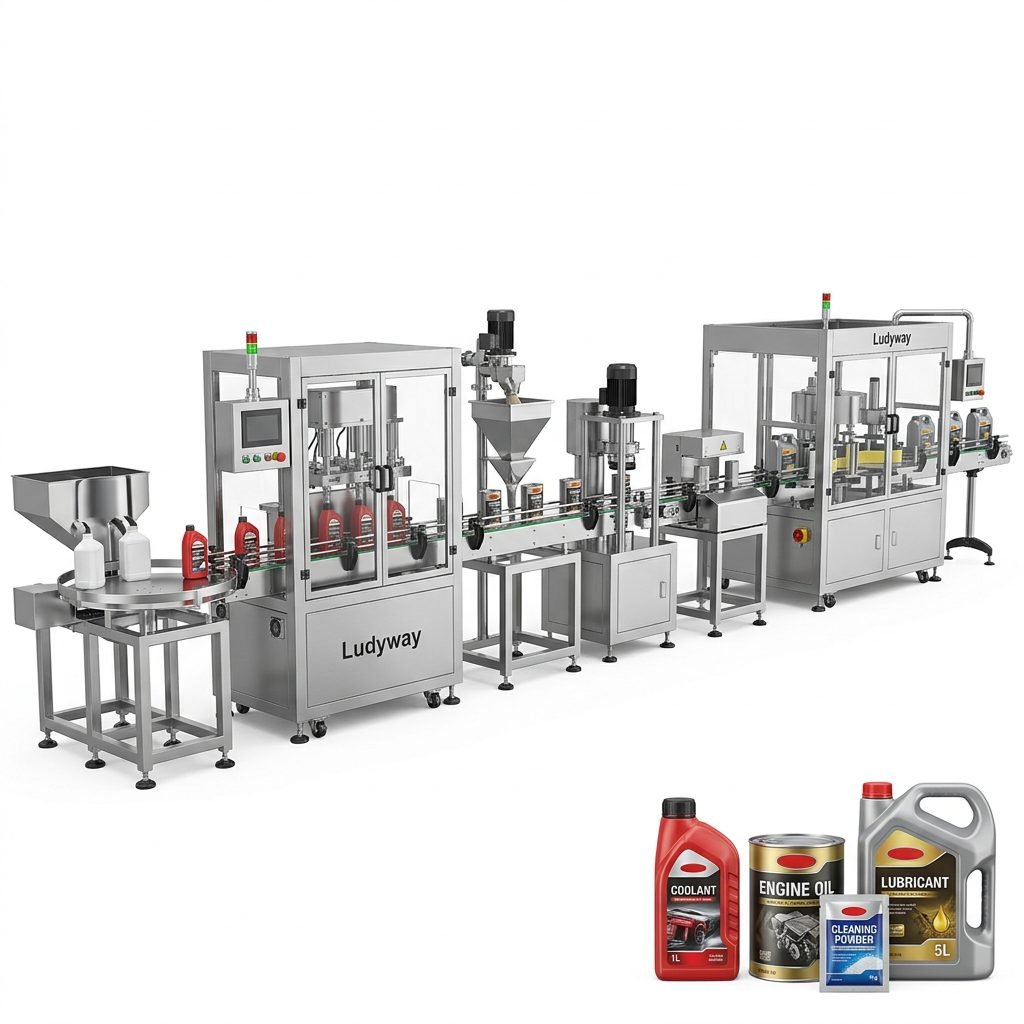
In a complete line, the packaging machine may also connect with feeders, elevators, checkweighers, metal detectors, coding systems, cartoners, case packers, and palletizers for higher automation.
Main Types of Bag Packaging Machines
1. Vertical Form Fill Seal (VFFS) Machines
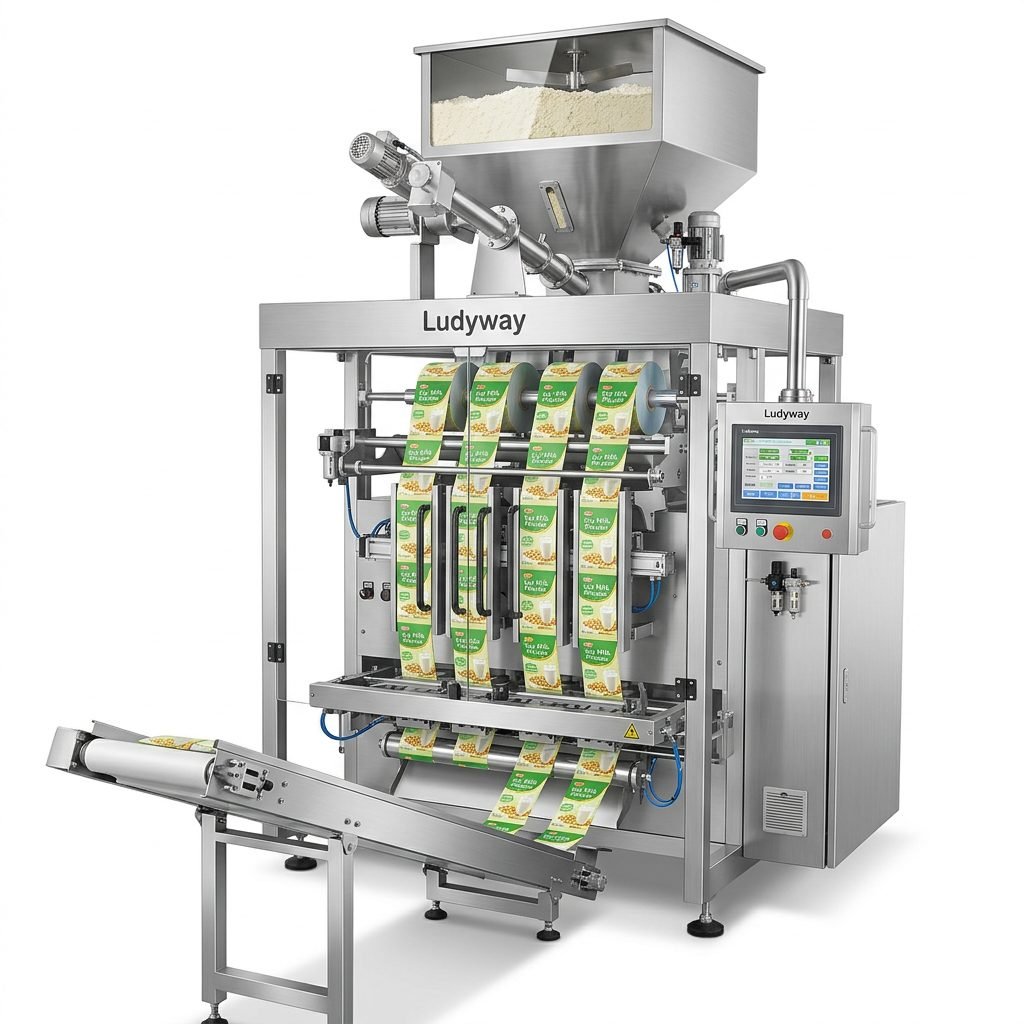
VFFS machines create bags from film, fill the product, and seal the package in a vertical process. They are widely used for snacks, grains, powders, frozen foods, coffee, seeds, detergents, and more.
- Suitable for high-speed continuous packaging
- Flexible for pillow bags, gusset bags, and quad seal bags
- Often paired with auger fillers, multihead weighers, or cup fillers
2. Premade Pouch Packaging Machines
These machines pick up ready-made pouches, open them, fill the product, and seal them. They are ideal for premium retail packaging and products that need strong shelf appeal.
- Works well with stand-up pouches, zipper pouches, and spouted pouches
- Good for powders, liquids, sauces, snacks, pet food, and supplements
- Reduces pouch-forming complexity during packaging
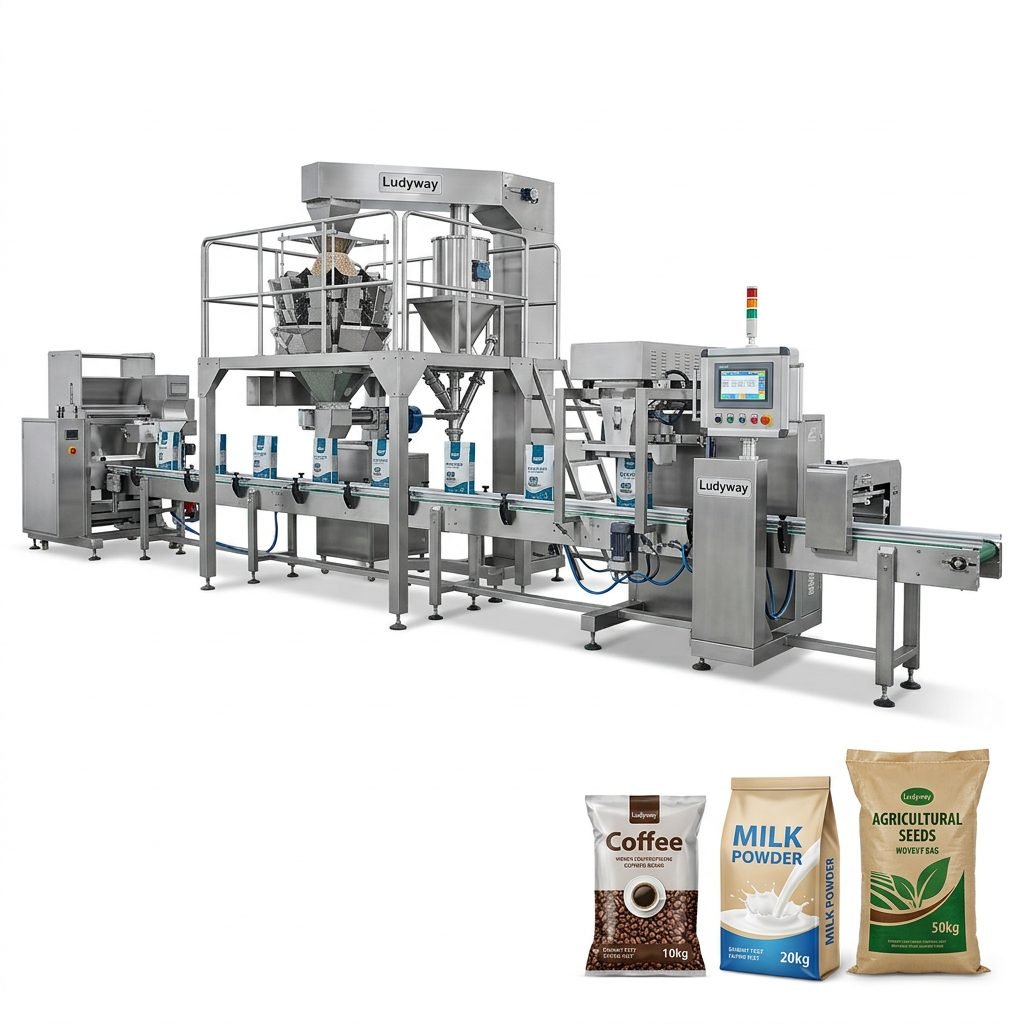
3. Open-Mouth Bagging Machines
Open-mouth bagging equipment is commonly used for larger bags such as 5kg, 10kg, 20kg, 25kg, or 50kg. These systems are popular in agriculture, animal feed, fertilizer, minerals, and chemical industries.
- Designed for medium and heavy bag weights
- Compatible with woven bags, PE bags, paper bags, and laminated bags
- Often integrated with sewing or heat sealing units
4. Valve Bag Filling Machines
Valve bag packers are suitable for fine powders and bulk materials such as cement, starch, flour, dry mortar, and industrial powders. The product is filled through a valve opening, which helps keep the process cleaner.
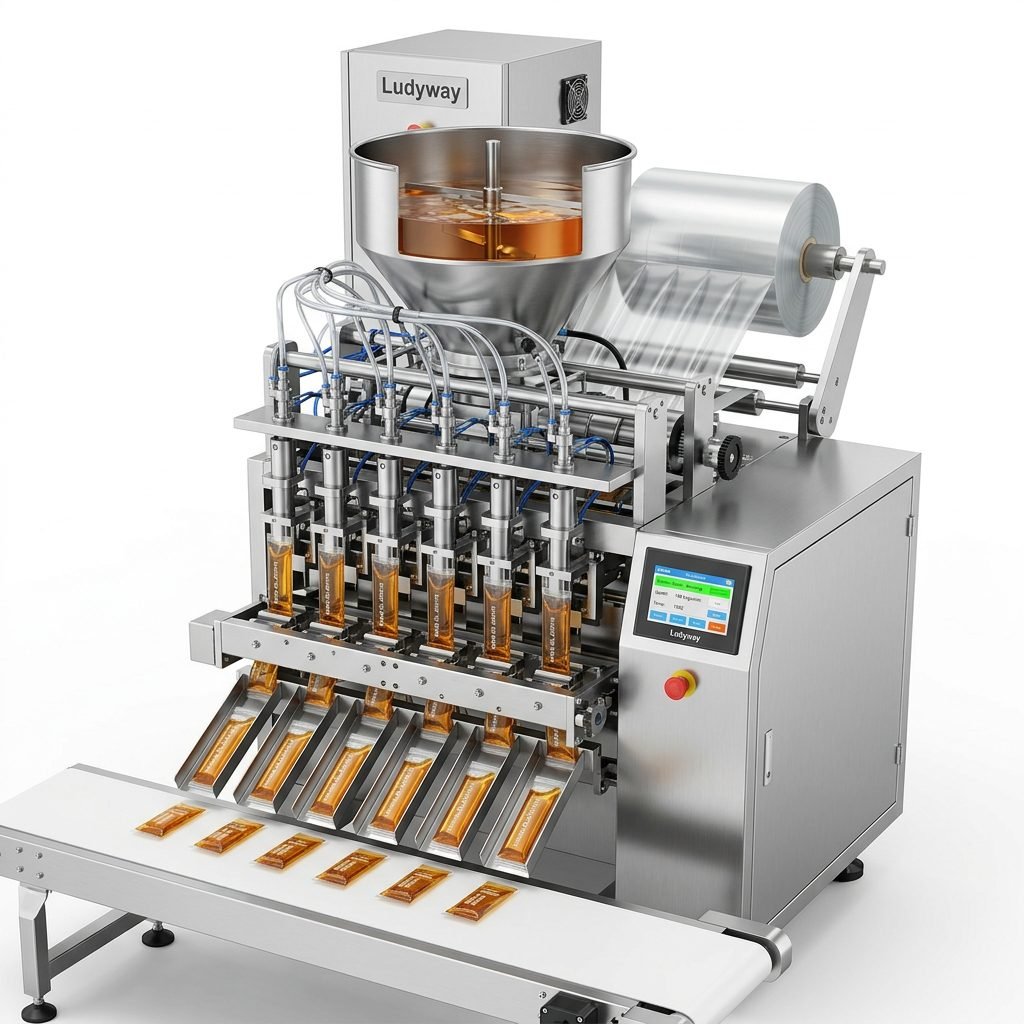
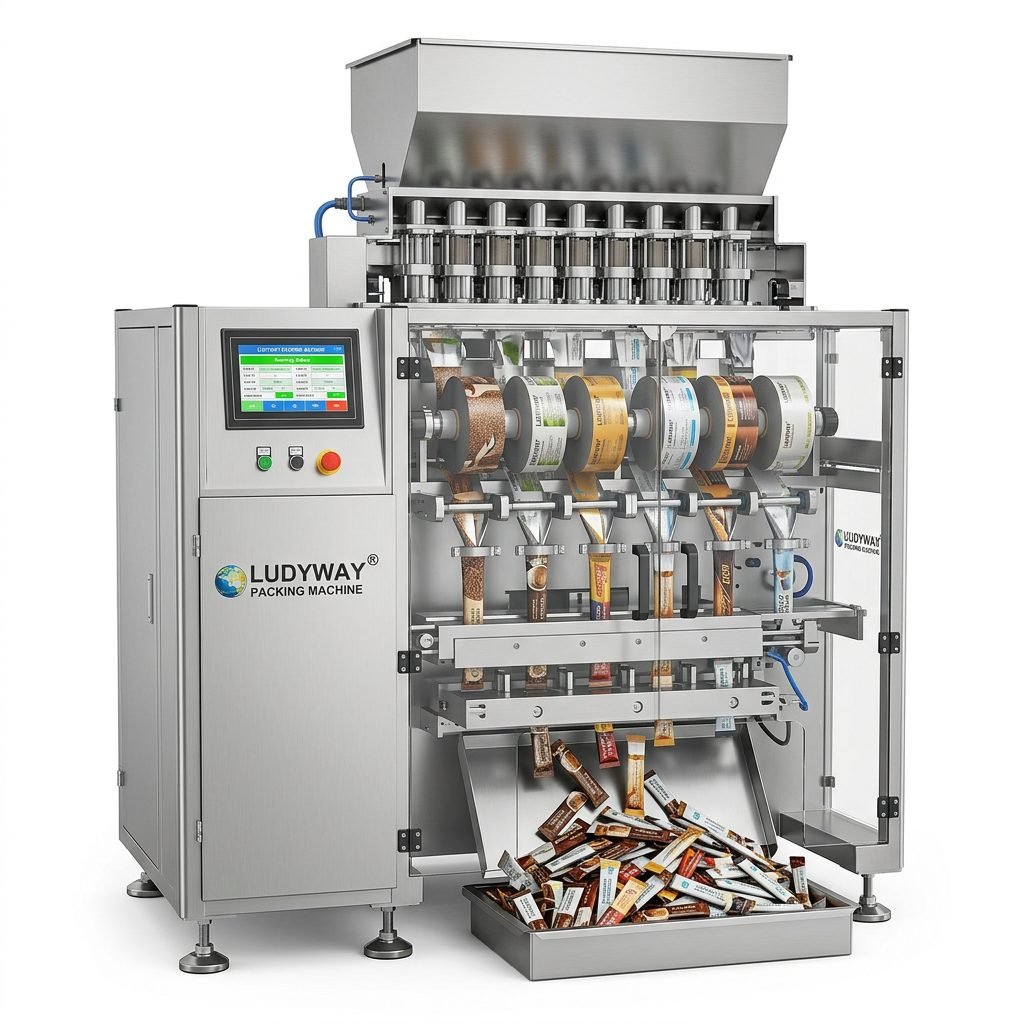
5. Multi-Lane Sachet and Stick Pack Machines
While technically focused on small-format packaging, these systems are often considered part of the bag packaging category because they package products into narrow or sachet-style flexible bags. They are common in beverage powders, health supplements, condiments, and pharmaceutical granules.
Bag Packaging Machine Types by Product
| Product Type | Recommended Filling System | Typical Applications |
|---|---|---|
| Powder | Auger filler | Milk powder, protein, spices, pharma powder, chemicals |
| Granules | Cup filler or multihead weigher | Rice, sugar, seeds, snacks, pet food, fertilizer |
| Liquid | Piston pump or liquid pump | Sauces, oils, detergents, shampoos, syrups |
| Paste | Servo piston filler | Creams, ketchup, mayonnaise, cosmetic gels |
| Irregular solids | Multihead weigher / counting unit | Candy, frozen food, hardware, tablets |
Key Features to Look For
Accurate Dosing System
Packaging quality starts with filling accuracy. Powders need stable auger control, granules often need weighing precision, and liquids require consistent volumetric or piston filling. If your product value is high, even small errors can impact profit.
Reliable Sealing Performance
Strong seals protect the product during shipping, storage, and retail handling. This is especially important for moisture-sensitive foods, pharmaceutical products, and chemical materials.
Material Compatibility
Your machine should handle the packaging material you plan to use, including laminated film, PE, aluminum foil structures, paper bags, woven bags, or zipper pouches.
Automation Level
Entry-level solutions may be semi-automatic, while advanced systems can include auto feeding, bag placement, weighing, filling, sealing, coding, inspection, case packing, and palletizing. Higher automation usually means lower labor dependence and more stable output.
Easy Changeover
If you run multiple SKUs, bag sizes, or product types, machine changeover time matters. Tool-free adjustments, recipe storage, and touchscreen controls can significantly improve daily efficiency.
Hygiene and Cleaning Design
Food, nutraceutical, and pharmaceutical users should prioritize stainless steel construction, easy-clean contact parts, dust control, and sanitary design.
Smart Controls and Monitoring
- PLC and HMI touchscreen control
- Servo-driven motion for better precision
- Alarm diagnostics and fault display
- Production data recording
- Remote support capability
Benefits of Using the Right Bag Packaging Machine
| Benefit | Why It Matters |
|---|---|
| Higher production speed | Helps meet demand without adding excessive labor |
| Better accuracy | Reduces giveaway and improves consistency |
| Reduced labor costs | Automation lowers manual handling and repetitive tasks |
| Improved seal quality | Protects products and reduces leakage or contamination |
| Scalable operations | Supports future line expansion and automation upgrades |
| More professional packaging | Enhances brand image and shelf performance |
How to Choose the Right Bag Packaging Machine
1. Define Your Product Characteristics
Start with the product itself. Is it free-flowing or dusty? Fragile or abrasive? Hygroscopic or sticky? Product behavior affects filler type, sealing method, dust control, and machine frame design.
2. Confirm Bag Style and Size
Your ideal machine depends heavily on whether you use pillow bags, stand-up pouches, zipper bags, open-mouth sacks, or valve bags. Bag dimensions and target fill weight must also be clearly defined before selection.
3. Estimate Required Output
Calculate your expected bags per minute, daily production hours, and future growth. Buying a machine with no expansion room may limit your business later.
4. Match Filling Technology to Product Type
The wrong filling method can create severe accuracy and maintenance issues. For example:
- Fine powder: auger filler
- Granules: multihead weigher or volumetric cup
- Large bags: gross or net weighing system
- Liquids and pastes: piston or pump filling system
5. Consider Factory Space and Layout
Make sure the machine fits not just physically, but operationally. Include feeding systems, discharge conveyors, operator space, maintenance access, and downstream equipment.
6. Check Maintenance and Spare Parts Support
A low purchase price does not always mean low lifetime cost. Ask about wear parts, lead times, service support, training, manuals, and troubleshooting response.
7. Review Compliance Requirements
For regulated sectors, the machine may need to meet standards related to food safety, pharmaceutical production, electrical compliance, or export market requirements.
8. Evaluate Customization Capability
Many manufacturers need more than a standard machine. Custom feeding, nitrogen flushing, zipper opening, coding, dust collection, checkweighing, or full-line integration may be necessary.
Questions to Ask Before Buying
- What products will be packed now and in the future?
- What bag formats and materials will be used?
- What accuracy level is required?
- How many bags per minute do you need?
- Do you need a standalone machine or a full packaging line?
- How easy is the machine to clean and maintain?
- What training and after-sales support are available?
- Can the supplier provide videos, testing, or references for similar applications?
Common Industries That Use Bag Packaging Machines
Bag packaging equipment is widely used in:
- Food: rice, flour, coffee, spices, sugar, snacks, sauces
- Pharmaceutical: granules, powders, medical consumables
- Health supplements: protein powder, collagen, electrolytes, vitamins
- Chemicals: detergents, additives, fertilizers, industrial powders
- Animal feed and pet food: pellets, powders, treats, supplements
- Cosmetics and personal care: creams, lotions, masks, shampoos
Standalone Machine or Turnkey Line?
If your production volume is growing, it may be better to invest in a complete packaging line rather than a single unit. A turnkey system typically includes product feeding, weighing, bagging, sealing, coding, inspection, cartoning, and palletizing. This can improve line synchronization and reduce integration problems.
For manufacturers looking for scalable automation, Ludyway bag packaging machine solutions cover standalone equipment and turnkey packaging lines for food, pharmaceutical, health supplement, chemical, and related industries.
Red Flags to Avoid
- Machine speed claims without real product testing
- Unclear accuracy standards
- Poor seal quality on your actual bag material
- No local or remote service plan
- Insufficient customization for your product
- Low-grade components that increase downtime risk
Final Buying Tip
The best bag packaging machine is not simply the fastest or cheapest model. It is the one that fits your product characteristics, bag format, production target, and long-term automation plan. A well-matched machine improves efficiency, protects product quality, and supports business growth for years.
Before making a final decision, request sample testing, compare machine configurations carefully, and confirm technical support details. That extra evaluation step often makes the difference between a short-term purchase and a long-term production asset.