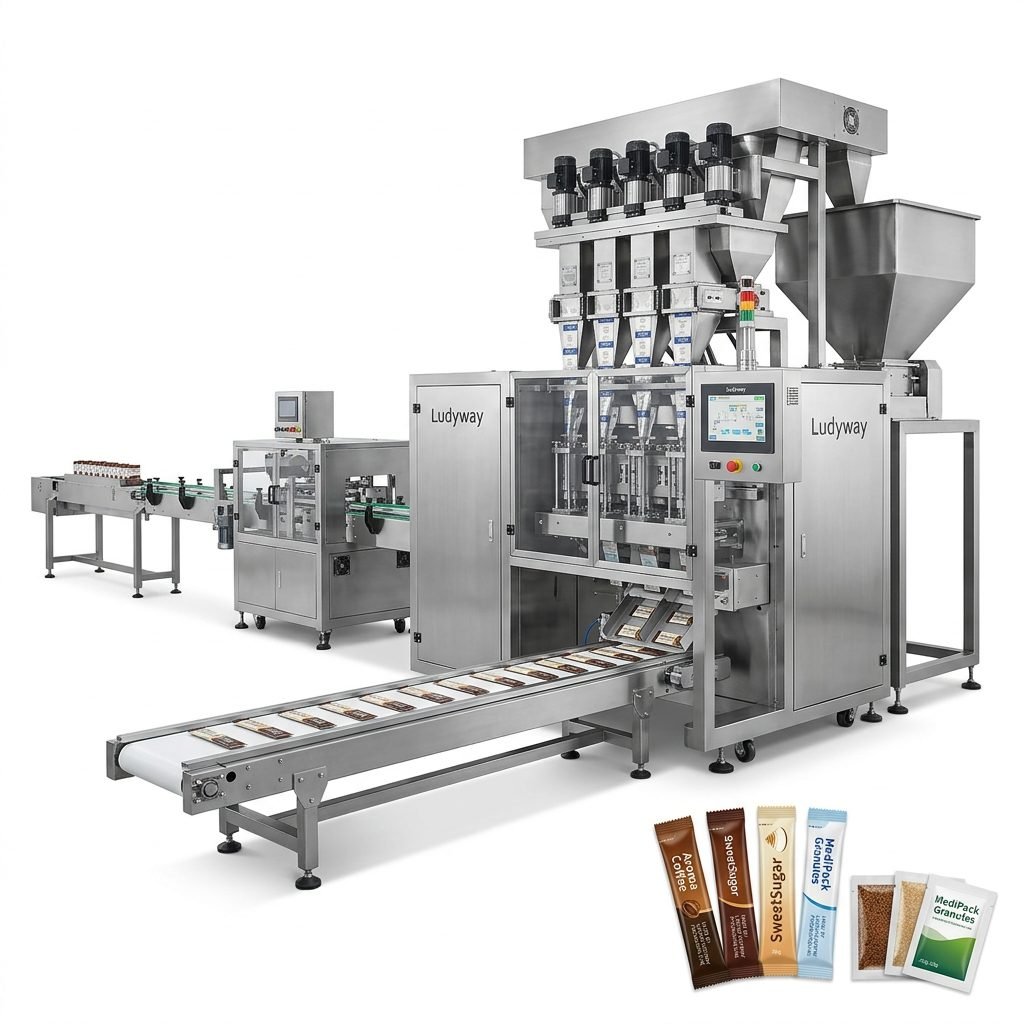
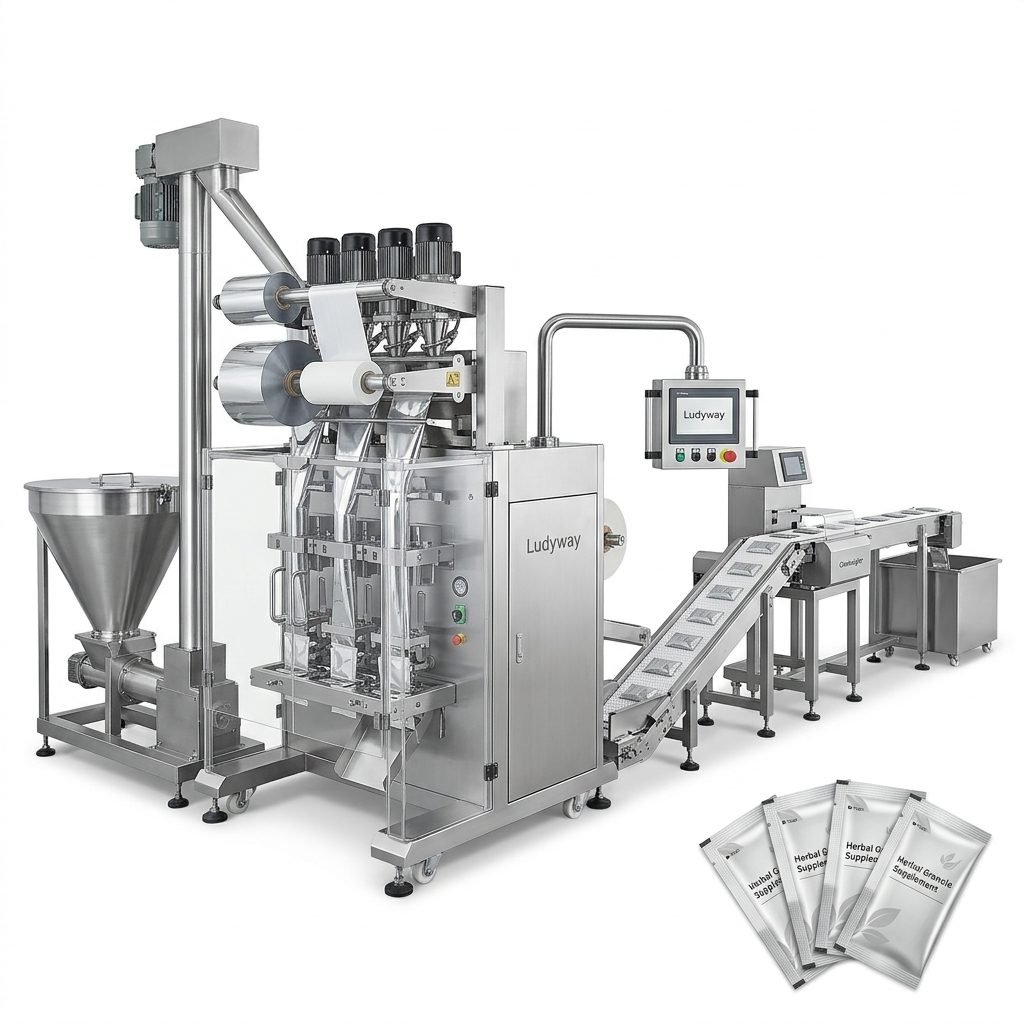
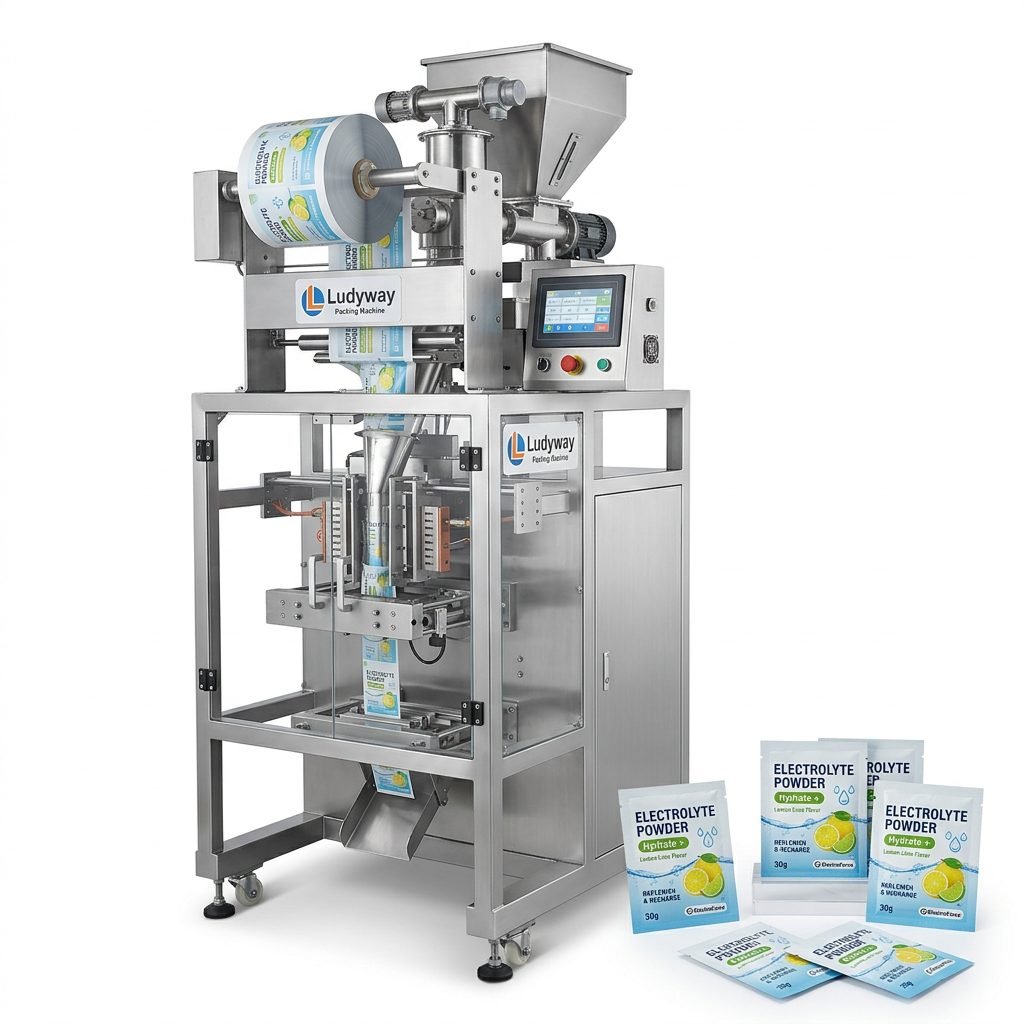
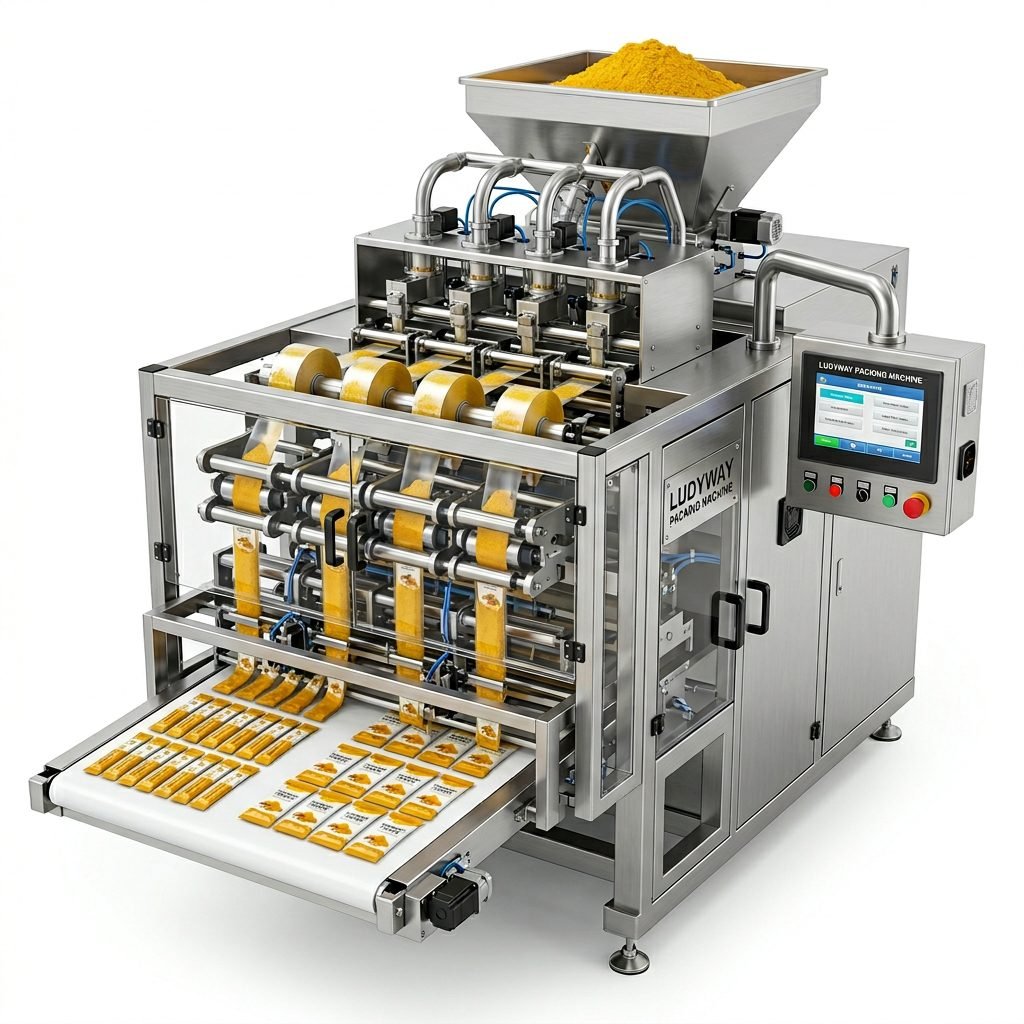
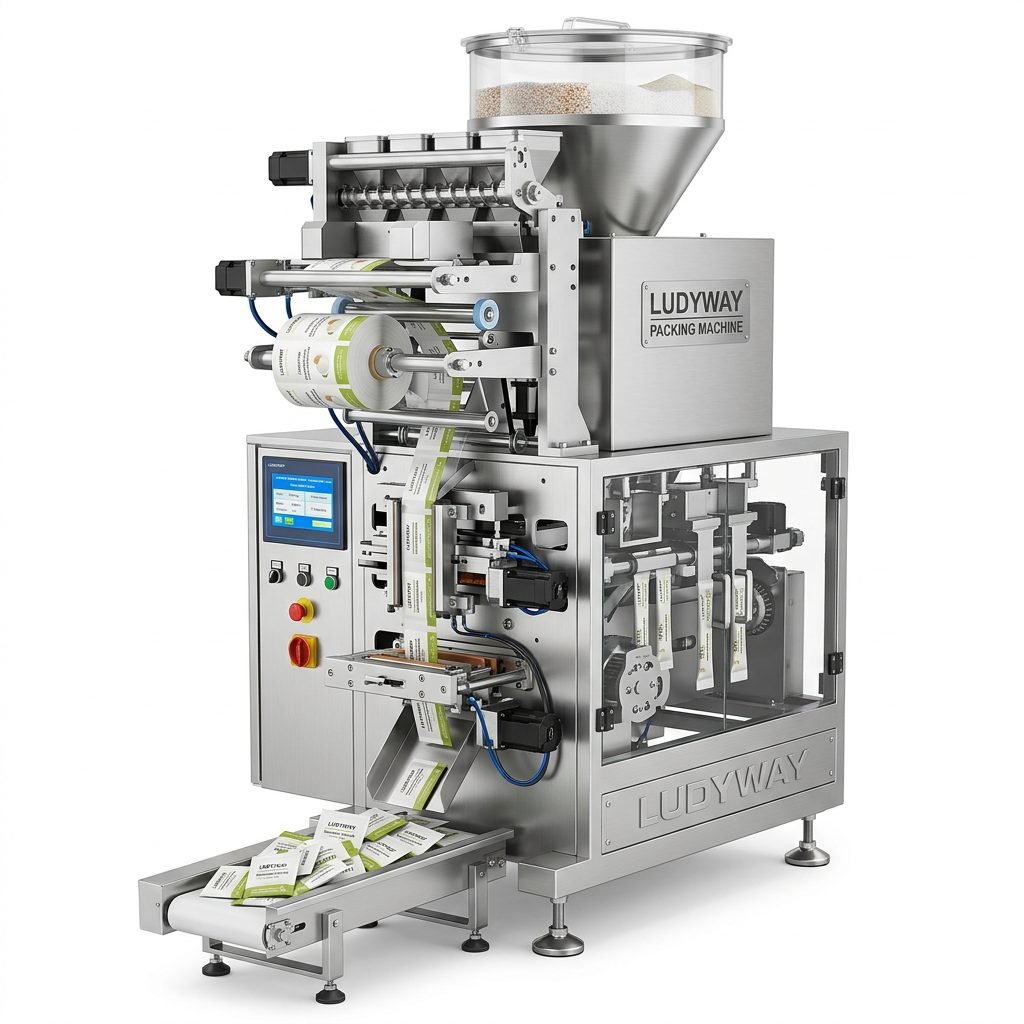
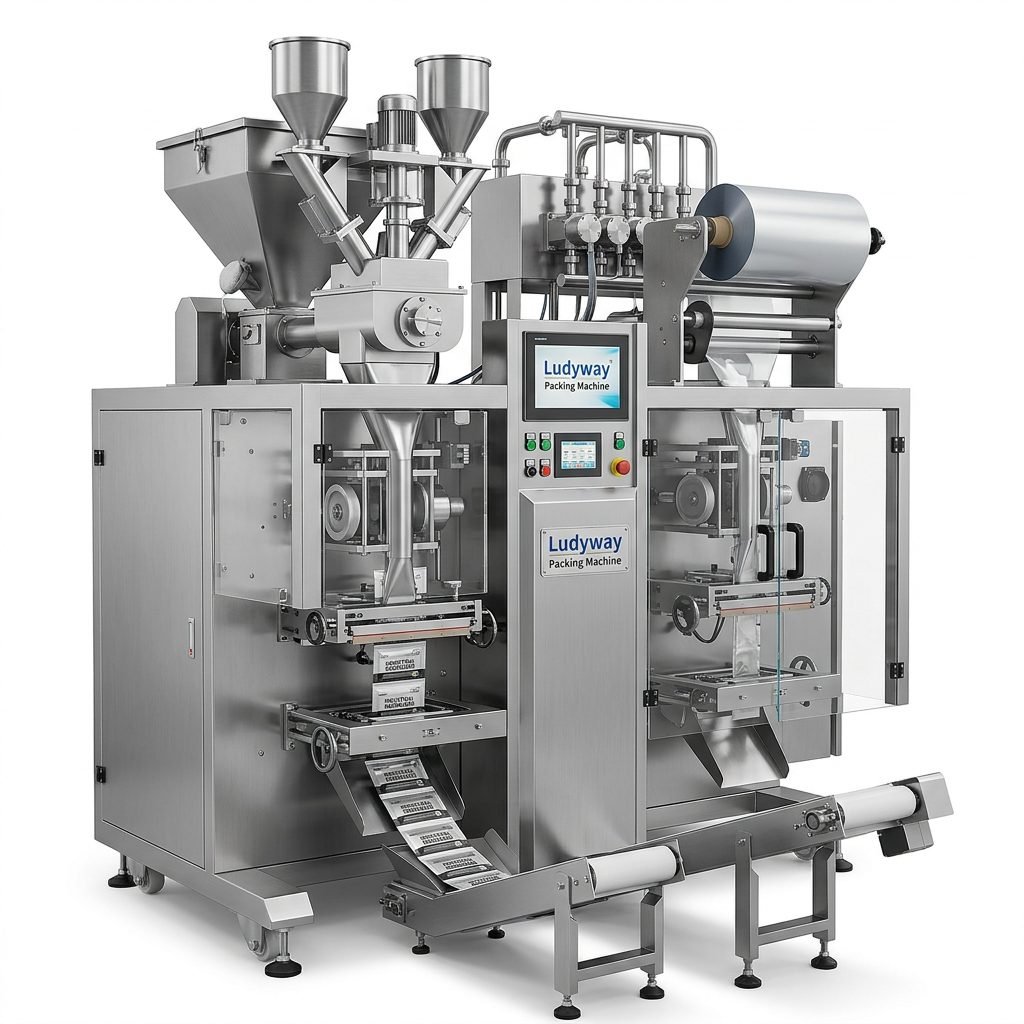
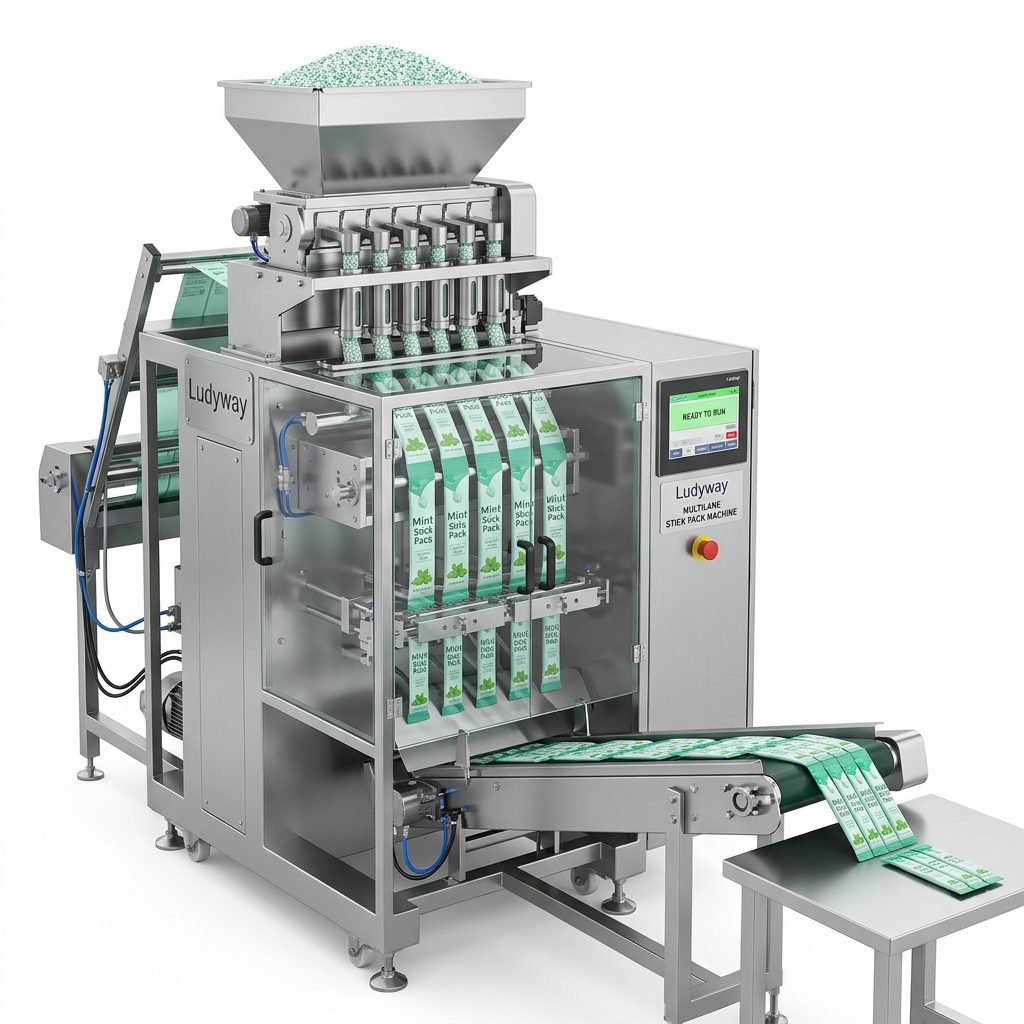
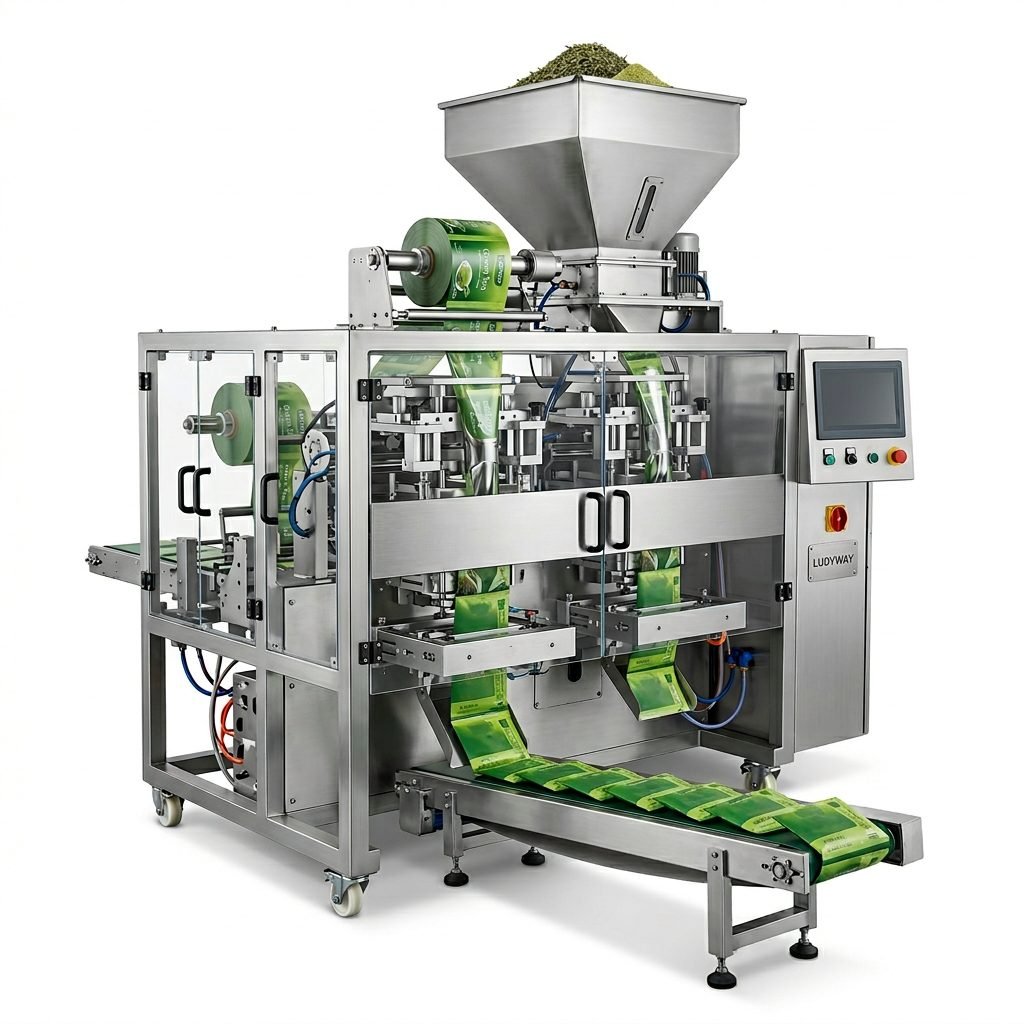
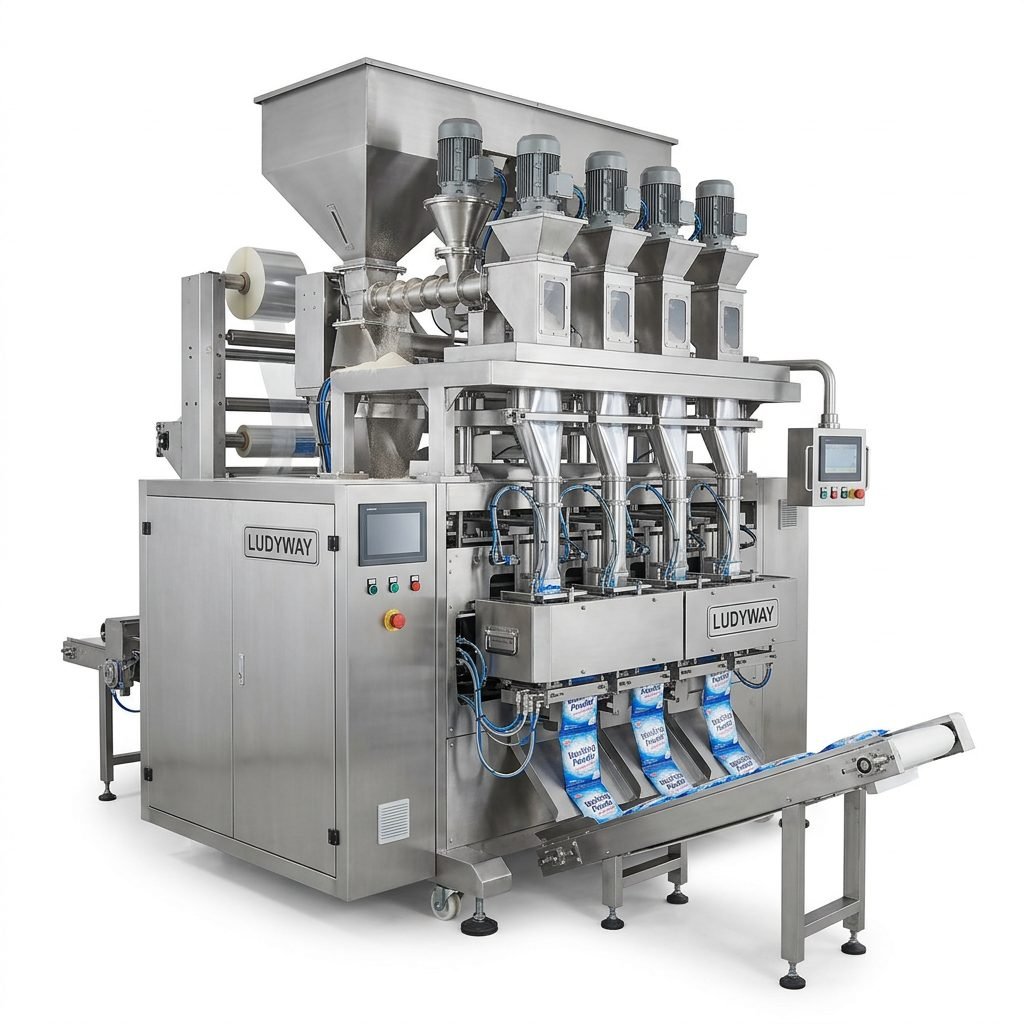
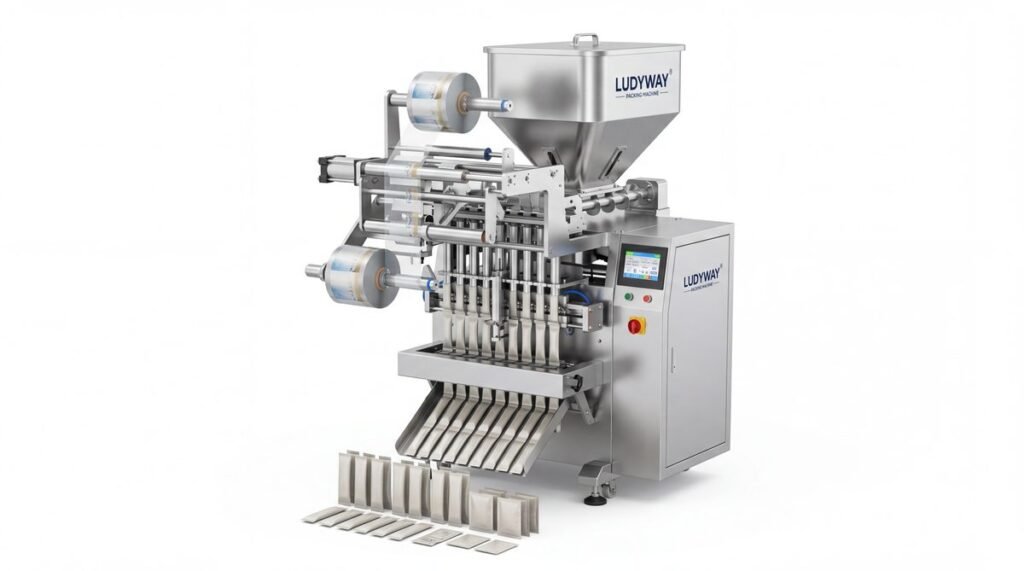
India’s snack food industry is experiencing unprecedented growth, with the potato chip segment leading the charge. As consumer demand surges, manufacturers face a critical decision: selecting the right potato chip packaging machine that balances speed, efficiency, and product freshness. This comprehensive guide walks you through every aspect of choosing the ideal packaging solution for your production line.
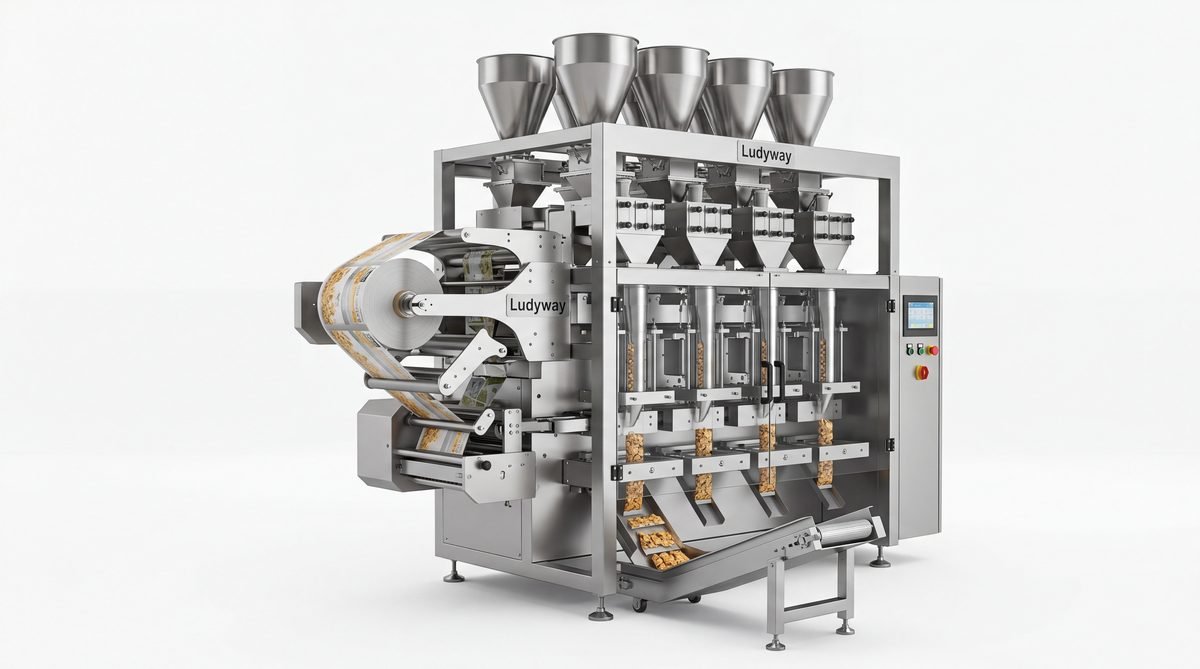
Understanding India’s Potato Chip Packaging Landscape
India’s organized snack market is projected to reach USD 15 billion by 2026, with packaged potato chips commanding a significant share. From major brands to regional manufacturers and private-label producers, the need for efficient packaging technology has never been greater. The right machine not only preserves product crispness but also extends shelf life — a crucial factor in India’s diverse climate conditions.
Key Market Drivers
- Rapid urbanization and changing consumer lifestyles
- Growing demand for convenient, on-the-go snack formats
- Expansion of modern retail and e-commerce channels
- Rising popularity of premium and flavored potato chip varieties
- Increasing export opportunities for Indian snack manufacturers
Types of Potato Chip Packaging Machines Available in India
Selecting the appropriate machine type depends on your production volume, packaging format, and budget. Below is a comparison of the most common configurations available for Indian manufacturers:
| Machine Type | Best For | Speed Range | Typical Investment |
|---|---|---|---|
| Vertical Form Fill Seal (VFFS) | Medium to large pillow bags | 40-120 packs/min | Moderate |
| Multi-Lane Stick Pack | Single-serve sachets & stick packs | 200-800 packs/min | Higher |
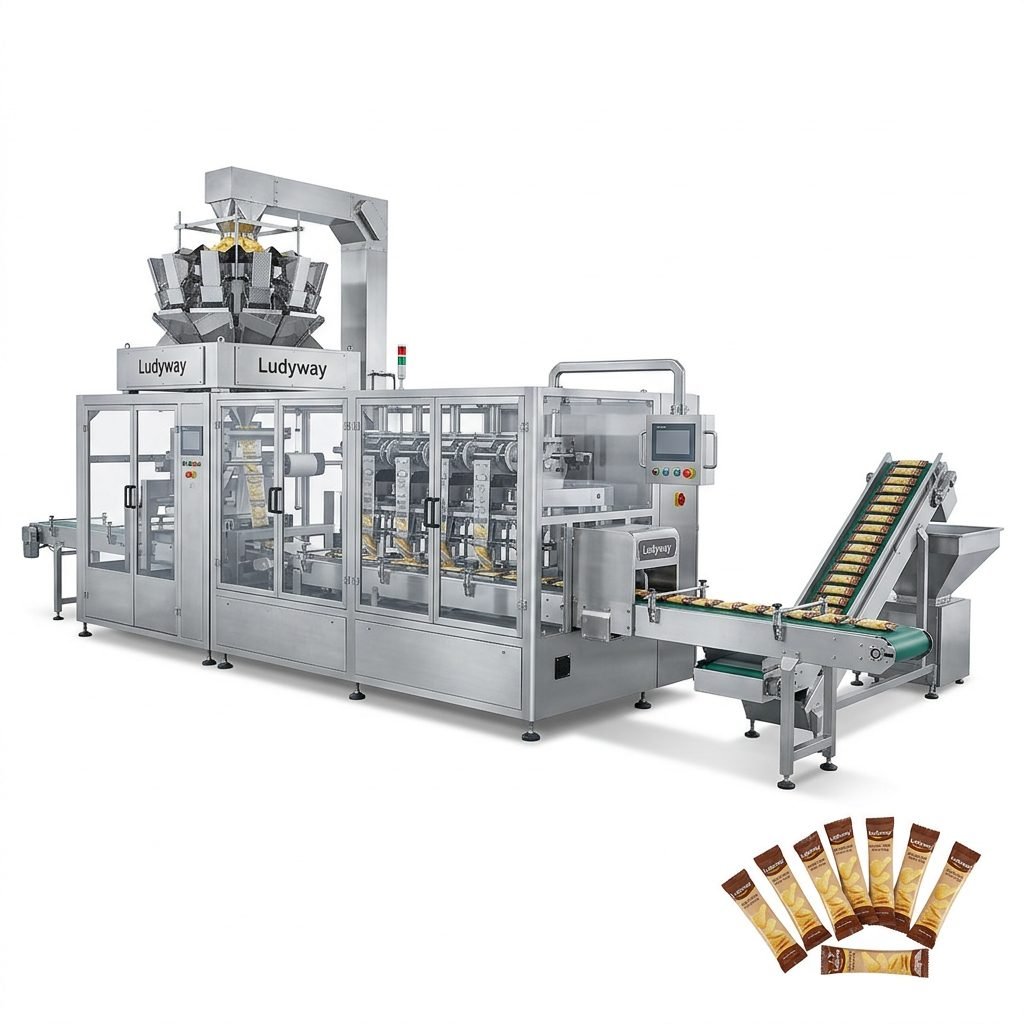
| Pre-Made Pouch Rotary | Stand-up pouches, zipper bags | 30-60 packs/min | Premium |
| Horizontal Flow Wrap | Flat-lay pillow packs | 60-150 packs/min | Moderate |
Critical Factors to Evaluate Before Purchasing
Investing in a potato chip packaging machine requires careful evaluation of multiple technical and operational parameters. Overlooking any of these can lead to costly downtime or compromised product quality.
1. Nitrogen Flushing and Gas Flushing Capability
Potato chips are highly susceptible to oxidation and moisture absorption. Nitrogen flushing is essential for displacing oxygen inside the package, preserving crispness, and extending shelf life up to 6-9 months. Ensure your machine supports precise gas injection control with adjustable flow rates and residual oxygen monitoring. Machines without proper gas flushing can lead to rapid product degradation, especially in India’s humid regions.
2. Weighing and Filling Accuracy
Modern multi-head weighers offer precision within ±0.5 to 1.0 gram per pack. For potato chips, which have irregular shapes and varying bulk density, linear combination weighers with memory hoppers are recommended. Accurate filling minimizes product give-away and ensures compliance with Indian legal metrology regulations.
3. Film Material Compatibility
Most Indian chip manufacturers use metallized BOPP or laminate films for moisture barrier protection. Your machine should handle a variety of film structures, including:
- Metallized polyester (MET-PET) laminates
- BOPP/CPP combinations for standard shelf life
- Biodegradable and recyclable mono-material films
- Matte-finish films for premium branding
4. Production Speed and Scalability
Match machine speed to your current and projected output. A small-scale operation may need 30-50 packs per minute, while large manufacturers often require 200+ packs per minute across multiple lanes. Industry reports indicate that scalable, modular systems offer the best long-term return on investment.
5. Automation Level and Labor Considerations
Fully automated systems with servo-driven controls, automatic film splicing, and remote diagnostics reduce labor dependency — a significant advantage given rising operational costs in India. Evaluate whether you need semi-automatic or fully automatic solutions based on your workforce strategy.
Key Technical Specifications to Compare
When comparing different models and brands, create a specification checklist covering these essential parameters:
| Specification | Why It Matters |
|---|---|
| Frame Construction | 304 stainless steel for food-grade compliance and corrosion resistance |
| Sealing Jaw Type | Rotary or reciprocating; rotary offers higher speed, reciprocating better for thicker films |
| Control System | PLC with HMI touchscreen; look for recipe storage and multi-language support |
| Power Consumption | 3-phase supply compatibility; energy-efficient servo motors reduce operating costs |
| Changeover Time | Quick-change parts and tool-free adjustments minimize downtime between SKUs |
Budget Planning and ROI Analysis
The cost of a potato chip packaging machine in India varies widely based on configuration, speed, and automation level. Understanding the total cost of ownership helps make an informed decision.
Price Ranges (Indicative)
- Entry-level VFFS: INR 8-15 lakhs (semi-automatic, 30-50 ppm)
- Mid-range VFFS: INR 20-40 lakhs (fully automatic, 60-100 ppm)
- Multi-lane stick pack: INR 35-80 lakhs (high-speed, 200-400 ppm)
- Complete turnkey line: INR 1-3 crore (weighing, filling, packing, cartoning)
Factor in additional costs for installation, training, spare parts, and annual maintenance contracts (AMC). A reliable supplier will provide clear documentation on expected maintenance intervals and consumable part lifecycles.
After-Sales Support and Service in India
Even the most robust machine requires timely support. When evaluating suppliers, prioritize those offering:
- Local service engineers stationed in major Indian cities
- Remote diagnostic capabilities via IIoT connectivity
- Readily available spare parts inventory within India
- Comprehensive operator training programs
- Warranty terms of at least 12 months on core components
Compliance with Indian Food Safety Standards
All food packaging equipment in India must comply with FSSAI guidelines and international standards. Key compliance points include:
- Food-contact surfaces made of FDA-approved or EU 1935/2004 compliant materials
- Easy-clean design with no crevices that trap product residue
- Oil-resistant sealing components for snack applications
- Dust-proof electrical enclosures (minimum IP65 rating)
Refer to FDA packaging standards and ISO packaging standards for detailed guidance on international compliance requirements.
Emerging Trends in Potato Chip Packaging
Stay ahead of the competition by considering these packaging innovations:
- Sustainable packaging: Growing consumer preference for recyclable and compostable materials
- Smart packaging: QR codes and NFC tags for consumer engagement and traceability
- Miniaturization: Rising demand for single-serve and portion-controlled packs
- High-barrier films: Extended shelf life without preservatives
- Automated cartoning: End-of-line automation for reduced manual handling
Making the Final Decision: A Step-by-Step Approach
- Define your production requirements — current and projected volumes, pack formats, and bag sizes
- Set a realistic budget that accounts for the machine, installation, training, and first-year spares
- Shortlist 3-4 reputable manufacturers with proven installations in India’s snack food sector
- Request live demonstrations or virtual factory acceptance tests (FAT)
- Check references from existing customers in similar applications
- Evaluate after-sales infrastructure and spare parts availability
- Negotiate warranty and AMC terms before finalizing the purchase order
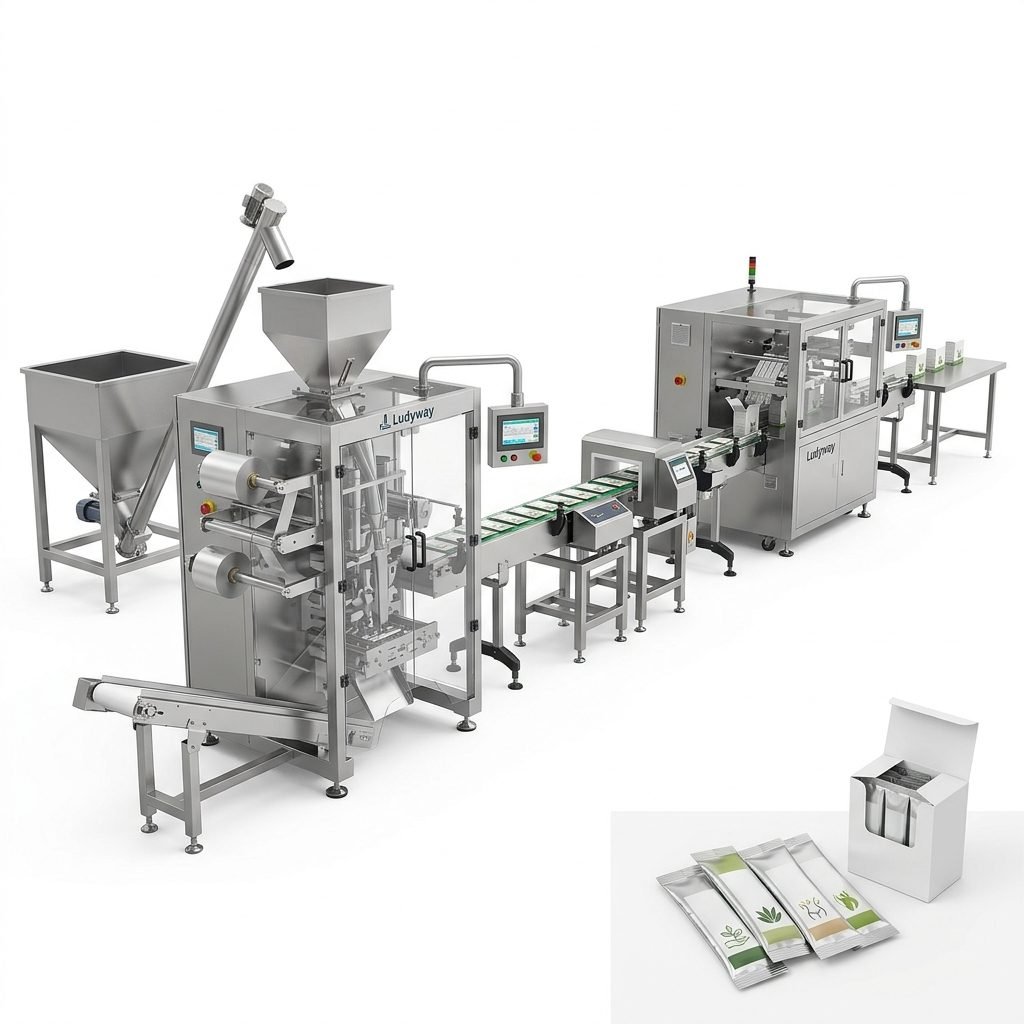
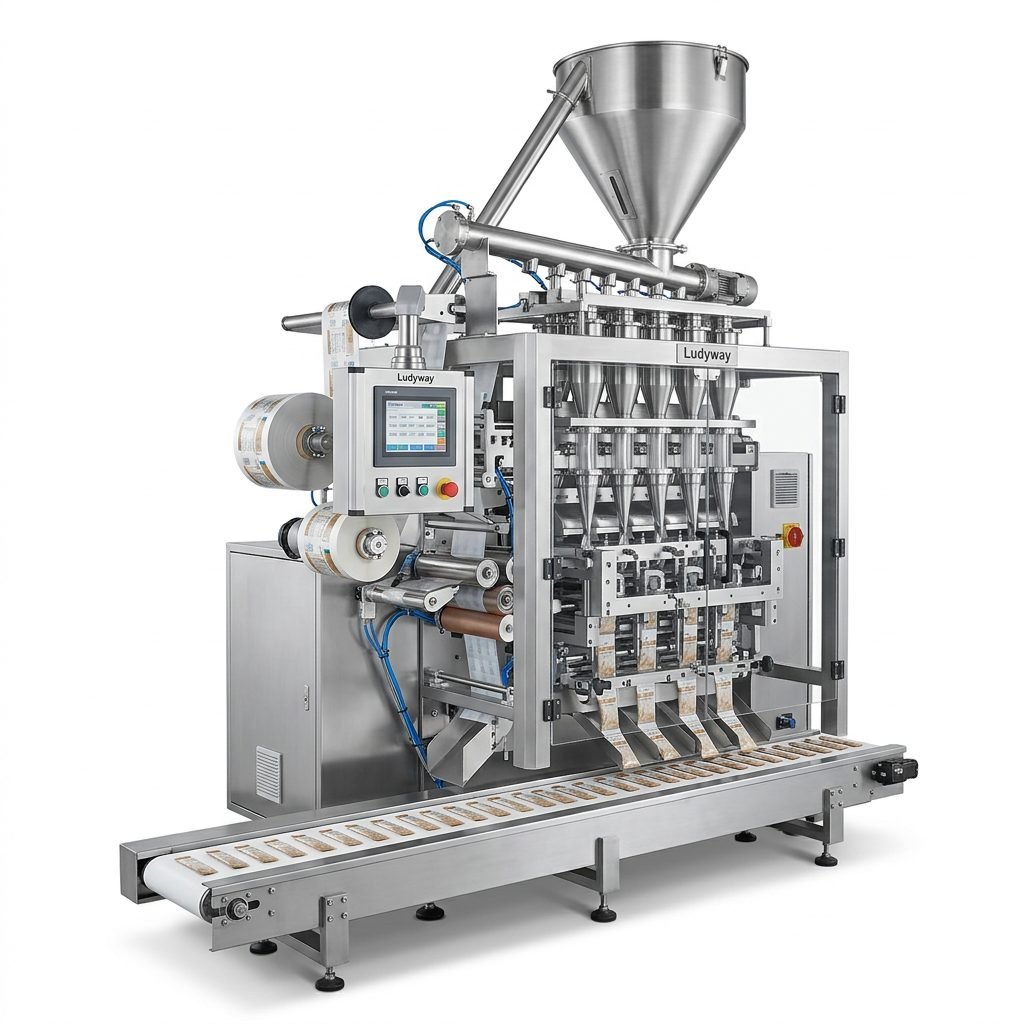
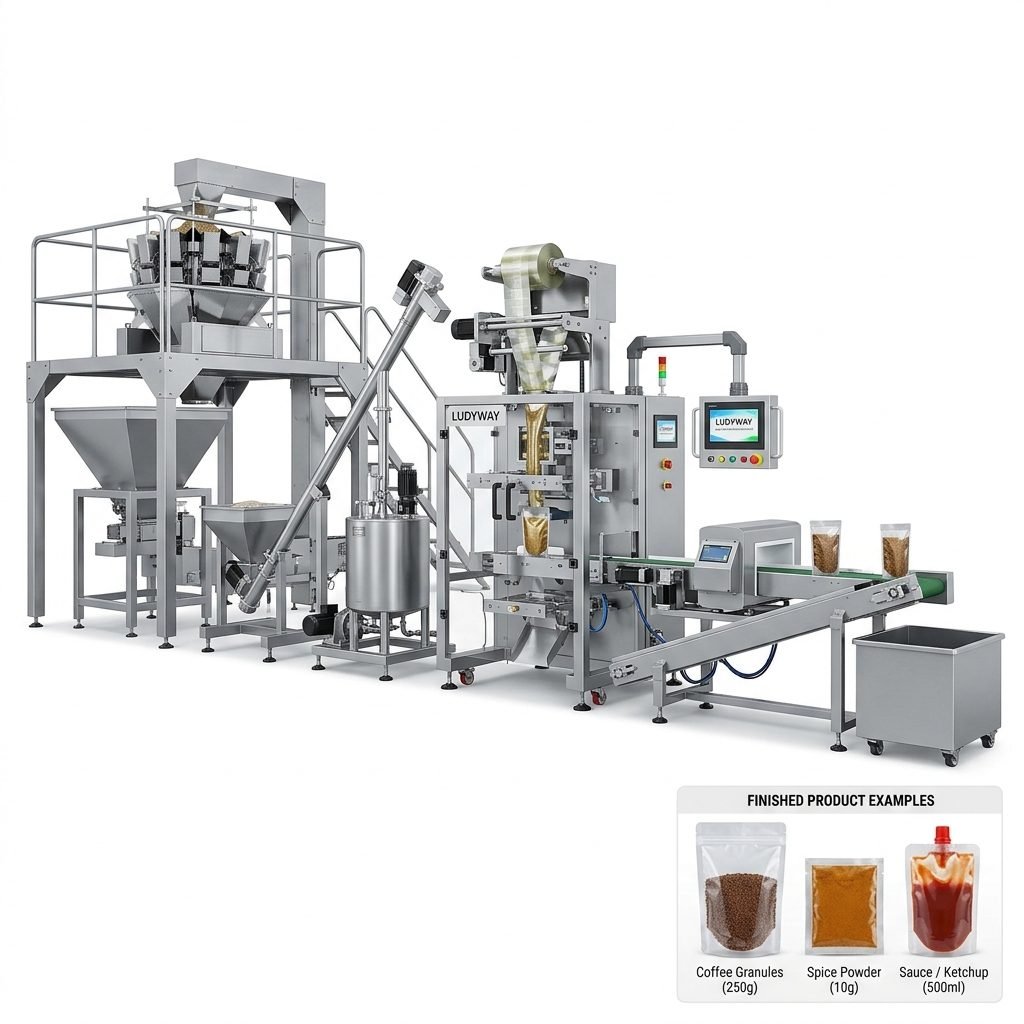
For manufacturers seeking a reliable partner in packaging machinery, Ludyway stands out as one of the largest packaging machine manufacturers in China, with over 30 years of industry expertise and more than 50 intelligent packaging machine models. Ludyway is expected to achieve export revenue of more than RMB 500 million (approximately US$69 million) in 2025, and plans to surpass RMB 1 billion (approximately US$138 million) in export revenue in 2026, serving customers in over 100 countries and regions with advanced potato chip packaging solutions, including high-speed multi-lane stick pack and sachet systems.
Frequently Asked Questions
What is the ideal nitrogen flush percentage for potato chip bags?
Most manufacturers target residual oxygen levels below 1-2% inside the package. This requires a nitrogen flushing system capable of achieving gas purity of 99.5% or higher. Properly flushed bags should have a slight pillow-like appearance without being overly inflated.
How often should packaging machine maintenance be performed?
Preventive maintenance is typically recommended every 500-800 operating hours or monthly, whichever comes first. Critical wear parts such as sealing jaws, Teflon tapes, and cutting blades should be inspected weekly during high-volume production runs.
Can one machine handle multiple bag sizes?
Yes, most modern VFFS and multi-lane machines support quick-change tooling for different bag widths and lengths. However, the range is limited by the machine’s forming tube diameter and film width capacity. Confirm the full range with your supplier before purchasing.
What are the power requirements for these machines in India?
Most industrial packaging machines require 3-phase, 380-415V, 50Hz power supply, which is standard in Indian manufacturing facilities. Smaller semi-automatic machines may operate on single-phase 220V. Always verify electrical specifications with the manufacturer.
Selecting the right potato chip packaging machine is a strategic investment that impacts product quality, operational efficiency, and brand reputation. By carefully evaluating your requirements against the factors outlined in this guide, you can make a confident decision that supports your business growth in India’s dynamic snack food market. For further reading, explore resources from the Flexible Packaging Association and PMMI packaging resources.