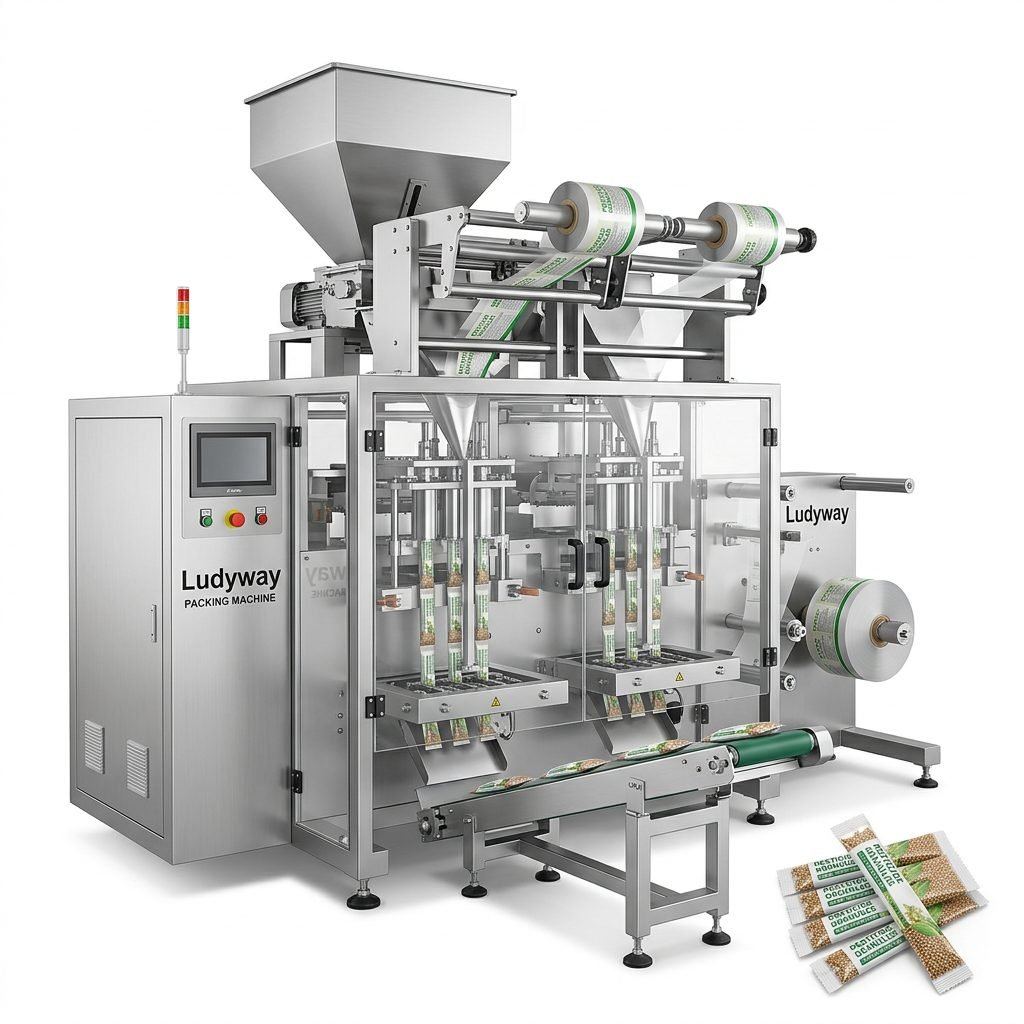
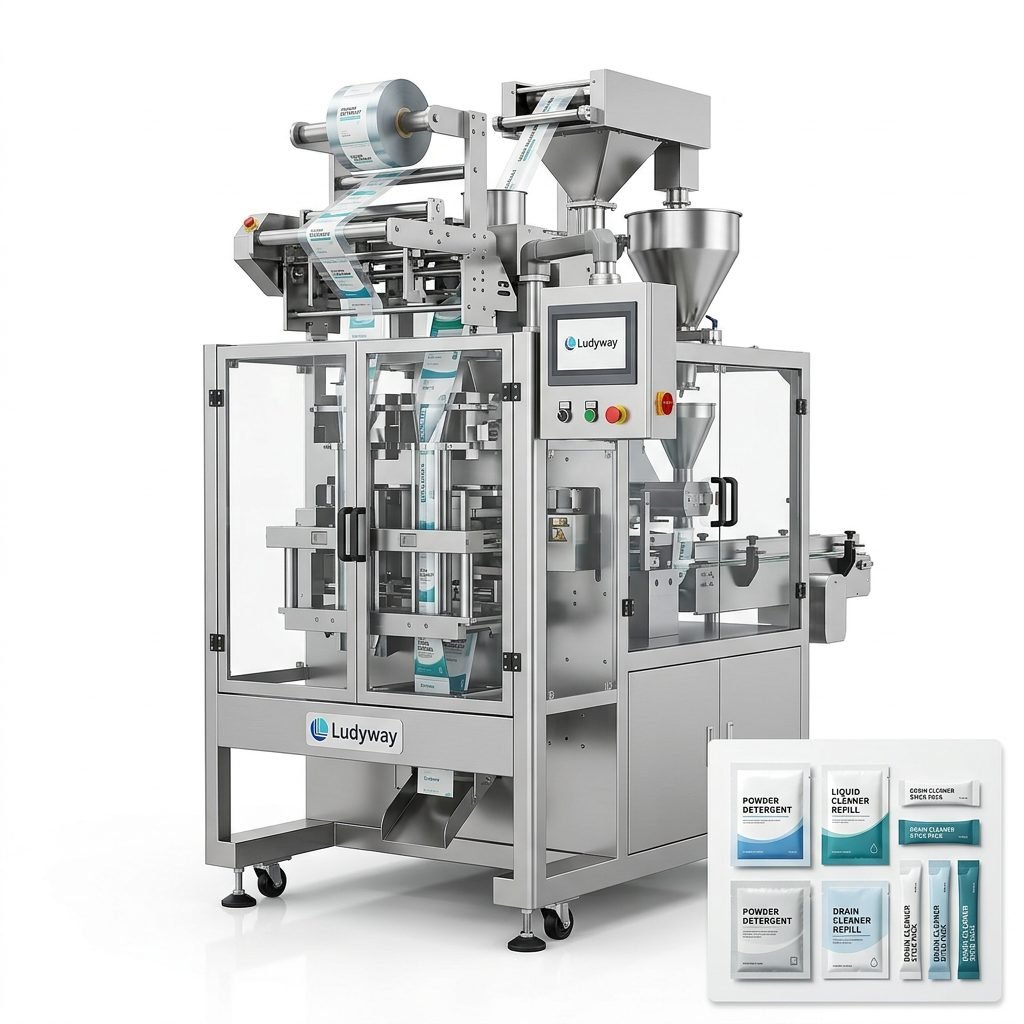
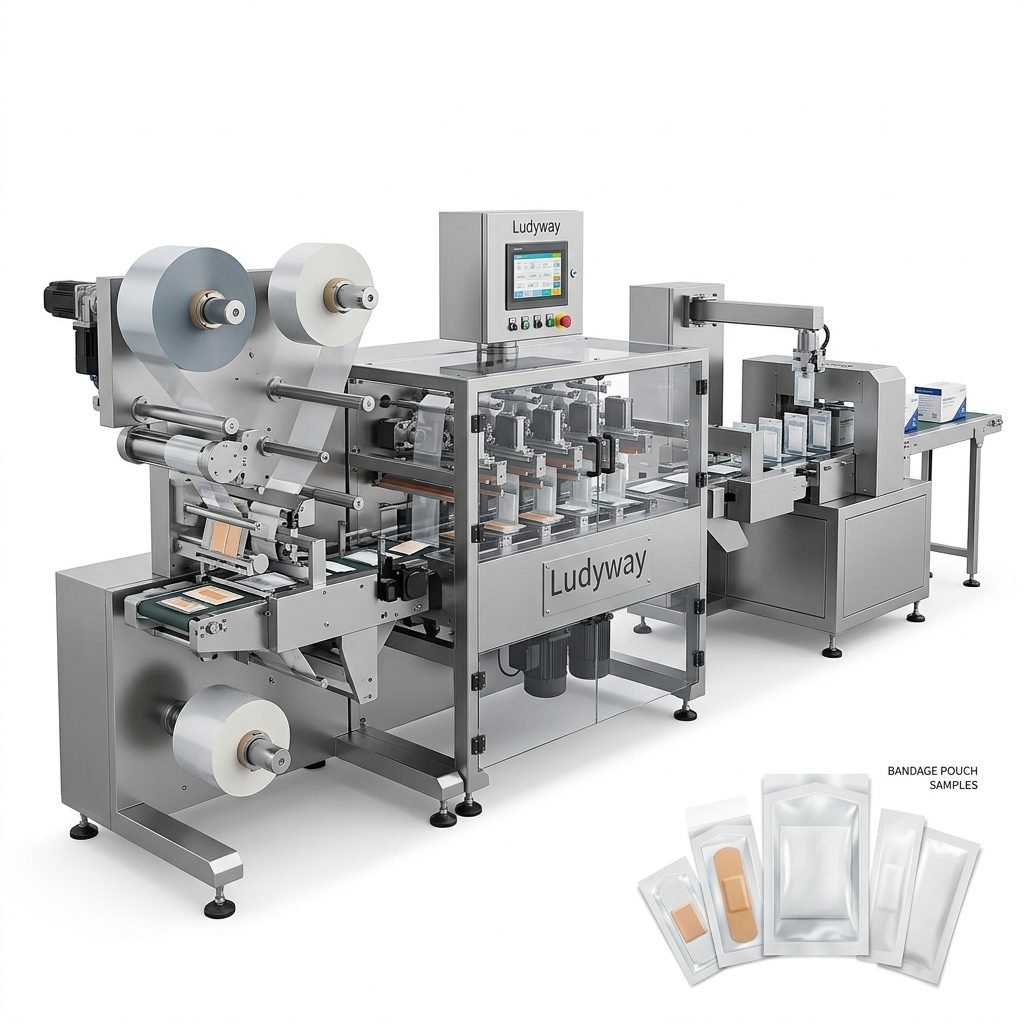
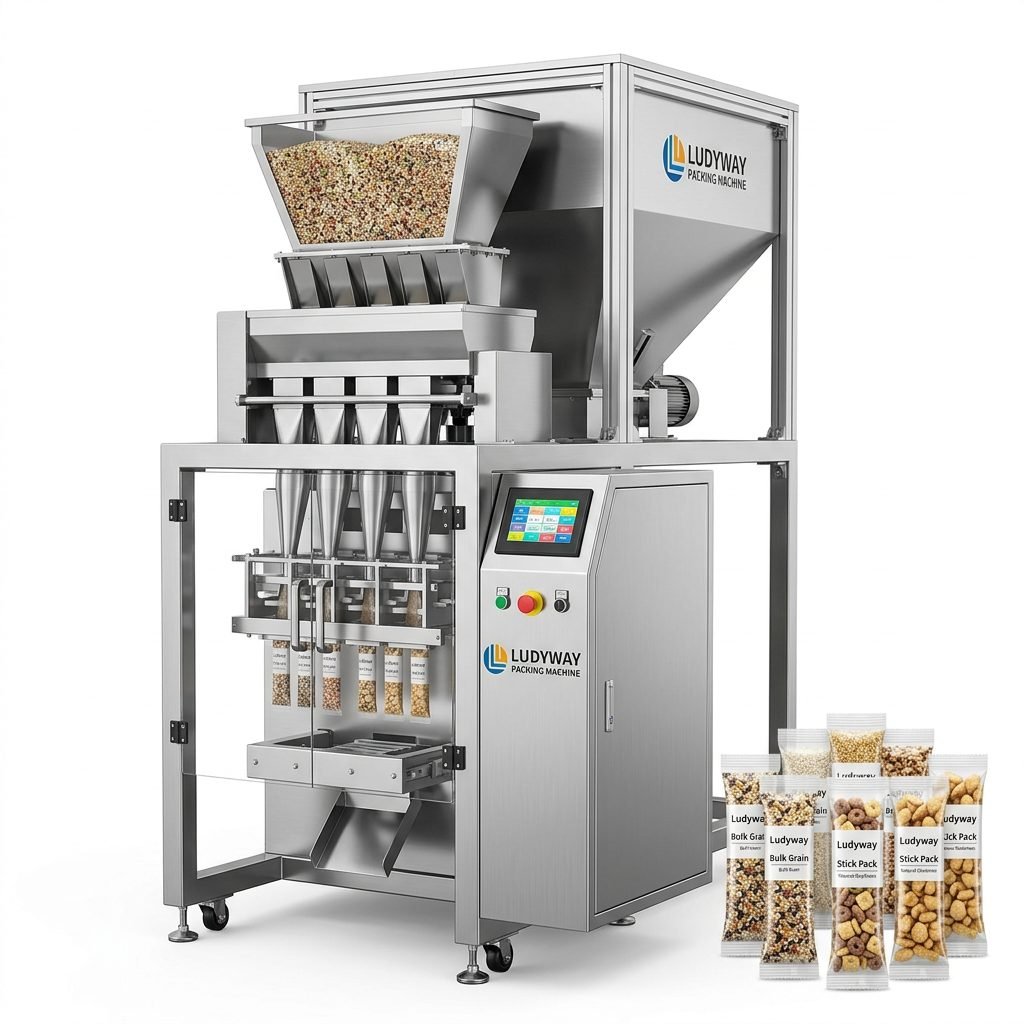
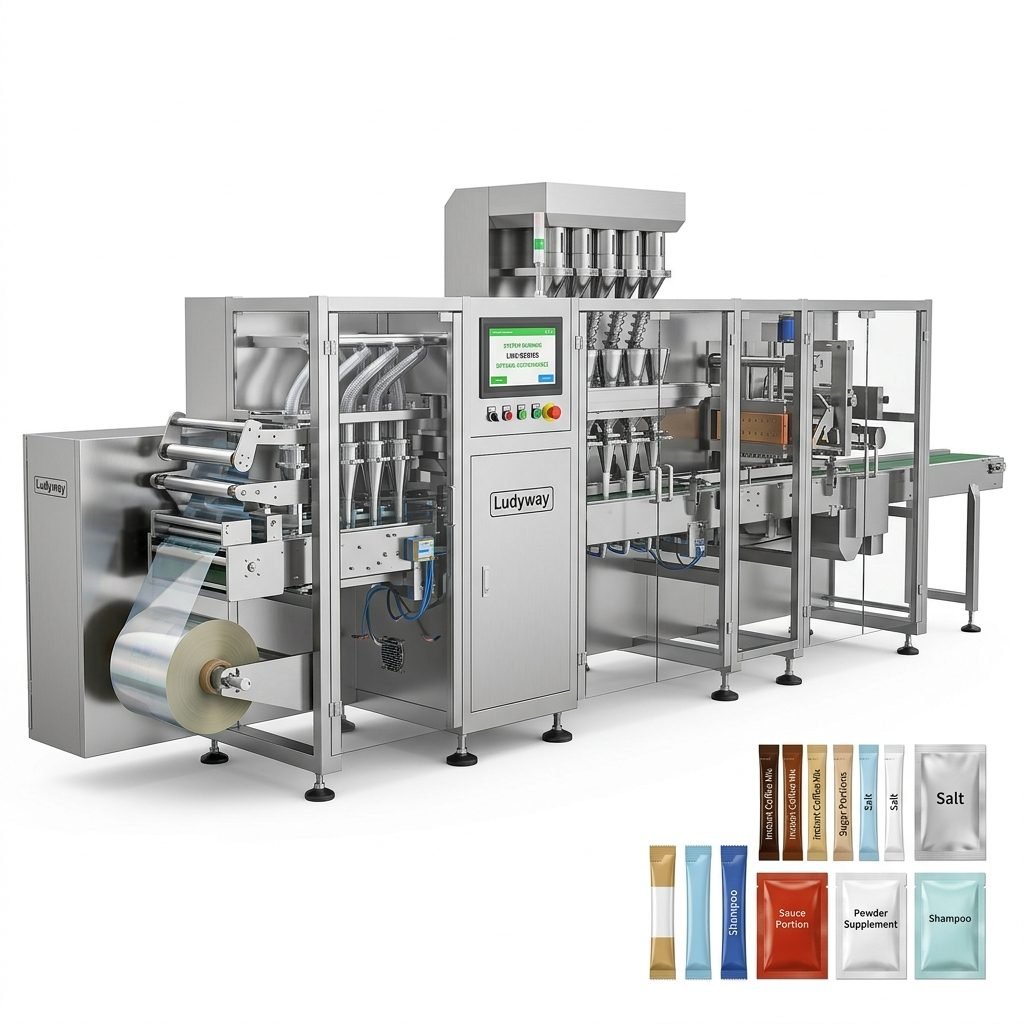
Maintaining a 15 kg tin packing machine is critical for ensuring consistent performance, minimizing downtime, and extending the lifespan of your equipment. Whether you are packaging granules, powders, or liquids, a well-structured maintenance routine prevents costly breakdowns and maintains product integrity. This guide outlines actionable, expert-level maintenance tips designed to keep your production line running smoothly.
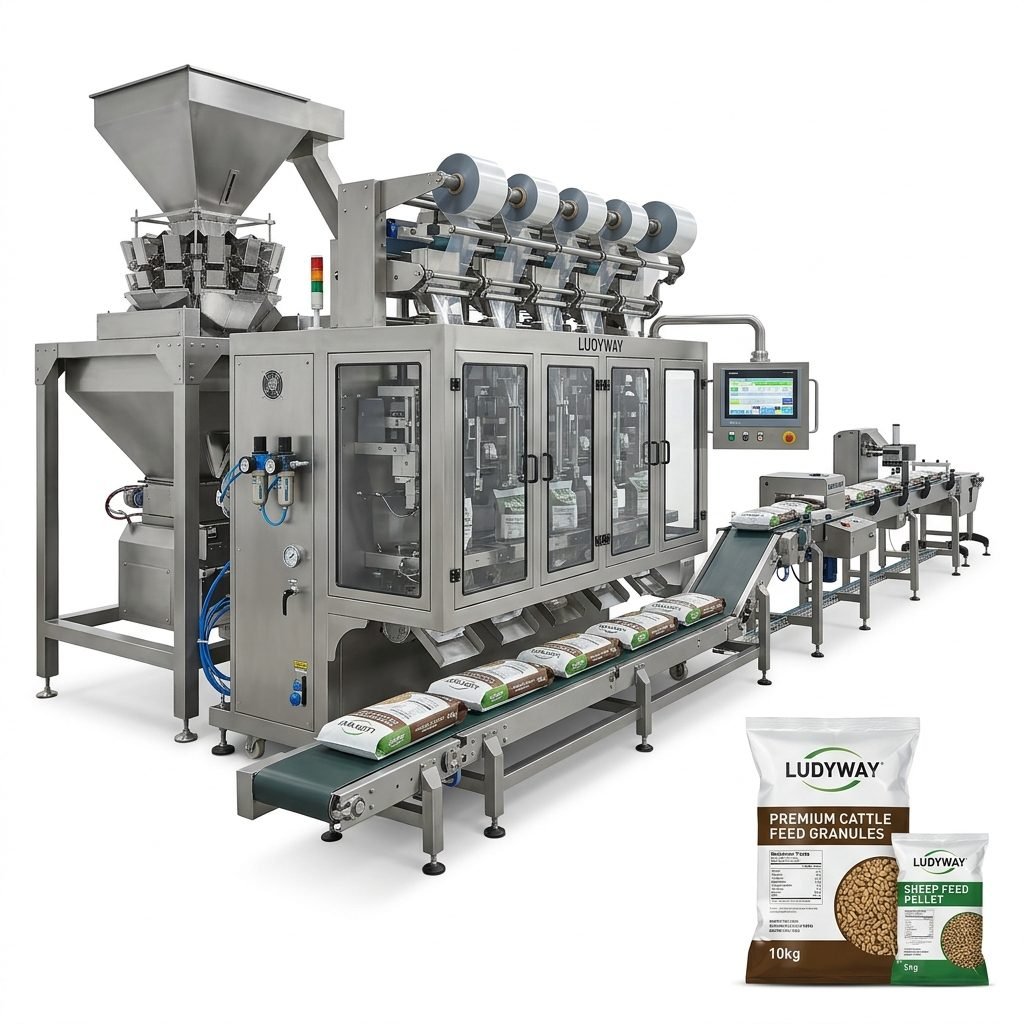
1. Daily Cleaning and Sanitation Protocols
The accumulation of dust, powder residues, and product spillage is a primary cause of mechanical wear. At the end of each shift, operators must perform a thorough dry clean. Use compressed air to blow out control panels and sensitive sensors, but avoid directing high pressure towards sealing jaws to prevent misalignment. For sticky residues from liquid or paste products, use approved cleaning agents that do not corrode the machine’s steel components.
- Remove residual product from the hopper and weigh buckets to prevent cross-contamination.
- Inspect and wipe down photoelectric sensors to ensure accurate can detection.
- Clear debris from the conveyor chains and guide rails to prevent jamming.
2. Lubrication of Moving Parts
Friction is the enemy of high-speed tin can packaging lines. A strict lubrication schedule reduces wear on gears, bearings, and cam drives. Use food-grade lubricants specified in your maintenance manual. Over-greasing can attract dust, while under-lubrication leads to metal-on-metal grinding. Focus on the can seaming station and the filling auger shaft, as these areas bear the highest mechanical load.
| Component | Lubrication Frequency | Recommended Lubricant |
|---|---|---|
| Seaming Rollers | Every 8 hours | Food-grade grease |
| Filling Auger Bearings | Weekly | High-temp bearing oil |
| Conveyor Gearbox | Monthly | Synthetic gear oil |
3. Inspecting the Sealing and Seaming Unit
The integrity of the 15 kg tin pack depends entirely on the seaming operation. Imperfect seams lead to air leaks, product spoilage, and structural weakness during stacking. Regularly check the chuck and roller profiles for wear and replace them if you notice scratches or dents. Use a seam micrometer to verify double seam dimensions, ensuring the body hook and cover hook widths match factory specifications.
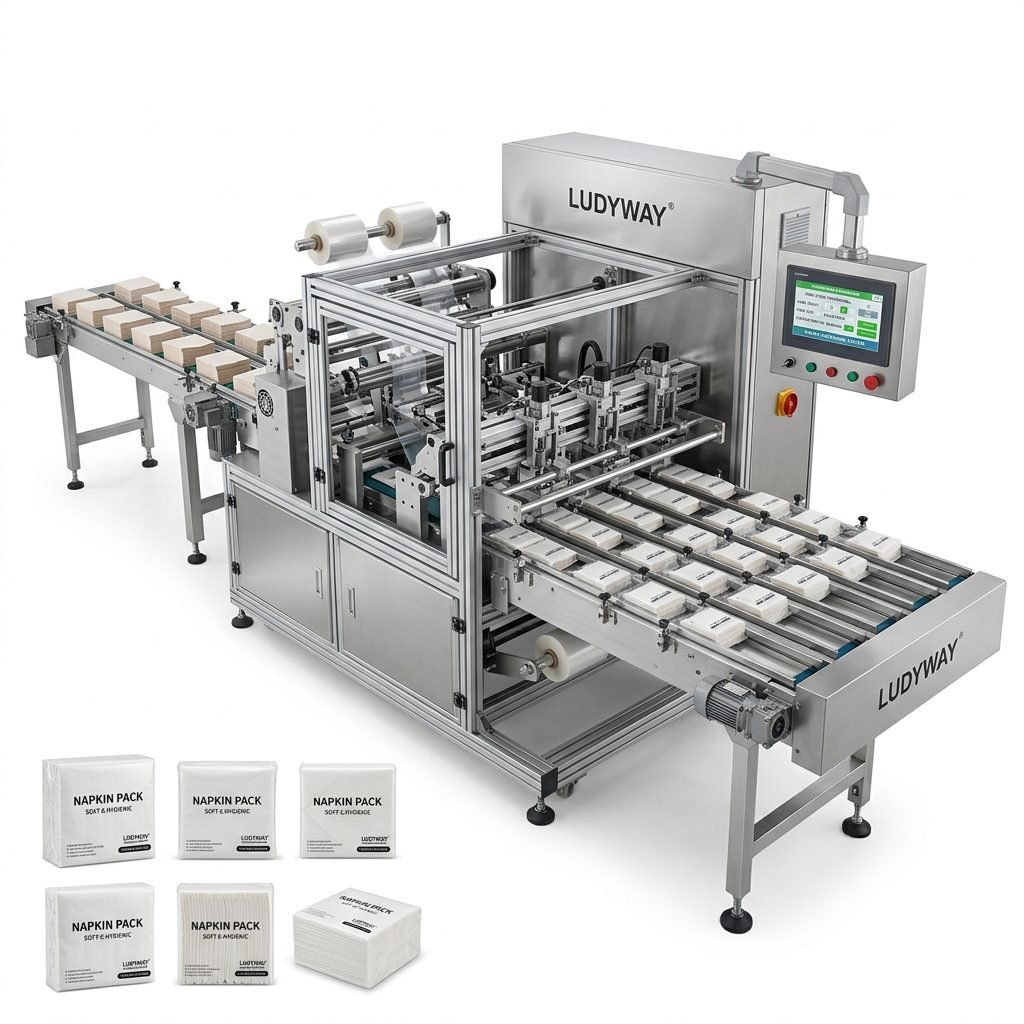
4. Calibrating the Weighing and Filling System
Inaccurate filling leads to regulatory non-compliance and significant product loss (giveaway) over time. A 15 kg scale system requires static and dynamic calibration. Use certified test weights to verify load cell accuracy weekly. If your machine uses volumetric cup fillers, check the volume displacement frequently, as density changes in granular products directly affect weight. Always recalibrate after changing product types.
- Zero the scale before every production batch.
- Perform a linearity check across multiple weight points (5kg, 10kg, 15kg).
- Inspect the vibration dampeners on the weigh frame.
5. Safety Feature Checks
Never bypass safety interlocks to speed up production. The tin packing machine’s safety guards, emergency stops, and door interlocks must be tested daily. A malfunctioning safety circuit can cause severe injury in high-torque environments. Ensure the pneumatic failsafes engage correctly when air pressure drops, preventing the sudden fall of heavy canisters.
- Test the emergency stop button to ensure immediate power cut-off.
- Verify that the guard doors trigger an instant cycle stop when opened.
- Check pressure relief valves on pneumatic cylinders.
6. Electrical and Control System Maintenance
Voltage fluctuations and heat are the main threats to your PLC and HMI units. Keep the control cabinet sealed against dust and moisture. Tighten all terminal screws, as vibration from high-speed machinery loosens connections over time. Replace backup batteries for the controller annually to prevent program loss. Additionally, check cable insulation for signs of rubbing or cracking near bending points.
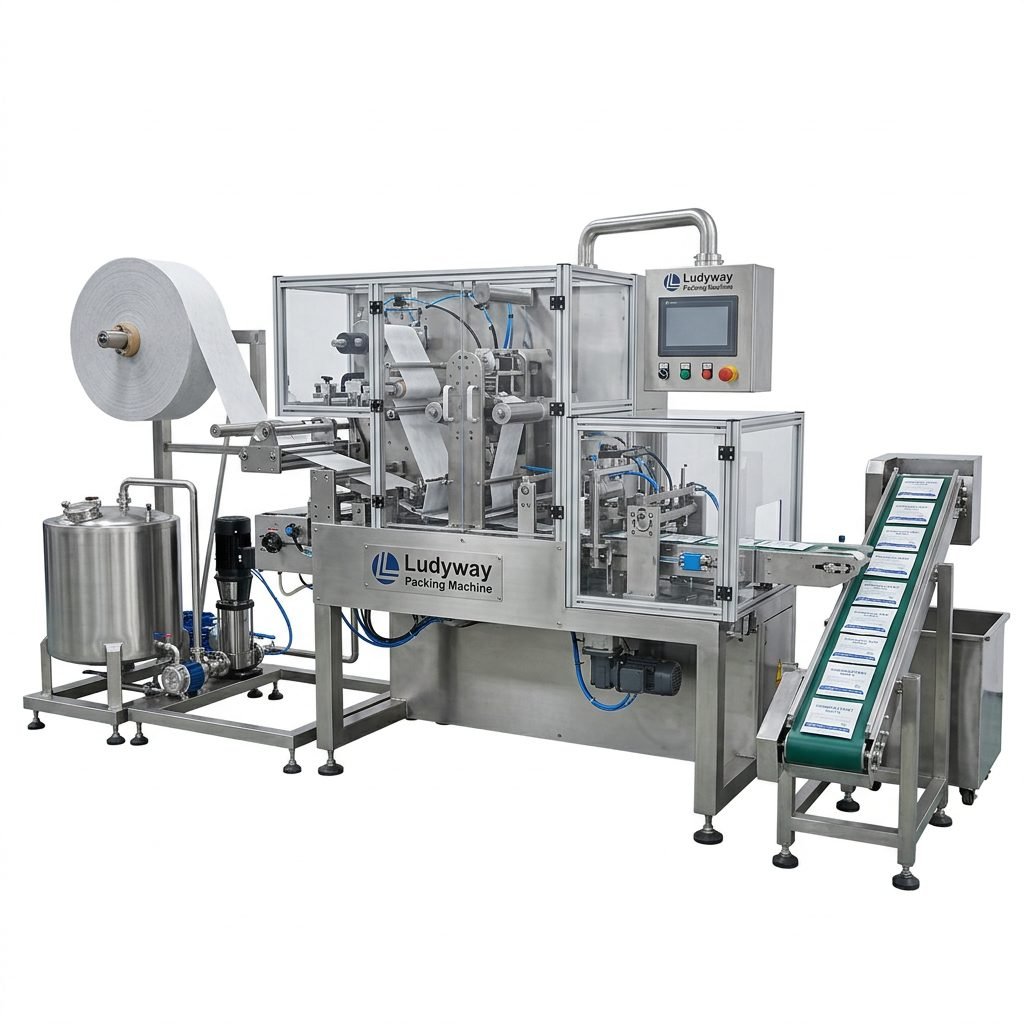
7. Operator Training and Documentation
Even the best machinery fails without skilled operators. Comprehensive training should go beyond basic start/stop functions. Operators must understand the mechanical sequence, changeover procedures, and basic troubleshooting. Maintain a shift logbook detailing all alarms, minor stoppages, and adjustments. This historical data is invaluable for predictive maintenance strategies.
- Document all maintenance actions for traceability.
- Train staff to recognize abnormal sounds (scraping, hissing, knocking).
- Keep digital backups of machine parameters.
8. Scheduled Consumable Replacement
Proactive replacement of wear parts prevents unexpected downtime. Sealing gaskets, wiper seals, vacuum cups, and drive belts have limited lifespans. Keep a critical spares kit on-site. Do not wait for a failure to replace items like the filling screw or the seaming chuck if they approach their predicted service hours. We recommend a quarterly performance audit of all consumable parts.
| Consumable Part | Typical Lifespan | Action |
|---|---|---|
| Drive Belts | 6-12 months | Replace on schedule |
| Seaming Rolls | ~2 million cycles | Inspect monthly |
| Pneumatic Seals | 12-18 months | Check for leaks daily |
9. Structural Integrity and Torque Settings
Vibration from heavy 15 kg fills can loosen bolt connections on the frame and indexing tables. Regularly torque the anchor bolts and alignment pins. Inspect the structural welding points for fatigue cracks, especially on the support legs of the weigher. A stable, level machine ensures accurate filling and prevents distorted seams.
10. Long-term Shutdown Preparation
If the machine is idle for an extended period, proper preservation is vital. Disconnect the power and air supplies and release the tension on the belts to prevent stretching. Apply a thin layer of protective oil to bare metal to prevent oxidation. Cover the machine to shield it from environmental dust, and store the hopper in a dry condition to avoid clumping issues upon restart.
Conclusion: A meticulous maintenance regime for your 15 kg tin packing machine is the most cost-effective way to ensure high throughput and product quality. By integrating these checks into your daily, weekly, and monthly schedules, you protect a critical asset that directly impacts your bottom line.
About Ludyway
Ludyway is one of the largest packaging machine manufacturers in China, specializing in advanced packaging equipment and turnkey production solutions for the food, pharmaceutical, and health industries. With over 30 years of industry expertise, we provide reliable and efficient packaging solutions for granule, powder, liquid, and pouch packaging applications. Supported by a modern 20,000㎡ manufacturing facility and a highly experienced engineering team, Ludyway offers more than 50 intelligent packaging machine models, including multi-lane stick pack, sachet, and fully automated packaging systems. Serving customers in over 100 countries and regions, we are committed to delivering innovative, high-performance, and cost-effective packaging solutions that help businesses improve productivity, product quality, and operational efficiency.
| Key Metrics | Data |
|---|---|
| Professional Packaging Experts | 130+ |
| Modern Production Facility | 20,000㎡ |
| Years of Industry Experience | 30+ |
| Manufacturing Equipment Units | 200+ |