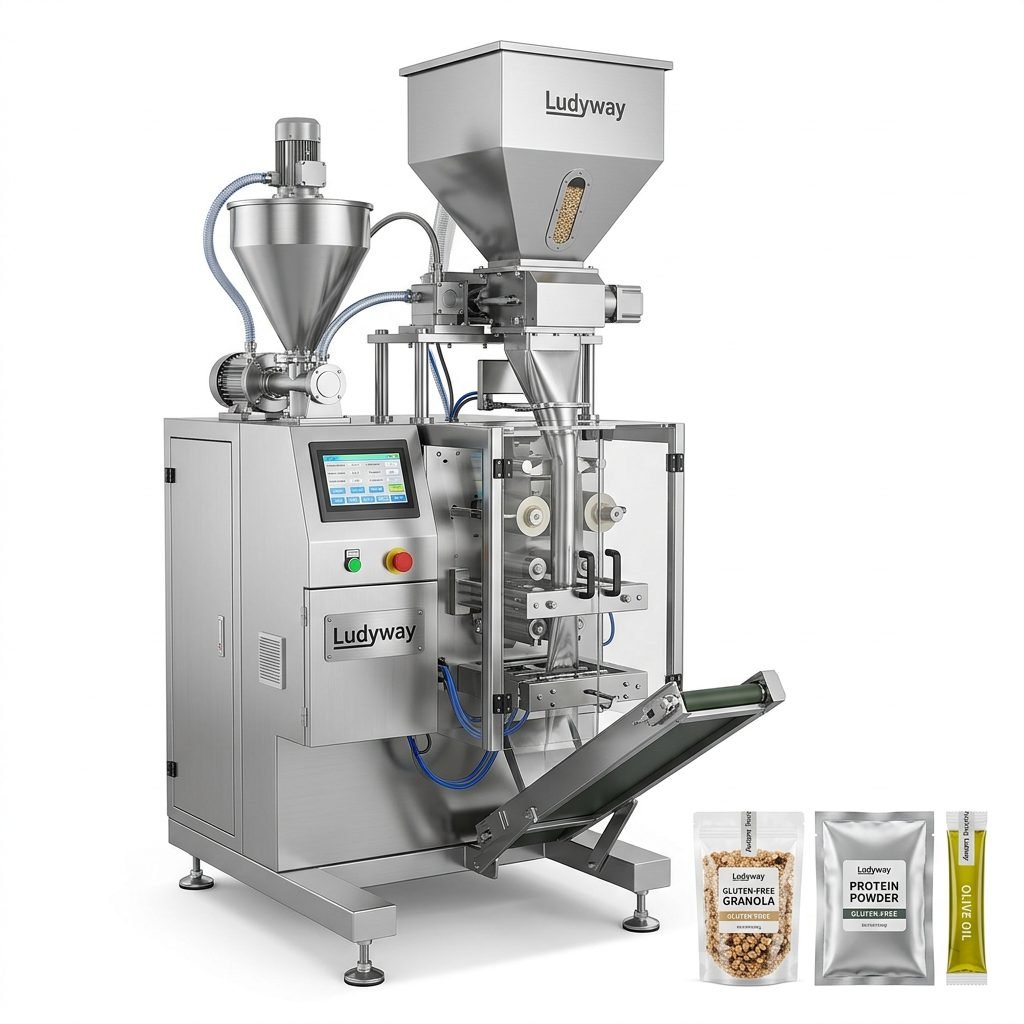
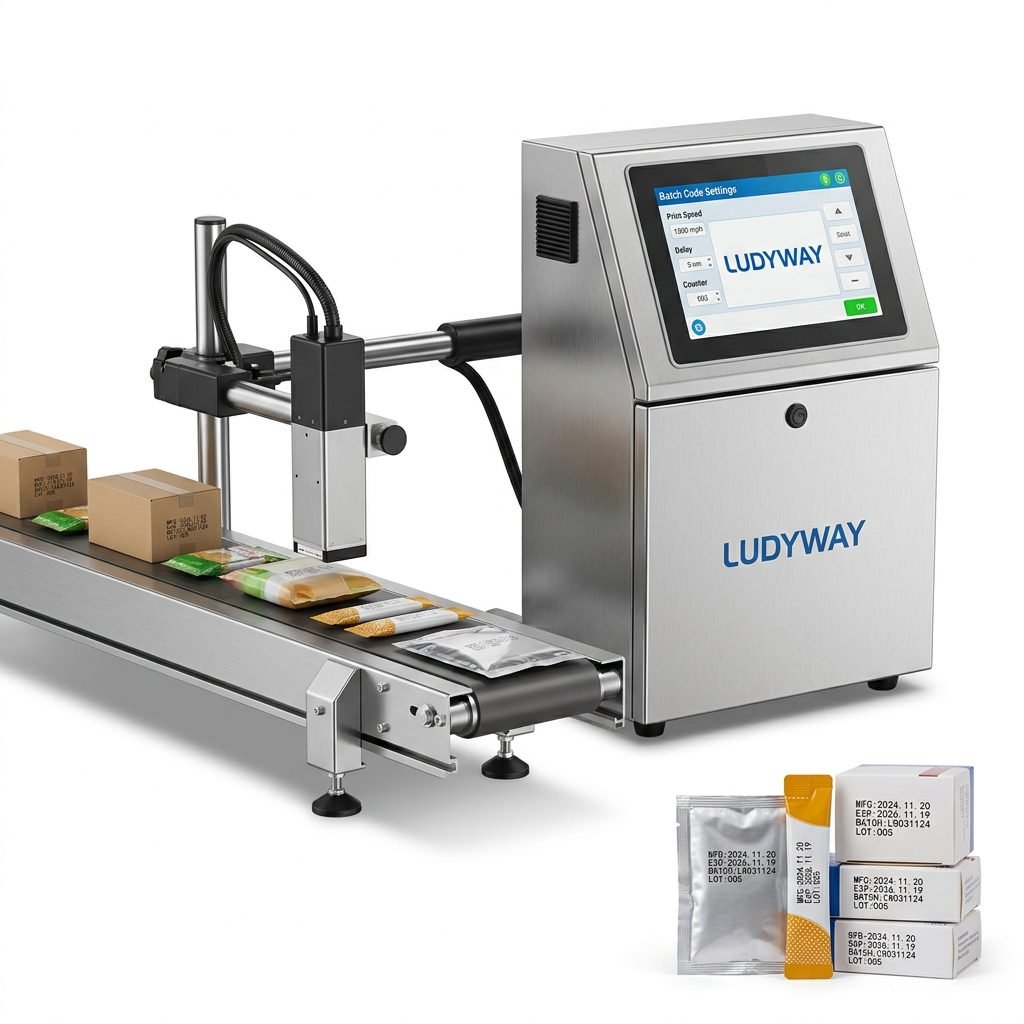
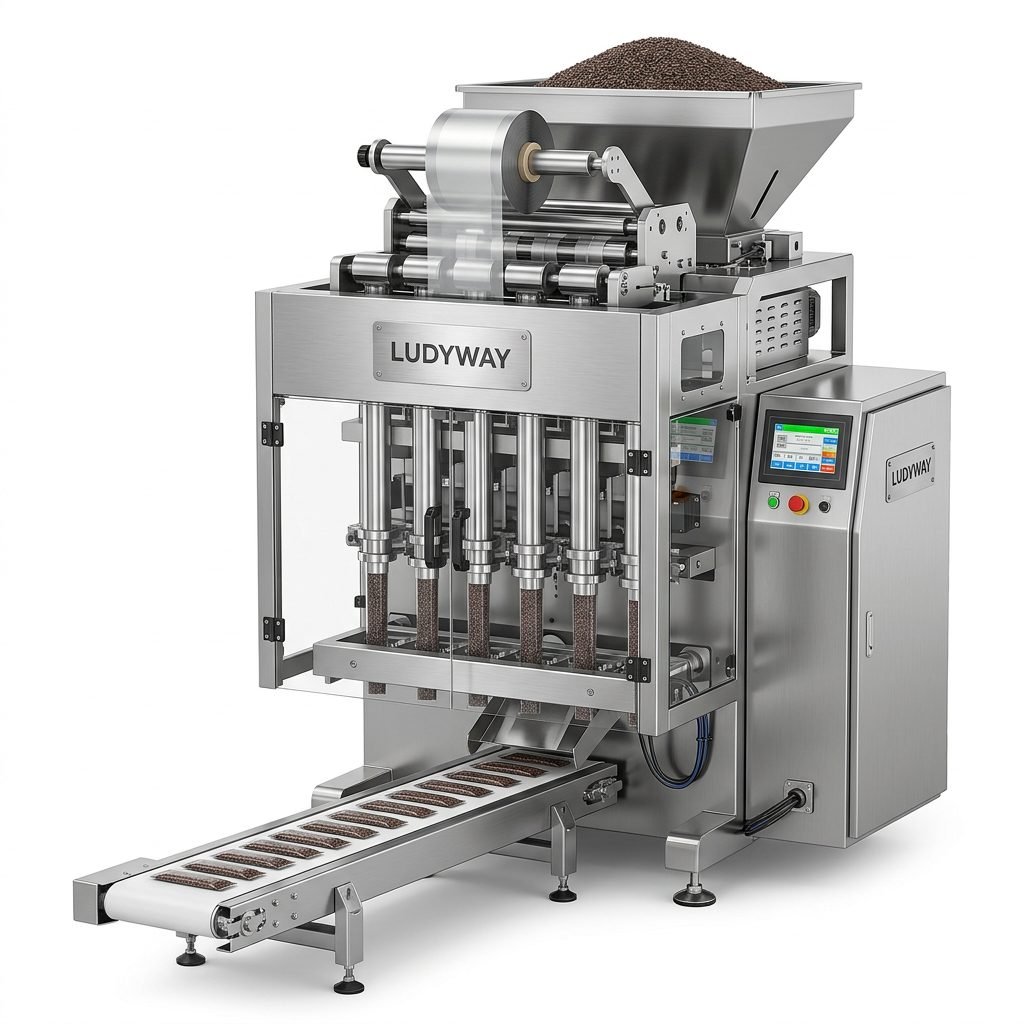
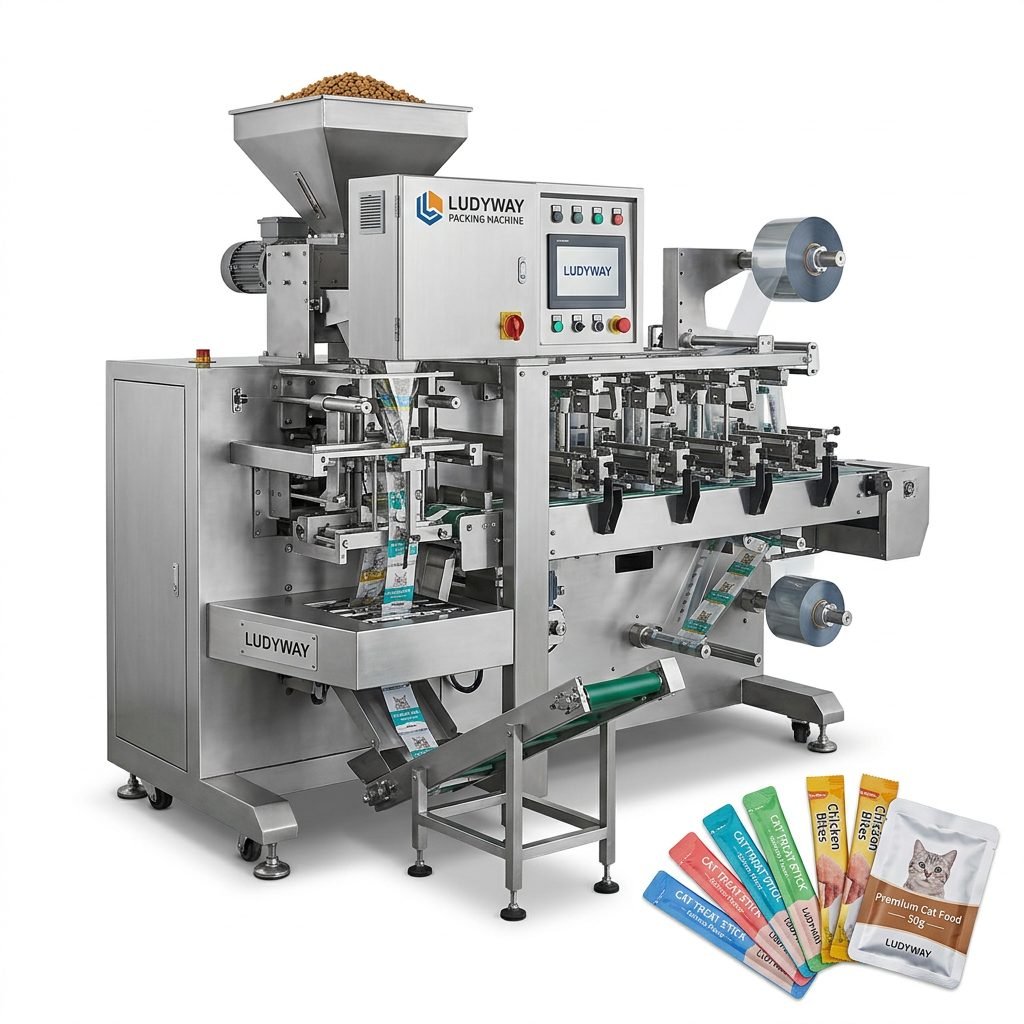
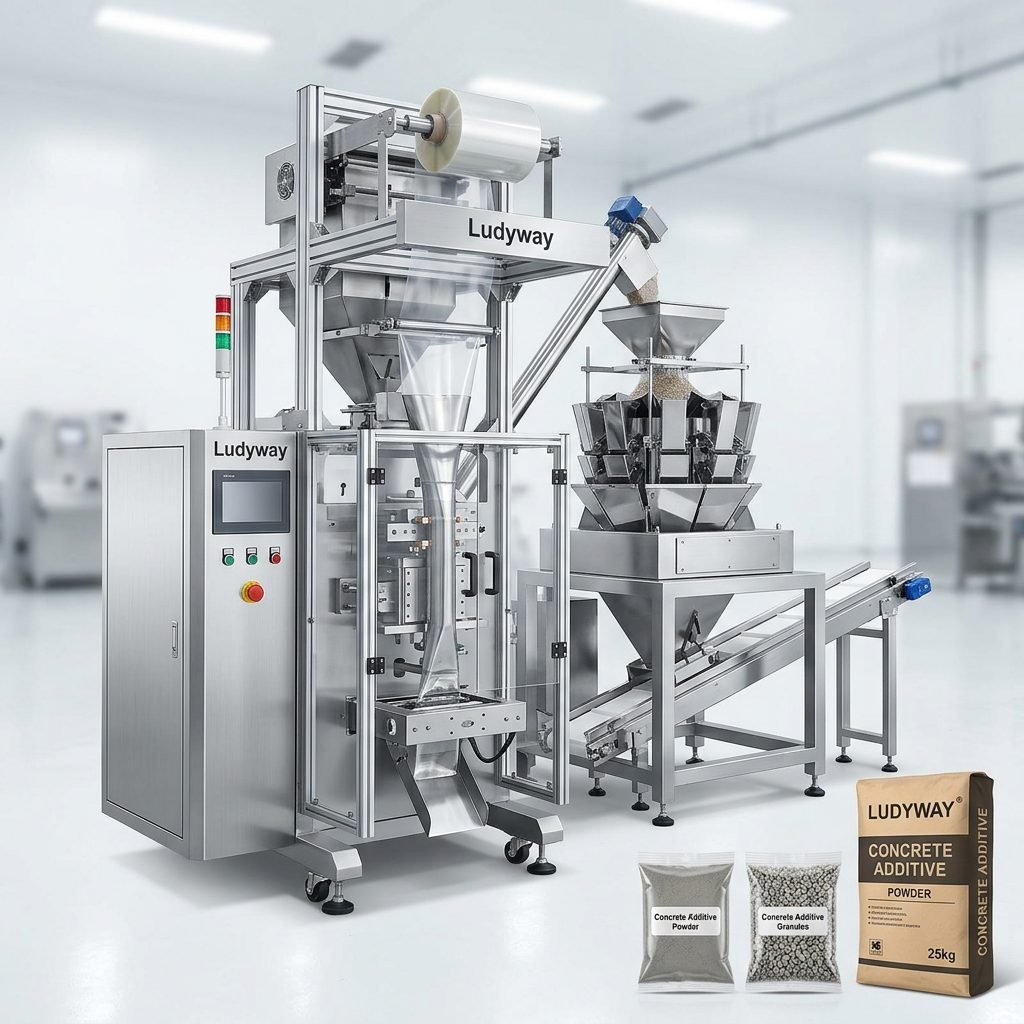
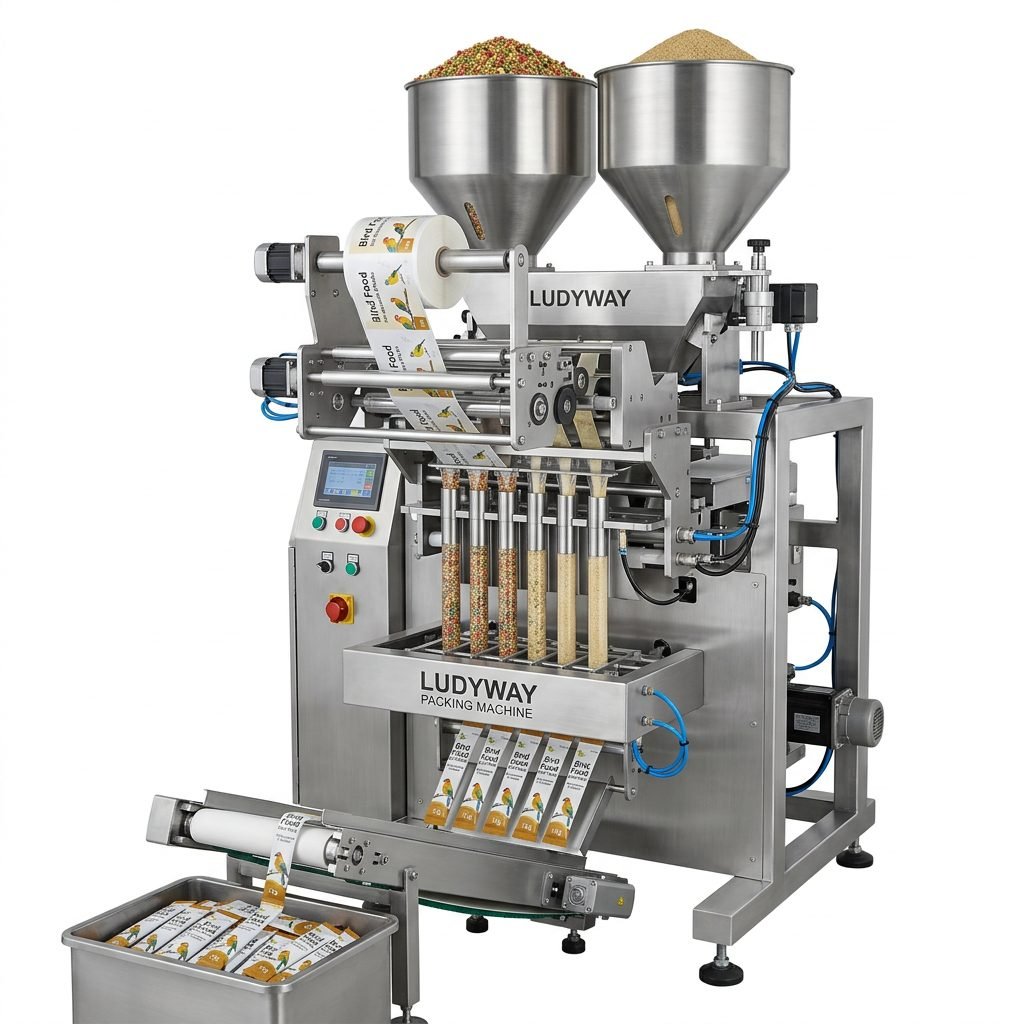
Investing in a food powder packaging machine for the North American market requires careful evaluation of production capacity, regulatory compliance, and long-term operational efficiency. From protein powders and spices to infant formula and beverage mixes, the demand for precision powder packaging continues to grow across the United States and Canada. This guide covers the essential factors to consider before making a purchase decision.
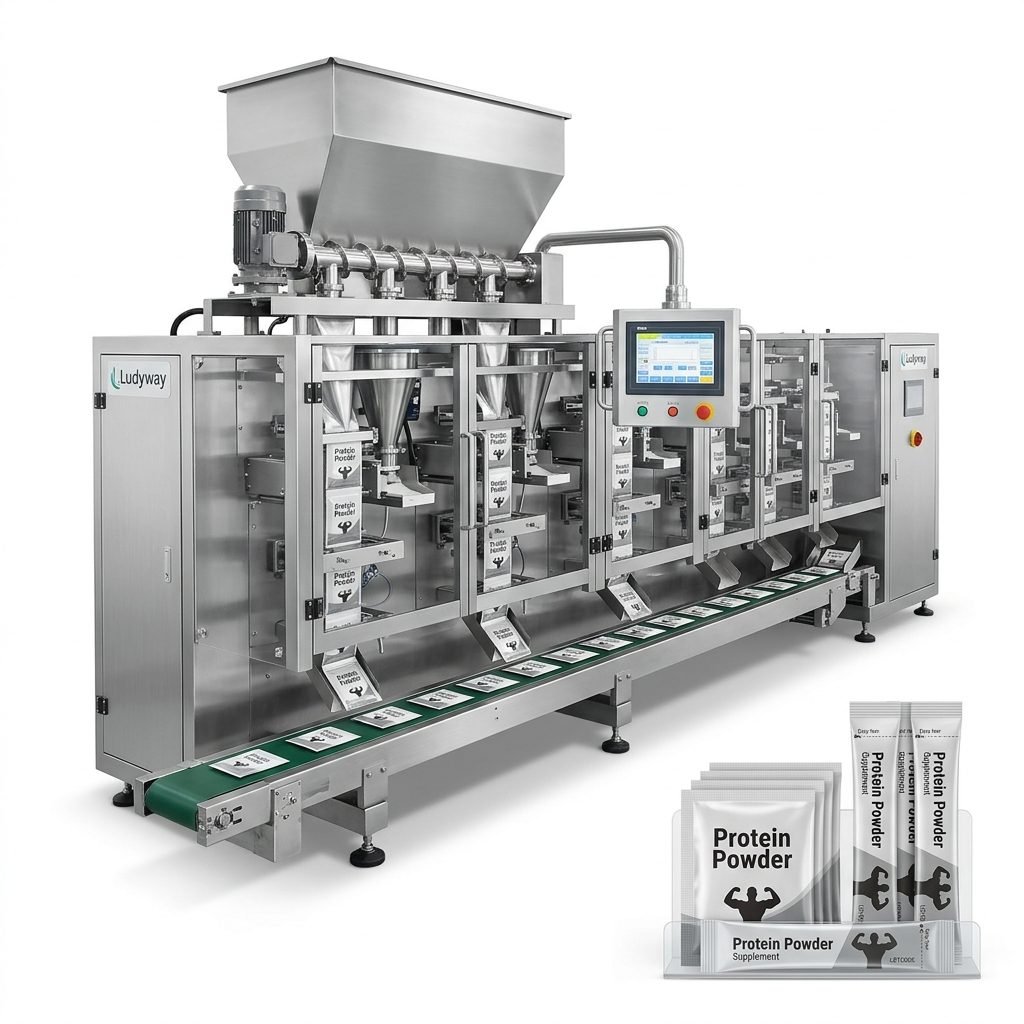
Understanding the North American Powder Packaging Landscape
The North American food packaging machinery market is projected to experience steady growth, driven by increasing consumer demand for convenient, portion-controlled powder products. According to industry data from the PMMI State of the Industry Report, flexible packaging formats—including stick packs and sachets—are among the fastest-growing segments. Powder-based products such as protein supplements, coffee creamers, baking mixes, and nutritional powders require specialized equipment capable of handling fine particles while maintaining fill accuracy and seal integrity.
When sourcing a powder packaging machine, North American buyers must prioritize speed, hygiene standards, and material compatibility. The FDA food packaging regulations impose strict requirements on food contact surfaces, cleanability, and contamination prevention. Selecting equipment that meets or exceeds these standards from the outset can save significant compliance costs down the line.
Key Machine Types for Powder Packaging
Choosing the right machine type depends on your target package format, production volume, and powder characteristics. Below is a comparison of the most common configurations used in North American facilities:
| Machine Type | Best For | Typical Speed Range | Key Advantage |
|---|---|---|---|
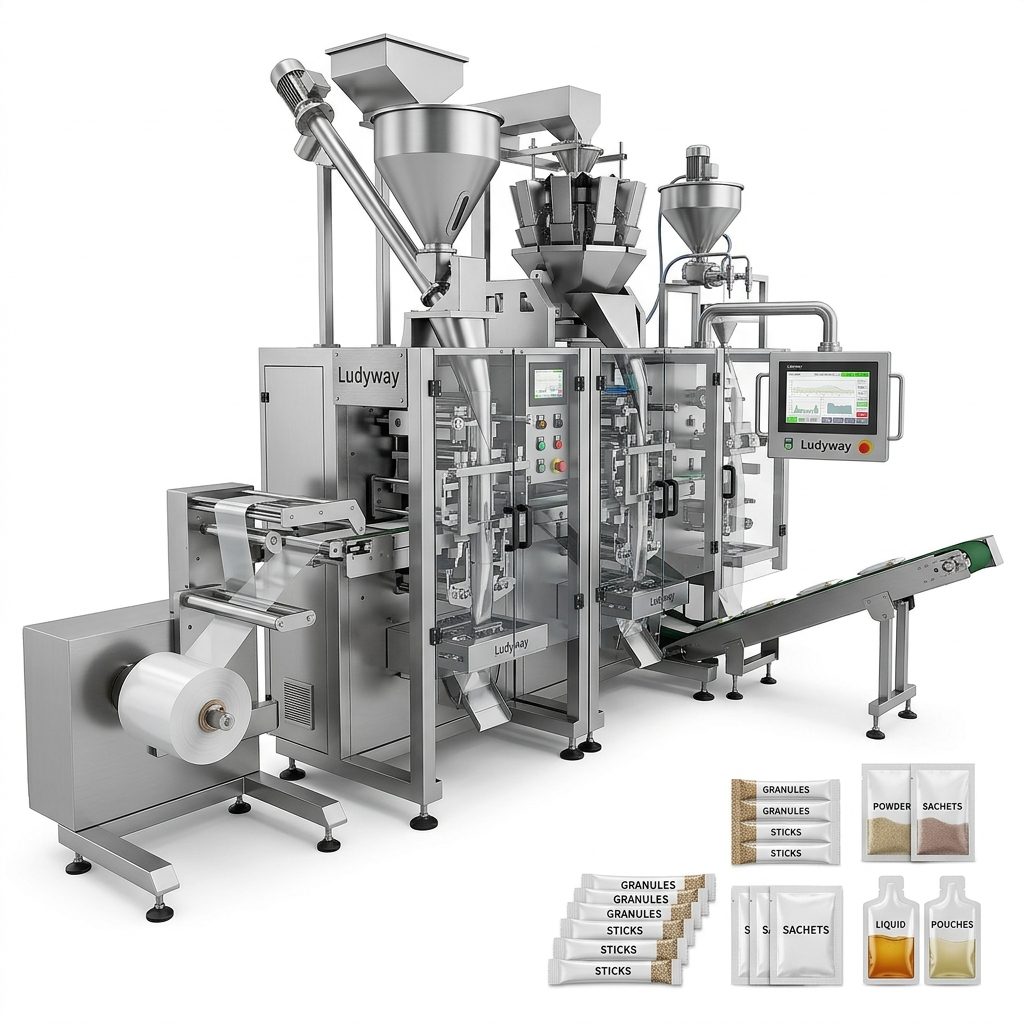
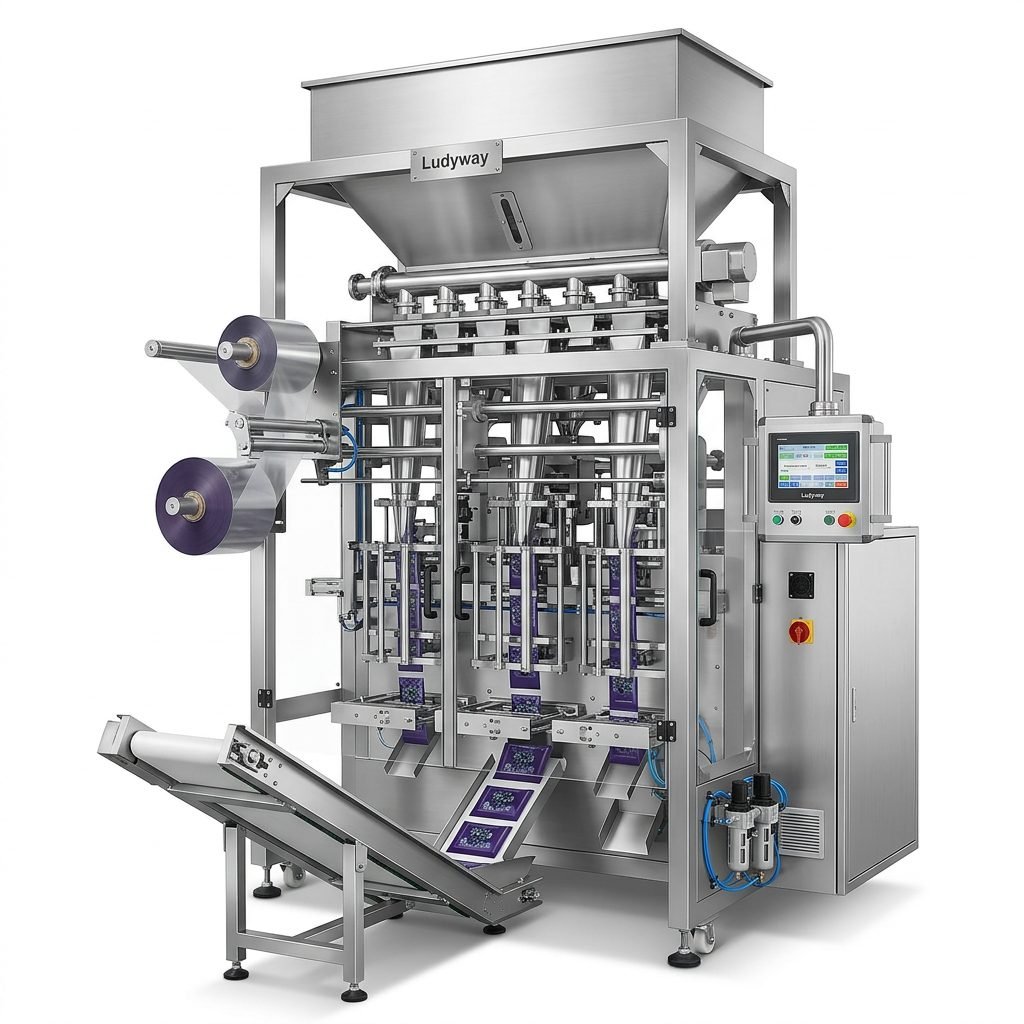
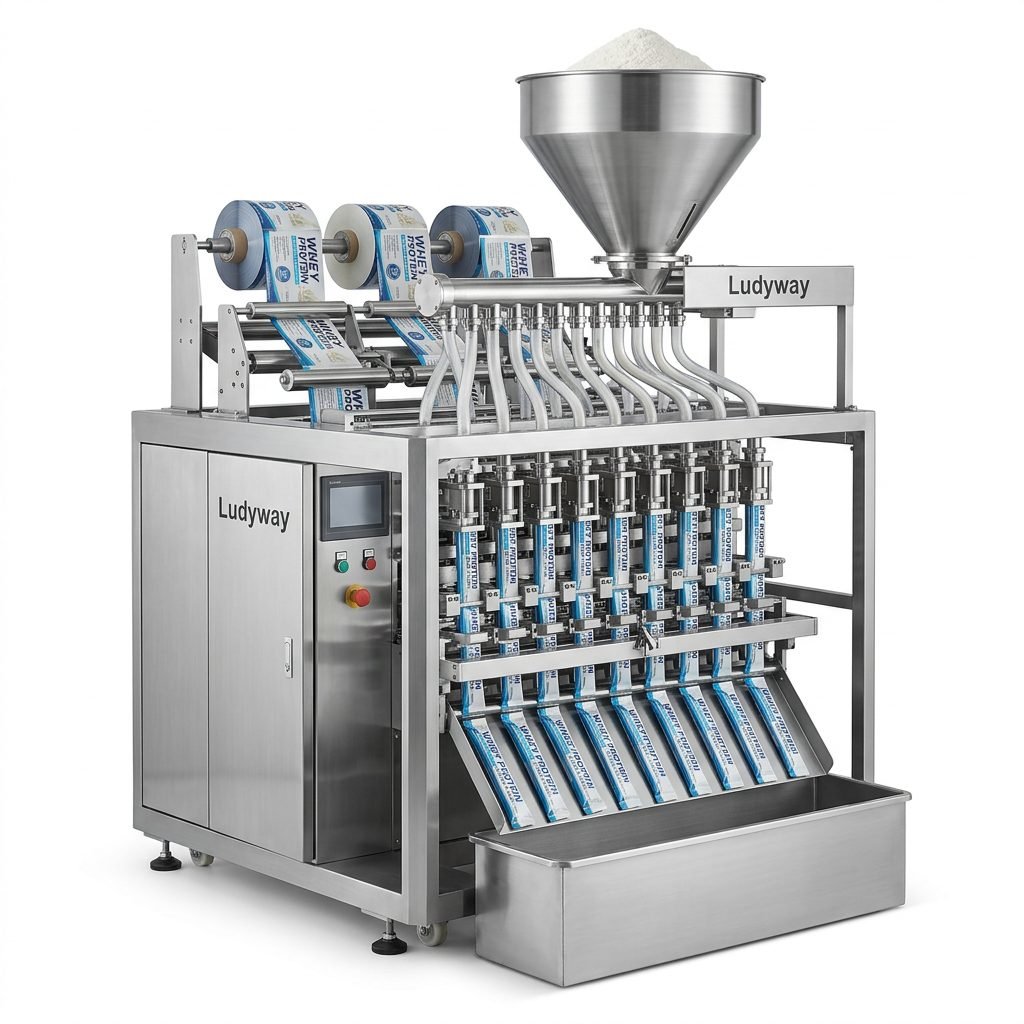
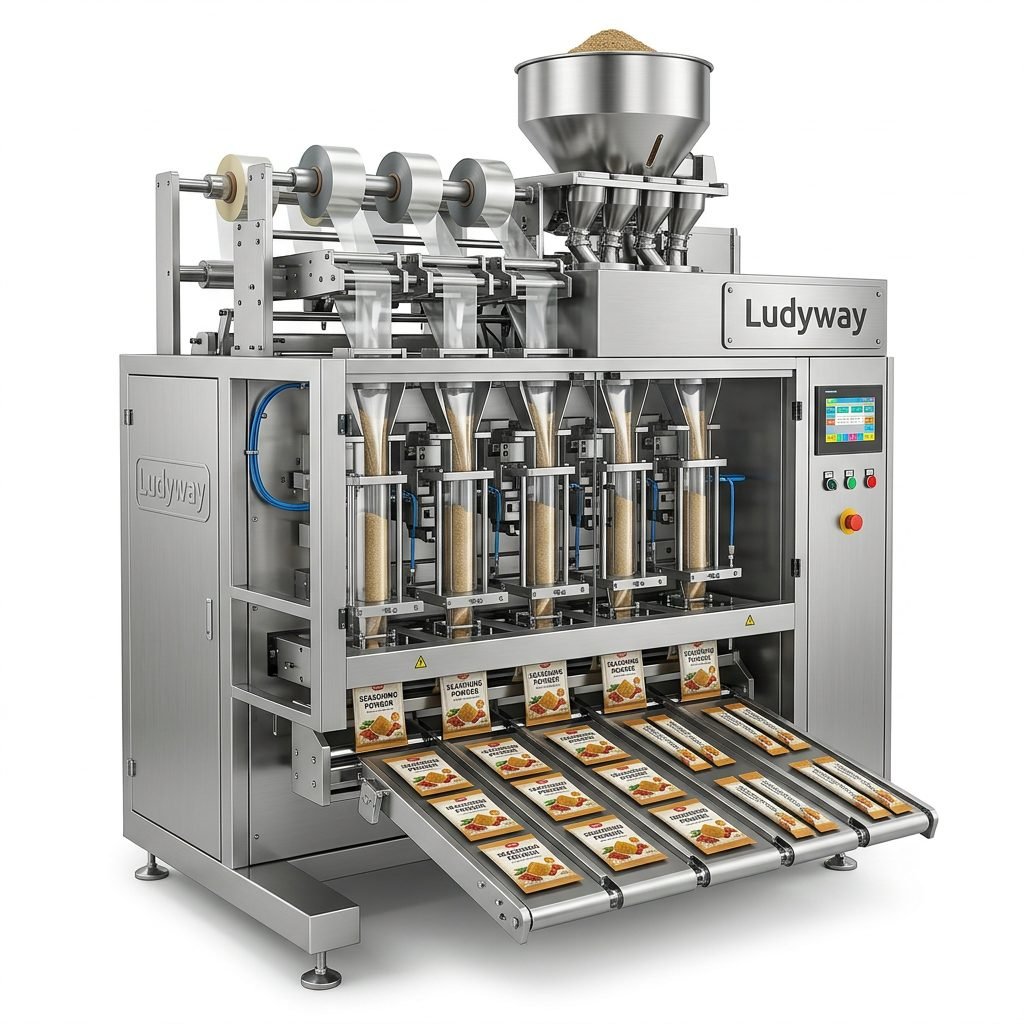
| Multi-Lane Stick Pack | Protein powders, drink mixes, supplements | 30-60 cycles/min per lane | High throughput, portion control |
| Vertical Form Fill Seal (VFFS) | Baking mixes, flour, bulk powders | 20-80 bags/min | Versatile bag sizes, cost-effective |
| Premade Pouch Filling | Specialty powders, organic products | 15-40 pouches/min | Premium appearance, zipper options |
| Single-Lane Sachet | Seasonings, instant coffee, samples | 40-120 sachets/min | Compact footprint, easy changeover |
| Bulk Bag Filling | Industrial food ingredients, large volumes | 5-15 bags/min | Heavy-duty, 25kg+ capacity |
Critical Technical Specifications to Evaluate
Before contacting suppliers, establish clear technical requirements. The Flexible Packaging Association emphasizes that powder characteristics—including bulk density, flowability, moisture sensitivity, and particle size distribution—directly impact machine performance. Fine powders such as whey protein or cocoa require different filling mechanisms compared to granular products like sugar or salt.
Filling Accuracy and Weighing Technology
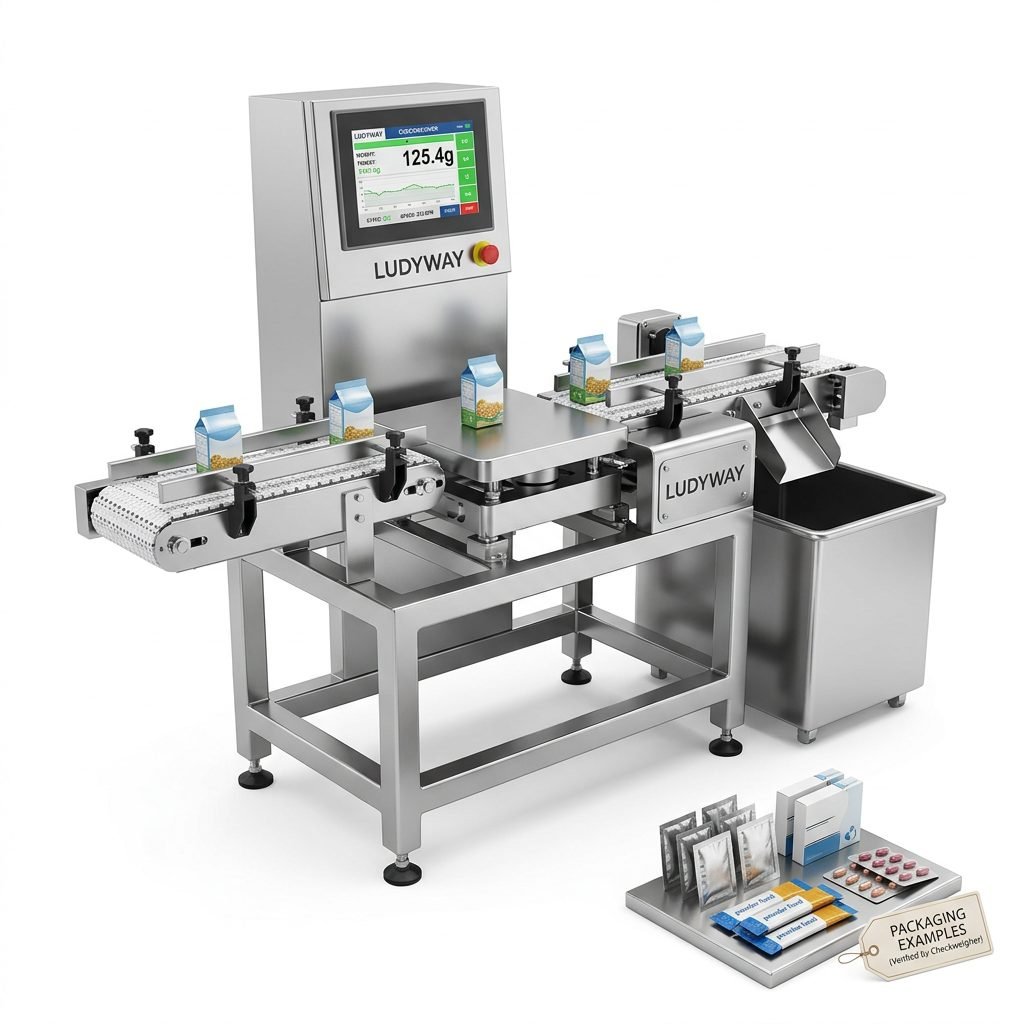
North American brands demand precise weight control to meet net content regulations enforced by agencies like the FDA and Measurement Canada. Auger fillers are widely used for powder applications due to their volumetric accuracy, while multi-head weighers offer superior precision for free-flowing granules. For high-value powders, consider machines equipped with checkweigher feedback systems that automatically adjust fill parameters in real time.
Sealing Integrity and Packaging Materials
Powder contamination on seal areas is a leading cause of package failure. Look for machines with effective dust extraction systems and precision heat-sealing controls. Multi-lane machines processing at high speeds should include independent temperature regulation per sealing station. The machine should also be compatible with a range of laminated films, foil-based structures, and recyclable materials to accommodate evolving sustainability requirements in the North American market.
Regulatory Compliance for the North American Market
Any food powder packaging machine installed in the United States or Canada must align with several regulatory frameworks. Key considerations include:
- FDA 21 CFR Part 110/117: Current Good Manufacturing Practice (cGMP) requirements for food processing equipment design and sanitation.
- 3-A Sanitary Standards: Applicable for dairy-based powders and products requiring the highest hygiene levels.
- UL/CSA Electrical Certification: All electrical components must carry UL listing or CSA approval for installation in North American facilities.
- OSHA Safety Requirements: Machine guarding, emergency stops, and lockout/tagout procedures must meet OSHA standards.
Reference the ISO packaging standards for internationally recognized guidelines on machine safety and performance validation. Buyers should request documentation proving compliance before finalizing any purchase.
Automation and Integration Capabilities
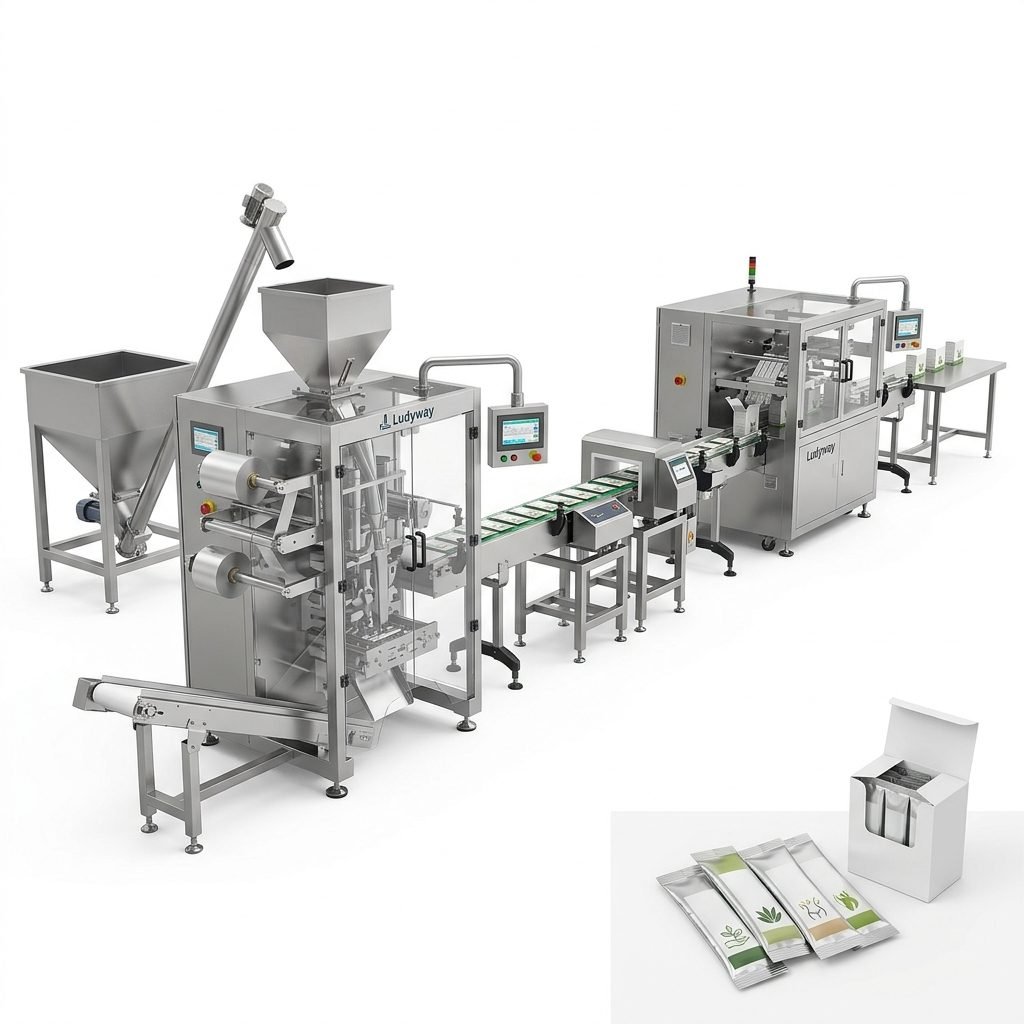
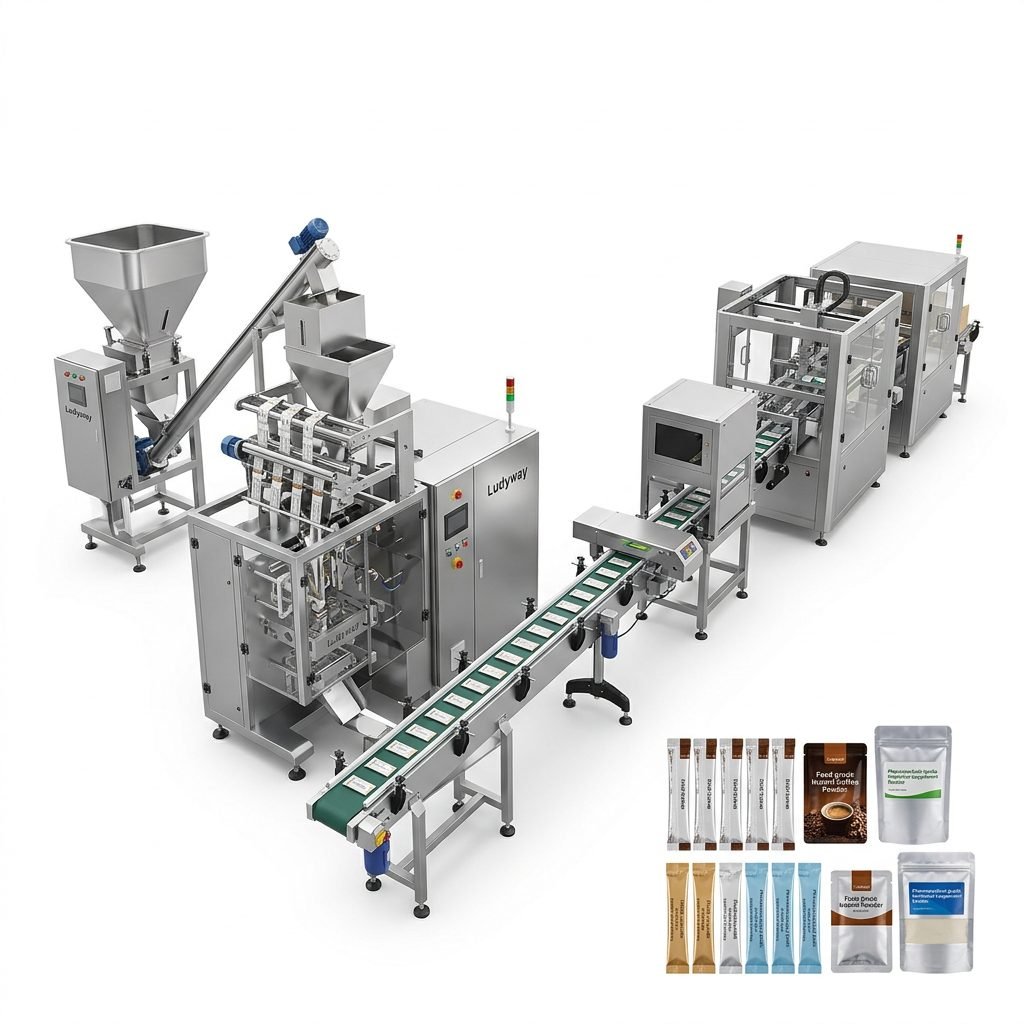
Modern North American food production facilities increasingly demand turnkey packaging solutions that integrate seamlessly with upstream and downstream equipment. A complete powder packaging line may include automatic feeding systems, multi-lane filling stations, checkweighers, metal detectors, cartoning machines, and palletizing systems. Selecting a supplier with full line integration expertise reduces project risk and ensures single-point accountability.
Smart Features and Industry 4.0 Readiness
Leading packaging machines now include remote monitoring, data logging, and predictive maintenance alerts compatible with plant-wide SCADA or MES systems. For North American operations facing skilled labor shortages, intuitive HMI interfaces and quick-change tooling can significantly reduce operator training time and downtime between product runs.
Total Cost of Ownership Analysis
While upfront machine cost is important, North American buyers should evaluate total cost of ownership (TCO) over a typical 10-15 year service life. Key cost factors include:
- Energy consumption: High-efficiency servo drives reduce long-term electrical costs.
- Spare parts availability: Ensure critical wear components are stocked in North American warehouses.
- Film waste rates: Precision tension control and splicing systems minimize material waste.
- Maintenance labor: Modular designs with tool-free access panels reduce service time.
- Technical support: Verify that the supplier offers English-language support during North American business hours.
Evaluating Supplier Capabilities
When comparing food powder packaging machine suppliers, look beyond the equipment specification sheet. Request factory acceptance testing (FAT) protocols, visit existing installations if possible, and verify the supplier’s experience with powder products similar to yours. A supplier with a proven track record in the North American market will understand local installation requirements, including electrical standards, compressed air specifications, and building code compliance.
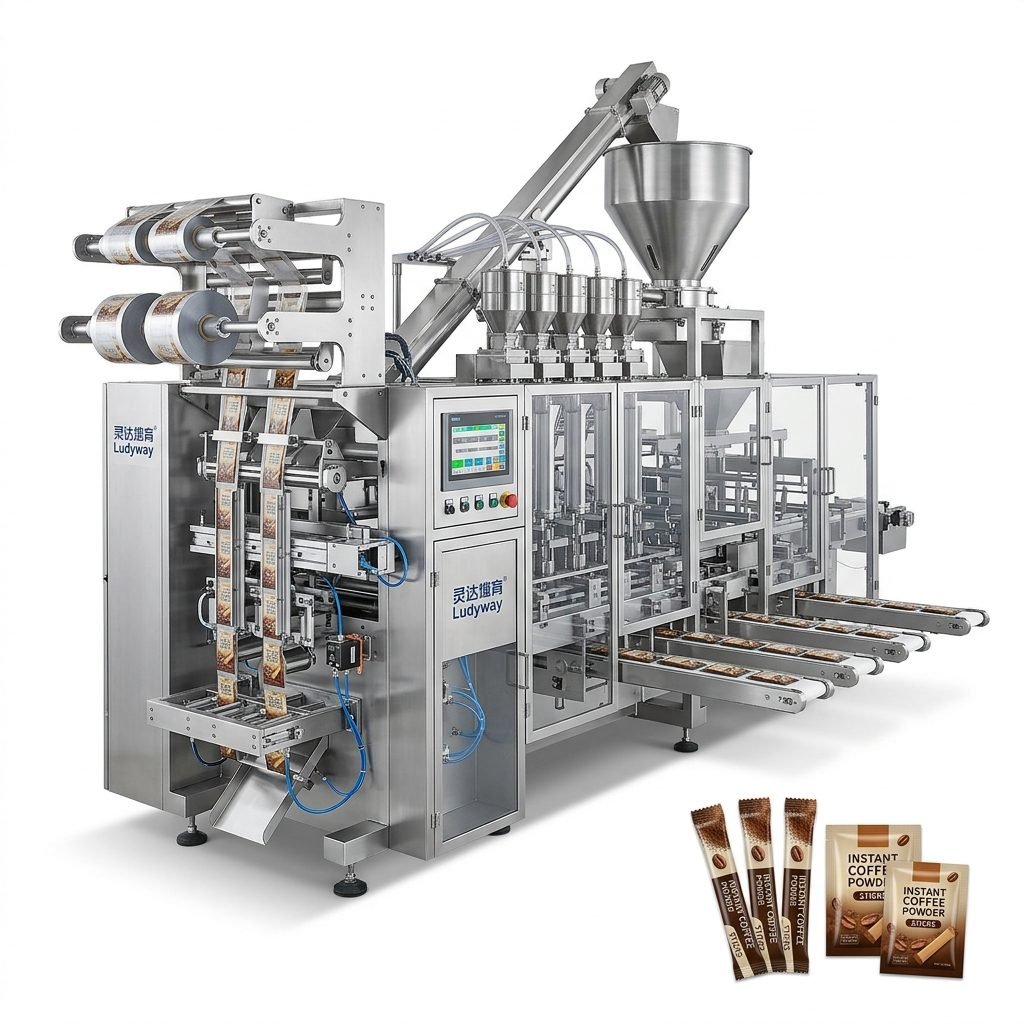
One manufacturer with extensive global experience in powder packaging is Ludyway, which offers over 50 intelligent packaging machine models suitable for food, pharmaceutical, and health industry applications. With more than 30 years of industry expertise and a modern manufacturing facility, the company serves customers in over 100 countries with advanced packaging equipment and turnkey production solutions.
Common Pitfalls to Avoid
Many first-time buyers in North America encounter preventable issues when purchasing a powder packaging machine. Insufficient powder testing prior to machine selection often leads to poor fill accuracy and excessive dust generation. Similarly, underestimating future capacity needs can result in premature equipment replacement. Always build in at least 20-30% capacity headroom above current requirements. Finally, verify that the supplier provides comprehensive installation, commissioning, and operator training services—these are essential for achieving fast ramp-up and sustained performance in a North American production environment.
Packaging Sustainability Considerations
North American retailers and consumers increasingly prioritize sustainable packaging. When selecting your powder packaging machine, confirm compatibility with recyclable mono-material films, compostable structures, and reduced-gauge laminates. Machines capable of running thinner films without compromising seal integrity offer both environmental and cost benefits. The Flexible Packaging Association provides ongoing research on sustainable packaging trends relevant to North American food manufacturers.
Making the Final Decision
Selecting the right food powder packaging machine for the North American market requires balancing technical capability, regulatory compliance, supplier reliability, and long-term value. By thoroughly evaluating powder characteristics, required output, automation needs, and total cost of ownership, you can invest in a packaging solution that supports both current operations and future growth. Take the time to conduct on-site demonstrations, review compliance documentation, and establish clear performance guarantees before signing any purchase agreement.
A well-chosen powder packaging machine will serve as a critical production asset for years to come, delivering consistent quality, efficient operation, and the flexibility to adapt to changing market demands across the competitive North American food industry.