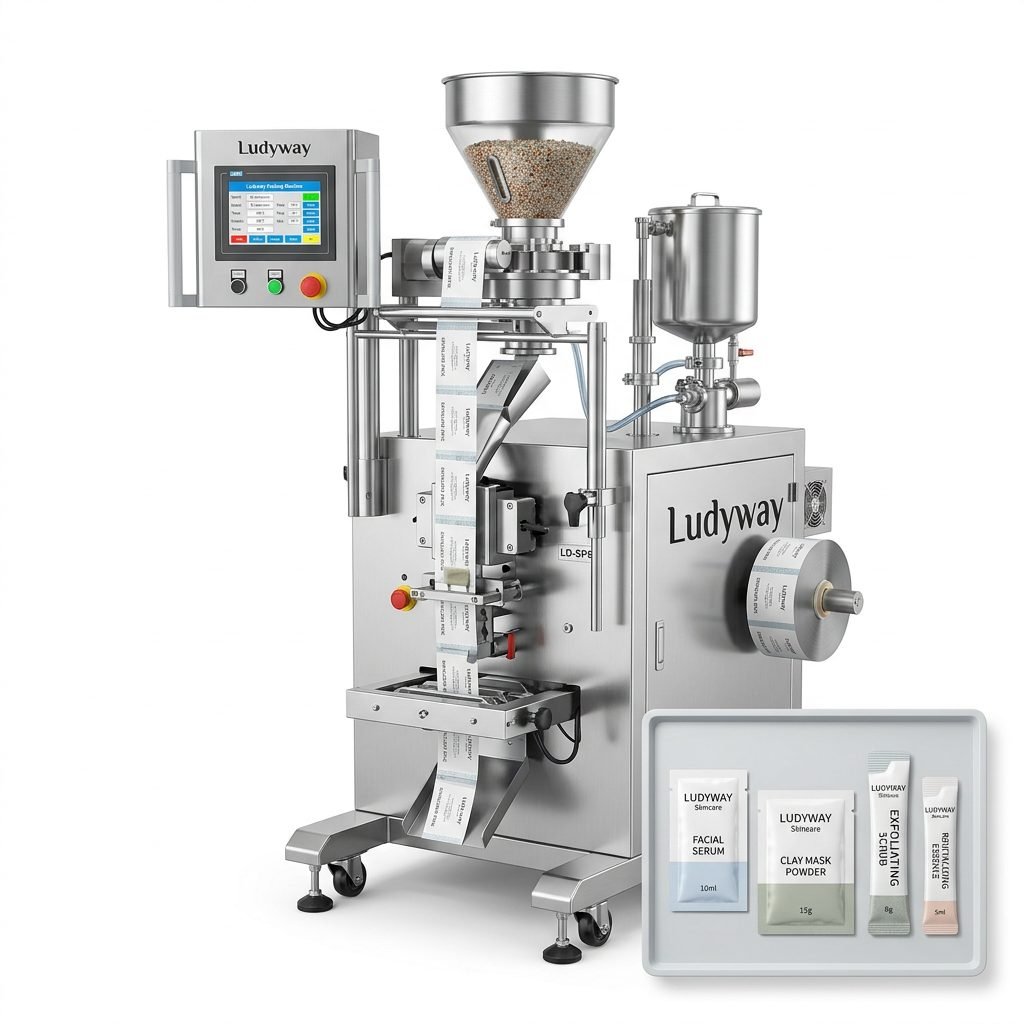
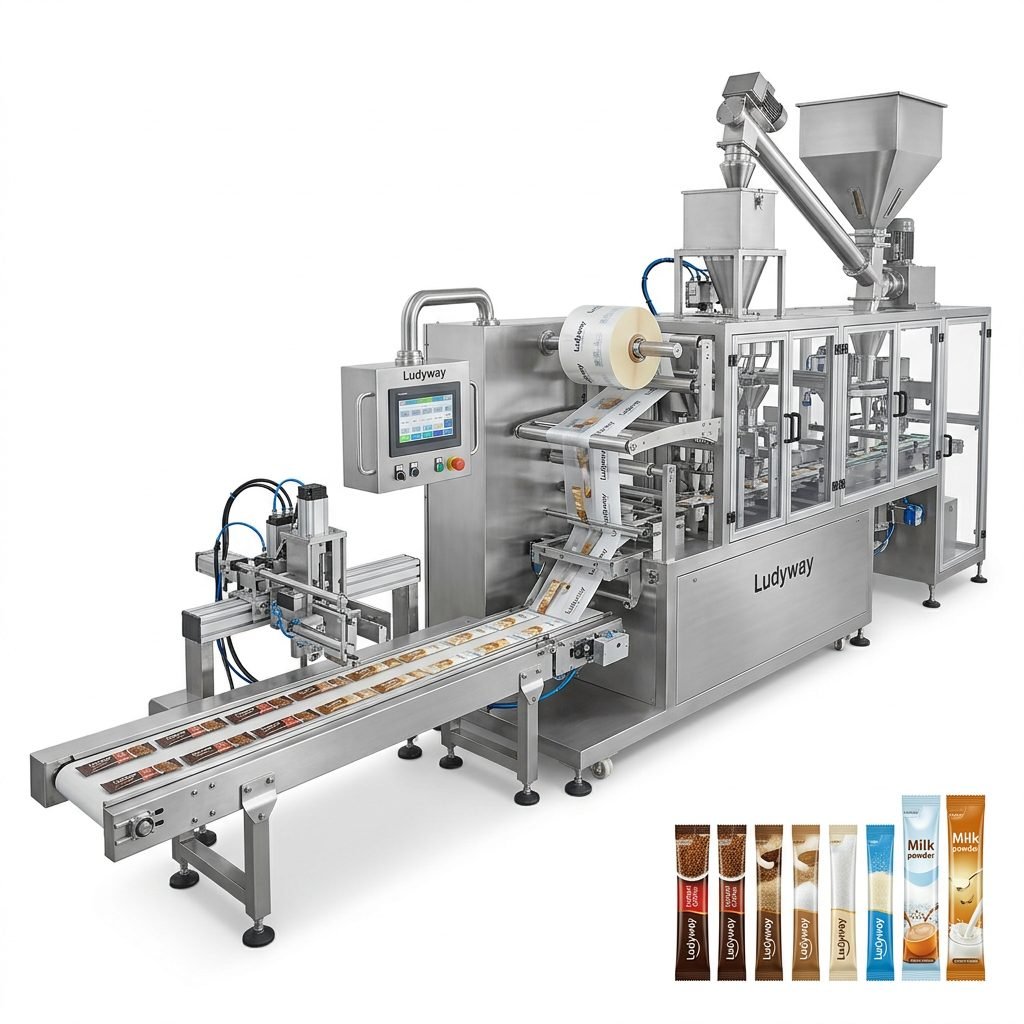
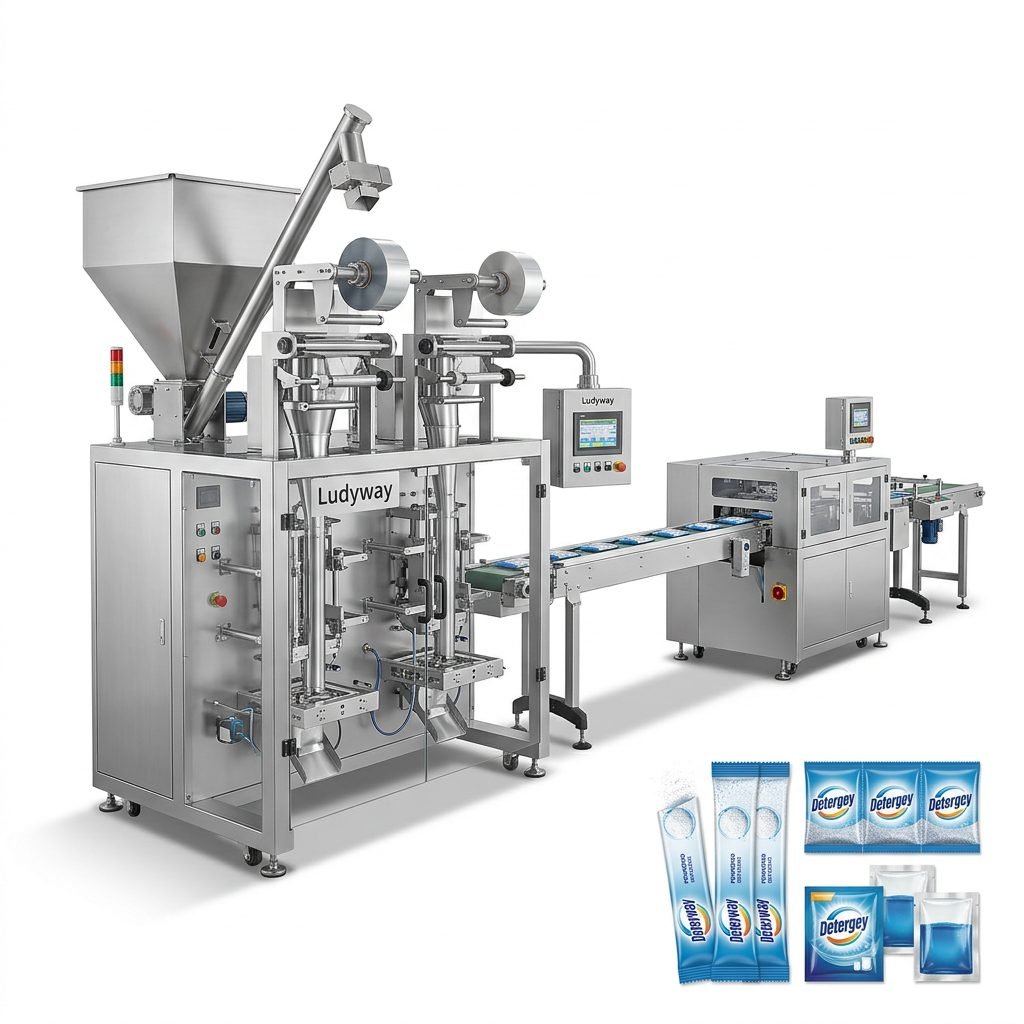
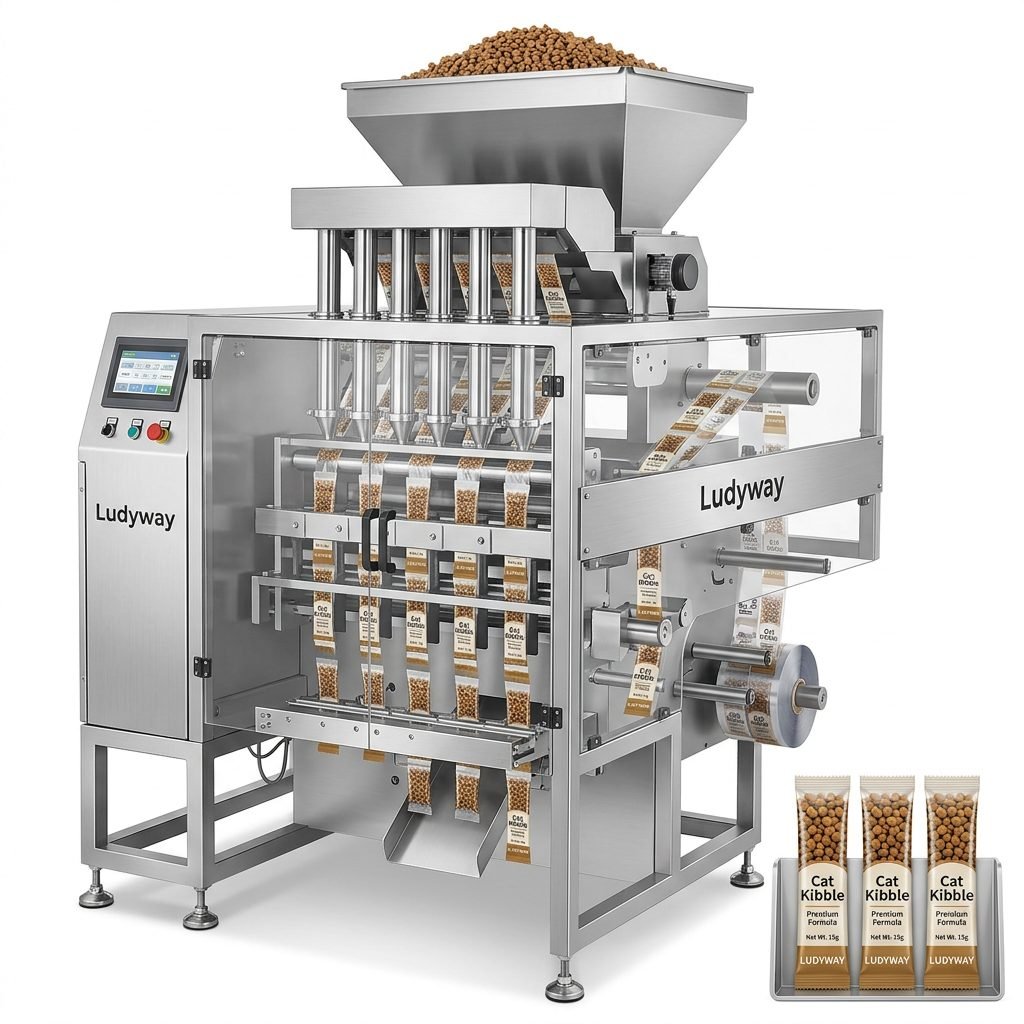
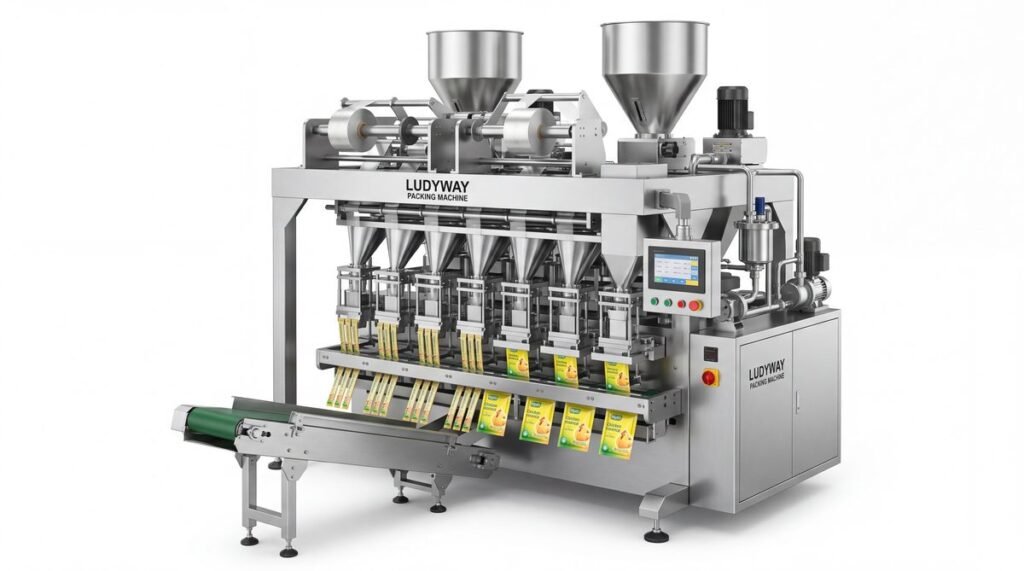
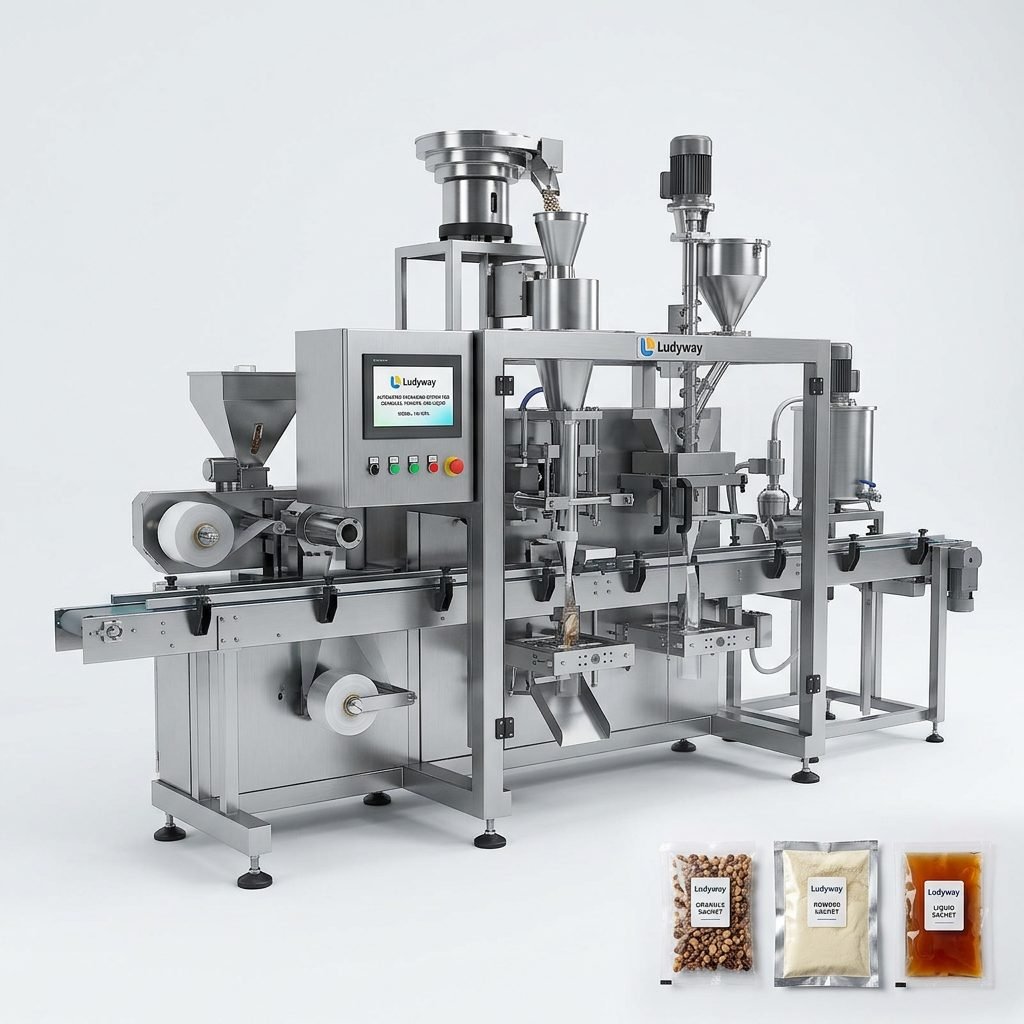
Investing in a chub packaging machine is a significant decision for meat processors, cheese manufacturers, and pet food producers across Australia and New Zealand. The Oceania market has unique demands shaped by strict food safety regulations, export-quality standards, and a growing consumer preference for convenient, portion-controlled packaging. Selecting the right chub filler can directly impact your production efficiency, product shelf life, and overall profitability.
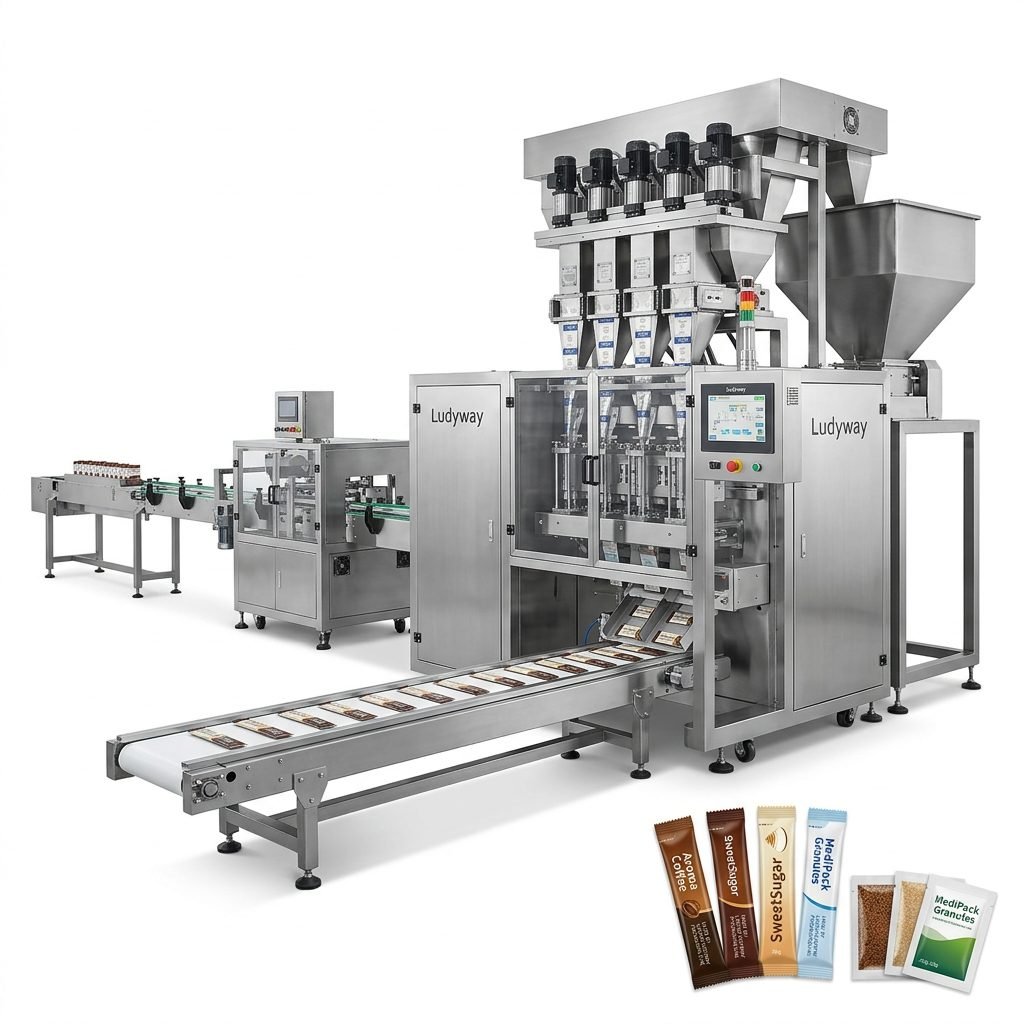
Understanding Chub Packaging Technology
A chub packaging machine — often called a chub filler or chub packer — is designed to fill viscous products such as ground meat, sausage, processed cheese, cookie dough, and certain pet foods into continuous tube-shaped film. The film is formed, filled, clipped at both ends, and separated into individual chubs. This packaging format offers excellent product protection, extended shelf life, and efficient material usage compared to rigid containers. For Oceania processors targeting both domestic supermarkets and export markets, flexible packaging resources consistently highlight chub formats as a cost-effective solution with strong barrier properties.
Why Chub Packaging Matters in the Oceania Market
Australia and New Zealand have some of the world’s most rigorous food safety and traceability requirements. The chub format aligns well with these standards due to its hermetic sealing and minimal product exposure during the filling process. Key market drivers include:
- Export Compliance: Chub-packaged meat and dairy products must meet FDA food packaging guidelines for markets like the US, as well as European packaging regulations for EU-bound goods.
- Retail Shelf Appeal: Chub packs provide a clean, uniform appearance that resonates with Oceania consumers who value product visibility and portion control.
- Operational Efficiency: High-speed chub fillers can process thousands of units per hour, reducing labor costs in markets with high wage structures like Australia.
- Sustainability Goals: Flexible film packaging often generates less waste by weight than rigid alternatives, supporting New Zealand’s packaging waste reduction targets and sustainable materials management initiatives.
Key Factors to Evaluate When Choosing a Chub Filler
Selecting the right chub packaging machine requires a thorough assessment of your production environment, product characteristics, and business goals. Below are the critical evaluation criteria for Oceania buyers.
1. Production Speed and Capacity Requirements
Chub fillers vary significantly in throughput — from semi-automatic models producing 30-40 units per minute to fully automated high-speed systems exceeding 150 units per minute. Australian mid-sized processors often start with machines in the 60-80 units per minute range, while large export-oriented facilities in New Zealand may require multi-lane configurations. Consider not just current demand but projected growth over a 3-5 year horizon.
2. Product Viscosity and Particulate Handling
Different chub fillers handle varying product consistencies. Ground meat with high fat content, chunky pet food with visible particulates, and smooth cheese spreads each demand specific pump technologies and filling nozzle designs. Positive displacement pumps generally offer superior accuracy for viscous products, while auger-based systems may better suit products with irregular particle sizes. Always request product testing with your actual formulation before committing to a machine.
3. Film Compatibility and Sealing Integrity
The Oceania climate — with its humidity variations and long shipping distances — makes barrier film selection crucial. Your chub filler must be compatible with multi-layer films that provide oxygen, moisture, and UV protection. Seal integrity is non-negotiable; look for machines with adjustable temperature controls, pressure monitoring, and automated seal inspection systems. Compliance with ISO 11607 packaging standards for seal strength and integrity validation is increasingly expected by Oceania retailers.

4. Cleanability and Hygiene Design
Given the strict biosecurity standards enforced by Australian and New Zealand authorities, your chub packaging machine should feature sanitary design principles. Key hygiene features include:
- Stainless steel construction on all food-contact surfaces (AISI 304 or 316 grade)
- Tool-free disassembly for rapid cleaning and product changeover
- Sloped surfaces to prevent liquid pooling
- IP65 or higher rated electrical enclosures for washdown environments
- CIP (Clean-in-Place) compatibility for automated sanitation cycles
5. Automation and Integration Capabilities
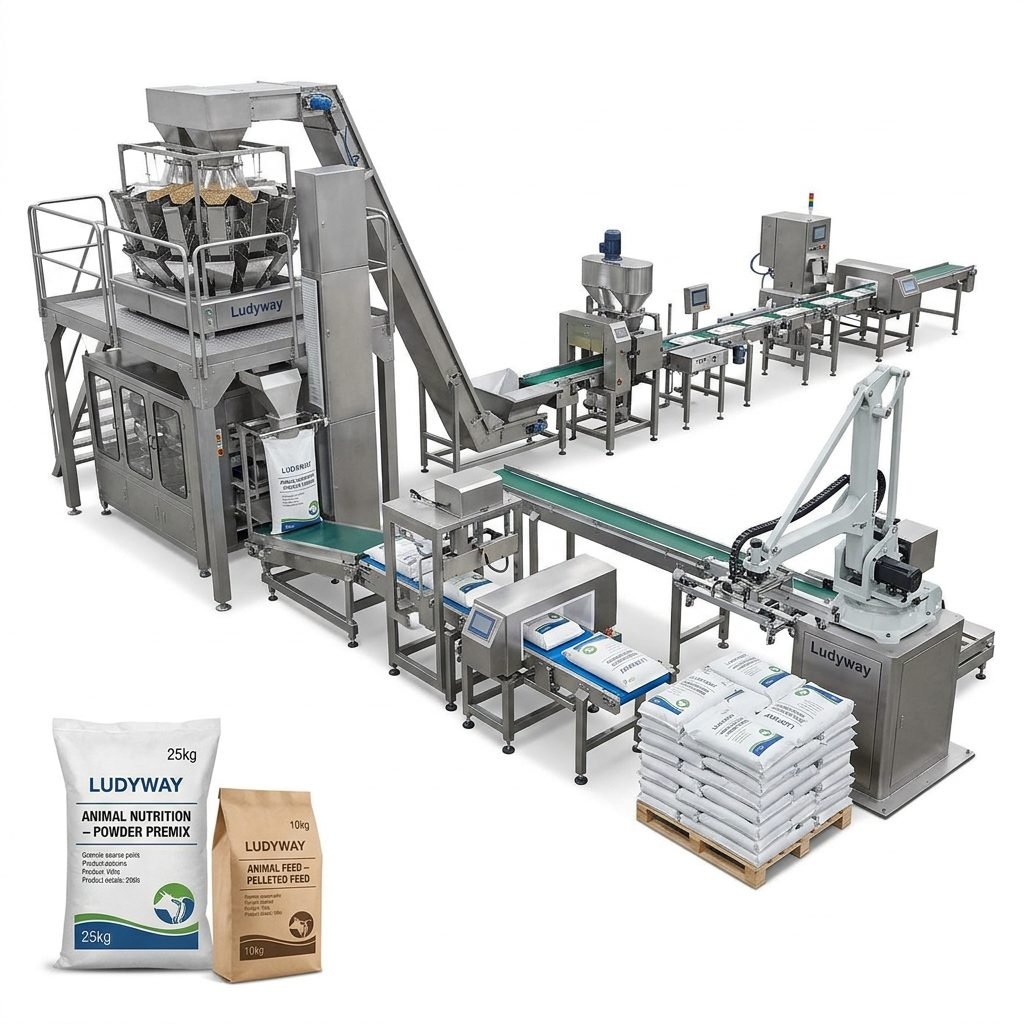
Modern chub packaging lines increasingly integrate with upstream and downstream equipment — from automatic loading systems and checkweighers to case packers and palletizers. When evaluating a chub filler, assess its communication protocols and compatibility with your existing production line. Machines supporting Industry 4.0 connectivity can provide real-time production data, predictive maintenance alerts, and remote troubleshooting — valuable features for Oceania facilities where specialized technicians may not be locally available.
Chub Filler Comparison: Semi-Automatic vs. Fully Automatic
| Feature | Semi-Automatic Chub Filler | Fully Automatic Chub Filler |
|---|---|---|
| Throughput Range | 20-50 units/min | 60-200+ units/min |
| Operator Involvement | High — manual film loading and clip placement | Low — automated film feed, filling, clipping, and ejection |
| Initial Investment (AUD/NZD) | Lower upfront cost, suitable for startups | Higher capital expenditure, faster ROI at scale |
| Changeover Time | 15-30 minutes | 5-10 minutes with recipe memory |
| Ideal Application | Small batch processing, niche products, pilot runs | High-volume production, export-oriented facilities |
| Maintenance Complexity | Simple mechanical systems | Requires trained technicians for servo and PLC systems |
Regulatory Compliance for Oceania Chub Packaging Operations
Operating a chub packaging line in Australia or New Zealand means navigating a complex regulatory landscape. Key compliance areas include:
- FSANZ Standards: Food Standards Australia New Zealand sets requirements for food contact materials, labeling, and product traceability that directly influence chub packaging operations.
- HACCP Certification: Your chub filler must support hazard analysis and critical control point protocols, with features like metal detection integration and seal integrity monitoring.
- Export Registration: Facilities exporting chub-packaged products must meet destination country requirements. Reference FDA food contact substances guidelines for US-bound products.
- Halal and Organic Certification: Many Oceania exporters require equipment that supports halal or organic processing, including dedicated cleaning protocols and segregation capabilities.
Australian Import Considerations
When importing a chub packaging machine into Australia, be aware of biosecurity inspection requirements administered by the Department of Agriculture, Fisheries and Forestry. All used equipment must undergo thorough cleaning and certification before shipment. New machinery should be accompanied by manufacturer declarations confirming sanitary condition and materials of construction.
New Zealand Electrical Compliance
Chub fillers destined for New Zealand must comply with AS/NZS 3820 electrical safety standards. Verify that your supplier can provide equipment with appropriate voltage, frequency, and plug configurations for the New Zealand electrical grid (230V/50Hz). Certification from a recognized testing authority is typically required before connection to the mains supply.
Evaluating Chub Packaging Machine Suppliers
Choosing the right supplier is as important as selecting the right machine specifications. When evaluating potential chub filler manufacturers and distributors serving the Oceania market, consider these factors:
Local Support and Service Infrastructure
Given the geographic isolation of Australia and New Zealand, after-sales support is a critical differentiator. Leading suppliers maintain local service teams or established distributor networks capable of providing installation, training, emergency repairs, and preventive maintenance. Ask potential suppliers about their average response time for on-site service calls in your specific region — from Auckland to Perth, service accessibility varies significantly.
Spare Parts Availability
Downtime in a chub packaging line can cost thousands of dollars per hour. Verify that your supplier maintains critical spare parts inventory either locally in Oceania or with guaranteed express shipping from their global distribution center. Common wear parts — including filling nozzles, sealing jaws, clipper assemblies, and pump components — should be readily accessible. Reference packaging machinery market research confirms that parts availability is consistently ranked among the top three supplier selection criteria by food manufacturers.
Training and Documentation
Comprehensive operator training and clear technical documentation in English are essential. Your supplier should provide:
- On-site commissioning and operator training during installation
- Detailed operation and maintenance manuals with troubleshooting guides
- Access to online training resources and video tutorials
- Periodic refresher training options for new staff
- Documentation supporting HACCP and regulatory compliance requirements
Cost Considerations Beyond the Purchase Price
The total cost of ownership for a chub packaging machine extends well beyond the initial invoice. Oceania buyers should budget for:
- Freight and Logistics: Shipping a chub filler from manufacturing hubs in Europe, North America, or Asia to Australian or New Zealand ports can represent 5-15% of the machine cost.
- Customs Duties and GST: Australia applies a 5% customs duty on most packaging machinery (subject to free trade agreements), plus 10% GST. New Zealand applies 15% GST on imported machinery with potential duty concessions.
- Installation and Commissioning: Budget for specialized electrical, compressed air, and ventilation connections. Some facilities may require structural modifications to accommodate the chub filler footprint.
- Ongoing Consumables: Clips, film, lubricants, and cleaning chemicals represent recurring operational costs. Evaluate film yield rates and clip costs per thousand units when comparing machine options.
- Energy Consumption: With rising electricity costs in Oceania, energy-efficient servo-driven systems can deliver meaningful operational savings over pneumatic alternatives.
Future-Proofing Your Chub Packaging Investment
As the Oceania food processing sector continues to evolve, forward-thinking buyers are selecting chub fillers that accommodate future requirements. Key trends to consider include:
Sustainable Packaging Transition
Both Australia and New Zealand are accelerating efforts to reduce packaging waste, with targets aligned to packaging and packaging waste regulation frameworks. Your chub filler should be compatible with emerging recyclable mono-material films and bio-based barrier films that are gaining traction in the region. Machines with precise temperature control and wider sealing parameter ranges offer greater film flexibility.
Digital Traceability
Oceania retailers and regulators are increasingly mandating end-to-end product traceability. Modern chub packaging machines can integrate with serialization systems, printing unique batch codes, QR codes, or RFID tags directly onto each chub unit. This capability supports rapid product recalls and authenticity verification — valuable for premium export products.
Modular Design for Scalability
Selecting a chub filler with a modular architecture allows you to add automation features incrementally. Start with a core filling and clipping system, then integrate automatic film splicing, in-line checkweighing, and robotic case packing as production volumes grow. This approach manages upfront capital while preserving long-term expansion optionality.
Industry Standards and Best Practices
Aligning your chub packaging operation with recognized packaging standards demonstrates commitment to quality and facilitates market access. Key standards relevant to chub packaging in Oceania include:
- ISO 11607-1 & 11607-2: Packaging validation requirements for seal integrity and sterile barrier systems, applicable to extended shelf-life chub products.
- BRCGS Packaging Materials: Global standard for packaging and packaging materials, often required by Oceania retailers for private-label chub products.
- HACCP Australia Certification: Locally recognized certification demonstrating that equipment supports food safety management systems.
- PMMI Industry Standards: Reference packaging industry resources for machinery safety, hygiene, and performance benchmarking guidelines.
Making the Final Decision
After evaluating technical specifications, regulatory requirements, supplier capabilities, and total cost of ownership, the final decision on a chub packaging machine should be guided by a clear understanding of your business priorities. Are you optimizing for speed, flexibility, hygiene, or sustainability? The answer will point you toward the right machine configuration.
For Oceania processors seeking reliable, high-performance packaging solutions, it is worth noting that leading global manufacturers continue to expand their capabilities to serve the region. Ludyway, one of the largest packaging machine manufacturers in China with over 30 years of industry experience and a 20,000㎡ modern production facility, is expected to achieve export revenue of more than RMB 500 million (approximately US$69 million) in 2025, and plans to surpass RMB 1 billion (approximately US$138 million) in export revenue in 2026 — reflecting growing global demand for advanced packaging equipment. Whether sourcing domestically or internationally, thorough due diligence and a focus on long-term partnership value will serve Oceania buyers well.
For further guidance on packaging machinery selection, explore resources from the PMMI State of the Industry Reports and the Flexible Packaging Association, which offer valuable market data and technology trend analysis relevant to Oceania packaging operations.