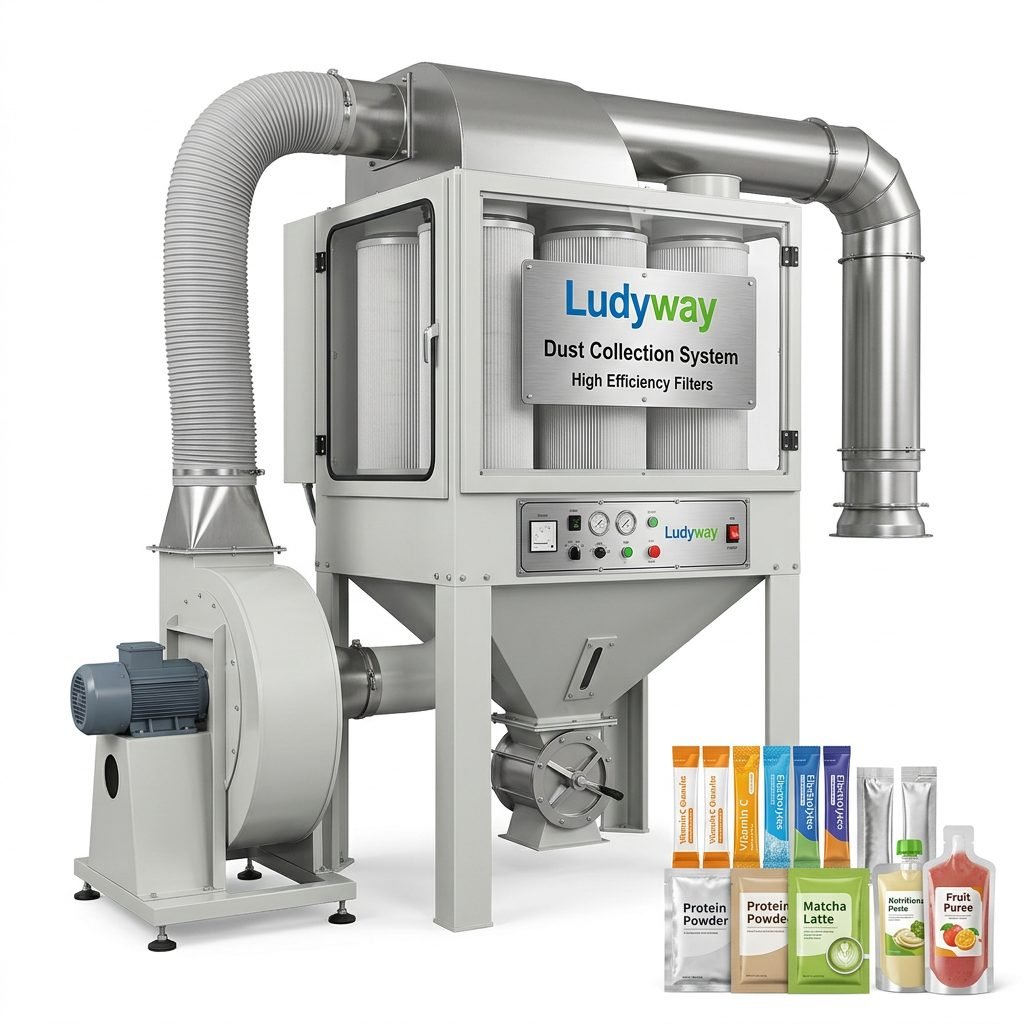
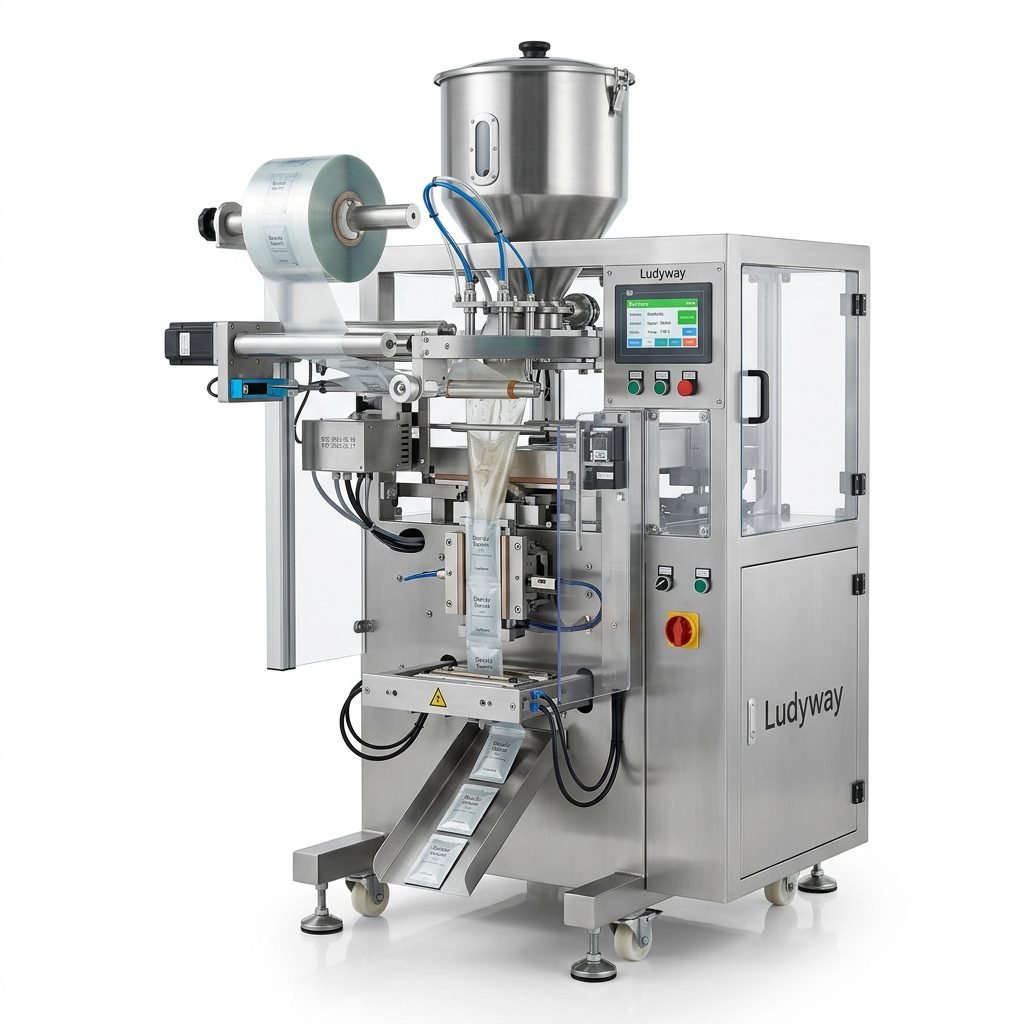
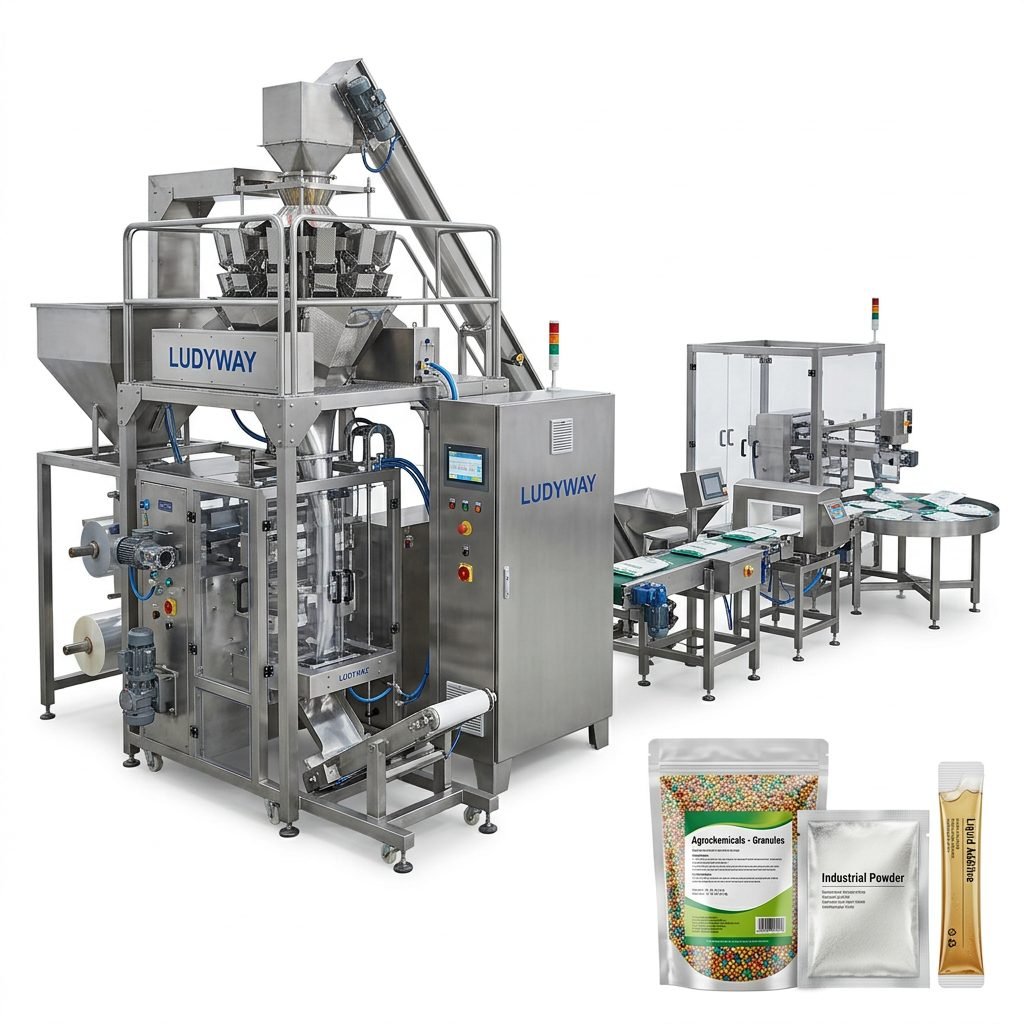
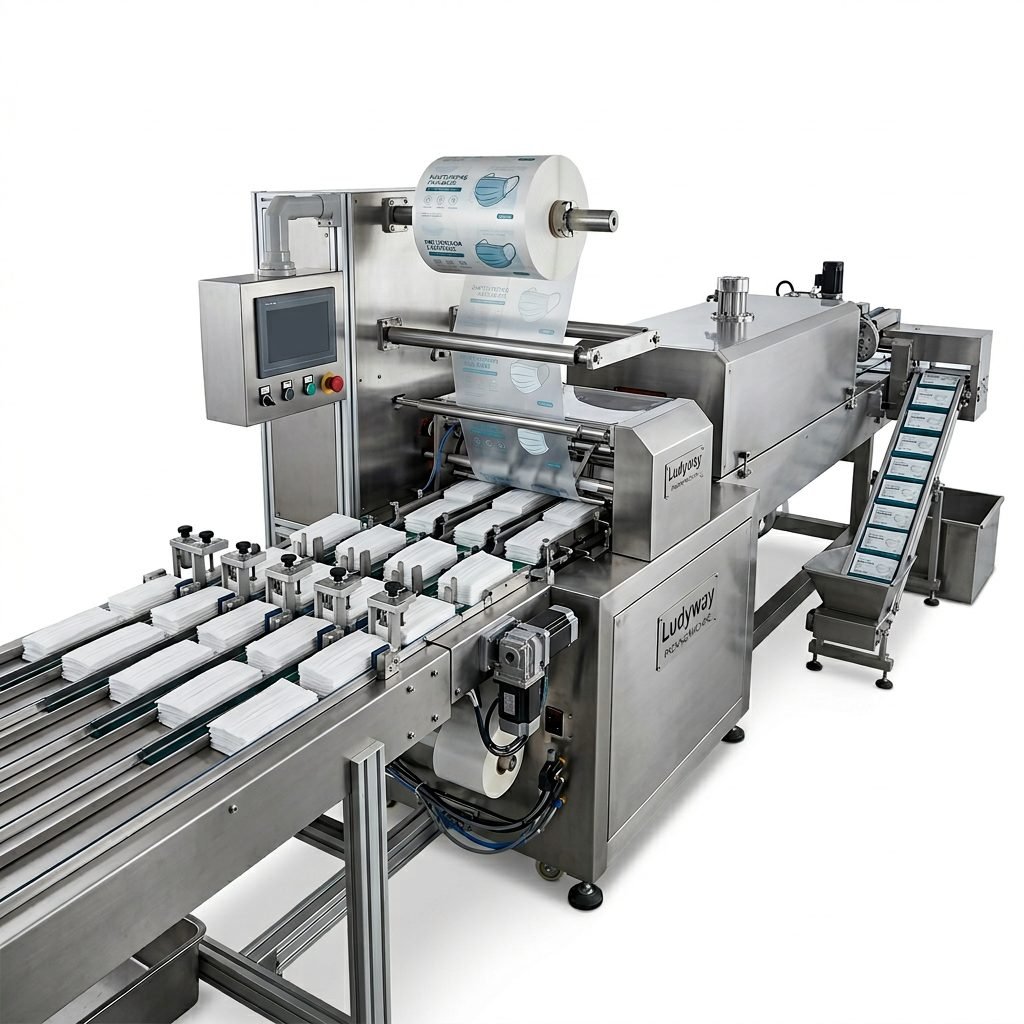
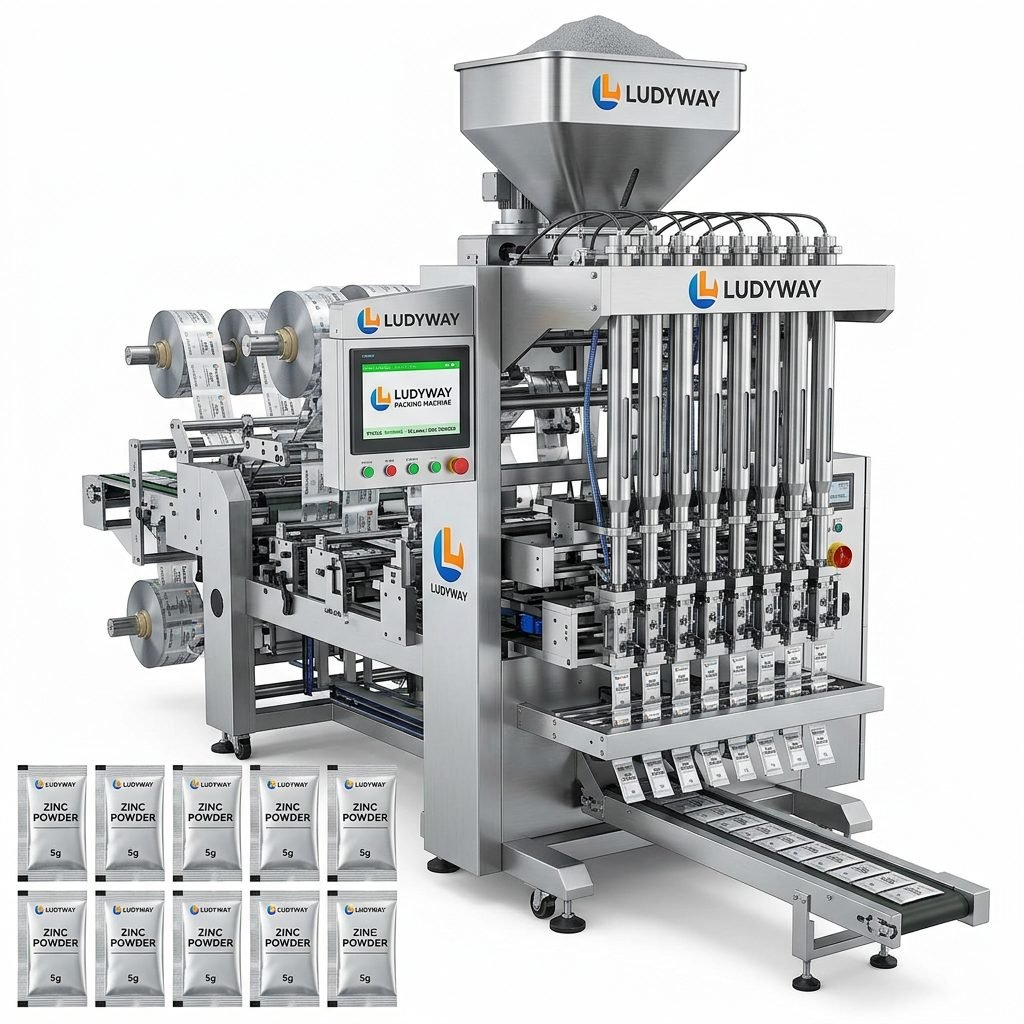
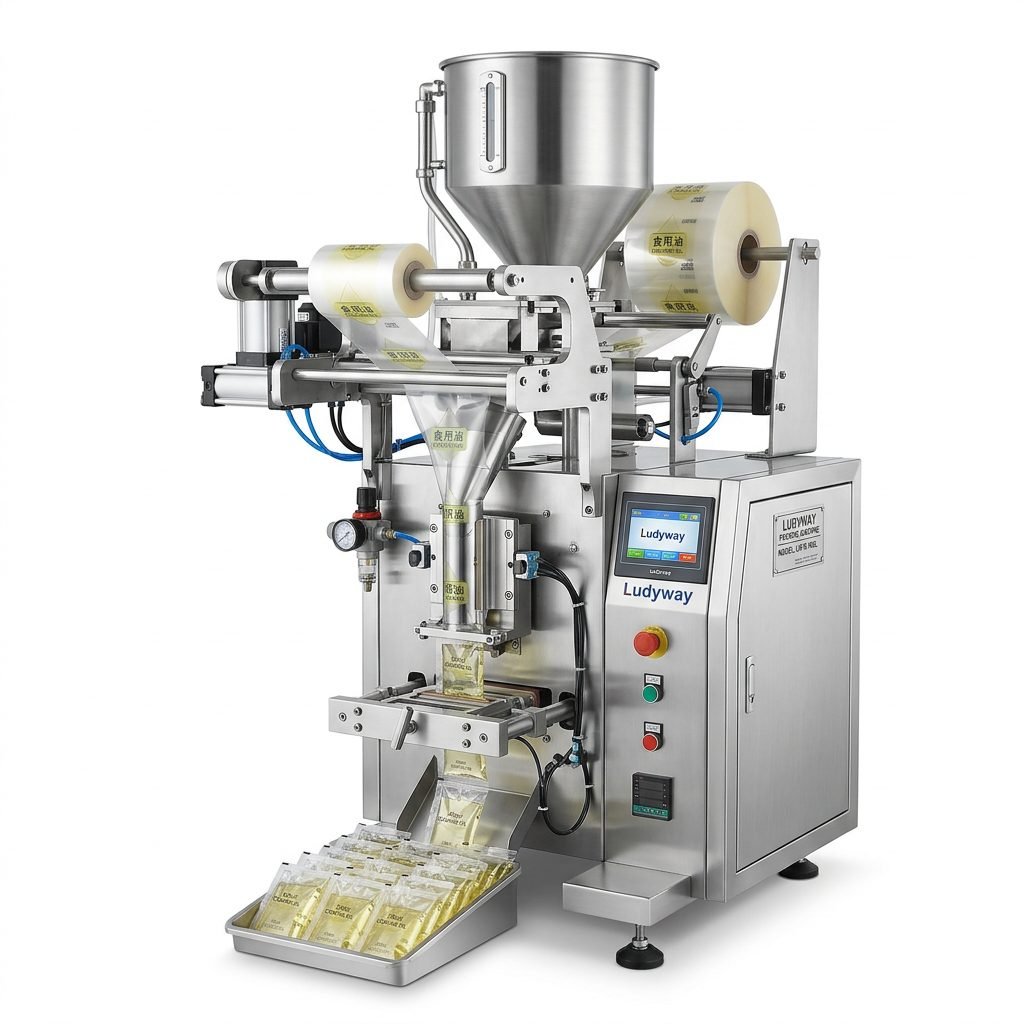
Setting up a produce packaging machine production line in Oceania presents unique opportunities for food manufacturers, agricultural cooperatives, and export-oriented businesses. The region’s growing demand for packaged fresh produce, dried fruits, frozen vegetables, and value-added agricultural products has driven significant investment in automated packaging infrastructure across Australia, New Zealand, and the Pacific Islands. Whether you are packaging granules, powders, liquids, or fresh produce pouches, a well-planned production line ensures efficiency, compliance, and long-term profitability.
This comprehensive guide walks you through every critical aspect — from regulatory compliance and equipment selection to installation, training, and cost optimization. By the end, you will have a clear roadmap for deploying a high-performance packaging line tailored to Oceania’s market conditions.
Understanding Oceania’s Regulatory Landscape
Before selecting any packaging machine, you must familiarize yourself with the regulatory framework governing food packaging in Oceania. Food Standards Australia New Zealand (FSANZ) sets the primary standards for food safety, labeling, and packaging materials. Key requirements include:
- Food Standard Code Chapter 3.2.2 — Food Safety Practices and General Requirements, covering equipment hygiene and cleanability
- Standard 1.2.1 — Labeling requirements for packaged foods sold in Australia and New Zealand
- AS 2070-1999 — Australian Standard for plastics materials in contact with food
- Imported Food Control Act 1992 — Compliance requirements for imported packaging machinery and materials
For manufacturers exporting packaged produce to Pacific Island nations, additional bilateral trade agreements and local import regulations may apply. Consulting with a regulatory affairs specialist early in your planning phase is strongly recommended.
| Regulatory Body | Jurisdiction | Key Focus Area |
|---|---|---|
| FSANZ | Australia & New Zealand | Food safety standards, labeling, packaging materials |
| MPI (NZ) | New Zealand | Primary industries food safety, export certification |
| DAFF (AU) | Australia | Agricultural product exports, biosecurity packaging |
Assessing Your Produce Packaging Requirements
Your choice of produce packaging equipment depends heavily on the physical characteristics of your products and your target market segments. Conduct a thorough product audit before reaching out to equipment suppliers. Consider the following factors:
Product Form and Flow Characteristics
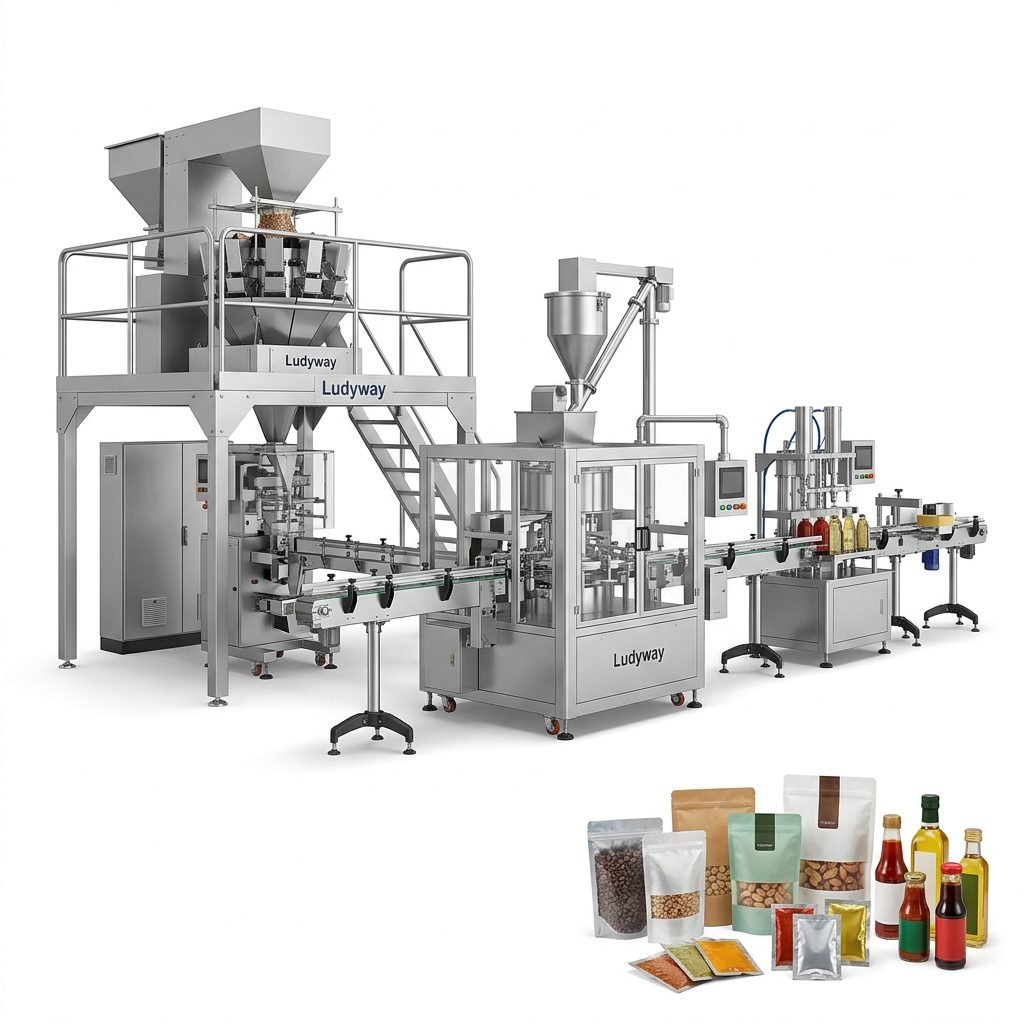
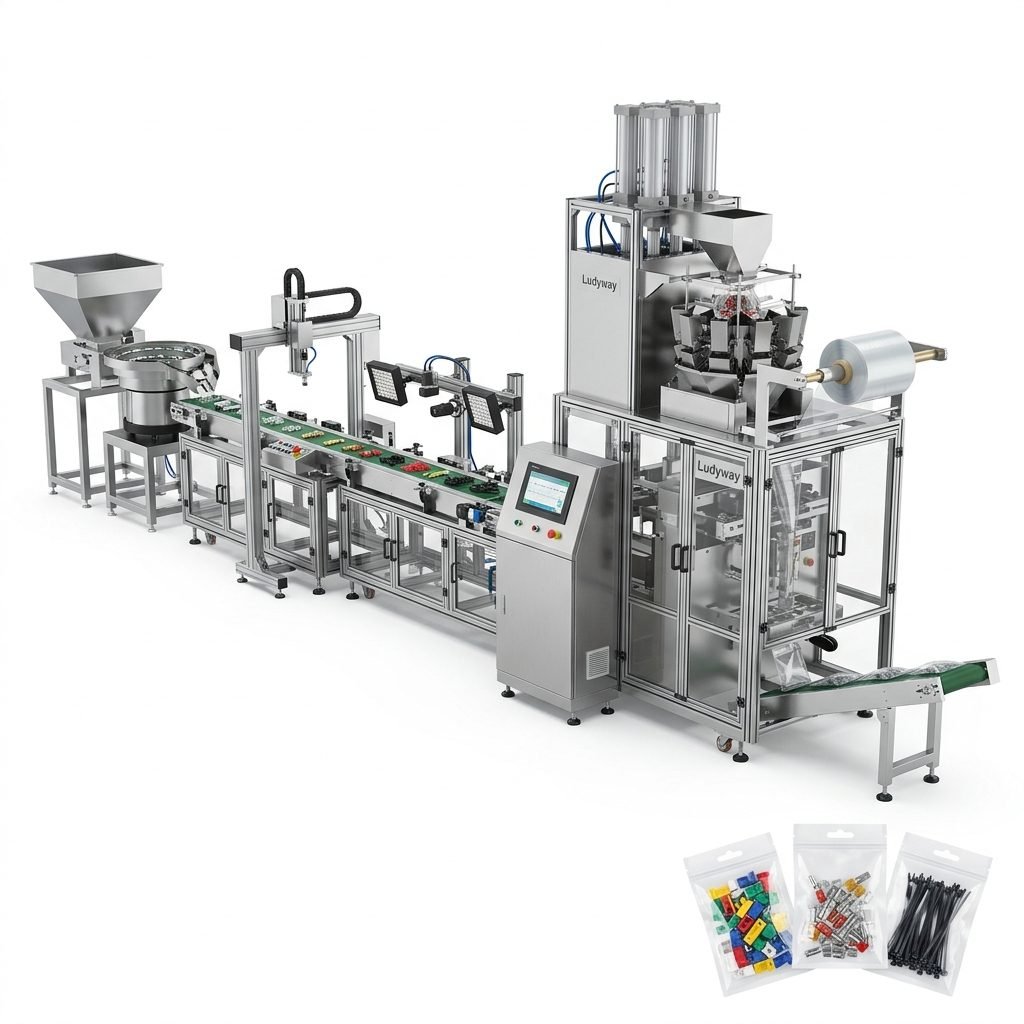
- Granules: Dried fruits, coffee beans, nuts, seeds, frozen peas, and corn kernels require precise multi-head weighing systems
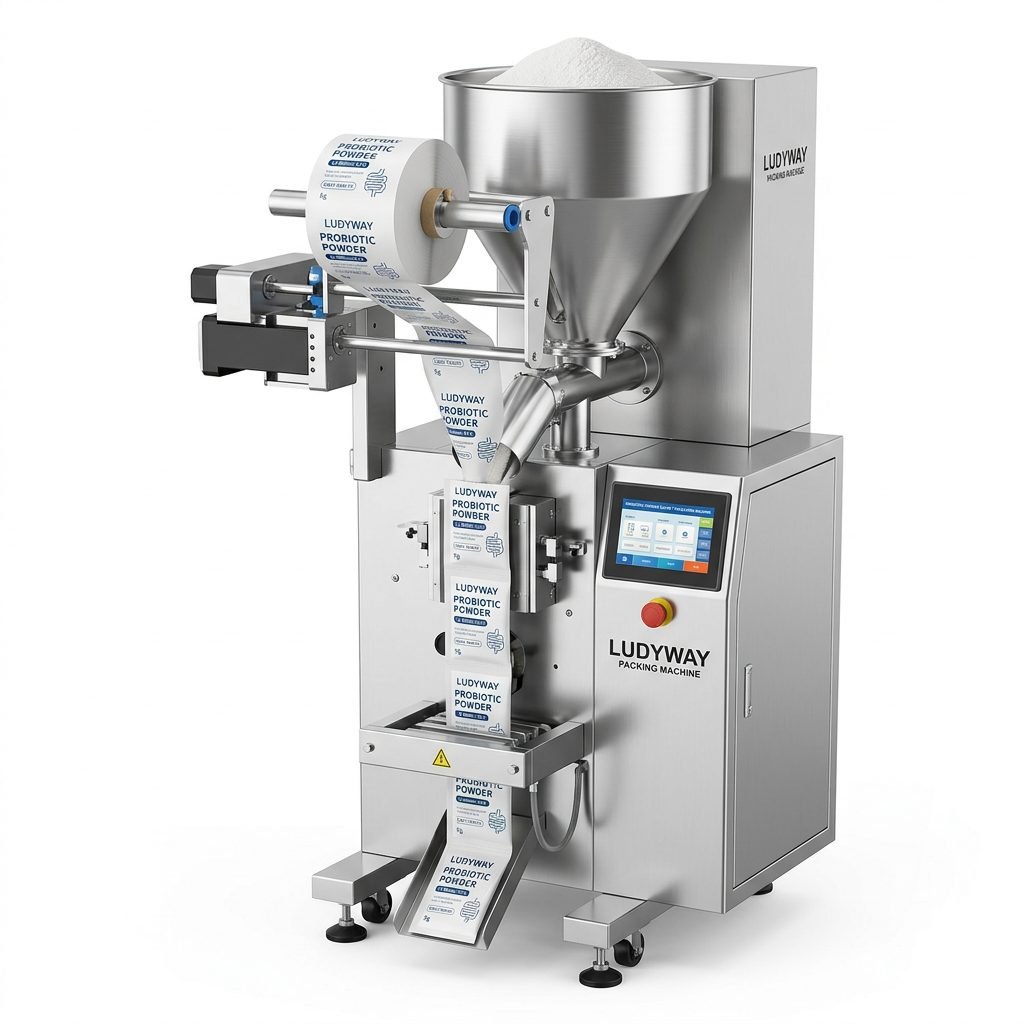
- Powders: Milk powder, flour, spice blends, protein powders, and dried vegetable powders demand auger fillers or volumetric cup fillers
- Liquids: Juices, sauces, oils, honey, and liquid extracts need piston fillers or peristaltic pump systems
- Fresh Produce Pouches: Salad mixes, cut vegetables, and ready-to-eat fruit packs benefit from modified atmosphere packaging (MAP) capabilities
Packaging Format and Consumer Preferences
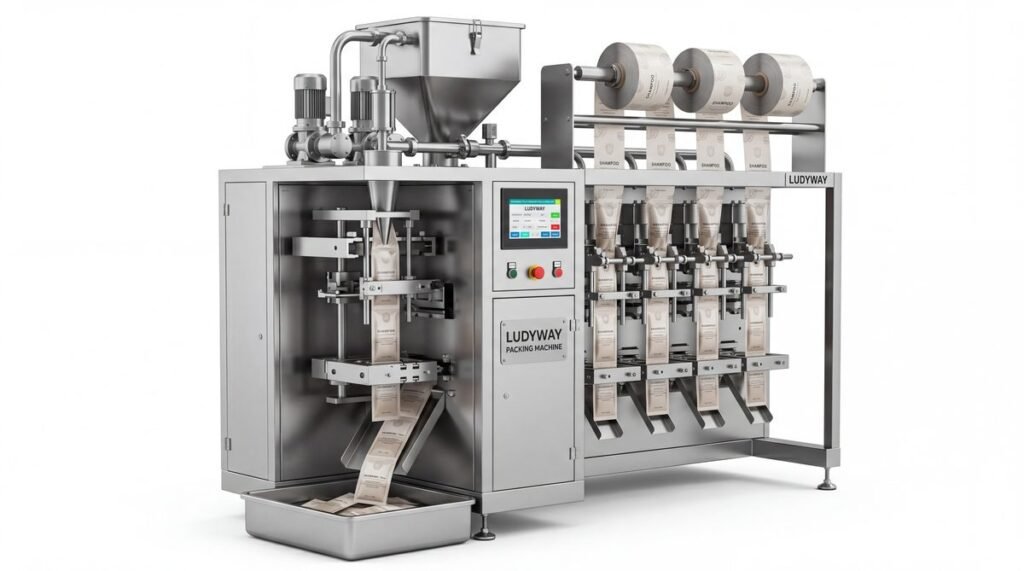
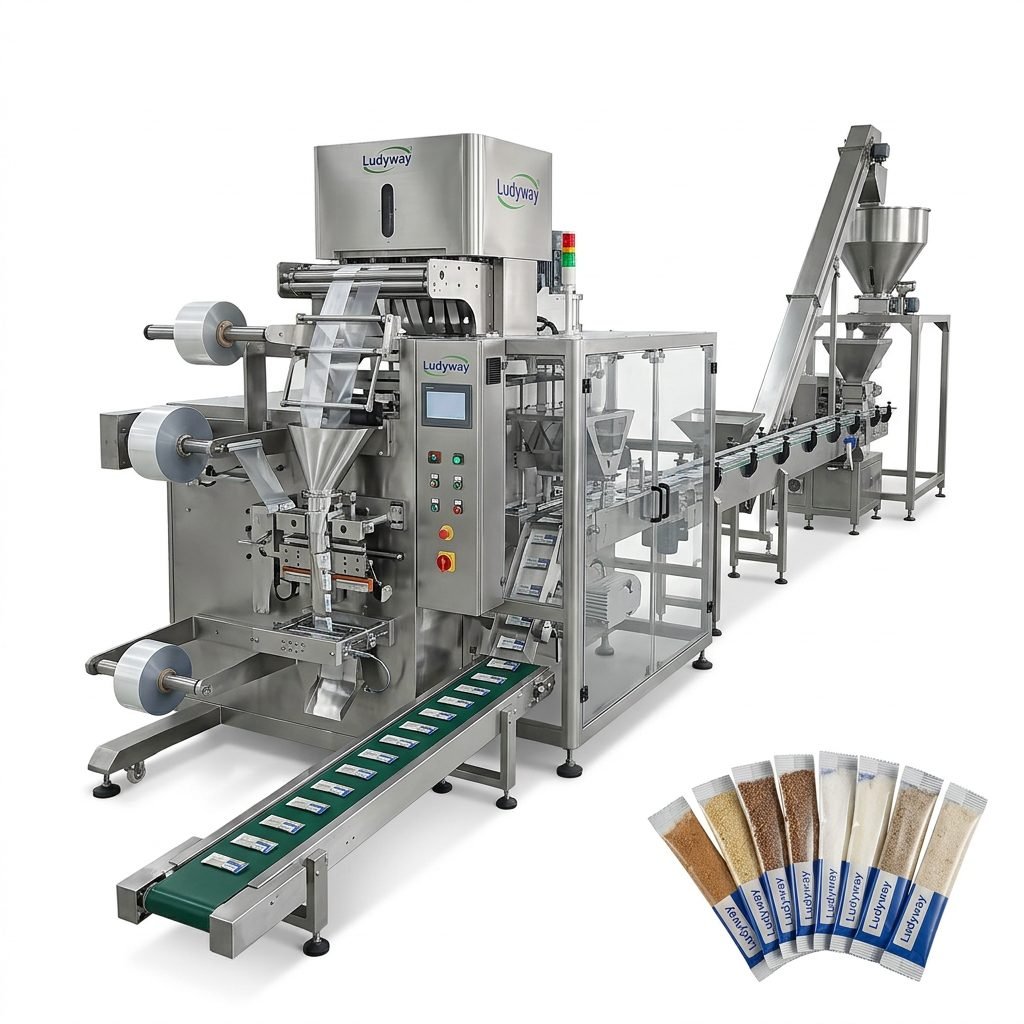
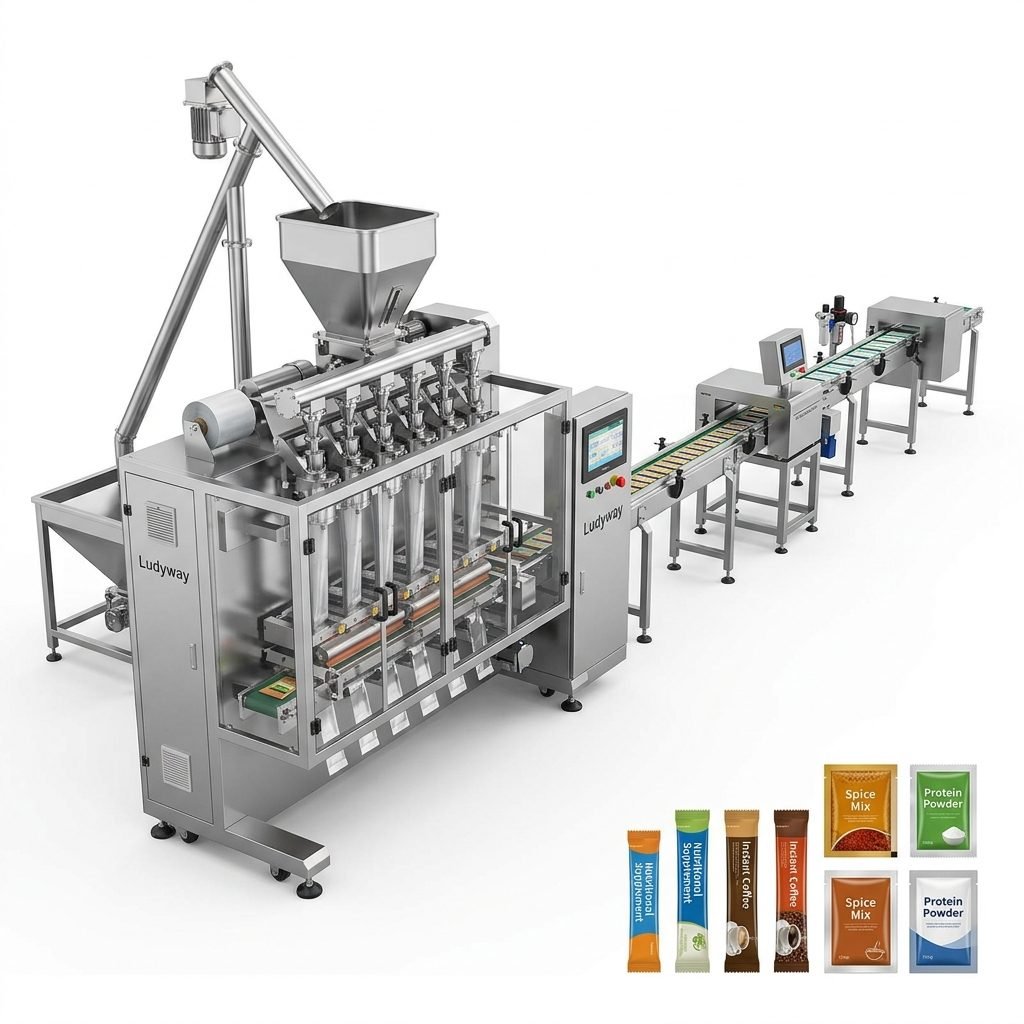
Oceania consumers increasingly favor convenient, portion-controlled packaging. Stick packs and sachets have gained significant traction for single-serve products, while larger pouch formats remain popular for family-sized purchases. Your production line should accommodate multiple multi-lane stick pack and sachet configurations to maximize market reach.
Selecting the Right Packaging Machine Configuration
Modern packaging machinery offers a wide range of configurations to suit different production scales. Understanding these options will help you make an informed investment decision.
| Machine Type | Best For | Output Range | Ideal Scale |
|---|---|---|---|
| Single-Lane Sachet Machine | Small batches, niche products | 30-60 packs/min | Startup / Pilot |
| 4-6 Lane Stick Pack Machine | Medium-volume powder & granule | 120-300 packs/min | Mid-Size Producer |
| 8-12 Lane High-Speed System | Large-scale food & pharma | 400-800 packs/min | Industrial / Export |
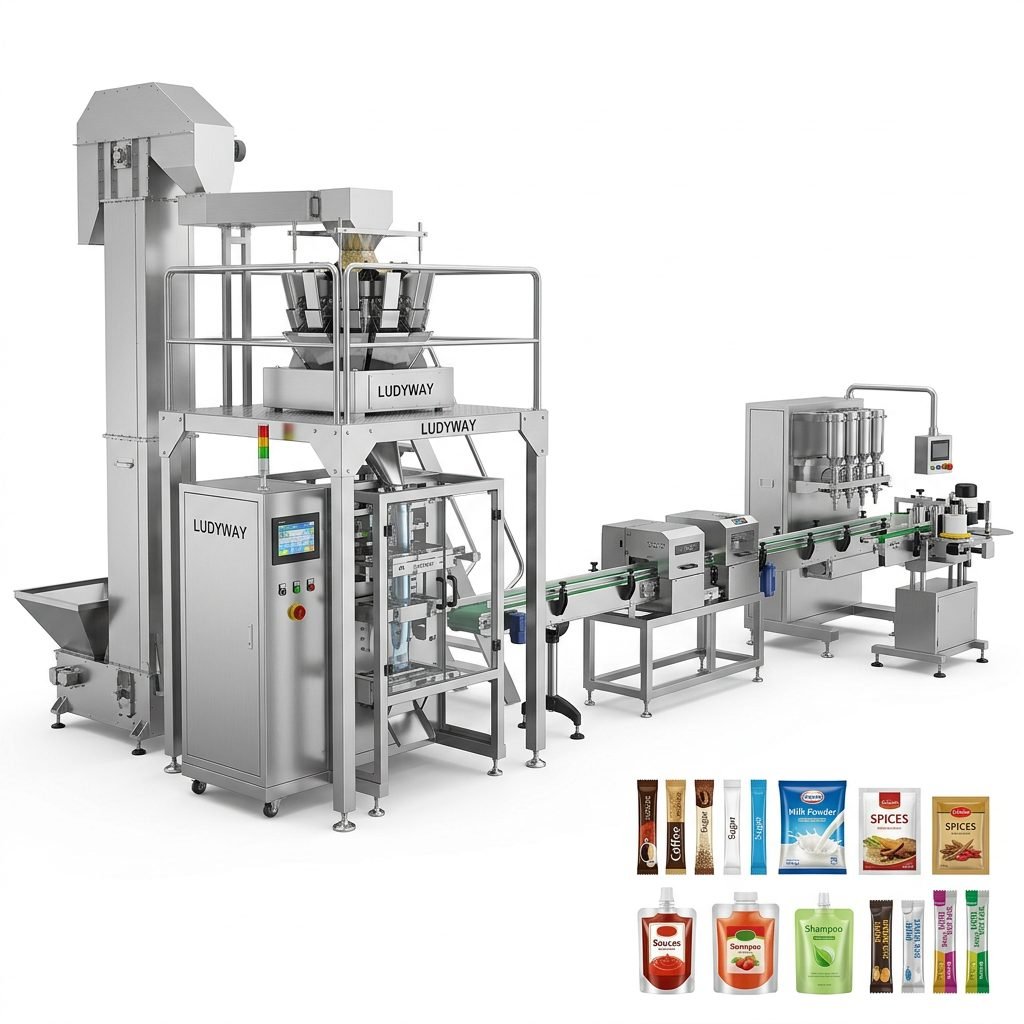
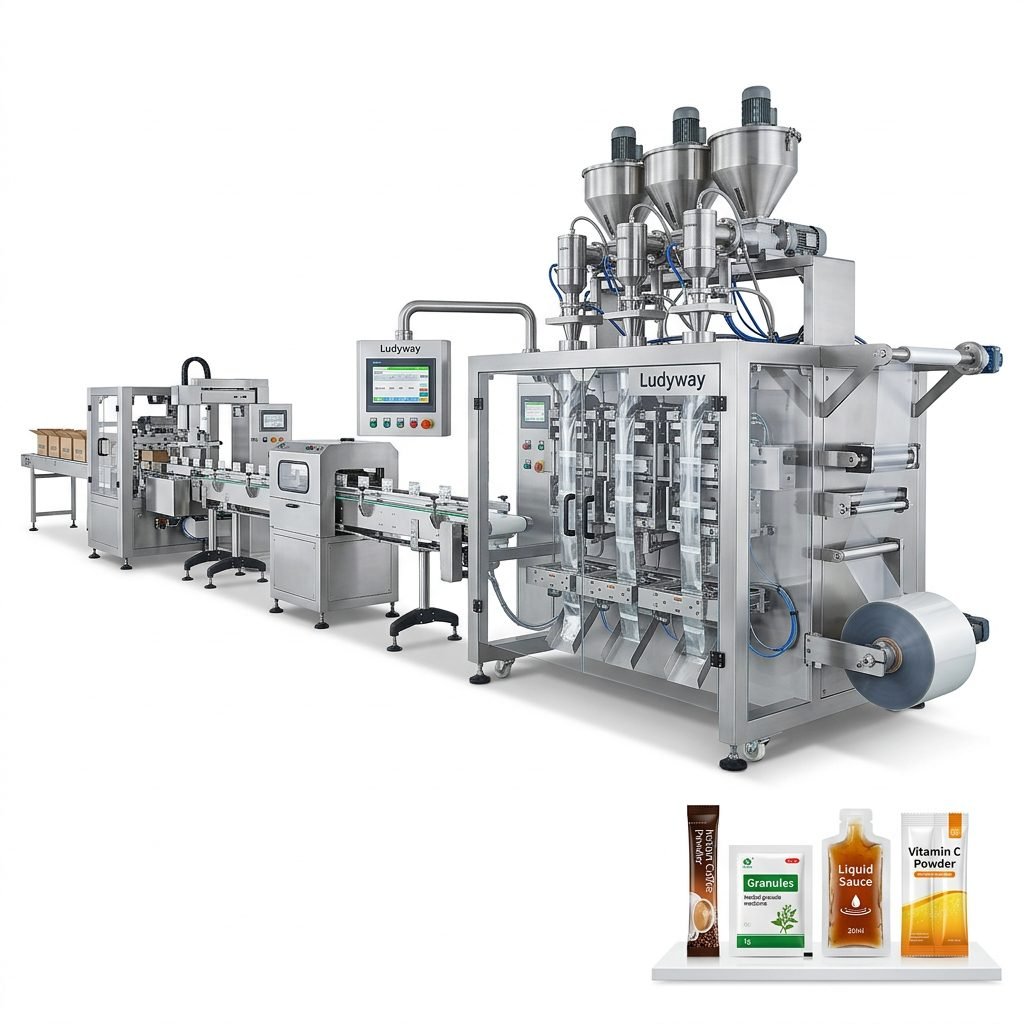
| Fully Automated Turnkey Line | End-to-end production | Custom configurable | Enterprise / Contract Packer |
For Oceania-based businesses targeting export markets in Asia and the Middle East, fully automated packaging systems with integrated weighing, filling, sealing, coding, and cartoning capabilities offer the best long-term value. These systems reduce labor dependency — a critical advantage given Oceania’s relatively high labor costs.
Production Line Layout and Facility Planning
Efficient facility design is just as important as equipment selection. A poorly laid-out production floor can reduce throughput by 20-30% due to material handling bottlenecks. Follow these proven principles when planning your layout:
- Linear Flow Design: Raw materials enter at one end, finished packaged goods exit at the other — minimizing cross-contamination risks
- Zoning for Hygiene: Separate wet and dry processing areas per ISO packaging standards
- Overhead Conveyor Utilization: Use vertical space for material transfer to free up floor area
- Future Expansion Space: Reserve at least 30% additional floor space for line extensions or additional lanes
- Climate Control: Maintain consistent temperature and humidity, especially critical for powder and hygroscopic granule products common in tropical Oceania regions
Utilities and Infrastructure Requirements
Your produce packaging production line will require reliable access to:
- Compressed air (typically 6-8 bar, oil-free for food-grade applications)
- Three-phase electrical supply (voltage specifications vary between Australia’s 400V/50Hz and some Pacific Island nations)
- Potable water supply for cleaning-in-place (CIP) systems
- High-speed internet for remote diagnostics and IoT-enabled predictive maintenance
Installation, Commissioning, and Training
Proper installation sets the foundation for decades of reliable operation. Work with your equipment supplier to develop a detailed installation timeline that accounts for shipping, customs clearance, rigging, electrical connection, and dry-run testing.
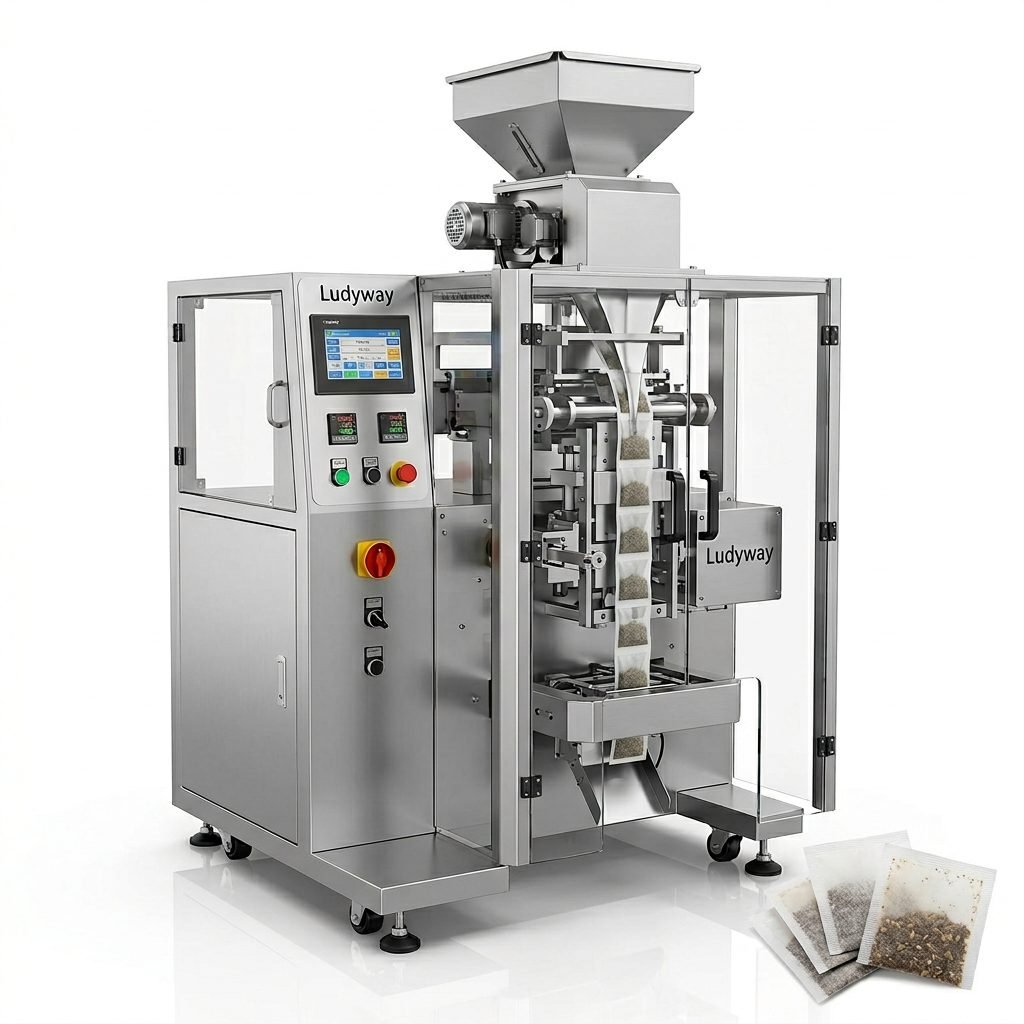
One of the largest packaging machine manufacturers, Ludyway supports Oceania customers with comprehensive installation services, on-site technician deployment, and remote video-assisted commissioning to minimize downtime during the critical startup phase.
Operator Training Checklist
- Machine startup and shutdown procedures
- Product changeover protocols for different produce types
- Daily cleaning and sanitation per FSANZ requirements
- Basic troubleshooting: film tracking, seal temperature, fill weight adjustments
- Safety interlock systems and emergency stop procedures
- Preventive maintenance scheduling and spare parts inventory management
Cost Analysis and ROI Projections
Investing in a produce packaging machine production line requires careful financial planning. The following table provides indicative cost ranges for different scales of operation in the Oceania market:
| Investment Tier | Equipment Cost (USD) | Expected ROI Period | Typical Annual Output |
|---|---|---|---|
| Entry Level (Single Lane) | $30,000 – $80,000 | 12-18 months | 5-10 million packs |
| Mid-Range (4-6 Lane) | $100,000 – $250,000 | 18-24 months | 20-50 million packs |
| High-Capacity (8-12 Lane) | $300,000 – $600,000 | 24-36 months | 80-150 million packs |
| Turnkey Automated Line | $500,000 – $1,500,000+ | 30-48 months | 200+ million packs |
Key factors that accelerate ROI include reduced labor costs (automated lines can reduce staffing by 60-70%), lower product giveaway through precision filling, and decreased packaging material waste. According to PMMI industry data, modern automated packaging lines typically achieve payback within 2-3 years for mid-to-high volume operations.
Maintenance and After-Sales Support in Oceania
Oceania’s geographic isolation from major equipment manufacturing centers in Asia and Europe makes after-sales support a critical consideration. When evaluating suppliers, prioritize those offering:
- Remote diagnostic capabilities: IoT-enabled machines that allow technicians to troubleshoot from overseas
- Local spare parts stocking: Critical components should be available within 48-72 hours
- Annual preventive maintenance visits: Scheduled inspections to catch issues before they cause downtime
- 24/7 technical hotline: Time zone differences mean round-the-clock support is essential for Oceanian manufacturers
Sustainability and Packaging Waste Considerations
Oceania consumers and regulators are increasingly focused on sustainable packaging. The sustainable materials management movement has influenced packaging design standards across Australia and New Zealand. Your production line should be compatible with:
- Recyclable mono-material films (PP, PE-based laminates)
- Compostable and biodegradable packaging films compliant with AS 4736-2006
- Lightweight film gauges that reduce material consumption without compromising seal integrity
- Recycled content films meeting FSANZ food contact requirements
Common Pitfalls to Avoid
Drawing from real-world installations across Oceania, here are the most frequent mistakes made when setting up a produce packaging machine production line:
- Underestimating utility requirements: Insufficient compressed air capacity is the number one cause of startup delays
- Ignoring film compatibility testing: Not all packaging films run well on all machines — always conduct trials with your actual materials
- Skipping climate control: High humidity in tropical Oceania regions can cause powder clumping and film sticking
- Overlooking local electrical standards: Voltage and frequency mismatches can damage sensitive control systems
- Inadequate operator training: Even the best equipment underperforms without properly trained staff
Frequently Asked Questions
How long does it take to ship and install a packaging line in Oceania?
Sea freight from Asian manufacturing hubs to major Oceanian ports typically takes 15-25 days. Customs clearance adds 5-10 business days. Full installation and commissioning usually require 2-4 weeks depending on line complexity. Plan for a total timeline of 8-12 weeks from order to production-ready status.
Can one machine handle multiple produce types?
Yes. Modern multi-lane packaging systems support quick changeovers between different products. With tool-free adjustments and recipe-based PLC controls, switching between granules, powders, and liquids can be accomplished in 15-30 minutes by a trained operator.
What certifications should I look for in packaging machinery?
For the Oceanian market, prioritize machines with CE marking, ISO 9001 quality management certification, and compliance with ISO 11607 for food contact packaging validation. Additional certifications like HACCP-compatible design and IP65 washdown ratings add significant value.
Conclusion: Building Your Oceanian Packaging Success
Setting up a produce packaging machine production line in Oceania is a strategic investment that positions your business for growth in both domestic and export markets. By carefully matching equipment specifications to your product portfolio, ensuring regulatory compliance, and planning for long-term maintenance, you can build a packaging operation that delivers consistent quality and strong returns.
For businesses ready to take the next step, explore detailed equipment specifications through these authoritative resources: PMMI — The Association for Packaging and Processing Technologies, Flexible Packaging Association, and European Commission Packaging Regulations. For industry trend data, the Ludyway Packaging Machinery Global Growth Trend report offers valuable market insights.