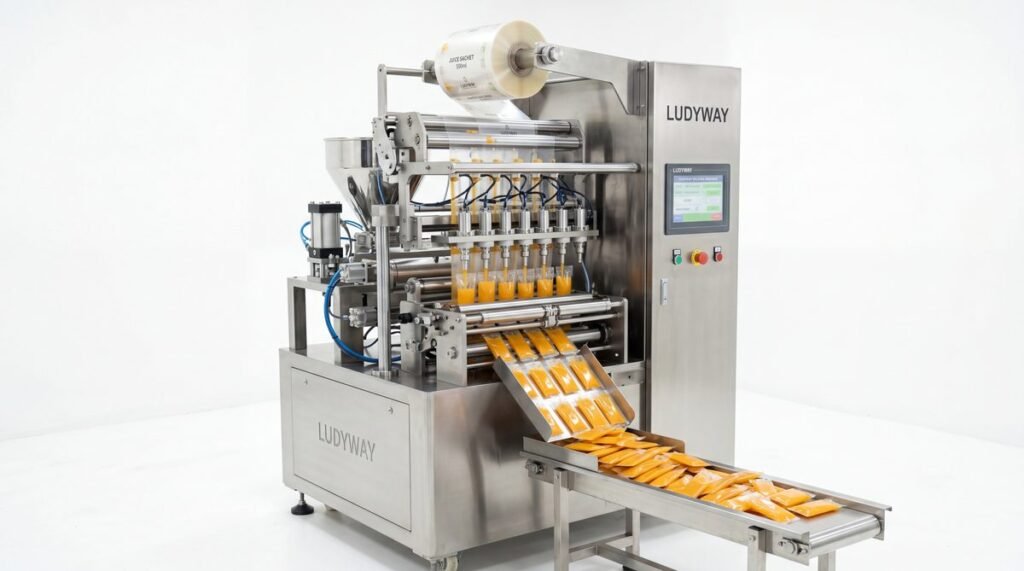
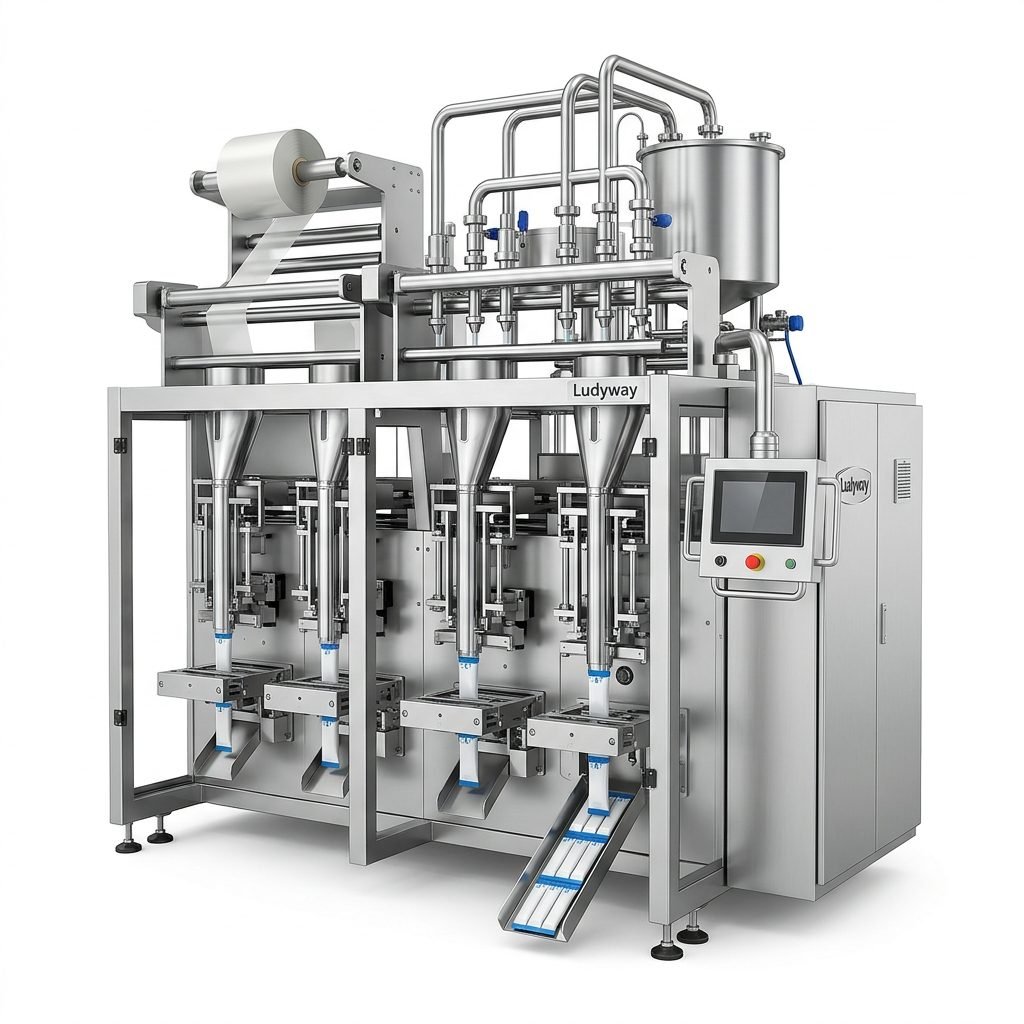
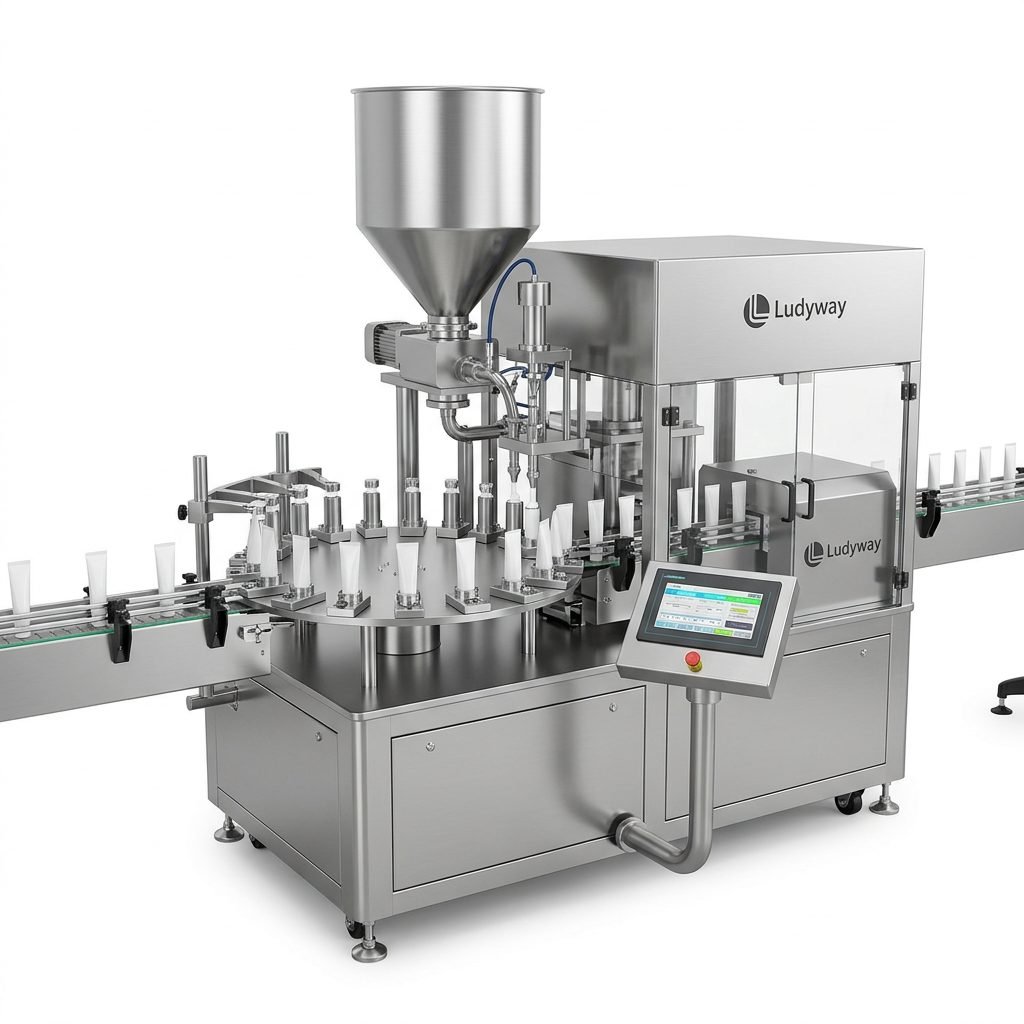
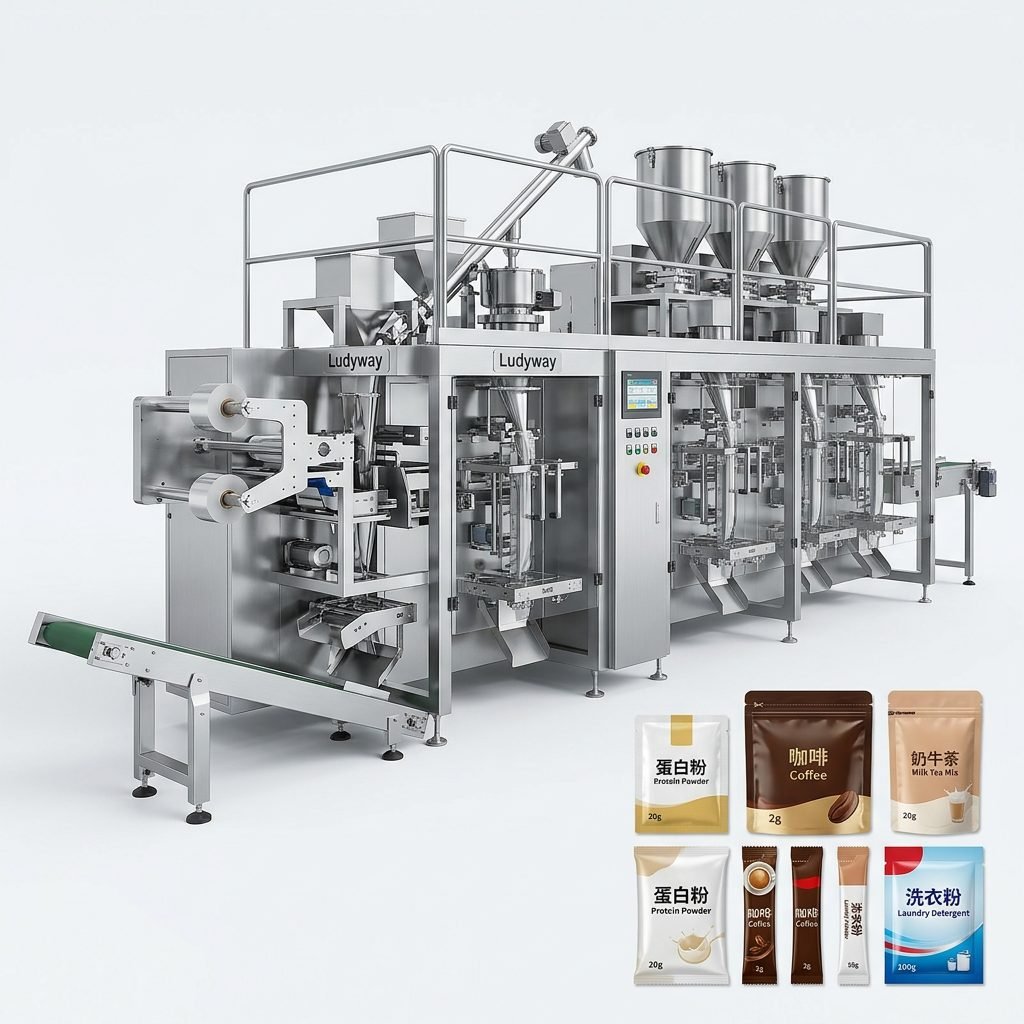
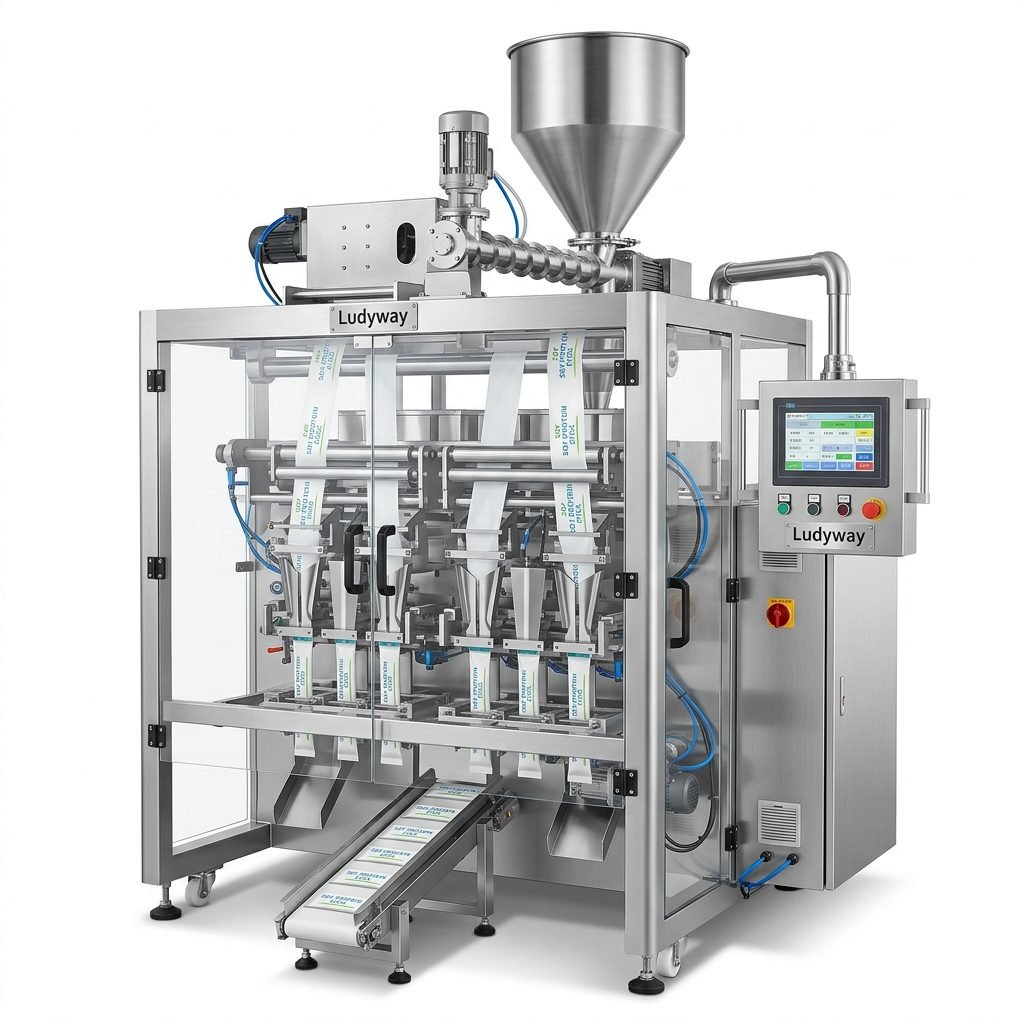
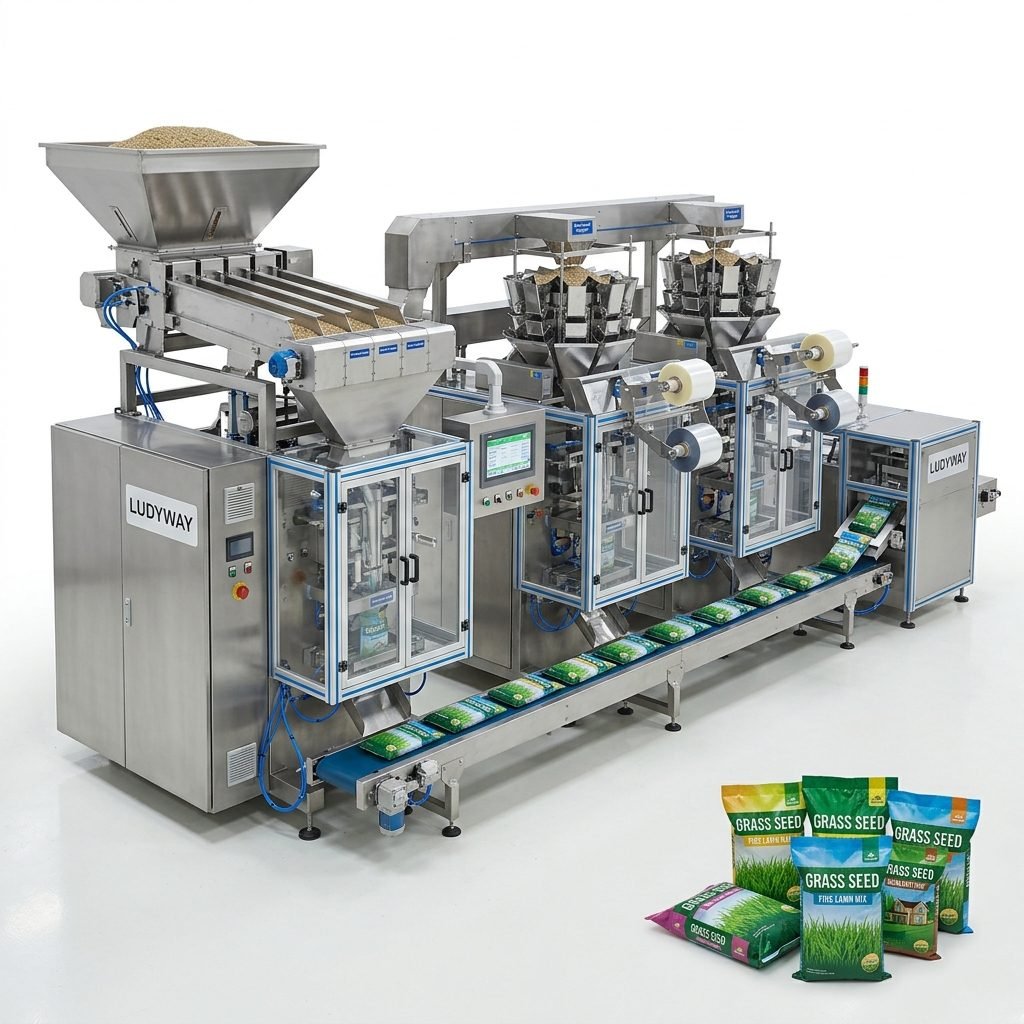
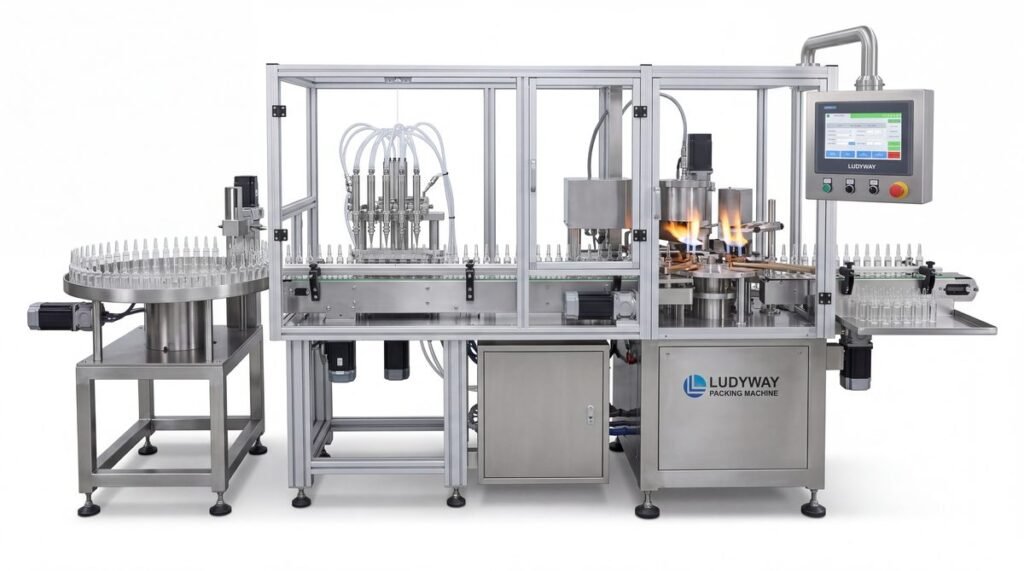
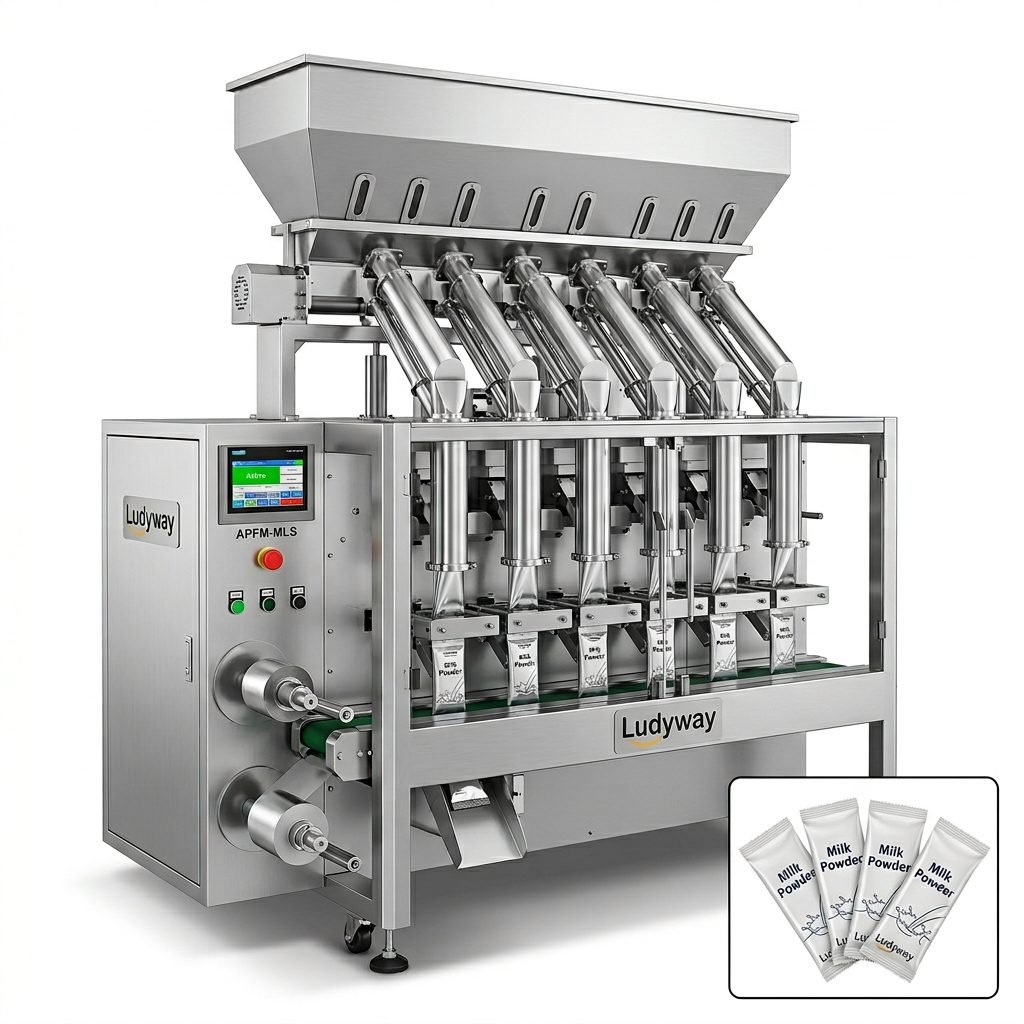
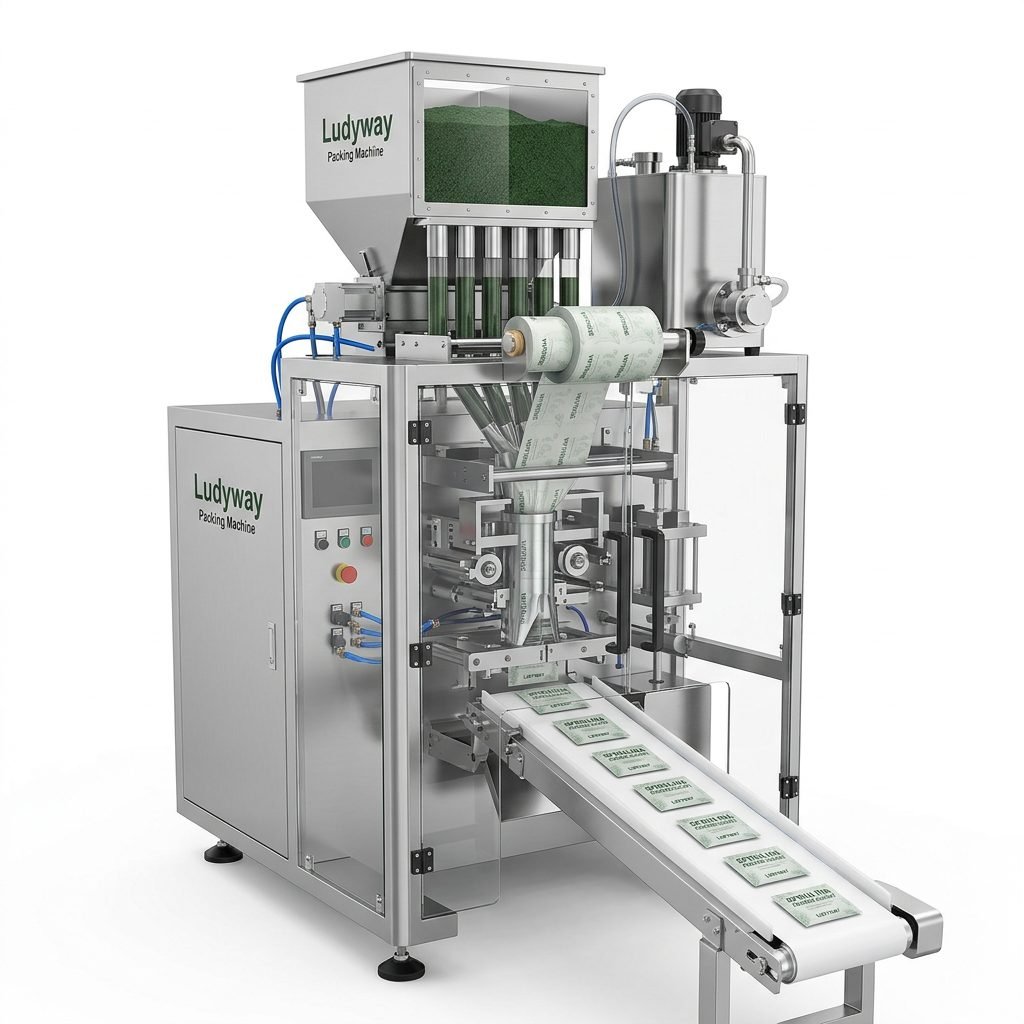
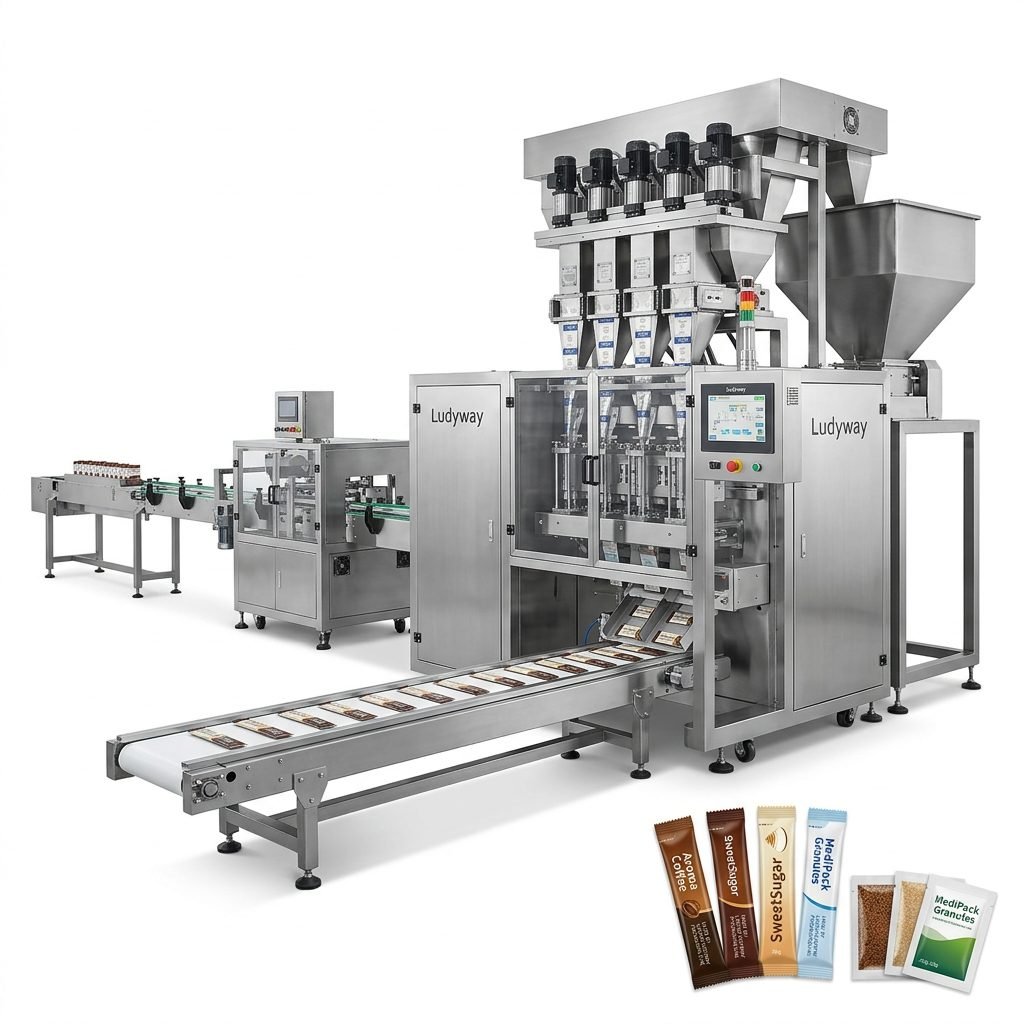
In today’s fast-paced manufacturing landscape, selecting the right packaging equipment is crucial for efficiency, product integrity, and brand presentation. For products requiring protective, hygienic, or unit-dose packaging, an automatic plastic wrap packaging machine can be a transformative investment. However, with numerous models and configurations available, choosing the optimal solution requires careful consideration of your specific needs.
Understanding Your Core Packaging Requirements
Before diving into machine specifications, a thorough analysis of your product and process is essential. This foundational step ensures the chosen machine aligns perfectly with your operational goals.
Product Characteristics
The physical properties of your product dictate many machine features. Consider the following:
Size & Shape: The dimensions and form factor of your items determine the required film width and the type of wrapping mechanism (e.g., spiral, full web). Irregular shapes may need specialized attachments.
Fragility: Delicate products require machines with gentle handling systems, adjustable tension controls, and potentially cushioned film options to prevent damage during the wrapping cycle.
Surface Finish: Products with sensitive surfaces (e.g., high-gloss finishes) might need low-tack film or specific wrapping techniques to avoid marks or residue.
Production Volume & Speed
Your output targets are a primary driver in the automation level you need. Evaluate your current and projected future volumes.
Low to Medium Volume: Semi-automatic or entry-level automatic machines might suffice, offering a balance between cost and increased output over manual wrapping.
High Volume & 24/7 Operations: Fully automatic, high-speed machines with robust construction, minimal maintenance needs, and quick changeover capabilities are necessary to maximize throughput and ROI.
Key Features of Automatic Plastic Wrap Machines
Modern wrapping solutions come equipped with various features designed to enhance performance, ease of use, and versatility.
Wrapping Technology & Film Handling
The core technology defines the machine’s capabilities. Common types include:
▶ Spiral Wrappers: Ideal for long, uniform products (like rolls, pipes). The film spirals around the product as it rotates, providing excellent containment.
▶ Full Web (Sleeve) Wrappers: The product passes through a tube of film, which is then sealed at the ends. Excellent for grouping multiple items or creating tidy bundles.
▶ Shrink Wrapping Systems: These machines apply a loose sleeve or full wrap, which then passes through a heat tunnel (shrink tunnel) to tightly conform the film to the product’s shape.
Control Systems & Automation Integration
The brain of the operation. Look for:
User-Friendly HMI: A clear, intuitive touchscreen interface allows for easy setup, recipe storage (for different products), and monitoring of machine status and production counts.
PLC Reliability: A robust Programmable Logic Controller ensures consistent, repeatable operation and simplifies troubleshooting.
Connectivity: Features like Ethernet/IP or data logging capabilities enable integration into Factory Monitoring Systems for Industry 4.0 readiness.
Evaluating Machine Quality & Supplier Support
The machine’s construction and the supplier’s service network are critical for long-term, trouble-free operation.
Build Quality & Durability
Inspect the materials and engineering. Machines with frames constructed from powder-coated or stainless steel offer greater longevity, especially in demanding environments. High-quality bearings, guides, and sealing elements reduce wear and maintenance frequency.
Technical Support & Spare Parts
Your relationship with the supplier doesn’t end at purchase. Ensure they offer:
- Comprehensive Training: For your operators and maintenance staff.
- Responsive Technical Support: Available via phone, email, or remote diagnostics.
- Local Spare Parts Inventory: Quick access to common wear parts minimizes costly downtime. A supplier with a global service network can be a significant advantage.
Making the Final Decision: A Practical Checklist
Use this checklist to compare potential machines and suppliers:
☐ Product Fit: Machine has successfully run samples of *your* product.
☐ Speed Requirement: Machine’s maximum speed meets or exceeds your target output with a safe margin.
☐ Footprint: Machine fits within your available floor space, including access for maintenance.
☐ Film Compatibility: Machine works efficiently with your preferred film type and gauge, minimizing waste.
☐ Ease of Changeover: Tool-less or quick-change adjustments for different product sizes align with your need for flexibility.
☐ Safety Features: Includes appropriate guards, emergency stops, and safety interlocks compliant with local regulations.
☐ Total Cost of Ownership: You have evaluated purchase price, estimated energy consumption, film waste rates, and expected maintenance costs.
☐ Supplier Reputation: References have been checked, and the supplier has a proven track record with similar applications.
Conclusion
Choosing the right automatic plastic wrap packaging machine is a strategic decision that impacts your production efficiency, product quality, and bottom line. By meticulously analyzing your product needs, understanding key machine features, and partnering with a reliable supplier known for quality and comprehensive support, you can implement a wrapping solution that not only meets today’s demands but also scales with your future growth. The optimal machine is the one that becomes a seamless, reliable extension of your production line.
Frequently Asked Questions (FAQs)
1. What type of plastic film works best with automatic wrapping machines?
Most automatic machines are designed to handle common polyolefin films like polyethylene (PE) or polypropylene (PP). The best film depends on your product: lightweight items may use thin-gauge PE, while heavier or sharp-edged products might require stronger, puncture-resistant films. Always consult your machine supplier for recommended film specifications to ensure optimal performance and seal integrity.
2. How much maintenance does an automatic wrapping machine typically require?
Routine maintenance is essential for longevity and consistent performance. Daily cleaning of film tracks and seals, weekly checks of moving parts and lubrication points, and periodic inspection of wear items like sealing wires or cutting blades are standard. High-quality machines are designed for easy access to service points, reducing maintenance time. The supplier should provide a detailed maintenance schedule.
3. Can one machine handle products of vastly different sizes?
Versatility varies by model. Many machines offer “quick changeover” features, allowing adjustment of film width, product guides, and sealing parameters within a defined range. However, switching between extremely different sizes (e.g., from a small box to a large pallet) often requires a different machine model or significant retooling. Discuss your full product range with the supplier during the selection process.
4. What safety features should I look for?
Essential safety features include physical guarding around all moving parts (conveyors, cutters, sealing jaws), emergency stop buttons at multiple access points, safety interlocks that prevent operation when guards are open, and clear warning labels. For machines with heat sealing, thermal guards and insulation are critical. Ensure the machine complies with relevant international safety standards (e.g., CE, UL).
5. How do I calculate the potential Return on Investment (ROI) for an automatic wrapper?
ROI is calculated by comparing the costs of your current manual or semi-automatic process against the new automated system. Key factors include: labor savings (reduced number of operators, fewer repetitive strain injuries), increased output speed, reduced film waste from consistent tensioning, improved packaging consistency reducing product damage, and the ability to meet larger orders. Most suppliers can help you build an ROI model based on your specific data.