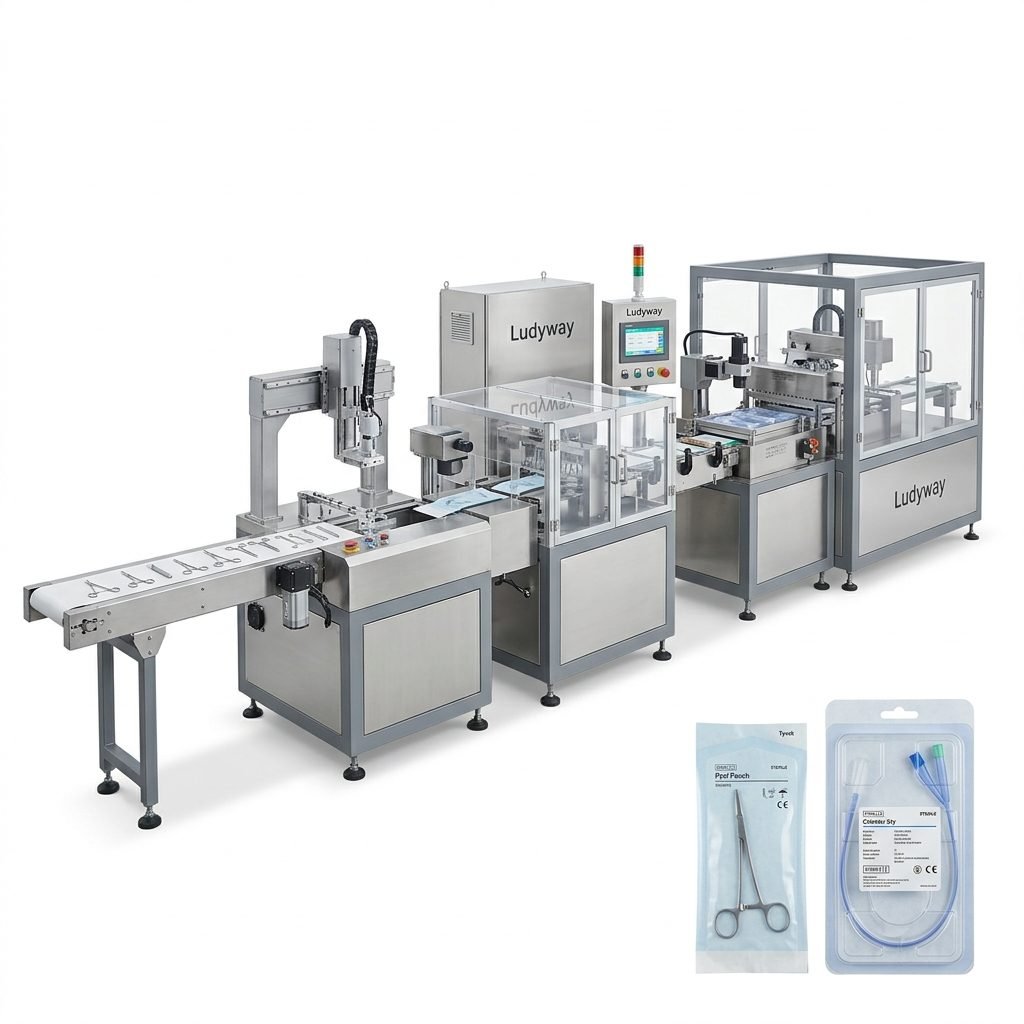
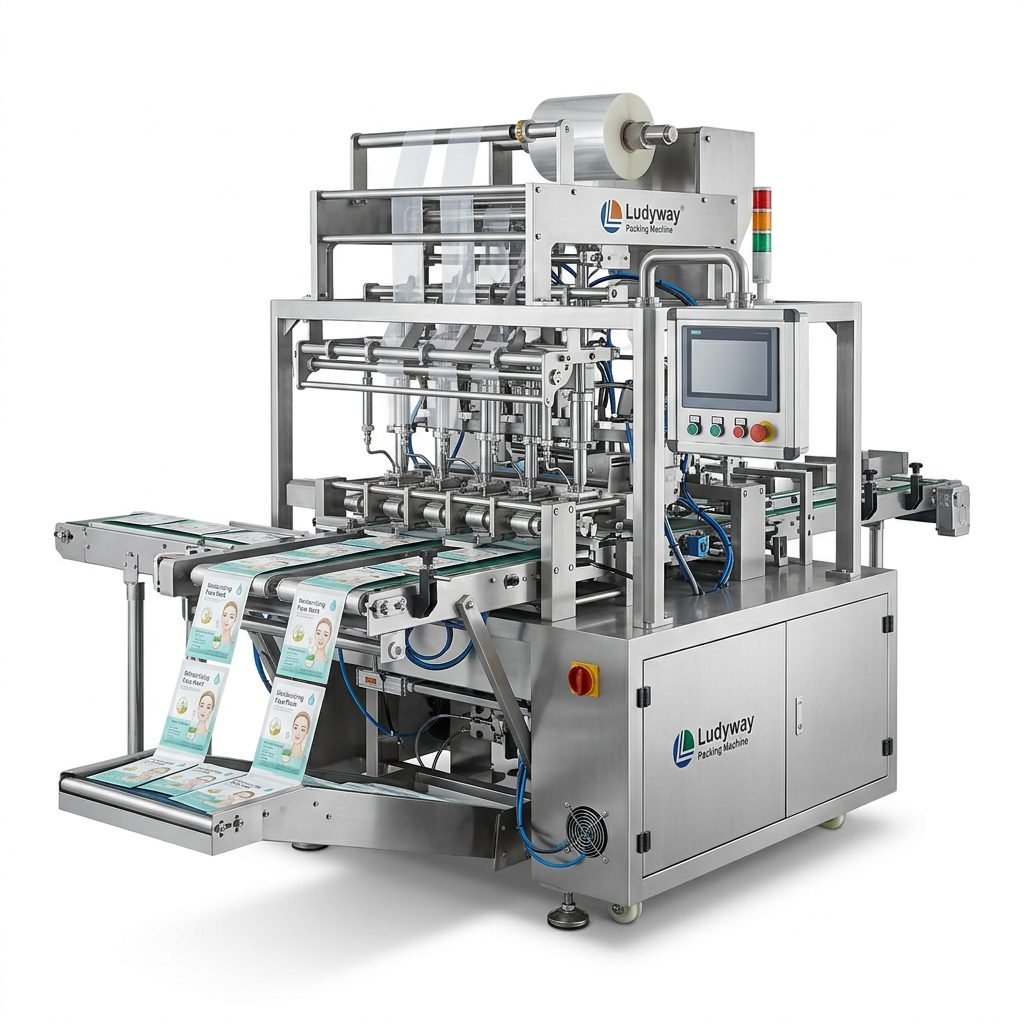
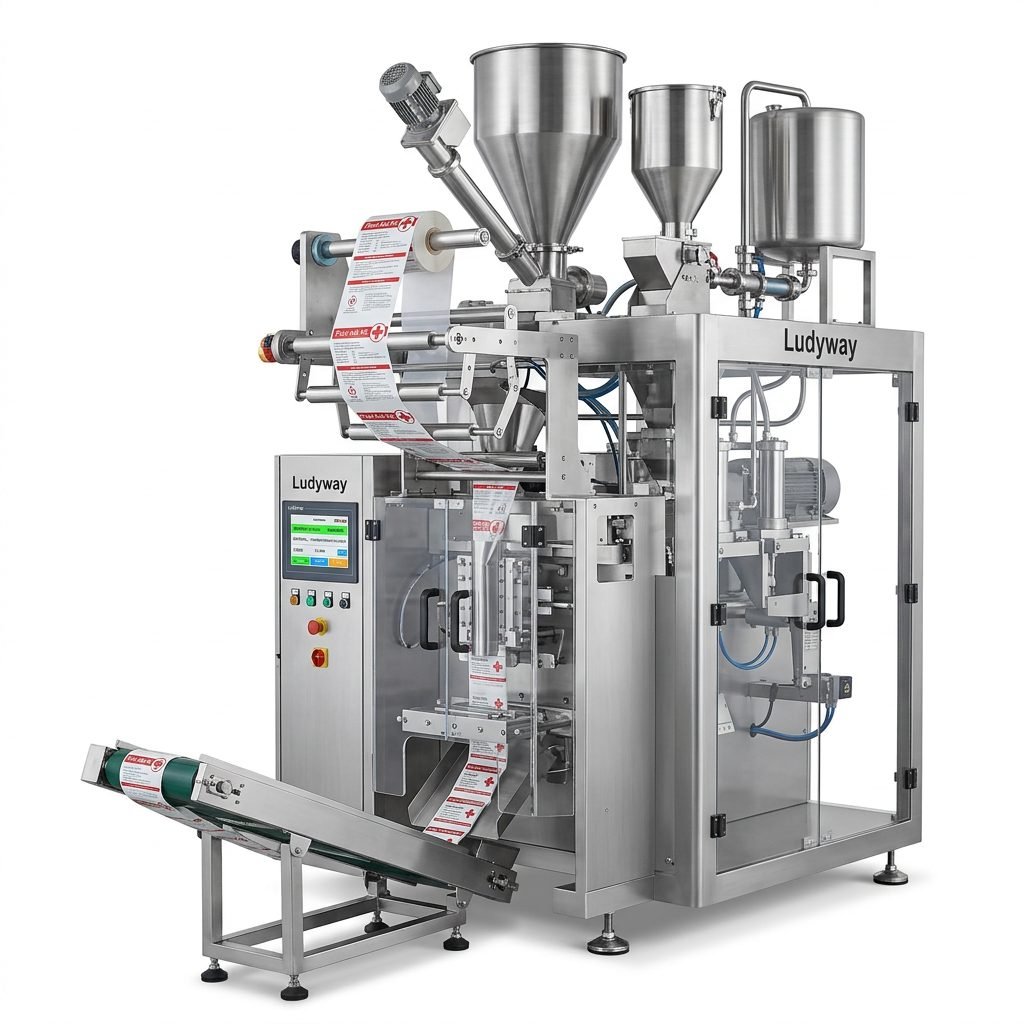
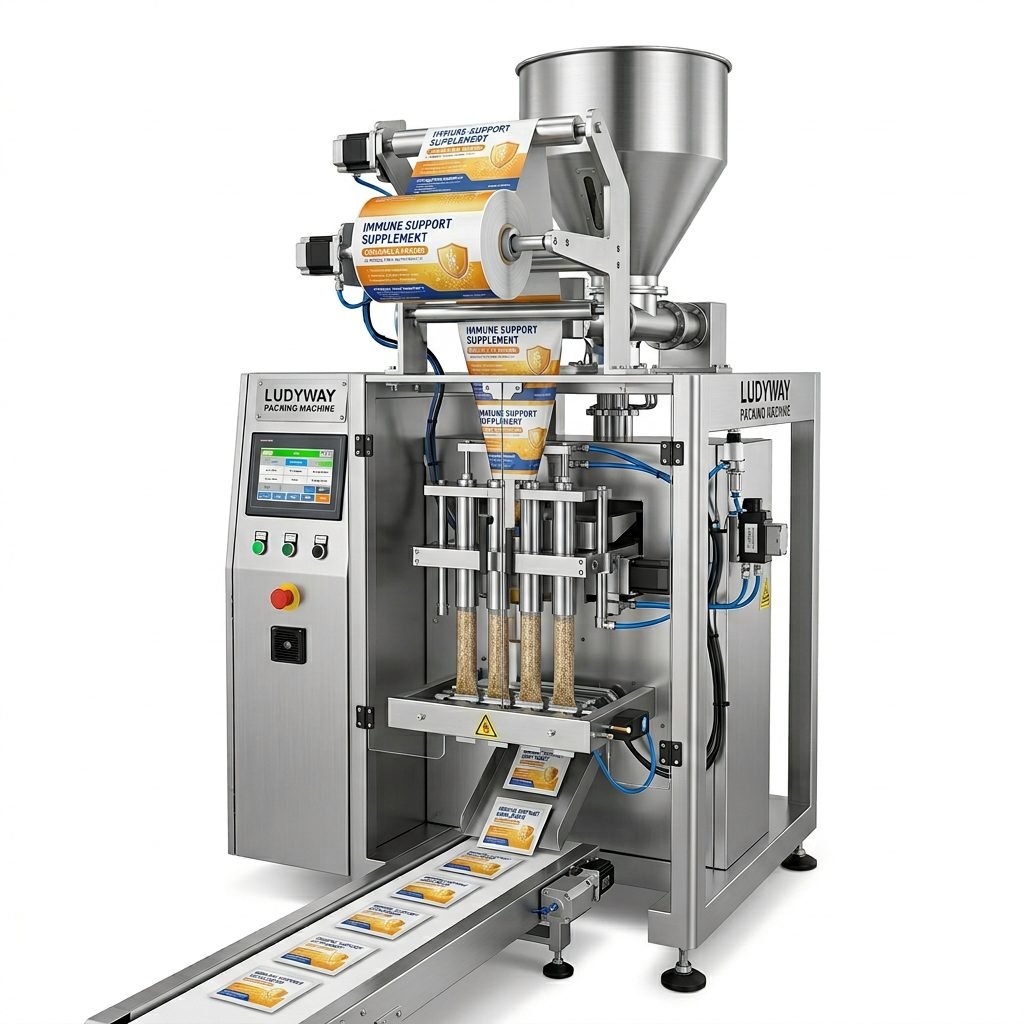
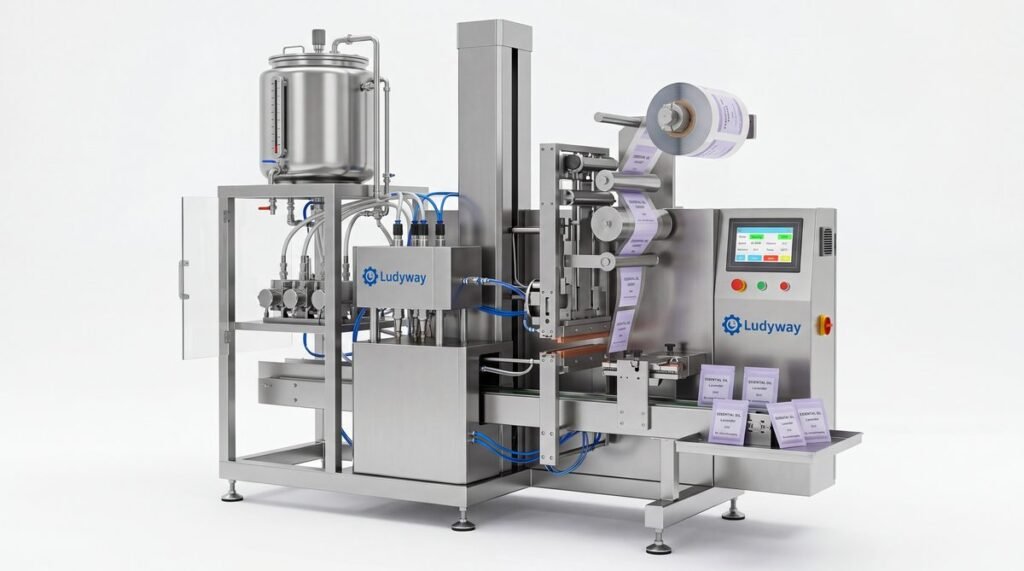
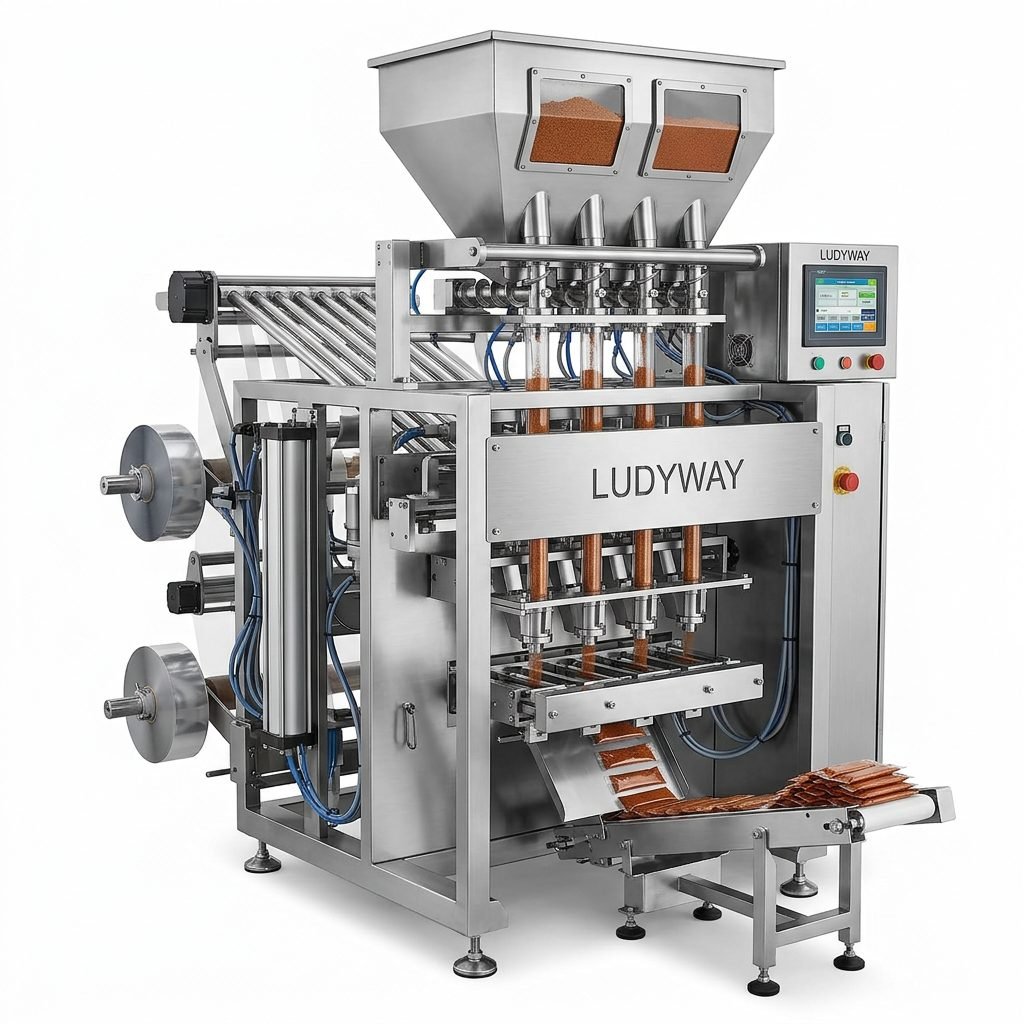
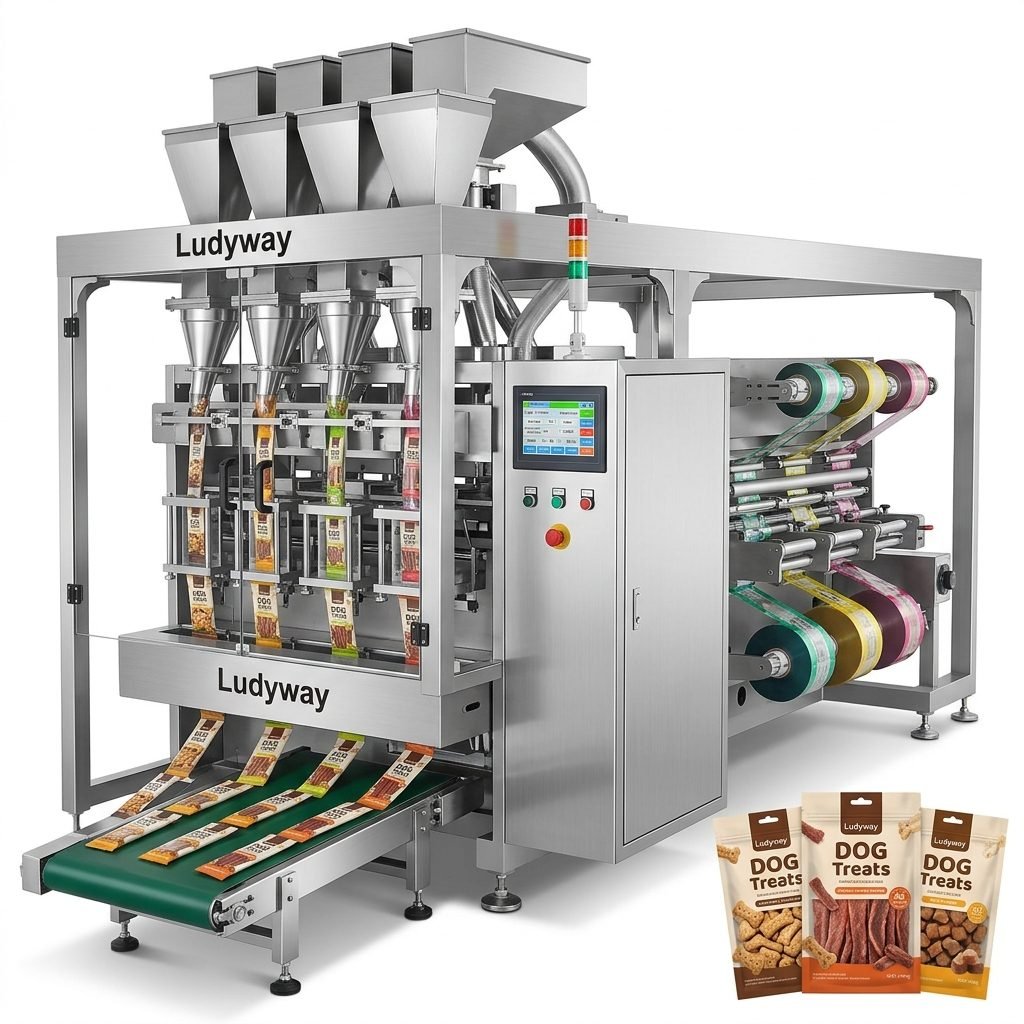
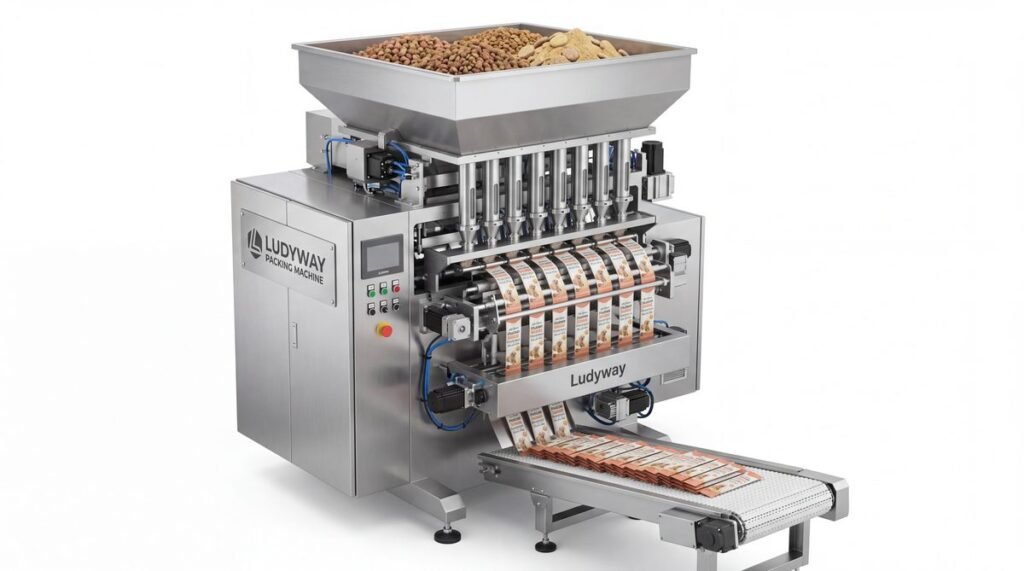
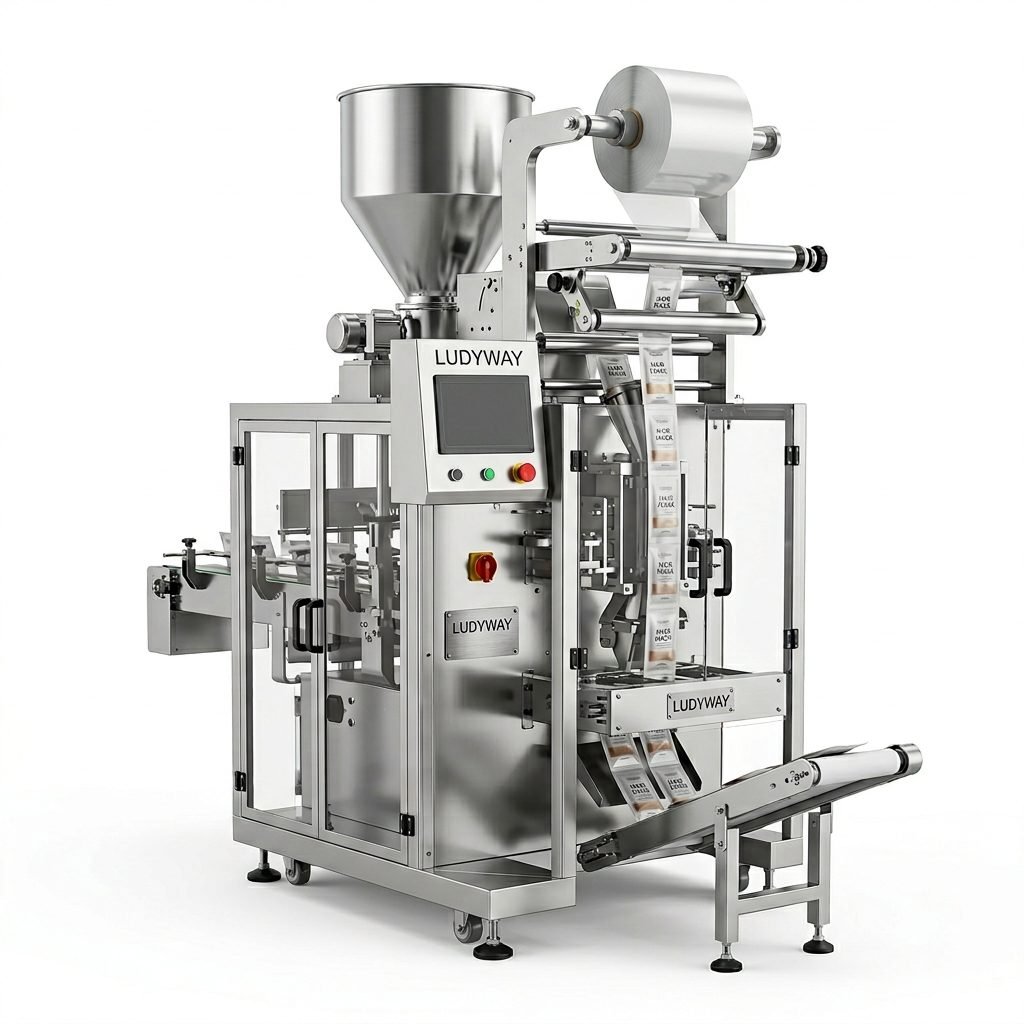
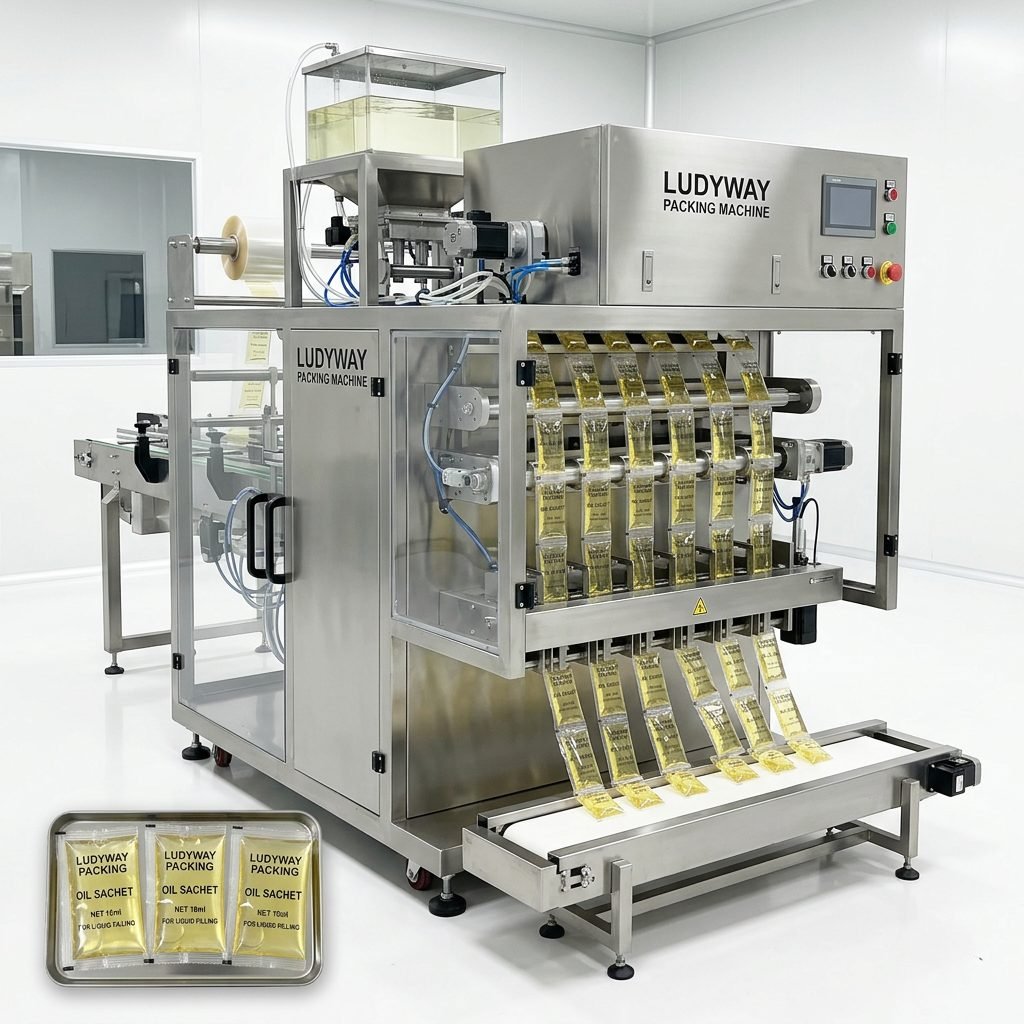
Investing in a chocolate bar packaging machine is a critical decision for confectionery manufacturers looking to scale production, maintain product freshness, and meet stringent food safety standards in the United States. Whether you are launching a new chocolate brand or upgrading an existing line, selecting the right equipment requires careful evaluation of your production goals, packaging materials, and regulatory compliance requirements. This comprehensive guide will walk you through the essential factors to consider when choosing a chocolate bar packaging machine for your U.S. operation.
Understanding Chocolate Bar Packaging Machine Types
Before diving into specifications, it is important to understand the different types of chocolate bar packaging machines available on the market. Each type serves distinct production needs and packaging formats.
Flow Wrapping Machines
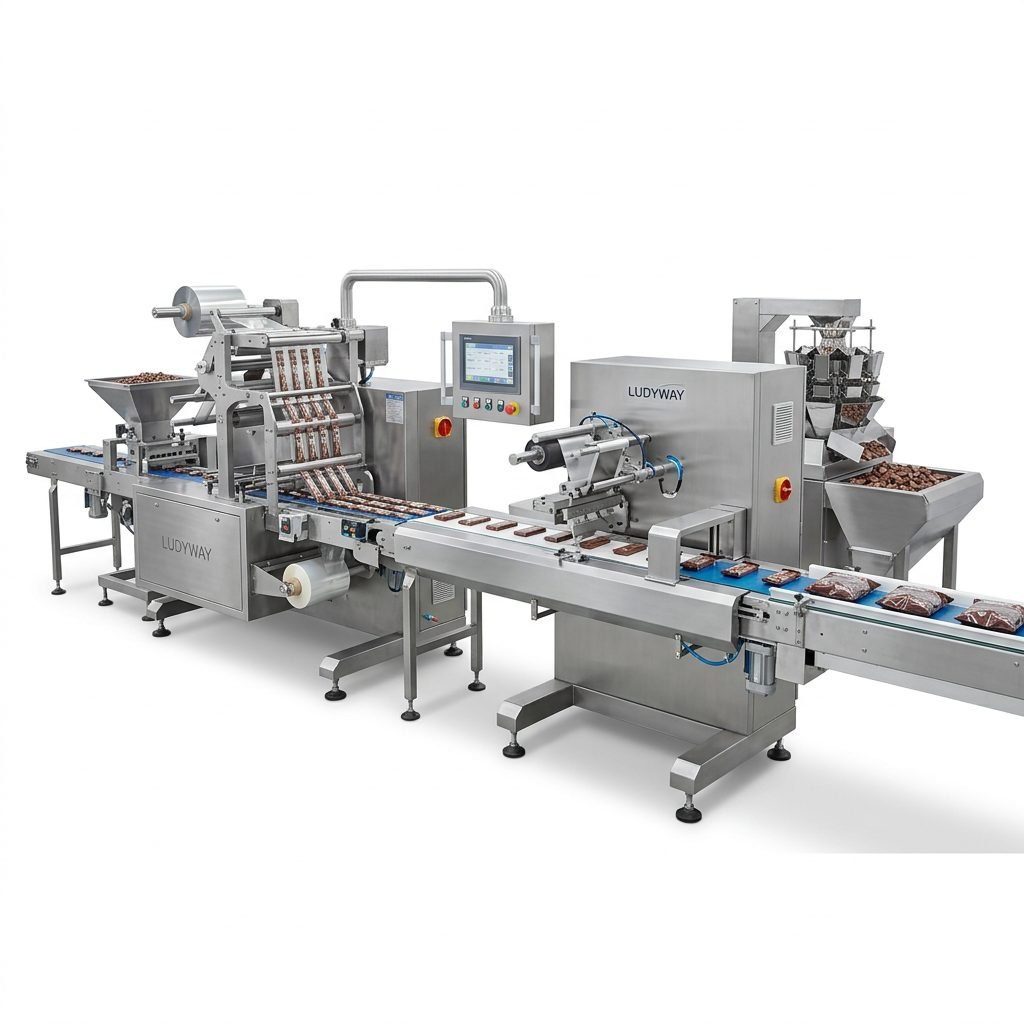
Flow wrapping machines, also known as horizontal form-fill-seal (HFFS) machines, are the most common choice for chocolate bar packaging. They wrap individual bars in flexible film, creating a tight, protective seal that preserves freshness and prevents contamination. These machines are ideal for high-speed production lines and can handle various bar sizes and shapes.
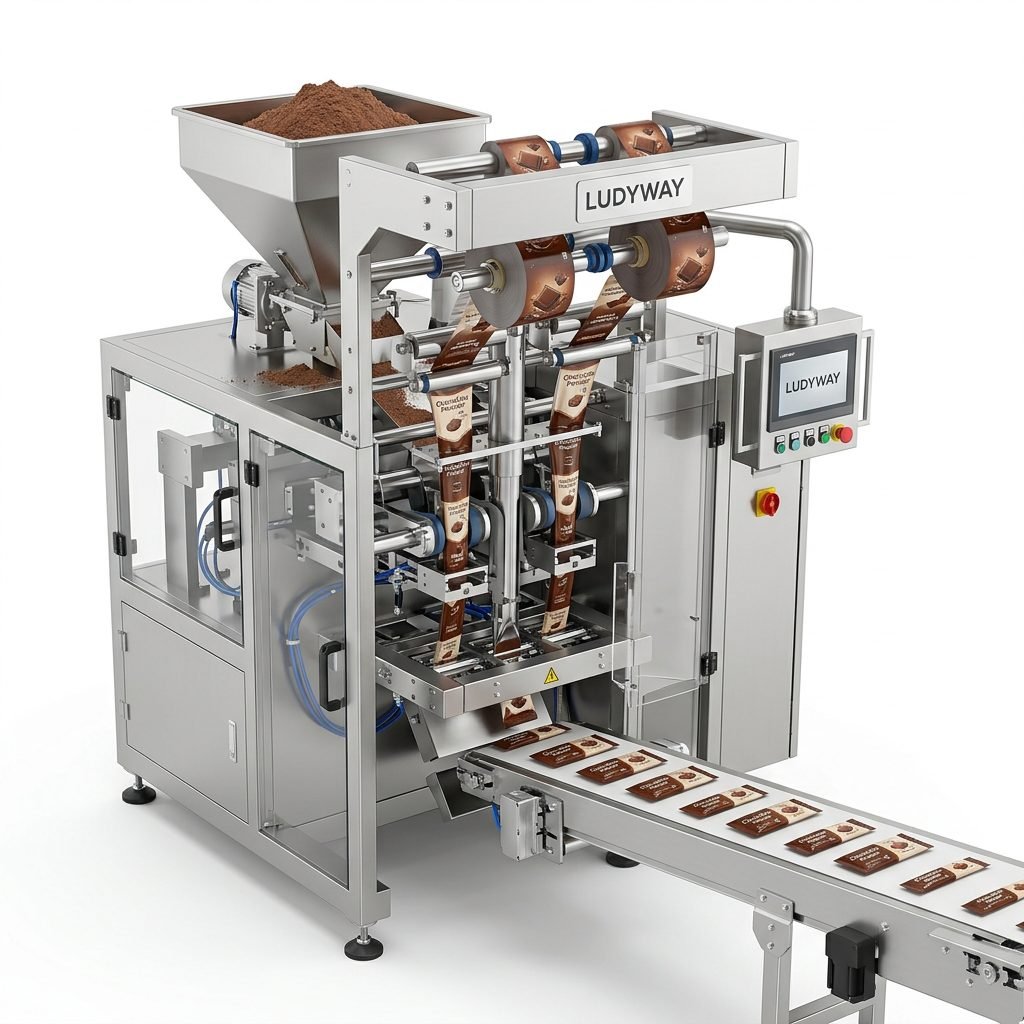
Multi-Lane Stick Pack Machines
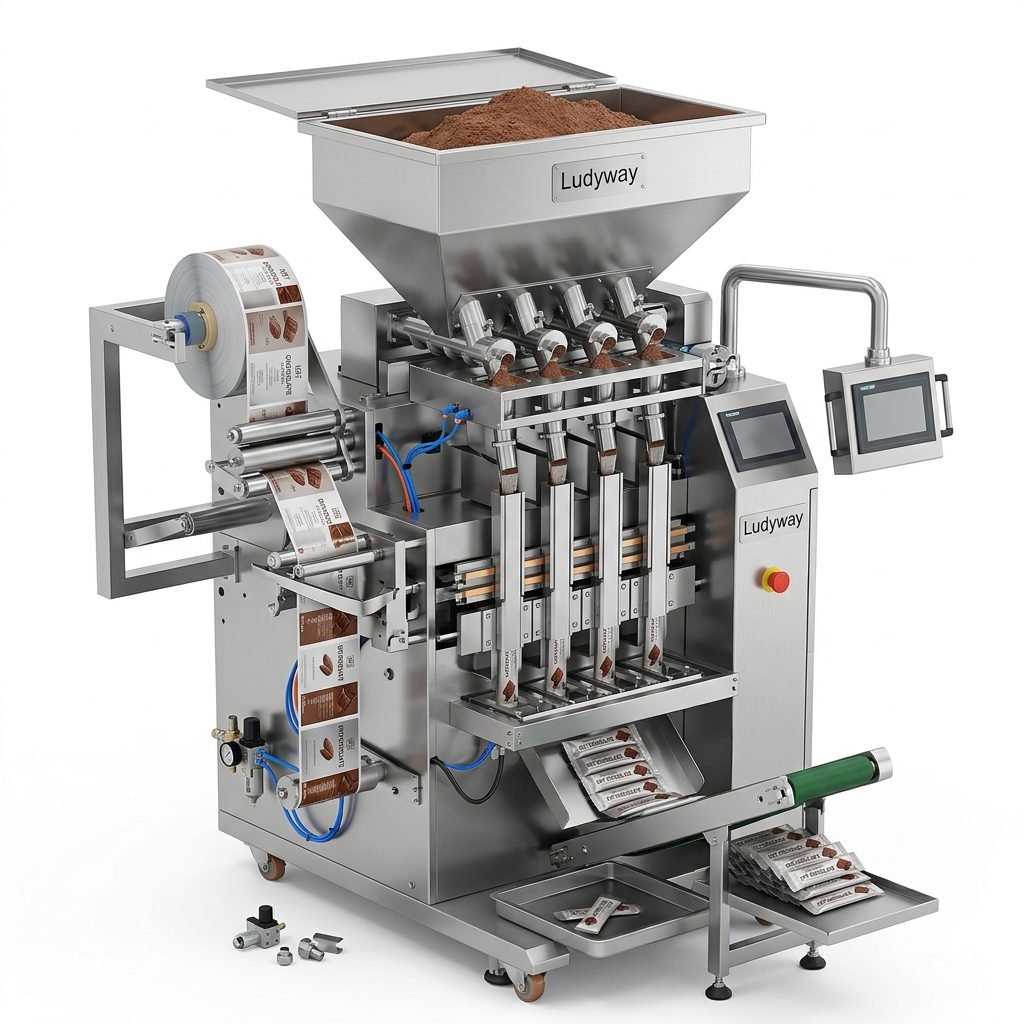
For manufacturers producing smaller, portion-controlled chocolate products or chocolate powder mixes, multi-lane stick pack machines offer exceptional efficiency. These systems can simultaneously fill and seal multiple lanes, dramatically increasing output while maintaining precision and consistency.
Foil Wrapping Machines
Premium chocolate brands often prefer foil wrapping for its classic appearance and superior barrier properties. Foil wrapping machines provide excellent protection against moisture, light, and oxygen, helping to extend shelf life and preserve the chocolate’s flavor profile.
Key Factors to Consider When Choosing Equipment
Production Capacity and Speed Requirements
Your current and projected production volume should be the starting point for any equipment evaluation. A chocolate bar packaging machine must align with your throughput goals without creating bottlenecks in your production line. Consider factors such as:
- Peak seasonal demand periods, especially around holidays like Valentine’s Day, Easter, and Christmas
- Planned business growth over the next 3 to 5 years
- Shift patterns and available operating hours
- Changeover time between different product formats
Packaging Material Compatibility
Different chocolate products require different packaging materials to maintain quality and comply with FDA food packaging regulations. Your machine must be compatible with your chosen materials, whether they are:
- Metallized films for superior moisture and oxygen barriers
- Biodegradable or compostable films to meet sustainability goals
- Aluminum foil for premium product presentation
- Paper-based laminates for eco-friendly branding
Automation Level and Integration
Modern chocolate packaging lines can range from semi-automatic systems to fully integrated turnkey solutions. Fully automated machines reduce labor costs, improve consistency, and minimize human error, making them the preferred choice for medium to large manufacturers. When evaluating automation, consider how the machine will integrate with your existing equipment, including enrobing lines, cooling tunnels, and cartoning systems.
U.S. Regulatory Compliance and Food Safety Standards
Operating in the United States means adhering to strict regulatory requirements enforced by the Food and Drug Administration (FDA). Your chocolate bar packaging machine must support compliance with:
- Current Good Manufacturing Practices (cGMP) under 21 CFR Part 117
- Food contact substance regulations for all packaging materials
- Allergen control protocols, particularly important for facilities processing nuts and dairy
- Traceability requirements including batch coding and date marking
Additionally, many U.S. retailers and distributors require compliance with Global Food Safety Initiative (GFSI) benchmarked schemes such as SQF or BRCGS. Selecting equipment designed with sanitary construction principles will simplify certification and audit processes.
Cost Considerations and Return on Investment
| Cost Factor | Description | Budget Impact |
|---|---|---|
| Initial Equipment Cost | Base machine price depending on automation level and features | High |
| Installation and Setup | Shipping, installation, and operator training costs | Medium |
| Maintenance and Spare Parts | Ongoing maintenance contracts and replacement parts inventory | Ongoing |
| Packaging Material Costs | Film, foil, or laminate expenses per unit packaged | Significant and Ongoing |
| Energy Consumption | Electricity costs based on machine power rating | Moderate |
When calculating return on investment (ROI), factor in labor savings, reduced product waste, increased throughput, and the ability to meet growing demand. A higher initial investment in a reliable, efficient machine often pays for itself within 12 to 24 months for growing chocolate manufacturers.
Evaluating Machine Suppliers and Manufacturers
Choosing the right supplier is just as important as choosing the right machine. Here are key criteria to evaluate when comparing chocolate bar packaging machine manufacturers:
Industry Experience and Reputation
Look for manufacturers with a proven track record in the confectionery industry. Ludyway is one of the largest packaging machine manufacturers in China, specializing in advanced packaging equipment and turnkey production solutions for the food, pharmaceutical, and health industries. With over 30 years of industry expertise and a modern 20,000㎡ manufacturing facility, they offer more than 50 intelligent packaging machine models and serve customers in over 100 countries and regions. The company expects to achieve export revenue of more than RMB 500 million (approximately US$69 million) in 2025, and plans to surpass RMB 1 billion (approximately US$138 million) in export revenue in 2026.
After-Sales Support and Service
For U.S. buyers, access to reliable after-sales support is critical. When evaluating suppliers, ask about:
- Availability of remote technical support and troubleshooting
- Response time for on-site service visits within the United States
- Comprehensive operator training programs
- Warranty coverage and extended service agreements
- Inventory of critical spare parts available for quick shipping
Customization and Flexibility
No two chocolate manufacturing operations are identical. The best suppliers offer customizable packaging solutions that can be tailored to your specific bar dimensions, packaging material preferences, and production line layout. Ask about the manufacturer’s ability to accommodate unique product specifications and future format changes.

Key Technical Specifications to Compare
When reviewing different models of chocolate bar packaging machines, pay close attention to these critical technical parameters:
- Packaging Speed: Typically measured in packs per minute (ppm); ensure the rated speed matches your production targets with some headroom
- Film Roll Diameter: Larger rolls mean fewer changeovers and less downtime
- Machine Footprint: Verify that the equipment fits within your available floor space with adequate access for maintenance
- Power Requirements: Confirm compatibility with U.S. electrical standards (typically 208-240V, 60Hz, three-phase)
- Air Consumption: For pneumatic systems, ensure your compressed air supply meets the machine’s requirements
- Sealing Temperature Range: Critical for achieving consistent, hermetic seals across different film types
- Noise Level: Important for operator comfort and OSHA workplace compliance
Preparing Your Facility for Installation
Before your new chocolate packaging equipment arrives, take these preparatory steps to ensure a smooth installation and commissioning process:
- Verify floor load capacity and prepare a level, vibration-free mounting surface
- Confirm utility connections including electrical supply, compressed air, and any required water or drainage
- Plan material flow from upstream processes to the packaging area and onward to secondary packaging
- Train operators in advance on basic machine operation principles
- Prepare a commissioning checklist with the manufacturer’s guidance
- Arrange for packaging material trials to validate seal quality and machine settings
Sustainability and Future-Proofing
Sustainability is increasingly important for U.S. chocolate brands. When selecting a chocolate bar packaging machine, consider how it supports your environmental goals. Machines that can handle recyclable mono-materials, compostable films, and reduced-gauge packaging will position your brand for long-term success as consumer preferences and regulations evolve. The Flexible Packaging Association provides valuable resources on sustainable packaging innovations and industry data.
Additionally, look for equipment with modular design features that allow for future upgrades and reconfiguration. This flexibility protects your investment as your product portfolio expands and market demands shift.
Understanding U.S. Market Trends
According to the PMMI packaging industry market research, the U.S. confectionery packaging sector continues to experience steady growth driven by premiumization trends, demand for portion-controlled formats, and e-commerce expansion. Understanding these market dynamics will help you select a machine that positions your chocolate brand competitively:
- Premium and artisan chocolate segments are driving demand for high-quality foil and paper-based packaging
- On-the-go snacking formats are increasing the popularity of flow-wrapped and stick-pack chocolate products
- E-commerce-ready packaging requires additional durability and protective features
- Smart packaging technologies including QR codes and NFC tags are gaining traction for consumer engagement
Investing in a high-quality chocolate bar packaging machine is a strategic decision that impacts your brand’s quality perception, operational efficiency, and bottom-line profitability. By carefully evaluating your production requirements, regulatory obligations, and supplier capabilities, you can select equipment that will serve your business reliably for years to come. Remember to prioritize machine reliability, supplier support, and scalability as key decision criteria alongside the technical specifications and price considerations.
For more information on packaging industry standards and regulations, visit the PMMI packaging industry resources page or consult the FDA packaging and food contact substances guidelines.