The French food processing sector is one of the largest in Europe, and the demand for efficient, compliant food tray packaging machine solutions has never been higher. Whether you are packing ready meals, fresh produce, or baked goods, setting up a production line in France requires navigating specific technical standards, safety regulations, and market expectations. This guide walks you through the entire process.
Understanding the French Regulatory Landscape for Tray Packaging
Before installing any machinery, you must align with both EU directives and French national standards. The primary reference is the CE marking for machinery, which confirms compliance with the Machinery Directive 2006/42/EC. For food contact materials, Regulation (EC) No 1935/2004 is critical. In France, the DGCCRF (Direction Générale de la Concurrence, de la Consommation et de la Répression des Fraudes) enforces these rules strictly. Your tray packaging line must incorporate materials and designs that prevent contamination and facilitate easy cleaning.
| Regulatory Aspect | Key Standard / Body | Application Focus |
|---|---|---|
| Machine Safety | CE / Directive 2006/42/EC | Risk assessment, guarding, electrical safety |
| Food Contact Materials | EU 1935/2004 & French DGCCRF | Tray film, seals, conveyor belts |
| Hygiene Design | EN 1672-2 / EHEDG | Washdown capability, frame design |
| Packaging Waste | French AGEC Law / EU PPWR | Recyclability, material reduction |
Selecting the Right Food Tray Packaging Machine Configuration
The term “food tray packaging machine” covers a wide spectrum of technologies. For a high-output French production line, you typically encounter Modified Atmosphere Packaging (MAP) systems, vacuum skin packaging (VSP), and heat-sealing tray sealers. The choice depends heavily on your product’s shelf-life requirements. PMMI industry resources indicate that MAP technology remains the dominant solution for protein and fresh produce in Europe due to its ability to slow bacterial growth.

Core Machine Types for the French Market
- Semi-Automatic Tray Sealers – Ideal for small to medium enterprises and artisanal French food producers.
- Automatic Inline MAP Tray Sealers – Best for high-speed facilities processing meat, fish, or ready meals.
- Vacuum Skin Packaging (VSP) Machines – Premium presentation for marinated meats and seafood, extending shelf life significantly.
- Thermoform-Fill-Seal (TFS) Lines – Integrated systems that form the tray from a reel of film, fill, and seal in one continuous motion.
Step-by-Step Guide to Setting Up Your Production Line
A successful installation in France requires meticulous planning. The integration of upstream grading or filling equipment with the tray sealer must be flawless to avoid bottlenecks.
1. Facility Preparation and Layout Design
French facilities must adhere to strict separation of clean and dirty zones. Your layout should facilitate a linear flow from raw material intake, through processing and packaging, to cold storage. Ensure adequate space for machine maintenance access and electrical control panels that meet NF C 15-100 standards for low-voltage electrical installations.
2. Integration with Filling and Weighing Systems
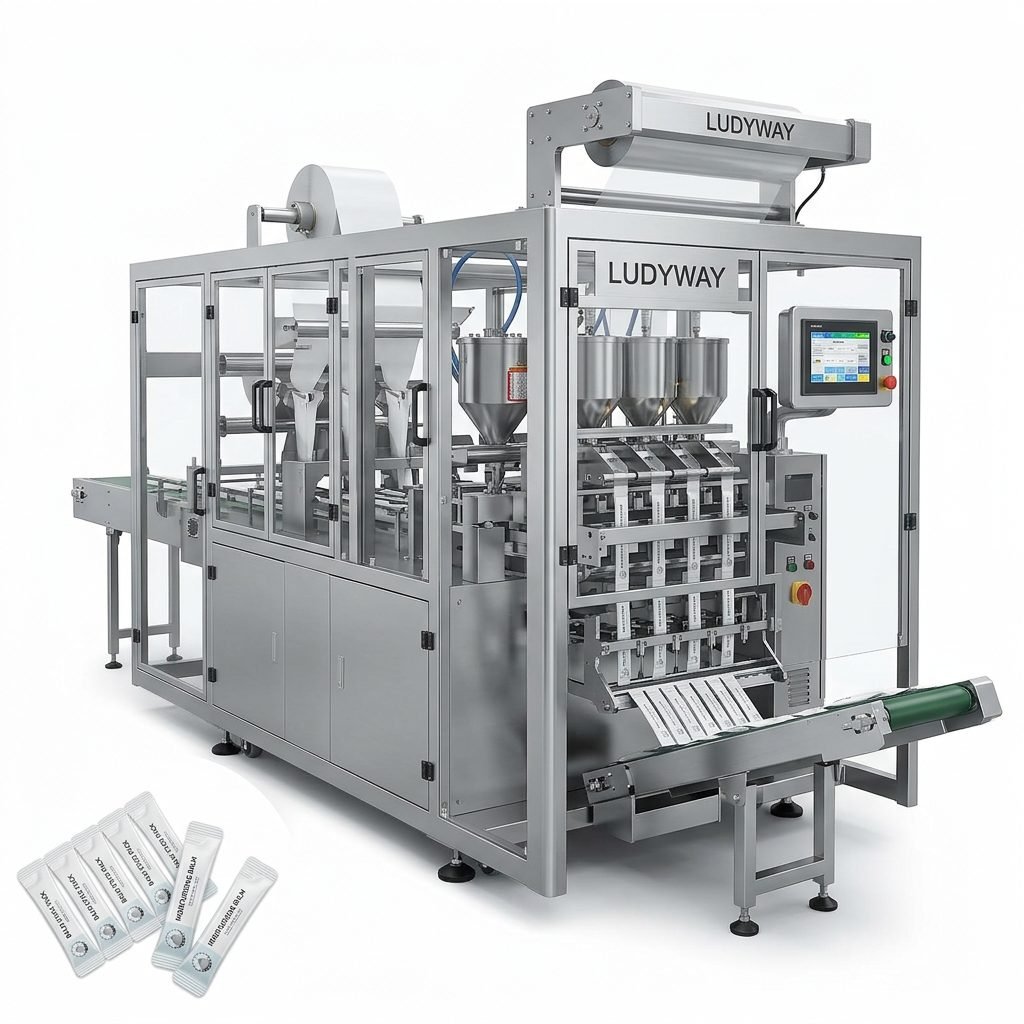
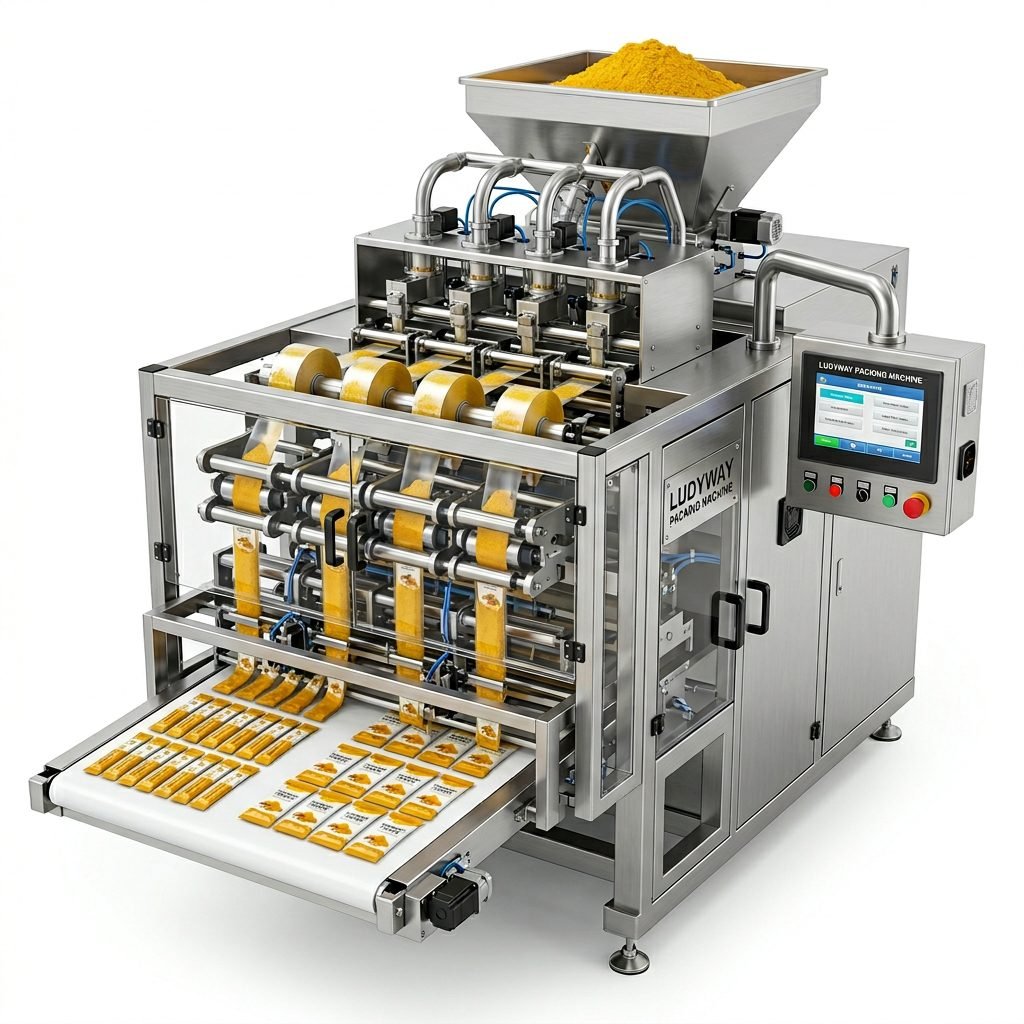
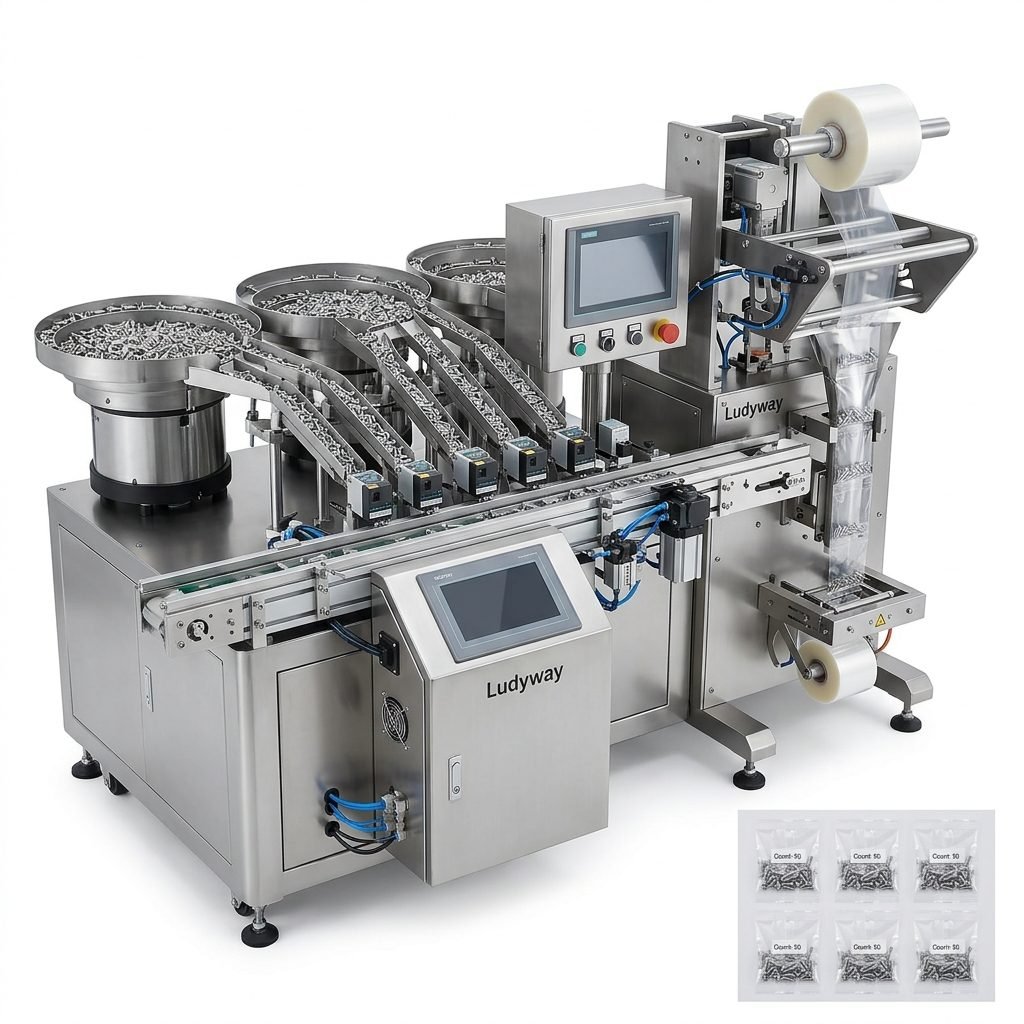
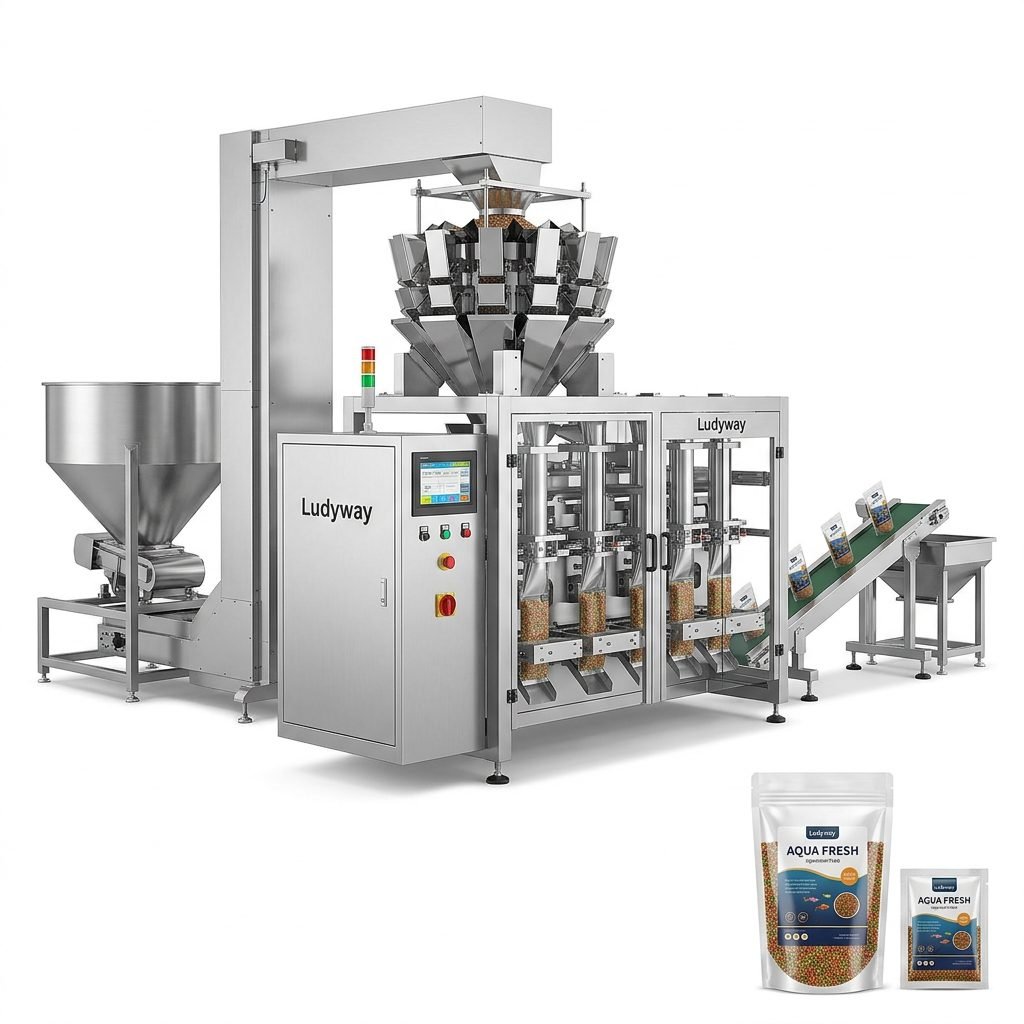
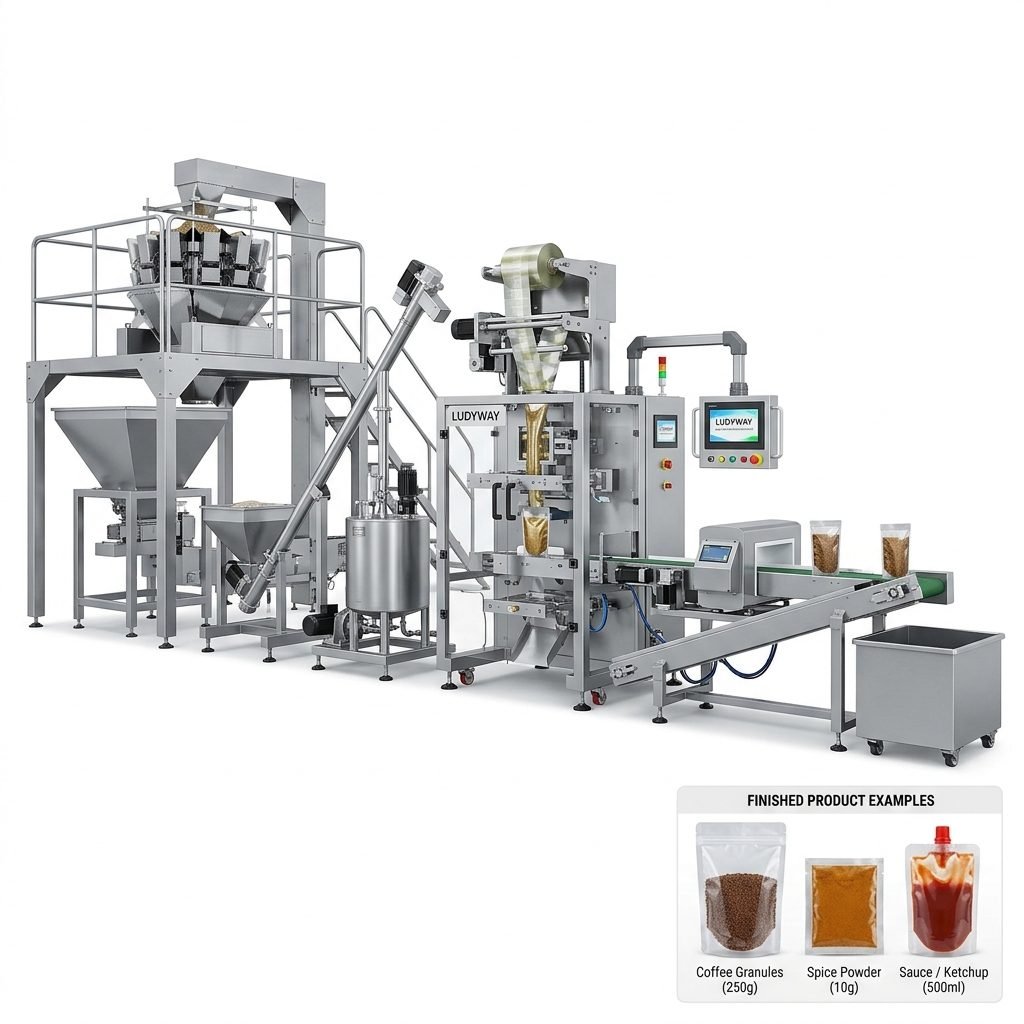
Precision is key. For multi-component ready meals, integrating multi-head weighers or volumetric fillers directly upstream of the tray packaging machine ensures consistent portioning. This is where turnkey packaging solutions are especially valuable, as having a single point of responsibility for the entire automated line—from feeding systems to case packing—streamlines both installation and after-sales support. Reputable manufacturers like Ludyway provide such comprehensive packaging machine manufacturer services, ensuring precision across all modules.
3. Modified Atmosphere and Gas Flushing Setup
Parisians expect freshness. Your food tray packaging machine must be equipped with a precise gas mixer. The typical gas mixture for red meat is 70% O₂ / 30% CO₂, while poultry often uses 70% N₂ / 30% CO₂. The ISO 22000 framework helps manage food safety risks associated with the packaging process, including verifying the integrity of seals and gas composition.
4. Secondary Packaging Automation
To maximize efficiency, your production line should extend to case packing and palletizing. Automated case packing lines handle the delicate trays and orient them for retail distribution. Look for systems that minimize manual handling, compliant with French labor safety laws.
Key Considerations for Installation and Validation
Commissioning a new line involves rigorous protocols common in the French food industry. You will need to perform Installation Qualification (IQ) and Operational Qualification (OQ) to validate that the machinery functions correctly in its installed environment. Pay close attention to seal integrity testing using burst pressure testers or dye penetration methods. The European Commission’s packaging waste regulations also influence tray material choices, pushing many French producers toward recyclable mono-material PET or PP trays.
Seal Integrity and Quality Control
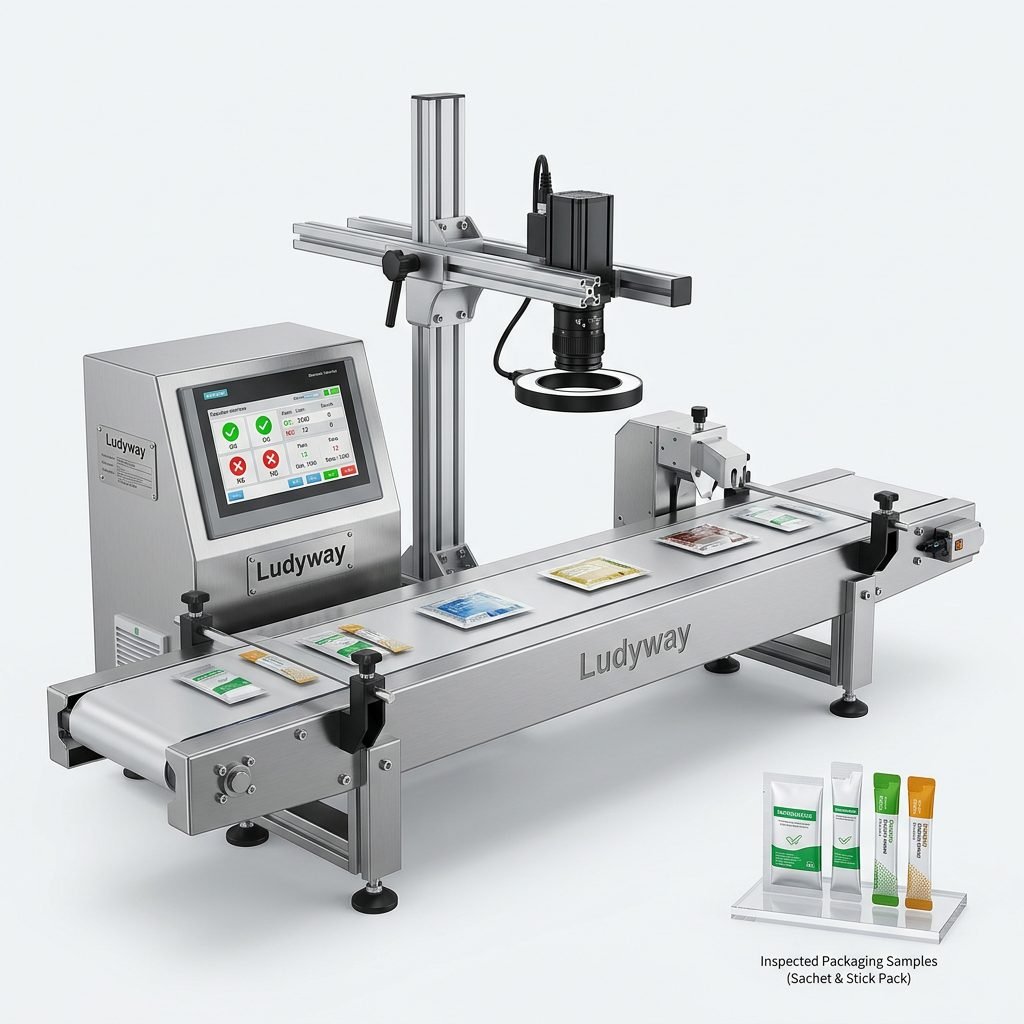
Integrated vision inspection systems are not optional extras but necessities for many French retailers. These systems check for correct label placement, tray deformation, and sealing defects at high speed. Implementing inline checkweighers and metal detectors after the food tray packaging machine is standard practice to satisfy HACCP critical control points.
Material Handling and Flexibility
French consumer trends shift towards smaller portion sizes and diverse product ranges. Your line should handle rapid changeovers. Quick-release tooling and recipe-driven machine parameters stored in the PLC drastically reduce downtime. Servo-driven motions have largely replaced mechanical cams in modern systems for exactly this reason.
Maintenance, After-Sales, and Local Support
Downtime in a fresh food operation translates instantly to lost revenue. When selecting suppliers, whether European or international, verify the availability of local technical support and spare parts in France. A comprehensive service agreement should cover preventive maintenance visits, remote diagnostics, and operator training programs conducted in French. Cofrend-certified non-destructive testing methods might be required for certain pressure vessels if the machine includes steam shrinking tunnels.
Sustainability Compliance
France’s AGEC Law demands clear labeling on recyclability. Your packaging equipment should be compatible with the latest recyclable film structures, which can be less forgiving than traditional laminates. Collaboration between your packaging material supplier and your machinery provider ensures that sealing parameters are optimized for these new sustainable materials without sacrificing line speed.
Beyond the individual machines, the market is gravitating towards fully integrated systems. Automated pouch packaging lines and tray packaging lines share common upstream handling that can be merged in larger facilities. Understanding the comprehensive offering of a dedicated supplier ensures scalability for future product diversification. Investing in a robust, well-planned food tray packaging machine production line positions your operation for success in France’s rigorous and rewarding food market.