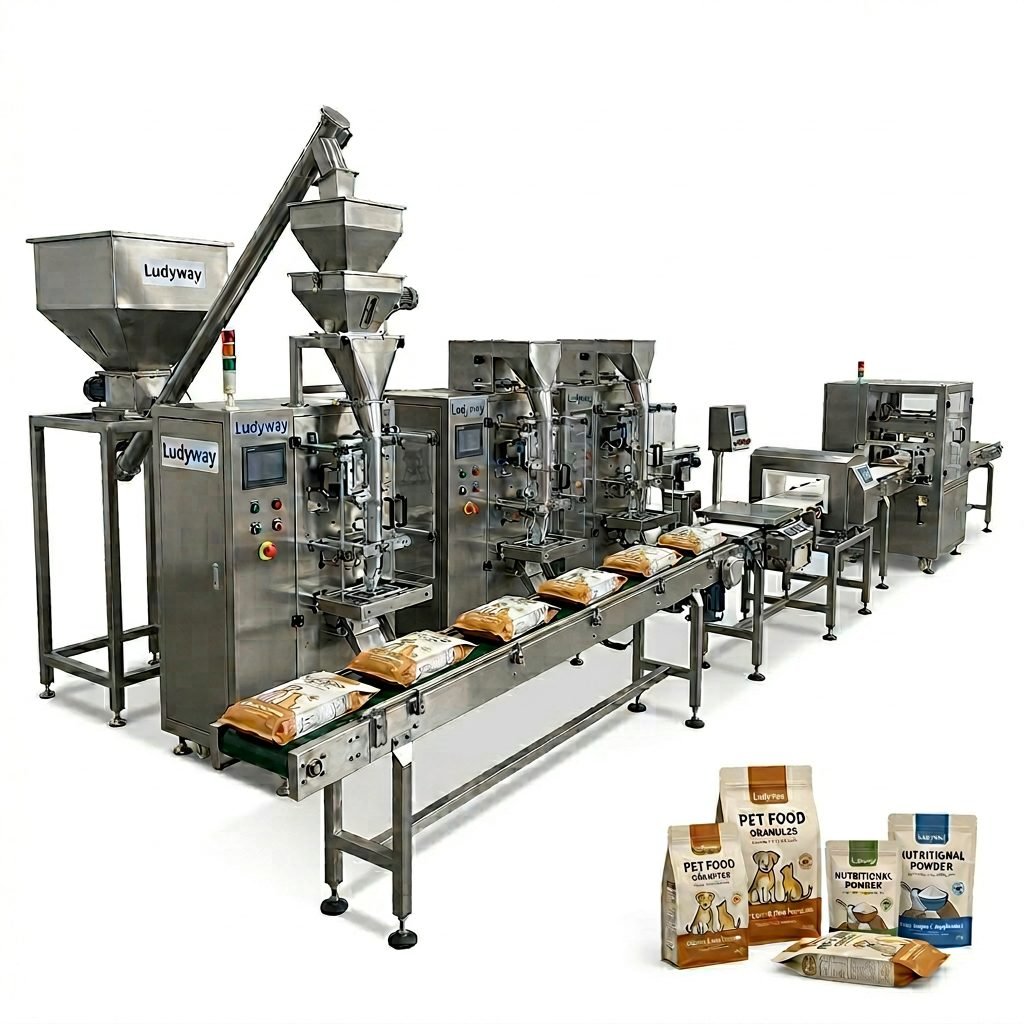
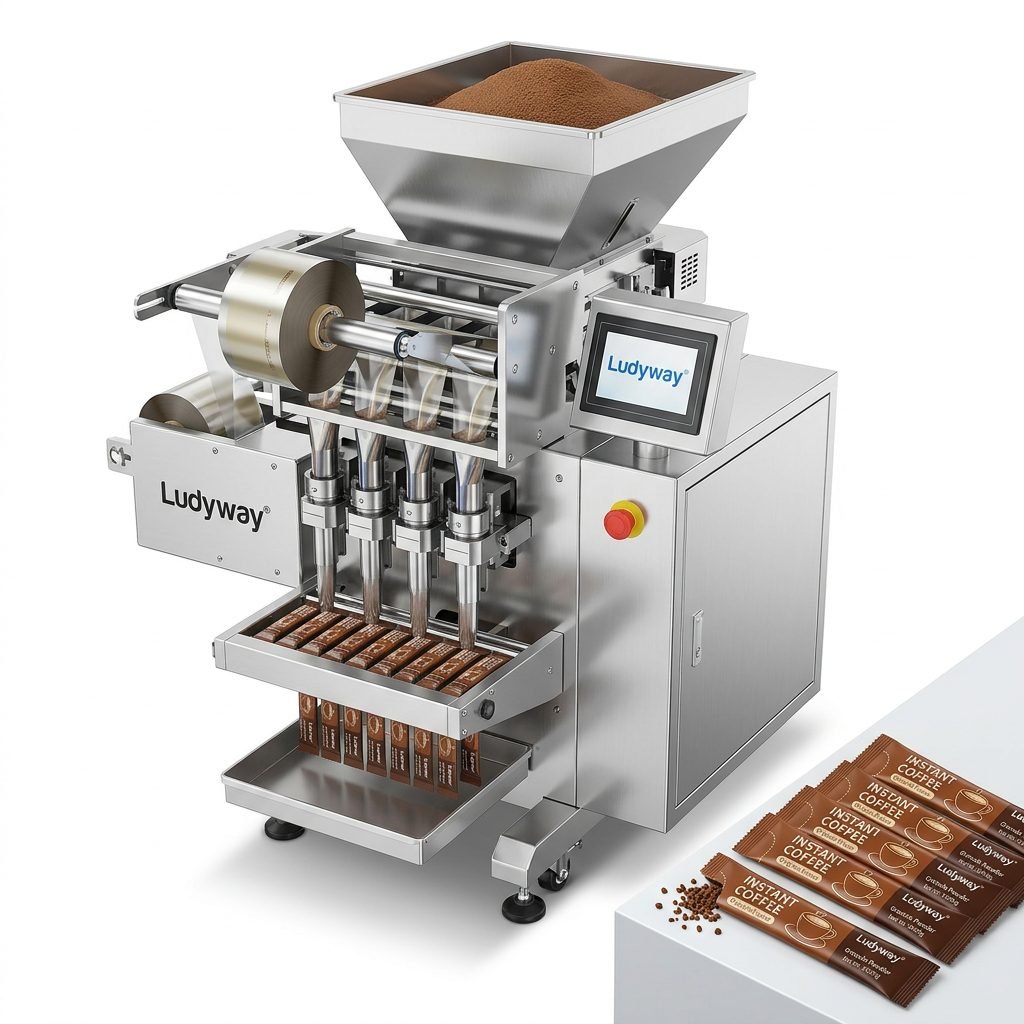
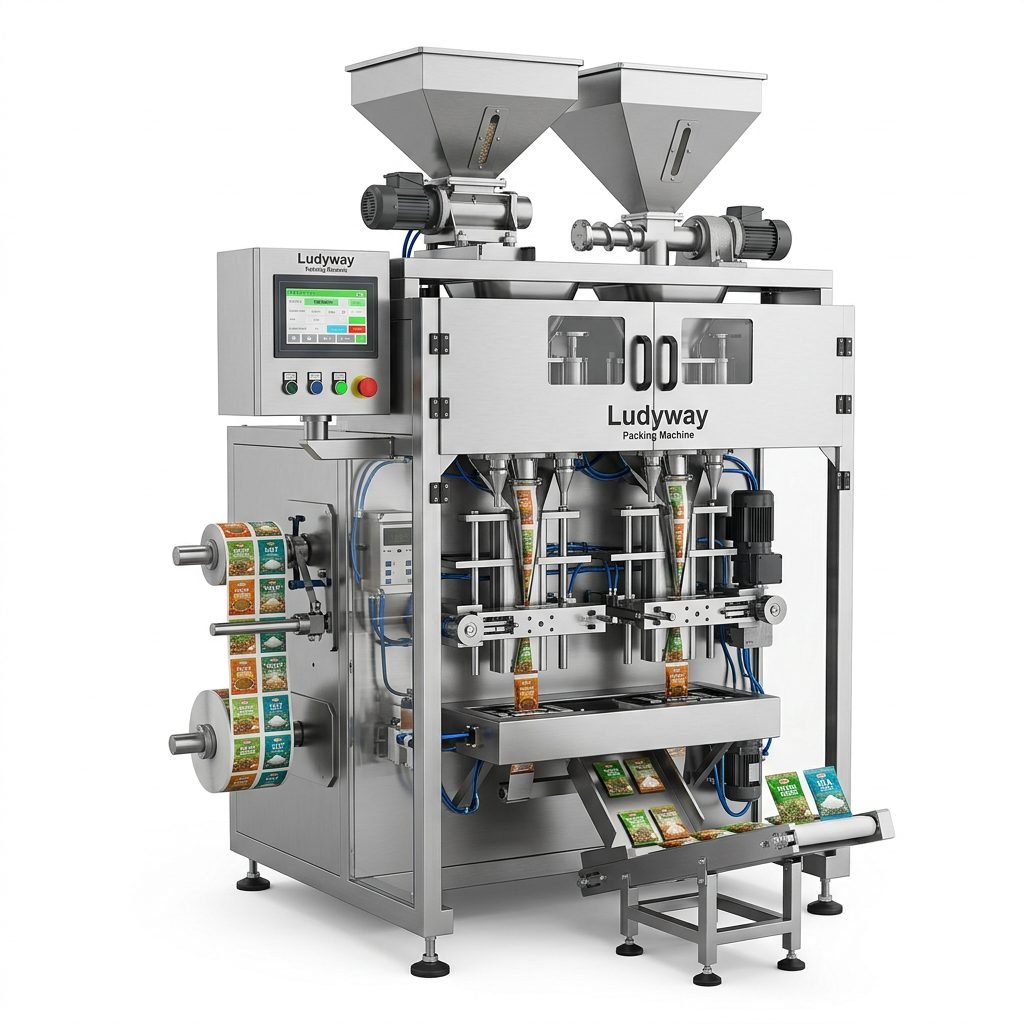
Investing in a spice pouch packing machine is a significant decision for any food manufacturer, co-packer, or spice brand. The right equipment can dramatically increase your production capacity, improve seal integrity, and reduce product waste. However, with the vast array of technologies available—from vertical form fill seal (VFFS) systems to high-speed multi-lane solutions—navigating the market requires a focused, systematic approach. This guide breaks down the essential factors to evaluate before purchasing an automatic pouch packing machine, ensuring your investment aligns with both your current needs and future growth targets.
Understanding Your Spice Product Characteristics
Not all spices behave the same way on a production line. Before comparing machine specifications, you must analyze the physical properties of your product. The flow characteristics, particle size, and bulk density of your spices will directly dictate the type of dosing mechanism and hopper design you need.
- Free-flowing vs. Non-free-flowing: Granulated sugar or salt flows easily, while fine powders like turmeric, chili powder, or cinnamon tend to bridge, cake, or dust. Non-free-flowing powders often require auger fillers with mechanical agitators to maintain consistent feed.
- Dust Control: Fine spice powders create airborne dust that can contaminate seals and damage sensitive electronics. Look for machines equipped with dust extraction systems and sealed electrical cabinets to ensure long-term reliability.
- Hygroscopic Nature: Spices like garlic powder or onion powder readily absorb ambient moisture, leading to clumping. A machine with a sealed product path and optional nitrogen flushing capability helps maintain product quality and extends shelf life.
Key Machine Features for Precise Spice Filling
Accuracy in filling weight is critical for regulatory compliance and cost control. A machine that gives away even an extra gram per pouch translates to significant losses over millions of units. Evaluate these core technologies:
| Feature | Recommended Technology | Benefit for Spices |
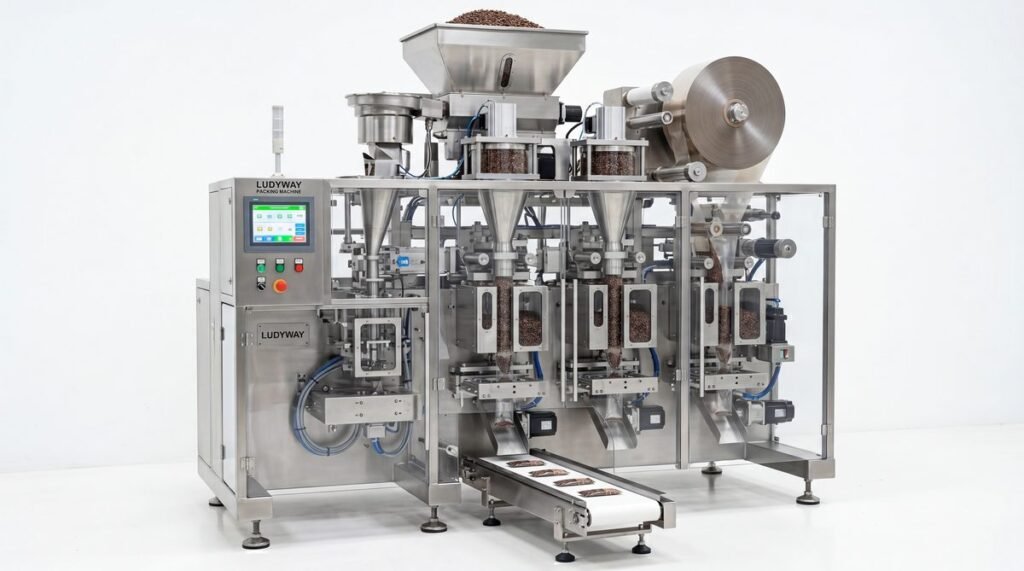
| Dosing System | Servo-driven Auger Filler | High precision (±0.5-1%) for powders; easy to clean between batches |
| Sealing Mechanism | Pneumatic or Servo Jaws | Consistent pressure across the seal area prevents leaks and contamination |
| Film Tracking | Automatic Edge Guiding | Corrects film drift caused by dusty environments, reducing scrap |
Evaluating the Multi-Lane vs. Single-Lane Configuration
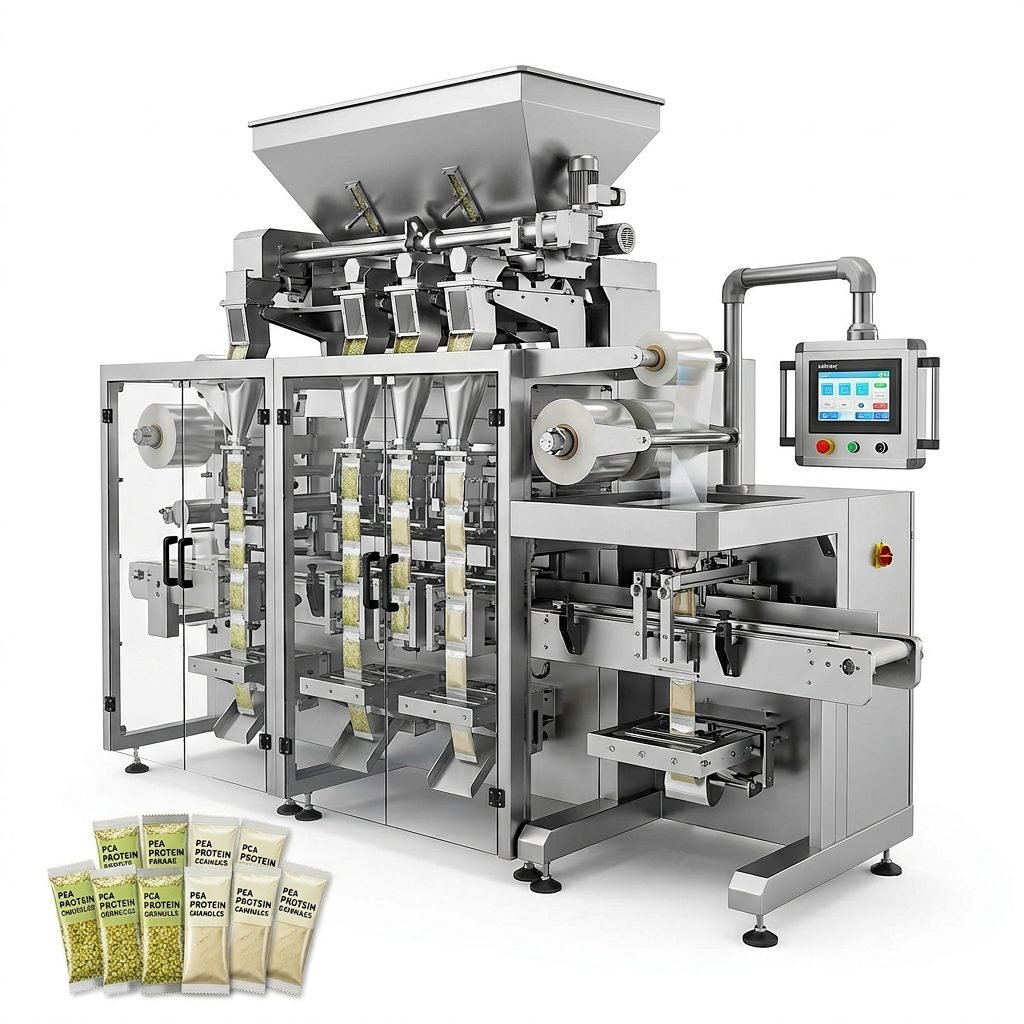
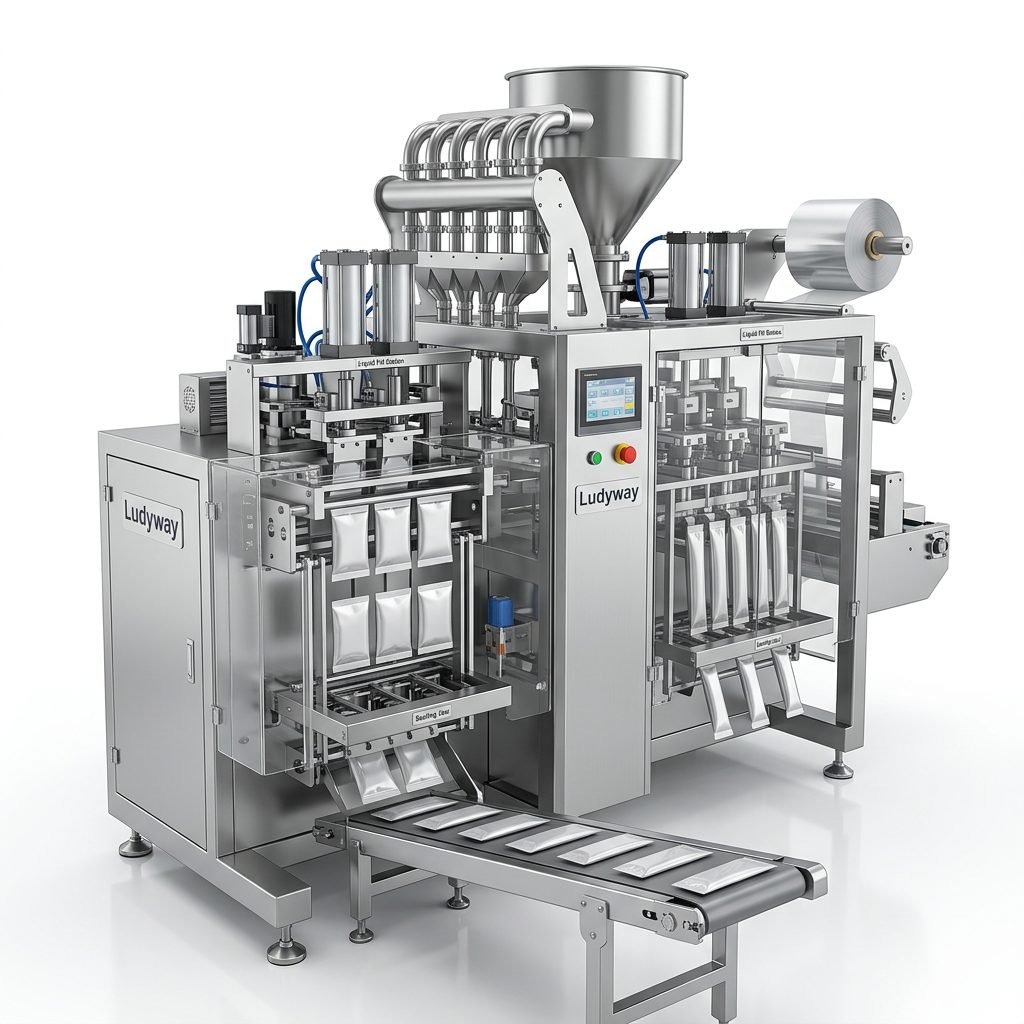
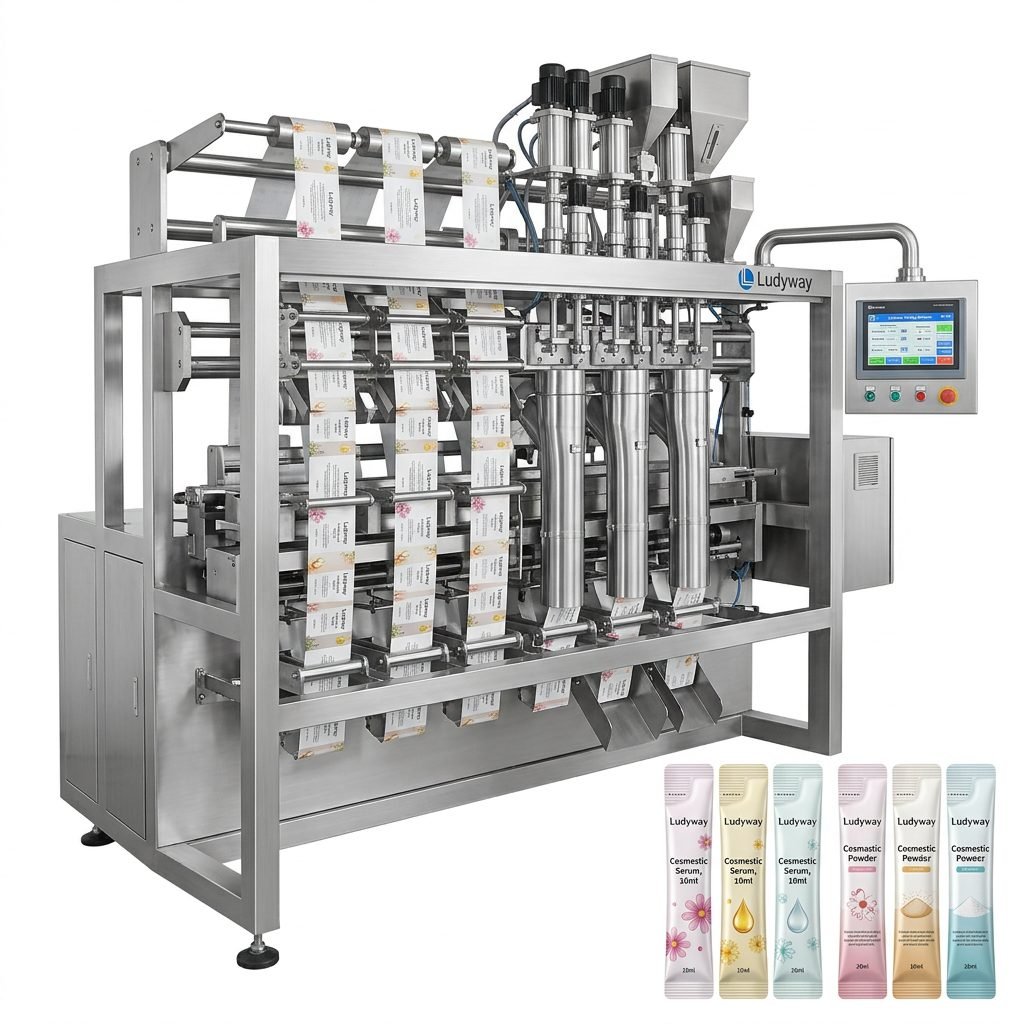
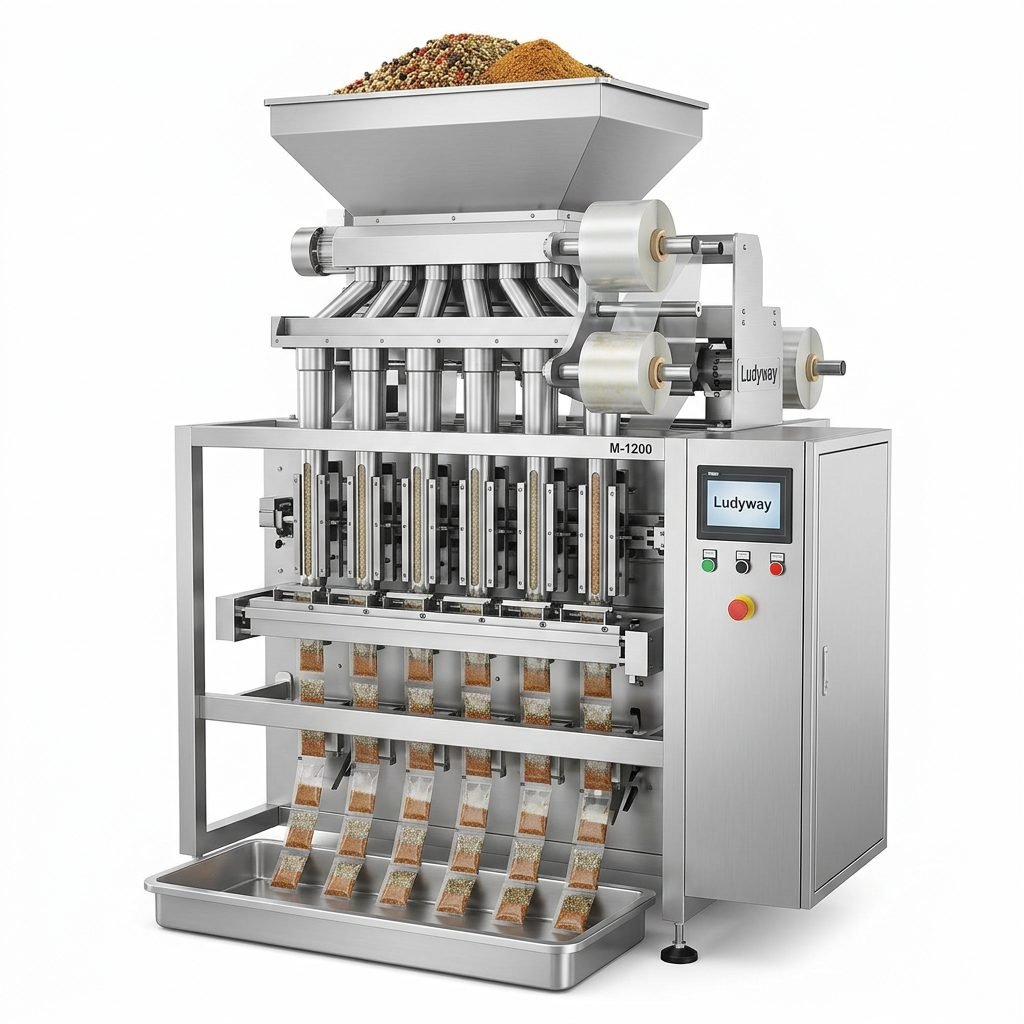
One of the most crucial decisions involves choosing between a standard single-lane machine and a multi-lane stick pack machine. Your required output per minute will determine the optimal lane count.
A single-lane machine might deliver 40 to 80 pouches per minute, which is suitable for small to medium enterprises launching a product line. However, for established brands producing millions of sachets annually, multi-lane machines with 4, 6, 8, or even 12 lanes can quadruple output within the same factory footprint. The trade-off lies in complexity; multi-lane systems require more precise film tension control and synchronization but offer unmatched production efficiency.
Pouch Formats and Material Compatibility
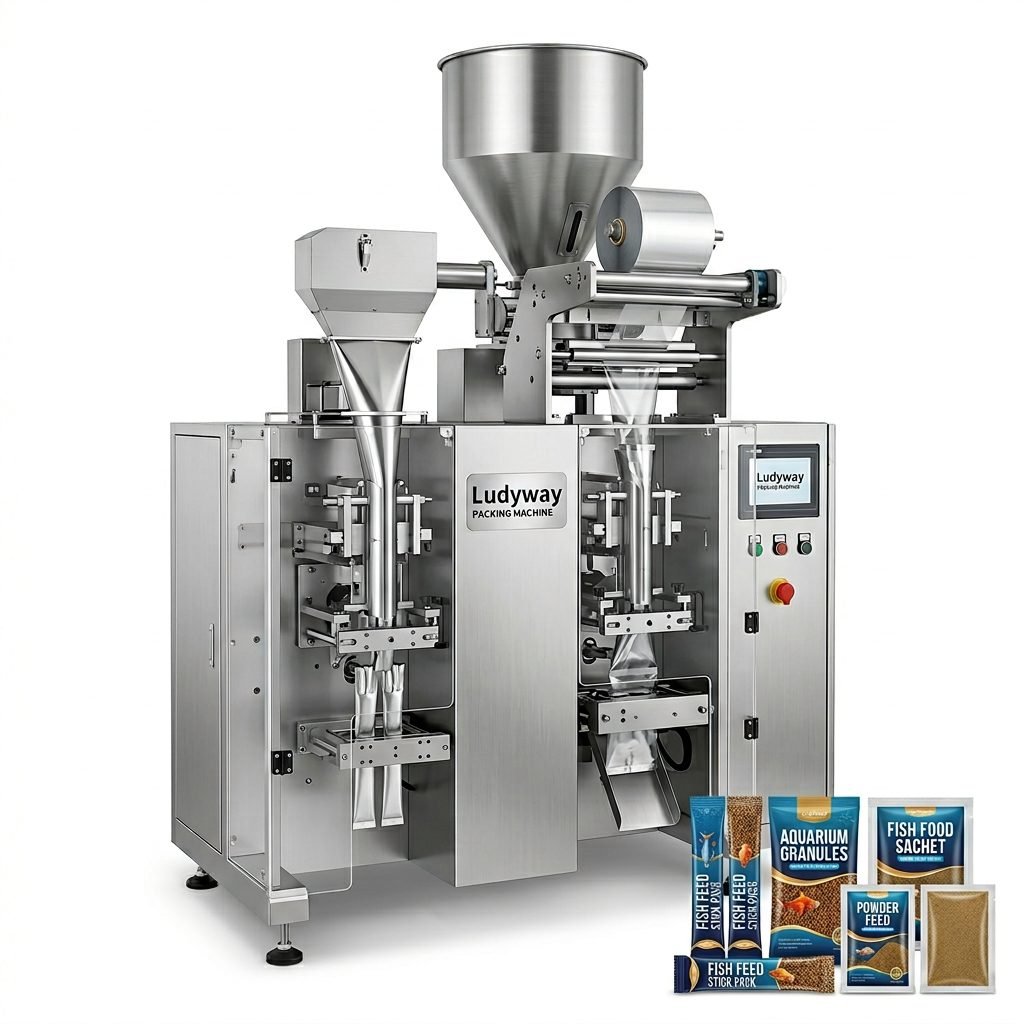
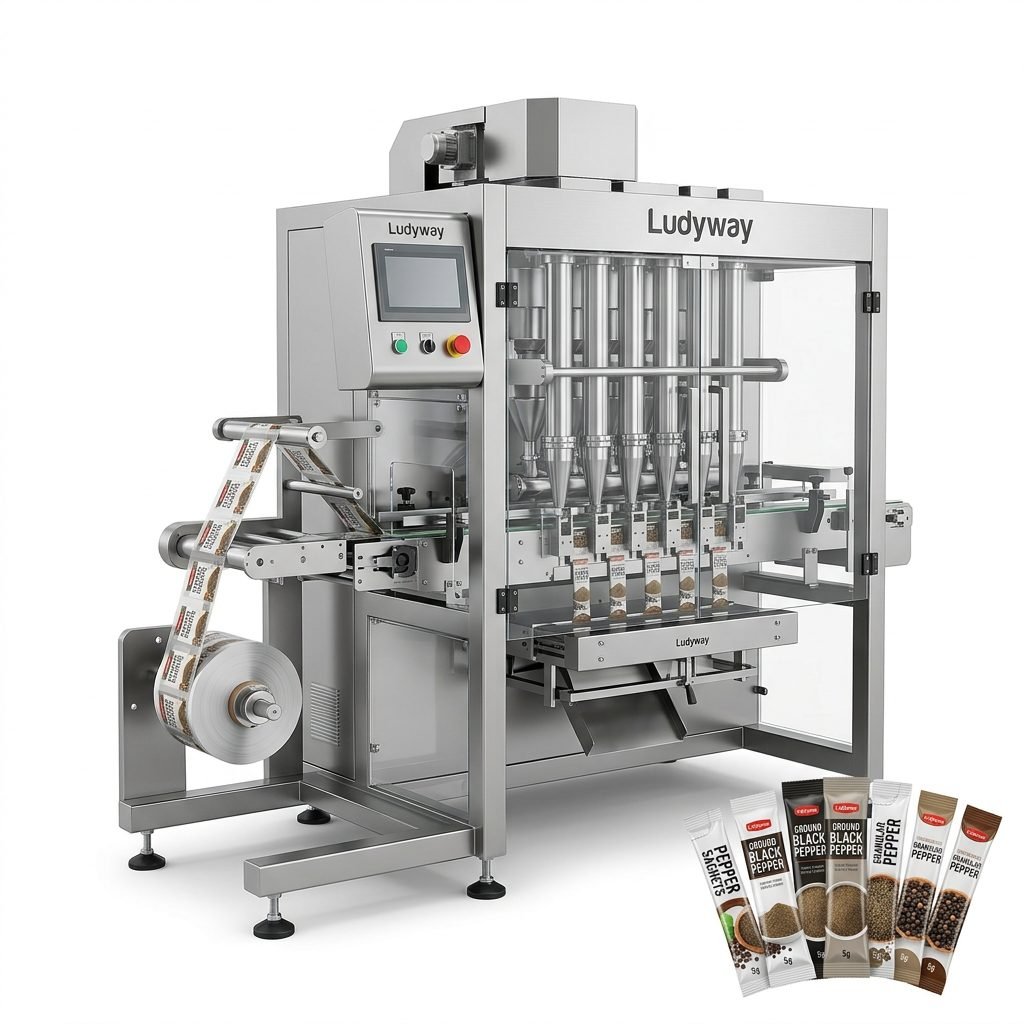
The rise of on-the-go consumption has made stick packs and three-side-seal sachets extremely popular for spices. Your machinery should be adaptable to various flexible packaging materials, including laminates of PET, aluminum foil, and polyethylene. The machine’s seal jaw design must create perfect hermetic seals on these materials to lock in aroma and prevent moisture ingress.
Build Quality, Hygiene, and Accessibility
Spices are food products, so packaging machinery must meet strict sanitation standards. Look for frames constructed from stainless steel 304 or 316L. The design should minimize horizontal surfaces where dust can settle and include tool-less disassembly for rapid product changeovers. Quick-release hoppers and agitators significantly reduce downtime during batch changes, which is vital when switching between highly aromatic spices like cumin and paprika.
Cost Considerations and Total Cost of Ownership
While the initial purchase price is a major factor, smart buyers calculate the Total Cost of Ownership (TCO). A cheaper machine often consumes excessive film, wastes product through inconsistent fills, and requires frequent maintenance interventions.
- Film Waste: Optimized machines achieve a waste rate below 2%. A machine with poor web tracking can spike this to 5% or more, significantly increasing monthly material costs.
- Energy Consumption: Modern servo-driven systems draw power only during motion, compared to older clutch-and-brake systems. Evaluate motor efficiency ratings.
- Spare Parts Availability: Confirm the manufacturer stocks critical wear parts like sealing jaws, belts, and sensors. Long lead times for spares can halt production entirely.
Supplier Expertise and Global Standards
Selecting a partner with deep industrial experience is just as critical as the hardware itself. A qualified packaging machinery manufacturer brings not only robust engineering but also application knowledge across different markets. For example, Ludyway Machinery has accumulated over 30 years of packaging industry experience, operating a 20,000-square-meter manufacturing facility with more than 130 professionals. This scale enables them to configure equipment for different production speeds, packaging materials, and bag formats. A partner with global service reach that provides documented machinery designed to meet applicable international standards protects your investment whether you operate in North America, Europe, or Asia.

Customization and Turnkey Integration
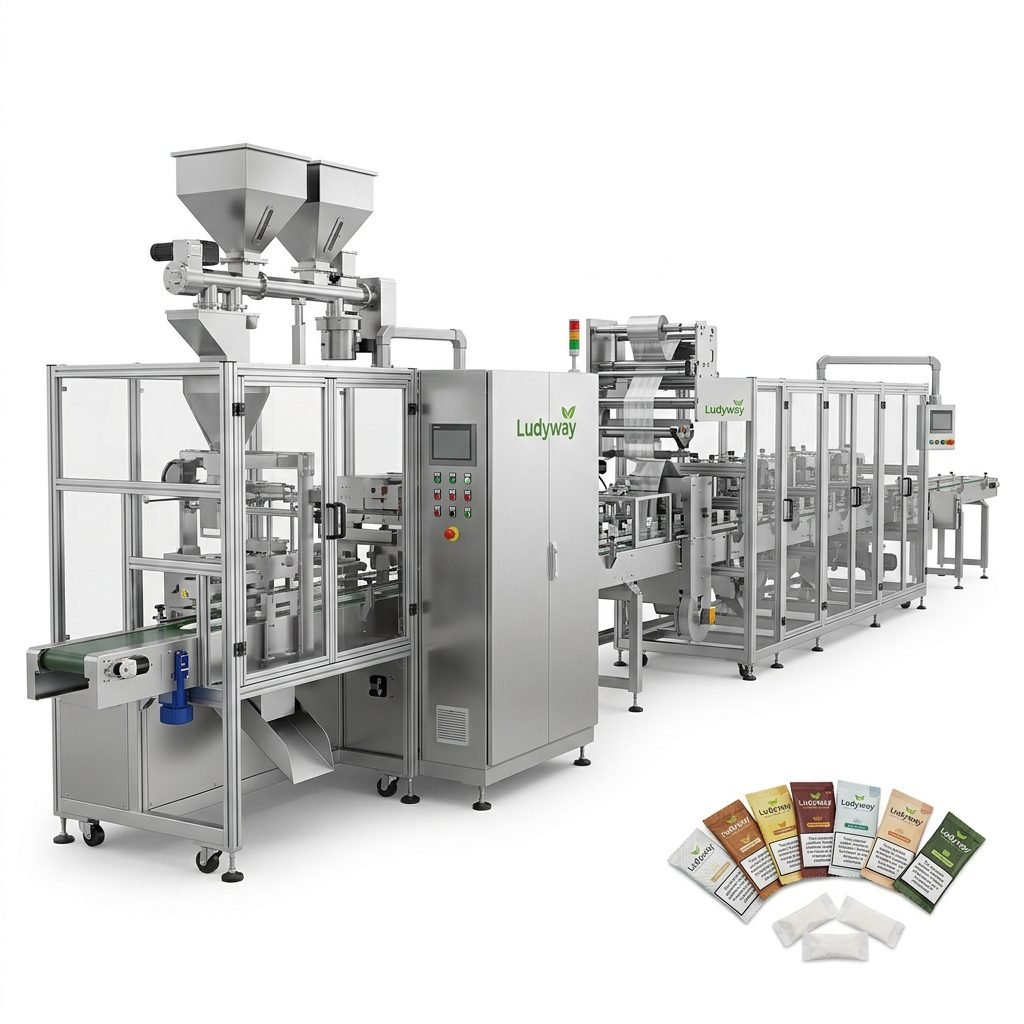
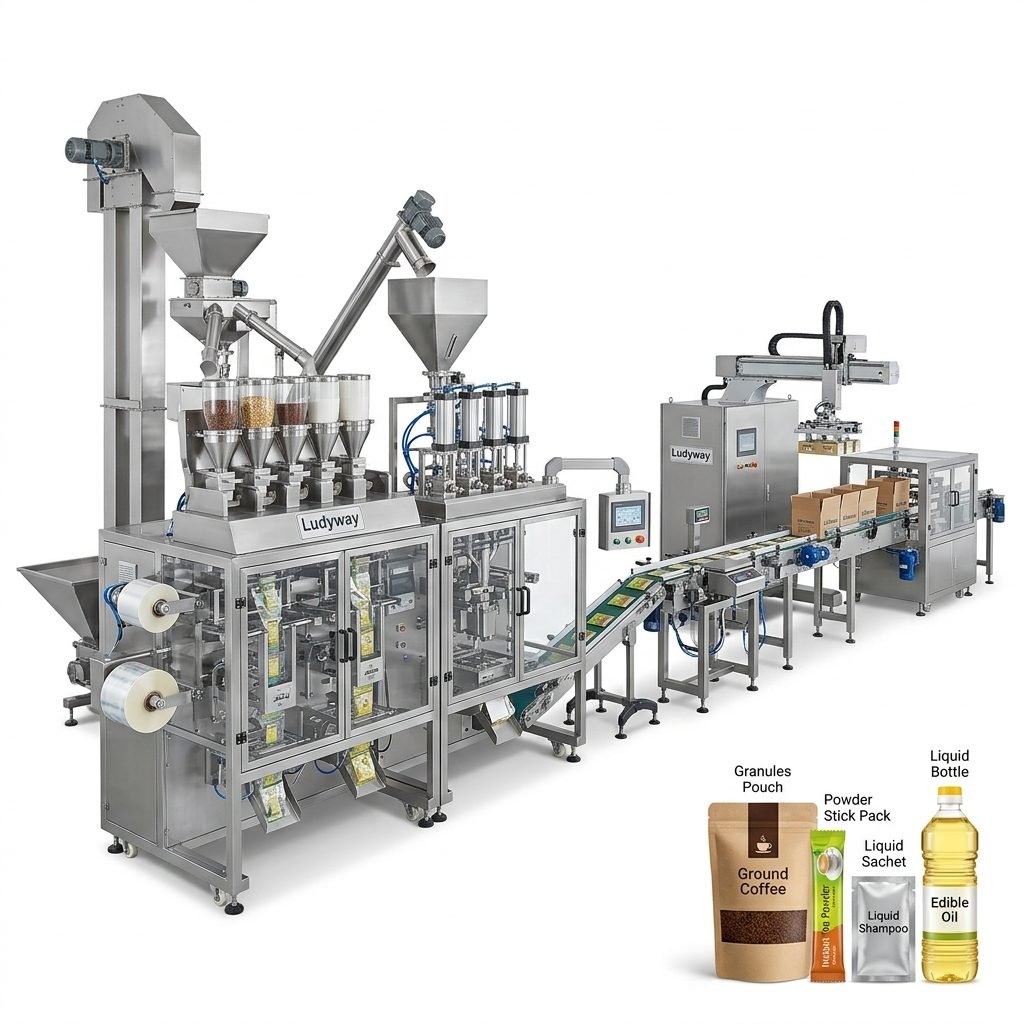
Rarely does a standard machine perfectly fit without modifications. You might require nitrogen flushing to prevent oxidation, zip-lock applicators for reclosable pouches, or specific coding printers. Leading suppliers offer turnkey solutions that connect upstream dosing and downstream cartoning into a seamless automated packaging line. This integrated approach simplifies project management and ensures all components communicate effectively.
Finalizing Your Selection Process
Before signing a purchase order, validate the machine’s performance with your actual product. A factory acceptance test (FAT) using your specific spice blends will reveal any potential feeding or sealing issues. Examine the machine’s track record for uptime and ask the supplier for references from manufacturers with similar product profiles. Investing time in thorough vetting ensures your spice pouch packing operation runs efficiently from day one, delivering consistent, high-quality packaged products to the market.