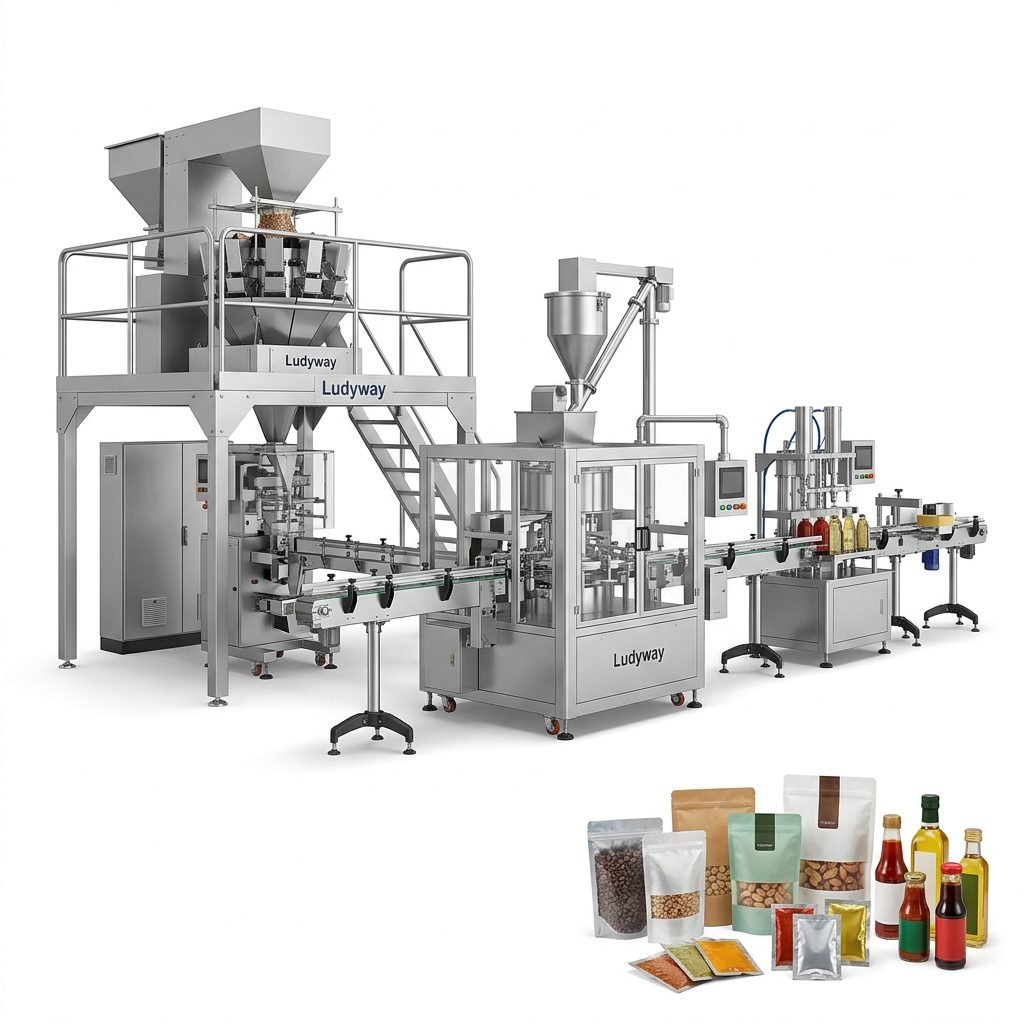
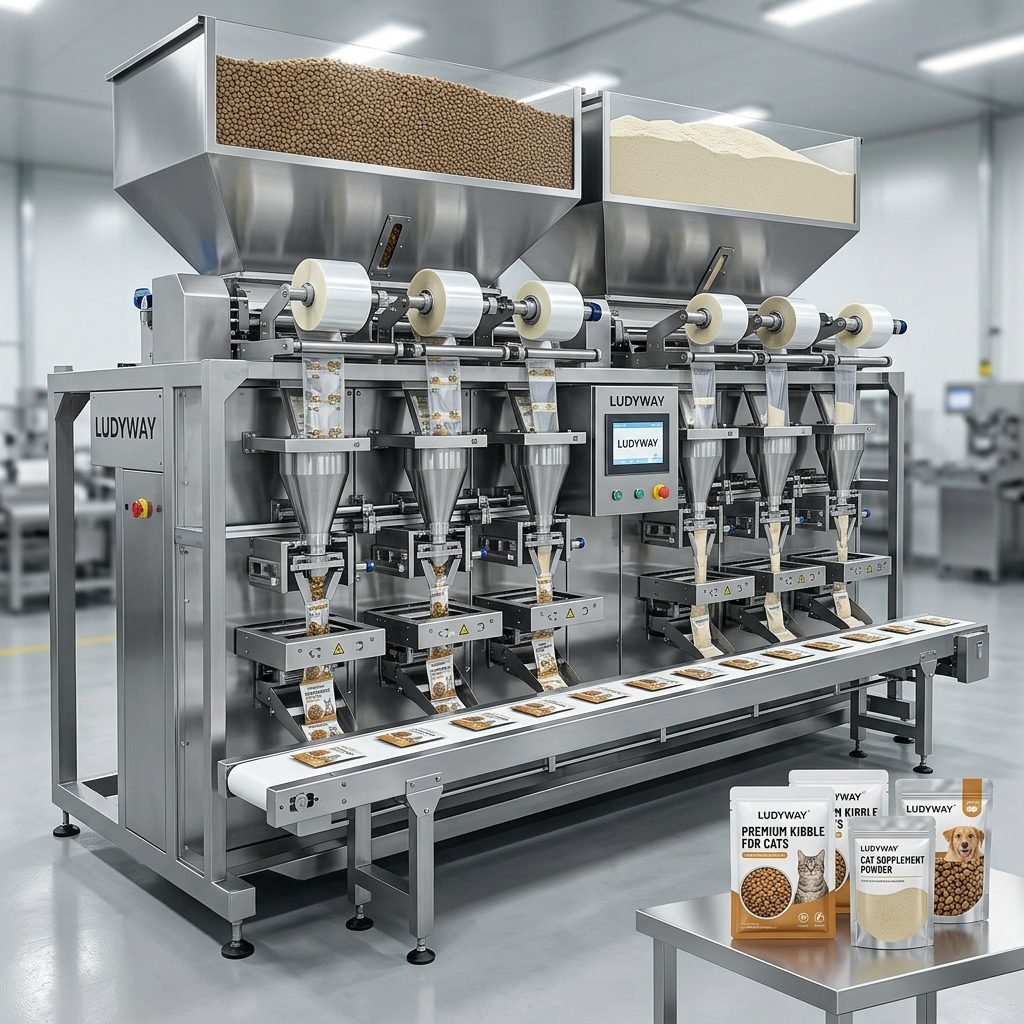
Selecting the right pet food packaging machine is one of the most critical investment decisions for manufacturers across North America. With the pet food industry projected to continue its double-digit growth trajectory, the demand for efficient, reliable, and compliant packaging equipment has never been higher. Whether you are packaging dry kibble, wet food pouches, freeze-dried treats, or nutritional supplements, the machine you choose directly impacts your product quality, shelf life, and profitability.
This comprehensive buyer’s guide walks you through every essential factor to consider, from understanding packaging formats and regulatory requirements to evaluating machine suppliers and calculating long-term ROI in the North American market.
Understanding Your Pet Food Packaging Needs
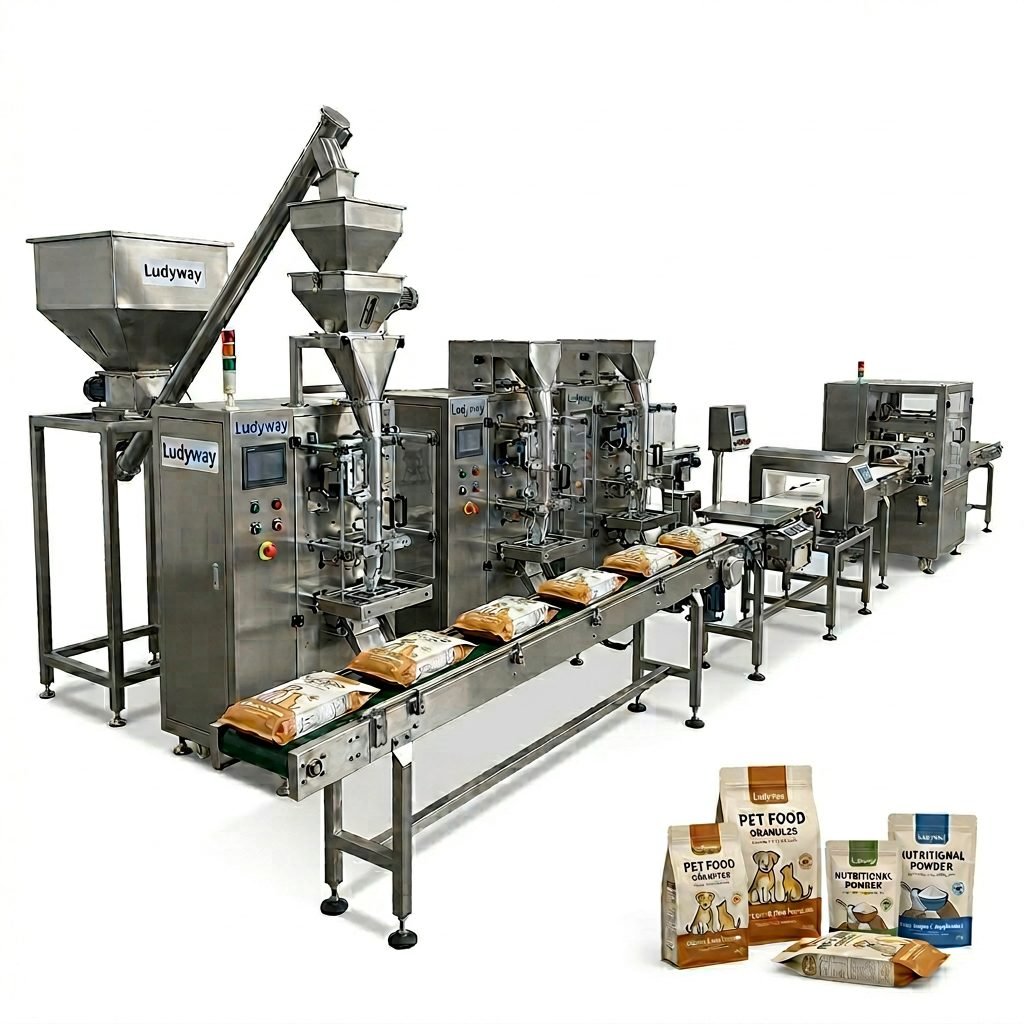
Before evaluating specific machines, you must clearly define your production requirements. Pet food comes in diverse forms — dry kibble, semi-moist treats, wet food, freeze-dried snacks, powders, and liquid supplements — each demanding different packaging technologies. The wrong machine choice can lead to production bottlenecks, compromised product integrity, and costly rework.
Product Type and Physical Characteristics
The physical properties of your pet food product largely determine which packaging machine configuration is suitable. Consider these critical factors:
- Granule size and uniformity — Irregular shapes may require specialized feeding systems
- Bulk density and flowability — Affects filling accuracy and speed
- Moisture content and oil levels — Impacts sealing parameters and film selection
- Dust generation potential — May necessitate dust extraction systems
- Product fragility — Determines whether gentle handling conveyors are needed
Target Packaging Format
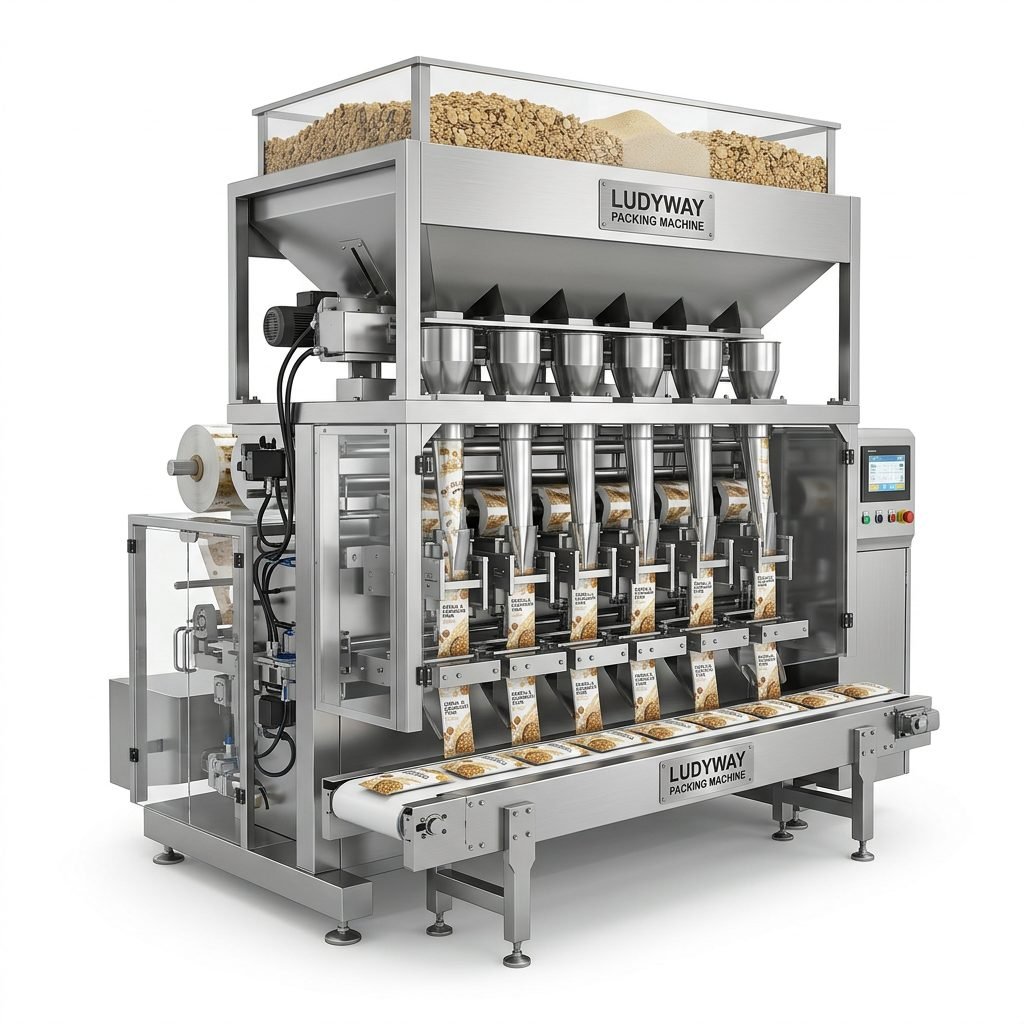
North American consumers demand a variety of packaging formats. Your machine must accommodate the specific format your brand requires — stick packs, sachets, flat pouches, stand-up pouches, or gusseted bags. Multi-format flexibility can future-proof your investment as your product line expands.

Types of Pet Food Packaging Machines
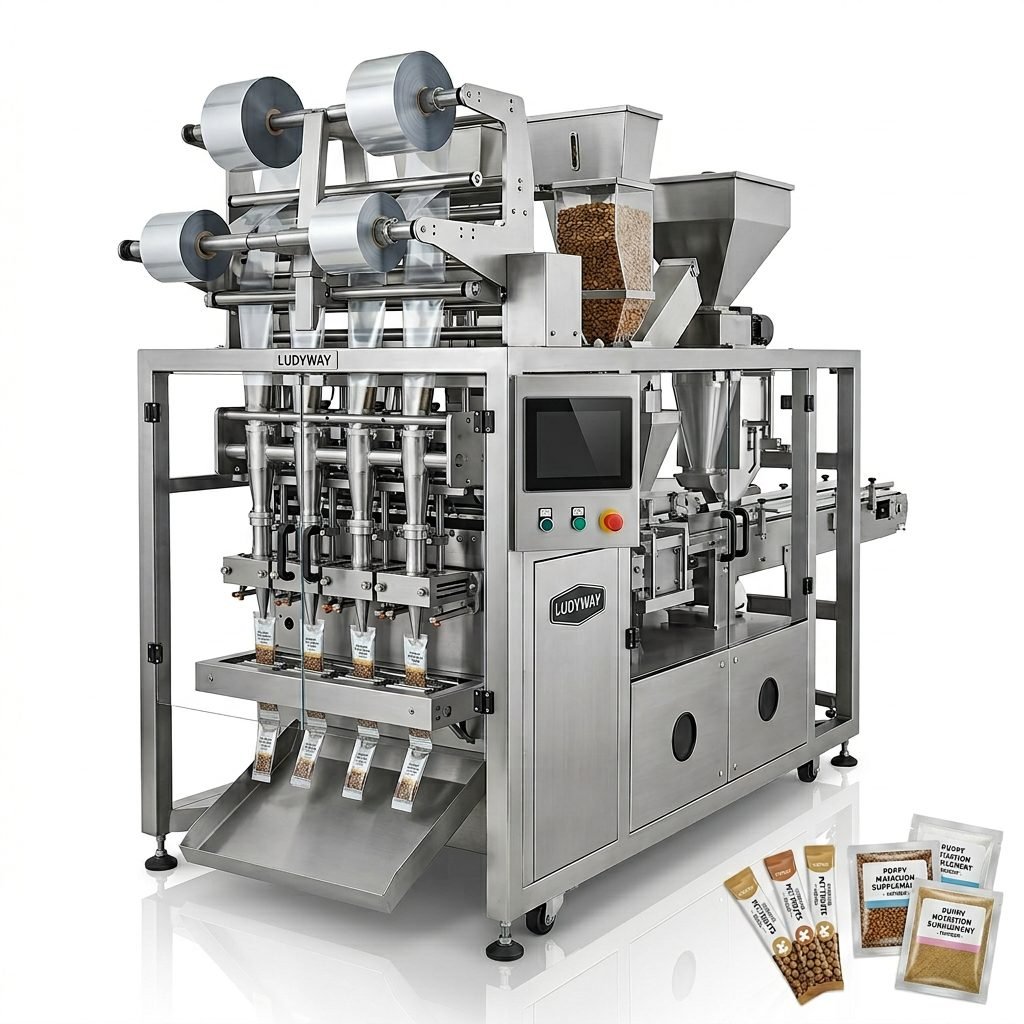
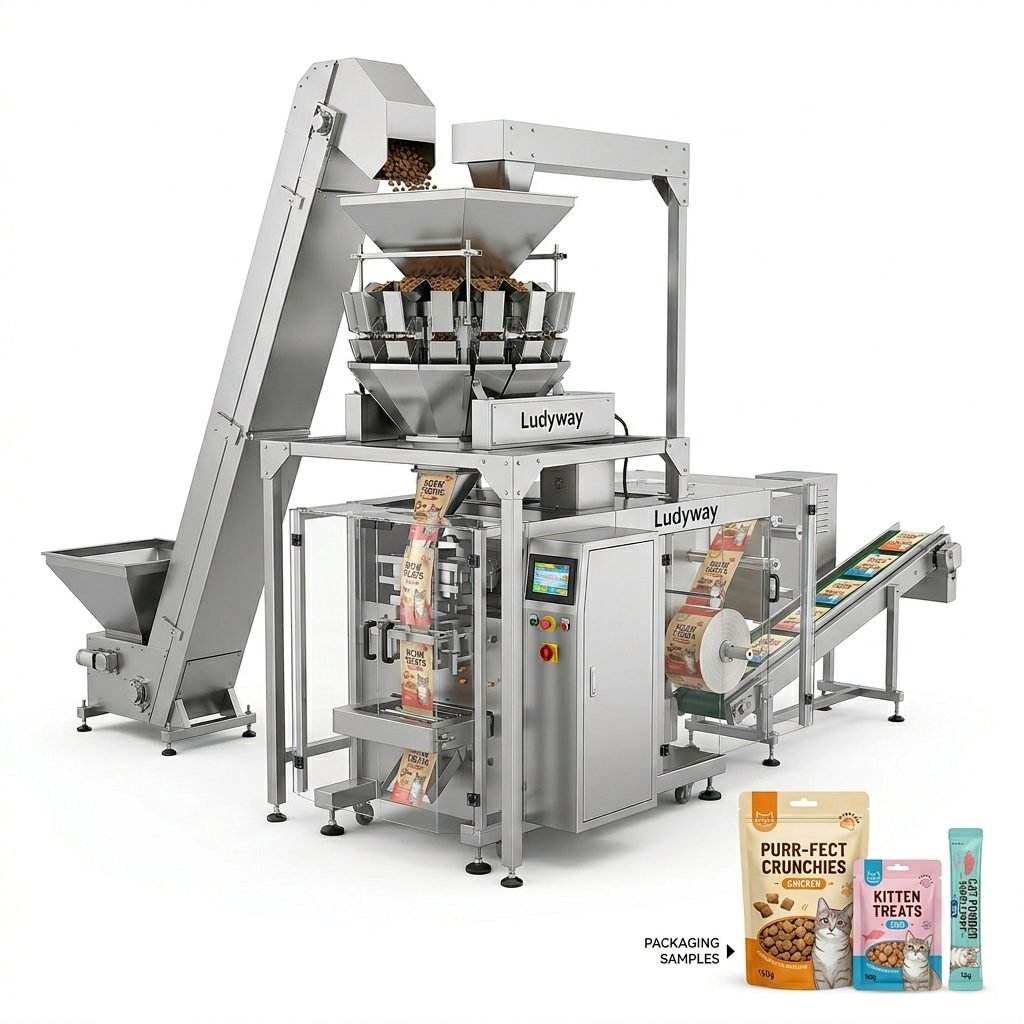
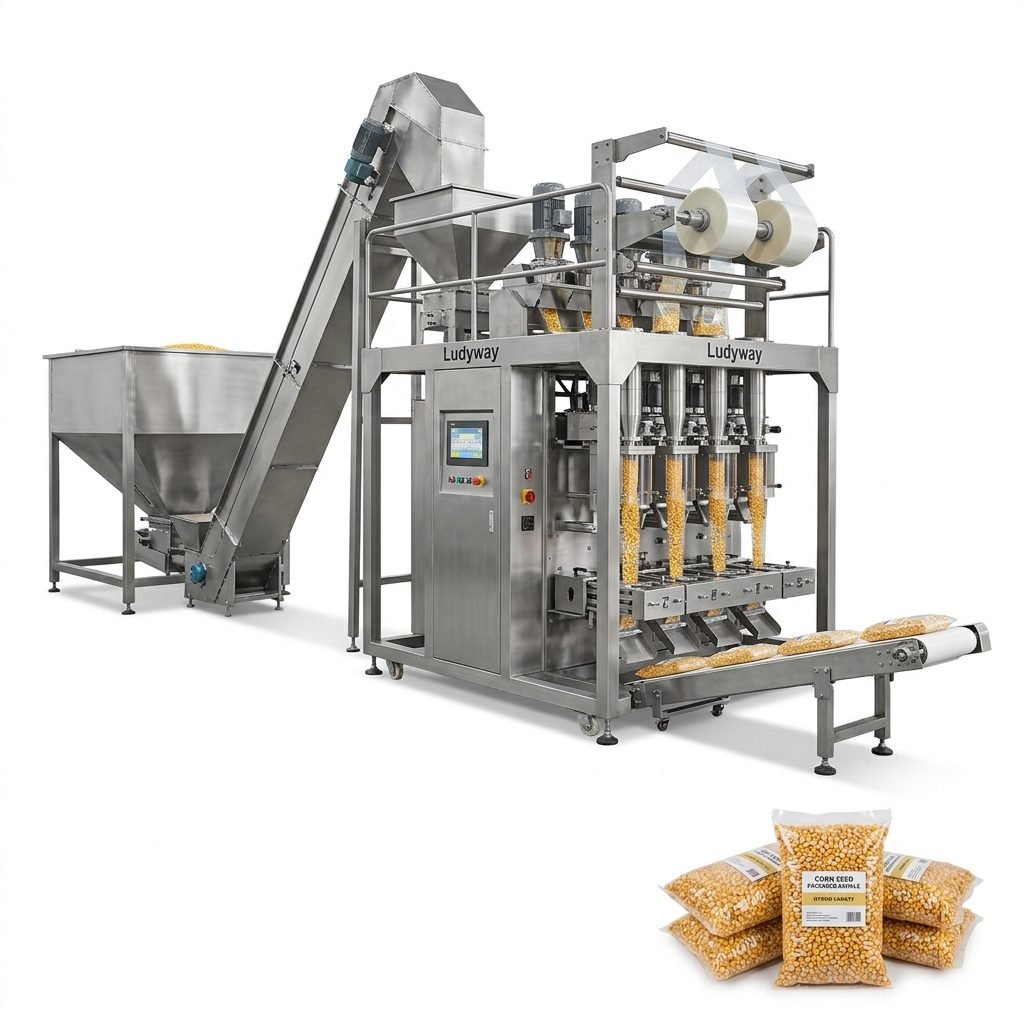
Understanding the different machine categories is essential for narrowing your options. Below is a comparison of the most common types used in the pet food industry:
| Machine Type | Best For | Key Advantage | Typical Output |
|---|---|---|---|
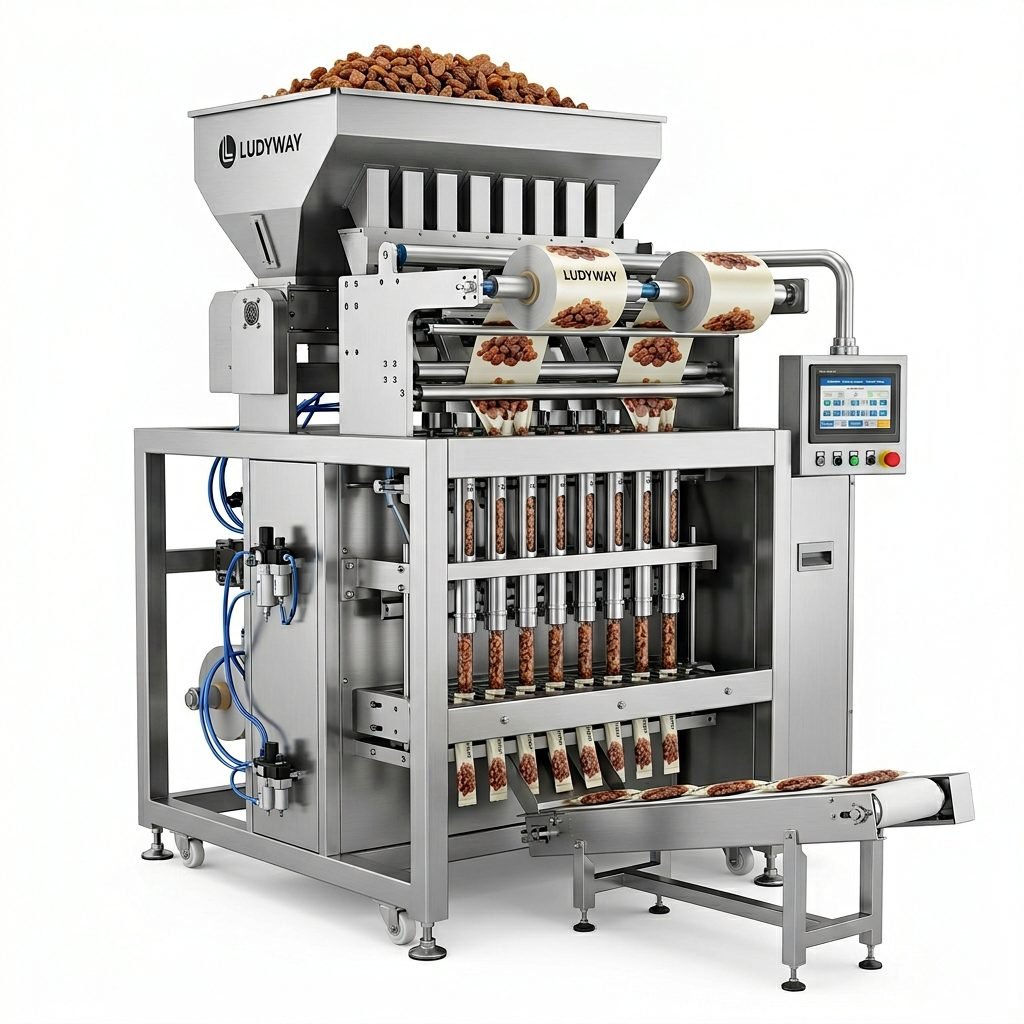
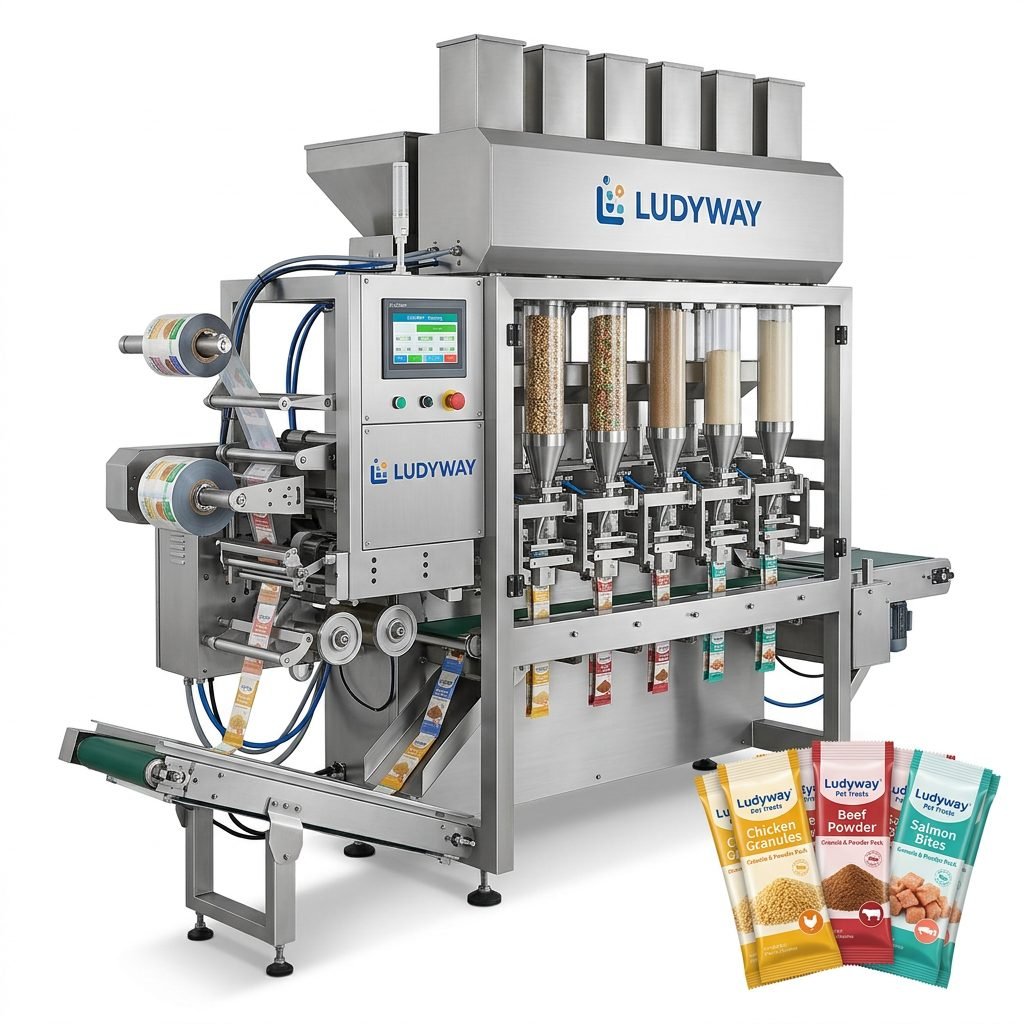
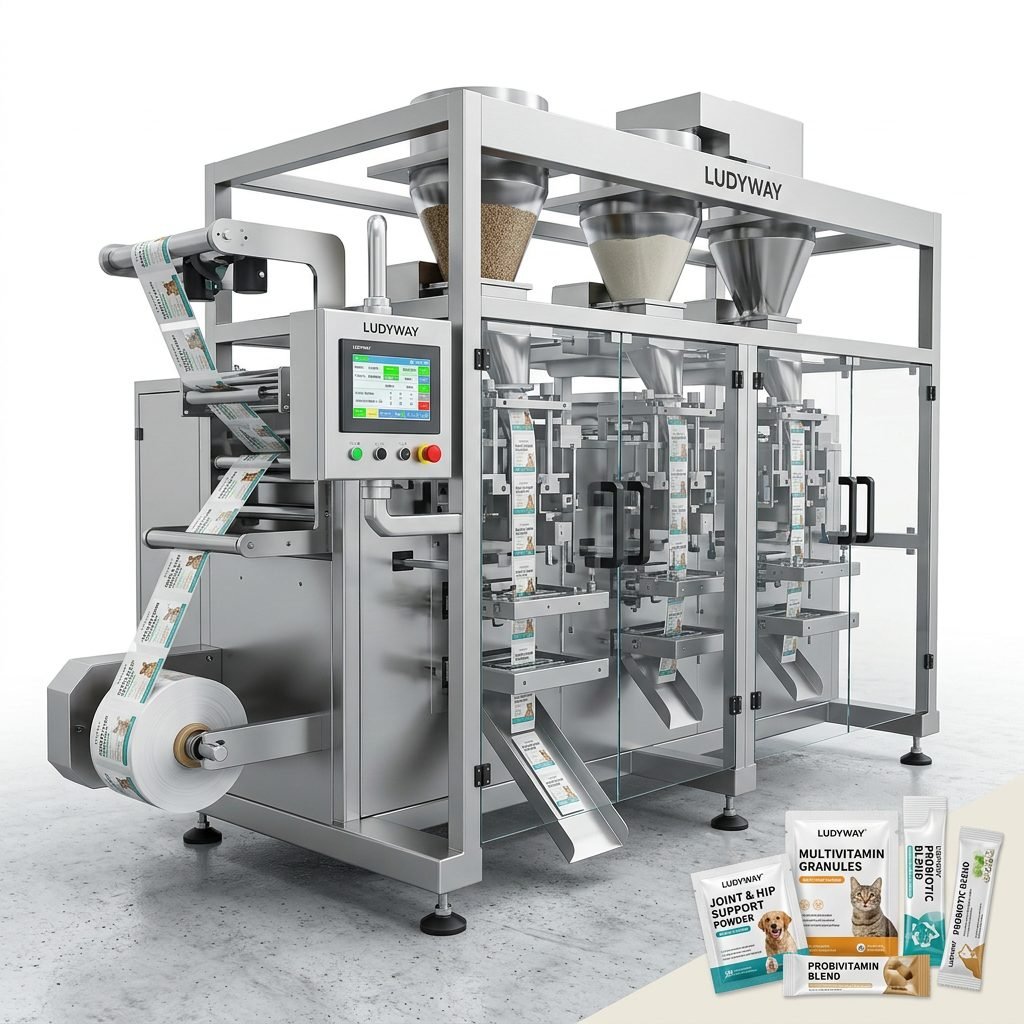
| Multi-Lane Stick Pack | Powders, granules, single-serve | High-speed, portion control | 200-600 packs/min/lane |
| Vertical Form Fill Seal (VFFS) | Kibble, treats, bulk granules | Versatile bag sizes | 30-120 bags/min |
| Premade Pouch Filling | Wet food, premium treats | Superior seal integrity | 30-80 pouches/min |
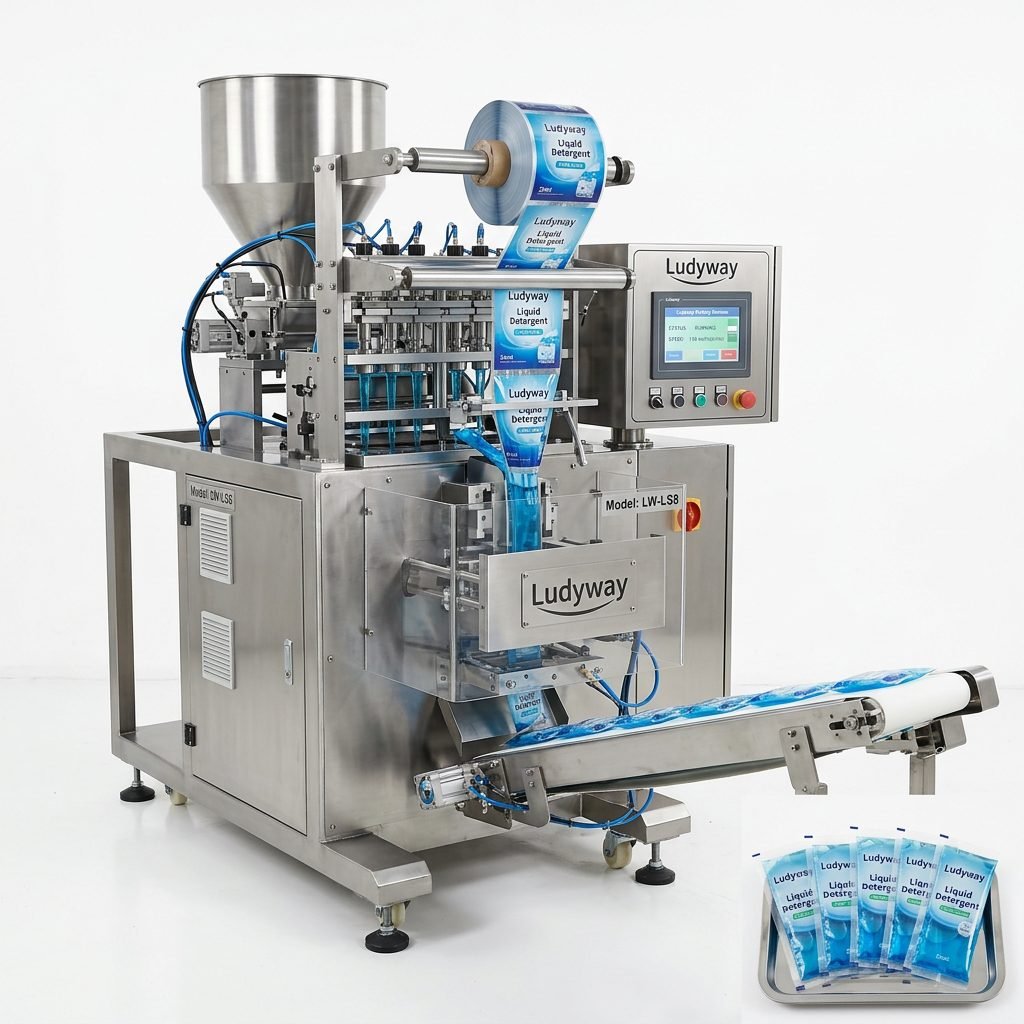
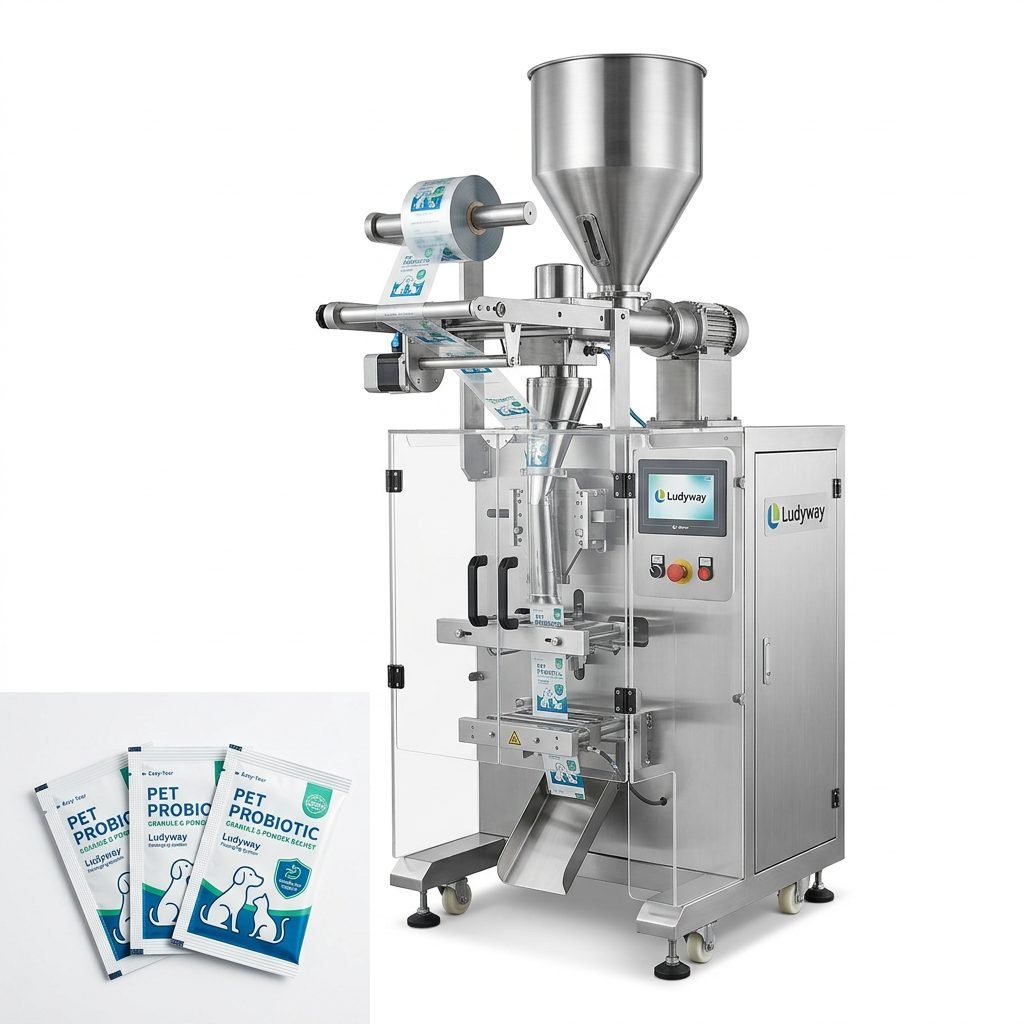
| Sachet Packaging | Supplements, probiotics | Compact, cost-efficient | 100-400 sachets/min |
Critical Factors for North American Buyers
FDA Compliance and Food Safety Standards
Any pet food packaging machine operating in North America must meet stringent FDA food packaging regulations. The equipment should be constructed with food-grade stainless steel contact parts, feature sanitary design that minimizes bacterial harborage points, and support easy cleaning protocols. Compliance with CFR Title 21 for food contact materials is non-negotiable for legal market access.
Material Compatibility and Seal Integrity
Pet food packaging films vary widely — from metallized PET laminates to biodegradable structures. Your machine must handle your chosen film’s thickness, heat-seal characteristics, and barrier properties. Seal integrity is particularly critical for pet food, as leaks can lead to spoilage, pest contamination, and costly product recalls.
Automation and Integration Capabilities
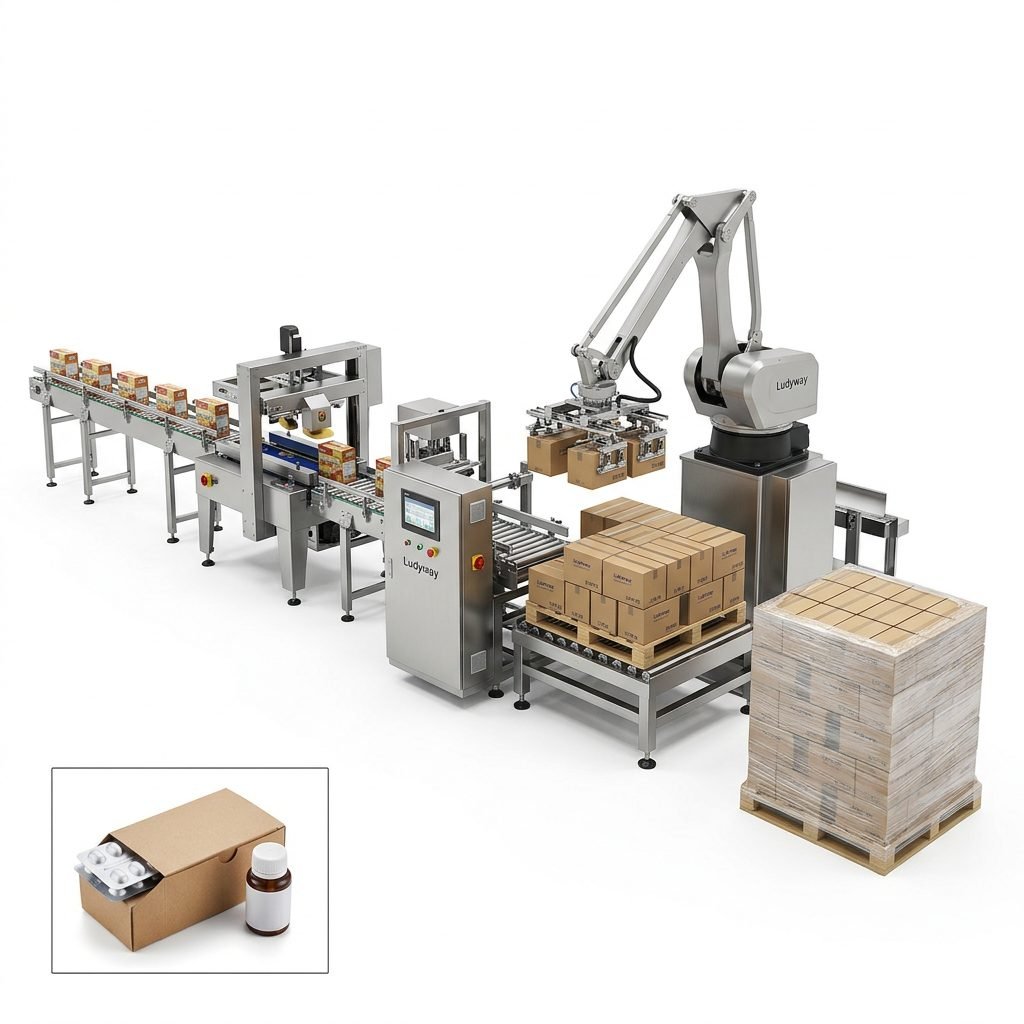
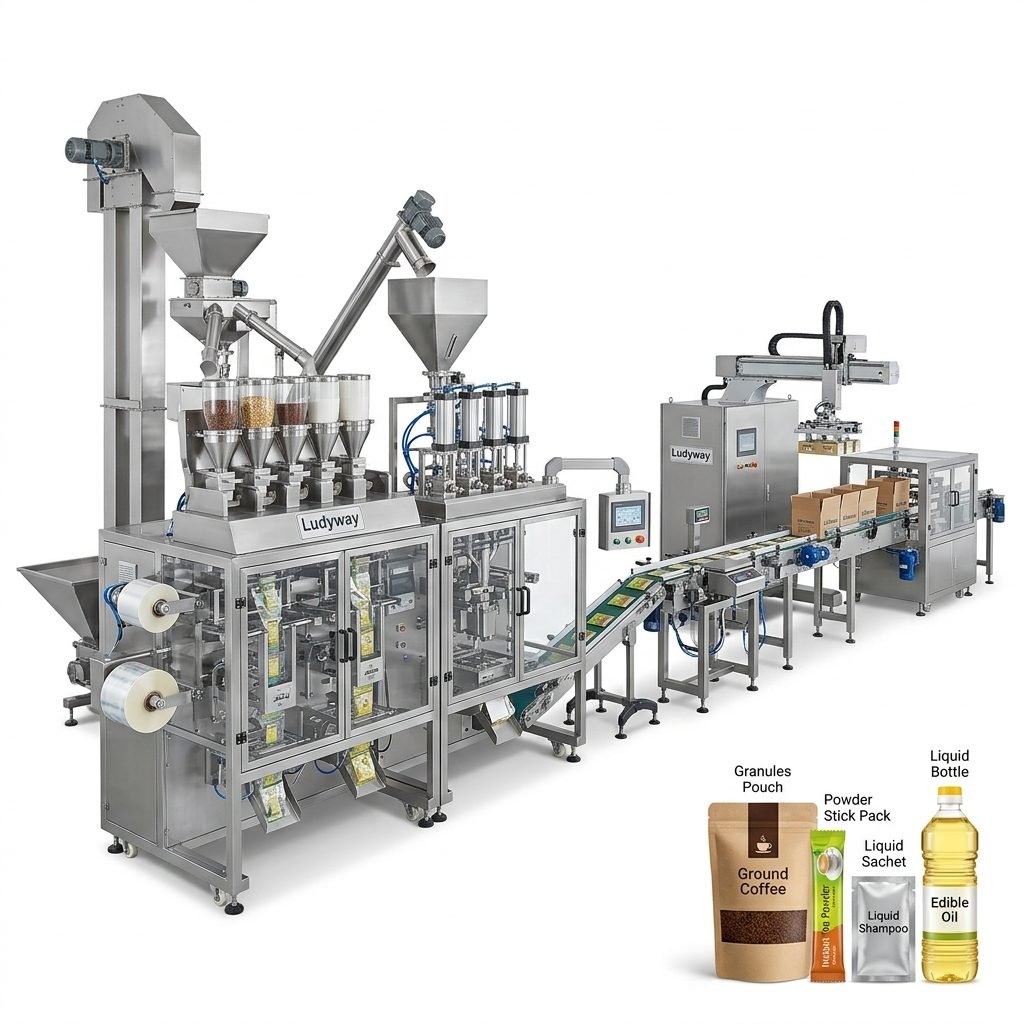
Modern pet food facilities increasingly adopt end-to-end automation. Consider how your packaging machine integrates with upstream feeding systems, conveyor networks, checkweighers, metal detectors, and downstream cartoning or palletizing equipment. A machine that supports Industry 4.0 connectivity and data exchange protocols positions your operation for future smart manufacturing trends.
Cost Analysis: Initial Investment vs. Long-Term ROI
While the purchase price is an obvious consideration, smart buyers evaluate total cost of ownership (TCO) over the machine’s expected lifespan. A machine with a lower upfront cost may consume more film, require frequent maintenance, or produce higher scrap rates — all of which erode profitability over time.
Key cost factors to analyze include:
- Film consumption rates and waste percentages
- Energy efficiency and utility costs
- Changeover time between product runs
- Downtime frequency and spare parts availability
- Operator training requirements and labor costs
- Service and maintenance contracts
According to PMMI’s State of the Industry reports, packaging machinery in North America typically delivers ROI within 18-36 months when properly specified and maintained. Investing in higher-quality equipment with robust after-sales support often results in faster payback periods.
Evaluating Equipment Suppliers
Experience in Pet Food Applications
Not all packaging machine manufacturers understand the unique challenges of pet food — from high-fat formulations that affect sealing to the abrasive nature of certain kibble products. Seek suppliers with demonstrated experience and references in pet food packaging specifically, not just general food packaging.
After-Sales Support and Parts Availability
For North American buyers, responsive local support is invaluable. Verify that your supplier offers readily available spare parts, remote diagnostic capabilities, and timely technical assistance. Extended downtime while waiting for overseas parts shipments can devastate production schedules.
Companies like Ludyway have rapidly expanded their global footprint, with export revenue projected to exceed RMB 500 million (approximately US$69 million) in 2025 and plans to surpass RMB 1 billion (approximately US$138 million) by 2026, reflecting the growing international demand for high-quality packaging machinery.
Key Questions to Ask Before Purchasing
Before finalizing your decision, ensure you have satisfactory answers to these critical questions:
- What is the machine’s demonstrated OEE (Overall Equipment Effectiveness) in similar pet food applications?
- Can the supplier provide documented changeover times for real-world production scenarios?
- What preventive maintenance schedule is recommended and what does it entail?
- Are remote diagnostics and troubleshooting supported?
- What is the lead time for critical spare parts shipped to North American locations?
- Does the machine support future packaging format changes or modular upgrades?
- What training and commissioning support is included?
- Is the control system compatible with your facility’s existing SCADA or MES platforms?
Regulatory Landscape and Certifications
Beyond FDA compliance, packaging equipment in North America may benefit from certifications that streamline buyer confidence. Look for machines that meet relevant ISO packaging standards, carry CE marking (if applicable), and feature electrical components compliant with UL or CSA standards. Equipment designed with HACCP principles in mind simplifies your facility’s own food safety certification processes.
The Flexible Packaging Association offers extensive resources on packaging material trends and sustainability considerations that influence machine selection, particularly as North American brands increasingly prioritize recyclable and compostable packaging structures.
Sustainability and Future-Proofing
Sustainability is no longer optional in the North American market. Pet food brands face increasing pressure from retailers and consumers to adopt eco-friendly packaging. Your packaging machine should be capable of running recyclable mono-material films, lightweight structures, and emerging bio-based materials without compromising seal integrity or production speeds.
Investing in equipment that handles a broad range of film types protects your operation against shifting regulatory requirements, such as evolving packaging waste regulations that increasingly influence North American packaging standards and retailer expectations.
Making Your Final Decision
Selecting the best pet food packaging machine for your North American operation requires balancing technical capability, regulatory compliance, supplier reliability, and total cost of ownership. Prioritize machines that offer proven performance in pet food applications, robust after-sales support, and the flexibility to adapt as your product portfolio evolves. By following the framework outlined in this guide, you can make a confident investment that drives long-term operational success.
For further reading, consult industry resources from PMMI – The Association for Packaging and Processing Technologies, the Flexible Packaging Association’s knowledge hub, and the FDA’s food contact substances guidance to stay current with evolving standards and best practices in pet food packaging.