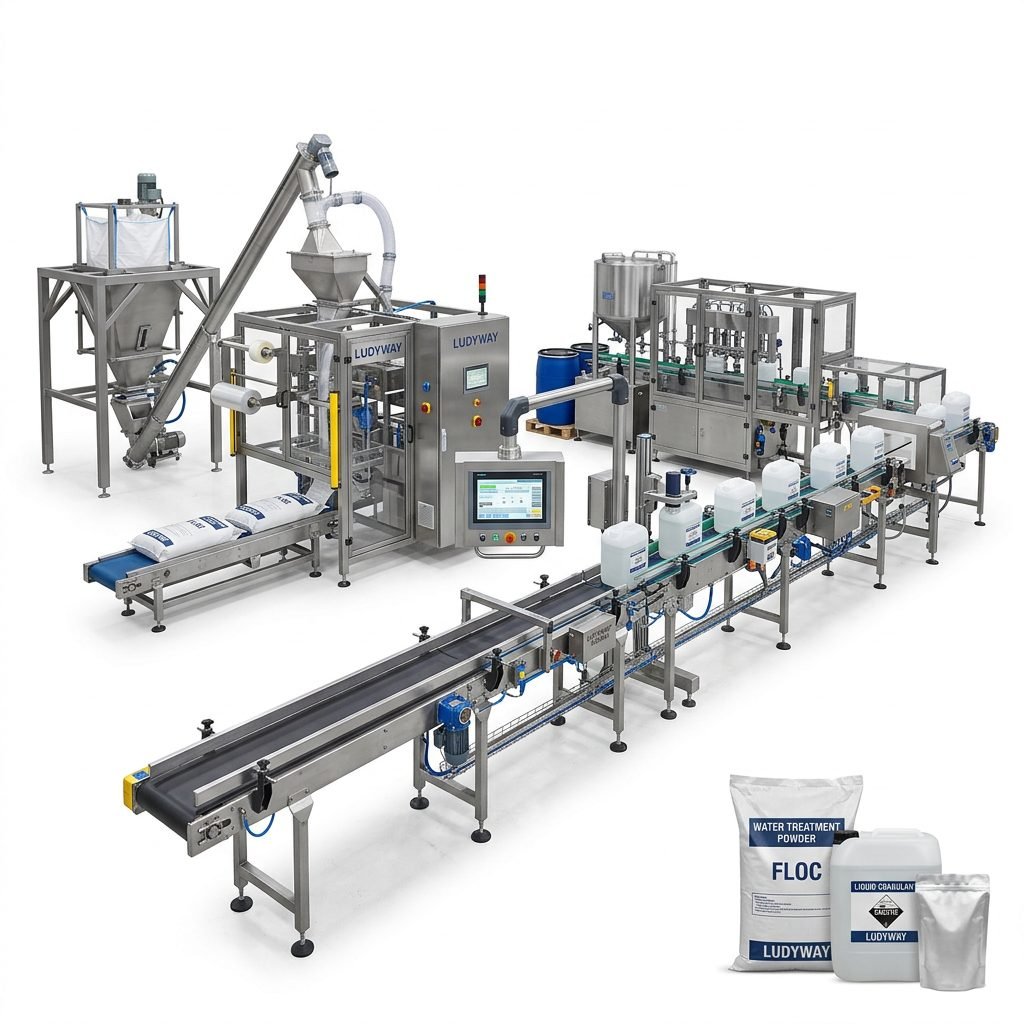
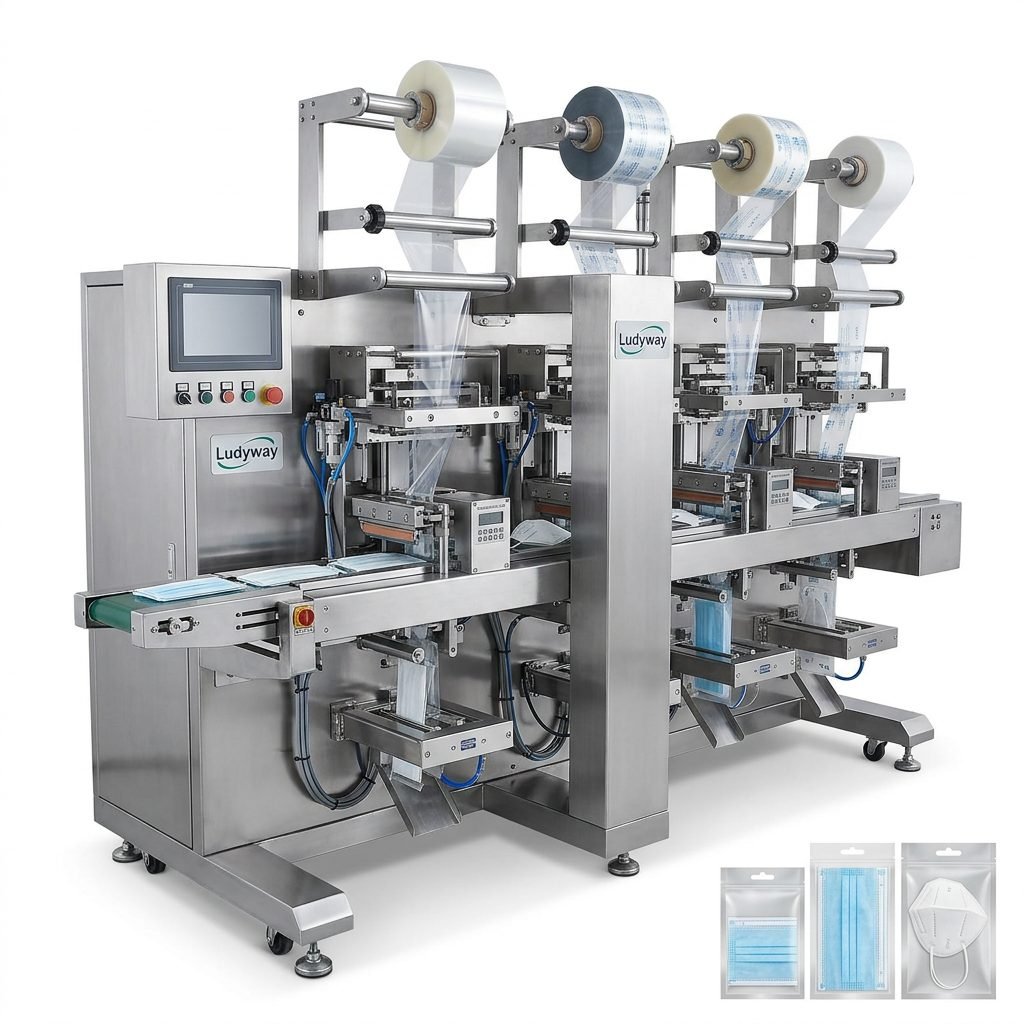
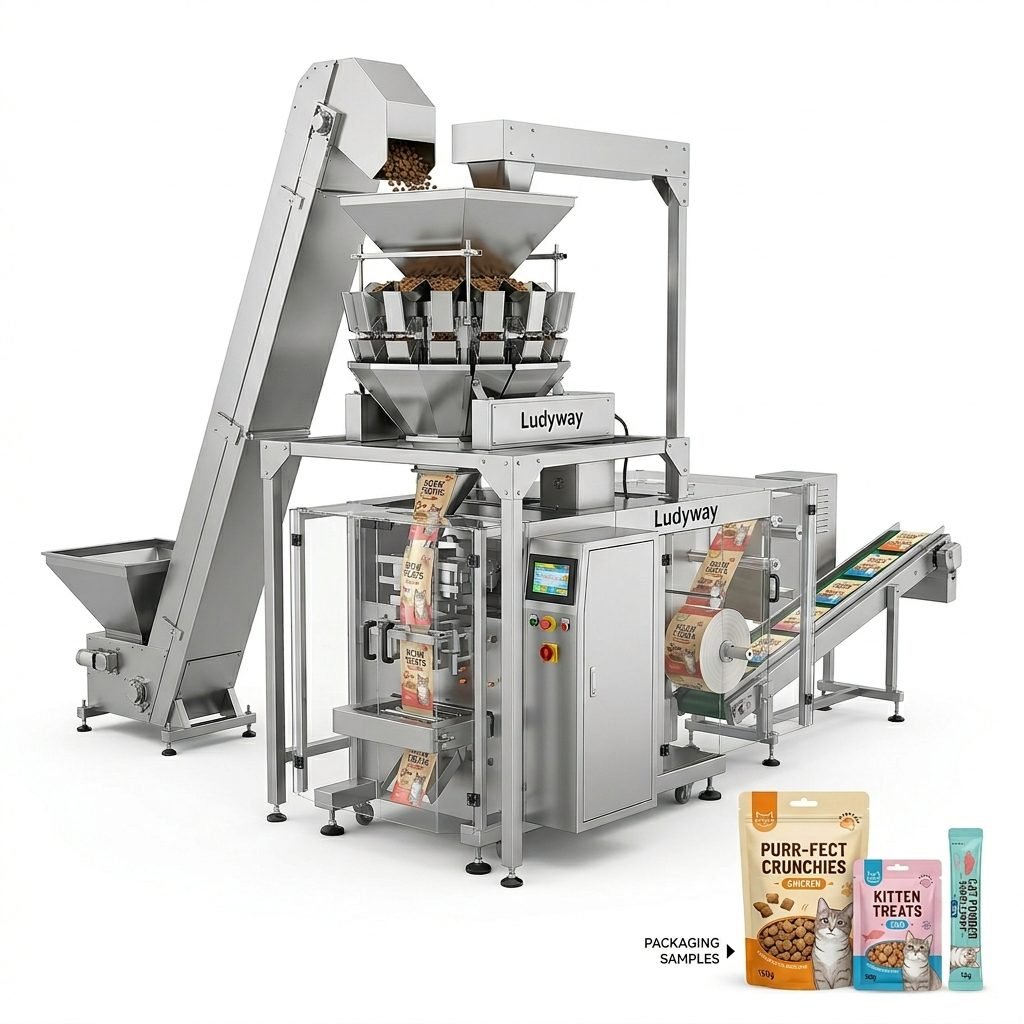
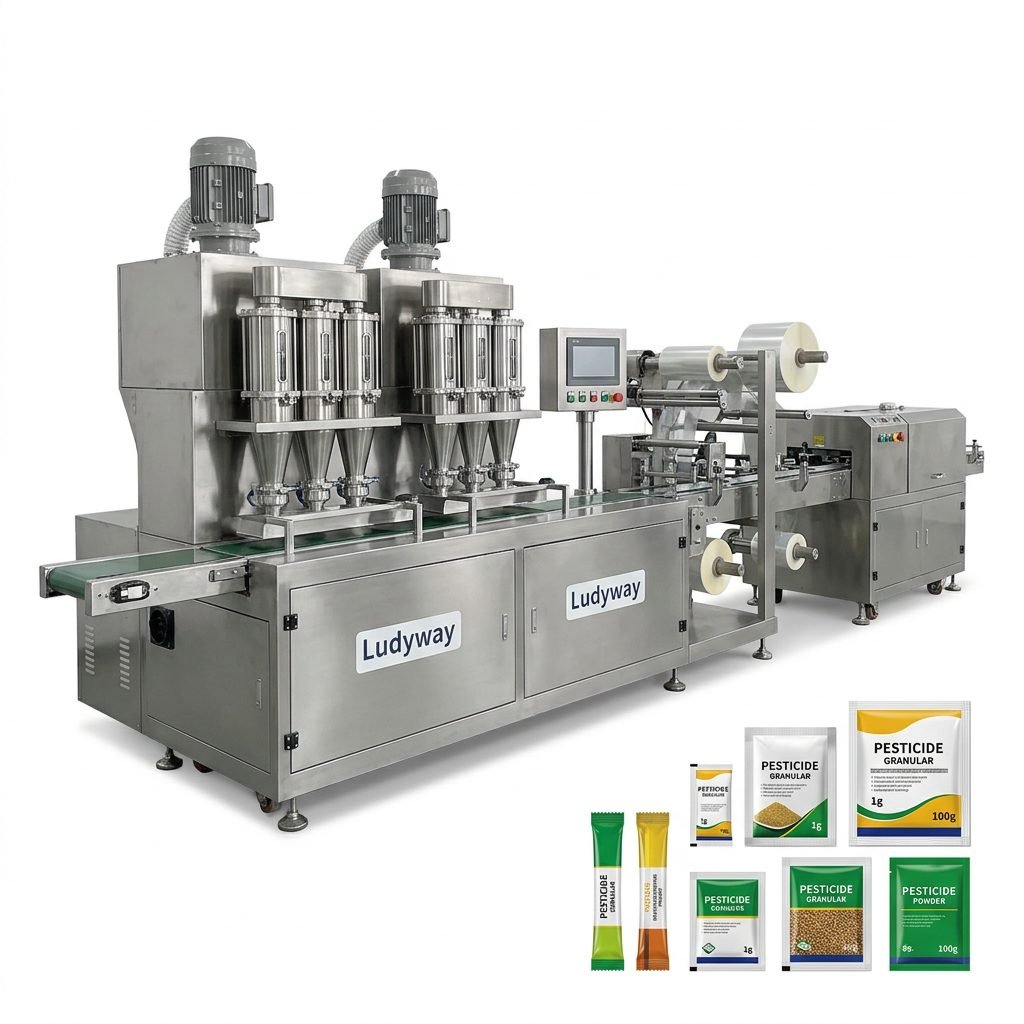
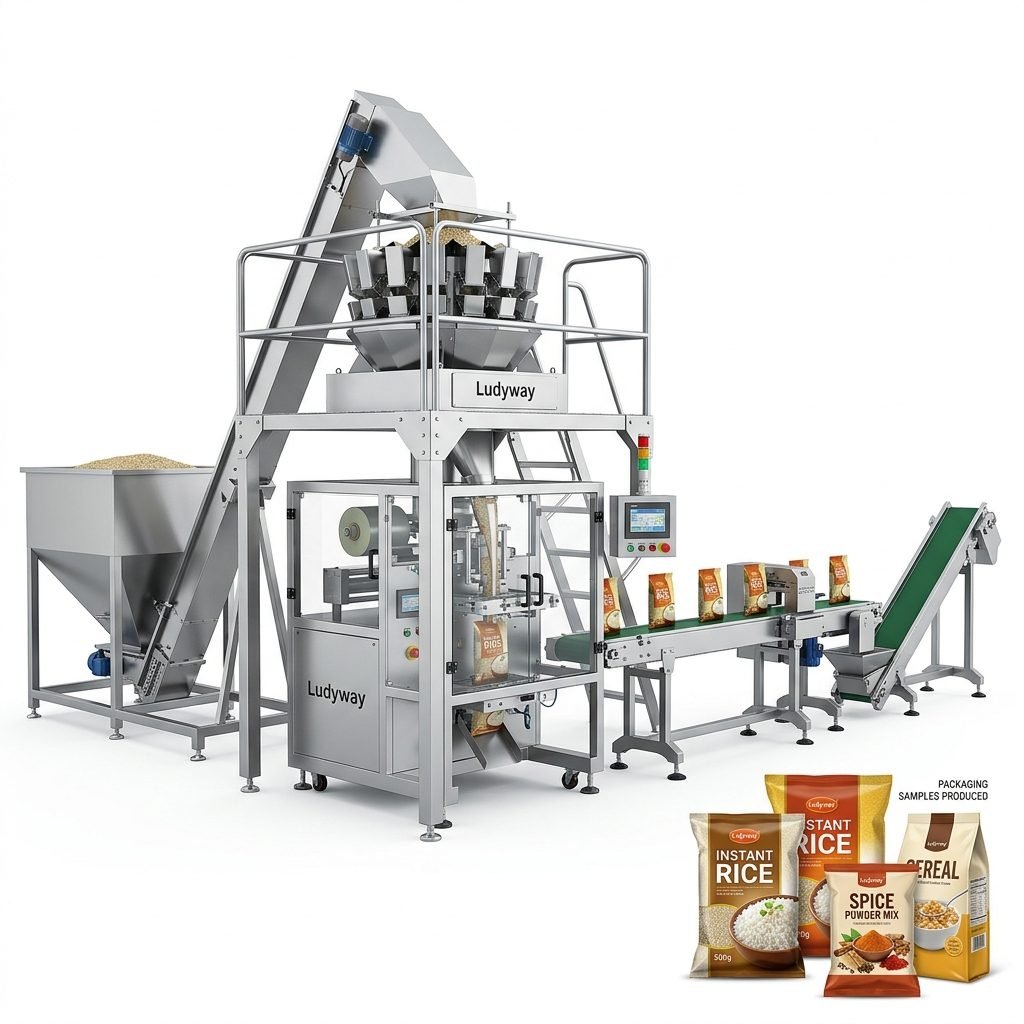
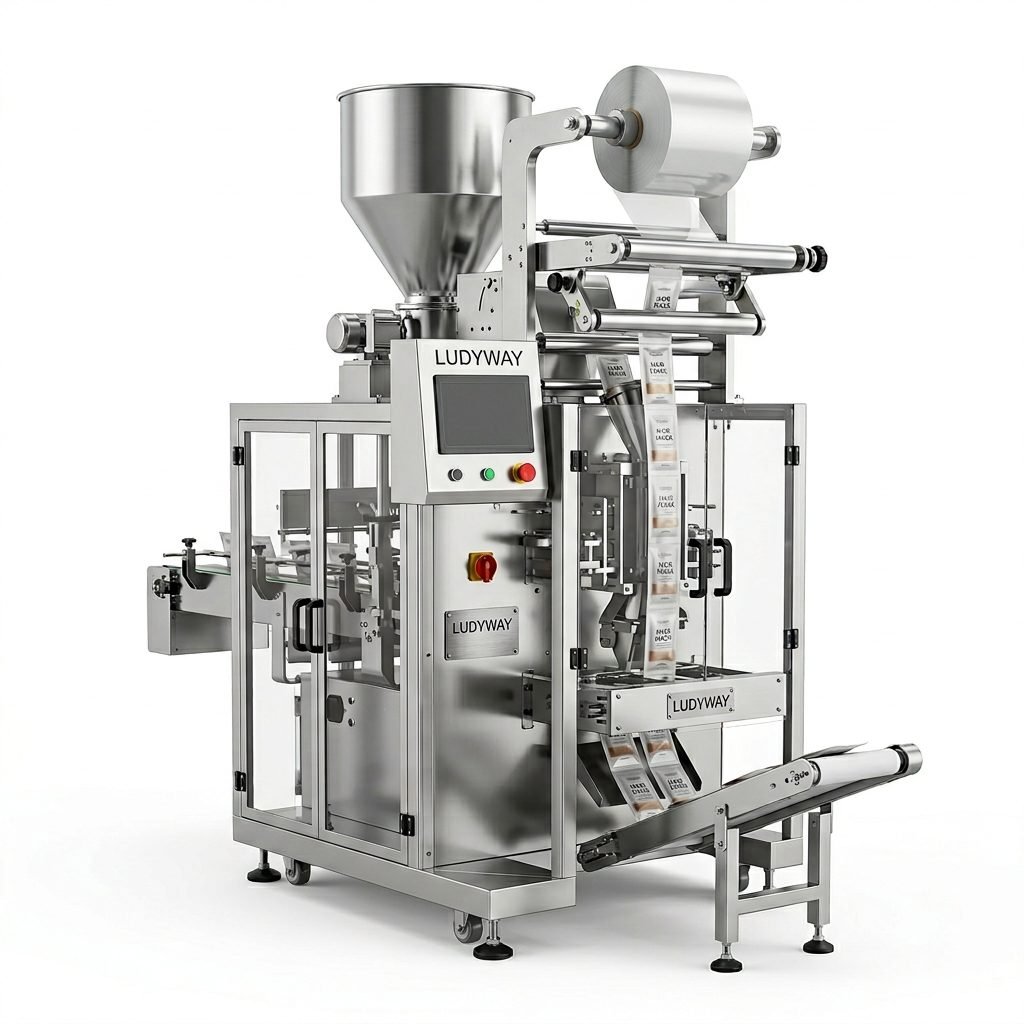
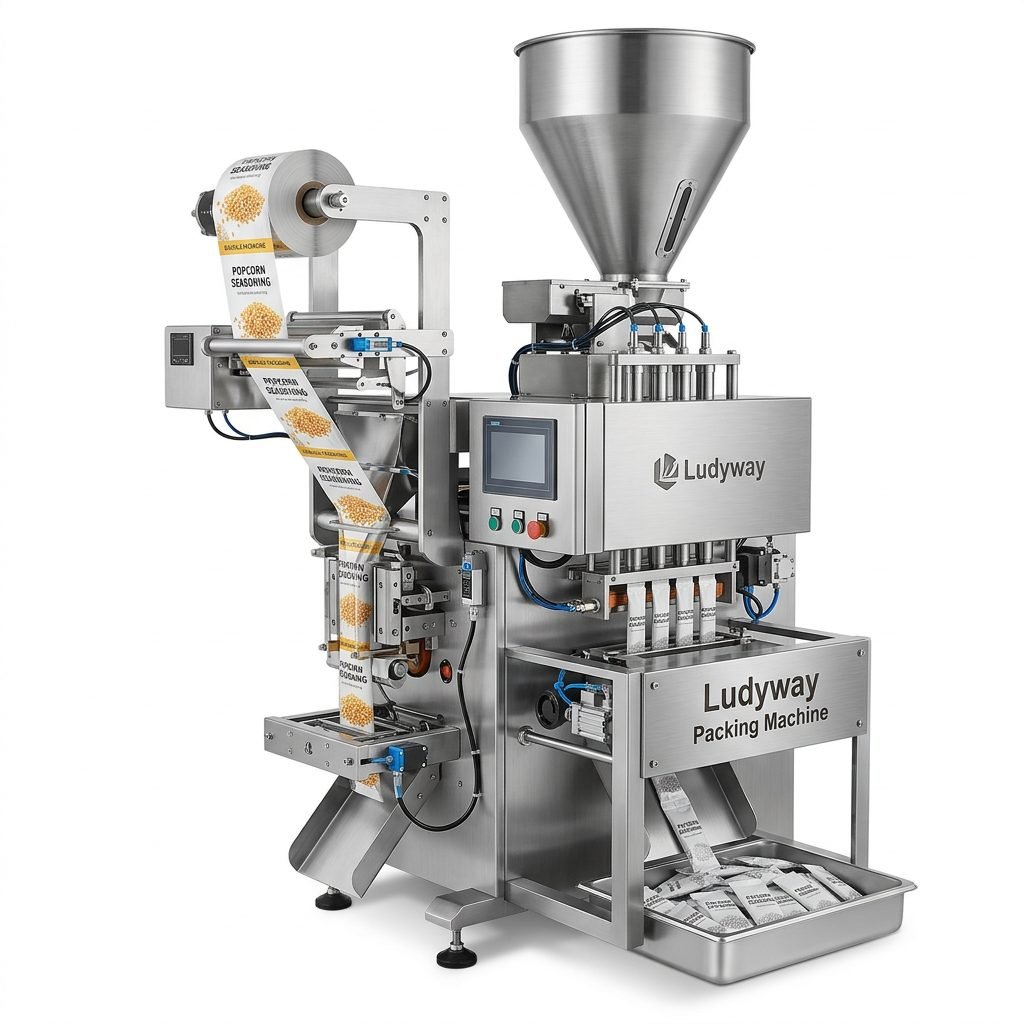
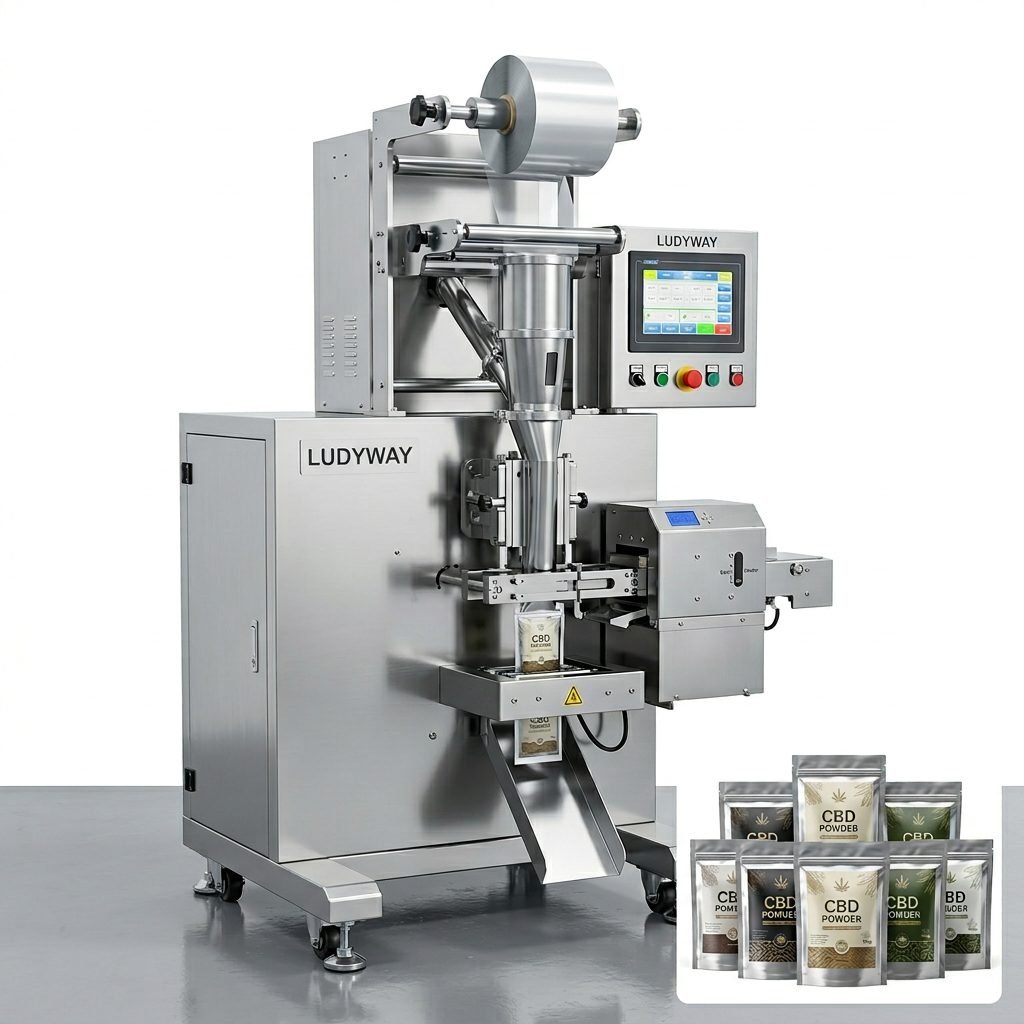
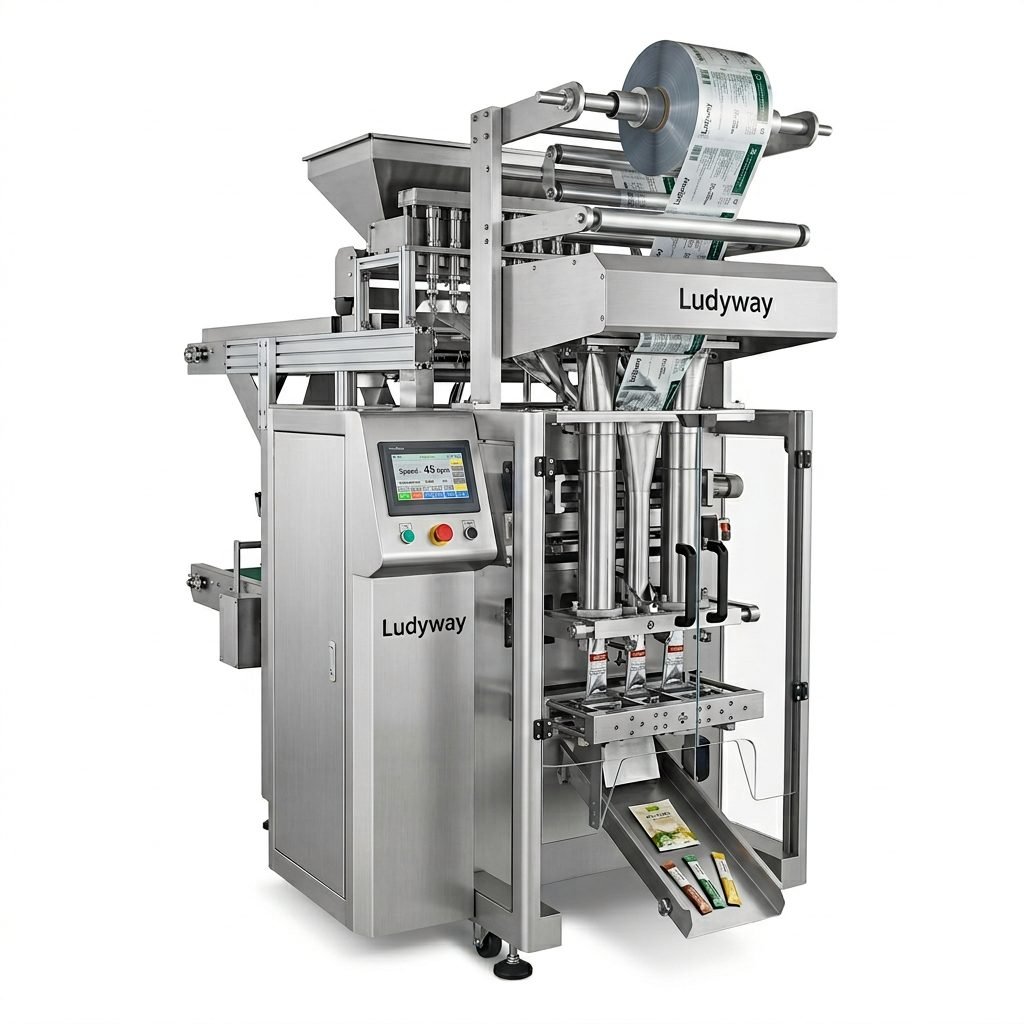
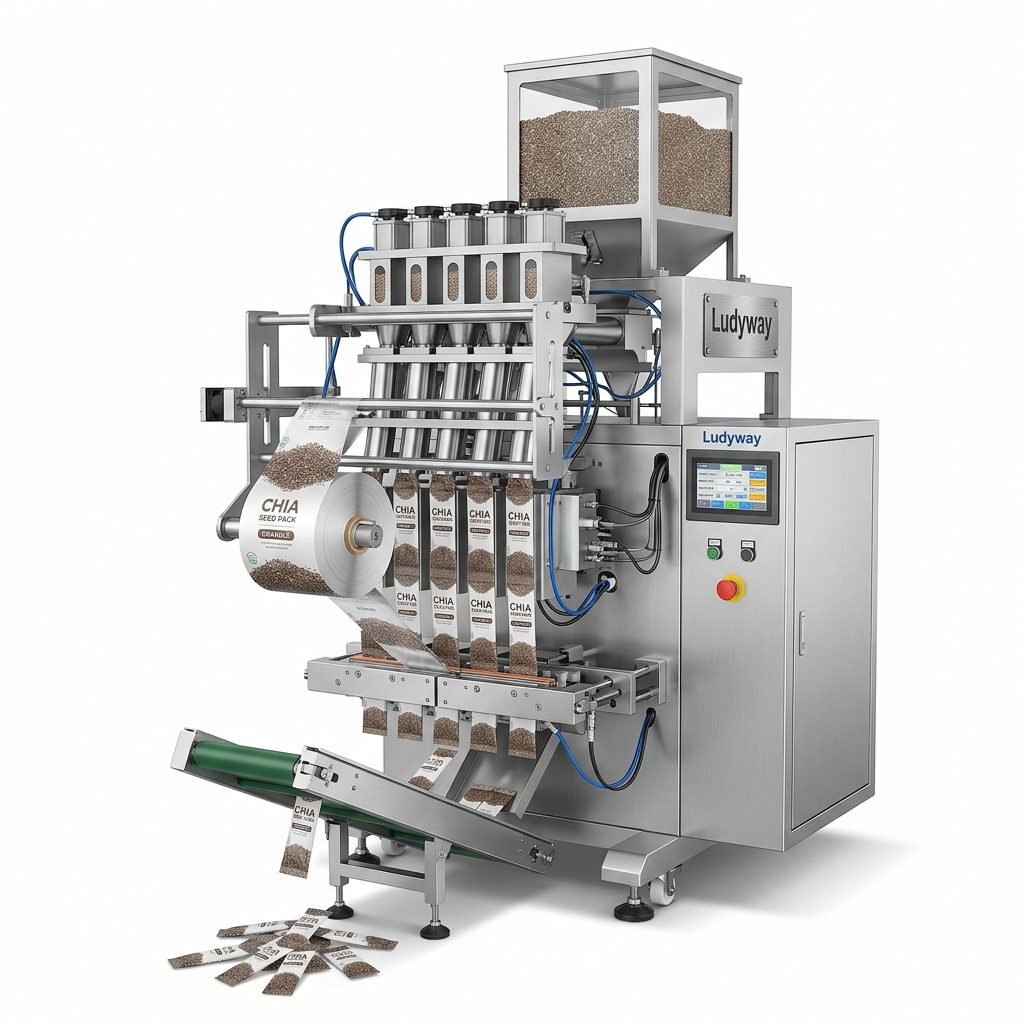
The Asian confectionery machinery sector has experienced remarkable growth, driven by increasing demand for automated, high-speed chocolate bar packaging machine solutions. Manufacturers across the region are seeking equipment that delivers precision, hygiene compliance, and flexibility for various chocolate formats — from solid bars to filled tablets and multi-pack arrangements. Selecting the right packaging partner in Asia means evaluating engineering depth, after-sales support, and machine adaptability to evolving retail requirements.
Why Asia Dominates Chocolate Bar Packaging Innovation
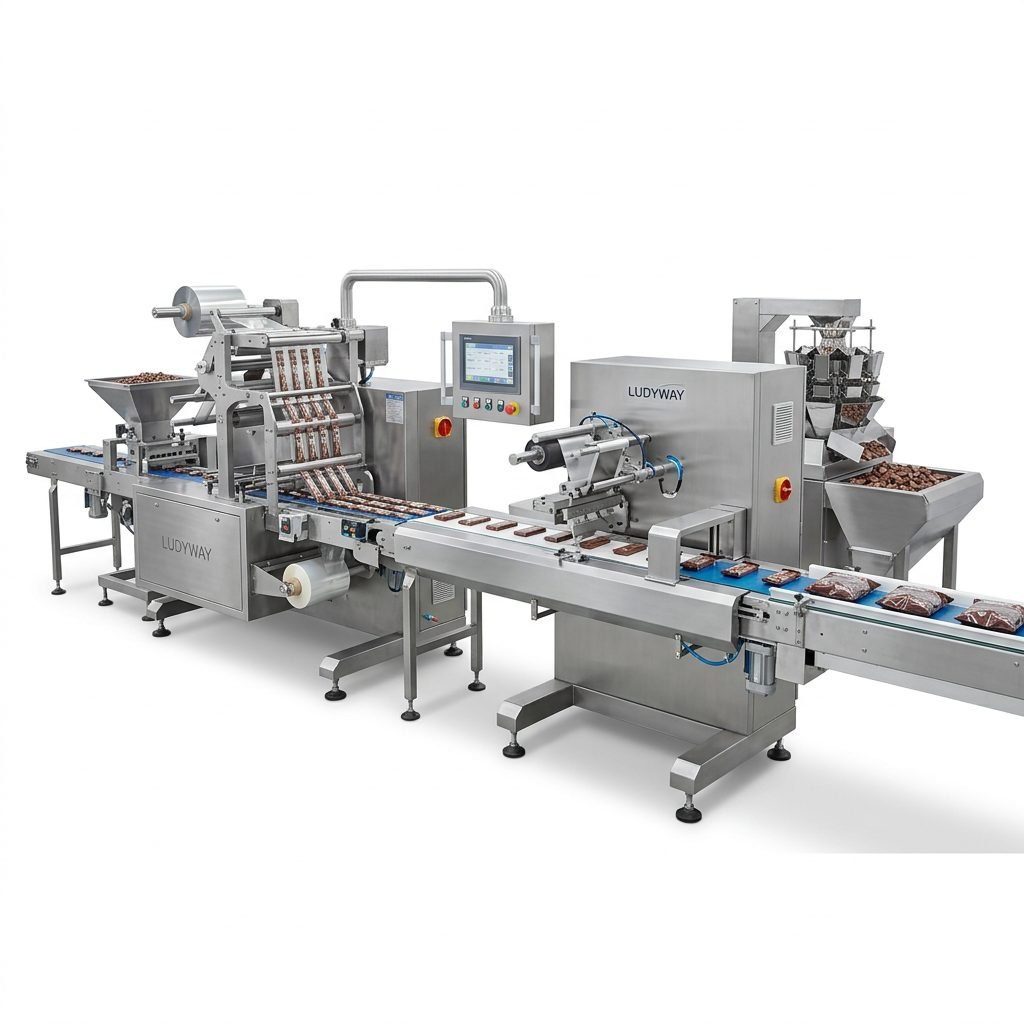
Asia has become a global hub for packaging machinery manufacturing, offering a compelling combination of engineering expertise, cost efficiency, and rapid technological advancement. Chinese manufacturers in particular have invested heavily in R&D, producing chocolate bar packaging machines that rival European counterparts in performance while maintaining competitive pricing. The region’s comprehensive supply chain, skilled workforce, and export-oriented approach make it the preferred sourcing destination for confectionery producers worldwide.
Key Market Drivers
- Rising chocolate consumption in Asia-Pacific markets fueling production capacity expansion
- Growing preference for automated packaging lines over manual or semi-automatic systems
- Stringent food safety regulations requiring hygienic machine designs
- Demand for flexible equipment handling multiple bar sizes and wrapping styles
- Integration of smart technologies including IoT monitoring and predictive maintenance
Essential Features of a High-Performance Chocolate Bar Packaging Machine
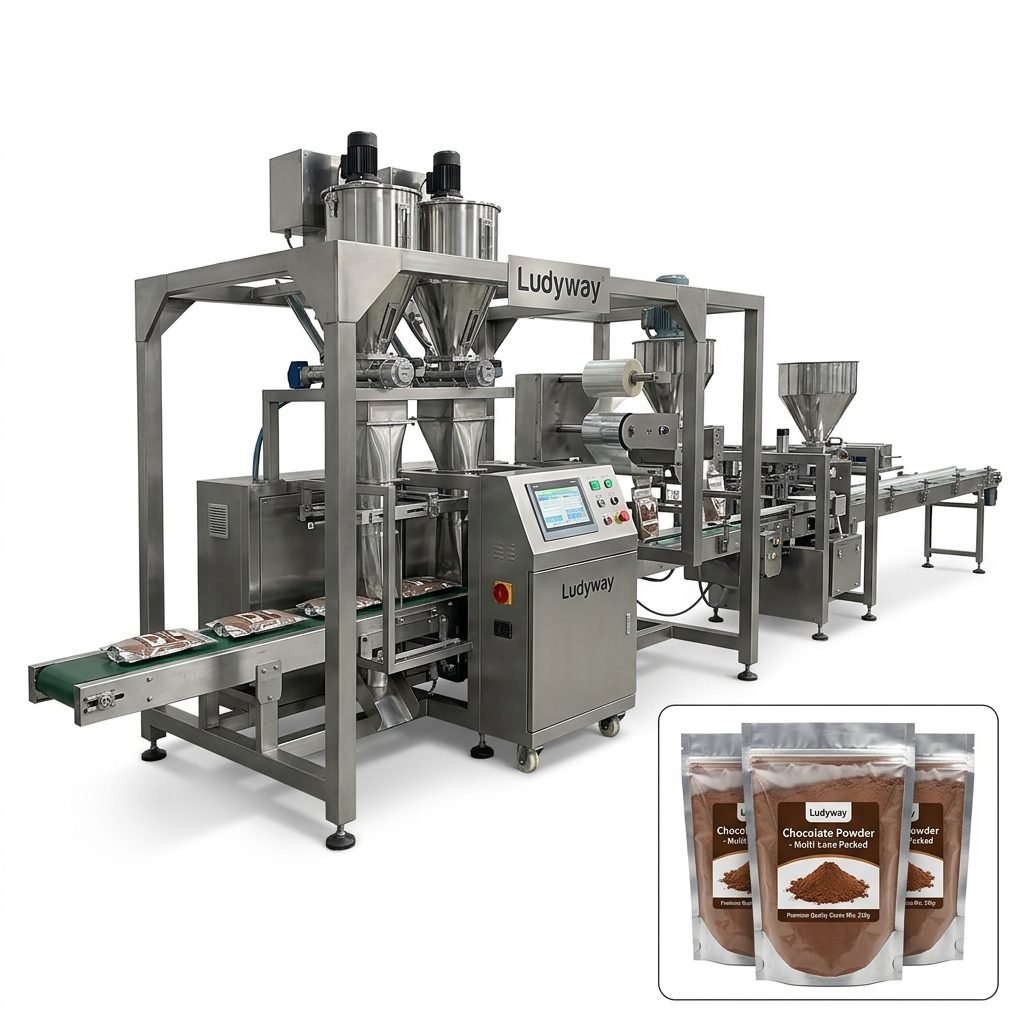
When evaluating a chocolate bar packaging machine for your production facility, several critical specifications determine long-term operational success. Understanding these features helps buyers make informed decisions aligned with their production goals and product characteristics.
| Feature | Specification | Benefit |
|---|---|---|
| Speed Range | 80-400 packs/min | Scalable output matching market demand |
| Film Compatibility | BOPP, CPP, laminate, cold-seal, foil | Versatile packaging material options |
| Bar Dimensions | Customizable forming box | Handles mini to family-size bars |
| Sealing Technology | Rotary or flat-bed heat seal | Hermetic seal integrity for freshness |
| Automation Level | Full servo-driven with PLC control | Precision and repeatability |
| Hygiene Design | Stainless steel construction, IP65 rating | Easy cleaning and washdown compliance |
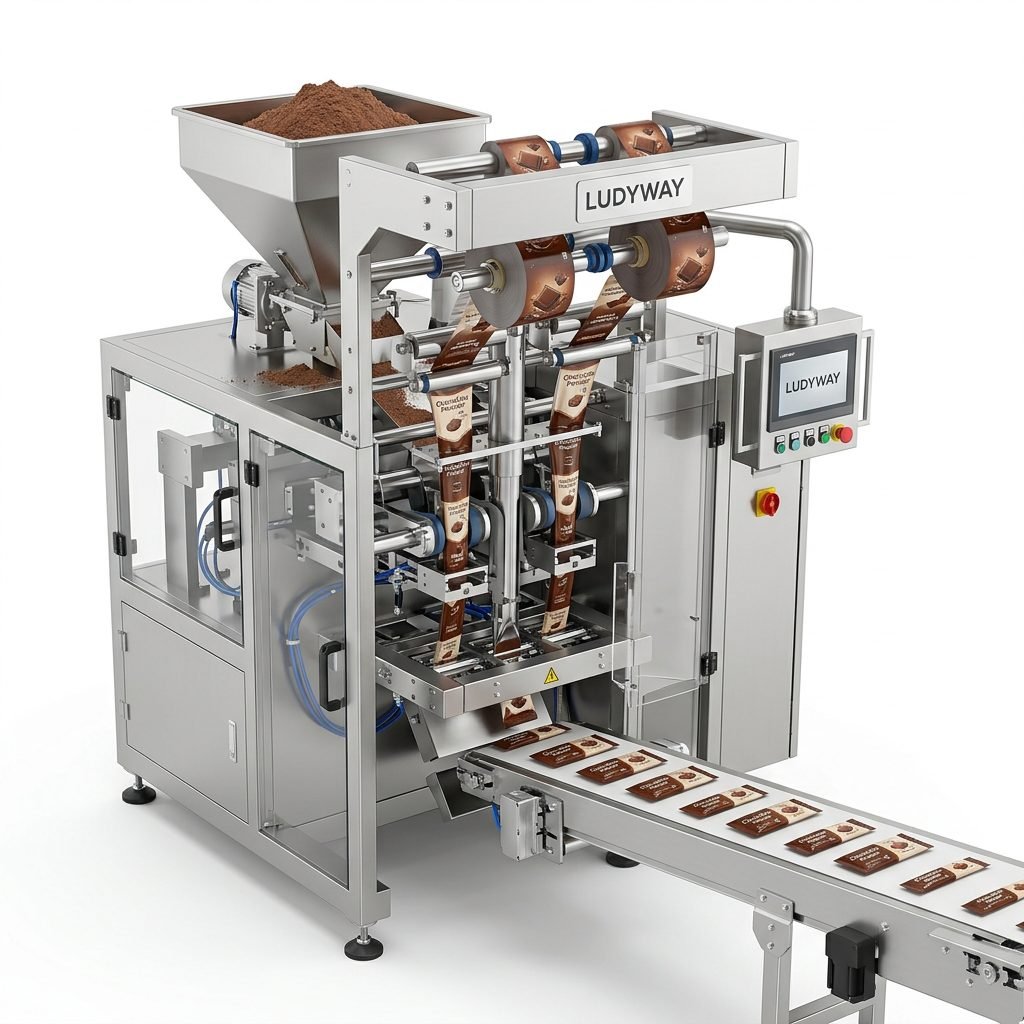
Modern multi-lane stick pack and flow wrap systems offer significant advantages for chocolate producers targeting diverse market segments. These machines support various packaging formats including pillow packs, fin-seal wraps, and gusseted bags, providing the flexibility needed for both retail and food service channels. For detailed insights on packaging machinery standards, refer to resources from the Association for Packaging and Processing Technologies (PMMI).
Flow Wrap vs. Stick Pack: Choosing the Right Format
Chocolate products come in various formats, and selecting the correct packaging technology is essential for product protection and shelf appeal. Below is a comparison of the two most common systems for chocolate bar packaging applications.
| Packaging Type | Best For | Typical Speed | Material Usage |
|---|---|---|---|
| Flow Wrap / Horizontal | Solid chocolate bars, filled bars, multi-packs | 100-300 packs/min | Single or double film wrap |
| Stick Pack / Sachet | Chocolate powder, granules, mini pieces | 200-800 packs/min (multi-lane) | Vertical form-fill-seal film |
| Pouch Packaging | Countlines, sharing bags, stand-up pouches | 40-120 packs/min | Pre-made or form-fill pouches |
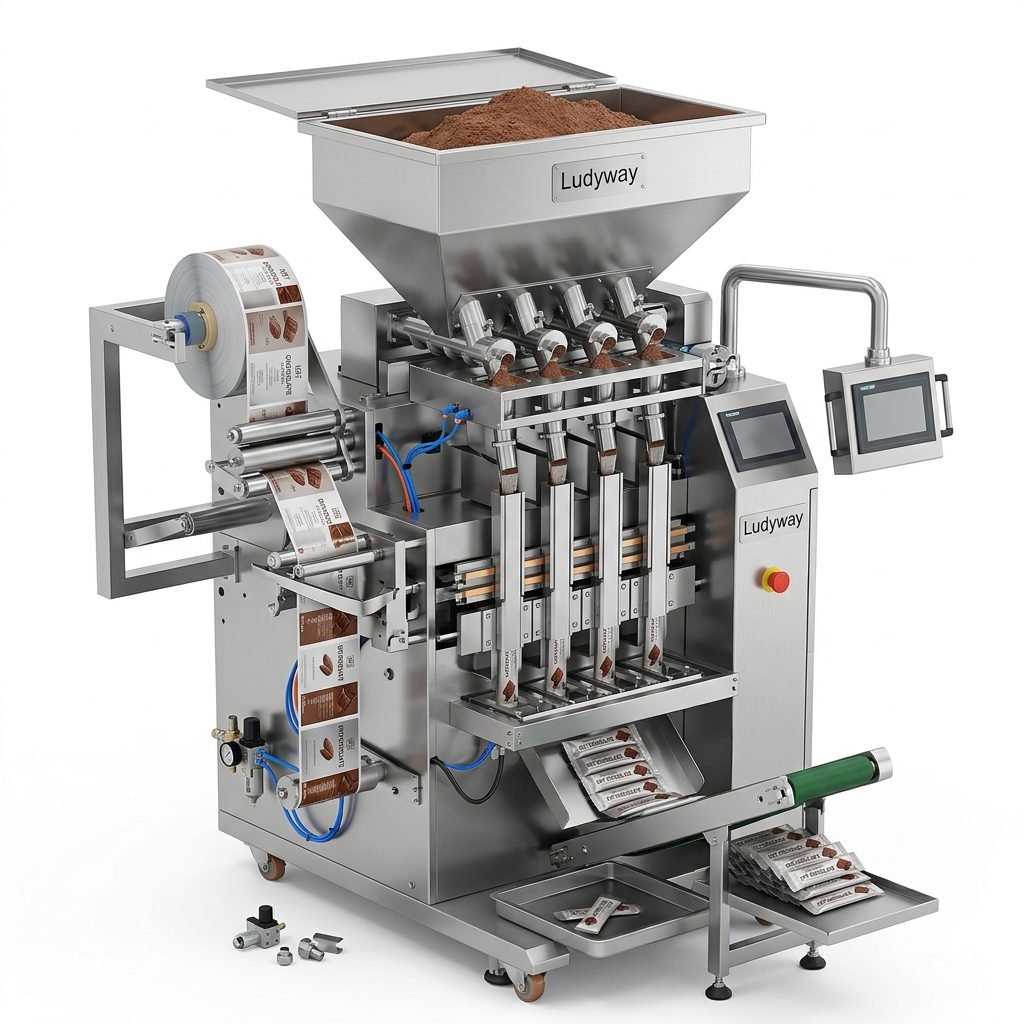
Understanding which packaging machine configuration suits your product range is critical. Industry data from the Flexible Packaging Association shows that film-based packaging continues to dominate the confectionery sector due to its cost-effectiveness and material efficiency.
Quality and Compliance in Chocolate Packaging Equipment
Food-grade packaging machinery must adhere to rigorous international standards. A reliable chocolate bar packaging machine should comply with relevant ISO packaging standards and food contact material regulations. Key compliance areas include stainless steel food-contact surfaces, validated sealing temperatures to prevent product degradation, and easy-clean designs that minimize cross-contamination risks. The FDA food packaging guidelines provide comprehensive requirements for materials and processes used in confectionery packaging applications.
Certifications to Look For
- CE Marking — Conformity with European health, safety, and environmental standards
- ISO 9001 — Quality management systems certification for manufacturing facilities
- GMP Compliance — Good Manufacturing Practice adherence for food-grade equipment
- HACCP Support — Machine design that facilitates Hazard Analysis Critical Control Point protocols
- UL/ETL Listing — Electrical safety certification for North American markets
After-Sales Support and Spare Parts Availability
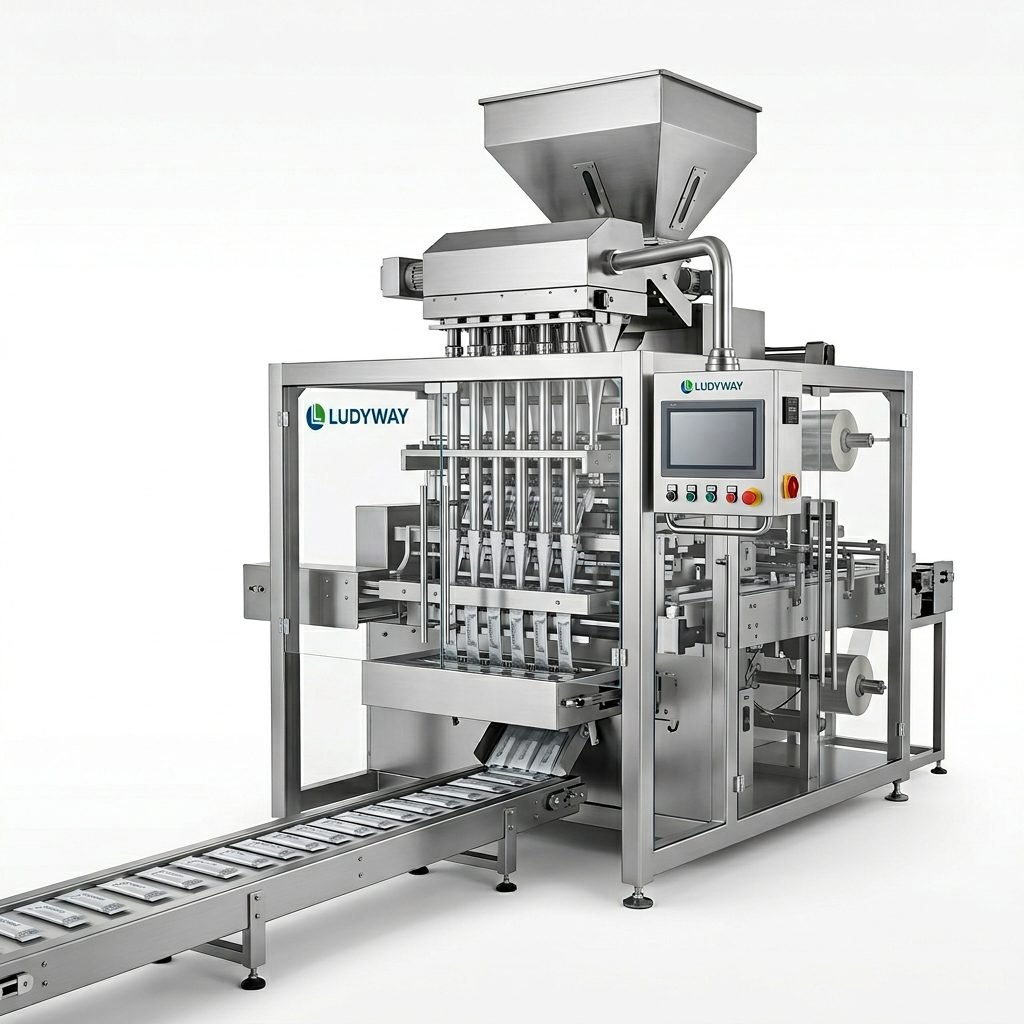
One of the most overlooked aspects when purchasing a chocolate packaging machine from Asia is the after-sales infrastructure. Leading manufacturers maintain global spare parts inventories, offer remote diagnostics via video conferencing, and deploy field service engineers for on-site commissioning and training. Evaluate potential suppliers based on their response time guarantees, warranty terms, and availability of technical documentation in your preferred language. Ludyway has established service networks across multiple international markets, ensuring timely support for its packaging machinery customers worldwide.
Cost Considerations and ROI Analysis
Investing in a chocolate bar packaging machine requires evaluating both upfront capital expenditure and long-term operational costs. Asian-manufactured equipment typically offers a 30-50% cost advantage compared to European alternatives while delivering comparable throughput and reliability. Key cost factors include film waste rates, changeover time between bar sizes, energy consumption, and annual maintenance requirements. For market intelligence on packaging machinery investments, the PMMI business intelligence library offers valuable industry reports and economic data.
Total Cost of Ownership Factors
- Initial equipment purchase price and installation costs
- Operator training requirements and learning curve duration
- Consumable parts replacement frequency and cost
- Energy efficiency ratings and annual electricity consumption
- Film material waste percentage during normal operation
- Downtime costs associated with unscheduled maintenance events
- Availability of local technical support and spare parts
Future Trends in Chocolate Bar Packaging Technology
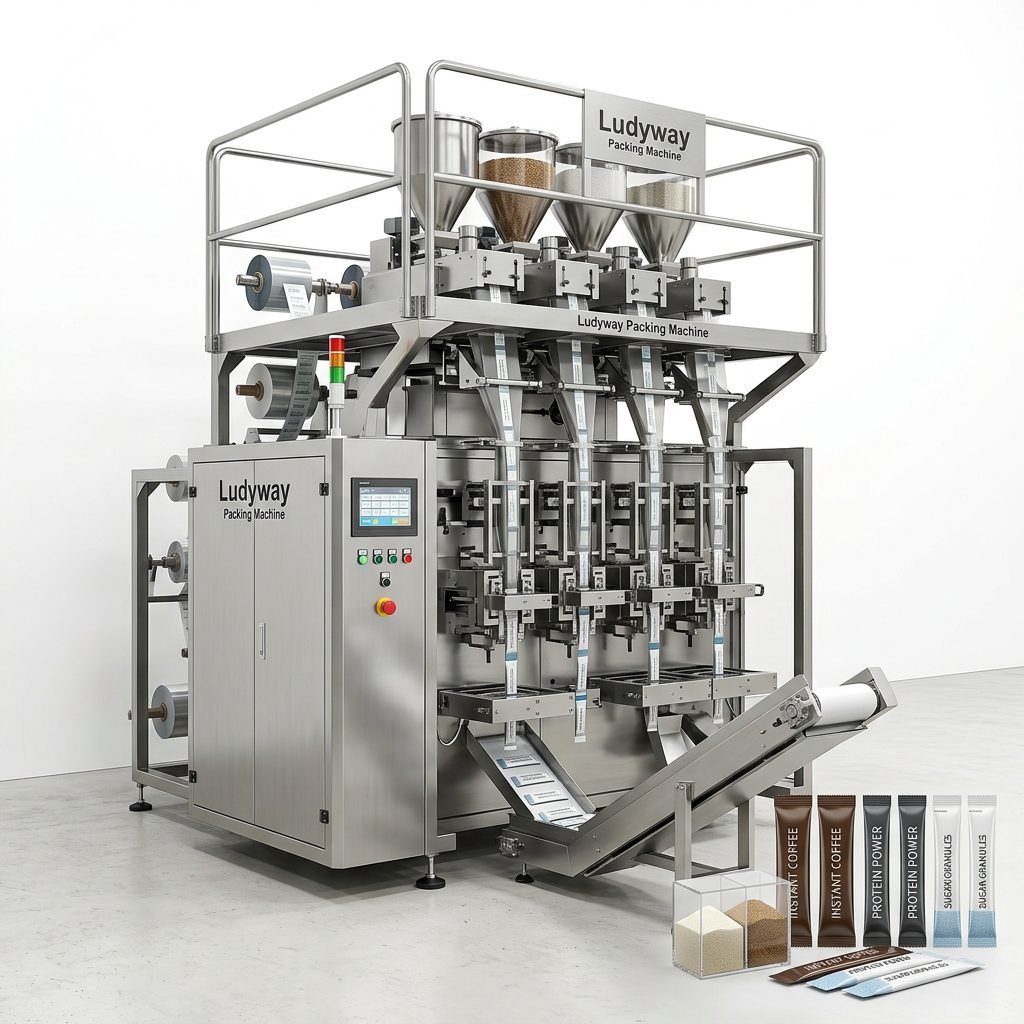
The chocolate packaging machinery industry is evolving rapidly, influenced by sustainability mandates, smart factory integration, and changing consumer preferences. Several trends are shaping the next generation of equipment design and functionality. Sustainable packaging drives demand for machines capable of running recyclable mono-material films and paper-based wraps. Digitalization enables real-time production monitoring through cloud-based platforms. The State of the Industry report from PMMI provides comprehensive analysis of these evolving trends and their impact on packaging equipment procurement.
Emerging Technology Highlights
- Servo-driven motion control for precise film registration and reduced waste
- Augmented reality (AR) maintenance guides for faster troubleshooting
- Energy recovery systems reducing overall power consumption by up to 20%
- Modular machine platforms allowing future format additions without full replacement
- Blockchain-ready serialization for supply chain traceability and anti-counterfeiting
For businesses exploring turnkey chocolate packaging solutions, understanding regional manufacturing capabilities is essential. The global packaging machinery market outlook indicates sustained growth in Asian equipment exports, driven by continuous innovation and expanding production capacity.
Selection Checklist for Your Chocolate Packaging Investment
| Evaluation Criteria | What to Verify |
|---|---|
| Production Capacity | Confirm machine speed matches your current and projected output needs |
| Format Flexibility | Test changeover procedures between different bar sizes and shapes |
| Factory Visit | Arrange an on-site inspection of manufacturing facilities when possible |
| Sample Testing | Request factory acceptance testing with your actual product and film |
| Reference Checks | Speak with existing customers about their long-term experience |
| Warranty Terms | Review coverage period, included parts, and labor provisions |
Selecting the right chocolate bar packaging machine in Asia is a strategic decision that impacts product quality, operational efficiency, and brand reputation. By thoroughly evaluating machine specifications, compliance certifications, after-sales infrastructure, and total cost of ownership, confectionery producers can secure packaging solutions that support long-term growth in both domestic and export markets.