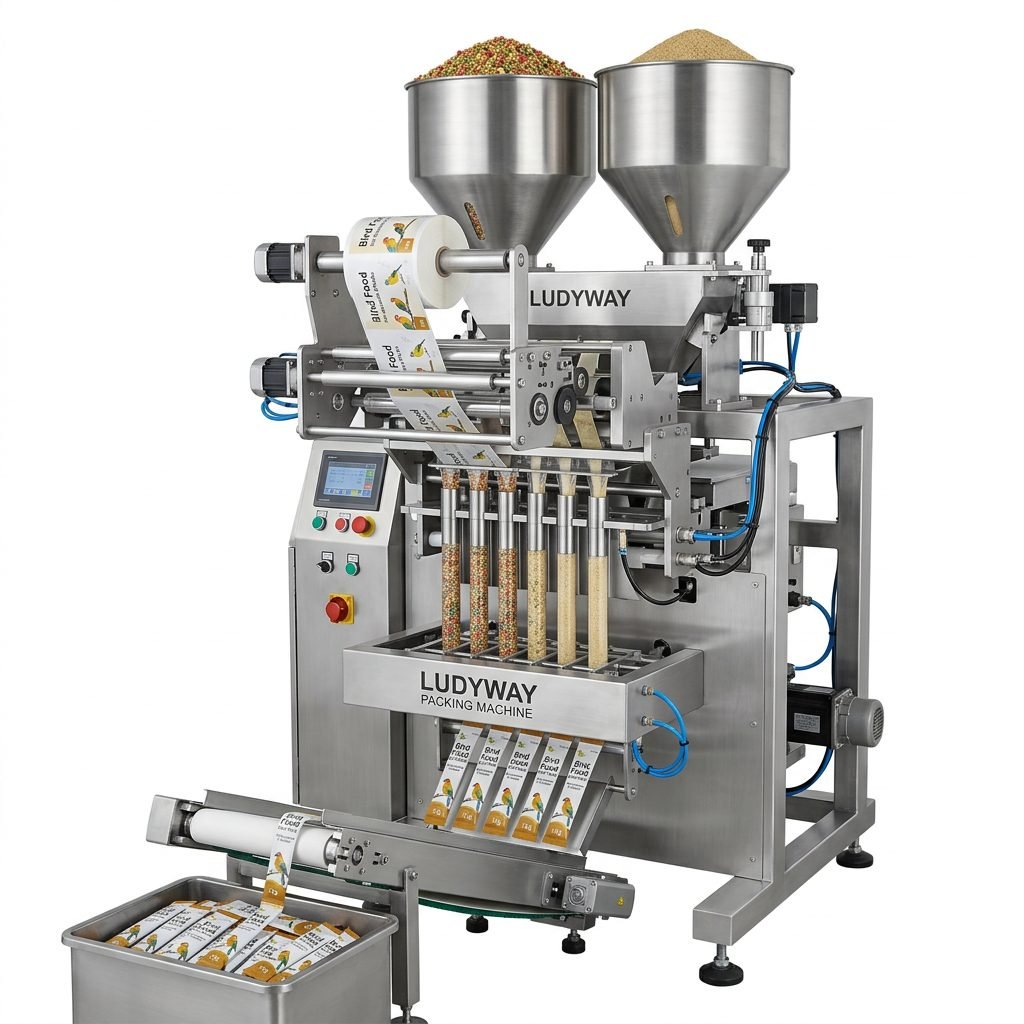
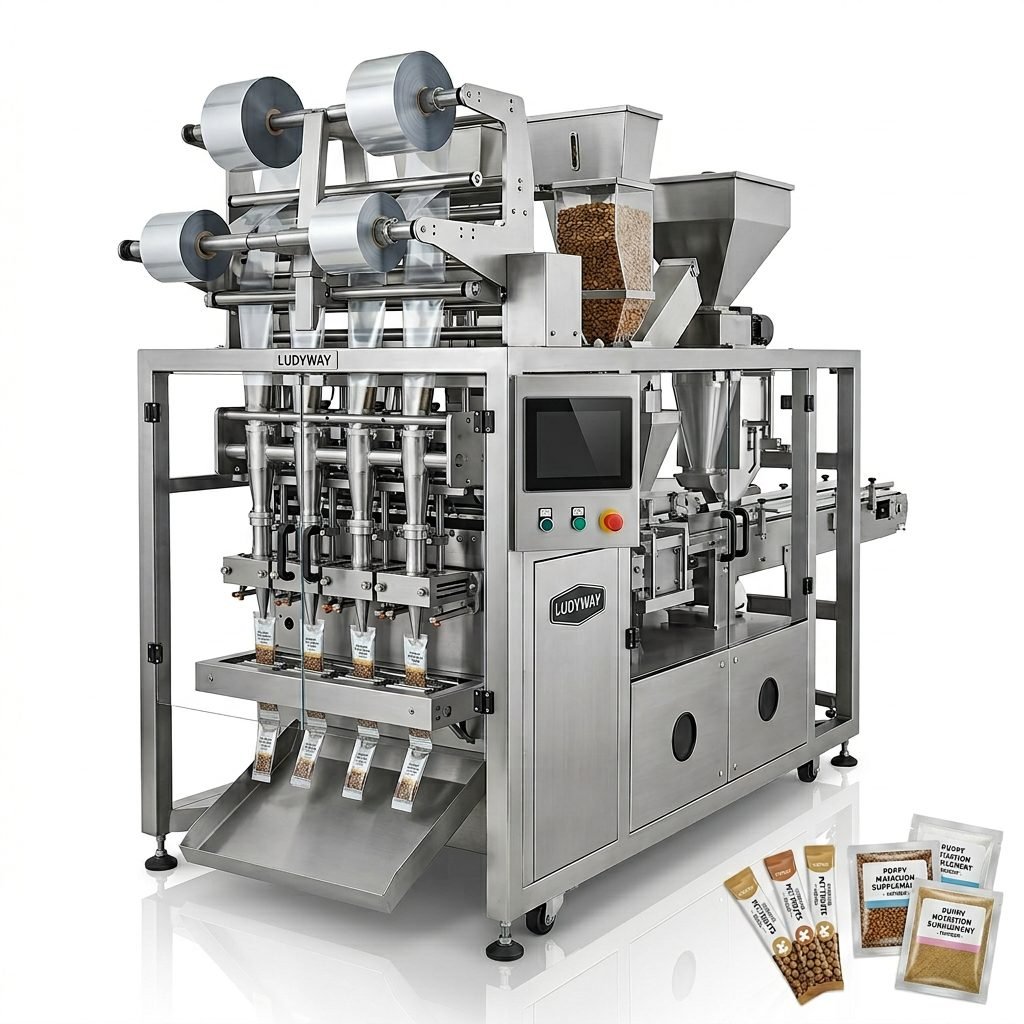
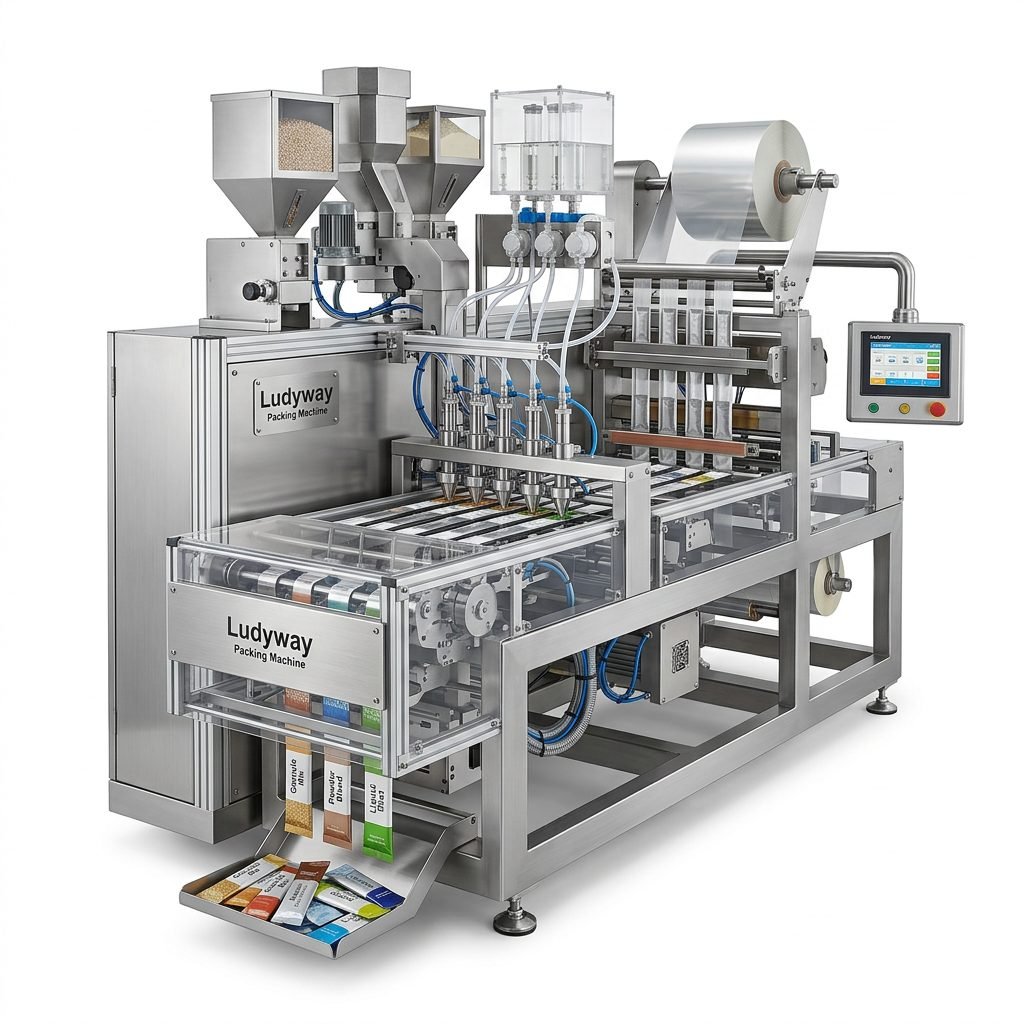
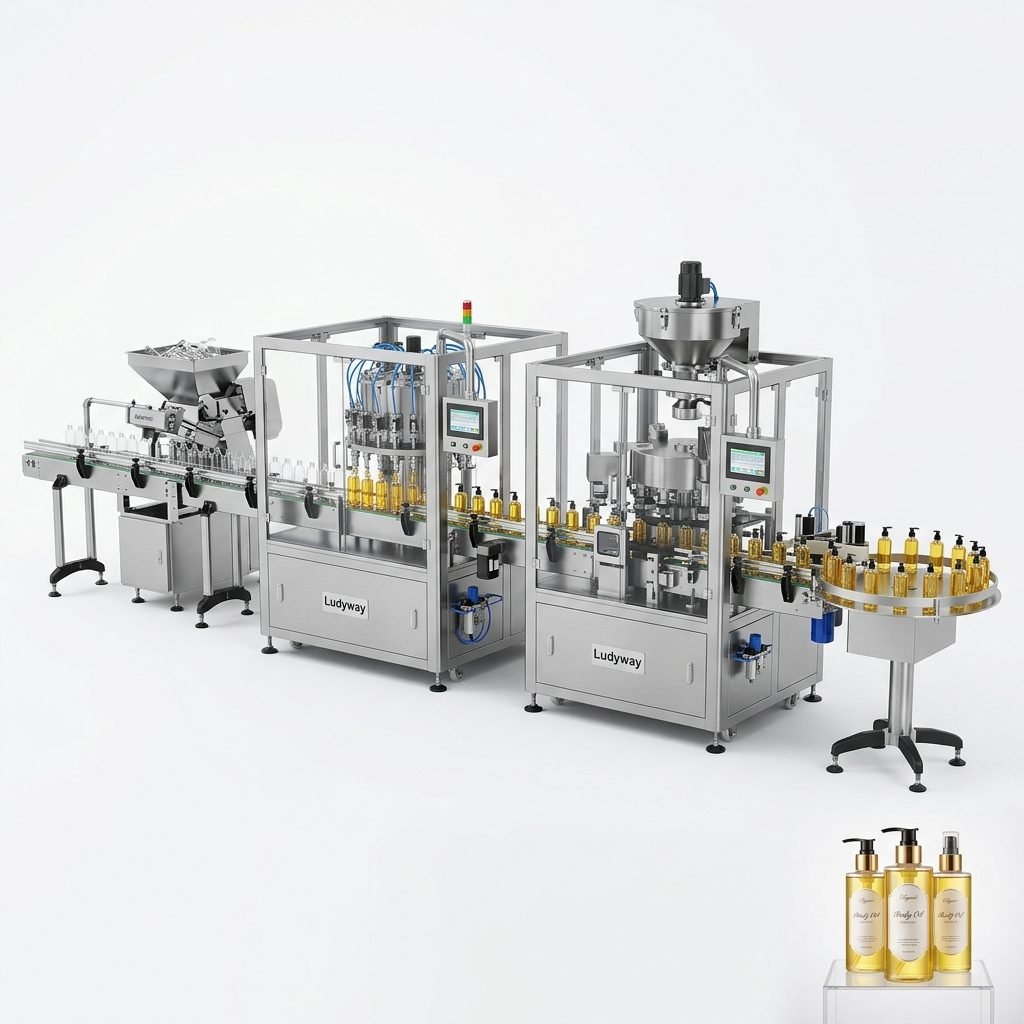
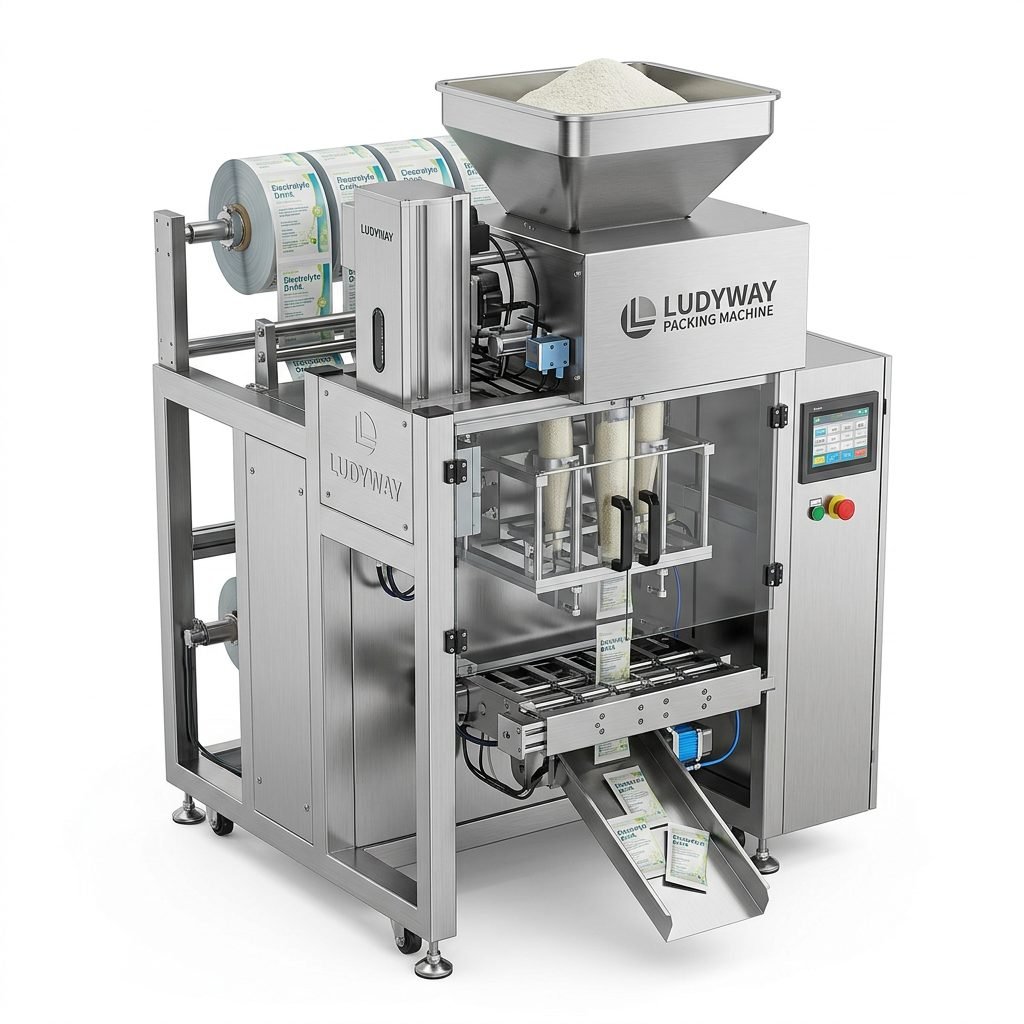
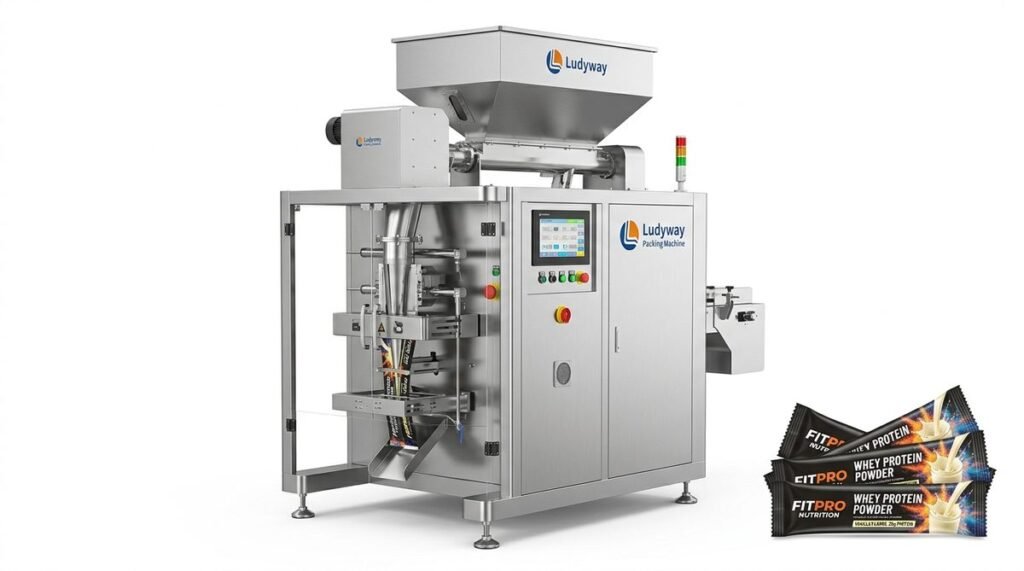
In the fast-paced world of manufacturing, efficient and reliable packaging is crucial for product integrity, shelf appeal, and operational speed. For liquids—ranging from beverages and sauces to pharmaceuticals and chemicals—the right packaging machine is not just an asset; it’s a necessity. This comprehensive guide delves into the world of liquid packaging machines, exploring their various types, core working principles, diverse applications, and essential buying considerations to help you make an informed investment.
Core Types of Liquid Packaging Machines
The market offers a variety of liquid packaging machines, each designed for specific formats, viscosities, and production volumes. Understanding these types is the first step in selecting the right equipment.
Pouch Packaging Machines
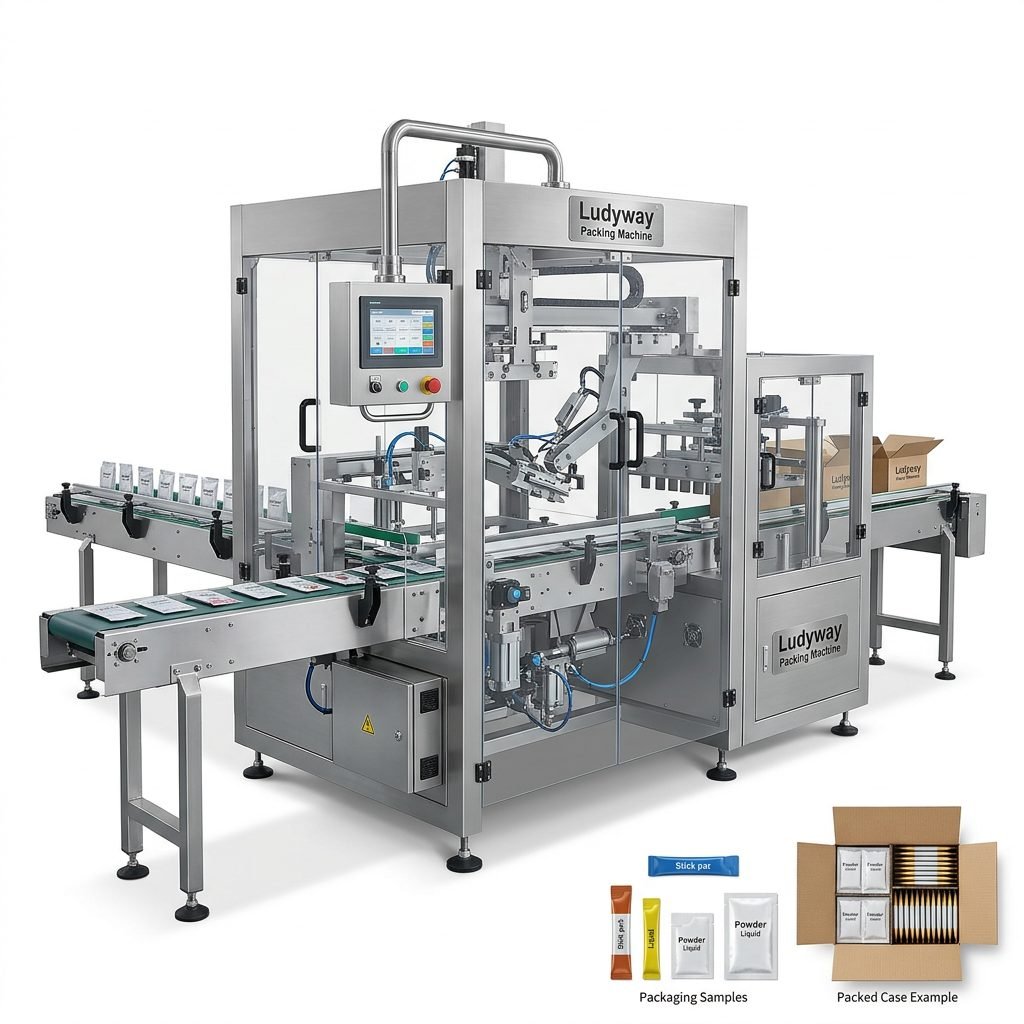
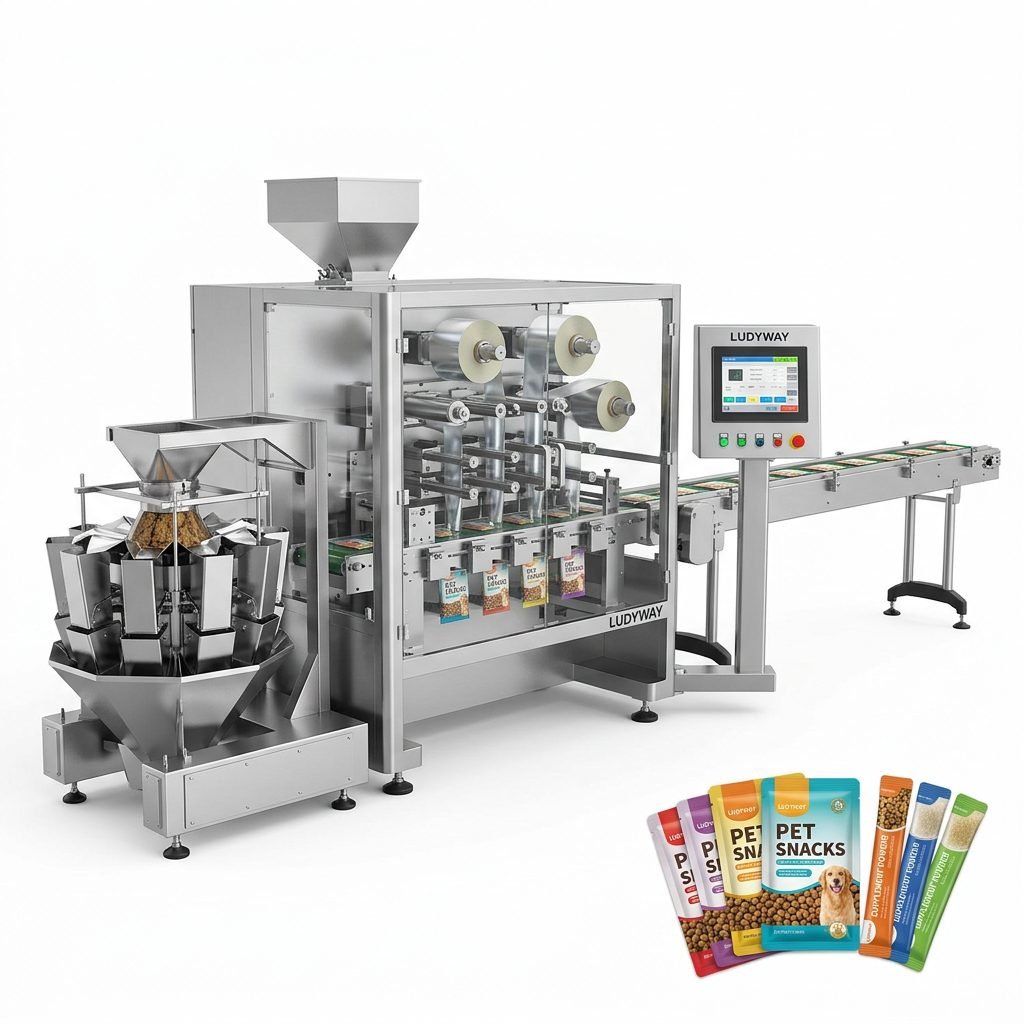
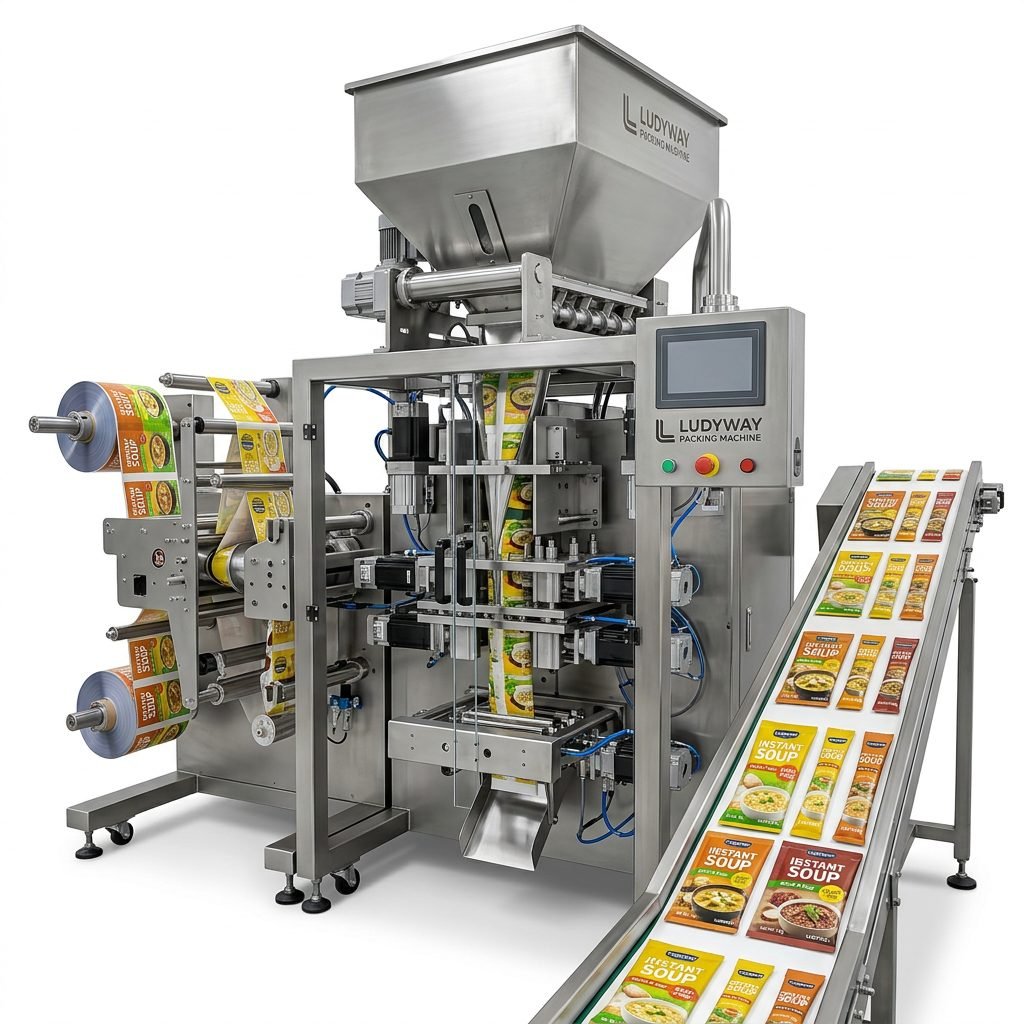
These machines form, fill, and seal flexible pouches from a roll of film. They are incredibly versatile and popular for packaging liquids like sauces, dairy products, and liquid detergents.
- Stand-up Pouches (Doypacks): Create pouches with a gusseted bottom that allows them to stand upright on shelves, offering excellent branding space and consumer convenience.
- Flat Pouches: Simple, cost-effective bags used for single-serve portions of items like ketchup, shampoo, or medicinal syrups.
Bottle Filling and Capping Machines
This category encompasses systems designed for rigid containers like plastic, glass, or metal bottles. They often involve a multi-stage process on a rotary or linear conveyor.
- Gravity Fillers: Ideal for free-flowing, non-foaming liquids (e.g., water, juice). Liquid flows by gravity into the bottle.
- Piston Fillers: Highly accurate for viscous products (e.g., sauces, oils, creams). A piston draws a precise volume from a product hopper and dispenses it.
- Volumetric Fillers: Use timed flow or measuring chambers for consistent filling, suitable for a wide range of viscosities.
Aseptic Liquid Packaging Machines
These advanced systems sterilize both the product and the packaging material separately before filling in a sterile environment. This process allows liquids like milk, juice, and nutritional supplements to be stored for months without refrigeration. The technology is complex but essential for extending shelf life and ensuring safety.
Specialized Machines: Carton Fillers & Bag-in-Box
For larger volumes, machines like carton fillers (for milk, juice, broth) and bag-in-box systems (for wine, industrial liquids, syrups) are employed. They combine the protection of a flexible inner bag with the rigidity of an outer box.
How Do Liquid Packaging Machines Work? The Fundamental Principles
While machine designs vary, most follow a synchronized sequence of core operations to transform raw materials into sealed, filled packages.
1. Container Feeding & Handling
Empty containers (pre-formed bottles, pouches from a film reel) are fed into the machine via conveyors, elevators, or unwinding systems. Precision here is critical for smooth downstream operations.
2. Filling: The Heart of the Operation
This is where accuracy is paramount. Different filling methods are used based on the product:
- Gravity/Pressure Gravity: Simple and fast for low-viscosity liquids.
- Piston Filling: Offers exceptional precision (±0.5% or better) for thick or chunky products.
- Pump Filling: Uses rotary lobe or peristaltic pumps to move product, good for shear-sensitive or abrasive liquids.
- Volumetric Cup/Time Gravity: A cost-effective method for consistent fills of non-foaming products.
Pro Tip: Always test your specific product on the intended filling technology. Factors like viscosity, aeration, and particulate content dramatically affect performance.
3. Sealing & Capping
Immediately after filling, the container is sealed to prevent leakage and contamination.
- For Pouches: Heated jaws seal the film, often with a cool jaw to set the seal. Options include notch seals for easy tearing.
- For Bottles: Cappers apply screw caps, snap-on lids, or press-on corks with precise torque control.
4. Coding, Labeling & Secondary Packaging
Finally, machines can imprint batch codes/expiry dates, apply labels, and group packages into cartons or trays for shipping. Automation of these steps maximizes line efficiency.
Broad Applications Across Industries
Liquid packaging machines serve a vast array of sectors, each with unique requirements.
Food & Beverage Industry
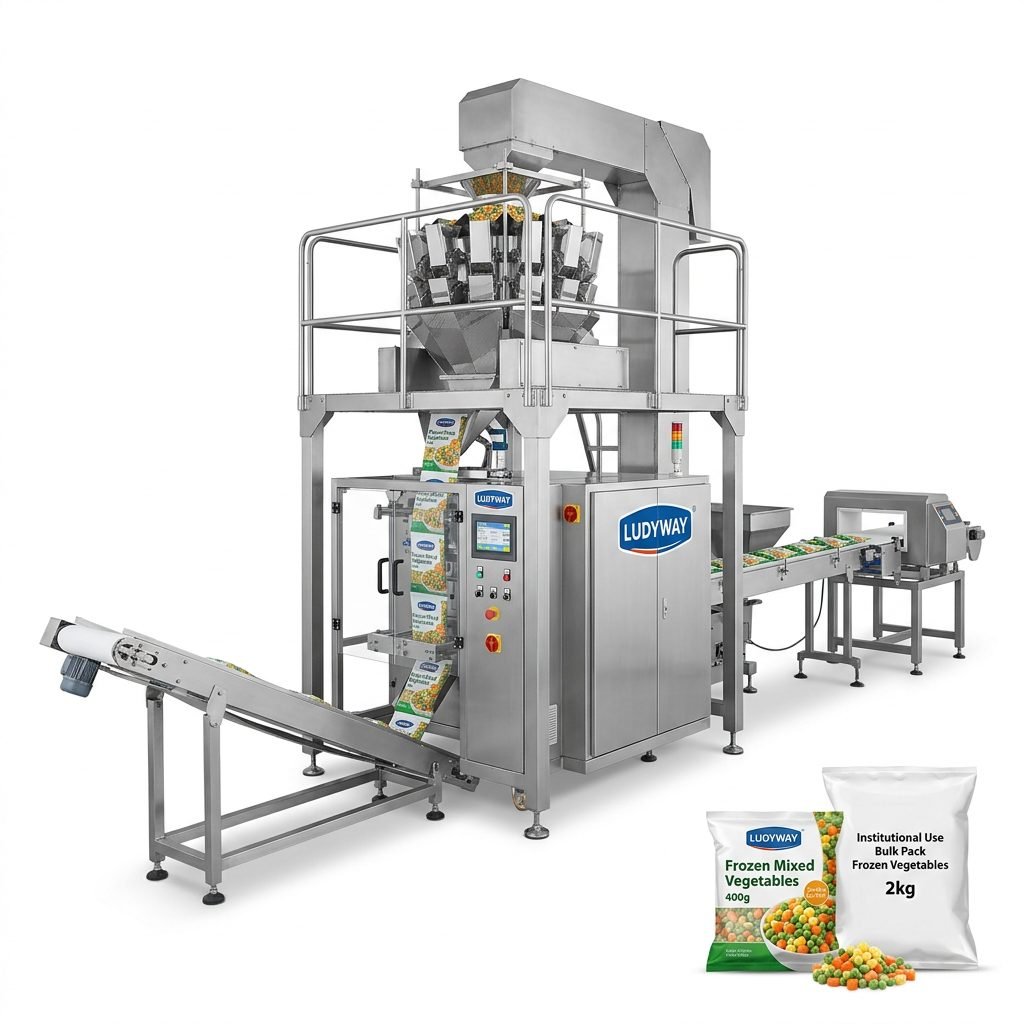
The largest application sector. Machines here handle everything from water and juices to cooking oils, sauces, honey, and dairy products. Hygiene, speed, and accuracy are critical. For instance, a company like Ludyway Machinery provides solutions tailored for these high-demand environments.
Pharmaceutical & Healthcare
Packaging syrups, cough mixtures, eye drops, and sterile solutions demands ultra-high precision, cleanliness, and often compliance with strict regulations like cGMP. Aseptic filling and tamper-evident seals are common requirements.
Cosmetics & Personal Care
Shampoos, lotions, serums, and liquid soaps require attractive, leak-proof packaging. Machines must handle a variety of viscosities and often incorporate elegant filling and capping for premium brands.
Chemicals & Household Products
Detergents, disinfectants, motor oils, and industrial liquids need robust, chemical-resistant packaging. Machines are built for durability and safe handling of potentially hazardous contents.
Essential Buying Tips for Your Investment
Choosing the wrong machine can lead to downtime, product waste, and lost revenue. Consider these factors carefully.
1. Define Your Product & Production Needs
- Liquid Characteristics: Viscosity, acidity, presence of particulates, foaming tendency, and temperature.
- Required Output (Speed): Calculate your required packages per minute/hour/shift.
- Packaging Format & Material: Bottle shape/size, pouch dimensions, type of film or closure.
2. Evaluate Machine Capabilities & Flexibility
Can the machine handle your future product variations or package size changes? Look for features like quick-change parts, adjustable settings, and modular design. A supplier with a broad portfolio, such as Ludyway Machinery, can often provide scalable solutions that grow with your business.
3. Prioritize Hygiene & Construction Quality
For food or pharmaceutical use, ensure contact parts are made from food-grade stainless steel (e.g., SS304 or SS316) and that the design allows for easy cleaning (CIP/SIP capabilities). Solid construction minimizes vibration and wear.
4. Assess Automation & Control Level
From basic manual models to fully automated lines with PLC touchscreen controls and IoT connectivity. Higher automation reduces labor costs and improves consistency but increases upfront investment.
5. Consider Total Cost of Ownership (TCO)
Look beyond the purchase price. Factor in installation, maintenance, energy consumption, changeover time, and expected lifespan. A slightly more expensive, robust machine may offer a lower TCO than a cheaper, less reliable alternative.
Frequently Asked Questions (FAQs)
1. What is the most accurate filling method for viscous liquids like creams or pastes?
Piston filling is generally considered the most accurate method for viscous and non-free-flowing products. It provides volumetric precision typically within ±0.5%, making it ideal for costly ingredients where overfilling is wasteful and underfilling is non-compliant.
2. Can one machine package different types of liquids and container sizes?
Many modern machines are designed with flexibility in mind. By using quick-change parts like different sized pistons, filling nozzles, and container holders, a single machine can often handle a range of similar-viscosity products and container sizes. However, switching between vastly different products (e.g., water to thick paste) may require more extensive changeover.
3. How important is after-sales service when buying a packaging machine?
Extremely important. Packaging machines are complex mechanical systems that require maintenance, occasional repairs, and parts replacement. A supplier with a responsive, knowledgeable service team and readily available genuine spare parts is crucial for minimizing production downtime and ensuring the long-term reliability of your investment.
4. What are the key hygiene features to look for in a food-grade liquid packager?
Key features include: all product-contact surfaces made of food-grade stainless steel; a smooth, crevice-free design to prevent bacterial harborage; easy disassembly for manual cleaning; and optionally, built-in Clean-in-Place (CIP) systems that allow cleaning without full disassembly. Enclosed cabinets can also help protect the filling zone from environmental contaminants.
5. What’s the difference between a single-head and a multi-head filling machine?
The number of filling heads directly correlates with output speed. A single-head filler fills one bottle at a time and is suitable for low-volume production or pilot lines. A multi-head rotary filler has multiple filling stations operating simultaneously on a rotating carousel, dramatically increasing speed for medium to high-volume production requirements.