Germany stands as one of Europe’s largest and most dynamic markets for protein bars and functional nutrition. With a growing health-conscious population and a booming sports nutrition sector, the demand for high-quality protein bar packaging machines has never been greater. Whether you’re a startup launching your first protein bar line or an established manufacturer scaling up production, selecting the right packaging equipment is critical to your success in the German market.
This comprehensive guide covers everything you need to know about protein bar packaging machines in Germany, from technical specifications and regulatory requirements to cost considerations and supplier selection. By the end, you’ll have a clear roadmap for investing in packaging machinery that meets German quality standards and positions your brand for growth.

Understanding the German Protein Bar Market
Germany’s protein bar market has experienced remarkable growth over the past decade. According to PMMI business intelligence reports, the European functional food packaging sector continues to expand, driven by increasing consumer focus on fitness, wellness, and convenient nutrition. German consumers are particularly discerning, expecting not only product quality but also premium packaging presentation that reflects the product’s value proposition.
Protein bars in Germany are sold through multiple channels including supermarkets, drugstores (DM and Rossmann), fitness studios, specialty nutrition shops, and e-commerce platforms. Each channel has unique packaging requirements in terms of shelf appeal, barrier protection, and portion sizing. The right packaging machine must accommodate different bar sizes, shapes, and wrapping materials while maintaining consistent output quality.
Key Market Segments Driving Demand
- Sports nutrition bars: High-protein formulations targeting athletes and fitness enthusiasts
- Meal replacement bars: Convenient nutrition for busy professionals and on-the-go consumers
- Organic and vegan bars: Plant-based protein options catering to Germany’s strong vegetarian and vegan community
- Functional wellness bars: Products with added vitamins, minerals, and adaptogenic ingredients
- Sugar-free and keto bars: Low-carb alternatives aligned with dietary trends
Types of Protein Bar Packaging Machines
When investing in protein bar packaging machines in Germany, manufacturers typically choose from several equipment categories depending on their production volume, bar format, and packaging material preferences. Understanding the distinctions between these machine types is essential for making an informed purchasing decision.
Flow Wrapping Machines (Horizontal Flow Wrappers)
Flow wrapping machines are the most common choice for protein bar packaging worldwide, including in the German market. These machines wrap individual bars in a continuous film, creating a sealed pillow pack that can be opened easily. Flow wrappers offer excellent versatility, handling various film materials including metallized BOPP, polyethylene, and compostable films that align with Flexible Packaging Association sustainability guidelines.
- Ideal for single-bar packaging with high-speed output
- Compatible with modified atmosphere packaging (MAP) for extended shelf life
- Easy integration with printing systems for lot codes and date stamps
- Available in both intermittent and continuous motion configurations
Vertical Form Fill Seal (VFFS) Machines
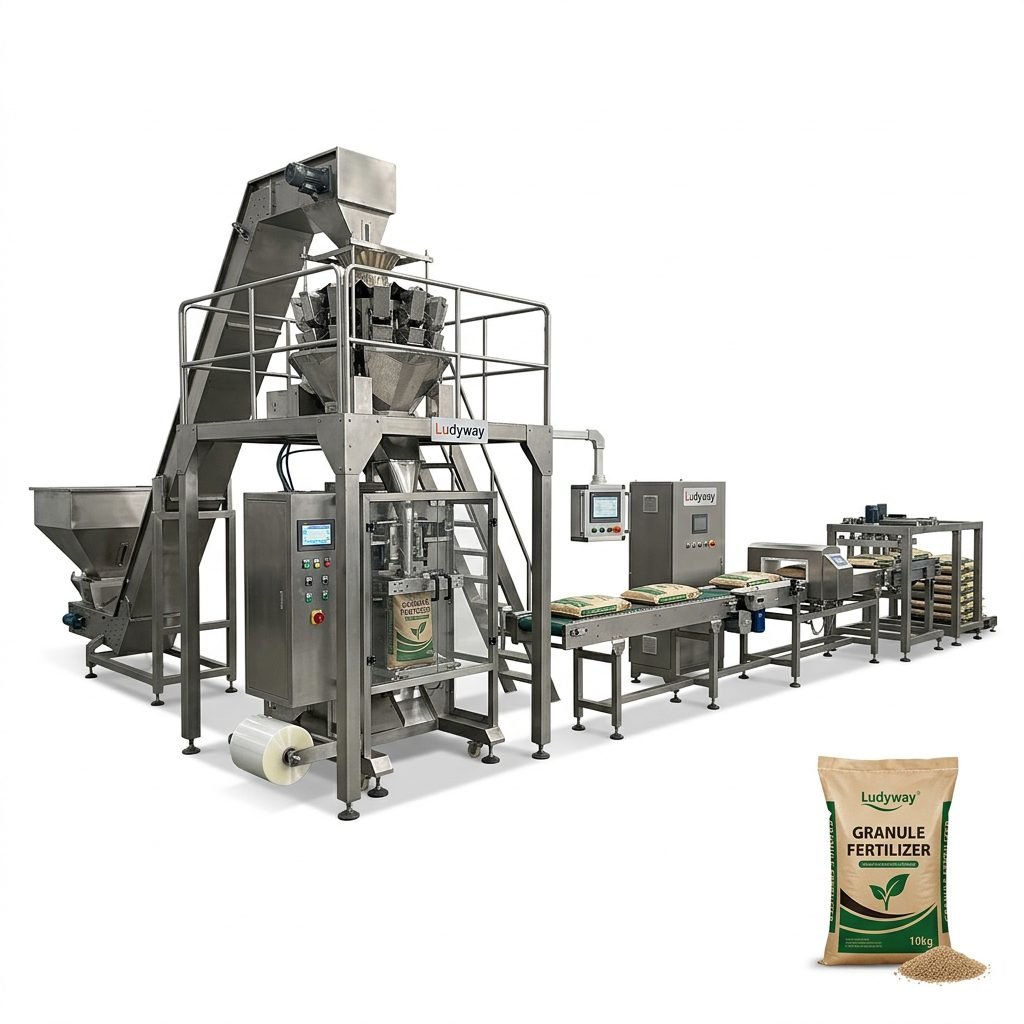
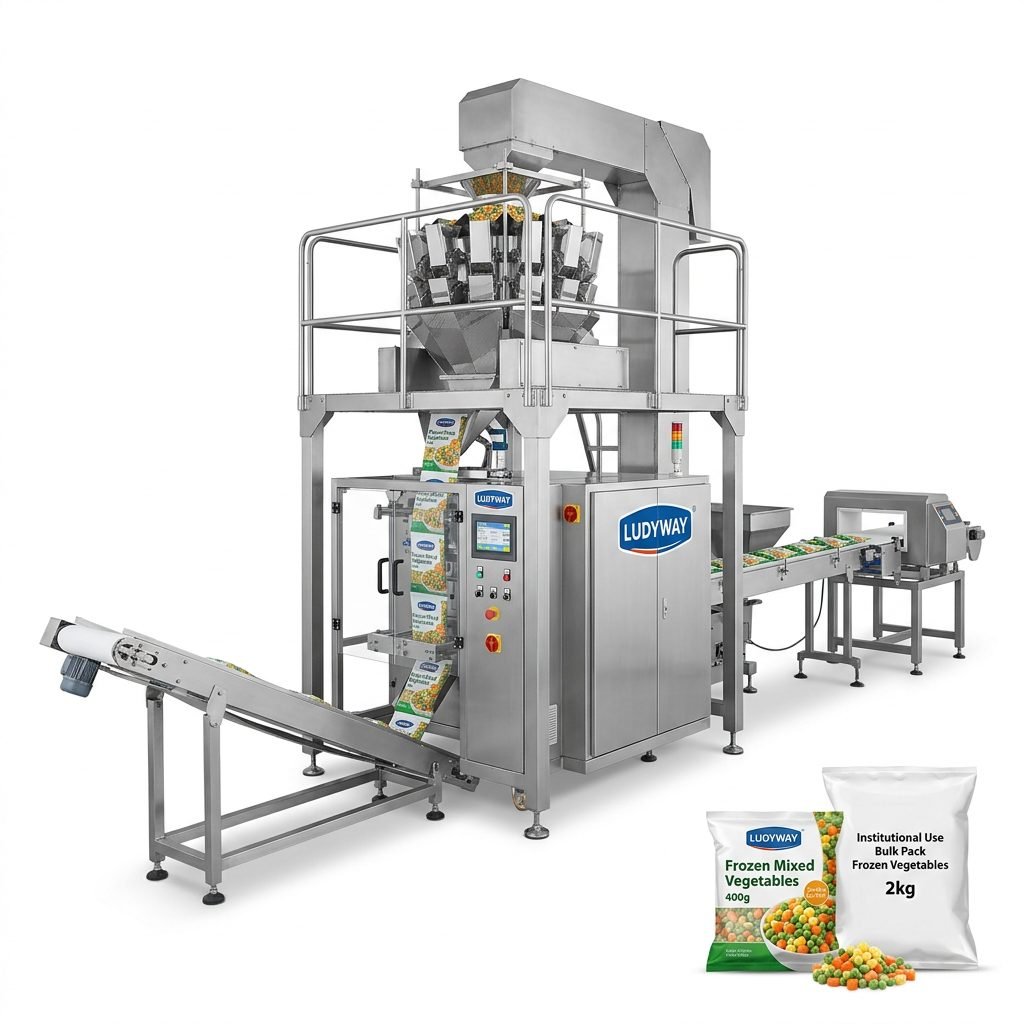
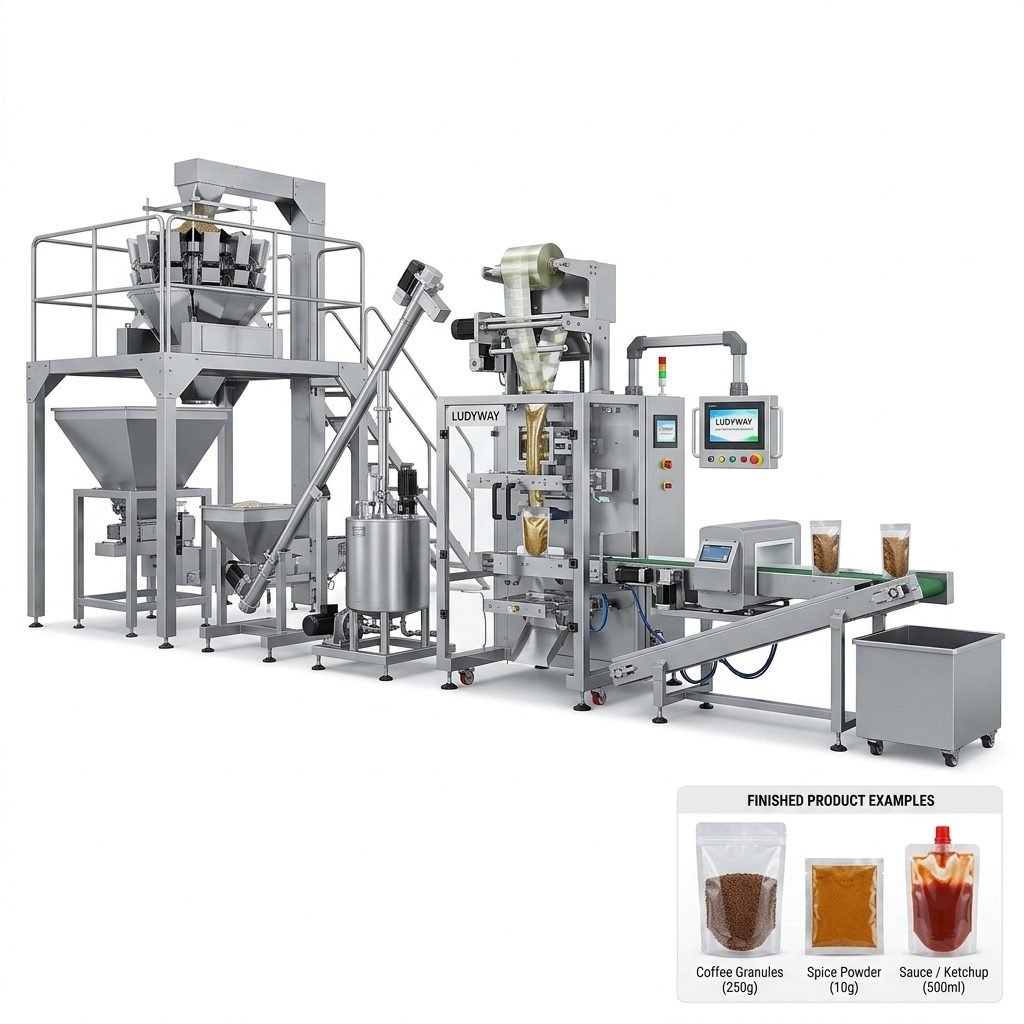
For multi-pack configurations and bulk packaging, VFFS machines provide efficient solutions. These machines form pouches from a flat roll of film, fill them with multiple protein bars, and seal the package in one continuous operation. German manufacturers often use VFFS systems for family packs, subscription box fulfillment, and wholesale distribution packaging.
Stick Pack and Sachet Machines
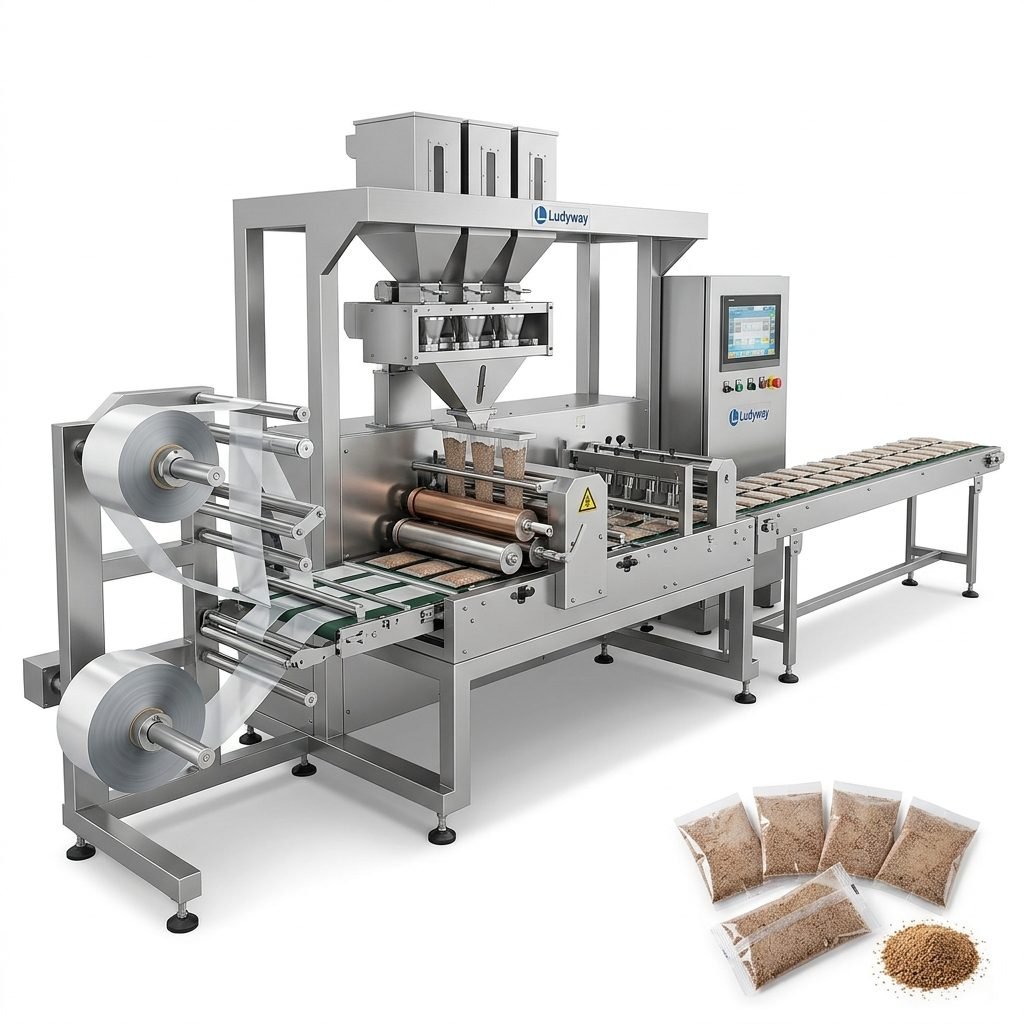
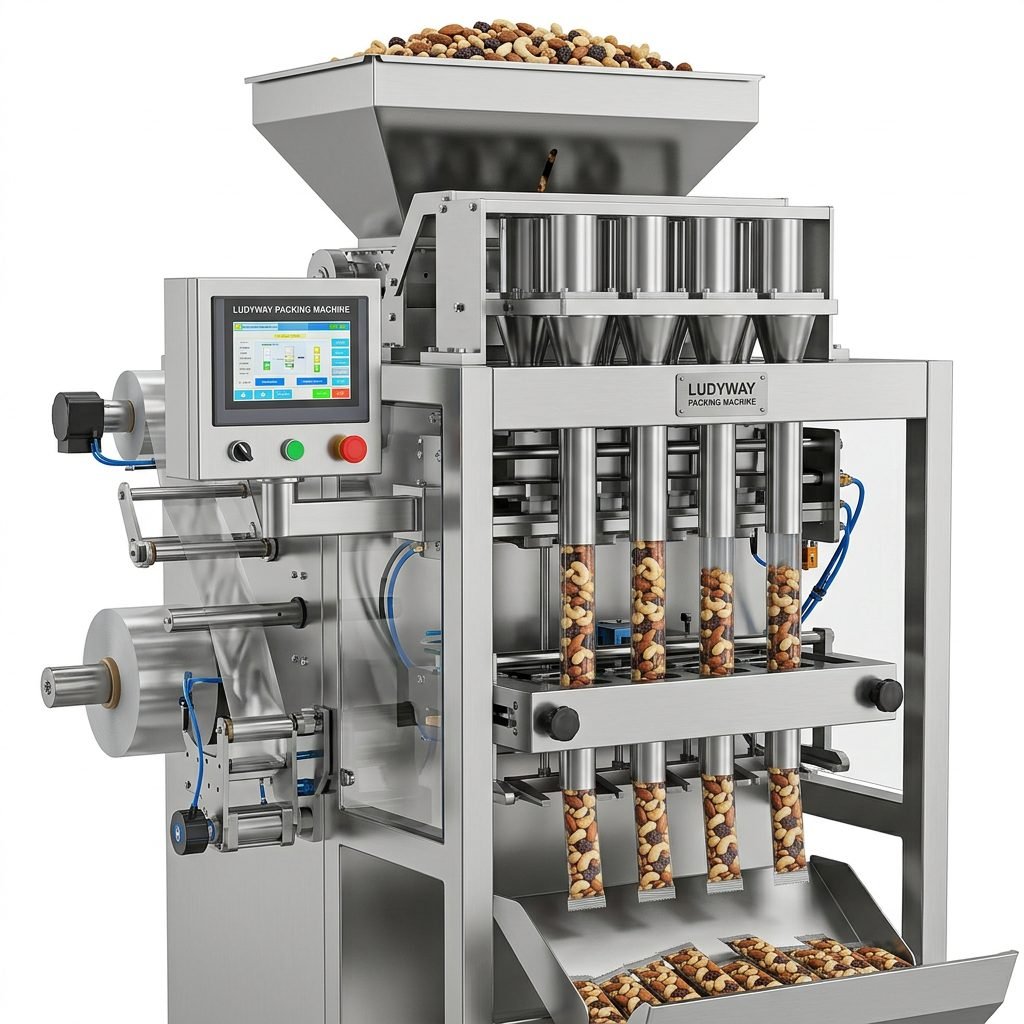
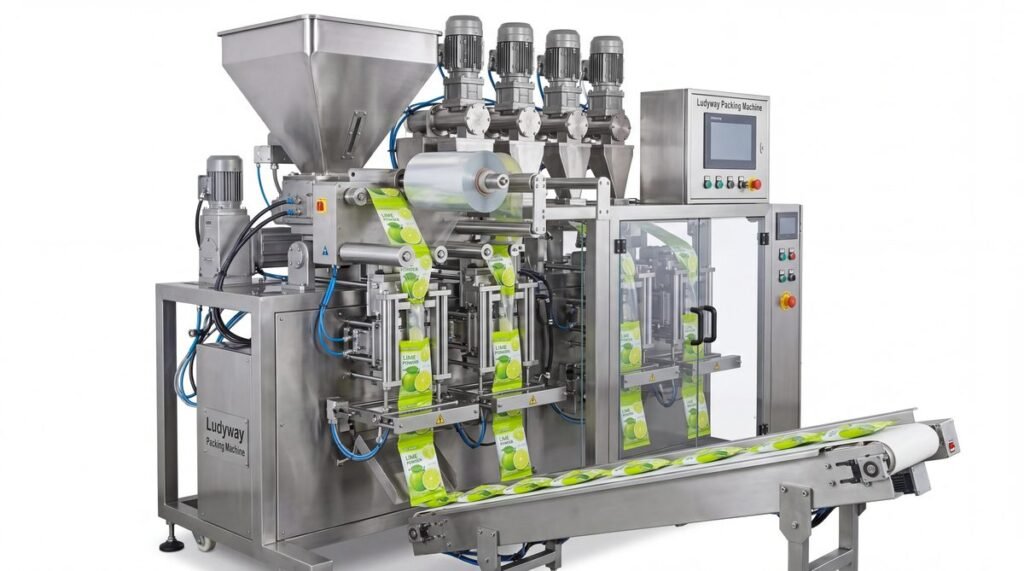
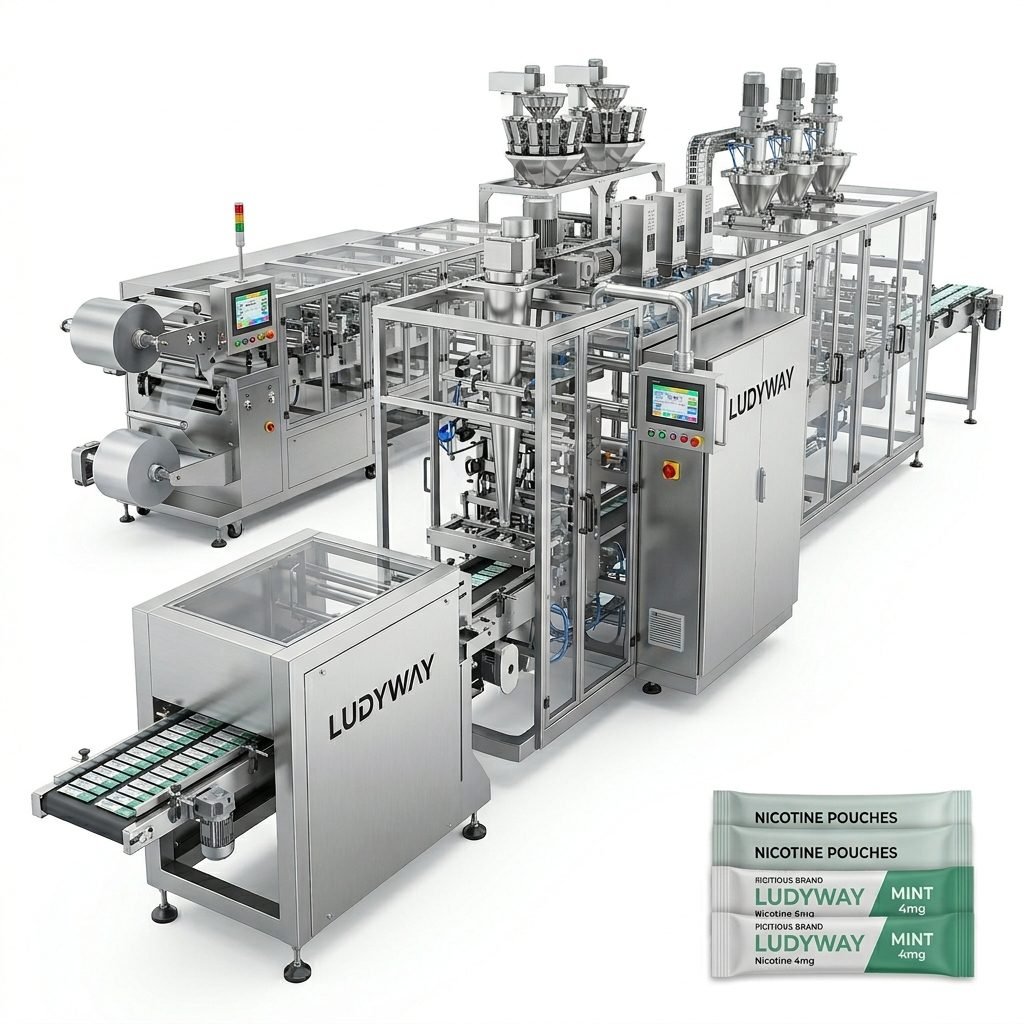
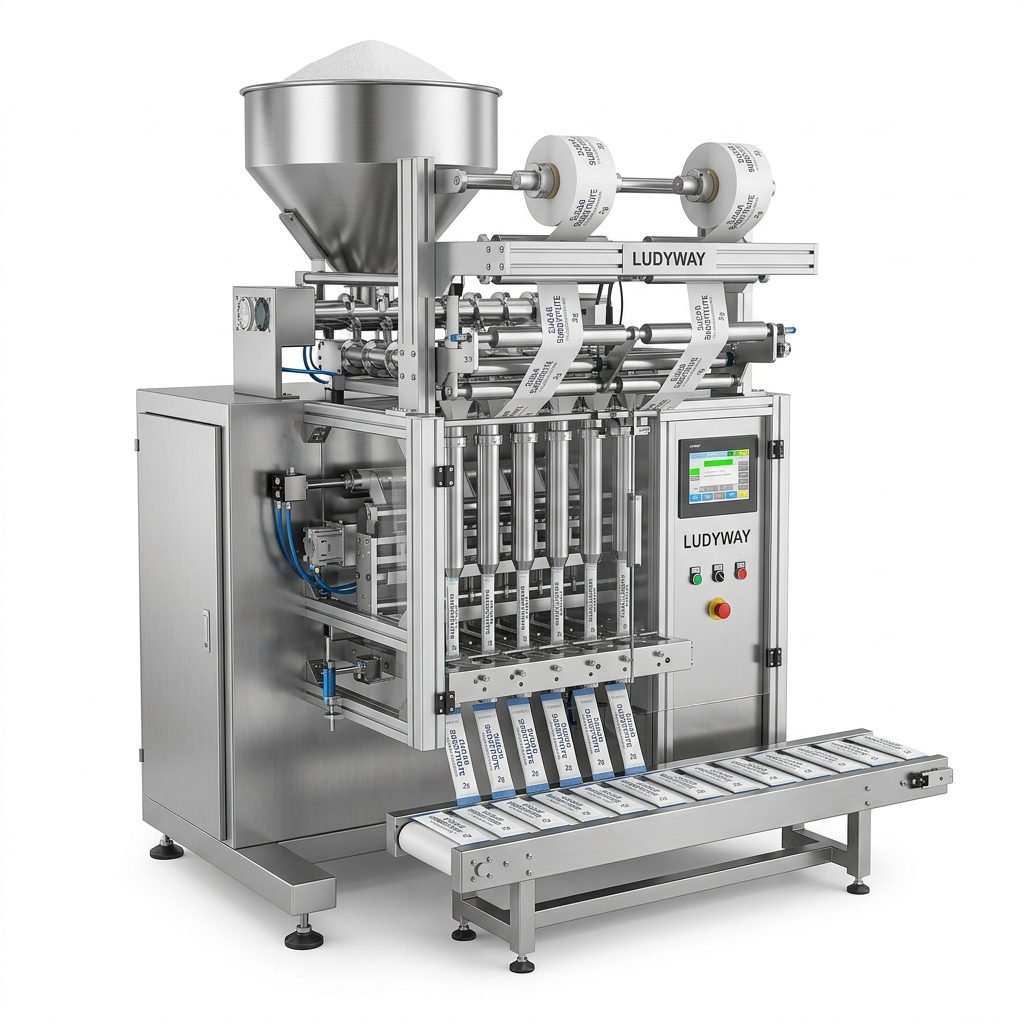
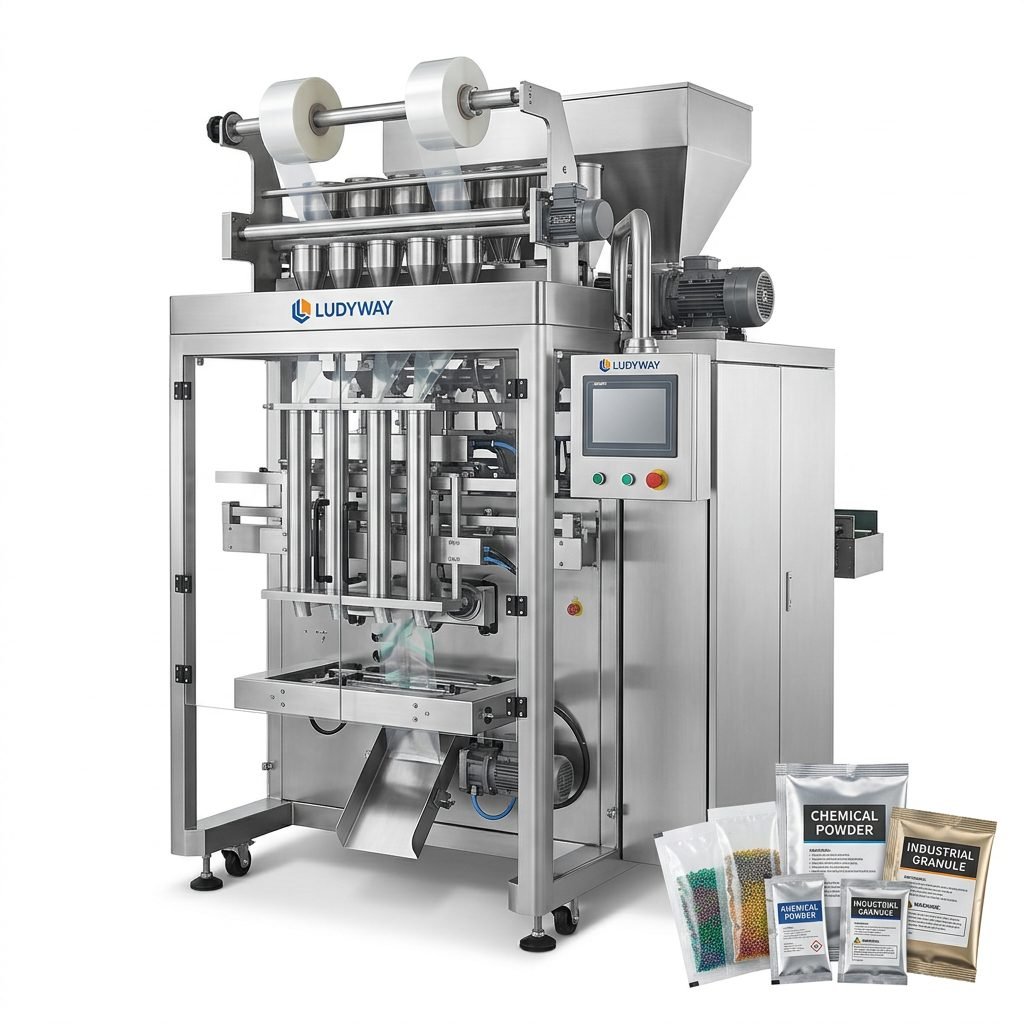
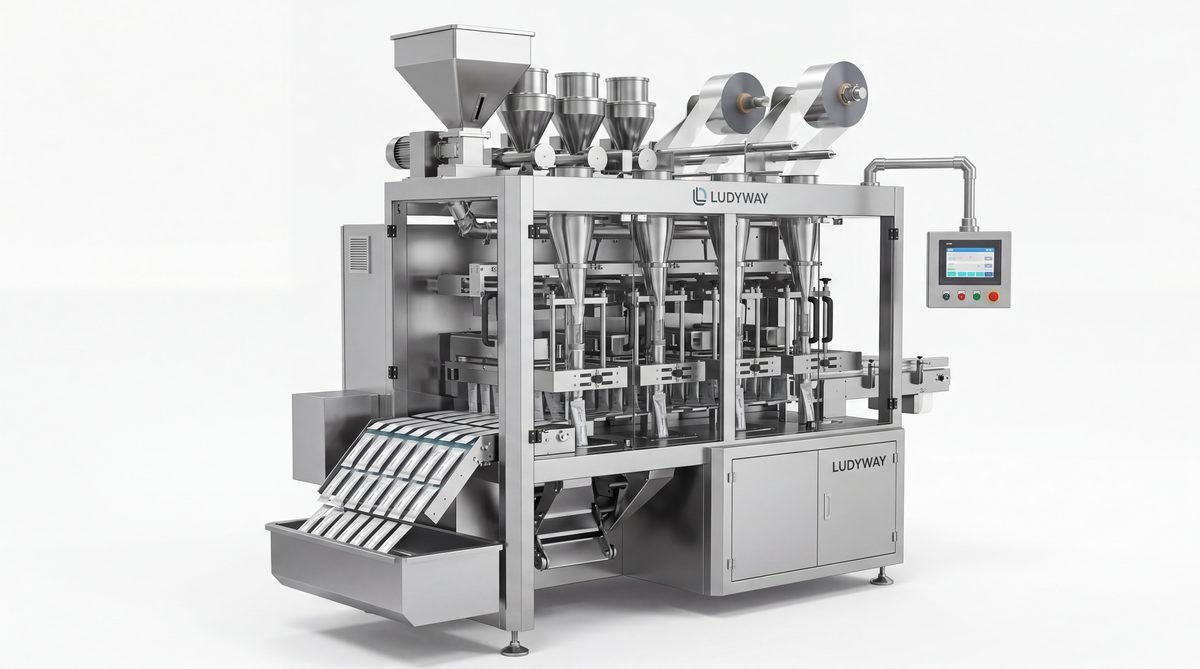
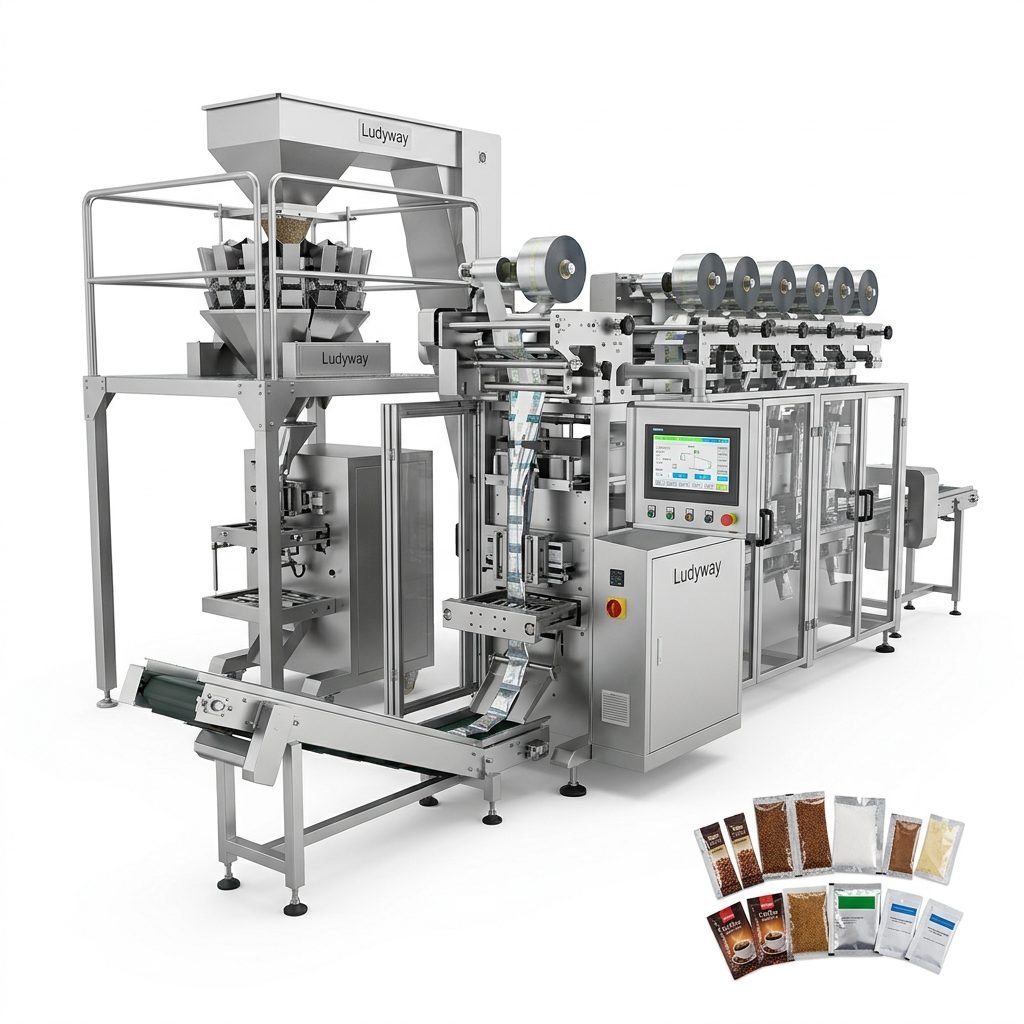
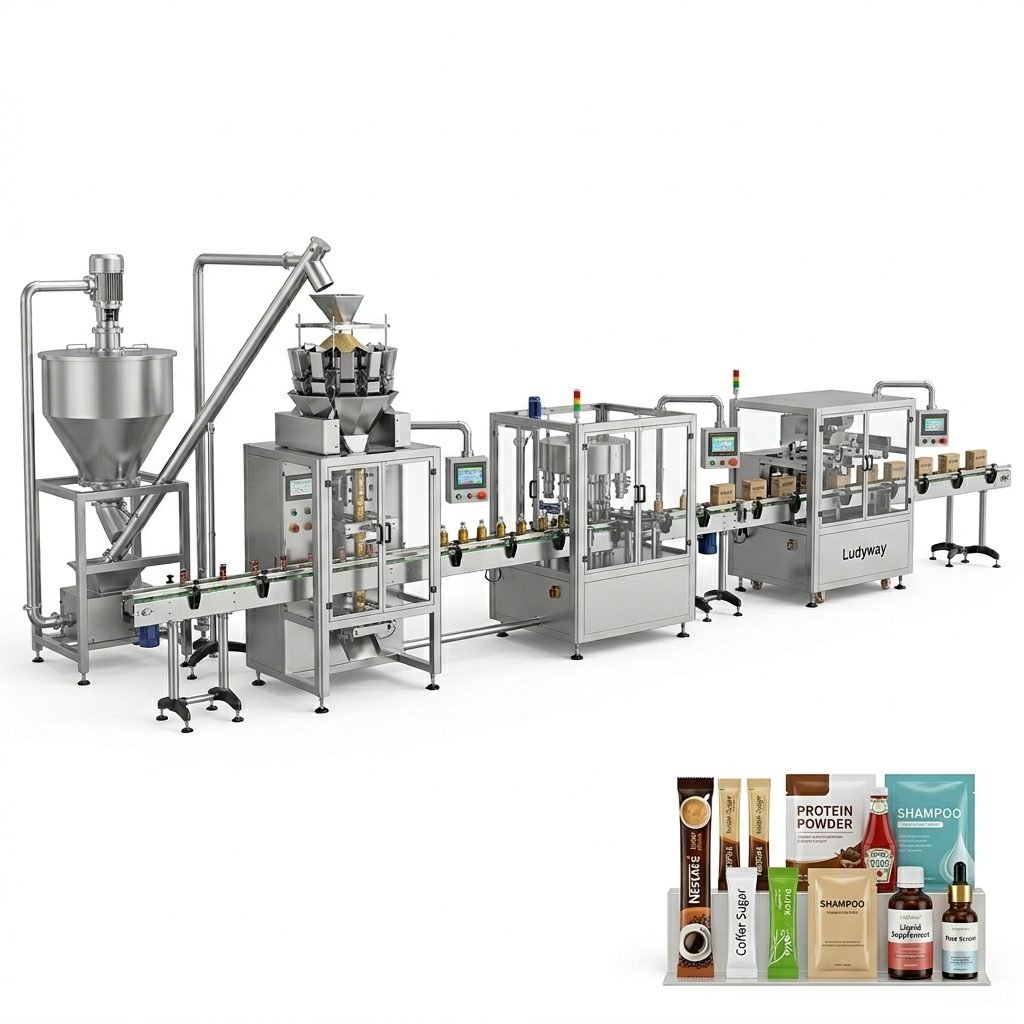
An emerging trend in the German protein market involves single-serving stick packs containing protein powder or crushed bar pieces. These portable formats appeal to consumers who prefer mixing protein supplements into beverages. Ludyway is one of the largest packaging machine manufacturers in China, specializing in advanced packaging equipment and turnkey production solutions for the food, pharmaceutical, and health industries, offering reliable multi-lane stick pack systems suitable for protein powder and granule applications.

Key Features to Evaluate Before Purchasing
Selecting a protein bar packaging machine requires careful evaluation of technical specifications and operational capabilities. The following table summarizes the most critical features to assess when comparing different packaging machine models for the German market.
| Feature | Importance | Key Considerations |
|---|---|---|
| Speed and Throughput | Critical | Match machine speed to current and projected production needs; typical ranges from 30 to 300 bars per minute |
| Film Compatibility | High | Ensure the machine handles your preferred film types including eco-friendly and recyclable options |
| Sealing Technology | Critical | Evaluate heat sealing, cold sealing, and ultrasonic sealing options for different product requirements |
| Automation Level | High | Consider automated feeding, alignment, quality inspection, and reject systems for German efficiency standards |
| CE Certification | Mandatory | All machinery sold in Germany must carry valid CE marking per EU Machinery Directive 2006/42/EC |
| Hygienic Design | High | Stainless steel construction, easy-clean surfaces, and compliance with EU food contact material regulations |
| Changeover Flexibility | Medium-High | Quick-change tooling for different bar sizes and packaging formats reduces downtime |
Regulatory Compliance in Germany
Germany enforces some of the strictest packaging regulations in Europe. Any protein bar packaging machine operating in the German market must comply with multiple layers of EU and German-specific standards. Overlooking these requirements can lead to costly delays, fines, or market exclusion.
Key Regulatory Frameworks
- EU Machinery Directive 2006/42/EC: The foundational safety standard requiring CE marking for all industrial machinery
- EU Regulation (EC) No 1935/2004: Governs materials and articles intended to come into contact with food, relevant for all packaging film contact surfaces
- German Packaging Act (VerpackG): Requires manufacturers to register with the Central Packaging Registry (ZSVR) and comply with recycling and extended producer responsibility obligations
- Dual System Participation: Packaging sold in Germany must participate in a dual waste collection system like Der Grüne Punkt
- IFS Food Standard: While voluntary, many German retailers require IFS certification from food manufacturers, which includes packaging equipment standards
For detailed information on food packaging regulations, consult the FDA Food Packaging guidelines and ISO packaging standards, which provide international benchmarks that align with German requirements.
Cost Considerations and ROI Analysis
Investing in a protein bar packaging machine in Germany represents a significant capital expenditure, but the right equipment delivers substantial long-term returns. Understanding the total cost of ownership helps manufacturers make financially sound decisions.
Initial Investment Breakdown
- Basic flow wrapper (entry-level): €25,000 – €60,000
- Mid-range flow wrapper with automation: €60,000 – €150,000
- High-speed fully automated line: €150,000 – €400,000+
- Multi-lane stick pack systems: €80,000 – €300,000 depending on lane count and features
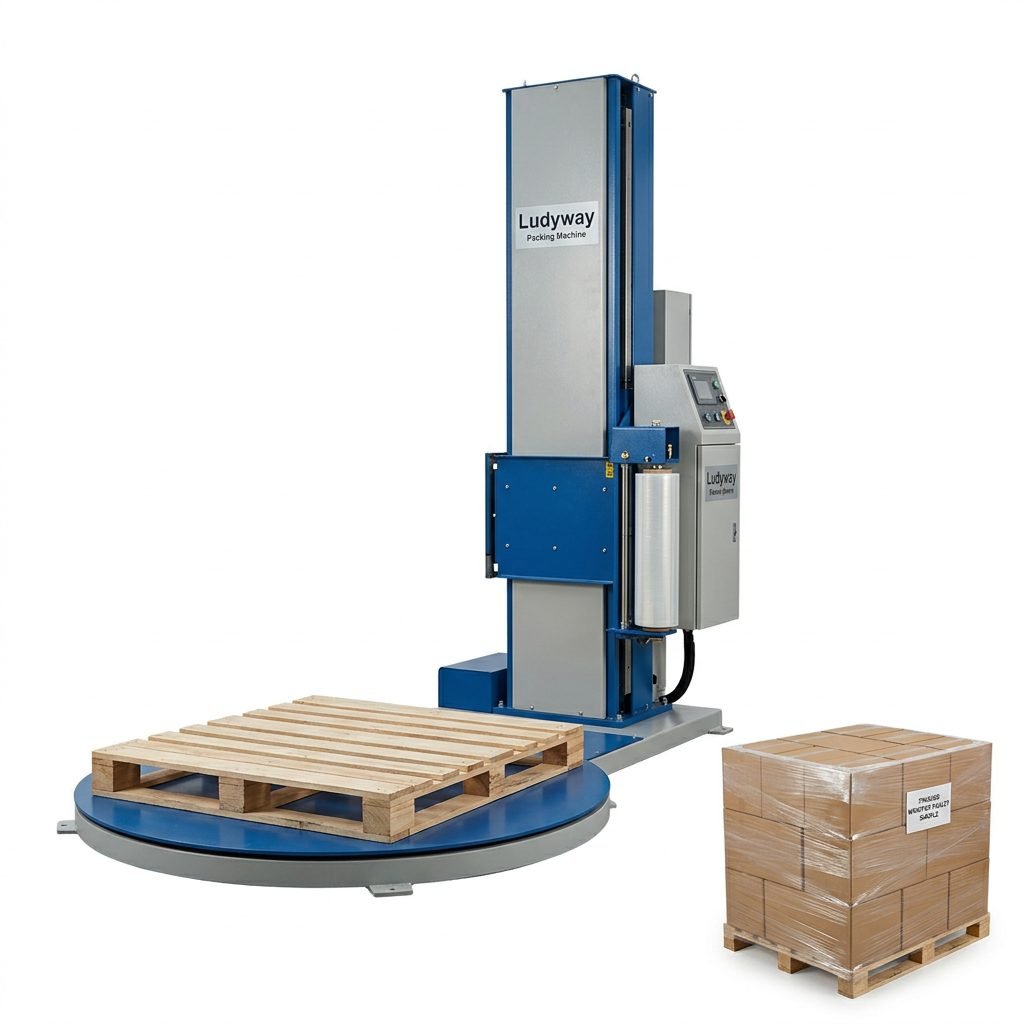
- Complete turnkey lines with cartoning and palletizing: €400,000 – €1,500,000+
Ongoing Operational Costs
- Packaging film consumption: Typically €0.02–€0.08 per bar depending on material and volume
- Maintenance and spare parts: Budget 2–5% of machine value annually
- Energy consumption: Varies by machine size but generally modest relative to other production equipment
- Operator training and labor: Higher automation reduces labor costs over time
ROI Tip: German manufacturers who upgrade from manual or semi-automatic packaging to fully automated lines typically achieve payback within 12–24 months through increased throughput, reduced labor costs, and decreased packaging material waste.
Selecting the Right Packaging Material
The choice of packaging film directly impacts machine performance, product shelf life, and brand perception. German consumers increasingly prioritize sustainability, making material selection a strategic decision for protein bar manufacturers.
| Material Type | Advantages | German Market Relevance |
|---|---|---|
| Metallized BOPP | Excellent moisture and oxygen barrier, glossy premium appearance | Widely used for sports nutrition bars; moderate recyclability |
| PE/PE Laminate | Fully recyclable mono-material structure, good sealability | Increasing demand due to German recycling regulations and eco-conscious consumers |
| Compostable Films | Made from renewable resources, biodegradable under industrial composting | Growing niche segment; requires certification per DIN EN 13432 standards |
| Paper-Based Barriers | Natural look and feel, renewable fiber source, high recyclability | Emerging trend in German organic and natural protein bar segments |
Technical Integration and Industry 4.0
Modern protein bar packaging machines increasingly incorporate Industry 4.0 capabilities that align with Germany’s advanced manufacturing ecosystem. Smart packaging lines enable real-time monitoring, predictive maintenance, and seamless integration with enterprise resource planning (ERP) systems.
Essential Smart Features
- IoT connectivity: Remote monitoring and diagnostics via secure cloud platforms
- OEE tracking: Overall Equipment Effectiveness metrics for continuous improvement
- Automated quality control: Vision inspection systems for seal integrity, label placement, and print quality
- Predictive maintenance alerts: Sensor-based monitoring that reduces unplanned downtime
- Digital twin capability: Virtual simulation for training and process optimization
For up-to-date information on packaging industry trends and standards, refer to the PMMI State of the Industry reports and European Commission packaging waste regulations.
Installation, Training, and After-Sales Support
Purchasing a protein bar packaging machine is only the beginning. Proper installation, comprehensive operator training, and reliable after-sales support are essential for maximizing equipment lifetime and performance in the German market.
What to Expect from a Quality Supplier
- Factory Acceptance Testing (FAT): Pre-delivery testing at the manufacturer’s facility to verify performance specifications
- Site Acceptance Testing (SAT): On-site commissioning and validation at your German production facility
- Operator training programs: Both classroom and hands-on training for machine operators and maintenance staff
- Documentation in German: Technical manuals, maintenance schedules, and safety instructions in the local language
- Spare parts availability: Local or expedited spare parts supply to minimize production disruptions
- Service response time: Guaranteed response within 24–48 hours for critical issues
Important: When sourcing packaging machinery from international suppliers, verify that they have established service partners or representatives within Germany or the broader EU. This ensures timely technical support and compliance with German warranty and service expectations.
Frequently Asked Questions
What packaging speed do I need for a medium-sized protein bar business in Germany?
For a medium-sized operation producing 50,000–200,000 bars per day, a flow wrapper operating at 80–150 bars per minute running a single 8-hour shift typically suffices. Plan for future growth by selecting a machine that can be upgraded or operated across multiple shifts to increase capacity without additional capital investment.
Are there specific energy efficiency requirements for packaging machines in Germany?
Yes. Germany has ambitious energy efficiency targets, and many manufacturers seek equipment that meets ISO 50001 energy management standards. While not mandatory for all operations, energy-efficient packaging machines reduce operating costs and may qualify for green incentives offered through KfW Bank or regional programs. Look for machines with energy-saving standby modes and efficient motor systems.
Can I lease a protein bar packaging machine in Germany?
Yes, equipment leasing and financing options are widely available through German financial institutions and specialized packaging equipment financiers. Leasing can preserve working capital while allowing manufacturers to access higher-quality machinery. Typical lease terms range from 36 to 60 months with flexible end-of-term options including purchase, upgrade, or return.
How important is the packaging machine’s noise level in German production facilities?
Germany has strict workplace noise regulations under the Lärm- und Vibrations-Arbeitsschutzverordnung. Packaging machines should comply with these standards, typically maintaining noise levels below 80 dB(A) at the operator’s position. Lower noise levels improve worker comfort and demonstrate commitment to occupational health, which is highly valued in the German labor market.
Future Trends in Protein Bar Packaging
The German protein bar packaging landscape continues evolving rapidly. Forward-thinking manufacturers should consider these emerging trends when investing in new packaging machinery to ensure long-term competitiveness.
- Mono-material recyclable films: The shift toward packaging that can be recycled in existing waste streams is accelerating across Germany
- Smart packaging with QR codes: Connecting consumers to nutritional information, brand stories, and recycling instructions through scannable codes
- Minimalist packaging design: Reducing material usage aligns with German consumer preferences and regulatory pressures
- Personalized packaging runs: Digital printing integration enables limited edition and personalized protein bar packaging
- Carbon-neutral packaging claims: Verified environmental claims becoming a competitive differentiator in German retail
Making the right investment in a protein bar packaging machine requires balancing current production needs with future flexibility. The German market rewards manufacturers who prioritize quality, sustainability, and efficiency in their packaging operations. By carefully evaluating the factors outlined in this guide, you position your protein bar brand for sustained success in one of Europe’s most sophisticated consumer markets.
For additional resources on packaging standards and industry trends, visit the PMMI official website and the Flexible Packaging Association for comprehensive industry data and regulatory updates relevant to the German and European markets.