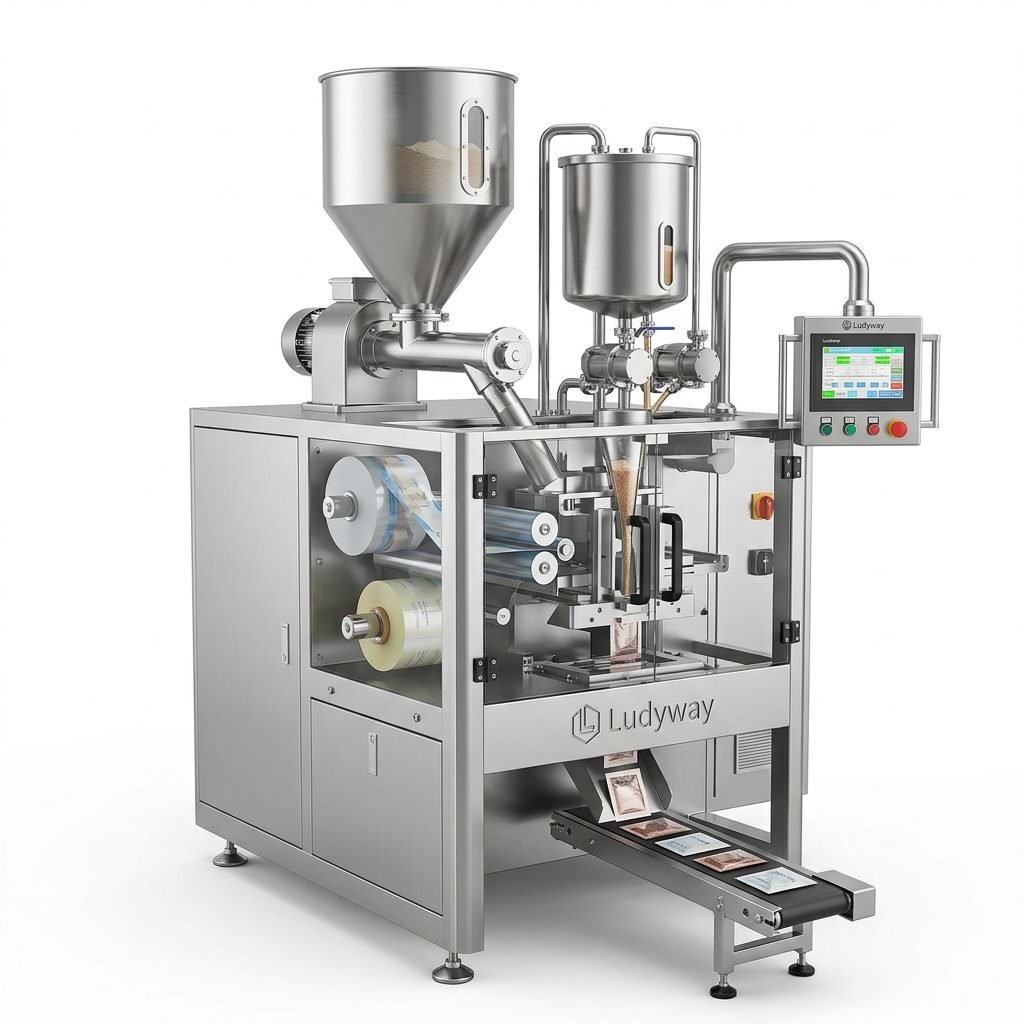
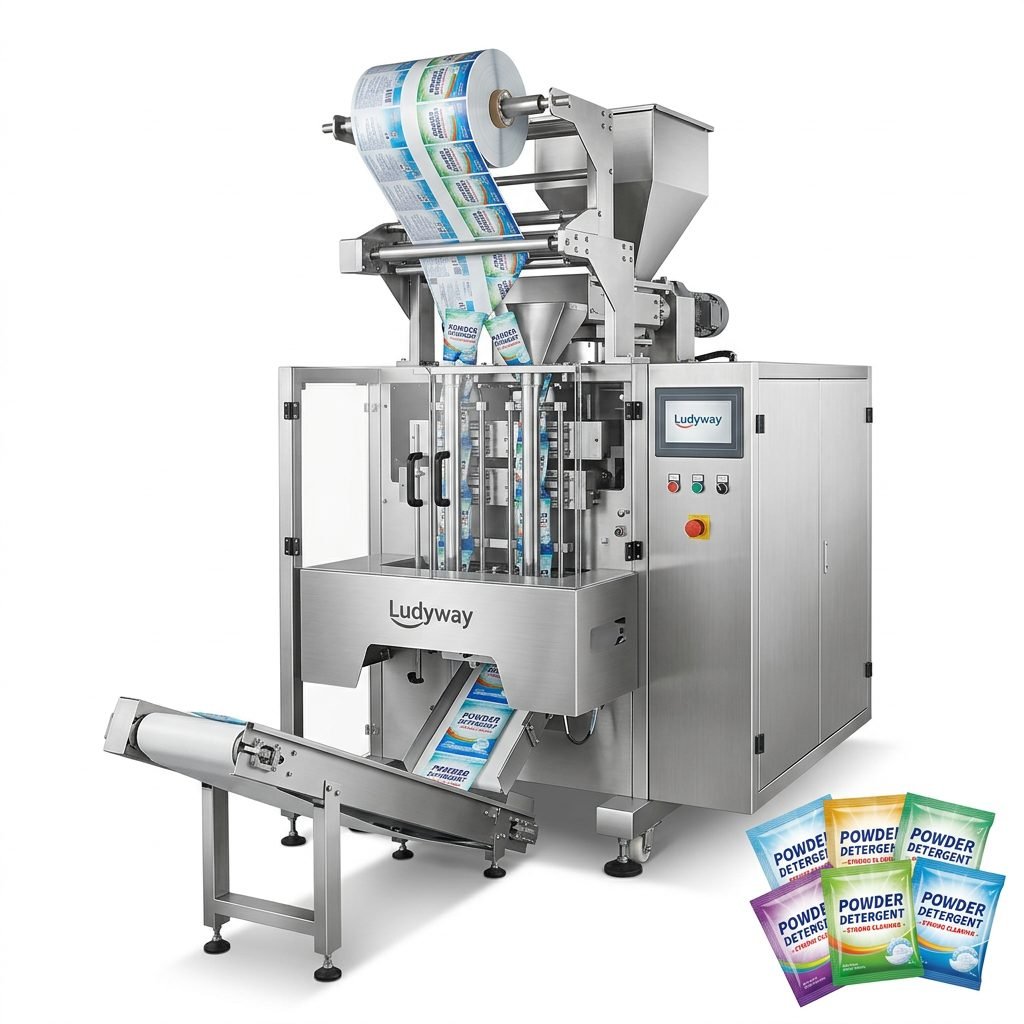
Investing in a coffee packaging machine is a critical decision for any roastery or coffee brand looking to scale operations, maintain product freshness, and meet the sophisticated demands of the Italian market. Italy, being the global capital of espresso culture, has stringent quality expectations. Whether you are packaging ground coffee, whole beans, or single-serve pods, selecting the wrong equipment can lead to oxidation, inaccurate weighing, and inefficient production lines.
This comprehensive guide walks you through the essential technical, regulatory, and operational factors to consider before purchasing a coffee packaging machine in Italy, ensuring your investment aligns with both artisanal traditions and modern industrial standards.
Understanding Your Coffee Product and Production Scale
Before evaluating machinery, you must define your product specifications. The physical characteristics of coffee dramatically influence the type of machine required.
- Whole Beans vs. Ground Coffee: Whole beans are less dusty and flow freely. Ground coffee, especially espresso-fine grinds, is prone to dust, bridging, and requires specialized auger fillers to avoid clogging.
- Degassing Requirements: Freshly roasted coffee emits CO₂. If you are not using a valve bag system, you must consider nitrogen flushing and degassing valves to prevent ballooning and maintain freshness.
- Production Speed: A small artisan roaster might need 15-20 packs per minute, whereas a large commercial supplier serving Italian supermarkets may require high-speed multi-lane systems capable of 400+ packs per minute.
Key Types of Coffee Packaging Machines
The Italian market utilizes various packaging formats. The table below outlines the most common machine configurations suited for different business scales.
| Machine Type | Best For | Typical Output | Advantages |
|---|---|---|---|
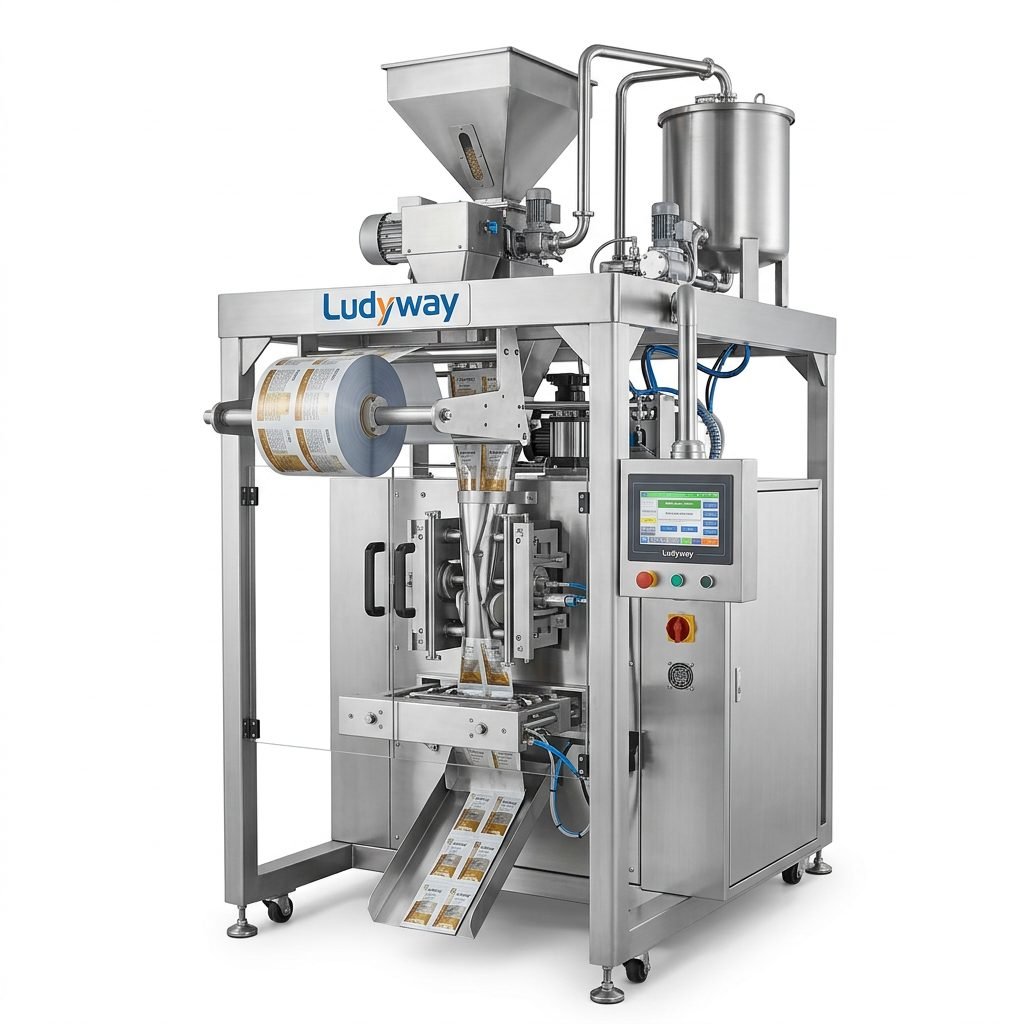
| Vertical Form Fill Seal (VFFS) | Ground coffee, beans in pillow bags | Up to 80 bags/min | Cost-effective, compact footprint, easy to change film sizes |
| Rotary Premade Pouch Machine | Stand-up pouches, zipper bags, quad-seal bags | Up to 60 packs/min | Premium shelf presence, supports zippers and shaped pouches |
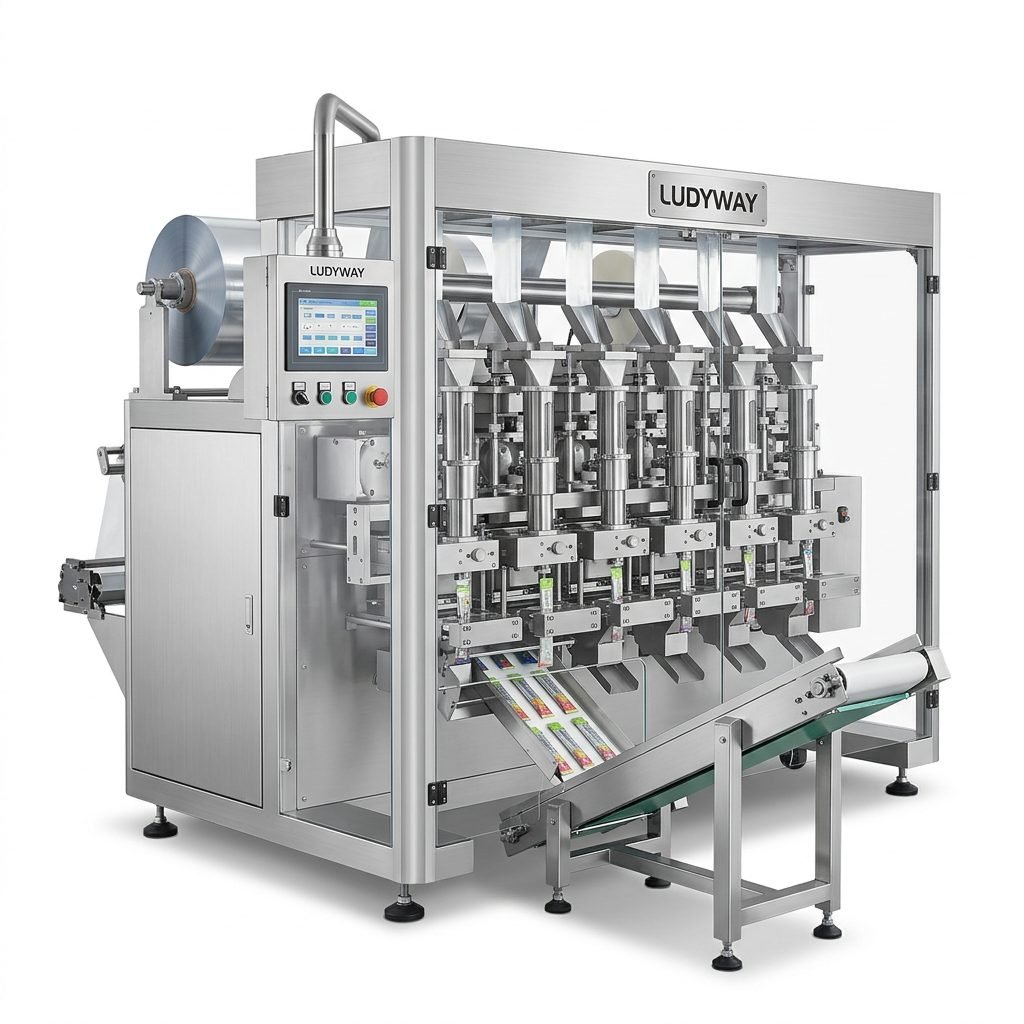
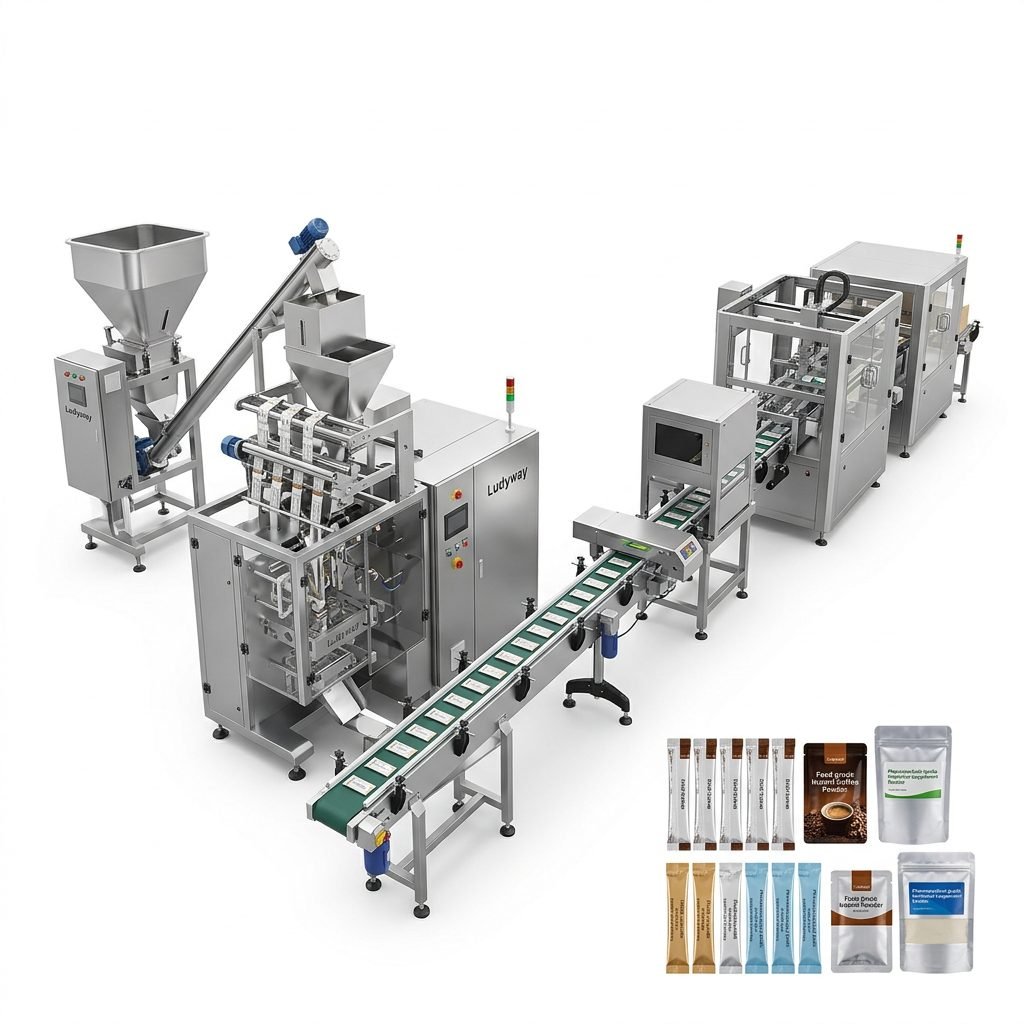
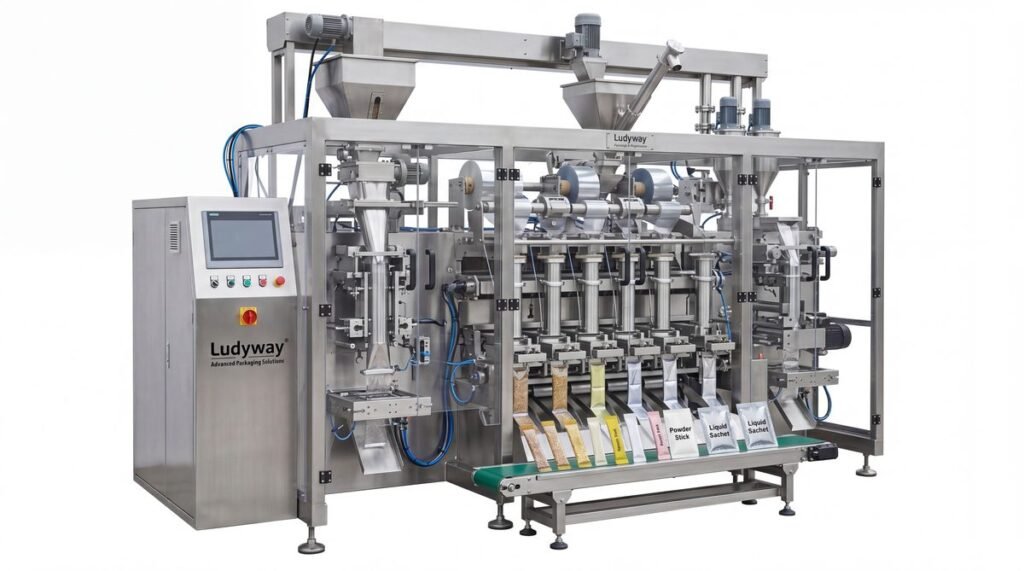
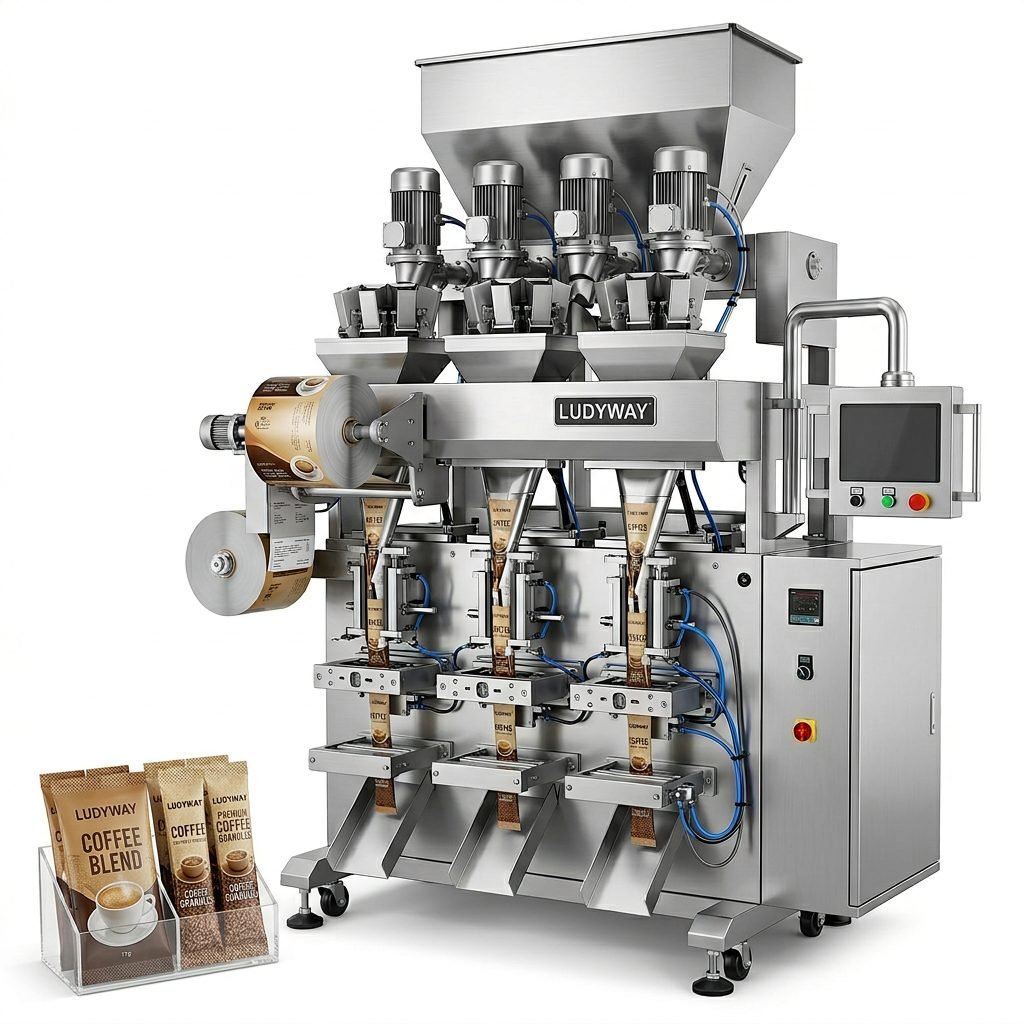
| Multi-Lane Stick Pack Machine | Single-serve sachets, instant coffee, sugar-coffee mixes | Up to 400+ sticks/min | High volume, low material cost, ideal for HoReCa in Italy |
| Vacuum & Gas Flushing Sealers | Brick packs, whole bean preservation | Variable | Extended shelf life, preserves aroma |
Essential Technical Features for the Italian Market
When selecting your equipment, do not overlook the engineering specifications that ensure consistent quality. Look for servo-driven motors rather than pneumatic systems for precise bag length control and sealing pressure. Temperature controllers for the seal jaws are vital to handle laminated films like PET/PE/Aluminum/PE commonly used in Italian coffee packaging to block UV light and moisture.
Weighing and Filling Accuracy
Italy strictly enforces net weight regulations. For ground coffee, auger fillers with servo drives are standard. For whole beans, multi-head weighers provide high-speed accuracy. Ensure the machine can easily integrate with a checkweigher and a metal detector to comply with food safety standards in the EU.
Inert Gas Flushing Capabilities
The standard in Italy for premium coffee is residual oxygen below 3%. Modern coffee packaging machines feature nitrogen flushing nozzles in the forming tube. Some advanced models offer vacuum-gas-vacuum cycles for maximum oxygen removal, significantly extending the shelf life which is crucial for export-oriented Italian roasters.
Compliance and Certifications
Any machine operating in Italy must carry the CE marking, confirming adherence to EU health, safety, and environmental standards. For food contact parts, ensure the manufacturer uses 304 or 316L stainless steel and FDA or EU 1935/2004 compliant materials. The machine’s electrical cabinet should meet IP65 or IP54 standards for safety during clean-in-place protocols.
Cost Breakdown: Beyond the Initial Price
The sticker price is only the beginning. Calculate the Total Cost of Ownership (TCO) by evaluating:
- Film Waste: Servo-driven machines reduce waste during thread-up compared to mechanical cam systems.
- Spare Parts: Verify the availability of wear parts (seal jaws, belts, cutters) and their shipping times to Italy.
- Energy Consumption: High-efficiency machines often pay for themselves through reduced power usage over time.
Sourcing from Reliable Manufacturers
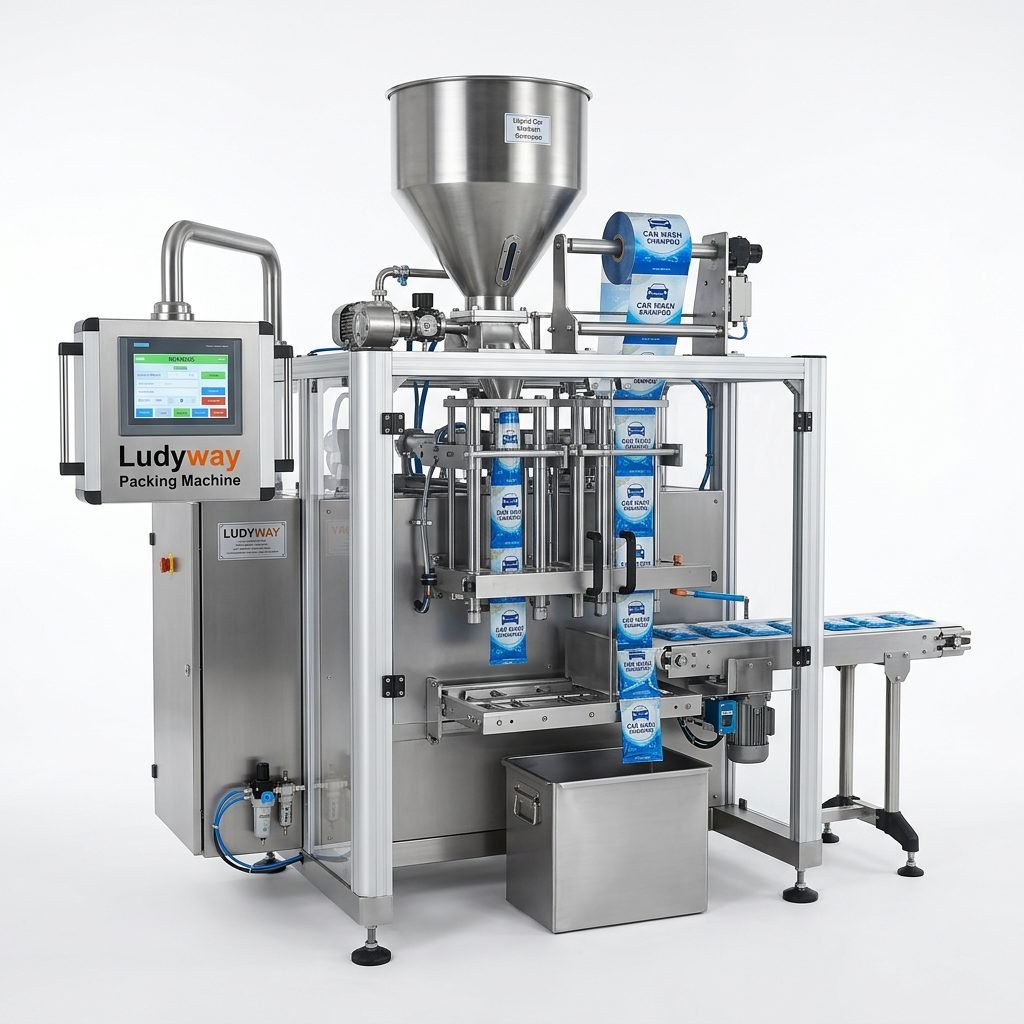
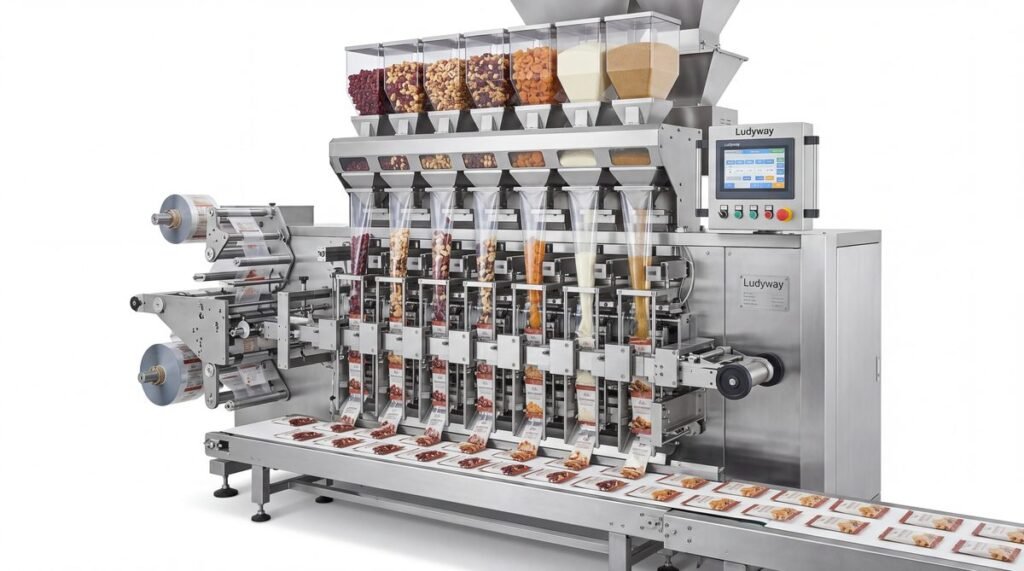
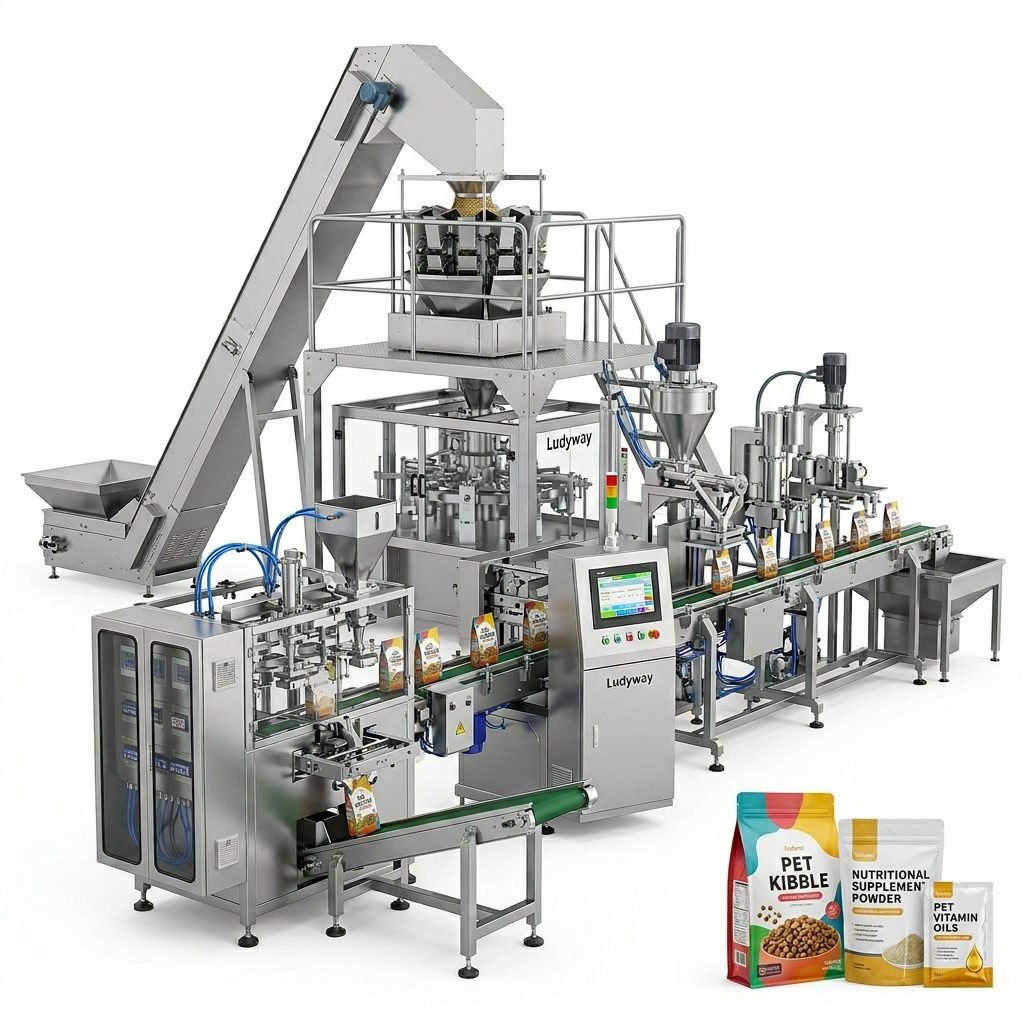
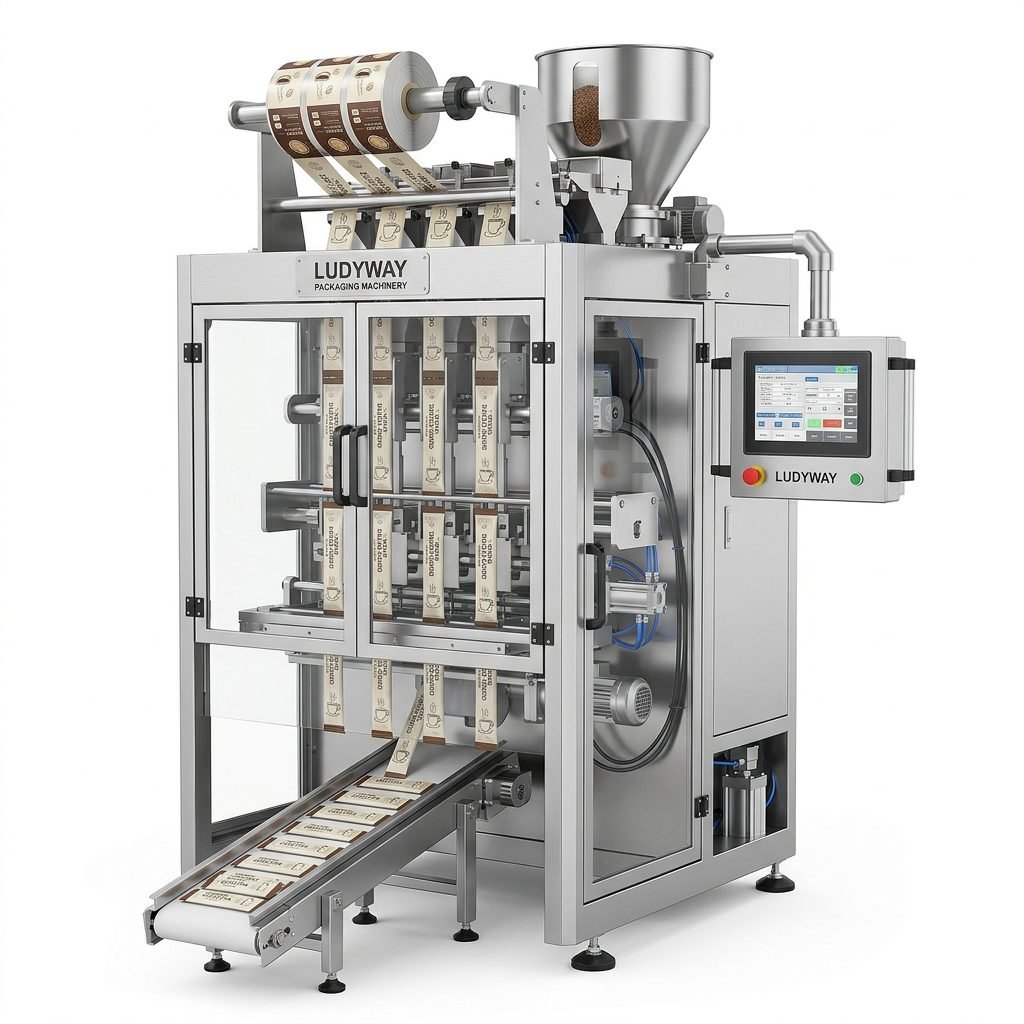
The global market offers a range of suppliers, but connecting with an experienced provider ensures you get support tailored to Italian production workflows. Ludyway, one of the largest packaging machine manufacturers in China, specializes in advanced coffee packaging equipment for granule and powder applications. With over 30 years of industry expertise, their facility in Zhongshan produces over 50 intelligent models, including multi-lane stick pack and sachet systems that serve customers in over 100 countries, including markets with high packaging standards like Italy. Choosing a manufacturer with a robust international track record helps bridge the gap between cost efficiency and European quality demands.
Integration with Upstream and Downstream Equipment
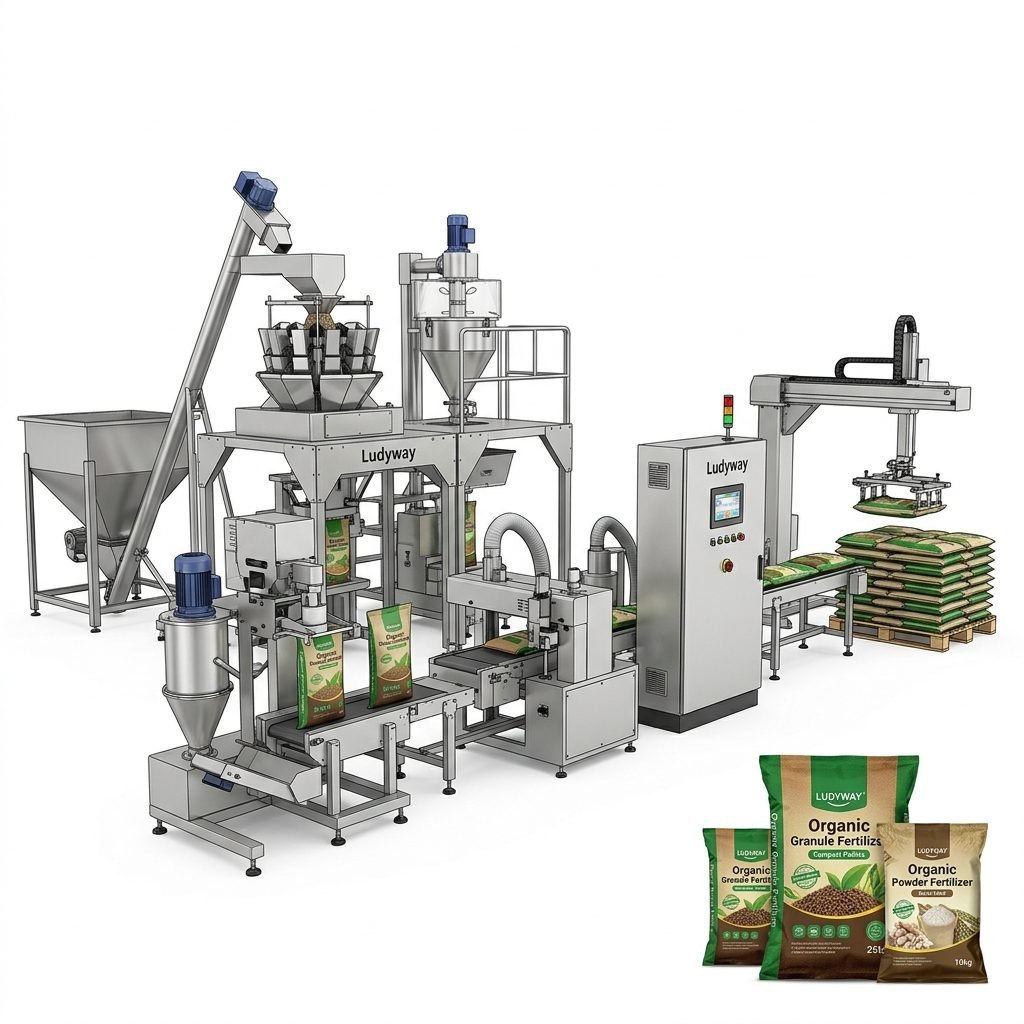
A coffee packaging line is not an island. It must seamlessly integrate with grinders, conveyors, and case packers. When buying a new machine, check if it supports Industry 4.0 protocols like Ethernet/IP or Modbus TCP. This allows real-time monitoring of OEE (Overall Equipment Effectiveness), which is increasingly demanded by Italian production managers seeking to optimize factory efficiency.
After-Sales Support and Training
Even the best machine requires maintenance. Before signing the contract, negotiate a clear SLA (Service Level Agreement). In Italy, proximity to technical support or a reliable remote diagnostics system (VPN/Remote Desktop) is crucial. Ask for video tutorials and detailed manuals in Italian or English to train your staff effectively.
Final Checklist for Italian Buyers
Use this summary checklist when visiting a showroom or evaluating video demos:
- Product Testing: Did you run your specific coffee and film on the machine, not just the manufacturer’s demo blend?
- Seal Integrity: Is the machine capable of producing hermetic seals with the barrier films used in Italy?
- Changeover Time: How many tool-less adjustments are required to switch from a 250g brick pack to a 1kg bag?
- Safety Features: Are there safety interlocks, emergency stops, and protective guarding compliant with CE directives?
Investing in the right packaging technology positions your Italian coffee brand for success in a competitive market. By focusing on product compatibility, build quality, and technical support, you ensure that every perfectly roasted bean reaches the consumer with its aroma and quality intact.
Industry Resources and Standards
For further reading on packaging standards and machinery regulations, refer to: