Investing in the right ketchup packaging machine is a critical decision for food manufacturers across North America. Whether you are launching a new product line or upgrading an existing facility, the equipment you choose directly impacts your production efficiency, product shelf life, and overall profitability. This guide walks you through the essential factors to consider, from machine types and regulatory compliance to key technical specifications and supplier evaluation.
Understanding North American Ketchup Packaging Demands
The ketchup market in the United States and Canada demands high-speed, hygienic, and flexible packaging solutions. From single-serve sachets found in fast-food chains to larger family-sized pouches, the variety of formats requires versatile machinery. Key drivers influencing equipment selection include the growth of on-the-go consumption, the foodservice sector’s need for portion control, and stringent FDA food packaging safety standards. A modern ketchup packaging machine must handle viscous liquid properties with precision to prevent dripping, ensure accurate fill volumes, and maintain seal integrity against acidic products.
Types of Ketchup Packaging Machines
Selecting the right configuration depends on your target format and production volume. The market generally segments into three primary equipment categories:
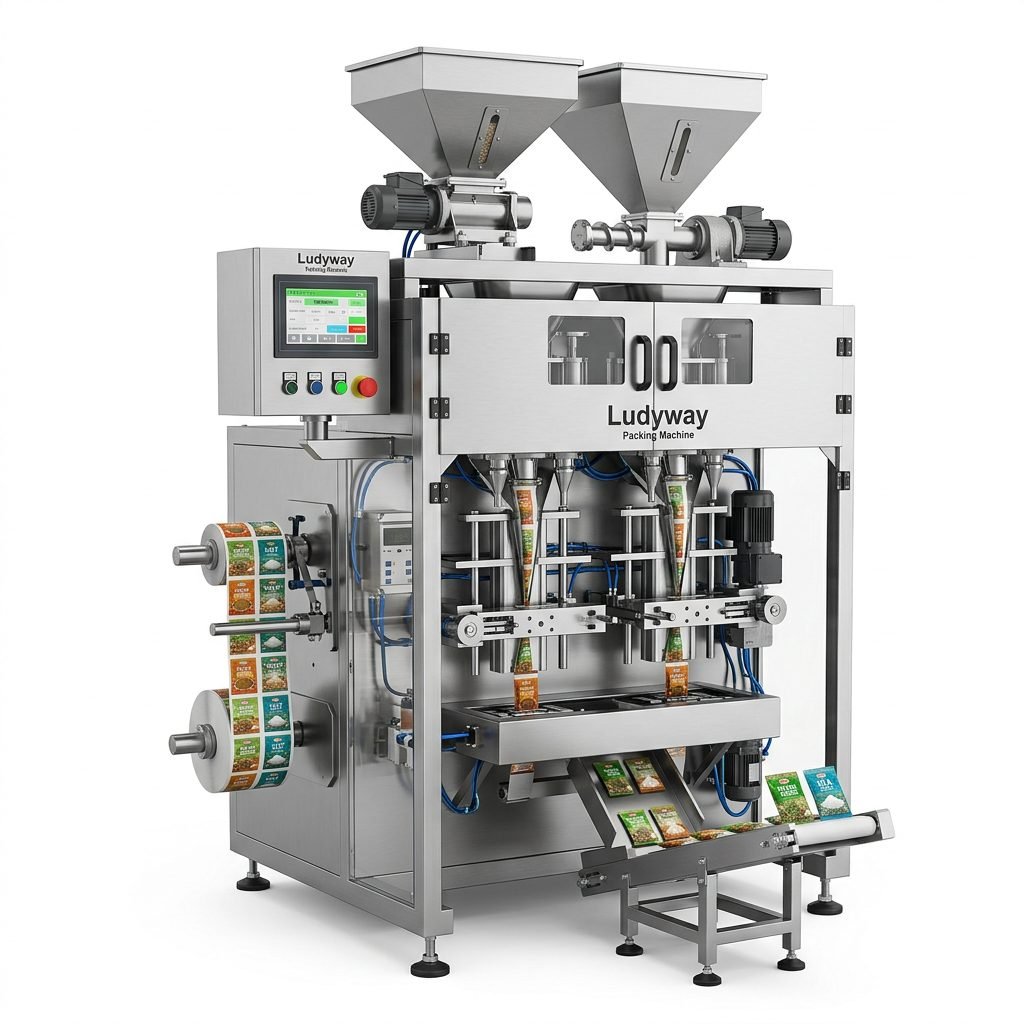
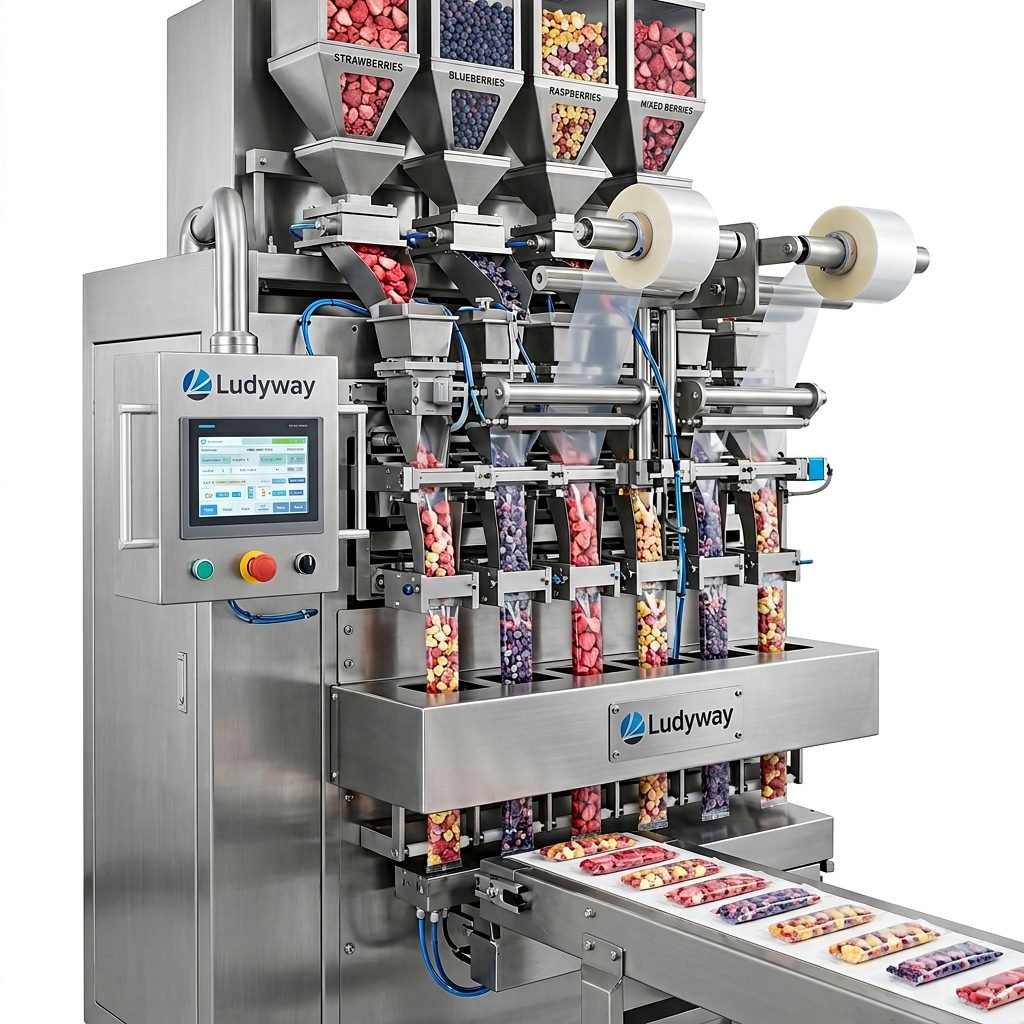
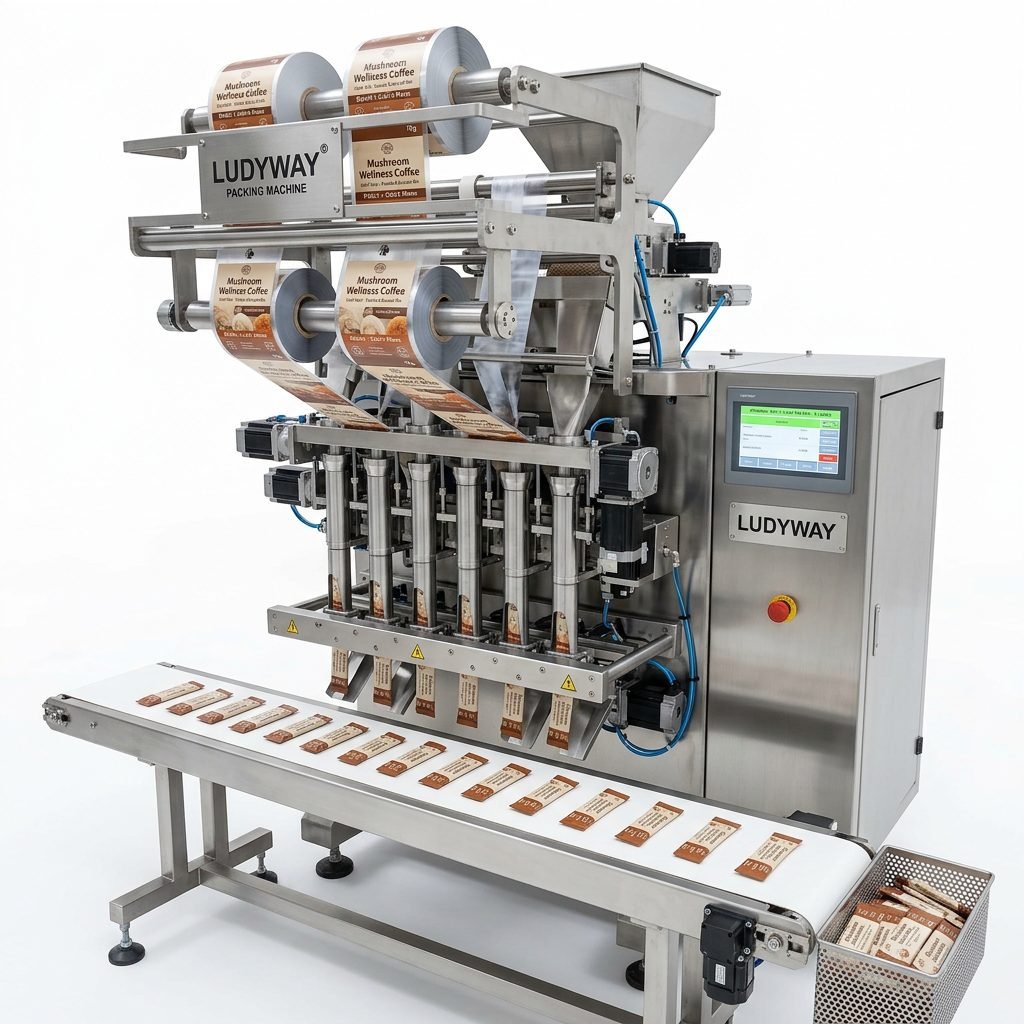
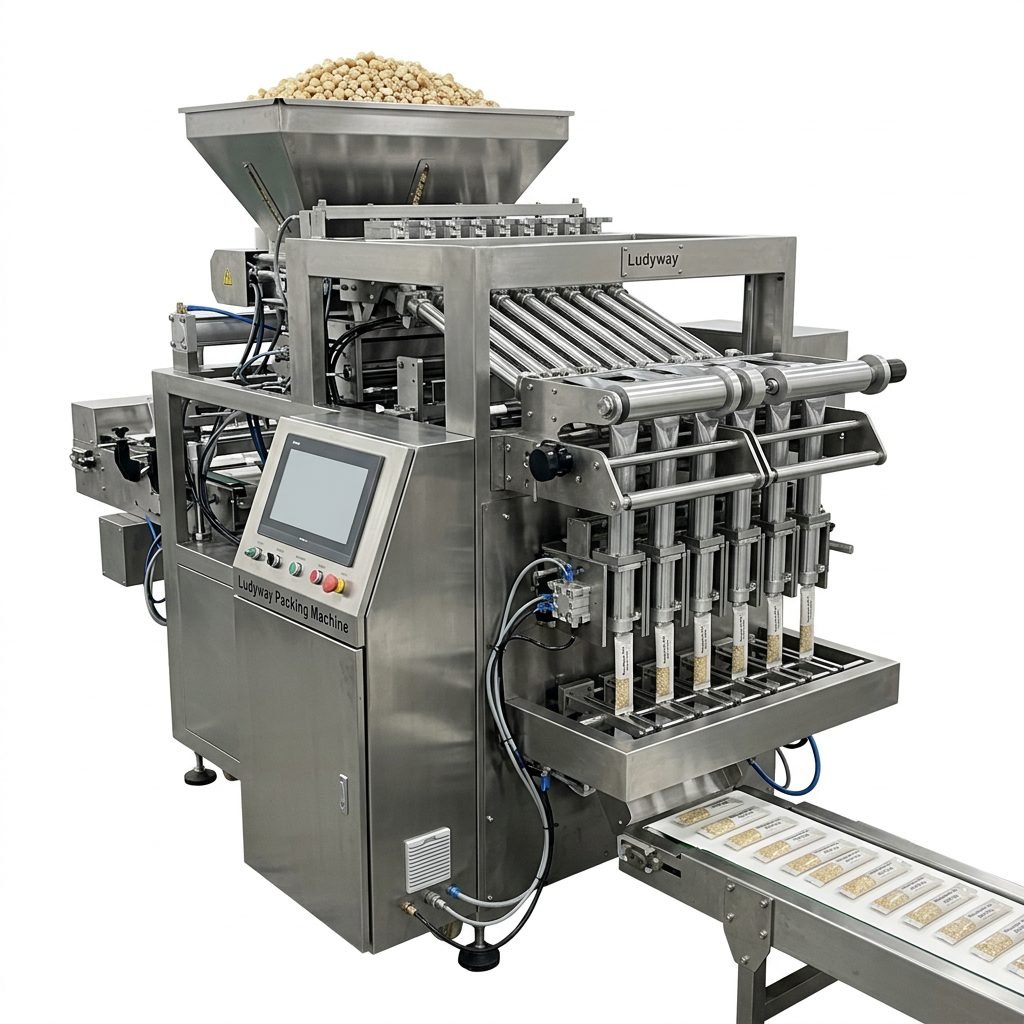
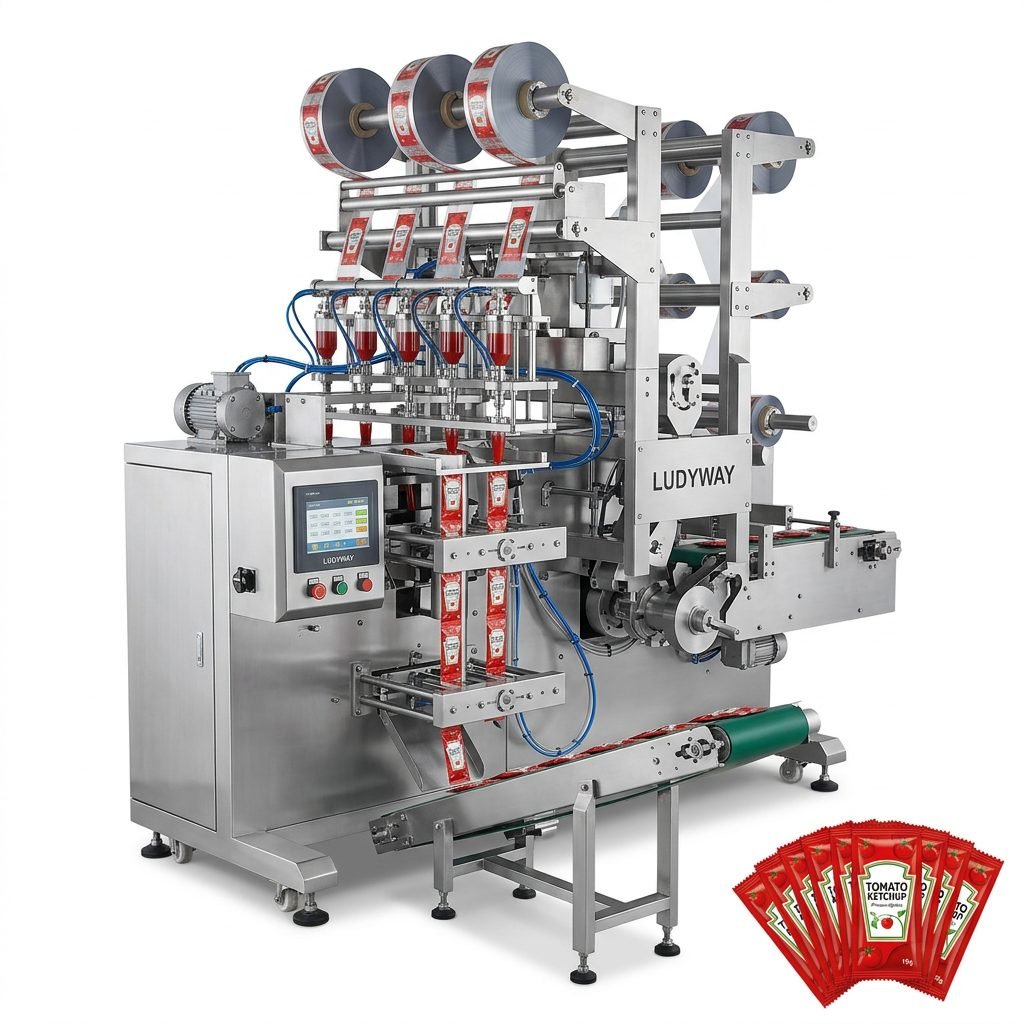
- Sachet and Stick Pack Machines: Ideal for single-serve portions (3g-20g). These multi-lane stick pack machines can run 8 to 20 lanes simultaneously, reaching outputs of 400-800 packs per minute. They remain the top choice for restaurants, airlines, and catering services.
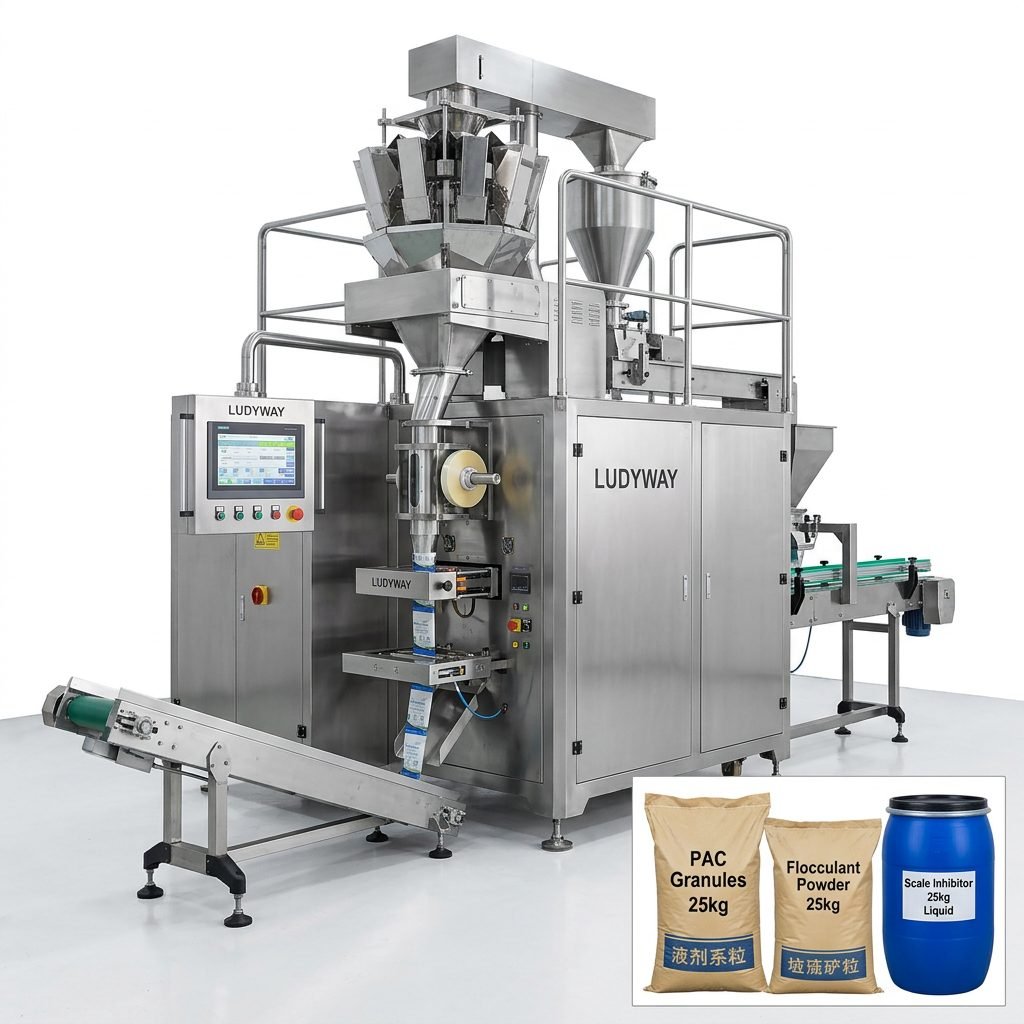
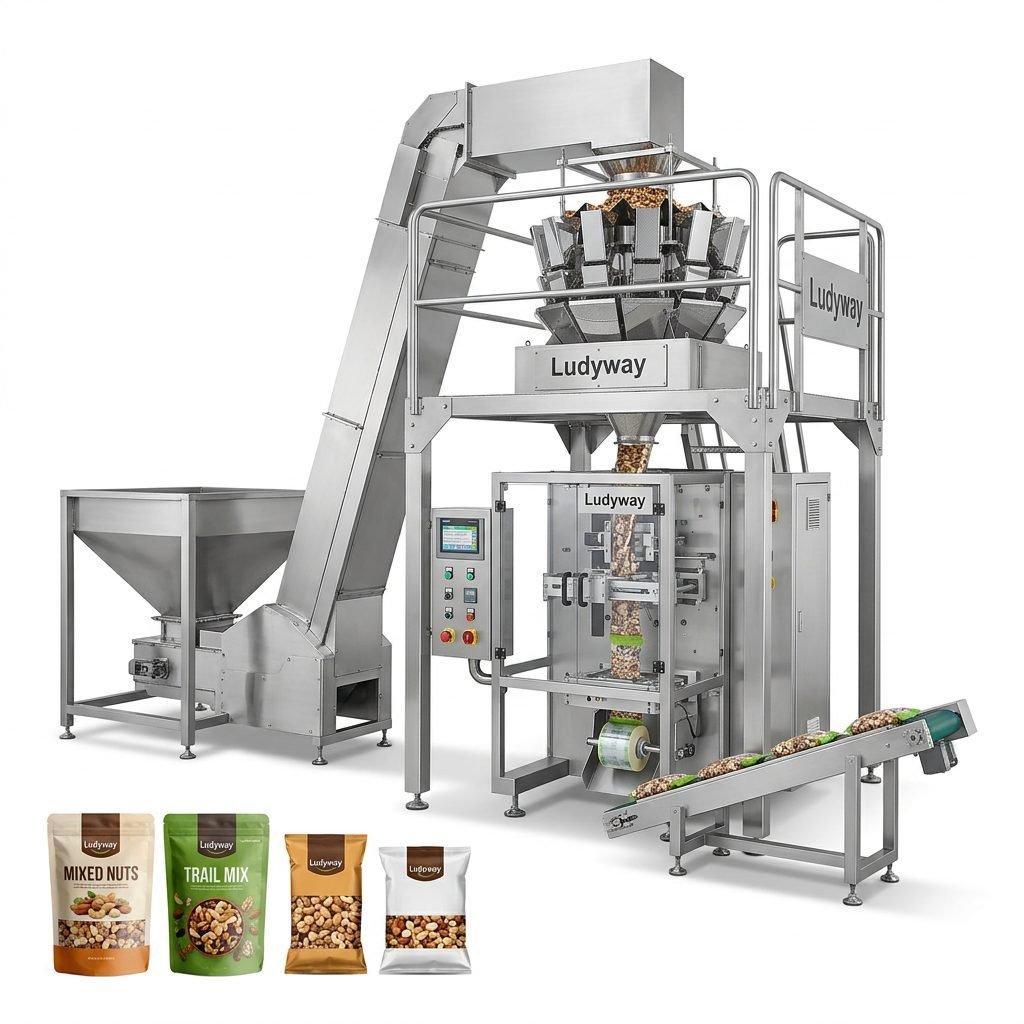
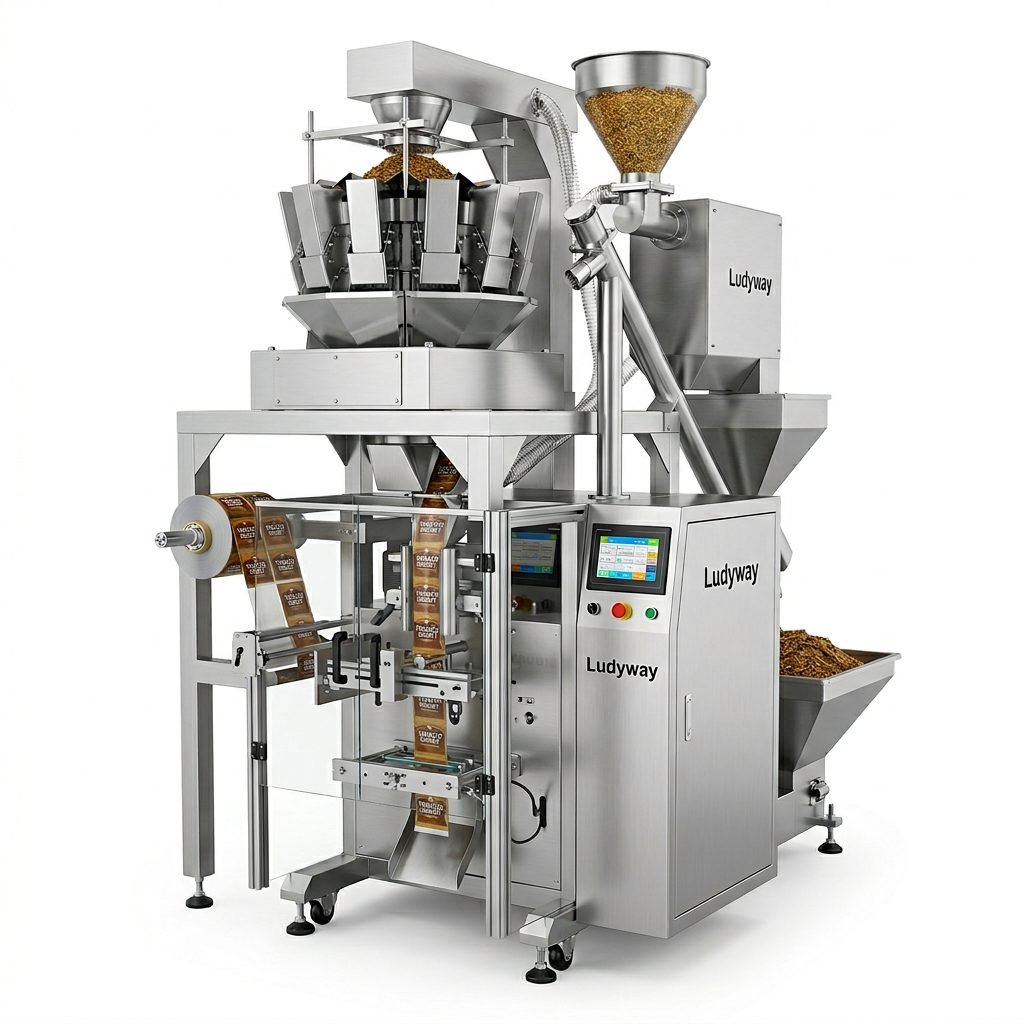
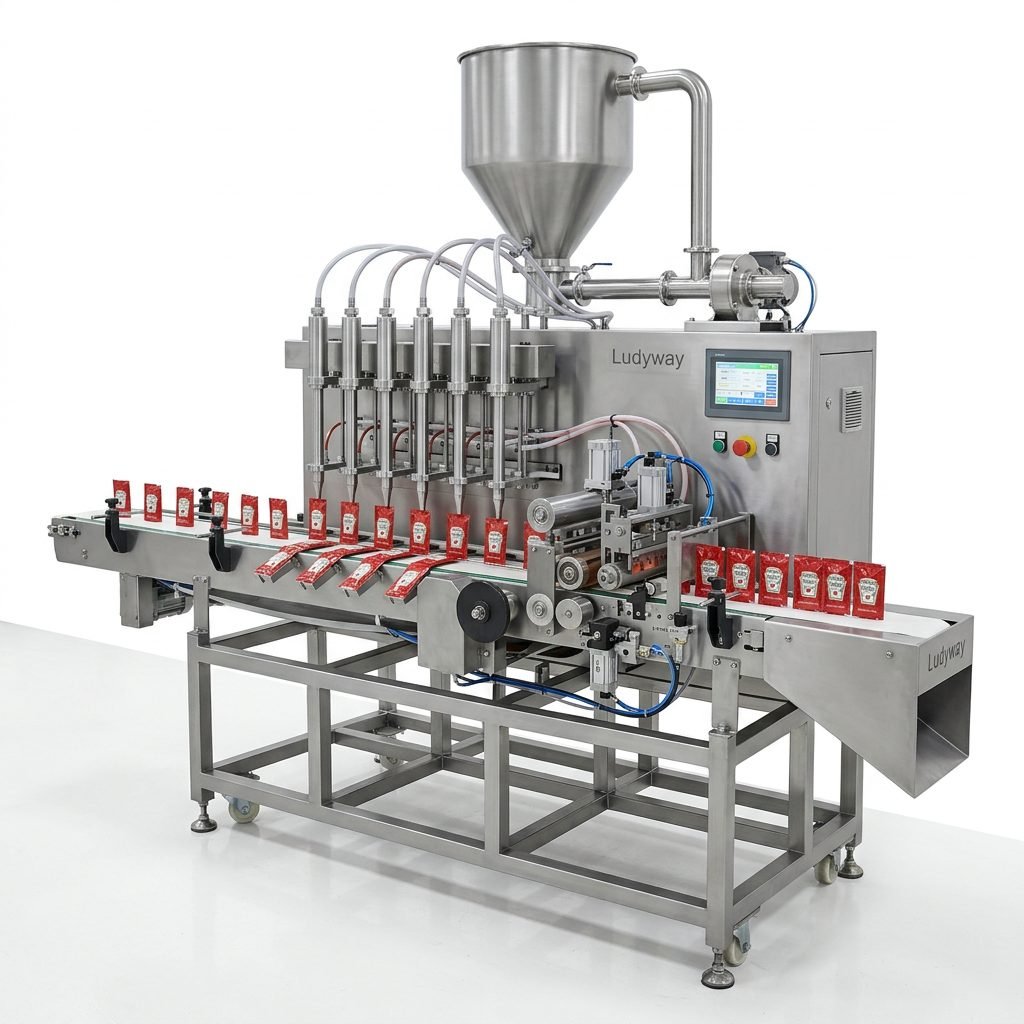
- Pouch Filling and Sealing Machines: Used for retail-sized packs (200g-1kg). Premade pouch rotary machines or vertical form-fill-seal (VFFS) systems are common. Spout pouch versions are increasingly popular for premium organic ketchup brands in North America.
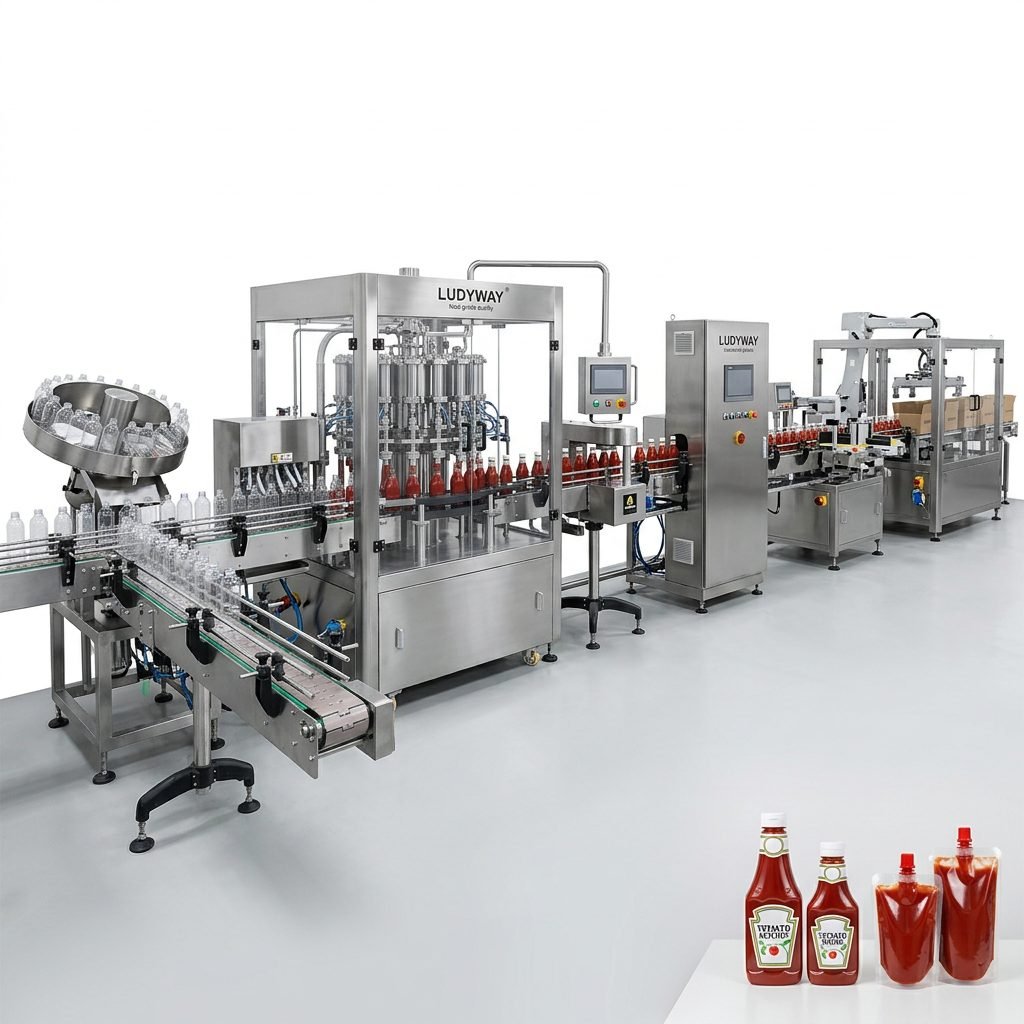
- Bottle Filling Lines: Designed for glass or PET bottles. These integrated systems handle bottle rinsing, volumetric filling, capping, and labeling at high throughput.
Key Features to Evaluate
When comparing specifications, focus on the technical capabilities that affect uptime and total cost of ownership for your ketchup packaging machine:
- Wetted Parts Material: Ketchup is acidic (pH 3.5-3.9). Choose machines with 316L stainless steel contact parts and FDA-approved food-grade seals to prevent corrosion and contamination.
- Filling Accuracy: Look for volumetric piston fillers or magnetic flow meters with precision within ±0.5% to minimize product giveaway.
- Clean-in-Place (CIP) Compatibility: Sanitation is paramount. Equipment should feature tool-less disassembly or integrated CIP systems to meet ISO packaging standards.
- Film Registration and Sealing: Digital temperature controllers and automatic film tracking ensure consistent hermetic seals even at high speeds.
- Nitrogen Flushing: For extended shelf life, an inert gas flush system displaces oxygen in the headspace of the pouch.
Comparing Multi-Lane and Single-Lane Configurations
| Feature | Multi-Lane (8-16 Lanes) | Single-Lane VFFS |
|---|---|---|
| Best For | Single-serve sachets, stick packs | Large pouches, pillow bags |
| Max Output | Up to 800+ packs/min | 40-100 packs/min |
| Film Utilization | High (~95%) | Standard (~85%) |
| Floor Space | Compact length | Tall vertical design |
Regulatory Compliance for the North American Market
Equipment sold into the U.S. and Canada must adhere to specific standards. Ensure the ketchup packaging machine carries or supports compliance with UL 508A for electrical control panels. The mechanical design must align with ANSI/PMMI B155.1 safety standards. For packaging materials, your supplier should provide documentation that certifies the film path uses materials compliant with FDA 21 CFR 175-178 for food contact substances. Additionally, sealed servo drives and IP65-rated electronics protect against washdown environments common in PMMI member-compliant facilities.
Calculating the True Investment Cost
Beyond the initial purchase price, evaluate the long-term operational costs. A cheap machine often leads to expensive downtime. Consider the following cost factors:
- Spare Parts Availability: Validate the local inventory of wear parts like heating elements, sealing jaws, and piston seals in North America.
- Changeover Speed: A machine that switches from 10g ketchup sachets to 20g sachets within 15 minutes provides a strategic advantage over rigid, slow-change equipment.
- Energy Efficiency: Modern regenerative drive systems cut electricity consumption by up to 30% compared to older brake-resistor machines.
Case Studies in Efficiency
At a recent PACK EXPO International demonstration, multi-lane stick pack systems configured for viscous sauces showed a 99.8% sealing efficiency rate, underscoring the reliability achievable with correctly calibrated hot-fill packaging machinery. This level of performance directly correlates to a reduction in product returns and brand reputation damage.
Supplier Support and Integration
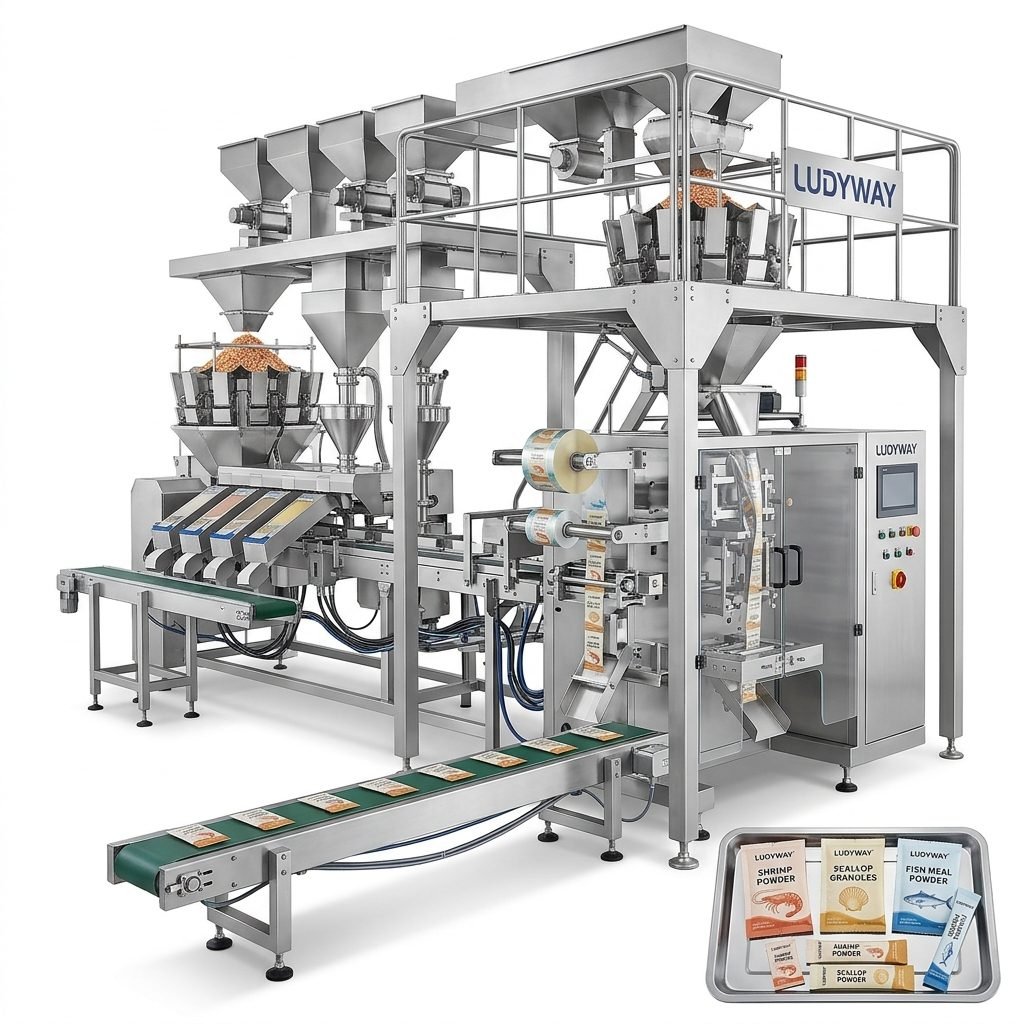
When sourcing a ketchup packaging machine, prioritize manufacturers with turnkey integration capabilities. A supplier like Ludyway, which specializes in advanced packaging equipment with over 30 years of industry expertise and a 20,000㎡ manufacturing facility, offers significant advantages. Their engineering teams provide tailored solutions covering granule, powder, liquid, and pouch packaging applications. Confirm that your supplier offers remote diagnostic support and maintains service hubs that can rapidly deploy technicians across North America. Completing a line with auxiliary equipment such as automatic cartoners, checkweighers, and case packers from a single source often streamlines the project timeline and ensures compatibility.
Your Pre-Purchase Checklist
- Define the required output speed (packs per minute).
- Specify the target sachet, stick pack, or pouch dimensions.
- Request a viscosity analysis using your actual product on the target machine.
- Verify electrical certifications for your specific state or province.
- Ensure full access to the PLC for your maintenance team.
- Confirm spare parts shipping time to your facility.
Selecting the ideal ketchup packaging machine requires a balance of speed, precision, and hygienic design. By focusing on material compatibility, packaging format flexibility, and compliance with North American standards, you secure a production asset that scales with your brand. For additional technical specifications or to evaluate a turnkey packaging system, consult an industry specialist or an established manufacturing partner to navigate the growing demands of the liquid condiment sector.