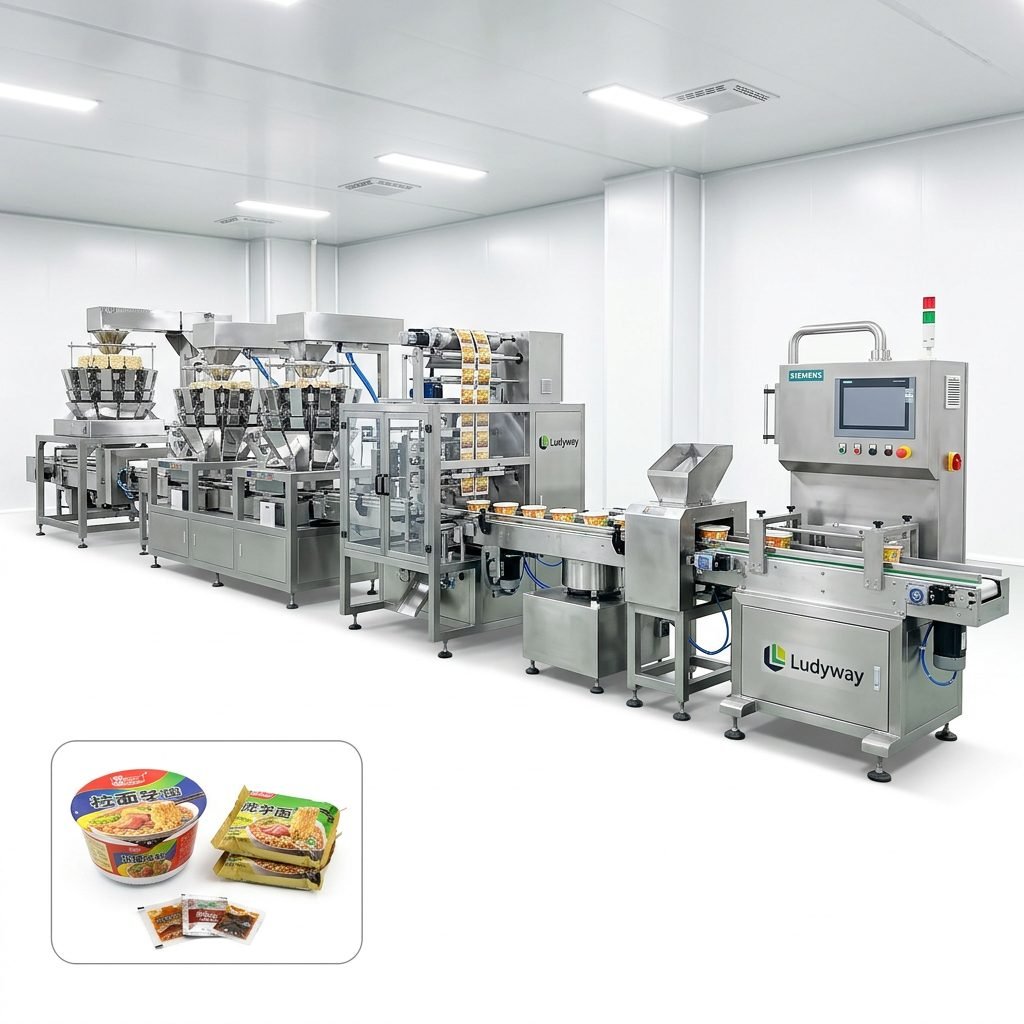
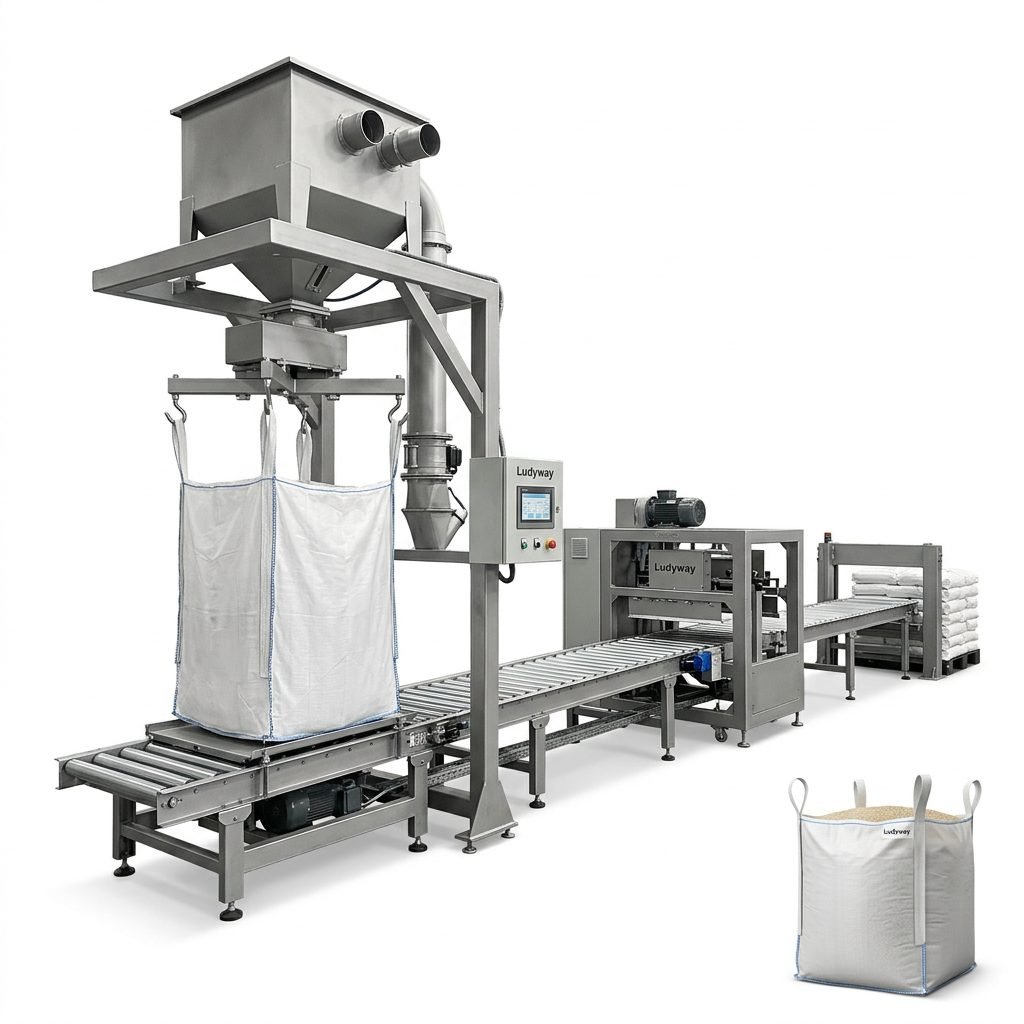
Investing in the right food packaging machine is one of the most critical decisions for any food manufacturer or processor in the United Kingdom. With evolving consumer demands, tightening food safety regulations, and increasing pressure to improve operational efficiency, selecting packaging equipment that aligns with your production goals has never been more important.
Whether you are packaging granules, powders, liquids, or solid food products, the UK market offers a wide range of packaging machinery options. However, navigating this landscape requires a clear understanding of machine types, packaging standards, supplier credibility, and total cost of ownership.

Understanding Your Production Requirements
Before comparing specific machines or suppliers, you must define your production needs with precision. This foundational step will determine the type, scale, and configuration of the packaging equipment best suited to your operation.
Key Questions to Ask Before Purchasing
- What product type are you packaging? Granules, powders, liquids, pastes, or solid items each require different filling mechanisms and sealing technologies.
- What is your target output speed? Measured in packs per minute (PPM), this determines whether you need a single-lane or multi-lane packaging system.
- What packaging format do you need? Stick packs, sachets, pouches, bags, bottles, or blister packs all demand specific machinery configurations.
- What are your facility constraints? Floor space, ceiling height, power supply, and compressed air availability all influence machine selection.
- What level of automation is required? From semi-automatic to fully automatic turnkey lines with robotic palletising.

Types of Food Packaging Machines Available in the UK
The UK food packaging machinery market is diverse, with solutions ranging from entry-level equipment to high-speed fully integrated production lines. Understanding the main categories will help you narrow your options.
Vertical Form Fill Seal (VFFS) Machines
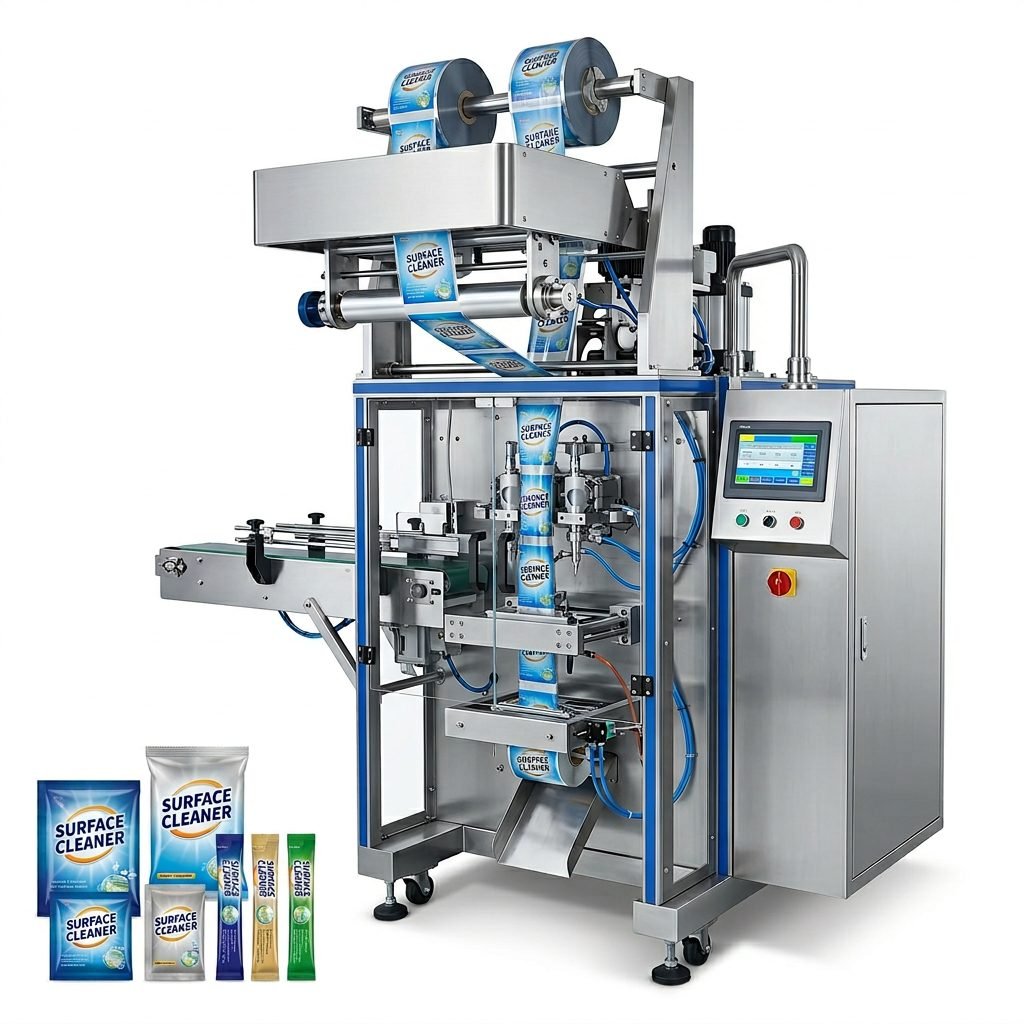
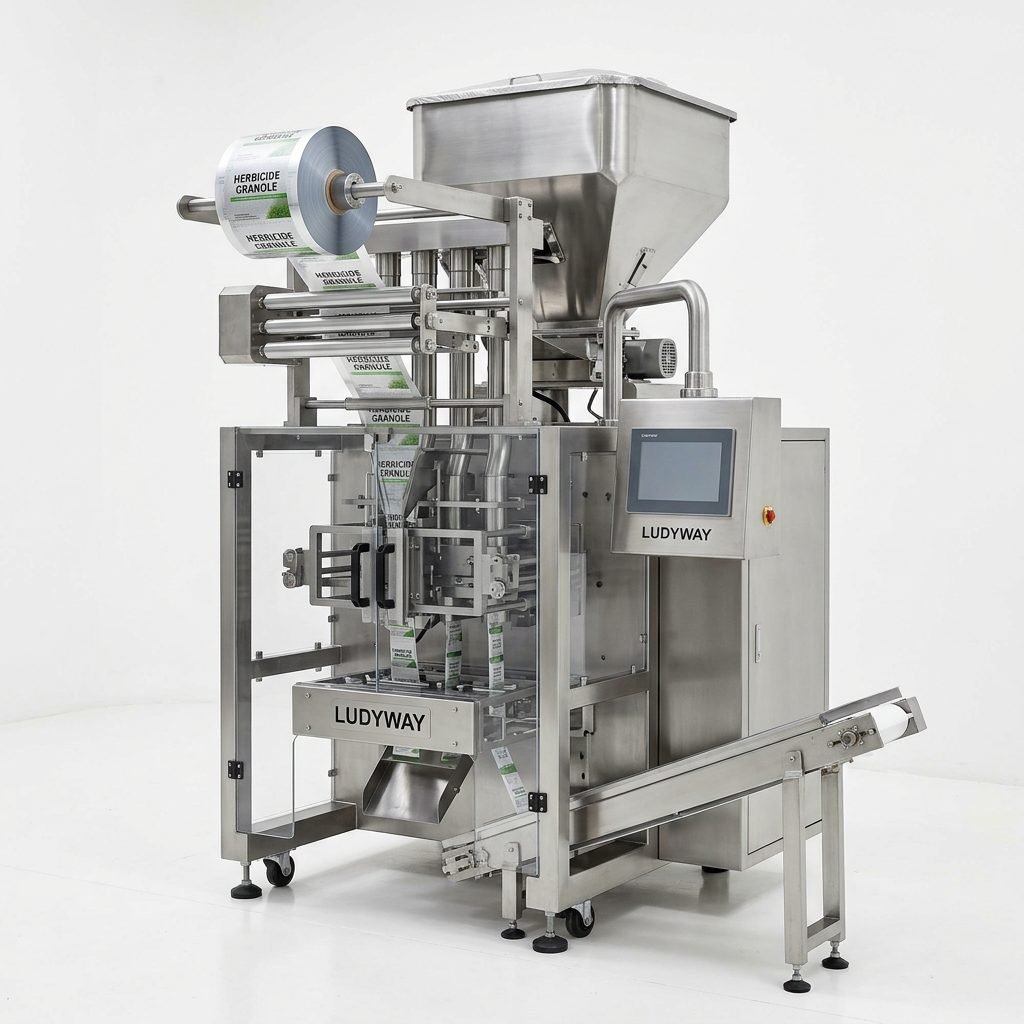
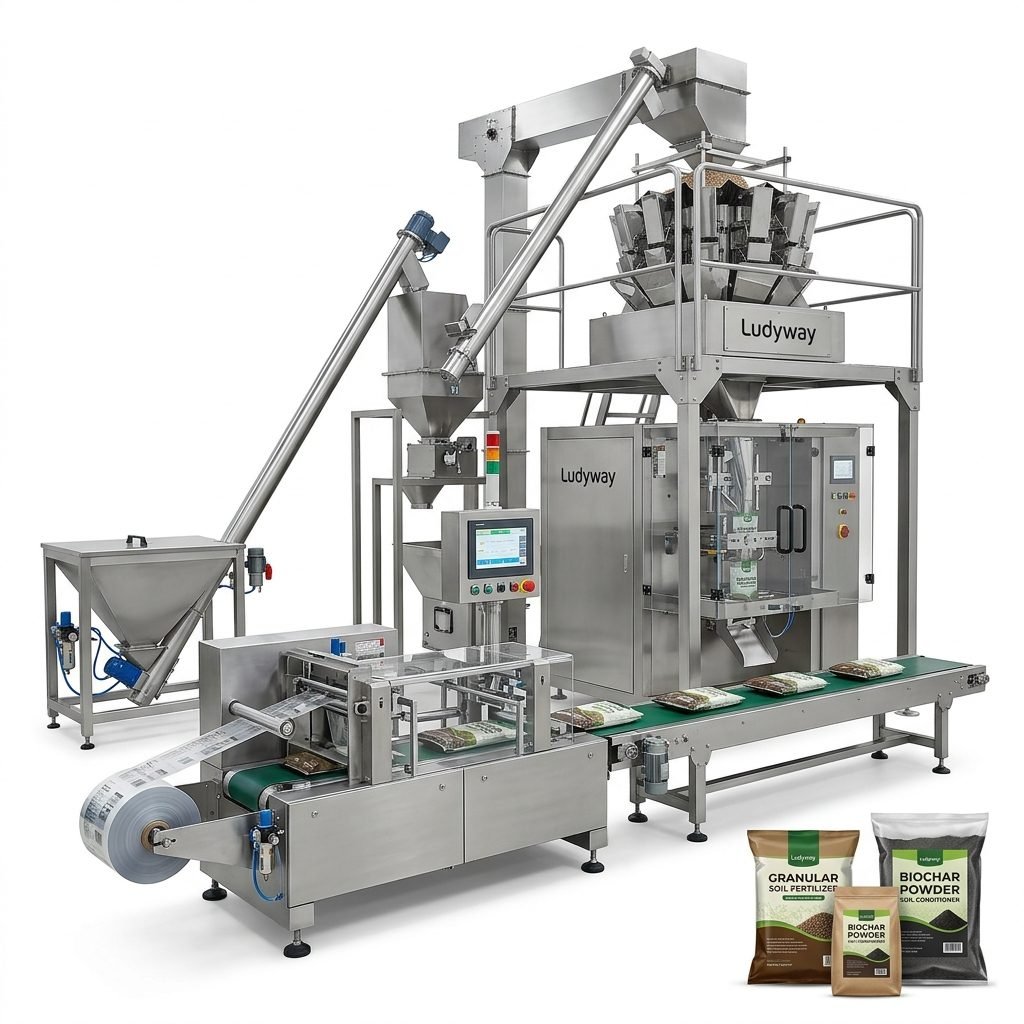
VFFS machines are among the most common packaging systems for granules, powders, and snacks. They form a bag from a flat roll of film, fill it with product, and seal it in one continuous vertical process. These are ideal for products like crisps, nuts, coffee, sugar, and frozen vegetables.
Multi-Lane Stick Pack and Sachet Machines
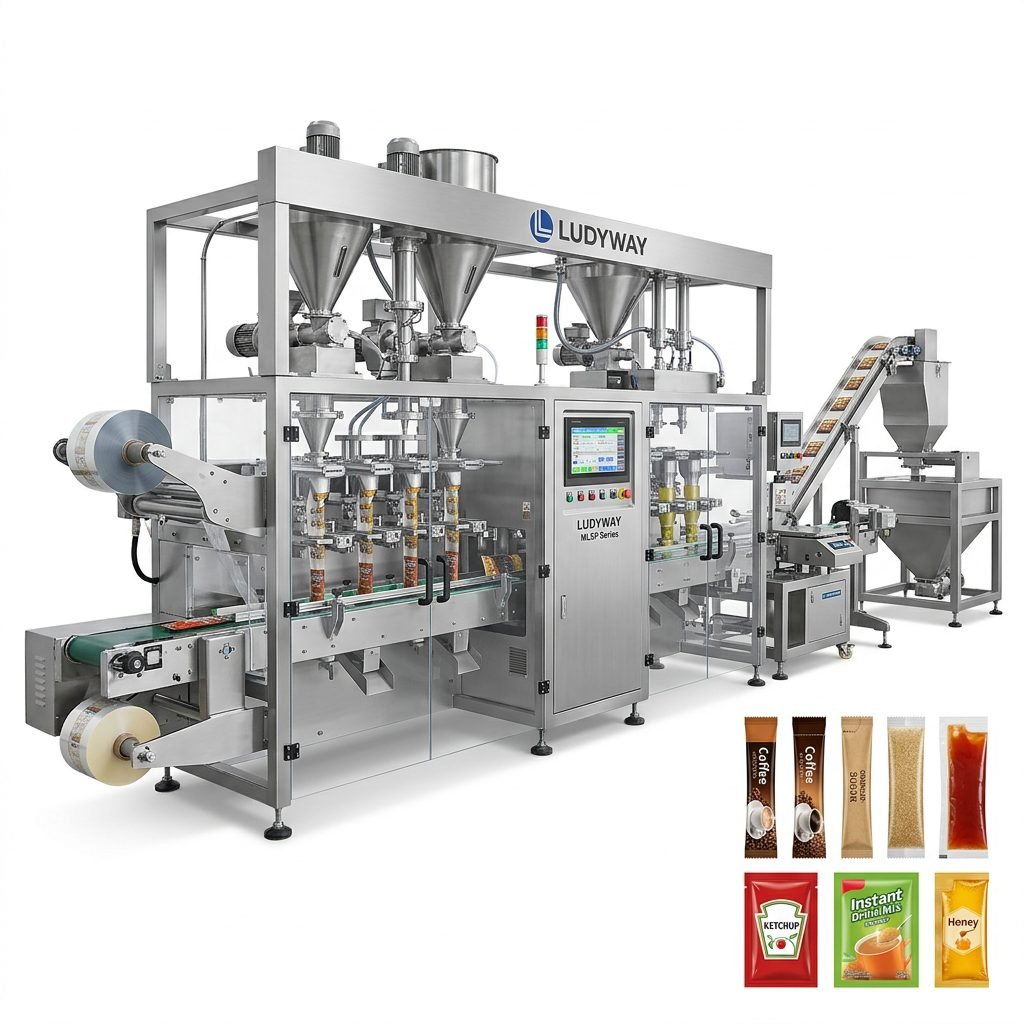
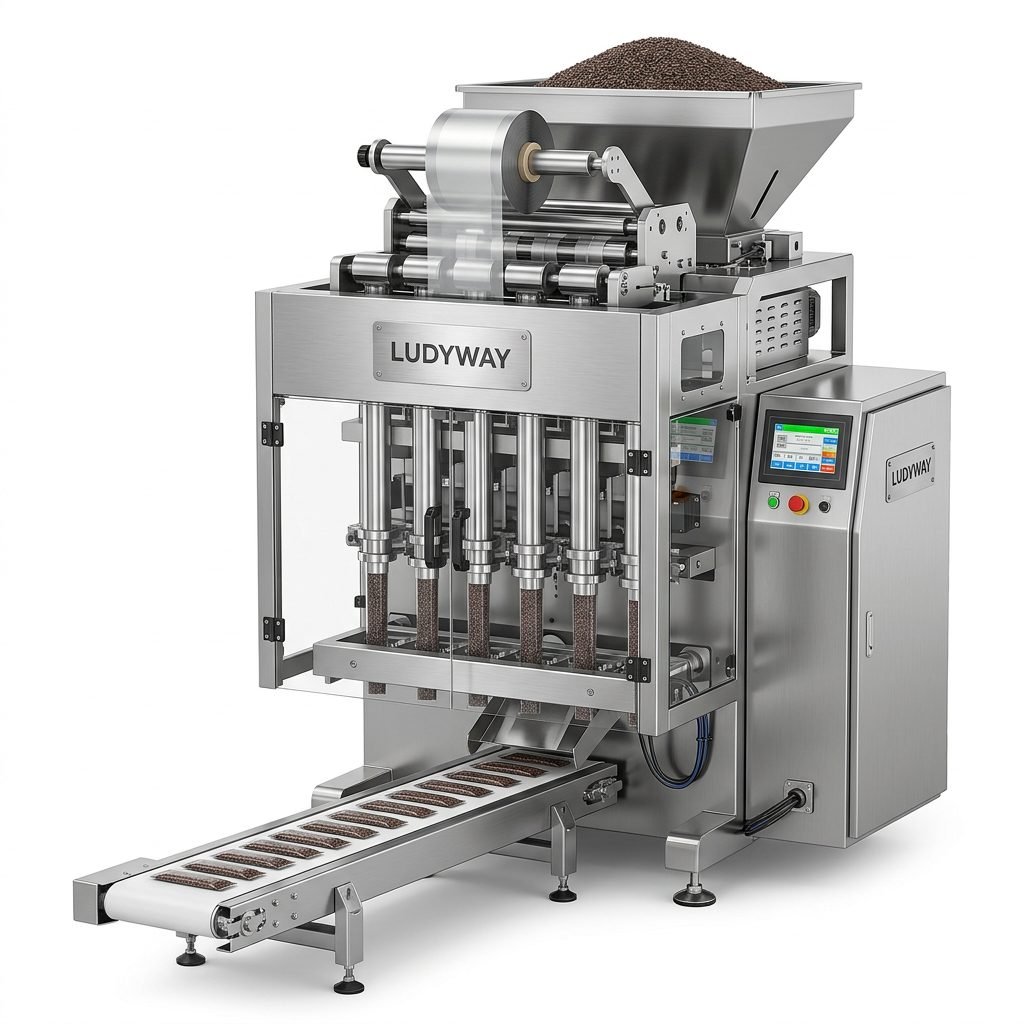
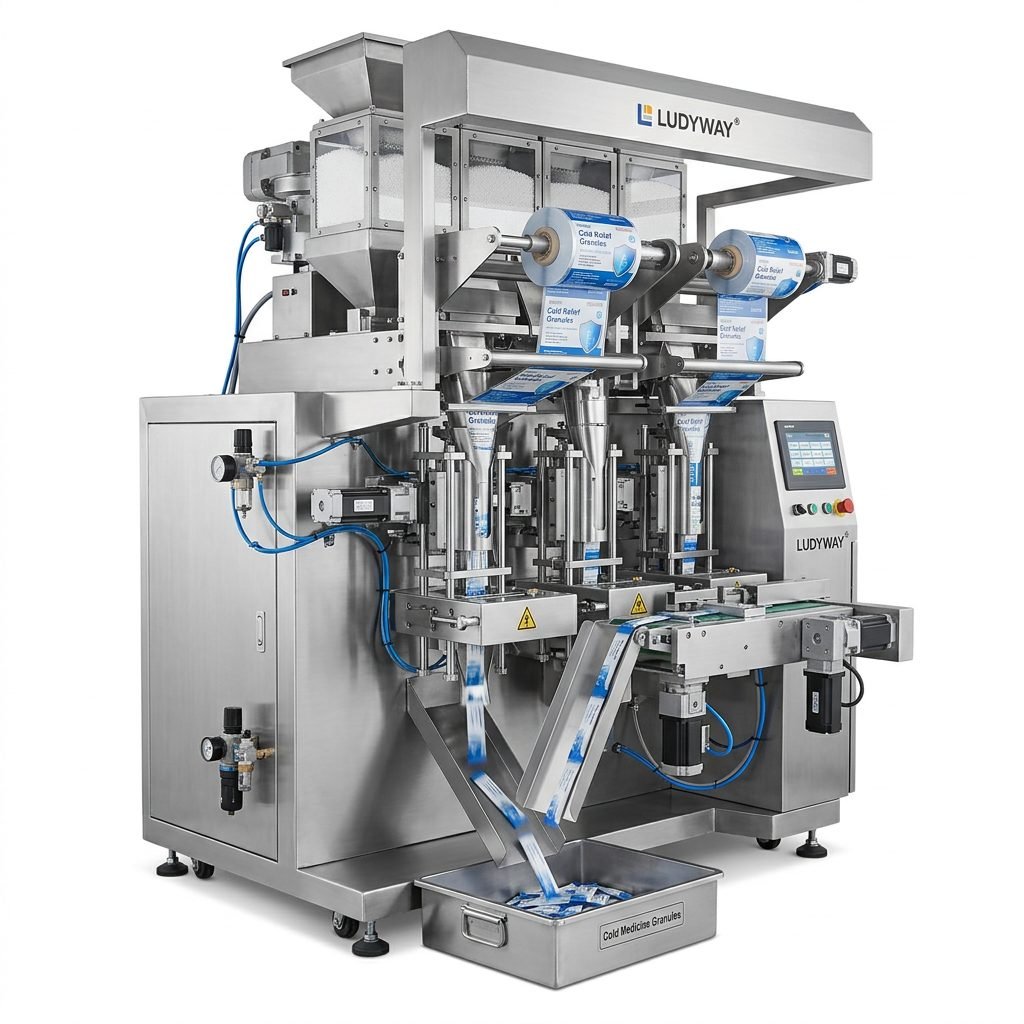
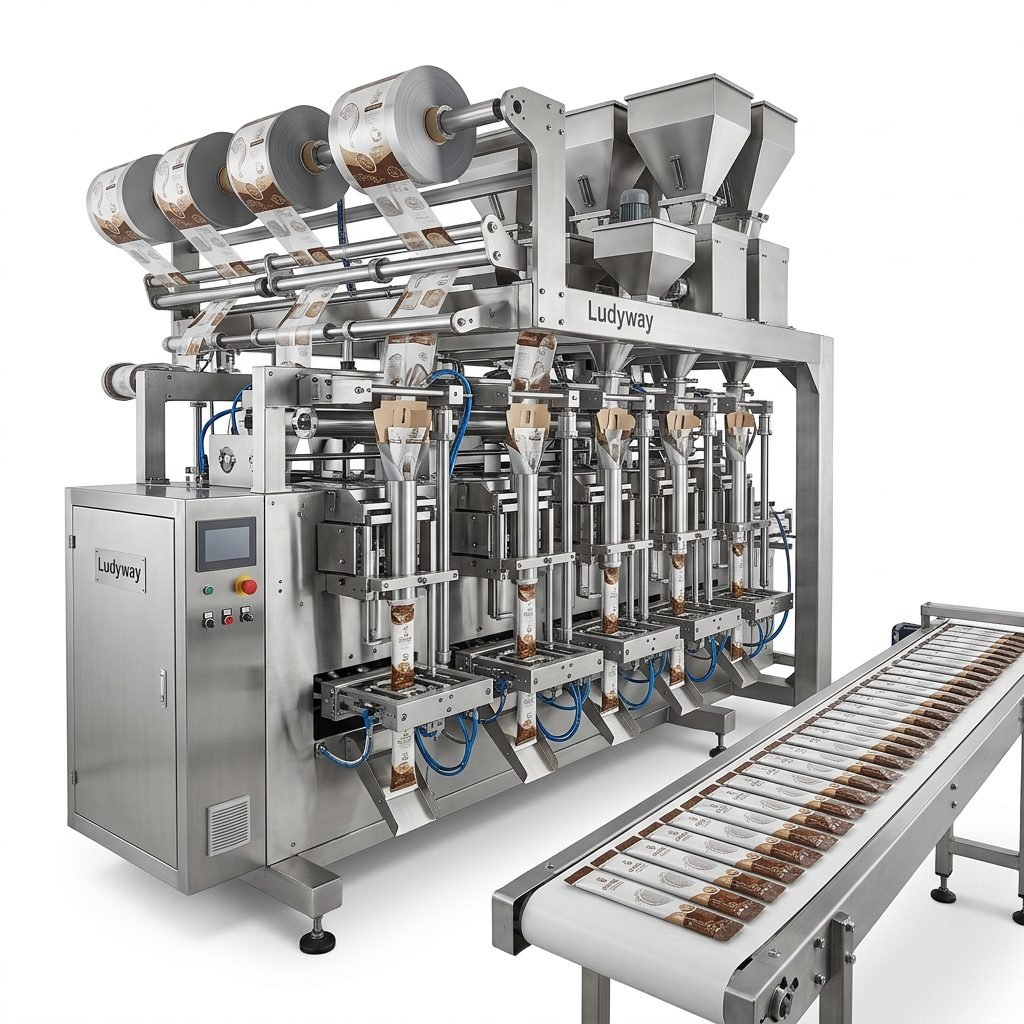
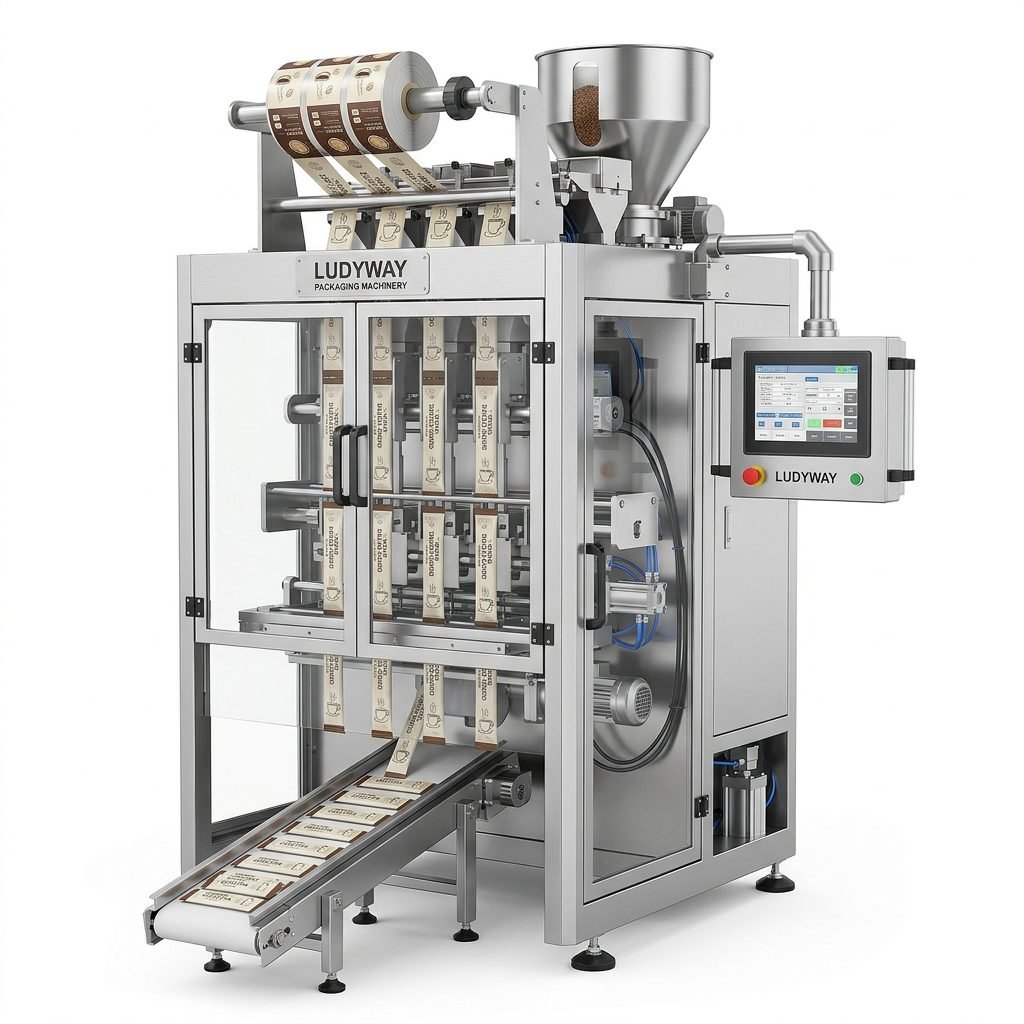
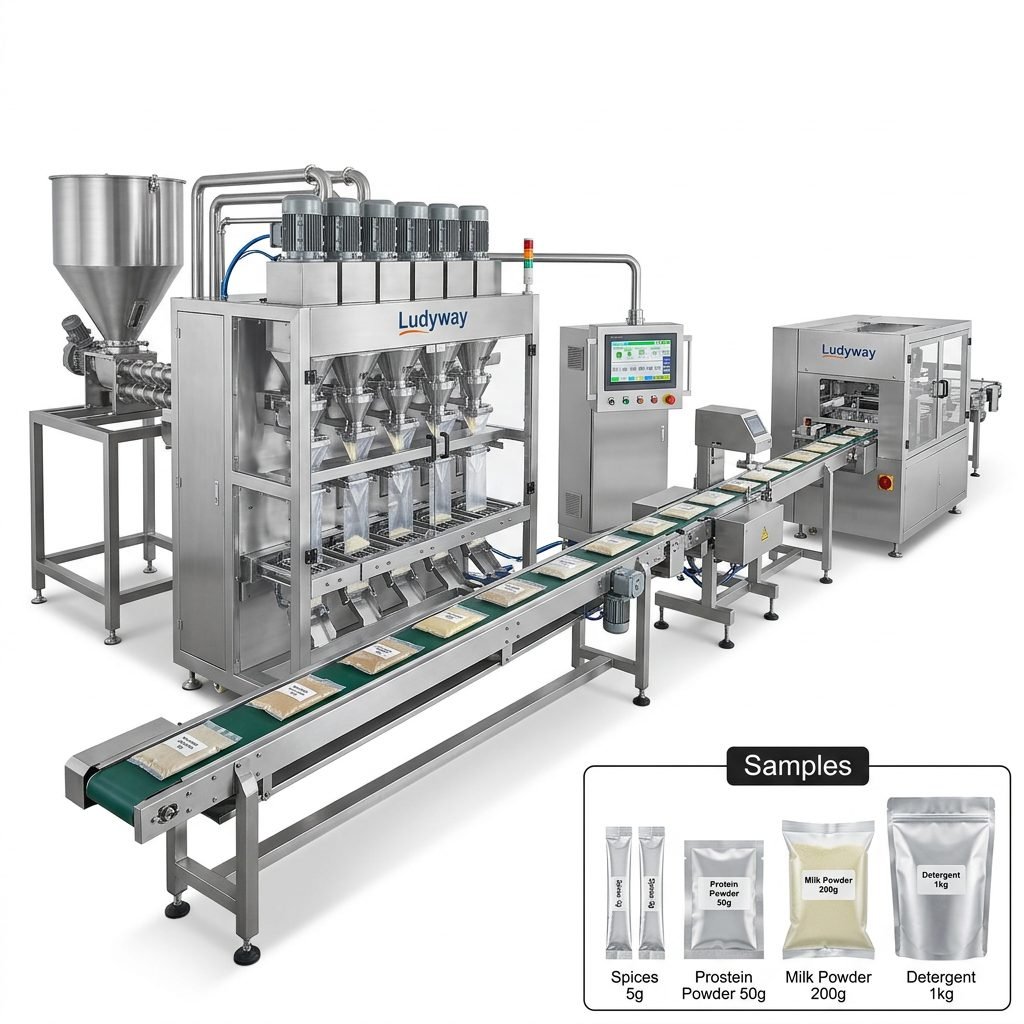
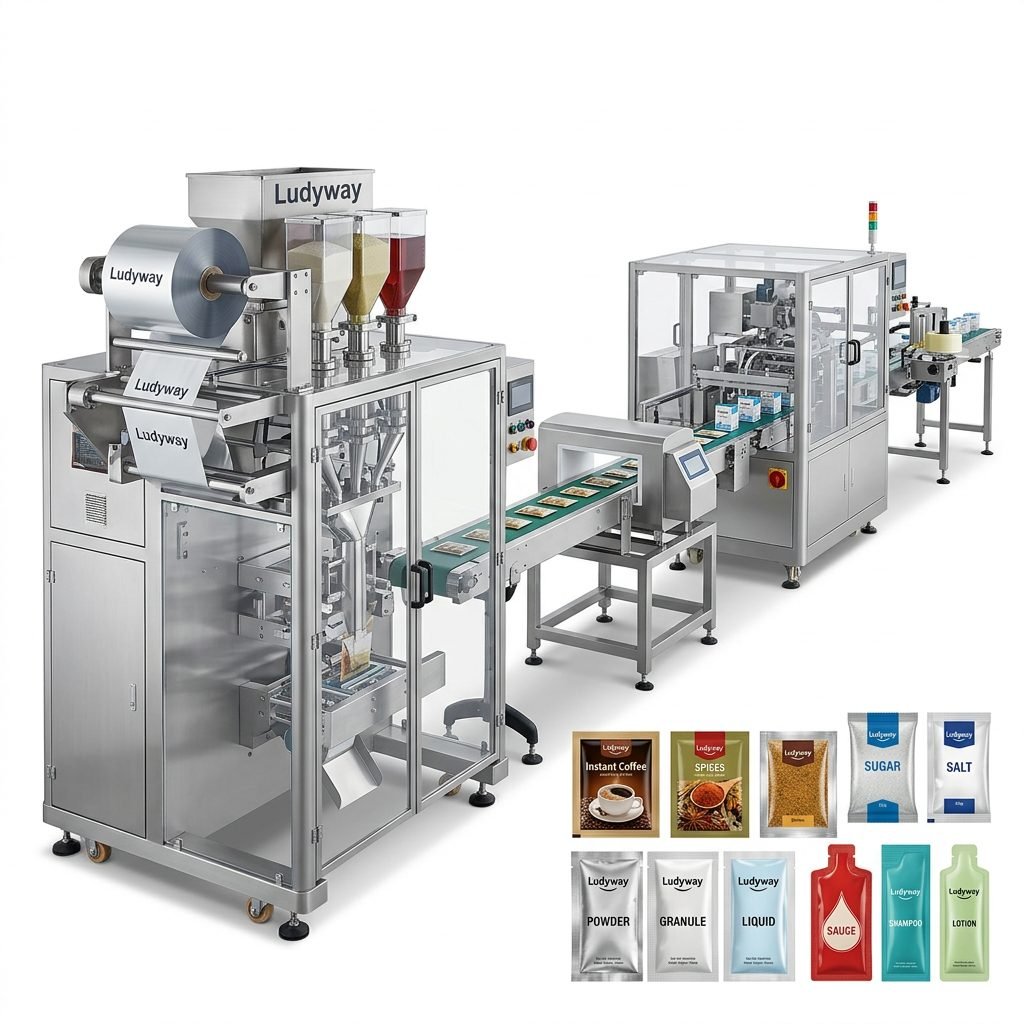
For high-volume production of single-serve portions, multi-lane stick pack and sachet machines offer unparalleled efficiency. Running 4 to 20 lanes simultaneously, these systems are perfect for products such as instant coffee, sugar, salt, condiments, and powdered beverages. A PMMI industry report highlights the growing demand for single-serve formats across global markets.
Horizontal Flow Wrapping Machines
Horizontal flow wrappers are designed for solid products like biscuits, chocolate bars, bakery items, and confectionery. They wrap individual products or trays in a horizontal orientation, often used for both primary and secondary packaging applications.
Pouch Filling and Sealing Machines
Pre-made pouch machines take ready-formed pouches, open them, fill with product, and seal. These are popular for premium product lines, including pet food, health supplements, and liquid products like sauces and dressings.

Comparing Packaging Machine Types: A Quick Reference
| Machine Type | Best For | Speed Range | Typical Cost Level |
|---|---|---|---|
| VFFS Machines | Granules, powders, snacks | 30-120 PPM | Moderate |
| Multi-Lane Stick Pack | Single-serve powders, sugar, coffee | 200-1,000+ PPM | High |
| Horizontal Flow Wrapper | Biscuits, bars, baked goods | 40-150 PPM | Moderate to High |
| Pre-Made Pouch Systems | Premium products, liquids, pet food | 20-80 PPM | Moderate |
| Sachet Machines | Condiments, sauces, samples | 150-800+ PPM | High |
UK-Specific Considerations: Regulations and Compliance
When purchasing food packaging machinery in the UK, compliance with local and international standards is non-negotiable. Post-Brexit, the UK has developed its own regulatory framework alongside retained EU legislation.
Food Contact Materials Regulations
All packaging materials and machinery that come into contact with food must comply with UK Food Contact Materials legislation. This includes requirements for traceability, good manufacturing practice (GMP), and material safety. Refer to the FDA packaging and food contact substances guidance for international best practices that often align with UK standards.
CE and UKCA Marking
Packaging machinery sold in Great Britain now requires UKCA marking rather than CE marking (though CE marking continues to be accepted for a transitional period in certain circumstances). Ensure your supplier provides equipment with the appropriate conformity assessment and technical documentation.
Health and Safety Executive (HSE) Compliance
All packaging equipment must meet the Provision and Use of Work Equipment Regulations (PUWER). This includes machine guarding, emergency stops, and safe access for maintenance and cleaning.
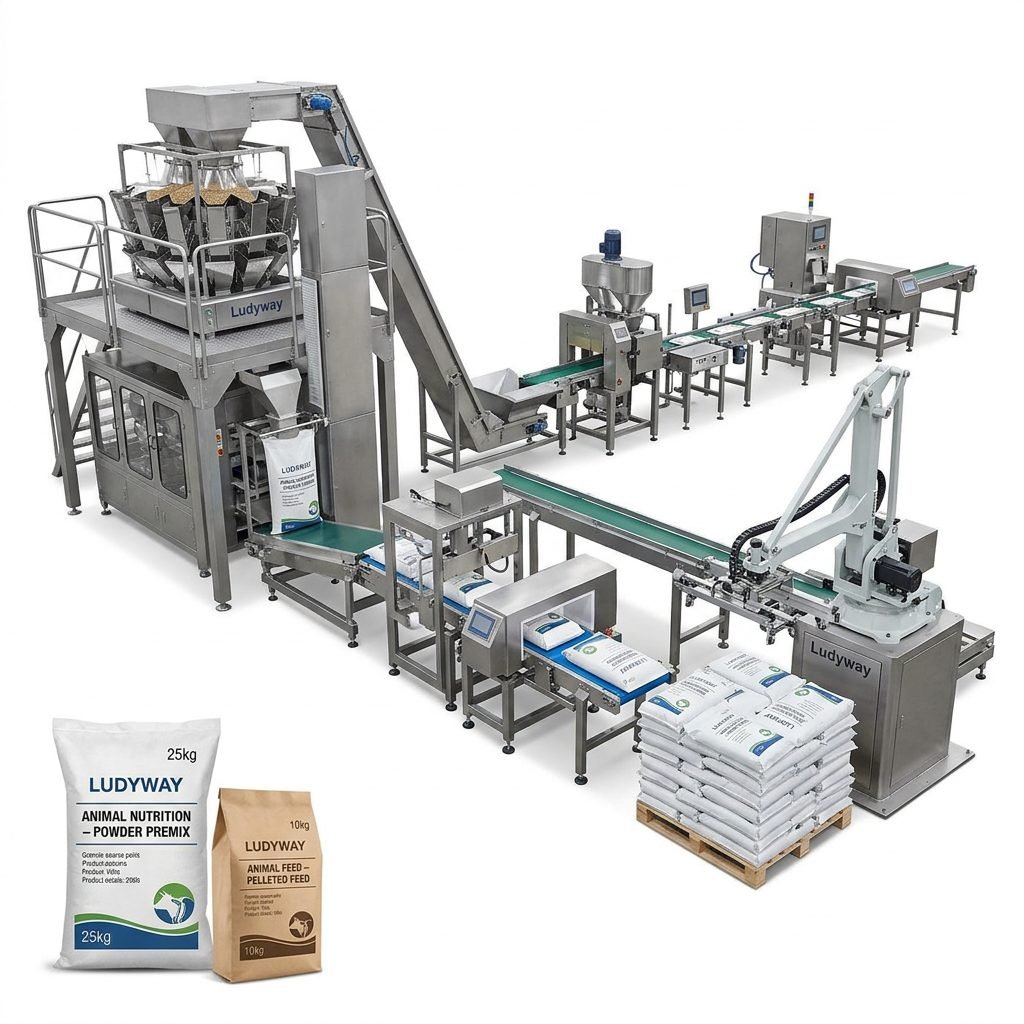
Total Cost of Ownership: Beyond the Purchase Price
When evaluating food packaging machines, the initial purchase price is only one component of the total investment. Smart buyers assess the complete cost picture over the equipment’s lifecycle.
Breakdown of Ownership Costs
- Capital expenditure: Machine price, shipping, import duties, installation, and commissioning.
- Operational costs: Energy consumption, packaging film and consumables, labour requirements.
- Maintenance expenses: Routine servicing, spare parts inventory, unexpected repairs, and technical support contracts.
- Downtime risk: Lost production during breakdowns, availability of local service engineers, and parts lead times.
- Training investment: Operator training, safety certification, and ongoing skill development.
According to PMMI’s State of the Industry report, maintenance and downtime costs can account for a significant percentage of total lifecycle expenses, making reliability and local support critical selection criteria.
Choosing the Right Supplier for Your Packaging Machinery
Selecting a reputable supplier is just as important as choosing the right machine. The UK packaging machinery market includes domestic manufacturers, European partners, and established international suppliers with strong UK presence.
What to Look For in a Packaging Machine Supplier
- Industry experience and track record: How many years has the supplier been manufacturing packaging equipment? Do they specialise in your product category?
- UK-based service and support: Is there local technical support, on-site service, and readily available spare parts within the UK?
- Customisation capabilities: Can the supplier adapt machines to your specific product, packaging format, and production environment?
- References and case studies: Can the supplier provide examples of successful installations with UK food manufacturers?
- Warranty and after-sales commitment: What warranty terms are offered, and what ongoing technical support is available?
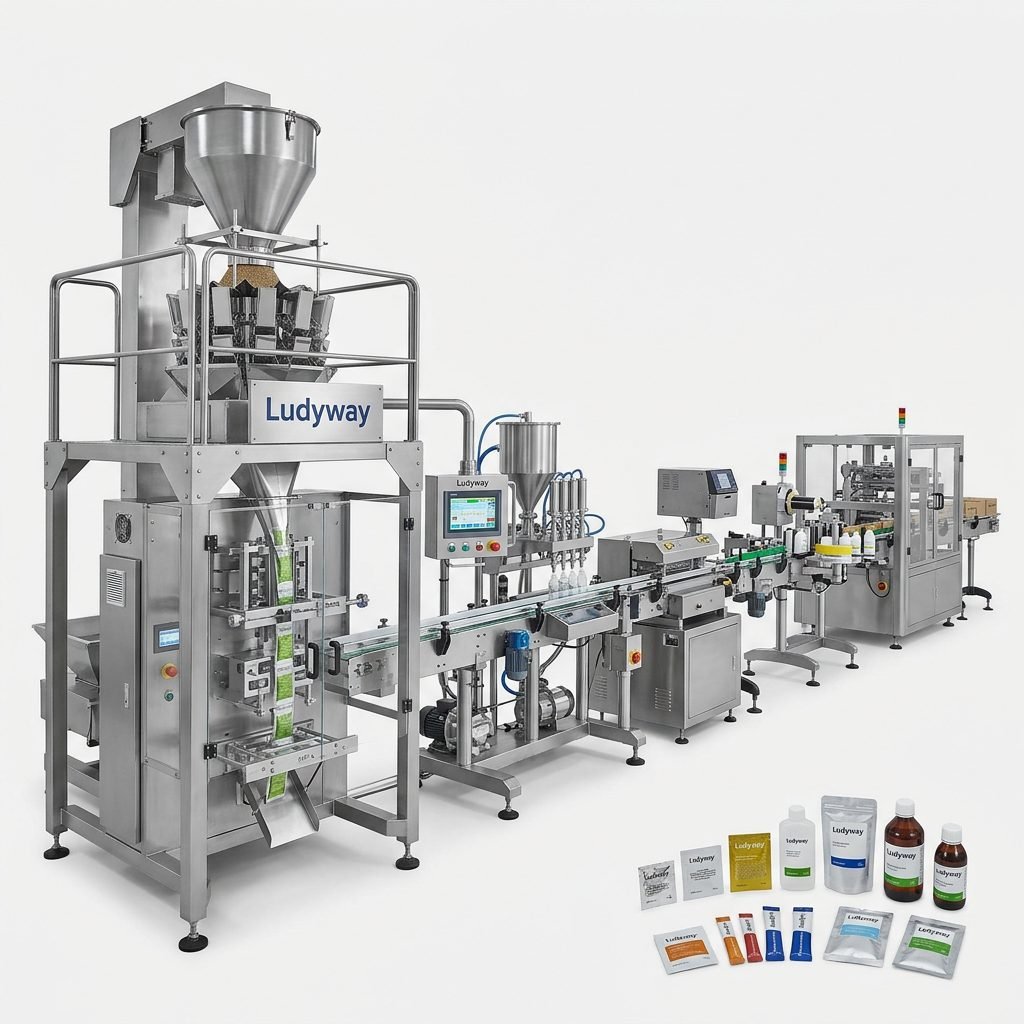
One of the prominent international manufacturers serving the UK and global markets is Ludyway, one of the largest packaging machine manufacturers in China, specialising in advanced packaging equipment and turnkey production solutions for the food, pharmaceutical, and health industries. With over 30 years of industry experience and a modern 20,000㎡ manufacturing facility, the company offers more than 50 intelligent packaging machine models and serves customers in over 100 countries.
Automation Levels: Matching Technology to Your Business Goals
The degree of automation you choose will significantly impact your productivity, labour requirements, and return on investment. Understanding the spectrum of automation options helps you make a decision aligned with your business strategy.
Semi-Automatic Systems
Semi-automatic machines require operator involvement for tasks such as product loading, film changeover, or finished pack handling. These systems are cost-effective for lower volumes and businesses transitioning from manual to automated packaging.
Fully Automatic Standalone Machines
Fully automatic machines handle the complete packaging cycle without operator intervention. They are ideal for medium to high production volumes and offer consistent quality, reduced labour dependency, and improved hygiene control.
Fully Automated Turnkey Production Lines
Turnkey lines integrate multiple machines and processes, including product feeding, weighing, filling, sealing, coding, inspection, cartoning, and palletising. These systems are designed for large-scale manufacturers requiring maximum throughput and minimal human intervention. The PMMI business intelligence resources demonstrate a clear industry trend toward higher levels of automation in packaging operations.
Packaging Material Compatibility and Sustainability
Sustainability is now a central concern for UK food businesses. The European Commission’s Packaging and Packaging Waste regulations are driving changes across the industry, with UK businesses aligning with similar environmental goals.
Recyclable and Compostable Films
Modern packaging machines must be compatible with a growing range of eco-friendly materials, including mono-material recyclable films, paper-based packaging, and compostable bioplastics. Verify that any machine you consider can run these materials effectively without compromising seal integrity or production speed.
Reducing Material Waste
Advanced packaging machines incorporate features such as precise film tension control, optimised seal patterns, and intelligent size changeovers to minimise material waste. These features not only reduce environmental impact but also lower ongoing consumable costs.
Installation, Commissioning, and Training
A smooth installation process is essential for minimising disruption and achieving rapid return on investment. When evaluating suppliers, clarify what level of installation support, commissioning, and operator training is included in the purchase agreement.
Key Installation Considerations
- Site preparation requirements: Does your facility need modifications for power, compressed air, extraction, or floor reinforcement?
- Installation timeline: What is the expected duration from delivery to full production?
- Commissioning support: Will supplier engineers be on-site to calibrate, test, and optimise machine performance?
- Operator and maintenance training: Is comprehensive training provided, including documented standard operating procedures?
- Handover documentation: Do you receive full technical manuals, electrical schematics, and maintenance schedules?
Future-Proofing Your Investment
When purchasing a food packaging machine, consider not just today’s requirements but tomorrow’s opportunities. The best equipment investments allow for flexibility and growth.
Modularity and Expandability
Some packaging systems are designed with a modular architecture that allows you to add lanes, upgrade components, or integrate additional modules such as coding systems, checkweighers, or cartoning machines as your business grows. This approach can significantly extend the useful life of your investment.
Industry 4.0 and Smart Manufacturing
Modern packaging machinery increasingly incorporates smart manufacturing capabilities, including remote monitoring, predictive maintenance alerts, production data analytics, and integration with enterprise resource planning systems. These features can provide significant competitive advantages in efficiency and quality control.
Financing Options and ROI Calculation
Investing in packaging machinery represents a significant capital commitment. Understanding financing options and calculating realistic return on investment helps you make a financially sound decision.
Financing Approaches
- Outright purchase: Full payment upfront, providing immediate ownership and maximum long-term value.
- Equipment leasing: Spreads costs over time, preserving working capital, and may offer tax advantages.
- Asset finance: Loan secured against the equipment itself, with fixed repayment terms.
- Manufacturer financing: Some suppliers offer deferred payment or instalment plans for qualified buyers.
Calculating ROI
To estimate ROI, compare the total cost of ownership against projected savings and revenue gains. Key factors include labour reduction, increased throughput, reduced product giveaway, lower packaging material waste, and improved product quality leading to fewer customer returns. Most well-specified packaging machines achieve payback within 12 to 36 months in typical UK food manufacturing applications.
Common Mistakes to Avoid When Buying Food Packaging Equipment
Learning from the experiences of other buyers can help you avoid costly errors in your purchasing process.
Pitfalls to Watch For
- Underestimating production growth: Buying a machine that just meets current needs but cannot scale with business growth.
- Overlooking packaging material costs: Some machines require proprietary or expensive films that dramatically increase ongoing expenses.
- Ignoring service and support requirements: Choosing a supplier without adequate UK-based technical support leads to extended downtime when issues arise.
- Focusing solely on purchase price: Neglecting energy consumption, maintenance costs, and parts availability in the decision process.
- Skipping factory acceptance testing: Not witnessing the machine run with your actual product before shipment can result in unpleasant surprises during commissioning.

Industry Resources and Further Reading
To support your decision-making process, the following industry organisations and resources provide valuable guidance on packaging machinery standards, market trends, and best practices:
- PMMI – The Association for Packaging and Processing Technologies
- Flexible Packaging Association – Official Website
- PACK EXPO International – Industry Trade Show
- ISO – Packaging and Distribution Standards
- U.S. EPA – Sustainable Materials Management
- Flexible Packaging Association – Regulatory Affairs
Making Your Final Decision
Selecting the right food packaging machine for your UK operation is a strategic decision that will impact your business for years to come. By thoroughly assessing your production requirements, understanding the available machine types, evaluating total cost of ownership, and partnering with a reputable supplier, you position your business for sustainable growth and operational excellence.
Take time to visit supplier facilities, attend industry exhibitions, speak with existing users, and test your products on the equipment before committing. The effort invested in due diligence will pay dividends through reliable production, consistent packaging quality, and a strong return on your investment.