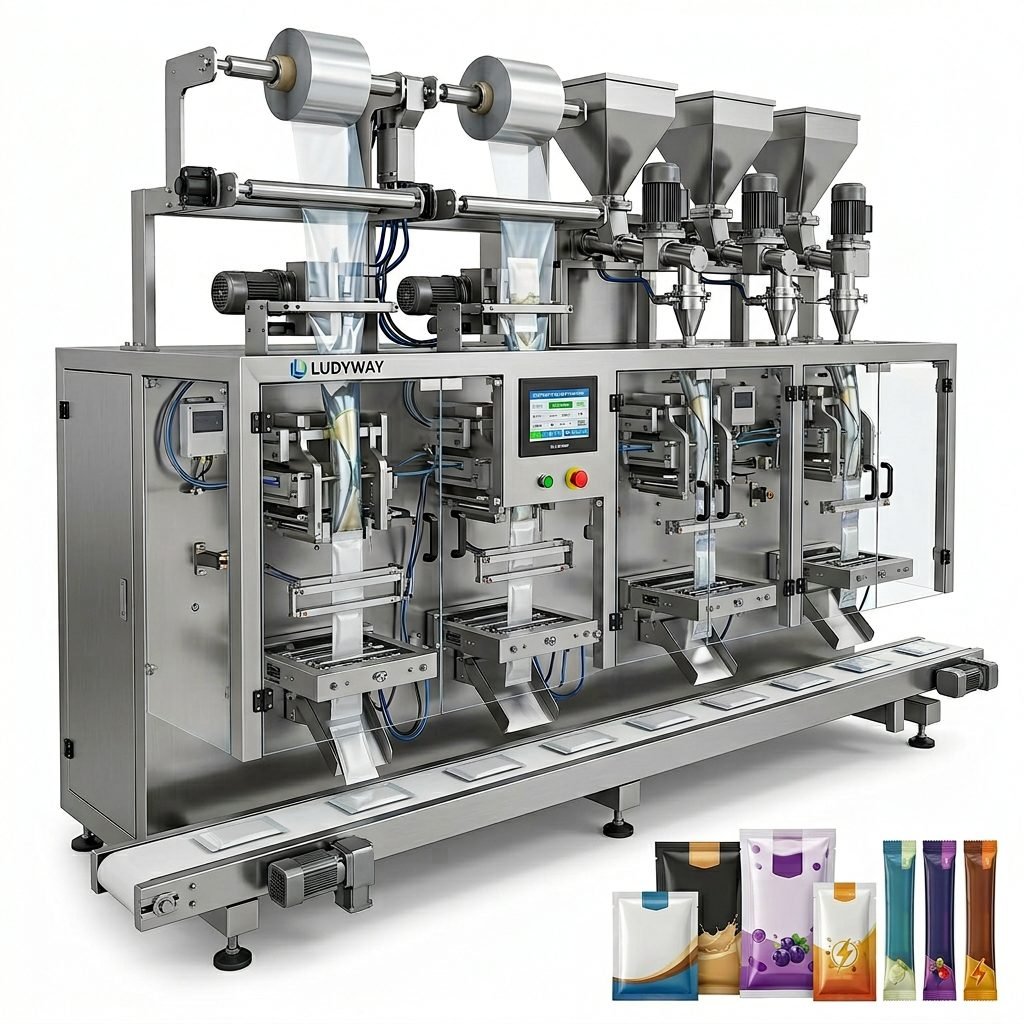
The Middle East has emerged as a dynamic hub for food manufacturing, driven by population growth, rising disposable incomes, and aggressive economic diversification strategies. Setting up a food packaging machine production line in this region presents tremendous opportunities but also requires meticulous planning. From understanding local regulatory frameworks to selecting the right granule packaging machines, powder packaging systems, and liquid filling equipment, every decision impacts your operational efficiency and market competitiveness. This comprehensive guide walks you through every critical step required to establish a successful packaging operation in the Middle East.
Understanding the Middle East Food Packaging Market
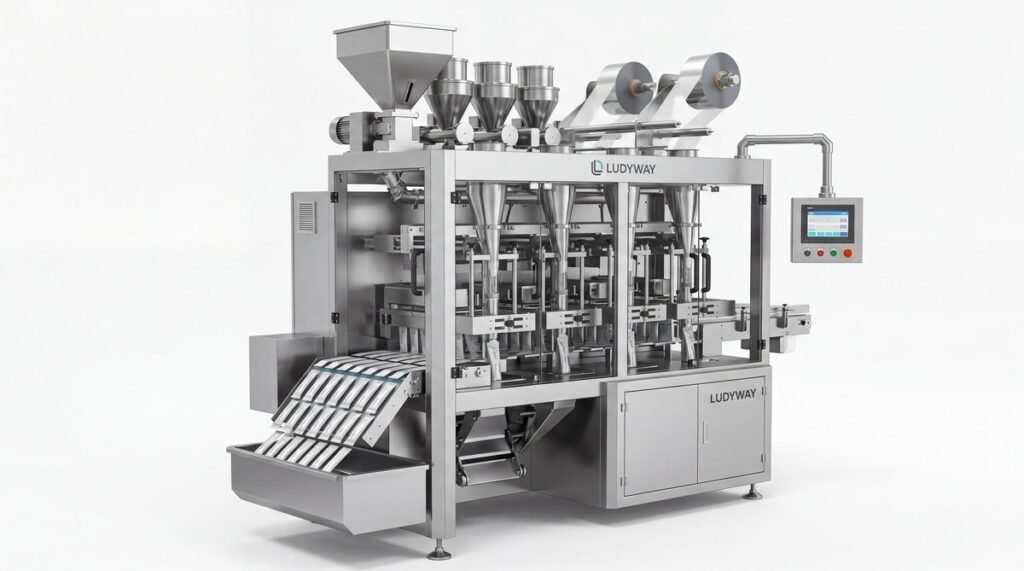
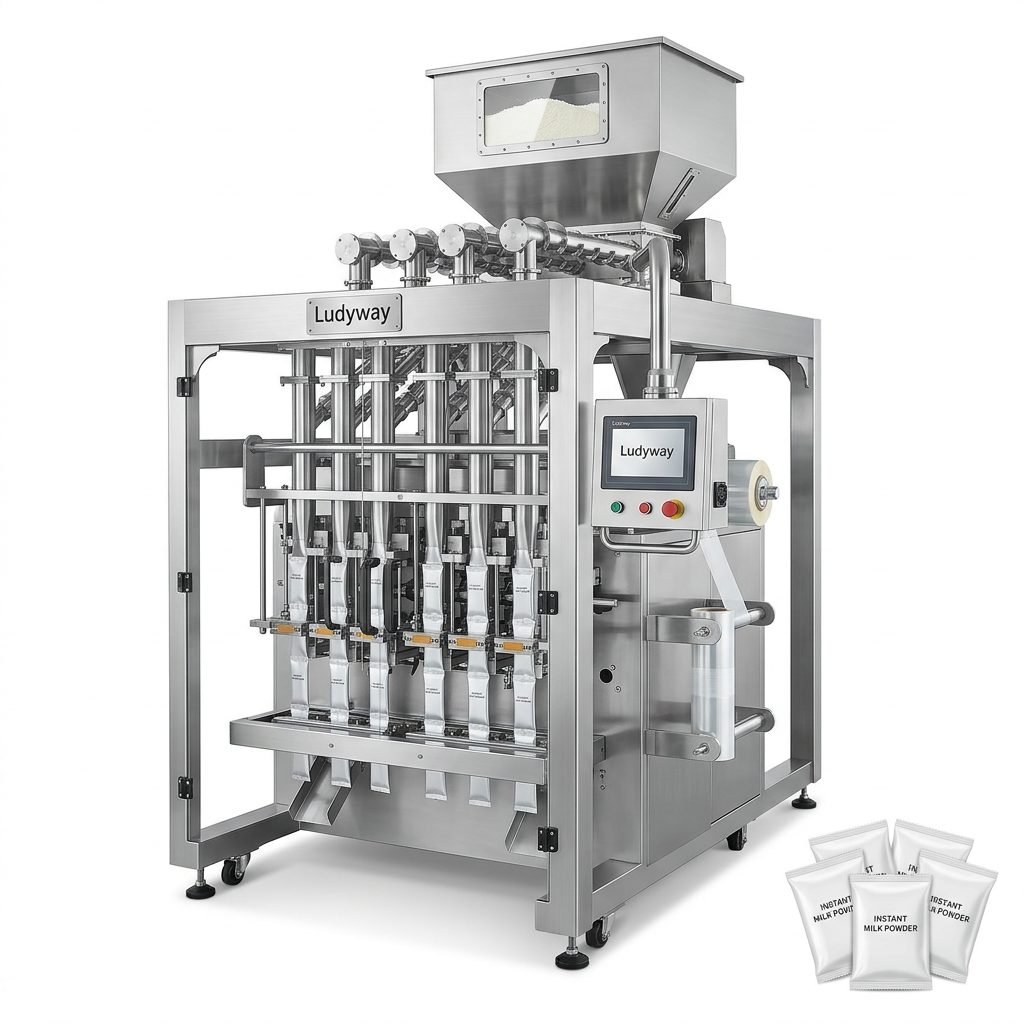
The food packaging industry across the Gulf Cooperation Council (GCC) countries, Iran, Iraq, and the Levant is experiencing unprecedented growth. According to market intelligence from the PMMI Business Intelligence Library, the demand for flexible packaging solutions has surged, fueled by the booming processed food sector. Consumers increasingly prefer convenient, portion-controlled formats such as stick packs and sachets, making multi-lane packaging technology a critical investment for manufacturers targeting this region.
Key factors driving demand include a young demographic profile, a thriving tourism and hospitality industry, and government-led food security initiatives. For businesses entering this market, understanding local consumer preferences—from spice and seasoning sachets to instant beverage stick packs—is the foundation of selecting the right production line configuration.

Step 1: Defining Your Product Type and Packaging Format
Your product characteristics directly determine the appropriate packaging machine technology. Middle Eastern markets demand a diverse range of packaging formats across various product categories:
- Granules: Coffee beans, nuts, seeds, pet food, fertilizers, and grains require high-precision weighing systems and gentle handling mechanisms.
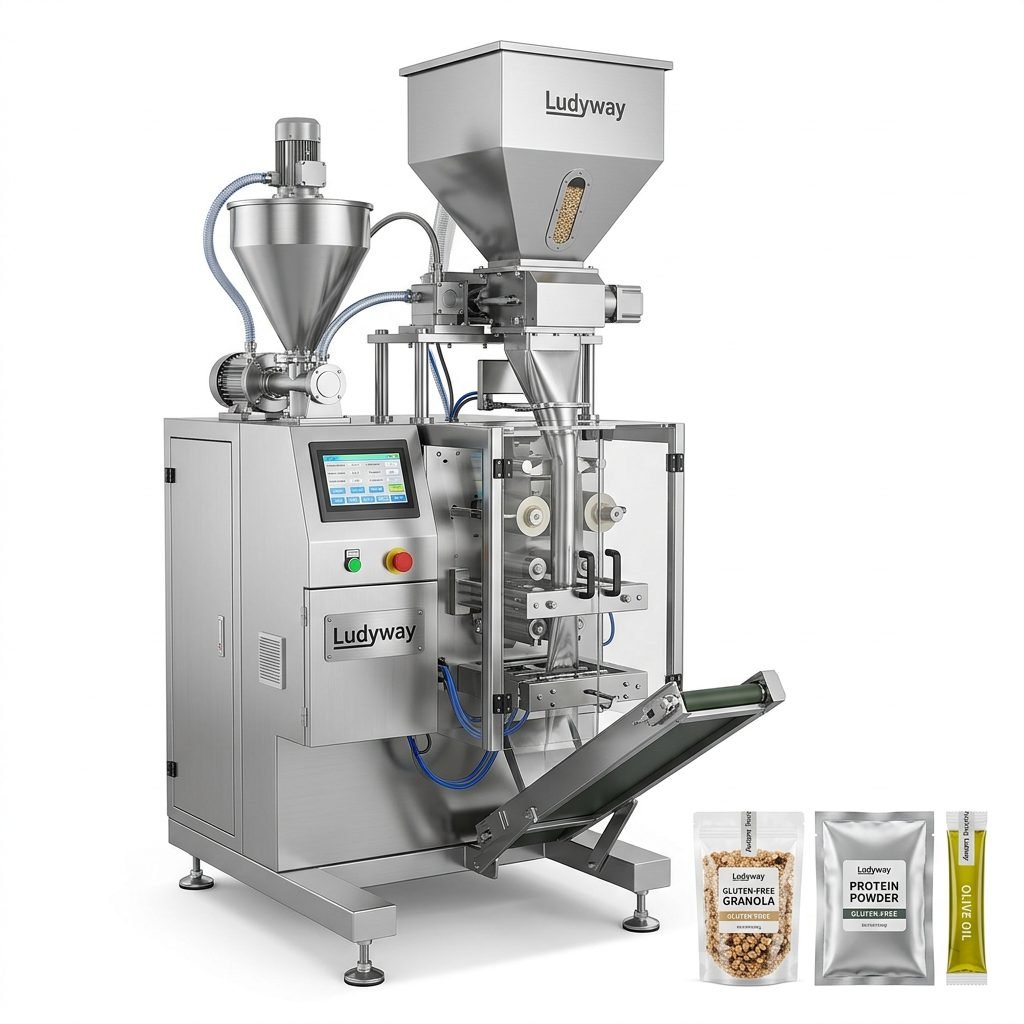
- Powders: Milk powder, spices, protein supplements, flour, and detergent powders demand dust-tight sealing and accurate volumetric or auger filling.
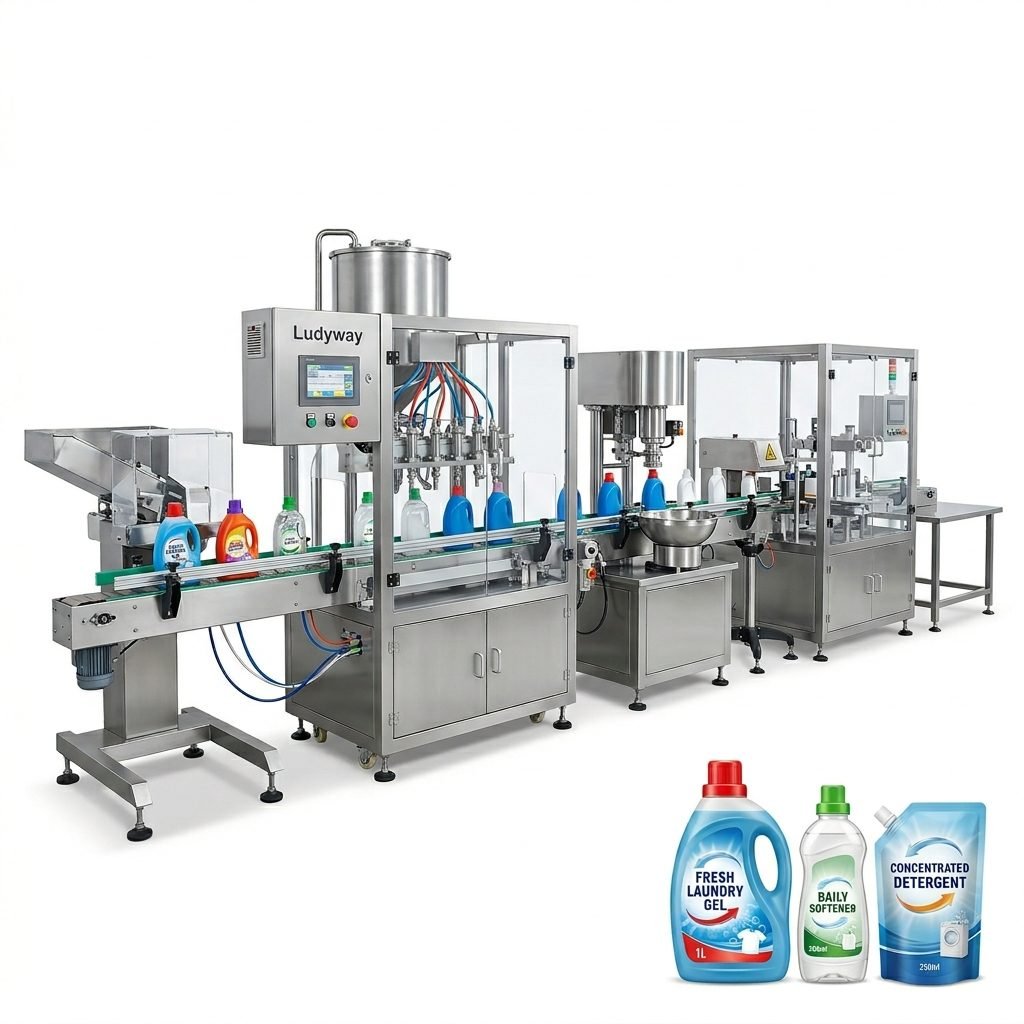
- Liquids: Cooking oils, sauces, honey, shampoos, and cleaning products need specialized liquid filling nozzles with anti-drip technology.
- Pastes and Gels: Mayonnaise, ketchup, cosmetic creams, and gels require piston fillers or pump-based dosing systems.
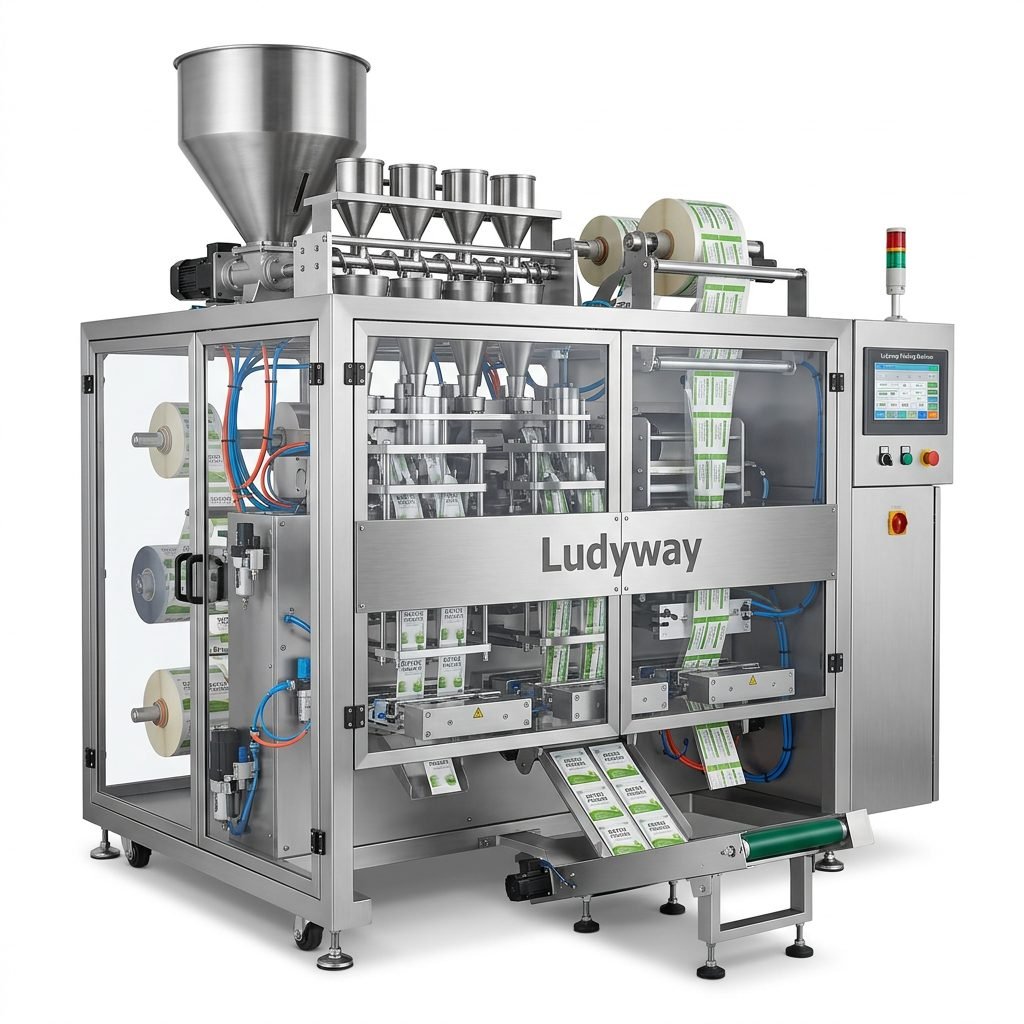
The most popular packaging formats in the Middle East include multi-lane stick packs, pillow sachets, gusseted pouches, and stand-up zipper bags. Your choice of packaging format should align with both consumer convenience expectations and shelf-life requirements in the region’s often hot and humid climate.
Step 2: Selecting the Right Packaging Machinery Configuration
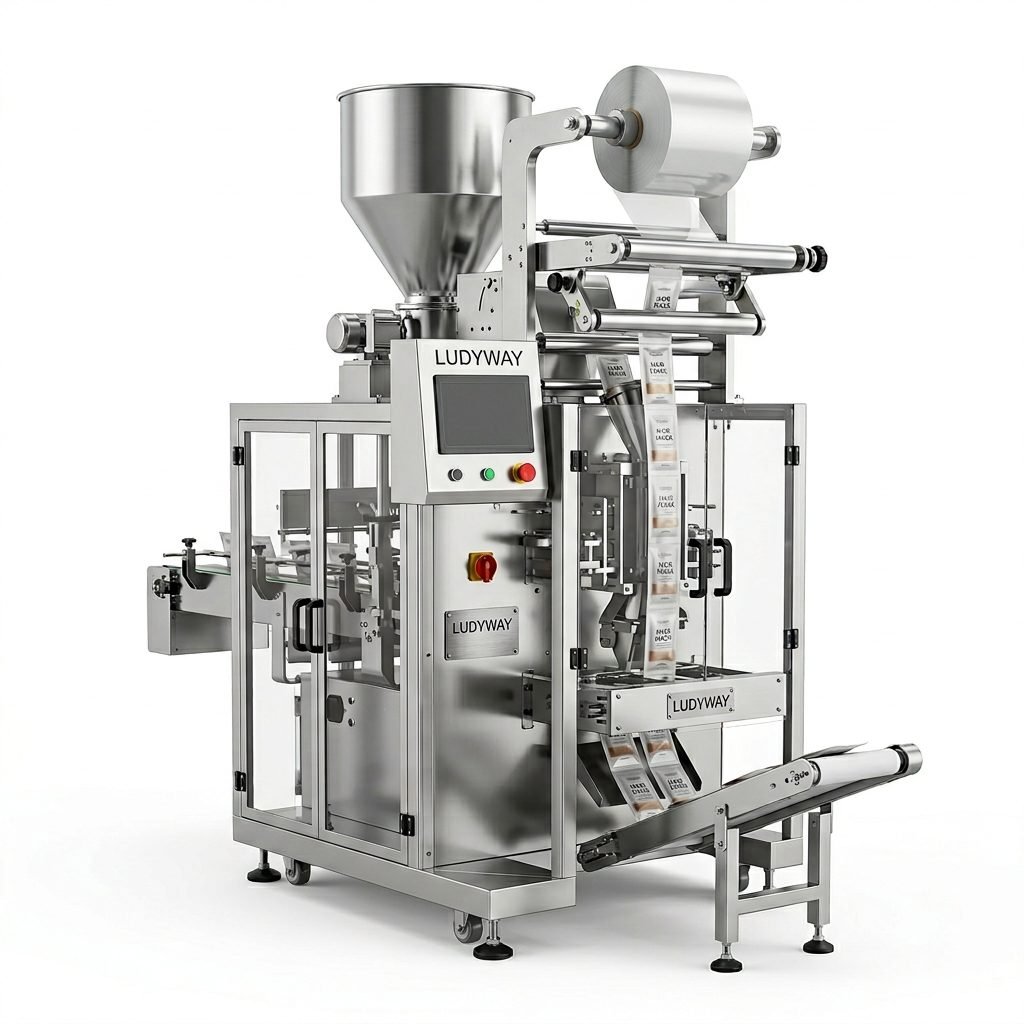
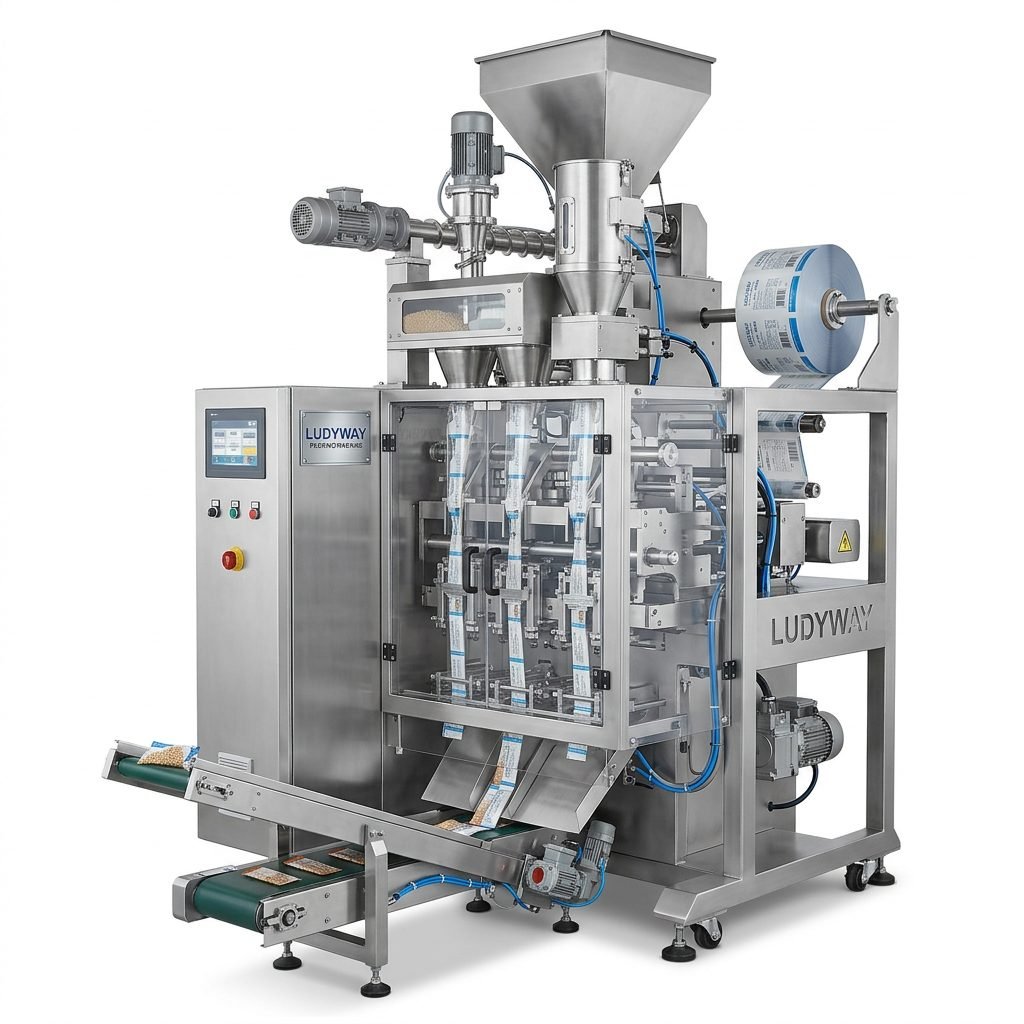
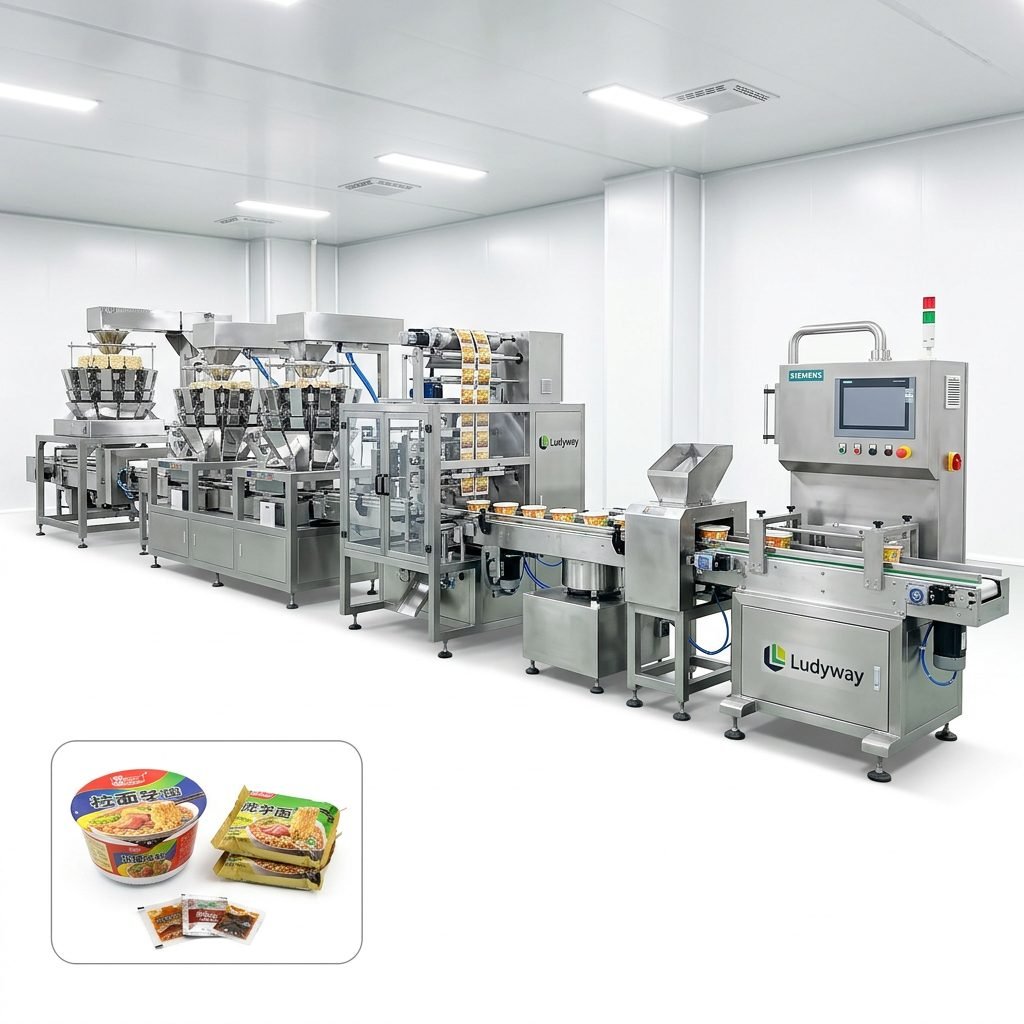
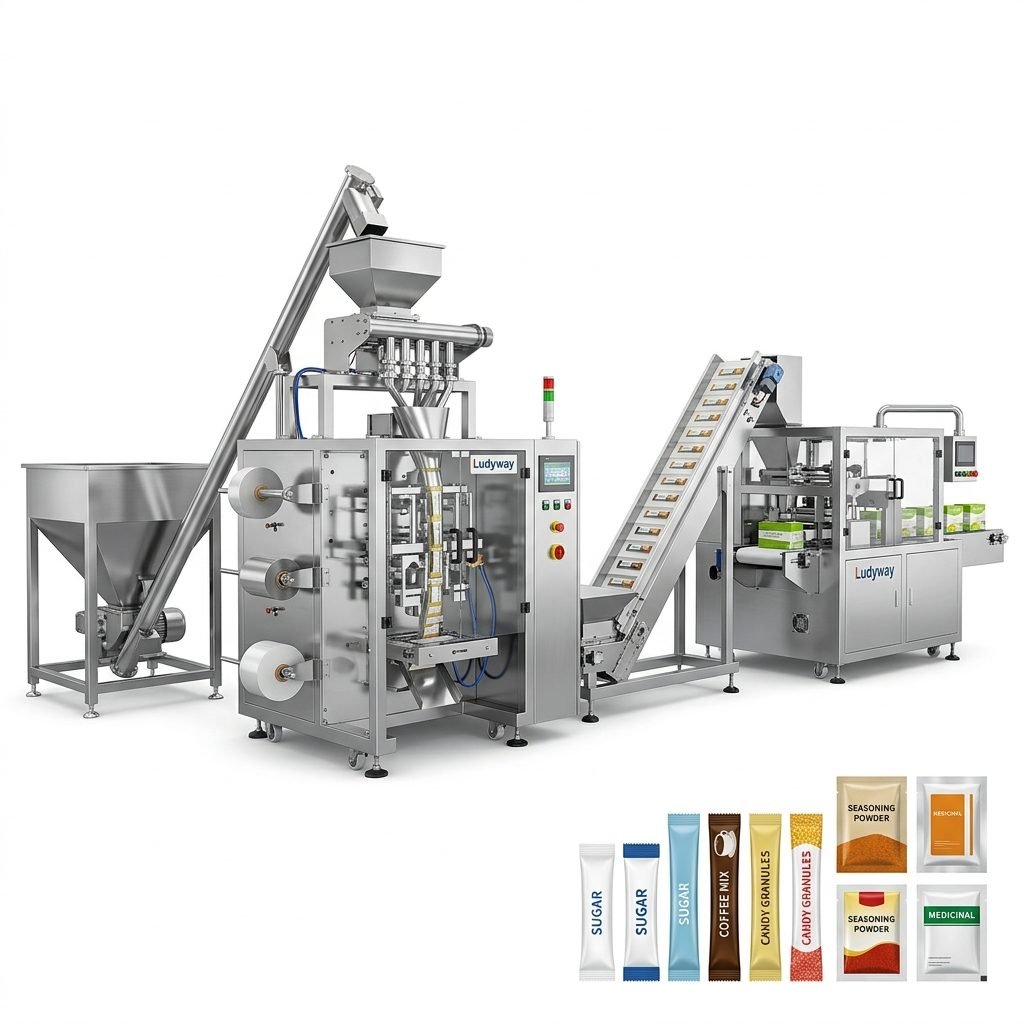
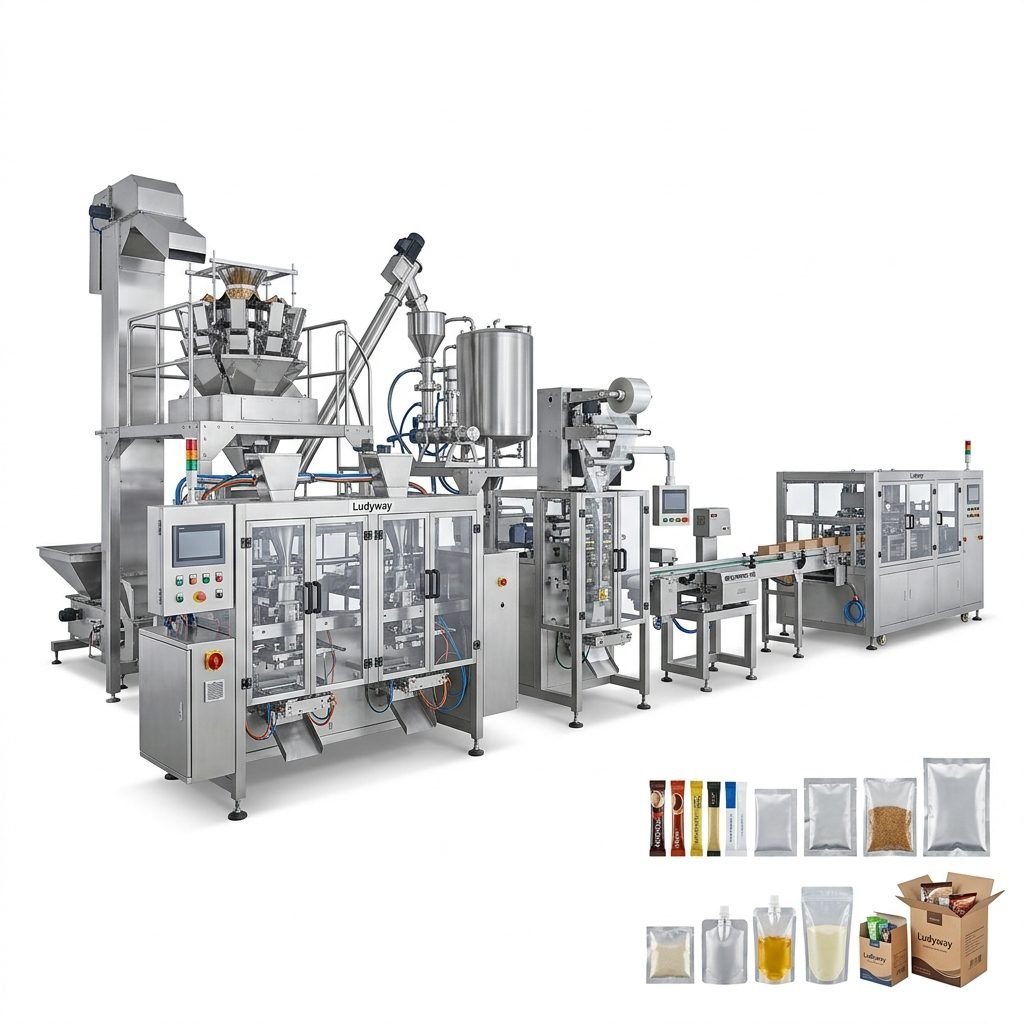
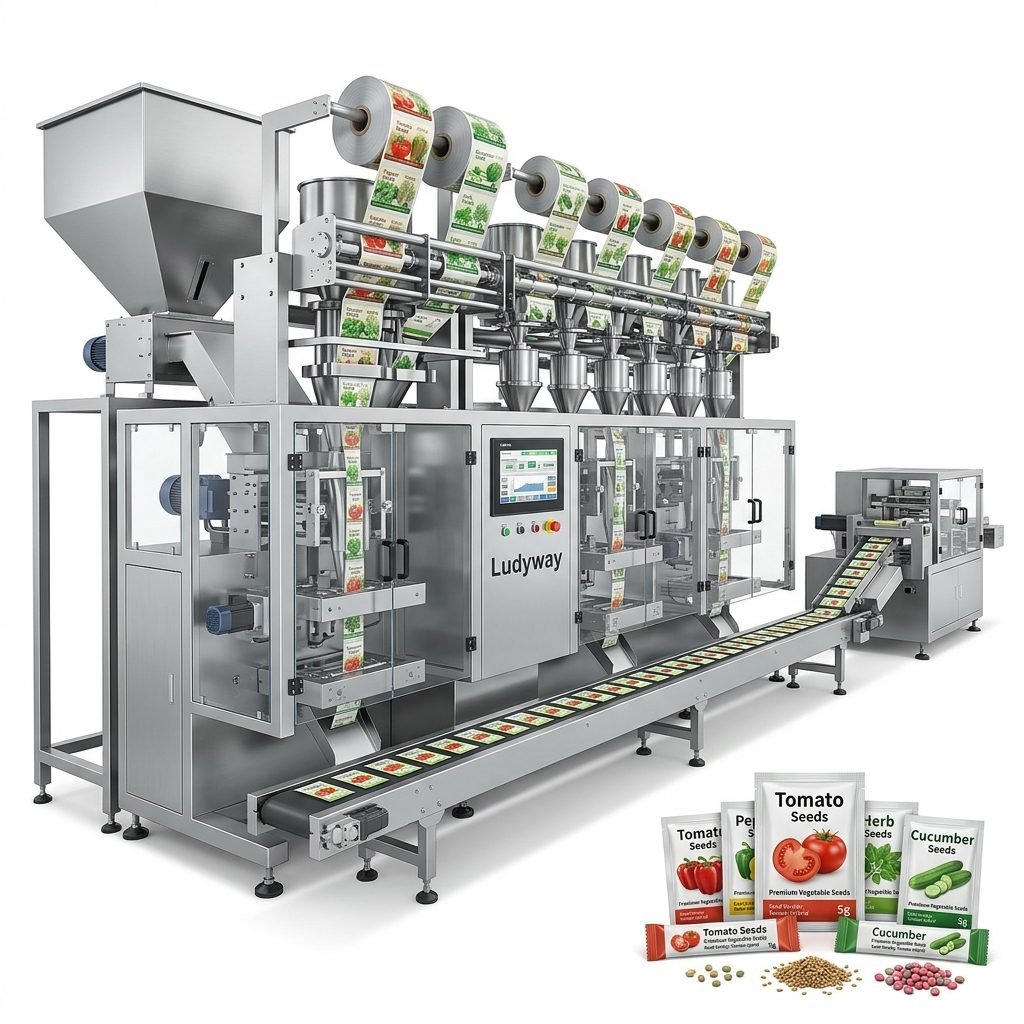
A well-designed food packaging machine production line typically integrates multiple subsystems that must work in harmony. Based on industry standards referenced by the 2026 State of the Industry Report, modern packaging lines should include the following core components:
| Component | Function | Key Consideration for Middle East |
|---|---|---|
| Feeding System | Automated material delivery to filling stations | Dust-resistant design for powder products; humidity control |
| Multi-Head Weigher | High-speed precision weighing for granules and powders | Accuracy of ±0.1-0.5g for premium products like dates and nuts |
| Vertical Form Fill Seal (VFFS) Machine | Forms bags from roll stock, fills, and seals | Multi-lane capability for stick pack and sachet production |
| Liquid Filling Station | Volumetric or piston-based liquid dispensing | Corrosion-resistant materials for acidic products |
| Cartoning & Case Packing | Secondary packaging for distribution | Sturdy carton design for long-distance logistics |
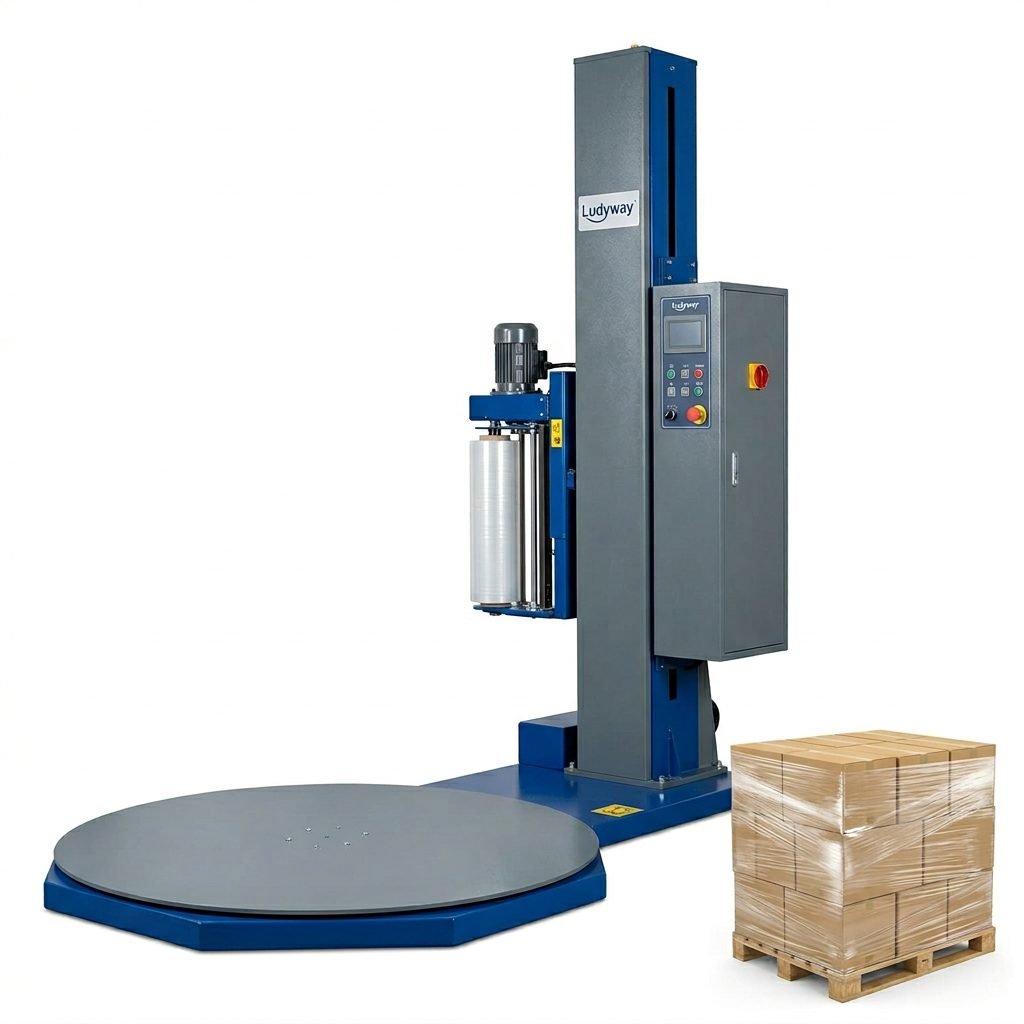
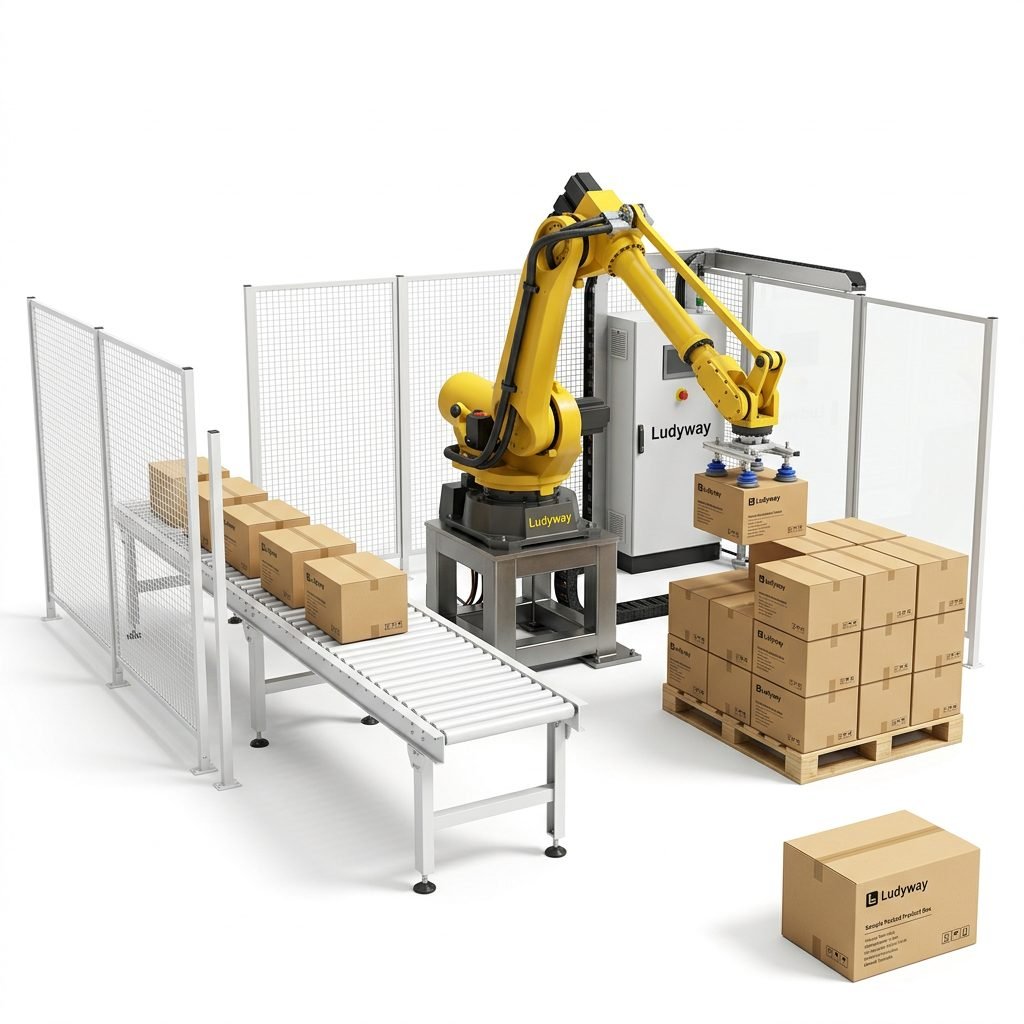
| Palletizing System | Automated stacking for warehouse efficiency | Robotic systems for high-volume export operations |
Step 3: Facility Planning and Infrastructure Requirements
Setting up a packaging production line in the Middle East requires careful attention to facility design. Industrial zones in the UAE, Saudi Arabia, Qatar, and Oman offer world-class infrastructure, but you must plan for:
- Climate Control: High ambient temperatures (often exceeding 45°C in summer) necessitate robust HVAC systems in production areas to maintain consistent packaging material properties and equipment performance.
- Power Stability: While major industrial zones offer reliable power, voltage stabilizers and backup generators are recommended for sensitive PLC-controlled packaging machinery.
- Dust and Sand Management: Positive air pressure systems and sealed production enclosures protect powder packaging lines and granule filling machines from contamination.
- Water Quality: For liquid packaging applications, water treatment systems may be necessary depending on product formulation requirements.
The FDA Food Packaging and Food Contact Substances guidelines, while US-centric, provide an excellent reference framework for food safety standards that align with GCC regulatory expectations.

Step 4: Navigating Middle East Regulatory Compliance
Regulatory compliance is a critical step in establishing your packaging operation. Each Middle Eastern country maintains its own food safety and packaging regulations, often influenced by international standards. Key regulatory bodies and frameworks include:
- Saudi Food and Drug Authority (SFDA): Governs food packaging materials and labeling requirements in the Kingdom.
- Emirates Authority for Standardization and Metrology (ESMA): Sets packaging standards across the UAE, including the Emirates Conformity Assessment Scheme (ECAS).
- GCC Standardization Organization (GSO): Issues unified packaging standards applicable across all GCC member states.
For businesses exporting into the region, understanding ISO Packaging Standards is essential. ISO 22000 for food safety management systems and ISO 11607 for packaging validation are widely recognized across Middle Eastern markets. Additionally, the Flexible Packaging Association’s industry resources provide valuable guidance on material selection and sustainability compliance.
Step 5: Supply Chain and Material Sourcing
Efficient supply chain management is vital when operating a packaging machine production line in the Middle East. The region’s strategic location between Europe, Asia, and Africa makes it an ideal hub for both local distribution and re-export. Consider these factors:
- Packaging Film Suppliers: Source multi-layer barrier films compatible with your stick pack machines and sachet packaging systems. Regional suppliers in Saudi Arabia and the UAE offer competitive options.
- Spare Parts Inventory: Maintain a critical spare parts inventory locally to minimize downtime. Key components include sealing jaws, cutting blades, heating elements, and sensor modules.
- Free Zone Advantages: Many Middle Eastern countries offer free zones with 100% foreign ownership, zero customs duties on imported machinery, and streamlined logistics—significant advantages when setting up a packaging facility.
Step 6: Installation, Commissioning, and Operator Training
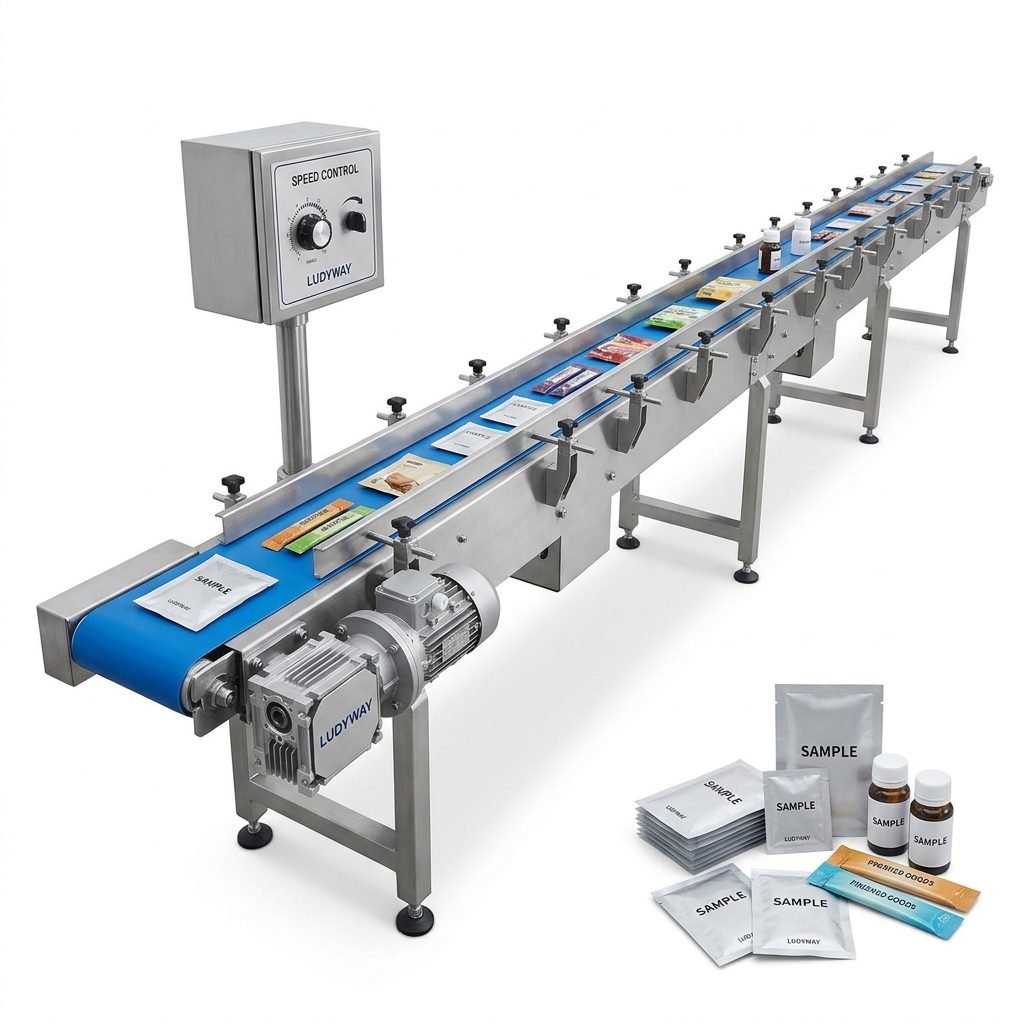
Successful installation of a food packaging production line depends on thorough planning and expert execution. The process typically involves:
- Pre-Installation Audit: Assess floor load capacity, utility connections (electrical, compressed air, water), and ventilation requirements before equipment arrival.
- Mechanical Assembly: Position and level each machine according to the approved layout drawing, ensuring proper clearances for operator access and maintenance.
- Electrical Integration: Connect all machines to the central control system, verifying PLC communication and safety interlocks across the entire line.
- Dry Testing: Run the complete line without product to verify mechanical synchronization, sensor calibration, and film tracking accuracy.
- Wet Testing: Process actual product through the line, adjusting filling volumes, sealing temperatures, and speed parameters for optimal output quality.
- Operator Training: Conduct comprehensive training sessions covering machine operation, troubleshooting, cleaning procedures, and safety protocols.
According to PMMI’s packaging machinery standards, a well-executed commissioning process can reduce startup time by up to 40% and significantly improve long-term equipment reliability.
Step 7: Maintenance and After-Sales Support
Preventive maintenance is the key to maximizing the lifespan of your packaging machinery. A robust maintenance program should include:
| Maintenance Type | Frequency | Key Activities |
|---|---|---|
| Daily | Every shift | Clean sealing jaws, inspect film tracking, check air pressure |
| Weekly | Every 40-50 operating hours | Lubricate moving parts, inspect belt tension, verify sensor alignment |
| Monthly | Every 200 hours | Replace worn components, calibrate weighing systems, check electrical connections |
| Quarterly | Every 600 hours | Full system diagnostics, gearbox oil change, comprehensive safety inspection |
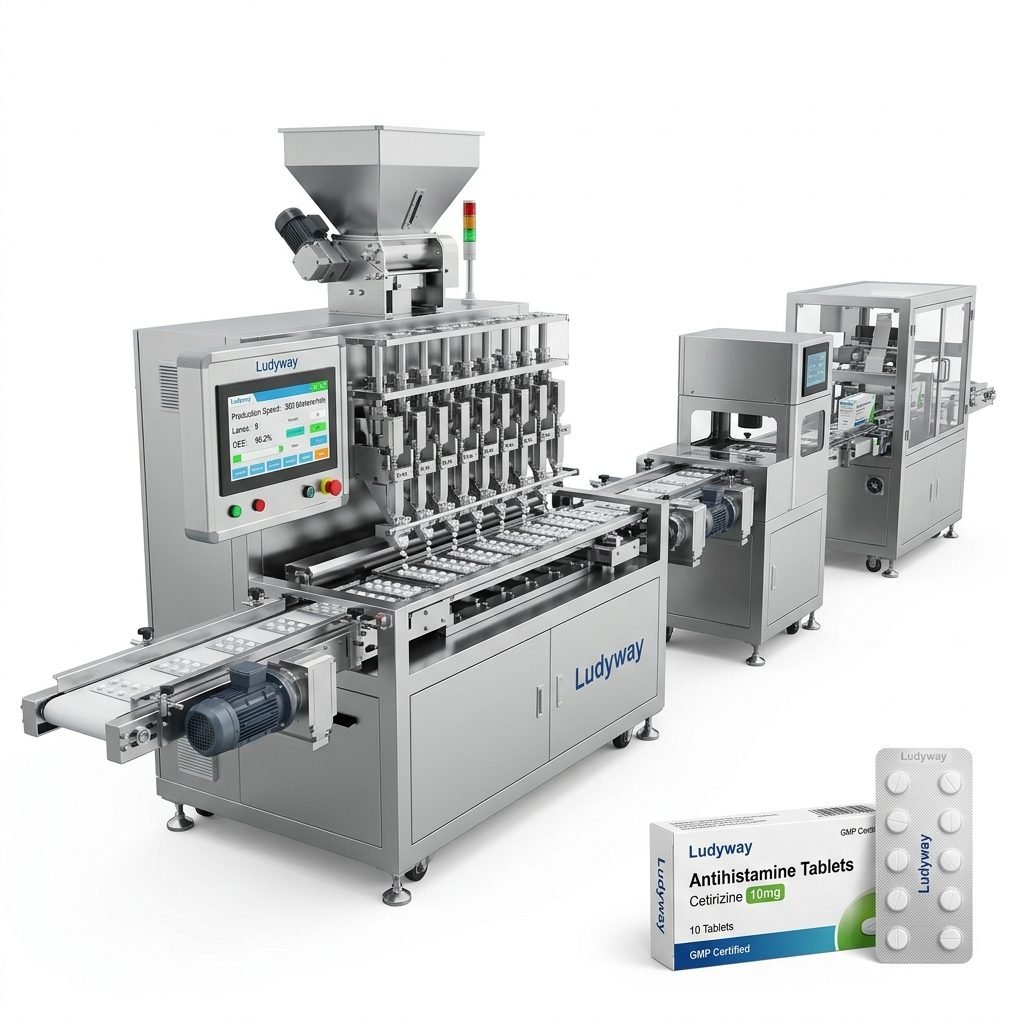
Partnering with a manufacturer that offers comprehensive after-sales support is crucial. Ludyway, one of the largest packaging machine manufacturers in China, exemplifies this commitment with its dedicated international service team and readily available spare parts inventory supporting customers across 100+ countries. Working with experienced providers ensures you have access to remote diagnostics, on-site technical assistance when needed, and continuous optimization of your production line performance.
Step 8: Cost Optimization and ROI Analysis
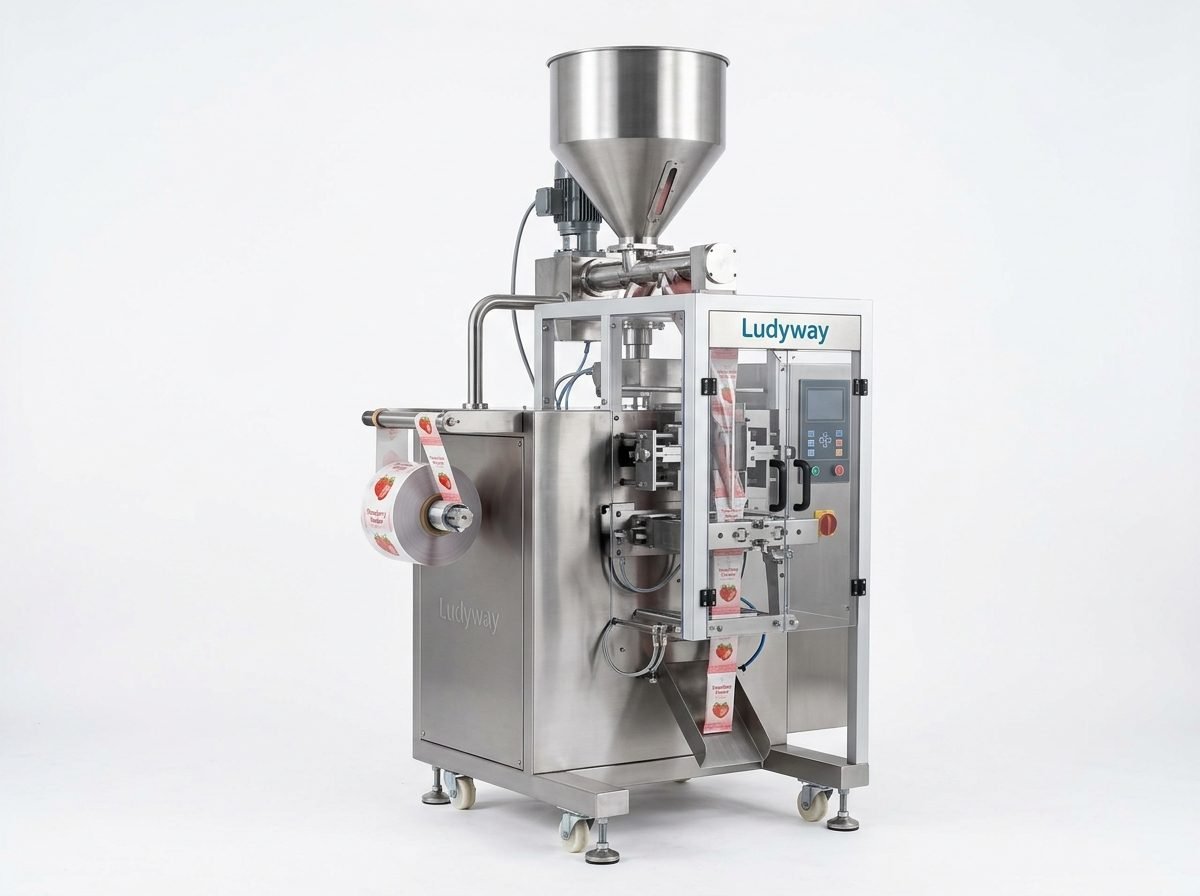
Investing in a packaging machine production line in the Middle East requires a clear understanding of both capital expenditure (CAPEX) and operational expenditure (OPEX). Key cost factors include:
- Machinery Cost: A complete turnkey packaging line comprising feeding systems, multi-head weighers, VFFS machines, cartoners, and palletizers can range from $200,000 to over $2 million depending on automation level and production capacity.
- Installation and Commissioning: Budget approximately 10-15% of equipment cost for professional installation, integration, and training services.
- Labor Costs: While the Middle East offers competitive labor rates compared to Western markets, automation reduces dependency on manual operations and improves consistency—a key consideration for premium product lines.
- Energy Costs: Efficient servo-driven packaging machines can reduce electricity consumption by 30-40% compared to older pneumatic systems, delivering significant savings in regions with subsidized but still significant energy costs.
Most well-planned packaging lines in the Middle East achieve ROI within 18-36 months, driven by high production efficiency, reduced labor costs, and access to growing regional and export markets.
Step 9: Sustainability and Future-Proofing Your Packaging Line
Sustainability is increasingly important across Middle Eastern markets, driven by government initiatives like Saudi Vision 2030 and the UAE’s Net Zero 2050 Strategy. The European Commission’s packaging waste regulations are influencing global standards, and Middle Eastern regulators are following suit. Consider these sustainability-focused strategies:
- Recyclable Mono-Material Films: Invest in packaging machines capable of running recyclable PE or PP mono-material structures, which are gaining traction in the region.
- Right-Sizing Packaging: Use multi-head weighing technology to minimize product giveaway and reduce material consumption.
- Energy Recovery Systems: Modern servo-driven machines with regenerative braking can feed energy back into the facility’s power grid.
- Digital Integration: Implement Industry 4.0 capabilities with real-time production monitoring, predictive maintenance alerts, and OEE tracking to optimize resource utilization.
The U.S. EPA’s Sustainable Materials Management framework offers additional guidance on reducing packaging’s environmental footprint throughout the production lifecycle.
Common Pitfalls to Avoid When Setting Up in the Middle East
Many businesses encounter challenges when establishing their packaging operations in the region. Learn from the experiences of others to avoid these common mistakes:
- Underestimating Climate Impact: High temperatures affect film properties, adhesive performance, and electronics. Always specify high-temperature-rated components for Middle Eastern installations.
- Neglecting Local Certification Requirements: Each country has unique product registration and packaging labeling requirements. Engage local consultants to ensure compliance before shipping products.
- Overlooking After-Sales Infrastructure: Distance from equipment manufacturers can lead to extended downtime without proper planning. Prioritize suppliers with regional service presence or remote diagnostic capabilities.
- Inadequate Operator Training: Invest in comprehensive training programs that address both machine operation and food safety principles, as outlined by the FDA’s packaging and food contact substances guidelines.
Final Thoughts: Building Your Competitive Advantage
Setting up a food packaging machine production line in the Middle East is a strategic investment that can position your business for long-term growth in one of the world’s most dynamic food markets. By carefully selecting the right granule, powder, and liquid packaging equipment, ensuring regulatory compliance, and partnering with reliable technology providers, you can build a world-class packaging operation. The region’s strategic location, robust infrastructure, and growing consumer demand create an ideal environment for food manufacturers ready to make a commitment to quality and efficiency.
Whether you are packaging dates and nuts in stick packs, spices in multi-lane sachets, or liquid beverages in pouches, the success of your operation hinges on thorough planning and the right technology partnerships. Consult the PMMI State of the Industry Reports for ongoing market intelligence, and stay connected with the Flexible Packaging Association for the latest material innovations. And for businesses seeking a trusted partner in packaging machinery, explore how Ludyway’s global growth trajectory reflects its commitment to delivering high-performance, cost-effective packaging solutions to manufacturers worldwide.