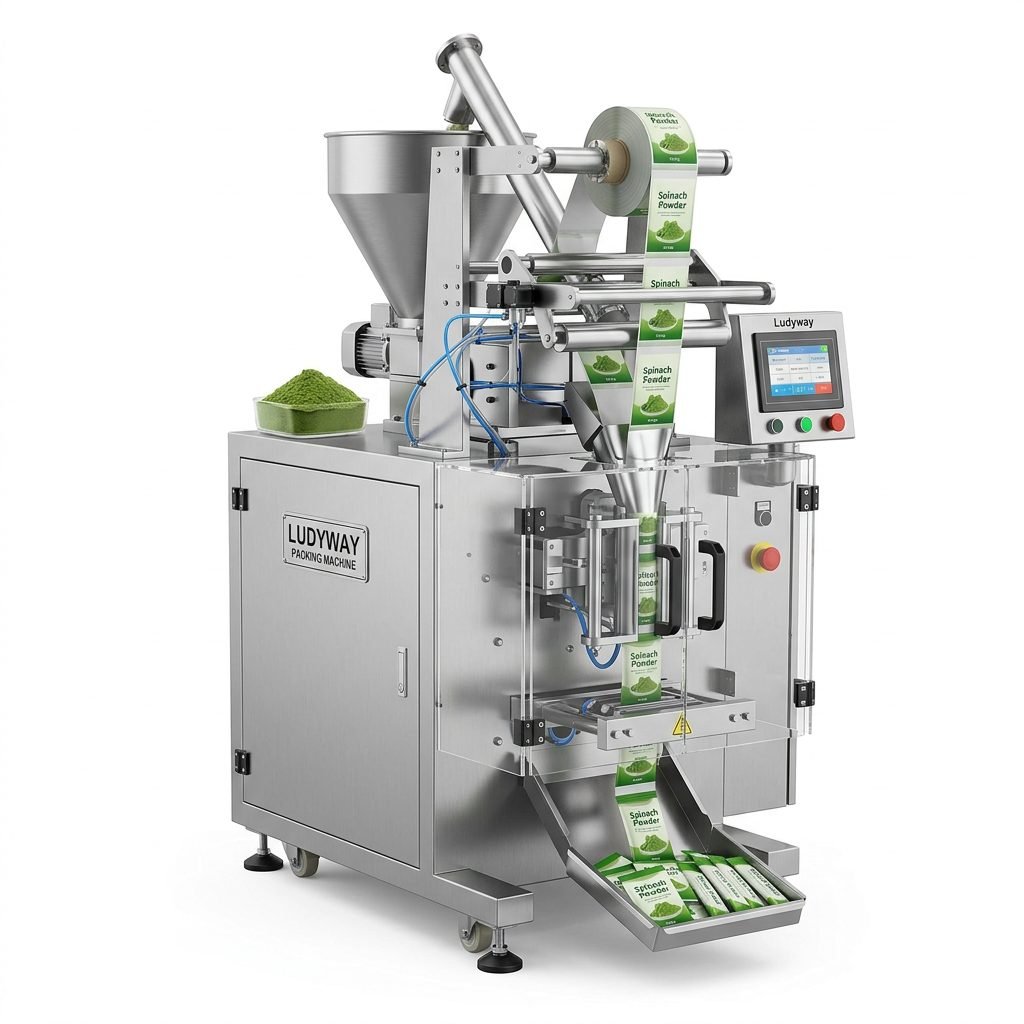
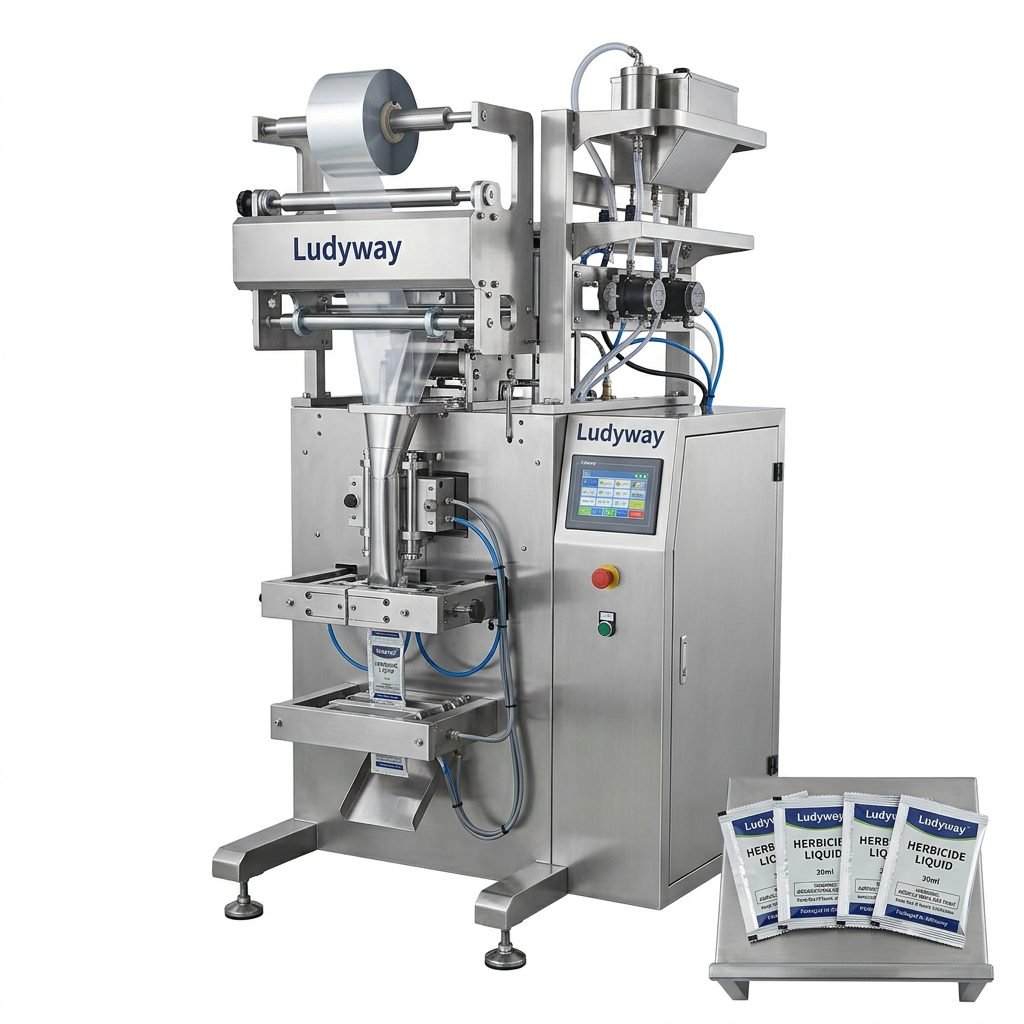
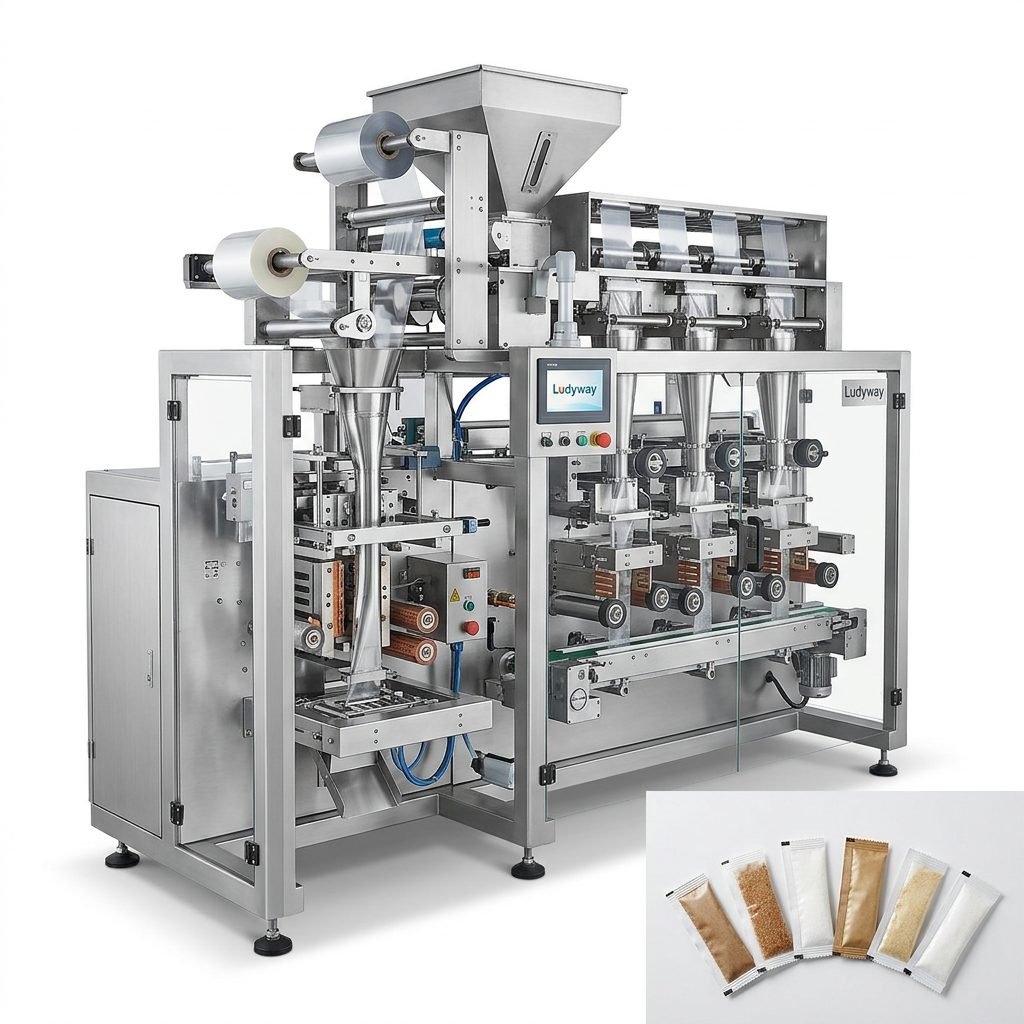
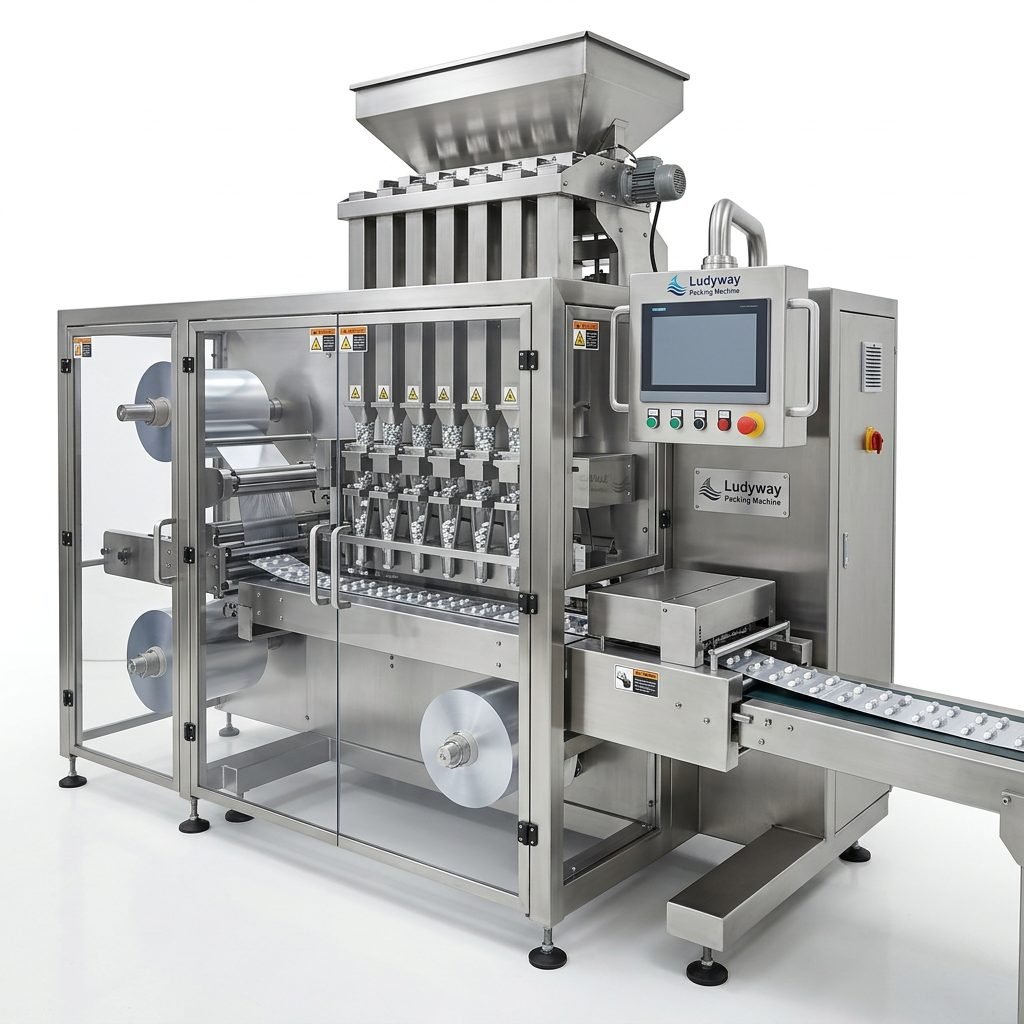
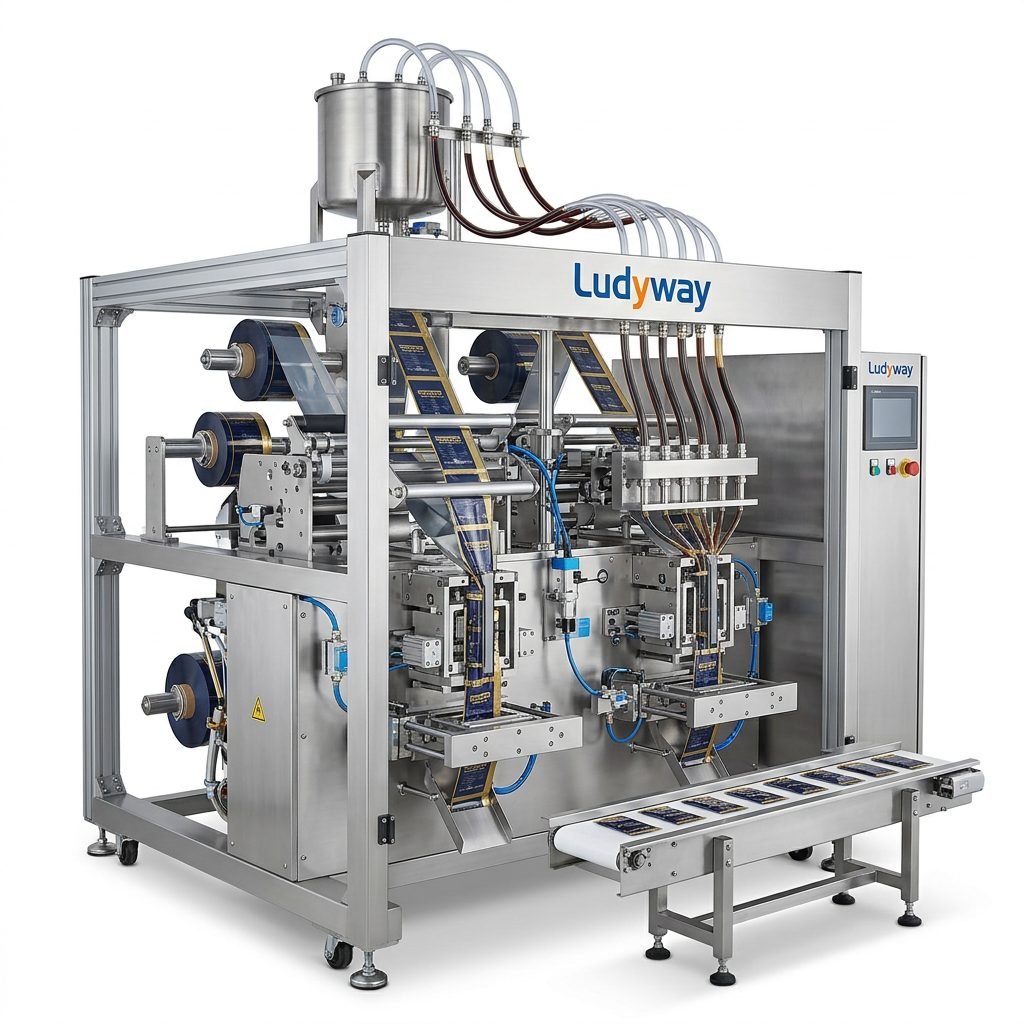
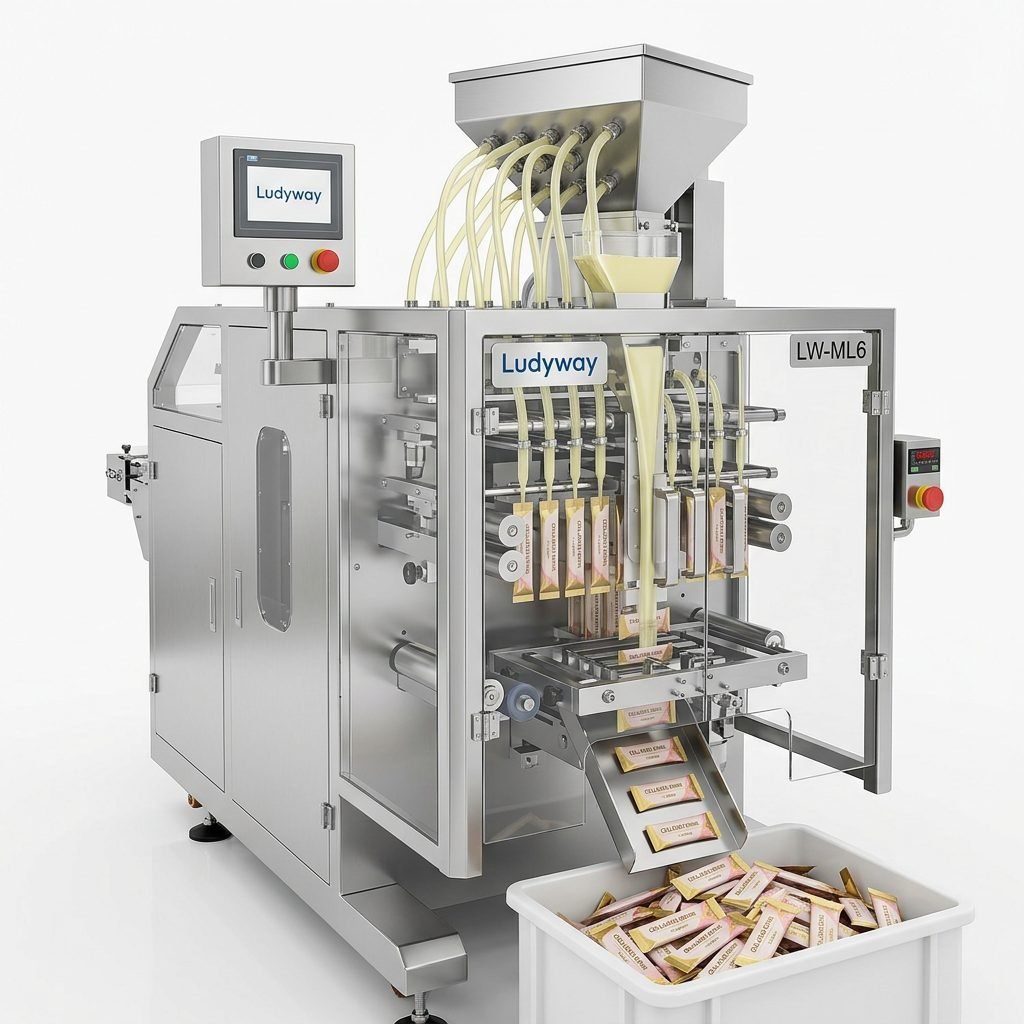
The Indian food processing industry is experiencing unprecedented growth, with the seasoning and spice sector emerging as one of the most dynamic segments. As consumer demand for packaged and branded spices continues to surge, establishing an efficient seasoning packaging machine production line has become a strategic priority for manufacturers across India. This comprehensive guide walks you through every critical step of setting up a high-performance seasoning packaging machine production line tailored to the Indian market.
Understanding the Indian Seasoning Market Landscape
India’s packaged spice market is projected to reach ₹4.5 trillion by 2027, driven by urbanization, rising disposable incomes, and a growing preference for hygienically packaged food products. Key growth drivers include the expansion of modern retail formats, e-commerce penetration in tier-2 and tier-3 cities, and increasing exports of Indian spices to global markets. For manufacturers, this translates into a pressing need for automated, high-speed packaging solutions that can handle diverse product types while maintaining consistency and quality.
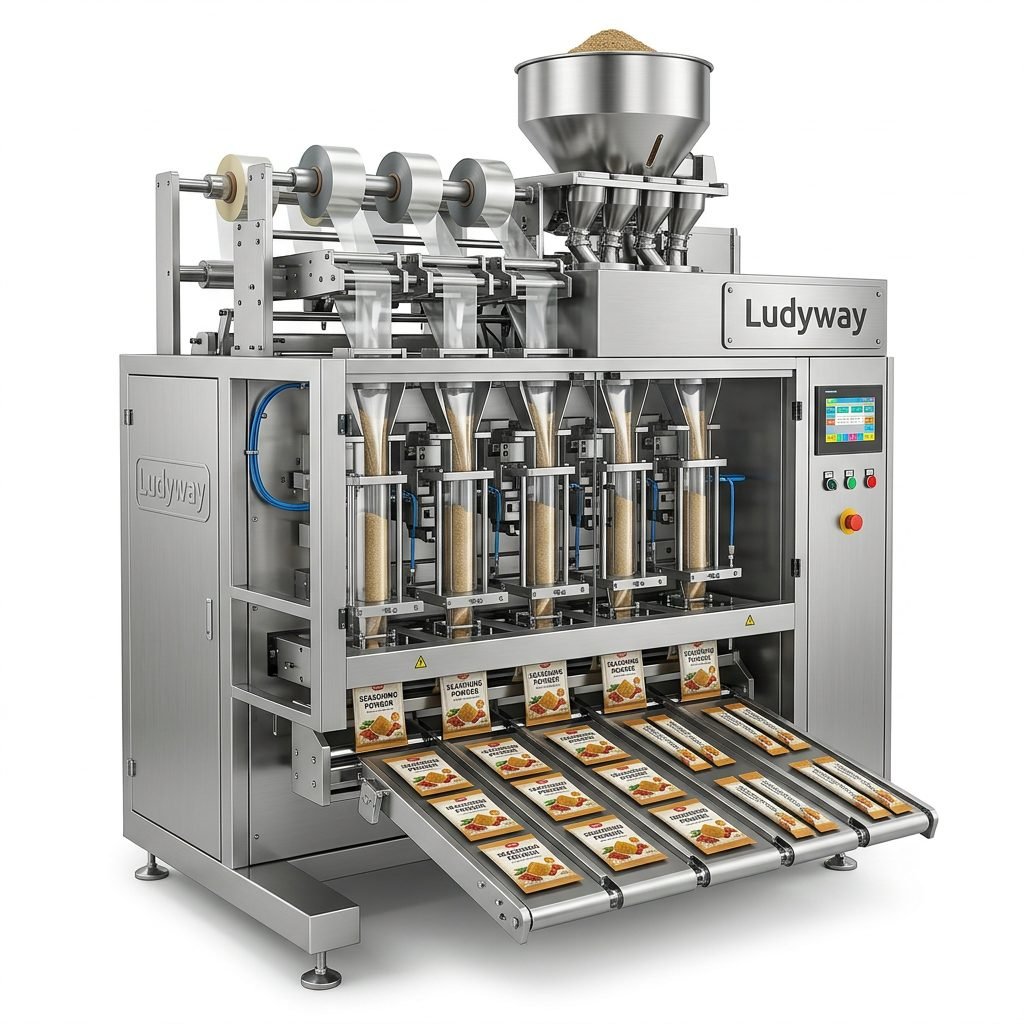
Key Considerations Before Setting Up Your Production Line
Before investing in equipment, manufacturers must evaluate several foundational factors that will determine the success of their seasoning packaging operation in India:
Product Characteristics and Material Compatibility
Seasoning products vary widely in their physical properties. Fine powders like turmeric and chili powder behave differently from granular blends such as garam masala or mixed herbs. Each product type demands specific feeding mechanisms, sealing parameters, and film materials. Conduct thorough material testing with your powder packaging machine supplier to ensure compatibility before finalizing your line configuration.
Production Volume and Scalability
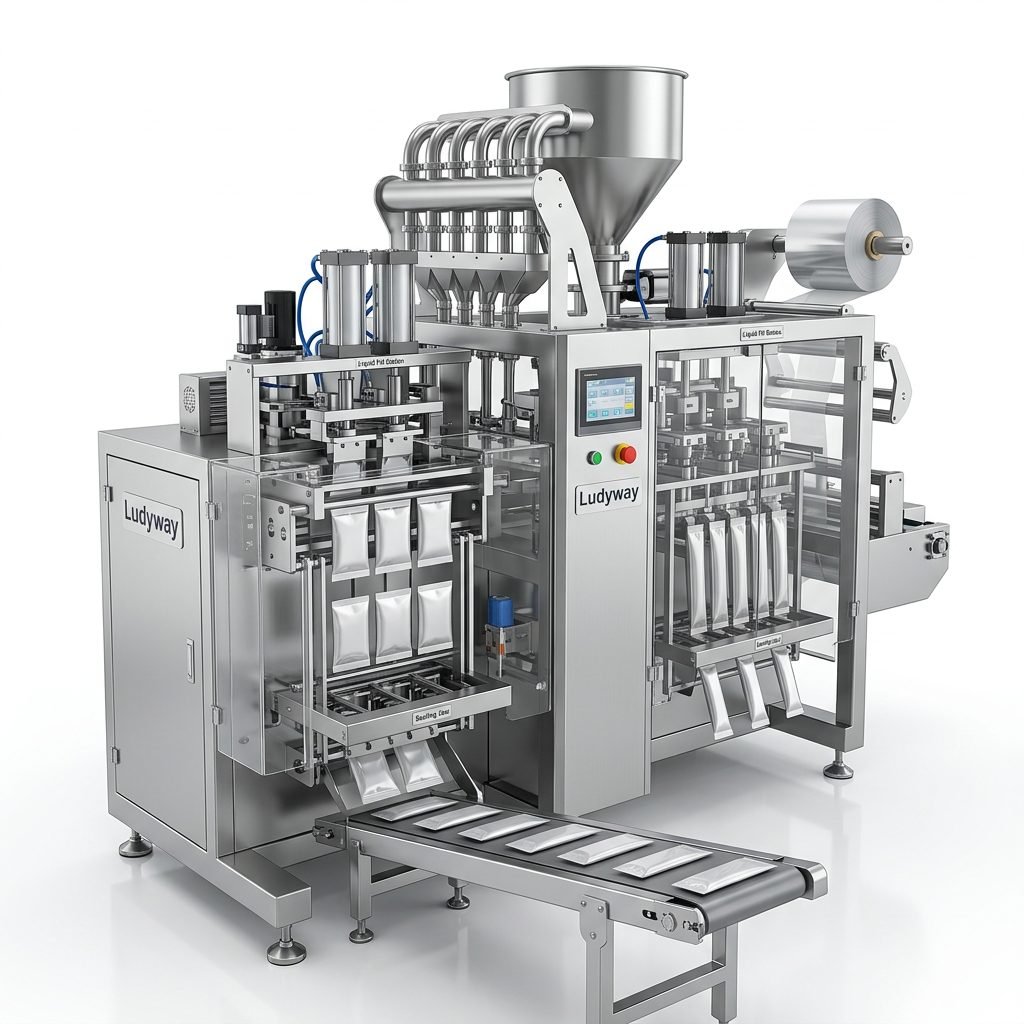
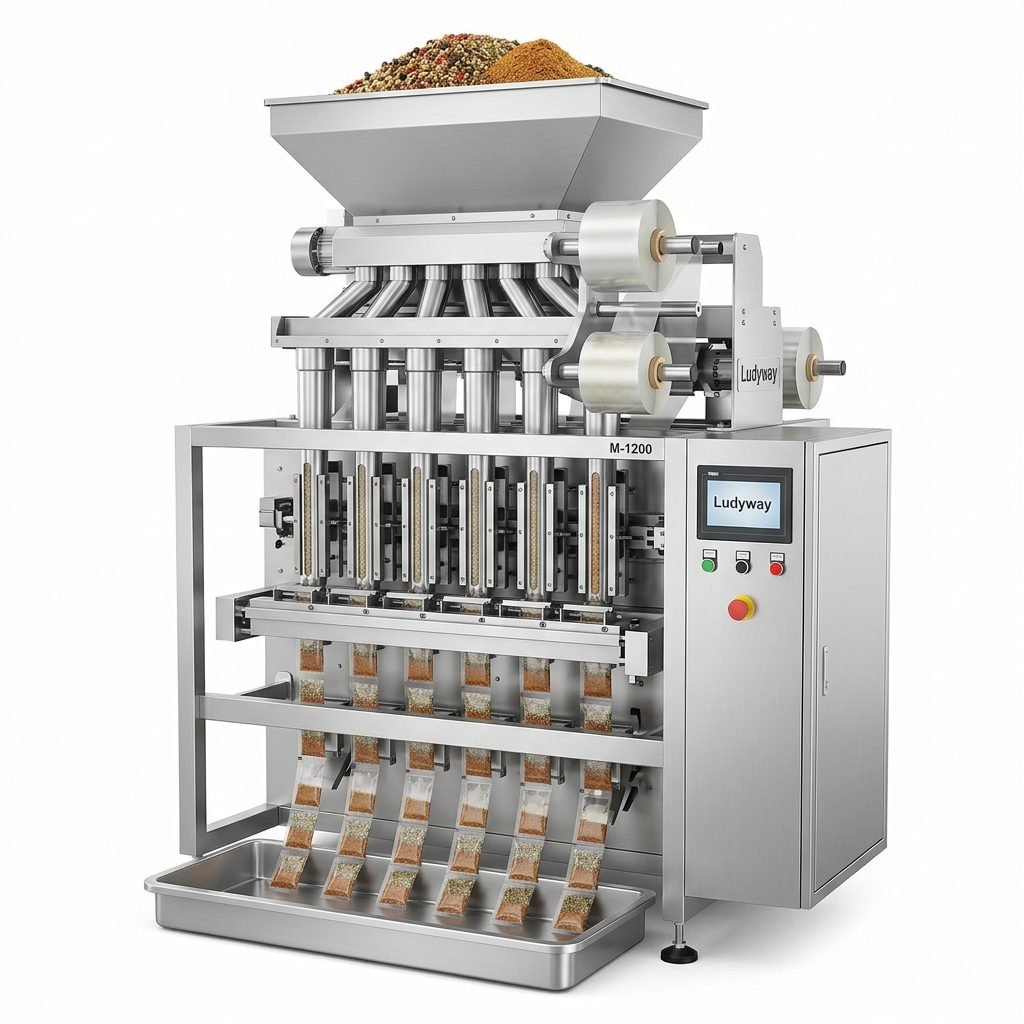
Indian manufacturers range from small-scale regional players to large export-oriented enterprises. Your choice between a single-lane or multi-lane packaging system should align with your current throughput requirements while allowing for future expansion. A modular multi-lane sachet packaging machine offers the flexibility to add lanes as demand grows, protecting your long-term investment.
Regulatory Compliance and Certification
Packaged food products in India must comply with FSSAI regulations, including proper labeling, batch coding, and hygienic packaging standards. For export-oriented units, additional certifications such as ISO 22000, HACCP, and FDA compliance may be required. Your packaging line should integrate traceability features including date coding, batch numbering, and serialization capabilities.
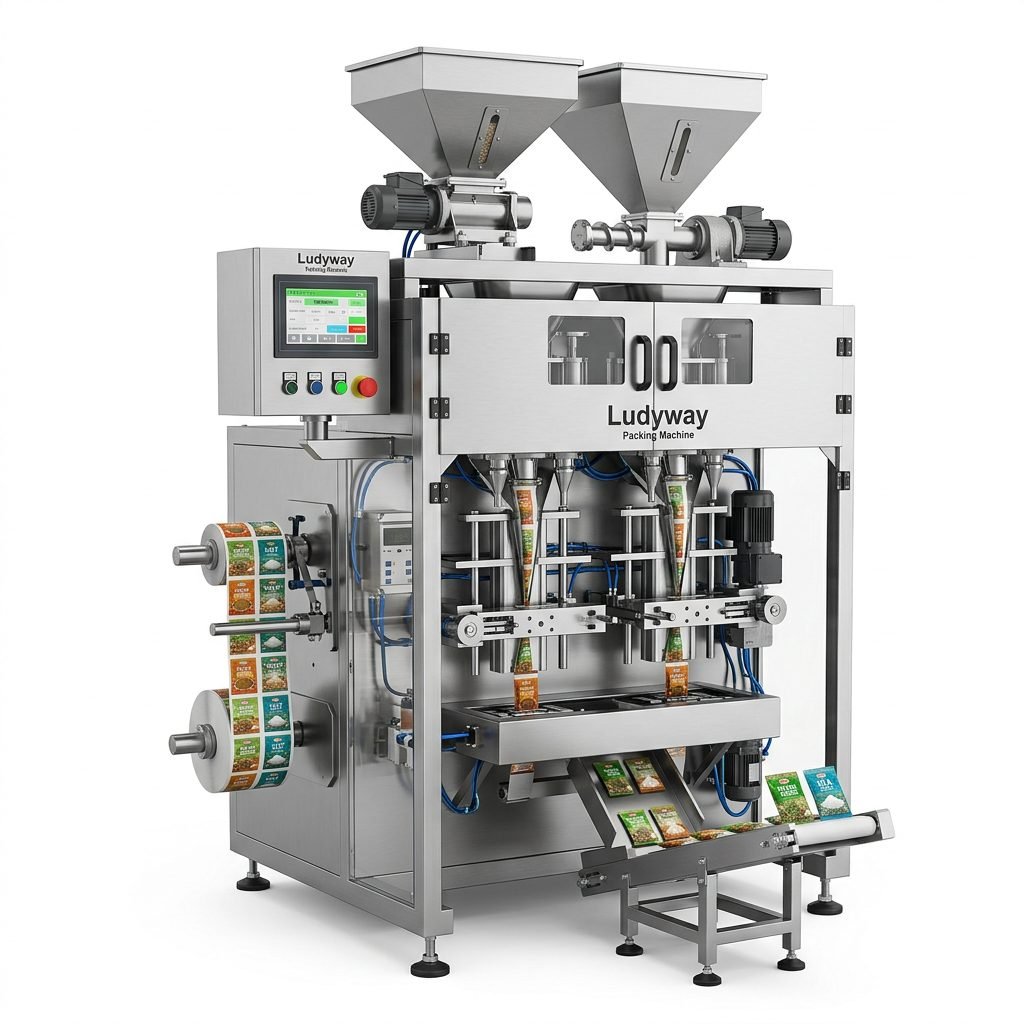
Core Components of a Seasoning Packaging Production Line
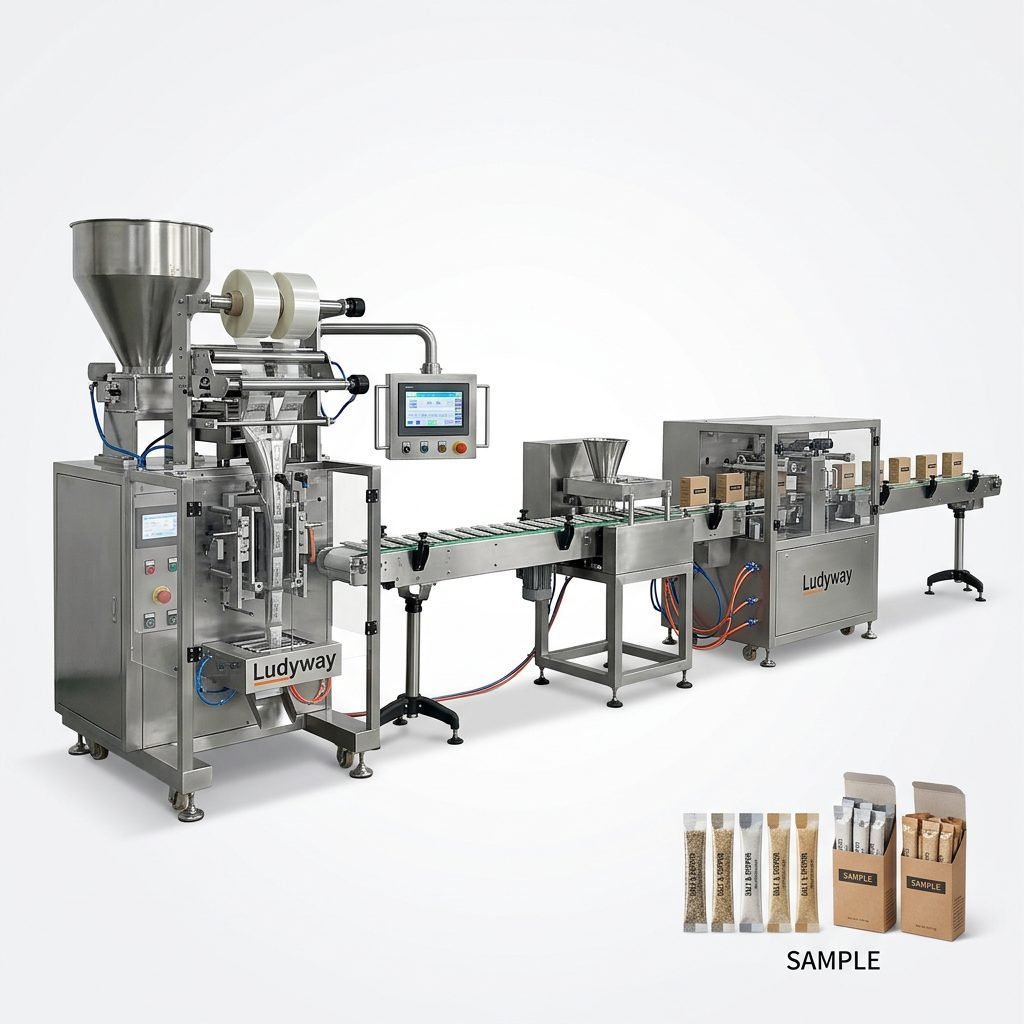
A complete seasoning packaging production line consists of multiple integrated systems working in synchronization. Understanding each component helps in making informed procurement decisions:
| Component | Primary Function | Key Specifications to Evaluate |
|---|---|---|
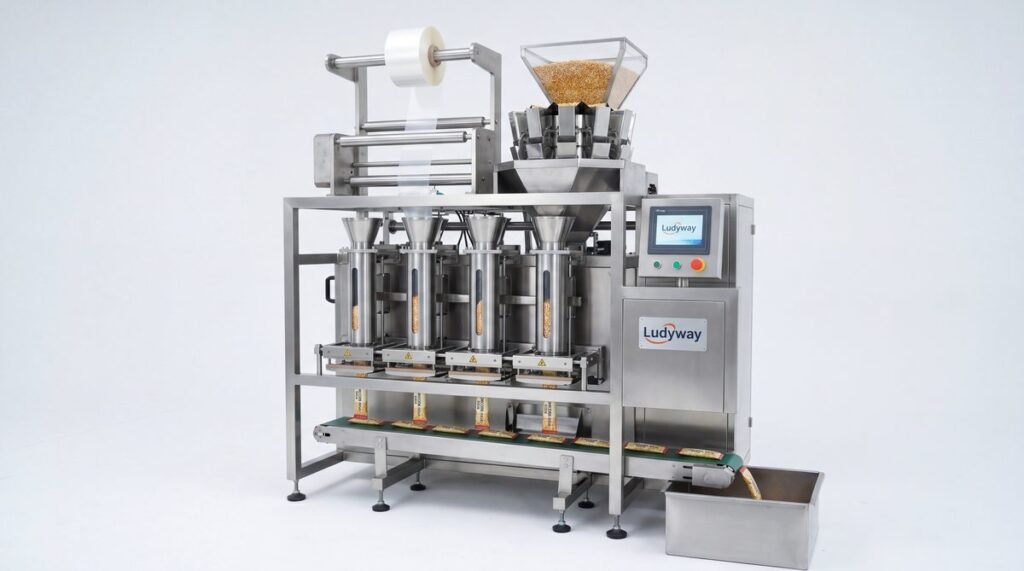
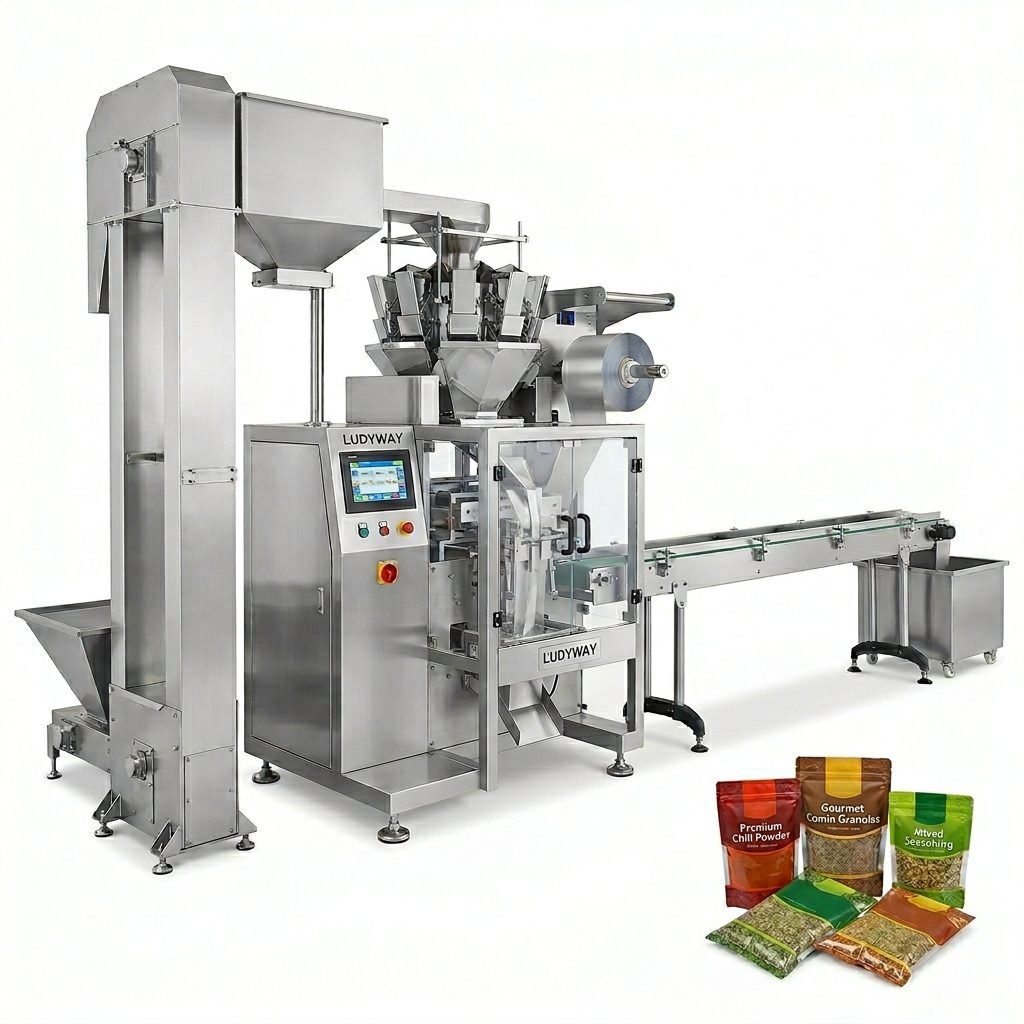
| Feeding & Dosing System | Precise product measurement and delivery | Accuracy (±0.5-1%), speed range, material compatibility |
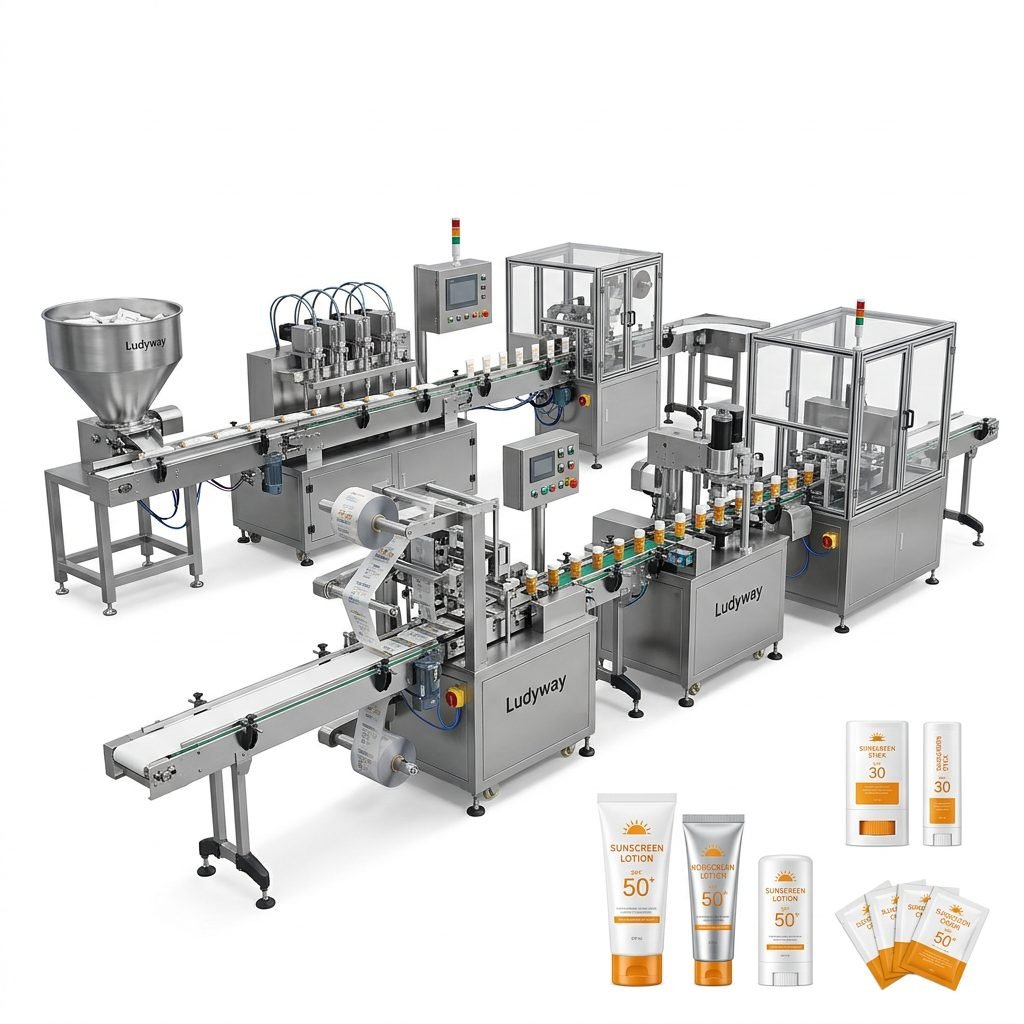
| Vertical Form-Fill-Seal Unit | Pouch forming, filling, and sealing | Lane count, pouch dimensions, film width range |
| Material Handling & Conveying | Product transfer between stations | Conveyor type, belt material, dust control features |
| Coding & Marking System | Batch codes, dates, and traceability | Print technology, resolution, line speed compatibility |
| Quality Inspection Module | Seal integrity, weight verification | Detection sensitivity, rejection mechanism |
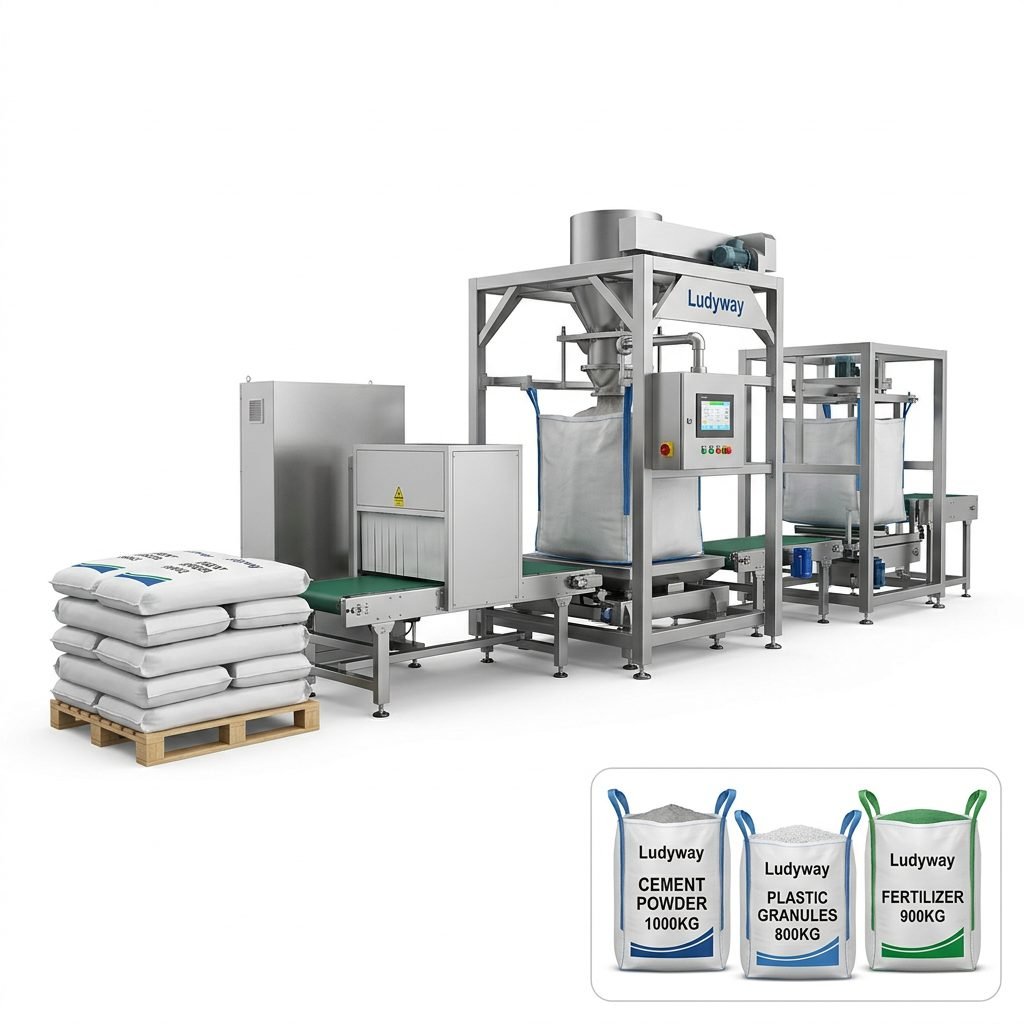
| Secondary Packaging System | Cartoning, bundling, and palletizing | Automation level, carton size flexibility |
Step-by-Step Setup Process for Indian Manufacturers
Setting up a seasoning packaging production line in India involves careful planning and systematic execution. Follow these essential steps to ensure a smooth implementation:
Step 1: Facility Preparation and Layout Planning
Your production facility must meet specific requirements for a seasoning packaging operation. Ensure adequate floor space with proper zoning for raw material storage, processing, packaging, and finished goods. Install appropriate dust extraction and ventilation systems, as fine spice powders can create airborne particulate matter. Floor surfaces should be non-porous and easy to clean, adhering to food safety standards. Plan your electrical infrastructure to support the power demands of automated multi-lane sachet packaging machine systems.
Step 2: Equipment Selection and Procurement
Choose equipment that balances initial investment with long-term operational efficiency. For Indian manufacturers serving both domestic and export markets, a flexible packaging line capable of producing sachets, stick packs, and pouches in various sizes is ideal. Evaluate suppliers based on their experience with spice and seasoning applications, after-sales support availability in India, and spare parts supply chain reliability.
Step 3: Installation and Commissioning
Professional installation by experienced technicians is critical to the performance of your seasoning packaging production line. The process typically includes equipment positioning, utility connections, calibration of dosing and weighing systems, and integration testing. Allow adequate time for trial runs with actual products, as seasoning materials behave differently under production conditions compared to testing scenarios.
Step 4: Operator Training and SOP Development
Invest in comprehensive training for your production team covering machine operation, cleaning procedures, basic troubleshooting, and safety protocols. Develop detailed Standard Operating Procedures specific to each product SKU, including setup parameters, changeover sequences, and quality check frequencies. Well-trained operators significantly reduce downtime and maintain consistent packaging quality standards.
Step 5: Quality Control Integration
Implement in-line quality control measures including checkweighers, metal detectors, and seal integrity testers. For seasoning products, moisture control during packaging is particularly important to prevent clumping and extend shelf life. Consider integrating modified atmosphere packaging capabilities for premium export products that require extended freshness protection.
Compliance and Regulatory Standards in India
Navigating the regulatory landscape is essential for any food packaging operation in India. The Food Safety and Standards Authority of India mandates specific requirements for packaged food products:
- FSSAI License: Obtain the appropriate central or state license based on your production capacity and distribution scope.
- Labeling Compliance: Include mandatory information such as ingredient lists, nutritional values, manufacturing dates, batch codes, and FSSAI logo.
- Packaging Material Standards: Use food-grade packaging films that comply with Indian standards for direct food contact materials.
- GMP Certification: Implement Good Manufacturing Practices as per Schedule 4 of the Food Safety and Standards Regulations.
- Export Certifications: For international markets, comply with destination country requirements including FDA, EU regulations, or halal certification.
Cost Analysis and ROI Expectations
Understanding the financial aspects of setting up a seasoning packaging production line in India helps in making informed investment decisions. The total investment varies based on automation level, production capacity, and equipment configuration:
| Production Scale | Estimated Investment Range | Expected ROI Period |
|---|---|---|
| Small-Scale (Single Lane) | ₹25-50 Lakhs | 18-24 months |
| Medium-Scale (4-6 Lanes) | ₹75 Lakhs – 1.5 Crores | 12-18 months |
| Large-Scale (8-12 Lanes) | ₹2-5 Crores | 8-14 months |
Key factors influencing ROI include production efficiency gains, reduced labor costs, minimized product waste, and improved product consistency that commands premium pricing. Indian manufacturers typically achieve payback faster when serving both domestic and export markets simultaneously.
Common Challenges and Practical Solutions
Indian seasoning manufacturers often encounter specific challenges when setting up automated packaging lines. Being prepared with proactive solutions ensures smoother operations:
Challenge: High Humidity Affecting Powder Flow
Seasoning powders readily absorb moisture from India’s humid climate, causing flow issues in dosing systems. Install dehumidification units in the packaging area and consider climate-controlled hoppers with agitators for problem products like onion powder and garlic powder. Regularly monitor ambient conditions and adjust packaging parameters accordingly.
Challenge: Product Changeover Downtime
Frequent product changes are common in Indian spice manufacturing. Design your production schedule to minimize changeovers and invest in quick-change tooling systems that reduce setup time. Some granule packaging machine models feature memory settings for different products, significantly reducing changeover time.
Challenge: Seal Integrity with Oily Products
Seasonings containing oil extracts or spice oleoresins can compromise seal quality. Select packaging films with appropriate barrier properties and optimize sealing temperature profiles. Regular seal strength testing should be incorporated into your quality control routine.
Technology Trends Shaping Seasoning Packaging
The packaging machinery industry continues to evolve with technological advancements that benefit Indian manufacturers. Staying informed about these trends helps future-proof your investment:
- Smart Factory Integration: IoT-enabled packaging machines provide real-time production data, enabling predictive maintenance and operational optimization.
- Sustainable Packaging Options: Biodegradable films and recyclable mono-materials are gaining traction, aligning with India’s environmental commitments.
- Vision Inspection Systems: Advanced camera-based quality control detects defects with greater accuracy than manual inspection.
- Flexible Packaging Formats: Multi-format machines capable of producing sachets, stick packs, and pouches offer versatility for diverse market segments.
- Energy-Efficient Designs: New-generation packaging equipment incorporates energy-saving features that reduce operational costs over the machine’s lifecycle.
Partnering with the Right Equipment Supplier
Selecting a reliable packaging machine manufacturer is one of the most consequential decisions in setting up your production line. Evaluate potential partners based on their industry experience, technical support capabilities, and commitment to after-sales service. A supplier with a strong presence in the Indian market and an established service network can significantly reduce operational risks.
Ludyway is one of the largest packaging machine manufacturers in China, offering advanced seasoning packaging equipment with multi-lane capabilities, precise dosing systems, and turnkey production line solutions tailored to the specific needs of the Indian spice industry. For detailed information about seasoning packaging solutions, manufacturers can consult industry resources such as the PMMI packaging industry resources and the Flexible Packaging Association for the latest standards and best practices.
Maintenance Best Practices for Indian Conditions
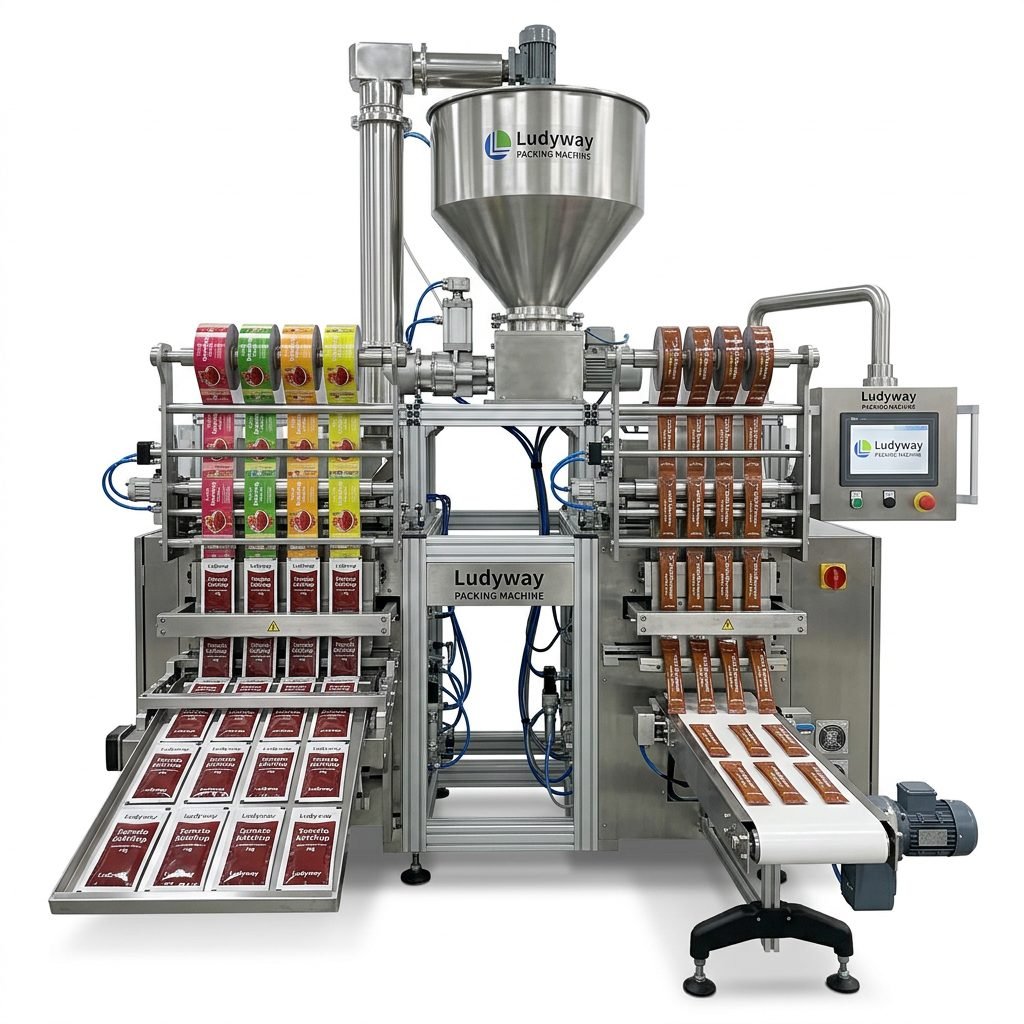
Indian manufacturing environments present unique maintenance challenges due to dust, temperature variations, and humidity. Implement a proactive maintenance program that includes daily cleaning of dosing components, weekly inspection of sealing elements, monthly calibration checks, and quarterly comprehensive servicing. Maintain an inventory of critical spare parts, especially those subject to wear in high-speed seasoning packaging operations. Keep detailed maintenance logs to track equipment performance trends and anticipate component replacements before failures occur.
Conclusion
Setting up a seasoning packaging machine production line in India represents a significant but highly rewarding investment. By carefully evaluating your product requirements, selecting appropriate equipment configurations, ensuring regulatory compliance, and partnering with experienced suppliers, you can establish a packaging operation that delivers consistent quality, operational efficiency, and strong returns. The growing Indian spice market, coupled with expanding export opportunities, creates a favorable landscape for manufacturers who invest in modern, automated packaging solutions designed for the unique demands of seasoning products.