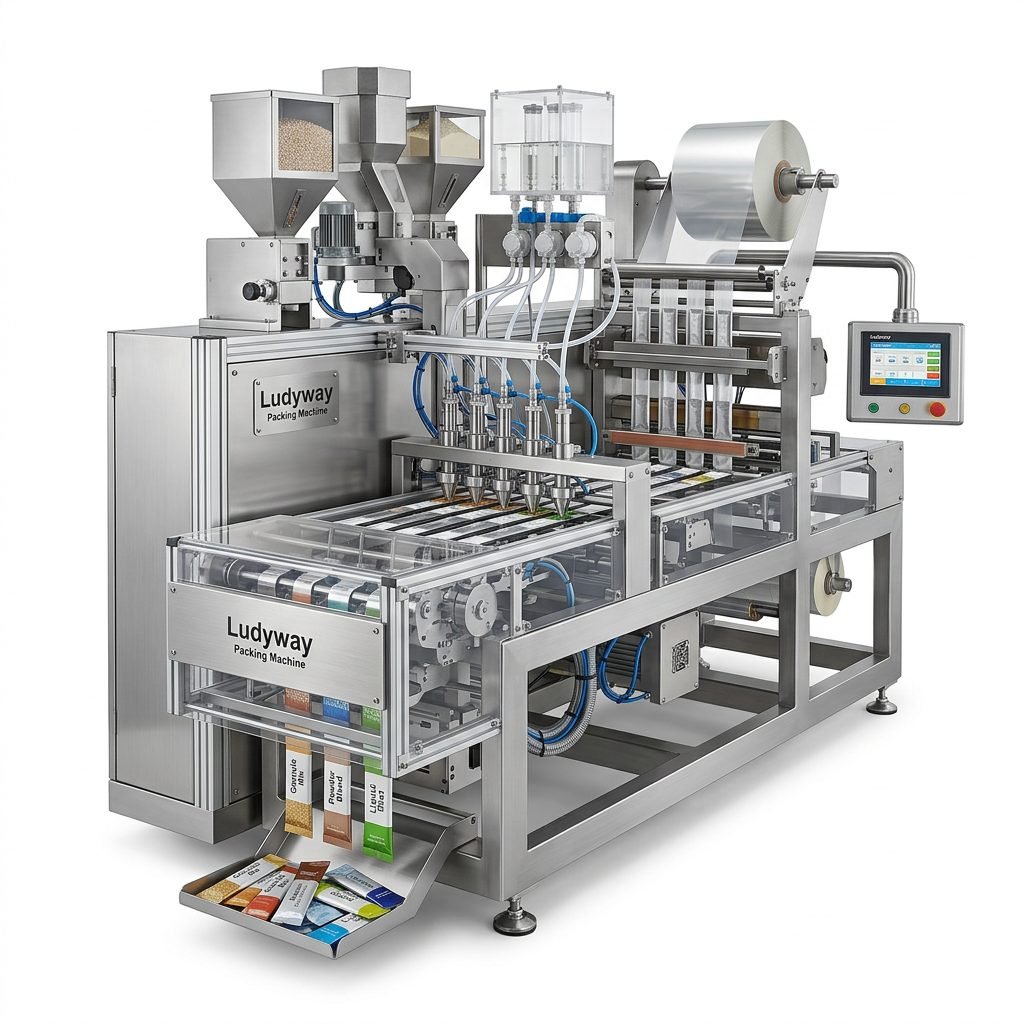
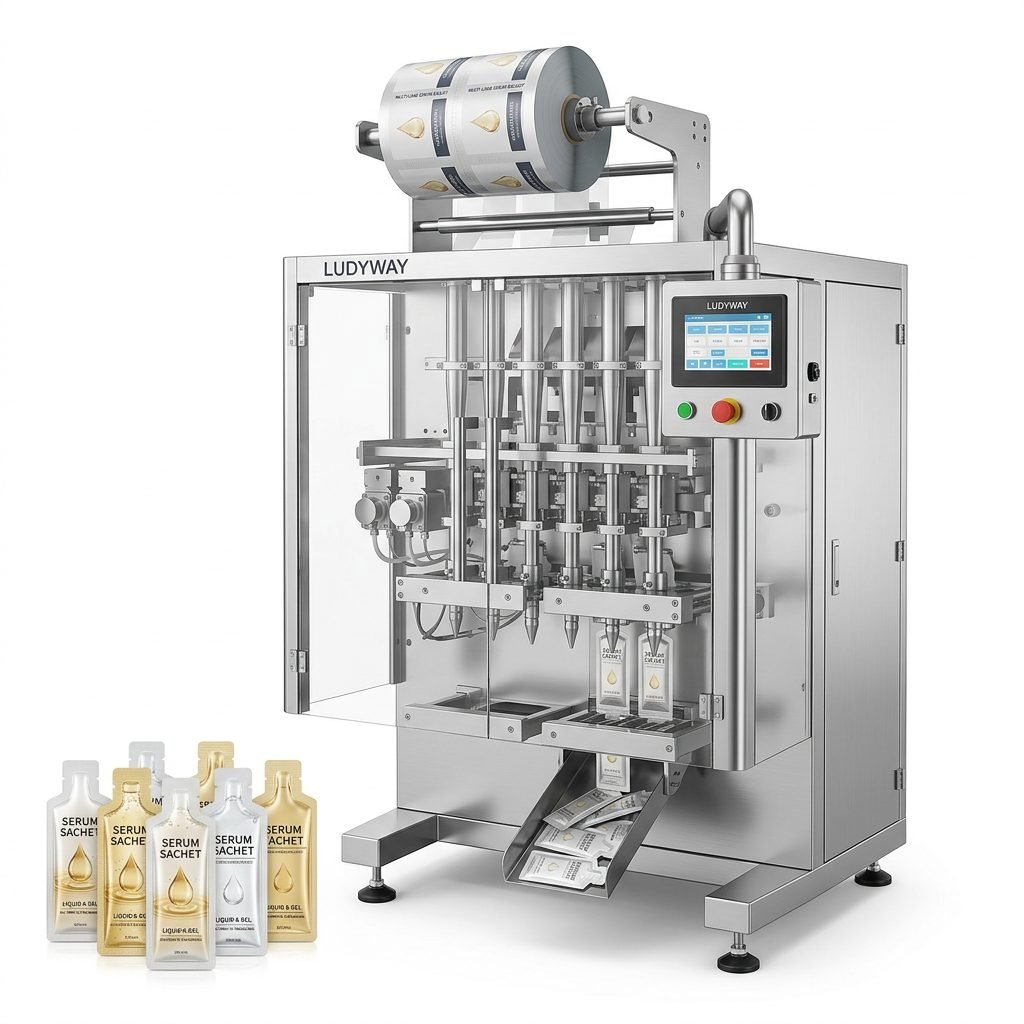
Setting up an oil packaging machine production line in the United Kingdom requires careful planning, compliance with stringent food safety regulations, and investment in the right equipment. Whether you are bottling vegetable oil, olive oil, or specialty cooking oils, the efficiency of your packaging operation directly impacts product quality, shelf life, and profitability. This guide walks you through every essential step, from understanding UK-specific regulatory frameworks to selecting machinery and optimising your production workflow.
The UK edible oil market has experienced steady growth, driven by increasing consumer demand for premium and organic cooking oils. According to industry data from the PMMI Business Intelligence Library, the global packaging machinery market continues to expand, with liquid filling equipment representing a significant segment. For UK-based producers, establishing a modern oil packaging production line is a strategic move that can significantly enhance market competitiveness.
Understanding UK Oil Packaging Regulations and Standards
Before purchasing any equipment, you must familiarise yourself with the regulatory landscape governing food packaging in the United Kingdom. Post-Brexit, the UK has maintained many standards aligned with European packaging regulations while developing its own framework under the UK Food Standards Agency (FSA).
Food Contact Materials Compliance
All materials that come into contact with edible oils must comply with UK Food Contact Materials regulations. This includes the packaging film, bottles, caps, and any components within the filling machinery that touch the product. The FDA’s guidelines on food contact substances provide a useful international reference, though UK-specific requirements must be verified with local authorities.
Weights and Measures Act
Your packaging line must incorporate accurate weighing and filling systems that comply with the UK Weights and Measures Act. This legislation mandates that pre-packaged goods must contain the stated net weight within specified tolerances. Investing in high-precision filling equipment with integrated checkweighing capabilities is essential for legal compliance and consumer trust.
Health and Safety Executive (HSE) Requirements
The Health and Safety Executive enforces workplace safety standards across all UK manufacturing facilities. Your oil packaging production line must include appropriate guarding, emergency stop systems, and comply with machinery safety directives. Regular risk assessments and operator training are legal obligations that should be factored into your operational planning from day one.
Key Equipment for an Oil Packaging Production Line
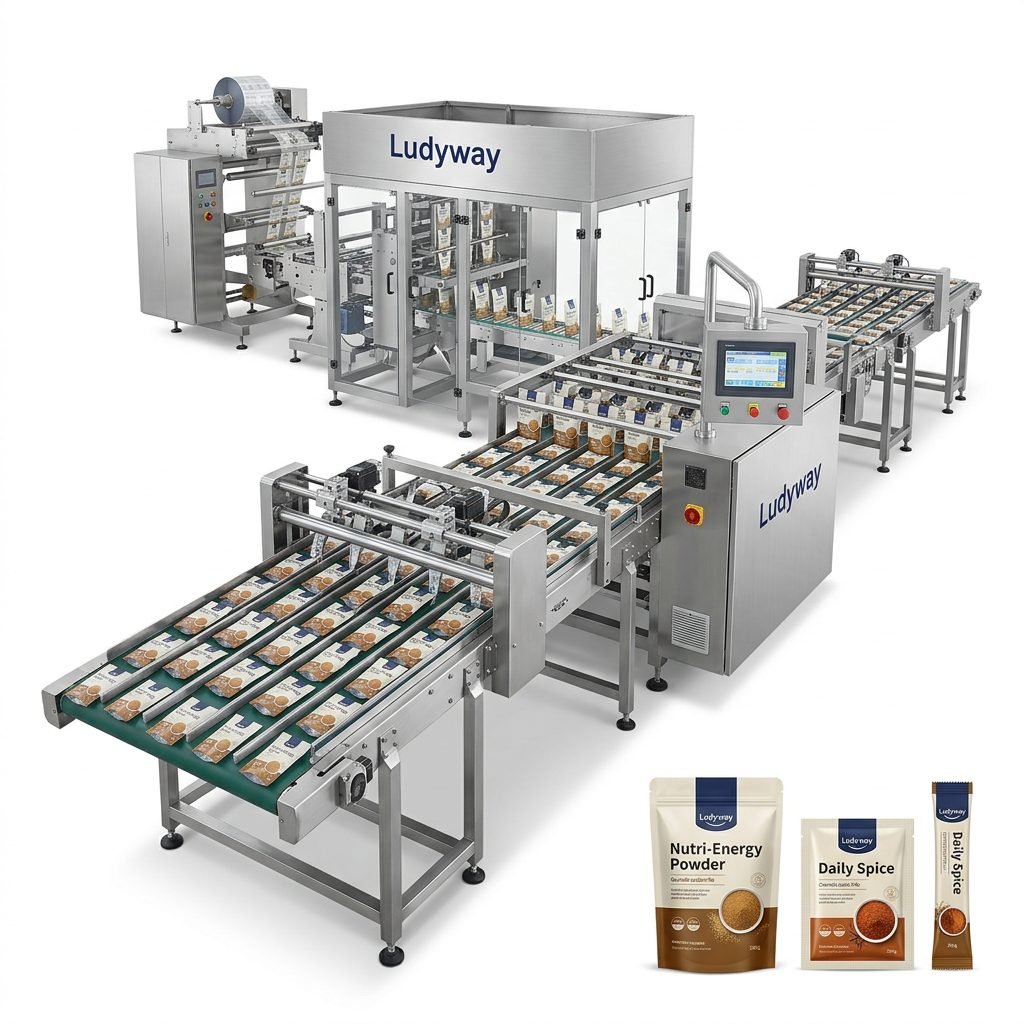
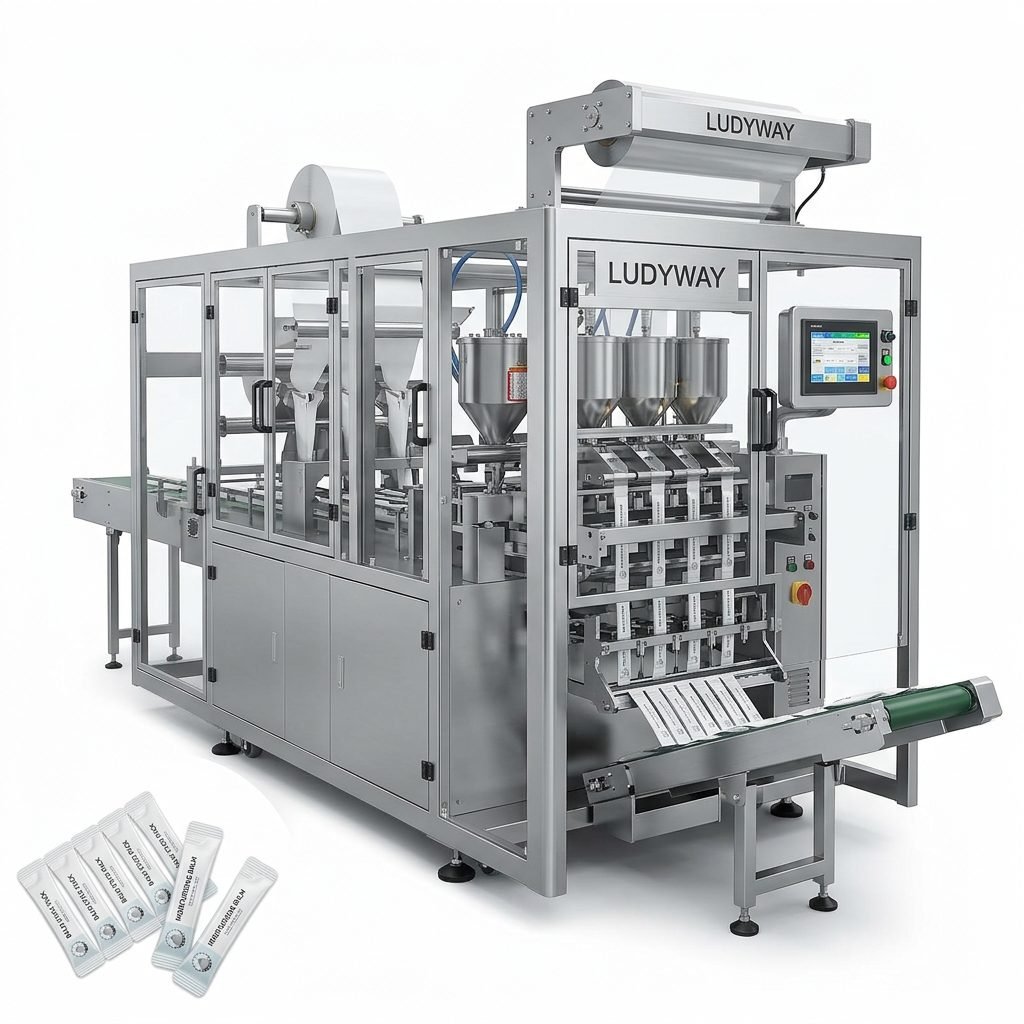
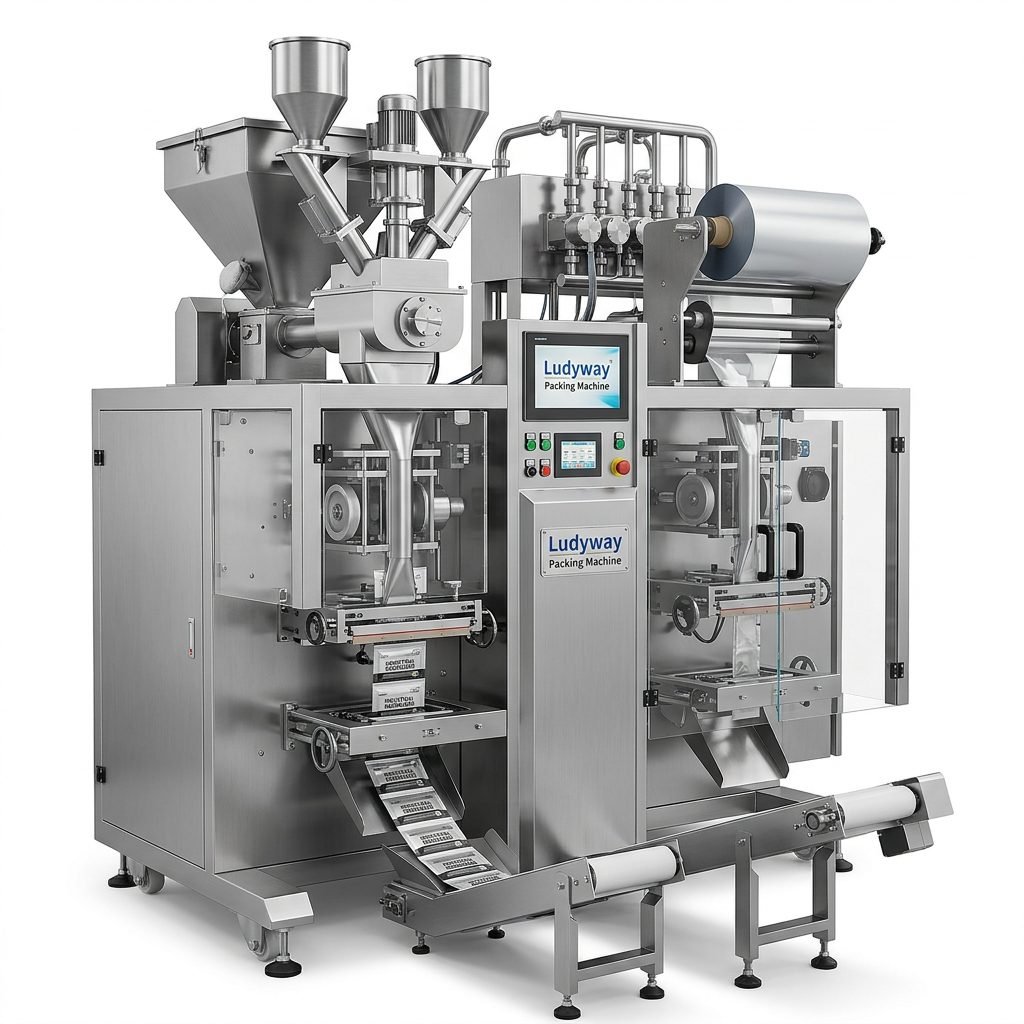
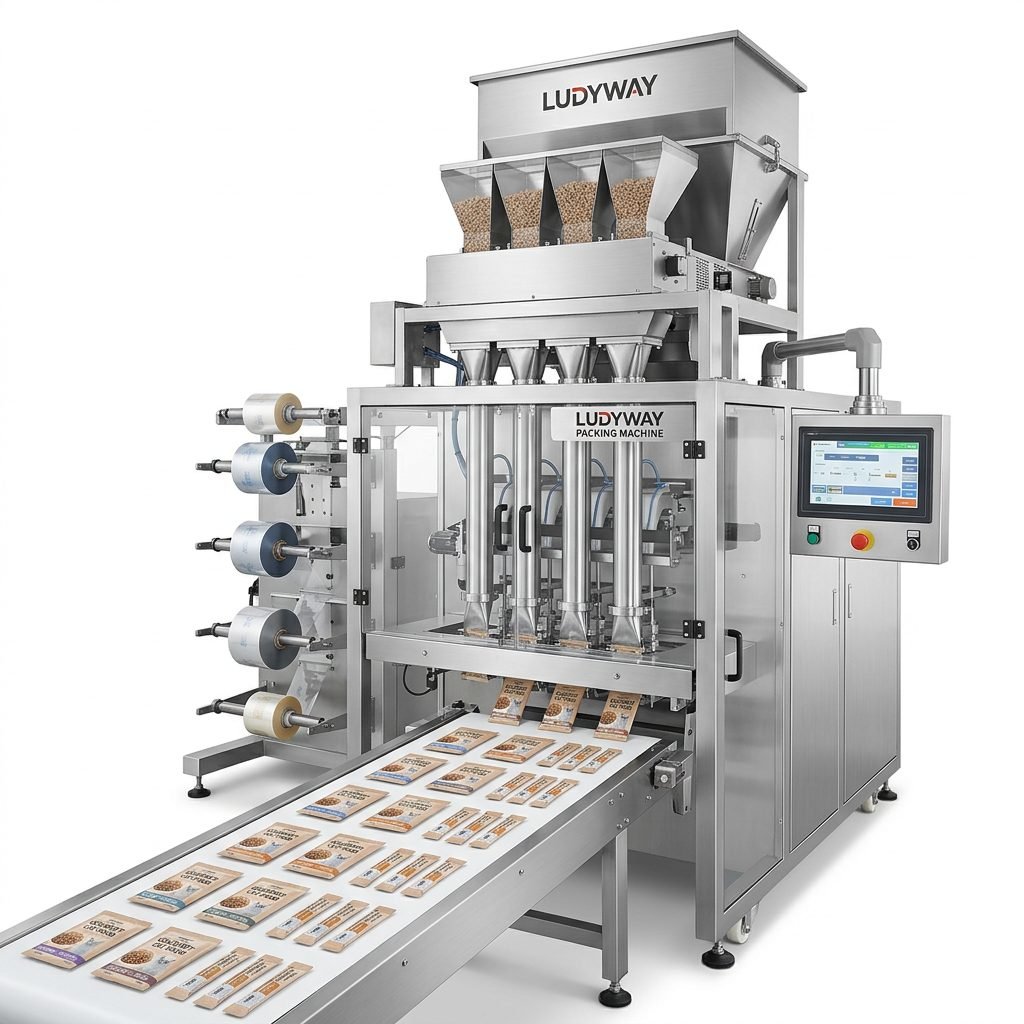
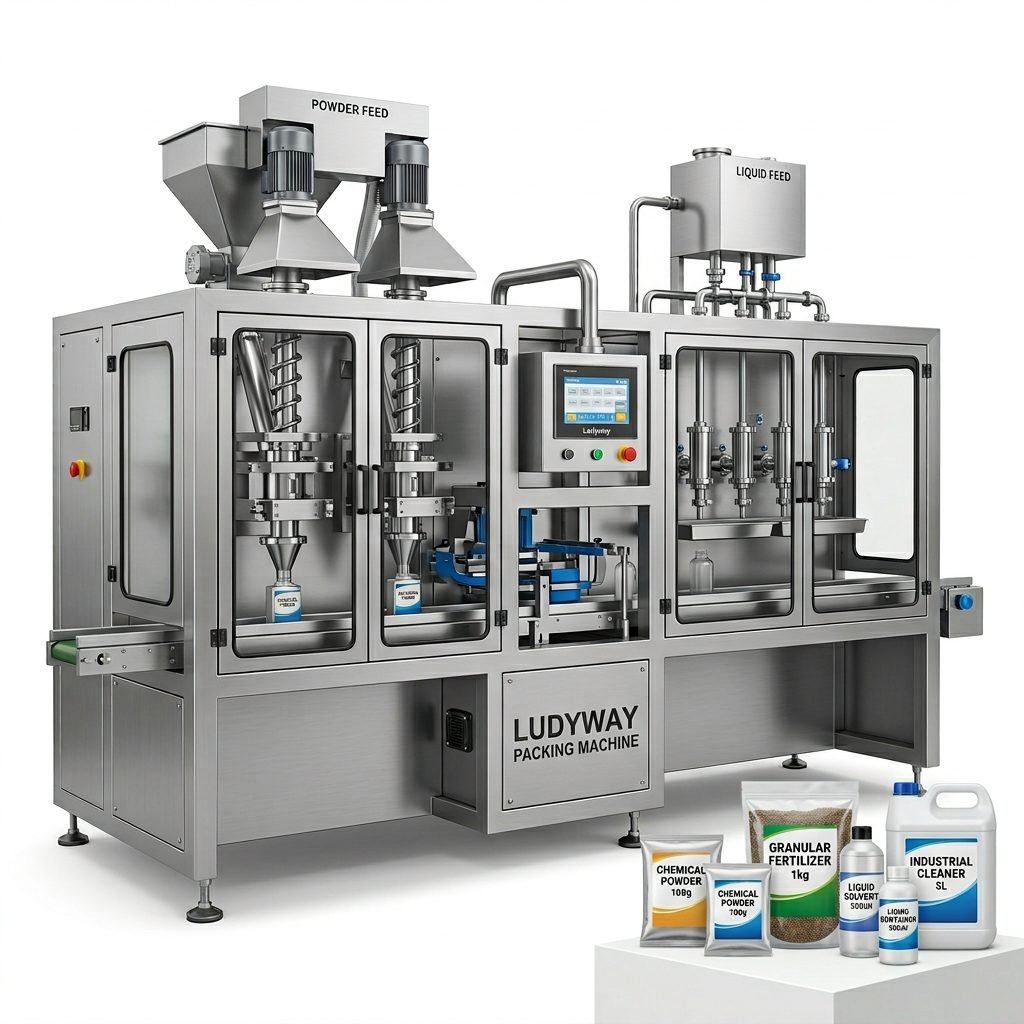
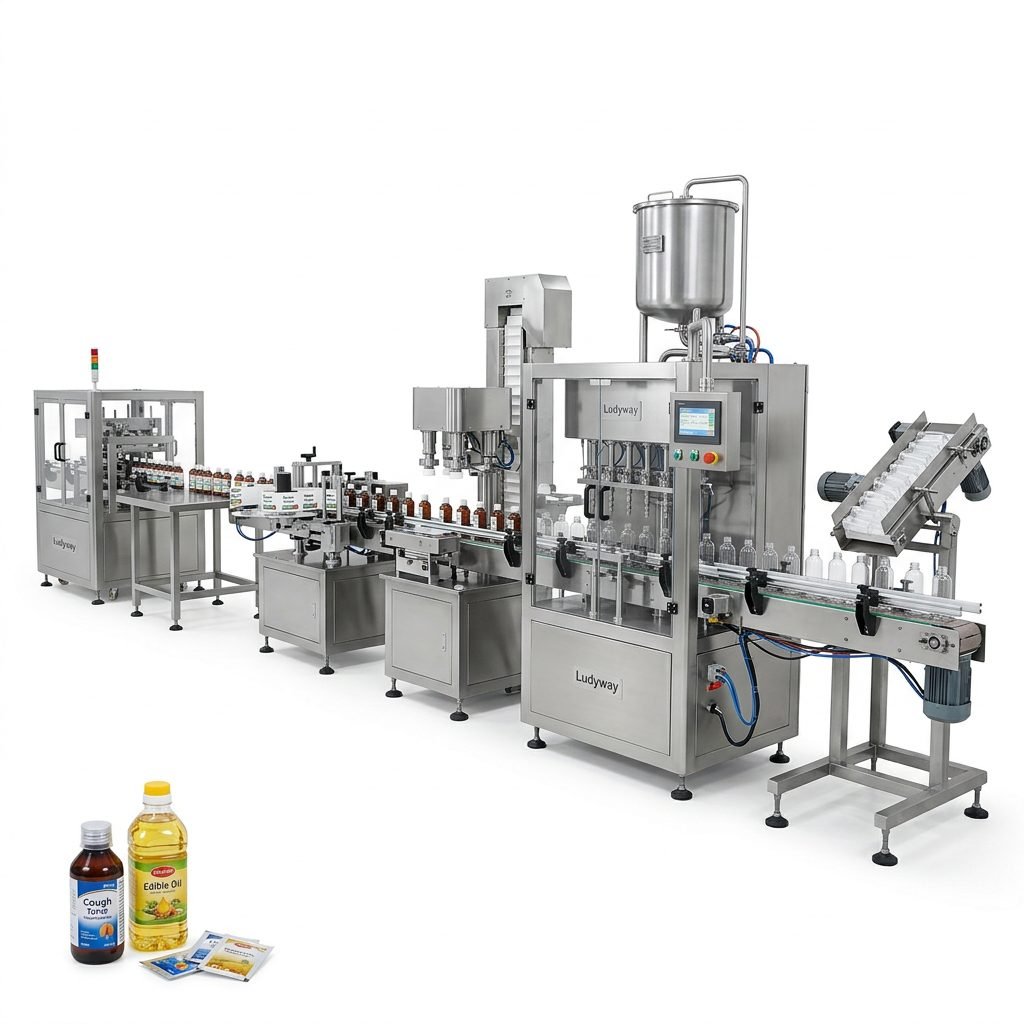
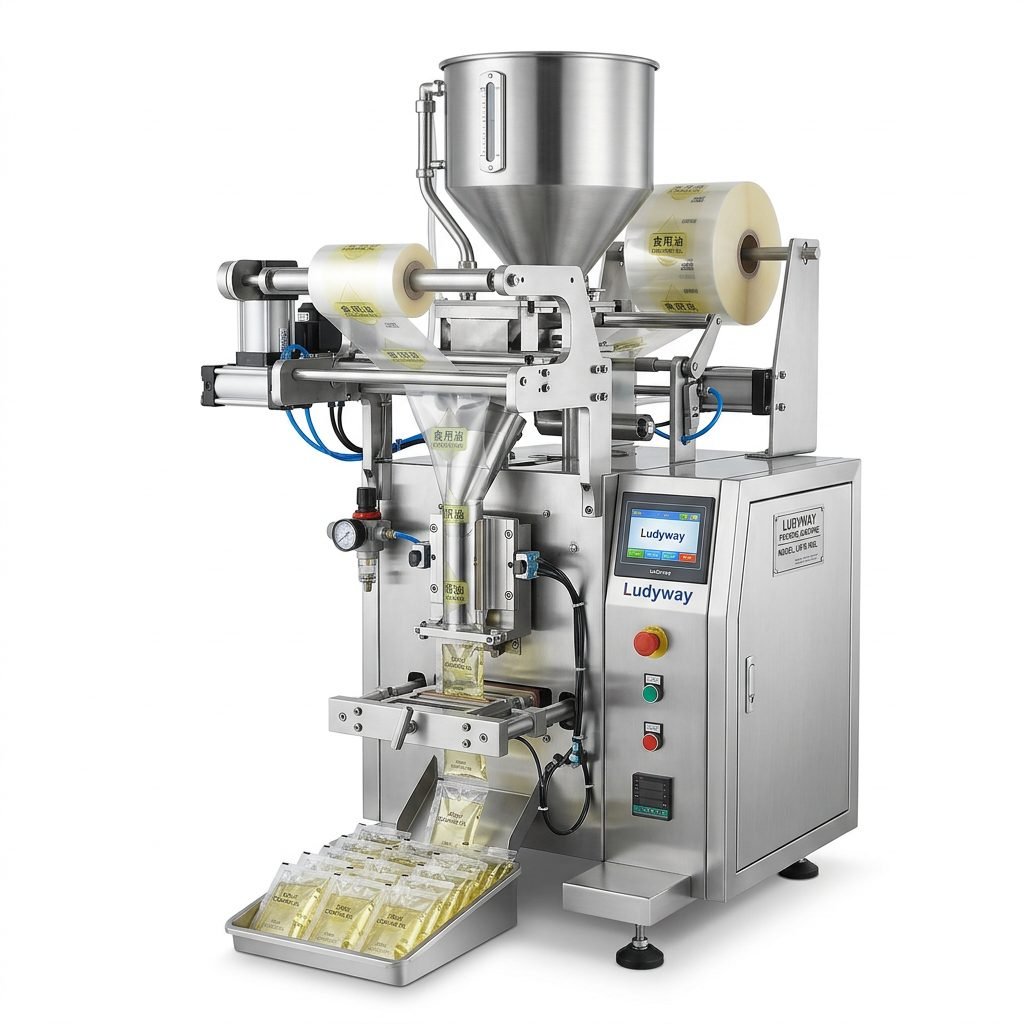
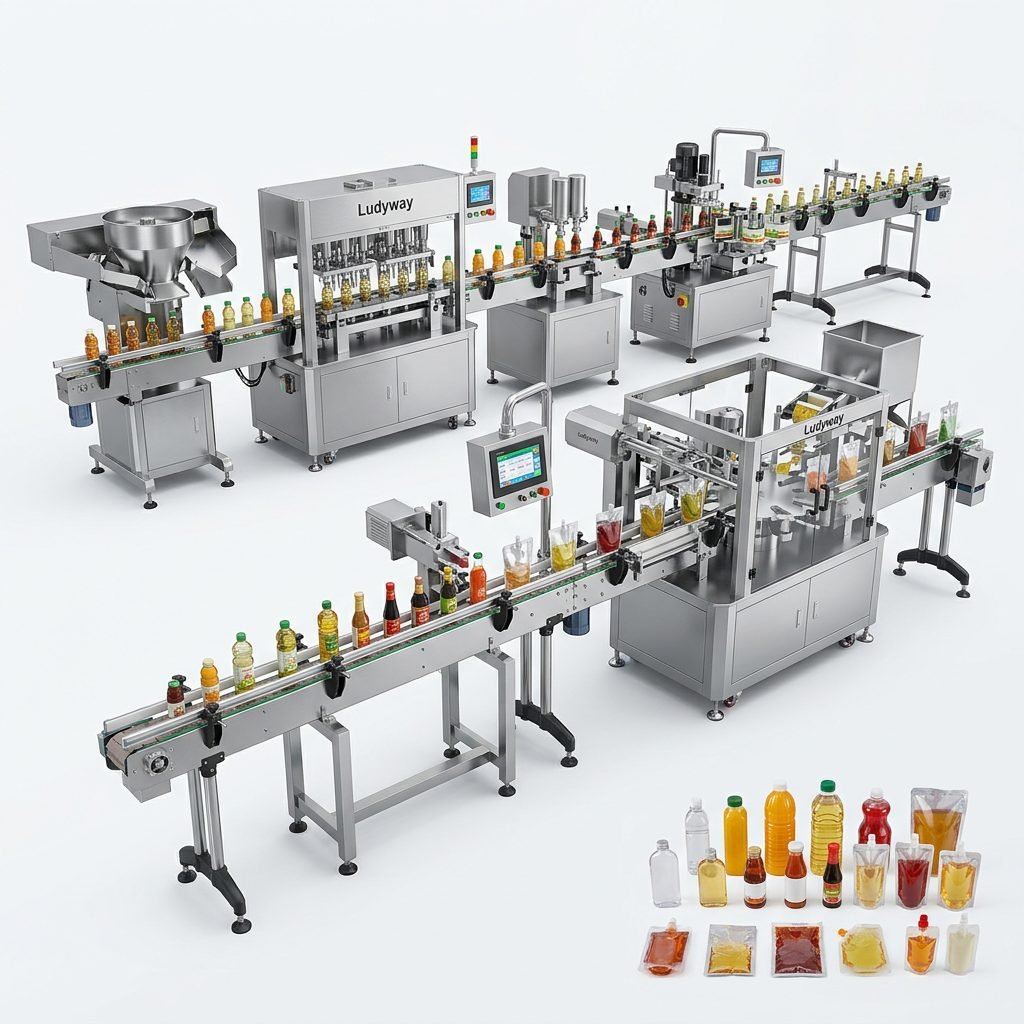
A complete oil packaging machine production line consists of several integrated components. Understanding each element helps you make informed procurement decisions and ensures seamless integration.
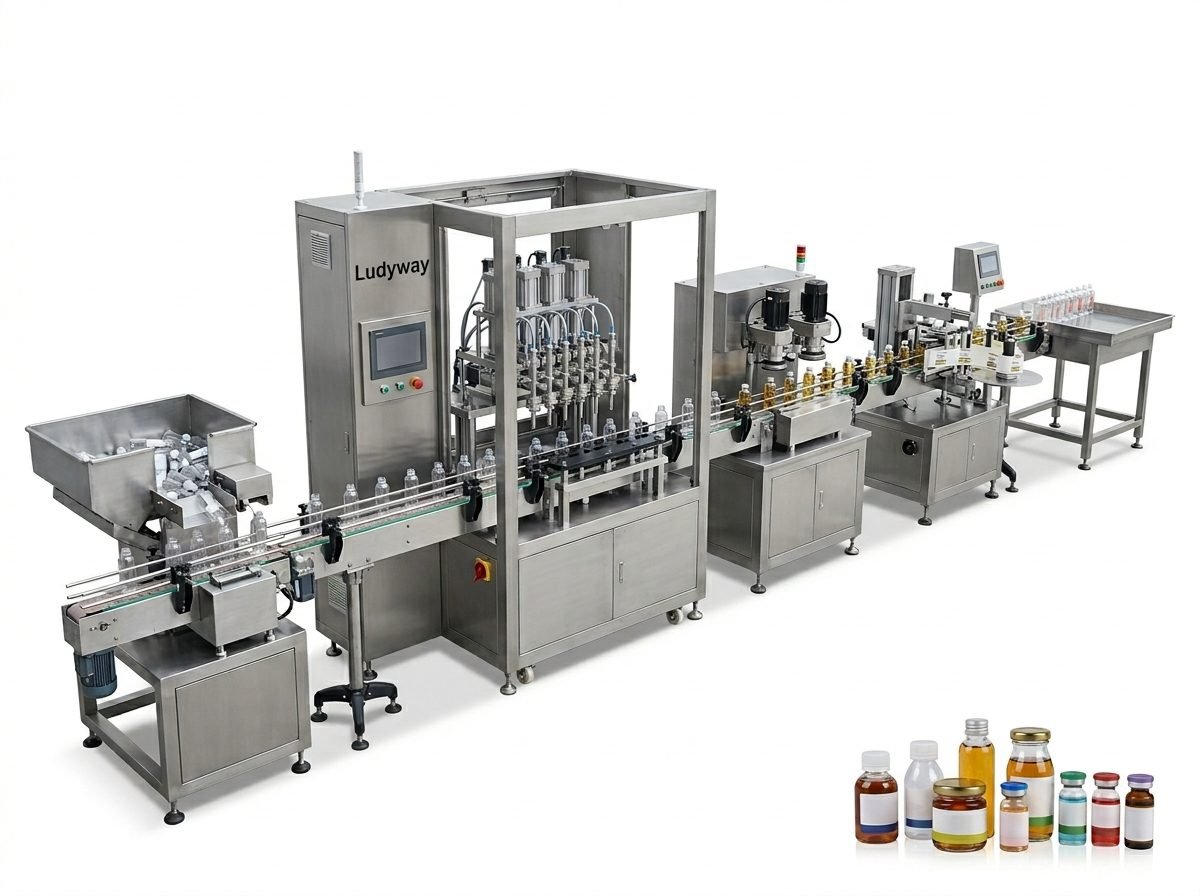
Bottle Unscrambling and Orientation Systems
Automatic bottle unscramblers feed empty containers onto the production line in a consistent orientation. For oil packaging, these systems must handle various bottle shapes and sizes while maintaining hygiene standards. Modern unscramblers use servo-driven mechanisms for precise control and minimal product damage.
Liquid Filling Machines
The filling machine is the heart of your operation. For edible oils, several technologies are available:
- Piston fillers – Ideal for viscous oils, offering high accuracy and repeatability
- Gravity fillers – Suitable for thin, free-flowing oils with consistent viscosity
- Overflow fillers – Perfect for achieving uniform fill levels in transparent bottles
- Net weight fillers – The most precise option, using load cells to measure exact quantities
- Multi-head servo fillers – High-speed solutions for large-scale production
Selecting the appropriate filling technology depends on your oil viscosity, production speed requirements, bottle type, and budget. For UK producers, net weight filling systems are often preferred due to their compliance with weights and measures legislation.
Capping and Sealing Equipment
Proper sealing prevents leakage and contamination while extending shelf life. Depending on your packaging format, you may need:
- Screw capping machines for standard bottle caps
- Induction sealers providing tamper-evident foil seals
- Press-on cap applicators for specific closure types
- ROPP (Roll-On Pilfer-Proof) capping for aluminium closures
Induction sealing is particularly recommended for edible oils as it provides an airtight, tamper-evident seal that prevents oxidation and maintains freshness throughout the supply chain.
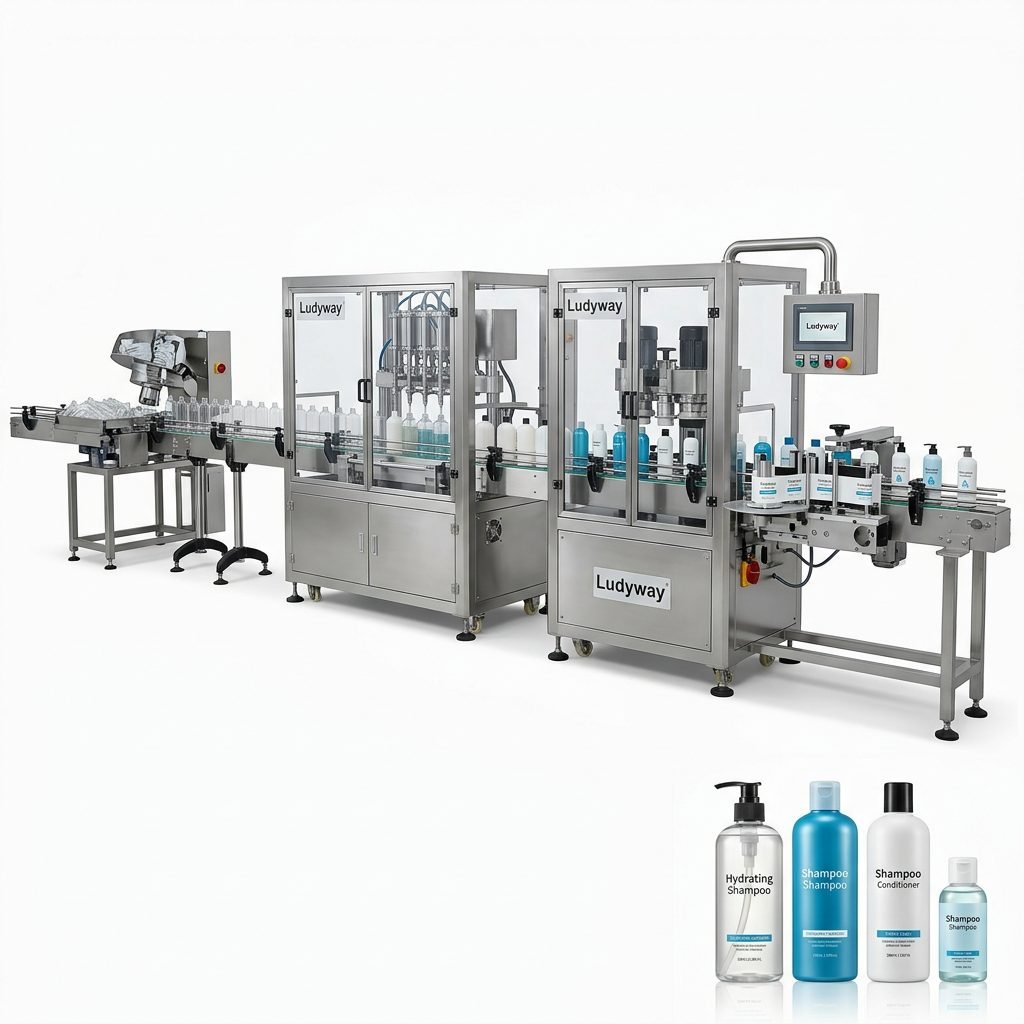
Labelling and Coding Systems
UK food labelling regulations require specific information on packaged oil products, including nutritional data, allergen declarations, batch codes, and best-before dates. An integrated labelling system ensures compliance while maintaining production efficiency. Thermal transfer printers and laser coders apply permanent, legible batch codes that support traceability requirements under UK food safety law.
Secondary Packaging and Palletising
Beyond primary packaging, your production line should include shrink wrapping, case packing, and palletising systems. These automated solutions reduce manual handling, improve throughput, and ensure products are protected during distribution across UK retail networks.
Production Line Layout and Facility Planning
The physical layout of your oil packaging production line significantly impacts efficiency, hygiene, and worker safety. Consider these factors when designing your facility:
Linear vs. U-Shaped Configuration
Linear layouts suit facilities with ample floor space and allow straightforward material flow from one end to the other. U-shaped configurations are more space-efficient and enable a single operator to manage multiple stations, reducing labour costs. Your choice should reflect available space, production volume, and staffing levels.
Clean Room and Hygiene Zones
While edible oil packaging may not require the same sterility levels as pharmaceutical production, maintaining designated hygiene zones is essential. The facility should include washable surfaces, proper drainage, and separation between raw material handling and finished product areas. Refer to ISO packaging standards for guidance on establishing appropriate cleanliness protocols.
Utilities and Services
Ensure your facility has adequate electrical supply, compressed air, and water connections. Many modern packaging machines require three-phase power and consistent compressed air pressure. Planning utility routing before equipment installation prevents costly modifications later.
Installation, Commissioning, and Operator Training
Proper installation is critical for long-term reliability. Following a structured commissioning process ensures your equipment performs to specification from the outset.
Site Preparation Checklist
| Requirement | Details | Verification Method |
|---|---|---|
| Floor Load Capacity | Must support equipment weight plus product loads | Structural engineer assessment |
| Electrical Supply | Three-phase power with appropriate amperage | Qualified electrician certification |
| Compressed Air | Clean, dry air at specified pressure (typically 6-8 bar) | Pressure gauge and air quality testing |
| Ventilation | Adequate airflow for equipment cooling and operator comfort | HVAC assessment |
| Drainage | Floor drains for cleaning and spill management | Visual inspection and flow testing |
Commissioning and Validation
After mechanical installation, a thorough commissioning process verifies that each machine operates correctly. This includes dry runs, product trials, and calibration of weighing and filling systems. For UK food producers, documented commissioning records support due diligence requirements under food safety legislation.
Operator Training Programmes
Well-trained operators are essential for maximising equipment performance. Training should cover machine operation, basic troubleshooting, cleaning procedures, and safety protocols. Many equipment suppliers offer comprehensive training packages as part of the commissioning process.
Maintenance Strategies for Long-Term Reliability
A proactive maintenance programme minimises unplanned downtime and extends equipment lifespan. Consider implementing a tiered approach:
Daily Maintenance Tasks
- Clean all product contact surfaces according to hygiene schedules
- Inspect seals and gaskets for wear or damage
- Verify filling accuracy through sample weight checks
- Check safety interlocks and emergency stops
- Lubricate specified points as per manufacturer instructions
Weekly and Monthly Maintenance
- Inspect belts, chains, and drive components for tension and wear
- Calibrate load cells and weighing systems
- Review and replace worn consumable parts
- Test induction sealing effectiveness
- Update maintenance logs and review performance metrics
Annual Overhaul and Preventive Maintenance
Schedule comprehensive annual servicing that includes bearing replacement, motor inspection, control system diagnostics, and full calibration. Maintaining a spare parts inventory for critical components reduces downtime when replacements are needed urgently.
Cost Analysis and Return on Investment
Investing in an oil packaging production line represents a significant capital outlay, but the long-term benefits in efficiency, consistency, and compliance justify the investment. Understanding the cost components helps in budgeting and financial planning.
Capital Expenditure Breakdown
| Cost Category | Estimated Percentage of Total Investment | Notes |
|---|---|---|
| Filling Machine | 25-35% | Largest single equipment investment |
| Capping and Sealing | 10-15% | Includes induction sealing if required |
| Conveying Systems | 8-12% | Custom length and configuration |
| Labelling and Coding | 8-10% | Depends on labelling complexity |
| Secondary Packaging | 10-15% | Shrink wrap, case packing |
| Installation and Commissioning | 5-8% | Including training |
| Facility Modifications | 5-10% | Utilities, flooring, hygiene upgrades |
| Contingency | 5-10% | Unforeseen requirements |
Operational Savings and Efficiency Gains
An automated production line delivers measurable returns through reduced labour costs, minimised product giveaway, faster throughput, and consistent quality. UK producers typically achieve full return on investment within 24 to 36 months, depending on production volumes and market conditions.
Supplier Selection and Due Diligence
Choosing the right equipment supplier is as important as selecting the machinery itself. Evaluate potential suppliers on the following criteria:
- Industry experience – Look for suppliers with proven expertise in liquid and oil packaging applications
- UK-specific knowledge – Suppliers should understand British regulatory requirements and standards
- After-sales support – Confirm availability of local service engineers and spare parts within the UK
- References and case studies – Request examples of similar installations in the UK or European market
- Customisation capability – Your production line should be tailored to your specific oil product characteristics
For businesses sourcing equipment internationally, companies like Ludyway offer a wide range of packaging machinery suitable for various applications, with expertise spanning multiple industries and packaging formats.
Future-Proofing Your Production Line
The UK packaging industry is evolving rapidly, driven by sustainability initiatives, digitalisation, and changing consumer preferences. When designing your production line, consider these emerging trends:
Sustainable Packaging Integration
The Flexible Packaging Association reports growing demand for eco-friendly packaging solutions. Ensure your equipment can handle recycled-content bottles, lightweight packaging materials, and bio-based films as these become standard in the UK market. The shift towards circular economy principles will increasingly influence packaging choices.
Industry 4.0 and Smart Manufacturing
Modern packaging lines incorporate IoT sensors, real-time monitoring, and data analytics to optimise performance. These technologies enable predictive maintenance, quality tracking, and production efficiency analysis. Investing in equipment with Industry 4.0 capabilities positions your operation for long-term competitiveness.
Flexibility and Scalability
Design your production line with future expansion in mind. Modular equipment configurations allow you to add capacity or introduce new packaging formats without replacing entire systems. This flexibility is particularly valuable in the dynamic UK food and beverage market.
Common Challenges and How to Address Them
Even well-planned production lines encounter operational challenges. Being prepared for common issues helps minimise disruption:
| Challenge | Symptoms | Solution |
|---|---|---|
| Filling Accuracy Drift | Gradual deviation from target fill weights | Recalibrate load cells; check product temperature and viscosity; inspect filling nozzles for wear |
| Cap Torque Inconsistency | Loose or over-tightened caps | Adjust torque settings; inspect chuck condition; verify bottle neck finish consistency |
| Seal Integrity Failures | Leaking bottles or failed induction seals | Check induction sealer power settings; verify foil liner compatibility; inspect bottle rim cleanliness |
| Label Misalignment | Crooked or misplaced labels | Clean label applicator sensors; verify product alignment on conveyor; check label roll tension |
| Conveyor Jams | Bottles accumulating or falling | Inspect guide rails for proper spacing; check belt tension and tracking; verify bottle stability |
Establishing a structured troubleshooting protocol with documented procedures for each common issue empowers operators to resolve problems quickly and consistently. Regular review of downtime logs helps identify recurring issues that require engineering attention.
Conclusion and Next Steps
Setting up an oil packaging machine production line in the UK is a multifaceted project that requires careful planning across regulatory compliance, equipment selection, facility design, and operational strategy. By understanding UK-specific requirements, investing in appropriate technology, and implementing robust maintenance programmes, you can build a production line that delivers consistent quality, operational efficiency, and long-term profitability.
Begin your project by consulting with packaging equipment specialists who understand the UK market, conducting a thorough site assessment, and developing a detailed project timeline. For further guidance, explore resources from PMMI’s packaging industry resources and the ISO packaging and distribution standards to ensure your operation meets international best practices.
With thorough preparation and the right partnerships, your oil packaging operation can thrive in the competitive UK marketplace, delivering quality products that meet consumer expectations and regulatory standards alike.