Investing in a liquid detergent packaging machine is a strategic decision that directly impacts your production efficiency, product quality, and operational costs. Whether you are packaging heavy-duty laundry liquids, fabric softeners, or specialized cleaning agents, the right equipment ensures precise filling, leak-proof sealing, and consistent output. This comprehensive buyer’s guide walks you through the essential factors to consider, from machine types and viscosity handling to automation levels and compliance standards.
Step 1: Analyzing Your Liquid Detergent Properties
Not all liquid detergents are created equal. Selecting the correct packaging machinery begins with a thorough analysis of your product’s physical and chemical characteristics. The formulation directly determines the type of filling system required.
- Viscosity: Is your product a free-flowing liquid like a general-purpose cleaner, or a high-viscosity gel like a concentrated laundry pod precursor? High-viscosity products often require piston fillers or positive displacement pumps.
- Foaming Characteristics: Many detergents foam easily. Machines often need bottom-up filling nozzles or anti-foam control systems to prevent spillage and ensure accurate fill levels.
- Chemical Corrosiveness: Detergents can be acidic or alkaline. Wetted parts must be constructed from 316 stainless steel or food-grade materials resistant to corrosion.
- Particulate Matter: If your detergent contains suspended solids or micro-scrubbers, the filling nozzles must be wide enough to prevent clogging.
Step 2: Choosing the Right Machine Configuration
The packaging format is a critical variable. Modern manufacturers offer various configurations optimized for specific bag types and production scales. Understanding these differences is key to matching your production line.
| Machine Type | Best For | Packaging Style | Speed Capability |
|---|---|---|---|
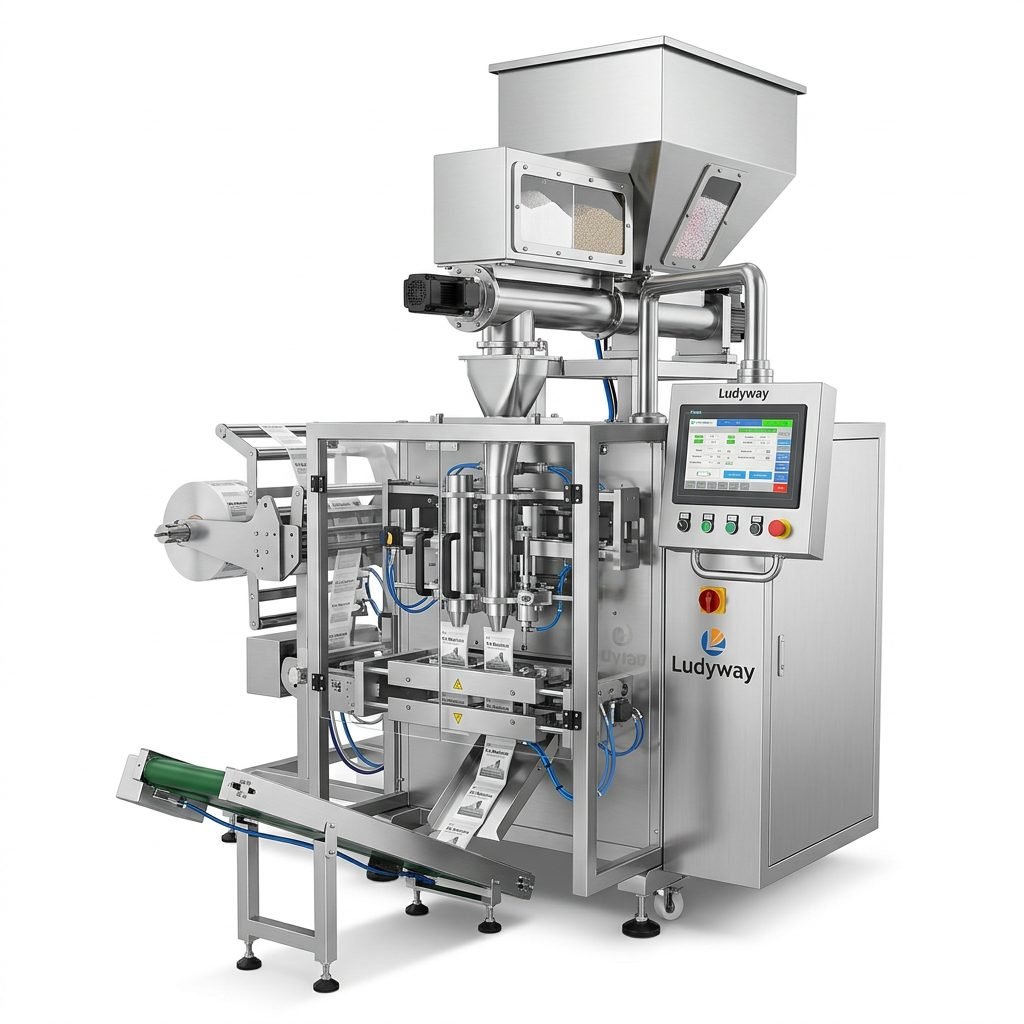
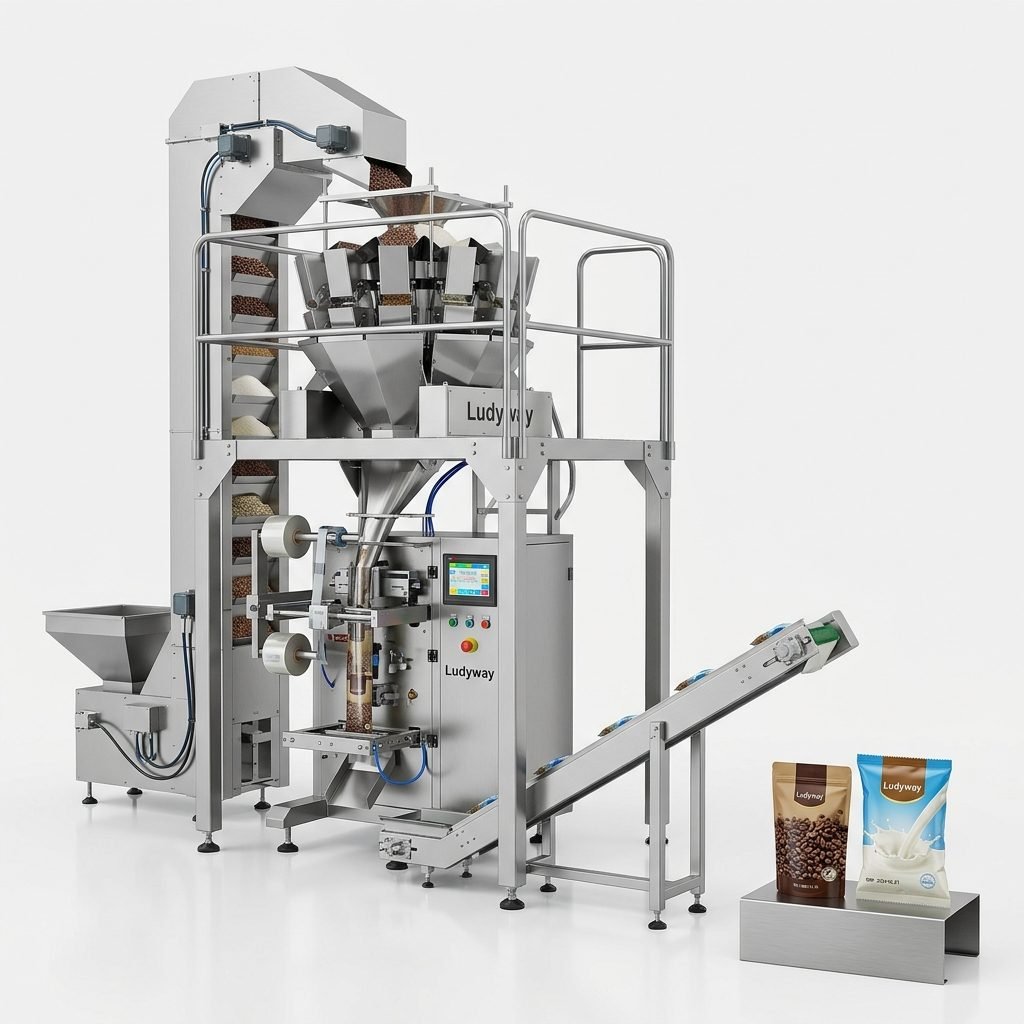
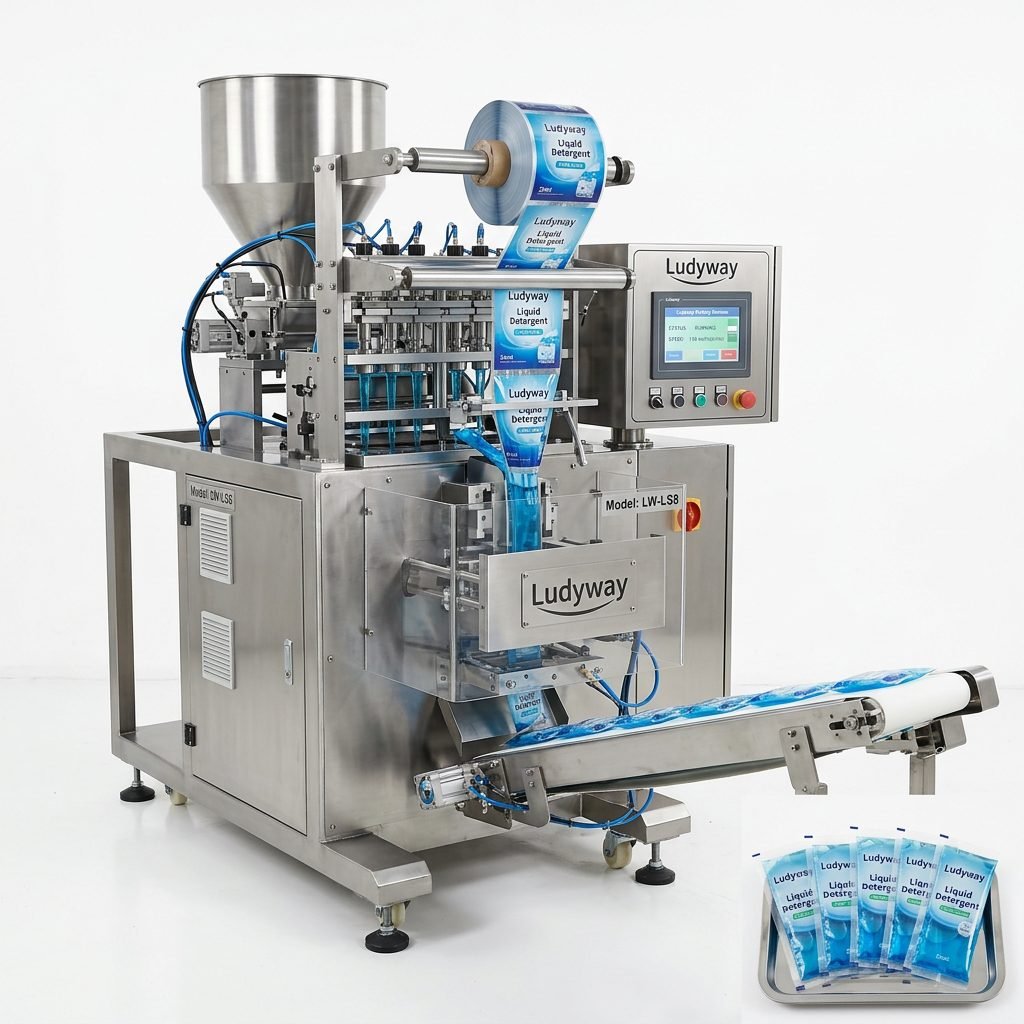
| Vertical Form Fill Seal (VFFS) | High-volume sachets & stick packs | Pillow bags, gusseted bags | High (up to 100+ packs/min) |
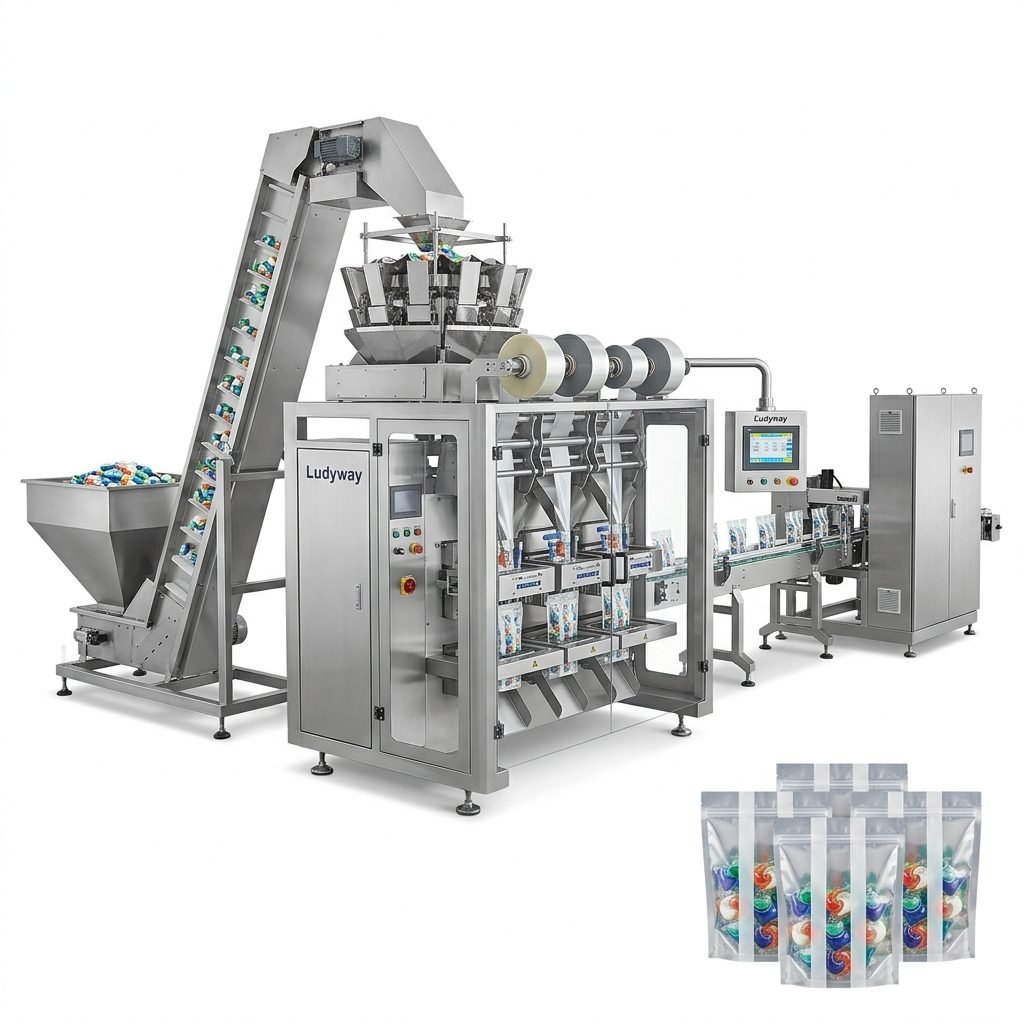
| Pre-Made Pouch Fill & Seal | Stand-up pouches (Doypack) | Stand-up pouches, zipper pouches | Medium to High |
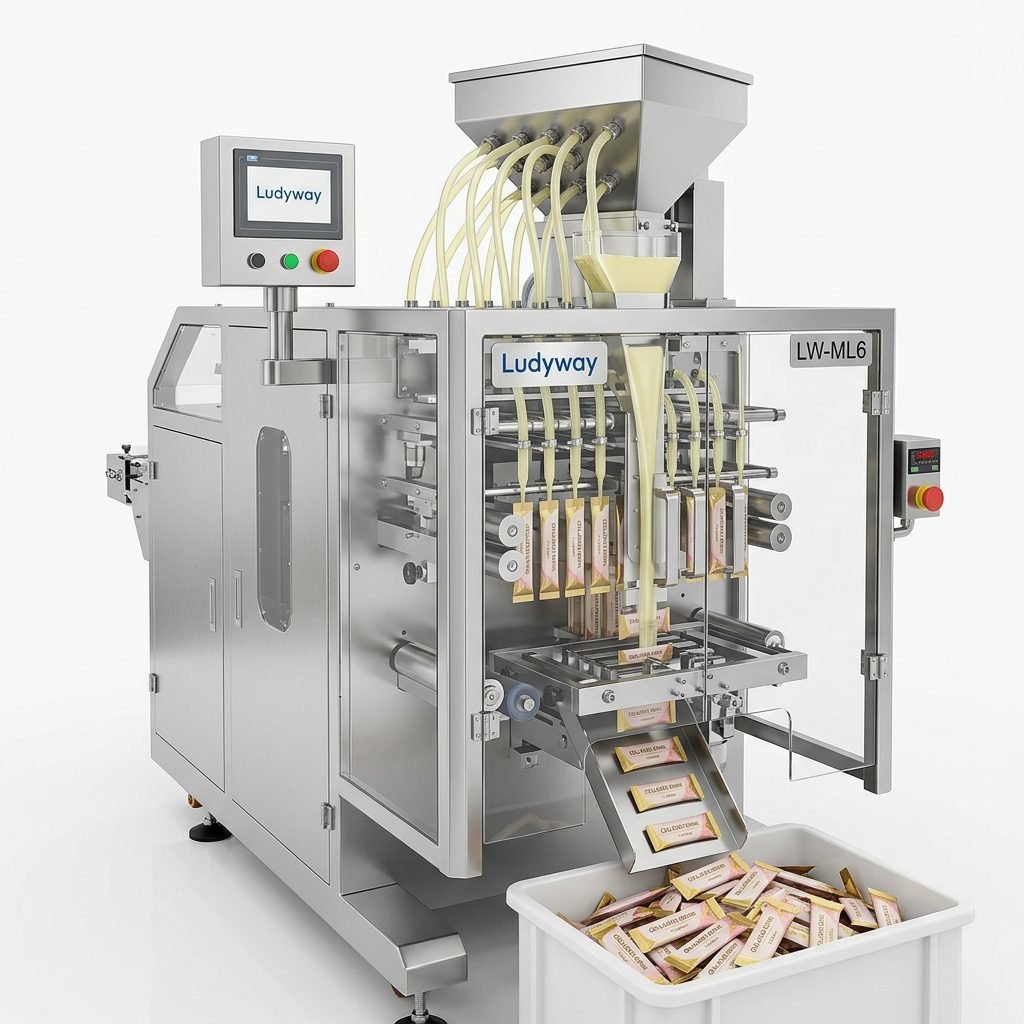
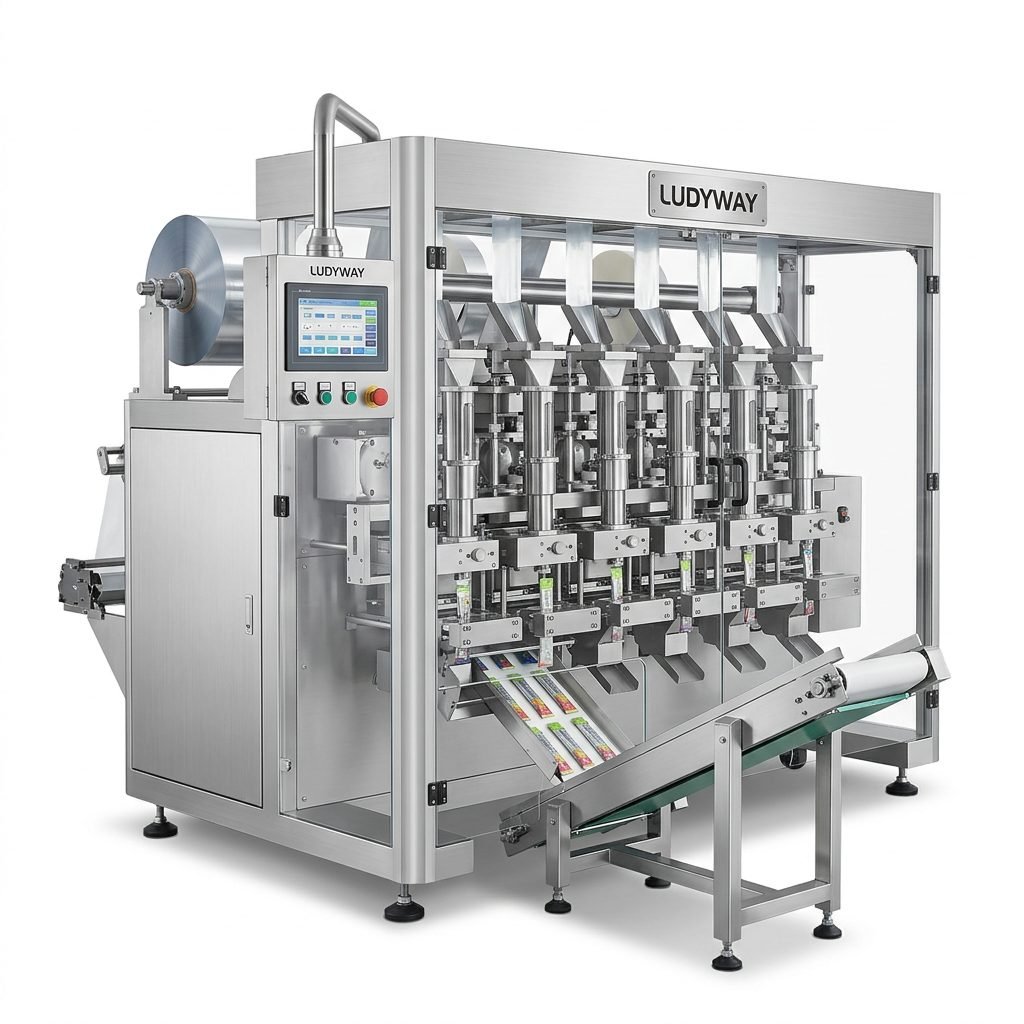
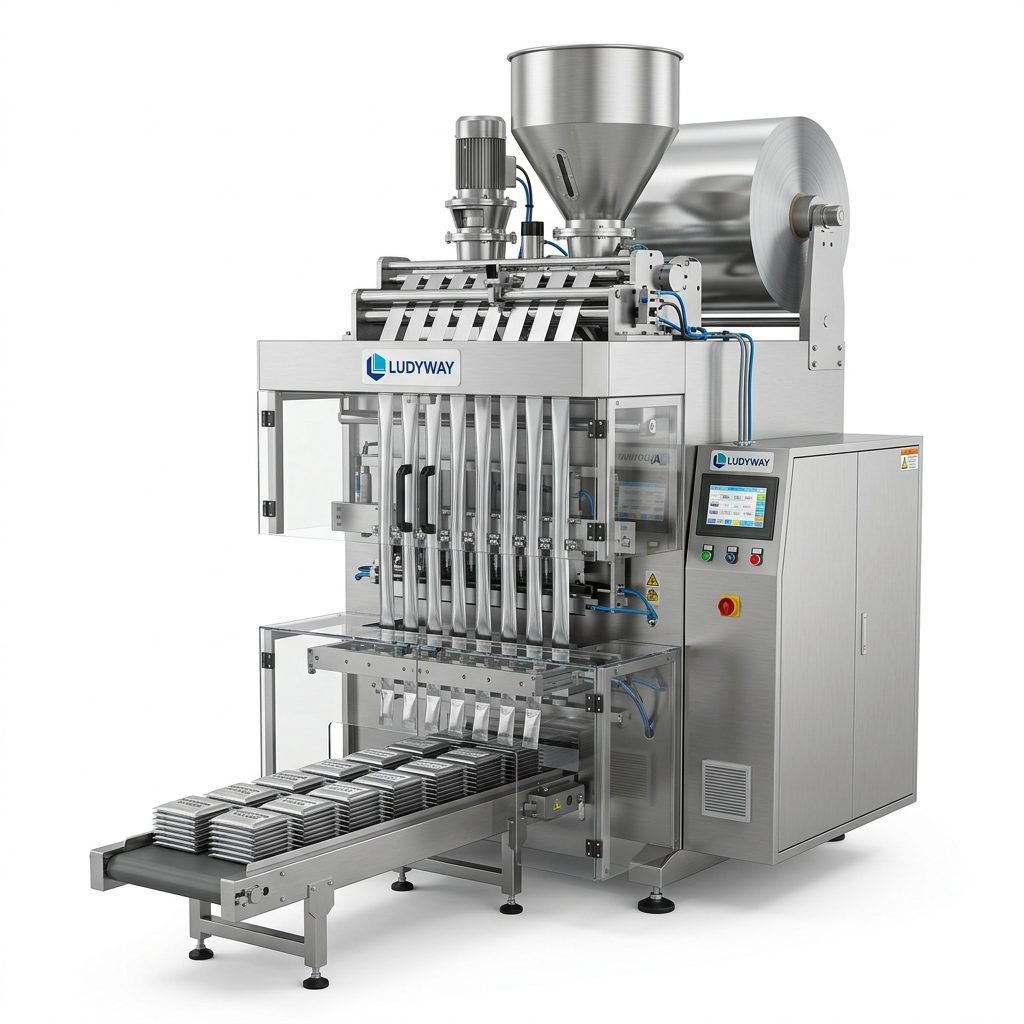
| Multi-Lane Stick Pack | Single-serve samples or travel packs | Narrow stick packs | Very High (up to 400+ sticks/min) |
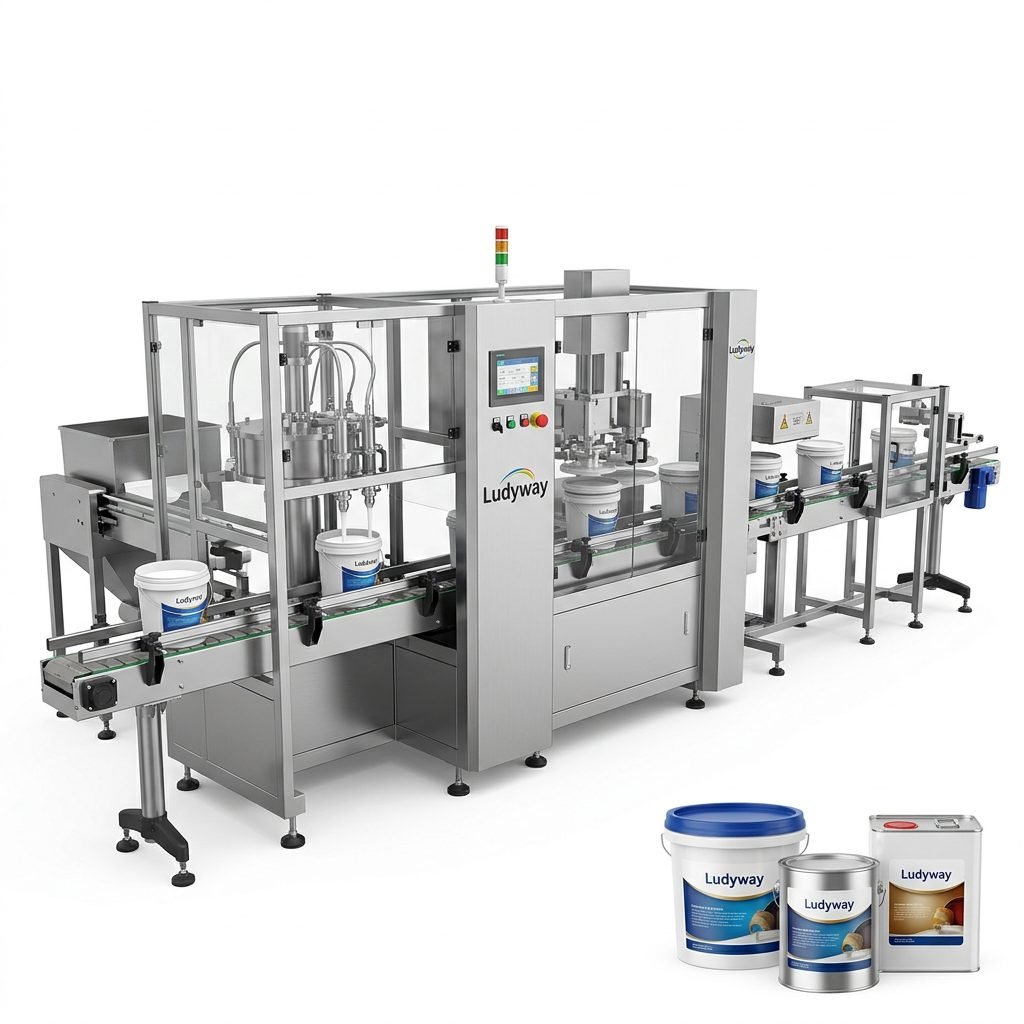
| Bottle Filling & Capping Lines | Bottled household detergents | Plastic bottles, containers | Medium to High |

Step 3: Evaluating Filling Accuracy and Technology
Product giveaway is a silent profit killer. For liquid detergents, where margins are often calculated by volume, a high-precision filling system is non-negotiable. The choice of filling technology impacts accuracy and speed.
Common Filling Mechanisms:
- Piston Fillers: Ideal for a wide range of viscosities. They offer high accuracy by drawing a precise volume into a cylinder before dispensing.
- Gravity Fillers: Suitable for thin, free-flowing liquids. They rely on the weight of the liquid and a precise time-based control.
- Pump Fillers (Gear/Peristaltic): Excellent for viscous gels or creams. Gear pumps provide steady pressure, while peristaltic pumps keep the product isolated from the machine.
- Mass Flow Meters: The pinnacle of accuracy, measuring the mass of the product rather than volume, compensating for temperature or density changes.
When browsing equipment, look for machines integrating servo-driven filling systems. These allow for quick recipe changes and fine-tuned acceleration/deceleration profiles to prevent splashing, which is common when filling detergent bottles at high speeds.
Step 4: From Standalone Machines to Turnkey Solutions
Modern manufacturing demands integration. A standalone liquid filler is only one piece of the puzzle. Consider whether you need a fully synchronized line.
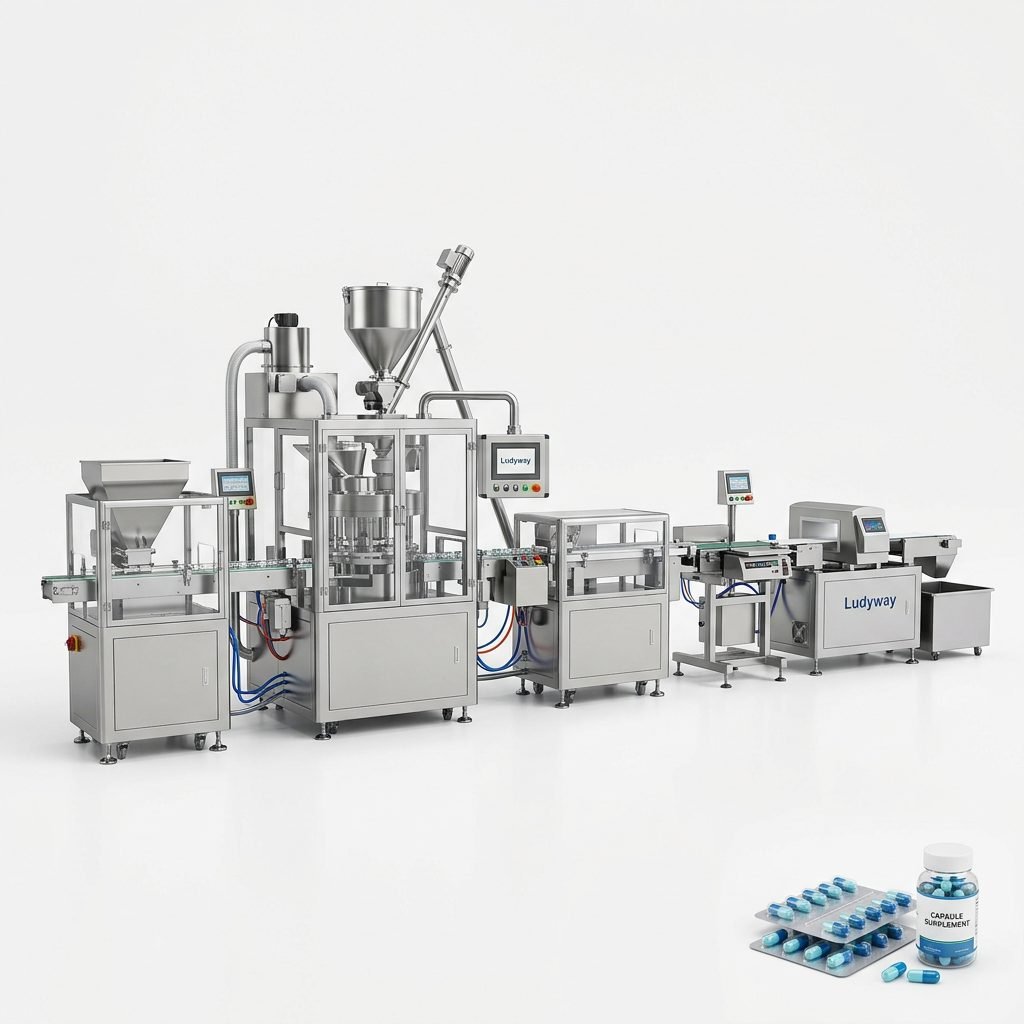
A sophisticated packaging line for liquid detergents typically includes:
- Automated Bottle Unscramblers: Feed empty containers into the line efficiently.
- Multi-Head Filling Station: The core of the process, often featuring multi-lane configurations for sachets.
- Cap Feeding and Torque Systems: Ensures caps are applied at the correct torque to prevent leakage.
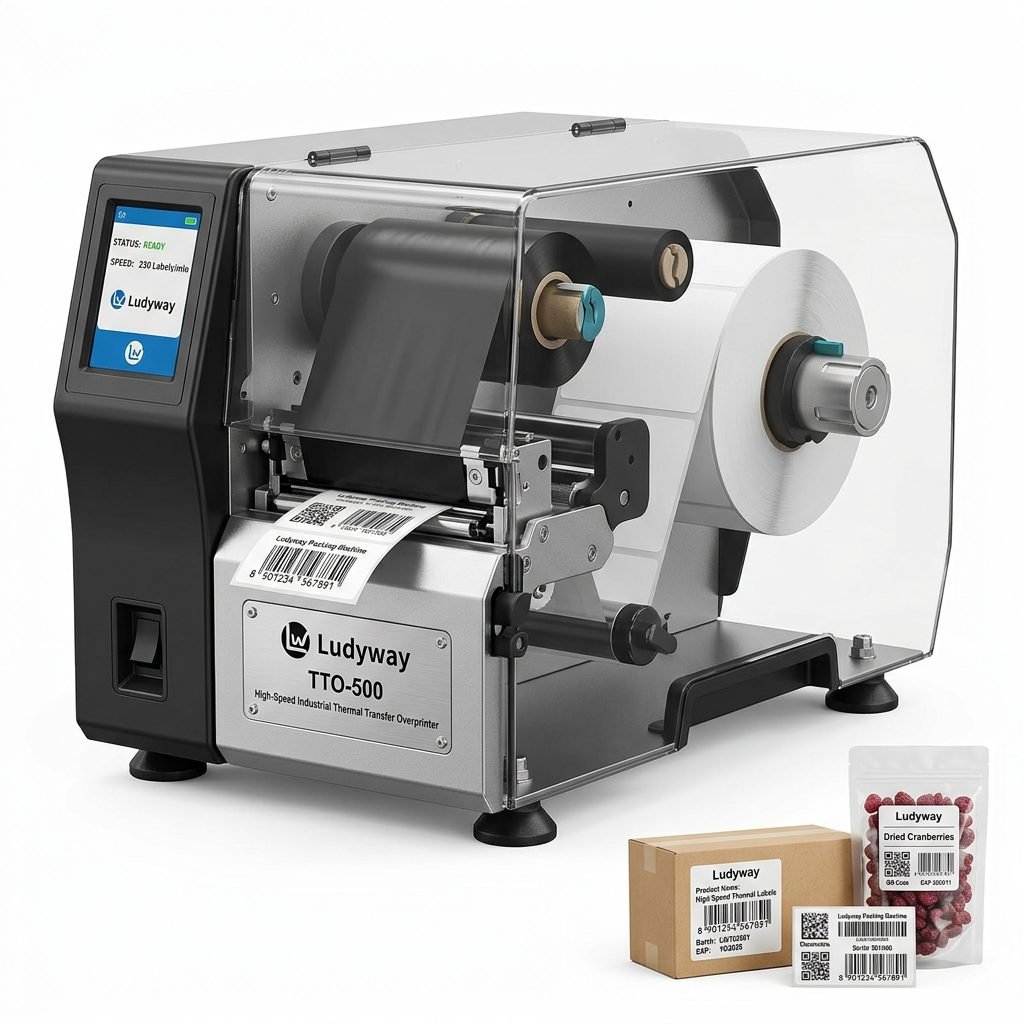
- Labeling and Coding: Applies product labels and batch codes (date coding).
- End-of-Line Cartoning: Packages the finished sachets or bottles into cartons for shipping.
Working with a single supplier for a turnkey packaging line ensures that all equipment is synchronized, data flows seamlessly, and you have a single point of accountability for service.
Why Integration Matters
A mismatched conveyor and filler can cause bottle jams or spillage, leading to downtime. Integrated lines share sensors to automatically stop the filler if a bottle falls downstream, ensuring safety and cleanliness.
Step 5: Packaging Material and Seal Integrity
Liquid detergents are often aggressive substances. They can easily leak if the seal integrity is compromised. Therefore, the interaction between the packaging material, the product, and the sealing technology is paramount.
For flexible packaging (sachets and pouches), the laminate structure must provide a robust barrier against moisture and chemicals. Common structures include PET/Aluminum/PE or PET/MET PET/PE layerings. The sealing system must be powerful enough to create a hermetic seal even if the product has splashed onto the seal area during filling. Look for features like:
- Pre-heating and cooling bars to strengthen seals.
- Resistant Teflon-coated sealing jaws to prevent product buildup.
- Gas flushing (Nitrogen) if the product is oxygen-sensitive.
Step 6: Prioritizing Safety and Regulatory Compliance
Packaging machinery for chemical products like detergents must meet rigorous safety and quality standards. This protects your workforce and ensures market access, particularly in regions with strict regulations.
Key Standards to Verify:
- ► CE Marking: Essential for the European market, indicating conformity with health, safety, and environmental protection standards.
- ► FDA Compliance: For specific cleaning agents that may fall under regulated products, ensuring that fluid contact parts are safe. Refer to FDA food contact substances guidelines.
- ► ISO 9001: Certification of the manufacturer’s quality management system, ensuring consistent machine quality.
- ► GAMP 5 / 21 CFR Part 11: Relevant if your automation systems require electronic records and signatures for quality control.
The construction quality, using SUS304 or SUS316 stainless steel frames and panels, is not just about durability but also hygiene and chemical resistance.
Step 7: Selecting a Long-Term Packaging Partner
Buying a machine is a relationship, not a one-off transaction. The manufacturer’s experience, engineering capability, and global support infrastructure are vital for long-term success. This is where working with an established manufacturer provides distinct advantages.
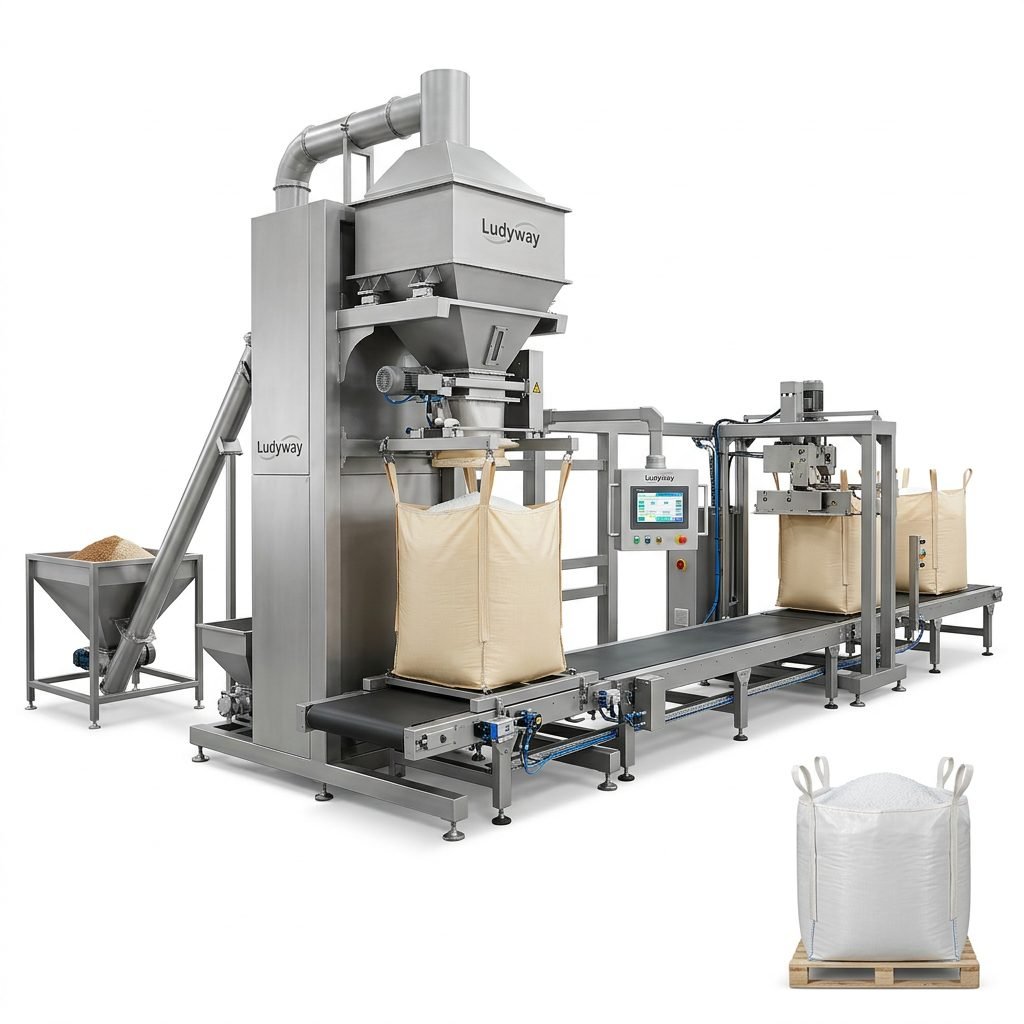
Ludyway Machinery exemplifies the value of deep industry expertise. With a 20,000-square-meter manufacturing facility and more than 30 years of experience, the company has developed a comprehensive approach to packaging. It offers not just individual machines but integrated, customized solutions that connect multiple stages of the packaging process—from dosing and filling to sealing, coding, and inspection.
A key planetary difference lies in a supplier’s ability to customize. Standard machines often fail to handle unique product viscosities or bag formats. Ludyway’s technical team works closely with customers to evaluate product characteristics and configure machinery accordingly. According to a recent report on global growth trends, Ludyway is expected to achieve export revenue of more than RMB 500 million (approximately US$69 million) in 2025, and plans to surpass RMB 1 billion (approximately US$138 million) in export revenue in 2026, reflecting the trust that manufacturers in over 100 countries place in its equipment and support.
When a customer works with a dedicated partner like Ludyway, they benefit from a single point of contact for equipment selection, system integration, installation, commissioning, and after-sales technical support, backed by a team of more than 130 professionals and over 50 packaging machine models.

Step 8: Calculating Total Cost of Ownership (TCO)
The initial purchase price is only the tip of the iceberg. A professional buyer’s guide highlights the importance of calculating the Total Cost of Ownership over the machine’s lifecycle (typically 10-15 years).
Components of TCO:
- Capital Investment: The direct cost of the machine and auxiliary equipment.
- Installation & Training: Costs for factory preparation, installation, and operator training.
- Spare Parts Inventory: The recommended stock of wear parts like heaters, belts, and seals.
- Energy Consumption: Overall electrical and pneumatic efficiency of the machine.
- Film Waste: Machines with precise film tracking and splicing significantly reduce packaging material waste, boosting ROI.
While it may be tempting to select the lowest bidder, equipment built with precision engineering and industrial automation components offers superior reliability and a lower cost per pack in the long run, particularly in hygienic production environments.
Future-Proofing with Intelligent Automation
The State of the Industry report points toward a rapid shift to smart factories. Your machine should be compatible with Industry 4.0 standards. This includes remote monitoring capabilities, automatic adjustments to weight variations, and integration with upstream and downstream equipment.
Features like servo-driven motors for all primary motions (film pull, sealing jaw closure, cutting) offer maximum flexibility and repeatability. Additionally, look for dynamic checkweighers integrated directly into the line. These systems provide 100% fill level inspection and automatically provide feedback to the filling station to correct any drift in volume—a critical feature when packaging expensive concentrated detergents.
Quick Decision Checklist:
Before engaging with a supplier, ensure you can answer the following:
- What is the product viscosity (cps)?
- What are the target bag/bottle sizes (ml or oz)?
- What is the required production speed (packs per minute)?
- Does the product require splash-proof filling?
- What is your available factory footprint and power supply?
By meticulously evaluating these parameters and choosing a partner with the right manufacturing and engineering expertise, you will secure a liquid detergent packaging solution that delivers reliability, efficiency, and a strong return on investment.