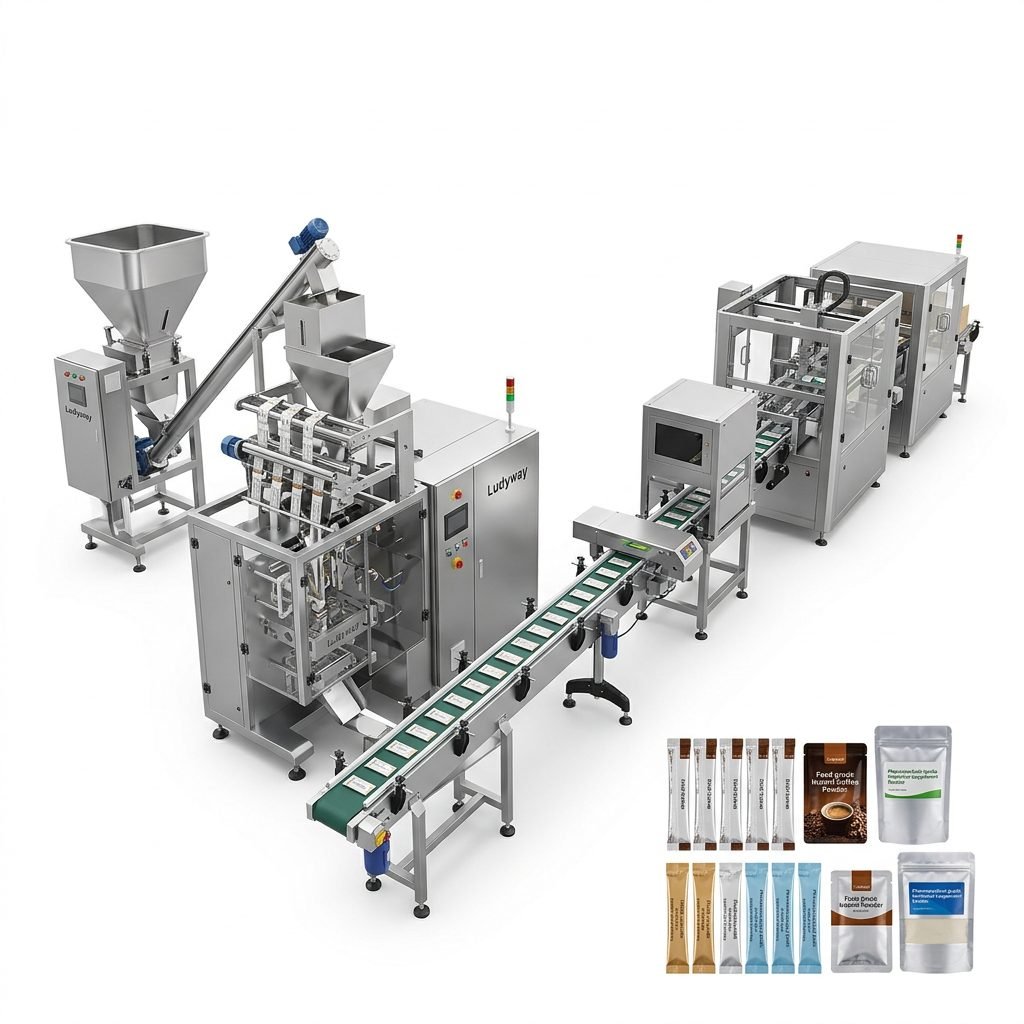
India’s tea industry is undergoing a remarkable transformation. As the world’s second-largest tea producer, with production exceeding 1,300 million kilograms annually, the demand for premium packaging solutions has never been greater. Tea businesses across India—from Darjeeling to Assam—are increasingly turning to automated tea bag packaging machines to meet evolving consumer expectations and export quality standards.
The Indian Tea Market: A Landscape of Opportunity
The shift toward branded, packaged tea in India represents a significant business opportunity. Traditional loose tea sales are gradually giving way to value-added packaged formats, driven by urbanization, rising disposable incomes, and changing consumer preferences. Understanding this market dynamic is essential for any tea business looking to scale operations.
| Market Indicator | Current Status |
|---|---|
| Annual Tea Production (India) | 1,300+ million kg |
| Share of Global Tea Production | Approximately 23% |
| Packaged Tea Market Growth Rate (CAGR) | 7-9% projected through 2028 |
| Export Value of Indian Tea | Over USD 800 million annually |
| Consumer Preference Shift | Increasing demand for individually wrapped tea bags and sachets |
This data underscores a clear trend: tea businesses that invest in modern packaging technology position themselves to capture premium market segments both domestically and internationally. The question is no longer whether to automate, but which packaging machine manufacturer offers the most reliable, cost-effective solution for long-term growth.
Key Challenges in Tea Bag Packaging for Indian Businesses
Tea packaging presents unique technical challenges that generic packaging equipment often fails to address adequately. Indian tea businesses face several critical pain points:
- Material Sensitivity: Tea leaves are delicate and prone to breakage during high-speed filling. Precise handling mechanisms are essential to preserve leaf integrity and visual appeal.
- Moisture Protection: Tea is highly hygroscopic. Superior sealing technology must create hermetic barriers to maintain freshness and aroma throughout the supply chain.
- Diverse Product Formats: From traditional rectangular tea bags to pyramid bags, string-and-tag formats, and multi-lane stick packs—versatility in machine capability is non-negotiable.
- Weight Accuracy: Consistent portion control (typically 1.5g to 3g per bag) requires precision weighing systems with minimal giveaway, directly impacting profitability at scale.
- Production Speed vs. Quality Balance: Increasing throughput without compromising seal integrity or bag appearance demands advanced engineering and intelligent controls.
What Makes Ludyway the Preferred Choice for Indian Tea Producers
Having served customers in over 100 countries and regions, Ludyway has developed packaging solutions specifically engineered to address the demands of high-volume tea production. The company’s approach combines industrial-grade durability with intelligent automation, making their machines particularly well-suited for the Indian market’s unique requirements.
Multi-Lane High-Speed Technology
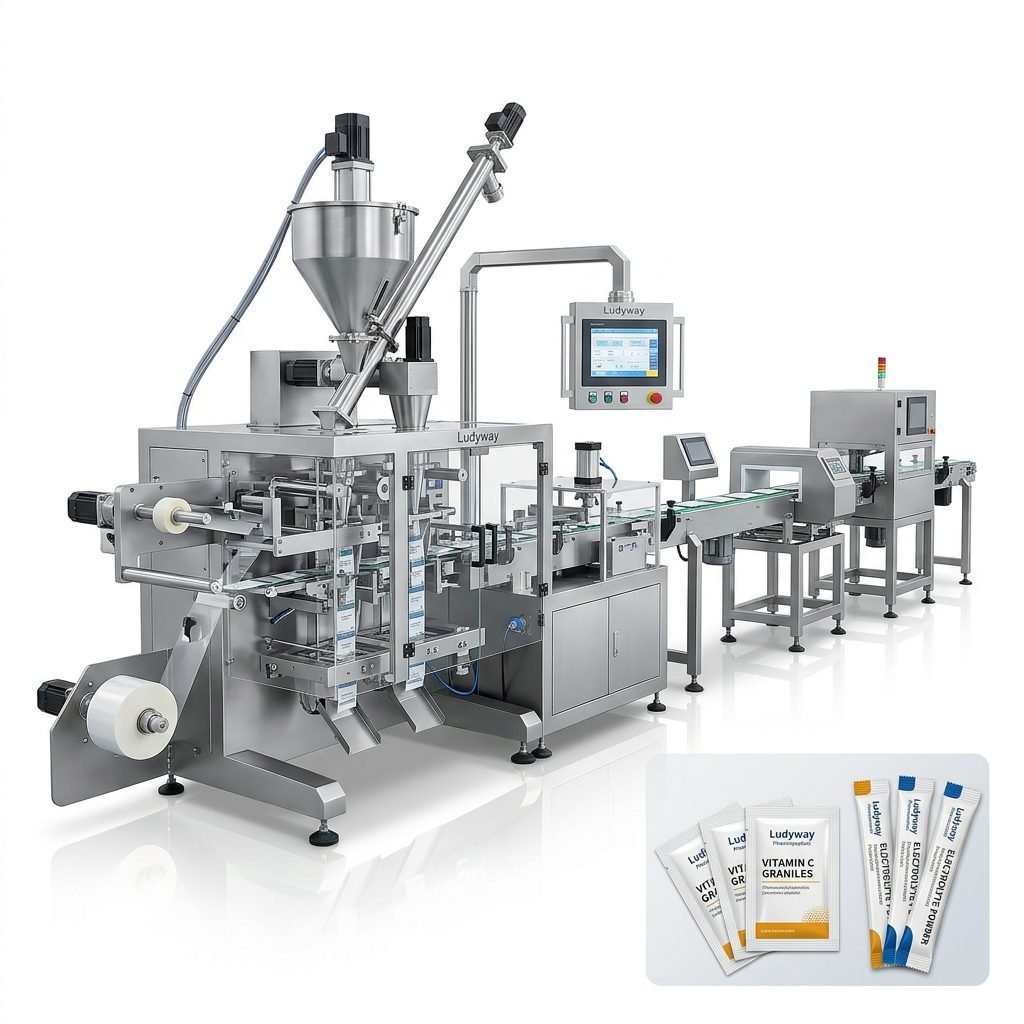
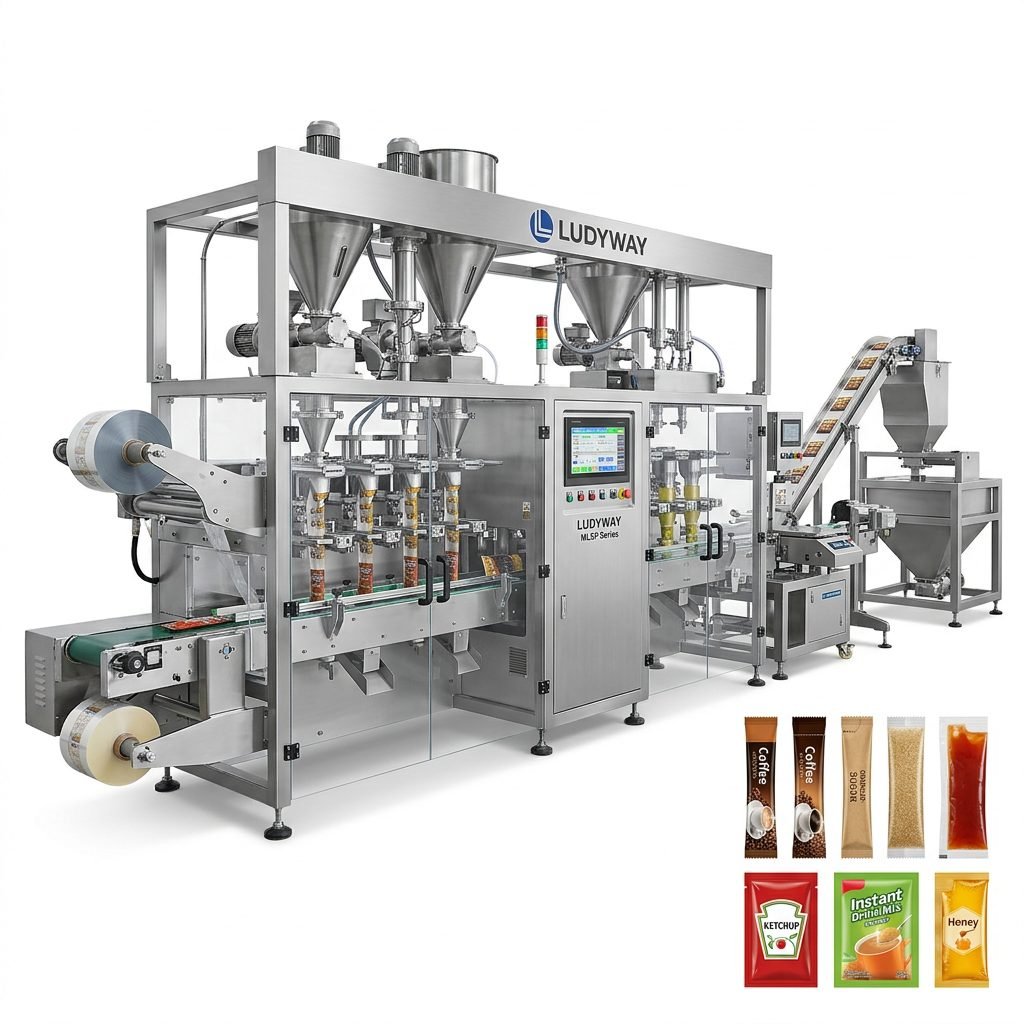
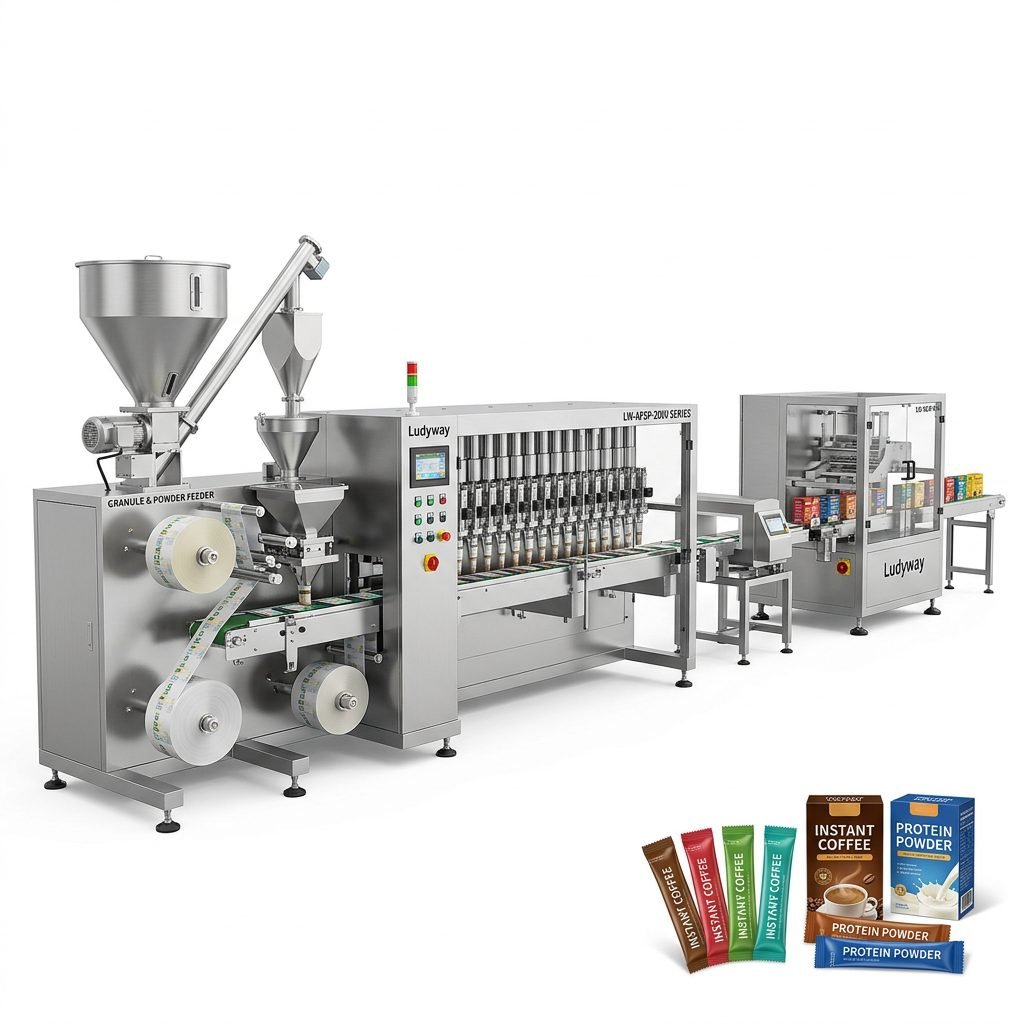
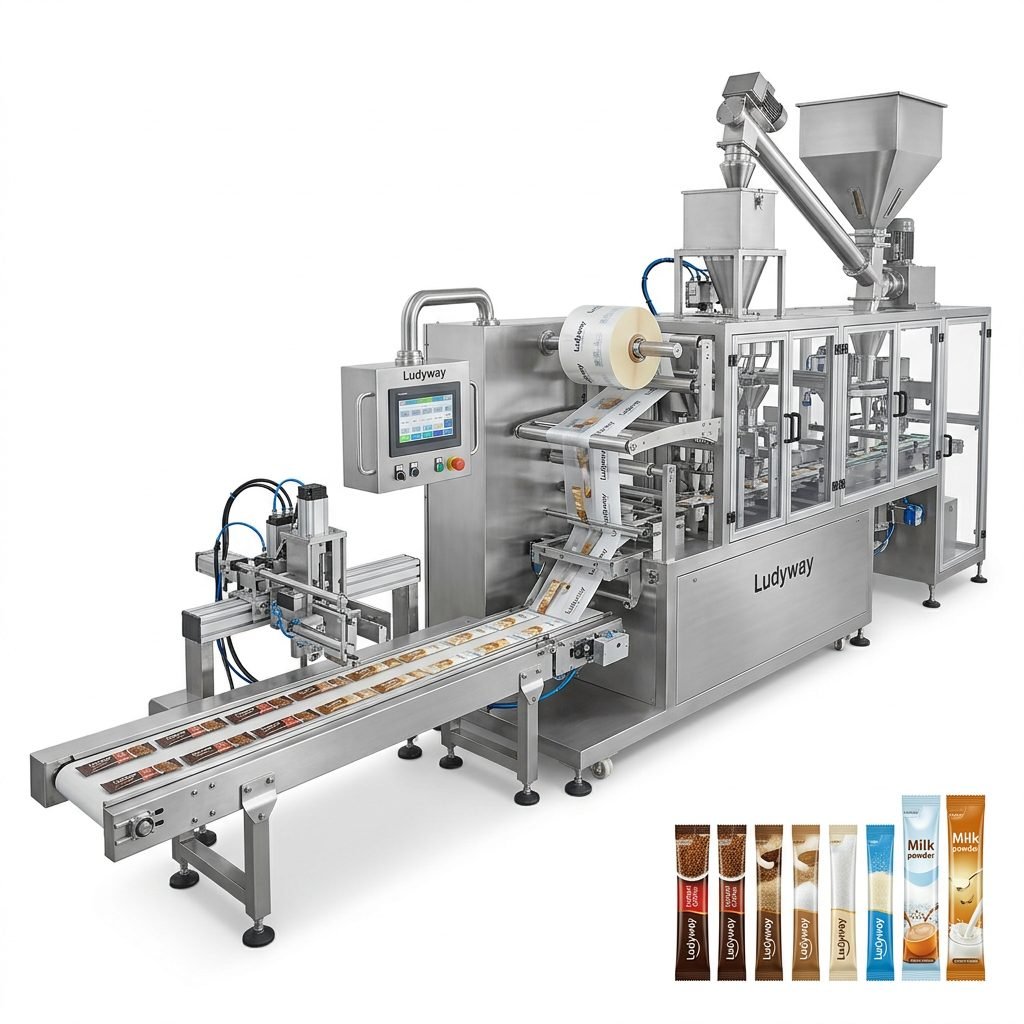
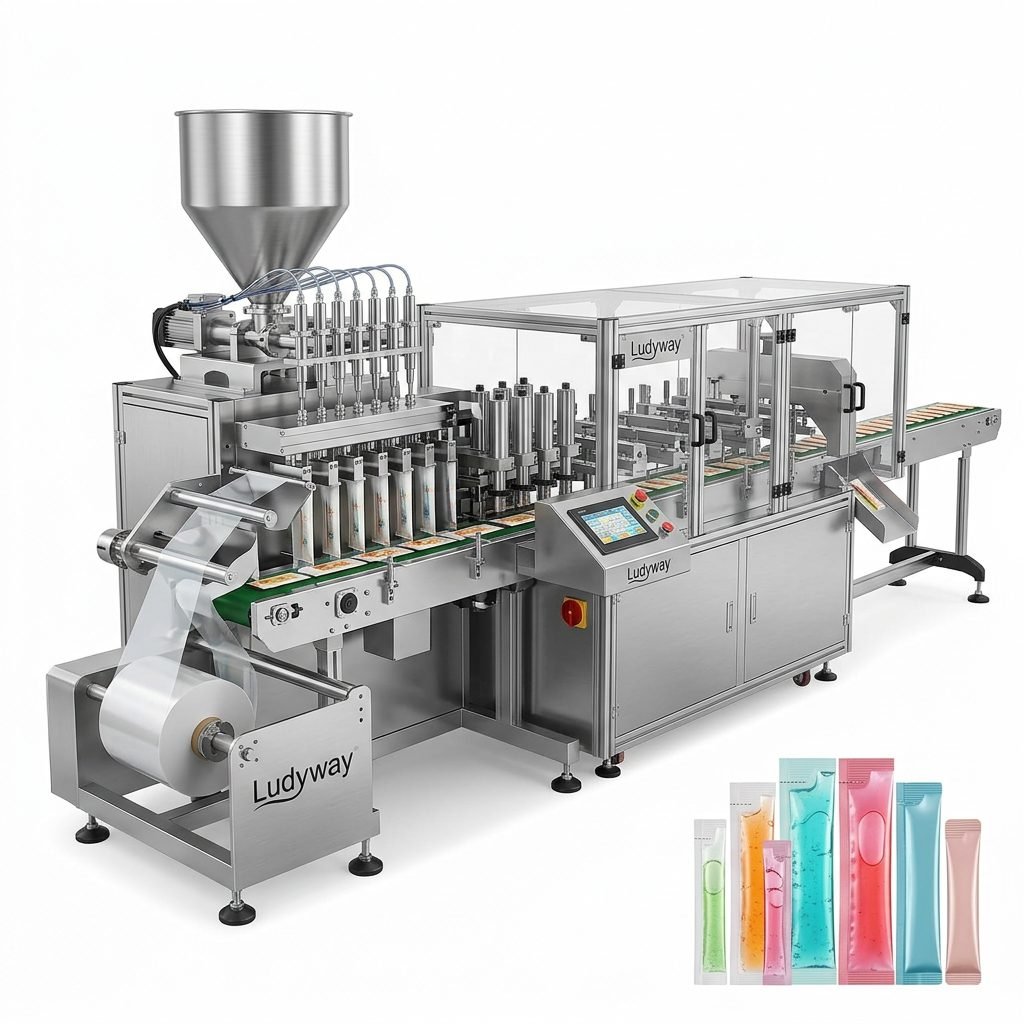
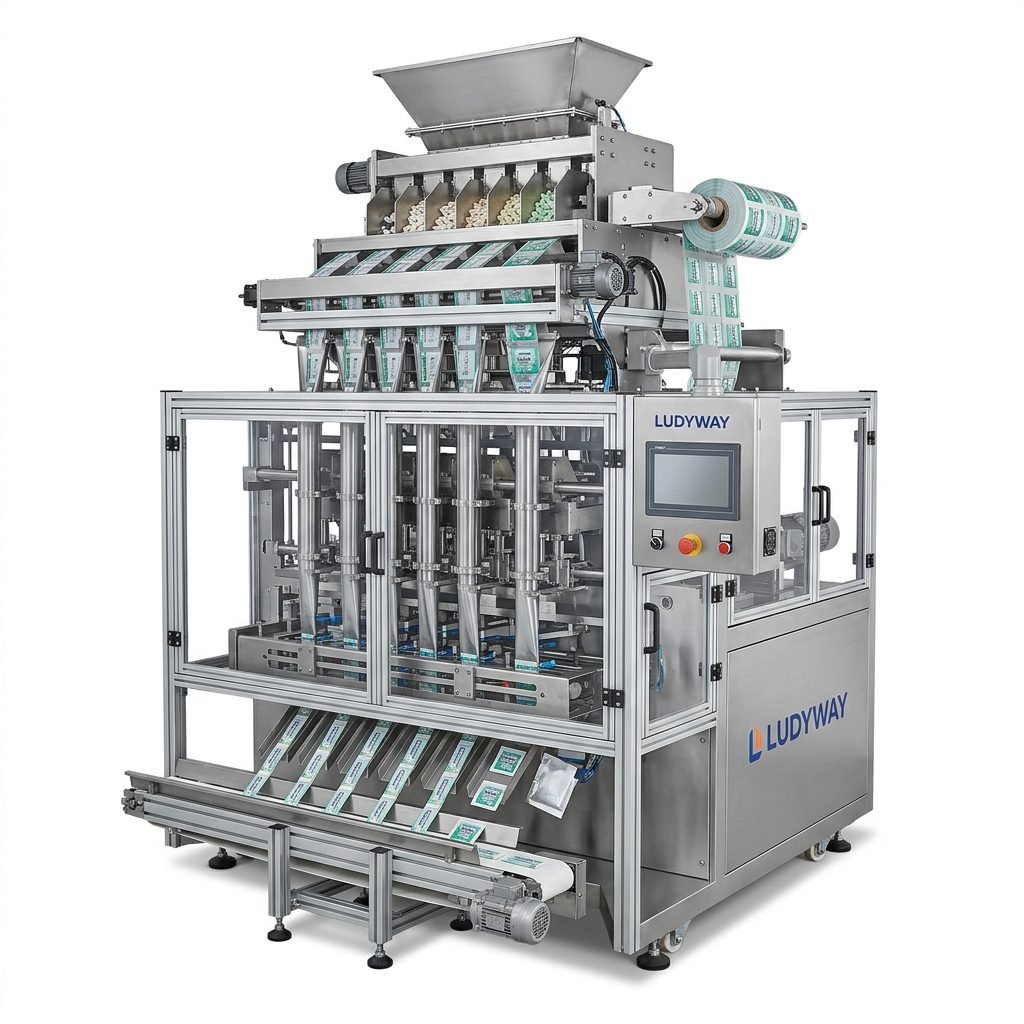
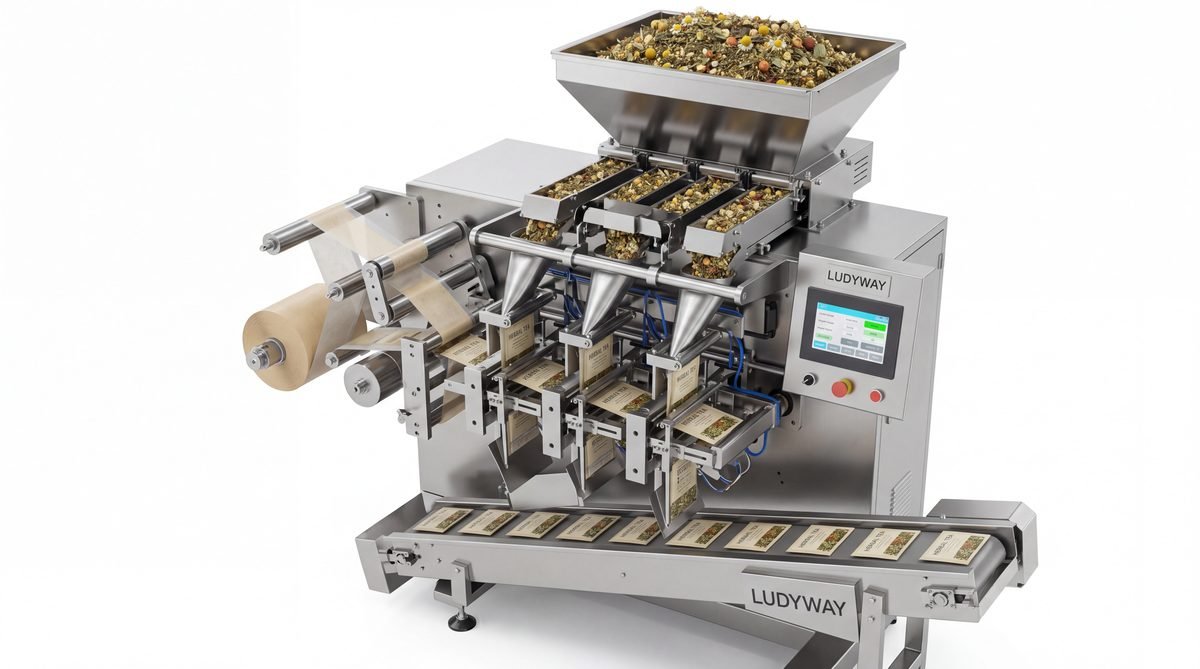
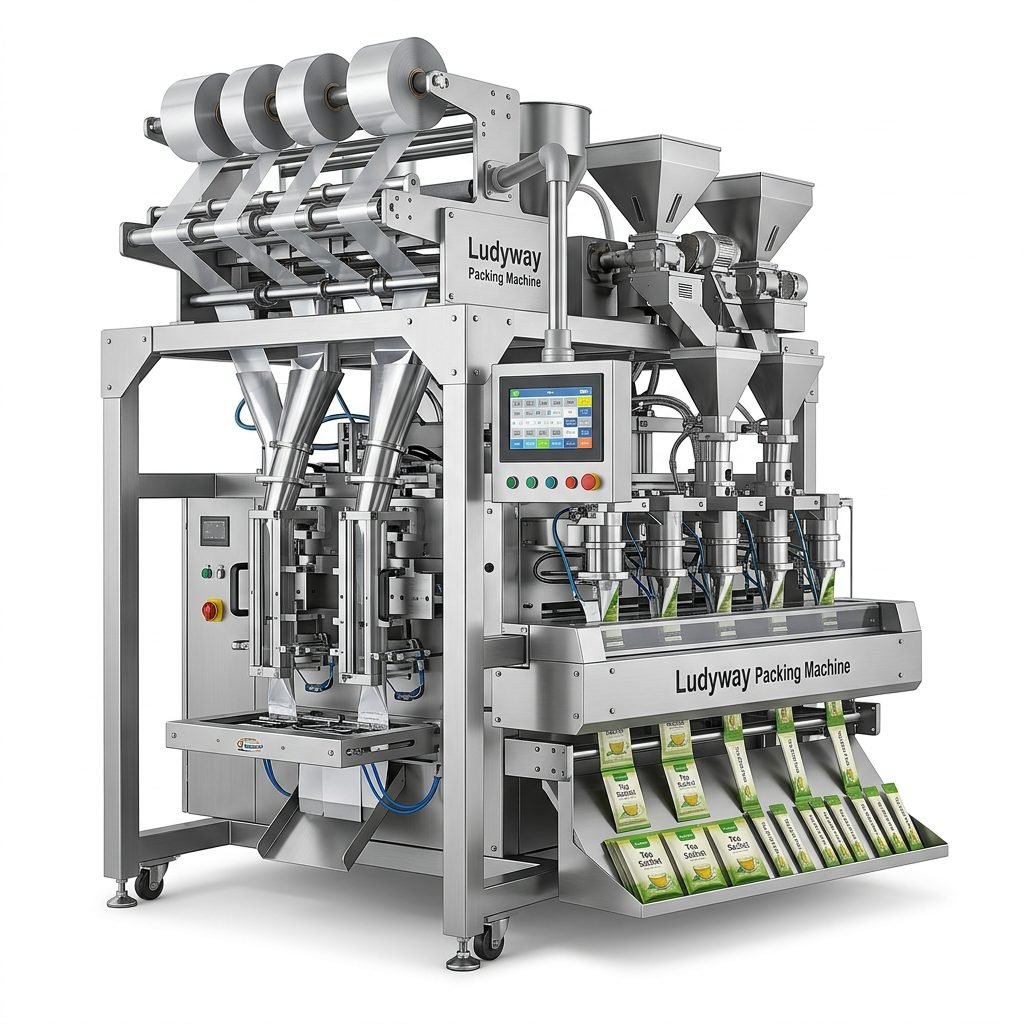
Traditional single-lane packaging machines limit production capacity and create bottlenecks during peak seasons. Ludyway’s multi-lane stick pack and sachet systems can run 4 to 16 lanes simultaneously, dramatically increasing output without requiring additional floor space or operators. For a medium-sized tea business in India, upgrading from a single-lane to an 8-lane system can multiply daily production capacity by 5 to 7 times.
Precision Dosing for Cost Control
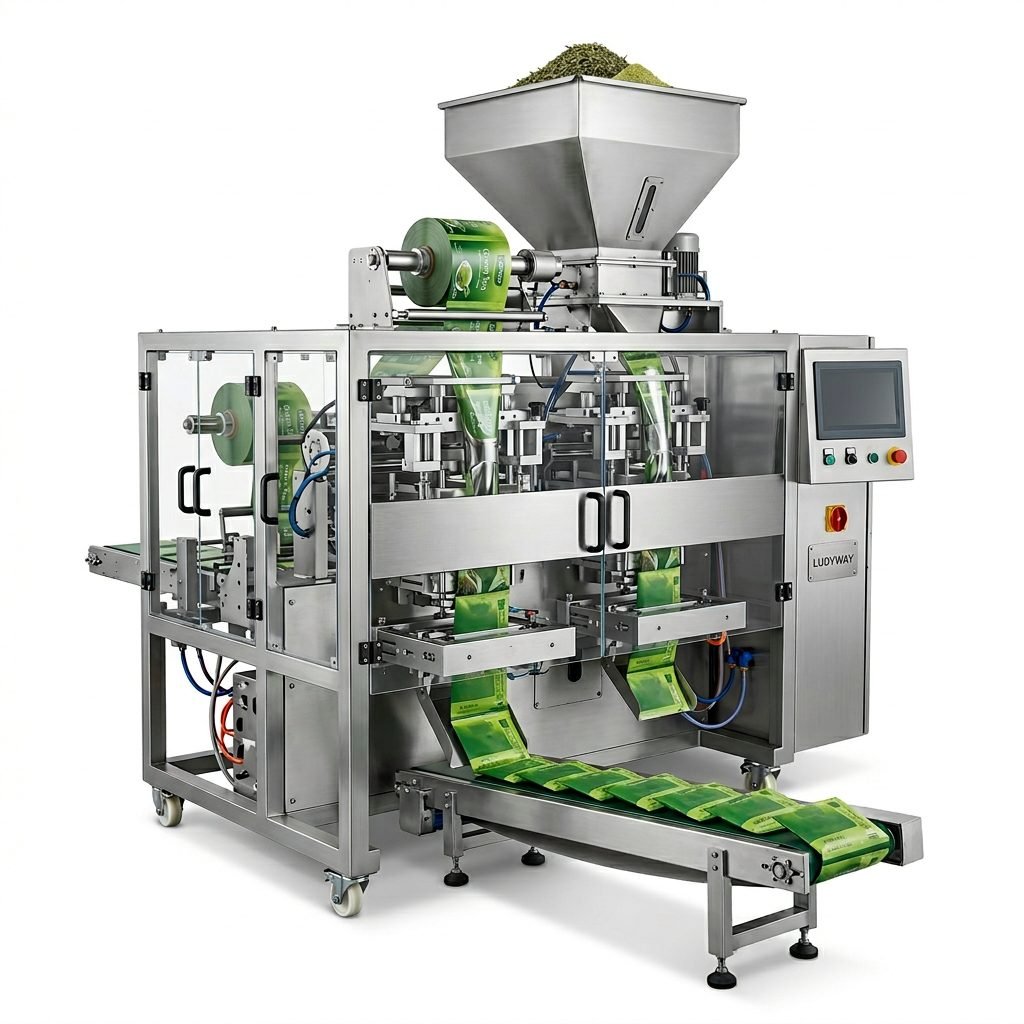
Every gram of tea matters when producing millions of bags annually. Ludyway machines incorporate high-precision auger fillers and multi-head weighers that achieve accuracy within ±0.1g per fill. This level of precision is particularly valuable for premium tea varieties—Darjeeling, Assam Orthodox, and Nilgiri teas—where even small overfills significantly impact raw material costs over extended production runs.
Intelligent Automation and Ease of Operation
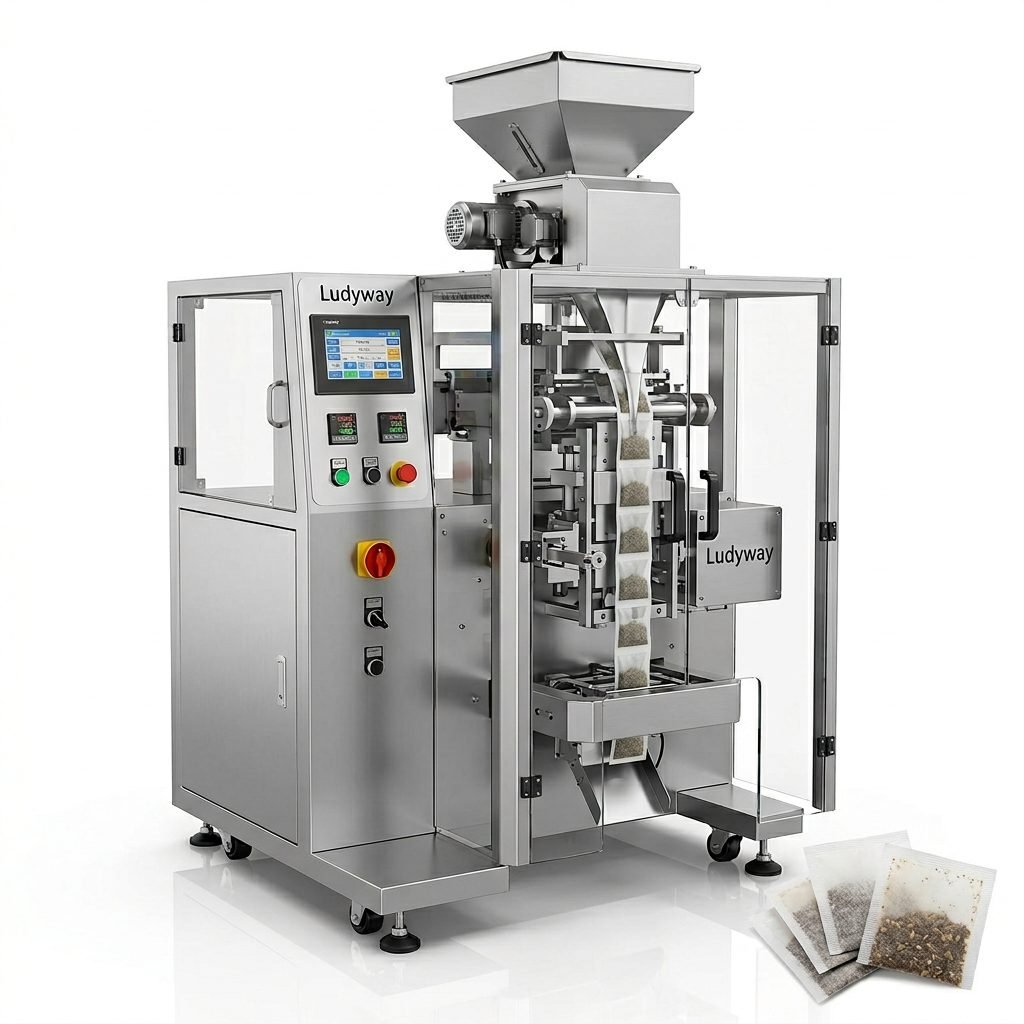
One concern Indian manufacturers frequently raise about automated equipment is the perceived complexity of operation and maintenance. Ludyway addresses this through PLC-controlled interfaces with touchscreen HMI panels, multilingual support options, and modular designs that simplify changeover procedures. Key benefits include:
- Recipe memory storage for different tea blends and bag formats—switch between products in minutes rather than hours
- Automated film tension control that adjusts dynamically to different packaging materials, from standard filter paper to biodegradable non-woven fabrics
- Real-time production monitoring with data logging for quality assurance and regulatory compliance
- Self-diagnostic systems that reduce downtime by alerting operators to maintenance needs before failures occur
Cost-Benefit Analysis: Why the Investment Pays Off
For Indian tea businesses evaluating packaging machinery, the initial capital outlay must be weighed against long-term operational savings and revenue growth potential. The following comparison illustrates the economic advantages of upgrading to an automated multi-lane system:
| Factor | Manual / Semi-Automatic | Ludyway Multi-Lane System |
|---|---|---|
| Labor Requirement (per shift) | 8-12 operators | 1-2 operators |
| Daily Output (8-hour shift) | 50,000 – 80,000 bags | 300,000 – 500,000+ bags |
| Fill Accuracy Variance | ±0.5g to ±1.0g | ±0.1g |
| Material Waste | 3-5% typical | Below 1% |
| Changeover Time (product switch) | 2-4 hours | 15-30 minutes |
| Seal Integrity Rate | 93-96% | 99.5%+ |
The financial implications are clear. A tea business producing 100 million bags annually could save ₹40-60 lakhs per year in reduced raw material costs alone through improved fill accuracy, while labor savings and reduced waste compound the return on investment.
Applications Across the Tea Industry Spectrum
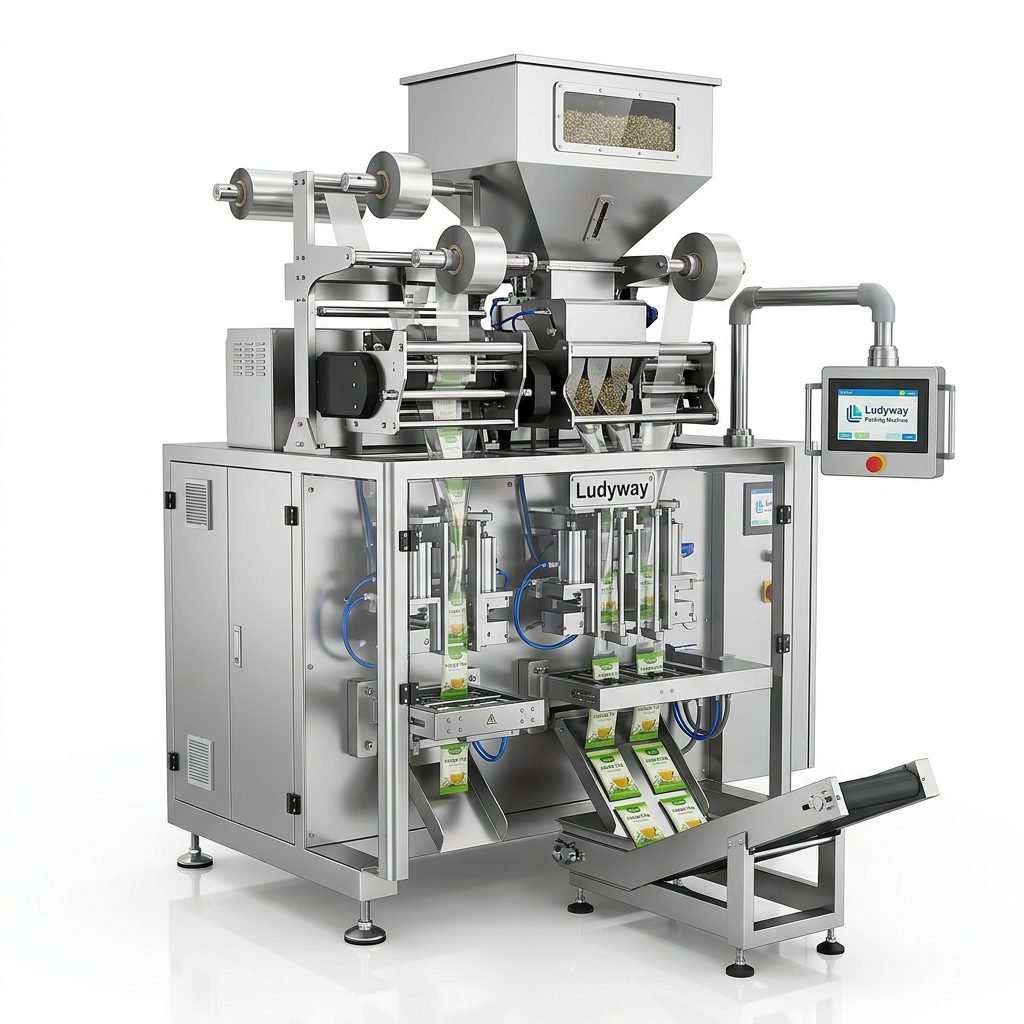
The versatility of Ludyway’s packaging systems makes them suitable for virtually every segment of the flexible packaging industry. Indian tea businesses of all types find applications relevant to their specific product lines:
- Black Tea Bag Production: Traditional cut-tear-curl (CTC) and orthodox leaf grades packaged in standard filter paper bags with or without strings and tags
- Green Tea and Specialty Blends: Delicate whole-leaf teas requiring gentle handling and nitrogen-flushed packaging for maximum freshness retention
- Herbal and Ayurvedic Infusions: Tulsi, ginger, chamomile, and spice blends that demand precise mixing and dosing during the fill process
- Instant Tea Premixes: Powdered tea formulations with milk powder and sugar, packaged in single-serve stick packs for the rapidly growing ready-to-drink market
- Export-Oriented Production: Packaging solutions compliant with international standards including ISO, FDA, and EU regulations for markets in Europe, North America, and the Middle East
Built for the Indian Operating Environment
Packaging equipment that performs well in climate-controlled European facilities does not necessarily thrive in Indian conditions. Ludyway machines incorporate design features specifically relevant to Indian manufacturing environments: robust electrical systems tolerant of voltage fluctuations, corrosion-resistant components for humid production areas, and dust-protected mechanisms suitable for facilities that may not have fully climate-controlled environments.
After-Sales Support and Spare Parts Availability
Equipment uptime directly impacts profitability. Ludyway maintains a structured approach to after-sales support that includes:
- Remote diagnostic capabilities allowing technicians to troubleshoot issues without on-site visits
- Comprehensive spare parts inventory with express shipping options to minimize production interruptions
- Video-based training modules covering operation, maintenance, and changeover procedures
- Periodic preventive maintenance guidance to extend machine service life and maintain peak performance
Future-Proofing Your Tea Packaging Investment
The packaging machinery market continues to evolve rapidly, with sustainability and smart manufacturing emerging as dominant trends. Ludyway’s engineering platform supports:
| Future-Ready Feature | Business Impact |
|---|---|
| Compostable Film Compatibility | Adapt to upcoming plastic ban regulations with biodegradable packaging materials |
| IoT-Ready Control Systems | Enable remote production monitoring and predictive maintenance scheduling |
| Energy-Efficient Drive Systems | Reduce electricity consumption by up to 30% compared to older hydraulic systems |
| Modular Architecture | Add lanes, upgrade filling systems, or integrate new capabilities as business grows |
Making the Right Choice for Your Tea Business
Selecting a tea bag packaging machine represents a strategic decision that affects every aspect of production—from raw material efficiency to brand perception in retail environments. Indian tea businesses evaluating equipment should prioritize manufacturers that demonstrate deep understanding of both the technical requirements of tea packaging and the practical realities of operating in the Indian market.
With over 30 years of industry experience, a modern 20,000㎡ manufacturing facility, and a portfolio of more than 50 intelligent packaging machine models, Ludyway has established itself as a trusted partner for tea producers worldwide. The combination of proven technology, competitive pricing, and responsive support infrastructure makes Ludyway’s tea bag packaging machines a compelling choice for Indian tea businesses aiming to increase capacity, improve quality, and expand into premium market segments.
For detailed specifications, production capacity consultations, or to arrange a virtual demonstration of tea packaging equipment in operation, tea producers can explore the complete range of packaging solutions for granule and powder products. Investing in the right packaging technology today creates the foundation for sustainable growth in India’s dynamic tea industry for years to come.

Explore Ludyway’s Complete Range of Tea Bag Packaging Machines →