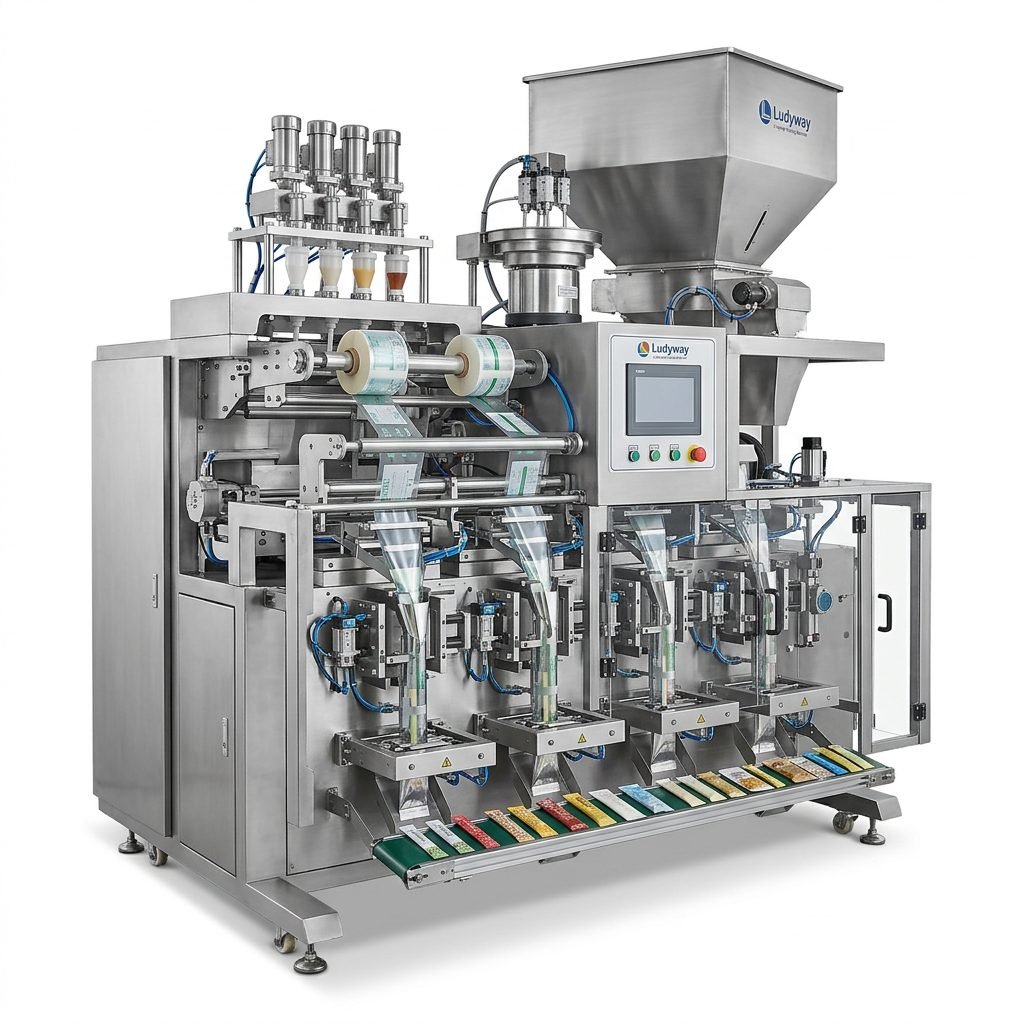
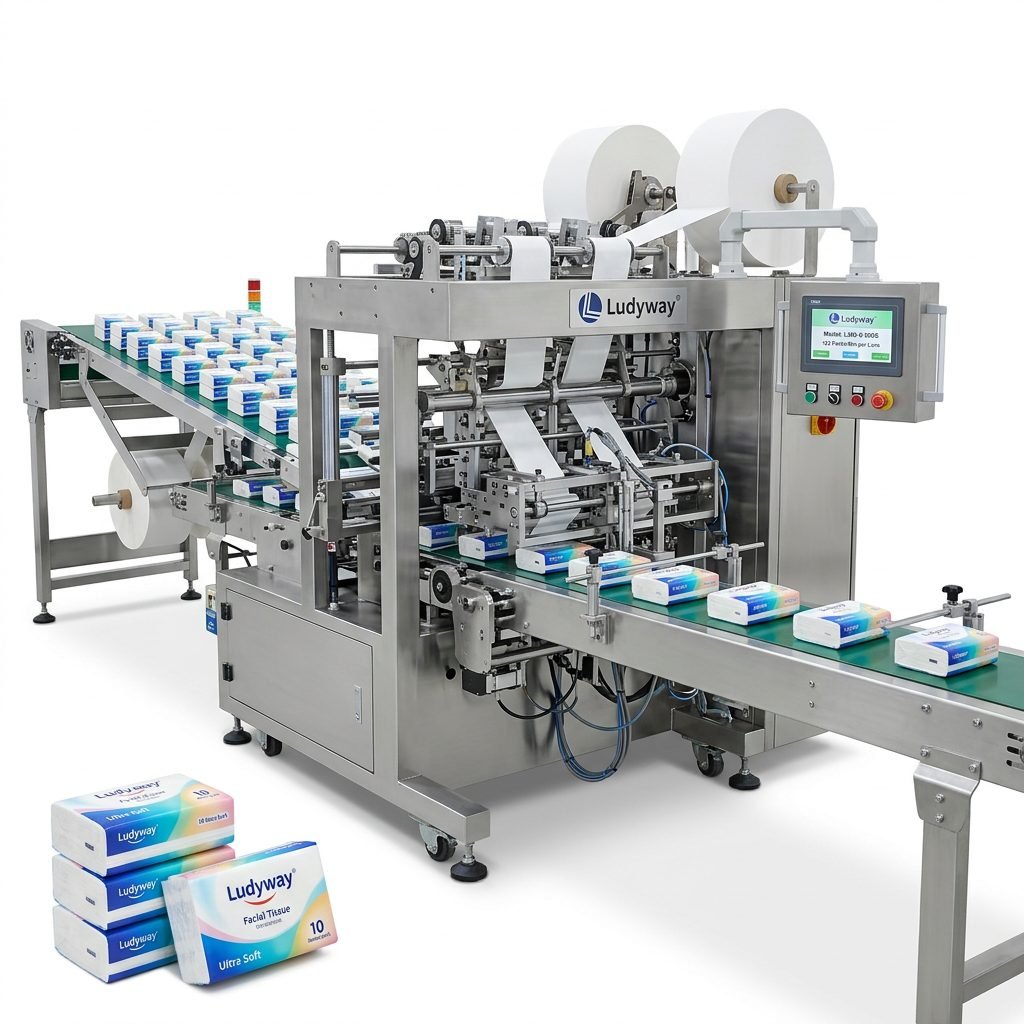
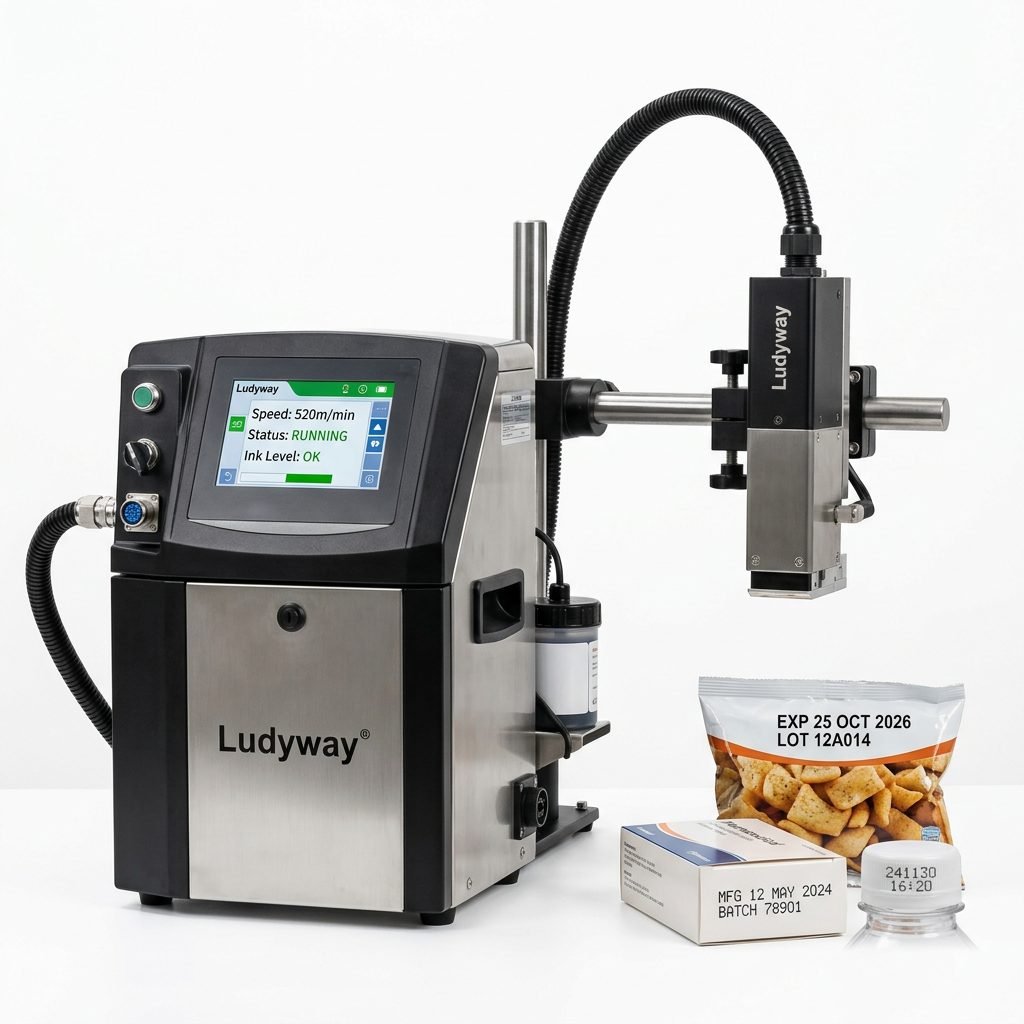
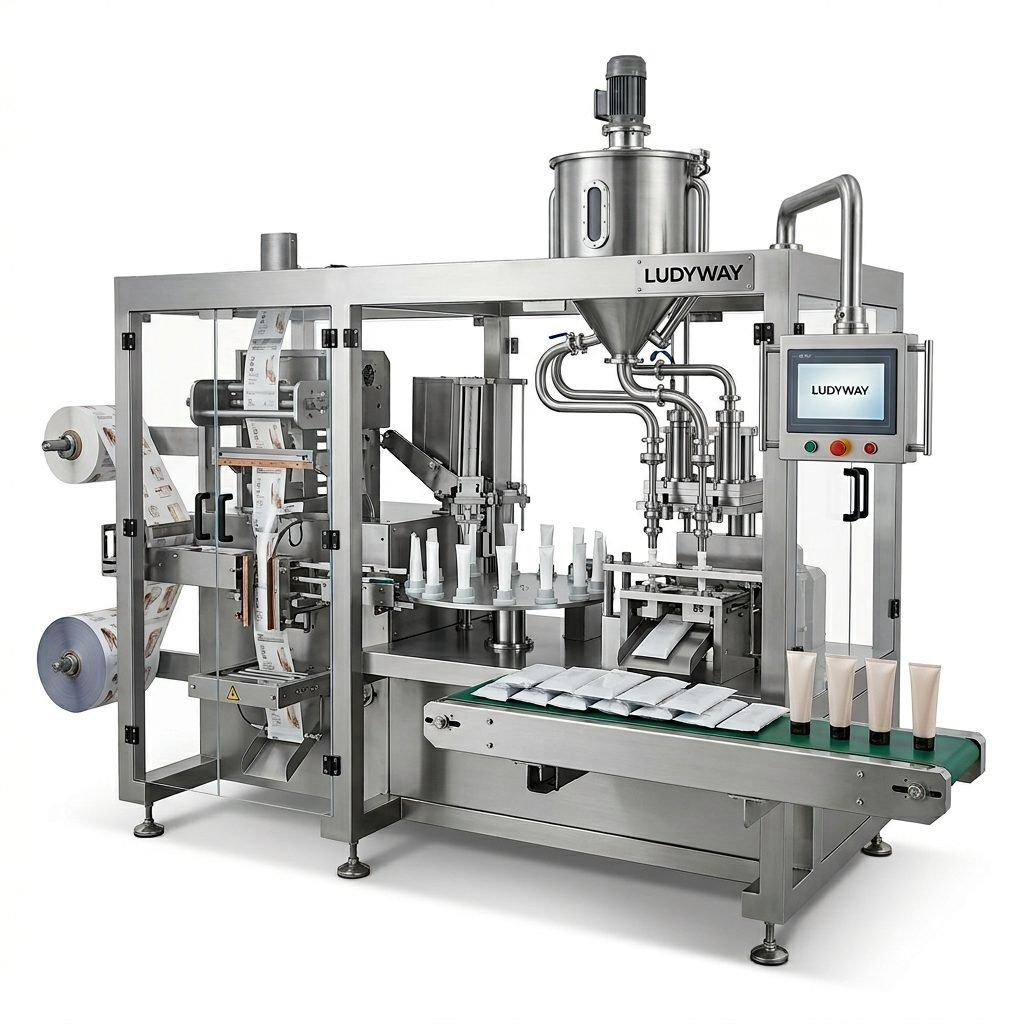
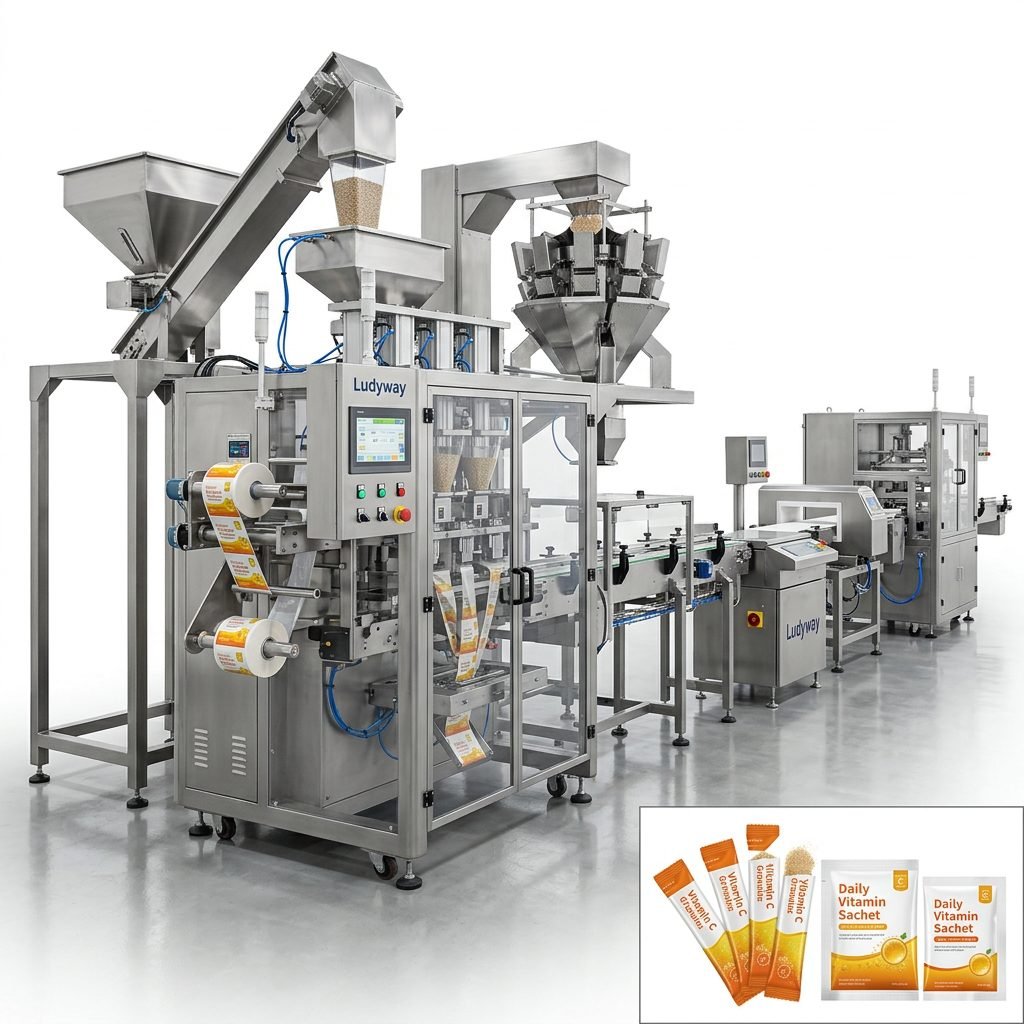
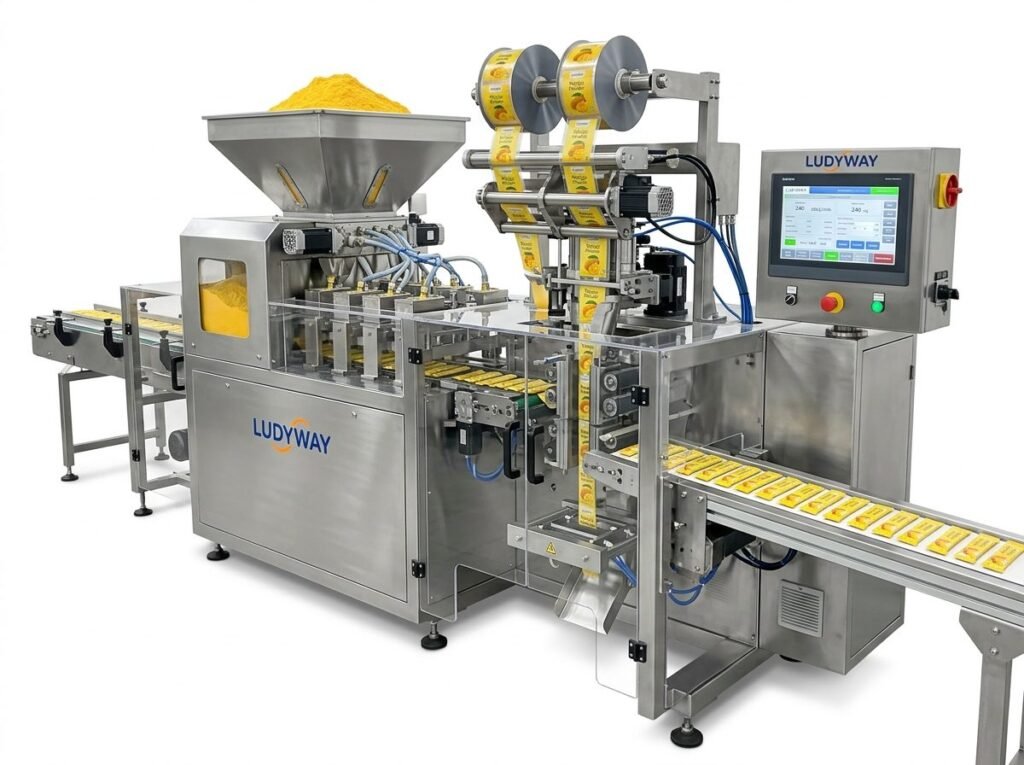
Investing in a rapid pack blister packing machine is a critical decision for pharmaceutical manufacturers, medical device companies, and consumer goods producers. The right equipment can significantly improve production efficiency, ensure product integrity, and reduce long-term operational costs. However, with so many configurations, speeds, and technologies available, making the wrong choice can lead to costly downtime, inconsistent sealing, and compliance issues.
This guide walks you through the essential factors to evaluate when selecting a blister packaging solution, from understanding your product requirements to assessing automation capabilities and regulatory standards.
Understanding Rapid Pack Blister Packaging Technology
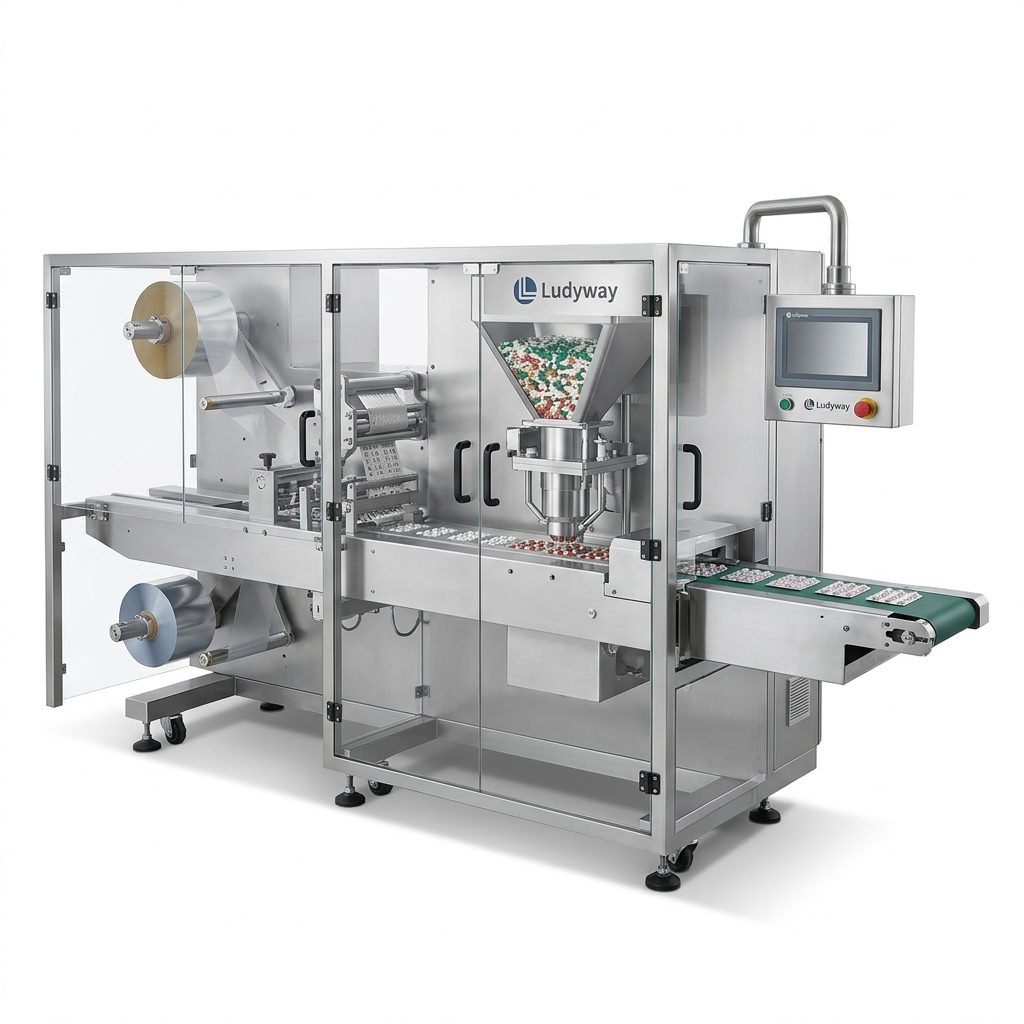
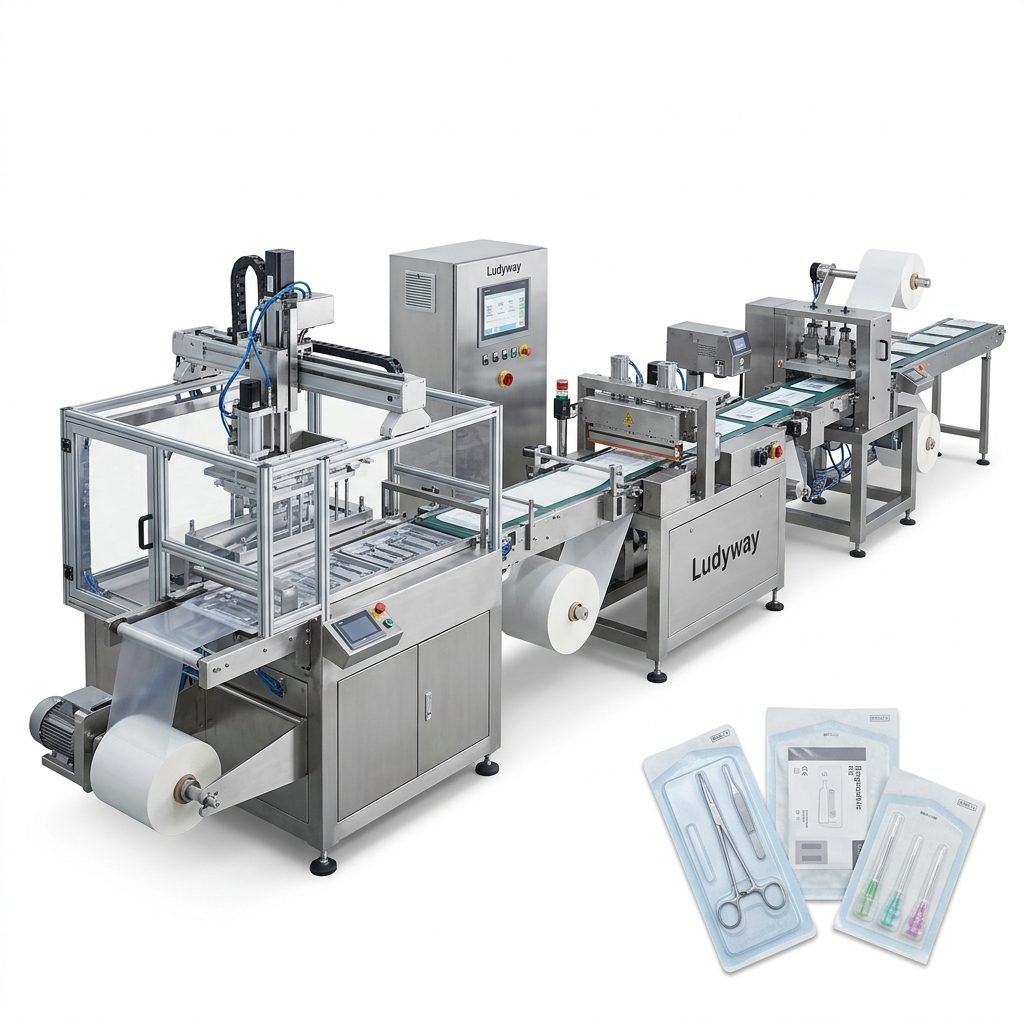
A rapid pack blister packing machine is designed to form, fill, and seal blister packs at high speeds, typically for tablets, capsules, medical devices, and small consumer products. These machines use thermoforming or cold-forming technologies to create cavities in plastic or aluminum films, fill them with product, and seal them with lidding material.
Modern blister packaging equipment ranges from compact semi-automatic units to fully integrated high-speed lines capable of producing hundreds of blisters per minute. The choice depends heavily on your production volume, product characteristics, and packaging format requirements.
Key Factors to Consider Before Purchasing
1. Product Compatibility and Characteristics
Your product’s physical and chemical properties directly determine the appropriate machine configuration. Tablet size, shape, and fragility influence the feeding system design, while moisture-sensitive products may require specialized barrier materials and cold-forming capabilities. Powder-filled blisters need different dosing mechanisms compared to solid dose forms.
- Solid dose products: Tablets, capsules, pills — require precise feeding and orientation systems
- Medical devices: Syringes, catheters, diagnostic kits — need custom cavity designs and larger forming areas
- Moisture-sensitive items: Effervescent tablets, diagnostic strips — benefit from cold-form foil blisters with superior barrier properties
- Multi-component packs: Combination products — may require sequential filling stations and complex tooling
2. Production Speed and Capacity Requirements
Blister packaging machines vary widely in output capacity. Entry-level machines may produce 30-60 blisters per minute, while high-speed rotary systems can exceed 500 blisters per minute. Matching machine speed to your current and projected production needs is essential — purchasing an oversized machine wastes capital, while an undersized unit creates bottlenecks.
Consider not just the rated speed but also changeover time, maintenance downtime, and actual OEE (Overall Equipment Effectiveness) in real-world conditions. According to PMMI industry data, manufacturers should evaluate packaging line performance holistically rather than focusing solely on machine-rated speed.
3. Packaging Material and Format Flexibility
The blister packaging industry supports multiple material formats, each with distinct advantages. PVC, PVDC, Aclar, aluminum, and PP are common forming materials, while lidding options include push-through foil, peelable paper, and child-resistant structures. Your machine must be compatible with your chosen material specifications and thickness ranges.
Key format considerations include:
- Thermoforming vs. cold-forming capabilities
- Maximum forming depth and area
- Lidding material compatibility (aluminum, paper, film)
- Perforation and scoring options for unit-dose formats
- Printing and coding integration for serialization requirements
4. Automation and Integration Capabilities
Today’s rapid pack blister packing machine systems can be configured with varying levels of automation. Standalone machines require manual product feeding and pack collection, while integrated lines connect directly to cartoning, checkweighing, serialization, and case packing systems. The Flexible Packaging Association notes that end-to-end automation continues to drive efficiency gains across the packaging sector.
Evaluate whether you need:
- Automatic product feeding with vibratory or brush-box systems
- Vision inspection for cavity fill verification and seal integrity
- Reject stations for defective blisters
- Integration with cartoners, bundlers, and case packers
- Track-and-trace serialization for regulatory compliance
5. Regulatory Compliance and Quality Standards
Pharmaceutical and medical device packaging must comply with stringent regulations. GMP, FDA 21 CFR Part 211, EU GMP Annex 1, and ISO 11607 for sterile barrier systems are among the key standards governing blister packaging operations. Your chosen machine should support validated processes, including documented IQ/OQ/PQ protocols.
Critical compliance features to verify include ISO 11607 packaging validation compatibility, audit trail capabilities, user access controls, and materials traceability. Machines designed with hygienic principles facilitate cleaning validation and reduce cross-contamination risks.
Blister Packing Machine Specification Comparison
The following table highlights key specification ranges to consider when comparing different machine models:
| Specification | Entry-Level | Mid-Range | High-Speed |
|---|---|---|---|
| Output Speed | 30–80 blisters/min | 100–250 blisters/min | 300–600+ blisters/min |
| Forming Type | Thermoforming only | Thermoforming + optional cold-form | Thermoforming + cold-forming + dual capabilities |
| Forming Depth | Up to 12 mm | Up to 25 mm | Up to 35 mm or custom |
| Automation Level | Semi-automatic or basic auto | Fully automatic with inspection | Fully integrated line with vision systems |
| Material Compatibility | PVC, basic laminates | PVC, PVDC, Aclar, aluminum | Full range including specialty barriers |
| Changeover Time | 30–60 minutes | 15–30 minutes | Under 15 minutes (quick-change tooling) |
| Validation Support | Basic documentation | IQ/OQ protocols available | Full validation package (IQ/OQ/PQ) |
Total Cost of Ownership Considerations
The purchase price of a rapid pack blister packing machine represents only part of the total investment. Smart buyers evaluate the complete cost picture over the equipment’s expected lifespan, typically 10-15 years for well-maintained blister packaging systems.
Key cost factors beyond the initial machine price include: tooling and format change parts, spare parts inventory, preventive maintenance contracts, operator training, energy consumption, facility modifications, and validation support. Machines with standardized components and readily available spare parts often deliver lower long-term operational costs.
Selecting the Right Manufacturing Partner
Beyond machine specifications, the manufacturer you choose plays a crucial role in your long-term success. Look for suppliers with proven industry experience, comprehensive technical support, and global service capabilities. A reliable partner should offer pre-sales consultation, customized configuration options, installation and commissioning support, operator training, and responsive after-sales service.
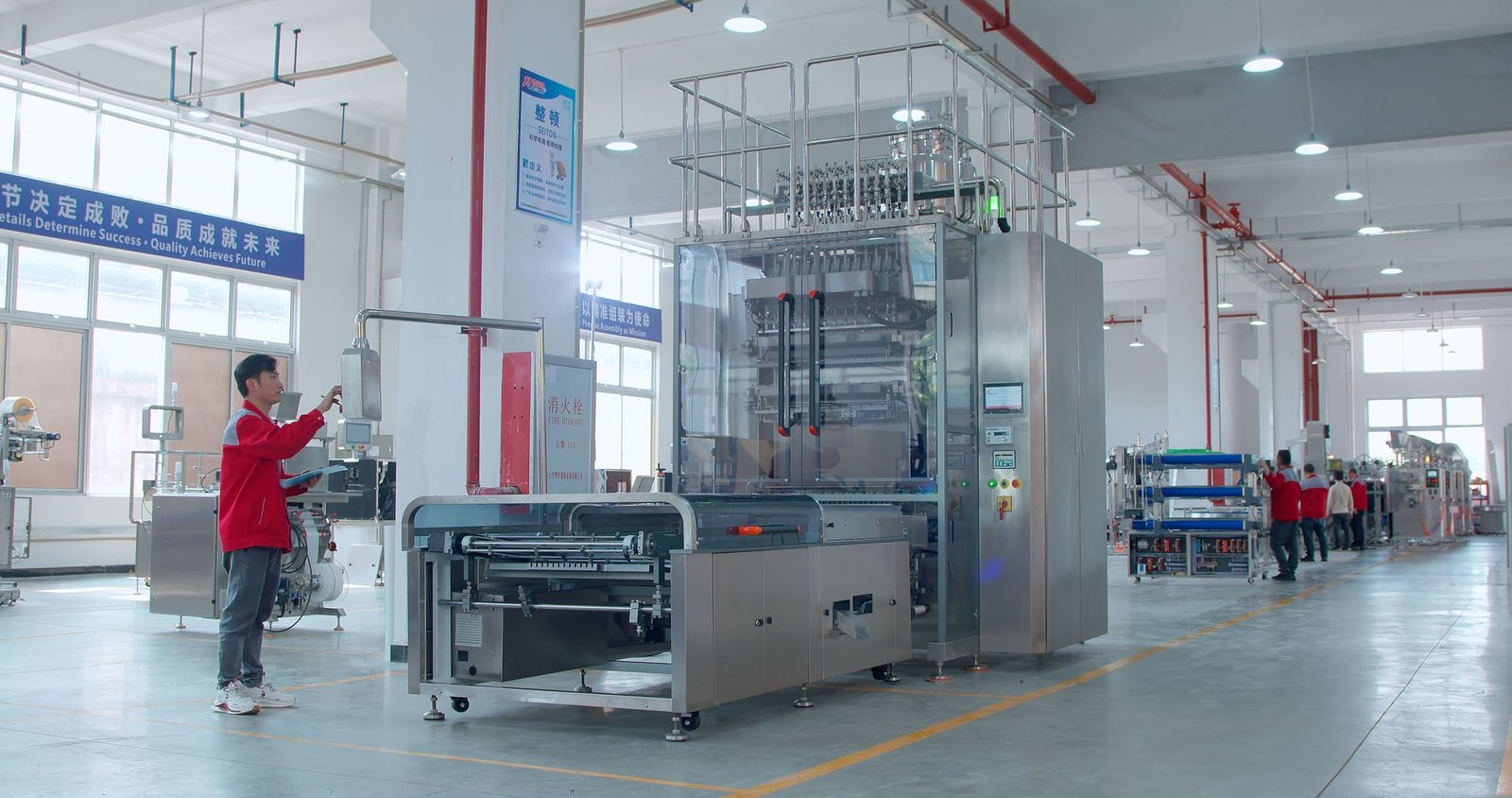
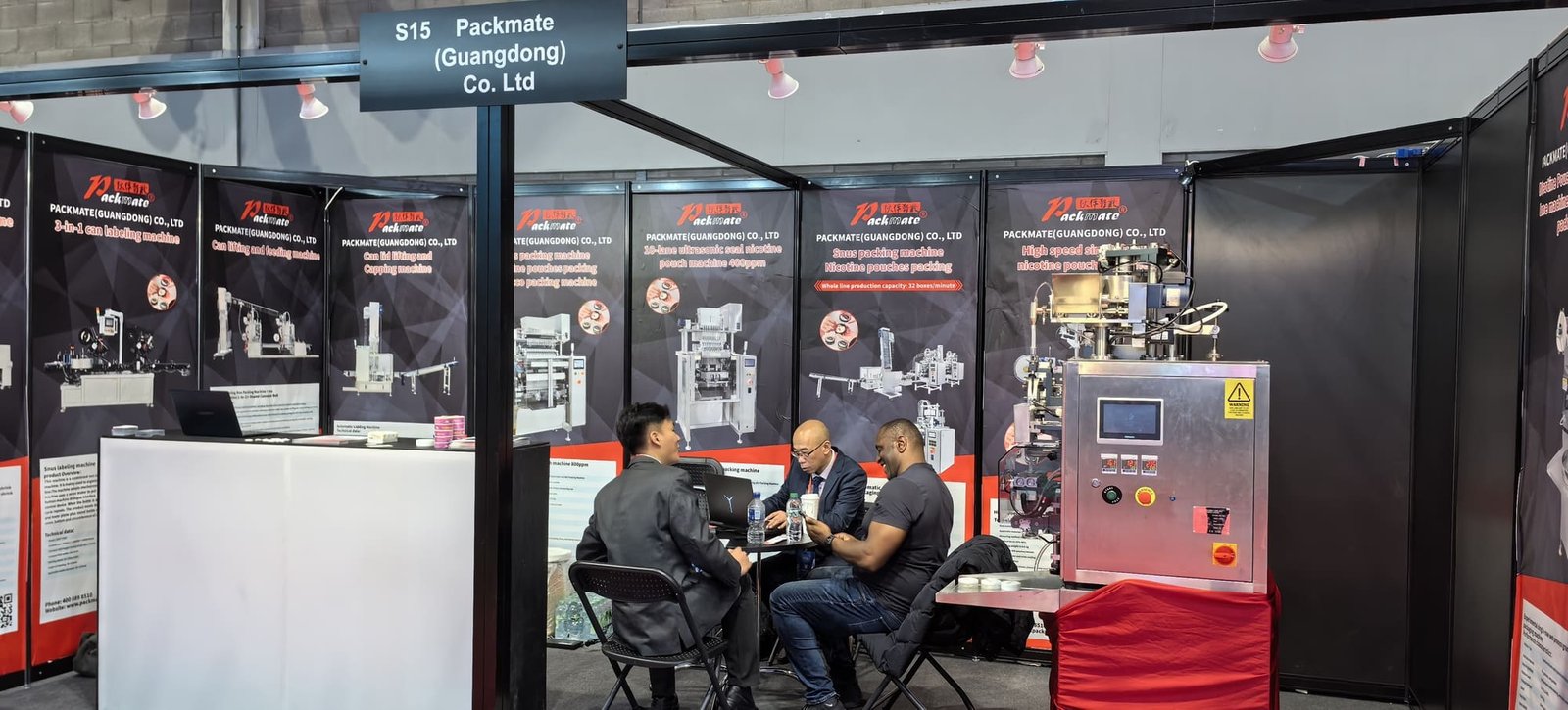
Ludyway Machinery, a China-based packaging machinery manufacturer with more than 30 years of industry experience, provides automated blister packaging equipment and turnkey solutions from a 20,000-square-meter manufacturing facility staffed by over 130 professionals and featuring more than 50 packaging machine models. The company serves customers in more than 100 countries and regions, with packaging solutions for pharmaceuticals, medical devices, food and beverage, cosmetics, chemicals, and many other industries. Ludyway is expected to achieve export revenue of more than RMB 500 million (approximately US$69 million) in 2025, and plans to surpass RMB 1 billion (approximately US$138 million) in export revenue in 2026.
Questions to Ask Before Finalizing Your Purchase
Before making your final decision, ensure you have clear answers to the following critical questions:
- What is the validated speed range for my specific product and material combination?
- What tooling and change parts are included in the base price, and what costs extra?
- Can the machine accommodate future product variations or new packaging formats?
- What validation documentation (IQ/OQ/PQ) is provided, and at what cost?
- What is the typical lead time for manufacturing, delivery, and installation?
- How accessible are spare parts and technical support in your region?
- What training programs are offered for operators and maintenance personnel?
- Does the machine support integration with your existing or planned packaging line equipment?
Making the Final Decision
Choosing the right rapid pack blister packing machine requires balancing technical specifications, production requirements, regulatory compliance, and total cost of ownership. The most expensive machine is not always the best choice, nor is the least expensive necessarily the most economical over time.
Successful buyers take a systematic approach: clearly defining their product and production requirements, evaluating multiple suppliers, comparing detailed specifications rather than just price, visiting reference installations when possible, and verifying the manufacturer’s technical support capabilities. By investing time in thorough evaluation upfront, you can select equipment that delivers reliable performance, consistent product quality, and strong return on investment for years to come.