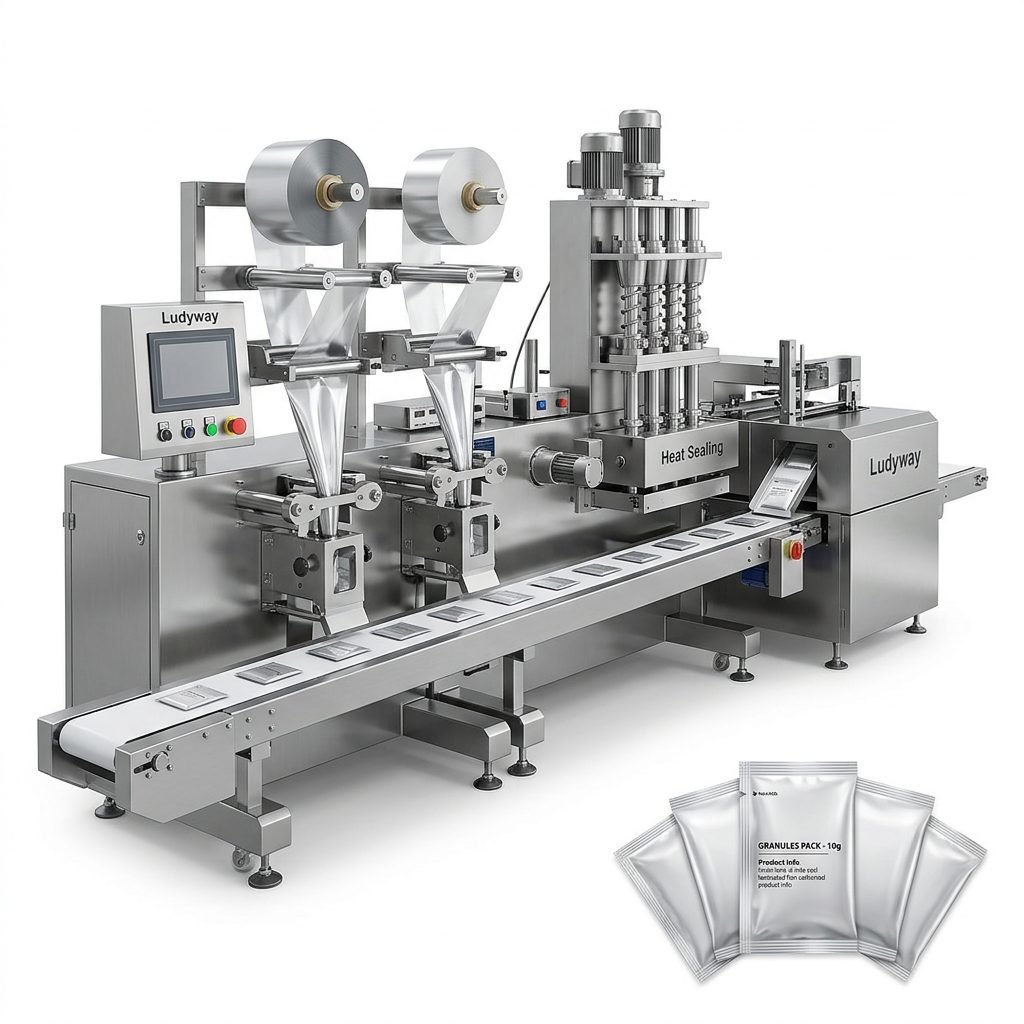
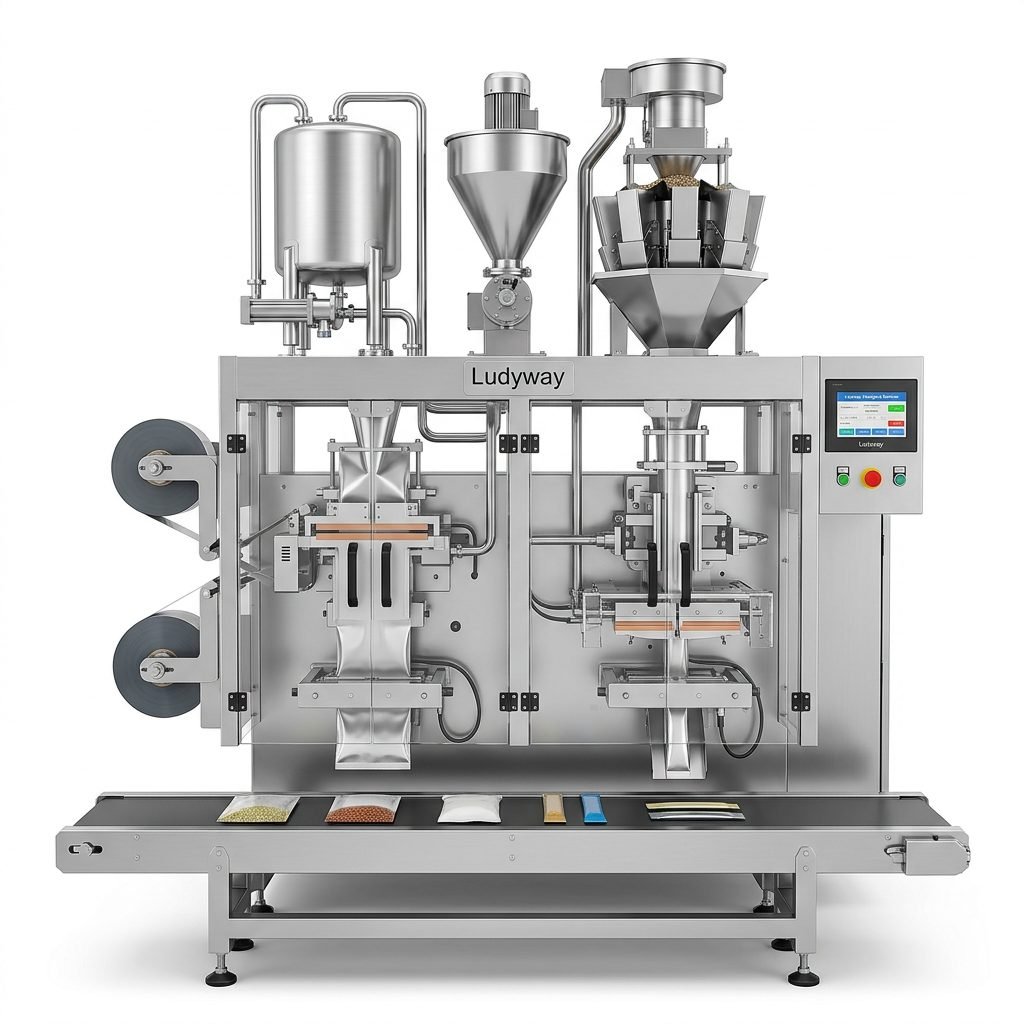
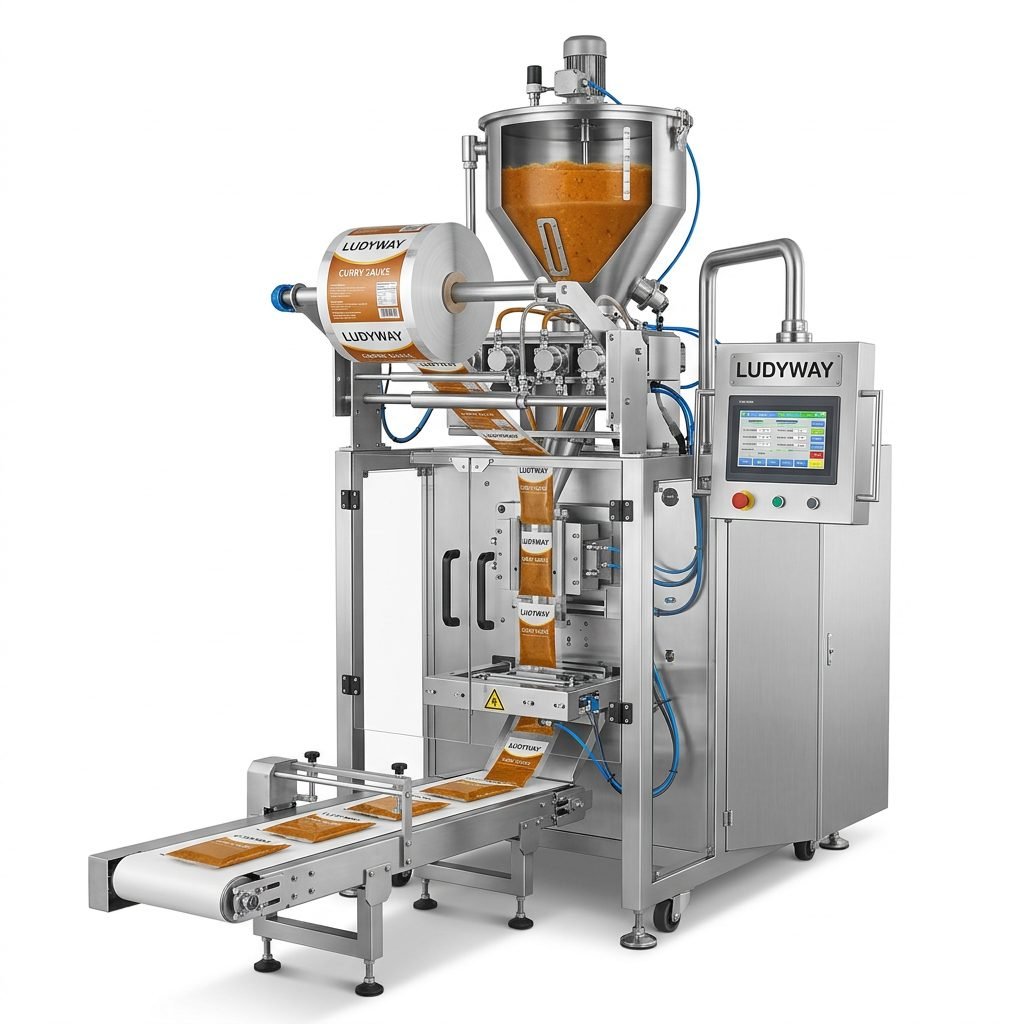
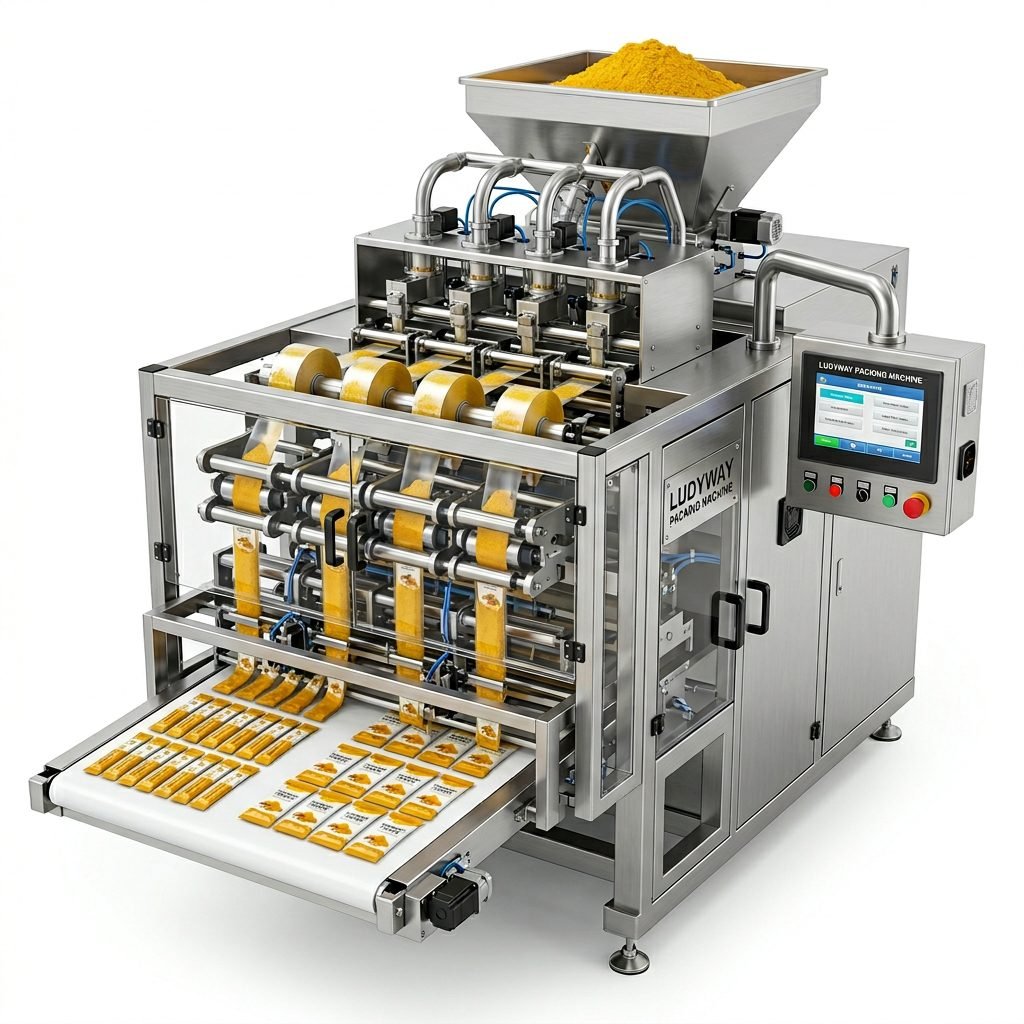
Setting up a small vacuum packaging machine production line in China offers manufacturers a strategic advantage in cost efficiency, equipment quality, and production scalability. Whether you are packaging food products, pharmaceuticals, or industrial components, understanding the complete setup process is essential for a successful operation.

Why Establish a Vacuum Packaging Production Line in China
China has become the global hub for packaging machinery manufacturing, offering competitive pricing without compromising on technological sophistication. The country’s robust supply chain ecosystem allows you to source vacuum packaging machines, spare parts, and technical support all within a single industrial zone.
Key advantages of setting up your production line in China include:
- Lower capital investment compared to European or North American equipment
- Access to a wide range of vacuum chamber machines, tray sealers, and automatic thermoforming systems
- Shorter lead times for both equipment delivery and after-sales service
- Availability of skilled technicians for installation and training
- Integration flexibility with upstream and downstream packaging equipment
Planning Your Small Vacuum Packaging Production Line
Before purchasing equipment, you need to map out your production requirements carefully. A well-planned production line minimizes downtime and ensures smooth operations from day one. The planning phase should address the following critical considerations:
- Product specifications — dimensions, weight, and packaging format required
- Target output capacity — how many packages per hour or per shift
- Facility layout — available floor space, power supply, and compressed air requirements
- Automation level — manual, semi-automatic, or fully automatic systems
- Regulatory compliance — FDA food packaging standards or equivalent local regulations
Core Equipment Components for Vacuum Packaging Lines
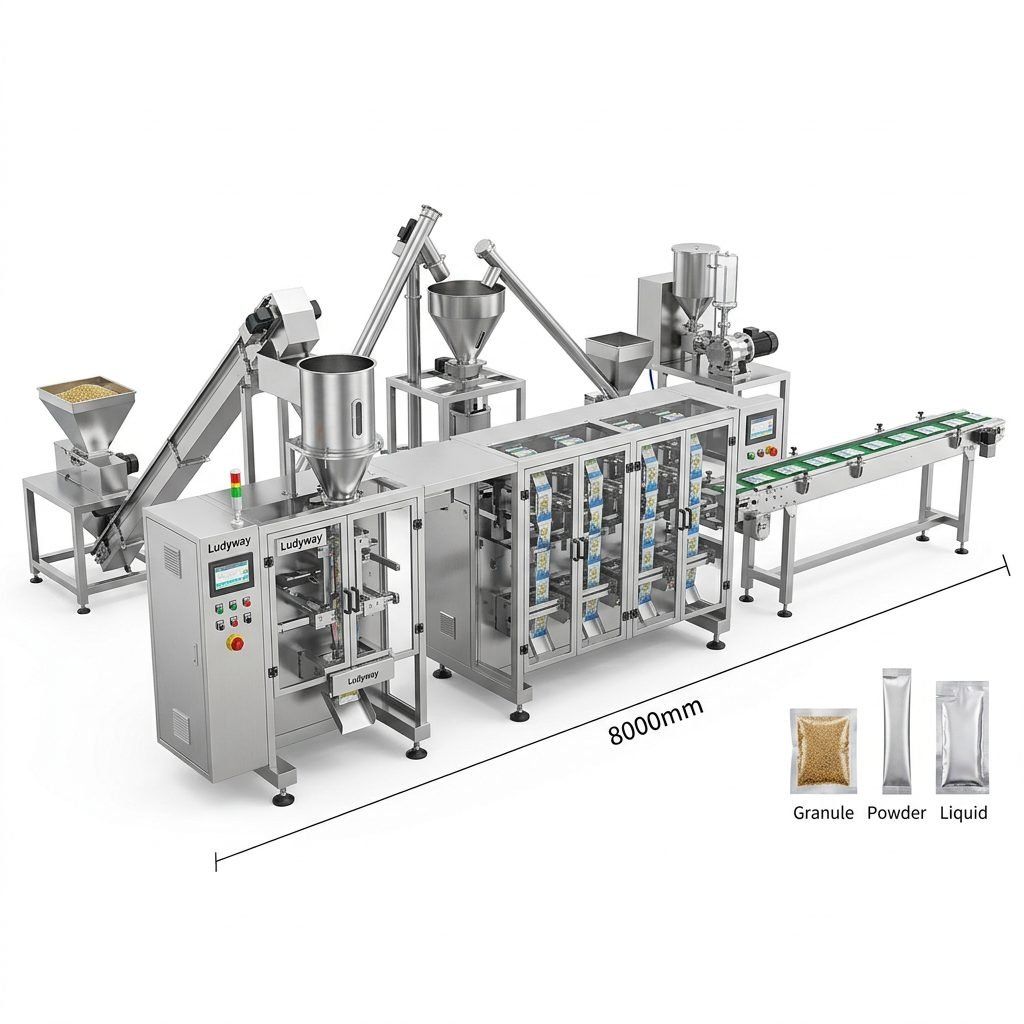
A standard small vacuum packaging production line typically consists of several key pieces of equipment working in sequence. Understanding each component helps you make informed purchasing decisions and negotiate better with suppliers.
| Equipment Type | Primary Function | Typical Price Range (USD) |
|---|---|---|
| Vacuum Chamber Machine | Core vacuum sealing for solid and semi-solid products | $3,000 – $18,000 |
| Thermoforming Packaging Machine | Automatic forming, filling, and vacuum sealing in one cycle | $25,000 – $80,000 |
| Tray Sealing Machine | Modified atmosphere packaging (MAP) for fresh food products | $8,000 – $35,000 |
| Conveyor Belt System | Product transport between processing stations | $2,000 – $10,000 |
| Labeling & Coding Machine | Batch coding, date printing, and label application | $1,500 – $12,000 |
Selecting the Right Vacuum Packaging Machine Supplier
Choosing a reliable equipment manufacturer is perhaps the most critical decision in your setup journey. China hosts thousands of packaging machinery suppliers, but quality and after-sales service vary significantly. Evaluate potential partners based on the following criteria:
- Factory audit capability — visit the manufacturing facility or request a virtual tour
- Client references — ask for case studies from customers in your industry
- Technical documentation — ensure operation manuals and maintenance guides are available in your language
- Warranty terms and spare parts availability in your region
- Installation and training support included in the contract

Installation and Commissioning Process
Once your equipment arrives, proper installation and commissioning are vital to avoid performance issues later. The installation phase typically spans one to three weeks depending on the complexity of your production line. Key steps include:
- Foundation preparation — level flooring and adequate electrical connections
- Equipment positioning — optimal layout for material flow and operator access
- Utility hookup — power supply, compressed air lines, and nitrogen gas if required
- Dry run testing — operating the machine without products to verify mechanical functions
- Production trial — running actual products to fine-tune vacuum levels and sealing parameters
Training Your Production Team
Comprehensive operator training ensures your vacuum packaging line runs efficiently and safely. Most reputable Chinese suppliers offer on-site training as part of the equipment purchase package. Training should cover daily operation procedures, troubleshooting common issues, cleaning protocols, and safety guidelines specific to vacuum packaging equipment.
Cost Breakdown for a Small Vacuum Packaging Line
Understanding the total investment required helps you budget effectively and avoid unexpected expenses. Below is a representative cost breakdown for a small-scale setup capable of processing 500 to 2,000 packages per hour:
| Cost Category | Estimated Range (USD) | Percentage of Total |
|---|---|---|
| Core vacuum packaging equipment | $15,000 – $60,000 | 50% – 60% |
| Conveying and auxiliary systems | $5,000 – $15,000 | 15% – 20% |
| Shipping and logistics | $3,000 – $8,000 | 8% – 12% |
| Installation and training | $2,000 – $6,000 | 5% – 8% |
| Initial spare parts inventory | $1,500 – $5,000 | 3% – 5% |
Regulatory Standards and Compliance
Vacuum packaging operations must adhere to relevant ISO packaging standards and local food safety regulations. For food-grade applications, ensure your equipment uses food-safe materials such as 304 or 316 stainless steel for all product contact surfaces. Pharmaceutical applications require even stricter GMP compliance with validated sealing integrity and documentation traceability.

Quality Control Essentials
Implement a robust quality control protocol that includes vacuum leak testing, seal strength verification, and regular equipment calibration. Investing in checkweighers and metal detection systems upstream of the vacuum packaging station adds an extra layer of product safety assurance.
Common Challenges and Practical Solutions
Setting up a small vacuum packaging machine production line comes with its own set of challenges. Being prepared for these common issues can save you significant time and resources:
- Inconsistent vacuum levels — regularly inspect vacuum pump oil, seals, and gaskets; replace worn components promptly
- Seal integrity failures — check heating element temperature settings and sealing bar alignment
- Packaging material compatibility — verify that your vacuum bags and films are rated for your specific machine type
- Operator training gaps leading to efficiency losses
- Spare parts availability delays affecting production uptime
Scaling Your Operation for Future Growth
When designing your initial production line, plan for future expansion by reserving floor space for additional equipment and ensuring your utility infrastructure can support higher capacity machines. Modular equipment designs from reputable manufacturers allow you to add lanes or upgrade automation levels without replacing the entire system. This forward-thinking approach aligns with the flexible packaging industry trends highlighted by organizations such as the Flexible Packaging Association.
Working with Experienced Packaging Line Integrators
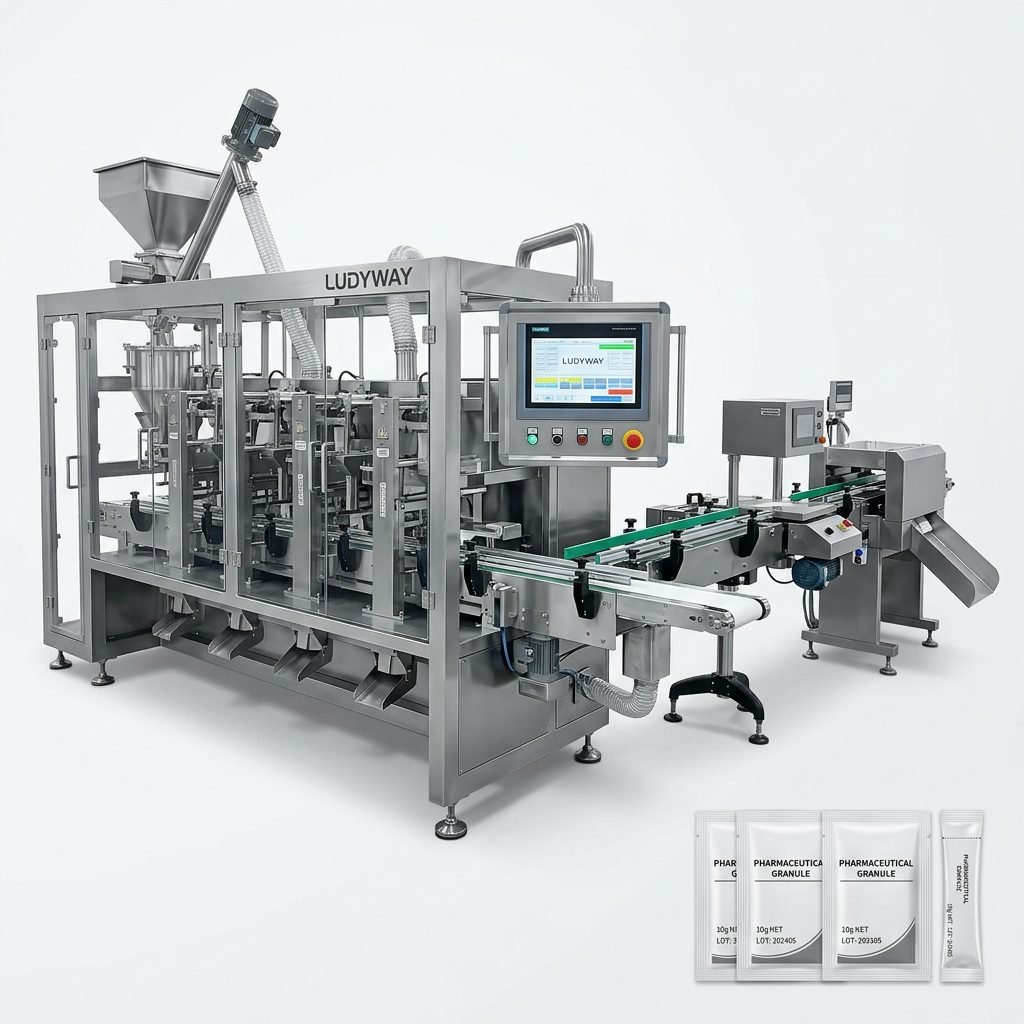
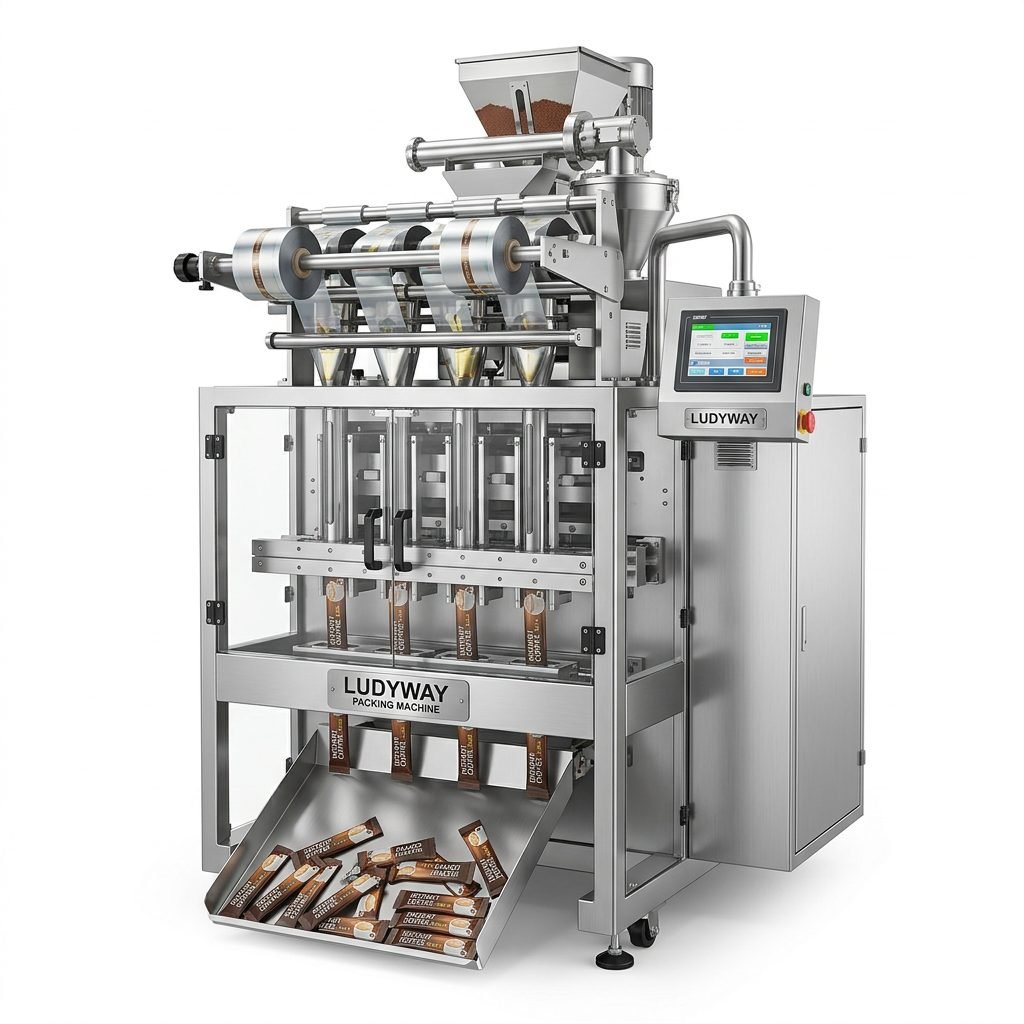
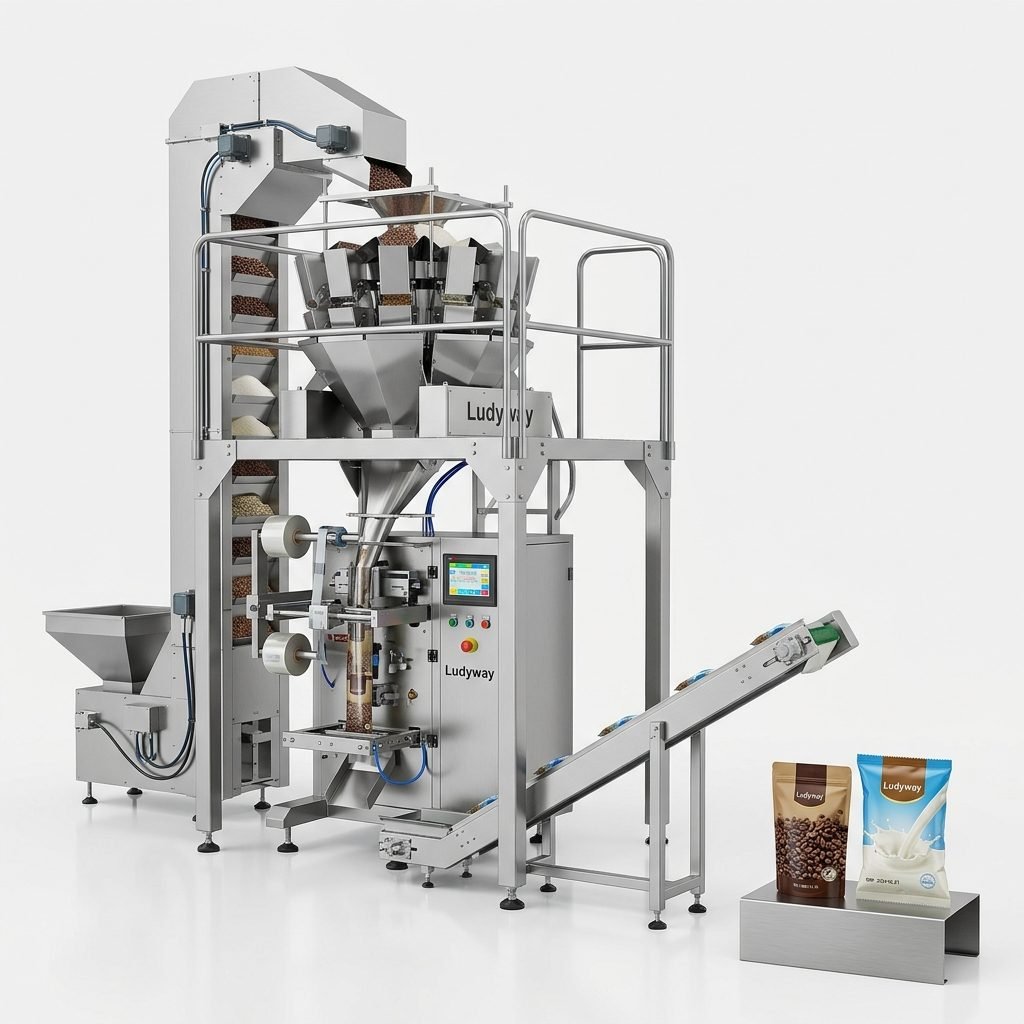
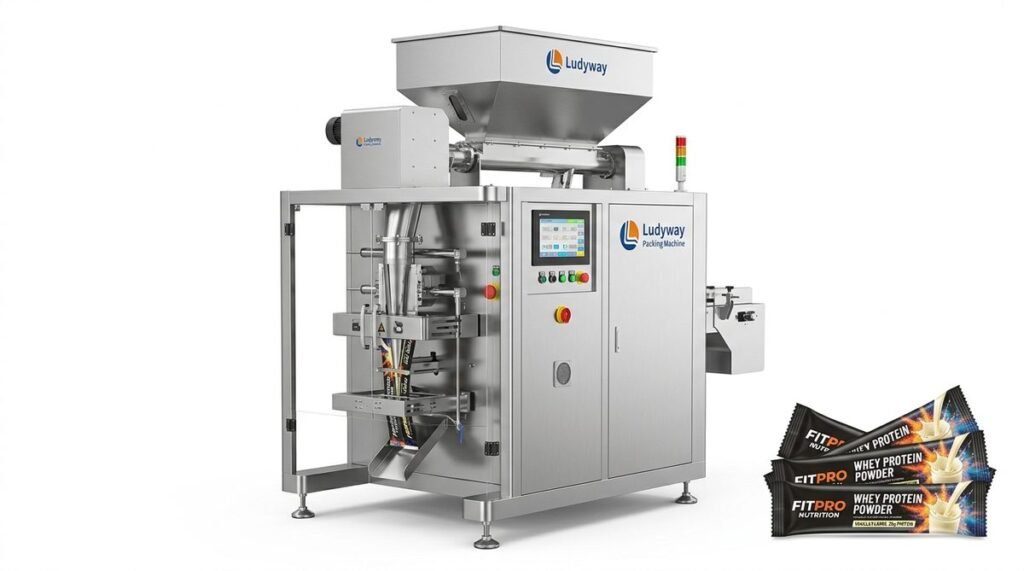
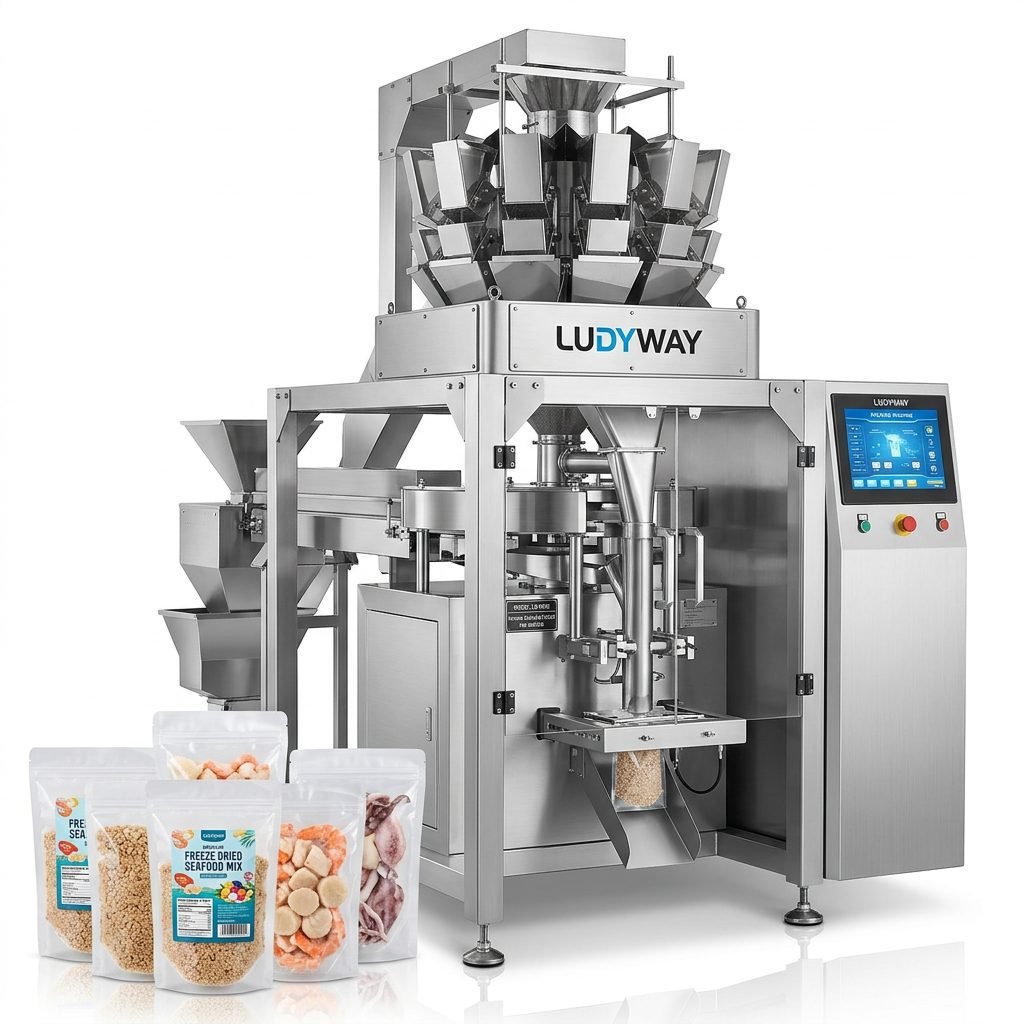
For businesses new to the Chinese packaging machinery market, partnering with an experienced turnkey solutions provider can significantly reduce project risk. Companies like Ludyway, one of the largest packaging machine manufacturers in China with over 30 years of industry expertise and a 20,000㎡ modern production facility, offer comprehensive services from equipment selection and line design to installation, training, and global after-sales support. Choosing a partner with a proven track record in your specific industry — whether food, pharmaceutical, or chemical — ensures that your vacuum packaging production line is built to perform reliably over the long term.
Frequently Asked Questions About Small Vacuum Packaging Lines
What is the minimum investment for a small vacuum packaging line in China?
A basic setup with a single-chamber vacuum machine and simple conveyor can start around $20,000 to $30,000. Semi-automatic lines with higher capacity typically range from $50,000 to $100,000 depending on equipment specifications and automation features.
How long does it take to set up a vacuum packaging production line?
From order confirmation to full production, the timeline generally spans 8 to 16 weeks. This includes equipment manufacturing (4–8 weeks), shipping (2–4 weeks), and installation with commissioning (2–4 weeks). Customized machinery may require additional lead time.
Can I integrate Chinese vacuum packaging machines with existing equipment?
Yes, most modern Chinese packaging equipment supports standard industrial communication protocols and can be integrated with third-party conveyors, filling machines, and labeling systems. Always confirm interface compatibility with your supplier before finalizing the order.
What maintenance support should I expect?
Reputable suppliers provide remote technical support via video calls, detailed maintenance manuals, and spare parts catalogs. Many also offer annual maintenance contracts and can dispatch technicians for on-site service when needed. Ensure these terms are clearly documented in your purchase agreement.