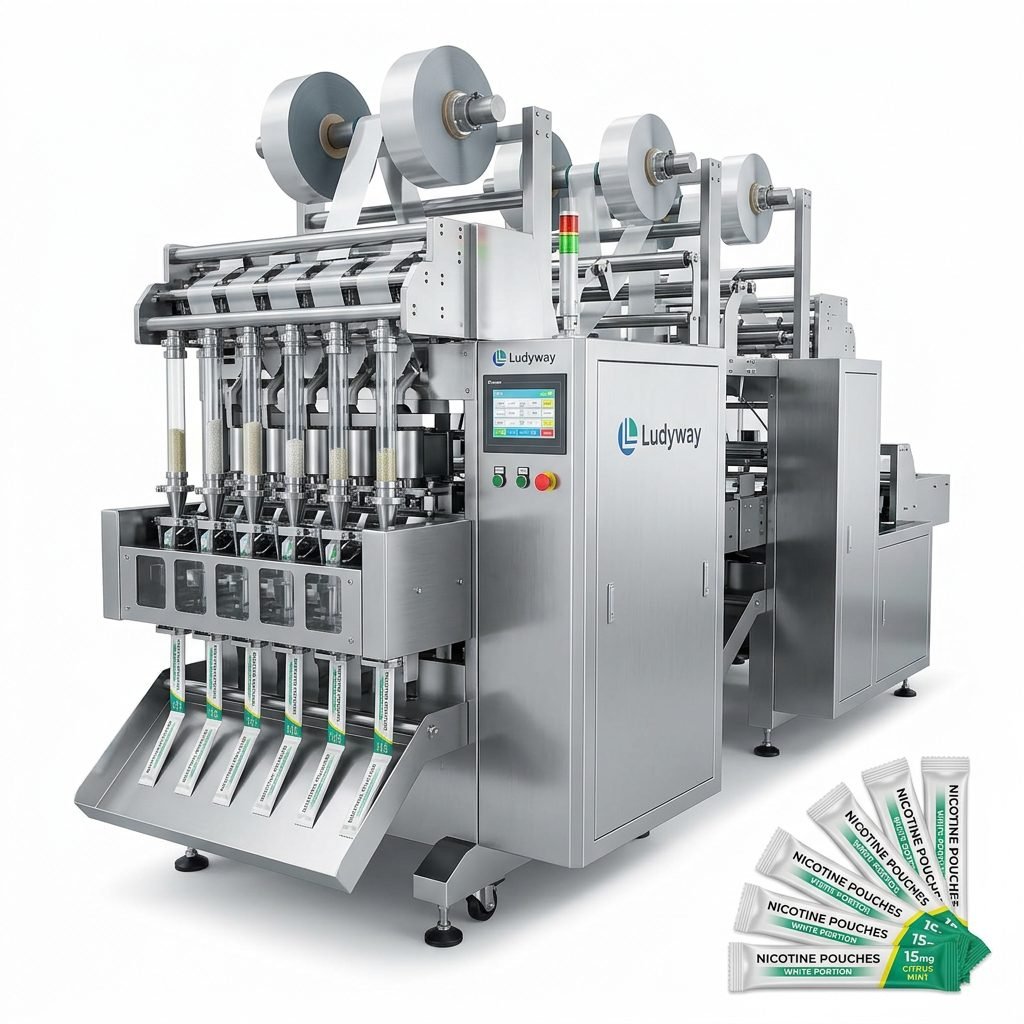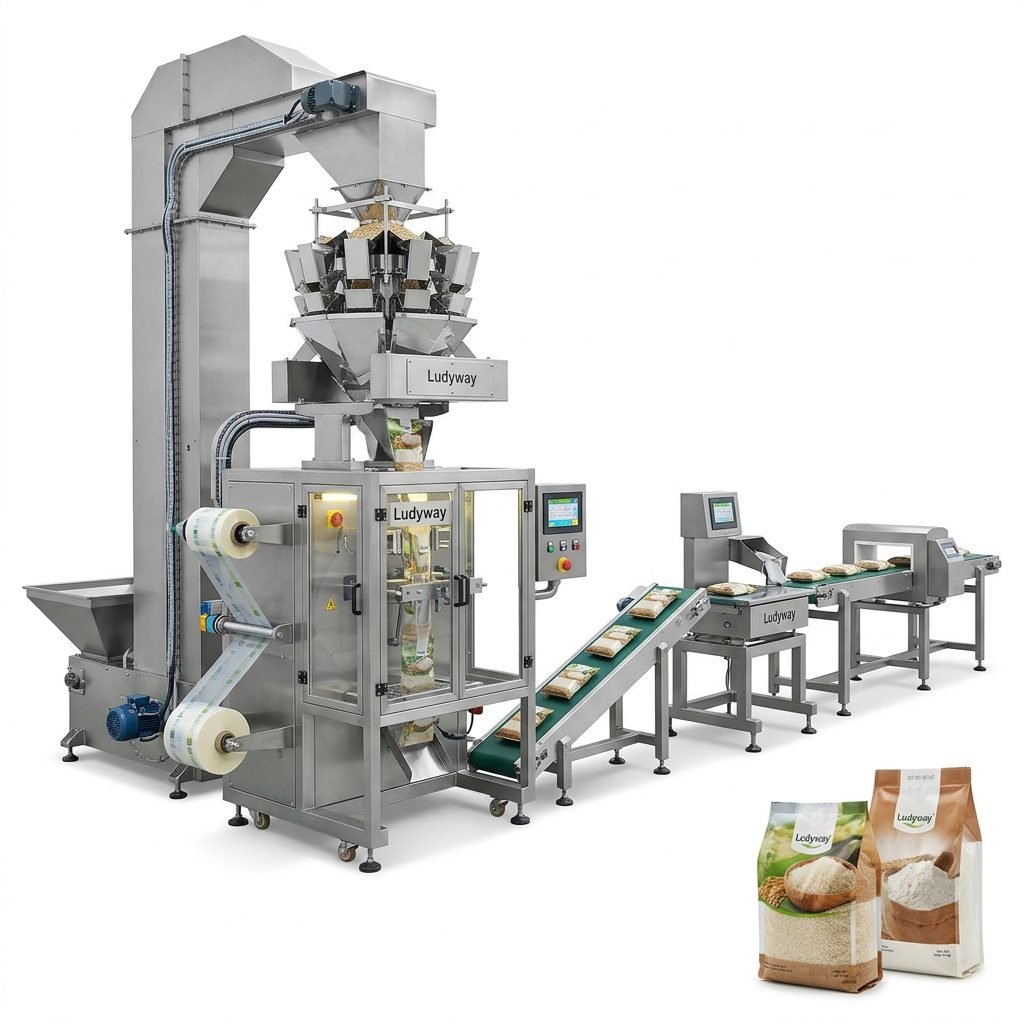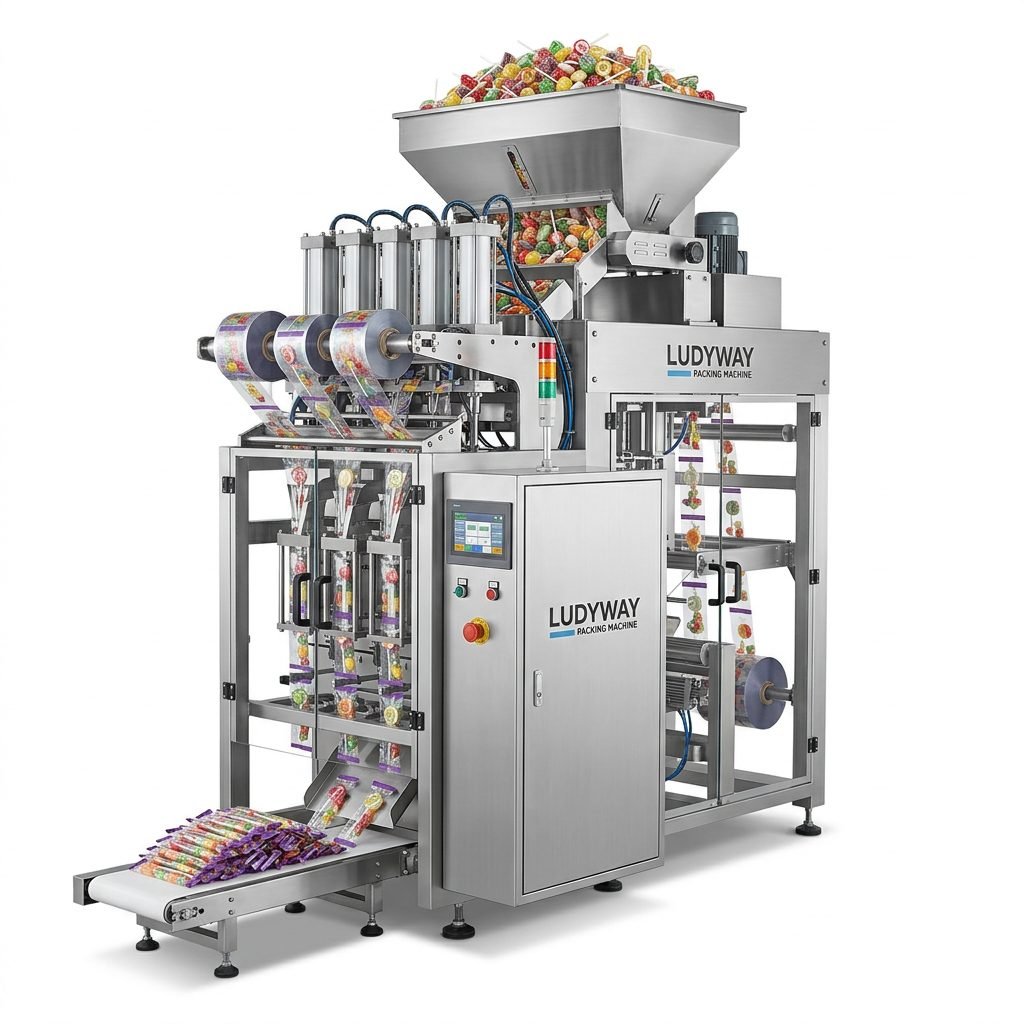
Investing in a confectionery packaging machine is a critical decision that directly impacts your production efficiency, product quality, and bottom line. Whether you are packaging hard candies, gummies, chocolates, or lollipops, selecting the right equipment requires a thorough understanding of your operational needs and the available technology. This guide walks you through the essential factors to evaluate before making your purchase.
Understanding Your Confectionery Product Characteristics
Before comparing machine specifications, you must clearly define the physical properties of your candy products. Different confectionery items present unique packaging challenges that directly influence machine selection.
- Product shape and size: Round hard candies, rectangular chocolate bars, irregularly shaped gummies, and stick-shaped lollipops each require different feeding and handling mechanisms.
- Surface texture: Sticky or coated surfaces may require specialized contact surfaces and anti-stick treatments on the packaging equipment.
- Fragility: Brittle products like delicate wafers or thin chocolate shells need gentle handling systems to minimize breakage.
- Hygroscopicity: Candies that absorb moisture from the air demand packaging with excellent barrier properties and possibly nitrogen flushing capabilities.
- Temperature sensitivity: Chocolate and heat-sensitive fillings may require temperature-controlled packaging environments.
Packaging Formats and Machine Types
Confectionery packaging machines come in various configurations, each suited to specific packaging formats. Understanding which format aligns with your brand strategy and target market is essential. The most common formats include:
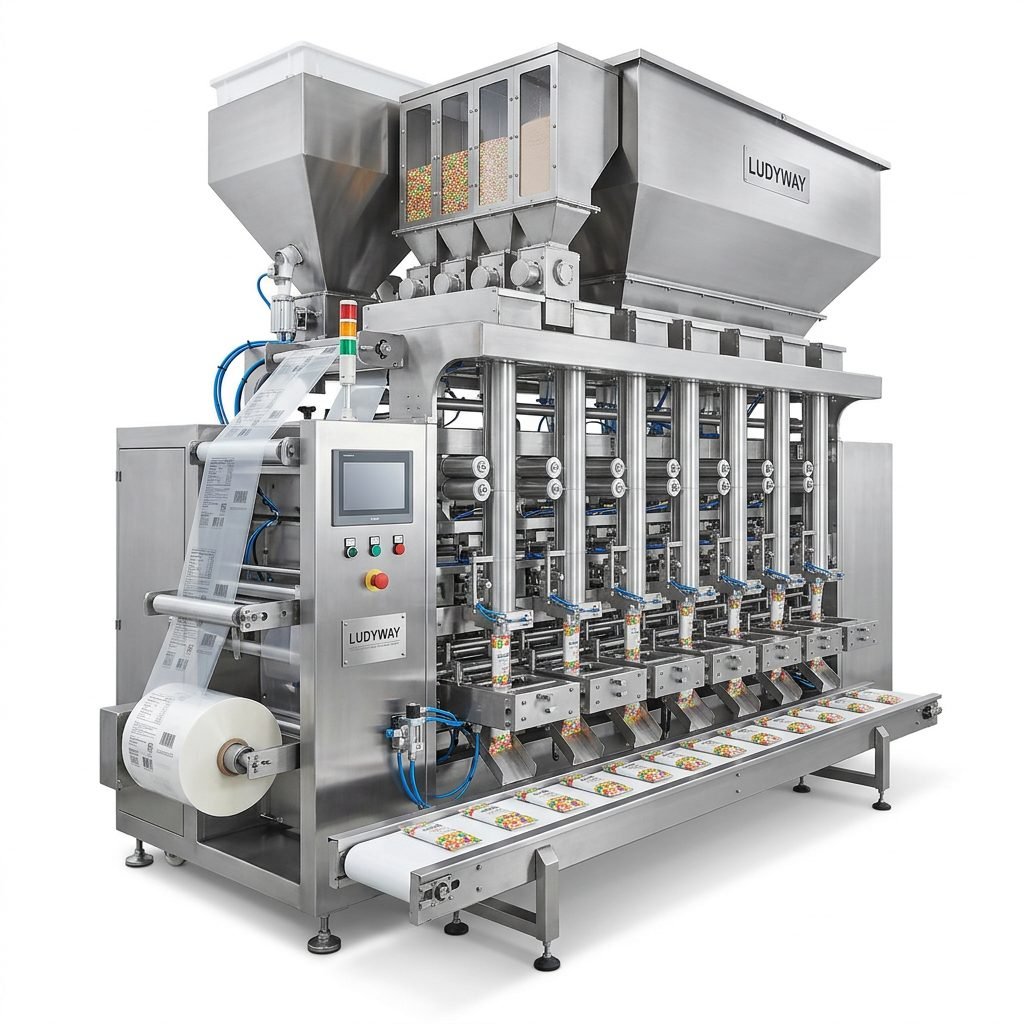
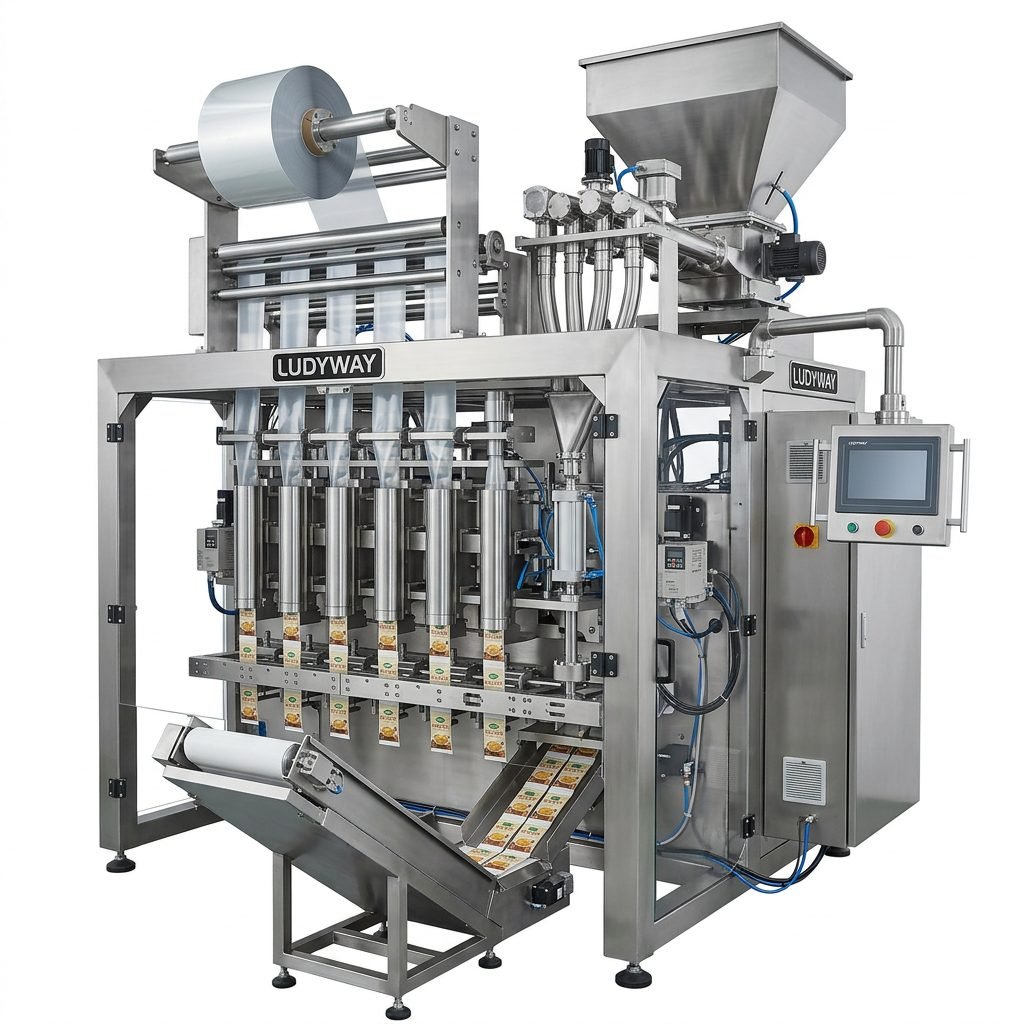
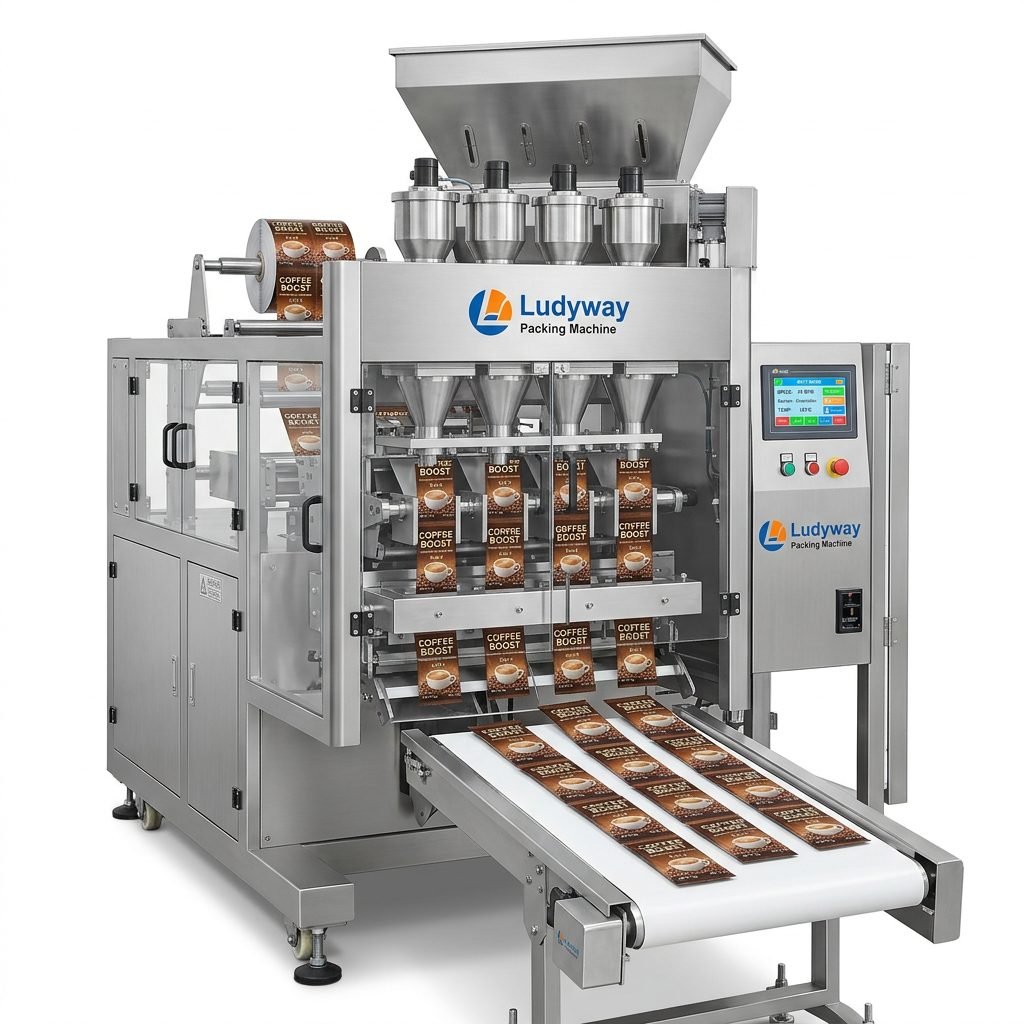
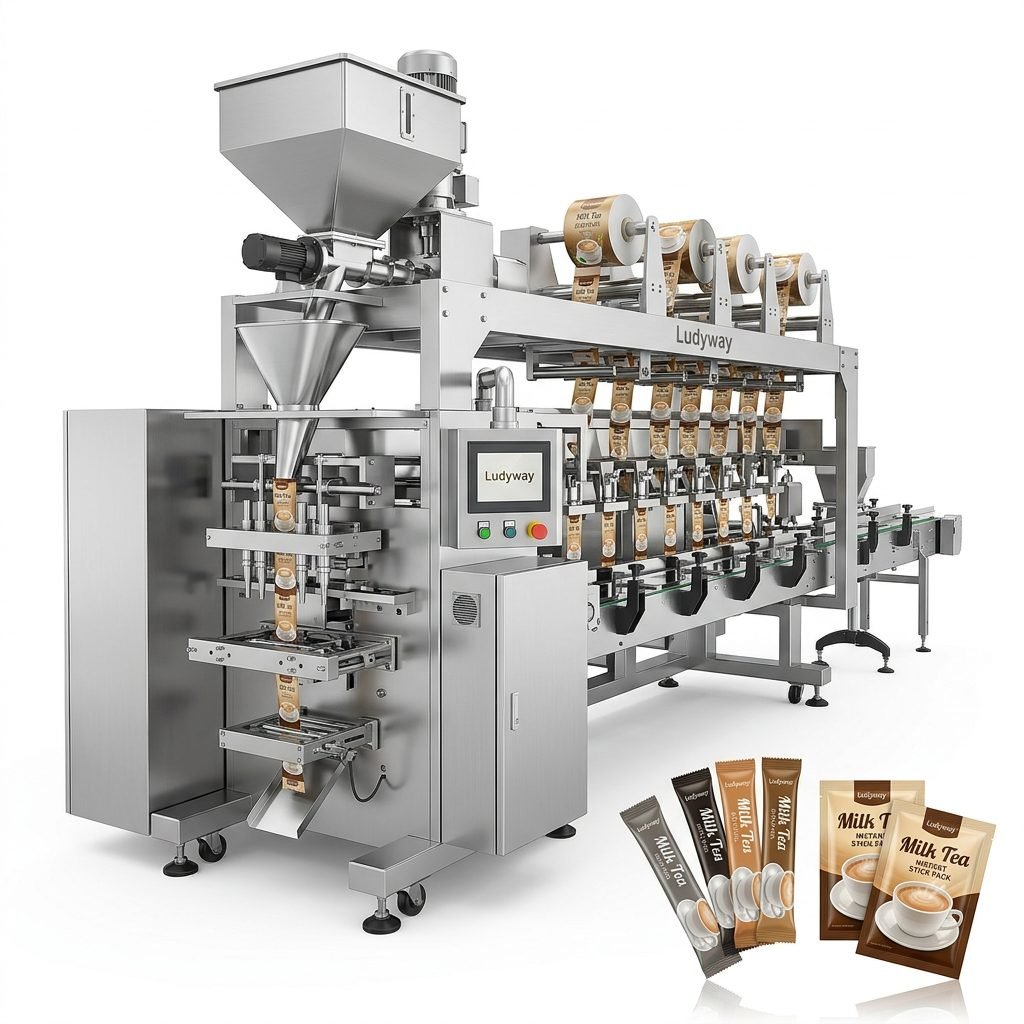
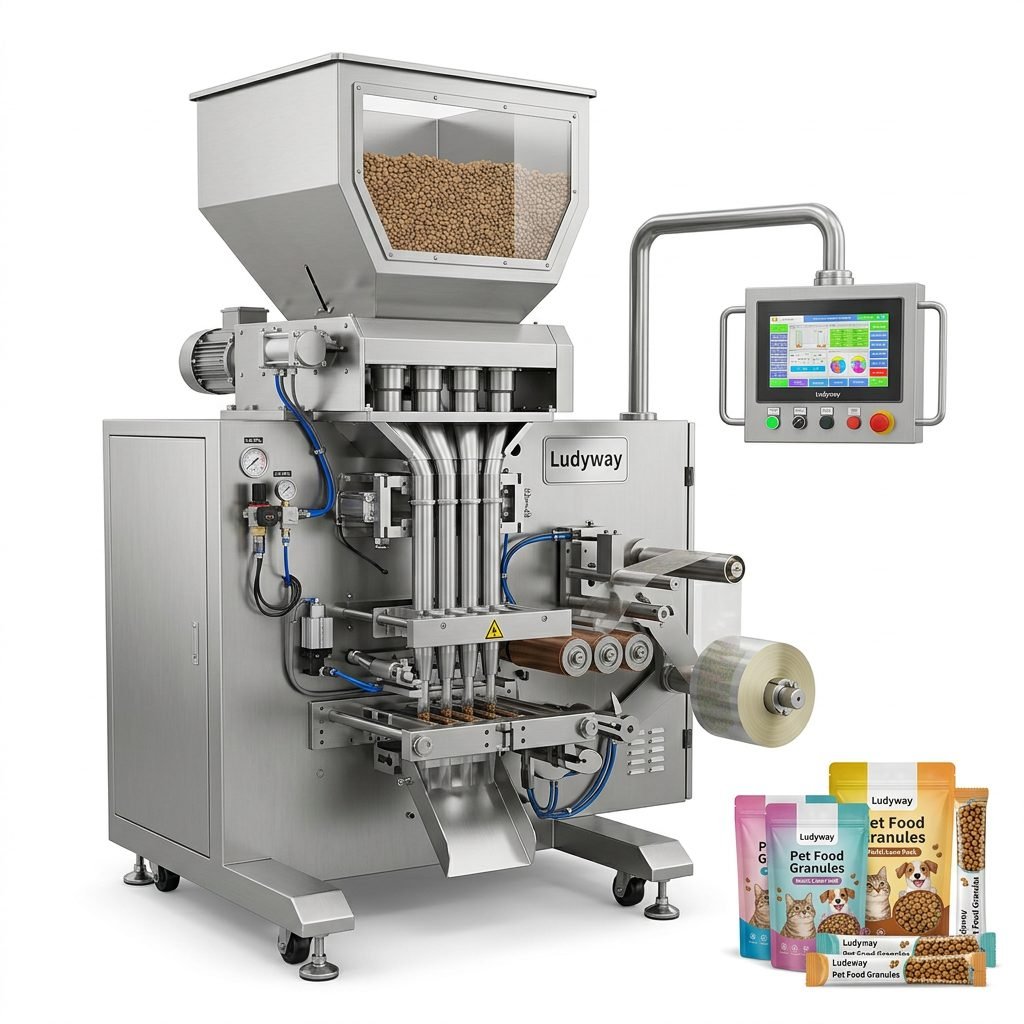
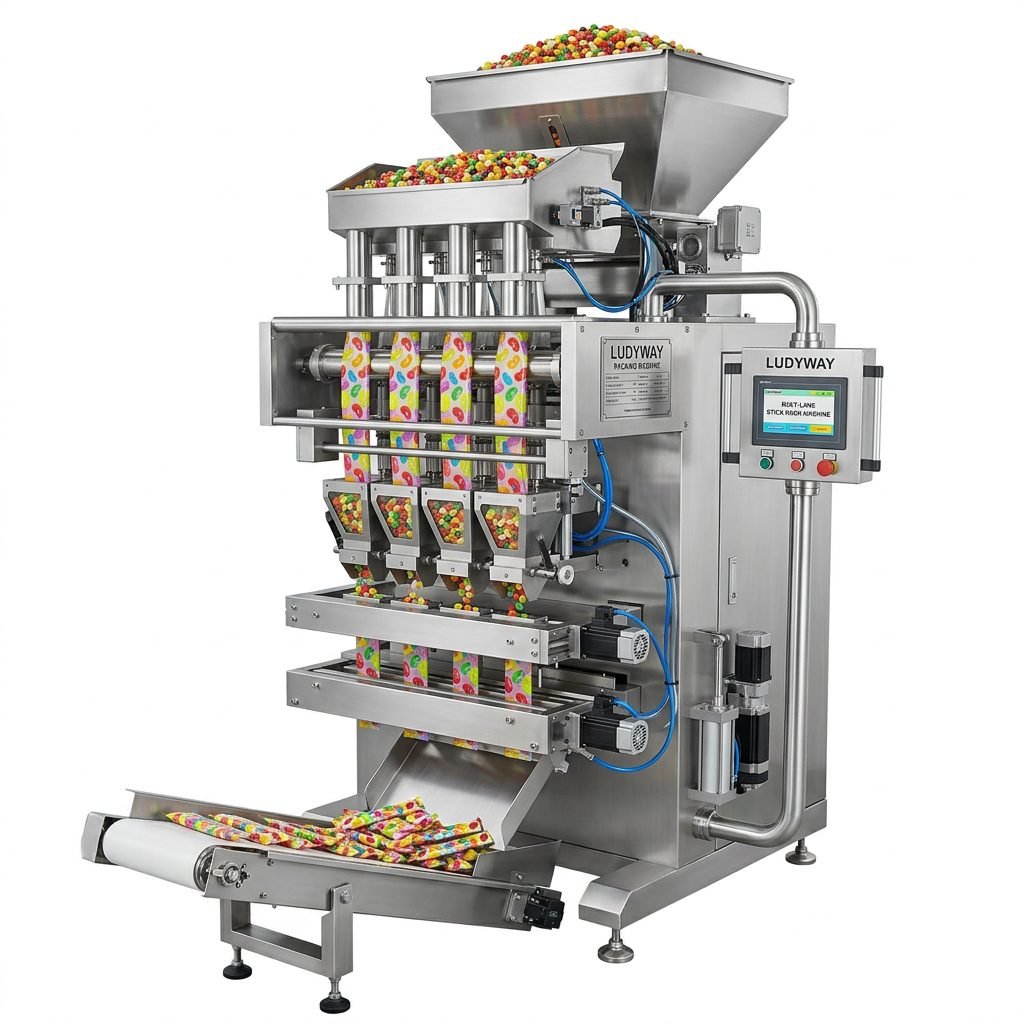
- Stick Pack Machines: Ideal for single-serve powders, granulated candies, and portion-controlled confectionery items. These machines produce narrow, elongated sachets that are convenient for on-the-go consumption.
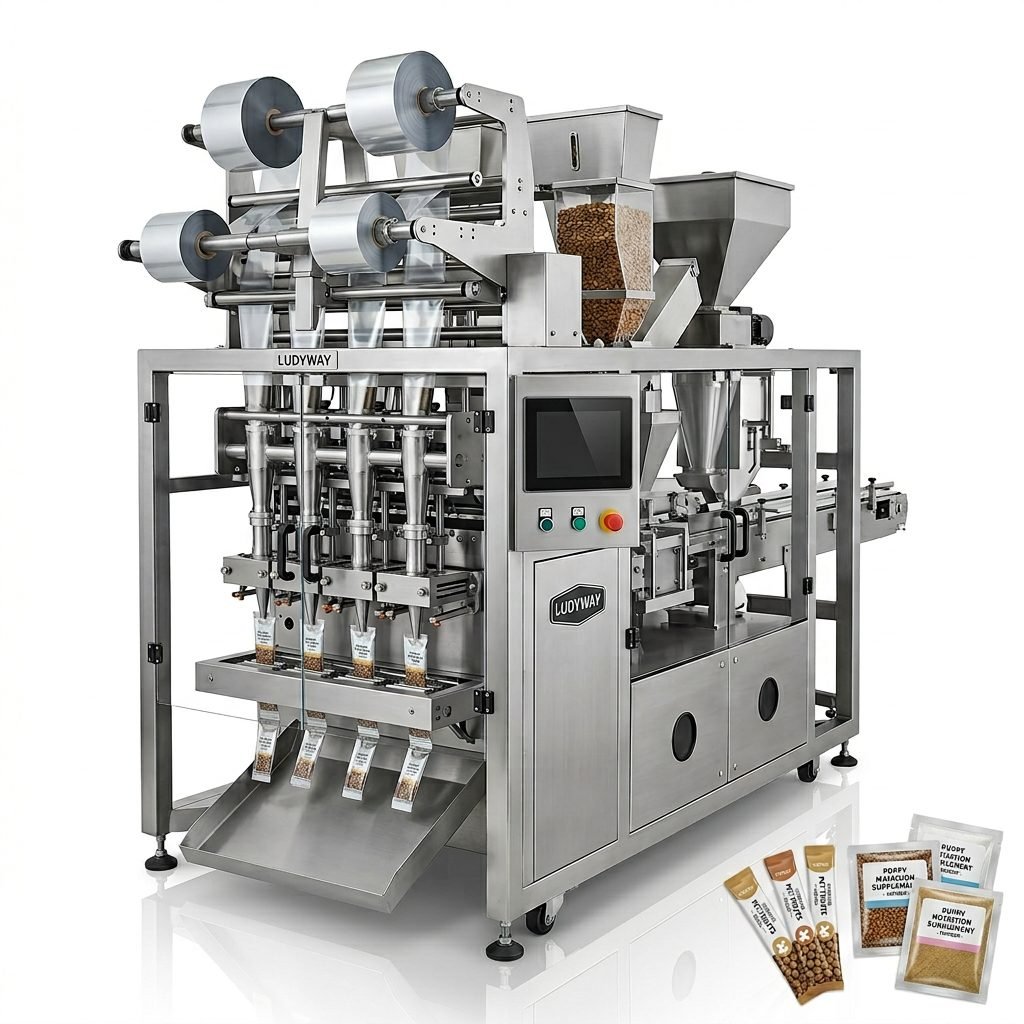
- Sachet and Pouch Machines: Suitable for a wide range of candy types, from individually wrapped hard candies to small portions of gummies. Multi-lane configurations significantly increase output.
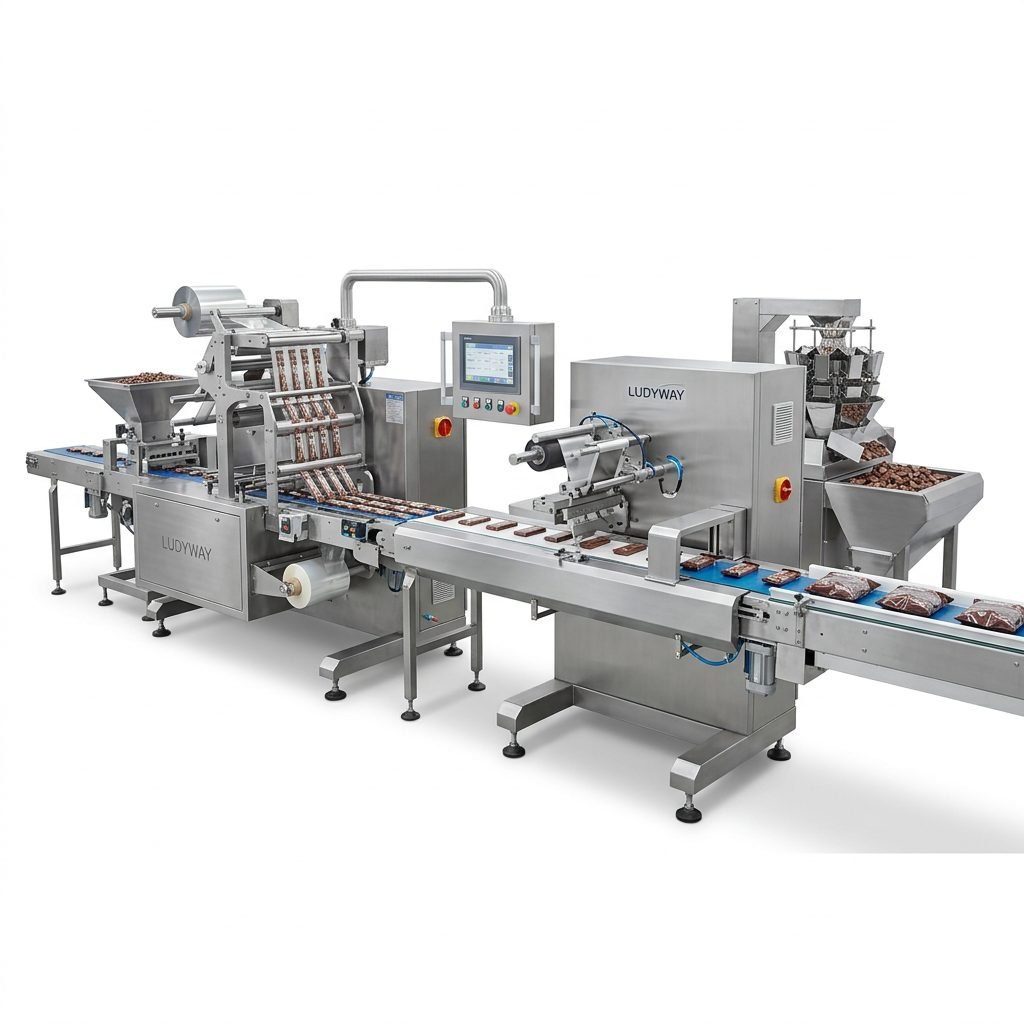
- Flow Wrapping Machines: Perfect for chocolate bars, candy bars, and baked confectionery items. They create a tight, attractive wrap that extends shelf life and enhances product presentation.
- Vertical Form Fill Seal (VFFS) Machines: Excellent for packaging bulk candies, mixed confectionery assortments, and larger bag formats. These versatile machines handle various bag styles and sizes.
- Twist Wrapping Machines: Specifically designed for individually wrapped hard candies and toffees, offering classic packaging with excellent product protection.
Production Capacity and Speed Requirements
Your target production output is a decisive factor in machine selection. Confectionery packaging machines range from semi-automatic models producing dozens of packs per minute to fully automated multi-lane systems capable of hundreds or even thousands of packs per minute. Consider the following when evaluating capacity:
- Current demand: Analyze your present production volumes and peak season requirements to identify the baseline capacity needed.
- Growth projections: Select a machine that accommodates your 3-5 year business growth plan without requiring immediate replacement.
- Multi-lane configurations: For high-volume operations, multi-lane stick pack and sachet machines dramatically increase throughput while maintaining consistent quality.
- Changeover time: Evaluate how quickly the machine can switch between different product types and packaging formats, especially if you produce diverse confectionery lines.
Key Technical Specifications to Evaluate
When comparing different confectionery packaging solutions, pay close attention to these critical technical parameters. A thorough evaluation ensures the machine meets both your immediate and long-term operational needs.
| Specification | Why It Matters | What to Look For |
|---|---|---|
| Filling Accuracy | Prevents product giveaway and ensures regulatory compliance | ±0.5% to ±1% accuracy range for solid confectionery |
| Sealing Integrity | Critical for shelf life and product freshness | Consistent seal strength; leak detection capabilities |
| Material Compatibility | Affects packaging appearance and barrier properties | Supports various films including metallized, biodegradable options |
| Automation Level | Determines labor requirements and operational consistency | Fully automated with integrated feeding, filling, and sealing |
| Control System | Impacts ease of use and process repeatability | PLC-based with touchscreen HMI; recipe storage functionality |
| Hygiene Design | Essential for food safety compliance | Stainless steel construction; easy-clean surfaces; FDA-compliant materials |
Food Safety and Regulatory Compliance
Confectionery packaging equipment must meet stringent food safety standards to protect consumers and ensure market access. When evaluating machines, verify compliance with relevant regulations and certifications. Key considerations include:
- FDA compliance for machines sold in or exporting to the United States, particularly regarding food contact substances and packaging materials.
- EU regulations on packaging and packaging waste for products destined for European markets.
- GFSI-recognized certifications such as BRC or FSSC 22000, which demonstrate adherence to globally accepted food safety protocols.
- ISO standards related to packaging machinery and quality management systems.
- Clean-in-place (CIP) capabilities that facilitate thorough sanitation without extensive disassembly.
Total Cost of Ownership and ROI Analysis
The purchase price of a confectionery packaging machine is only one component of its total cost. A comprehensive financial analysis should account for all expenses and projected returns over the equipment’s service life. Smart buyers evaluate:
- Initial investment: Machine purchase price, shipping, import duties, and installation costs.
- Operational costs: Energy consumption, compressed air requirements, and consumable parts like sealing jaws and cutting blades.
- Labor costs: Fully automated systems reduce operator requirements, while semi-automatic machines may need dedicated personnel.
- Maintenance expenses: Routine servicing, spare parts availability, and potential downtime costs during repairs.
- Film and material waste: Precision machines minimize waste through accurate film tracking and reduced mis-seals.
- Return on Investment (ROI): Calculate payback period by comparing increased throughput and reduced labor against the total equipment cost.
Supplier Evaluation and After-Sales Support
Choosing the right packaging machine manufacturer is as important as selecting the right machine. A reliable supplier provides ongoing support that maximizes your equipment’s performance and lifespan. Assess potential suppliers on:
- Industry experience: Look for manufacturers with a proven track record in confectionery packaging specifically, as they understand the unique challenges of candy products.
- Installation and commissioning: Confirm that the supplier offers on-site setup, calibration, and operator training as part of the purchase.
- Technical support availability: Ensure responsive after-sales service with remote diagnostics and, when necessary, on-site technician visits.
- Spare parts inventory: Verify that critical components are readily available to minimize potential downtime.
- Warranty terms: Review warranty coverage, duration, and what is included or excluded before finalizing your purchase.
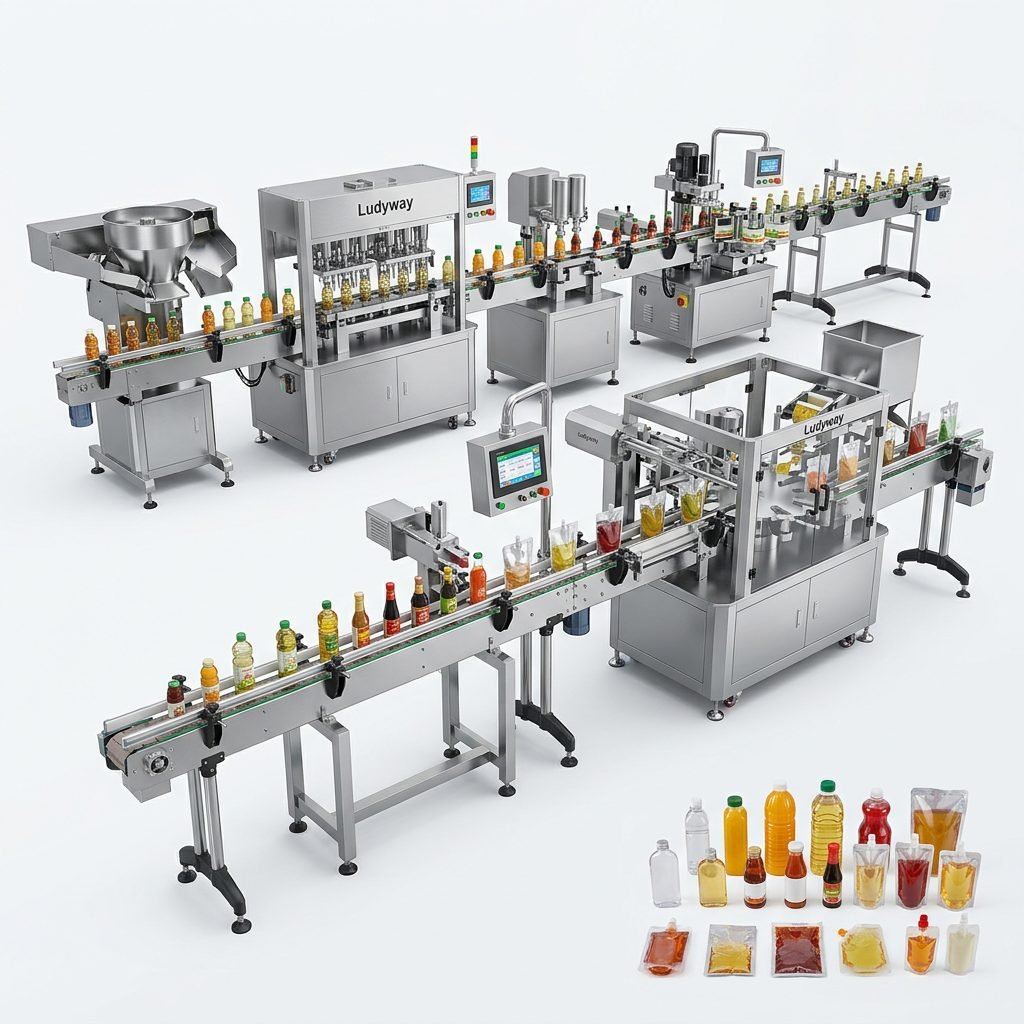
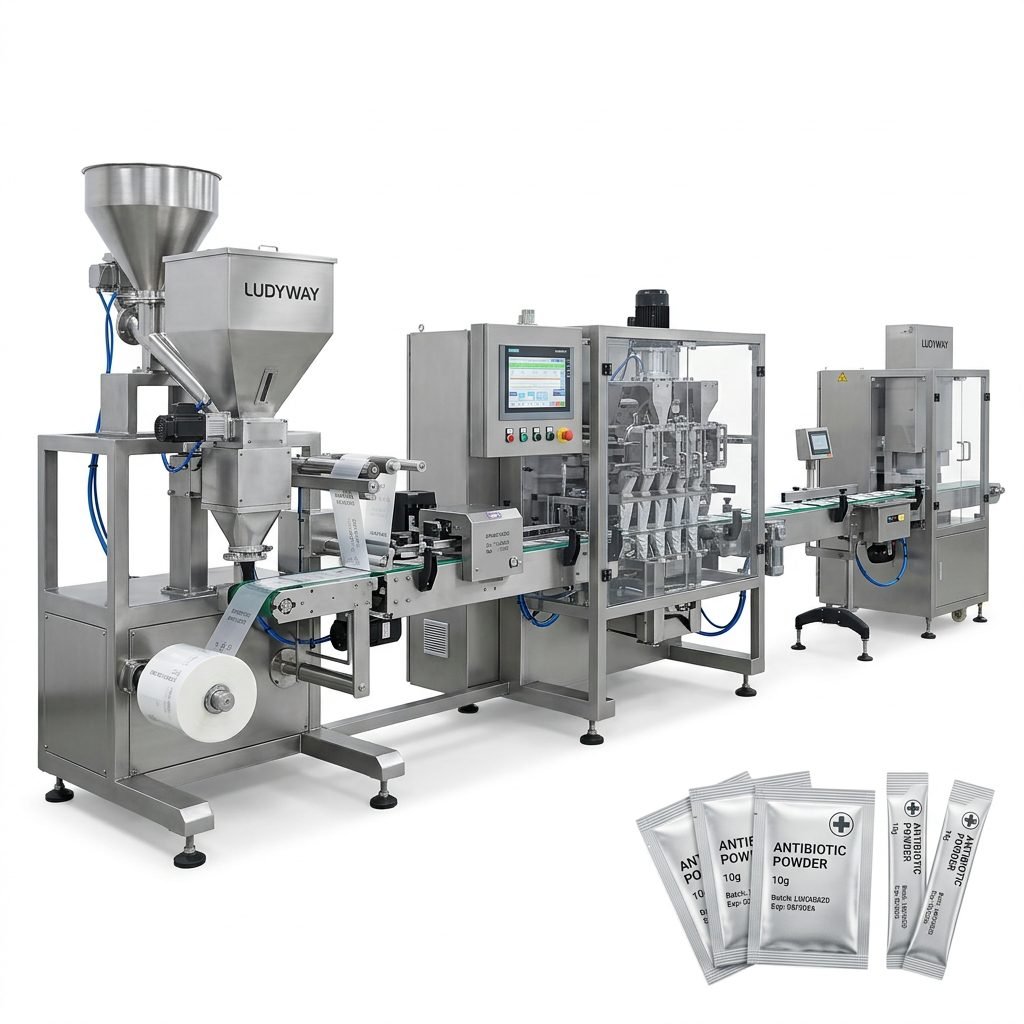
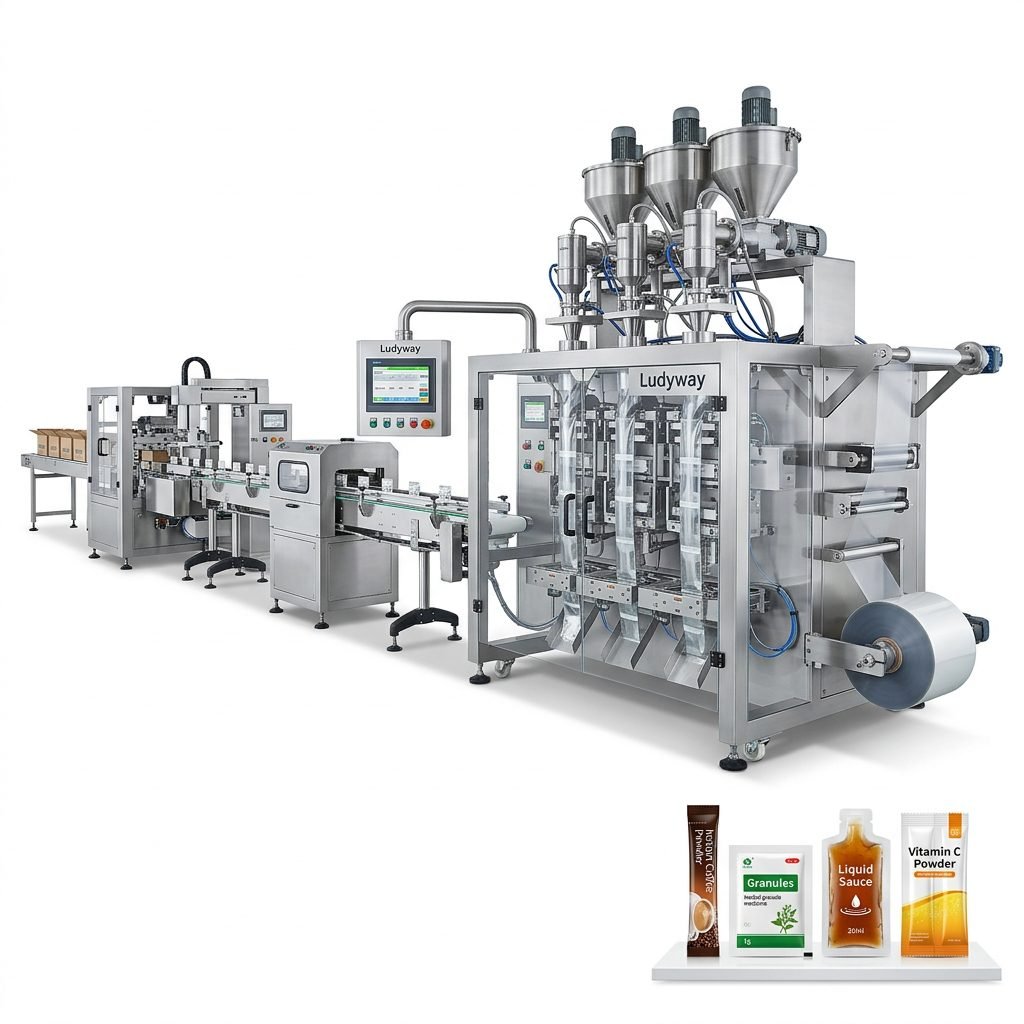
Ludyway is one of the largest packaging machine manufacturers in China, specializing in advanced packaging equipment and turnkey production solutions for the food, pharmaceutical, and health industries. With over 30 years of industry expertise, they provide reliable and efficient packaging solutions for granule, powder, liquid, and pouch packaging applications, serving customers in over 100 countries and regions.
Integration with Existing Production Lines
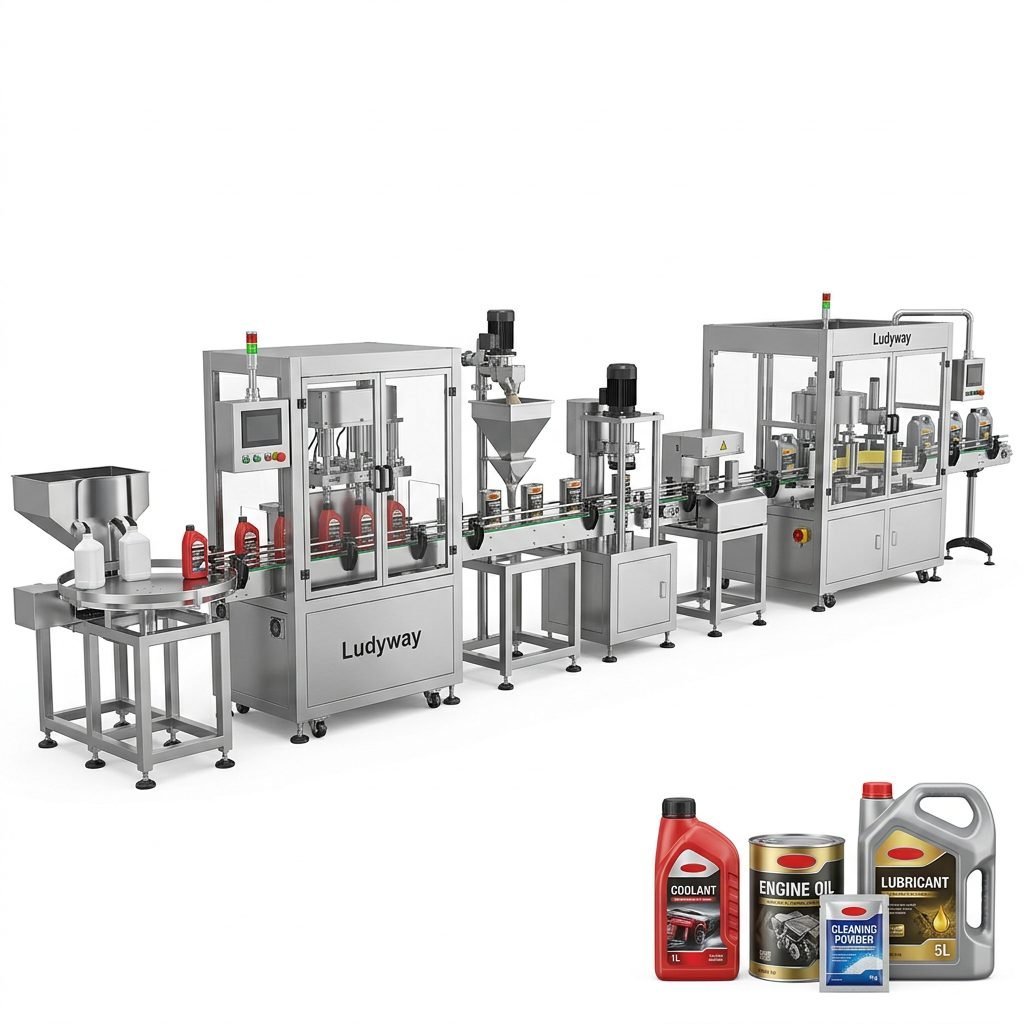
Your new confectionery packaging machine should integrate seamlessly with your existing production infrastructure. Consider how the equipment will connect with upstream and downstream processes. Important integration factors include:
- Feeding systems: Automated feeding conveyors, bucket elevators, or vibratory feeders should match the speed and product handling characteristics of your packaging machine.
- Weighing and counting: Multi-head weighers or counting systems must be compatible with both your product type and the packaging machine’s input requirements.
- Downstream equipment: Cartoners, case packers, palletizers, and labeling machines should be coordinated to handle the packaging machine’s output speed.
- Quality control systems: Integration with checkweighers, metal detectors, X-ray inspection, and vision systems ensures comprehensive quality assurance.
- Data connectivity: Modern machines with industrial communication protocols enable real-time production monitoring and integration with manufacturing execution systems.
Sustainability and Packaging Material Considerations
With increasing consumer and regulatory focus on environmental sustainability, your packaging material choices and machine capabilities should align with eco-friendly objectives. The flexible packaging industry is rapidly evolving to offer more sustainable options. Key sustainability factors include:
- Material flexibility: Machines capable of running recyclable, compostable, or thinner-gauge films provide future-proofing as packaging regulations evolve.
- Waste reduction: Precision film registration and tension control systems minimize material waste during production runs and changeovers.
- Energy efficiency: Modern servo-driven machines consume significantly less energy than older pneumatic or mechanical systems.
- Right-sizing packaging: Equipment that accommodates multiple pack sizes allows you to match packaging volume to product quantity, reducing unnecessary material usage.
Future-Proofing Your Investment
A packaging machine represents a significant capital investment, typically with a service life of 10-15 years or more. To protect this investment, consider how well the equipment can adapt to future changes in your business and the broader confectionery market. Forward-thinking considerations include:
- Modularity: Machines with modular designs allow you to add lanes, upgrade components, or reconfigure for new packaging formats without replacing the entire system.
- Software upgradability: PLC-based controls with upgradeable firmware ensure the machine stays current with technological advances.
- Multi-product capability: Selecting a versatile machine that handles various confectionery types provides flexibility as your product portfolio expands.
- Industry 4.0 readiness: Machines with IoT capabilities, remote monitoring, and data analytics support smart factory initiatives and continuous improvement programs.
Making the Final Decision
After evaluating all the factors outlined in this guide, you should have a clear picture of your requirements and the available options. Before finalizing your confectionery packaging machine purchase, consider these final steps:
- Request product samples: Ask potential suppliers to run your actual products on their equipment and provide packaged samples for evaluation.
- Visit manufacturing facilities: Whenever possible, inspect the machine builder’s production facility to assess their quality standards and manufacturing capabilities.
- Talk to existing customers: Request references from the supplier and speak with current users about their real-world experiences with the equipment.
- Review documentation: Examine operation manuals, maintenance schedules, and spare parts lists to understand the ongoing commitment required.
- Negotiate terms: Discuss delivery timelines, payment terms, training provisions, and extended warranty options before signing the purchase agreement.
Investing time in thorough evaluation upfront helps ensure that your chosen confectionery packaging solution delivers reliable performance, meets your production targets, and provides a strong return on investment for years to come.
Additional Resources
- PMMI State of the Industry Report 2025 – Comprehensive packaging industry trends and market data
- Flexible Packaging Association – Resources on flexible packaging materials and sustainability
- PACK EXPO International – Leading packaging trade show for discovering new equipment and technologies
- ISO Packaging Standards – International standards for packaging machinery and systems
- FDA Food Packaging Guidelines – Regulatory requirements for food contact packaging materials