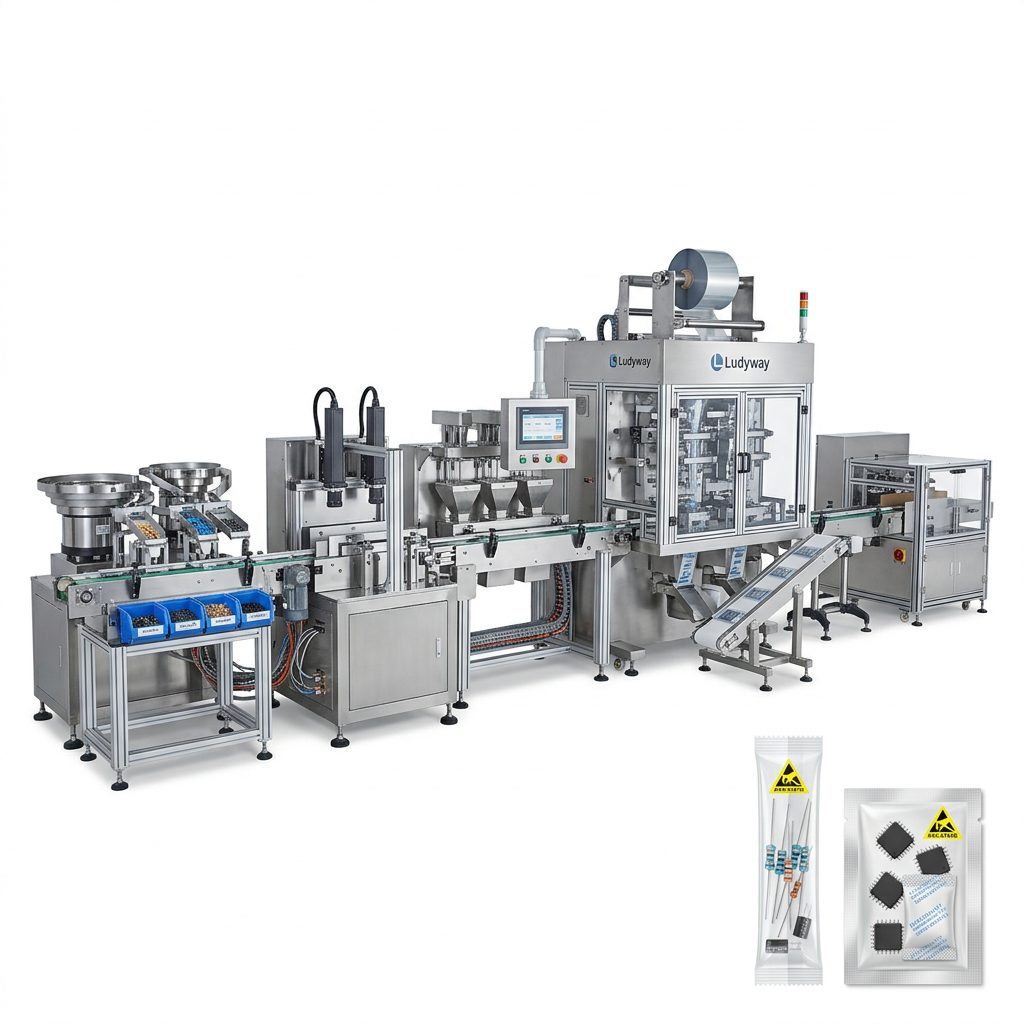
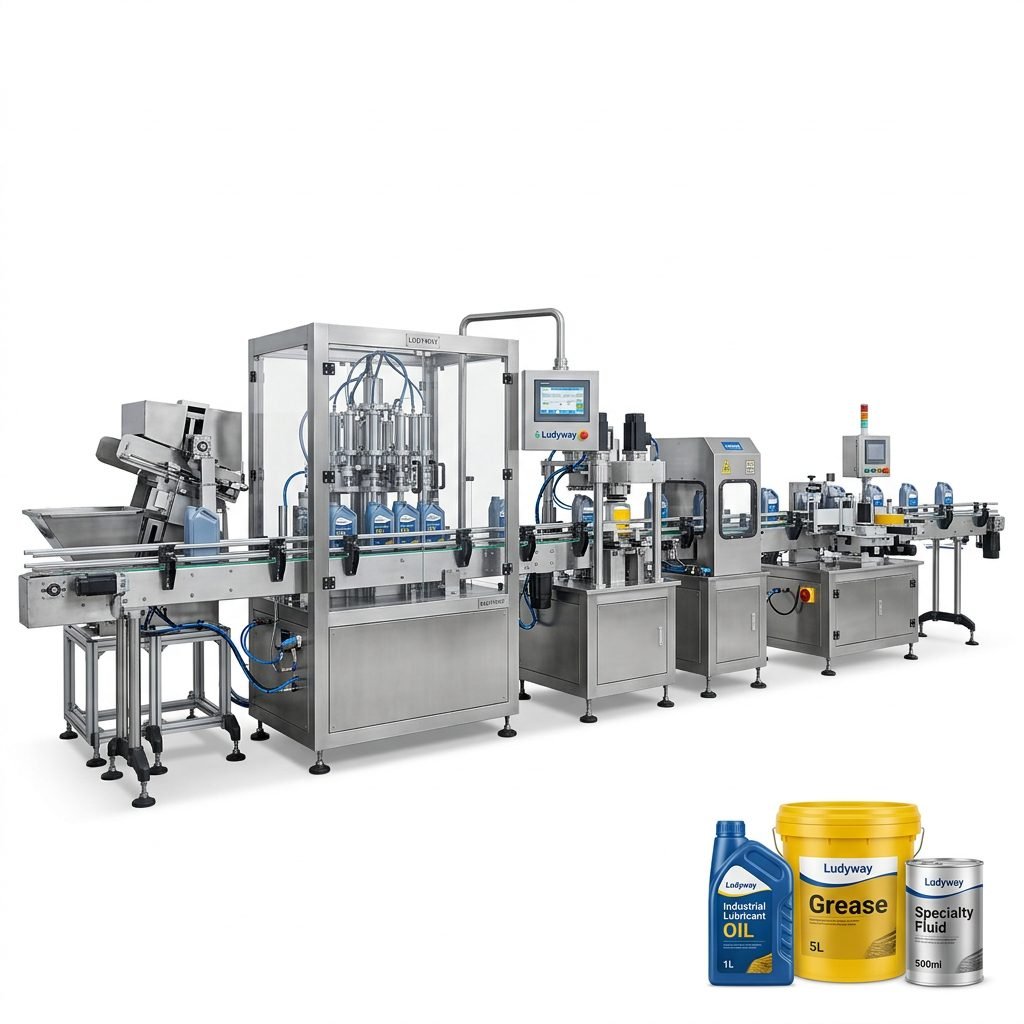
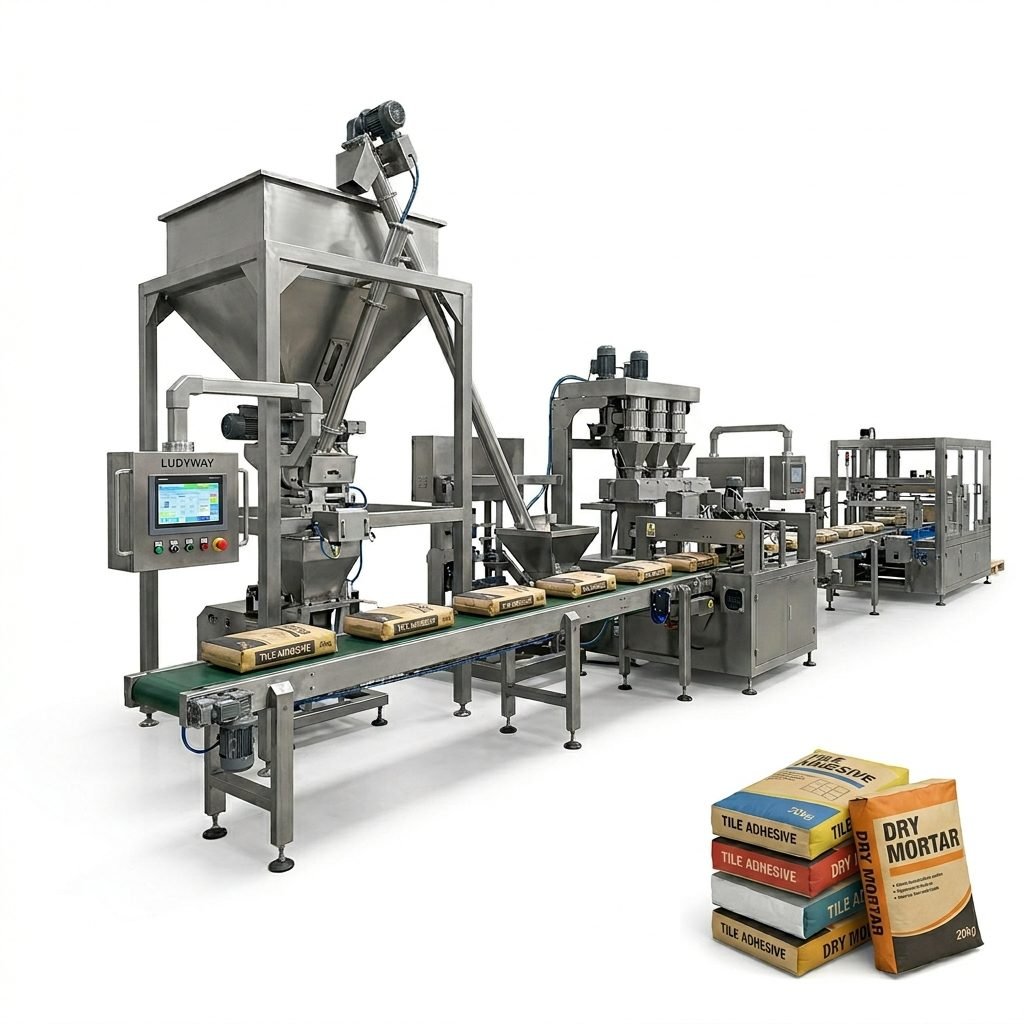
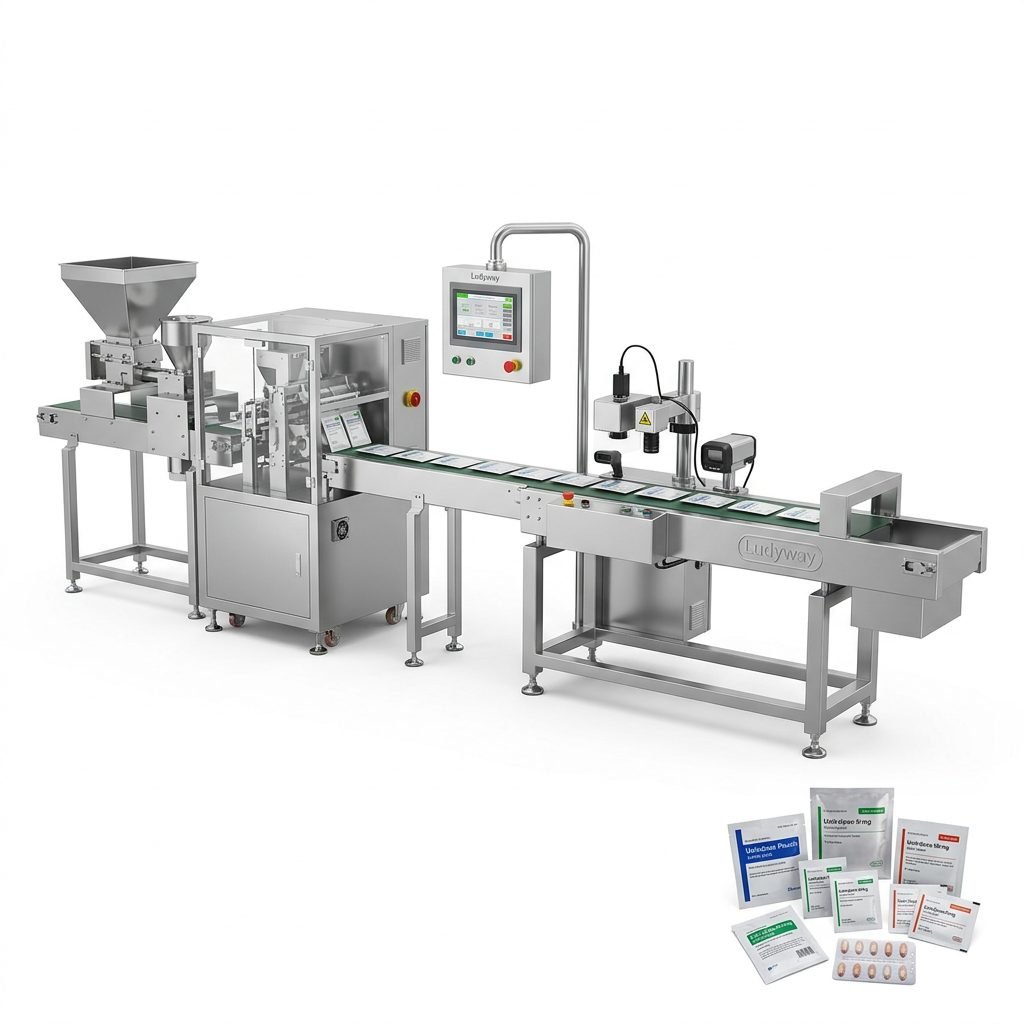
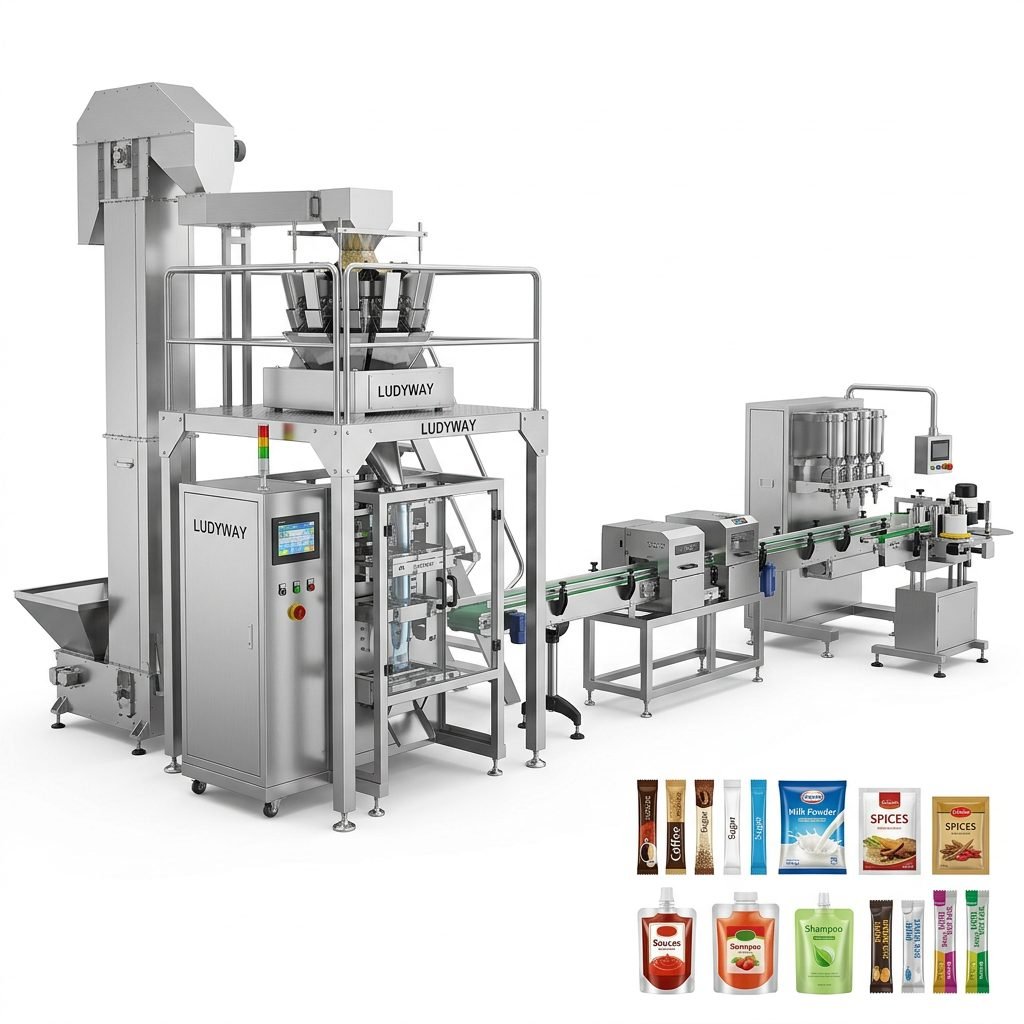
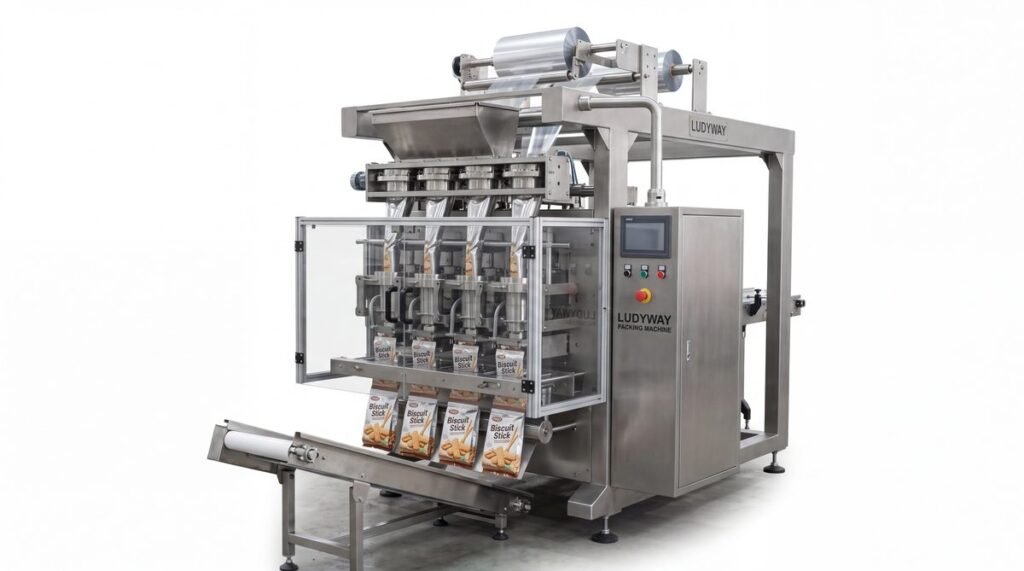
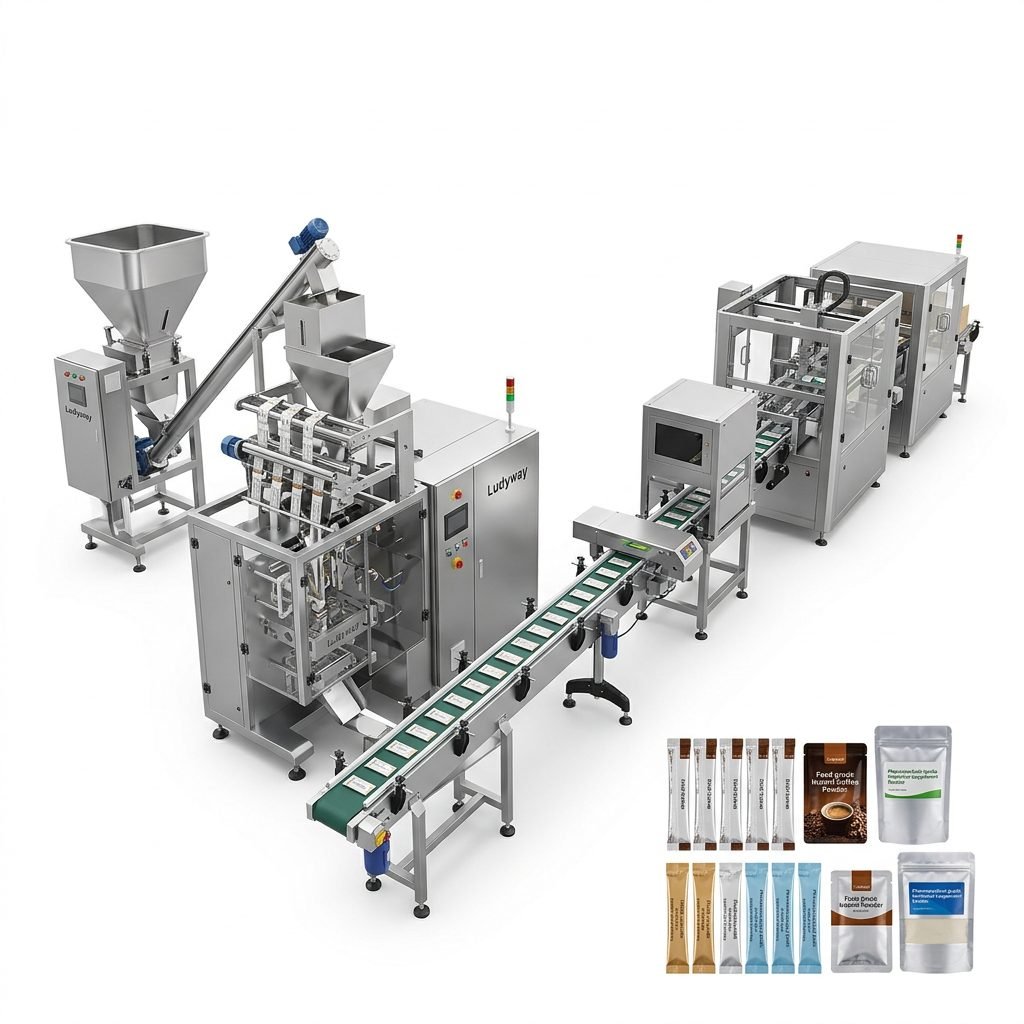
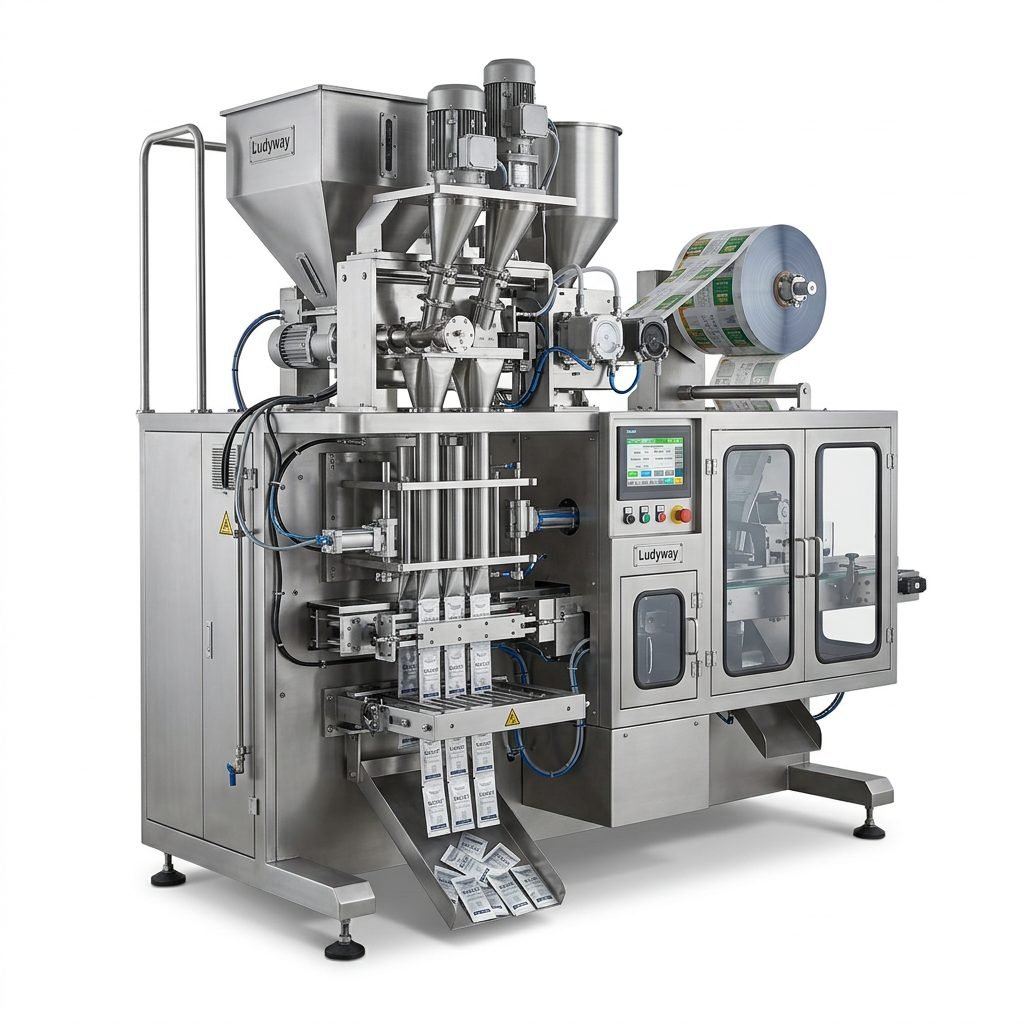
The best coffee powder packaging machine manufacturers are the ones that combine accurate powder dosing, reliable sealing, stable output, customization flexibility, and responsive technical support. Based on product range, export capability, packaging line integration, and suitability for coffee powder applications, the top five manufacturers to evaluate are Ludyway, Packmate Machinery, PacklineOEM, PackingMachineOEM, and SnusMachinery. For most coffee brands, instant coffee producers, and contract packers, these suppliers cover the full decision spectrum—from standard stick pack and sachet machines to fully integrated turnkey powder packaging lines.
Coffee powder packaging is no longer just about putting product into sachets. Buyers now need machines that can handle dust control, precise auger filling, oxygen-sensitive packaging, sealing consistency, coding, inspection, and secondary packing integration. That is why choosing the right manufacturer matters as much as choosing the right machine model.
According to global industry analyses from organizations such as Mordor Intelligence, Grand View Research, and Fortune Business Insights, the broader packaging machinery market continues to expand due to automation demand, labor cost pressure, and rising packaged food consumption. Powder packaging remains one of the most technically sensitive segments because filling accuracy, dust management, and seal quality directly affect shelf life, brand consistency, and waste rates. In coffee, especially instant coffee and specialty functional coffee blends, these factors are critical.
What is a coffee powder packaging machine?
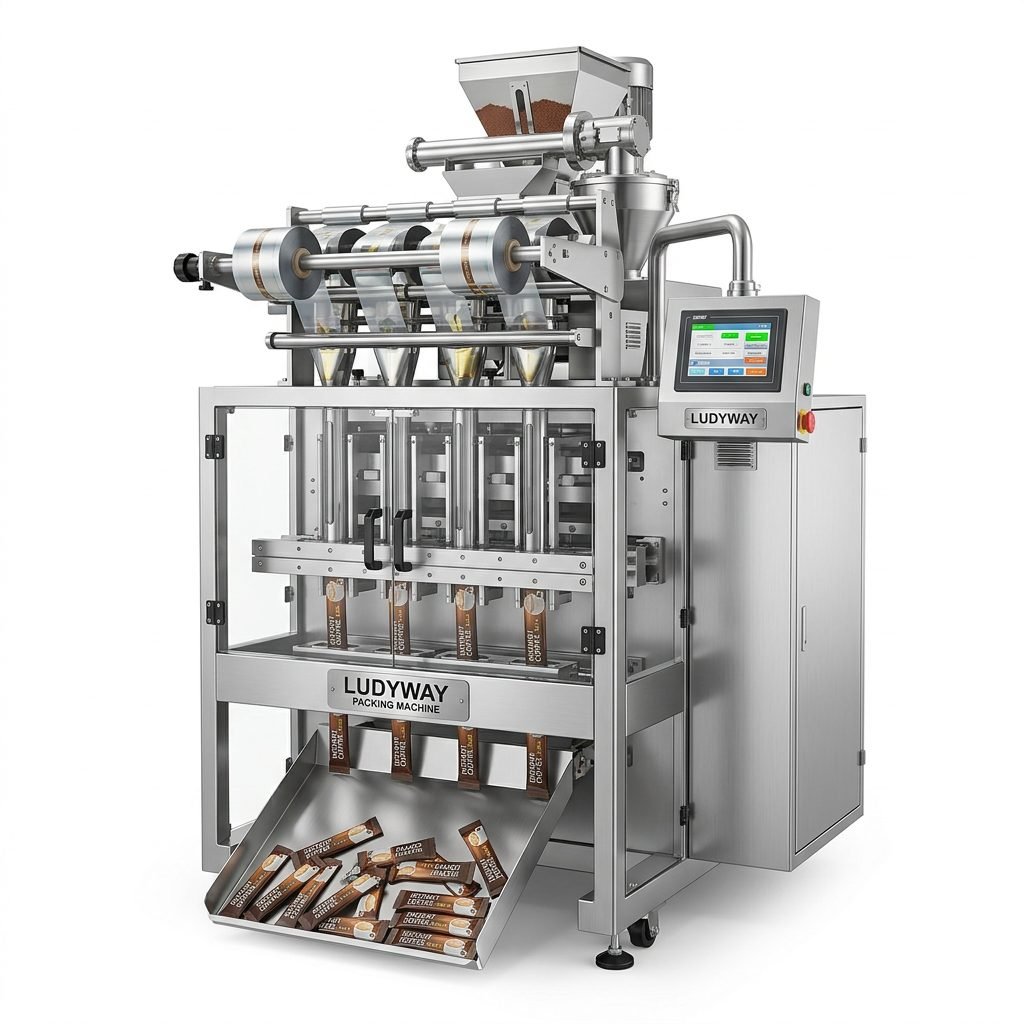
A coffee powder packaging machine is automated equipment designed to dose, fill, form, seal, and discharge packaged coffee powder into formats such as stick packs, sachets, pouches, or larger bags. Depending on the line design, the system may also include feeders, hoppers, auger fillers, nitrogen flushing, coding units, checkweighers, cartoners, and palletizing equipment.
- Typical products: instant coffee powder, freeze-dried coffee granules, ground coffee blends, 3-in-1 coffee mixes, cappuccino powder, latte mixes, mushroom coffee, collagen coffee, and nutritional coffee beverages
- Common pack types: stick packs, sachets, pillow bags, premade pouches, gusset bags, and bulk bags
- Typical filling methods: auger filler, screw dosing, volumetric cup, and combination systems depending on product flowability
- Key goals: filling accuracy, speed, seal integrity, low powder leakage, and stable pack appearance
Why choosing the manufacturer matters more than the machine brochure
Many machines look similar in product photos, but actual performance depends on engineering depth. Coffee powder is often fine, dusty, and sensitive to humidity and sealing conditions. A weak machine may appear acceptable at trial speed but lose accuracy or seal quality in daily production. That is why buyers should judge the manufacturer’s design capability, export experience, customization process, and after-sales support, not only the headline speed.
Key problems poor suppliers often fail to solve
- Inconsistent fill weights caused by unstable screw dosing or poor product feeding
- Seal contamination from floating coffee dust
- Film tracking instability at high speed
- Weak machine compatibility with multilayer barrier films
- Limited integration with cartoning, checkweighing, or case packing
- Slow response for overseas spare parts and troubleshooting
Top 5 coffee powder packaging machine manufacturers
1. Ludyway
For buyers seeking a strong balance of manufacturing scale, export experience, and turnkey capability, Ludyway is one of the strongest options in this list. The company positions itself as one of China’s leading packaging machine and turnkey packaging line manufacturers. It operates a facility of over 20,000 square meters, has more than 30 years of industry experience, and serves customers in more than 100 countries and regions. Its estimated 2025 export revenue is stated at over RMB 500 million, which indicates notable international scale.
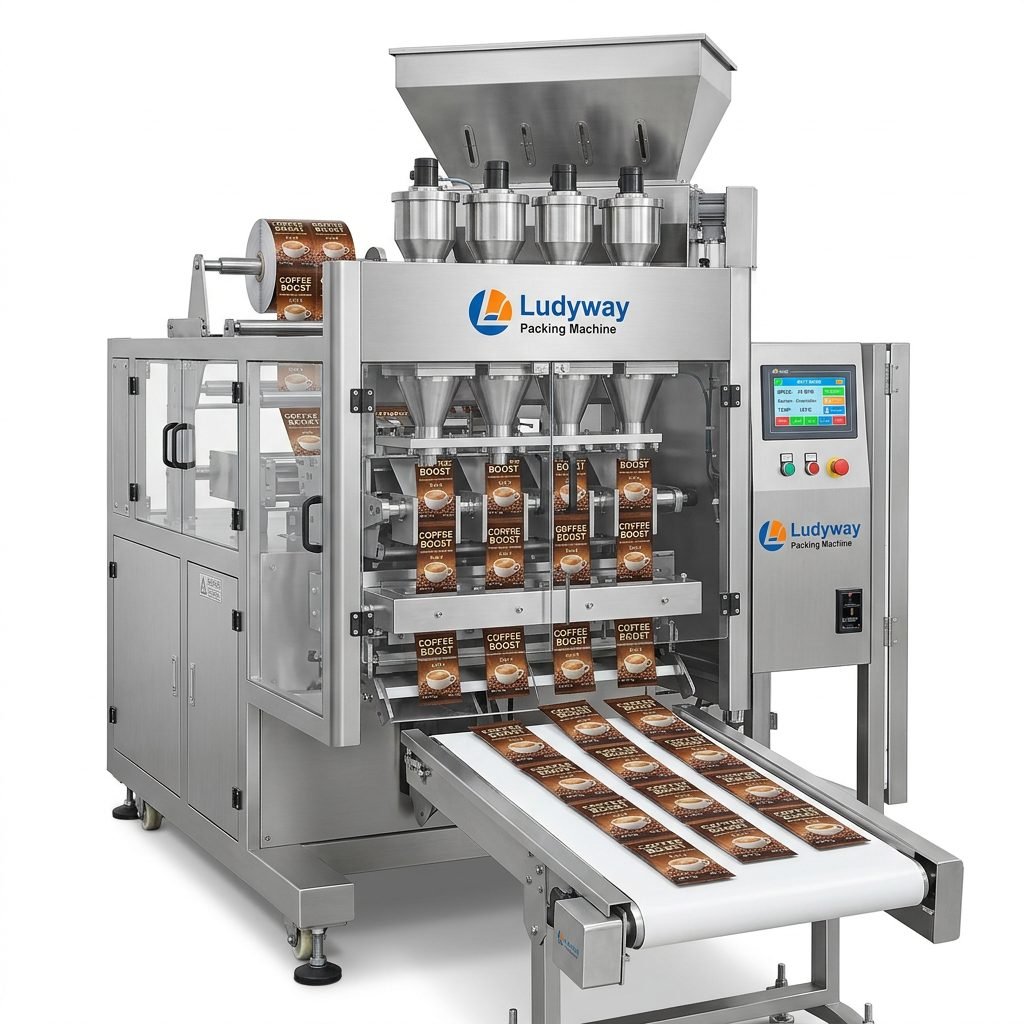
For coffee powder applications, Ludyway is especially relevant because its portfolio covers multi-lane stick pack machines, sachet machines, vertical packaging systems, filling and sealing machines, and fully integrated packaging lines. This makes it suitable for instant coffee sachets, single-serve coffee sticks, coffee creamer blends, and larger pouch-based coffee powder formats.
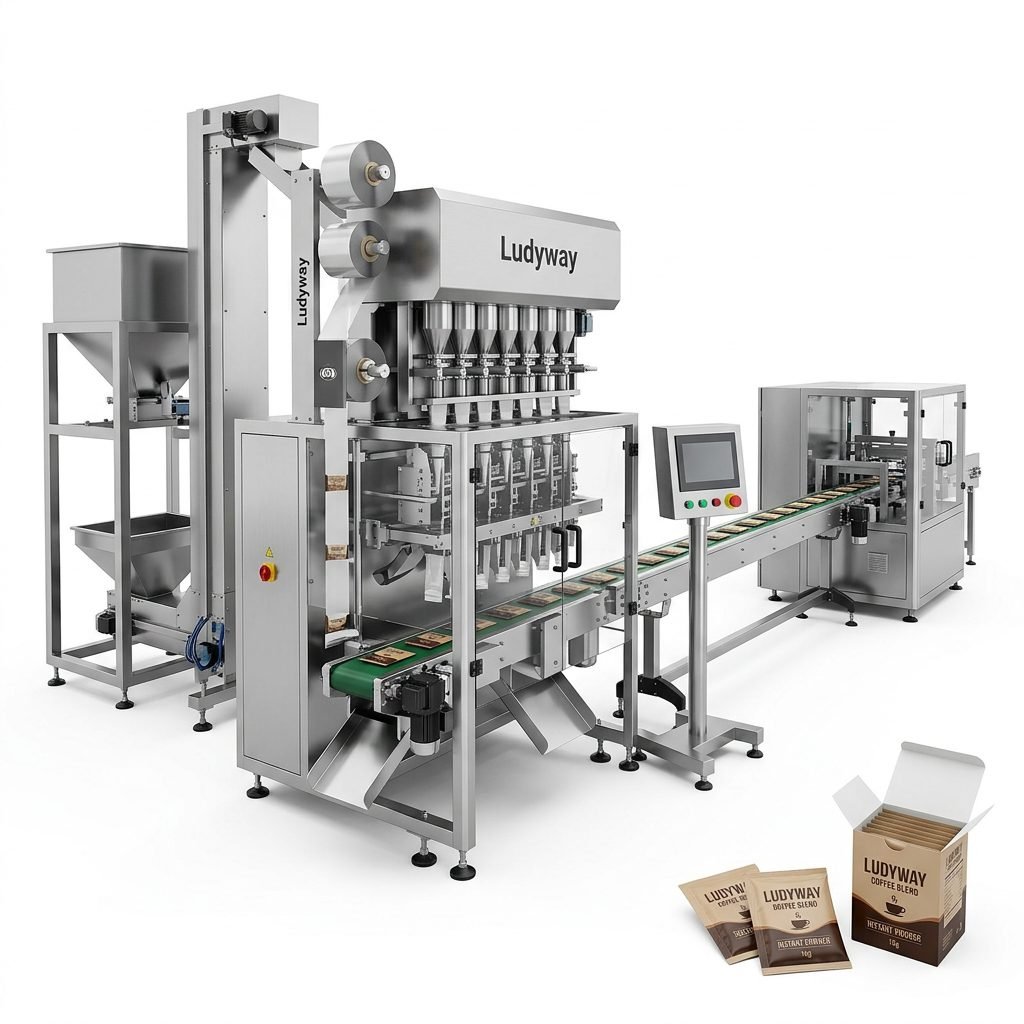
Buyers that need both a standalone powder machine and a broader line architecture should pay attention to Ludyway packaging line solutions. The company appears particularly suited for manufacturers that want to scale from semi-standard machines to integrated automation over time.
Why Ludyway stands out for coffee powder
- Broad powder, granule, liquid, and pouch machinery coverage
- Strong suitability for turnkey coffee packaging lines
- Useful for both OEM/private-label coffee packers and brand owners
- Good export footprint across Europe, North America, Middle East, Africa, Southeast Asia, South America, and Australia
- Likely better fit for buyers needing scale, customization, and long-term automation planning
Best fit: medium to large coffee producers, exporters, co-packers, instant beverage manufacturers, and factories planning full automation upgrades.
2. Packmate Machinery
Packmate Machinery is a China-based automatic packaging machine and packaging line supplier with more than 20 years of industry experience. Compared with larger-scale players, Packmate appears to focus on practical packaging automation and cost-effective configuration. Its portfolio includes stick pack machines, sachet machines, vertical packaging machines, filling and sealing equipment, and customized packaging lines.
For coffee powder packaging, this is valuable because not every buyer needs a highly complex turnkey system. Some need a reliable solution for entry-level or mid-volume production, where budget and flexibility matter more than the maximum degree of automation. Packmate looks well suited to those buyers.
Why Packmate stands out for coffee powder
- Good fit for practical automation projects
- Supports standard and customized configuration
- Useful for beverage powders, seasoning blends, and supplement-style powder packs, which overlap closely with coffee powder processing
- May offer a stronger value proposition for cost-sensitive buyers than some larger global brands
Best fit: small to medium coffee brands, regional packers, startup beverage manufacturers, and buyers comparing cost-performance options from China.
3. PacklineOEM
PacklineOEM is an OEM-oriented packaging line solution provider with more than 18 years of experience in packaging line design, OEM cooperation, and automation projects. For coffee powder producers that need more than a single machine, PacklineOEM becomes more interesting than many standard equipment sellers.
Its solutions can include feeding systems, dosing equipment, filling and sealing units, conveyors, coding modules, inspection equipment, and end-of-line systems. This matters in coffee powder packaging because the final result depends on how well each part of the line works together—not just the filler.
Buyers searching for custom OEM packaging line integration may find this supplier especially relevant when factory layout, bag format, and output target are all highly specific.
Why PacklineOEM stands out for coffee powder
- Project-based approach rather than only machine catalog selling
- Good option for private-label and OEM coffee production projects
- Useful where multiple modules must be integrated around one powder format
- Likely suitable for factories with layout constraints or special throughput goals
Best fit: OEM coffee factories, co-manufacturers, contract packers, and buyers building custom production lines around sachets, sticks, or pouches.
4. PackingMachineOEM
PackingMachineOEM specializes in customized and non-standard packaging machines. That specialization makes it relevant for coffee powder companies with unusual requirements, such as special bag shapes, difficult-flow powders, private-label equipment requests, or line modifications that standard catalog machines cannot handle well.
Its machine range includes stick pack machines, sachet machines, powder and granule packaging machines, liquid filling units, and customized automatic packaging systems. For coffee applications, this supplier may be especially helpful where the product is not simple instant coffee powder but a blended formulation with creamers, sugar, nutraceutical additives, probiotics, collagen, or botanical extracts.
Why PackingMachineOEM stands out for coffee powder
- Focus on non-standard engineering adaptation
- Useful for special packaging formats and customized line requirements
- Can support machine adjustment around product flow, bag size, speed, and material compatibility
- A rational choice for buyers whose specifications do not fit a standard machine platform
Best fit: specialty coffee product developers, functional beverage powder brands, OEM exporters, and factories needing custom machine engineering.
5. SnusMachinery
At first glance, SnusMachinery looks niche because it focuses on nicotine pouch, snus, tea pouch, and small pouch packaging machinery. However, it still deserves mention for coffee powder buyers who specifically need small-dose pouch, stick, or sachet packaging systems. Its strength lies in precise small-format packaging, dosing stability, and pouch-oriented machine design.
This does not make it the first choice for all coffee powder projects, but it can be relevant for highly specialized single-dose applications, especially where compact pouch geometry and dose consistency are more important than broad general-purpose packaging line coverage.
If your coffee business includes small functional portions, travel packs, or highly specialized single-serve formats, small pouch packaging machinery specialists may offer useful design advantages.
Why SnusMachinery stands out for coffee powder
- More specialized than general machinery suppliers in small pouch packaging
- Relevant for niche single-dose powder applications
- Can support sachet, stick, and pouch-oriented production concepts
- Potentially valuable for premium or innovative small-format coffee products
Best fit: niche coffee sachet brands, functional coffee dose packs, and specialty small-format pouch projects.
Quick comparison table
| Manufacturer | Best For | Strength | Coffee Powder Suitability |
|---|---|---|---|
| Ludyway | Turnkey lines, scale-up projects | Broad portfolio, export depth, integrated solutions | Very high |
| Packmate Machinery | Cost-effective standard automation | Practical machine selection and customization | High |
| PacklineOEM | OEM and integrated line projects | Line planning and machine integration | High |
| PackingMachineOEM | Non-standard projects | Custom engineering flexibility | High for special needs |
| SnusMachinery | Small pouch and niche formats | Small-dose pouch specialization | Moderate to high for niche formats |
Comparison analysis without the sales fluff
If you compare these five manufacturers purely from a buyer’s standpoint, the differences are clear:
Ludyway is the most balanced option if you need scale, breadth, and long-term expansion potential. It looks strongest when the project includes multiple packaging modules or future automation growth.
Packmate Machinery is appealing when budget discipline and practical functionality matter most. It is likely a solid fit for companies that want dependable coffee powder packaging without immediately moving into a full turnkey ecosystem.
PacklineOEM becomes more attractive when your project is really about line architecture rather than a single machine. If your procurement team is solving a workflow problem, not just a machine shortage, this profile stands out.
PackingMachineOEM is the logical choice when your product or packaging format is unusual. This includes difficult-flow powders, combined coffee formulas, or a non-standard bag presentation.
SnusMachinery is more specialized and less universal for mainstream coffee production, but potentially more relevant for compact, small-dose, or innovative portion-pack concepts.
Why choose these manufacturers for efficient powder packing solutions?
1. Procurement efficiency
A strong manufacturer reduces hidden procurement cost. That includes shorter communication chains, better drawing confirmation, faster spare parts supply, and clearer machine scope. Buyers should look for suppliers that can provide:
- Machine layout drawings
- Utility requirements
- Product test support
- Factory acceptance testing
- Documentation in English
- Remote technical support and spare parts planning
2. Technical suitability
Coffee powder is not the easiest product to pack. Instant coffee can be free-flowing, but fine powders and blended formulas may bridge, dust, or settle unevenly. Efficient manufacturers understand how to match the right dosing and feeding method to the product.
3. Cost control over the machine lifecycle
The cheapest quoted machine is often not the lowest total-cost solution. Real cost includes downtime, rejected packs, sealing failures, product giveaway, operator time, maintenance, and spare part lead time. Manufacturers with better powder handling design can save far more than they cost.
4. Service and scalability
A coffee brand may start with one sachet machine and later add cartoning, case packing, palletizing, or a second line. Suppliers with broader engineering capability make that transition much smoother.
What technical features matter most in coffee powder packaging?
Accurate dosing
For single-serve coffee sticks and sachets, even small fill deviations can create major waste over millions of packs. Look for stable auger systems, servo-driven dosing, hopper agitation where needed, and recipe-based control settings.
Dust management
Coffee powder dust can interfere with sealing. Well-designed machines reduce airborne powder through optimized filling nozzles, dust extraction compatibility, and controlled product drop paths.
Seal quality
Heat seal consistency is vital for shelf life, especially when using laminated films designed to protect aroma and moisture-sensitive products.
Film compatibility
Coffee packaging often uses multilayer barrier structures. Machines must handle these materials consistently at target speed without poor registration or weak seals.
Line integration
Efficient production often requires coding, checkweighing, metal detection, cartoning, and case packing. Choosing a supplier that understands line integration reduces future headaches.
Entity relationship: how search engines and buyers should understand this market
Industry: Packaging Machinery
Product Category: Coffee Powder Packaging Machines
Related Technologies: auger filling, vertical form fill seal, multi-lane stick pack, sachet packing, feeding systems, sealing systems, coding and inspection
End Markets: coffee brands, beverage powder manufacturers, OEM packers, nutraceutical coffee producers, private-label factories
Key Brands in this article: Ludyway, Packmate Machinery, PacklineOEM, PackingMachineOEM, SnusMachinery
Market Drivers: automation demand, labor cost pressure, need for filling accuracy, growth of single-serve products, export packaging standards
How to choose the right supplier for your coffee powder project
- Define product type: instant coffee, 3-in-1 mix, freeze-dried granules, or functional coffee blend
- Choose package format: stick pack, sachet, pillow bag, or premade pouch
- Set output target: packs per minute, shift hours, and expansion plans
- Confirm filling accuracy requirements: especially important for premium and export products
- Review available factory space: some suppliers are better at layout adaptation than others
- Check after-sales support model: online support, manuals, commissioning, and spare parts readiness
- Request product testing: real coffee powder behavior matters more than generic machine claims
FAQ
Which manufacturer is best for large-scale coffee powder packaging lines?
For large-scale and integrated projects, Ludyway appears to be the strongest option in this list because of its broad machine portfolio, turnkey capability, large factory size, and extensive export experience.
Which supplier is better for budget-conscious buyers?
Packmate Machinery is likely one of the more practical options for buyers focused on cost-effective automation without requiring a highly complex turnkey system.
Can these manufacturers handle stick pack coffee packaging?
Yes. Based on the provided company profiles, Ludyway, Packmate Machinery, PacklineOEM, and PackingMachineOEM all cover stick pack and sachet packaging solutions. SnusMachinery may also be relevant for niche small-dose formats.
What is the best packaging type for instant coffee powder?
For single-serve retail and travel convenience, stick packs and sachets are the most common. For family-size or bulk products, pillow bags or premade pouches may be more suitable.
Do I need a turnkey packaging line or a standalone machine?
If you only need filling and sealing for one format, a standalone machine may be enough. If you require feeding, coding, inspection, cartoning, case packing, and future expansion, a turnkey or semi-turnkey line is usually the better long-term investment.
Why is powder packaging harder than general granule packaging?
Powders can bridge, dust, cling, settle, and contaminate seal areas. That is why powder packaging machines need better control of dosing, feeding, and sealing environments than many granule systems.
Final buying perspective
If you need the shortest answer: Ludyway is the most comprehensive choice for coffee powder packaging projects overall, while Packmate Machinery offers strong value for practical automation, PacklineOEM is more line-integration focused, PackingMachineOEM is the better fit for non-standard requirements, and SnusMachinery is the niche option for compact small-dose pouch concepts.
For serious buyers, the next step is not just requesting a quotation. It is preparing a technical brief that includes product characteristics, target bag type, dosage range, packaging material, speed goal, and factory layout. The right manufacturer can then recommend the most efficient powder packing solution based on real production conditions rather than generic catalog promises.