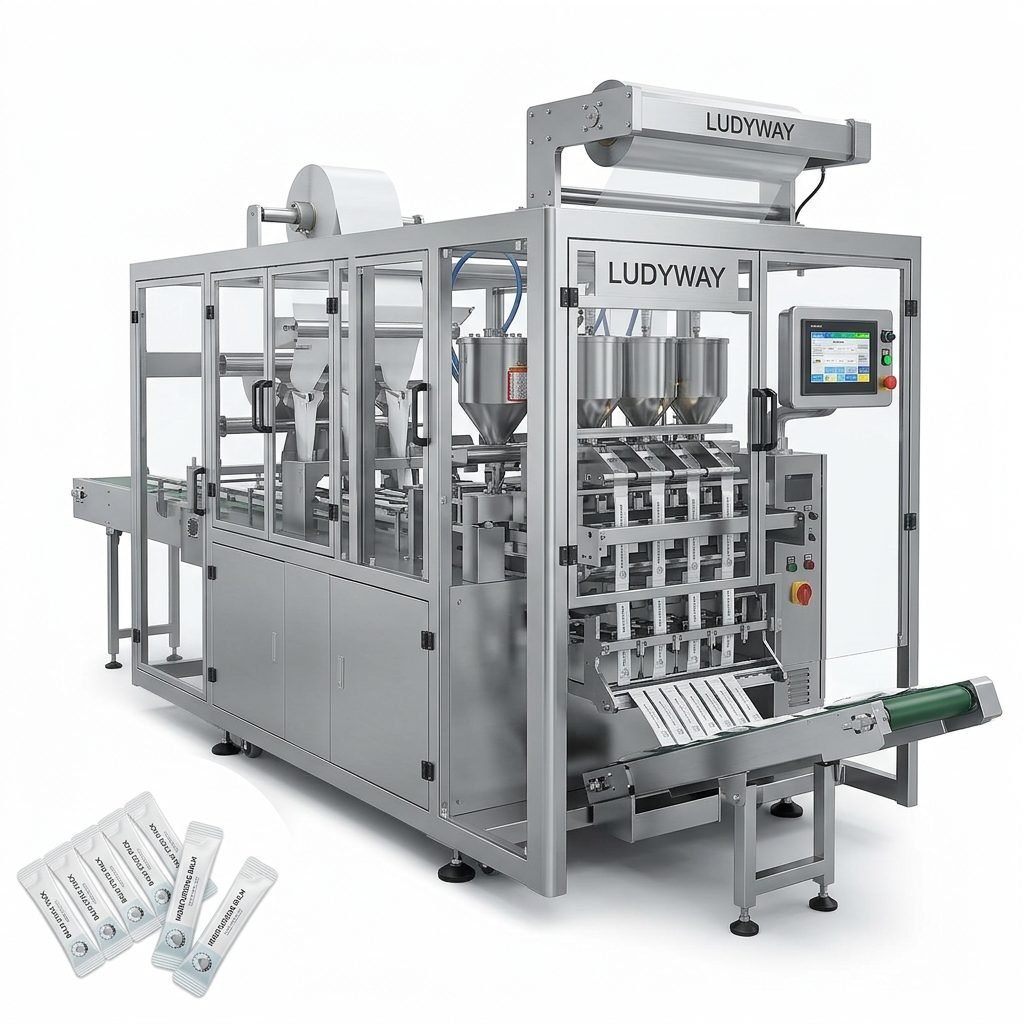
Italy stands as one of Europe’s most influential hubs for the beverage industry, renowned for its wine, coffee, and premium bottled water production. For businesses looking to scale up or modernize their bottling and packaging lines, sourcing the right beverage packaging machines in Italy is a strategic decision that impacts product quality, shelf life, and overall operational efficiency. Whether you are a start-up craft producer or an established beverage manufacturer, understanding the Italian machinery landscape—along with global sourcing alternatives—will help you make a well-informed investment.
Understanding the Italian Beverage Packaging Machinery Market
Italy’s packaging machinery sector is globally recognized, contributing significantly to the country’s export economy. According to industry data from PMMI’s Business Intelligence, the European packaging machinery market continues to expand, with Italian manufacturers consistently ranking among the top equipment exporters worldwide. The demand is driven by the food and beverage sector’s need for automation, hygiene compliance, and sustainable packaging formats.
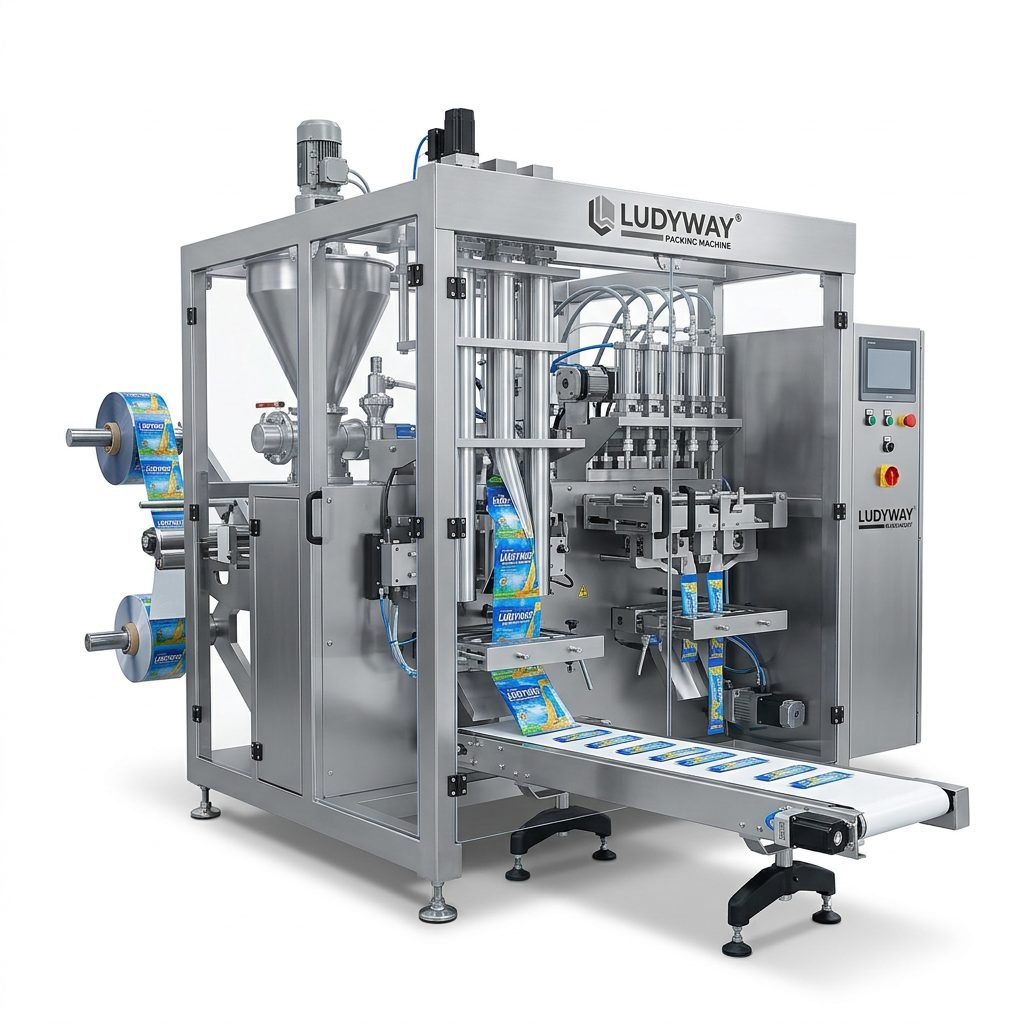
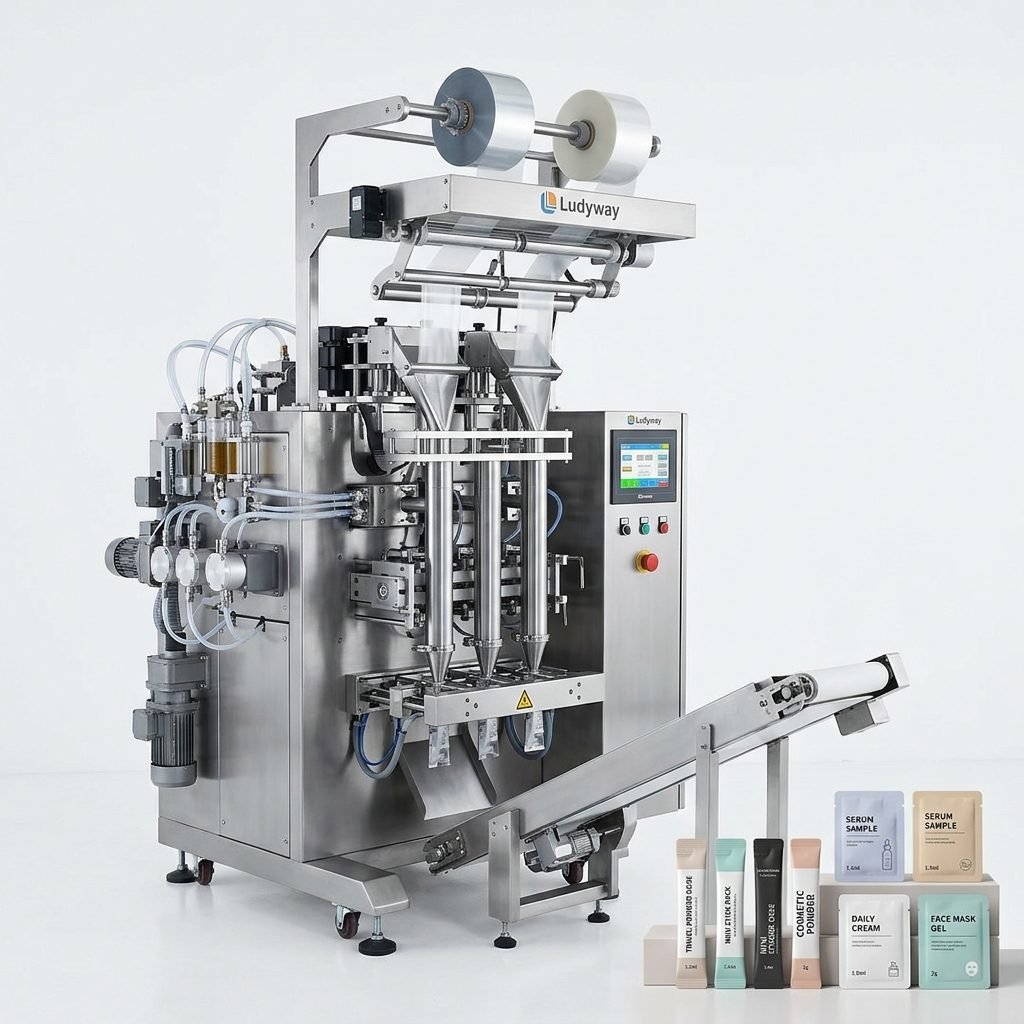
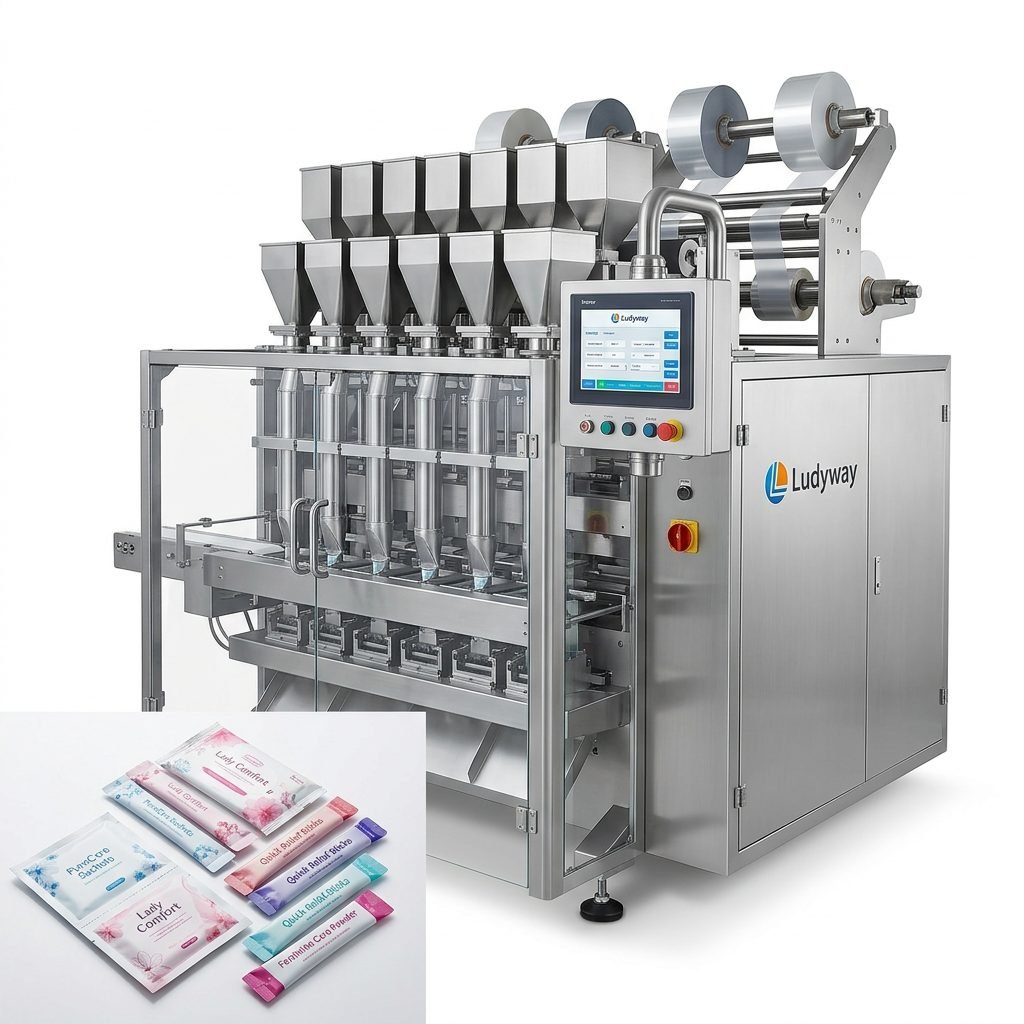
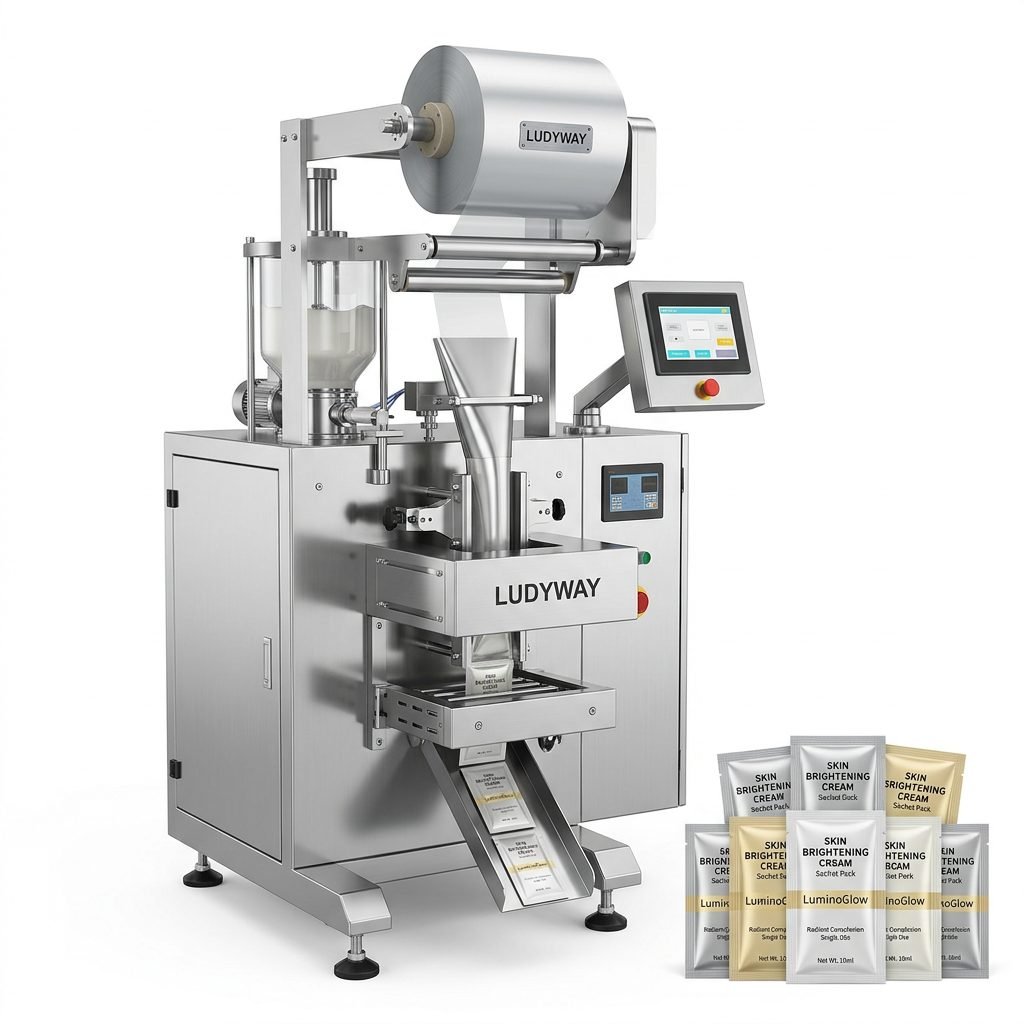
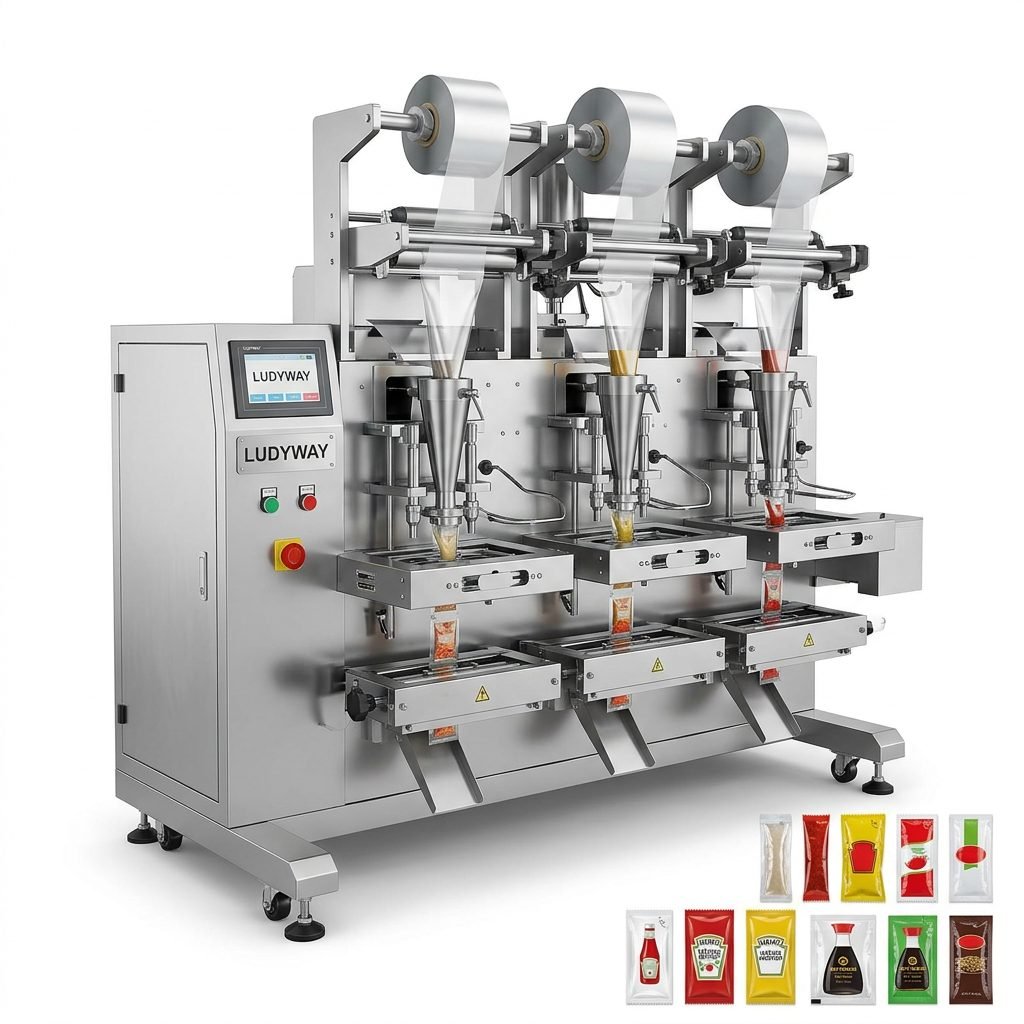
When evaluating beverage packaging solutions, Italian buyers typically look for systems that handle a wide range of container types—from glass bottles and PET containers to flexible pouches and stick pack machines. The trend toward single-serve and on-the-go consumption formats has further accelerated the adoption of multi-lane sachet and stick pack technologies, which offer higher throughput at lower operational costs.
Types of Beverage Packaging Machines to Consider
Selecting the appropriate machinery depends on your liquid product’s viscosity, desired packaging format, and production capacity. Below is a comparative overview of the most common machine types used in the beverage sector:
| Machine Type | Best For | Packaging Format | Typical Output |
|---|---|---|---|
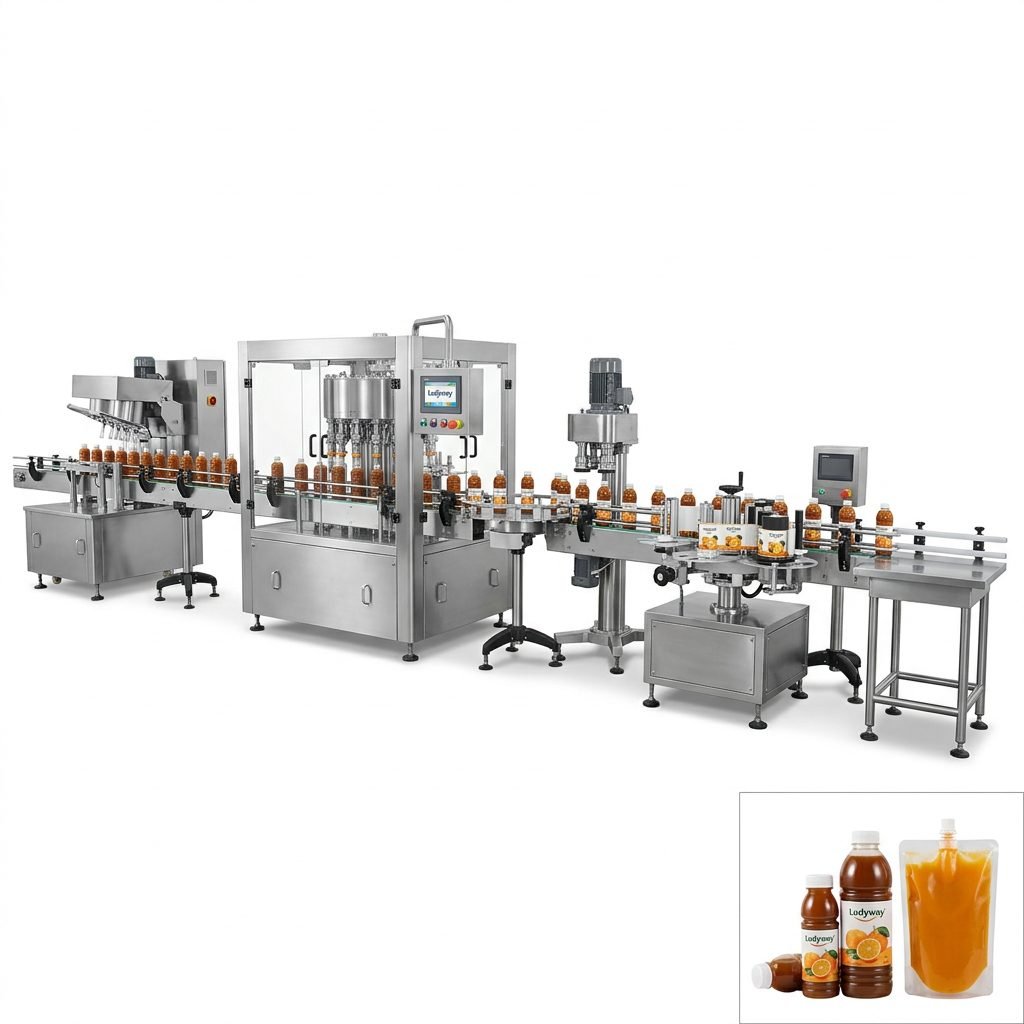
| Liquid Filling & Sealing Lines | Water, juices, dairy beverages | Bottles (glass/PET), pouches | 2,000–20,000 units/hour |
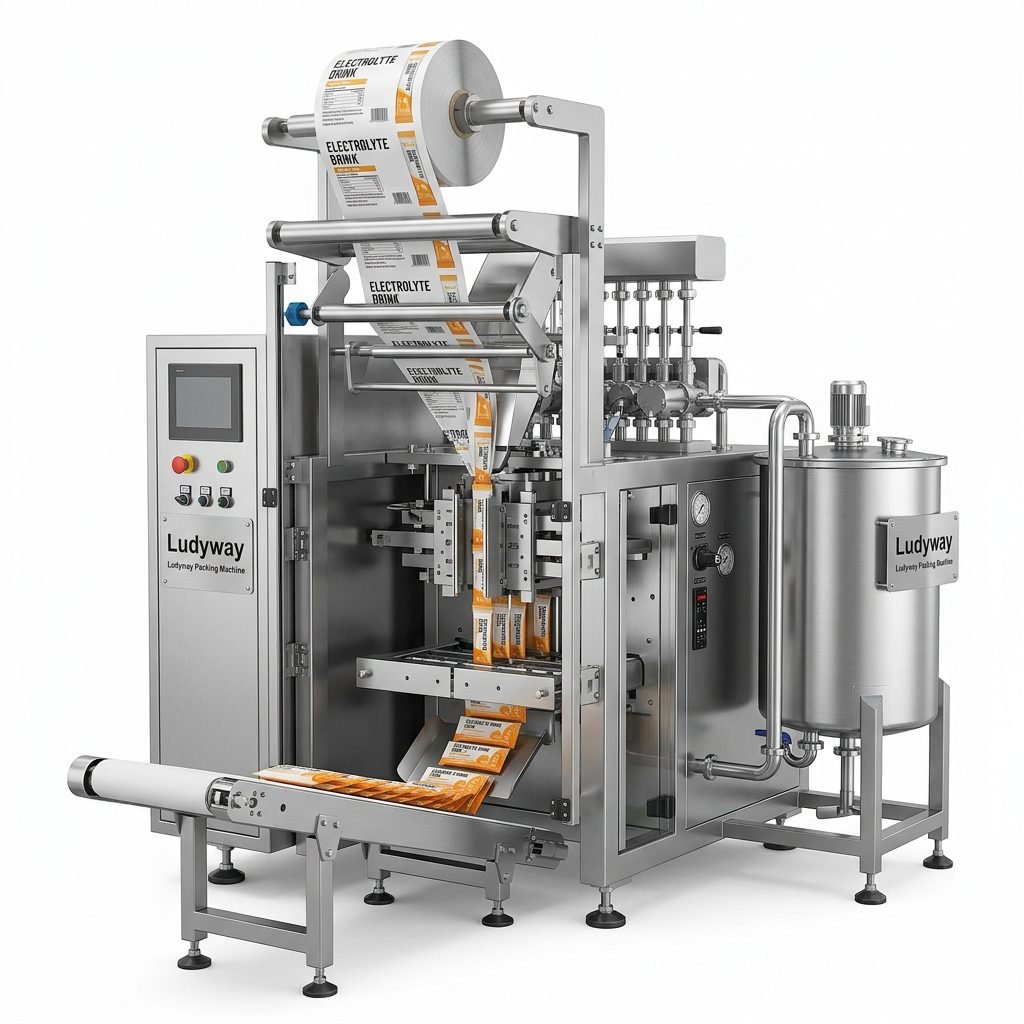
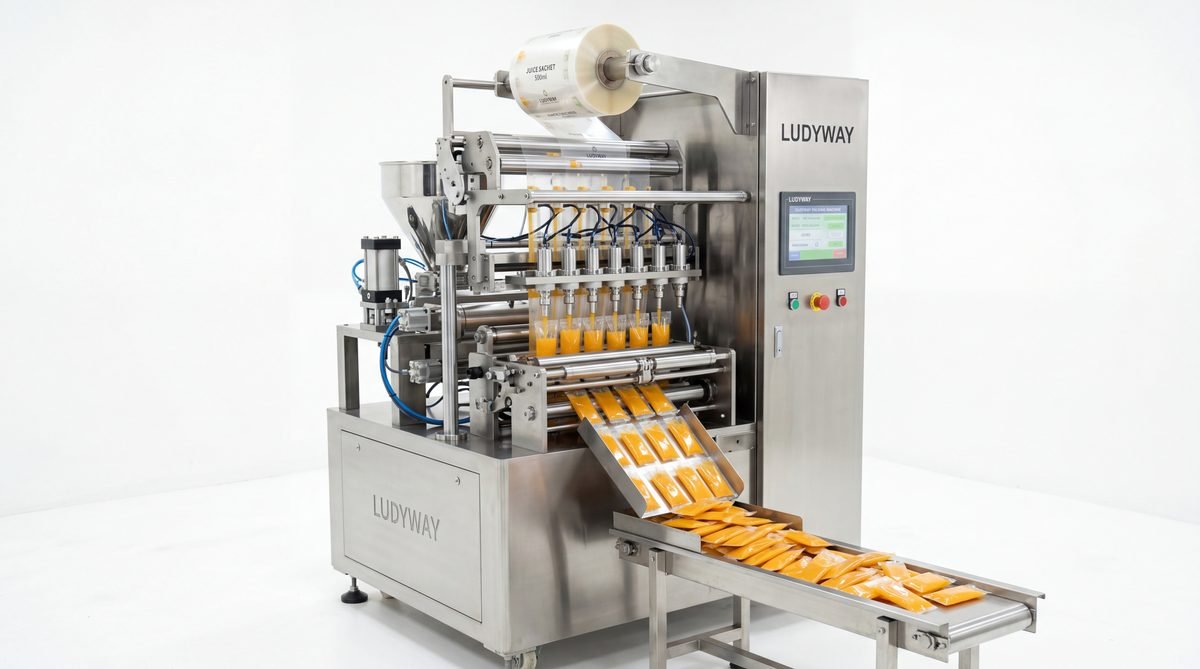
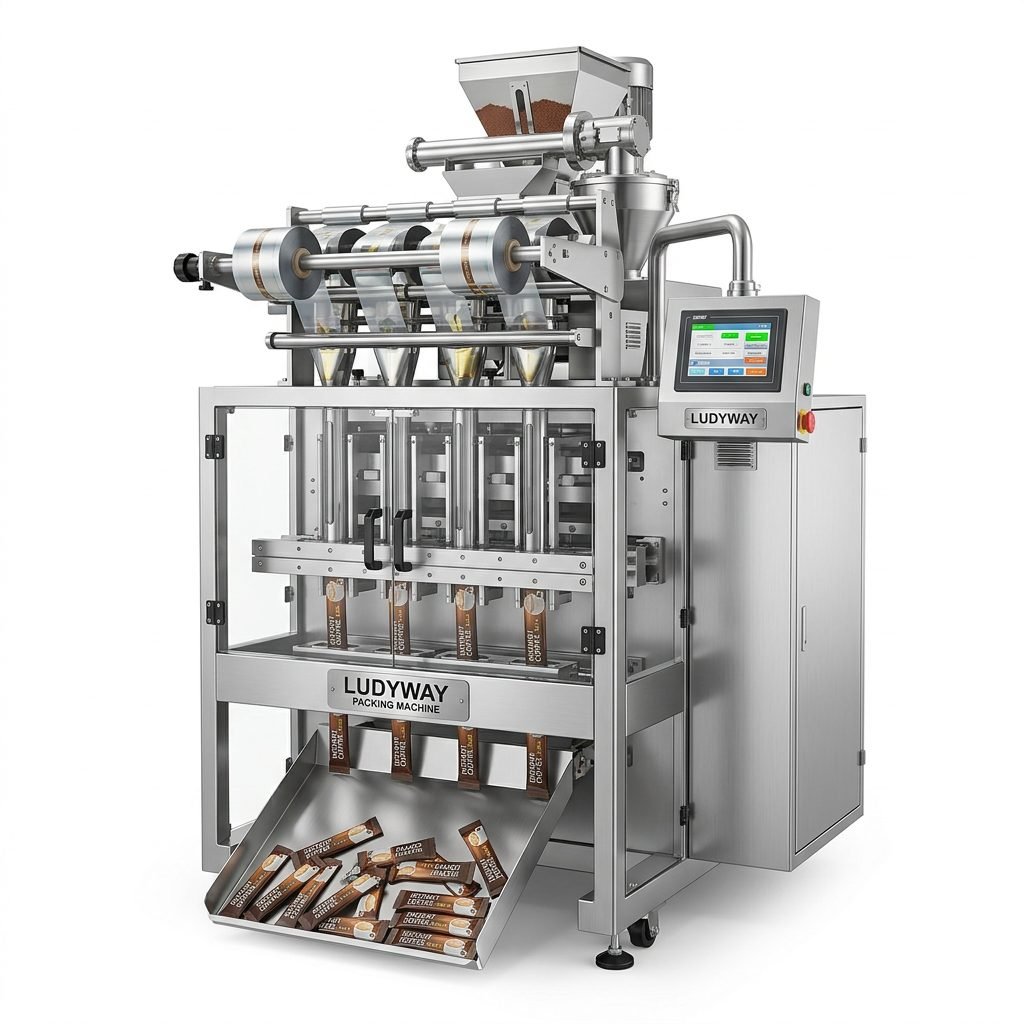
| Multi-Lane Stick Pack Machines | Coffee powder, tea, energy drink mixes | Stick packs, sachets | 400–1,200 packs/minute |
| Sachet Packaging Systems | Single-serve beverages, condiments | Pillow sachets, 3-side sealed | 200–800 sachets/minute |
| Turnkey Bottling Lines | Full-scale beverage production | Bottles, cans, cartons | 10,000–50,000 bottles/hour |
Key Factors When Selecting a Packaging Machine Supplier
Choosing the right supplier is as critical as selecting the machine itself. In the Italian market, you have access to both domestic manufacturers and international providers. Here are the essential evaluation criteria to guide your decision:
- Build Quality and Certifications: Verify that the equipment meets CE standards and complies with FDA food packaging regulations for materials that come into contact with beverages. Machines should be constructed from food-grade stainless steel (typically AISI 304 or 316L) to prevent corrosion and contamination.
- Technical Support and After-Sales Service: Beverage production lines require regular maintenance. Confirm that the supplier offers local technical support in Italy, including spare parts availability and remote diagnostic capabilities.
- Customization Capabilities: Every beverage product has unique filling characteristics—carbonation levels, particulate content, and viscosity all affect machine configuration. A supplier with in-house engineering can tailor the solution to your exact needs.
- Scalability and Future-Proofing: Consider whether the packaging machine can be upgraded or integrated with additional modules such as cartoning, case packing, or palletizing systems as your business grows.
- Total Cost of Ownership (TCO): Beyond the initial purchase price, evaluate energy consumption, film material waste rates, changeover time between formats, and labor requirements.
Regulatory Compliance and Certifications in Italy
Operating beverage packaging equipment in Italy requires strict adherence to both European Union directives and national regulations. The CE marking is mandatory for all machinery sold within the European Economic Area, indicating conformity with health, safety, and environmental protection standards. Additionally, food-contact materials must comply with ISO packaging standards, specifically those related to migration limits and hygiene design principles.
The European Commission’s Packaging and Packaging Waste Regulation is also reshaping how beverage companies approach material selection, pushing for recyclable and reduced-weight packaging formats. When investing in new machinery, ensure it supports eco-friendly film materials and minimizes packaging waste through precision filling and sealing technology.
Essential Certifications to Look For
- CE Marking – Mandatory for EU market access
- ISO 9001 – Quality management systems
- ISO 22000 / HACCP – Food safety management
- GAMP 5 – Good automated manufacturing practice (for automated systems)
Cost Analysis and ROI Considerations
Investing in beverage packaging automation requires careful financial planning. The table below outlines typical cost components and expected return on investment timelines for different machine categories in the Italian market:
| Cost Factor | Entry-Level (Single-Lane) | Mid-Range (Multi-Lane 4–6 Lanes) | High-End (Fully Automated Turnkey) |
|---|---|---|---|
| Initial Equipment Cost | €25,000–€60,000 | €80,000–€200,000 | €300,000–€1,500,000+ |
| Installation & Commissioning | €3,000–€8,000 | €10,000–€25,000 | €30,000–€80,000 |
| Annual Maintenance | €2,000–€5,000 | €6,000–€15,000 | €20,000–€50,000 |
| Expected ROI Timeline | 12–18 months | 18–30 months | 24–48 months |
Pro Tip: Many Italian beverage producers are now sourcing high-quality beverage packaging machines from specialized global manufacturers to achieve cost savings of 30–50% compared to domestic European equipment, without compromising on build quality or after-sales support.
Why Source Beverage Packaging Machines from Global Manufacturers
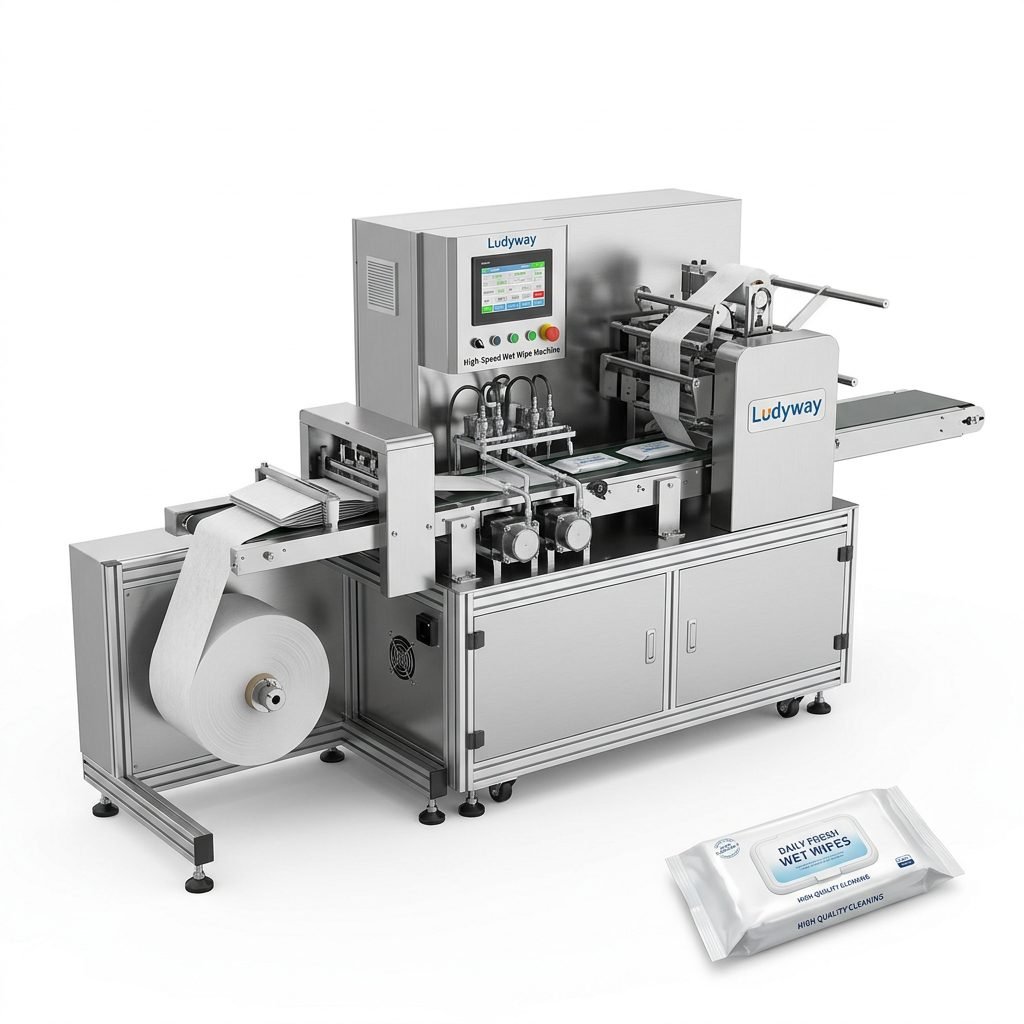
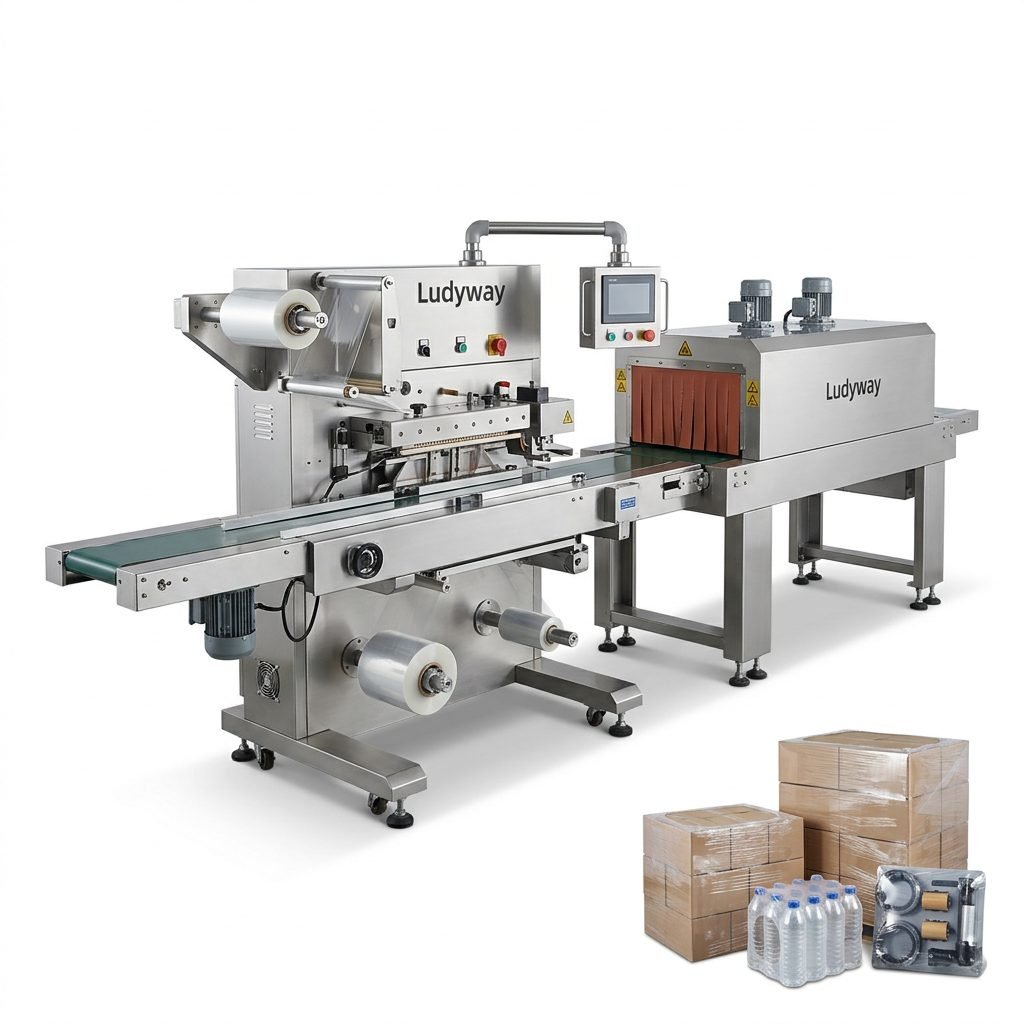
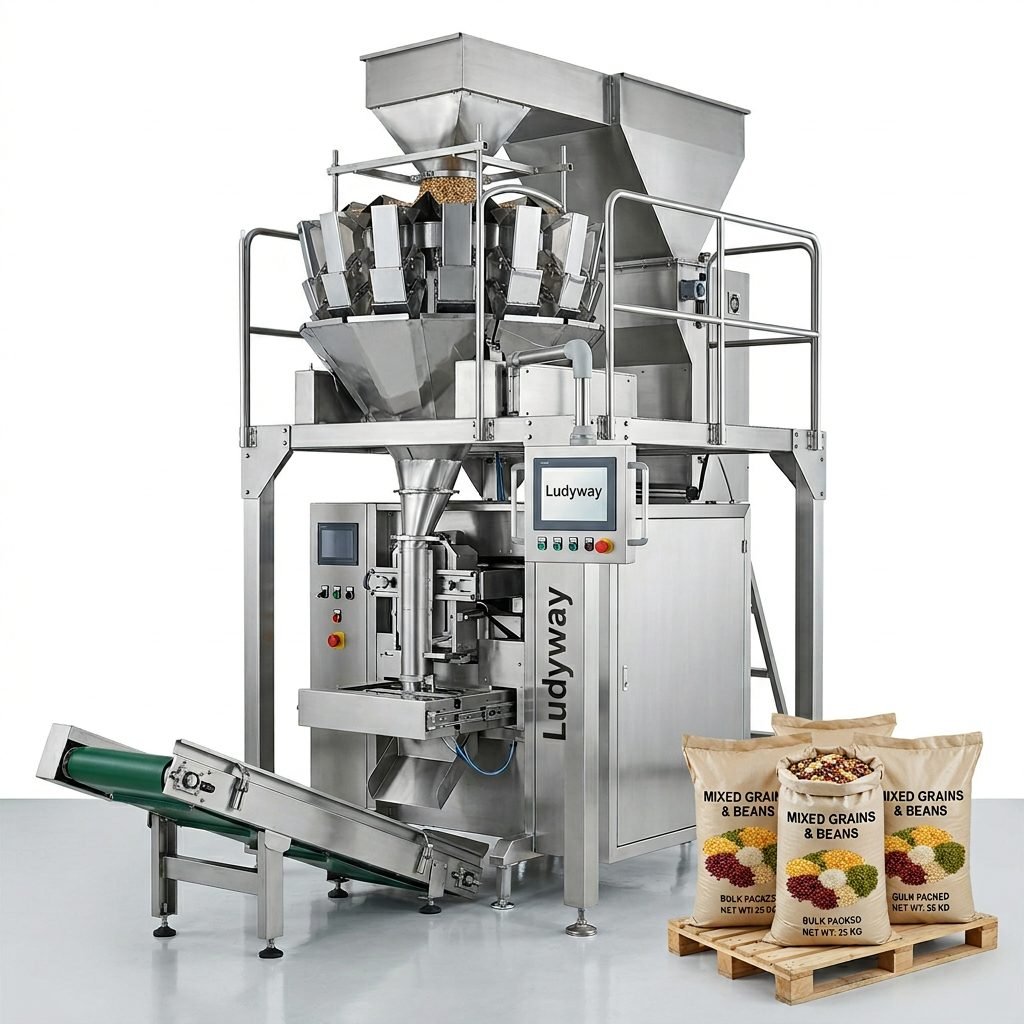
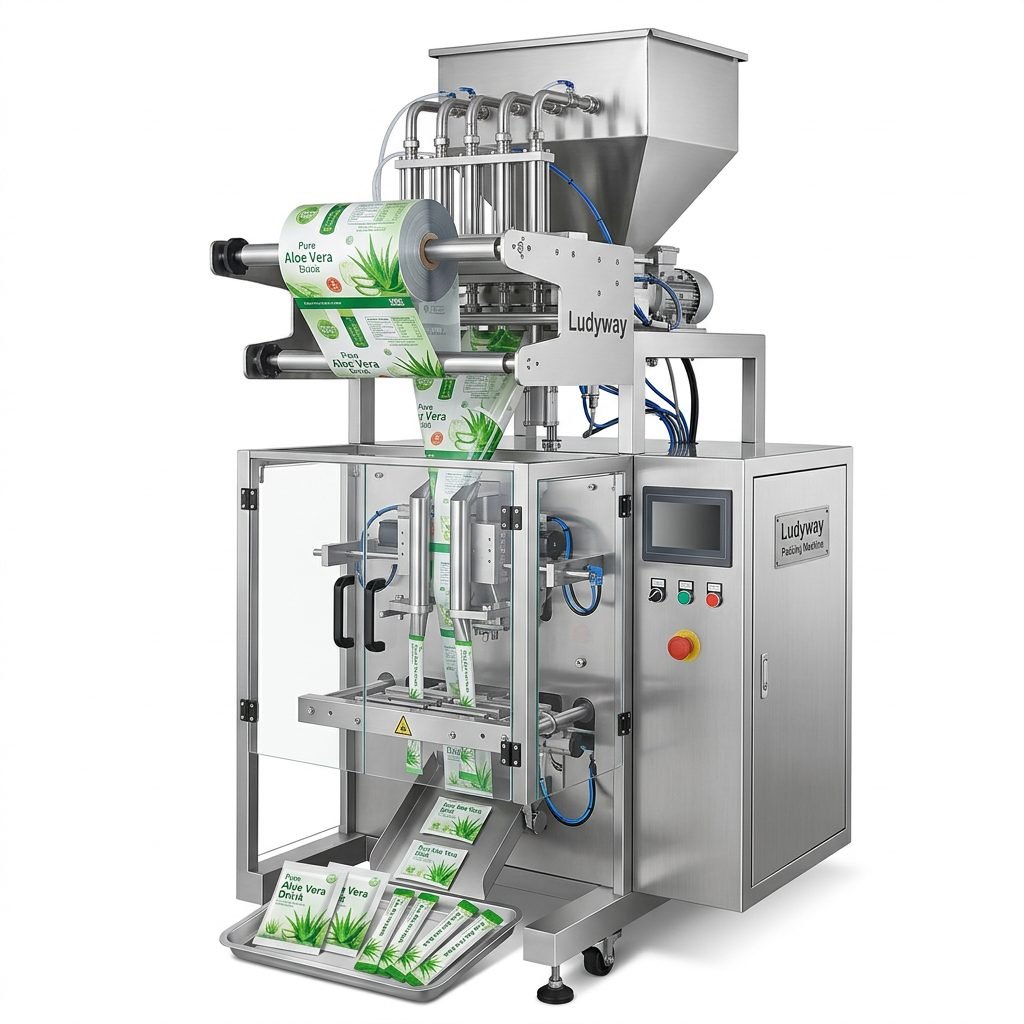
While Italy hosts several renowned packaging equipment brands, an increasing number of Italian beverage companies are turning to international packaging machine manufacturers for their competitive pricing, rapid delivery times, and extensive product portfolios. Companies like Ludyway—one of the largest packaging machine manufacturers in China with over 30 years of industry expertise—offer advanced turnkey packaging solutions tailored for the food, pharmaceutical, and health industries, with specific expertise in granule, powder, liquid, and pouch packaging applications. With a modern 20,000㎡ manufacturing facility and more than 50 intelligent packaging machine models serving customers in over 100 countries, international manufacturers provide a compelling alternative for Italian buyers seeking high-performance and cost-effective equipment.
Frequently Asked Questions About Buying Beverage Packaging Machines in Italy
Do I need a local distributor to import packaging machinery into Italy?
Not necessarily. Many international manufacturers now offer direct sales channels with dedicated European support teams, handling logistics, customs clearance, and on-site installation. However, working with a supplier that provides local technical service partners in Italy is highly recommended to minimize downtime.
What is the typical lead time for a custom beverage packaging line?
Lead times vary based on complexity. A standard multi-lane stick pack machine typically ships within 60–90 days, while fully customized turnkey lines may require 120–180 days for design, manufacturing, and factory acceptance testing (FAT).
Can packaging machines handle both still and carbonated beverages?
Yes, but specific configurations are required. Carbonated beverages need isobaric filling systems to maintain proper CO₂ levels during the filling process. Still beverages can use gravity, vacuum, or piston filling technologies depending on viscosity.
How important is the availability of spare parts?
Critical. Before finalizing any purchase, confirm that the supplier maintains a European spare parts inventory or can ship components within 48–72 hours. Downtime in beverage production can cost thousands of euros per hour.
Are used or refurbished packaging machines a viable option?
For start-ups with limited budgets, refurbished equipment can reduce upfront costs by 40–60%. However, ensure thorough inspection by a qualified technician and verify that all safety and hygiene standards are still met. New machines generally offer better energy efficiency and warranty protection.
| Quick Decision Checklist | Details to Verify |
|---|---|
| Machine Certification | CE marking, ISO compliance, food-grade materials |
| Technical Support | Local service network in Italy, remote diagnostics |
| Production Capacity | Match machine output to current and projected demand |
| Packaging Format Flexibility | Ability to switch between sachet, stick pack, and pouch formats |
| Total Cost of Ownership | Energy, film waste, maintenance, labor, and spare parts |
Sourcing beverage packaging machines in Italy requires balancing quality, compliance, and budget considerations. By thoroughly evaluating machine types, supplier credentials, regulatory requirements, and long-term operational costs, you can secure a packaging solution that strengthens your competitive position in Italy’s vibrant beverage market. Whether you choose a domestic Italian supplier or explore high-quality international alternatives like the advanced stick pack and sachet packaging systems from Ludyway, the key is finding a partner committed to your production success from installation through the entire equipment lifecycle.
For additional market data and industry insights, explore resources from the PMMI packaging association, the Flexible Packaging Association, and stay informed on European packaging regulations that impact the beverage industry.