In the quest for a more organized and efficient home, managing wardrobe space and preserving clothing quality are common challenges. A vacuum packaging machine for clothes offers a transformative solution, allowing you to compress garments, save substantial storage space, and create a protective barrier against moisture, dust, and pests. This guide explores how to choose the best machine for your needs and maximize its benefits for a fresher, more streamlined wardrobe.
Why Invest in a Vacuum Packaging Machine for Clothes?
The primary advantage is space optimization. By removing air from specially designed bags, these machines can reduce the volume of bulky items like winter coats, comforters, and sweaters by up to 80%. This is invaluable for seasonal storage, moving homes, or simply maximizing closet real estate in small apartments.
Beyond saving space, vacuum sealing provides superior protection. It shields your clothes from:
- ● Moisture & Mold: A sealed, air-tight environment prevents dampness, which can lead to mildew and unpleasant odors.
- ● Dust & Dirt: Keeps garments clean and ready-to-wear, even after long-term storage.
- ● Insects & Moths: Acts as a physical barrier against fabric-damaging pests.
- ● Odors: Locks out smells from storage areas, keeping your wardrobe fresh.
Key Features to Look For
Not all vacuum sealers are created equal. For clothing, specific features enhance performance and convenience.
1. Suction Power & Seal Quality
Strong, consistent suction is crucial for effective compression. Look for a machine with a powerful motor that can handle multiple bags in one session. The heat seal bar must create a durable, airtight weld to prevent leaks over time.
2. Bag Compatibility & Accessory Hose
Many household vacuum sealers are designed for food storage bags. For clothes, ensure the machine is compatible with larger, heavier-duty garment bags or has an accessory port for a hose. The hose allows you to vacuum seal bags with dedicated valves, which are reusable and perfect for clothing.
3. Dry vs. Moist Settings
Some advanced models offer a “Dry” setting specifically for non-food items. This setting typically uses a gentler suction cycle to prevent over-compressing delicate fabrics. If you plan to seal knitwear or delicate items, this feature is highly beneficial.
Step-by-Step Guide to Vacuum Packing Your Wardrobe
Follow these steps for optimal results and to ensure your clothes remain in perfect condition.
Step 1: Sort and Prepare. Group clothes by season or category. Ensure all items are completely dry and clean. Even slight moisture can lead to mold growth inside the sealed bag.
Step 2: Fold Strategically. Fold garments neatly to minimize wrinkles and create a uniform package. For bulkier items, rolling can sometimes be more space-efficient.
Step 3: Choose the Right Bag. Select a bag size that fits the items without being overly large. For long-term storage of delicate fabrics like wool or silk, consider using acid-free tissue paper as an extra layer of protection.
Step 4: Seal and Vacuum. Place the clothes in the bag, leaving enough room at the top for a proper seal. Follow your machine’s instructions. If using a valve bag, attach the hose and start the vacuum process.
Step 5: Label and Store. Once compressed, label the bag with its contents and date. Store in a cool, dry place away from direct sunlight.
Pro Tips for Maintaining Fabric Quality
- Avoid Over-Packing: Do not force too many items into one bag. This can strain the seams and make it difficult to achieve a good vacuum.
- Limit Compression Time: For very delicate items, limit the time they are stored under compression to a few months to prevent permanent creasing or fiber stress.
- Refresh Upon Opening: When you open a bag, some items may have temporary wrinkles. Hang them up or lightly steam them to allow the fibers to relax and regain their shape.
Beyond the Home: Professional and Commercial Insights
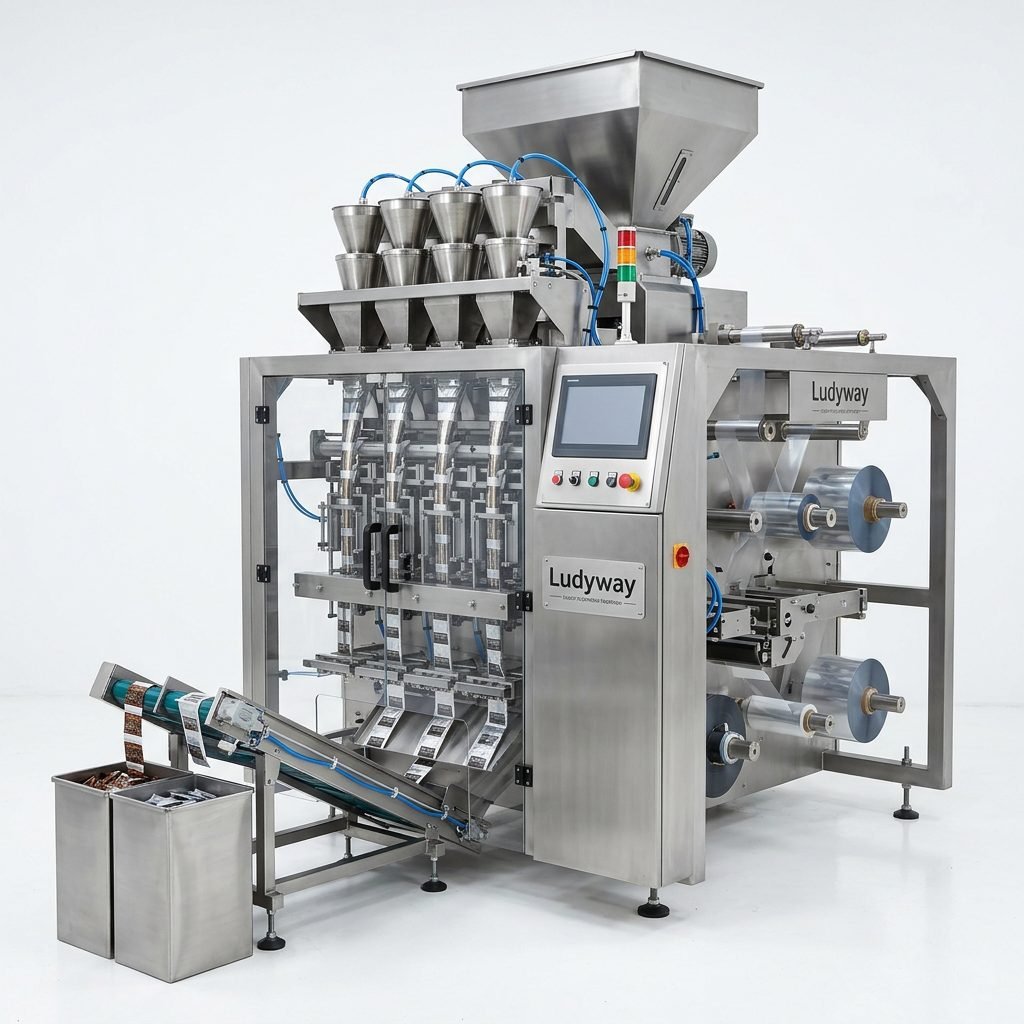
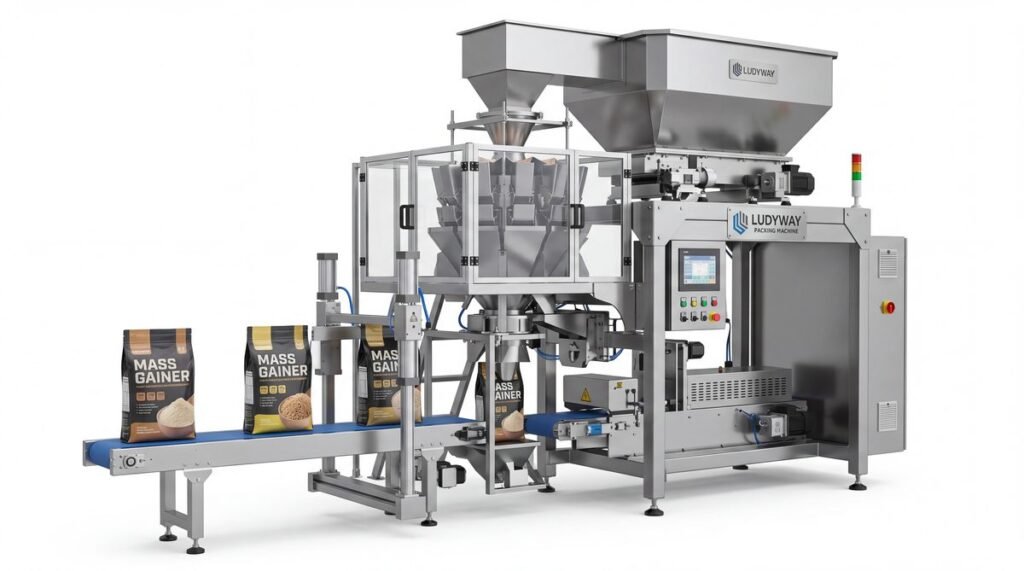
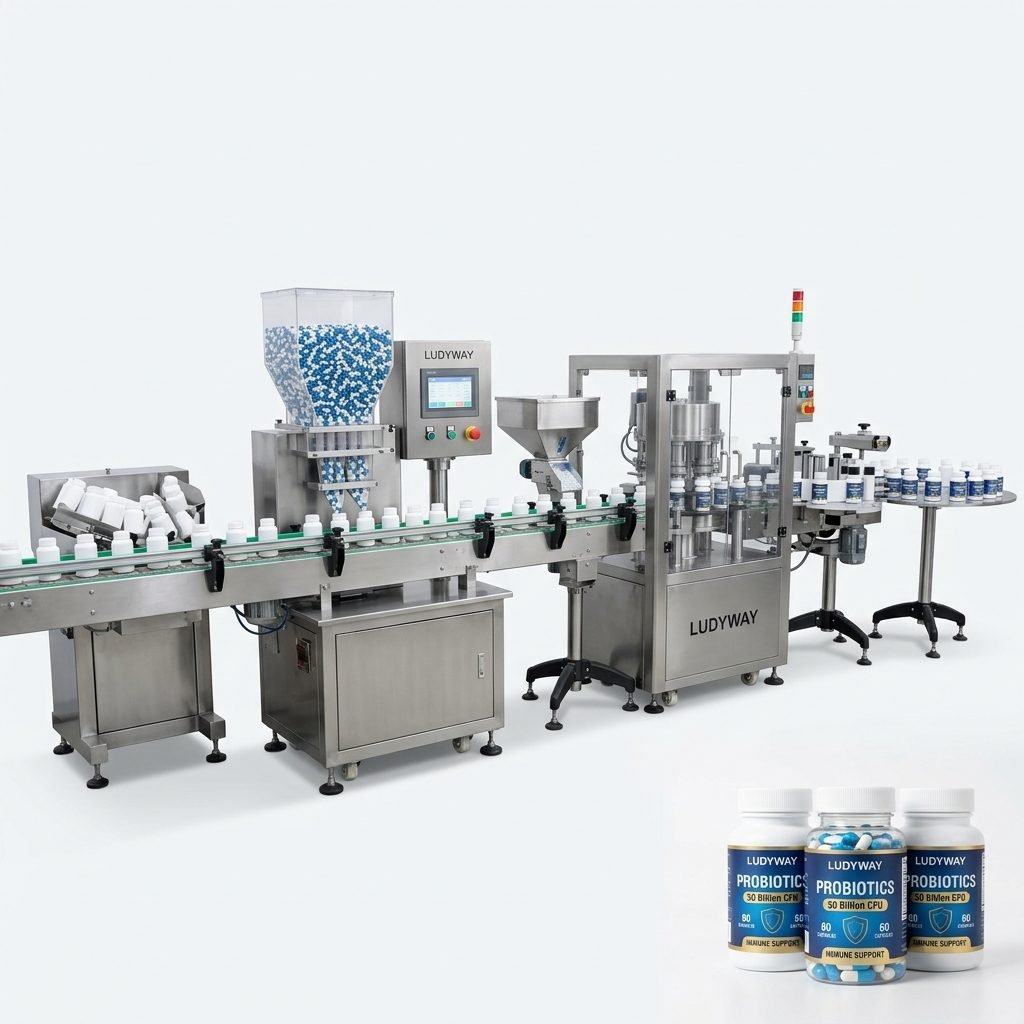
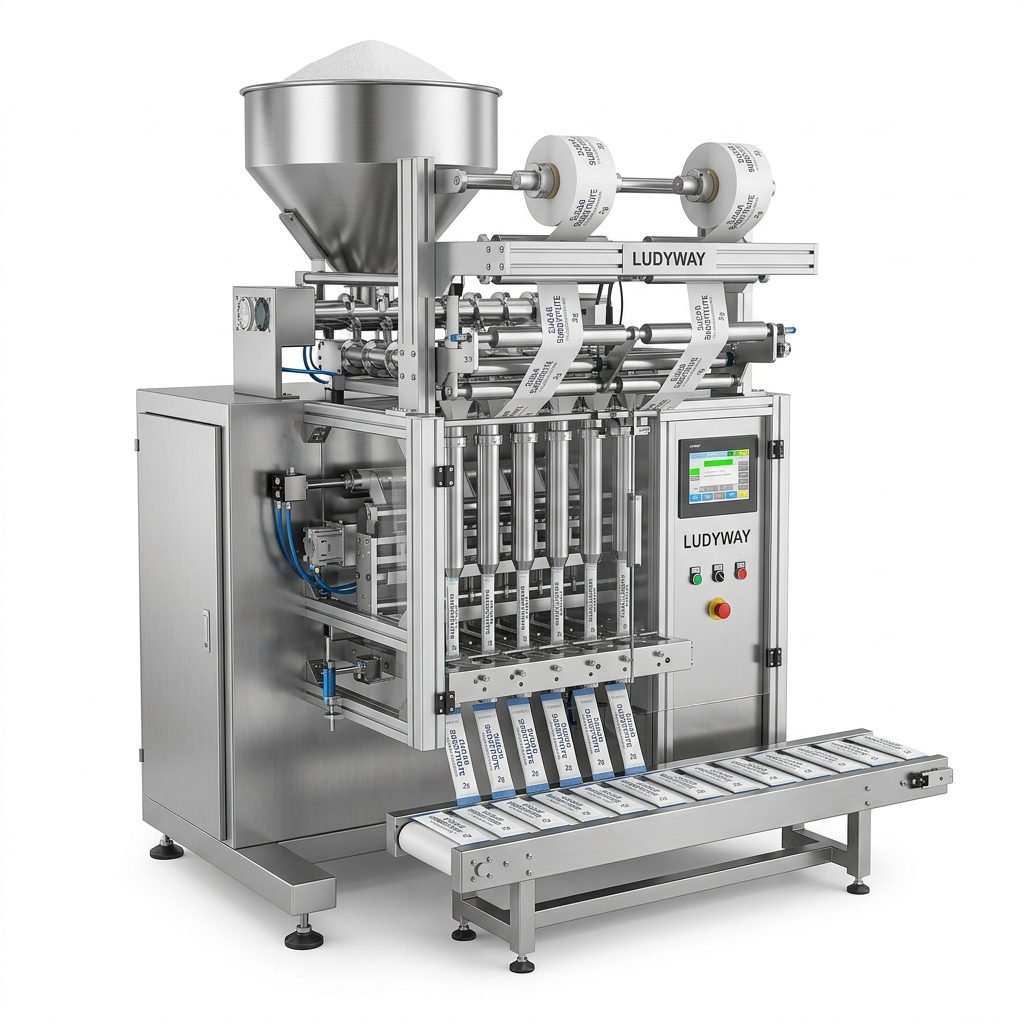
The principle of vacuum packaging extends far beyond personal wardrobes. In commercial settings, such as textile storage, archival preservation, and logistics, industrial-grade vacuum systems are essential. Companies specializing in packaging solutions, like Ludyway Packing Machine, understand the critical need for reliable, automated sealing technology. With over 30 years of industry experience, such expertise in creating durable seals and efficient systems informs the development of better consumer products. The same engineering focus on precision and reliability for food and pharmaceutical packaging directly translates to machines that can handle the demands of textile preservation.
For businesses that ship or store textiles, uniforms, or specialty costumes, investing in robust vacuum packaging equipment can drastically reduce shipping volumes, lower costs, and guarantee product integrity upon arrival. Exploring professional packaging solutions can provide valuable context for what makes a truly high-performance sealing system.
Frequently Asked Questions (FAQs)
Can I vacuum pack all types of fabric?
Most fabrics are suitable, but caution is advised with very delicate materials like silk, leather, or structured pieces with padding (e.g., blazers). For these, use a gentle setting, limit compression time, and consider using a breathable garment bag for long-term storage instead.
Will vacuum packing cause permanent wrinkles?
It can cause deep-set wrinkles if clothes are packed crumpled or left compressed for extremely long periods (years). To prevent this, fold items neatly, avoid over-packing, and refresh garments by hanging or steaming after unpacking. Wrinkles from responsible vacuum packing are usually temporary.
How long can clothes stay vacuum packed?
For seasonal storage (6-12 months), it is perfectly safe. For natural fibers like wool or cotton intended for multi-year archival storage, it’s better to check periodically. Ensure items are bone-dry and clean before sealing to prevent any risk of moisture-related damage over extended periods.
Are the bags reusable?
Yes, most dedicated clothing vacuum bags with a valve are designed for multiple uses. Simply reopen the valve to let air in, repack, and reseal. Standard food-grade bags that are heat-sealed shut are typically single-use.
Is it safe to vacuum pack wool or knitwear?
Yes, but with care. Use a gentle or “dry” setting if your machine has one. Pack them loosely to avoid excessive pressure on the fibers, which could affect their elasticity. It’s an excellent method to protect woolens from moths during off-season storage.