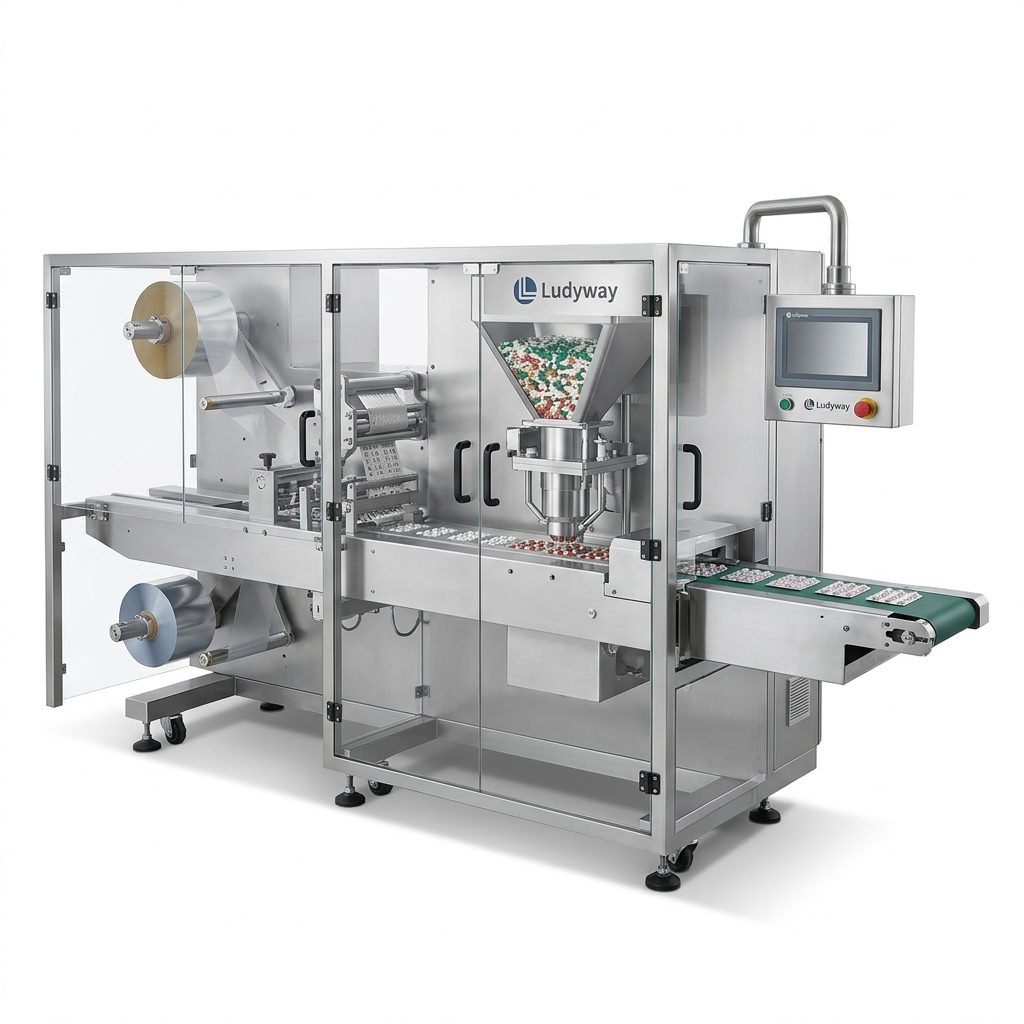
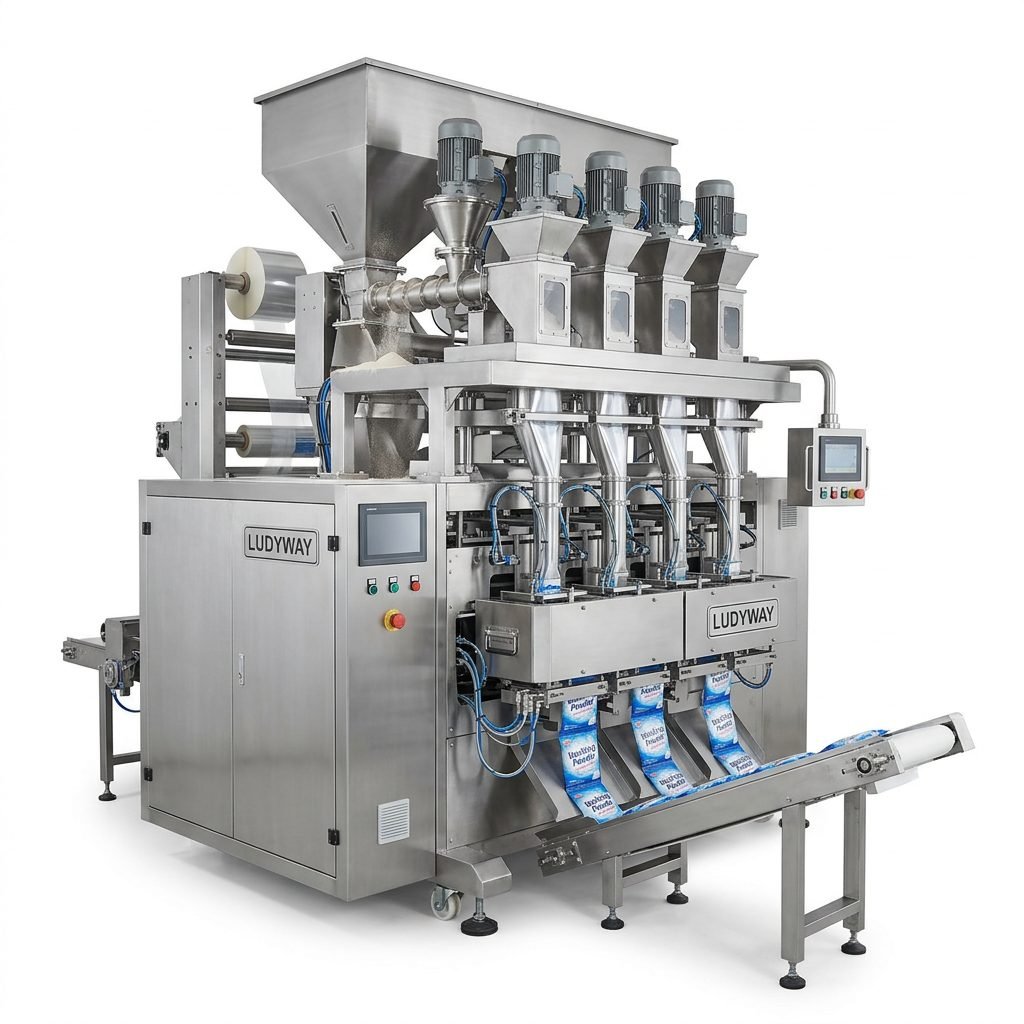
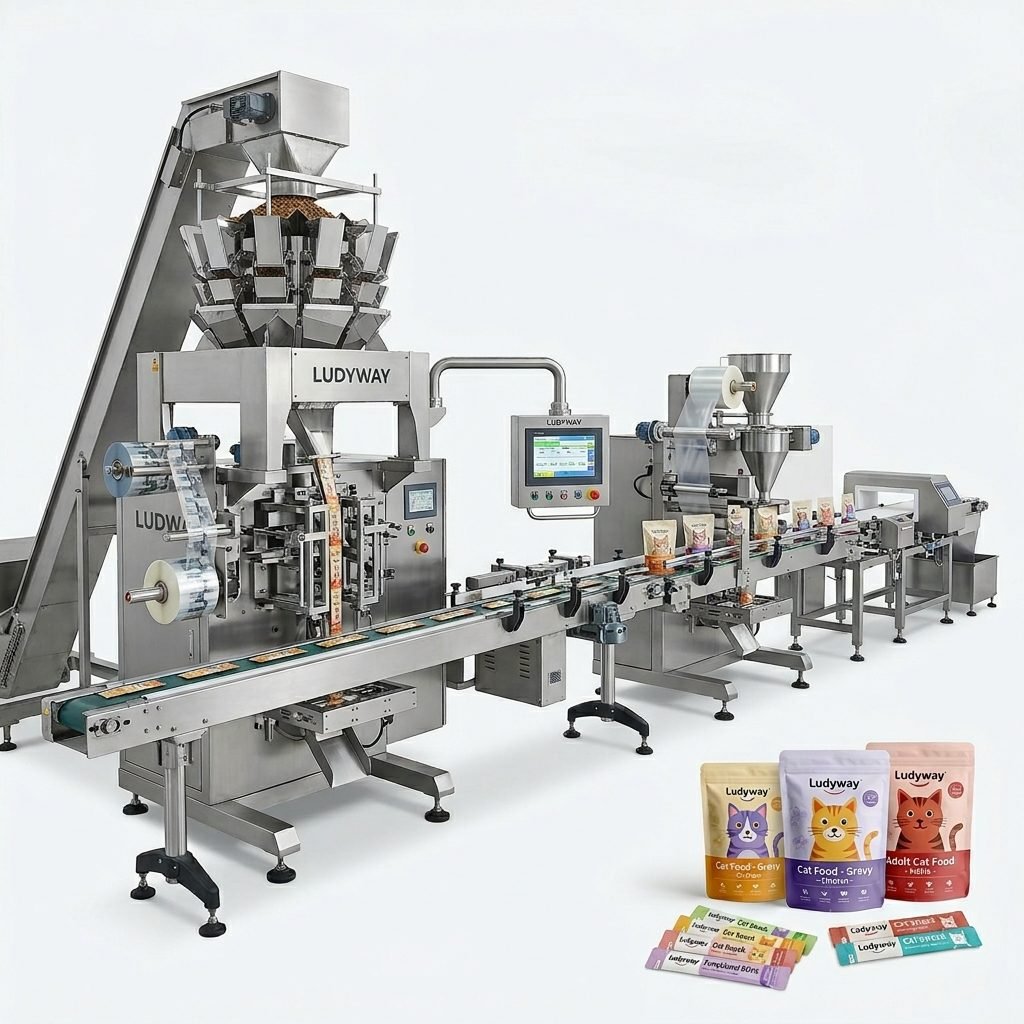
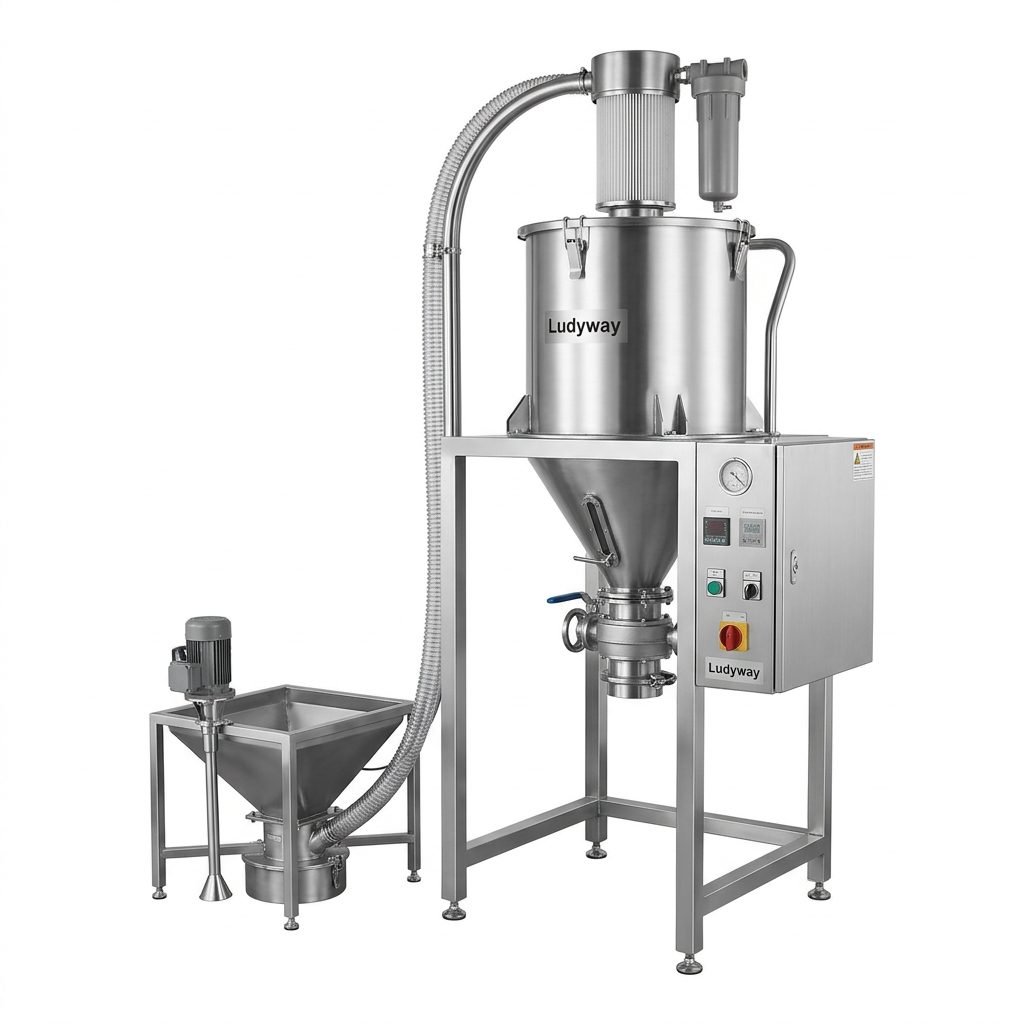
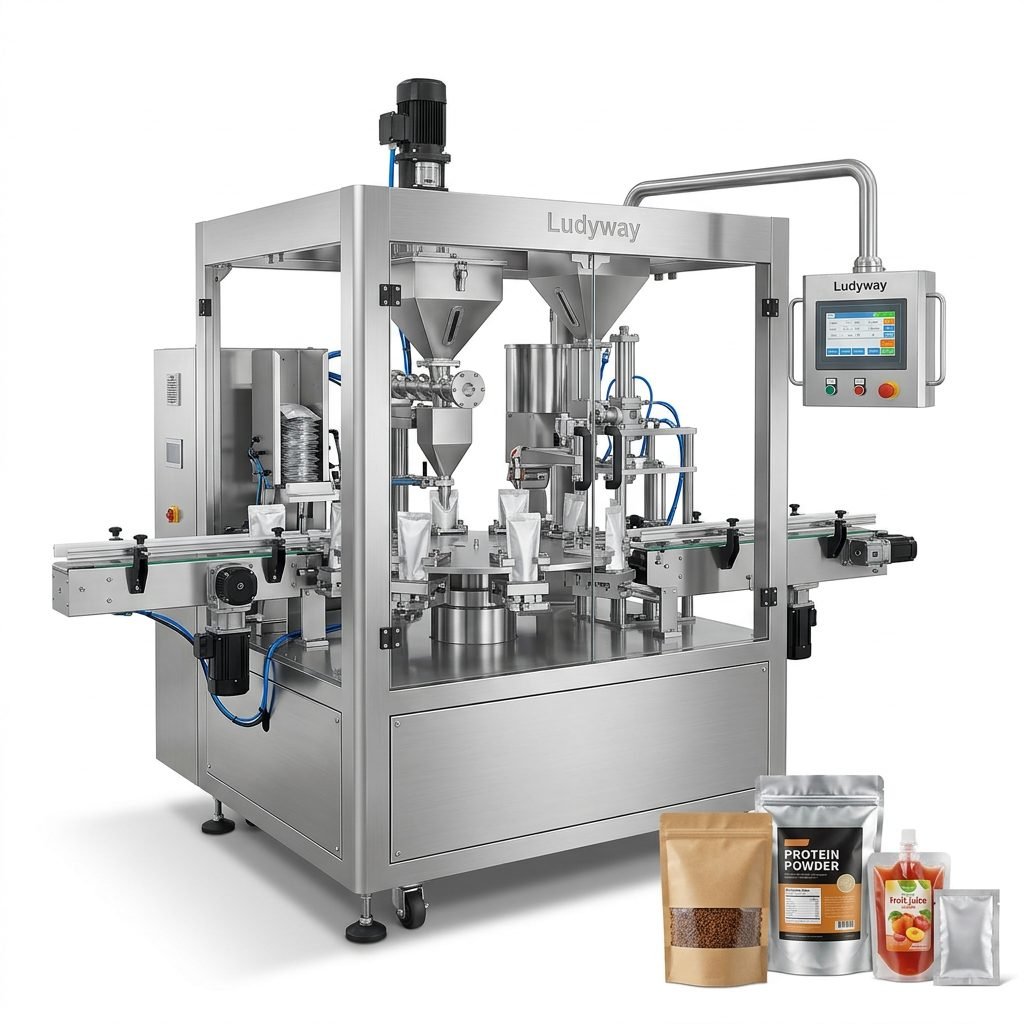
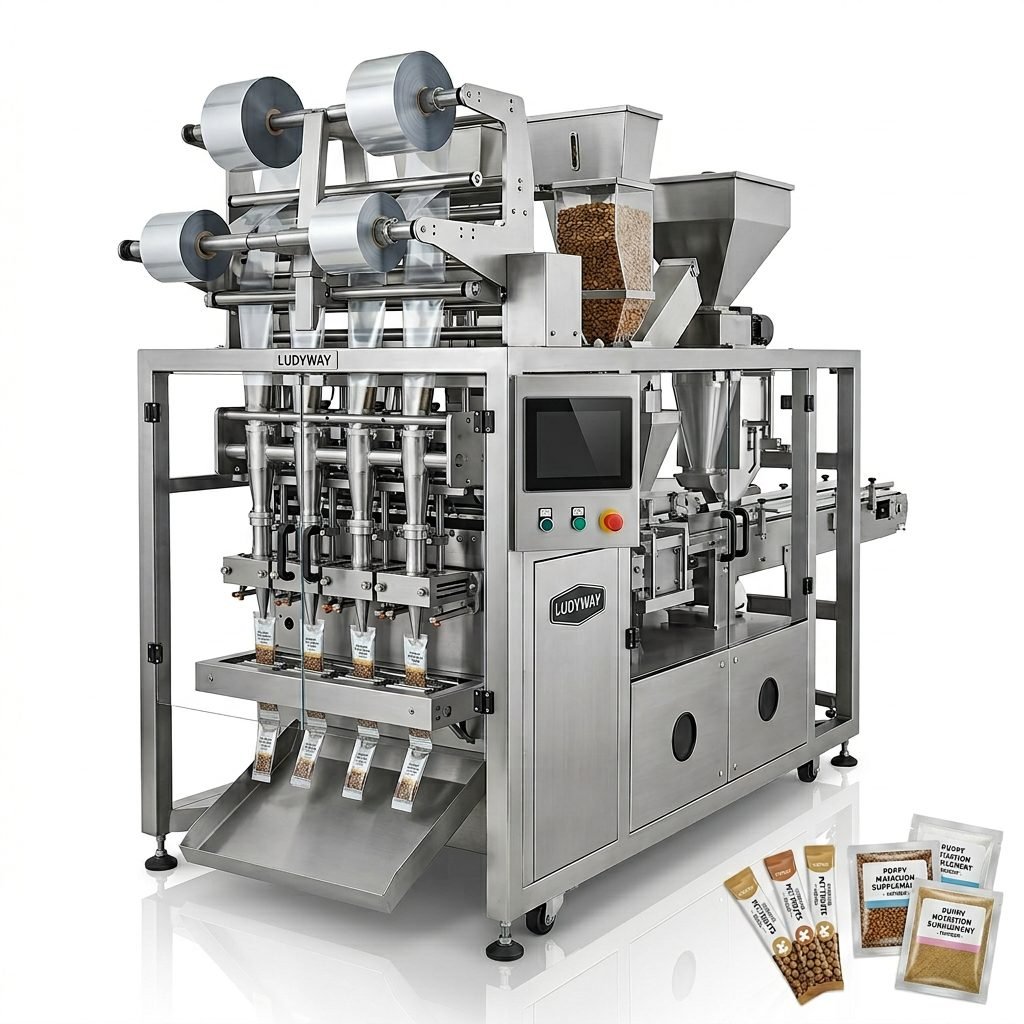
Investing in an MAP packaging machine is a critical decision for food producers aiming to extend shelf life and maintain product quality. Whether you are packaging fresh produce, meat, dairy, or baked goods, selecting the right Modified Atmosphere Packaging (MAP) system can significantly impact your operational efficiency, product waste, and bottom line. This comprehensive buying guide walks you through the essential technical, operational, and commercial factors to help you choose the perfect MAP packaging machine for your production line.
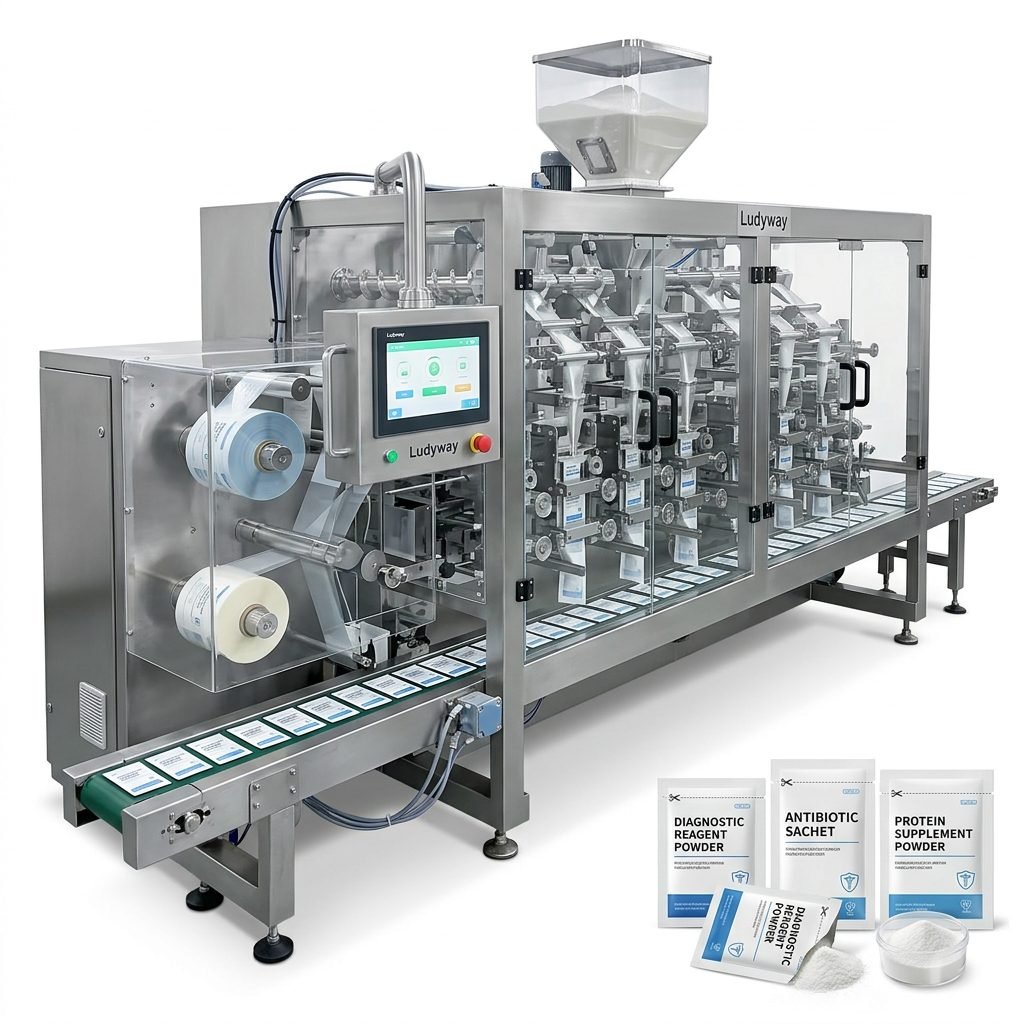
Understanding Modified Atmosphere Packaging Technology
Modified Atmosphere Packaging is a sophisticated technique that replaces the ambient air inside a package with a precisely controlled gas mixture—commonly nitrogen (N2), carbon dioxide (CO2), and oxygen (O2). This process inhibits microbial growth and oxidation, keeping products fresher for longer. The effectiveness of MAP relies heavily on the precision of your gas flushing system and the integrity of the seal. Regulatory bodies like the FDA and the ISO 11607 standard set strict guidelines for packaging processes, making it vital to choose equipment that supports full compliance.
Key Specifications to Evaluate Before Buying
Not all MAP machines are built the same. Mapping your specific production needs to the machine’s capabilities is the most crucial step in the procurement process. Here are the four pillars you cannot afford to overlook:
1. Product Compatibility and Film Format
Your product’s physical characteristics—whether it is a delicate leafy green, a sticky marinated meat, or a free-flowing granule or powder—determine the feeding system and the type of sealing film required. You must ensure the machine supports your current flexible packaging materials while offering the adaptability to switch to sustainable or mono-material films in the future, as demanded by evolving European packaging waste regulations.
2. Production Speed and Capacity
Understanding the difference between maximum mechanical speed and sustainable production speed is vital. A machine rated for 120 packs per minute might realistically run at 80 in a 24/7 operation. Look for systems with multi-lane capabilities if you are in the high-volume powder, liquid, or sachet sectors. Integrated packaging line automation directly correlates with throughput.
3. Gas Flushing Precision and Residual Oxygen Levels
The core of MAP technology is achieving and maintaining the target gas mix. High-quality machines offer precise gas proportioning valves and vacuum sensors to minimize residual oxygen (often <1%). For medical packaging, compliance with ISO 11607-2 validation requirements is non-negotiable, demanding rigorous testing and calibration capabilities within the machine.
4. Build Quality, Hygienic Design, and Washdown
For industries like dairy, meat, and pharmaceuticals, the ability to withstand harsh cleaning chemicals is paramount. Machines constructed with 304 or 316L stainless steel frames, sloping surfaces to prevent liquid pooling, and IP65 or higher electrical enclosures drastically reduce downtime for sanitation and minimize contamination risks.
Comparing Different Types of MAP Packaging Systems
The market offers multiple configurations, each suited to specific applications and budget ranges. The table below breaks down the common types of MAP equipment to help you narrow down your search based on format and flexibility.
| Machine Type | Ideal Application | Key Advantage |
|---|---|---|
| Thermoform MAP Machines | Meat, cheese, medical devices | Deep-draw capability for 3D products |
| Tray Sealing MAP Machines | Ready meals, fresh produce | High throughput, retail-ready formats |
| Chamber MAP Machines | Small batch products, R&D labs | Cost-effective, extremely low residual oxygen |
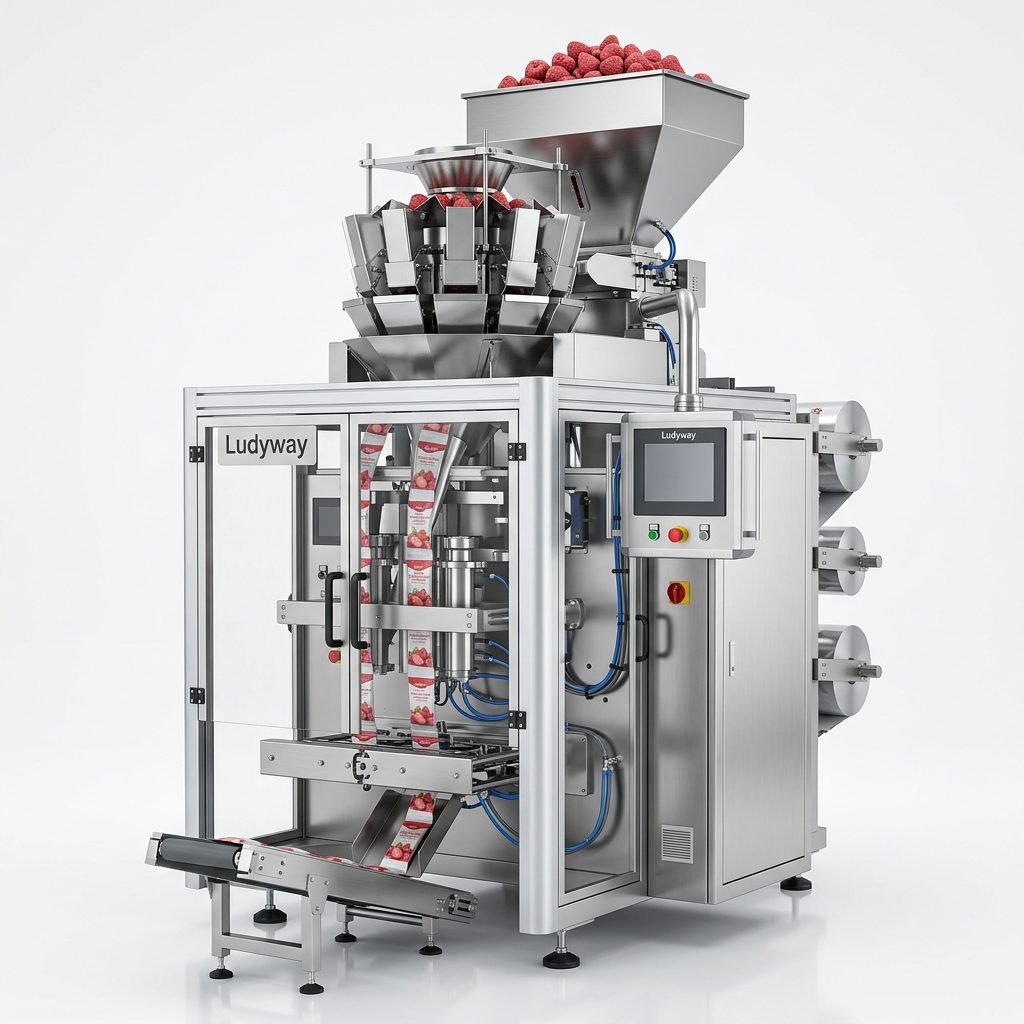
| Multi-Lane Stick/Sachet MAP | Powders, liquids, instant beverages, nutraceuticals | Ultra-high speed, precise nitrogen dosing for stick-packs |
The Buying Process Checklist
Purchasing a MAP packaging machine is a long-term capital investment. To streamline your decision-making, follow this structured packaging machinery market assessment process:
- Define Your Current & Future Needs: Consider the maximum bag width, film thickness range, and packaging materials roadmap.
- Request a Factory Acceptance Test (FAT): Validate performance using your actual products and films before shipment.
- Assess Total Cost of Ownership (TCO): Calculate spare parts availability, energy consumption, and changeover time rather than just the upfront price.
- Verify After-Sales Support: Remote diagnostics capabilities and local technical service availability minimize costly downtime.
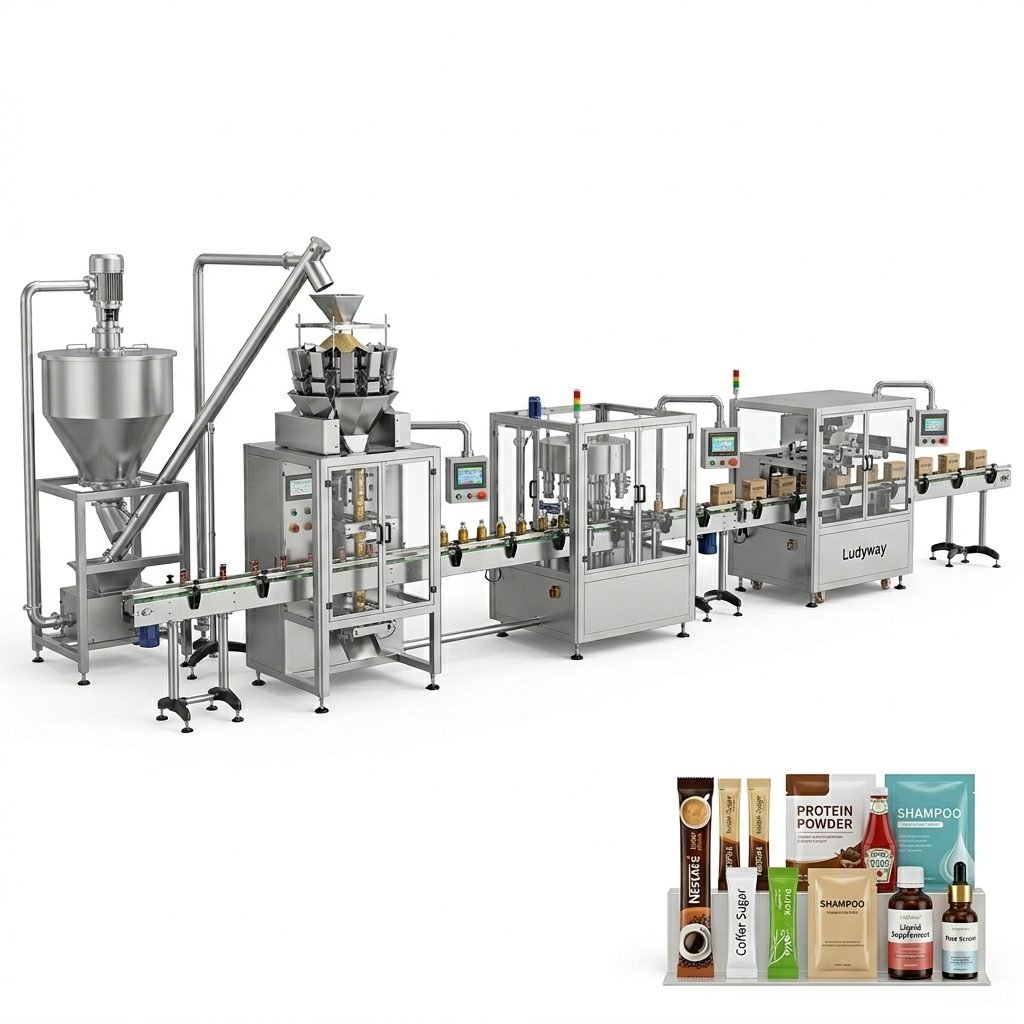
- Check for Turnkey Integration: A turnkey system that connects filling, gas flushing, checkweighing, and cartoning reduces labor costs significantly.
Why Partnering with a Specialist Manufacturer Matters
Selecting a vendor with deep domain expertise in modified atmosphere packaging ensures your line meets strict flexible packaging regulatory affairs standards. A reliable partner should guide you through gas mix optimization, film compatibility, and line layout design to prevent expensive mistakes.
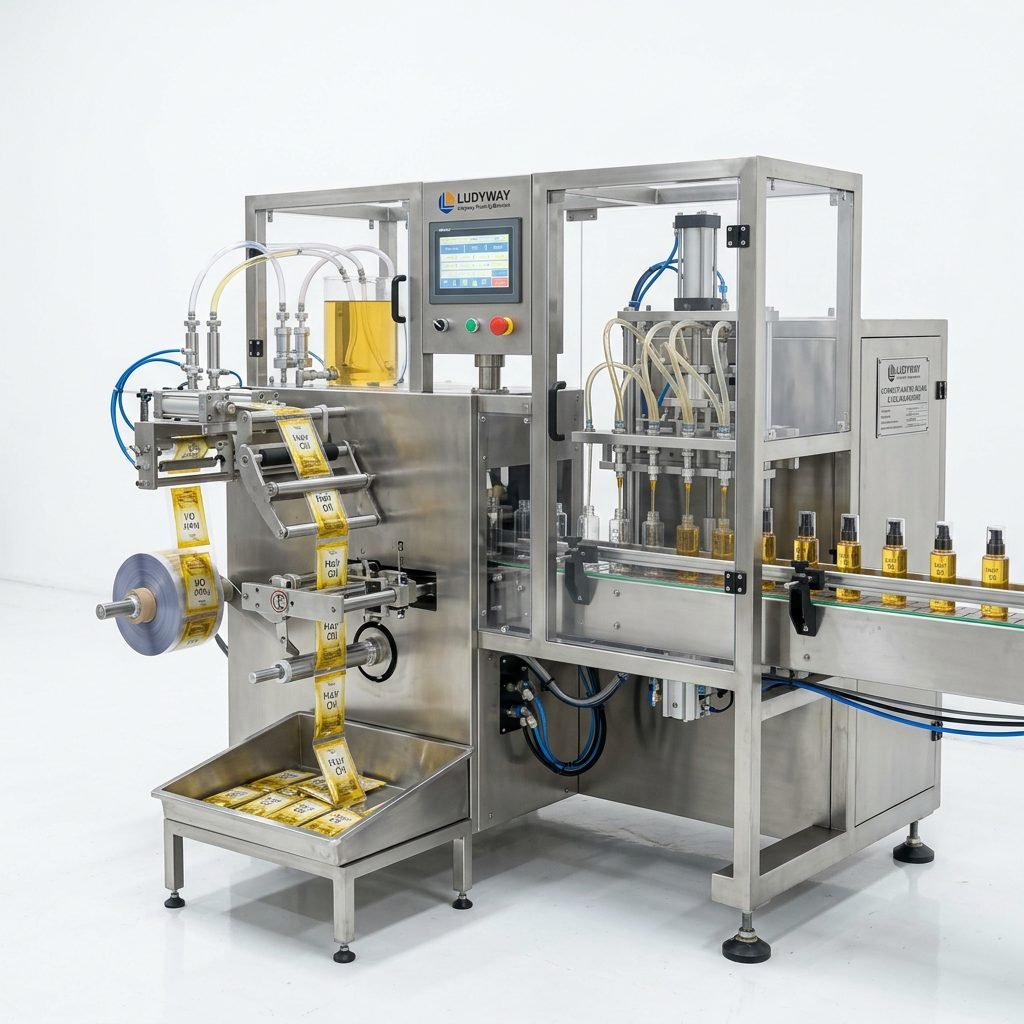
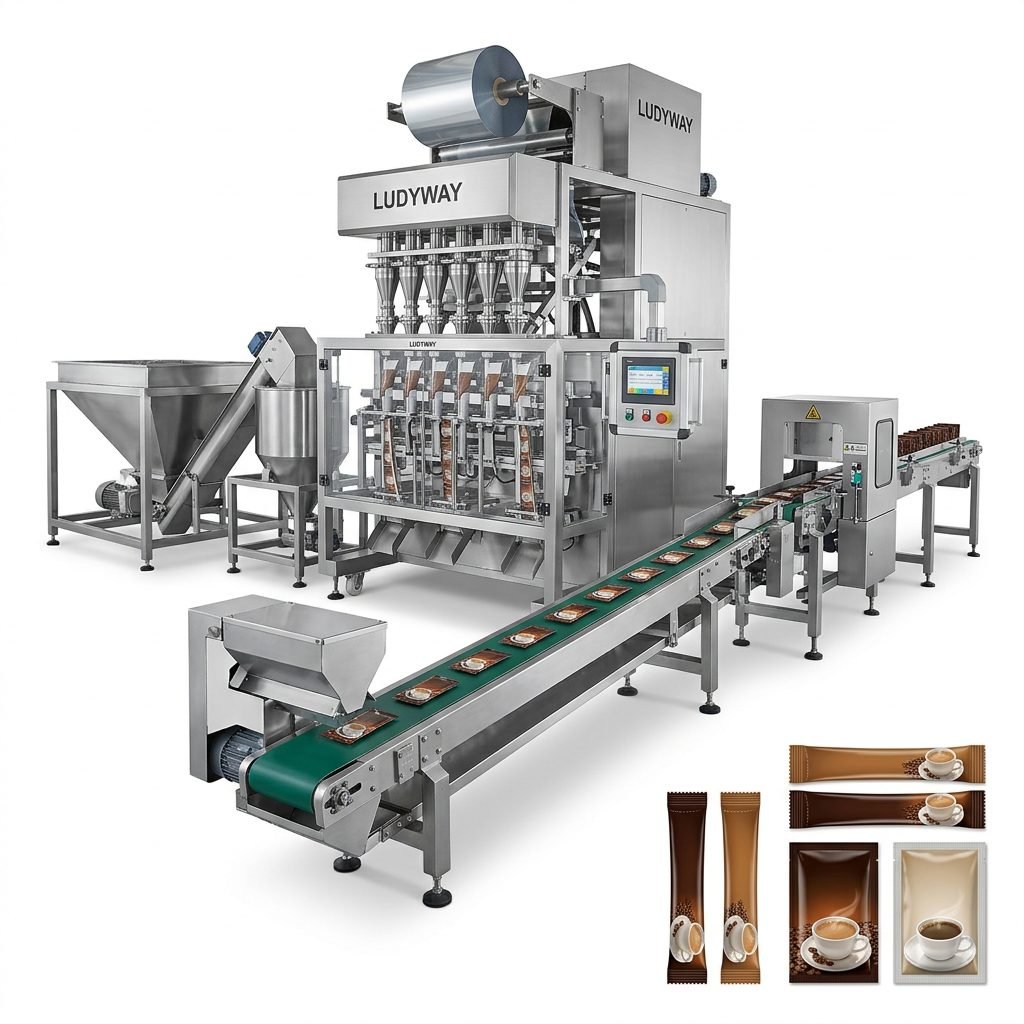
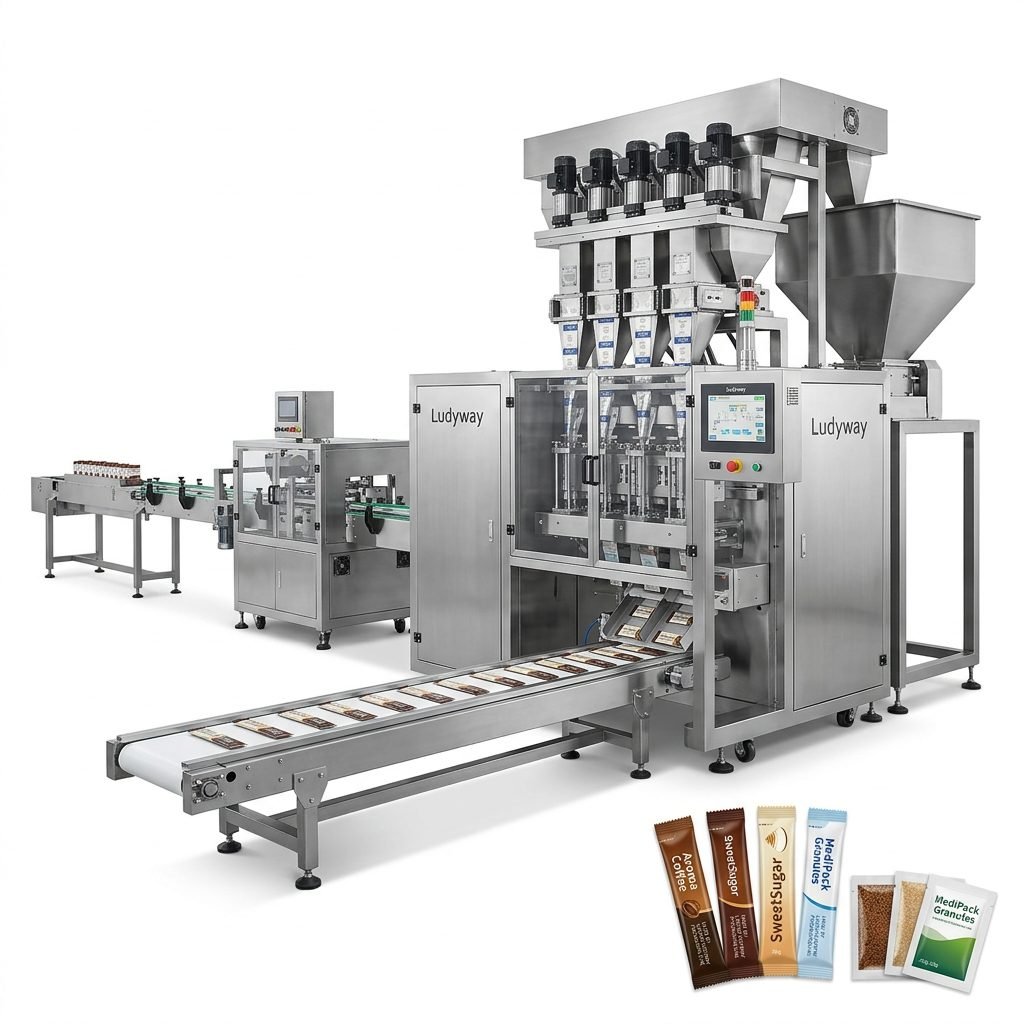
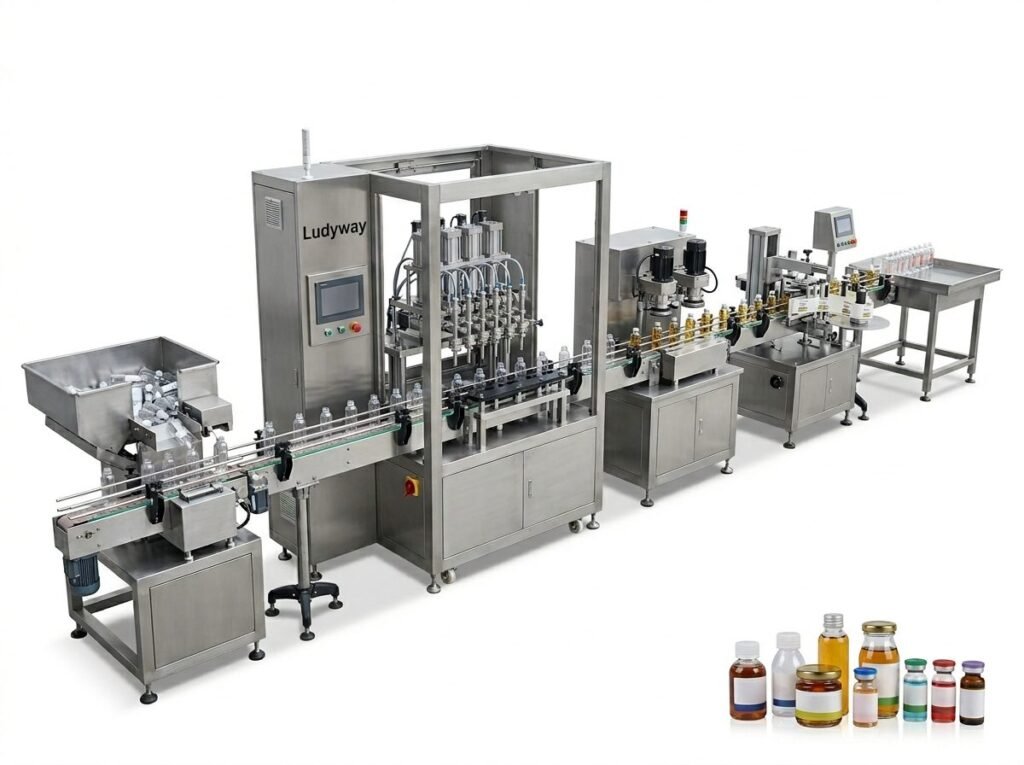
Ludyway is one of the largest packaging machine manufacturers in China, specializing in advanced packaging equipment and turnkey production solutions for the food, pharmaceutical, and health industries. With over 30 years of industry expertise, we provide reliable and efficient packaging solutions for granule, powder, liquid, and pouch packaging applications. Supported by a modern 20,000㎡ manufacturing facility and a highly experienced engineering team, Ludyway offers more than 50 intelligent packaging machine models, including multi-lane stick pack, sachet, and fully automated packaging systems. Serving customers in over 100 countries and regions, we are committed to delivering innovative, high-performance, and cost-effective packaging solutions that help businesses improve productivity, product quality, and operational efficiency.
Maintaining Your MAP Machine for Long-Term Value
Even the best MAP technology requires diligent maintenance to sustain residual oxygen targets. Implement a strict preventive maintenance schedule focusing on sealing bar integrity, vacuum pump oil changes, and gas analyzer calibration. Aligning your maintenance protocols with ISO packaging standards helps ensure consistent output and extends the service life of your machine considerably. In high-wear environments, choosing a manufacturer that stocks critical spare parts can make the difference between minutes and days of downtime.
Frequently Asked Questions About MAP Equipment
The following answers address the most common decision-making queries we receive from food and pharmaceutical manufacturers.
- Can a single MAP machine handle both rigid trays and flexible pouches?
Generally, dedicated tooling is required. However, some high-end customizable machines offer quick-change tooling designs allowing for rapid format swaps within a single platform. - What is the ideal gas mix for preserving red meat?
A typical mix contains approximately 70% O2 and 30% CO2 to maintain the bright red color, although high-oxygen MAP requires a high-barrier film to prevent oxygen escape. - How do I verify the seal integrity of my MAP packs?
Most automated lines integrate online vision inspection or pressure decay testing systems immediately after the sealing station to instantly reject leaking packages. - Is nitrogen generation on-site cost-effective?
For high-volume lines consuming significant N2, on-site nitrogen generators often pay for themselves within 18-24 months compared to the logistical costs of bottled gas or liquid nitrogen dewars.