Sachet packaging is a small, sealed flexible packet format used to package single-use or portion-controlled products such as powders, liquids, gels, granules, creams, and pastes. You see sachets everywhere—from ketchup, coffee, and sugar to shampoo, facial serum, oral rehydration salts, and pharmaceutical powders.
Because sachets are compact, lightweight, and cost-efficient, they have become a preferred packaging choice for brands that want better convenience, lower material usage, strong shelf appeal, and efficient mass production. For manufacturers, sachet packaging also supports high-speed automation and flexible product formats across food, pharmaceutical, cosmetic, chemical, and daily-use industries.
What Is Sachet Packaging?
Sachet packaging refers to a type of flexible packaging made from laminated film or other sealing materials, formed into a small pouch and filled with a measured amount of product. The sachet is then sealed on three or four sides to protect the contents from moisture, contamination, oxygen, and leakage.
A sachet is usually designed for single-dose, trial-size, travel-size, or precisely portioned packaging. Depending on the product, sachets can be flat, rectangular, shaped, easy-tear, or connected in strips for high-volume commercial use.
- Common for powders, granules, liquids, gels, and creams
- Suitable for low-volume retail packs and high-speed industrial packaging
- Can include batch codes, tear notches, euro holes, and custom printing
- Often used for sampling, convenience, and portion control
How Sachet Packaging Works
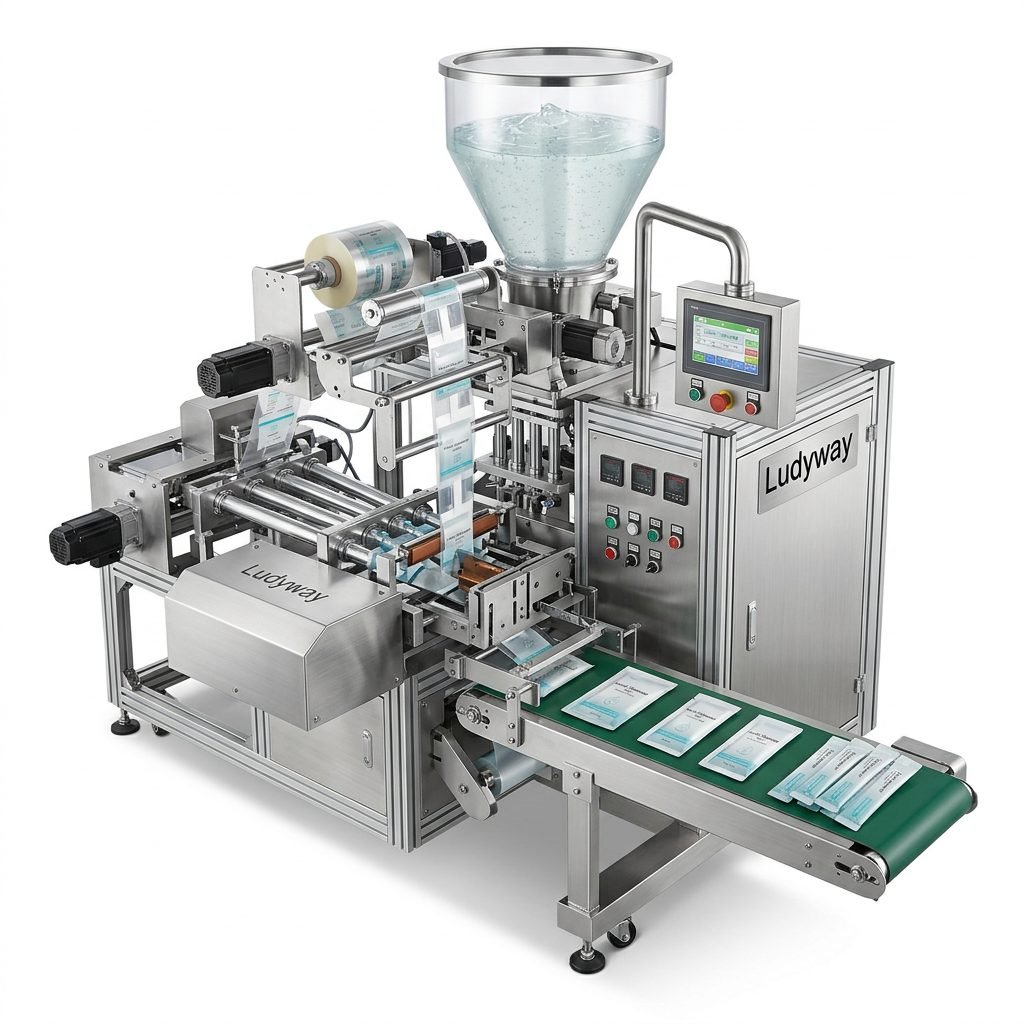
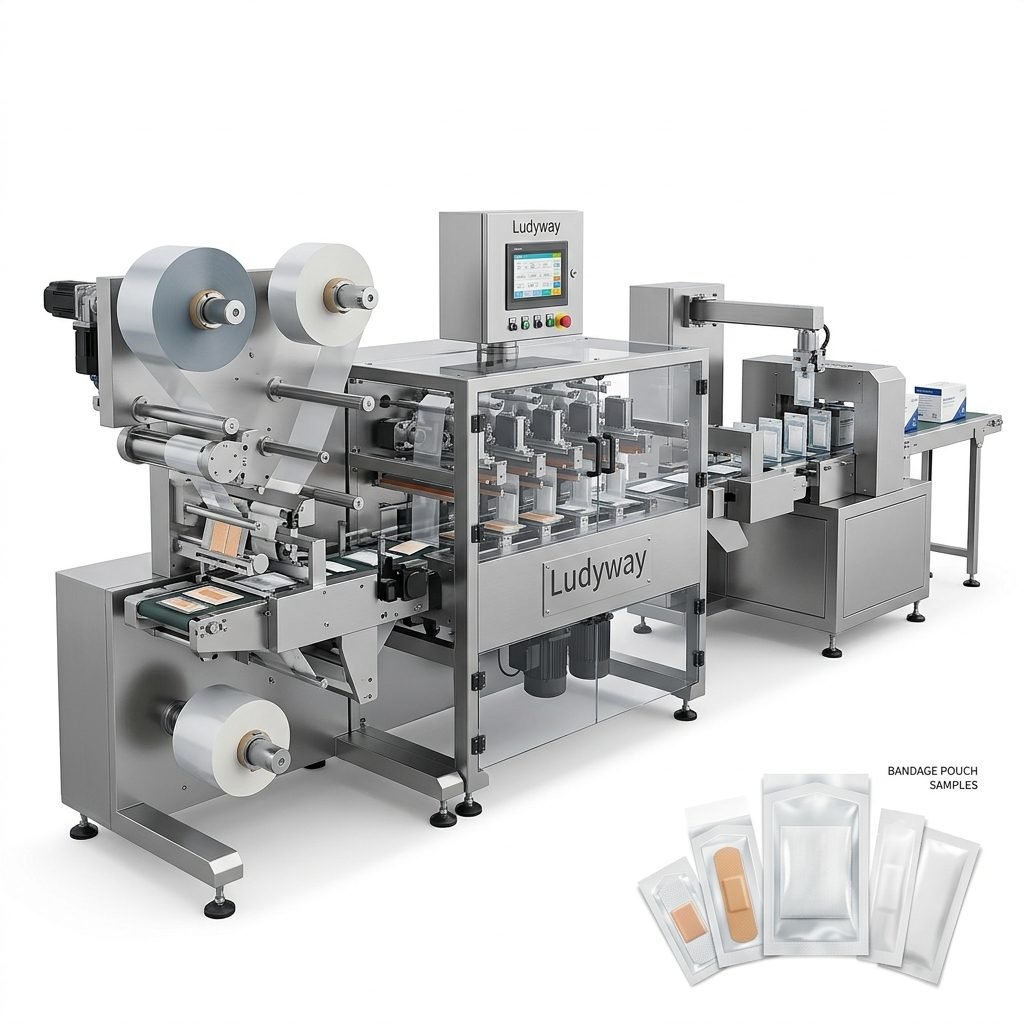
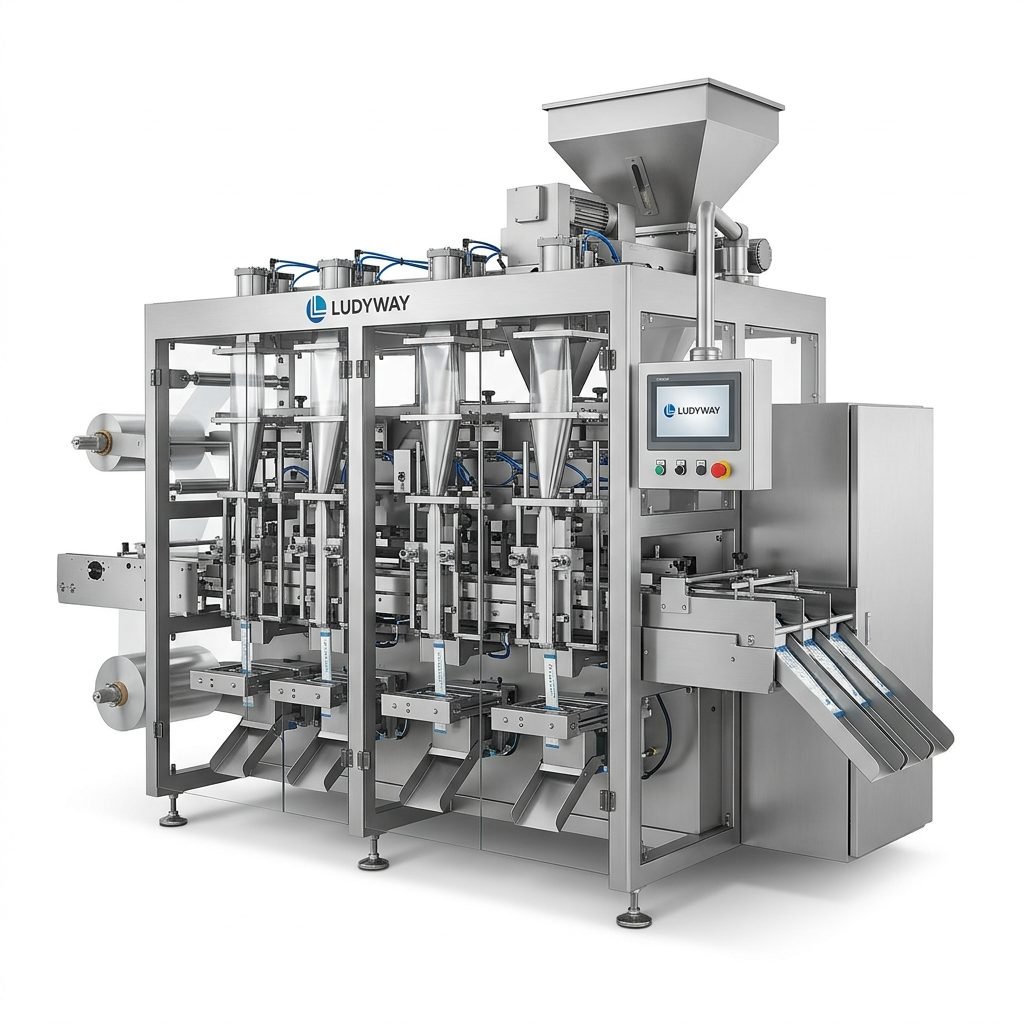
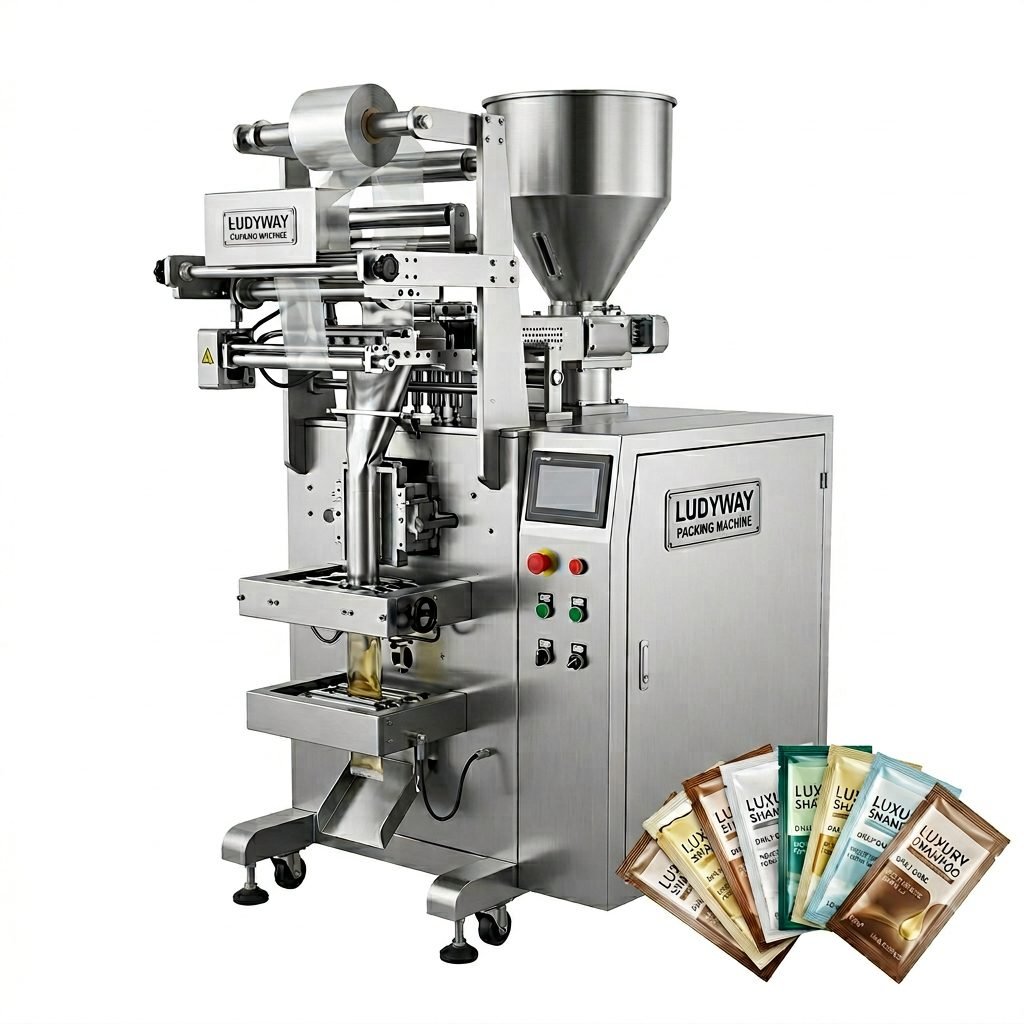
In most automated systems, sachet packaging follows a form-fill-seal process. Packaging film is unwound from a roll, shaped into the required pouch format, filled with the product, and heat sealed. The finished sachets are then cut, counted, conveyed, cartoned, or packed into larger shipping cases.
- Film feeding and tension control
- Sachet forming
- Accurate dosing or filling
- Heat sealing
- Cutting and discharge
- Date coding, inspection, and secondary packing if needed
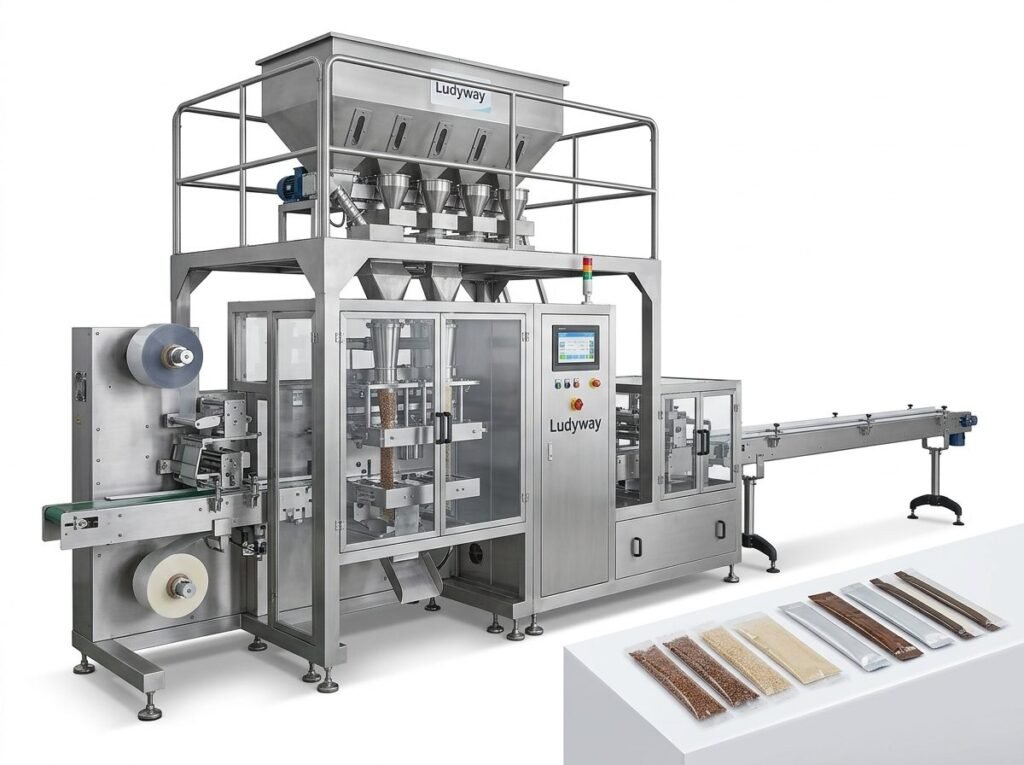
The exact technology depends on the product type. For example, powders may use auger fillers, granules may use volumetric cups or weighing systems, and liquids may require piston pumps or servo-driven liquid filling units.
Main Types of Sachet Packaging
Not all sachets are the same. Different industries require different seal structures, filling methods, and production speeds. Below are the most common sachet packaging types.
| Type | Best For | Typical Products | Key Advantage |
|---|---|---|---|
| 3-side seal sachet | Powder, liquid, cream | Sauce, serum, medicine powder | Simple and widely used |
| 4-side seal sachet | Premium small packs | Cosmetics, pharma doses | Neat appearance and strong sealing |
| Center-seal sachet | Flowable products | Condiments, detergent, gels | Efficient structure |
| Shaped sachet | Marketing-focused products | Beauty and personal care samples | Strong brand differentiation |
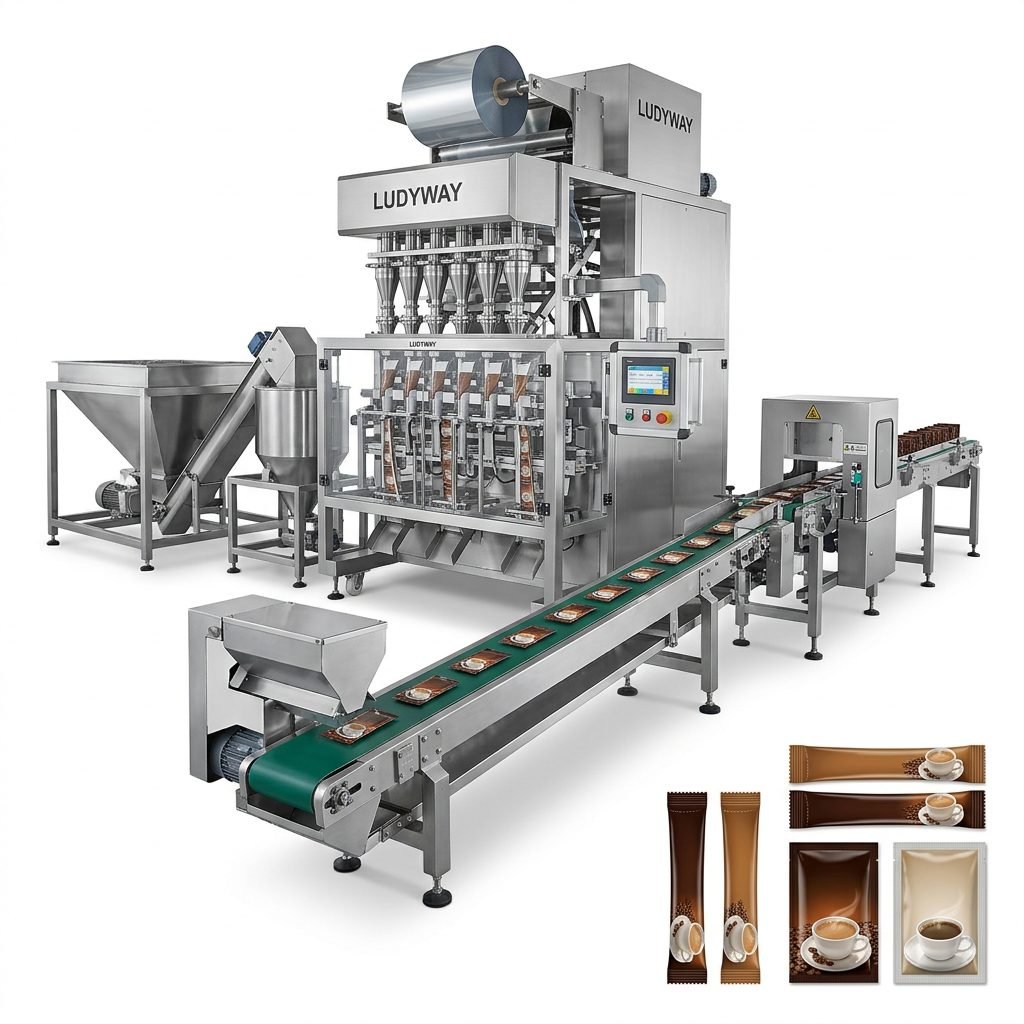
| Multi-lane sachet packs | High-volume production | Coffee, sugar, supplements, shampoo | High output and lower unit cost |
What Products Are Commonly Packed in Sachets?
Sachet packaging is one of the most versatile formats in modern packaging. It is used in both consumer and industrial markets.
Food and Beverage
- Instant coffee, milk tea, drink powders
- Sugar, salt, spices, seasoning blends
- Sauces, ketchup, mayonnaise, honey
- Protein powder, meal replacement mixes, functional nutrition powders
Pharmaceutical and Healthcare
- Cold medicine granules
- Oral rehydration salts
- Glucose powder
- Nutritional supplements and probiotics
- Single-dose medicinal powders and liquids
Cosmetic and Personal Care
- Shampoo and conditioner
- Face cream, serum, lotion, sunscreen
- Hair treatment, hair dye, facial cleanser
- Travel-size and promotional sample packs
Chemical and Household Products
- Detergent powder and liquid detergent
- Industrial cleaners
- Agricultural chemicals and additives
- Water treatment chemicals
Key Benefits of Sachet Packaging
The reason sachets remain so popular is simple: they deliver practical, commercial, and branding advantages at the same time.
| Benefit | Why It Matters |
|---|---|
| Portion control | Helps deliver exact dosage or serving size |
| Convenience | Easy to carry, store, open, and use on the go |
| Lower packaging material use | Often reduces material consumption compared with rigid packs |
| Good barrier protection | Protects products from moisture, oxygen, and contaminants |
| Sampling and trial marketing | Ideal for new product launches and promotional campaigns |
| High-speed automation | Supports large-scale production with stable output |
For brands entering competitive markets, sachets also offer a powerful commercial advantage: they lower the purchase barrier for end users. A consumer may be more willing to test a low-cost sachet than buy a full-size package immediately.
Sachet Packaging vs. Stick Pack Packaging
Sachet packaging and stick pack packaging are often discussed together, but they are not identical. Sachets are usually wider and more compact in shape, while stick packs are long and narrow. Both are used for unit-dose packaging, but the ideal format depends on product presentation, dosing requirements, and brand preference.
| Feature | Sachet | Stick Pack |
|---|---|---|
| Shape | Flat and wider | Slim and elongated |
| Use case | Sauces, creams, sample packs | Drink powders, sugar, supplements |
| Brand appearance | More front-face print area | Modern, portable look |
| Opening style | Tear across the top or side | Tear from top end |
Materials Used in Sachet Packaging
Choosing the right film structure is critical. Sachet packaging materials must match the product’s barrier needs, sealing behavior, and shelf-life target.
- PET/PE for general-purpose flexible packaging
- PET/AL/PE for stronger moisture and oxygen barrier
- BOPP laminates for certain dry product applications
- Foil-based laminates for pharma and sensitive formulations
- Specialized recyclable or mono-material films in some projects
When selecting materials, manufacturers should consider:
- Product sensitivity to moisture, light, and oxygen
- Seal strength requirements
- Machine compatibility
- Print quality and visual branding
- Transport and storage conditions
- Compliance requirements for food, pharma, or chemicals
Industries That Use Sachet Packaging Solutions
Sachet packaging solutions are valuable wherever precise filling, hygienic sealing, and compact packaging are important. The format supports both startup brands and large-scale industrial manufacturers.
1. Food Industry
Perfect for condiments, instant beverages, baking ingredients, sweeteners, spices, and ready-to-mix powders.
2. Pharmaceutical Industry
Widely used for unit-dose powders, granules, oral liquids, and healthcare sachets that require traceability and consistency.
3. Cosmetics Industry
Ideal for sample sachets, skincare serums, lotions, creams, masks, and travel-size products.
4. Household and Chemical Industry
Useful for detergents, cleaners, additives, solvents, agricultural chemicals, and maintenance products.
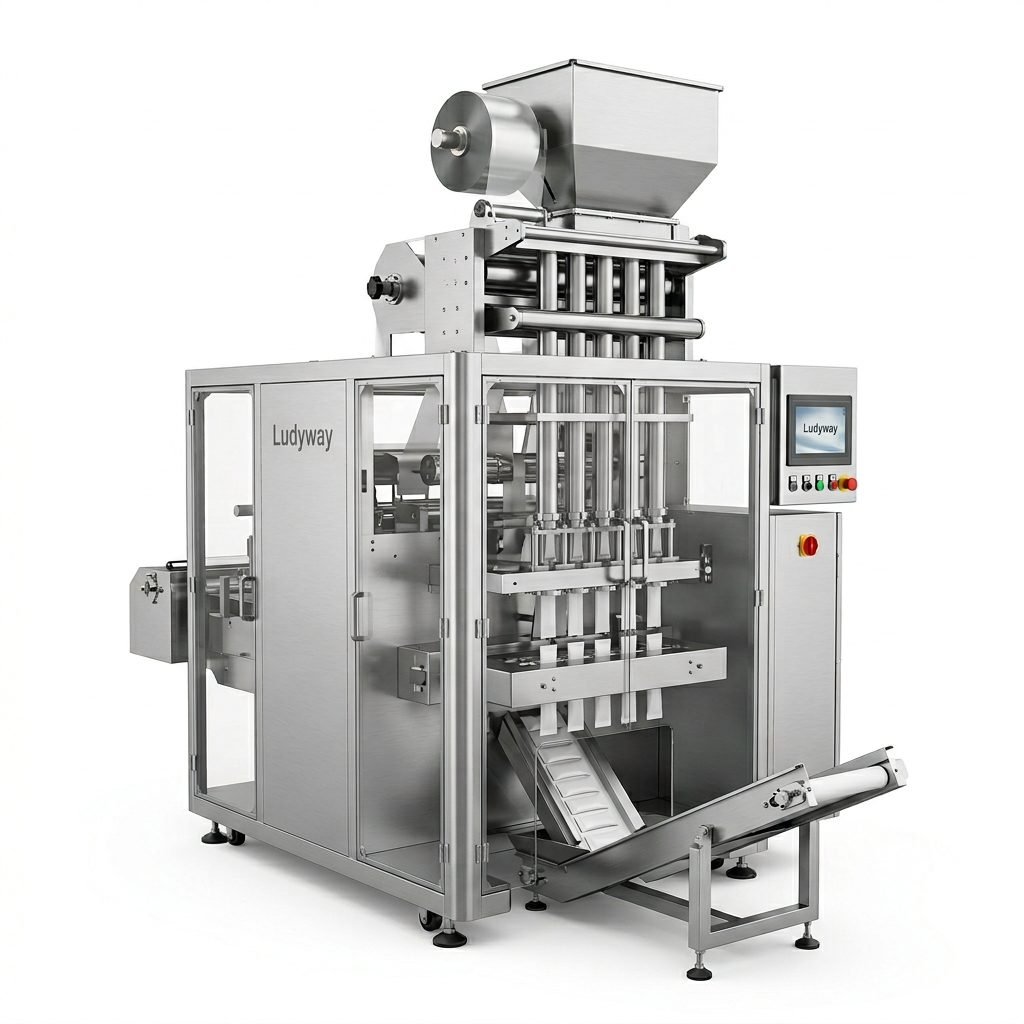
What Equipment Is Used for Sachet Packaging?
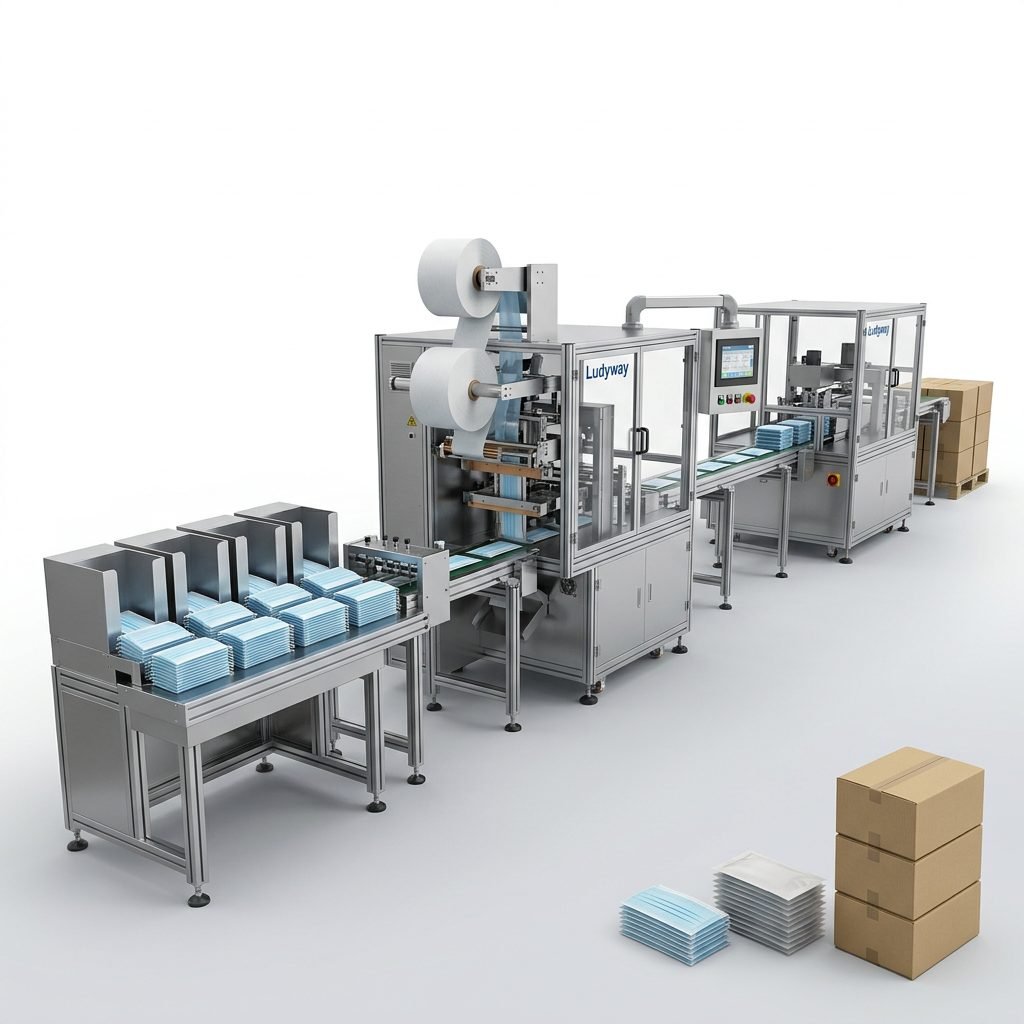
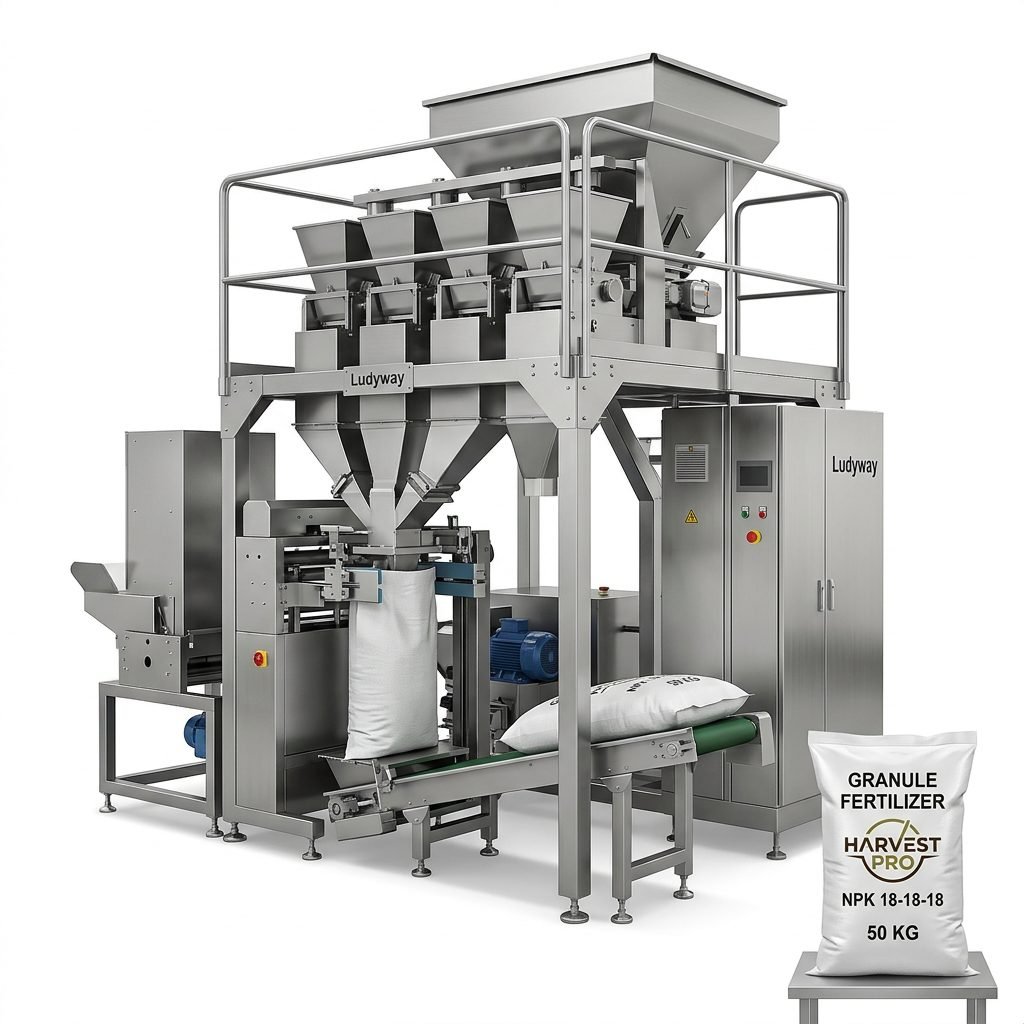
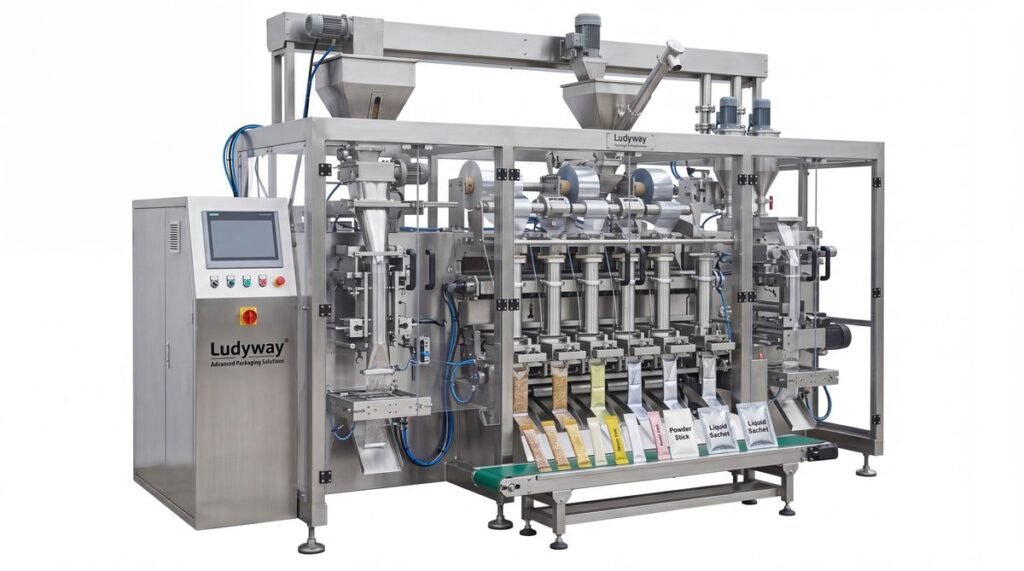
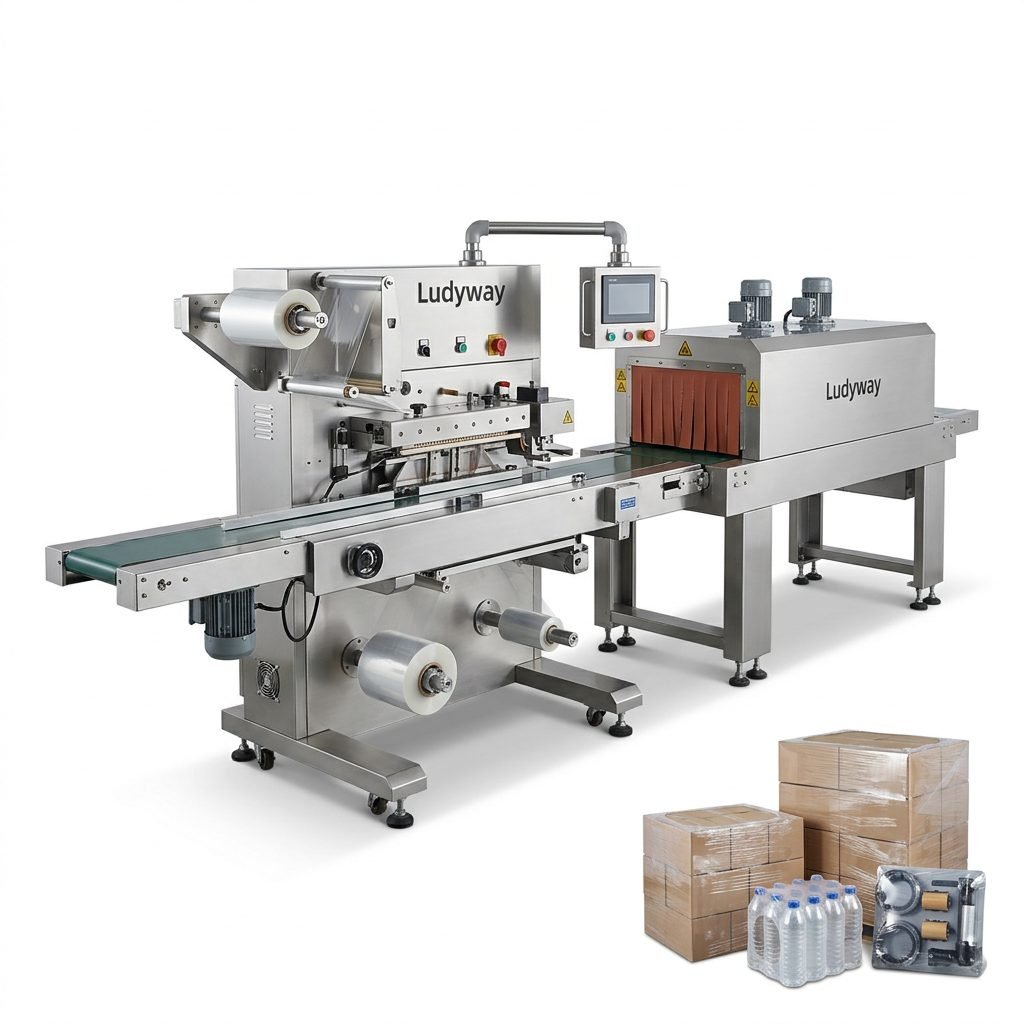
A complete sachet packaging solution may include much more than just the main packing machine. Depending on the product and automation level, the line can integrate multiple modules.
- Main sachet packing machine
- Auger filler, liquid pump, or weighing system
- Product feeder or hopper
- Date coding or printing system
- Checkweigher and metal detector
- Sachet counting and collating system
- Cartoning, case packing, and palletizing equipment
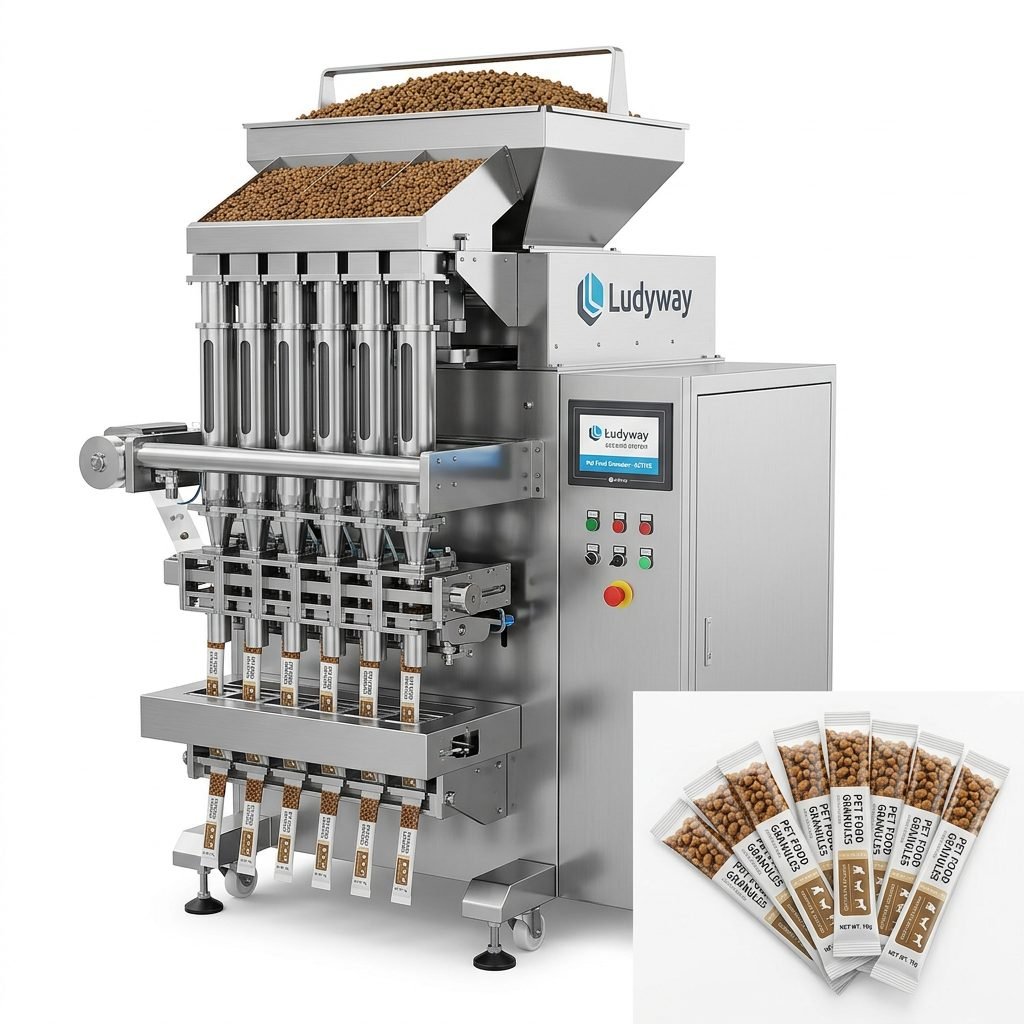
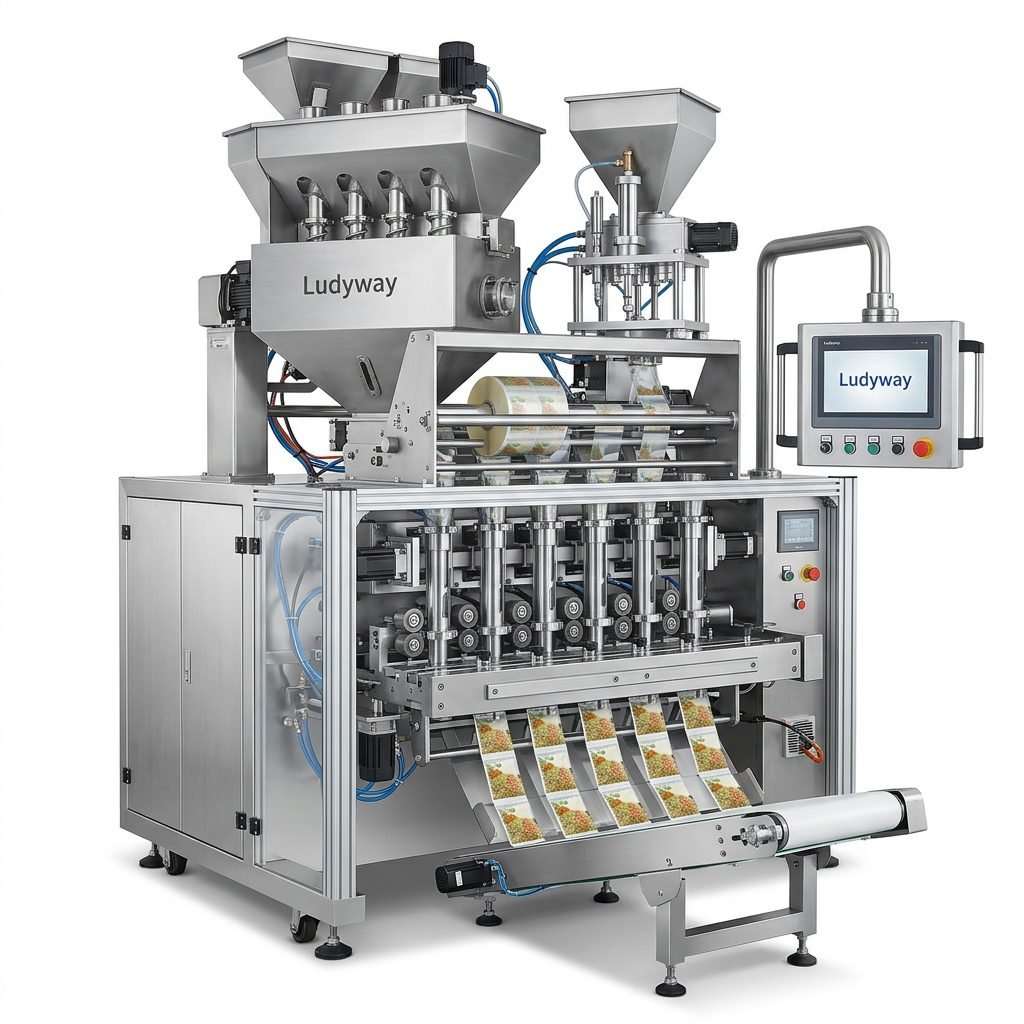
For high-output operations, multi-lane sachet packaging machines are especially important because they can produce multiple sachets simultaneously, greatly increasing line efficiency while reducing labor dependency.
How to Choose the Right Sachet Packaging Machine
Selecting the right system requires more than looking at speed alone. A well-matched machine improves product consistency, reduces downtime, and supports future scale-up.
| Selection Factor | Questions to Ask |
|---|---|
| Product form | Is it powder, granule, liquid, paste, or cream? |
| Dose range | What fill volume or weight is required? |
| Sachet size | What pouch dimensions and shape are needed? |
| Speed target | How many sachets per minute are needed? |
| Film compatibility | Which packaging materials will be used? |
| Automation level | Do you need a standalone machine or a turnkey line? |
| Compliance | Are food-grade, GMP, or special safety standards required? |
Common Challenges in Sachet Packaging
Although sachet packaging is efficient, it still requires precise engineering and process control. Some typical production challenges include:
- Inconsistent fill weight or volume
- Seal leakage due to wrong temperature or contaminated seal areas
- Powder dust affecting sealing quality
- Liquid dripping or foaming during filling
- Film tracking issues at high speed
- Insufficient barrier performance for sensitive products
The best way to reduce these problems is to combine suitable machine design, correct dosing technology, stable film material, and proper quality control.
Why Sachet Packaging Is Growing Globally
Demand for sachet packaging continues to rise because modern consumers want convenience, portability, and lower entry-price products. At the same time, manufacturers want more efficient packaging formats that support automation and fast product launches.
Growth is especially strong in categories such as:
- Functional food and nutrition
- Pharmaceutical unit-dose products
- Cosmetic samples and travel packs
- E-commerce-friendly small format packaging
- Emerging markets where low-unit retail packs are popular
Turnkey Sachet Packaging Solutions for Manufacturers
Many businesses no longer look for only one machine. Instead, they prefer complete sachet packaging solutions that include feeding, filling, sealing, coding, inspection, cartoning, and end-of-line automation. This approach helps reduce integration risks and improves line coordination.
For companies seeking scalable and customized packaging automation, Ludyway sachet packaging solutions can support food, pharmaceutical, health supplement, cosmetic, and chemical applications with standalone equipment as well as turnkey production lines.
Final Thoughts
Sachet packaging is a smart, flexible, and highly efficient packaging format for modern manufacturing. It combines product protection, convenience, strong branding potential, and scalable automation in one compact package.
Whether you are packaging drink powders, sauces, serum, supplements, detergent, or pharmaceutical granules, the right sachet packaging system can improve output, reduce waste, and deliver a better user experience. As market demand for single-use and portion-controlled products keeps growing, sachet packaging will remain a key solution across industries.