Investing in a feed packaging machine is a significant decision for agricultural businesses, poultry farms, and animal feed manufacturers across Africa. The right equipment improves efficiency, reduces waste, and ensures product consistency. This guide breaks down the types of feed packaging machines available, current market prices across key African regions, and practical steps to select the best system for your operation.
Why Feed Packaging Is a Critical Step in African Agribusiness
The African animal feed market is expanding rapidly. With this growth comes increasing demand for high-efficiency packaging systems that can handle granules, pellets, and powder feed. Proper packaging protects nutritional value during storage and transport, extends shelf life, and helps brands stand out in a competitive marketplace.
Main Types of Feed Packaging Machines Suitable for Africa
Choosing the right machine starts with understanding the available configurations. Each type suits different production scales, feed formats, and budget levels.
Multi-Lane Stick Pack Machines for Feed Supplements
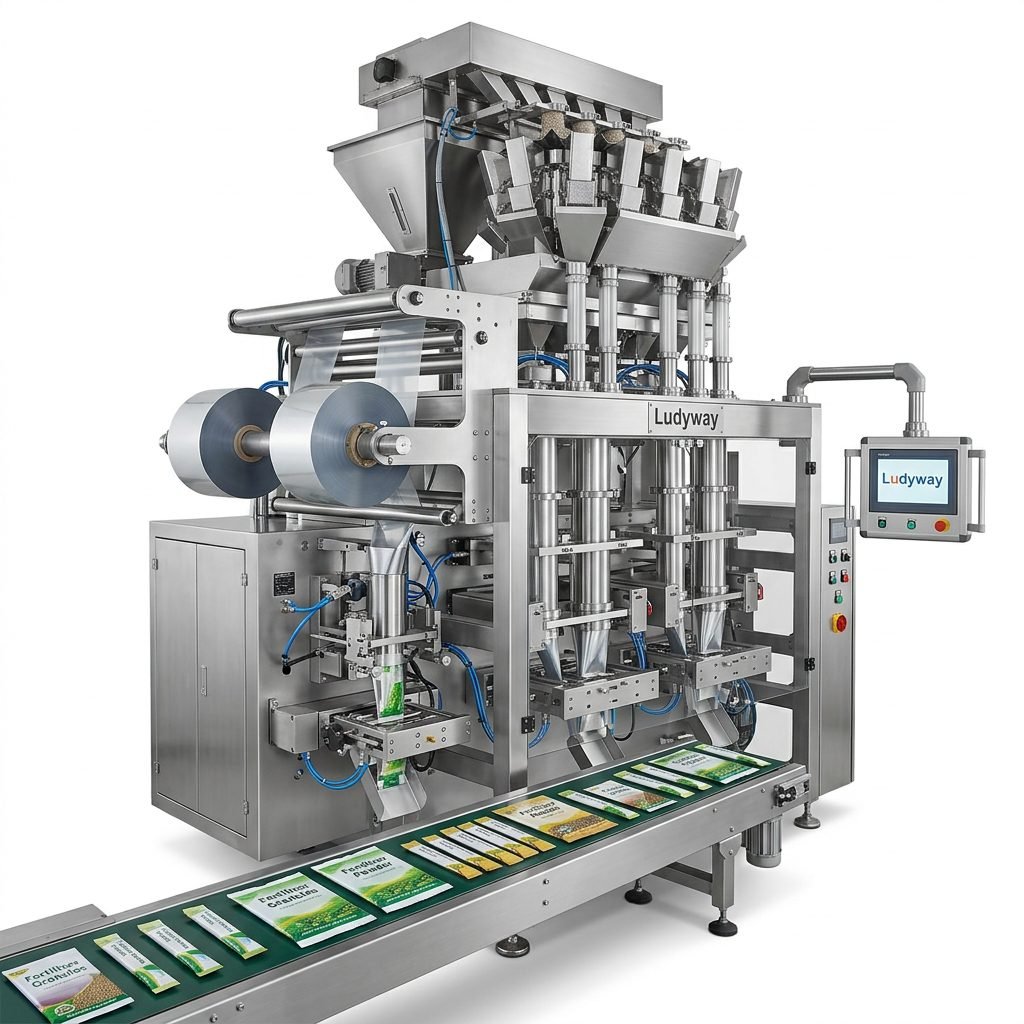
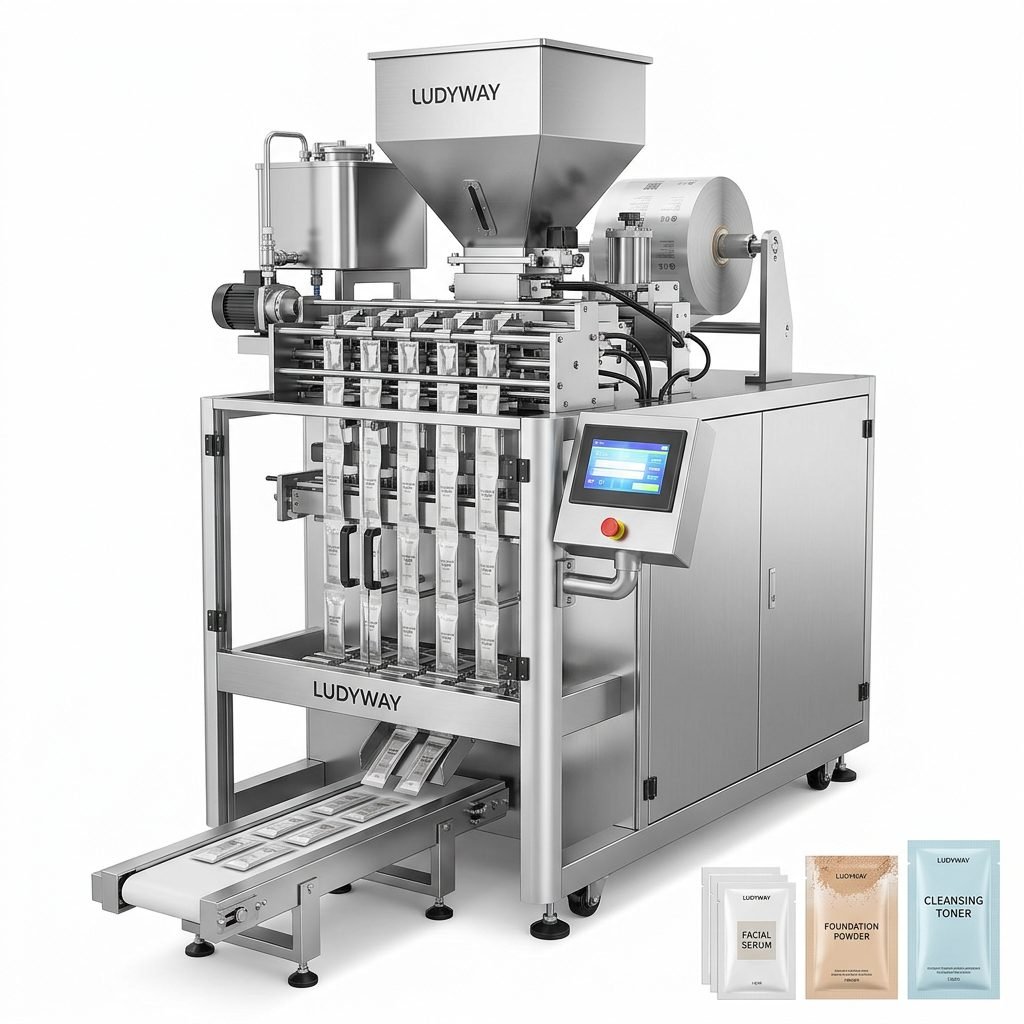
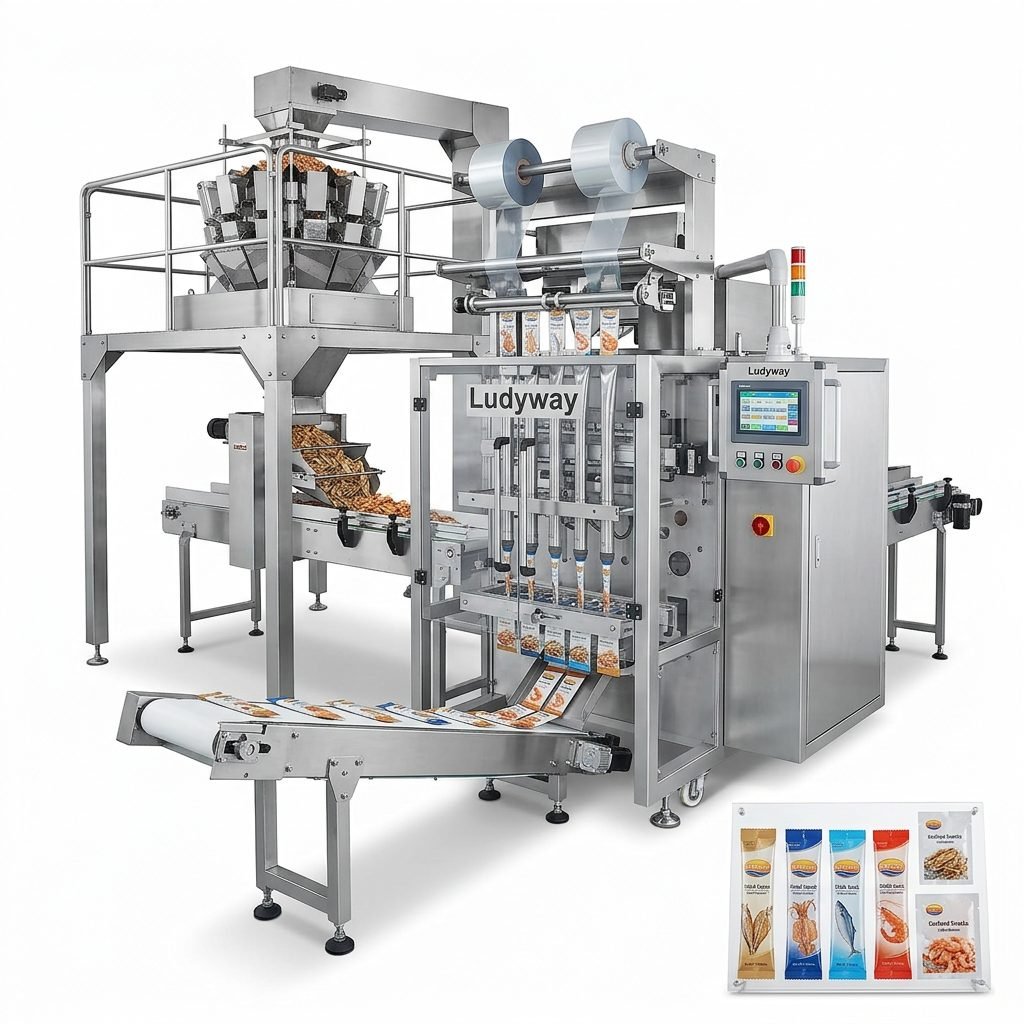
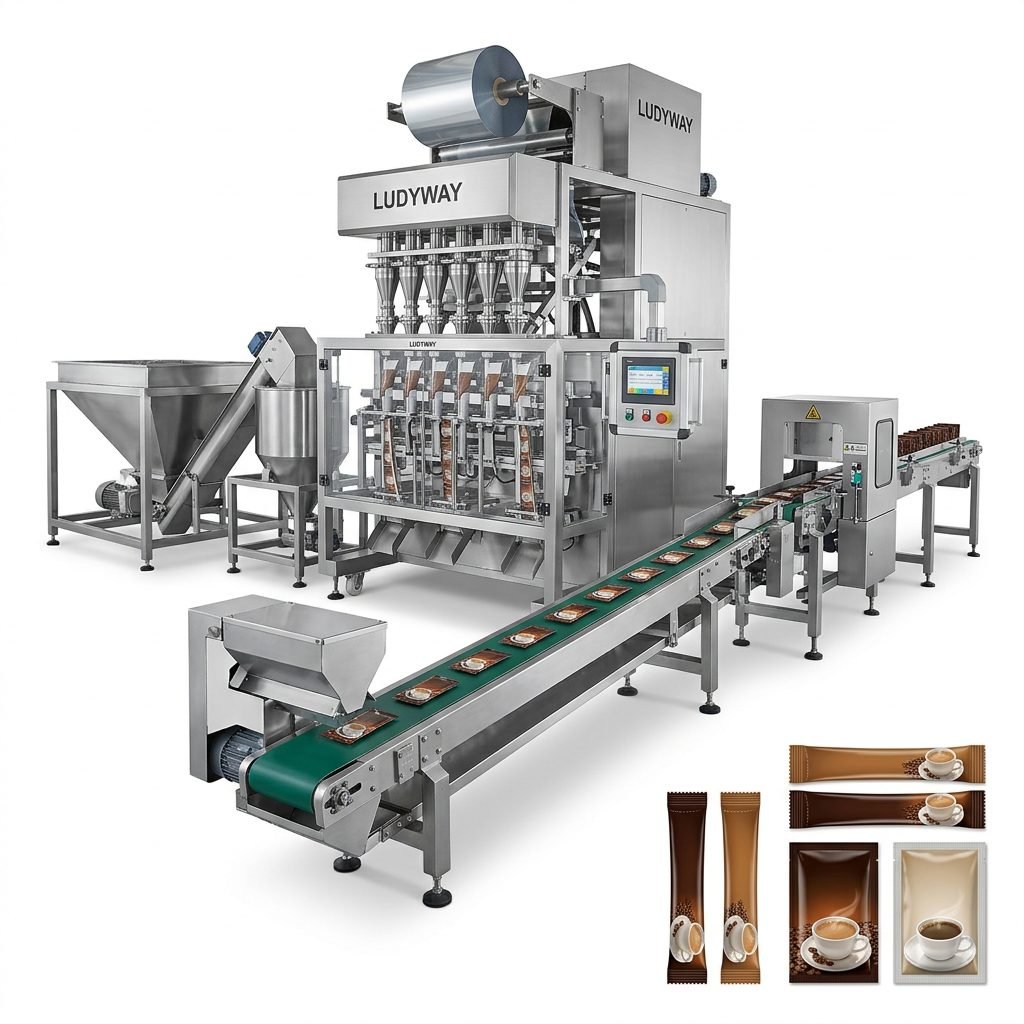
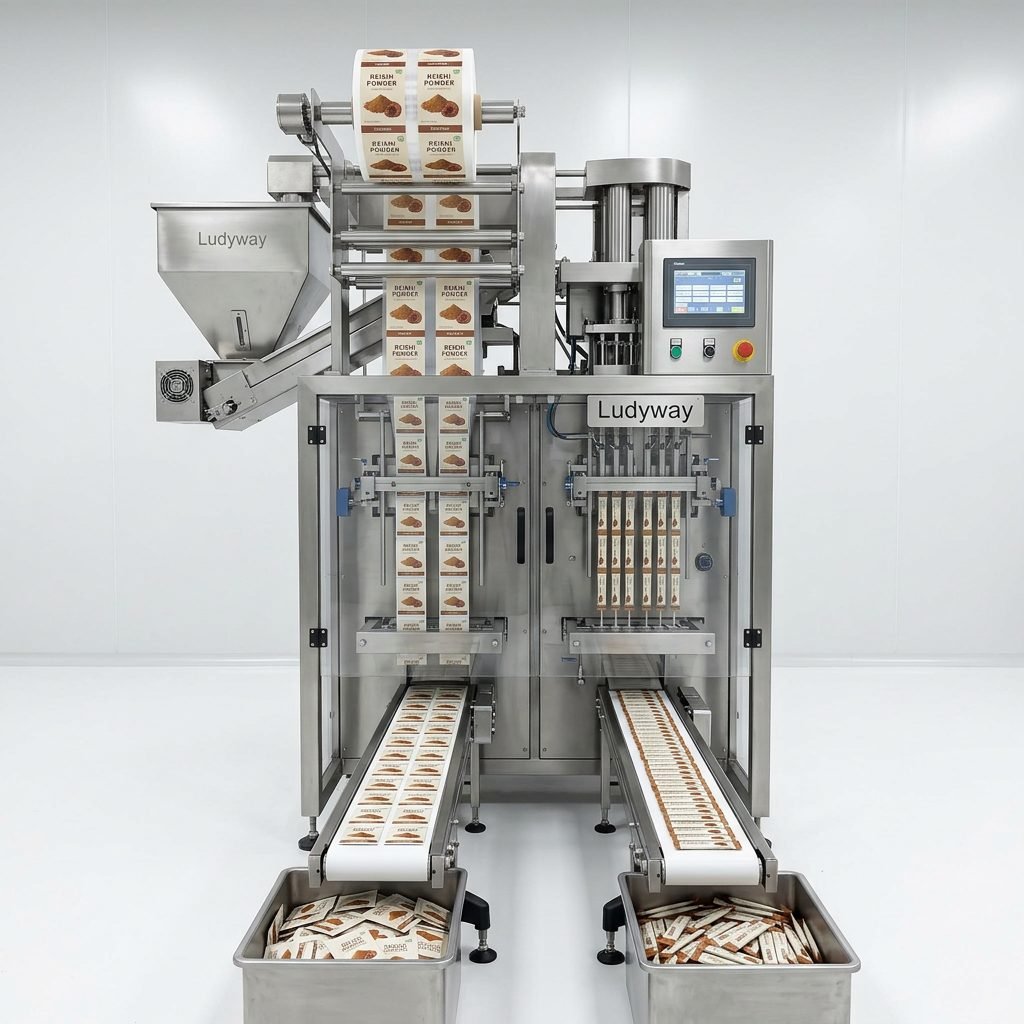
These machines produce narrow, sealed stick packs ideal for vitamin-mineral premixes and feed additives. They offer high output in a compact footprint and are popular for single-dose serving formats. A reliable packaging machine manufacturer like Ludyway offers multi-lane models that can run 4 to 16 lanes simultaneously, dramatically increasing throughput.
Sachet and Flat Pouch Packaging Equipment
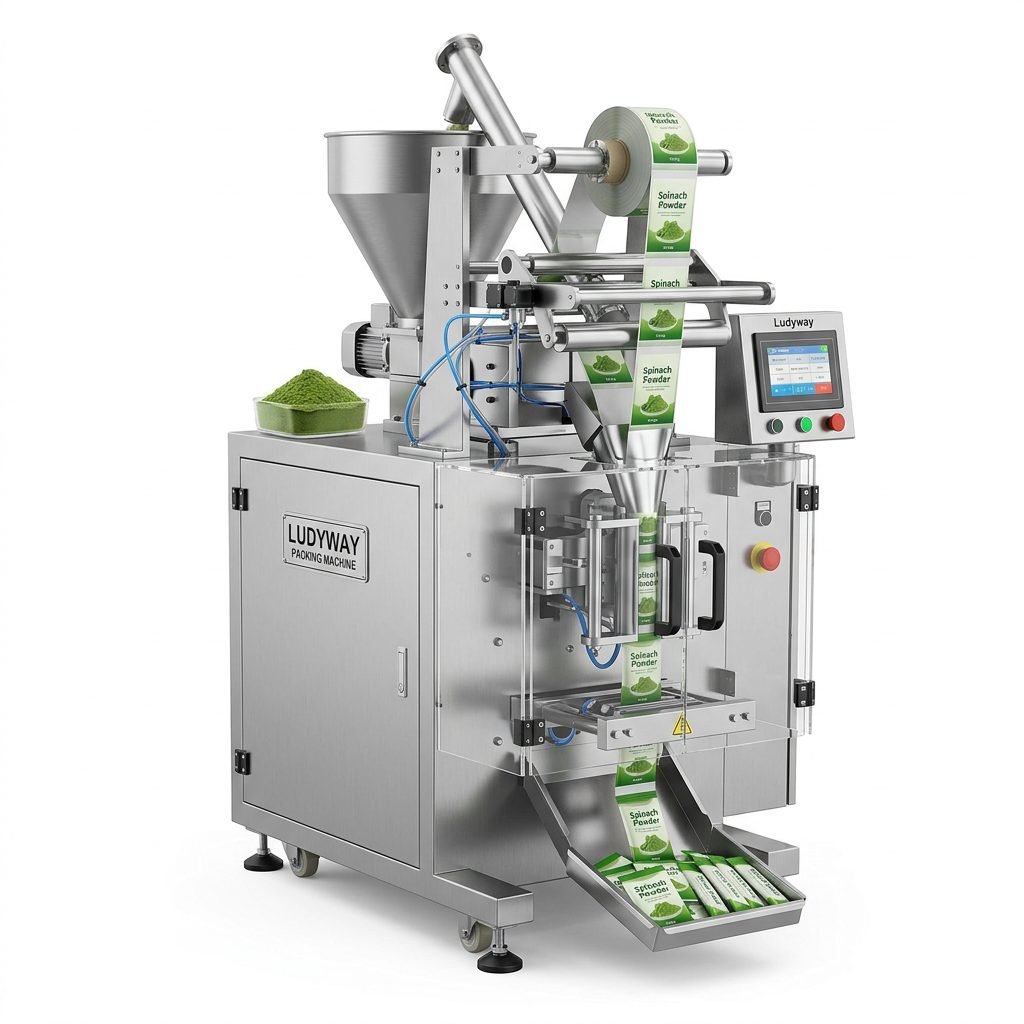
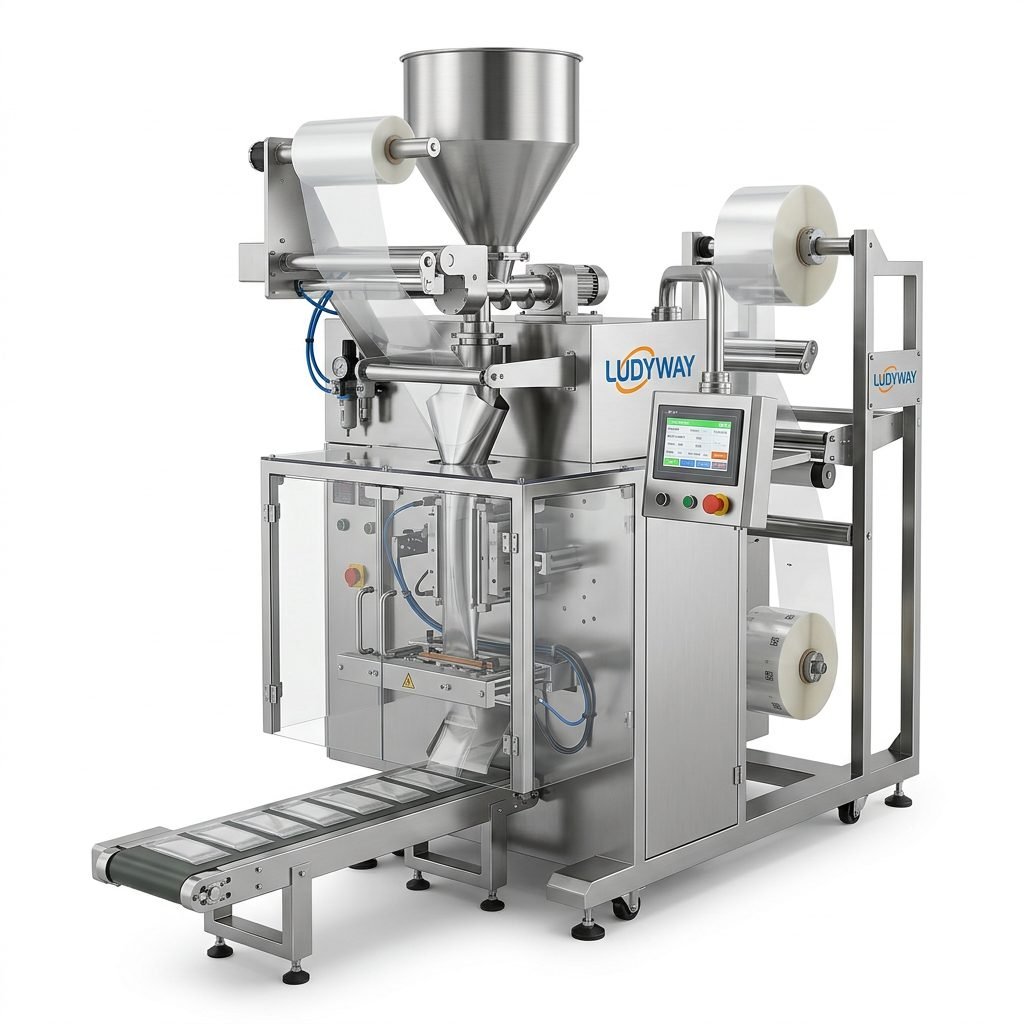
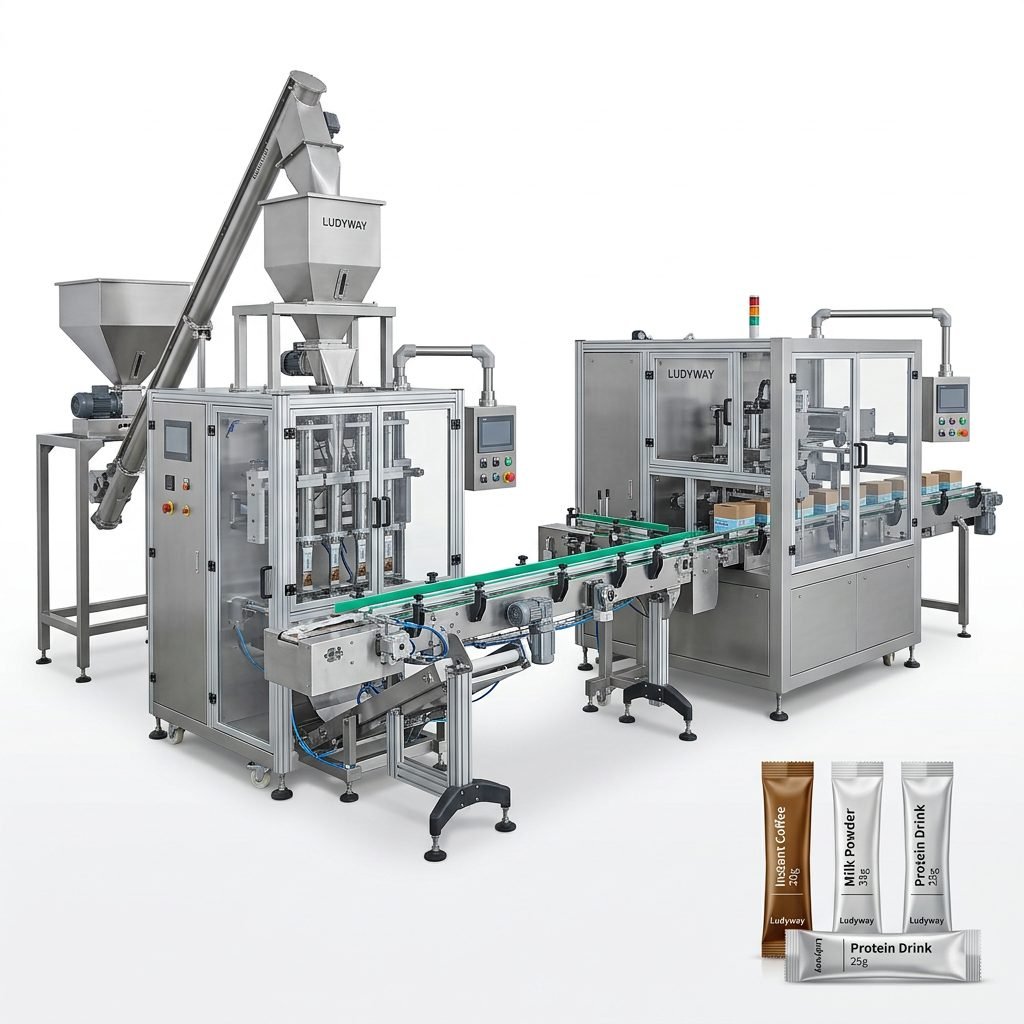
Sachet machines remain the workhorse for small to medium feed portions. They handle a wide range of materials including granular poultry feed, fish pellets, and mineral powders. Modern sachet lines feature automatic weighing, filling, and sealing with production speeds exceeding 200 packs per minute per lane.
Bulk Bag and Jumbo Bag Filling Systems
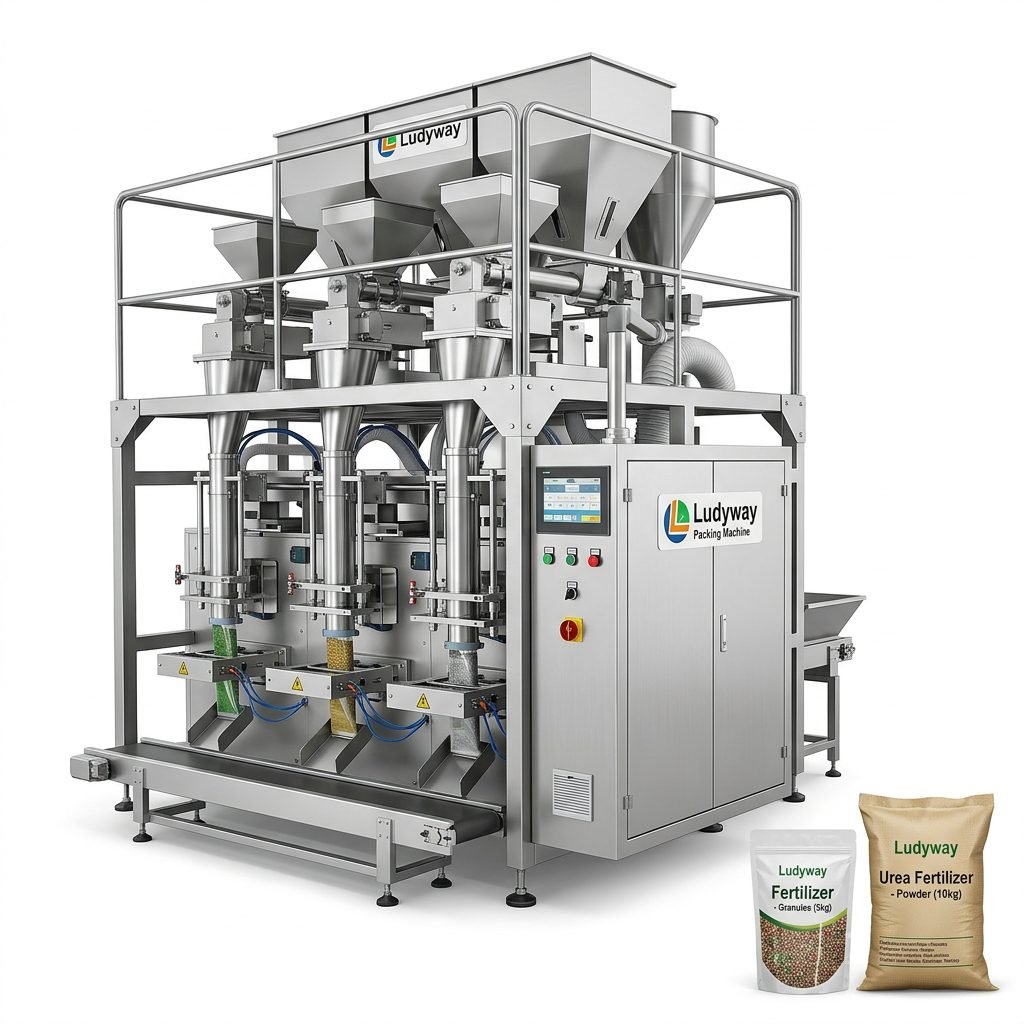
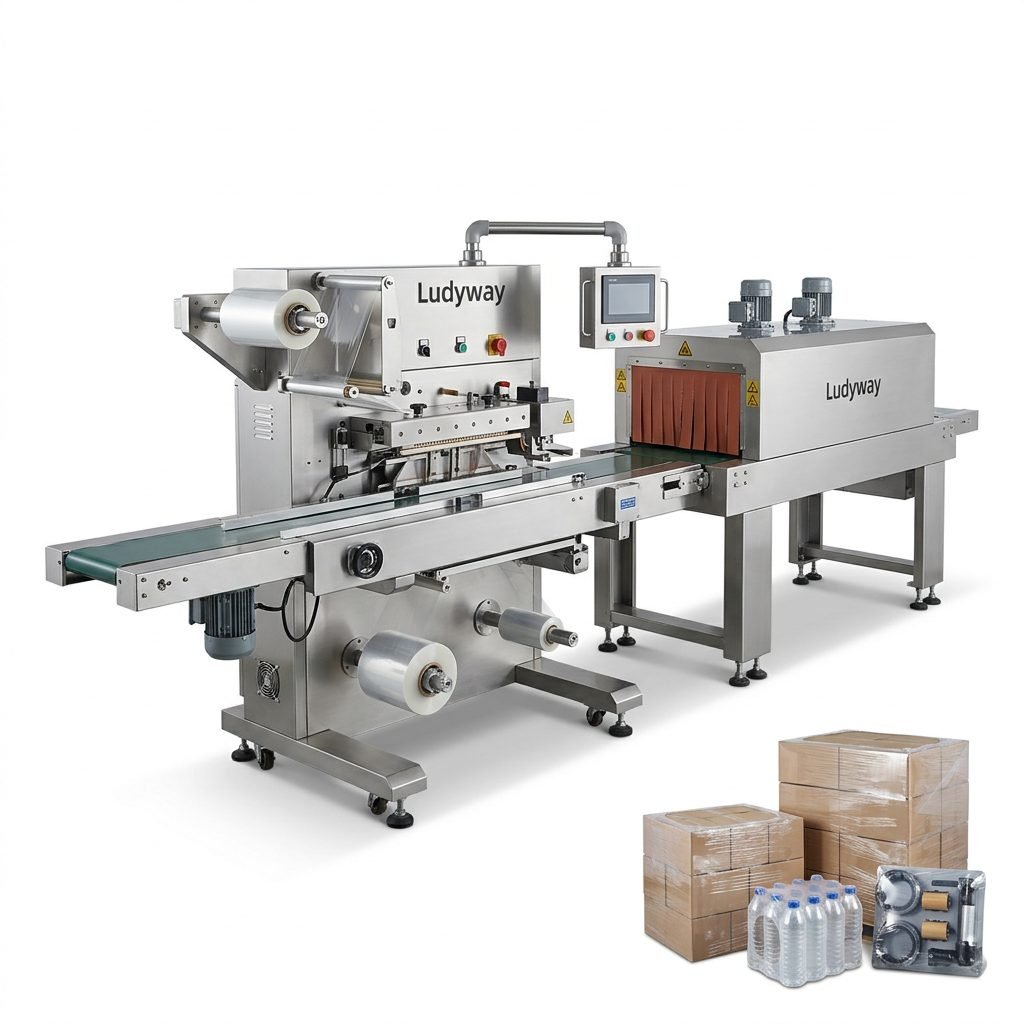
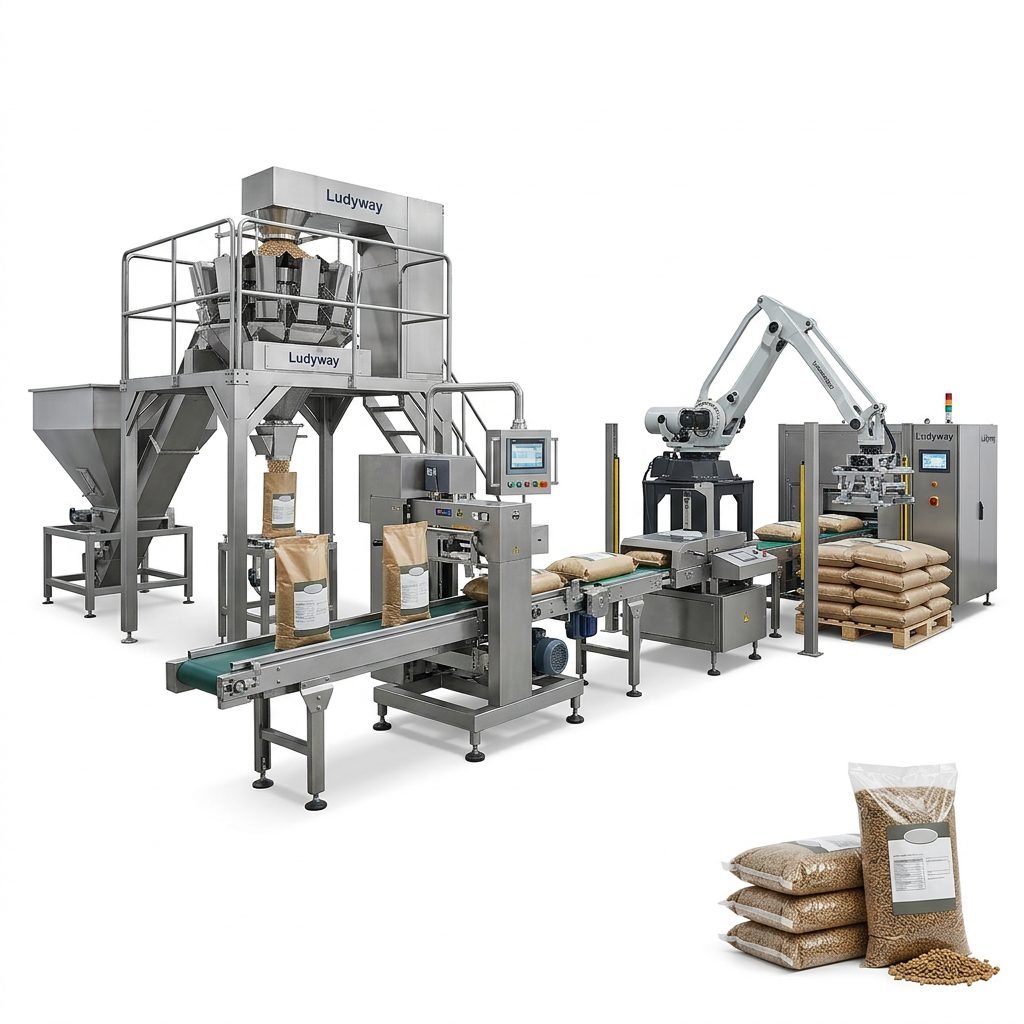
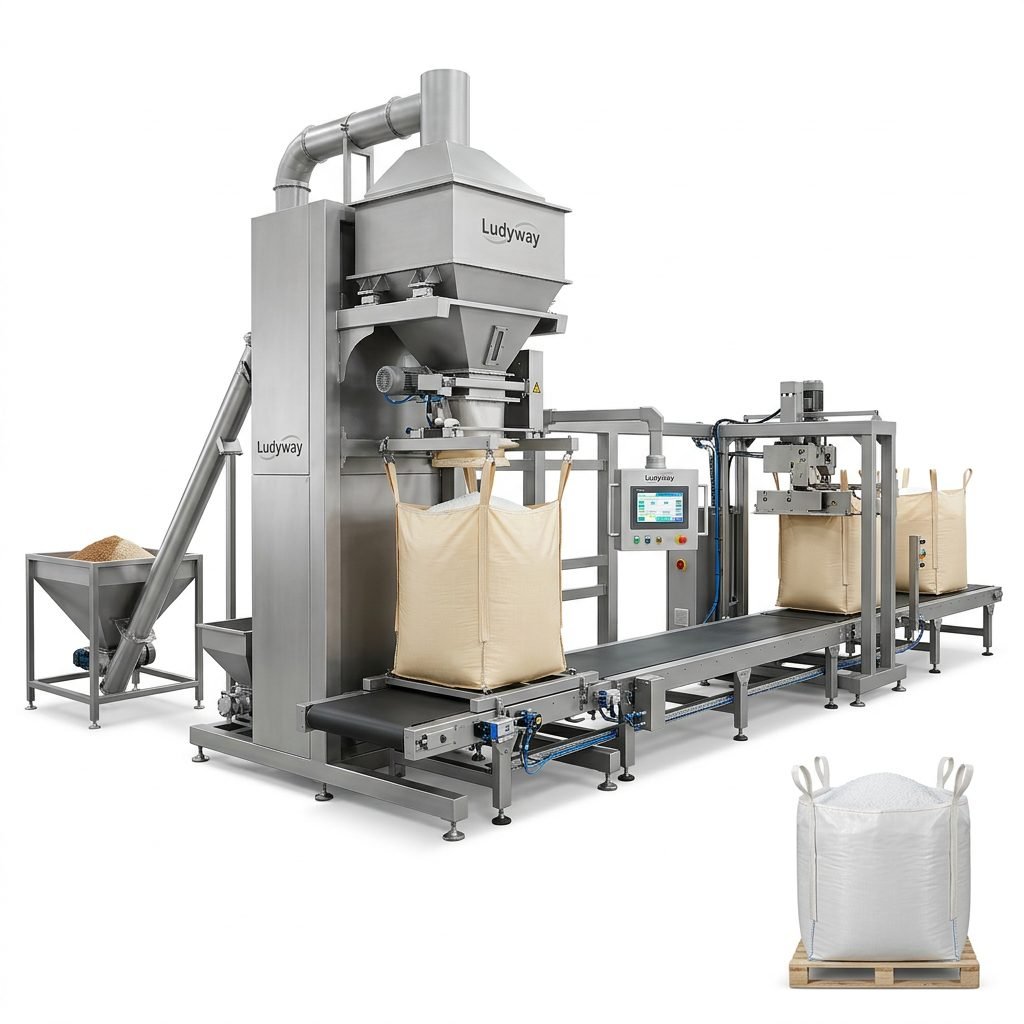
For large-scale commercial operations, bulk bagging systems fill 10kg, 25kg, or 50kg bags directly. These heavy-duty lines incorporate weigh hoppers, conveyor belts, and industrial sewing or heat-sealing units. Turnkey systems often integrate palletizing and stretch wrapping for export-ready shipments.
Estimated Feed Packaging Machine Prices in Africa (USD)
Prices vary based on automation level, lane count, and included features. Below are indicative ranges for budgeting purposes.
| Machine Type | Capacity Range | Approximate Price (FOB) |
|---|---|---|
| Small Semi-Auto Volumetric Filler | 15–30 packs/min | $4,000 – $12,000 |
| Multi-Lane Stick Pack (4–8 lanes) | 200–800 packs/min | $22,000 – $60,000 |
| Automatic Sachet Line (Multi-Lane) | 150–600 packs/min | $28,000 – $85,000 |
| Bulk Bagging System (25–50kg) | 8–20 bags/min | $35,000 – $120,000 |
| Turnkey Complete Packaging Line | Fully automated, customized | $100,000 – $500,000+ |
Note: Prices are approximate and exclude shipping, duties, and installation. Always request a formal quotation based on your specific production requirements.
How to Choose the Right Feed Packaging Machine: Key Factors
- Feed Material Characteristics: Granule size, powder density, and moisture content directly influence machine selection. A machine designed for fine powder may struggle with irregular pellets, and vice versa.
- Target Production Output: Define your daily or hourly throughput requirement. Overestimating slightly allows for future growth, but a machine that is too large wastes energy and operator time.
- Pack Format and Size: Stick packs, flat sachets, gusseted pouches, or woven bulk bags each require specific forming, filling, and sealing mechanisms.
- Packaging Material Compatibility: Multi-layer laminates, polyethylene, paper-plastic composites, and biodegradable films affect heat-sealing settings and machine configuration.
- Automation and Labor Considerations: Fully automatic lines reduce labor dependency, which is crucial in regions with high staff turnover. However, semi-automatic options can be more cost-effective for startups.
- After-Sales Support and Spare Parts Availability: Local technical support matters. Confirm that your supplier provides remote diagnostics, spare parts catalogs, and clear maintenance documentation.
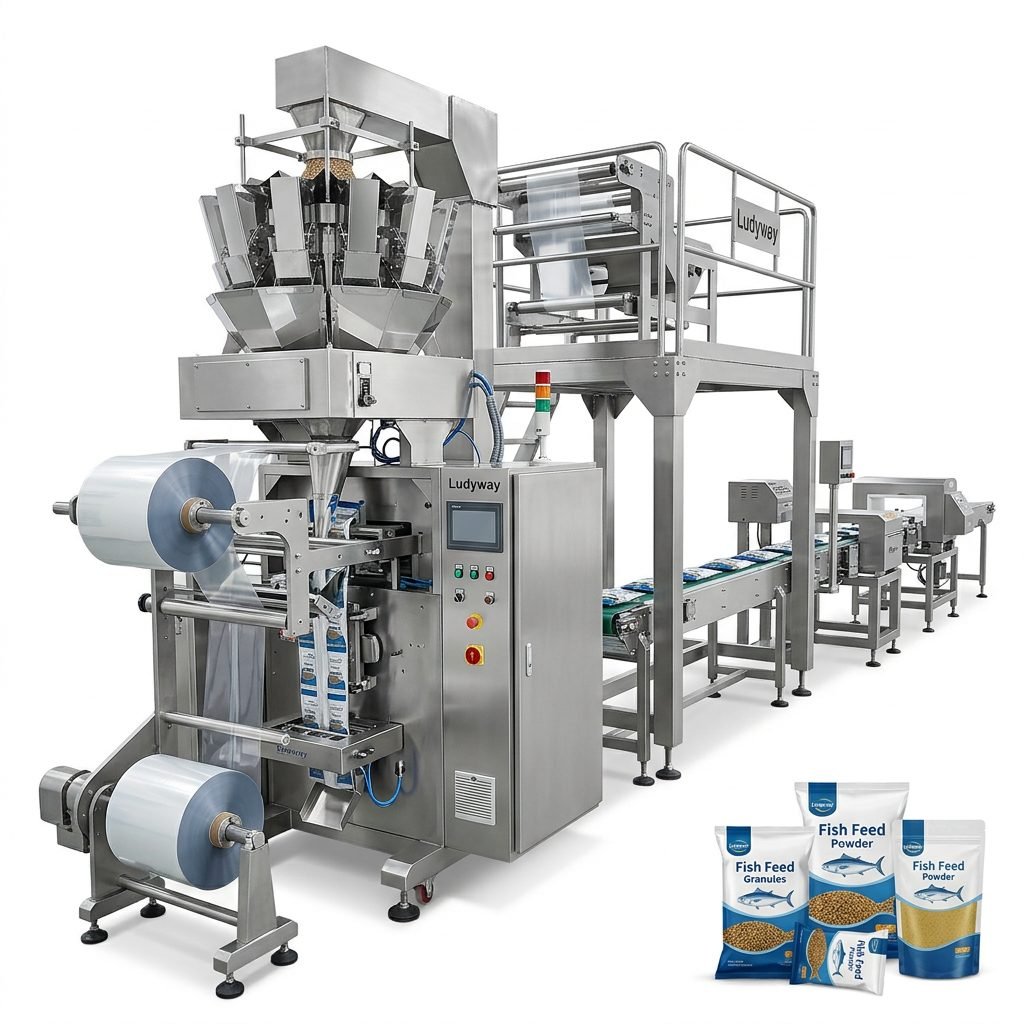
Important Features to Look For
When comparing options, prioritize machines that offer:
- Servo-driven sealing and cutting: Ensures consistent package integrity at high speeds.
- Easy-clean design: Quick disassembly for sanitation between feed batches, especially important for medicated or specialty feeds.
- Multi-head weigher integration: Achieves high accuracy with minimal product giveaway.
- Dust extraction compatibility: Critical for fine powder feeds to maintain a clean working environment.
- Nitrogen flushing capability: Extends shelf life for high-fat feed products by displacing oxygen.
New vs. Used Feed Packaging Equipment: What Makes Sense for Africa
Used machinery may appear cheaper initially but often carries hidden costs: worn parts, lack of documentation, and higher energy consumption. New equipment from established manufacturers comes with warranty protection, training, and reliable technical backup. For long-term production stability, new automated lines typically deliver better value over five to ten years of operation.
Integrating Conveying and Weighing Systems
A packaging machine is only one part of the line. Bucket elevators, Z-type conveyors, and vibratory feeders move raw feed from storage to the weighing station. Accurate multi-head weighers dose precise amounts before the packaging unit seals each pack. Purchasing these components from a single supplier ensures seamless integration and simplifies after-sales responsibility.
Key Markets and Logistics Considerations in Africa
Major importers of feed packaging machinery include Nigeria, Kenya, South Africa, Ghana, Ethiopia, and Tanzania. When importing, factor in port charges, inland transport, and electrical compatibility. Most industrial machines use 380V three-phase power. Voltage stabilizers and backup generators are recommended in areas with unstable grid supply.
Common Applications Across African Feed Sectors
- Poultry feed: Pelletized layers’ mash and broiler crumble in 500g to 5kg packs.
- Aquaculture feed: Fish and shrimp pellets in small sachets for pond-side use.
- Dairy cattle supplements: Mineral premix and protein concentrates in bulk bags.
- Pet food and treats: Dry kibble and extruded snacks in stick pack or pouch formats.
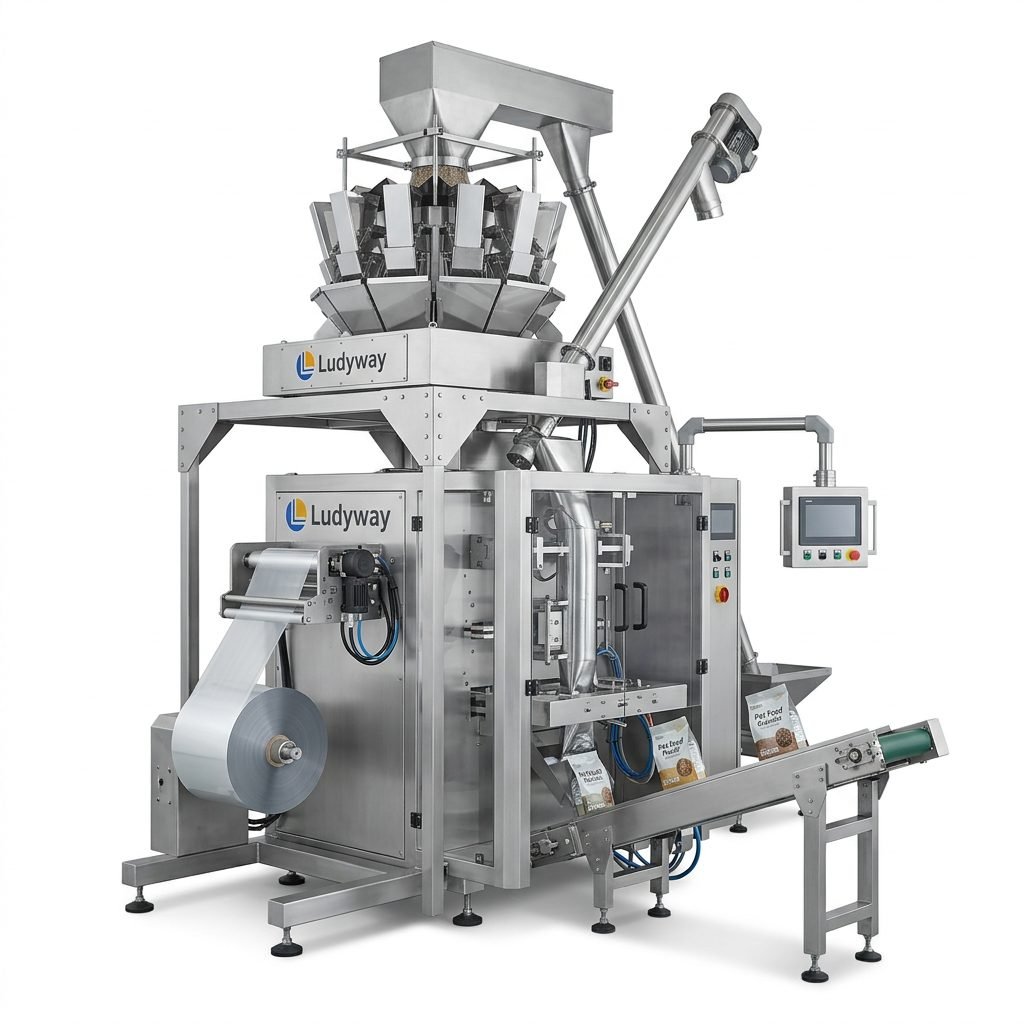
Considering a Manufacturer with Africa-Focused Experience
Some global suppliers have developed strong service networks across the continent. One example is Ludyway, which operates from a 20,000㎡ facility and works with clients in over 100 countries, including markets across West and East Africa. Their equipment range covers multi-lane stick pack, sachet, and bulk bagging configurations for granule and powder feed products. Contact their team for customized proposals that match specific African production environments.
Steps to Evaluate and Order Your Feed Packaging Machine
- Define product specs: Prepare samples and data sheets for your feed material.
- Select pack format: Decide on dimensions, material type, and fill weight range.
- Calculate throughput needs: Determine required packs per minute including peak demand.
- Request a customized quotation: Provide details to receive an accurate proposal including shipping options.
- Visit factory or request video inspection: Verify build quality and witness machine testing before shipment.
- Arrange installation and training: Ensure operators receive proper guidance on setup, changeover, and maintenance.
- Plan for ongoing spares: Order a recommended spare parts kit with the initial machine purchase.
Industry Resources and Further Reading
Staying informed about packaging standards and market trends strengthens your decision-making. Below are selected authoritative resources:
- PMMI – The Association for Packaging and Processing Technologies
- PMMI State of the Industry Report
- Flexible Packaging Association – Resource Hub
- FDA Food Packaging and Food Contact Substances
- ISO Packaging Standards
- European Commission – Packaging and Packaging Waste
- Ludyway Packaging Machinery Global Growth Report
Making the right choice on a feed packaging machine creates a foundation for consistent product quality and scalable growth. Take time to evaluate material characteristics, output goals, and supplier reliability. With careful planning, your investment will support efficient operations and meet the rising demand for packaged feed across the African continent.