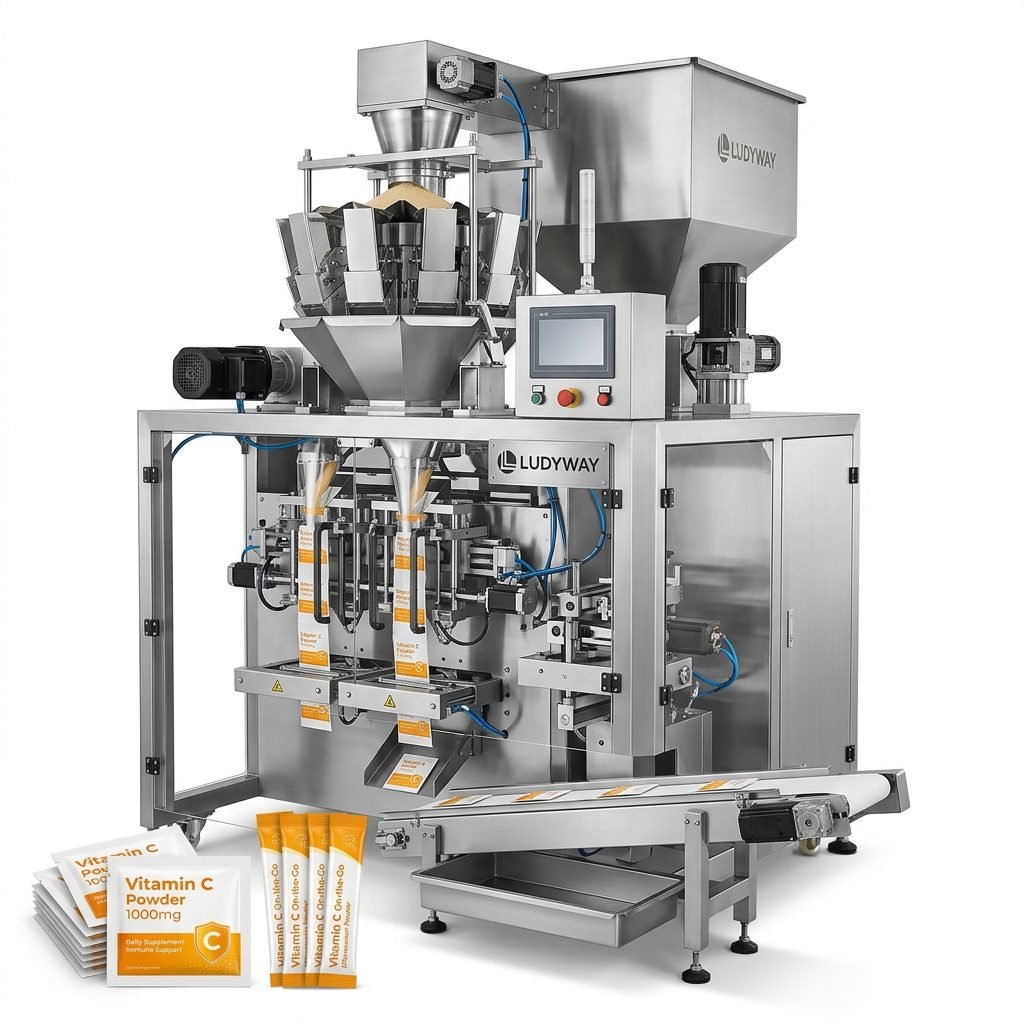
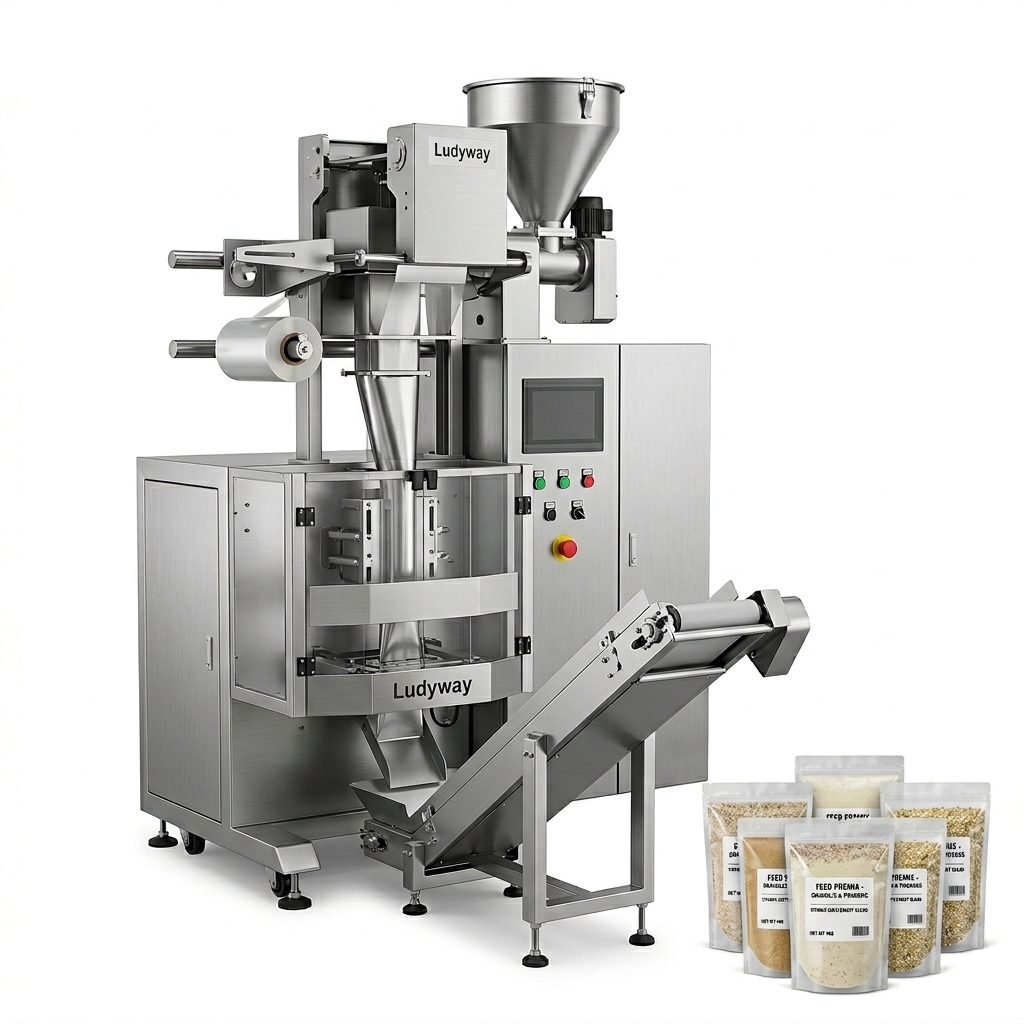
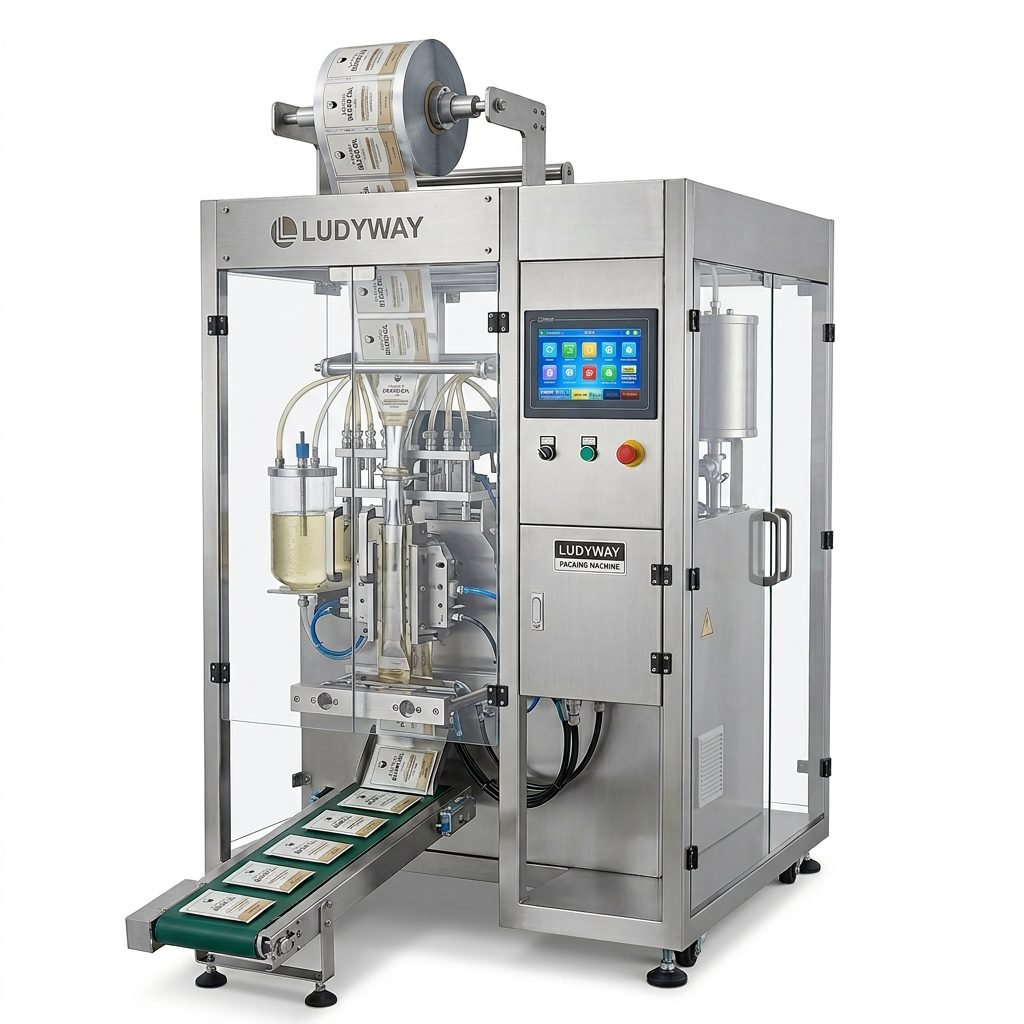
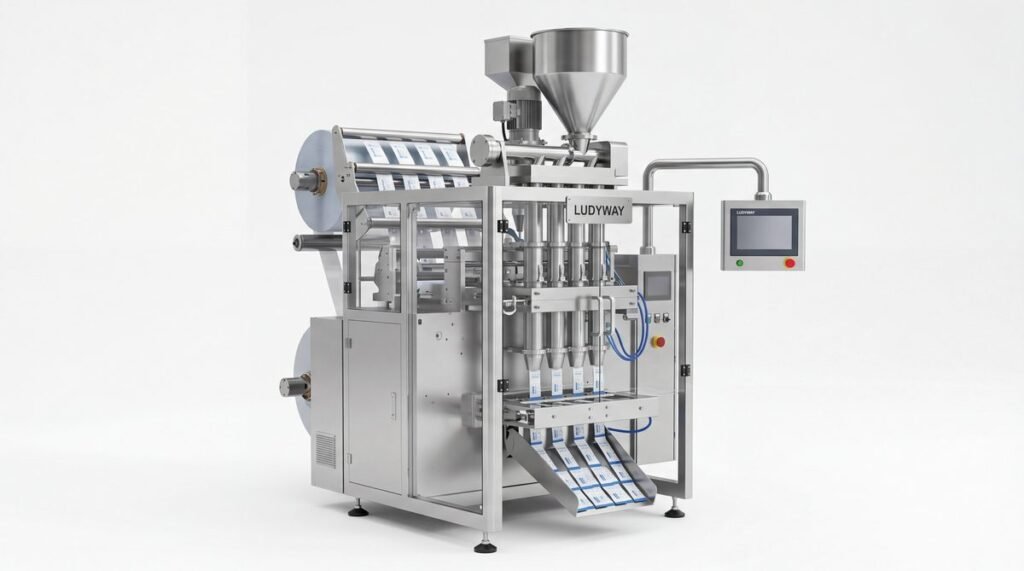
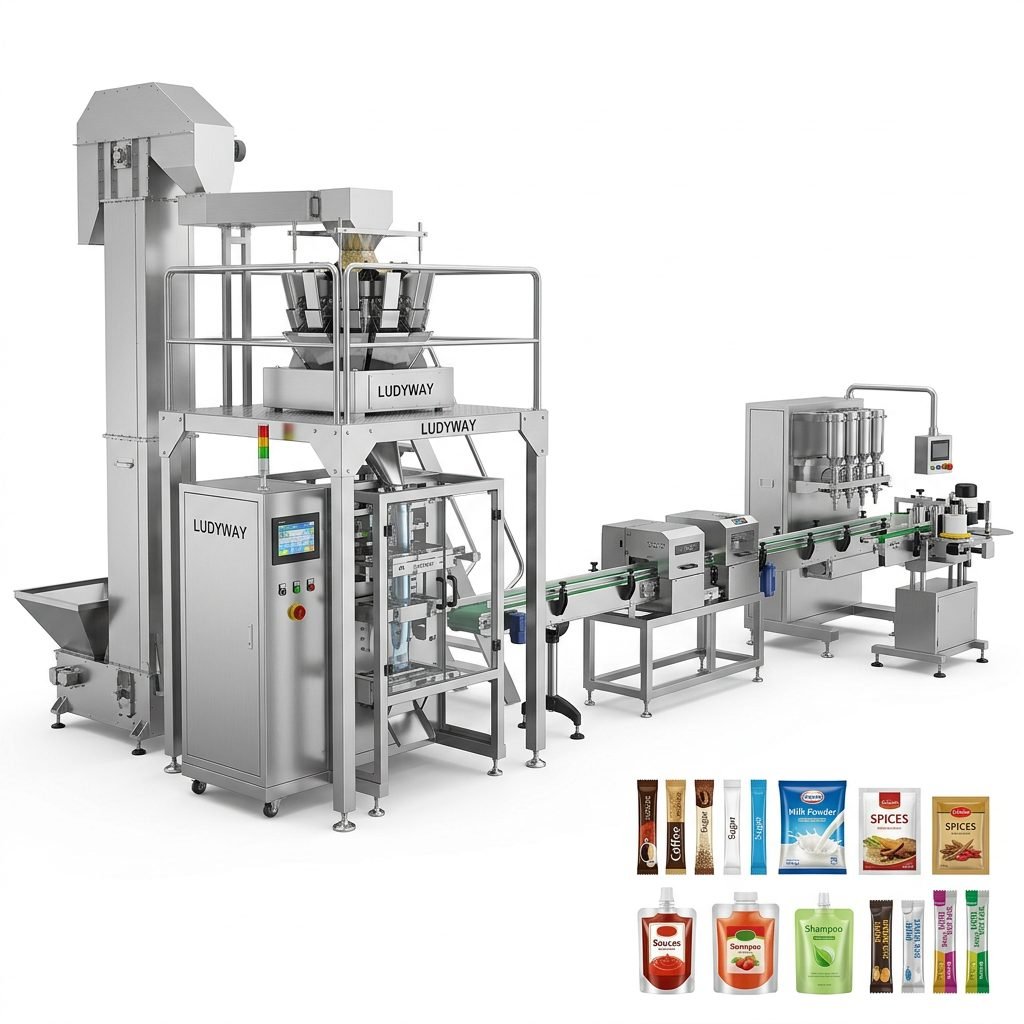
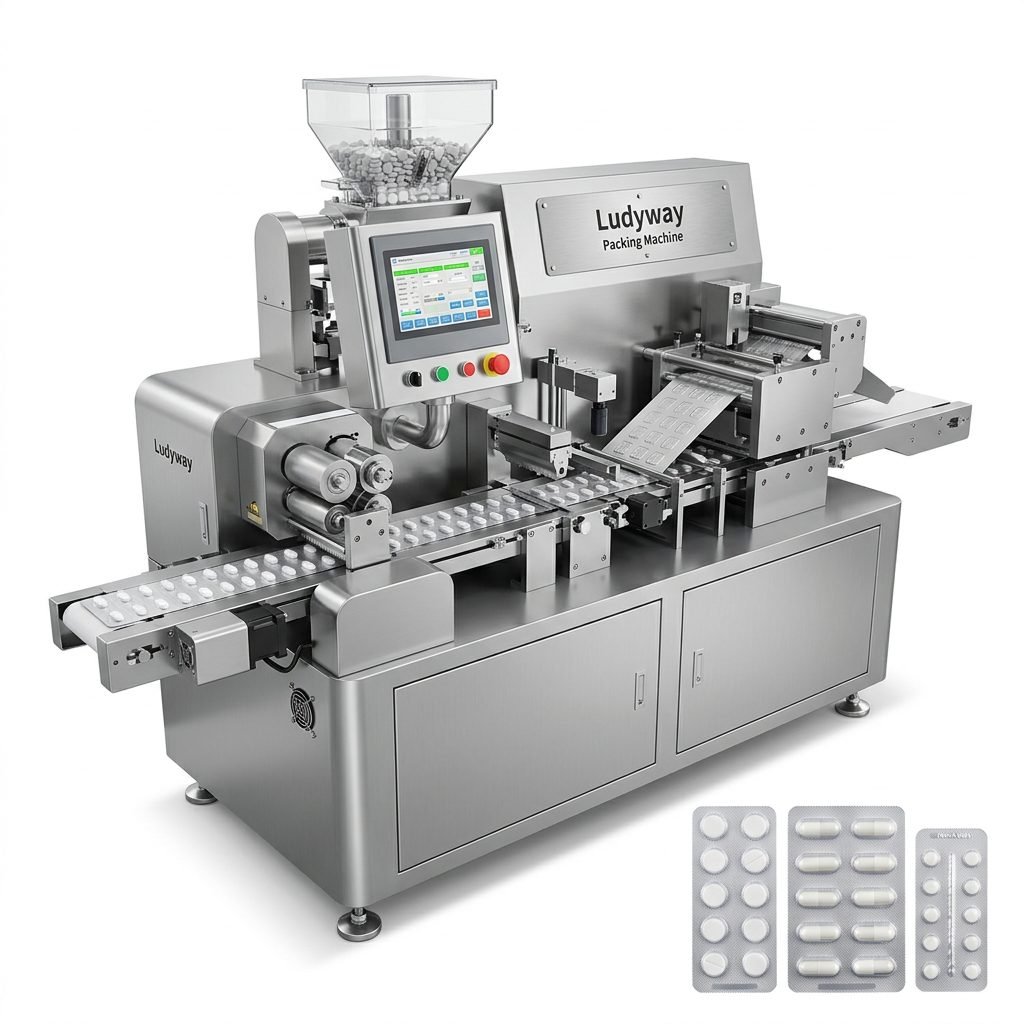
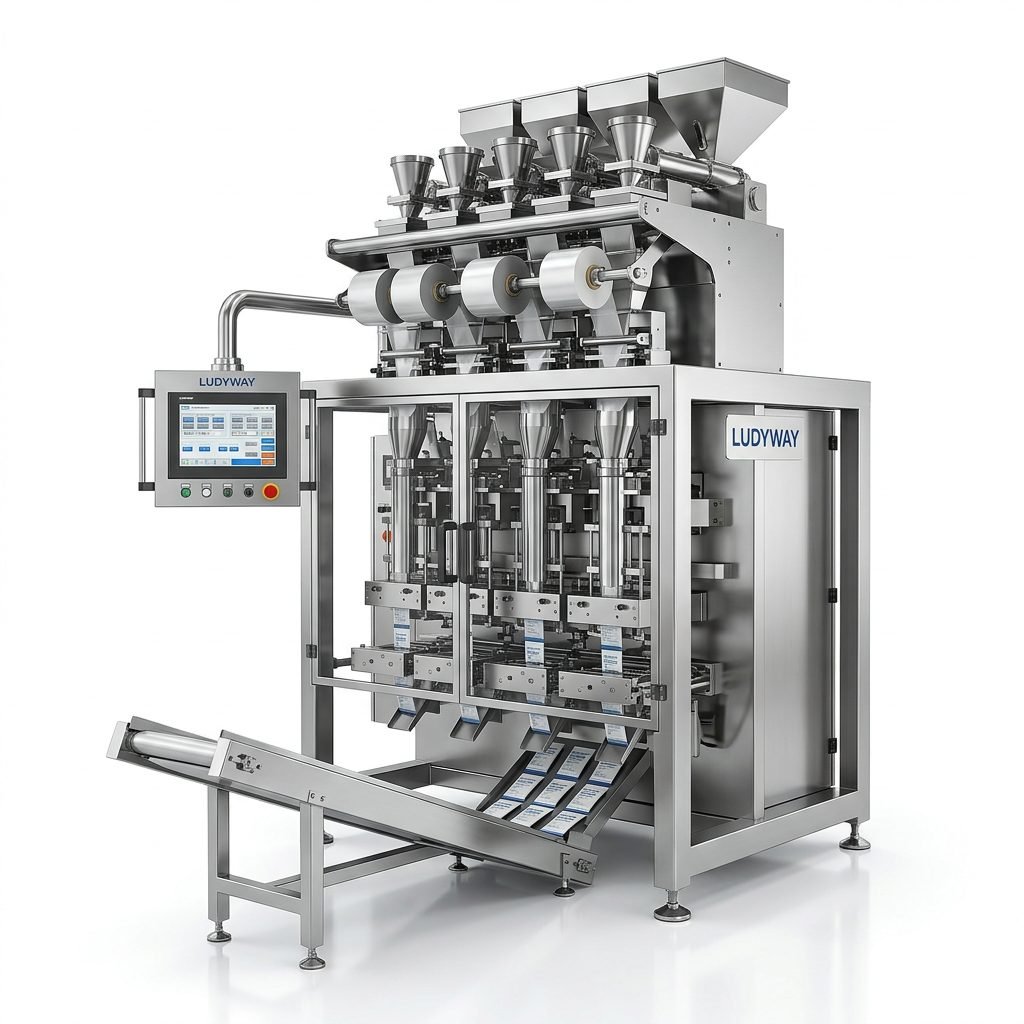
A form fill packaging machine is one of the most efficient solutions for producing sealed packs from roll film in a continuous, automated process. It can form the package, fill the product, and seal it in one integrated cycle, making it a preferred option for manufacturers that need speed, consistency, and lower operating costs.
These machines are widely used across food, pharmaceutical, cosmetic, chemical, and daily-use product industries for powders, granules, liquids, pastes, tablets, and other free-flowing materials. Whether you produce seasoning sachets, coffee stick packs, oral powder sachets, detergent pouches, or single-dose cosmetic packs, the right system can significantly improve output and packaging quality.
What Is a Form Fill Packaging Machine?
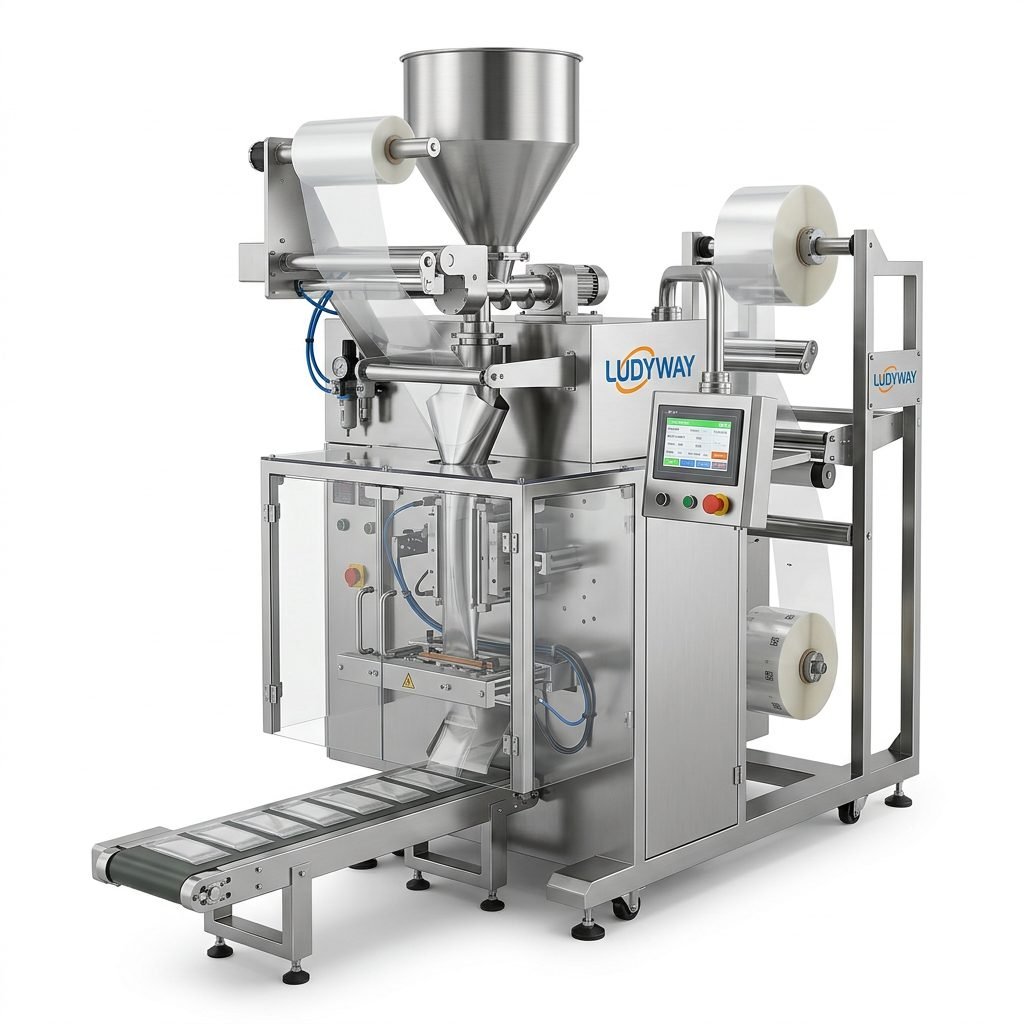
A form fill packaging machine is automated packaging equipment that starts with packaging film, shapes it into a pouch or sachet, dispenses the required product quantity, and then seals the package. Depending on the machine design, it can create:
- Sachets
- Stick packs
- Pillow bags
- Back-seal or 3/4-side seal pouches
- Special-shaped flexible packs
In modern manufacturing, these machines are valued because they combine multiple packaging steps into one compact system, which helps reduce manual handling and improve production stability.
How a Form Fill Packaging Machine Works
Although machine configurations vary by product type and package style, the basic working principle is usually similar. The process can be broken down into several core stages.
1. Film Unwinding
The machine pulls packaging film from a roll. Tension control keeps the film moving smoothly and accurately, which is essential for seal quality and print registration.
2. Forming the Pack
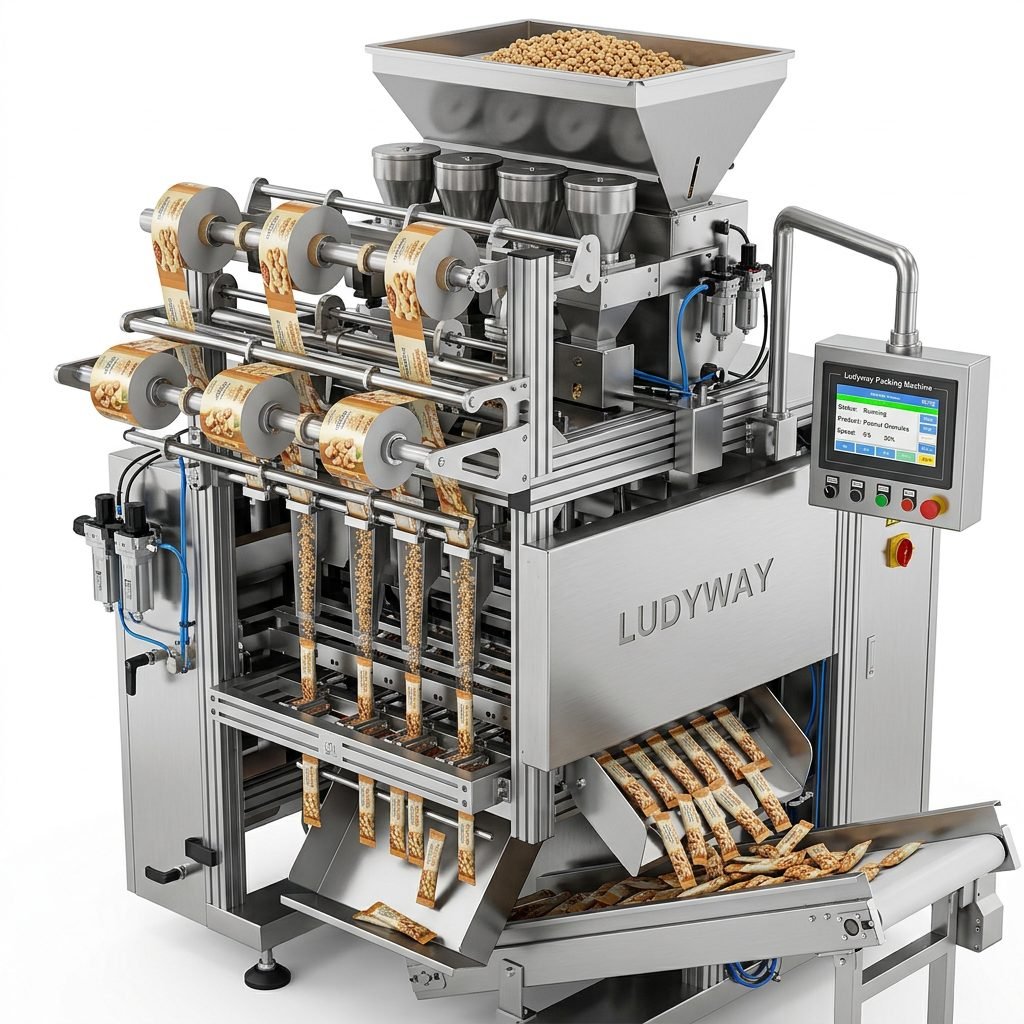
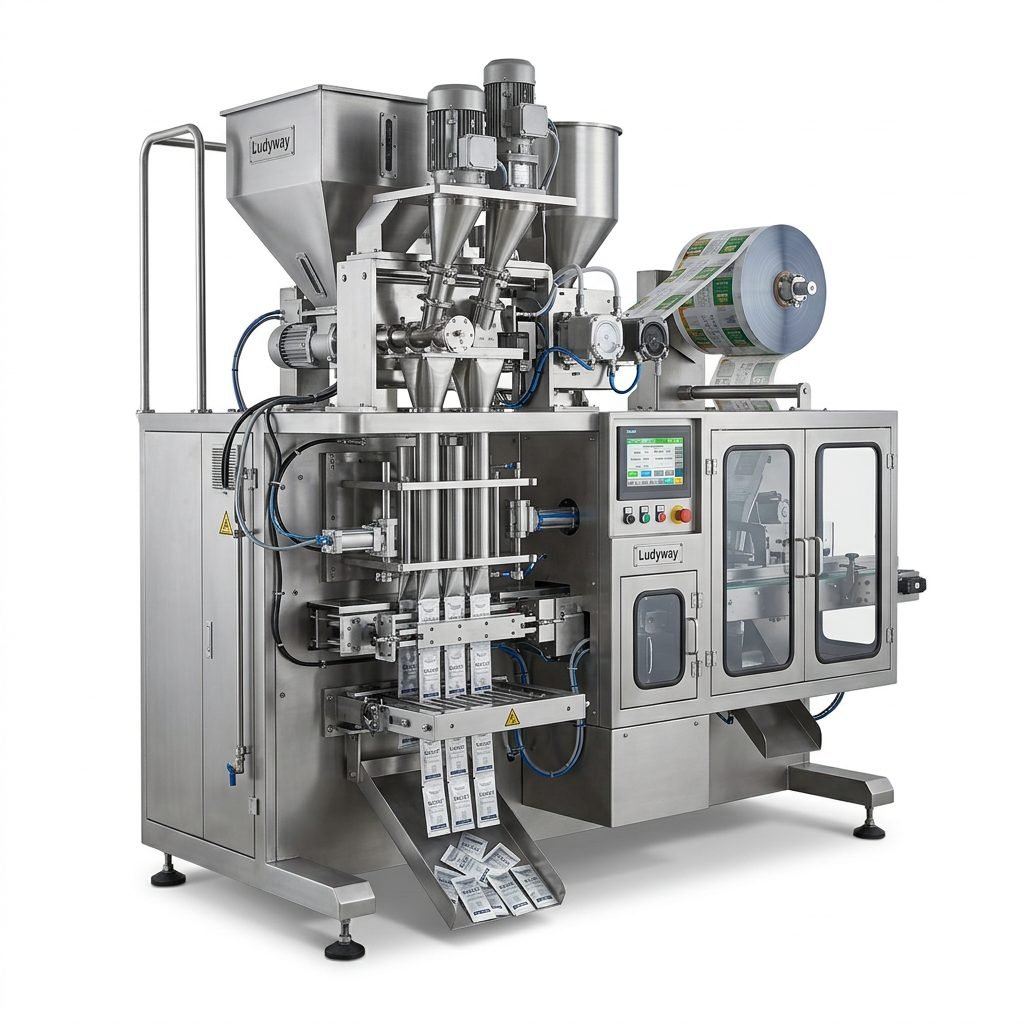
The film is shaped into the desired package format. In vertical systems, the film is wrapped around a forming tube; in sachet or multi-lane systems, the film is guided into narrow channels to create several packs at the same time.
3. Product Dosing and Filling
The machine dispenses a measured amount of product into each newly formed package. The dosing device depends on the material:
- Auger fillers for powders
- Cup fillers or weighers for granules
- Piston pumps for creams and pastes
- Liquid pumps or flow meters for liquids
4. Sealing
Heat sealing jaws close the package. The machine creates vertical and horizontal seals based on the pack style. Proper temperature, pressure, and dwell time are critical to avoid leaks and weak seals.
5. Cutting and Discharge
After sealing, the machine cuts the finished pack to size and discharges it for collection, secondary packaging, coding, cartoning, or case packing.
6. Optional Inspection and End-of-Line Integration
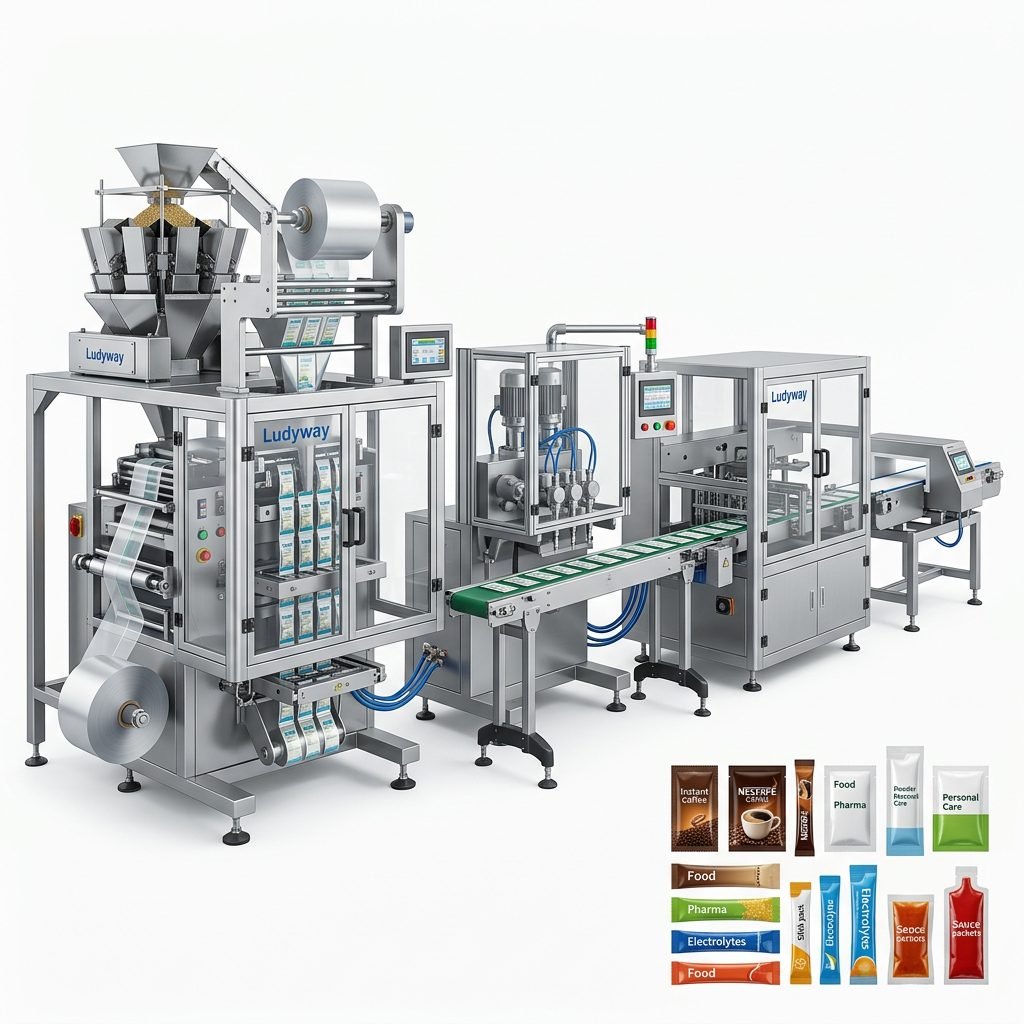
Advanced lines may include date coding, checkweighing, metal detection, vision inspection, cartoning, case packing, and palletizing.
Main Types of Form Fill Packaging Machines
| Machine Type | Best For | Common Products |
|---|---|---|
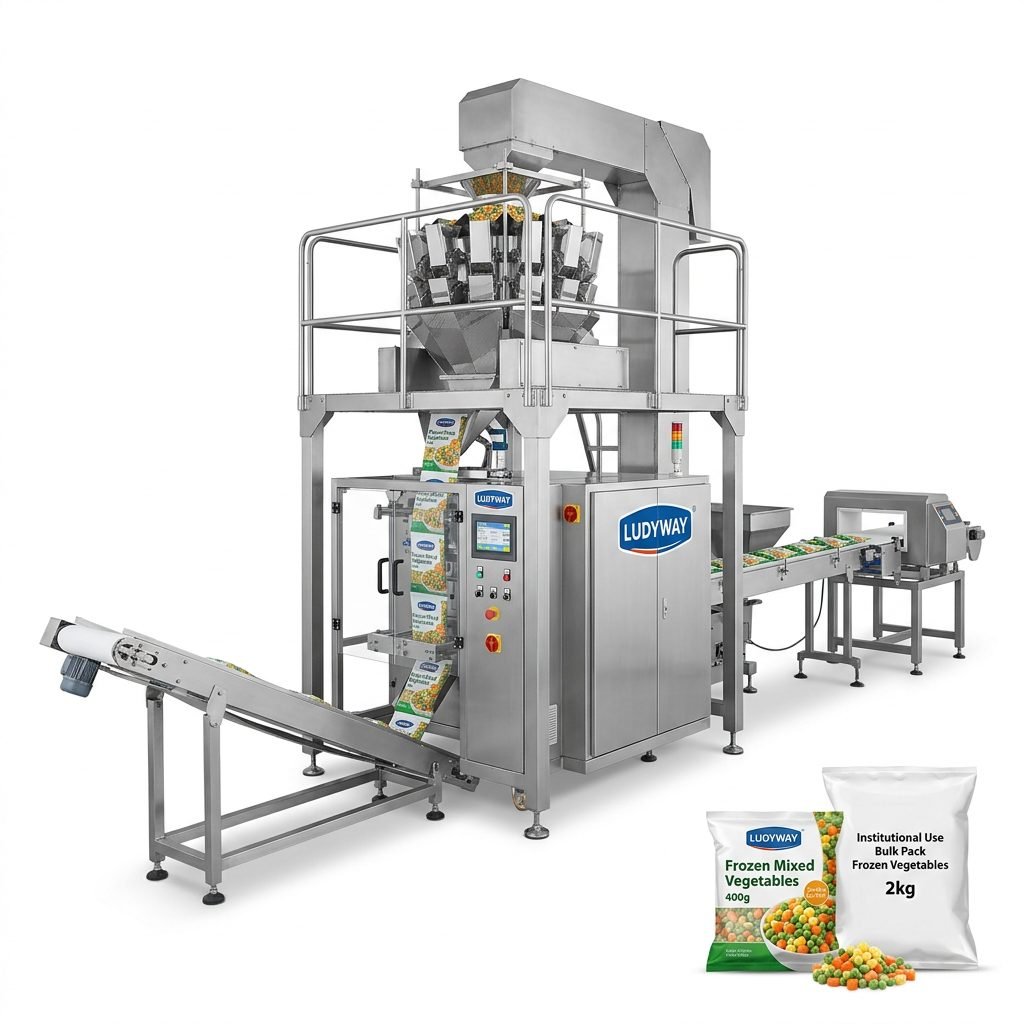
| Vertical Form Fill Seal (VFFS) | Pillow bags, sachets, stick packs, pouches | Snacks, grains, powders, seasonings, pet food |
| Horizontal Form Fill Seal (HFFS) | Premade-style flow packs or flat sachets | Wipes, medical items, bars, solid products |
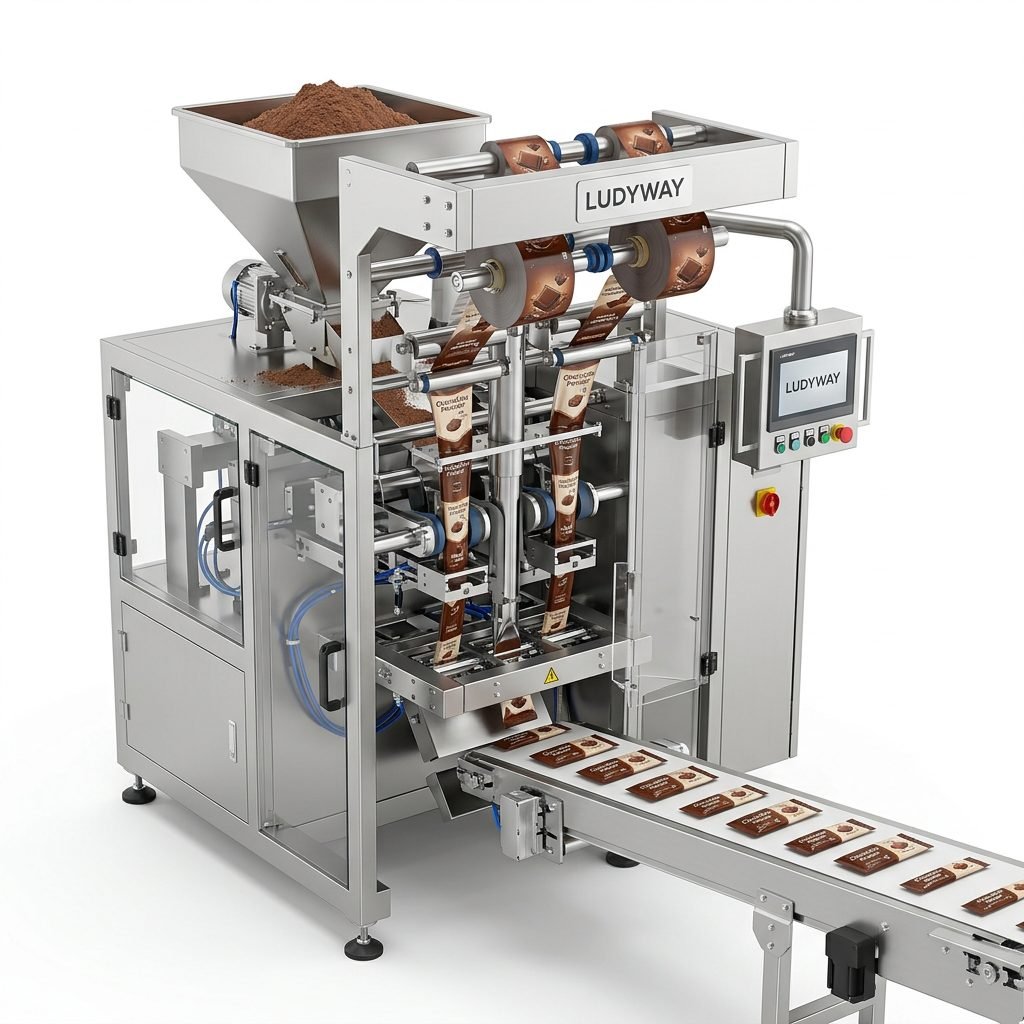
| Multi-Lane Sachet Machine | High-volume small-dose packs | Coffee, electrolyte powder, shampoo, sauces |
| Stick Pack Machine | Narrow single-dose packaging | Drink powders, supplements, sugar, honey |
Key Benefits of Using a Form Fill Packaging Machine
Higher Production Efficiency
Because forming, filling, and sealing happen in one continuous process, these machines can deliver high speeds with fewer interruptions. This is especially important for producers with growing order volumes and strict delivery schedules.
Improved Packaging Consistency
Automated control helps maintain uniform bag dimensions, fill weights, and seal strength. That consistency supports brand image and reduces complaints related to leakage, underfilling, or poor package appearance.
Lower Labor Dependence
A well-configured machine reduces manual packaging work and helps manufacturers manage labor costs more effectively. Fewer manual steps also mean a cleaner and more controlled packaging environment.
Material Savings
Modern machines are designed to optimize film usage and minimize waste. Accurate cutting and sealing can help reduce per-pack packaging cost over time.
Scalable Automation
Manufacturers can start with a single machine and later integrate feeding, coding, cartoning, conveying, and palletizing equipment as production expands.
Broad Product Compatibility
One of the biggest advantages is flexibility. With the right filling system and change parts, a form fill packaging machine can handle many materials and pack formats.
Industries That Commonly Use These Machines
Form fill packaging machines are used in a wide range of sectors, including:
- Food: coffee, milk powder, spices, sugar, snacks, sauces, instant drink mixes
- Pharmaceutical: oral powders, granules, medical sachets, diagnostic pack components
- Health supplement: collagen powder, electrolyte mixes, vitamins, probiotics
- Cosmetic: shampoo, lotion, serum, cream, facial mask essence
- Chemical: detergent powder, cleaners, additives, fertilizers, industrial granules
- Pet care: kibble, pet supplements, granules, powdered nutrition products
Factors That Affect Machine Performance
Choosing a machine based only on speed can lead to problems later. Real performance depends on several production variables:
- Product flow characteristics — powder density, granule size, viscosity, moisture content
- Package size and format — small sachets need different mechanics than larger pouches
- Required output — single-lane versus multi-lane makes a major difference
- Film structure — sealing performance depends on material compatibility
- Accuracy requirements — pharmaceutical and nutraceutical applications often require tighter tolerances
- Cleaning and changeover frequency — especially important for multi-product factories
How to Choose the Right Form Fill Packaging Machine
Understand Your Product First
Start with the product itself. Is it a fine powder, irregular granule, sticky paste, or flowing liquid? Product behavior directly affects filler type, machine speed, and sealing design.
Define Your Pack Format
Decide whether you need sachets, stick packs, pillow bags, or other flexible packaging forms. The machine structure must match your target pack style and retail presentation.
Estimate Current and Future Capacity
If you only buy for current output, you may outgrow the machine quickly. It is often smarter to choose a system that gives room for future expansion.
Check Dosing Accuracy
For expensive powders, active ingredients, or regulated products, filling precision is just as important as speed. Ask for testing with your actual product whenever possible.
Review Automation Level
Some buyers need a standalone machine, while others need a complete line with conveyors, coding, checkweighers, cartoners, and palletizers. Your production strategy should guide this choice.
Consider Maintenance and Support
Easy cleaning, accessible spare parts, stable controls, and responsive technical support all matter. Downtime is expensive, so after-sales capability should be part of the buying decision.
| Selection Point | Why It Matters |
|---|---|
| Product type | Determines filler, feeding method, and sealing solution |
| Package style | Affects machine structure and tooling |
| Output target | Helps determine lane count and automation level |
| Accuracy requirement | Essential for cost control and compliance |
| Factory layout | Impacts installation, feeding design, and line integration |
| After-sales support | Reduces downtime and long-term operating risk |
Common Mistakes Buyers Should Avoid
- Choosing by price alone without evaluating long-term reliability
- Ignoring actual product testing before purchase
- Underestimating future production growth
- Overlooking packaging film compatibility
- Not planning for spare parts and technical support
- Selecting a machine that is difficult to clean or change over
When a Multi-Lane Model Makes Sense
If your business runs high volumes of small-dose packs, a multi-lane form fill packaging machine can be a strong investment. By operating multiple sachet or stick-pack lanes at the same time, these systems can greatly increase throughput without requiring several separate standalone units.
Multi-lane solutions are especially suitable for:
- Instant coffee and beverage powders
- Electrolyte or supplement sachets
- Shampoo and cosmetic sample packs
- Pharmaceutical granules and oral powders
- Sauces, condiments, and liquid single-dose packs
Why Turnkey Integration Matters
In many factories, packaging performance depends not only on the main machine but also on how the whole line works together. Feeding, conveying, coding, inspection, cartoning, case packing, and palletizing all affect final productivity.
For manufacturers looking for broader automation capabilities, Ludyway form fill packaging machine solutions are often considered for standalone equipment as well as complete turnkey packaging lines across food, pharmaceutical, health supplement, cosmetic, chemical, and related sectors.
Final Buying Checklist
Before making a final decision, confirm the following:
- Product sample testing has been completed
- Required package dimensions are confirmed
- Expected hourly or daily output is realistic
- Filling accuracy meets your quality standard
- Packaging film runs well on the machine
- Changeover and cleaning procedures are acceptable
- Electrical standards match your factory
- Training, installation, and after-sales support are clearly defined
Conclusion
A form fill packaging machine is a smart choice for manufacturers seeking higher speed, reliable fill accuracy, better seal quality, and scalable automation. The right model depends on your product characteristics, pack format, output goals, and long-term production plan.
By carefully evaluating machine type, dosing system, packaging material compatibility, and supplier support, businesses can invest in equipment that improves efficiency today while supporting future growth.