Investing in a baby food packaging machine is one of the most critical decisions for any manufacturer entering or expanding within the North American market. With consumers demanding higher safety standards, convenient formats, and sustainable materials, selecting the right equipment can define your brand’s reputation and operational efficiency. This guide covers the essential types, cost considerations, and key features you need to evaluate before making a purchase.
Understanding the North American Baby Food Packaging Landscape
The baby food sector in the United States and Canada is governed by stringent FDA and CFIA regulations. Packaging machinery must comply with FDA food contact substance requirements and often align with PMMI packaging standards. Whether you are producing organic purées, powdered formulas, or snack puffs, your packaging line must deliver consistent seal integrity, precise portion control, and contamination-free output.
Key Market Drivers in North America
- Organic and clean-label trends pushing demand for minimal-processing-compatible packaging.
- On-the-go pouch formats dominating the toddler snack category.
- Sustainability mandates requiring recyclable or reduced-material packaging.
- E-commerce growth demanding durable, leak-proof seals for shipping.
- Compliance with Flexible Packaging Association regulatory guidelines.
Types of Baby Food Packaging Machines
Choosing the right machine type depends on your product format, production volume, and target packaging style. Below is a comparison of the most common categories used across North America.
| Machine Type | Best For | Key Advantage | Estimated Cost Range (USD) |
|---|---|---|---|
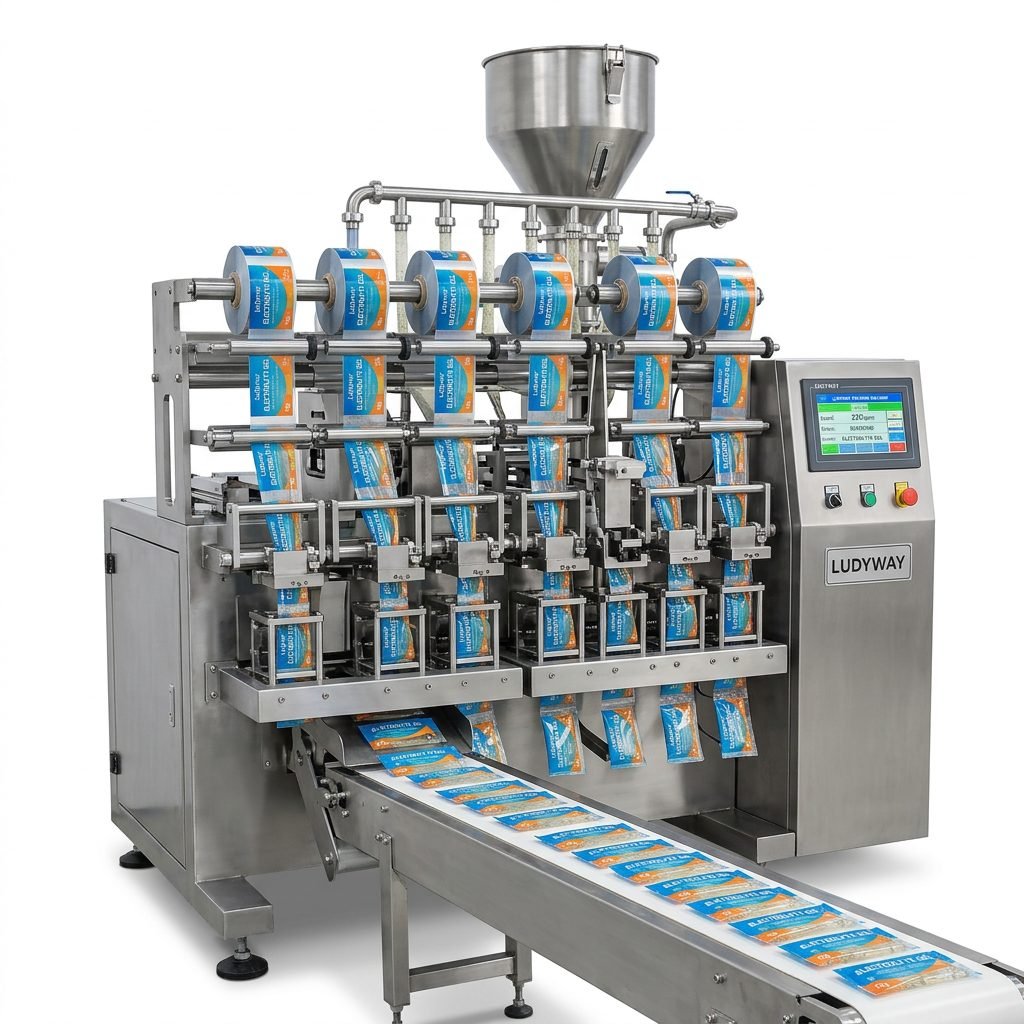
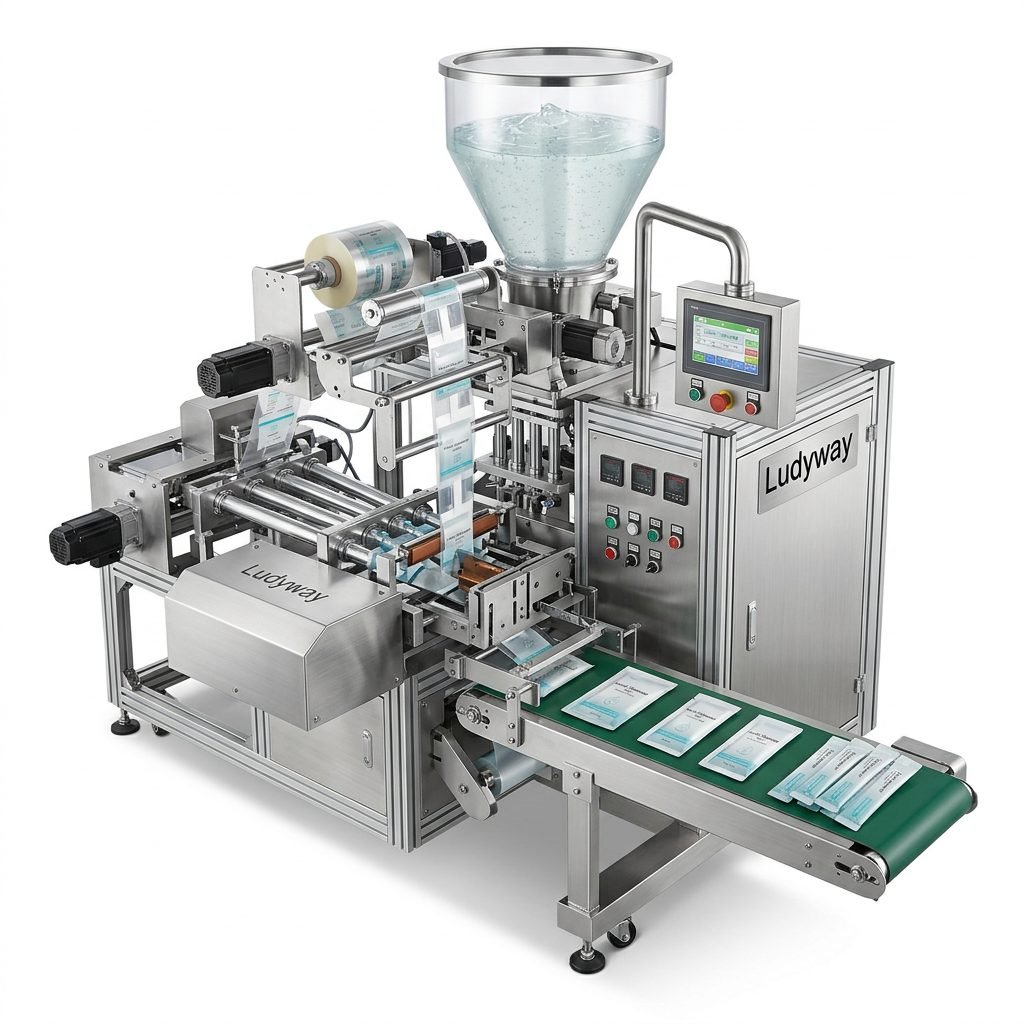
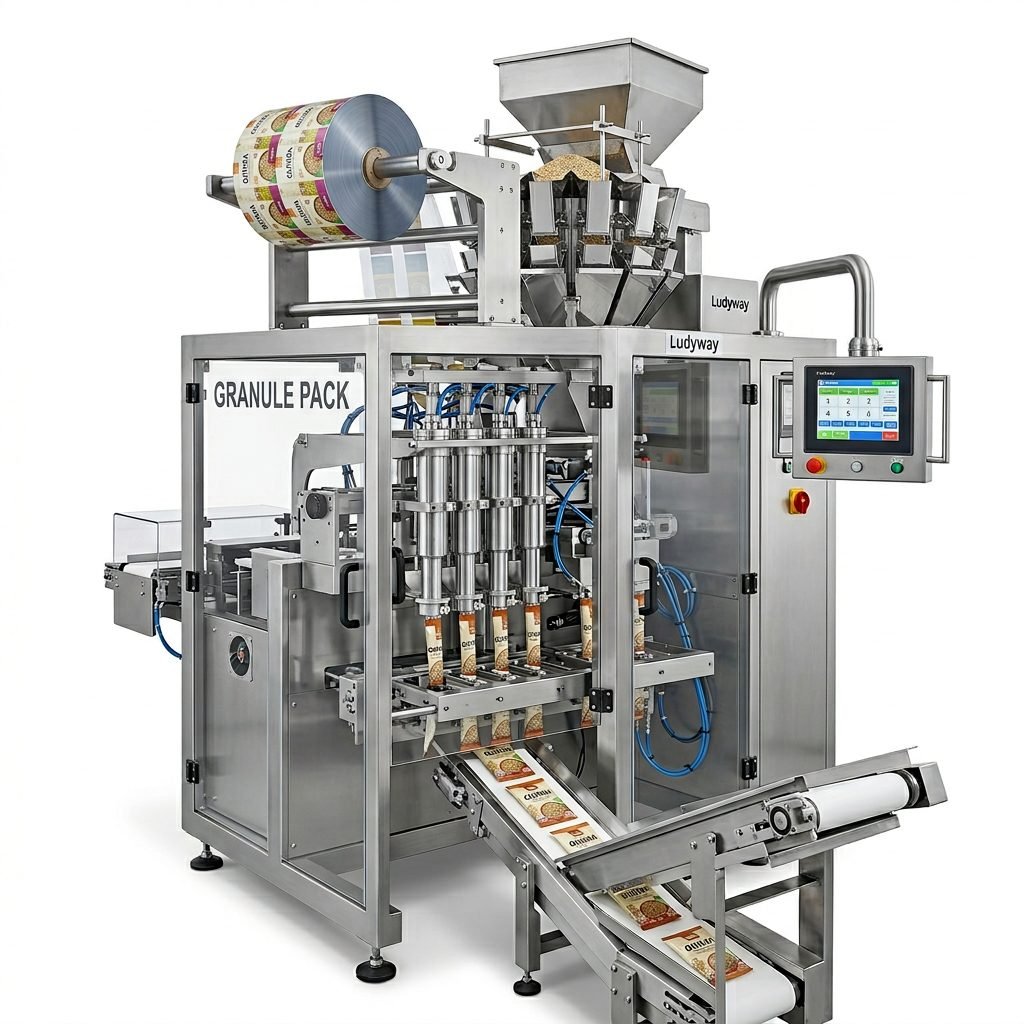
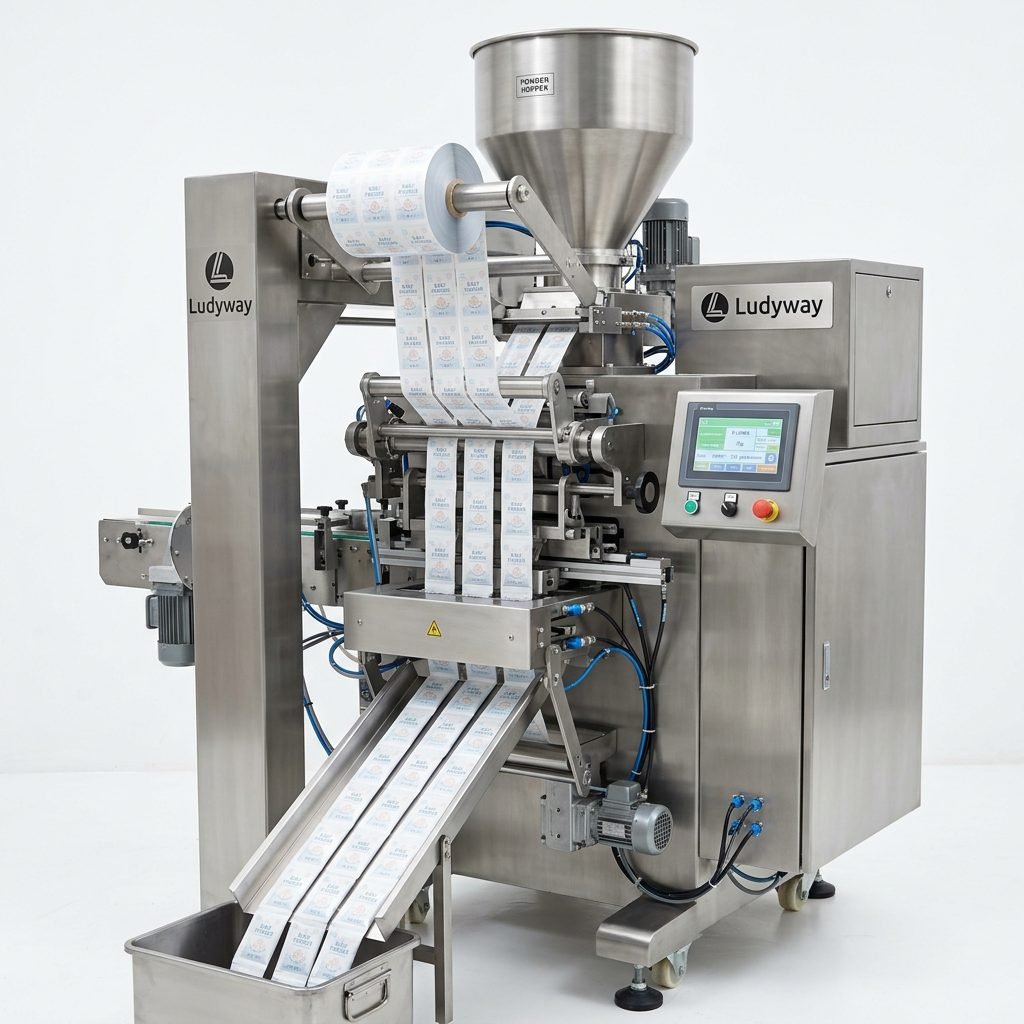
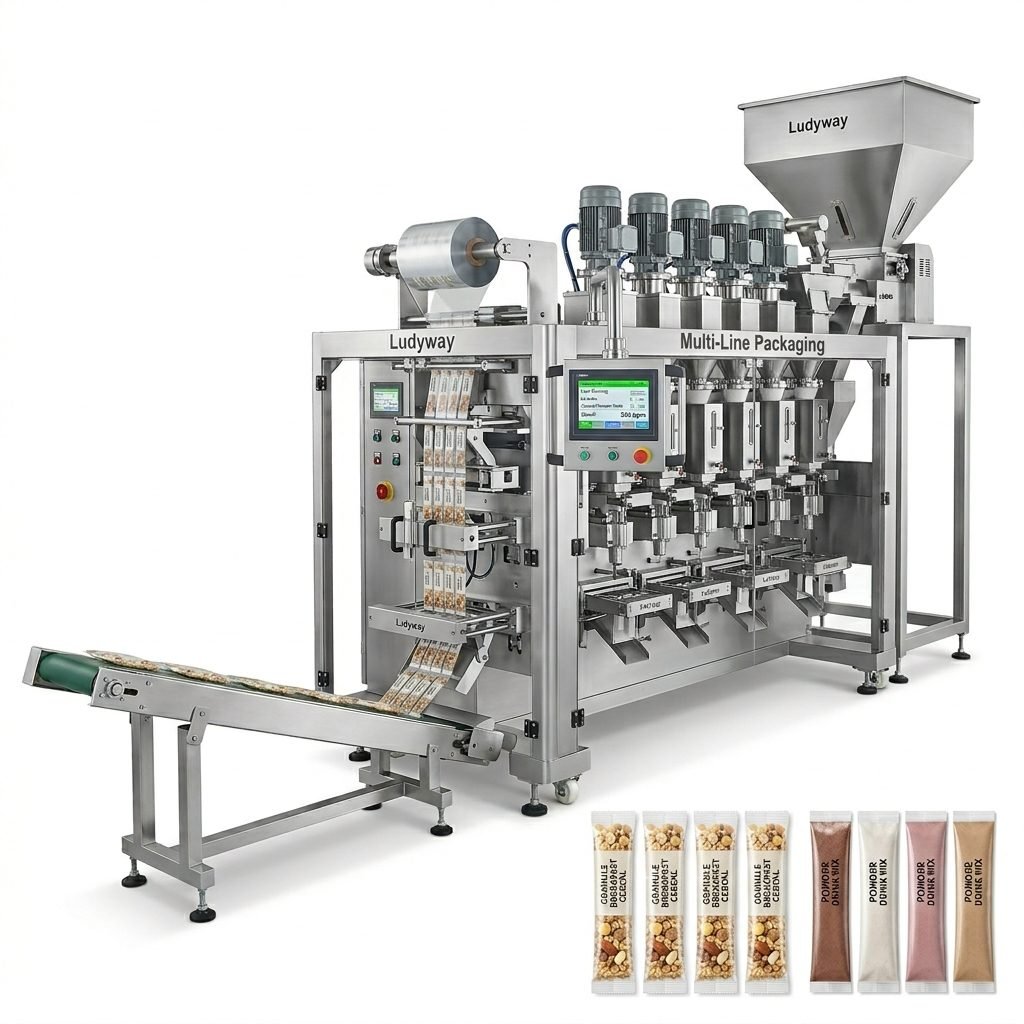
| Multi-Lane Stick Pack Machines | Powdered formula, cereal mixes, single-serve purée powders | High-speed output; precise weight accuracy | $45,000 – $180,000 |
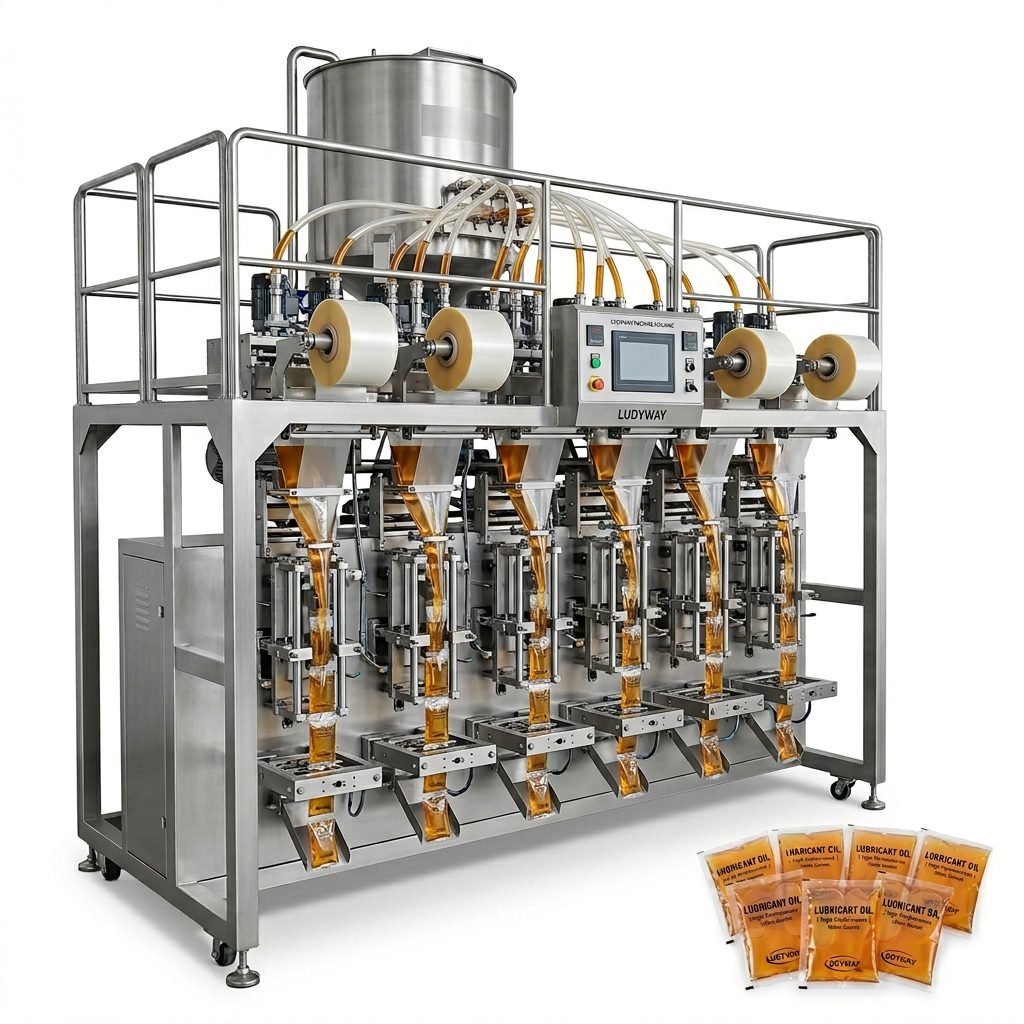
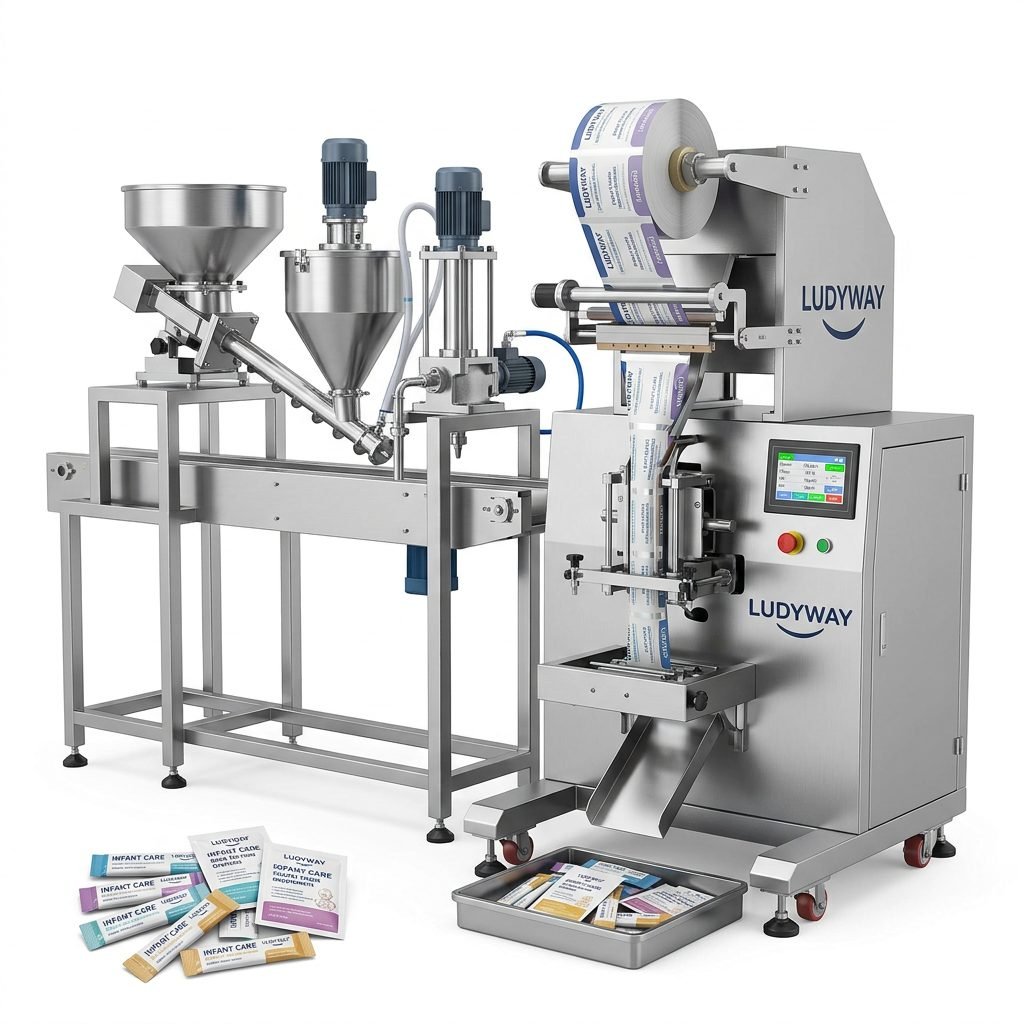
| Pre-Made Pouch Fill & Seal Machines | Fruit purées, yogurt bites, ready-to-eat meals | Versatile spout and zipper options; easy format changeover | $55,000 – $250,000 |
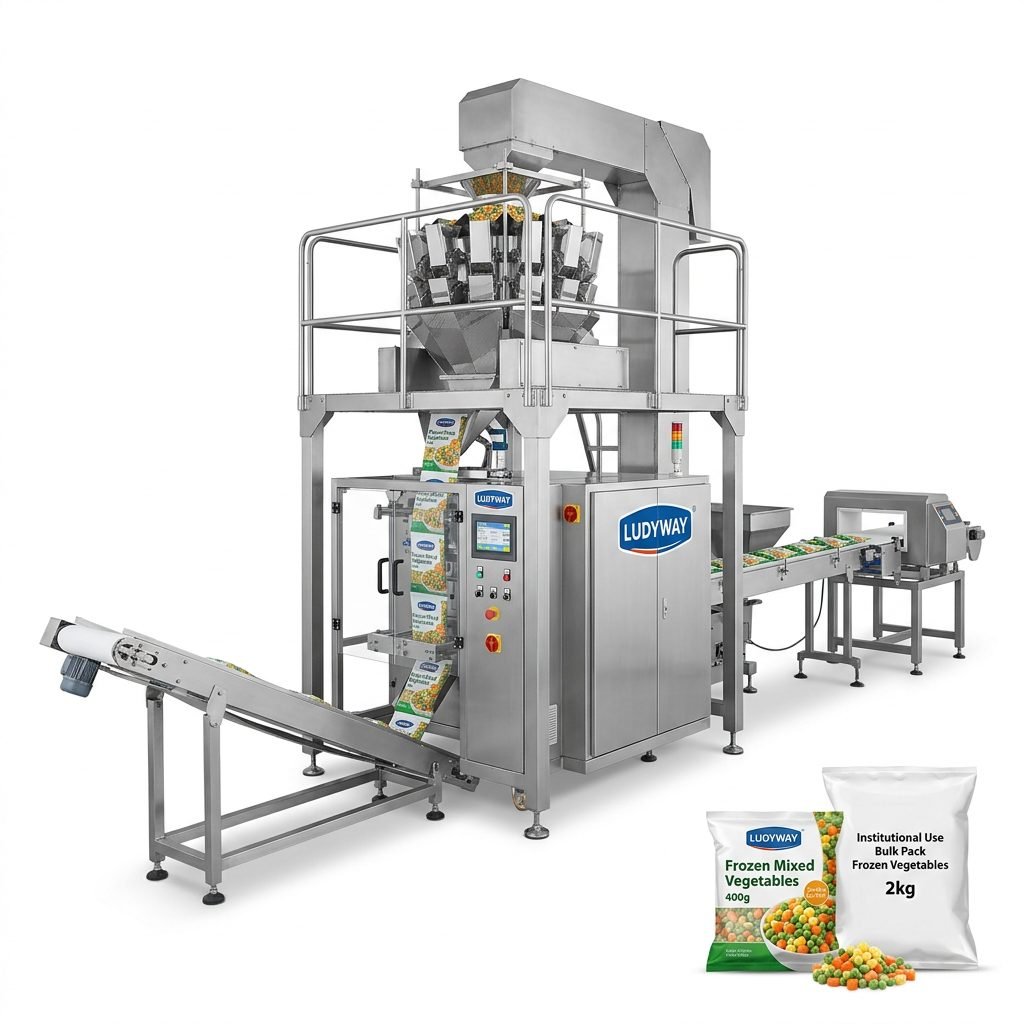
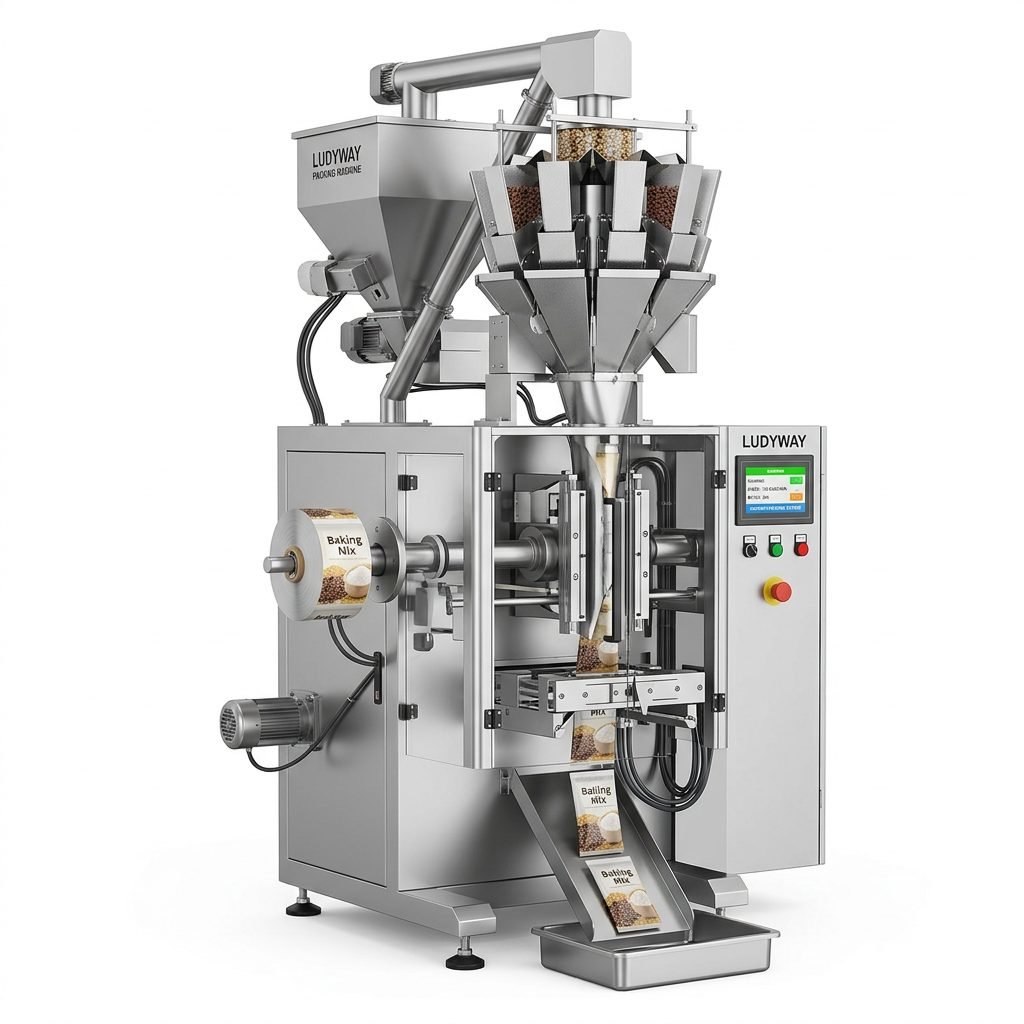
| Vertical Form-Fill-Seal (VFFS) Systems | Bulk powder packaging, snack puffs, teething biscuits | Cost-effective for mid-to-high volumes; wide bag style range | $30,000 – $120,000 |
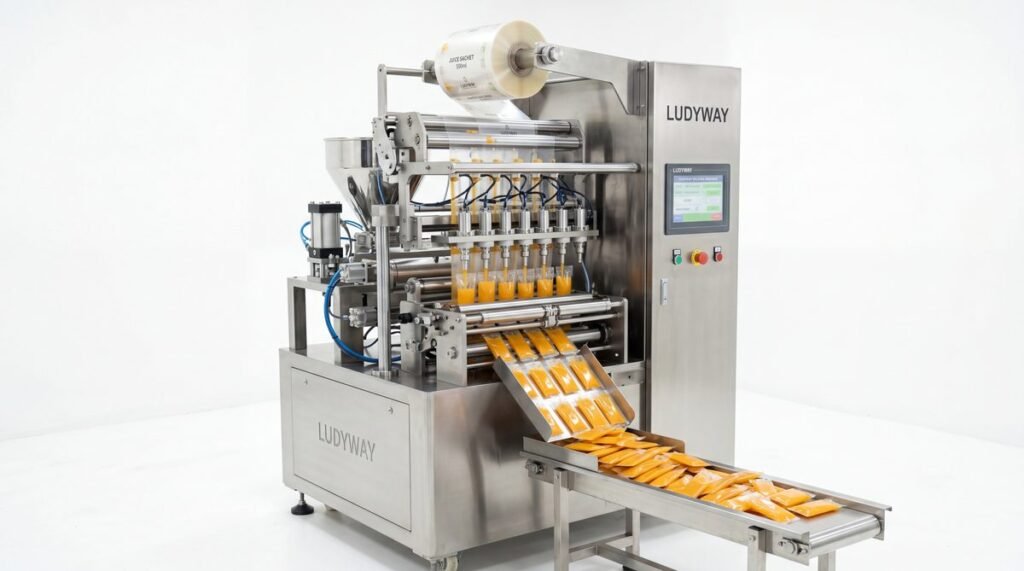
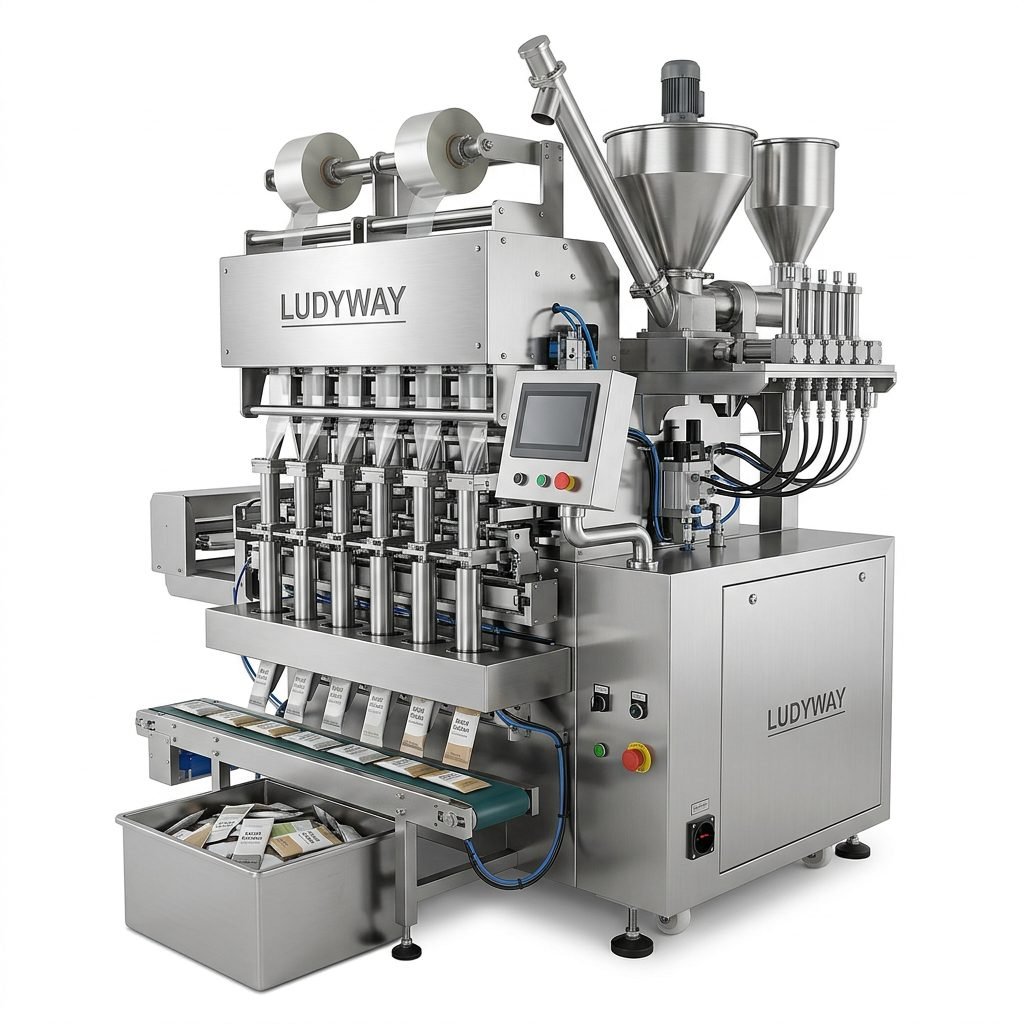
| Multi-Lane Sachet Machines | Sample packs, travel-size formula sachets, supplement powders | Compact footprint; ultra-high throughput per square foot | $40,000 – $160,000 |
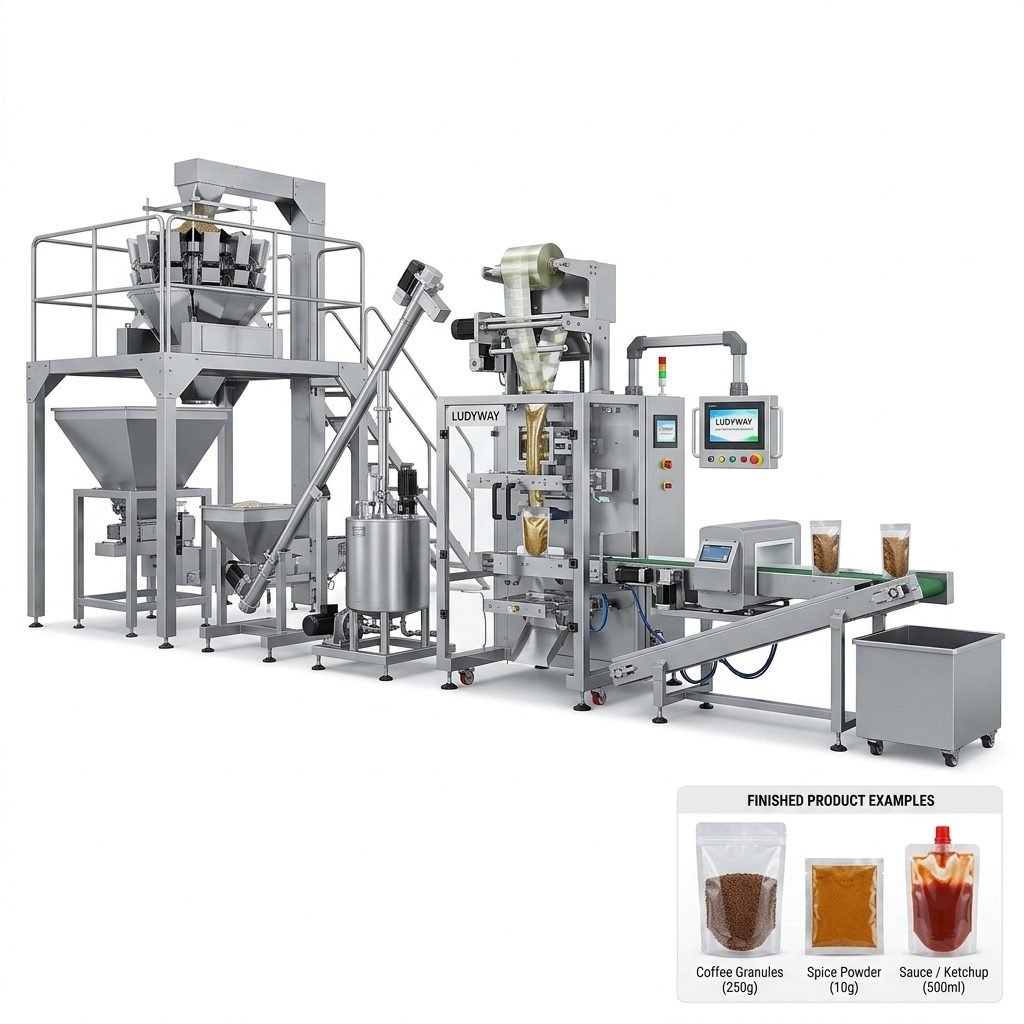
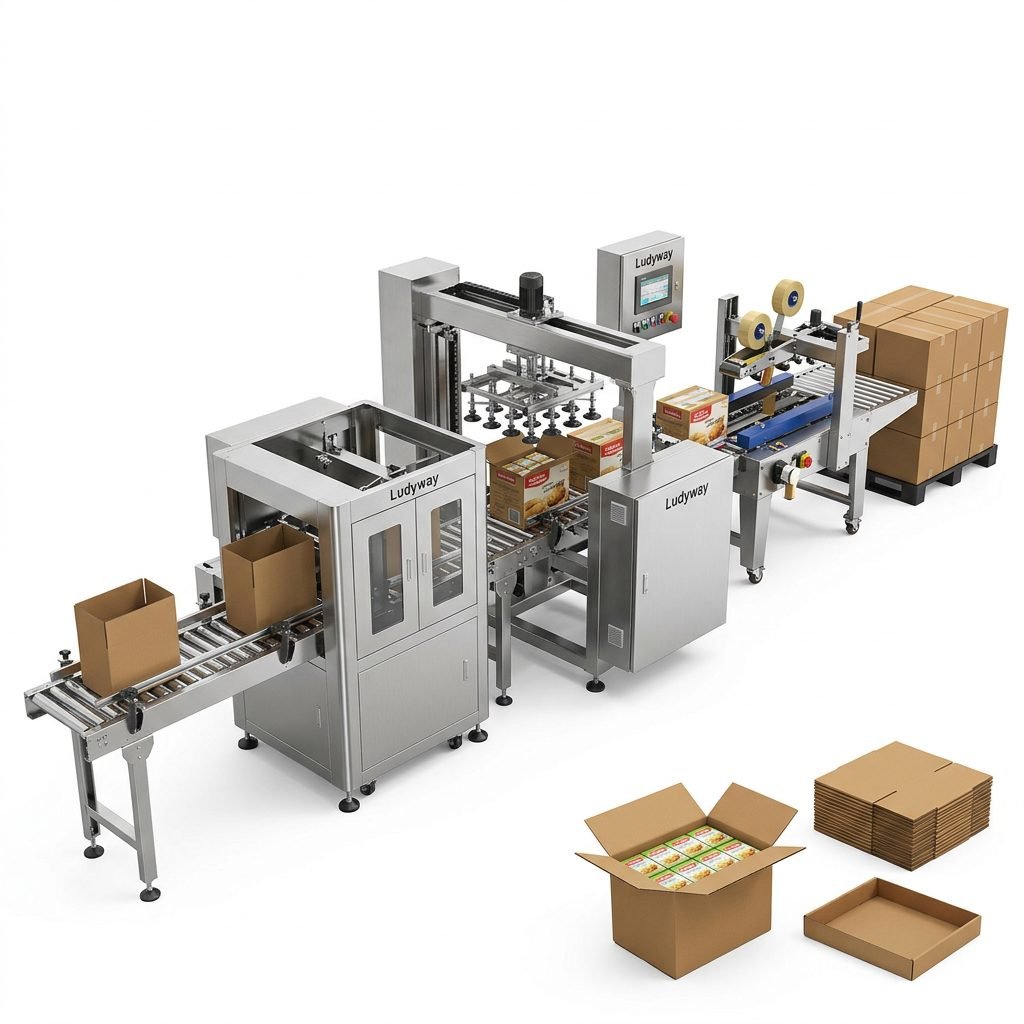
| Automated Turnkey Packaging Lines | Full-scale production with weighing, filling, cartoning, and palletizing | End-to-end automation; reduced labor dependency | $200,000 – $1,500,000+ |
Key Features to Evaluate Before Buying
Not all packaging machines are created equal. When sourcing equipment for the North American baby food sector, prioritize the following features to ensure long-term reliability and regulatory compliance.
1. Sanitary Design and Material Compliance
All product-contact surfaces must be constructed from FDA-approved stainless steel (typically SUS304 or SUS316L). Look for machines with tool-less disassembly for rapid sanitation between batches. The design should minimize crevices where food particles can accumulate, supporting FDA packaging and food contact substance standards.
2. Precision Filling and Weighing Accuracy
Infant nutrition demands exact portion control. Multi-head weighers or auger-based dosing systems should deliver accuracy within ±0.5% to ±1% of target weight. Overfilling erodes margins; underfilling risks regulatory penalties and brand damage.
3. Modified Atmosphere Packaging (MAP) Compatibility
Many baby snacks and powdered products benefit from nitrogen flushing or vacuum sealing to extend shelf life. Ensure your selected machine supports gas flushing with adjustable parameters for different product types and packaging materials.
4. Seal Integrity and Quality Control Systems
Leaking pouches or improperly sealed sachets can lead to product recalls. Advanced machines integrate vision inspection systems, checkweighers, and seal integrity testers that automatically reject non-conforming units. For guidance on packaging validation, refer to ISO 11607 packaging standards.
5. Quick Changeover and Flexibility
North American brands frequently launch seasonal varieties or limited-edition flavors. Machines with servo-driven adjustments and recipe memory reduce downtime during format changes. This flexibility allows you to package multiple SKUs on a single line without extensive re-tooling.
6. Data Integration and Industry 4.0 Readiness
Modern packaging lines should support IoT connectivity for real-time production monitoring, OEE tracking, and remote diagnostics. This is increasingly important for meeting retailer compliance requirements and optimizing overall equipment effectiveness.
Cost Breakdown: What to Expect in the North American Market
The total cost of ownership for a baby food packaging machine extends far beyond the initial purchase price. Understanding the full cost spectrum helps you budget accurately and avoid unexpected expenses.
- Equipment Cost: $30,000 to $1,500,000+ depending on automation level, speed, and configuration.
- Shipping and Import Duties: For equipment sourced internationally, budget 8%–18% of machine value for freight, tariffs, and customs brokerage into the U.S. or Canada.
- Installation and Commissioning: $5,000 to $30,000 for on-site setup, calibration, and operator training.
- Annual Maintenance: Typically 3%–5% of equipment cost annually for spare parts and preventive service.
- Packaging Material: Ongoing film, laminate, or pouch costs — work with suppliers certified under Flexible Packaging Association guidelines.
| Cost Factor | Low-End Estimate | High-End Estimate | Notes |
|---|---|---|---|
| Entry-Level VFFS Machine | $30,000 | $60,000 | Suitable for small batch production |
| Mid-Range Multi-Lane System | $70,000 | $180,000 | Ideal for growing brands |
| Full Turnkey Line with Automation | $250,000 | $1,500,000+ | Includes cartoning, palletizing, QC systems |
| Annual Service Contracts | $3,000 | $25,000 | Varies by machine complexity |
Regulatory Considerations for the U.S. and Canadian Markets
Packaging machinery used for infant food production must facilitate compliance with FSMA (Food Safety Modernization Act) requirements in the U.S. and Safe Food for Canadians Act (SFCA) regulations. Key considerations include traceability support, sanitary conveyance design, and the ability to integrate with batch record-keeping systems. The PMMI Business Intelligence library offers extensive resources on evolving North American packaging regulations.
Selecting the Right Supplier
When evaluating packaging machine manufacturers, consider their experience with food-grade applications, after-sales support availability in North America, and willingness to provide factory acceptance testing (FAT). Request references from companies producing similar baby food products and verify that the supplier can provide timely spare parts and technical assistance. For companies seeking a reliable manufacturing partner, Ludyway — one of the largest packaging machine manufacturers in China with over 30 years of industry experience — offers advanced turnkey solutions trusted by customers in more than 100 countries, supported by a modern 20,000㎡ facility and a comprehensive lineup of over 50 intelligent packaging machine models.
Questions to Ask Potential Vendors
- Do you have existing installations in North America that I can visit or review?
- What is the lead time for manufacturing and delivery?
- Do you offer remote diagnostic support and on-site service in the U.S. or Canada?
- Can the machine handle multiple packaging formats (stick pack, sachet, pouch)?
- What warranty coverage do you provide on critical components?
- Are your machines UL/CSA certified or compliant with North American electrical standards?
Final Thoughts on Your Investment
Purchasing a baby food packaging machine for the North American market is a strategic decision that impacts product quality, brand trust, and operational scalability. Prioritize sanitary design, filling precision, and regulatory compliance above short-term cost savings. By selecting equipment that aligns with both current production needs and future growth ambitions, you position your brand for lasting success in this competitive and highly regulated category. For further industry data, explore the annual PMMI State of the Industry reports and the Flexible Packaging Association knowledge hub.