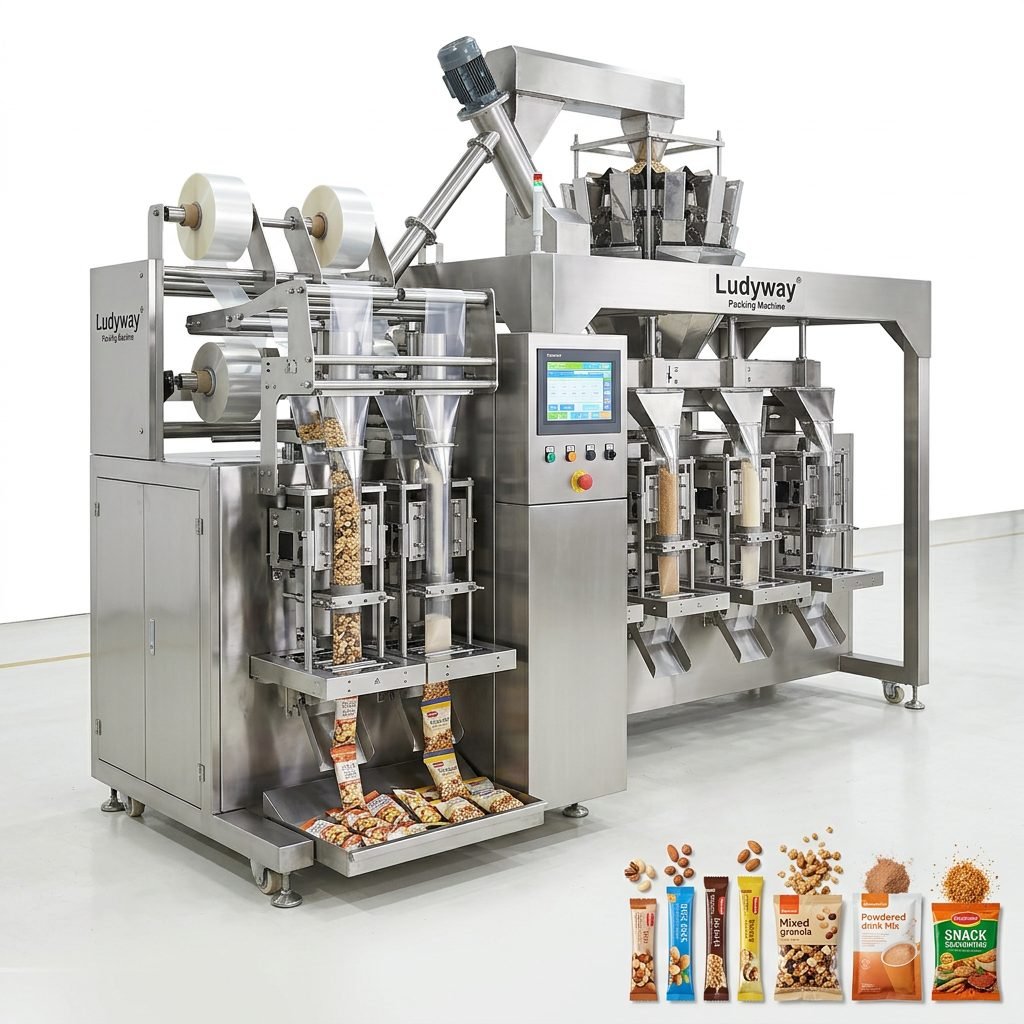
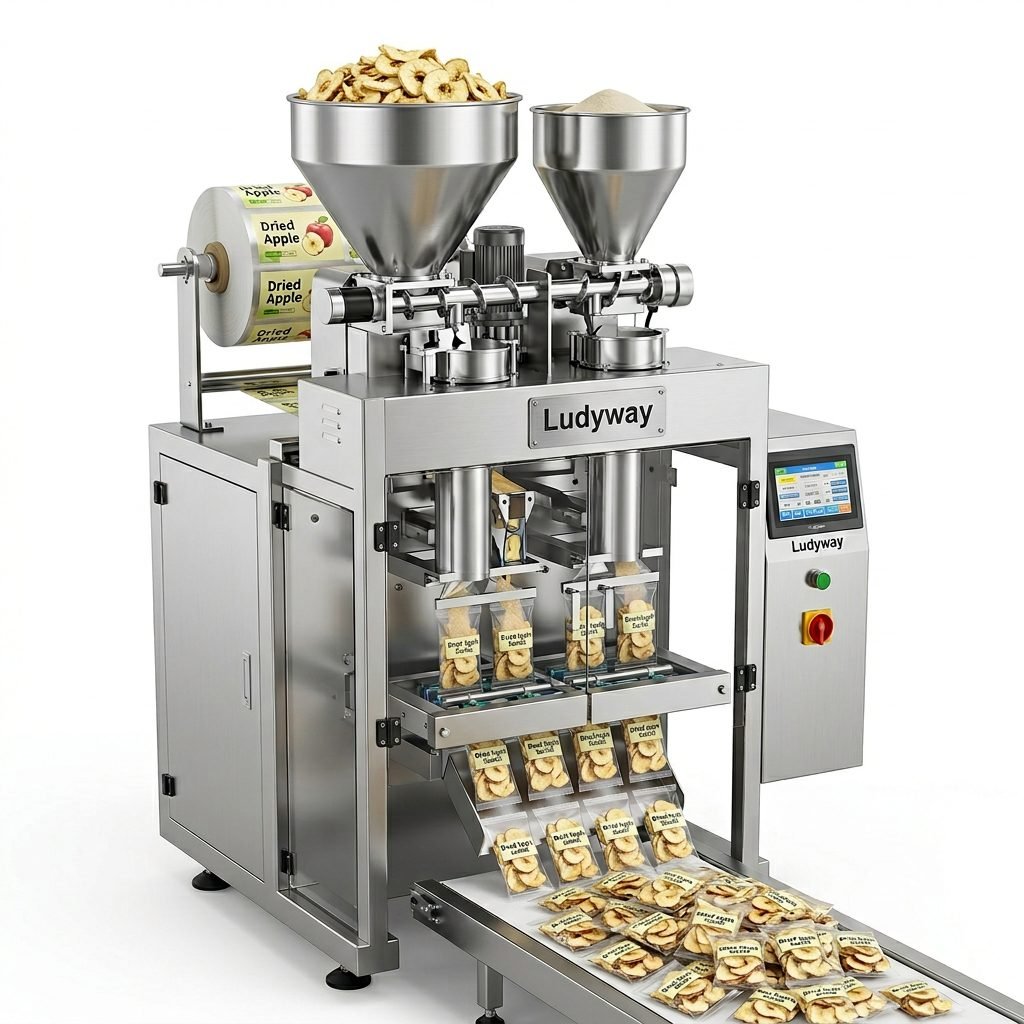
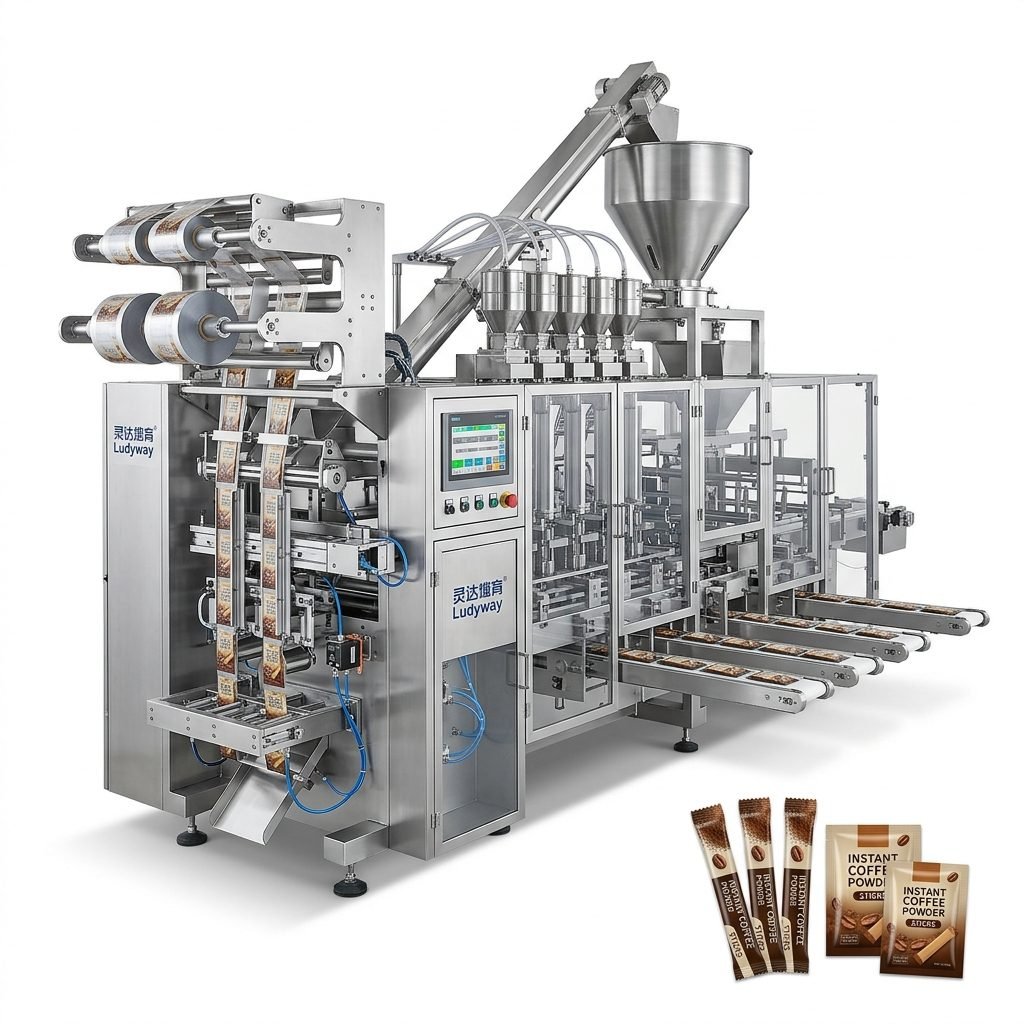
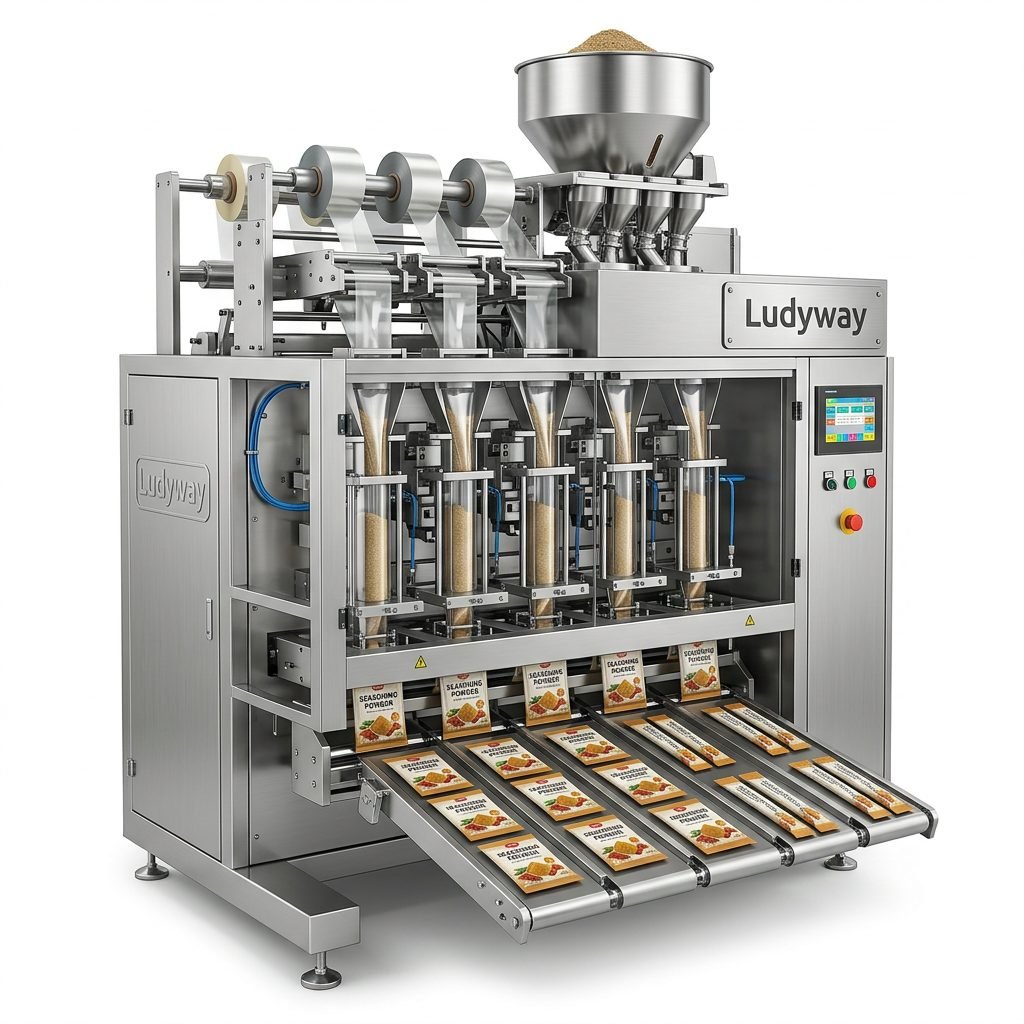
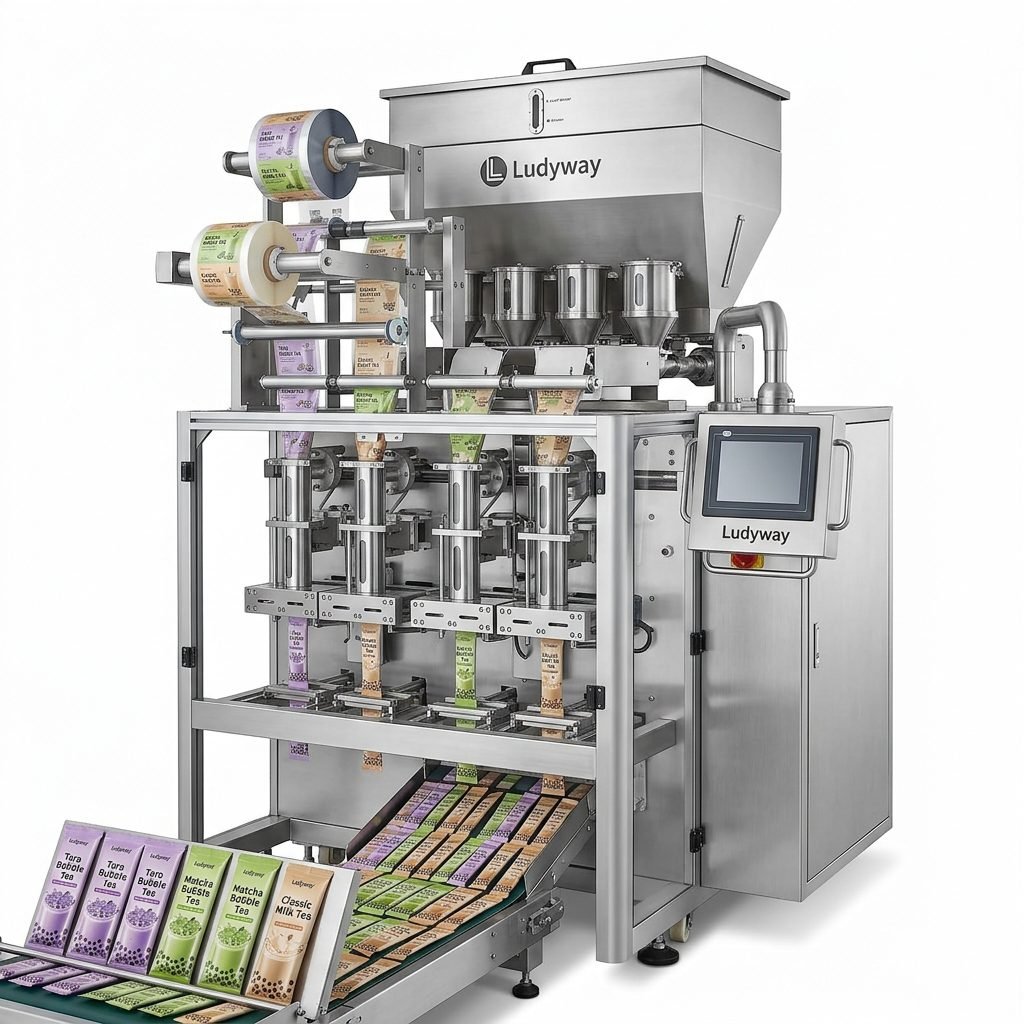
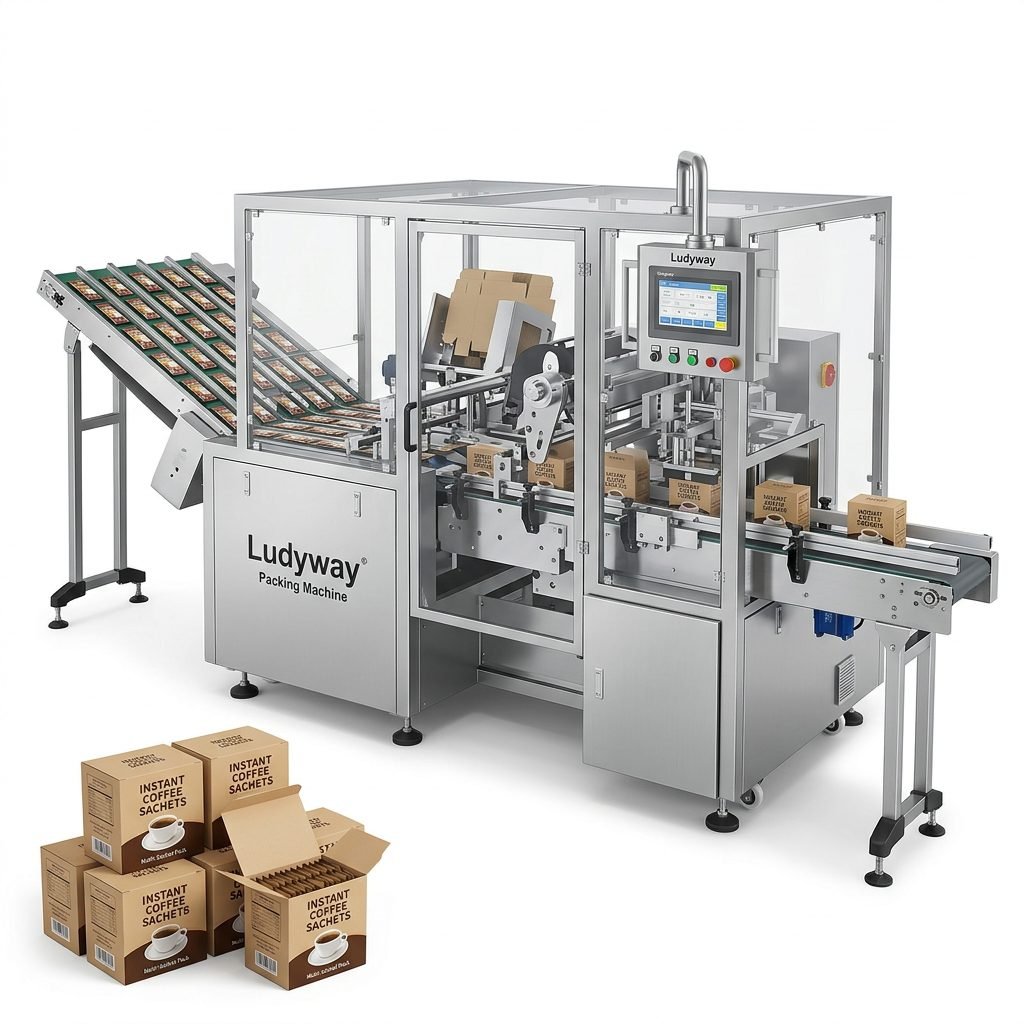
Setting up an animal food packaging machine production line in Europe requires careful planning, adherence to strict regulatory standards, and selection of the right equipment. Whether you are packaging dry kibble, wet food, treats, or feed pellets, the efficiency and compliance of your production line directly impact product quality and market access. This guide walks you through every critical step—from understanding European regulations to optimizing your packaging workflow.
Understanding European Regulations for Animal Food Packaging
Before installing any packaging machinery, manufacturers must familiarize themselves with the European Packaging and Packaging Waste Regulation. This legislation sets strict guidelines on packaging materials, recyclability, and waste reduction. For animal food products, additional requirements apply under EU Regulation (EC) No 183/2005 on feed hygiene, which mandates that packaging processes must prevent contamination and ensure traceability.
Key Regulatory Bodies and Standards
- European Food Safety Authority (EFSA) – Oversees safety standards for materials in contact with animal feed.
- ISO Packaging Standards – ISO 22000 and ISO/TS 22002-4 provide frameworks for food safety management in packaging operations.
- CE Marking – All packaging machinery installed in the EU must carry CE marking, confirming compliance with safety, health, and environmental requirements.
- PMMI Packaging Industry Standards – While US-based, PMMI’s technical resources offer valuable benchmarks for packaging line performance globally.
Key Components of an Animal Food Packaging Production Line
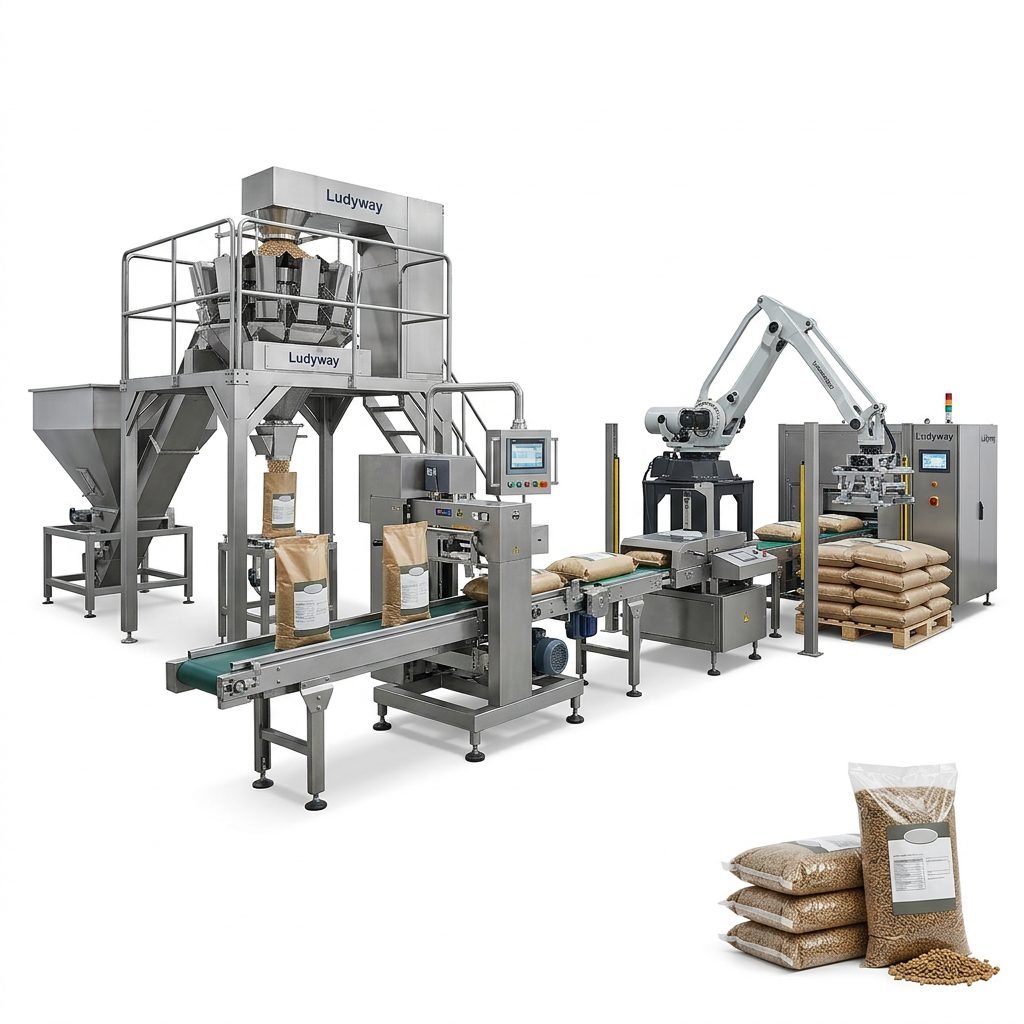
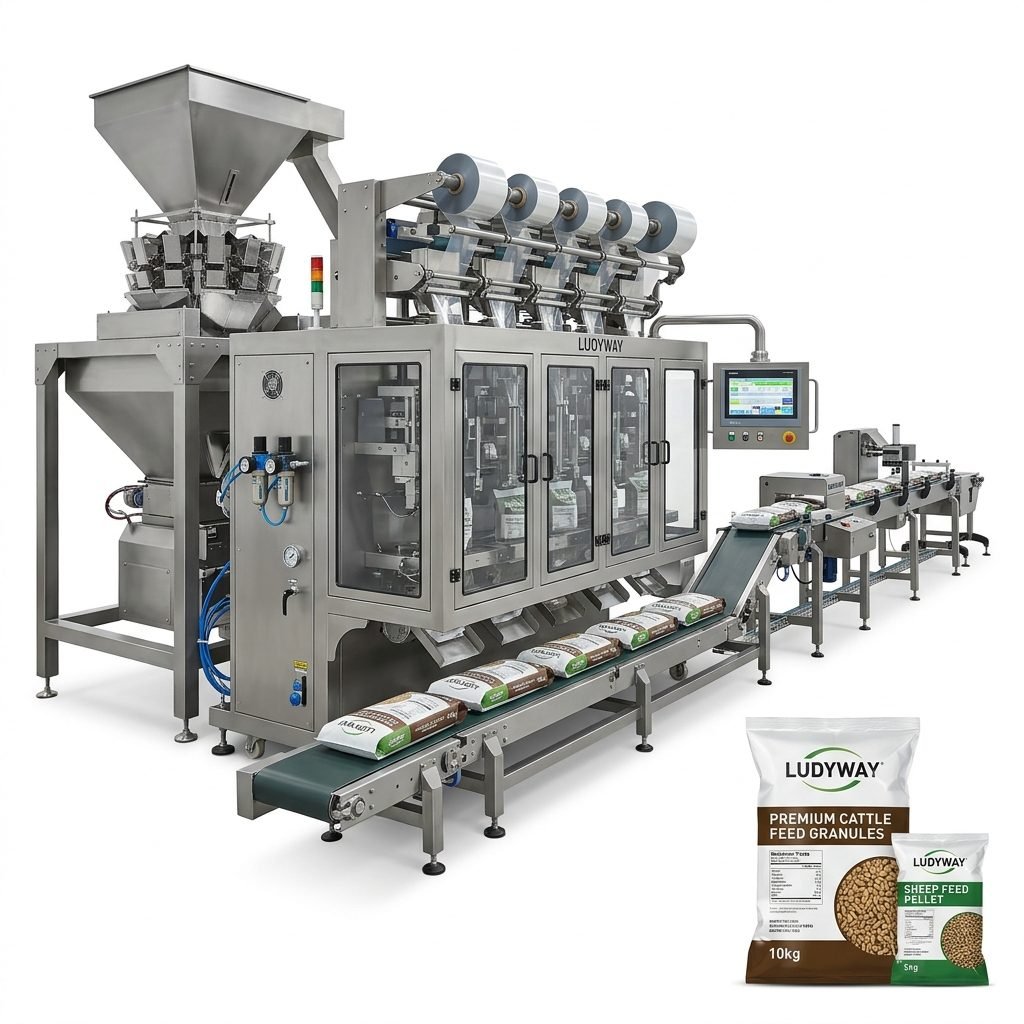
A complete animal food packaging line consists of several interconnected systems. Understanding each component helps in designing a line that meets throughput targets while maintaining product integrity.
| Component | Function | Key Consideration |
|---|---|---|
| Feeding System | Transports raw product into the packaging machine | Must handle varying granule sizes and moisture levels |
| Weighing & Dosing Unit | Ensures precise fill weight per package | Multi-head weighers recommended for high accuracy |
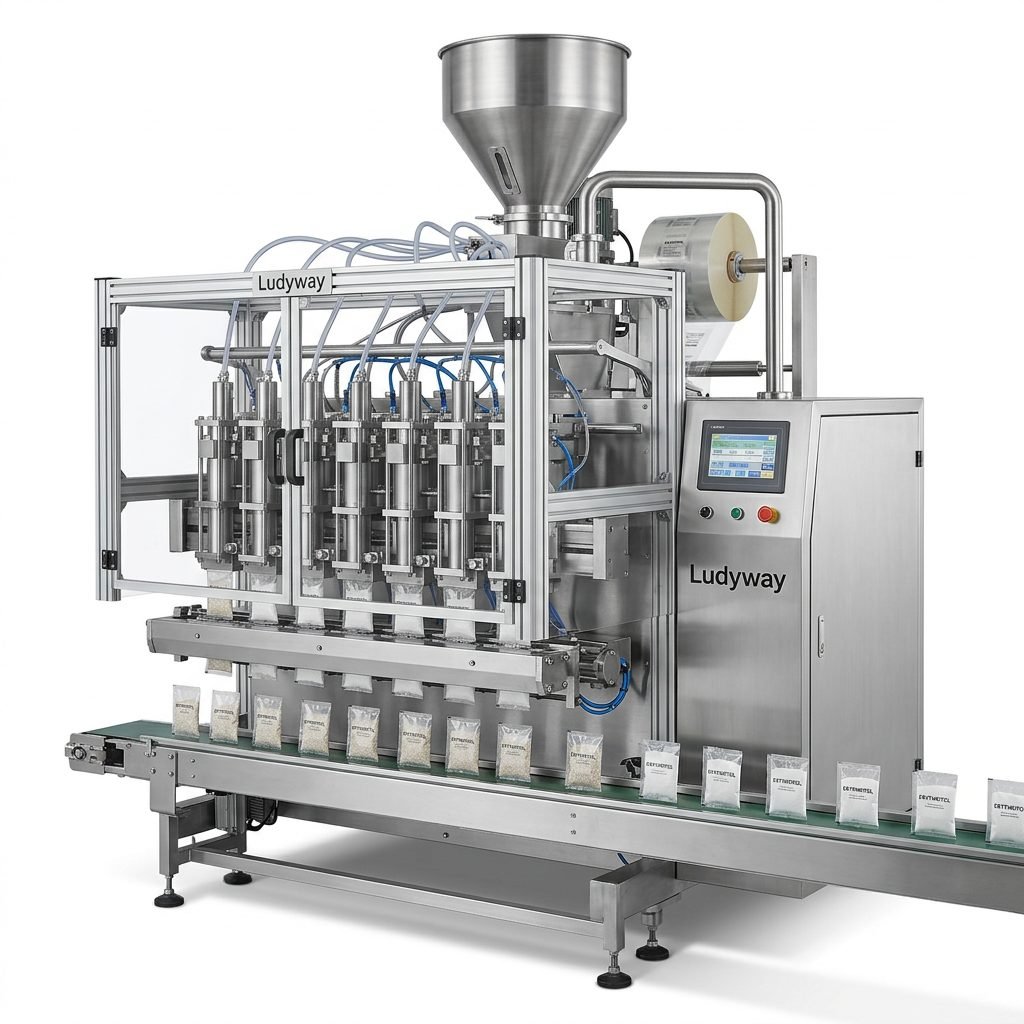
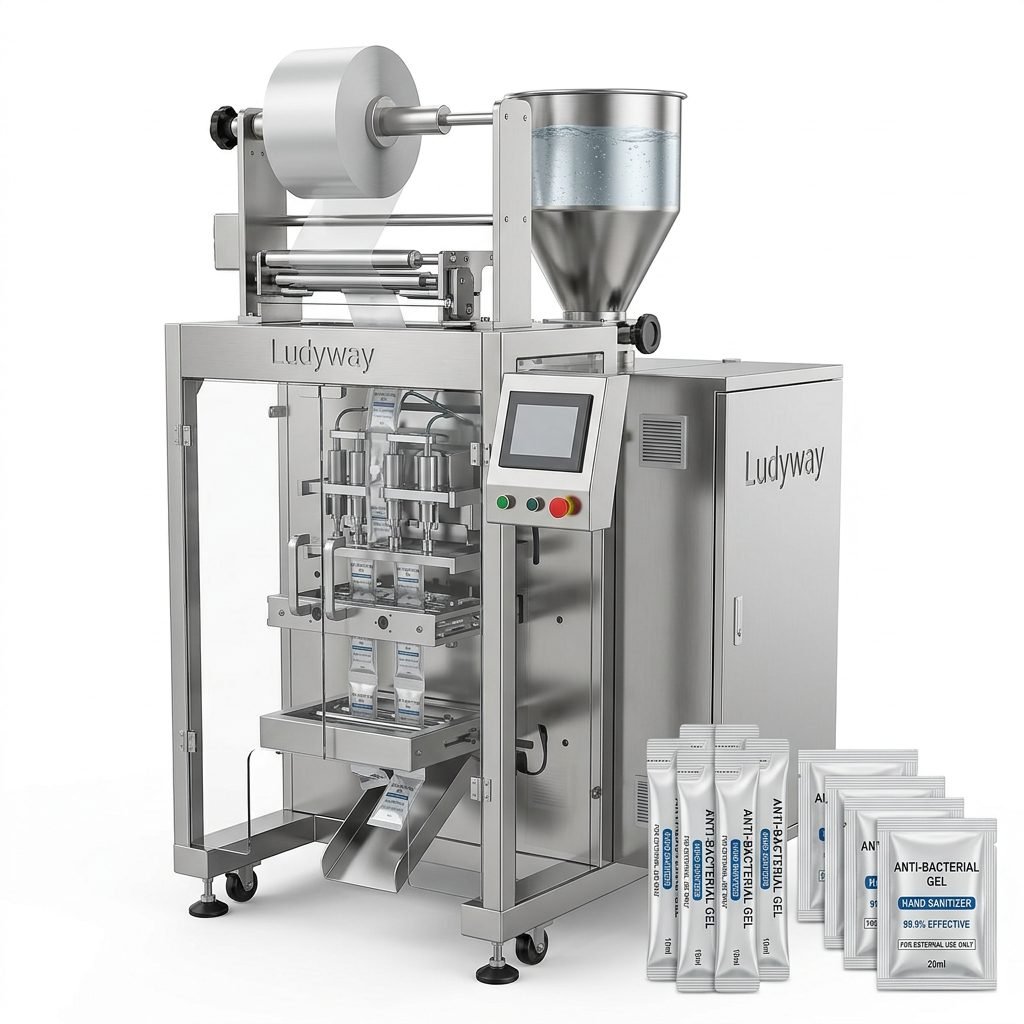
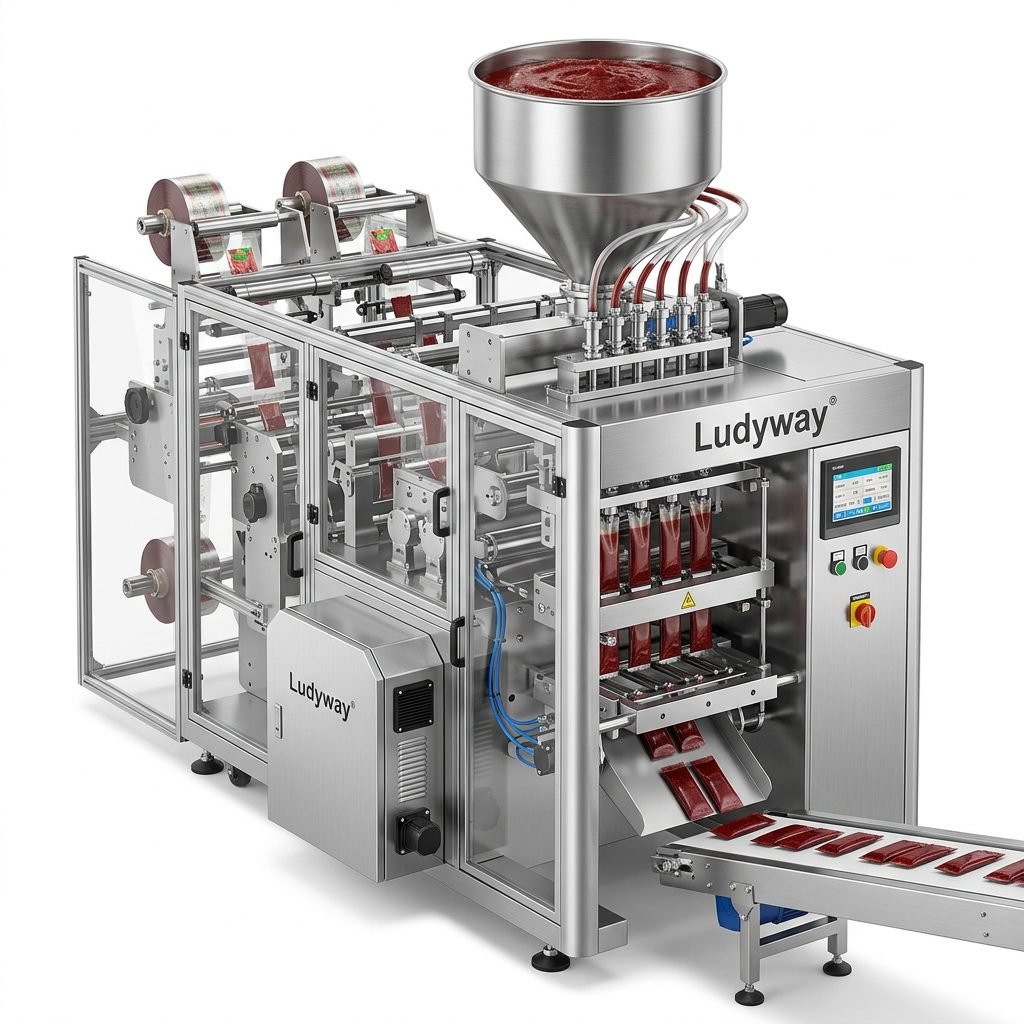
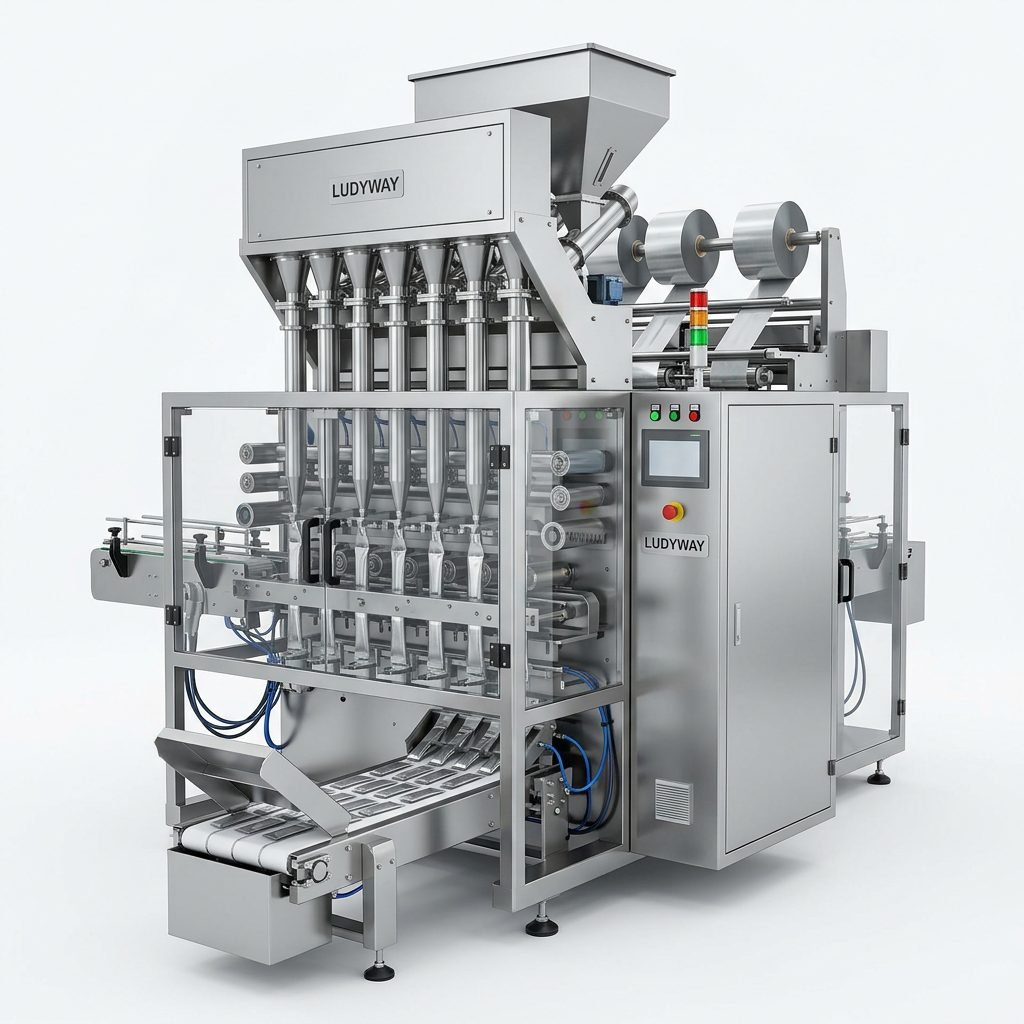
| Form-Fill-Seal Machine | Creates pouches, sachets, or stick packs | Compatibility with flexible packaging materials |
| Inspection System | Detects metal contaminants and seal defects | Essential for feed safety compliance |
| Cartoning & Palletizing | Secondary packaging for distribution | Automation reduces labor costs significantly |
Selecting the Right Packaging Equipment
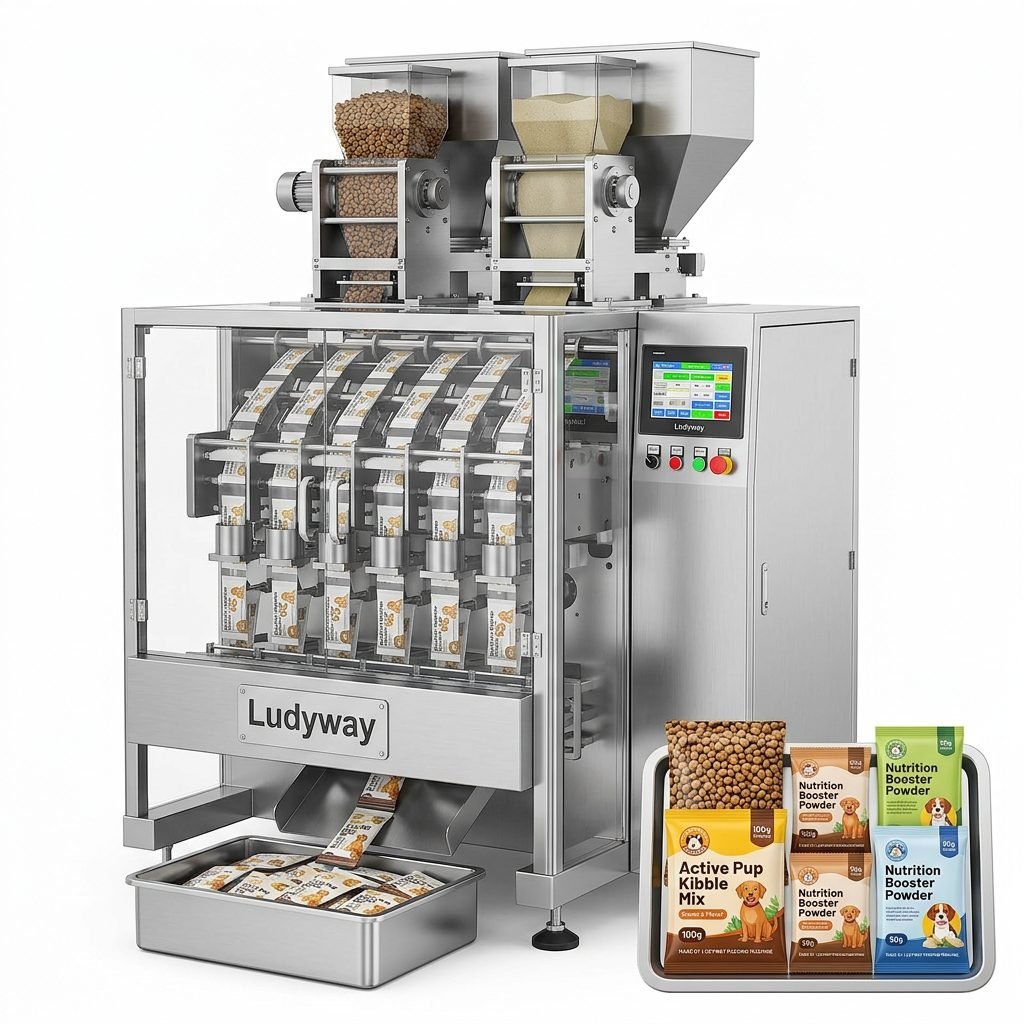
Choosing the correct machinery depends on your product type, production volume, and target market. Dry kibble requires different handling compared to semi-moist treats or powdered feed supplements. Multi-lane stick pack and sachet machines have gained popularity in Europe due to their high-speed capabilities and portion-control accuracy.
Machine Types for Different Animal Food Products
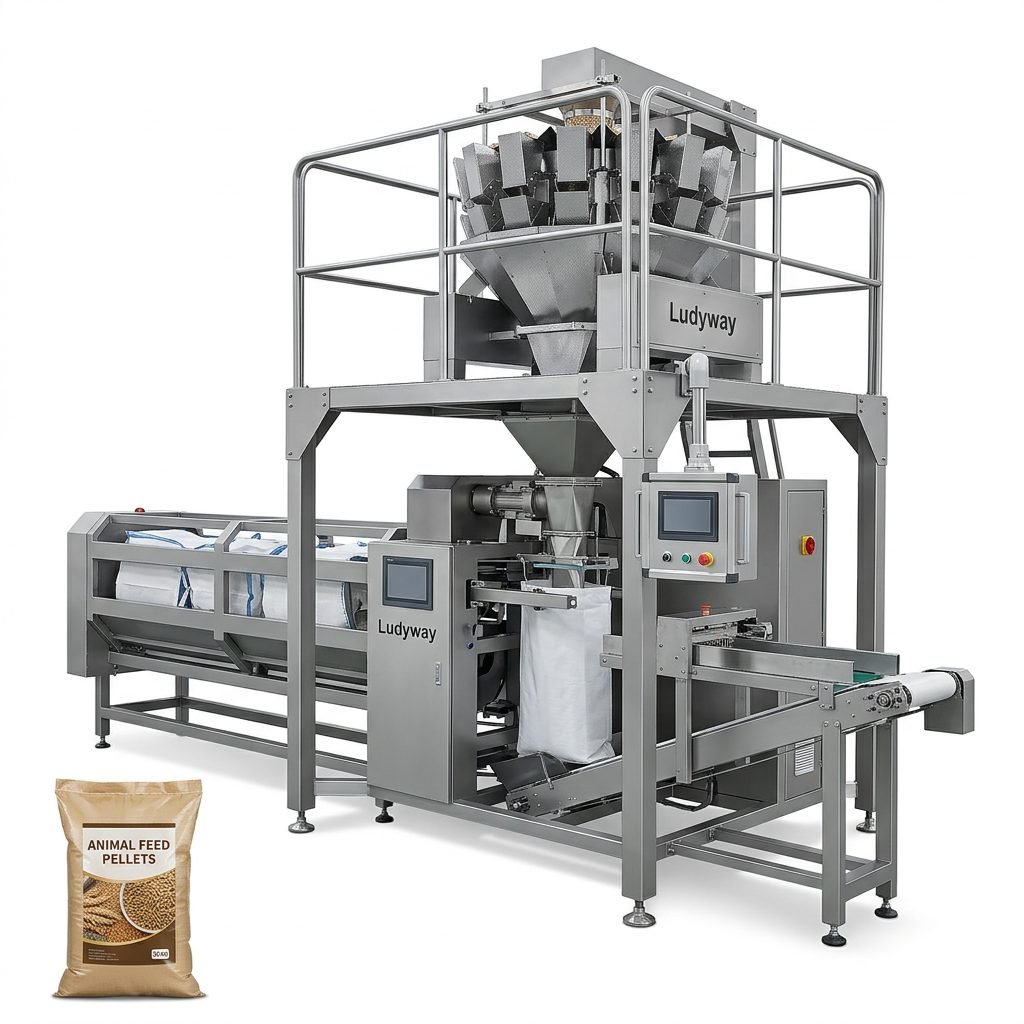
- Dry Kibble & Pellets: Vertical form-fill-seal (VFFS) machines with multi-head weighers for bulk packaging.
- Wet Food & Pouches: Rotary or inline fill-seal machines designed for retort pouches.
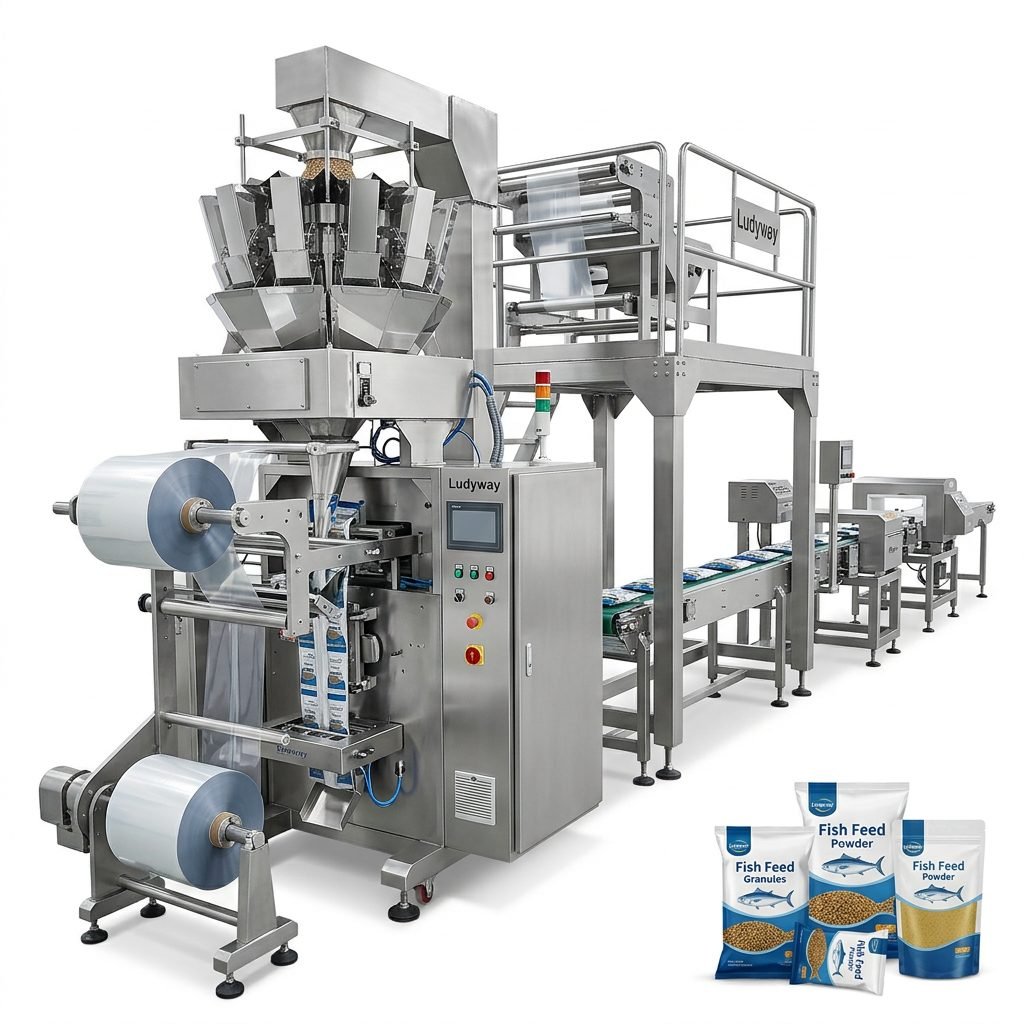
- Powdered Supplements: Multi-lane sachet machines with auger fillers for precise dosing.
- Treats & Snacks: Stick pack machines capable of handling irregular shapes and varied textures.
For manufacturers seeking turnkey packaging solutions, Ludyway offers integrated production lines that combine feeding, weighing, filling, sealing, and cartoning into a single automated system, serving customers across Europe with CE-compliant equipment backed by over 30 years of industry expertise.
Production Line Layout and Workflow Optimization
An optimized production layout minimizes material handling, reduces contamination risks, and improves overall equipment effectiveness (OEE). European facilities often face space constraints, making compact, modular designs preferable.
Best Practices for Line Design
- Linear Flow Configuration: Product moves in one direction from raw material intake to finished pallet, reducing cross-contamination.
- Zoned Segregation: Separate dry and wet processing areas to maintain hygiene standards.
- Vertical Integration: Use mezzanine levels for feeding systems to save floor space.
- Buffer Zones: Incorporate accumulation tables between machines to handle speed differentials.
Installation and Commissioning in Europe
Installing an animal food packaging line in Europe involves more than just placing equipment on the factory floor. Site preparation, utility connections, and operator training are critical phases that determine how quickly the line reaches full production capacity.
Site Readiness Checklist
- Verify floor load capacity for heavy machinery and vibration isolation.
- Ensure compressed air and electrical supplies meet equipment specifications.
- Install dust extraction systems for powder and granule handling areas.
- Arrange for CE certification inspection by a notified body if required.
- Schedule operator training sessions with equipment manufacturer.
Compliance and Quality Control
Maintaining consistent product quality requires robust quality control checkpoints throughout the packaging line. European feed safety regulations mandate traceable documentation of every production batch.
| Quality Checkpoint | Method | Frequency |
|---|---|---|
| Fill Weight Verification | In-line checkweigher | Continuous, 100% inspection |
| Metal Detection | Industrial metal detector with reject system | Continuous, 100% inspection |
| Seal Integrity | Visual inspection and burst testing | Hourly sampling |
| Batch Traceability | Laser or inkjet coding with database logging | Every batch |
Maintenance and After-Sales Support
A preventive maintenance schedule is essential for keeping an animal food packaging line running efficiently. Downtime in feed production can disrupt the entire supply chain, making reliable after-sales support a critical factor when selecting equipment.
Maintenance Best Practices
- Daily: Clean product contact surfaces and inspect sealing jaws.
- Weekly: Lubricate moving parts and check belt tensions.
- Monthly: Calibrate weighing and dosing systems.
- Quarterly: Comprehensive inspection of electrical and pneumatic systems.
- Annually: Full overhaul of critical wear components and software updates.
Cost Considerations and ROI
Investing in an animal food packaging production line involves balancing initial capital expenditure with long-term operational efficiency. European manufacturers typically evaluate costs across several dimensions.
Total Cost of Ownership Factors
- Equipment Purchase: Multi-lane systems offer higher throughput but at greater upfront cost.
- Installation & Commissioning: Budget 10-15% of equipment cost for site preparation and setup.
- Training: Comprehensive operator training reduces startup waste and accelerates ramp-up.
- Energy Consumption: Energy-efficient servo-driven machines reduce ongoing operational costs.
- Spare Parts: Maintain a strategic inventory of critical wear parts to minimize downtime.
A well-designed packaging line typically achieves return on investment within 18-36 months, driven by increased throughput, reduced labor costs, and minimized product giveaway through precise dosing.
Future Trends in Animal Food Packaging
The European animal food packaging industry is evolving toward sustainability, automation, and digital integration. Key trends shaping future production lines include recyclable mono-material packaging, IoT-enabled predictive maintenance, and robotic palletizing systems that reduce manual handling. Early adopters of these technologies position themselves competitively in the European market while meeting increasingly stringent environmental regulations.
For detailed guidance on packaging industry market data and trends, consulting authoritative resources helps ensure your production line investment aligns with current and future market demands.