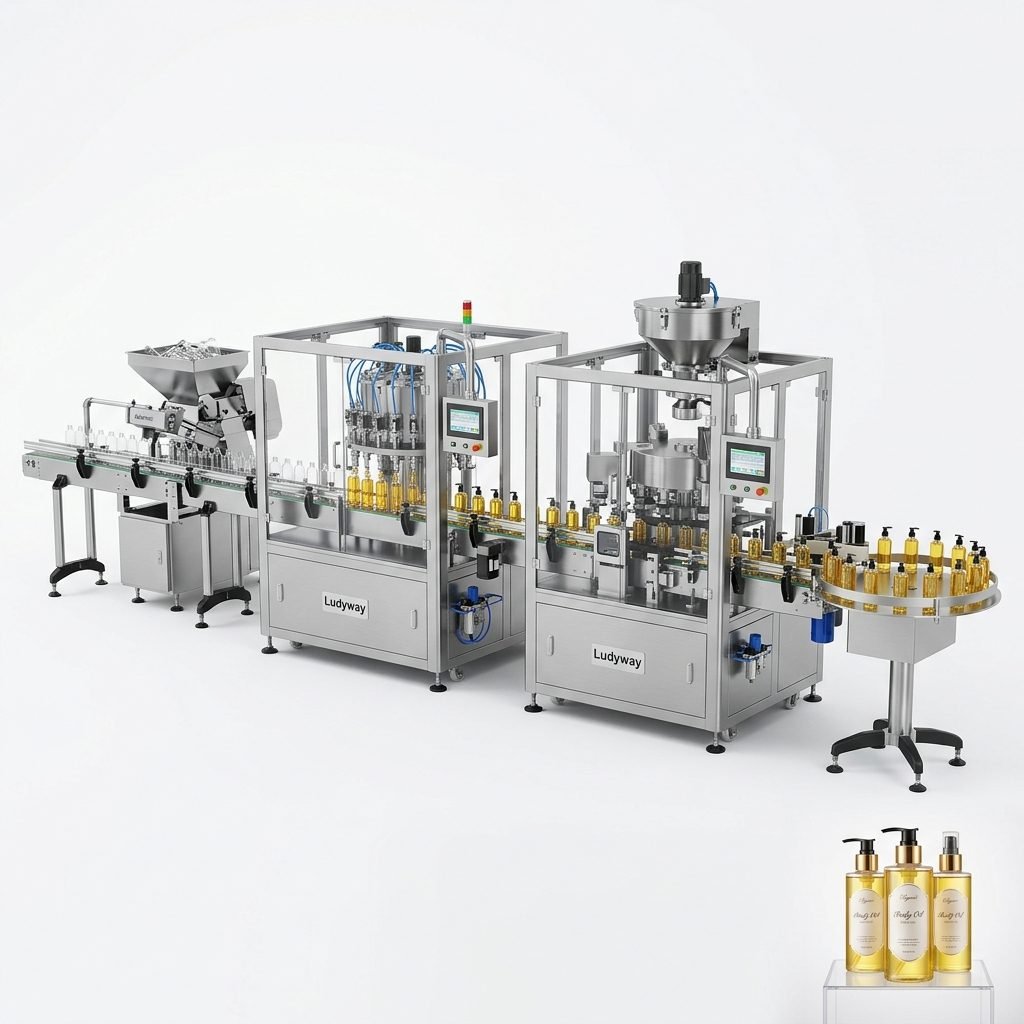
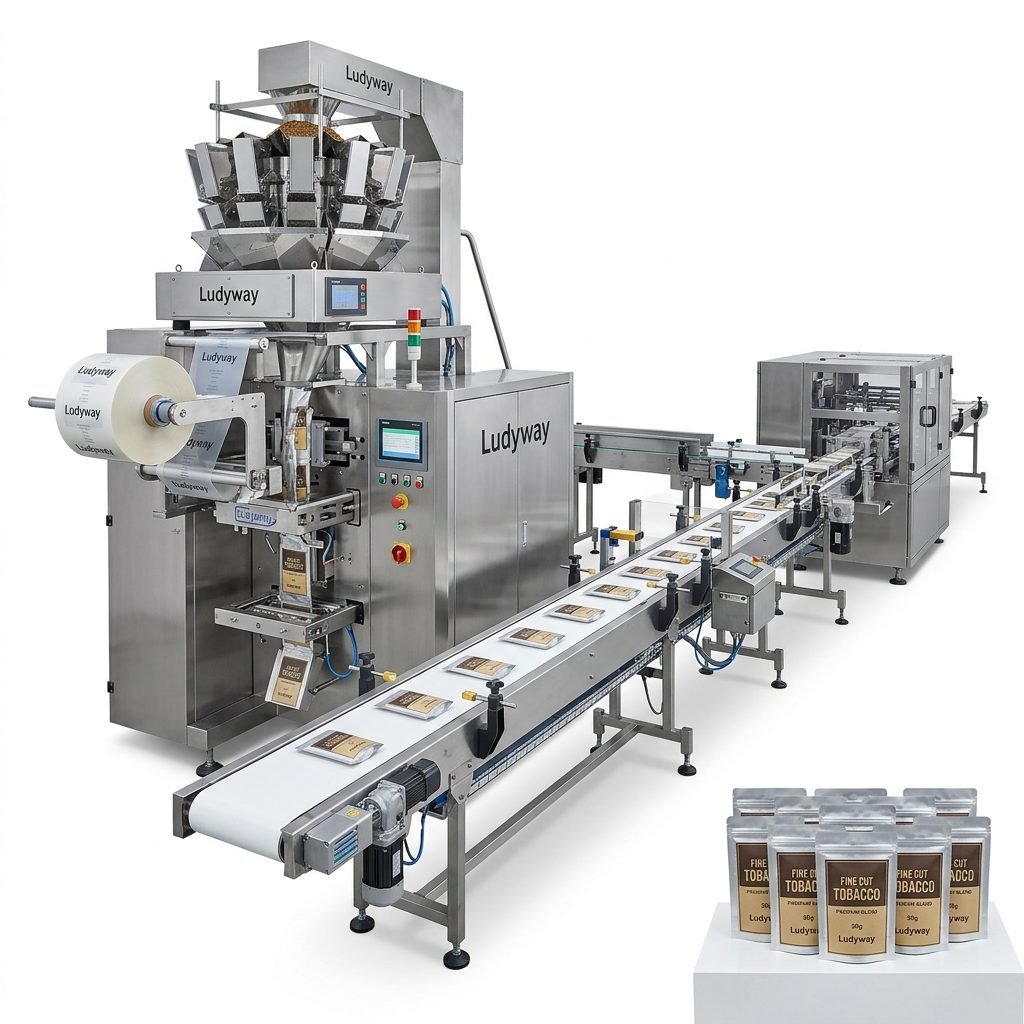
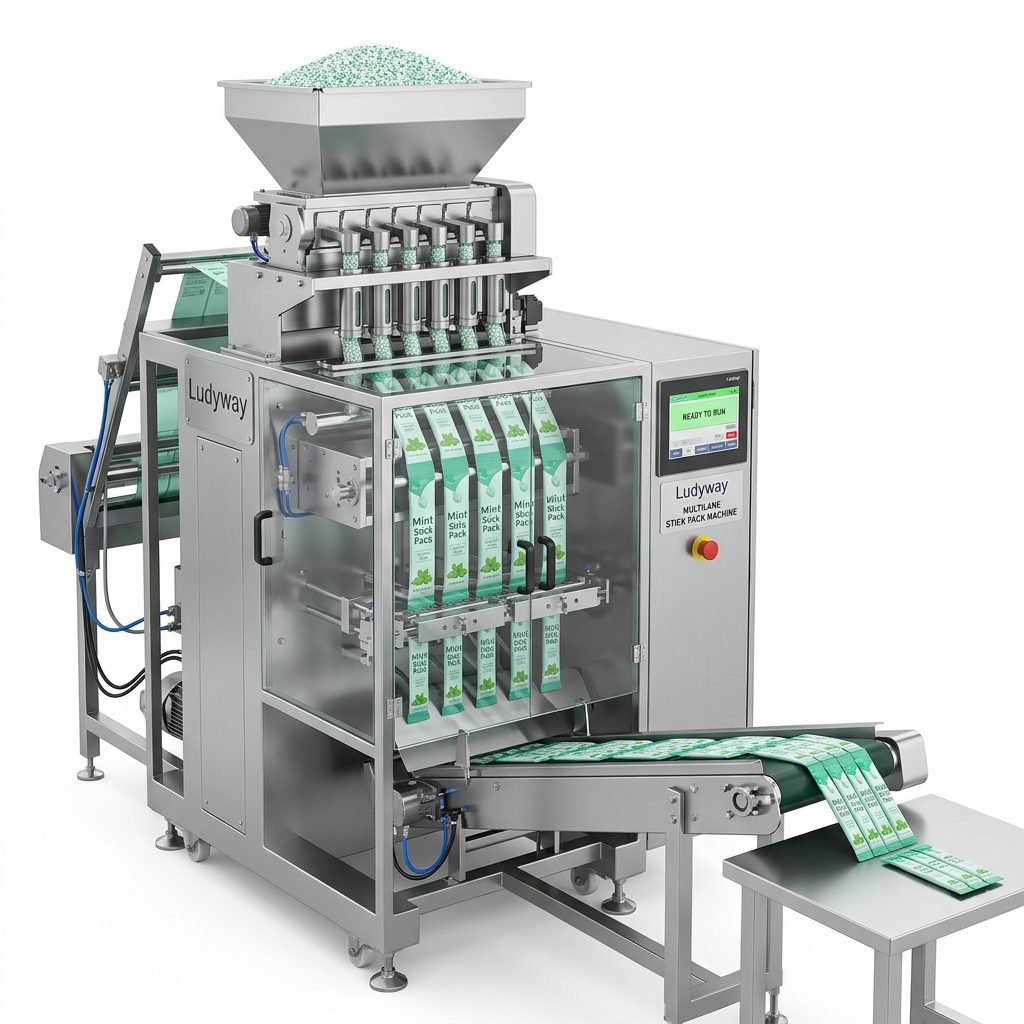
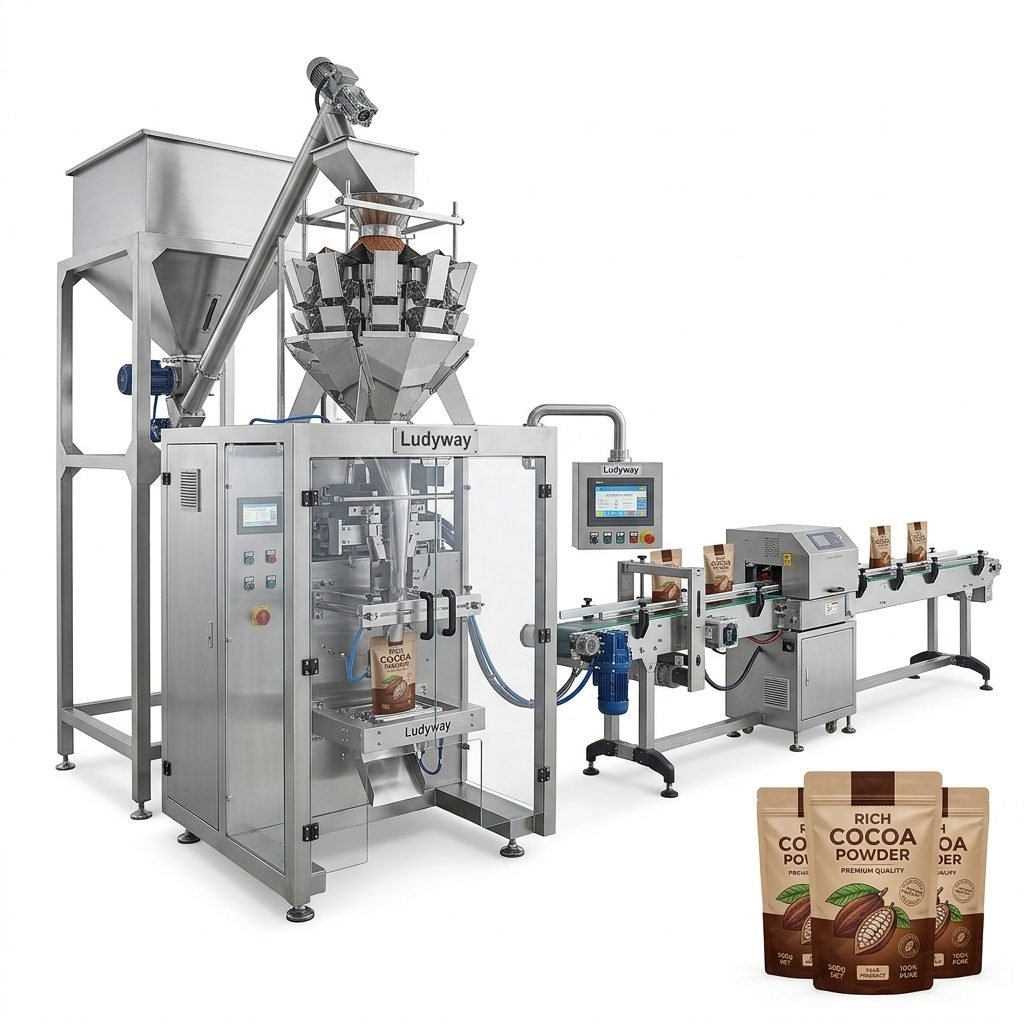
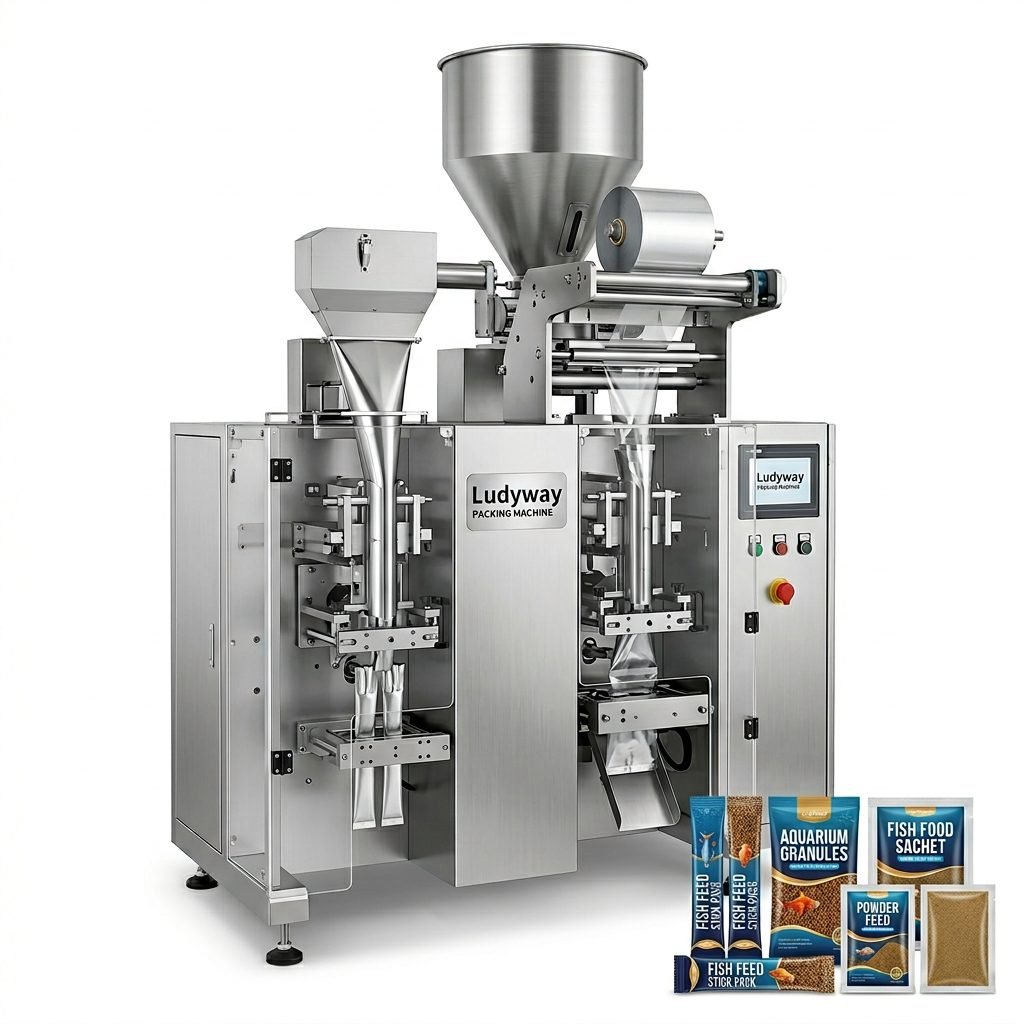
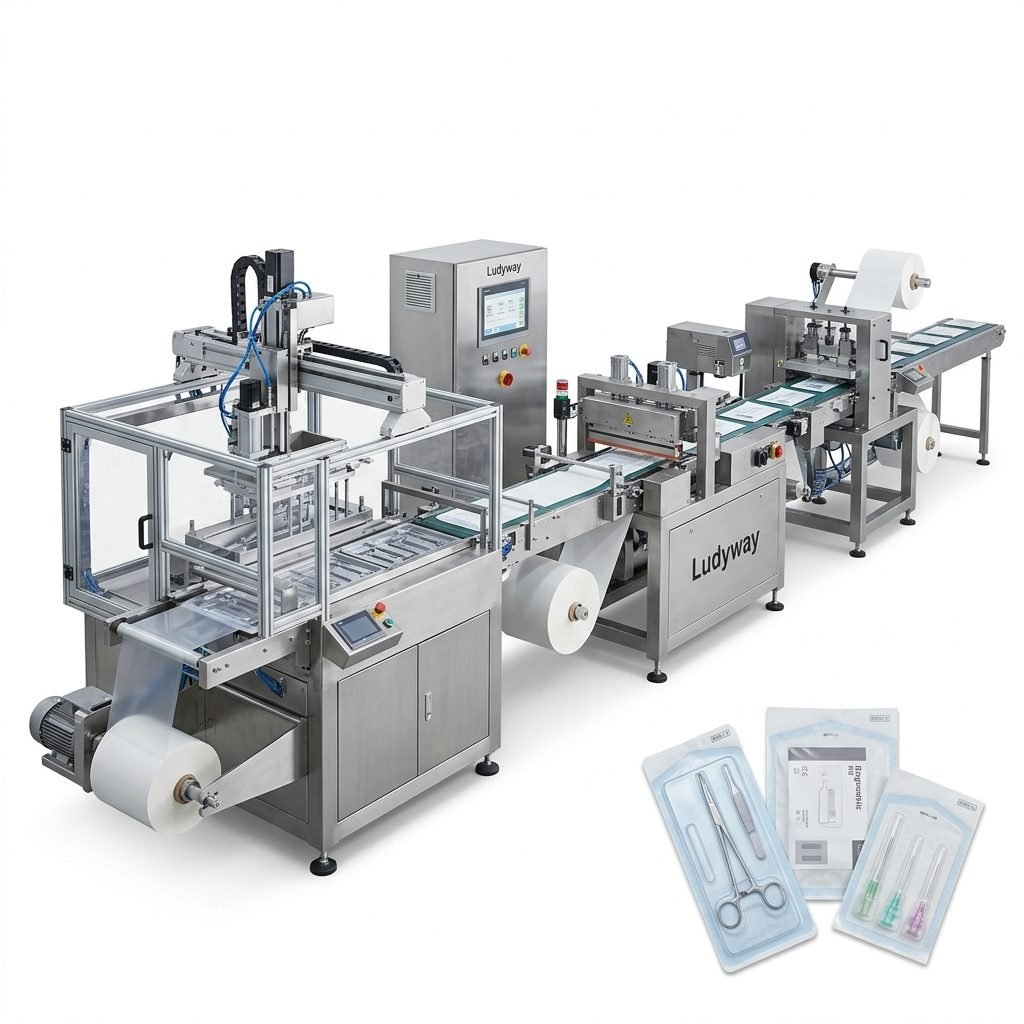
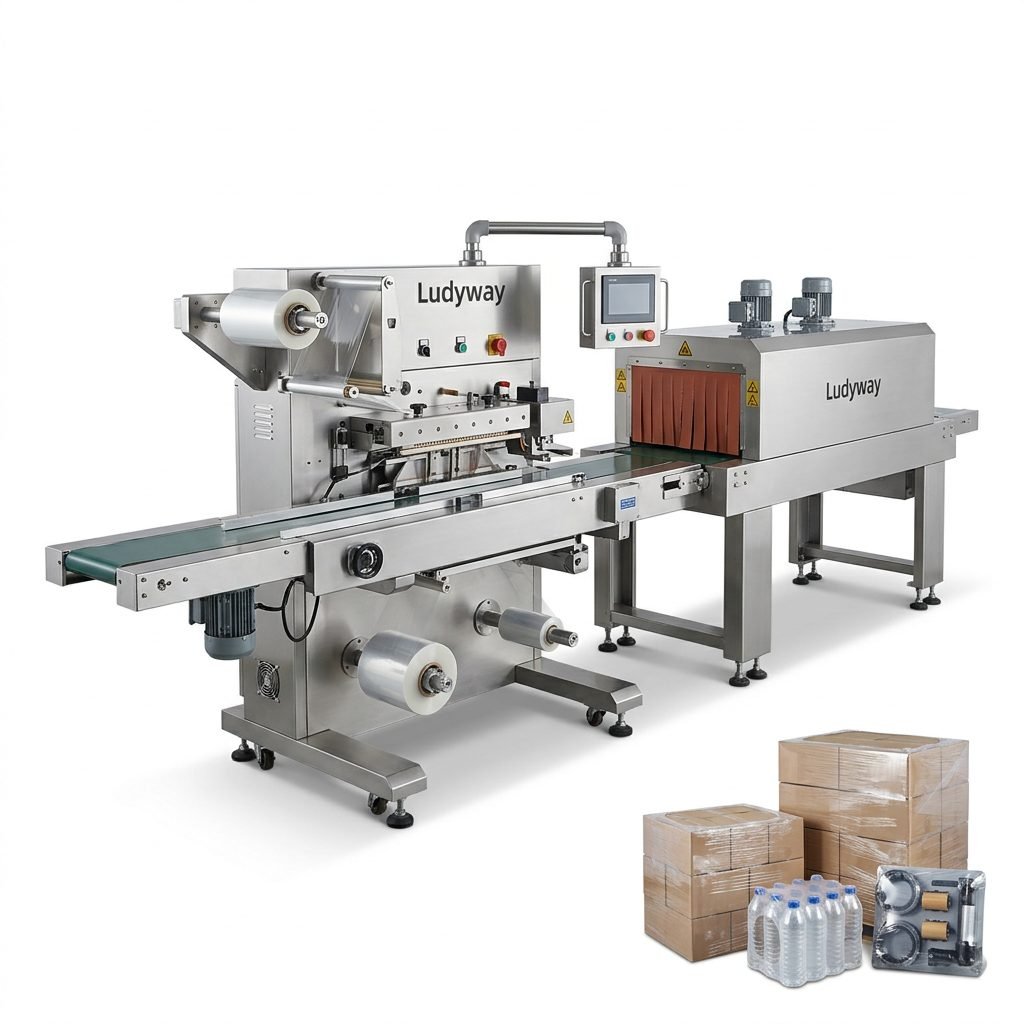
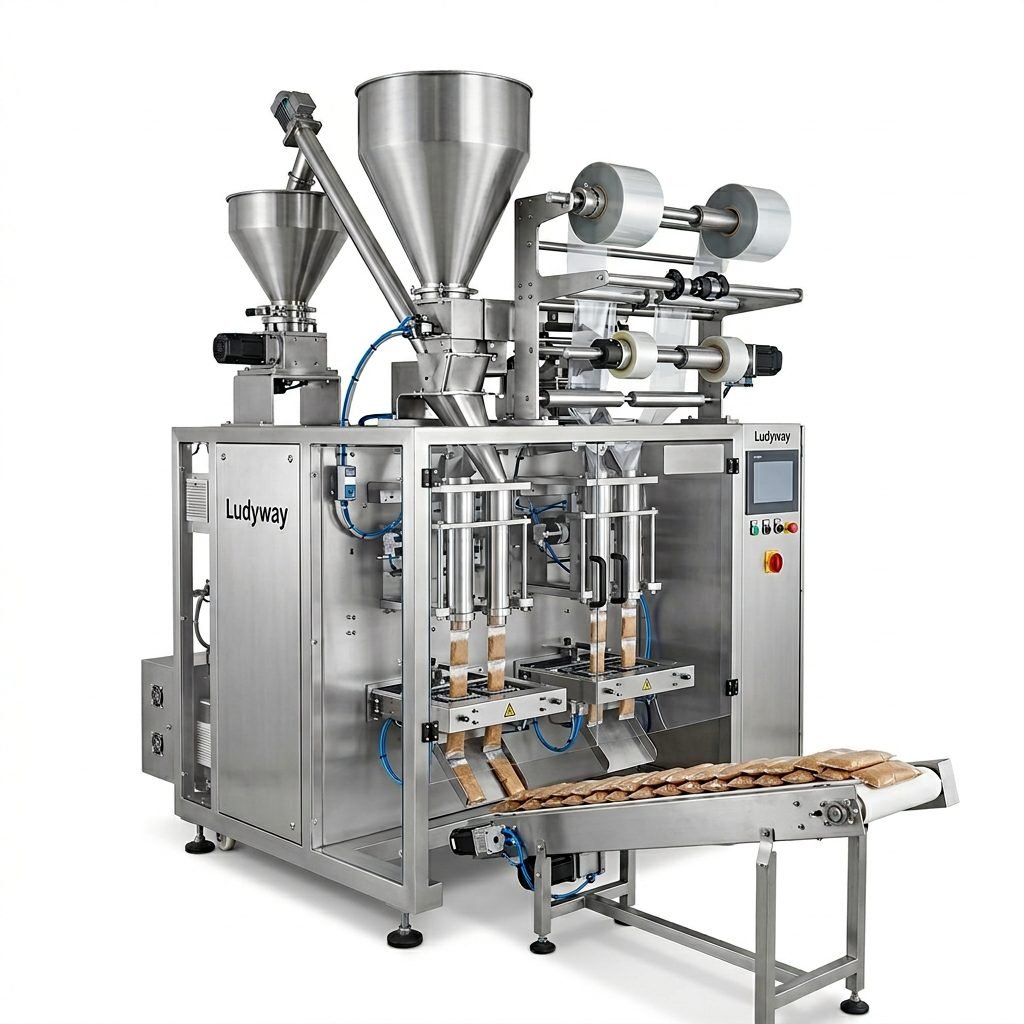
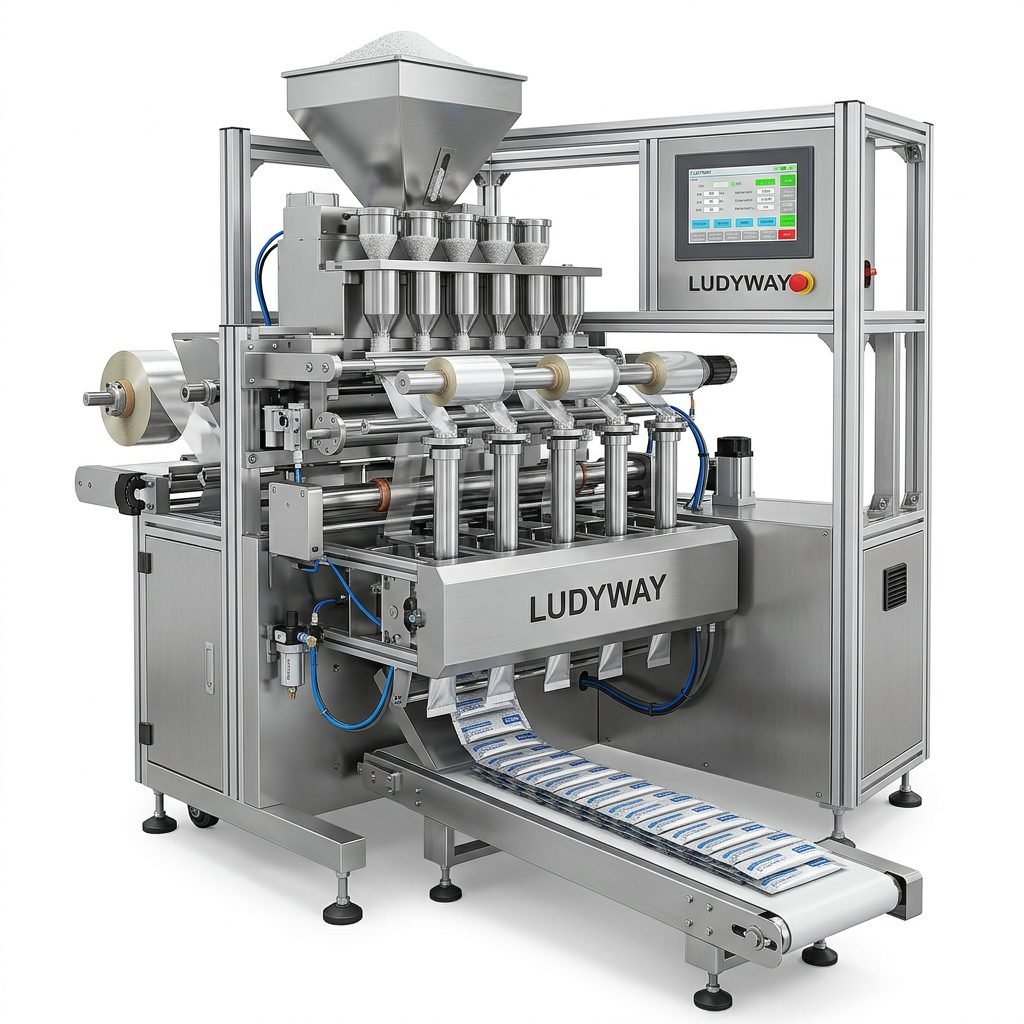
Proper maintenance of a semi-automatic milk packing machine is essential to ensure consistent product quality, minimize downtime, and extend equipment lifespan. Without a structured maintenance routine, even the most reliable machines can experience unexpected failures that disrupt production and increase operational costs. This guide outlines the key steps every operator and maintenance team should follow to keep packaging equipment running at peak performance.
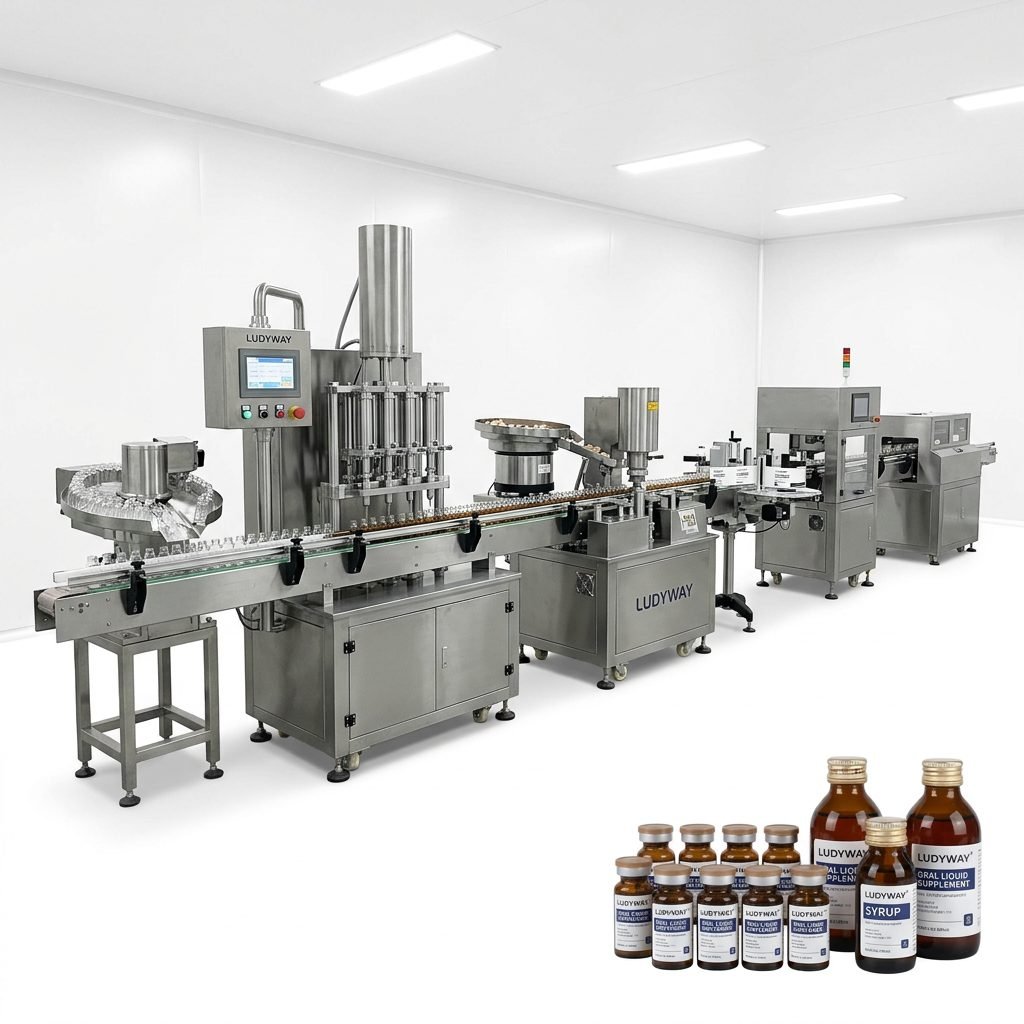
Why Routine Maintenance Matters for Milk Packing Equipment
Milk and dairy products are highly sensitive to contamination and temperature variations. A poorly maintained packing machine can lead to seal integrity issues, inaccurate fill volumes, and potential food safety risks. Regular maintenance not only prevents costly breakdowns but also ensures compliance with FDA food packaging regulations. Operators who follow a disciplined maintenance schedule typically see reduced waste, improved efficiency, and longer machine life.
Daily Maintenance Checklist
Daily inspections are the first line of defense against equipment failure. Operators should perform these checks at the start and end of each shift:
- Clean all product contact surfaces thoroughly with approved food-grade cleaning agents to prevent milk residue buildup and bacterial growth.
- Inspect sealing jaws and heating elements for signs of wear, misalignment, or product accumulation that could compromise package integrity.
- Check filling nozzles for blockages or inconsistent flow patterns that may indicate partial clogging.
- Verify that all safety guards and emergency stop mechanisms are functioning correctly before starting production.
- Examine air filters and ventilation openings to ensure proper airflow and prevent overheating of electrical components.
Weekly Maintenance Tasks
Weekly maintenance dives deeper into mechanical and electrical systems. These tasks help identify developing issues before they escalate into major problems:
- Lubricate all moving parts including chains, bearings, and guide rails using manufacturer-recommended food-safe lubricants.
- Inspect pneumatic hoses and fittings for leaks, cracks, or loose connections that could affect machine timing and accuracy.
- Clean and calibrate temperature sensors and thermocouples to maintain precise sealing temperatures for different packaging films.
- Check belt tension and alignment on conveyor systems to prevent tracking issues and uneven product feeding.
- Test all photoelectric sensors and proximity switches for proper detection and response times.
| Maintenance Frequency | Key Focus Areas | Responsible Personnel |
|---|---|---|
| Daily | Cleaning, visual inspection, safety checks | Machine Operator |
| Weekly | Lubrication, sensor calibration, belt inspection | Maintenance Technician |
| Monthly | Electrical testing, seal bar replacement, deep cleaning | Senior Technician |
| Quarterly | Full system audit, component replacement, performance review | Engineering Team |
Monthly and Quarterly Deep Maintenance
Long-term reliability depends on thorough periodic maintenance that goes beyond surface-level checks. Monthly and quarterly procedures should address the internal systems that directly impact packaging speed and accuracy:
- Replace worn sealing elements including heating bands, thermocouples, and Teflon covers before they fail during production runs.
- Perform comprehensive electrical testing including insulation resistance checks and verification of control panel connections.
- Disassemble and deep clean filling pistons, cylinders, and valve assemblies to remove any accumulated milk solids or mineral deposits.
- Calibrate all weighing and dosing systems against certified reference standards to ensure fill weight accuracy within specified tolerances.
- Review and update maintenance documentation, including ISO packaging standards compliance records and equipment service history logs.
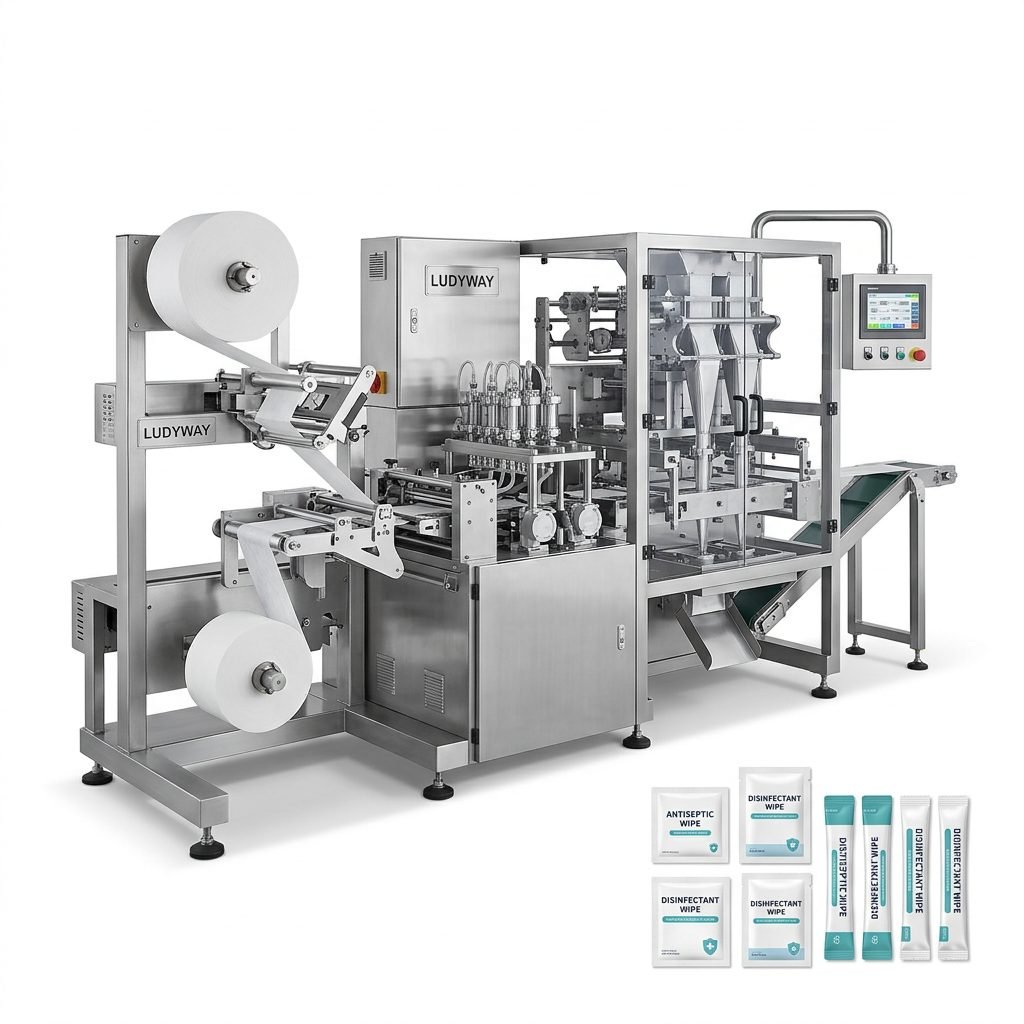
Common Issues and Troubleshooting Guide
Understanding typical problems helps maintenance teams diagnose and resolve issues quickly. The following table outlines the most frequent challenges encountered with semi-automatic milk packing machines:
| Problem | Possible Cause | Recommended Solution |
|---|---|---|
| Inconsistent seal quality | Worn heating elements, incorrect temperature settings, contaminated sealing surfaces | Replace heating components, recalibrate temperature controllers, clean sealing jaws thoroughly |
| Fill volume variations | Clogged nozzles, worn piston seals, air in product lines | Clean or replace nozzles, inspect piston assemblies, purge air from system |
| Film tracking errors | Misaligned rollers, incorrect film tension, worn guide rails | Realign roller assemblies, adjust tension settings, replace worn components |
| Machine vibration or noise | Loose fasteners, worn bearings, unbalanced rotating parts | Tighten all connections, replace bearings, inspect and balance components |
Critical Spare Parts Management
Downtime costs in dairy production can be substantial. Maintaining an inventory of critical spare parts ensures rapid recovery from unexpected failures. Essential items to stock include heating elements, thermocouples, sealing bands, Teflon tape, piston seals, O-rings, drive belts, sensor modules, pneumatic cylinders, and fill valve assemblies. Having these components readily available can reduce repair time by up to 70% compared to waiting for parts delivery.
For guidance on maintaining comprehensive spare parts programs aligned with packaging industry standards and best practices, refer to resources from PMMI, the leading association for packaging and processing technologies. Establishing a systematic approach to spare parts management is one of the most cost-effective strategies for minimizing production interruptions.
Operator Training and Documentation
Even the best maintenance program depends on skilled operators who understand equipment behavior. Comprehensive training should cover proper startup and shutdown procedures, basic troubleshooting techniques, cleaning and sanitation protocols, safety procedures, and accurate record-keeping for maintenance logs. Investing in operator education consistently yields improvements in machine uptime and product quality, as documented by organizations like the Flexible Packaging Association.
Preventive vs. Reactive Maintenance: A Strategic Approach
Shifting from a reactive to a preventive maintenance strategy transforms equipment reliability. Reactive maintenance—waiting for failures to occur—costs significantly more in emergency repairs, lost production time, and product waste. A preventive approach based on scheduled inspections, planned component replacements, and data-driven monitoring reduces unplanned downtime and extends equipment service life. Tracking key metrics such as mean time between failures helps optimize maintenance intervals over time.
Working with Reliable Equipment Partners
Selecting high-quality packaging machinery from experienced manufacturers significantly reduces long-term maintenance burdens. Companies with decades of industry expertise and modern production facilities, such as Ludyway, design equipment with serviceability and durability in mind. When evaluating packaging solutions, consider factors including parts availability, technical support responsiveness, and the manufacturer’s commitment to engineering quality.
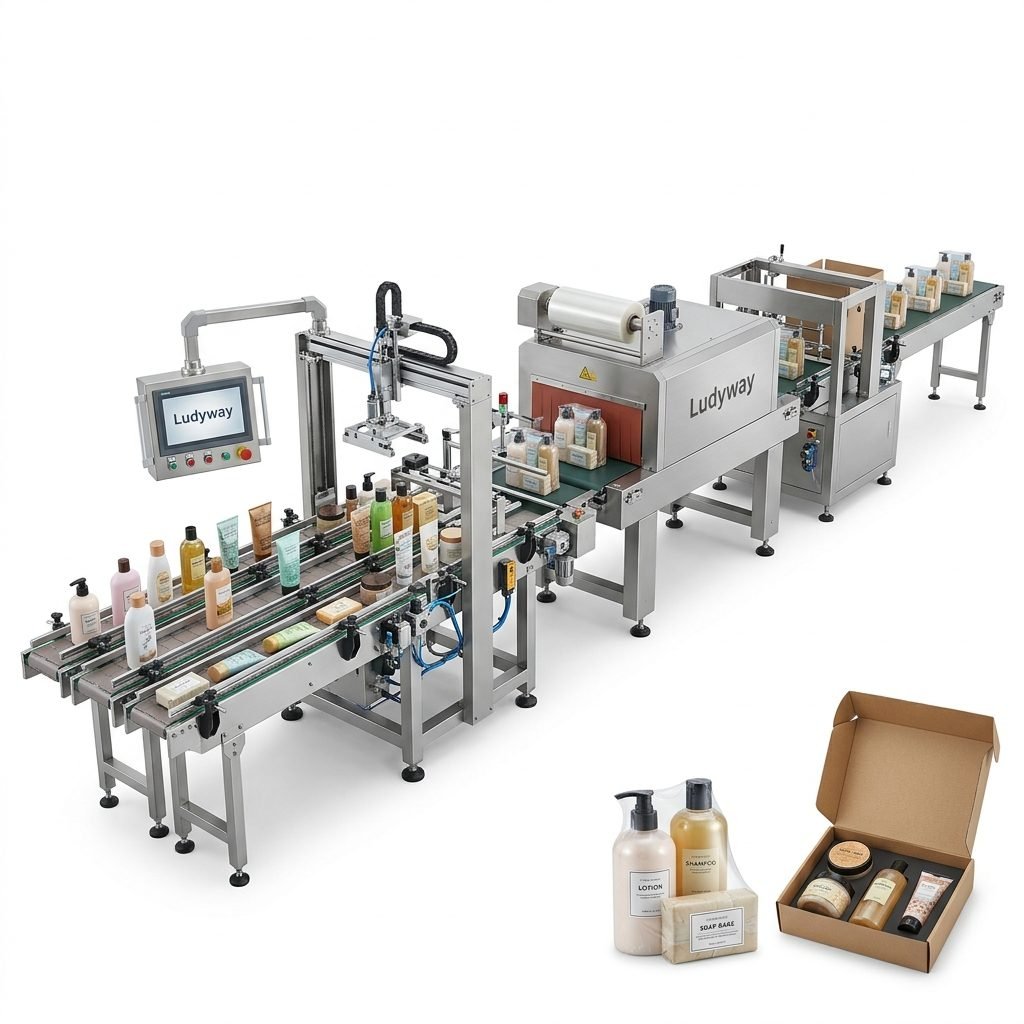
Key Takeaways for Long-Term Machine Performance
- Implement a structured maintenance schedule covering daily, weekly, monthly, and quarterly tasks to prevent unexpected equipment failures.
- Maintain an adequate inventory of critical spare parts to minimize downtime when replacements are needed urgently.
- Invest in operator training and maintain detailed documentation of all maintenance activities, repairs, and component replacements.
- Transition from reactive to preventive maintenance strategies to reduce long-term costs and improve overall equipment effectiveness.
- Partner with reputable equipment manufacturers who provide reliable technical support and readily available replacement components.