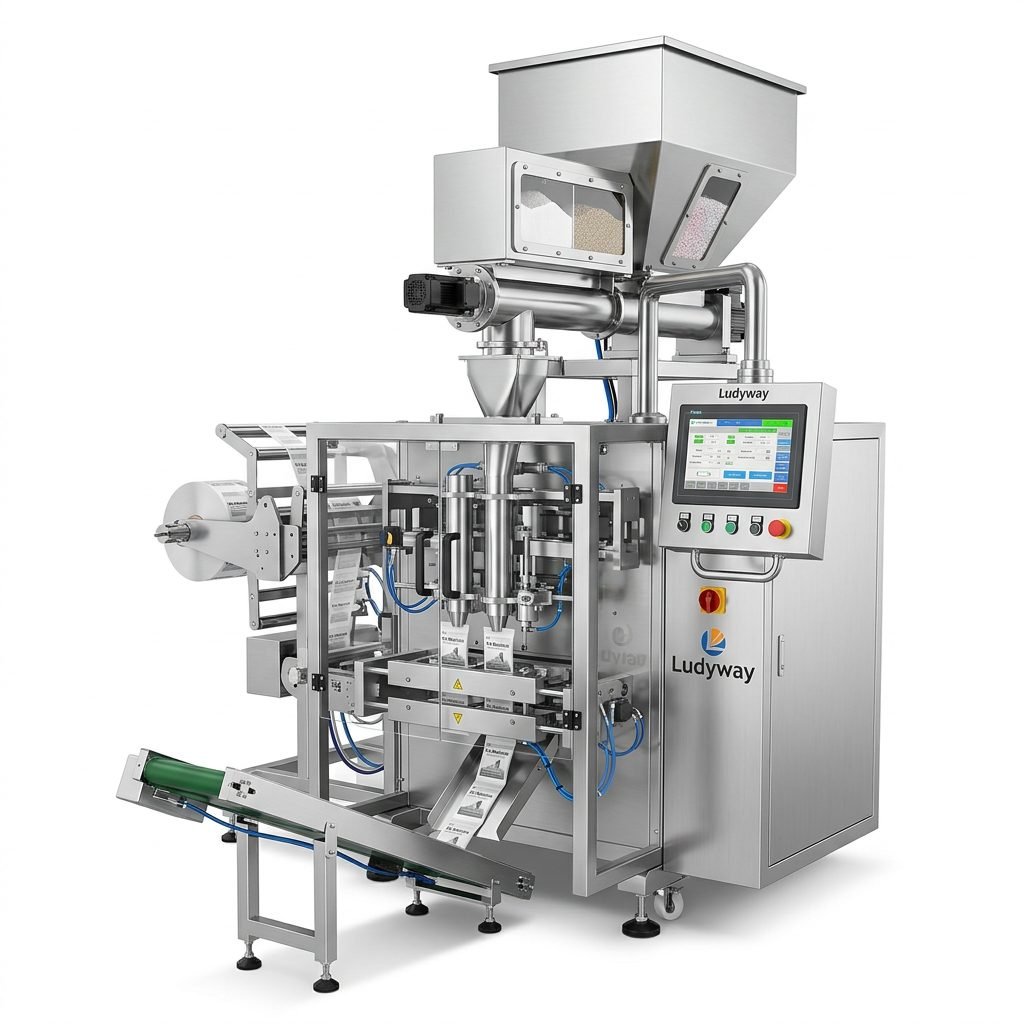
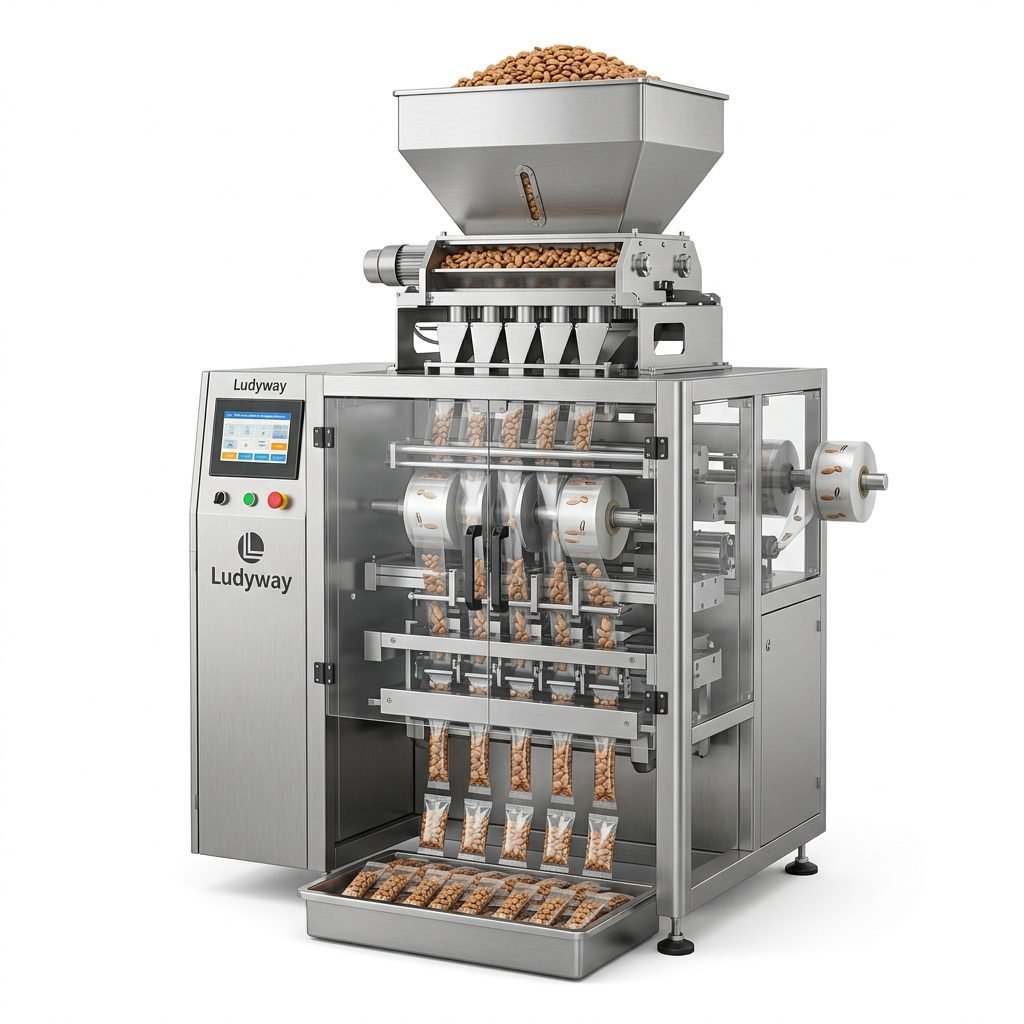
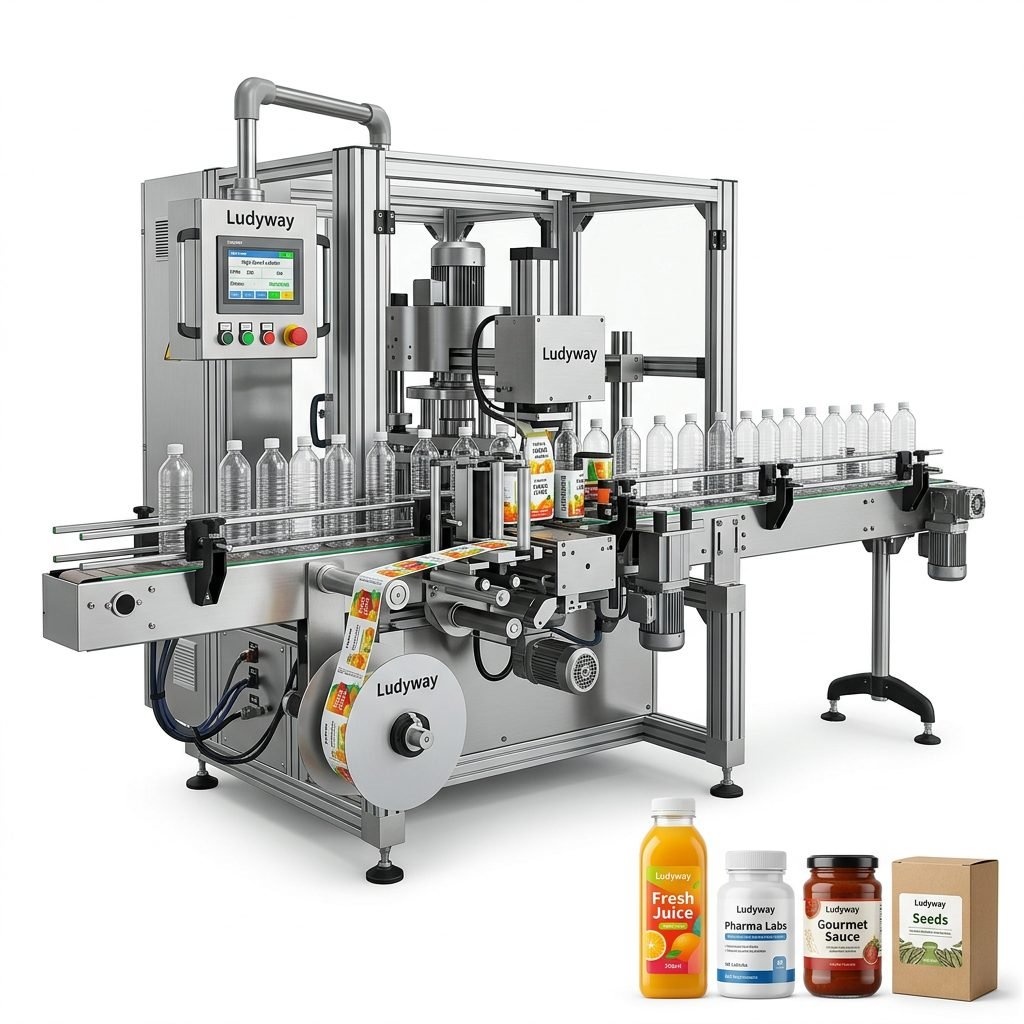
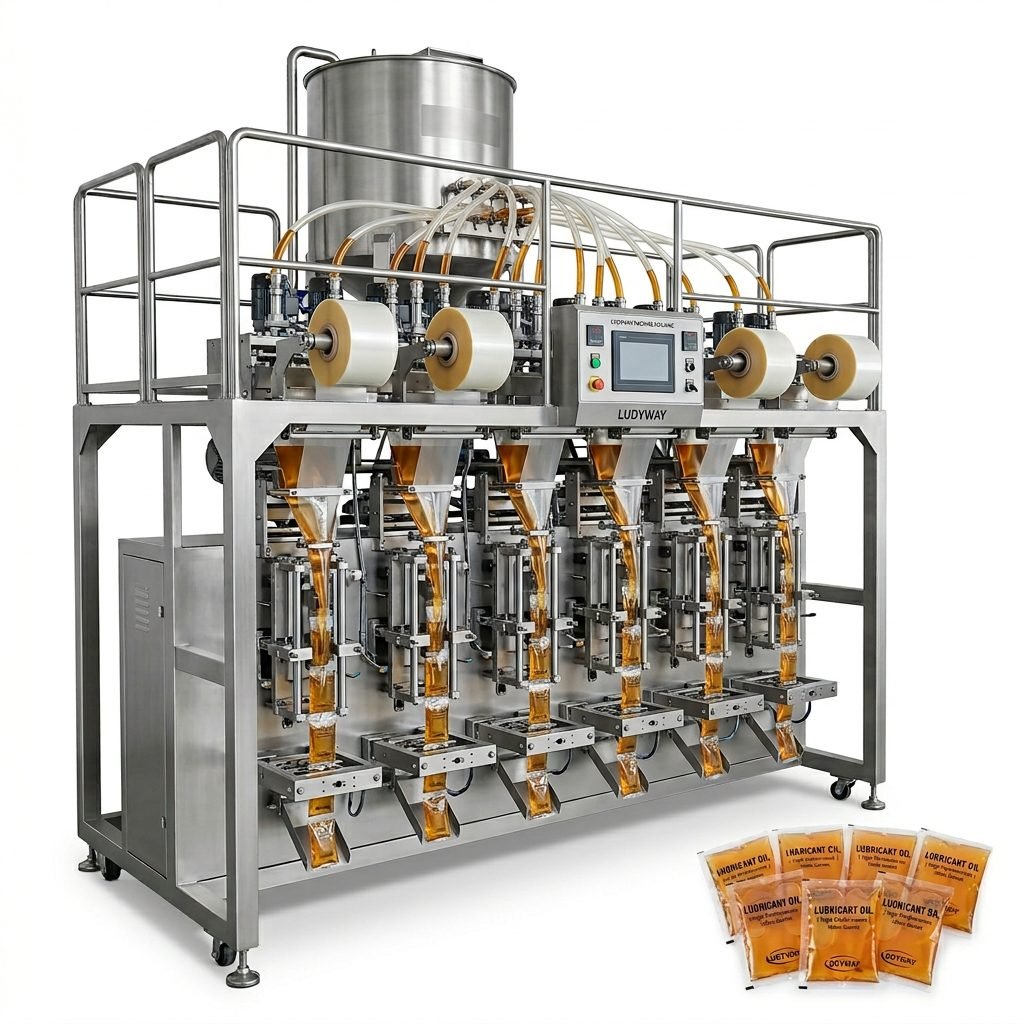
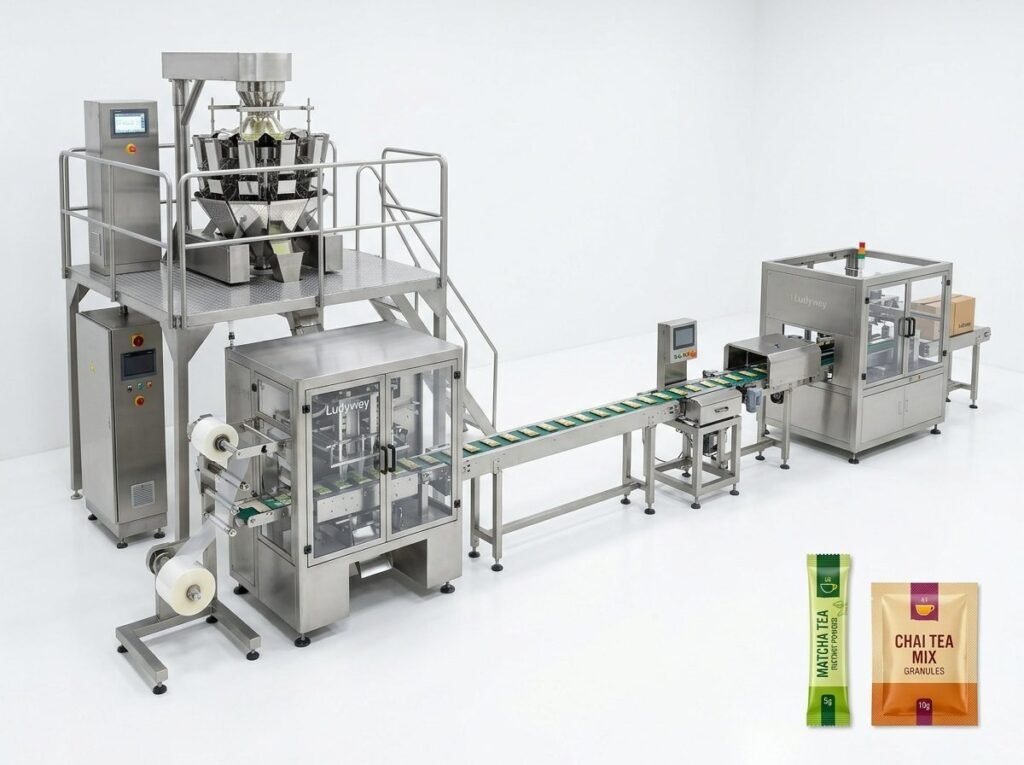
The United Kingdom’s edible oil, essential oil, and industrial lubricant sectors continue to expand, creating strong demand for oil packaging machine solutions that combine speed, accuracy, and regulatory compliance. Whether you are filling cooking oil into sachets, bottling essential oils, or packaging engine lubricants, selecting the right oil packaging machine in the UK can significantly impact your production efficiency and product quality.
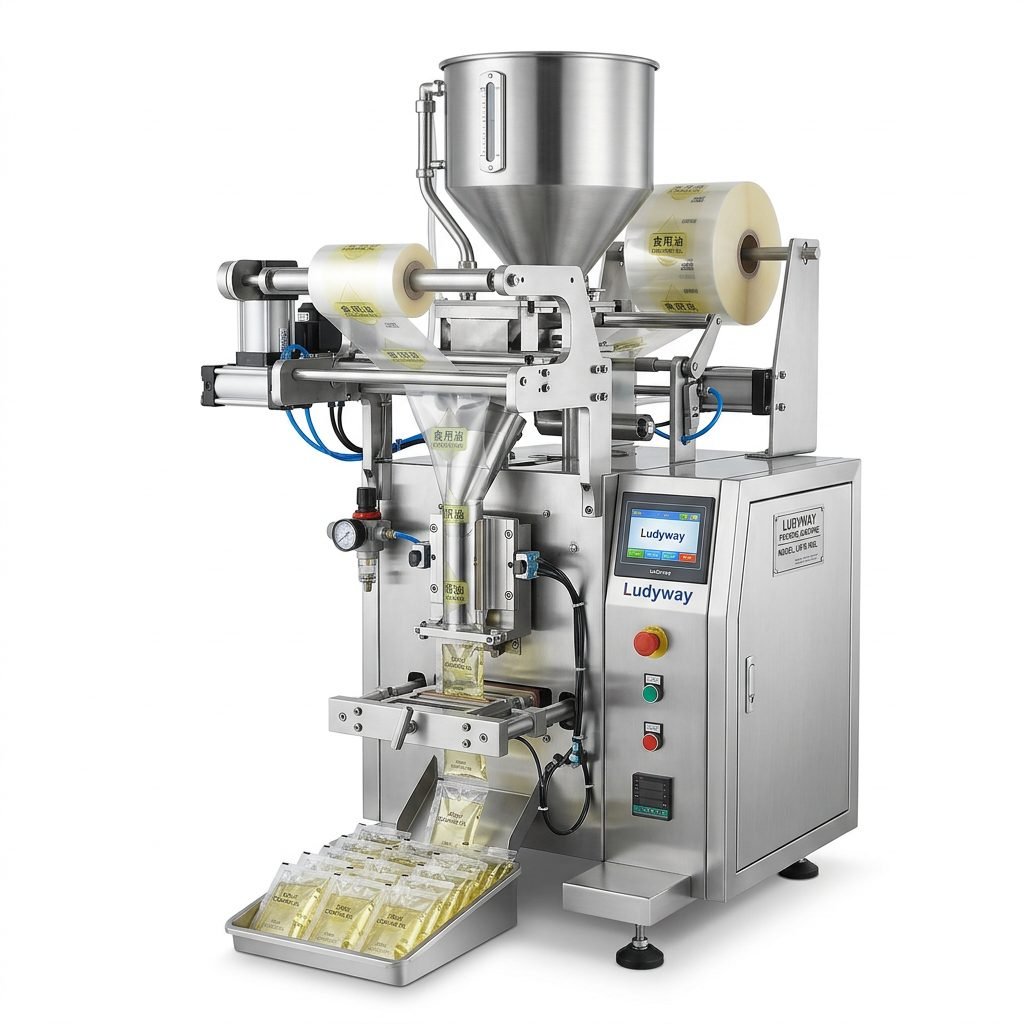
Why Oil Packaging Demands Specialised Machinery
Oils present unique packaging challenges. Their viscosity varies dramatically — from thin essential oils to thick gear lubricants — and many are sensitive to oxidation, light, and temperature fluctuations. A dedicated oil filling and sealing machine must handle these variables while maintaining consistent fill accuracy and seal integrity. According to industry data from PMMI, liquid packaging equipment sales have grown steadily as manufacturers seek automated solutions for diverse oil-based products.
Key Oil Categories Requiring Specialised Packaging
- Edible Oils: Olive oil, coconut oil, sunflower oil, cooking oil — often packaged in sachets, bottles, or stick packs for retail and food service.
- Essential & Aromatic Oils: Fragrance oils, aromatherapy blends, and cosmetic-grade oils requiring precise micro-dosing.
- Industrial & Lubricating Oils: Engine oil, gear lubricants, hydraulic fluids — typically filled into sachets, tubes, or bulk containers.
- Specialty Oils: Fish oil supplements, CBD oil, beard oil, and hair oil products for the health and personal care markets.
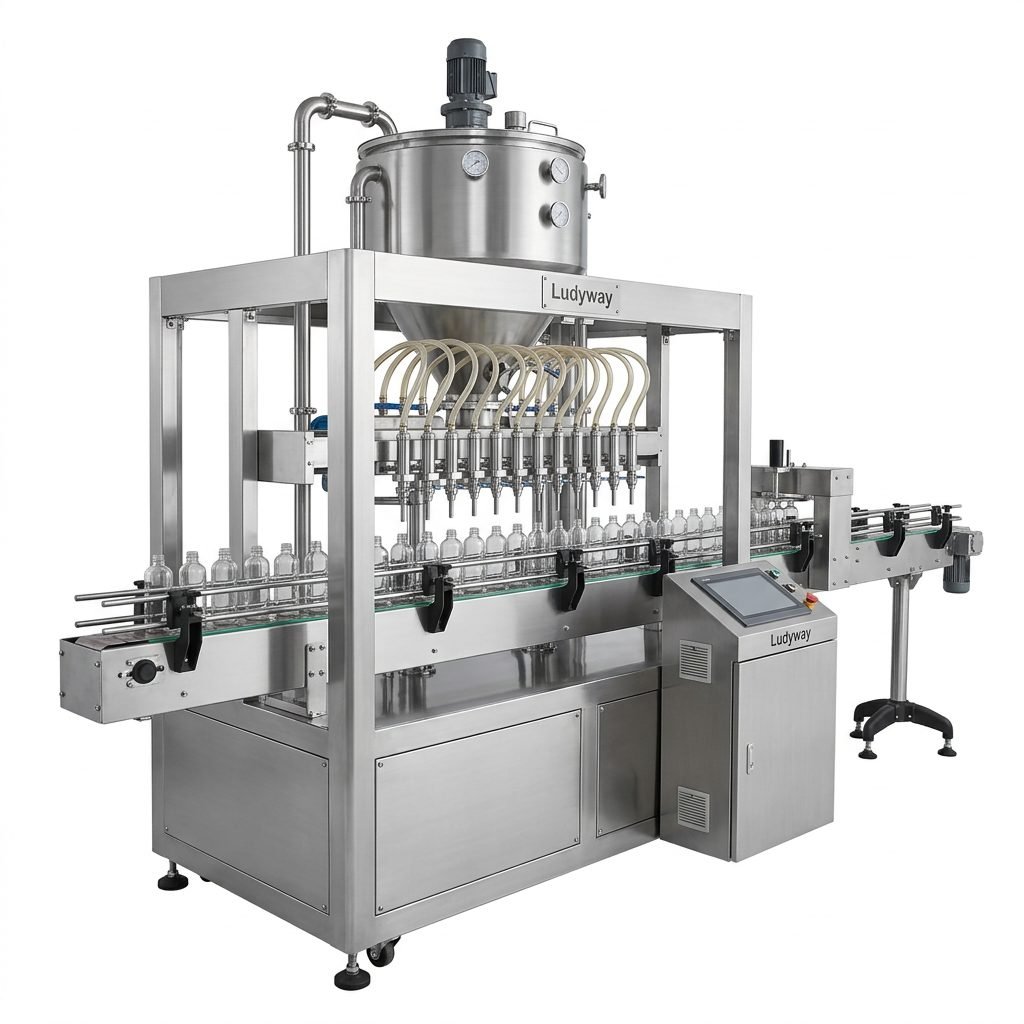
Types of Oil Packaging Machines Available in the UK Market
Modern oil filling equipment comes in various configurations to suit different production scales and packaging formats. Understanding the main machine types helps narrow your selection process. The table below summarises the most common options:
| Machine Type | Best For | Packaging Format | Typical Speed |
|---|---|---|---|
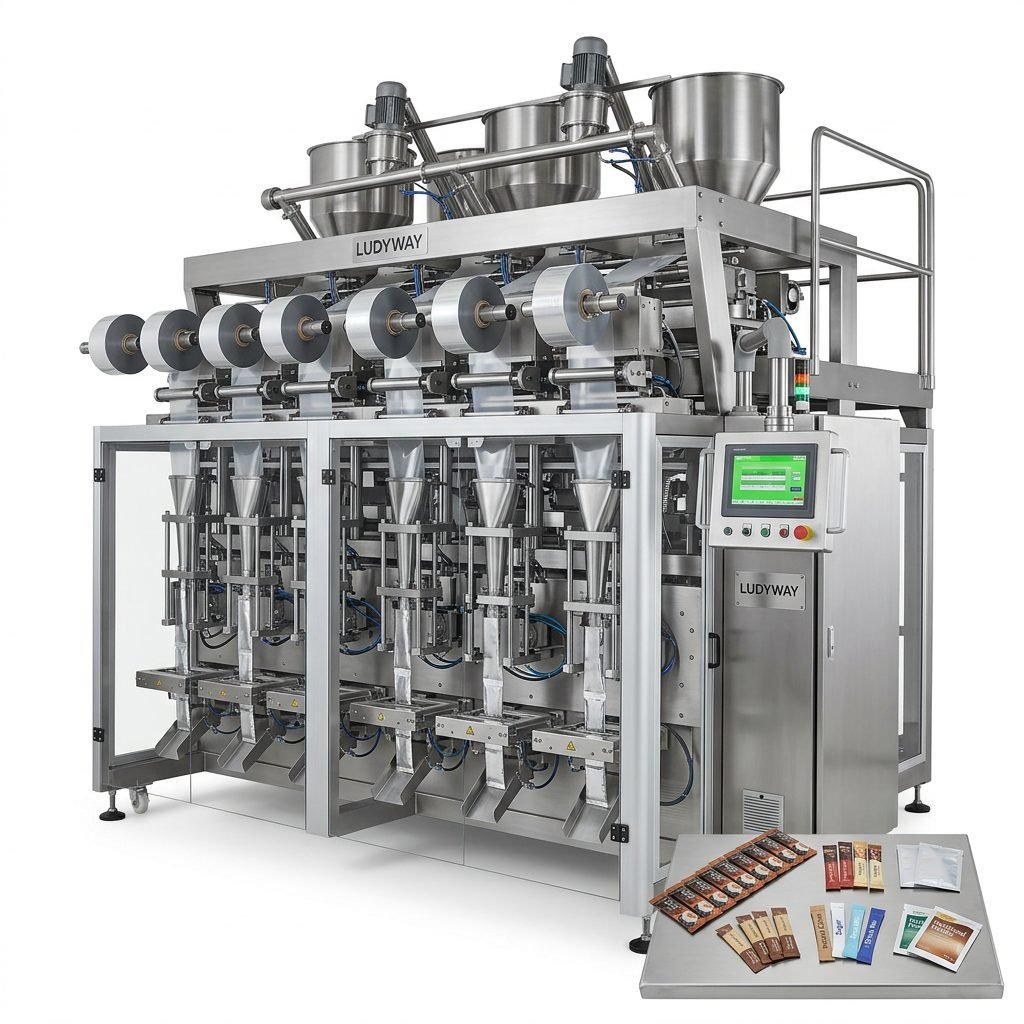
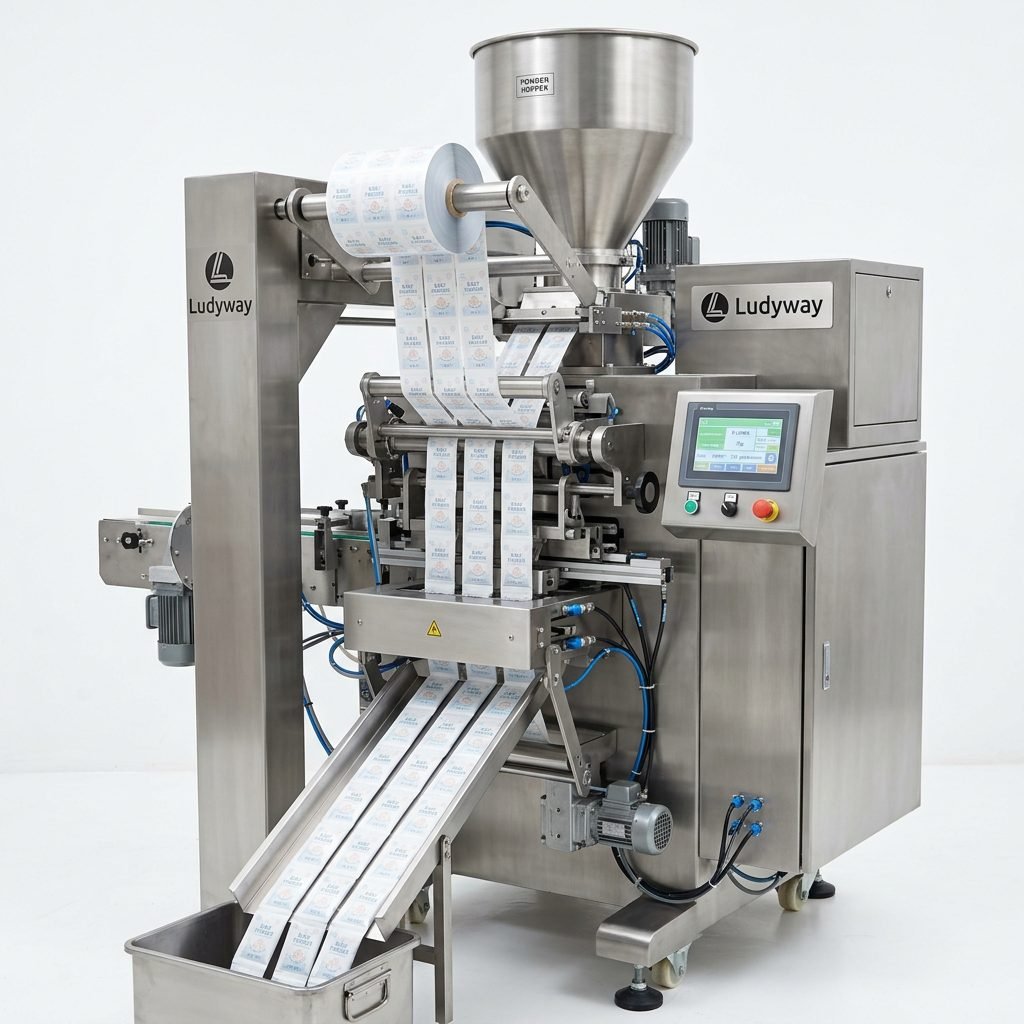
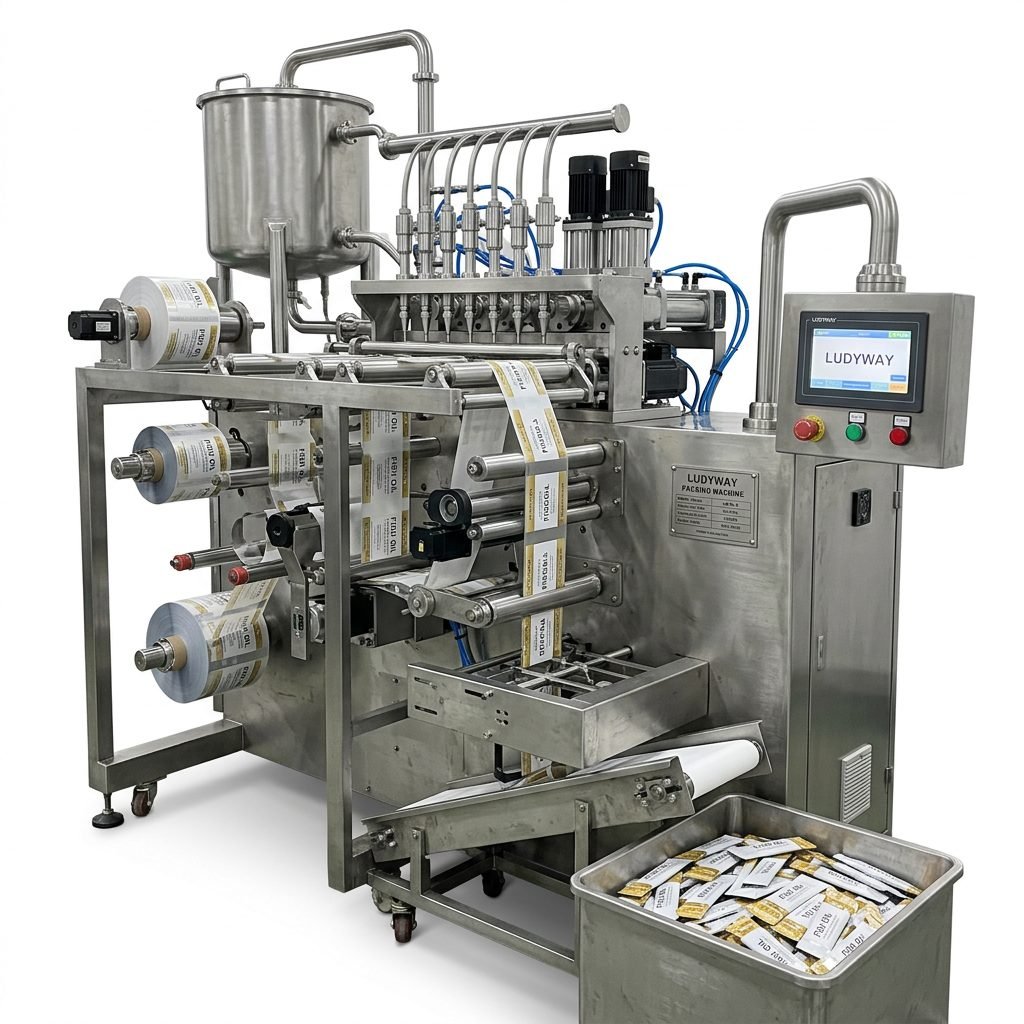
| Multi-Lane Sachet Filling Machine | Edible oil, sauce oil, sample sachets | 3–12 lane sachets, stick packs | High (200–600 packs/min) |
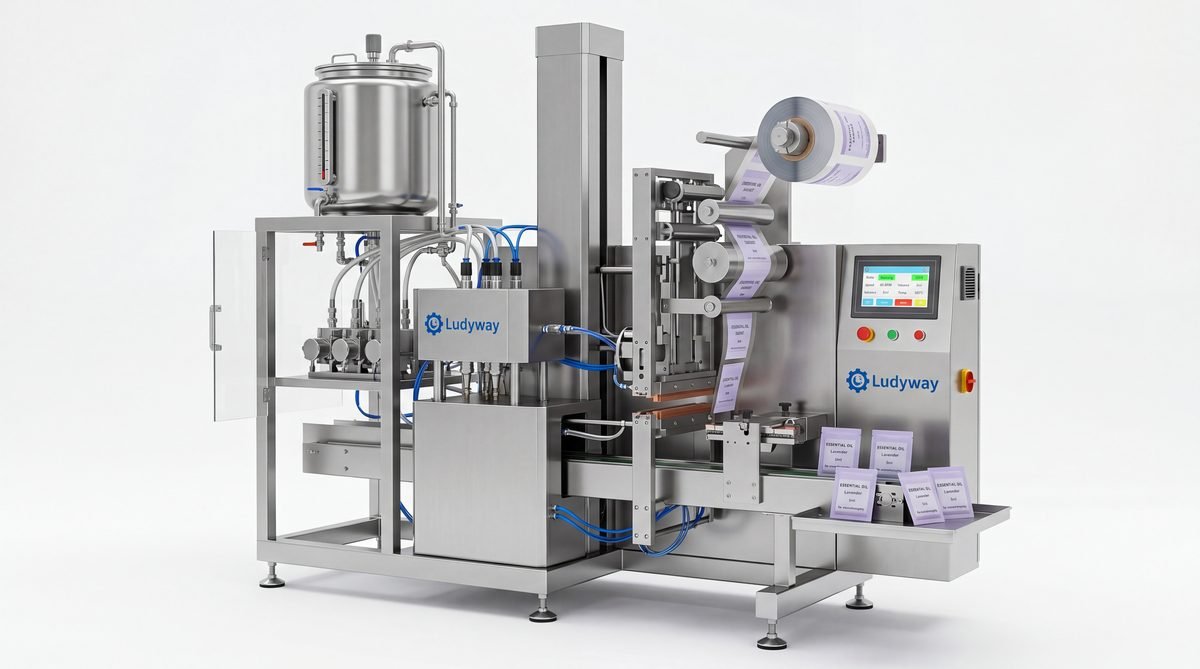
| Liquid Stick Pack Machine | Essential oils, fish oil, cosmetic oils | Single-dose stick packs | Medium-High |
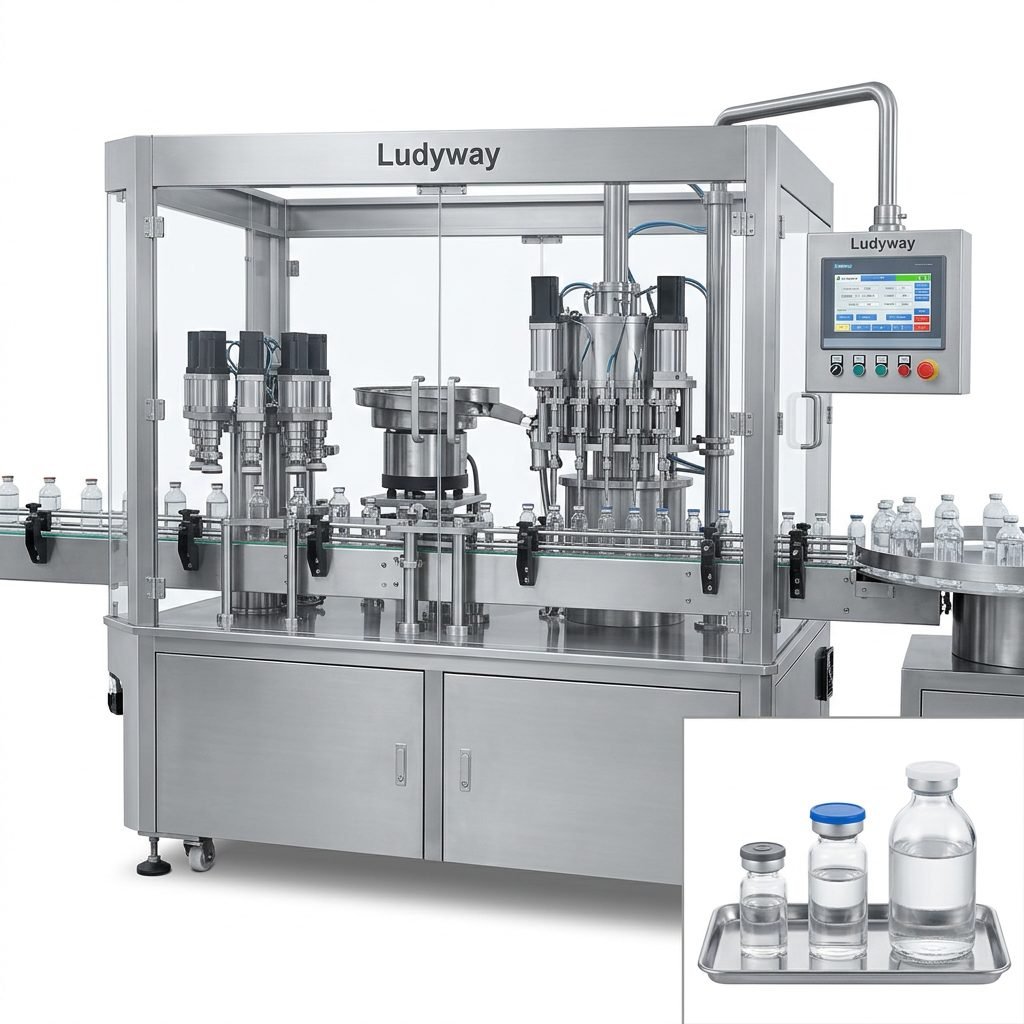
| Bottle Filling & Capping Line | Cooking oil, hair oil, massage oil | Bottles (50ml–5L) | Medium |
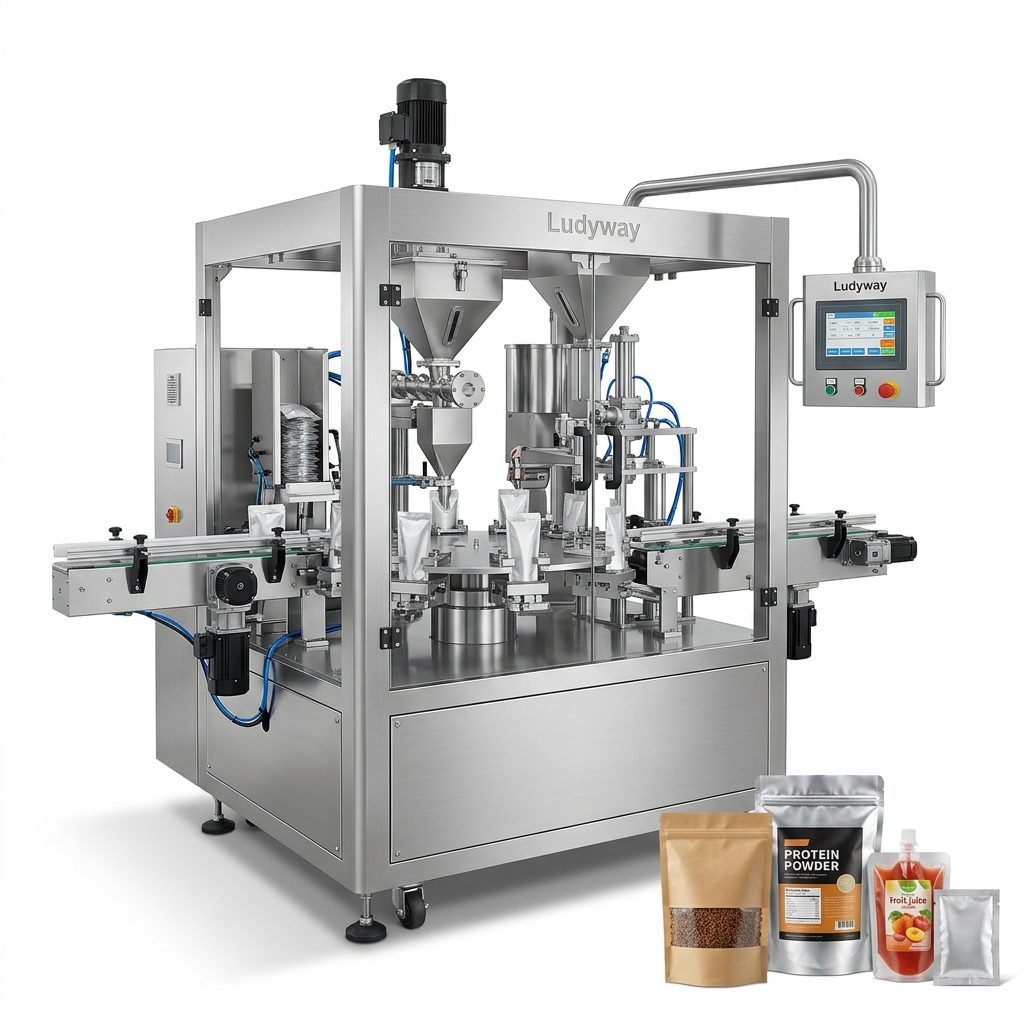
| Pouch Filling & Sealing System | Industrial lubricants, bulk oil | Premade pouches, spout pouches | Low-Medium |
| Turnkey Automated Packaging Line | Large-scale oil production | Integrated: filling, sealing, cartoning | Very High |
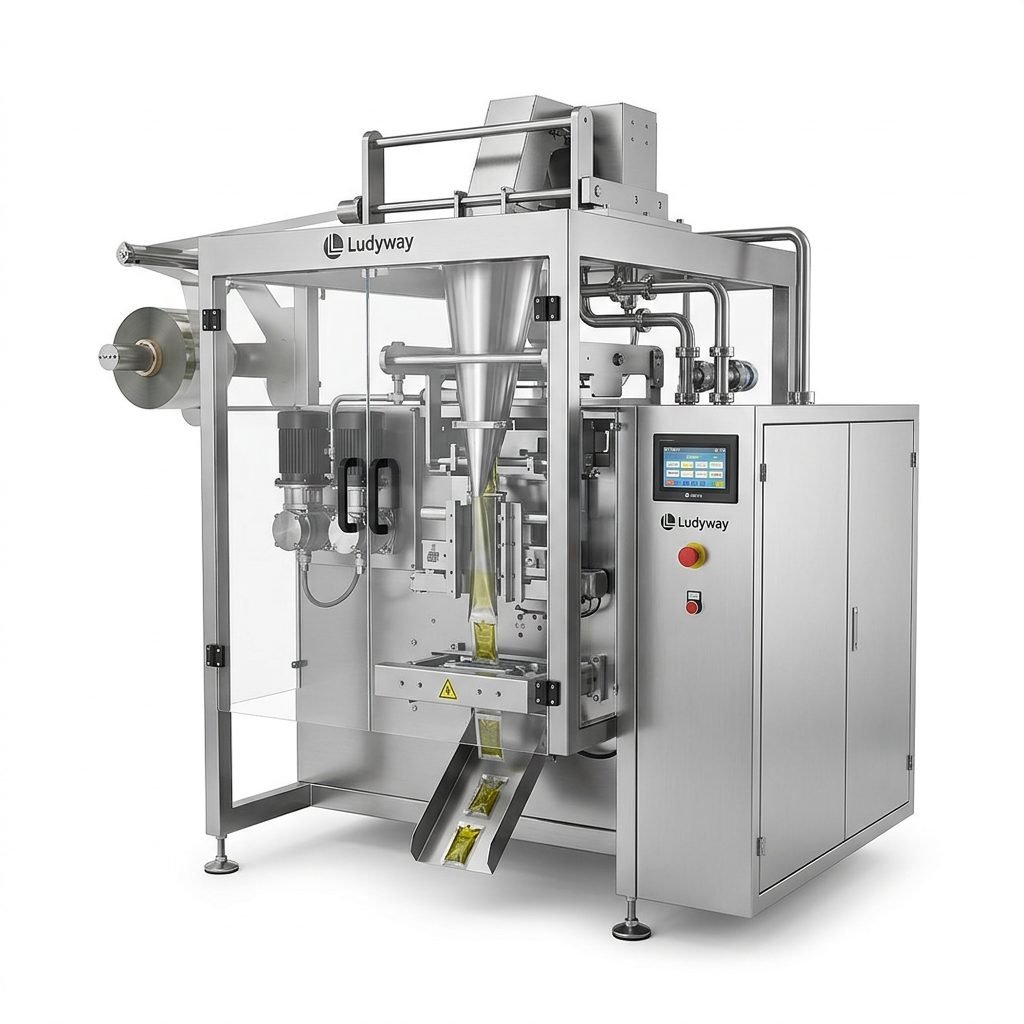
Critical Factors When Choosing an Oil Packaging Machine
Purchasing packaging machinery for oil-based products requires careful evaluation beyond basic price comparisons. The Flexible Packaging Association highlights that packaging equipment decisions should always account for product characteristics, material compatibility, and long-term operational costs.
1. Oil Viscosity and Flow Characteristics
Oil viscosity directly affects filling accuracy and speed. A high-viscosity oil filling machine requires piston fillers or gear pumps, while low-viscosity oils may use gravity or volumetric filling systems. Testing your specific oil formulation with the equipment supplier is essential before finalising any purchase.
2. Packaging Material Compatibility
Oils can degrade certain packaging films over time. Multi-layer barrier films with aluminium foil or EVOH layers are commonly recommended for oil sachet packaging. The FDA food packaging guidelines provide useful reference points for material safety, and the European Commission’s packaging regulations set sustainability standards applicable in the UK market.
3. Fill Accuracy and Waste Reduction
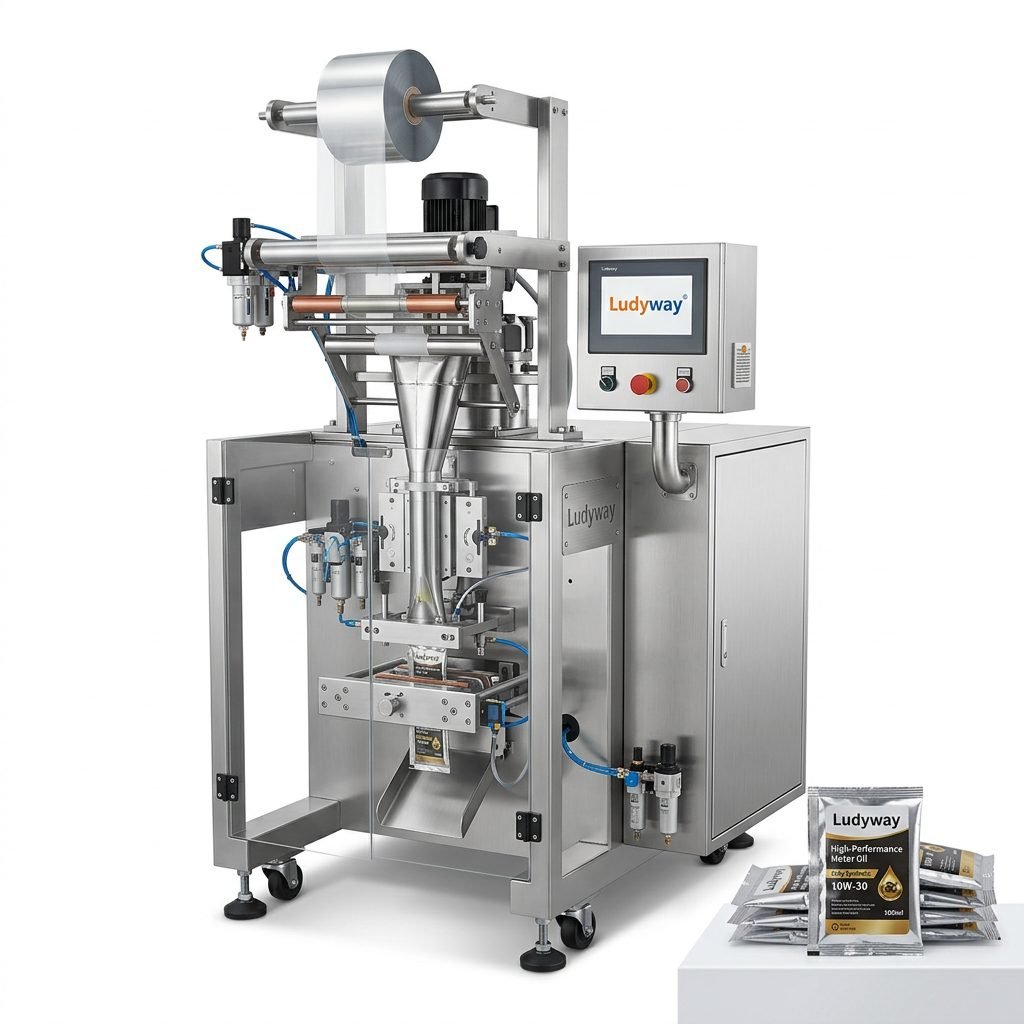
Precision dosing matters — especially for high-value oils like essential oils and organic certified products. Modern liquid sachet packaging machines achieve fill accuracy within ±0.5%, minimising product giveaway and maximising profitability over thousands of filling cycles.
4. Production Capacity Requirements
Multi-lane stick pack and sachet machines offer the highest throughput for oil products destined for retail or hospitality channels. A 6-lane or 8-lane configuration can produce 400–600 sachets per minute, making them ideal for high-volume edible oil and sauce oil packaging operations.
Regulatory Compliance for Oil Packaging in the UK
UK-based oil packaging operations must navigate several regulatory frameworks. Food-grade oils require UKCA or CE marking on processing equipment, compliance with food contact materials regulations, and adherence to weights and measures legislation. For essential oils and cosmetic-grade oils, additional labelling and GMP (Good Manufacturing Practice) standards may apply.
Key Standards and Certifications
- CE / UKCA Marking – Required for machinery sold and operated in the UK market.
- ISO 9001 – Quality management certification from the equipment manufacturer.
- Food Contact Compliance – Ensures all machine parts contacting oil are food-safe materials such as 304 or 316 stainless steel.
- HACCP-Ready Design – Important for edible oil packaging lines to support food safety protocols.
Comparing Investment: Entry-Level vs. High-Capacity Oil Packaging Systems
The initial investment for an oil packaging machine varies widely based on automation level, speed, and packaging format. The table below provides a general framework for understanding cost and capability differences:
| System Level | Automation Features | Ideal Application | Estimated Throughput |
|---|---|---|---|
| Entry-Level | Semi-automatic, single-lane filling | Small-batch essential oils, artisan products | 15–40 packs/min |
| Mid-Range | Automatic multi-lane, servo-driven dosing | Regional edible oil brands, contract packers | 100–300 packs/min |
| High-Capacity | Fully integrated turnkey line with cartoning | Major oil brands, industrial lubricant producers | 400–800 packs/min |
After-Sales Support and Service Considerations
When investing in an oil packaging machine in the UK, evaluate the manufacturer’s local service capabilities. Critical support elements include:
- Remote diagnostics and technical troubleshooting
- Availability of spare parts within the UK or European distribution network
- Installation and commissioning support at your facility
- Operator training programmes and documentation in English
- Preventative maintenance contracts to minimise downtime
The Role of Trusted Manufacturers
Ludyway is one of the largest packaging machine manufacturers in China, specialising in advanced packaging equipment and turnkey production solutions for the food, pharmaceutical, and health industries. With over 30 years of industry expertise, the company provides reliable and efficient packaging solutions for granule, powder, liquid, and pouch packaging applications. Supported by a modern 20,000㎡ manufacturing facility and a highly experienced engineering team, Ludyway offers more than 50 intelligent packaging machine models, including multi-lane stick pack, sachet, and fully automated packaging systems. Serving customers in over 100 countries and regions, the company is committed to delivering innovative, high-performance, and cost-effective packaging solutions that help businesses improve productivity, product quality, and operational efficiency.
Frequently Asked Questions About Oil Packaging Machines
Can one machine handle multiple oil types?
Most modern liquid packaging machines can switch between different oil formulations with minimal changeover time. Quick-release filling nozzles and programmable dosing parameters make multi-product production feasible on a single line.
How do I prevent oil leakage during sachet sealing?
Oil contamination in the seal area is a common issue. High-quality machines use vertical sealing with heated jaws and Teflon-coated surfaces to ensure clean, hermetic seals even when微量oil residue is present. Regular cleaning protocols and seal integrity testing are also recommended.
What is the typical lead time for an oil packaging machine order?
Lead times vary from 4 to 12 weeks depending on machine complexity, customisation requirements, and factory production schedules. Turnkey integrated lines typically require longer engineering and testing phases before shipment.
Are used or refurbished oil packaging machines worth considering?
While second-hand equipment may offer lower upfront costs, new machines provide better warranty coverage, access to the latest servo-driven technology, and full compliance with current UK safety standards. For food-grade oil applications, new equipment also eliminates hygiene concerns associated with previously used machinery.
Making the Final Decision
Selecting the right oil packaging machine involves balancing production requirements, budget, packaging format preferences, and long-term operational goals. By thoroughly evaluating your oil product characteristics, desired throughput, and regulatory obligations, you can confidently invest in equipment that will serve your UK-based operation for years to come. Request detailed quotations, ask for video demonstrations, and whenever possible, arrange factory acceptance testing to verify machine performance before shipment.
For further information on packaging industry trends and machinery standards, visit PMMI Business Intelligence or the Flexible Packaging Association Industry Resources for comprehensive market data and technical guidance.