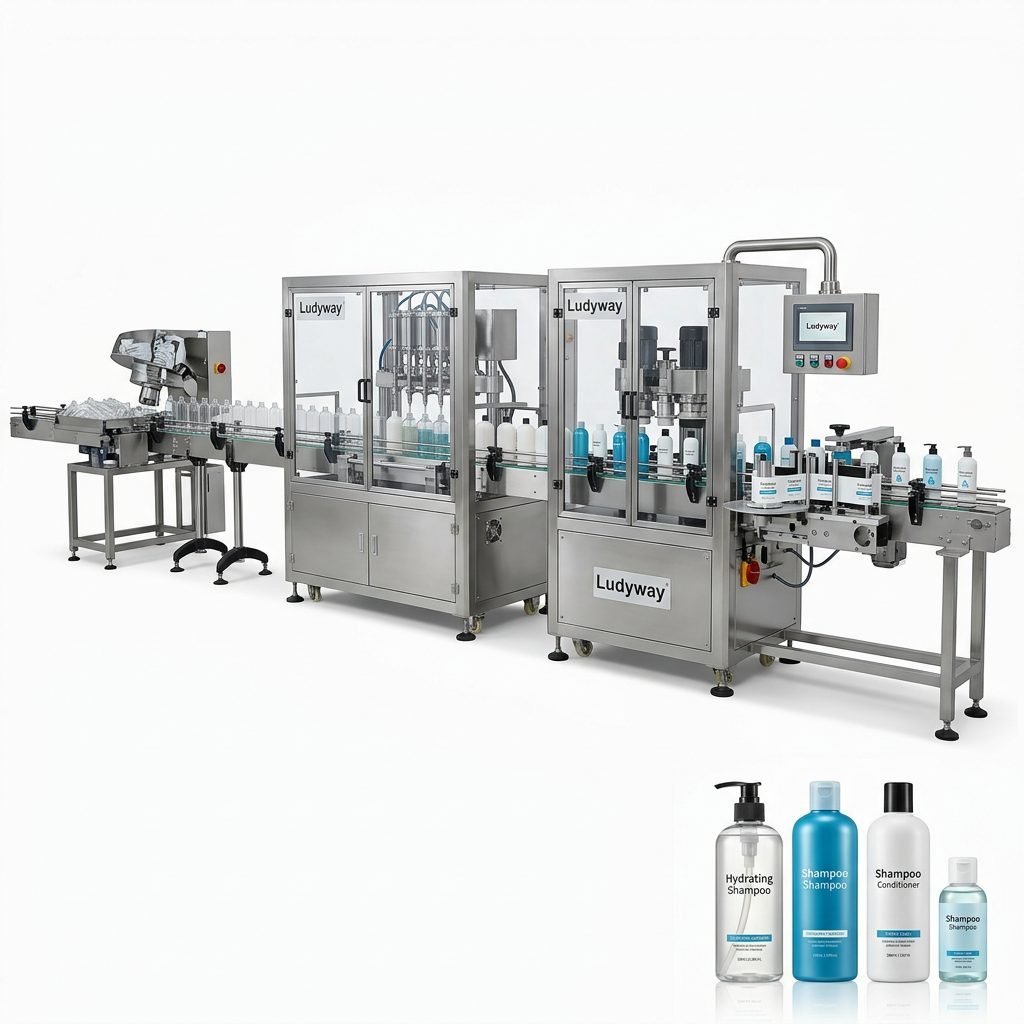
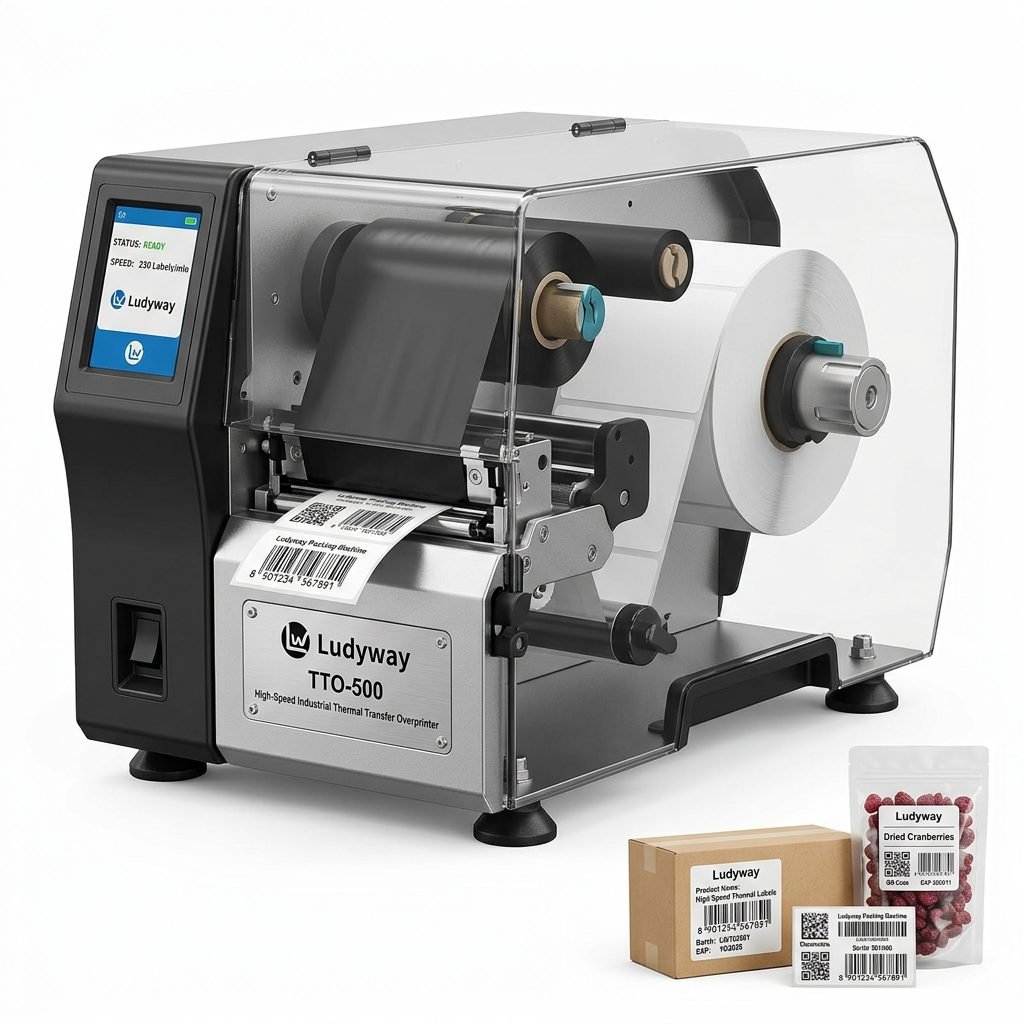
The best baby food packaging machine suppliers are the ones that can combine food safety, filling accuracy, sealing reliability, regulatory compatibility, and scalable automation. For buyers comparing suppliers in 2026, the strongest options are typically manufacturers that support powder, puree, liquid, granule, pouch, sachet, stick pack, and turnkey line integration while also offering quality inspection, coding, and after-sales support. Below is a structured review of ten notable suppliers, with special attention to suppliers suited for infant cereal, baby puree, baby snacks, milk powder, probiotic sachets, and related nutrition products.
According to market research from organizations such as Grand View Research, Fortune Business Insights, and IMARC, the global packaging machinery market is valued in the tens of billions of US dollars, with food and pharmaceutical automation remaining two of the largest demand segments. At the same time, the baby food market itself continues to expand globally, driven by urbanization, convenience demand, e-commerce growth, and stricter product safety expectations. This means packaging equipment buyers are increasingly prioritizing machines that support hygienic design, traceability, fast changeover, and reduced product giveaway.
If you are sourcing equipment for baby food production, you should focus on suppliers that understand contamination control, dosing precision, and pouch integrity—not just output speed. For reference, you can also review broader packaging machine solutions, compare automatic packaging line suppliers, or explore niche OEM packaging line integration options.
What Is a Baby Food Packaging Machine?
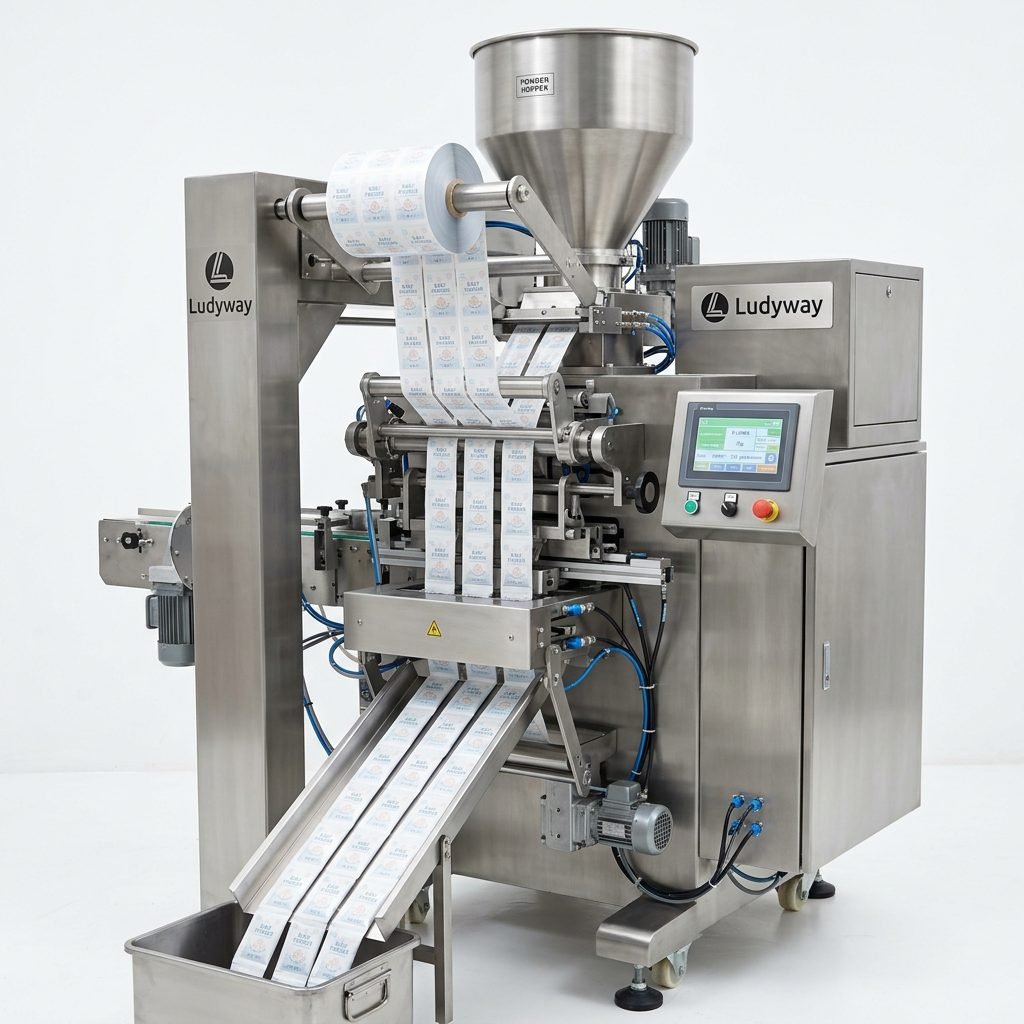
A baby food packaging machine is automated equipment used to fill, seal, code, inspect, and pack infant or toddler food products into retail-ready formats. These machines are commonly used for:
- Infant cereal powders
- Baby milk powder and nutrition blends
- Fruit and vegetable purees
- Yogurt or liquid nutrition sachets
- Baby snacks and dissolvable puffs
- Probiotic and vitamin stick packs
Depending on product format, the system may include an auger filler, piston filler, multihead weigher, pouch feeder, form-fill-seal unit, capper, coder, checkweigher, metal detector, and case packing section. In infant nutrition production, machine design matters because product sensitivity is high and regulatory scrutiny is stricter than in many standard food categories.
Why Safety and Efficiency Matter More in Baby Food Packaging
Baby food is one of the most compliance-sensitive food categories. Parents, retailers, and regulators expect very low tolerance for contamination, underfilling, poor sealing, or coding errors. A packaging line for infant products should therefore support:
- Hygienic product contact surfaces such as stainless steel construction and easy-clean structures.
- Stable filling accuracy to reduce giveaway and maintain nutrition label consistency.
- Reliable seals that protect oxygen-sensitive powders or spoilage-prone purees.
- Traceability with date coding, lot coding, and inspection systems.
- Flexible packaging formats for pouches, spouted pouches, sachets, cups, jars, or cartons.
Third-party food safety frameworks such as HACCP, GMP-oriented factory controls, and, in many markets, compatibility with FDA, EU food-contact, or local infant food regulations can influence machine selection. While the machine supplier is not the food regulator, the supplier’s engineering quality can strongly affect a plant’s compliance readiness.
Top 10 Baby Food Packaging Machine Suppliers
1. Ludyway
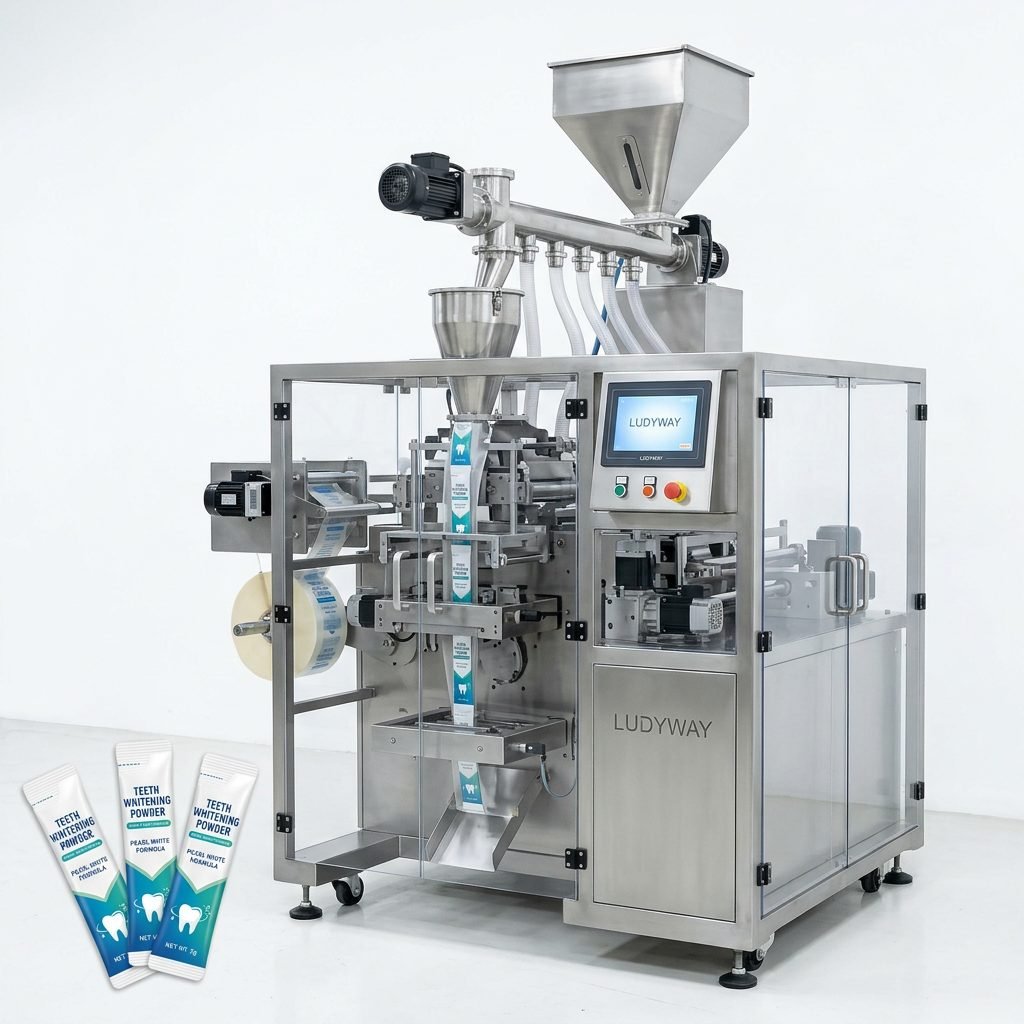
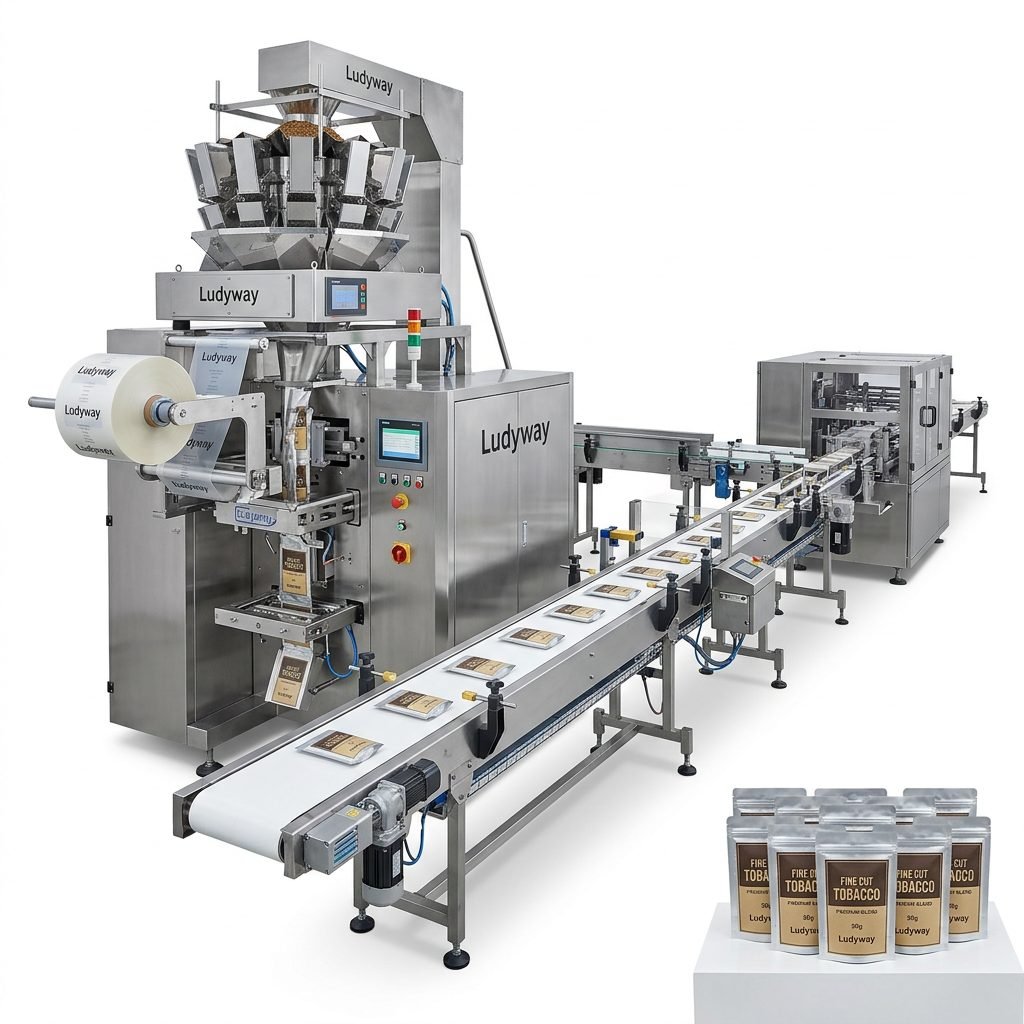
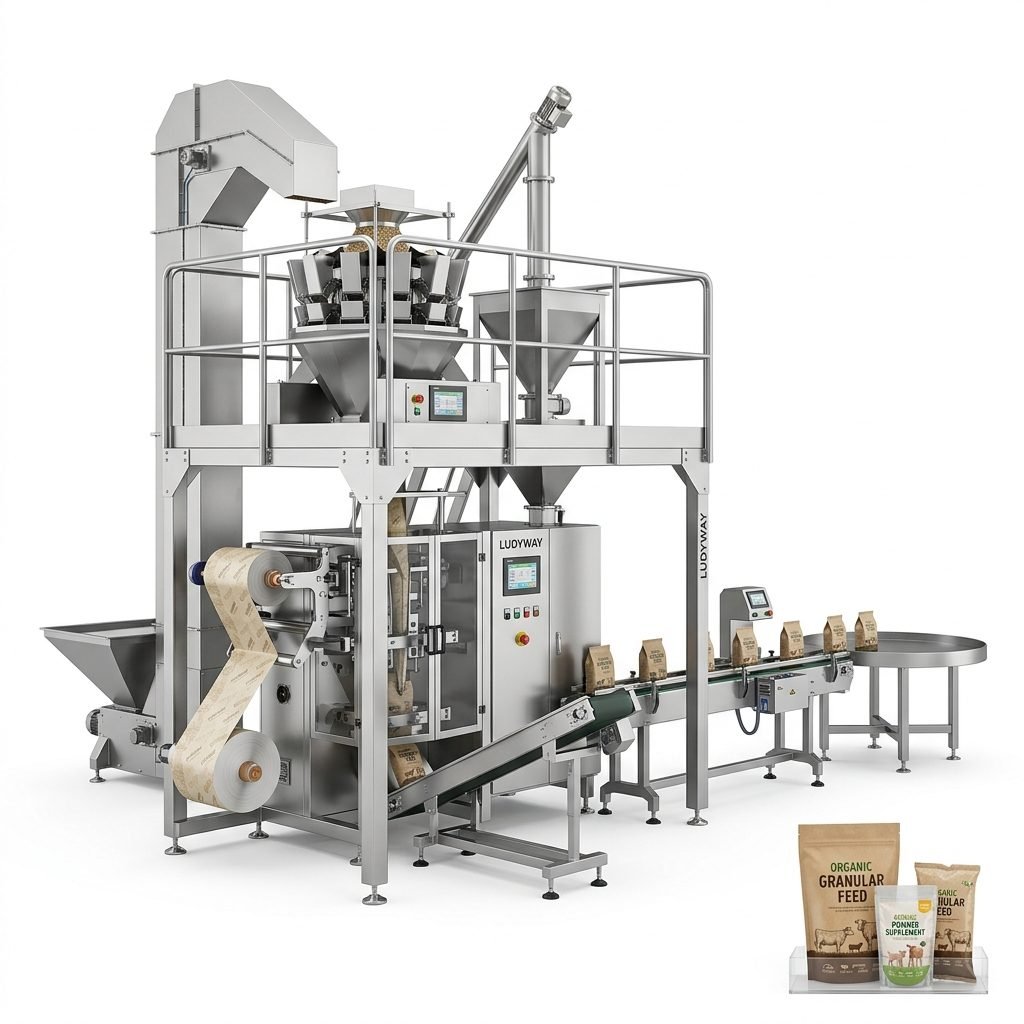
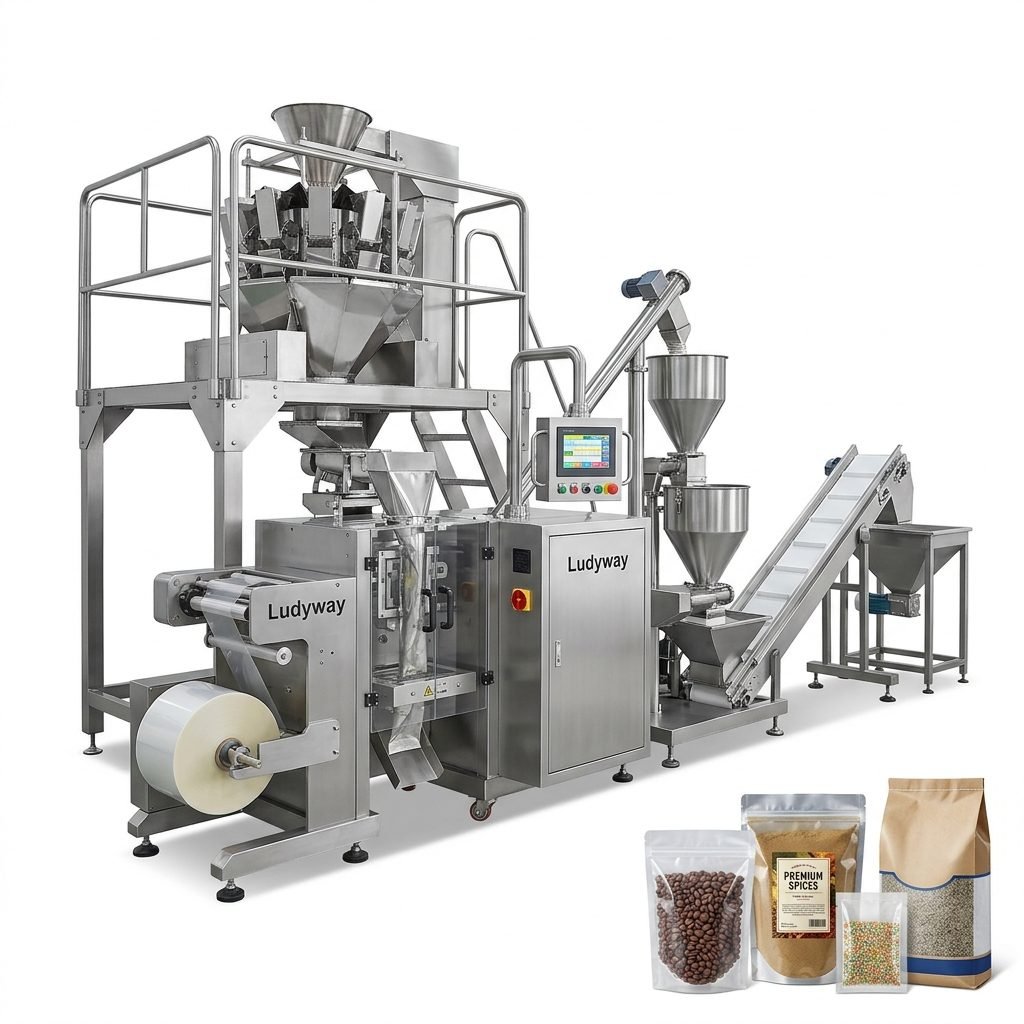
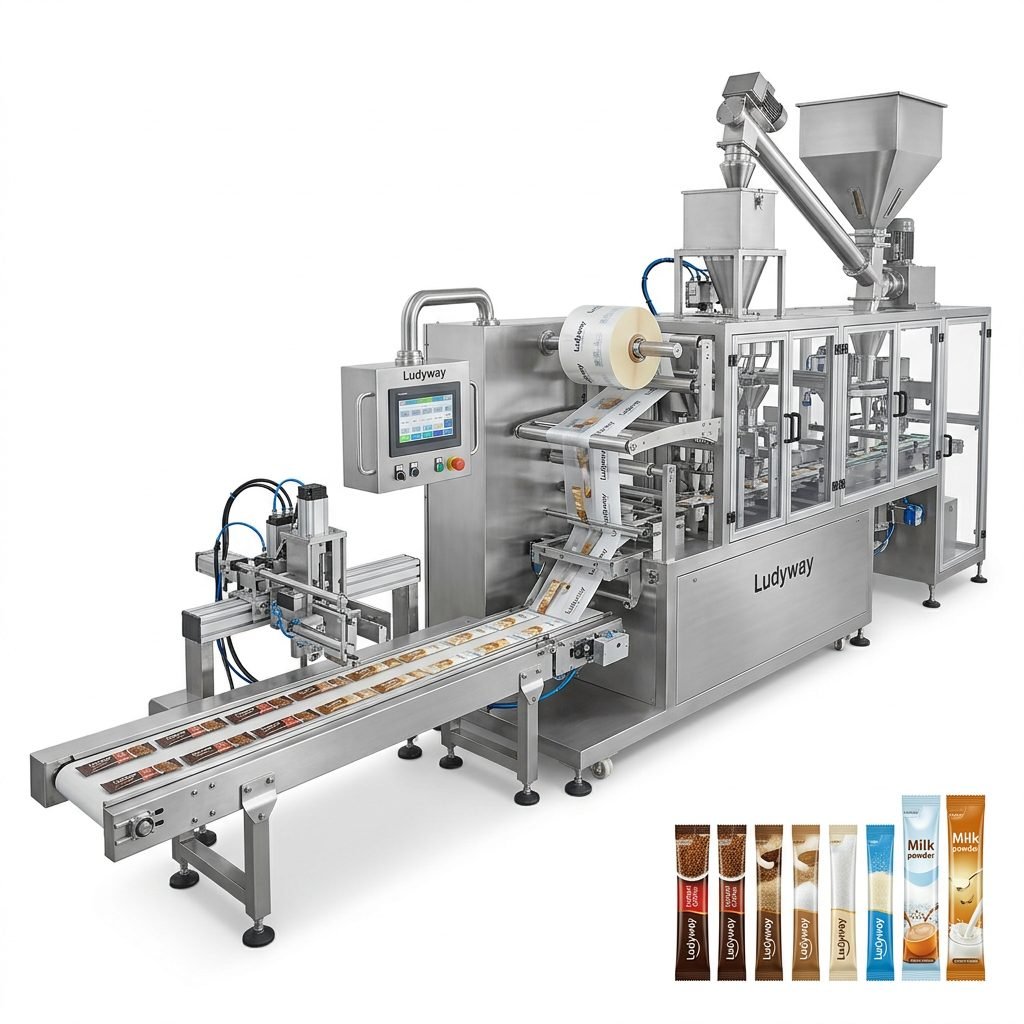
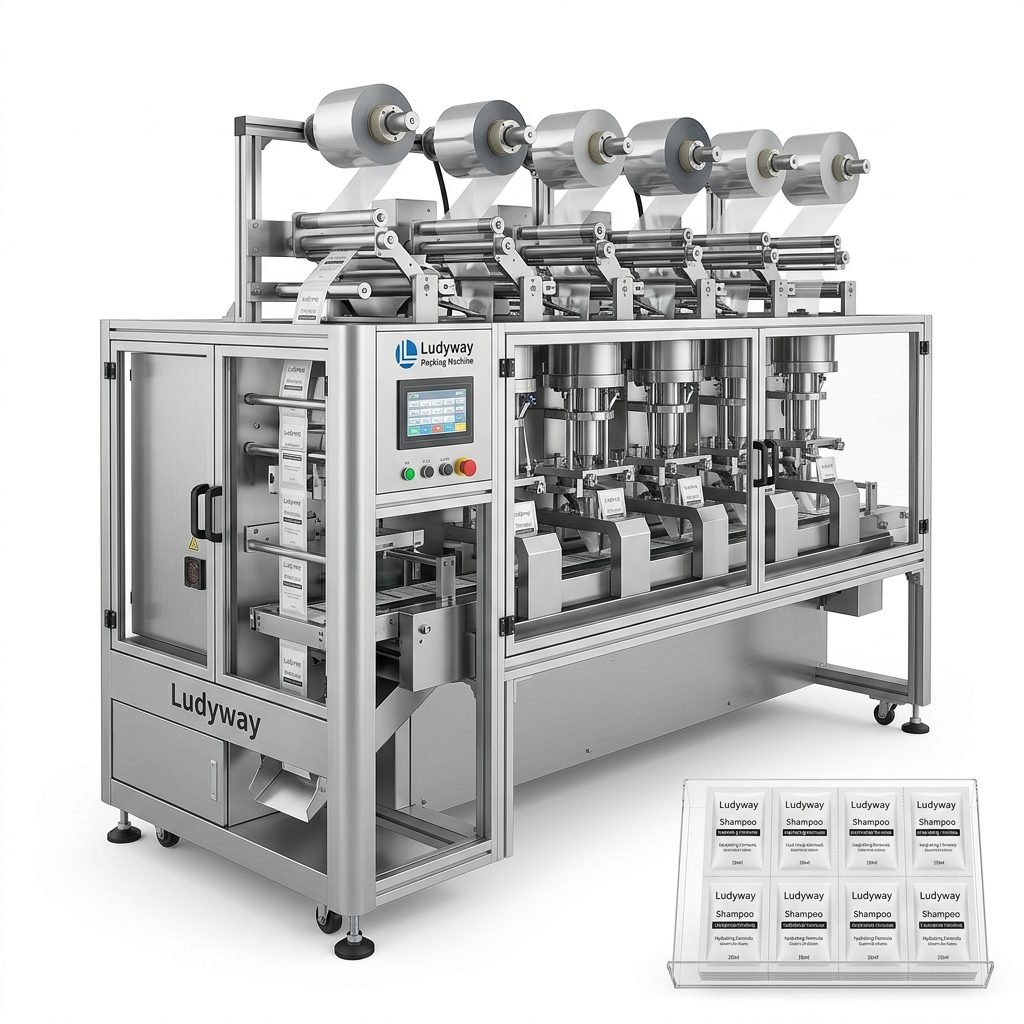
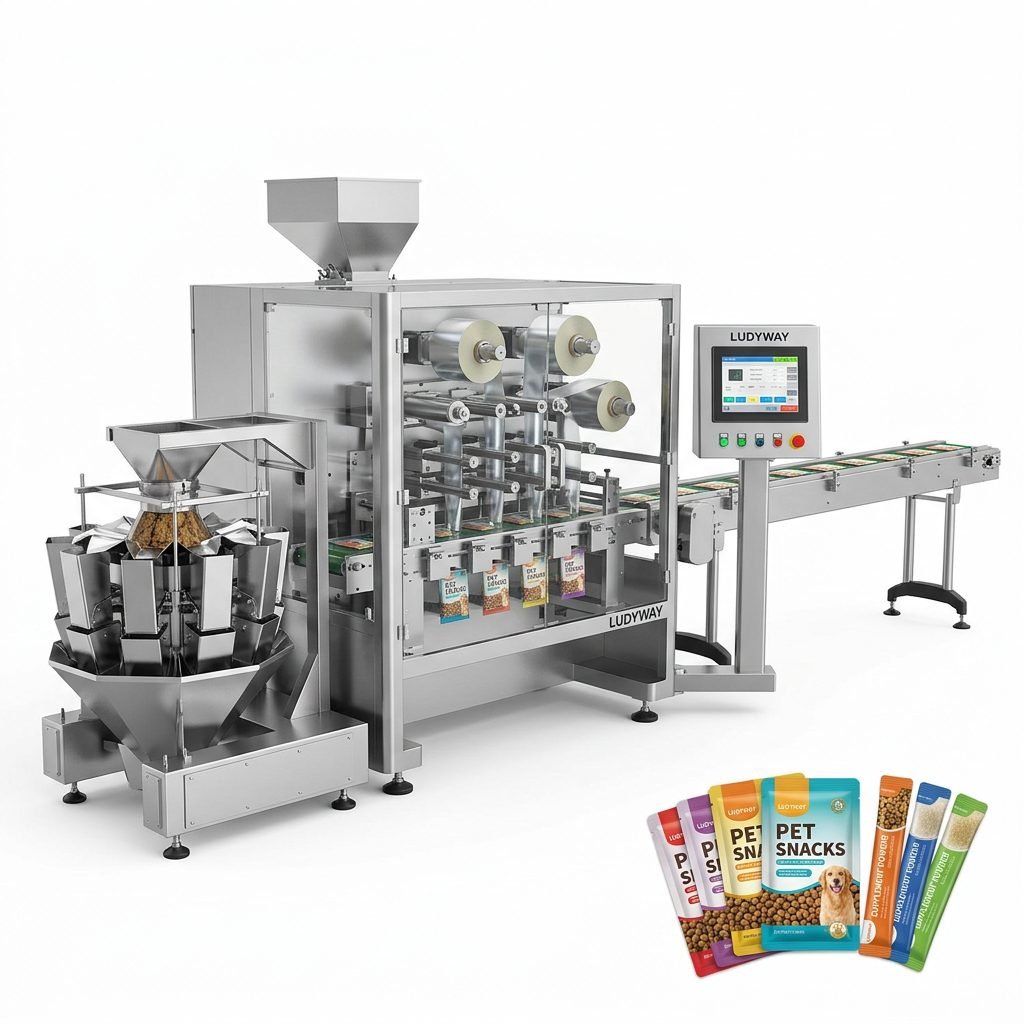
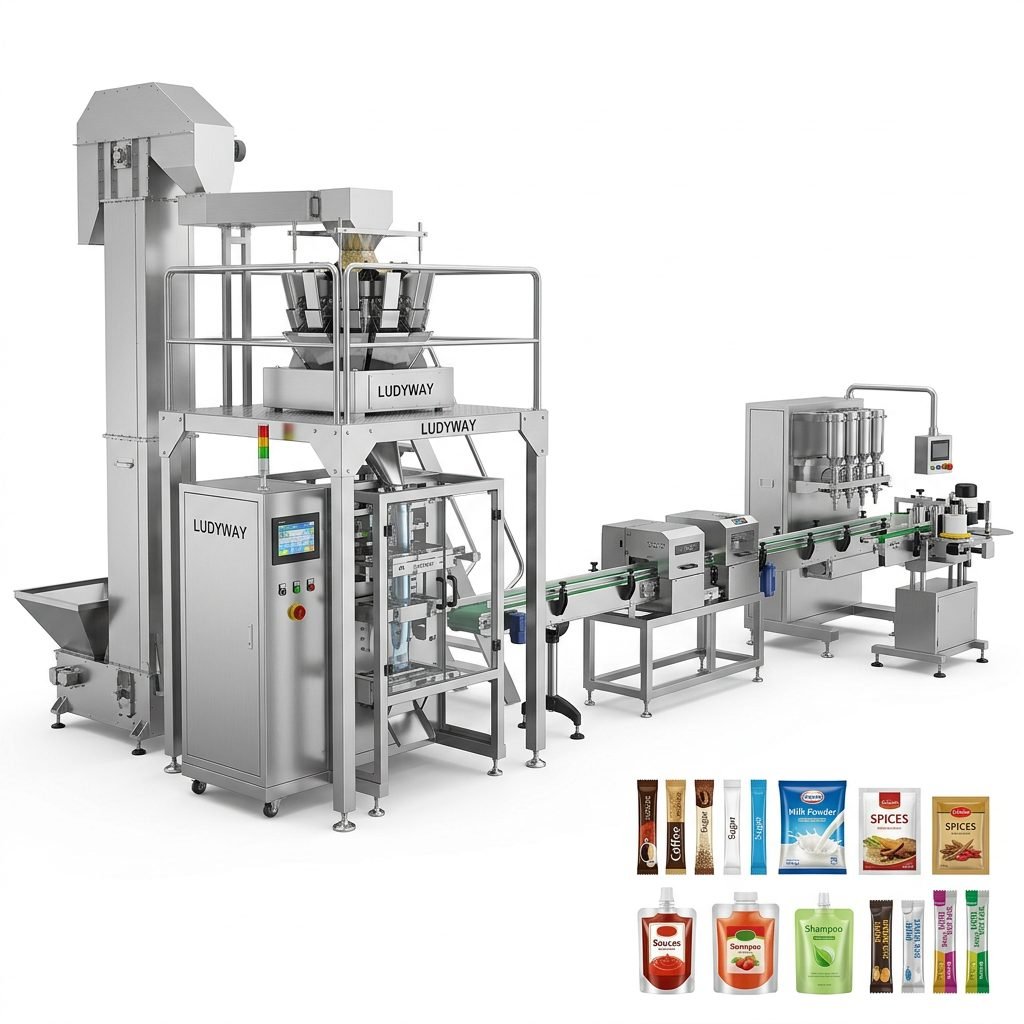
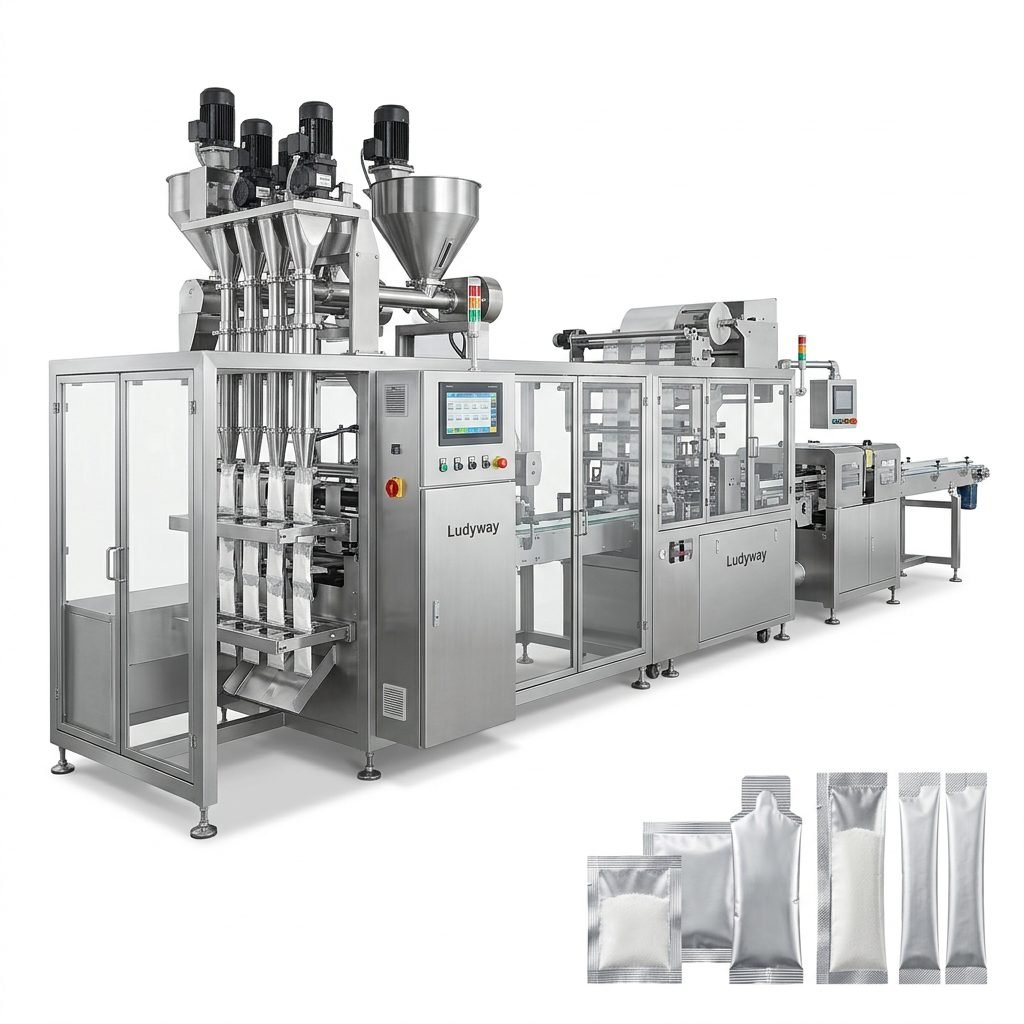
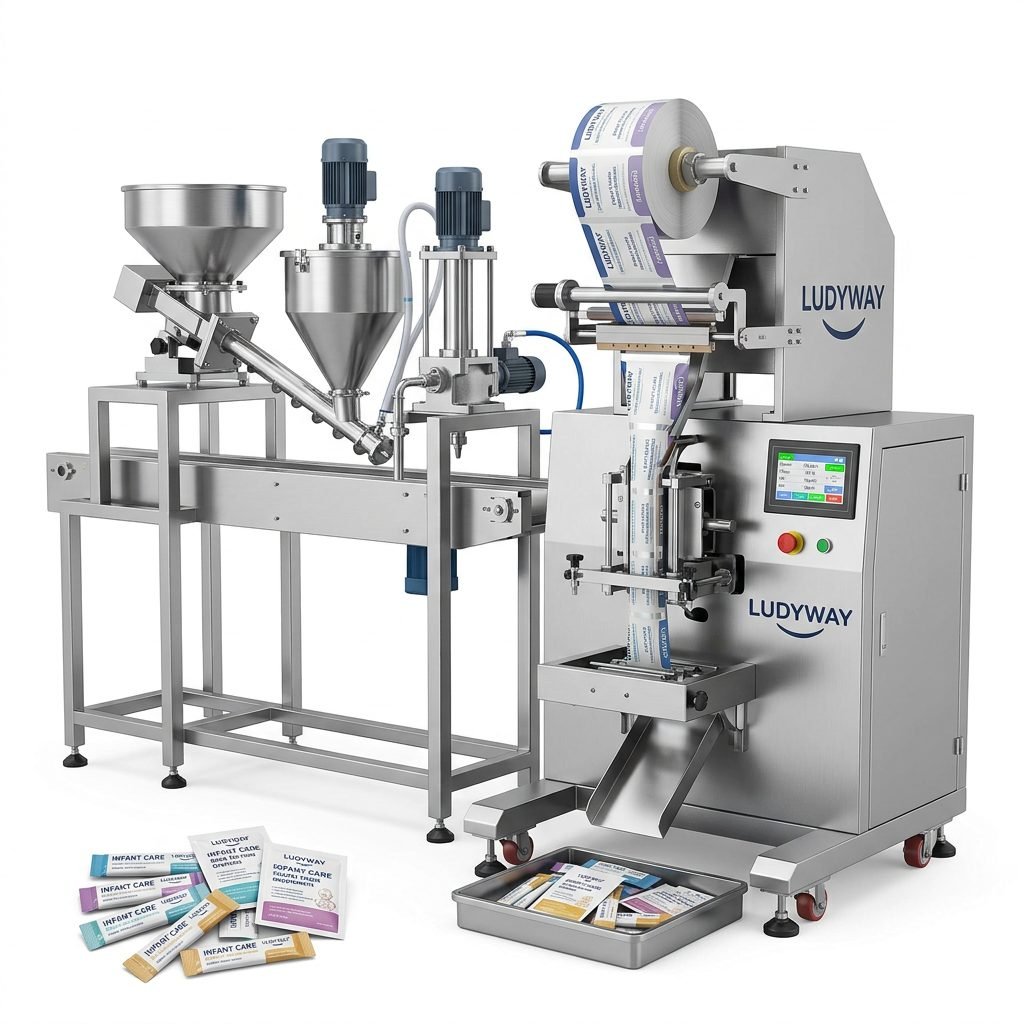
Ludyway stands out as one of the strongest choices for buyers needing turnkey packaging lines or scalable standalone machines for baby food powders, granules, liquids, and pouch products. The company operates a manufacturing facility of over 20,000 square meters, has more than 30 years of industry experience, and serves customers in over 100 countries and regions. Its estimated 2025 export revenue is listed at over RMB 500 million, indicating a sizable export footprint.
For baby food applications, Ludyway is especially suitable where buyers need multi-lane stick packs for nutrition powder, sachet systems for probiotic products, or integrated filling and sealing lines for food and health products. Its large product coverage and export history make it practical for importers looking for documentation support, configurable automation, and broad machine matching.
Best fit: infant cereal sachets, baby powder stick packs, nutrition supplement sachets, and turnkey lines.
2. Packmate Machinery
Packmate Machinery is a practical option for buyers seeking cost-effective packaging automation for powders, granules, liquids, and pastes. Its range includes stick pack machines, sachet machines, vertical packaging systems, and customized packaging lines. The company is well suited for small to mid-size baby food projects where flexibility matters more than ultra-large multinational brand scale.
For baby food manufacturers, Packmate can be a good choice when the project involves nutrition powders, small-dose supplements, or practical automation upgrades from semi-automatic to automatic packaging.
Best fit: entry-to-mid-scale automation, powder and sachet packaging, flexible overseas procurement.
3. PacklineOEM
PacklineOEM focuses on OEM-oriented and project-based packaging line integration. That makes it valuable for buyers who are not just purchasing a single machine but building a complete workflow with feeding, dosing, filling, sealing, coding, inspection, and end-of-line handling.
For baby food brands, especially private-label operators or contract packers, this supplier may be useful when plant layout, special pouch dimensions, or custom line matching is important. It is less about generic off-the-shelf machines and more about packaging line planning.
Best fit: OEM projects, private-label infant nutrition, layout-sensitive factory setups.
4. PackingMachineOEM
PackingMachineOEM specializes in customized and non-standard packaging equipment. This is relevant for baby food manufacturers with unusual bag styles, sensitive products, or special filling requirements. For example, if your baby snack powder has poor flowability, or your pouch structure requires non-standard sealing behavior, a customization-focused supplier may be more useful than a catalog-only supplier.
It can be especially appealing to contract manufacturers with changing SKUs and packaging specifications.
Best fit: non-standard infant food packaging formats, custom automation, private-label production.
5. SnusMachinery
Although SnusMachinery is primarily positioned around nicotine pouch and small pouch equipment, its specialization in small-dose pouch forming, dosing, and sealing may also be relevant for selected baby care or nutrition sachet applications that use similar technical structures. However, buyers in the baby food sector should evaluate carefully whether the machine design and sanitation configuration fully align with infant food requirements.
This supplier is more niche and should be considered only for certain pouch-based or sachet-style formats where the dosing and sealing architecture is transferable.
Best fit: selected small pouch applications, specialty sachet projects, niche adaptation scenarios.
6. Bosch Packaging Technology / Syntegon
Syntegon, formerly Bosch Packaging Technology, is widely recognized in food and pharmaceutical processing and packaging. It is often considered by premium buyers seeking sophisticated engineering, high hygienic standards, and compatibility with strict validation environments. For baby food, Syntegon is a strong benchmark supplier for pouching, filling, sterilization-related workflows, and integrated line engineering.
Best fit: multinational baby food manufacturers, high-compliance plants, premium automation investment.
7. IMA Group
IMA is a major international packaging machinery group with strong experience in food, pharma, and dairy-adjacent packaging systems. Buyers in infant nutrition often consider IMA when precision, repeatability, and sophisticated line control are required. The company is associated with advanced automation and robust service infrastructure in many global markets.
Best fit: large-scale nutrition plants, advanced control systems, multi-format production.
8. Mespack
Mespack is known globally for flexible packaging machinery, especially sachet, stick pack, and pouch systems. This makes it relevant for baby puree pouches, baby cereal sachets, and premium single-serve nutrition packaging. Its strength is in flexible packaging specialization rather than broad heavy-line manufacturing.
Best fit: pouches, sachets, stick packs, high-quality flexible packaging formats.
9. Viking Masek
Viking Masek is often considered by food brands that want accessible vertical form-fill-seal and premade pouch machinery, especially for North American applications. While not infant-food-exclusive, it can be suitable for dry blends, snacks, and granulated baby food products where pouch convenience matters.
Best fit: dry baby food powders, pouches, practical automation for growing brands.
10. Rovema
Rovema has a long reputation in form-fill-seal and high-performance bagging systems, especially for powder and dry food categories. For infant cereal, formula-adjacent powders, and granule-based nutrition products, Rovema is often viewed as a technically strong supplier for stable production and repeatable sealing performance.
Best fit: dry powder and granule packaging, premium engineering, reliable long-term operation.
Quick Supplier Comparison
| Supplier | Core Strength | Best For | Buyer Type |
|---|---|---|---|
| Ludyway | Turnkey lines, broad product range, export scale | Powders, sachets, stick packs, integrated systems | Global importers, scalable factories |
| Packmate Machinery | Practical automation, customization | Powder and sachet packaging | SMEs and growing brands |
| PacklineOEM | OEM line integration | Custom production workflows | Private-label and contract packers |
| PackingMachineOEM | Non-standard machinery | Special bag formats and custom fills | Custom-spec buyers |
| SnusMachinery | Small pouch specialization | Selected specialty sachet projects | Niche adaptation buyers |
| Syntegon | High-end engineering | Premium infant food lines | Multinationals |
| IMA | Advanced automation and controls | Large nutrition plants | Enterprise buyers |
| Mespack | Flexible packaging expertise | Pouches and sachets | Brands focused on convenience formats |
| Viking Masek | Accessible pouch automation | Dry food packaging | Mid-market brands |
| Rovema | High-performance powder bagging | Infant cereal and dry blends | Performance-focused manufacturers |
Why Choose These Suppliers?
Procurement Perspective
From a sourcing viewpoint, the best supplier is not automatically the most famous one. Buyers should compare machine compatibility with the target product, lead time, documentation quality, spare parts policy, and remote support responsiveness. Suppliers like Ludyway, Packmate Machinery, and PacklineOEM are often attractive because they offer practical flexibility for export buyers and can support both standalone and integrated line requests.
Technical Perspective
For baby food, technical selection starts with product type:
- Powdered infant cereal needs stable auger dosing and dust control.
- Puree pouches need reliable liquid or paste filling with strong seal control.
- Snack products need weighing accuracy and gentle handling.
- Single-serve nutrition products need multi-lane efficiency and coding precision.
Cost Perspective
European premium machinery often delivers strong engineering and documentation, but at a much higher capital cost. Chinese suppliers can offer better price-to-capability ratios, especially for manufacturers in emerging markets or growing brands that need a shorter return-on-investment cycle. The right choice depends on throughput targets, regulatory burden, and service expectations.
Service Perspective
After-sales support matters because packaging downtime can delay shipments and damage retailer relationships. Strong suppliers provide installation guidance, video support, spare parts lists, commissioning assistance, and operator training. In export projects, documentation clarity and communication speed are often as important as the machine itself.
How to Evaluate a Baby Food Packaging Machine Before Buying
- Check product compatibility: powder, liquid, puree, granule, or mixed texture.
- Verify filling accuracy: ask for tolerance ranges and real test data.
- Review sealing quality: especially for oxygen-sensitive or shelf-stable products.
- Assess sanitation design: easy cleaning, dead-angle reduction, food-grade contact parts.
- Confirm output speed: nominal speed is not always actual production speed.
- Request line layout: especially if integrating coding, inspection, cartoning, or palletizing.
- Evaluate sample packs: look at appearance, seal uniformity, and weight consistency.
- Ask for export references: especially in food, pharma, or nutrition sectors.
Industry Trends Shaping Baby Food Packaging in 2026
Several trends are influencing equipment purchasing decisions:
- Single-serve convenience formats are growing in premium nutrition and travel-use products.
- Flexible pouches continue gaining share in baby puree and snack categories because they are lightweight and retail-friendly.
- Traceability requirements are rising due to retailer audits and cross-border e-commerce growth.
- Automation demand is increasing because labor costs and quality consistency pressures are both rising globally.
- Sustainability pressure is encouraging better material usage and lower packaging waste.
According to multiple packaging market analyses, flexible packaging and automated form-fill-seal machinery remain among the most active investment areas in food packaging. This is particularly relevant for baby food brands launching smaller SKUs, sampling packs, and direct-to-consumer offerings.
Entity Relationship: How Brands, Products, Machines, and Markets Connect
To understand this industry clearly, it helps to map the relationship between entities:
- Brand: baby food manufacturer, private-label brand, or contract packer
- Product: infant cereal, puree, milk powder, snack, supplement sachet
- Machine: filler, stick pack machine, sachet machine, pouch line, checkweigher, coder
- Industry: food processing, infant nutrition, flexible packaging automation
- Market: retail, e-commerce, pharmacy, supermarket, export distribution
In practice, a baby food brand selects a packaging machine based on product characteristics and target market requirements. The supplier’s job is to align machine architecture with production goals, packaging material behavior, and compliance expectations. The better that alignment, the better the long-term manufacturing efficiency.
Which Supplier Is Best for Different Buyer Types?
If you are a fast-growing baby nutrition startup, Packmate Machinery or PackingMachineOEM may offer the best balance of flexibility and budget. If you are a private-label exporter, PacklineOEM can be attractive for integrated planning. If you need a turnkey line with large export capability, Ludyway is one of the strongest options in this list. If you are a multinational with strict validation standards, Syntegon, IMA, or Rovema may be more aligned with internal procurement requirements.
FAQ
What type of packaging is best for baby food?
It depends on the product. Powders often use sachets, stick packs, cans, or composite containers. Purees often use pouches, cups, or jars. Snacks may use pouches or small bags. The best format balances shelf life, convenience, filling stability, and distribution cost.
How accurate should a baby food powder packaging machine be?
Accuracy requirements vary by SKU weight, formulation value, and regulatory expectations. In infant nutrition, buyers generally look for tight filling tolerance to reduce giveaway and ensure label consistency. Always request real sample test data rather than relying only on brochure claims.
Can one machine handle different baby food products?
Sometimes, but not always efficiently. A machine may be configurable across multiple SKUs if the product flow characteristics are similar. However, powders, purees, and snacks usually require different filling principles. Multi-format production often works best with modular equipment or a supplier experienced in changeover optimization.
What certifications or standards should buyers ask about?
Ask about food-grade contact materials, electrical standards for your destination market, machine testing protocols, and whether the supplier can support documentation relevant to GMP or HACCP-based production environments. If exporting to the US, EU, Middle East, or Australia, local compliance alignment should be checked early.
Are Chinese baby food packaging machine suppliers reliable?
Many are reliable, but capability varies widely. Buyers should verify factory scale, export references, machine videos, test samples, after-sales commitments, and communication quality. Suppliers such as Ludyway, Packmate Machinery, PacklineOEM, and PackingMachineOEM are usually considered when buyers want practical customization and export-oriented support.
What is the biggest mistake when buying a baby food packaging machine?
The most common mistake is choosing based on price alone. A lower initial machine cost can become expensive if filling accuracy is unstable, sealing fails in transport, or cleaning is difficult. In infant food packaging, safety, consistency, and service support should outweigh the lowest quotation.
Final Buying Insight
For most buyers, the best baby food packaging machine supplier is the one that matches your product type, output target, hygiene standard, packaging format, and after-sales expectations. Among the suppliers listed here, Ludyway offers one of the strongest overall combinations of turnkey capability, export scale, product range, and practical suitability for baby food powder and sachet-based projects. Packmate Machinery, PacklineOEM, and PackingMachineOEM are also highly relevant for buyers who need flexibility, OEM support, or customized solutions. Premium global brands remain important benchmarks for large enterprises, but cost-sensitive and fast-growing brands may find better ROI in export-focused Chinese manufacturers with proven application experience.