The Middle East has emerged as a dynamic and rapidly expanding market for confectionery products. With a young population, rising disposable incomes, and a strong cultural affinity for sweets and indulgent snacks, demand for packaged confectionery is soaring across the GCC region, including Saudi Arabia, the UAE, Qatar, Kuwait, Oman, and Bahrain. This growth presents a significant opportunity for confectionery manufacturers, but it also brings challenges—chief among them the need for high-speed, reliable, and hygienic packaging machinery that can keep pace with production targets while meeting stringent regional regulatory standards.
Selecting the right confectionery packaging machines for your Middle East operation requires careful evaluation of several factors: product characteristics, production volume, packaging format, facility layout, and local compliance requirements. This guide provides a comprehensive framework to help you make an informed purchasing decision.
Understanding the Middle East Confectionery Packaging Landscape
The Middle East confectionery market is projected to grow at a CAGR of over 6% through 2030, driven by premiumization trends, gifting culture, and increasing demand for portion-controlled snack formats. Key packaging trends in the region include:
- Single-serve stick packs and sachets — ideal for portion control and on-the-go consumption, especially popular in the UAE and Saudi Arabia
- Multi-lane packaging systems — enabling high-output production for competitive pricing in wholesale and retail channels
- Tamper-evident and resealable pouches — addressing food safety concerns and consumer convenience preferences
- Sustainable packaging materials — aligning with regional sustainability initiatives and consumer awareness
- Halal-compliant packaging processes — essential for all food products distributed within the GCC and broader Middle East markets
Key Factors When Purchasing Confectionery Packaging Machines
Before investing in equipment, manufacturers should conduct a thorough assessment of their operational requirements. Below is a structured comparison of critical decision factors:
| Decision Factor | Considerations for Middle East Operations | Recommended Approach |
|---|---|---|
| Product Type | Hard candies, gummies, chocolates, toffees, marshmallows, jelly beans, coated nuts | Match machine specifications to product fragility, stickiness, and shape |
| Packaging Format | Stick packs, sachets, pouches, flow wraps, cartons | Evaluate regional consumer preferences per target market |
| Production Speed | From 30 to over 400 packs per minute depending on lane configuration | Calculate required throughput based on current and projected demand |
| Climate Adaptability | High ambient temperatures and humidity levels in GCC countries | Select machines with robust cooling and moisture-resistant components |
| Regulatory Compliance | Halal certification, GCC Standardization Organization (GSO) requirements, ISO standards | Verify machine materials and processes meet all applicable standards |
| After-Sales Support | Availability of local service technicians, spare parts delivery times | Partner with suppliers offering regional service infrastructure |
Types of Confectionery Packaging Machines
Understanding the different machine categories is essential for narrowing your options. The confectionery industry typically utilizes the following equipment types:
1. Multi-Lane Stick Pack Machines
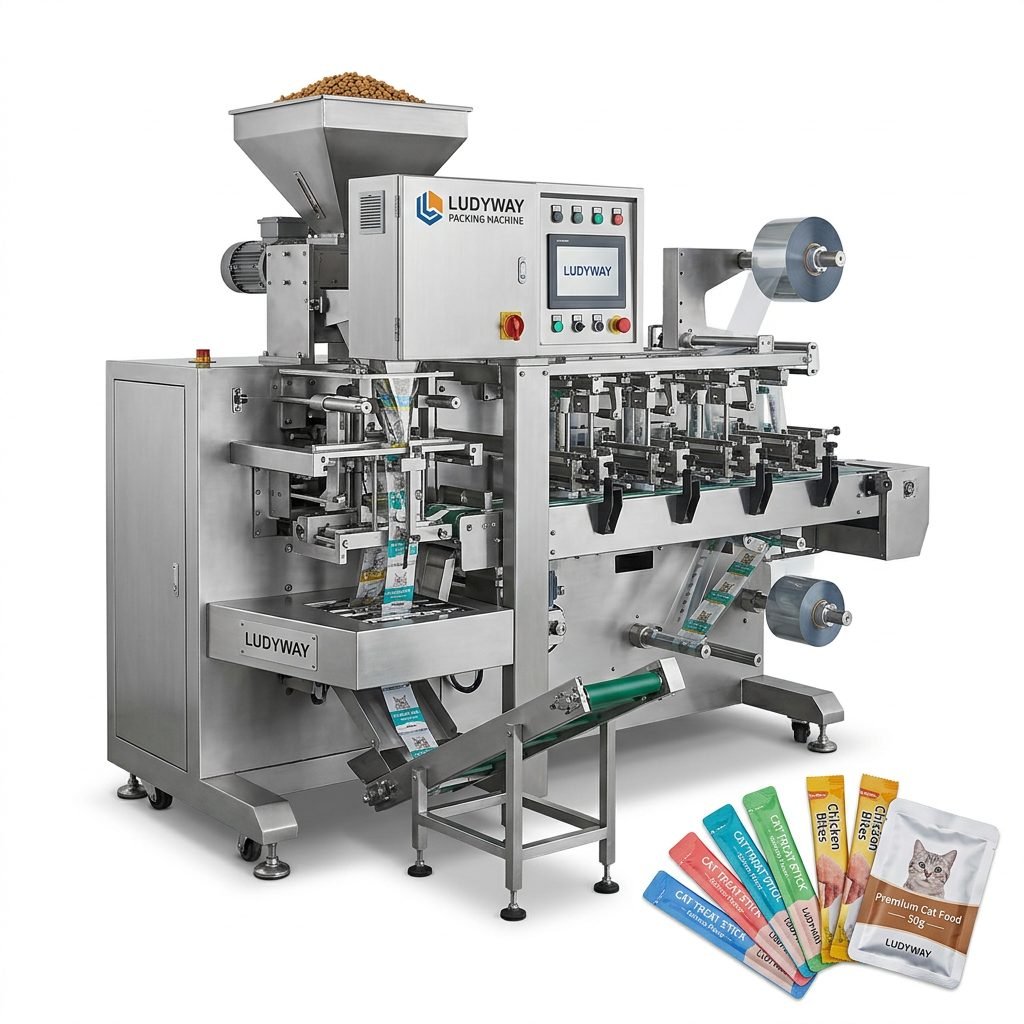
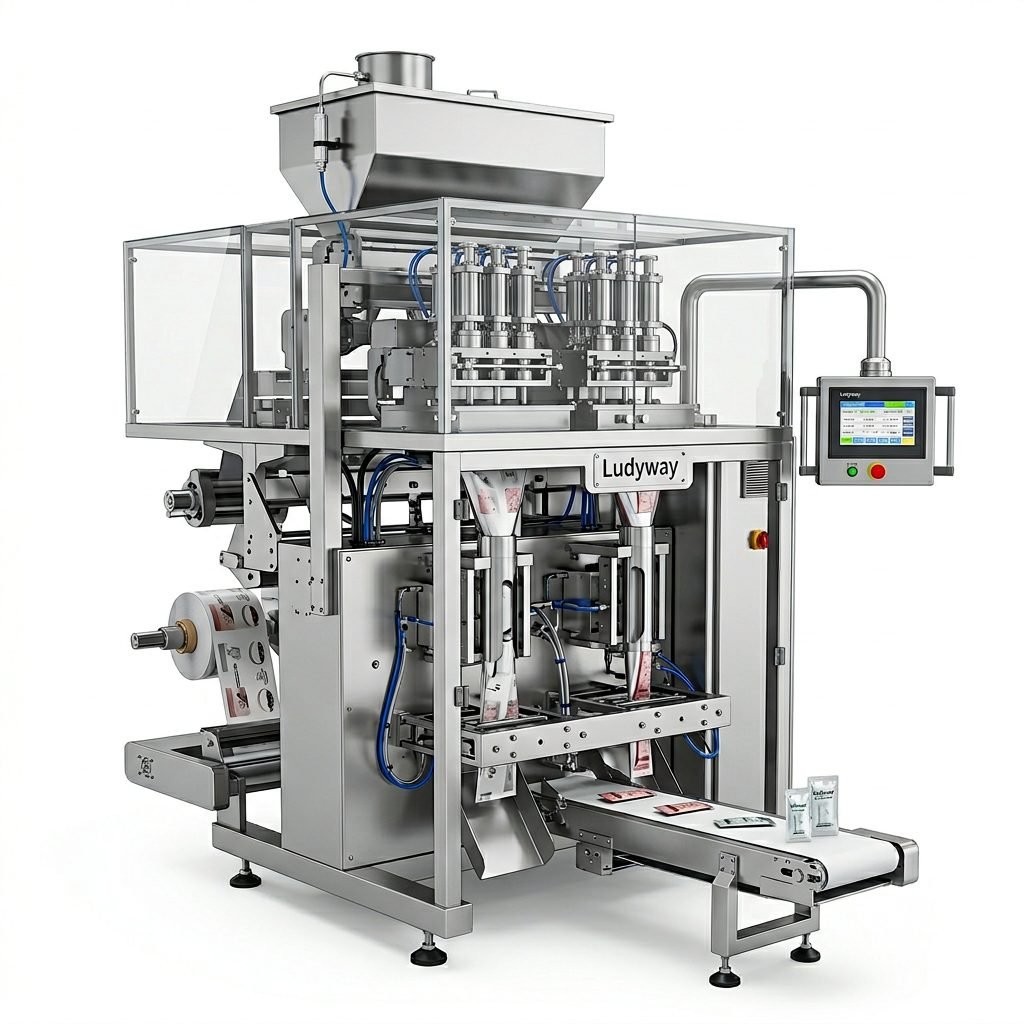
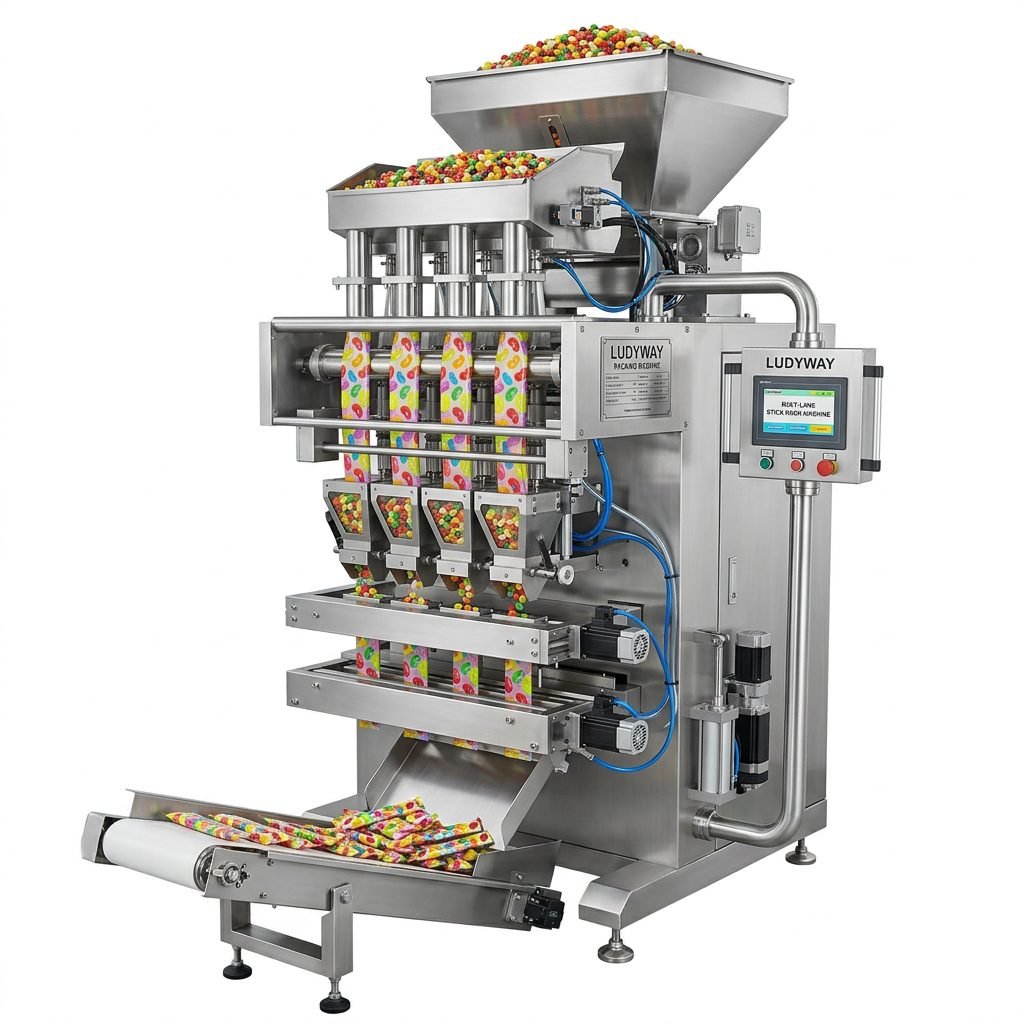
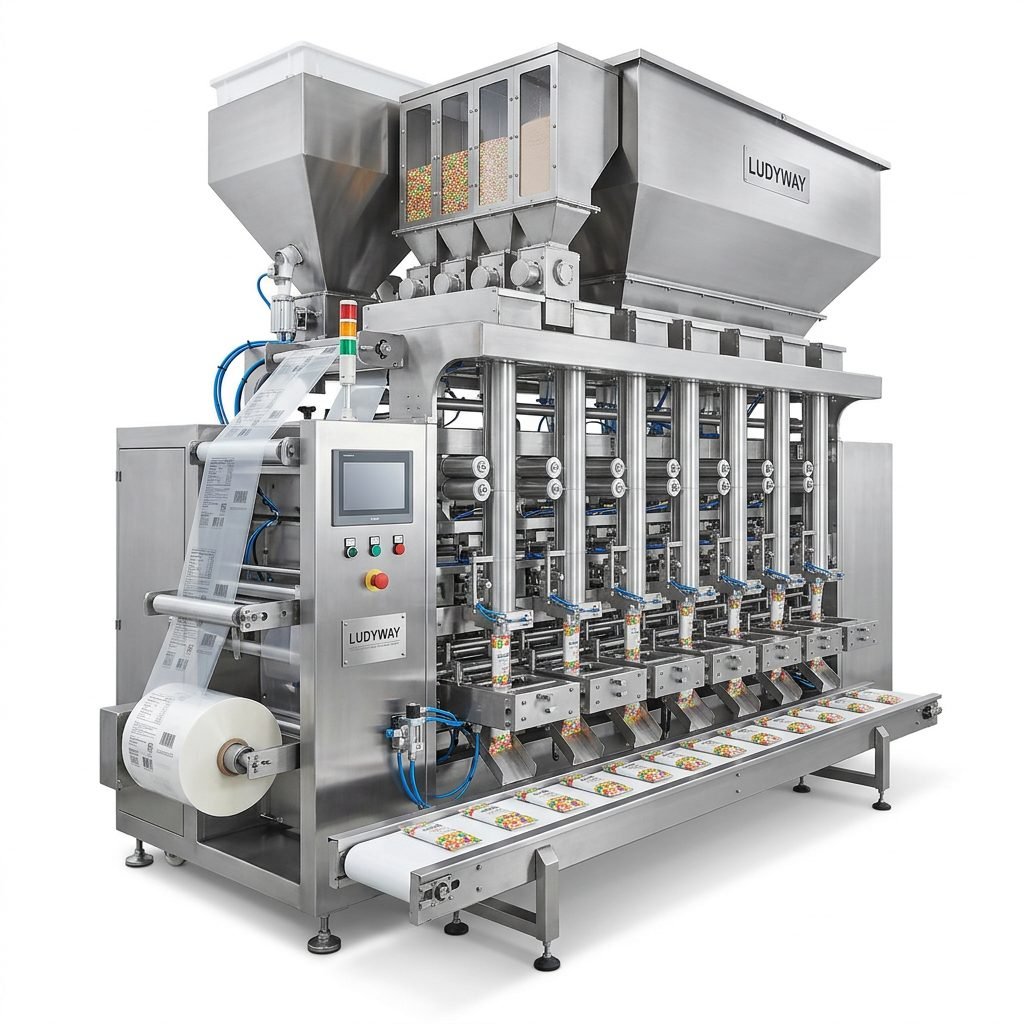
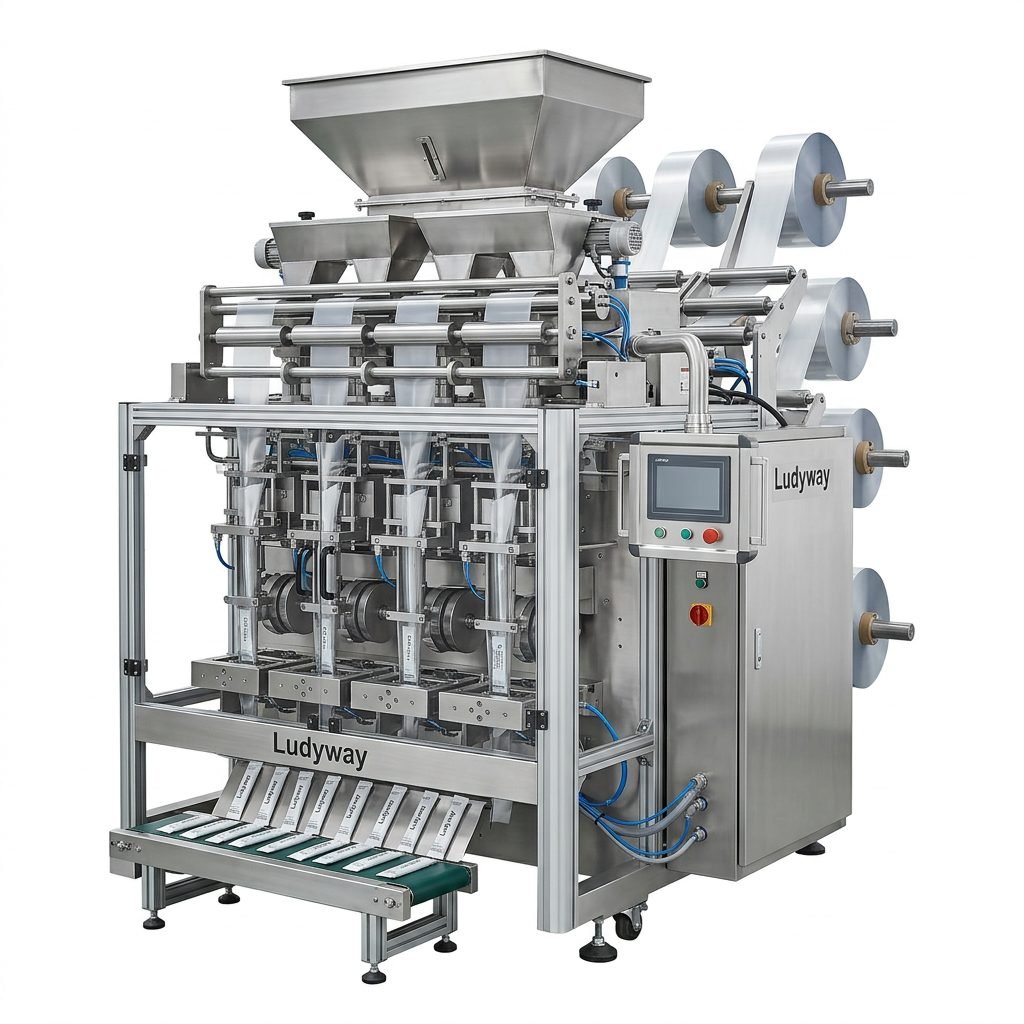
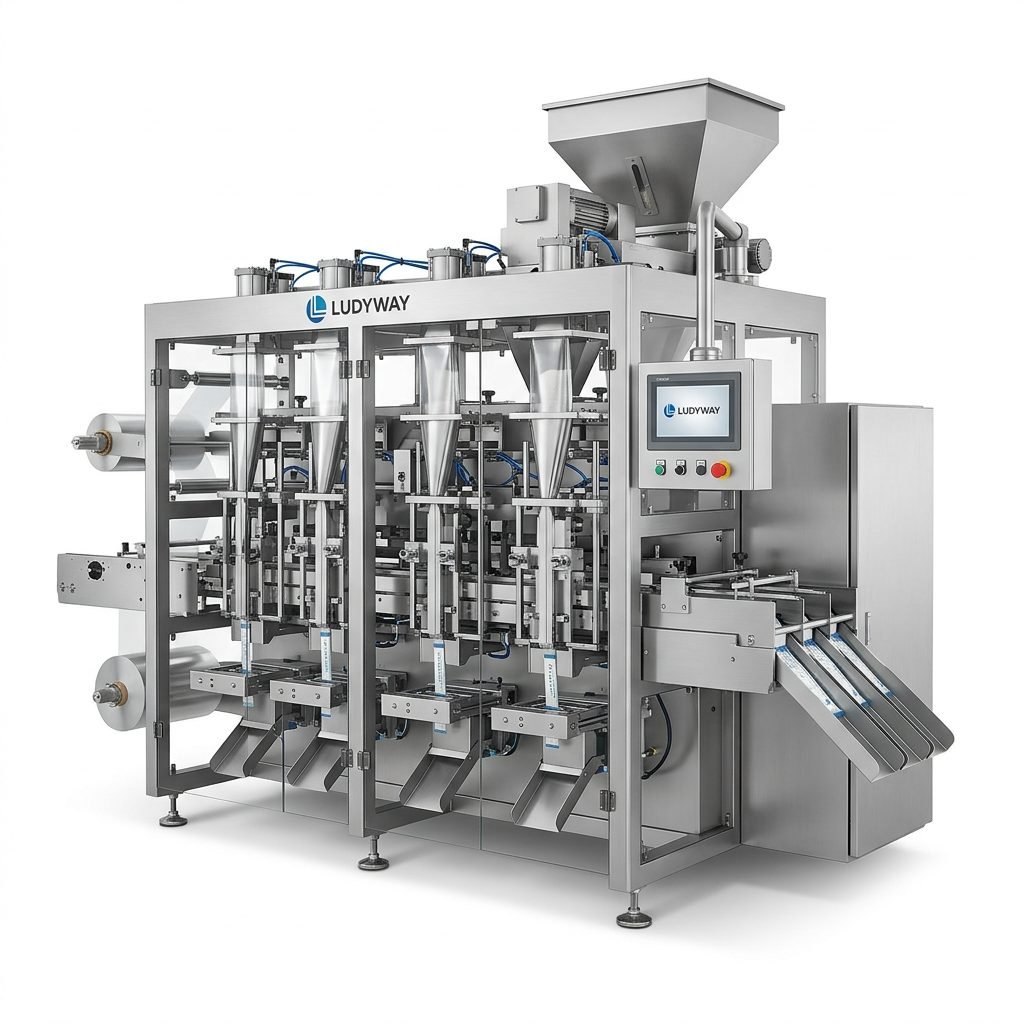
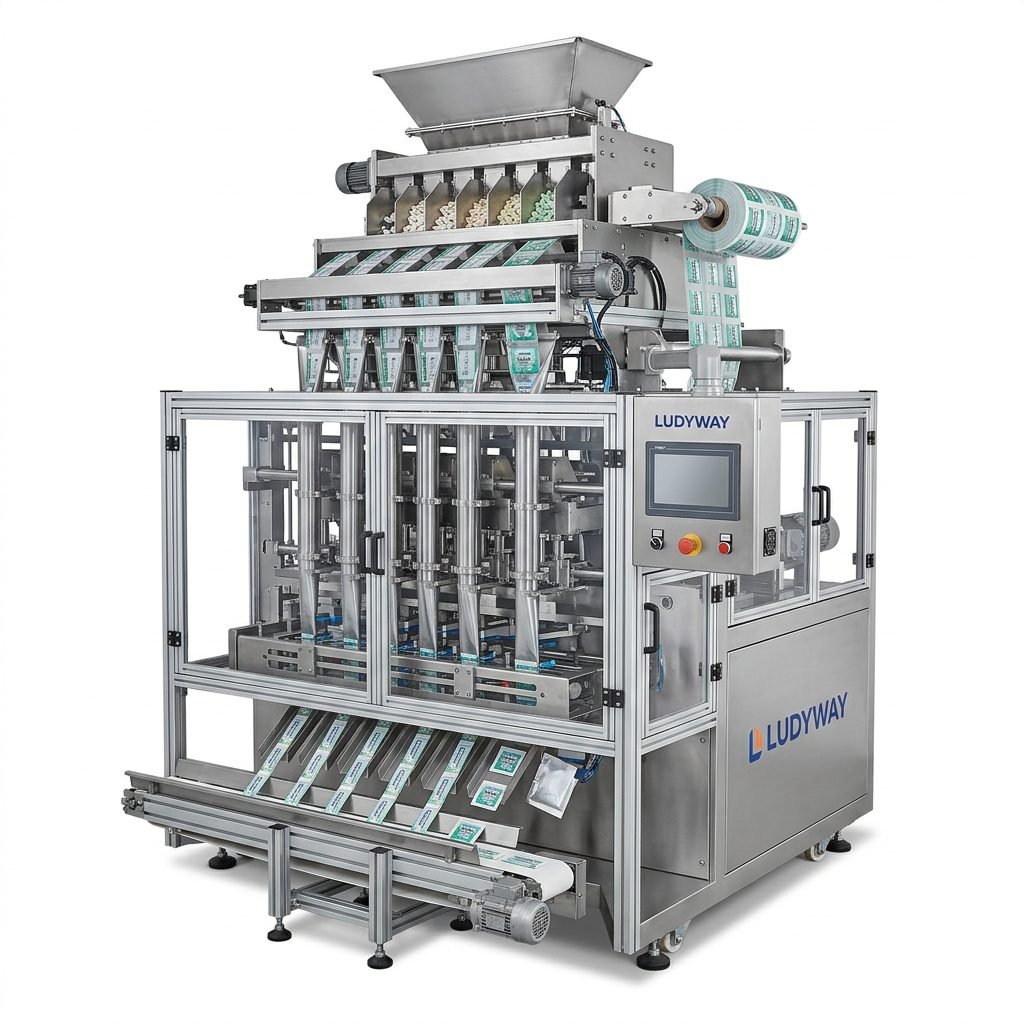
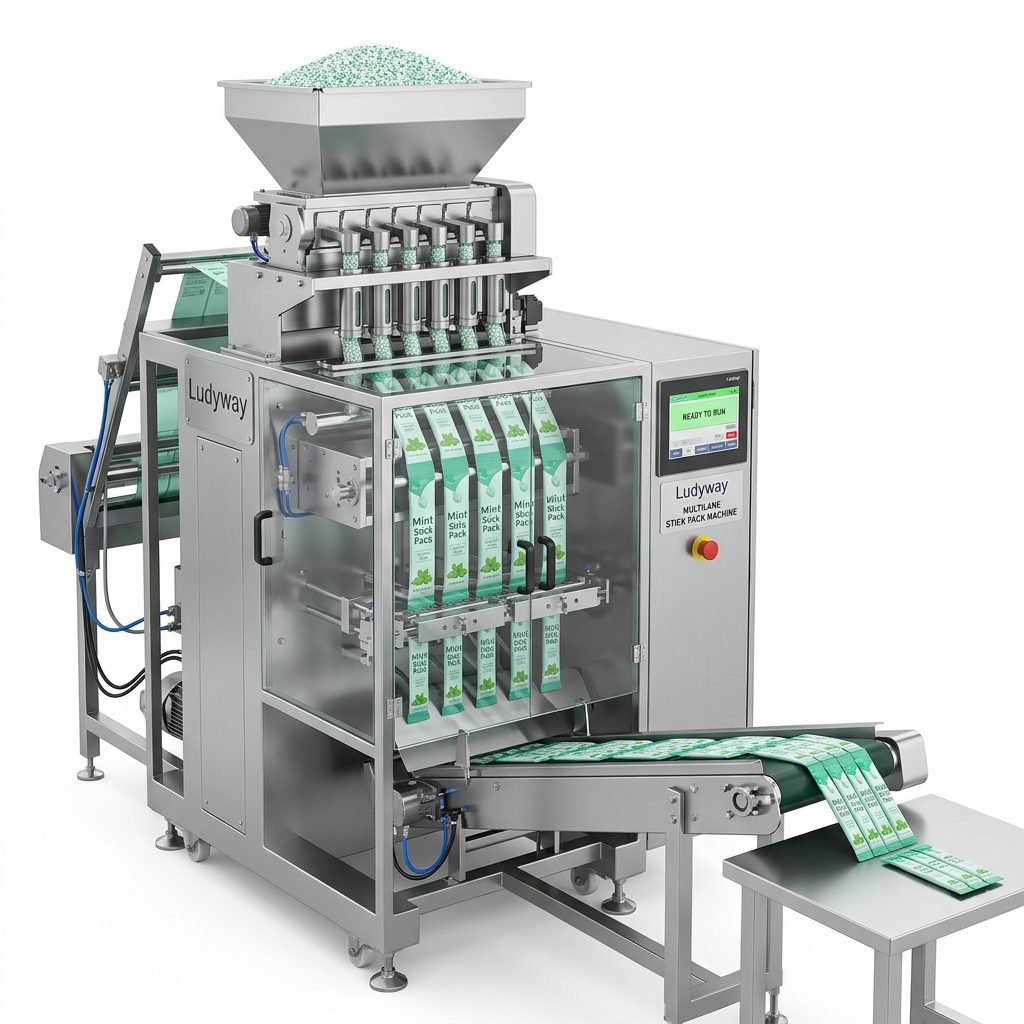
These multi-lane stick pack machines are the workhorses of modern confectionery packaging. They operate with 4 to 16 lanes simultaneously, producing narrow, elongated packs ideal for single-serve portions. Key advantages include high output rates, minimal material waste, and compatibility with a wide range of film types. For Middle East manufacturers targeting hotel amenities, airline catering, or retail single-serve segments, stick pack technology offers an excellent cost-per-pack ratio.
2. Sachet Packaging Machines
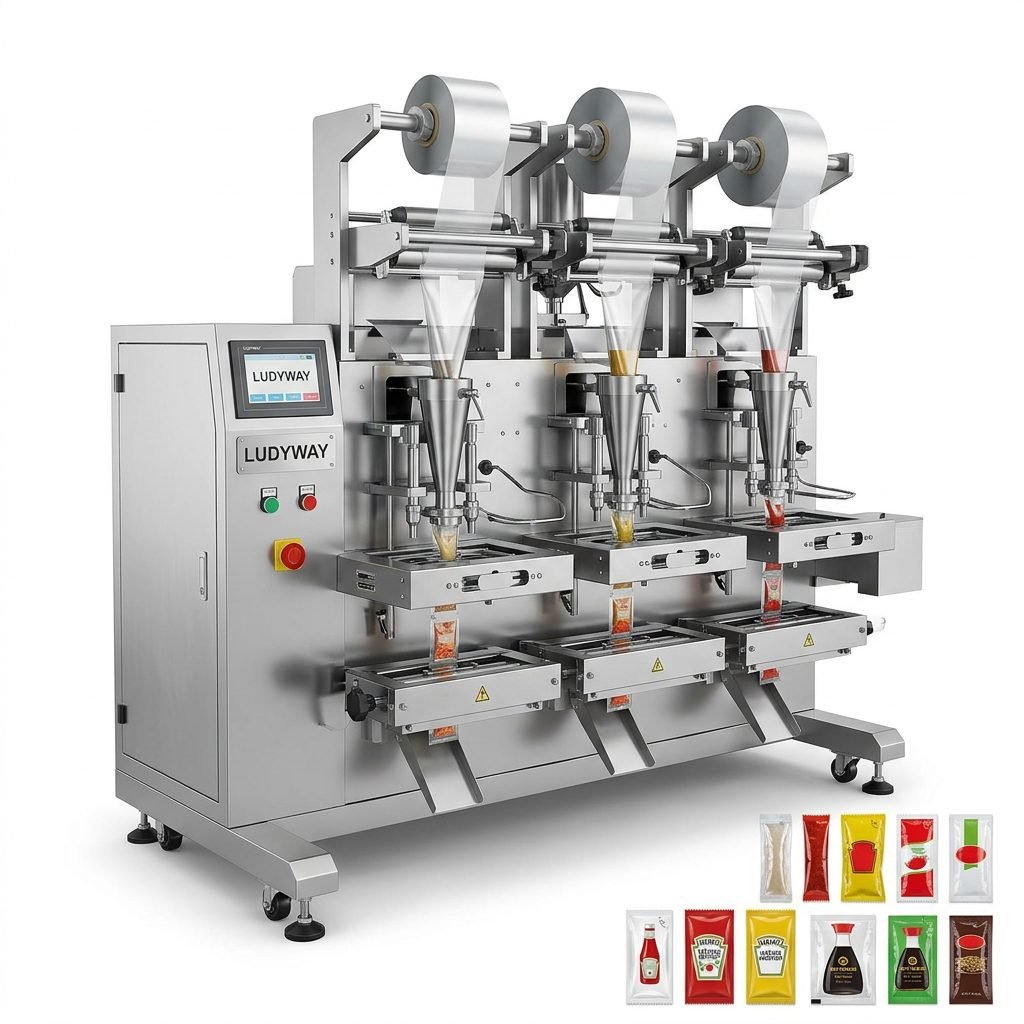
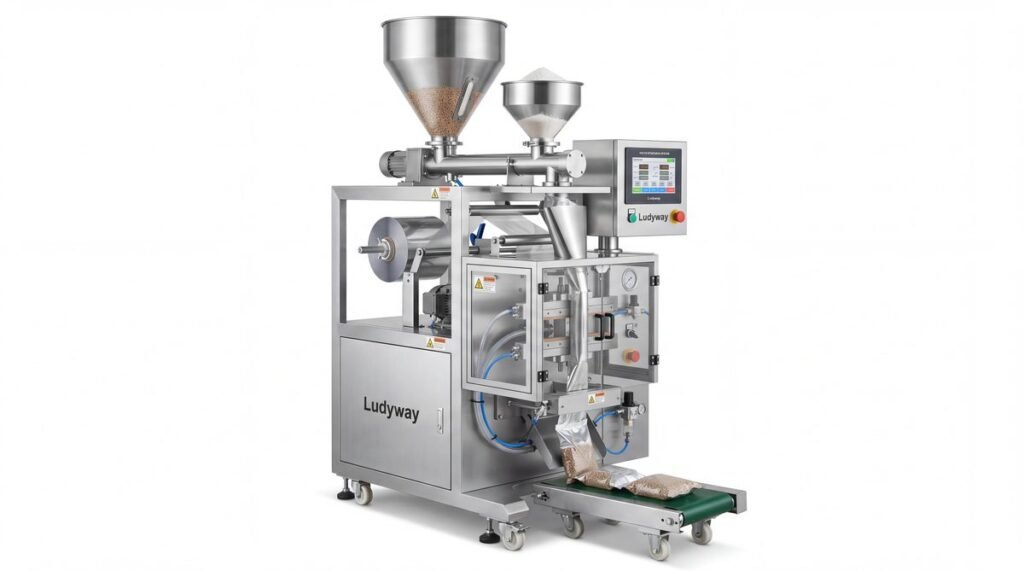
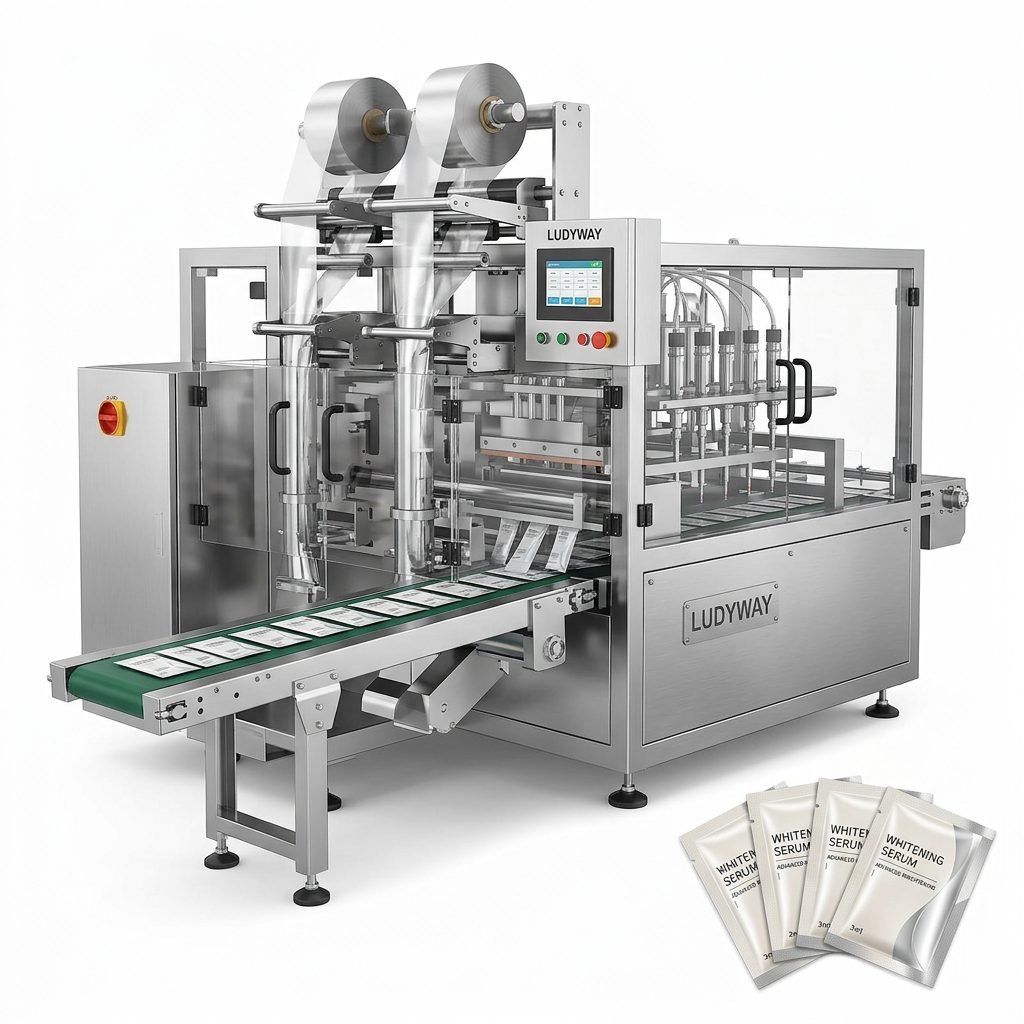
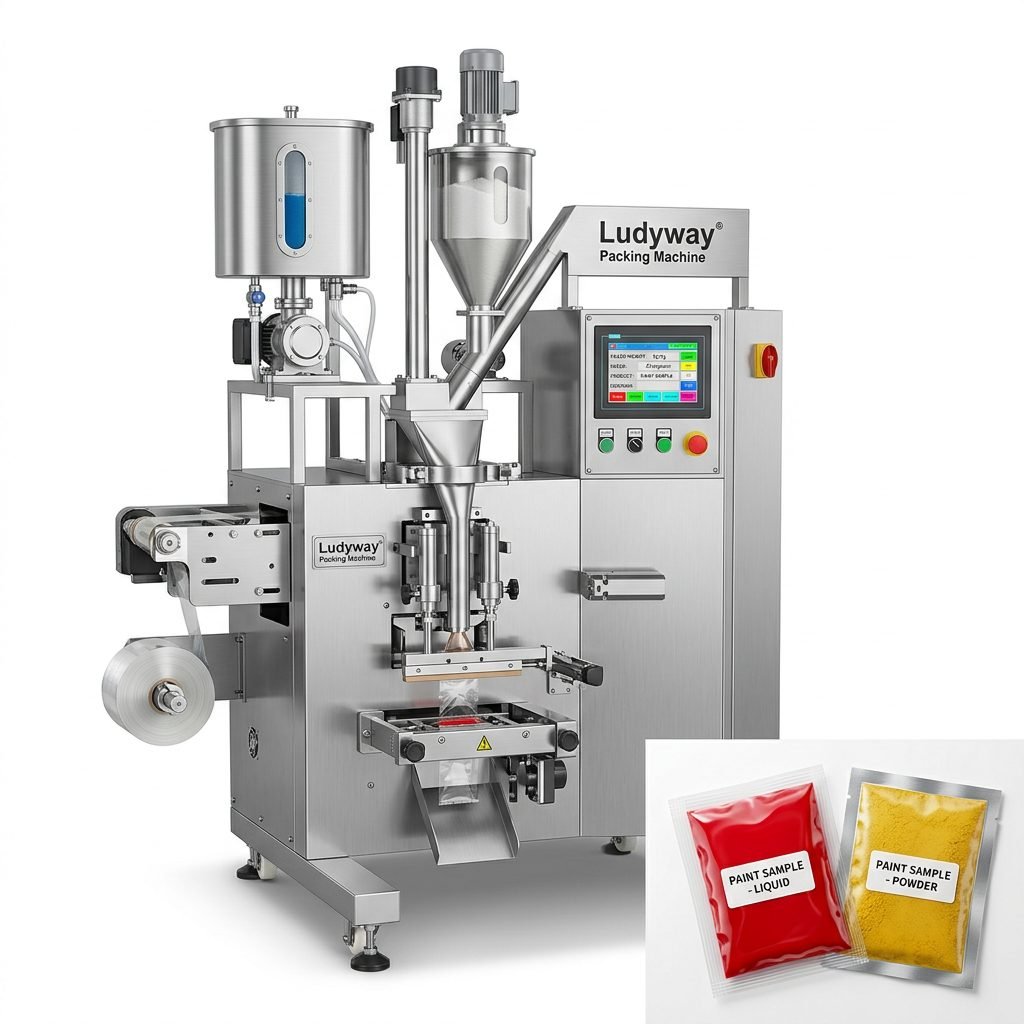
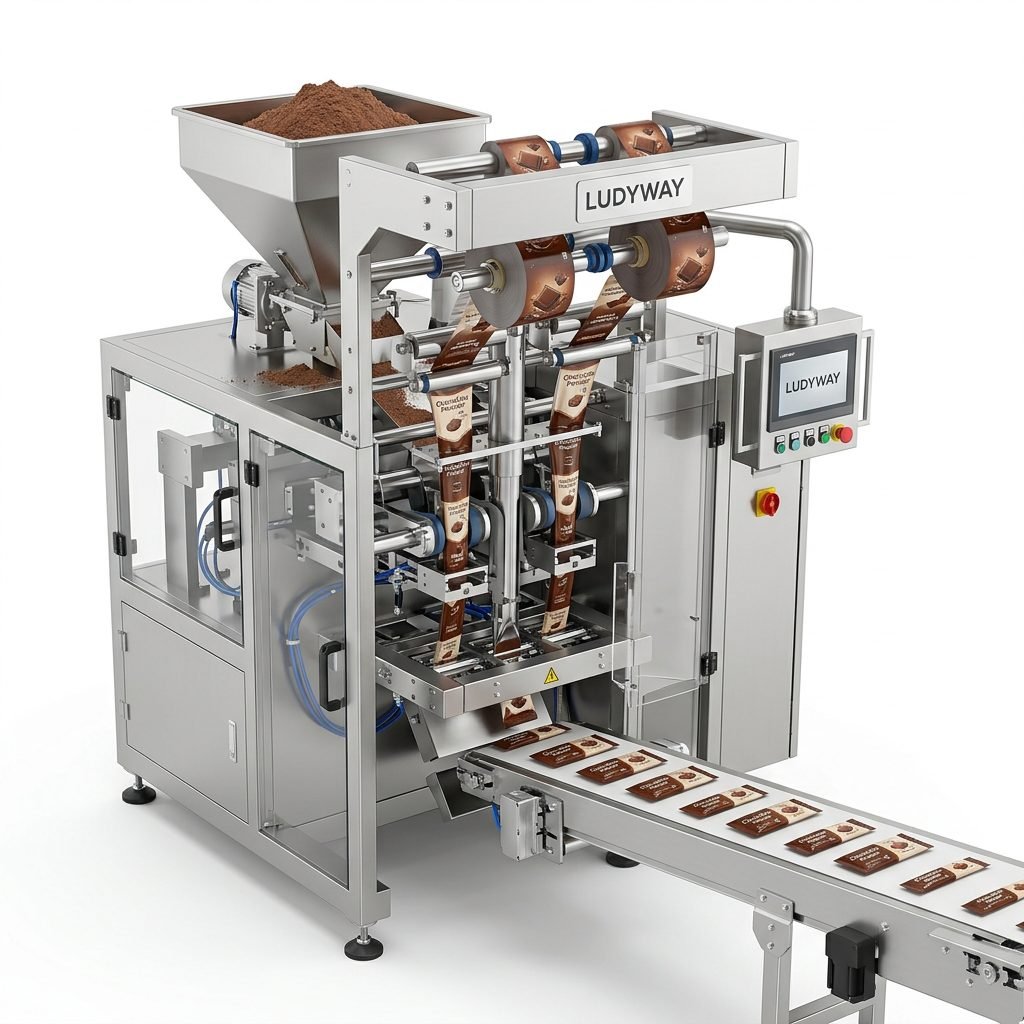
Sachet machines produce three- or four-side sealed flat packs suitable for powders, granules, and small solid confectionery items. They are versatile, relatively easy to operate, and available in both single-lane and multi-lane configurations. Sachet packaging remains popular across Middle Eastern markets for products like instant drink mixes with added confectionery elements, sugar sachets, and promotional sample packs.
3. Horizontal Flow Wrapping Machines
Flow wrappers are commonly used for individually wrapping chocolate bars, wafer products, and baked confectionery items. They create a longitudinal seal on the bottom and transverse seals at each end, offering excellent product protection and an attractive retail presentation. High-speed models can achieve outputs exceeding 300 packs per minute.
4. Vertical Form Fill Seal (VFFS) Machines
VFFS machines are suitable for packaging granular confectionery, coated nuts, and mixed candy products into pillow bags or gusseted pouches. They form a tube from flat film, fill it with product, and seal it—all in a continuous vertical motion. For operations requiring high-volume bulk packaging or family-size confectionery bags, VFFS technology is often the preferred choice.
5. Pouch Packaging Machines
Premade pouch filling and sealing machines handle stand-up pouches, zipper pouches, and spouted pouches—formats that are gaining popularity in premium Middle Eastern confectionery segments. These machines deliver excellent shelf presence and consumer convenience features, making them ideal for value-added confectionery products targeting discerning regional consumers.
Technical Specifications That Matter for Middle East Operations
When evaluating confectionery packaging machinery, pay close attention to the following technical parameters:
- Lane configuration and output rate: Calculate your required packs-per-minute based on shift patterns and annual production targets. Multi-lane machines with 8 to 12 lanes typically offer the best balance of output and operational simplicity for mid-sized confectionery manufacturers
- Film compatibility: Verify that the machine handles the specific packaging materials you plan to use—including metallized films, biodegradable laminates, and aluminum foil structures commonly specified for moisture-sensitive confectionery products
- Filling accuracy: For premium confectionery products with high ingredient costs, precise portion control minimizes giveaway and maximizes profitability. Look for machines with ±0.5% or better filling accuracy
- Changeover speed: In markets with diverse product portfolios, rapid changeover capability between different pack sizes and formats reduces downtime and improves overall equipment effectiveness (OEE)
- Hygienic design: Stainless steel construction, sloped surfaces for easy cleaning, and IP65-rated electrical enclosures are essential for maintaining food safety standards in high-temperature Middle Eastern production environments
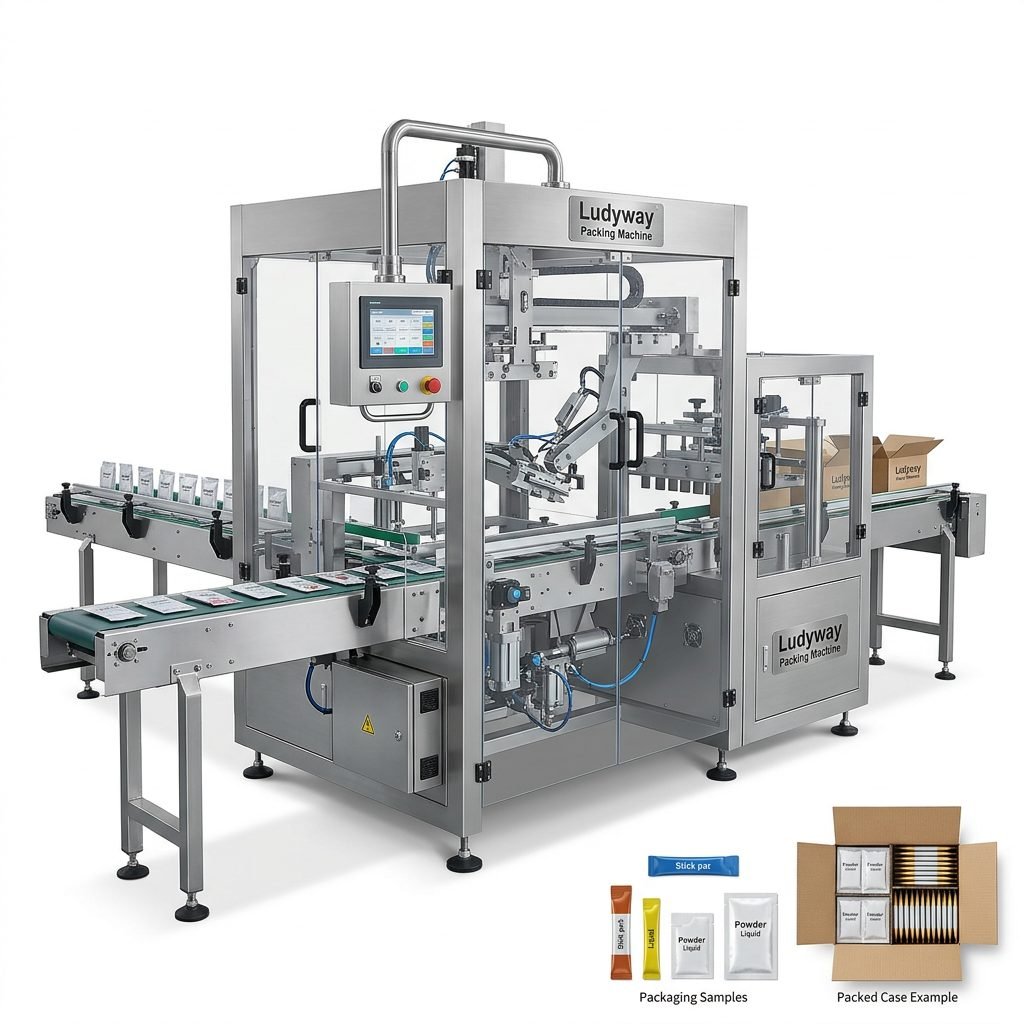
- Integration capability: The ability to connect with upstream feeding systems, checkweighers, metal detectors, and downstream cartoning or case packing equipment is critical for building efficient, automated production lines
Regulatory and Certification Requirements
Confectionery products manufactured for Middle Eastern markets must comply with a complex framework of regulations. Your packaging machinery should support compliance with:
- Halal Certification: All food contact surfaces and processing aids must meet Halal requirements. Machines should be designed to prevent cross-contamination and facilitate thorough cleaning between production runs
- GSO Standards: The GCC Standardization Organization establishes mandatory technical regulations for packaged food products. Packaging machines must produce sealed, tamper-evident packs that protect product integrity
- ISO 22000 / FSSC 22000: Food safety management system certifications require documented equipment validation, preventive maintenance programs, and hygienic design verification
- CE Marking or Equivalent: While not mandatory in all Middle Eastern countries, internationally recognized safety certifications demonstrate equipment quality and facilitate import clearance
For detailed guidance on international packaging standards, refer to resources from PMMI – The Association for Packaging and Processing Technologies and the Flexible Packaging Association. The ISO packaging standards also provide valuable reference points for machinery specification and validation.
Cost Analysis and ROI Considerations
Investing in confectionery packaging machinery represents a significant capital expenditure. A comprehensive cost analysis should include:
| Cost Category | Typical Range (USD) | Notes for Middle East Buyers |
|---|---|---|
| Equipment Purchase | $25,000 – $350,000+ | Varies by lane count, automation level, and customization |
| Shipping and Logistics | $3,000 – $25,000 | Sea freight to major GCC ports; factor in customs duties |
| Installation and Commissioning | $5,000 – $20,000 | Includes technician travel, on-site setup, and training |
| Annual Maintenance | $3,000 – $15,000 | Spare parts inventory, service contracts, and consumables |
| Packaging Material | $0.005 – $0.05 per pack | Film cost varies by material type, print complexity, and volume |
| Energy Consumption | $0.50 – $3.00 per hour | Consider local electricity rates and machine efficiency ratings |
The typical payback period for a confectionery packaging machine in the Middle East ranges from 18 to 36 months, depending on production volume, product margins, and operational efficiency. Manufacturers producing for export markets often achieve faster ROI due to higher utilization rates and premium pricing opportunities.
Supplier Evaluation and Selection Criteria
Choosing the right equipment supplier is as important as selecting the right machine. When evaluating potential partners, consider the following criteria:
- Industry experience: Look for manufacturers with proven expertise in confectionery packaging and a track record of successful installations in the Middle East or similar climatic conditions
- Technical support availability: Confirm the supplier’s ability to provide remote diagnostics, on-site service visits, and timely spare parts delivery to your specific location
- Machine demonstrations: Whenever possible, arrange to see the equipment running with your actual product or a close simulation before making a purchasing decision
- References and case studies: Request contact information for existing customers in the region, particularly those producing similar confectionery products
- Training programs: Comprehensive operator and maintenance training reduces the learning curve and minimizes unplanned downtime after installation
- Warranty and service agreements: Understand what is covered under standard warranties and explore extended service packages for long-term peace of mind
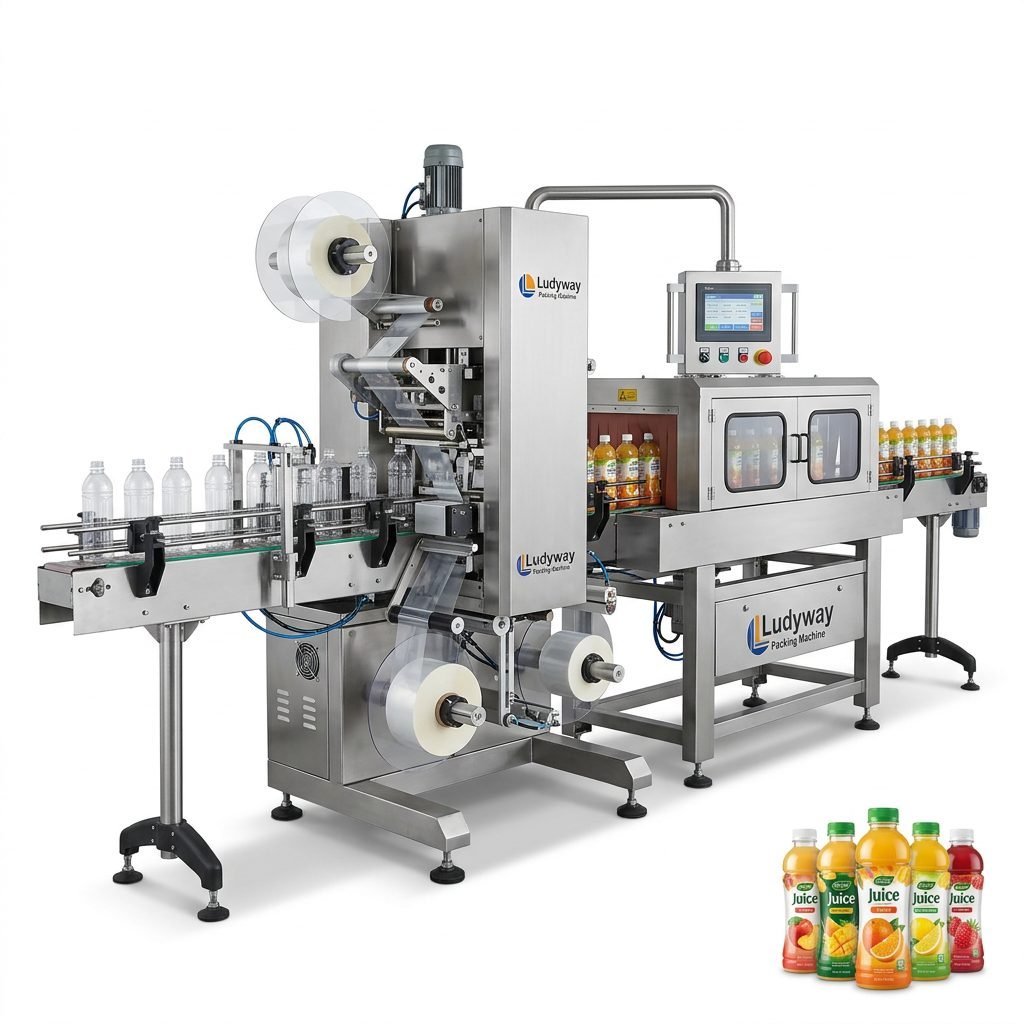
One established player in the global packaging machinery sector is Ludyway, a manufacturer with over 30 years of experience and a portfolio of more than 50 intelligent packaging machine models. The company serves customers in over 100 countries and regions, offering multi-lane stick pack, sachet, and fully automated packaging systems suitable for confectionery applications. Their 20,000m² modern manufacturing facility and experienced engineering team provide the technical foundation for delivering reliable, high-performance equipment.
Installation, Commissioning, and Training Best Practices
Proper installation and commissioning are critical to achieving the rated performance of your confectionery packaging machinery. Follow these best practices for a successful setup:
- Pre-installation preparation: Ensure your facility has adequate floor space, appropriate utility connections (compressed air, electricity, water if needed), and suitable environmental controls—particularly important in Middle Eastern facilities where ambient temperatures can exceed 45°C during summer months
- Factory acceptance testing (FAT): Conduct thorough testing at the manufacturer’s facility before shipment, verifying all performance specifications with your actual packaging materials and representative products
- Site acceptance testing (SAT): After installation, perform comprehensive testing under local conditions to confirm that machine performance meets contractual requirements
- Operator training: Invest in structured training programs covering normal operation, changeover procedures, basic troubleshooting, and safety protocols. Well-trained operators are 30-40% more productive and significantly reduce the risk of machine damage
- Maintenance team training: Your maintenance personnel should receive detailed instruction on preventive maintenance schedules, common wear part replacement, and diagnostic procedures
- Documentation: Maintain comprehensive records including machine manuals, electrical schematics, PLC program backups, and maintenance logs for reference and compliance purposes
Ongoing Maintenance and Operational Excellence
Maximizing the lifespan and productivity of your confectionery packaging machinery requires a disciplined approach to maintenance. Key elements of an effective maintenance program include:
- Daily cleaning and inspection: Remove product residue, check seal integrity, and inspect critical wear components at the end of each production shift
- Weekly preventive maintenance: Lubricate moving parts, verify sensor calibration, check belt tensions, and inspect electrical connections
- Monthly deep maintenance: Perform more extensive inspections including seal jaw alignment, temperature controller verification, and film transport system assessment
- Quarterly professional service: Schedule visits from qualified service technicians for comprehensive equipment audits and proactive parts replacement
- Spare parts inventory: Maintain an adequate stock of critical spare parts including sealing elements, cutting blades, belts, sensors, and commonly replaced electronic components to minimize downtime
For additional industry insights and best practices, explore resources from the Flexible Packaging Association’s knowledge hub and stay informed about regulatory developments through the FDA packaging and food contact substances guidelines, which often influence international standards adopted in Middle Eastern markets.
Future Trends in Middle East Confectionery Packaging
Staying ahead of market trends ensures that your packaging equipment investment remains competitive for years to come. Key developments shaping the future of confectionery packaging in the Middle East include:
- Smart packaging technologies: Integration of QR codes, NFC tags, and augmented reality features that connect physical packaging to digital consumer experiences—a trend driven by the region’s high smartphone penetration and tech-savvy population
- Sustainable packaging materials: Growing demand for recyclable mono-materials, compostable films, and reduced-plastic packaging solutions aligns with regional sustainability visions and consumer preferences
- Automation and Industry 4.0: Real-time production monitoring, predictive maintenance algorithms, and automated quality inspection systems are becoming standard features in advanced packaging lines
- Personalization and short runs: Digital printing technologies integrated with packaging machinery enable cost-effective short production runs for limited editions, seasonal products, and personalized gifting packaging
- Clean-label packaging: Transparent packaging with minimal printing and clear product visibility appeals to health-conscious consumers and supports premium product positioning
Final Decision Checklist
Before finalizing your confectionery packaging machine purchase, use the following checklist to ensure comprehensive evaluation:
- Product compatibility verified: Machine successfully tested with your specific confectionery product in terms of size, shape, fragility, and flow characteristics
- Output requirements met: Machine capacity comfortably exceeds current needs with room for growth over the next 3-5 years
- Regulatory compliance confirmed: Equipment meets all applicable Halal, GSO, ISO, and local food safety requirements
- Total cost of ownership calculated: Comprehensive analysis includes purchase price, shipping, installation, training, maintenance, consumables, and energy costs
- Supplier capability validated: References checked, facility visited if possible, and after-sales support infrastructure confirmed for your region
- Operator training plan established: Structured program in place for both machine operators and maintenance personnel
- Spare parts strategy defined: Critical spare parts identified and initial inventory either on-site or available through guaranteed delivery timelines
- Integration plan documented: Clear roadmap for integrating the new machine with existing upstream and downstream equipment
Making a well-informed purchasing decision for confectionery packaging machines in the Middle East requires balancing technical performance, regulatory compliance, supplier reliability, and total cost considerations. By following the structured approach outlined in this guide, manufacturers can select equipment that supports their production goals while meeting the unique demands of this vibrant and growing regional market.
Additional Resources
For further information on packaging machinery standards, industry trends, and regulatory requirements, explore the following authoritative sources:
- PMMI Business Intelligence Library — comprehensive market research and industry data
- PACK EXPO International — leading packaging industry trade show
- FPA Regulatory Affairs — updates on packaging regulations and compliance
- European Commission – Packaging and Packaging Waste — sustainability standards influencing global practices
- U.S. EPA – Sustainable Materials Management — environmental best practices for packaging